Cracking a skill-specific interview, like one for Swim Team Culture Building, requires understanding the nuances of the role. In this blog, we present the questions you’re most likely to encounter, along with insights into how to answer them effectively. Let’s ensure you’re ready to make a strong impression.
Questions Asked in Swim Team Culture Building Interview
Q 1. Describe your approach to fostering positive team dynamics within a swim team.
Fostering positive team dynamics on a swim team hinges on creating a supportive and inclusive environment where every swimmer feels valued and respected. My approach is multifaceted and centers around building strong relationships, promoting open communication, and establishing clear expectations.
- Building Relationships: I facilitate team-building activities like social gatherings, informal training sessions, and volunteer work outside of the pool. These activities encourage interaction and create bonds beyond just the competitive aspect of swimming.
- Open Communication: I create a safe space for swimmers to express their concerns, ideas, and challenges. This involves regular team meetings, individual check-ins, and the use of anonymous feedback mechanisms where necessary.
- Clear Expectations: Establishing clear expectations regarding behavior, training commitment, and team goals is crucial. I involve the team in setting these expectations to foster a sense of ownership and responsibility.
For example, one team I coached struggled with a lack of communication between the younger and older swimmers. To address this, we implemented a ‘buddy system’ where experienced swimmers mentored newcomers, fostering respect and a stronger sense of team unity. This resulted in improved morale and team performance.
Q 2. How do you identify and address conflicts among team members?
Conflicts are inevitable in any team environment. My approach to addressing conflicts involves prompt intervention, neutral facilitation, and a focus on finding mutually acceptable solutions.
- Prompt Intervention: I address conflicts as soon as they emerge, preventing them from escalating. This often involves private conversations with the individuals involved.
- Neutral Facilitation: I act as a neutral facilitator, helping individuals express their perspectives without judgment. I guide them toward identifying the root cause of the conflict and finding common ground.
- Mutually Acceptable Solutions: I work with the individuals involved to develop a mutually acceptable solution that addresses the concerns of all parties. This might involve compromise, adjustments to team dynamics, or the establishment of new team rules.
In one instance, two swimmers had a disagreement over lane assignments. I facilitated a conversation where both swimmers could explain their points of view. We collaboratively devised a rotating lane assignment system that satisfied both swimmers and promoted fairness.
Q 3. What strategies do you use to build team cohesion and camaraderie?
Building team cohesion and camaraderie requires a combination of strategies aimed at fostering a shared sense of identity, purpose, and mutual support.
- Team-Building Activities: I organize activities that encourage teamwork, communication, and collaboration, both inside and outside the pool. Examples include relay races, scavenger hunts, and team dinners.
- Celebrating Successes: I create opportunities to celebrate both individual and team achievements. This can involve small rewards, recognition during practices, or team celebrations after competitions.
- Promoting Social Interaction: I encourage social interaction among team members through informal gatherings and team communication channels (e.g., group chat).
- Shared Goals: Clearly defined and collaboratively set team goals create a sense of collective purpose and drive.
For instance, one team I coached created a team motto and a unique team chant. This simple act fostered a sense of belonging and pride, significantly improving team spirit.
Q 4. Explain your process for setting team goals and expectations.
Setting team goals and expectations is a collaborative process that involves clear communication and shared ownership.
- Involve the Team: I begin by involving the team in identifying their goals, both individual and collective. This ensures that goals are realistic, attainable, and meaningful to everyone.
- SMART Goals: I guide the team towards setting SMART goals – Specific, Measurable, Achievable, Relevant, and Time-bound. This ensures that progress can be tracked and celebrated.
- Communicate Clearly: I clearly communicate the goals and expectations to the entire team, ensuring that everyone understands their role in achieving the team objectives.
- Regular Review and Adjustment: I regularly review progress toward the goals and make adjustments as needed. This involves open communication and a willingness to adapt based on the team’s performance and feedback.
For example, instead of simply dictating training schedules, I would work with the team to create a training plan that balances individual needs with overall team goals. This process fostered buy-in and improved overall compliance with the plan.
Q 5. How do you motivate swimmers with varying skill levels and personalities?
Motivating swimmers with varying skill levels and personalities requires a tailored approach that acknowledges individual differences and celebrates unique strengths.
- Individualized Goals: I set individual goals tailored to each swimmer’s skill level and aspirations. This ensures that each swimmer has a sense of accomplishment and progress, regardless of their overall ranking.
- Positive Reinforcement: I focus on positive reinforcement, highlighting individual achievements and progress, rather than focusing solely on shortcomings.
- Differentiated Training: I develop training plans that are differentiated to cater to the different needs and capabilities of each swimmer.
- Understanding Personalities: I take time to understand each swimmer’s personality and motivation style. This allows me to tailor my coaching approach to better connect with each individual.
For instance, I might have one swimmer who thrives on competition and another who is more motivated by personal improvement. I would adjust my approach accordingly, using competition as a motivator for one and focusing on self-improvement for the other.
Q 6. How do you promote effective communication within the team?
Effective communication is vital for a cohesive and successful swim team. My strategies include establishing clear communication channels, active listening, and regular feedback sessions.
- Multiple Communication Channels: I utilize multiple communication channels to cater to different preferences. This could include team meetings, individual check-ins, email, group chats, and even a team bulletin board.
- Active Listening: I practice active listening, both in individual and group settings. This involves paying close attention, asking clarifying questions, and summarizing key points to ensure understanding.
- Regular Feedback: I provide regular feedback to swimmers, both positive and constructive. This involves both individual feedback sessions and overall team feedback discussions.
- Open Door Policy: I encourage open communication by maintaining an ‘open door’ policy, making myself accessible to swimmers who need to discuss concerns or ask questions.
For example, I implemented a system where swimmers could anonymously submit suggestions for improving team dynamics. This resulted in valuable feedback that helped me to better meet the needs of the team members.
Q 7. How do you handle negative attitudes or behaviors within the team?
Negative attitudes or behaviors can be detrimental to team morale and performance. My approach involves addressing the behavior promptly, providing constructive feedback, and reinforcing positive behavior.
- Address the Behavior: I address negative behavior promptly and privately. This involves a conversation that focuses on the specific behavior, its impact on the team, and the expectations for future behavior.
- Constructive Feedback: I offer constructive feedback, focusing on helping the individual understand the impact of their actions and providing guidance on how to improve.
- Positive Reinforcement: I emphasize positive reinforcement, highlighting the positive contributions of team members and creating a culture of mutual support and respect.
- Consequences: In cases of persistent negative behavior, I implement clear consequences, which could range from a temporary suspension from practice to removal from the team, depending on the severity of the behavior.
For instance, if a swimmer consistently displayed poor sportsmanship, I would have a private conversation, discuss the impact on the team, and set clear expectations for future behavior. If the behavior persisted, I would implement consequences to maintain a positive and supportive team environment.
Q 8. Describe your method for providing constructive feedback to swimmers.
My approach to constructive feedback centers on the “sandwich method” – starting with a positive observation, followed by specific, actionable suggestions for improvement, and ending with another positive reinforcement. This approach minimizes defensiveness and maximizes receptiveness. For instance, I might say to a swimmer, “Your starts have been incredibly strong lately; I’ve noticed your power off the block is improving. To further refine your technique, focus on maintaining a streamlined body position throughout the dive. Great job overall, keep up the fantastic work!” I always ensure feedback is delivered privately, focusing on behavior and technique, not on the swimmer’s inherent abilities or personality. The key is to make it about improvement and progress, not criticism.
Q 9. How do you build trust and rapport with swimmers and their parents?
Building trust with swimmers and their parents involves open communication, transparency, and consistent effort. I prioritize regular check-ins, both individually and as a team. This allows me to understand each swimmer’s goals and challenges. I actively listen to their concerns, and address them with honesty and empathy. With parents, I maintain clear communication about training plans, progress, and any issues. I encourage open dialogue, welcoming questions and feedback. For example, I’ll regularly send updates on the team’s schedule, results, and individual swimmer achievements through email or a team app. Establishing this open and regular communication fosters a collaborative relationship, resulting in a mutual understanding and trust.
Q 10. What strategies do you employ to improve team performance?
Improving team performance requires a multi-pronged strategy. Firstly, I focus on individualized training plans, tailored to each swimmer’s strengths, weaknesses, and goals. This ensures every swimmer sees improvement. Secondly, I incorporate regular drills and technique work into practices. This involves constant monitoring and adjustments based on progress and needs. For example, if a team struggles with turns, I’ll implement specific turn drills that isolate and work on the technique. Thirdly, I emphasize goal setting, creating both individual and team goals that are challenging yet achievable. Finally, I foster a strong team spirit and camaraderie through team-building activities and a supportive environment, as a cohesive team always performs better.
Q 11. How do you create a supportive and inclusive environment for all swimmers?
Creating an inclusive environment starts with establishing clear expectations of respect and sportsmanship, emphasizing that everyone is valued regardless of skill level or background. I actively promote positive peer interaction, encouraging swimmers to support and motivate each other. Team bonding activities that foster camaraderie are vital. We might organize team dinners, games nights, or volunteer activities together. I also actively address any instances of bullying or exclusion, ensuring a safe and welcoming atmosphere for all. Celebrate diversity and differences as strengths. Every swimmer deserves to feel seen, heard, and appreciated for their unique contribution to the team.
Q 12. Explain how you celebrate team successes and handle setbacks.
Celebrating successes is crucial to boosting morale. We hold team celebrations for competitions, personal best times, or even reaching a training milestone. This can be a simple team pizza party or a more formal award ceremony. When setbacks occur, I emphasize the learning experience. We analyze what went wrong, identifying areas for improvement rather than dwelling on negativity. I remind the swimmers that setbacks are part of the process, using them as opportunities for growth and resilience. Open communication, empathy, and a focus on future improvement are key to navigating setbacks productively.
Q 13. How do you incorporate fun and engagement into team practices?
Incorporating fun into practice is essential for keeping swimmers motivated and engaged. I regularly include games and relays into training, adding a competitive and playful element. These can be simple games like “shark tag” during warm-ups or creative relays that focus on technique. I also try to tailor activities to the swimmers’ interests, potentially incorporating music into drills or allowing them to participate in choosing some practice elements. Making practices fun and engaging makes swimmers more receptive to training and ultimately, helps them improve more.
Q 14. Describe your experience with mentoring or leadership training.
I have extensive experience mentoring younger coaches. I’ve led workshops on effective communication and feedback techniques, and mentored several junior coaches in developing their coaching skills. I also participate in leadership training to enhance my communication, conflict resolution, and organizational skills. This training has greatly improved my ability to build strong relationships with swimmers and parents, create positive team dynamics, and manage diverse personalities and skill levels effectively within a team environment. Continuous professional development is crucial for optimal coaching performance.
Q 15. How do you manage the workload and expectations of a large swim team?
Managing workload and expectations on a large swim team requires a systematic approach. It’s not just about assigning practices; it’s about balancing individual needs with team goals. I start by individualizing training plans based on swimmers’ skill levels, goals, and physical capabilities. This involves regular assessments and one-on-one meetings. For example, a new swimmer might have a different training plan than a seasoned athlete preparing for a national competition. Then I create a clear communication system using a shared online calendar, email updates, and regular team meetings to ensure everyone understands the schedule and their individual responsibilities. Open communication is key – swimmers need to feel comfortable voicing concerns about their workload.
I also emphasize the importance of rest and recovery. Overtraining is a significant risk, and I incorporate active recovery techniques and adequate rest days into the training schedule. Finally, I regularly evaluate the training plan to ensure it remains effective and adjust it as needed, based on the team’s performance and feedback. Think of it like a living document, always adapting to the team’s changing needs.
Career Expert Tips:
- Ace those interviews! Prepare effectively by reviewing the Top 50 Most Common Interview Questions on ResumeGemini.
- Navigate your job search with confidence! Explore a wide range of Career Tips on ResumeGemini. Learn about common challenges and recommendations to overcome them.
- Craft the perfect resume! Master the Art of Resume Writing with ResumeGemini’s guide. Showcase your unique qualifications and achievements effectively.
- Don’t miss out on holiday savings! Build your dream resume with ResumeGemini’s ATS optimized templates.
Q 16. What is your experience with implementing team-building activities?
Team-building activities are crucial for fostering a positive and supportive swim team culture. I’ve implemented a variety of activities throughout my career, tailored to the specific needs of each team. For younger swimmers, I might incorporate fun games like relay races with creative twists or team-building exercises focusing on cooperation and communication. For older, more competitive swimmers, I might focus on activities that promote leadership skills and strategic thinking, such as planning a training retreat or organizing a team fundraising event. I’ve also used the concept of ‘team challenges’, creating challenges that necessitate problem-solving and collaboration.
One successful example involved organizing a team scavenger hunt that integrated elements of swimming and local geography. This encouraged bonding outside the pool and promoted a sense of shared accomplishment. The key is to choose activities that are enjoyable, inclusive, and relevant to the swimmers’ interests and developmental stages. I always ensure activities are aligned with our broader team goals, reinforcing themes of teamwork, resilience, and mutual support.
Q 17. How do you assess the overall culture of a swim team?
Assessing a swim team’s culture requires a multi-faceted approach. I use a combination of quantitative and qualitative methods. Quantitatively, I look at metrics like attendance, participation in team activities, and performance improvements. These data points provide insights into engagement levels and overall team morale. However, numbers alone don’t tell the whole story.
Qualitatively, I use anonymous surveys, focus groups, and individual conversations to understand the team’s dynamics, values, and communication styles. I listen attentively to swimmers’ concerns and feedback. I pay attention to the team’s body language during practices and competitions; do they support each other? Are they celebrating successes together? Do I see signs of negativity or conflict? By combining these methods, I can create a comprehensive picture of the team’s culture, highlighting both strengths and areas needing improvement.
Q 18. How do you measure the effectiveness of your culture-building initiatives?
Measuring the effectiveness of culture-building initiatives requires clear, measurable goals. Before implementing any initiative, I define specific, measurable, achievable, relevant, and time-bound (SMART) goals. For example, a goal could be to increase team cohesion by 20% as measured by a post-initiative team cohesion survey, within three months. Then, I track progress towards those goals using various methods, including pre- and post-initiative surveys, observations of team interactions, and analysis of performance data.
If participation in team events increases or if swimmers demonstrate greater support for each other, it suggests the initiatives are working. If performance data doesn’t show improvement despite increased cohesion, it can be a sign that other factors (like training intensity or technique) require attention. A holistic approach that links qualitative and quantitative metrics helps in evaluating the success and provides data for adjustments. Regular feedback from swimmers is crucial to ensuring the initiatives remain effective and relevant.
Q 19. How do you adapt your approach to different age groups and skill levels?
Adapting my approach to different age groups and skill levels is paramount. Younger swimmers need more encouragement and positive reinforcement. Practices are designed to be more playful and engaging, focusing on fundamental skills and building confidence. I use positive feedback and fun games to motivate them and foster a love for the sport. Older, more advanced swimmers require a more structured and challenging approach. Practices focus on technique refinement, strength training, and strategic race planning. I delegate more responsibility and empower them to take ownership of their training.
I differentiate communication styles, too. Younger swimmers respond well to visual aids and enthusiastic encouragement, while older swimmers prefer more detailed explanations and individual feedback. It’s about adapting my coaching style, training plans, and communication techniques to meet the specific developmental and psychological needs of each age and skill group. It is a case of being able to identify, cater to and nurture individual needs within a team environment. This flexibility allows me to create a positive and inclusive environment for all swimmers, regardless of their age or ability.
Q 20. Describe a time you had to address a serious conflict within a team.
In one instance, a disagreement arose between two star swimmers regarding lane assignments and perceived favouritism during practice. This escalated into a public argument affecting team morale. I addressed the conflict through a structured, three-step process.
First, I held separate private meetings with each swimmer to hear their perspectives and understand the underlying issues. This helped to identify the root cause of the conflict. It wasn’t merely about lane assignments; it was about a perceived lack of fairness in training opportunities. Second, I facilitated a mediated discussion between both swimmers in a safe and controlled environment. I encouraged active listening and empathy, helping them articulate their feelings and understand each other’s viewpoints. Finally, we collaboratively developed a solution that addressed the perceived inequity. We revised the lane assignment system to create a fairer system, ensuring opportunities for all swimmers to compete fairly. Post-conflict, team unity exercises were implemented. I consider this a success in handling conflict constructively and maintaining team harmony.
Q 21. What are your strategies for preventing burnout among swimmers?
Preventing burnout among swimmers requires a holistic approach that addresses both physical and mental well-being. I prioritize creating a supportive and understanding team environment where swimmers feel comfortable expressing their needs. Open communication is key. I encourage open dialogue and actively listen to any signs of stress or fatigue. I schedule regular check-ins to assess their training load and ensure they’re not overtraining.
Physically, I ensure adequate rest and recovery are incorporated into training plans. This includes active recovery methods, cross-training, and sufficient time off. Mentally, I encourage mindfulness techniques, stress management strategies, and positive self-talk. I also collaborate with sports psychologists to provide additional support. Furthermore, I celebrate both individual and team successes to reinforce positive reinforcement. The overall aim is to create a sustainable and enjoyable training environment that maximizes performance while prioritizing the swimmers’ overall health and well-being.
Q 22. How do you foster a sense of belonging and community within the team?
Fostering a sense of belonging and community on a swim team is crucial for success. It’s about creating a supportive environment where every swimmer feels valued, respected, and connected to the team. This isn’t just about winning; it’s about building strong relationships and a shared sense of purpose.
- Team-Building Activities: I incorporate regular team-building activities beyond the pool, like social gatherings, volunteer work, or even team dinners. This allows swimmers to bond on a personal level, fostering friendships that translate into stronger team cohesion.
- Open Communication: Creating a safe space for open communication is key. I encourage swimmers to share their thoughts and feelings, both about their swimming and their lives outside of the pool. Regular team meetings where everyone has a voice are invaluable.
- Mentorship Programs: Pairing experienced swimmers with newer members creates a support network and fosters a sense of camaraderie. The experienced swimmers can share their knowledge and provide encouragement, while the newer swimmers gain confidence and integrate into the team.
- Celebrating Successes, Big and Small: Acknowledging and celebrating individual and team achievements, regardless of size, reinforces a positive team spirit and motivates swimmers to continue striving for excellence. This could be anything from a personal best time to a successful meet.
For example, one year, my team participated in a local beach cleanup. The shared experience brought the team closer and created a lasting memory beyond the competitions.
Q 23. How do you balance individual goals with team goals?
Balancing individual and team goals requires a delicate approach. Both are essential for overall success. A strong team relies on the individual achievements of each swimmer, and simultaneously, individual progress contributes to the team’s overall performance. It’s not a zero-sum game.
- Individualized Training Plans: I develop personalized training plans that consider each swimmer’s strengths, weaknesses, and individual goals. These plans are tailored to help them reach their full potential while supporting the team’s overall objectives.
- Open Dialogue: I maintain open communication with each swimmer about their goals and how their progress aligns with the team’s aims. This allows for flexibility and adjustments to the training plan as needed.
- Team Objectives as Motivation: I highlight how each individual’s success contributes to the larger team goals. For example, a swimmer’s personal best time might significantly improve the team’s relay performance. This shows them the direct impact of their hard work.
- Collaborative Goal Setting: Including swimmers in the process of setting team goals, such as qualifying for a championship meet, fosters ownership and shared responsibility.
Imagine a scenario where one swimmer is focused on qualifying for a national meet. Their training might require extra individual attention, but their improvement will ultimately benefit the team’s overall performance in relays and other team events. This interdependence is clearly explained to ensure mutual understanding and support.
Q 24. How do you integrate parents and other stakeholders into the team culture?
Integrating parents and other stakeholders is critical for building a strong team culture. They are valuable partners in supporting the swimmers and the team’s success. Open communication and clear expectations are key here.
- Regular Communication: I use a variety of methods to communicate with parents and stakeholders, including email updates, team meetings, and a dedicated team website or app. This keeps everyone informed about training schedules, events, and team progress.
- Parent Involvement: I actively seek out opportunities for parent involvement, such as volunteering at meets, assisting with team fundraising, or providing support for team activities. This strengthens the parent-coach relationship and fosters a sense of shared responsibility.
- Clear Expectations: Establishing clear expectations regarding communication, participation, and support helps to avoid misunderstandings and foster a positive team dynamic. This might include guidelines for appropriate sideline behavior during competitions.
- Feedback Mechanisms: I establish open channels for parents and stakeholders to provide feedback and suggestions. This shows that I value their input and creates a collaborative environment.
For example, creating a parent volunteer schedule for meets not only distributes responsibilities but also fosters a sense of community and collaboration among the parents, enriching the team spirit.
Q 25. What is your experience with different leadership styles?
My leadership style is adaptable and depends on the situation and the needs of the team. I believe in employing a blend of different styles for optimal results.
- Transformational Leadership: I inspire and motivate swimmers by sharing a clear vision and creating a sense of purpose. This is especially crucial when facing challenging goals.
- Servant Leadership: I prioritize the needs of my swimmers, providing support and resources to help them achieve their goals. This fosters trust and builds strong relationships within the team.
- Democratic Leadership: I encourage participation and collaboration in decision-making processes, valuing the input of my swimmers. This ensures that everyone feels heard and involved.
- Autocratic Leadership: While less frequently used, there are instances where a more direct approach is necessary, such as during critical moments in a competition or when addressing urgent safety concerns.
For instance, during a crucial meet, I might adopt a more autocratic style to ensure focus and efficiency. However, during training, I’d shift towards a more democratic approach to encourage swimmers’ initiative and problem-solving.
Q 26. How do you handle pressure and stress in a high-pressure team environment?
High-pressure environments are inherent in competitive swimming. Managing pressure and stress requires a multi-faceted approach focused on both myself and the team.
- Positive Mindset: I emphasize a positive and resilient mindset, focusing on effort, improvement, and learning from mistakes rather than solely on results. This reduces performance anxiety.
- Stress Management Techniques: I teach swimmers techniques to manage stress, such as mindfulness, deep breathing exercises, and visualization. I also model these techniques myself.
- Open Communication: Creating a safe space for discussing anxieties and pressures helps alleviate stress within the team. Open communication allows for addressing concerns and finding solutions together.
- Realistic Expectations: Setting realistic goals and expectations prevents undue pressure. Celebrating small victories along the way keeps morale high even during challenging periods.
A crucial aspect is ensuring adequate rest and recovery, both for the athletes and myself. Burnout is a real threat in a high-pressure setting, and preventing it requires proactive strategies.
Q 27. Describe your understanding of positive reinforcement and its impact on a team.
Positive reinforcement is a cornerstone of effective coaching. It involves focusing on rewarding desired behaviors and accomplishments to encourage repetition and improvement. It is far more powerful than punishment.
- Specific Praise: I provide specific and descriptive praise, highlighting the effort and skills demonstrated rather than just the outcome. For example, instead of saying “Great job!”, I might say, “I loved how you maintained your stroke rate during that last 50 meters.”
- Individualized Recognition: Recognizing individual accomplishments and contributions reinforces a sense of value and boosts motivation. This can be through verbal praise, small awards, or highlighting achievements in team meetings.
- Goal Setting and Progress Tracking: Setting clear goals and tracking progress helps swimmers visualize their achievements and maintain motivation. Celebrating milestones along the way reinforces positive behavior.
- Team Celebrations: Celebrating team successes, both big and small, builds team unity and fosters a positive team environment.
For example, creating a ‘Swimmer of the Week’ award based on effort and improvement, not just winning, promotes a culture of dedication and encourages everyone to strive for progress.
Q 28. How do you promote a healthy work-life balance for yourself and your team?
Promoting a healthy work-life balance for myself and my team is essential for long-term success and well-being. It’s about preventing burnout and ensuring sustainable performance.
- Scheduled Downtime: I build scheduled downtime into my training plans, encouraging swimmers to take breaks and prioritize rest. This includes regular rest days and avoiding overtraining.
- Time Management: Effective time management techniques are crucial for balancing practice schedules, meets, and other commitments. This applies to both the coach and the swimmers.
- Open Communication: I encourage open communication about personal commitments and challenges, creating a supportive environment where athletes feel comfortable prioritizing their well-being.
- Prioritizing Mental Health: I emphasize the importance of mental health and encourage swimmers to seek support if needed. I also model this behavior myself by ensuring I take time for self-care and stress reduction.
For example, integrating fun activities into practice or offering flexibility in scheduling can help create a more enjoyable and balanced experience for everyone.
Key Topics to Learn for Swim Team Culture Building Interview
- Team Dynamics and Cohesion: Understanding group dynamics, communication styles, and conflict resolution within a swim team environment. Practical application: Developing strategies to foster positive team relationships and address interpersonal challenges.
- Motivation and Goal Setting: Exploring motivational theories and their application to swim team training and competition. Practical application: Designing training programs and setting realistic goals that inspire athletes and promote individual and team success.
- Leadership and Mentorship: Identifying effective leadership styles within a swim team context. Practical application: Developing mentorship programs that support athlete growth and skill development.
- Communication Strategies: Effective communication techniques for coaches, athletes, and support staff. Practical application: Creating clear and consistent communication channels to ensure everyone is informed and engaged.
- Performance Enhancement: Understanding the factors that contribute to optimal athlete performance, both individually and as a team. Practical application: Implementing strategies to improve team performance through training, nutrition, and mental conditioning.
- Building a Positive Team Environment: Creating a culture of inclusivity, respect, and support. Practical application: Developing strategies to promote teamwork, camaraderie, and positive morale among team members.
- Managing Conflict and Challenges: Addressing conflicts and challenges that may arise within the team. Practical application: Developing strategies for conflict resolution and crisis management to maintain a healthy team environment.
Next Steps
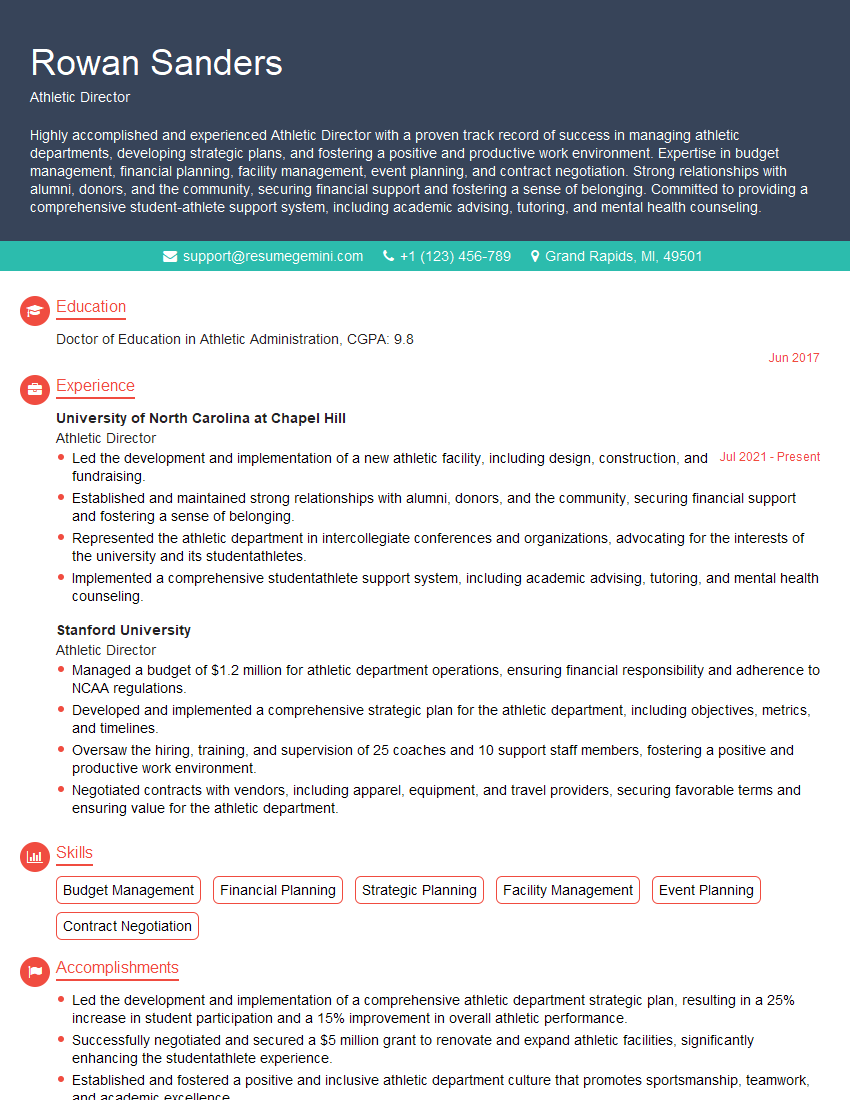
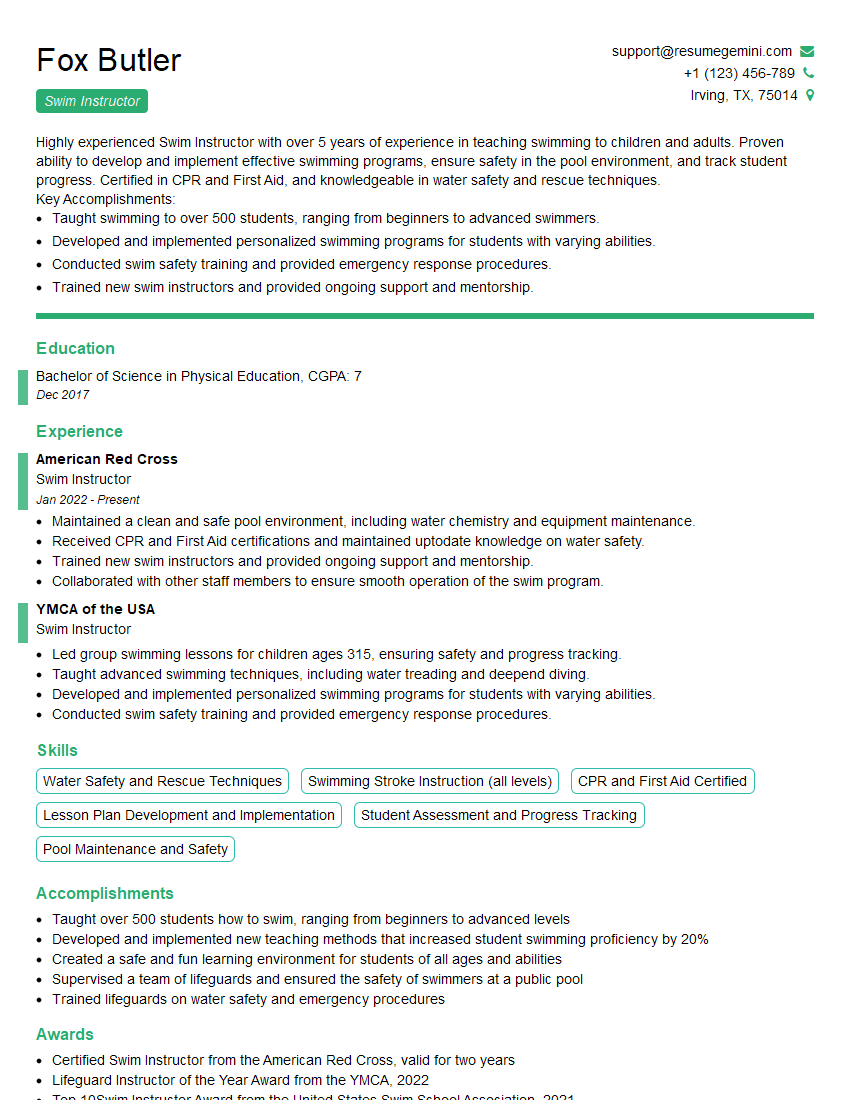
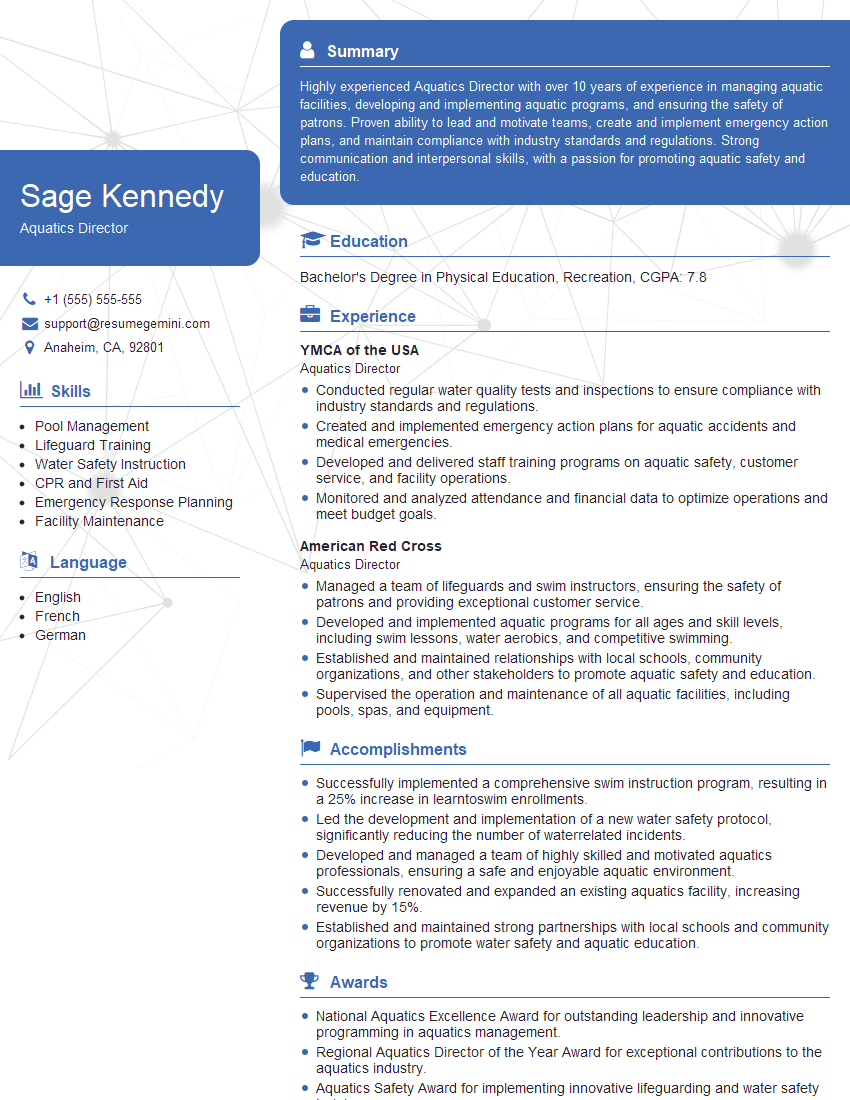
Mastering Swim Team Culture Building is crucial for career advancement in sports management, coaching, and related fields. A strong understanding of team dynamics, motivation, and communication will significantly enhance your ability to lead and inspire. To maximize your job prospects, crafting an ATS-friendly resume is essential. ResumeGemini is a trusted resource that can help you build a professional and impactful resume. Examples of resumes tailored to Swim Team Culture Building are available to further assist your preparation.
Explore more articles
Users Rating of Our Blogs
Share Your Experience
We value your feedback! Please rate our content and share your thoughts (optional).
What Readers Say About Our Blog
Very informative content, great job.
good