Are you ready to stand out in your next interview? Understanding and preparing for Swim Team Training and Competition Scheduling interview questions is a game-changer. In this blog, we’ve compiled key questions and expert advice to help you showcase your skills with confidence and precision. Let’s get started on your journey to acing the interview.
Questions Asked in Swim Team Training and Competition Scheduling Interview
Q 1. Describe your experience in developing swim training programs for different age groups.
Developing effective swim training programs requires a nuanced understanding of age-related physiological and psychological changes. My approach involves creating age-group specific programs that consider the developmental stages of swimmers. For example, younger swimmers (e.g., 8-10 years old) benefit from programs emphasizing fundamental skills, fun, and building a strong foundation. Drills focus on proper technique, water acclimation and building endurance. The program includes frequent positive reinforcement and playful competitions to maintain motivation. Older swimmers (e.g., 15-18 years old) require more advanced training incorporating higher intensity intervals, strength training, and tactical race strategies. We’d analyze individual stroke mechanics, focusing on efficiency and power. Training cycles will integrate periodized planning to peak performance around key meets. I also incorporate flexibility and injury prevention exercises into all age groups to maintain health and longevity in the sport.
- 8-10 years: Focus on fundamentals, fun, and building a strong base.
- 11-13 years: Introduce more structured training, longer distances, and specific stroke technique refinement.
- 14-18 years: Implement advanced training, including high-intensity intervals, strength training, and race strategy development.
Q 2. How do you adapt training plans based on individual swimmer’s needs and abilities?
Individualization is key in swim training. I assess each swimmer’s current skill level, strengths, weaknesses, and goals through a combination of time trials, video analysis, and discussions. For instance, a swimmer with a strong freestyle but weak backstroke will have a training plan that prioritizes backstroke technique drills, while simultaneously maintaining freestyle fitness. We also consider factors like injury history, training availability, and academic commitments. A swimmer recovering from shoulder injury would have modified exercises to promote healing while maintaining overall fitness. Regular monitoring of progress and open communication are essential. We regularly adjust the program based on performance feedback and the swimmer’s self-reported sensations. This could include adjusting set distances, intensity, or incorporating additional rest to avoid overtraining.
Q 3. Explain your methodology for creating a competitive swim meet schedule.
Creating a competitive swim meet schedule involves meticulous planning and consideration of various factors. My methodology prioritizes fair competition, minimizing conflicts, and optimizing the athlete experience. I start by analyzing the team’s competitive calendar and identifying key meets (e.g., championships, regional competitions). Next, I distribute events evenly across the schedule, ensuring every swimmer gets opportunities at meets relevant to their age group and skill level. The schedule also incorporates sufficient rest and recovery periods between major competitions to prevent burnout and injury. This process often involves multiple iterations and adjustments based on feedback from coaches, parents, and swimmers themselves. The final schedule is clearly communicated to all stakeholders well in advance.
- Identify key meets: Determine crucial competitions and plan accordingly.
- Event distribution: Ensure all swimmers get opportunities to compete at suitable meets.
- Rest and recovery: Integrate recovery periods to prevent overtraining.
- Communication: Clearly communicate the final schedule to all.
Q 4. What software or tools do you use for scheduling and managing swim team events?
Effective team management requires utilizing appropriate software. I utilize a combination of tools. TeamUnify is great for team communication, registration, and managing meet entries. Meet Maestro is excellent for generating accurate and efficient meet schedules, heat sheets, and results. Spreadsheet software like Google Sheets allows for detailed tracking of individual swimmer’s progress, attendance, and training data. These tools enhance efficiency and facilitate smoother event management and communication.
Q 5. How do you ensure equitable competition opportunities for all swimmers?
Ensuring equitable competition opportunities necessitates a proactive approach. I accomplish this by carefully considering swimmer skill levels when constructing meet entries. I establish clear criteria for participation in different events, with emphasis on participation rather than solely win/loss. For younger or newer swimmers, we prioritize participation in events that align with their current skill levels to ensure they gain valuable experience and build confidence. We offer a variety of events, giving all members a chance to excel in their preferred strokes or distances. Regular evaluations and feedback ensure swimmers feel supported and challenged appropriately. We also encourage participation in dual meets and inter-club events where they can compete against other teams of similar experience.
Q 6. How do you handle conflicts or scheduling issues within a swim team?
Conflicts and scheduling issues are inevitable, but proactive communication and flexible problem-solving skills are crucial. I address conflicts promptly and transparently. If two swimmers have scheduling conflicts for the same event, we’ll work together to find a solution that prioritizes fair play and individual needs. This might involve adjusting the meet schedule, substituting events, or working with parents to ensure maximum participation. Open communication channels between coaches, swimmers, and parents are key to addressing and resolving these issues efficiently. I always try to find a mutually beneficial compromise and keep everyone informed throughout the process.
Q 7. Describe your experience with recruiting and retaining swimmers.
Recruiting and retaining swimmers involves a multifaceted approach that prioritizes creating a positive and supportive environment. We actively recruit through community outreach programs, local schools, and participation in swim meets. Our recruiting materials highlight our team’s values, commitment to athlete development, and fun social aspects. Retention involves fostering a strong team culture that emphasizes camaraderie, mutual respect, and individual growth. Regular feedback and encouragement from coaches are crucial. By offering a variety of skill-development opportunities and creating a sense of community, we keep our team engaged and successful.
Q 8. How do you motivate swimmers to achieve their personal best?
Motivating swimmers to achieve their personal best is a multifaceted process that goes beyond simply pushing them harder. It’s about fostering a positive and supportive environment where individual goals are celebrated and progress is recognized. I approach this by employing a combination of strategies:
- Setting SMART Goals: We collaboratively set Specific, Measurable, Achievable, Relevant, and Time-bound goals. This ensures everyone understands what success looks like and provides a clear roadmap. For instance, instead of ‘improve my time,’ a SMART goal would be ‘reduce my 100m freestyle time by 1 second within the next month.’
- Positive Reinforcement and Feedback: I focus on praising effort and improvement, rather than solely focusing on results. Small victories are acknowledged and celebrated to build confidence. Constructive criticism is delivered in a supportive manner, focusing on specific areas for improvement.
- Individualized Training Plans: Recognizing that each swimmer is unique, I develop personalized training plans that cater to individual strengths, weaknesses, and goals. This ensures that the training is challenging yet attainable, avoiding burnout.
- Building Team Cohesion: A strong team spirit fosters motivation. I encourage team bonding activities, celebrate successes together, and promote a supportive atmosphere where swimmers encourage one another.
- Celebrating Milestones: Regularly acknowledging and celebrating both individual and team achievements, no matter how small, keeps motivation high and reinforces the value of hard work.
For example, I once worked with a young swimmer who struggled with a particular stroke. By focusing on incremental improvements and celebrating each small win, we built her confidence, and she eventually became a key member of the relay team.
Q 9. Explain your approach to monitoring swimmer progress and providing feedback.
Monitoring swimmer progress and providing effective feedback is crucial for optimizing training and achieving peak performance. My approach involves a multi-pronged strategy:
- Regular Time Trials and Practice Sets: I incorporate regular time trials and specific practice sets designed to evaluate progress in different aspects of swimming, like technique, speed, and endurance. This allows me to track improvements or identify areas needing attention.
- Data Collection and Analysis: I utilize technology, such as swim timing systems and video analysis, to collect detailed data on performance metrics. This data is then analyzed to pinpoint specific areas for improvement in technique and race strategy.
- Individualized Feedback Sessions: Regular one-on-one feedback sessions are scheduled to discuss progress, identify areas for improvement, and adjust training plans accordingly. These sessions incorporate both quantitative data and qualitative observations of their technique and effort.
- Visual Aids: Video analysis is a powerful tool for illustrating technical corrections. Showing swimmers their own performance allows for clearer understanding and faster improvement.
- Goal Setting and Review: We regularly review previously set goals, analyzing progress and making adjustments as needed. This provides a clear picture of accomplishments and remaining areas of focus.
For instance, using video analysis, I identified a flaw in a swimmer’s freestyle stroke. By showing them the video and providing specific feedback, we were able to correct the issue, leading to a significant improvement in their overall performance.
Q 10. How do you manage swimmer injuries and ensure their proper recovery?
Managing swimmer injuries and ensuring proper recovery is paramount. My approach prioritizes prevention, early intervention, and a collaborative approach with medical professionals:
- Injury Prevention Programs: Implementing comprehensive warm-up and cool-down routines, proper training loads, and focusing on good technique all help minimize the risk of injury.
- Early Recognition and Assessment: I am trained to recognize the signs and symptoms of common swimming injuries. If an injury is suspected, I immediately consult with the team’s physician or physical therapist.
- Collaboration with Medical Professionals: Close collaboration with medical professionals is essential. I work closely with doctors and physical therapists to create tailored rehabilitation programs to ensure a safe and effective recovery.
- Gradual Return to Training: The return to training is a carefully managed process, ensuring that the swimmer’s body is fully prepared to avoid re-injury. We begin with low-impact exercises and gradually increase intensity and volume.
- Communication and Monitoring: Open communication between the swimmer, their parents/guardians, medical professionals and myself is crucial throughout the recovery process. Regular monitoring ensures the swimmer’s progress is tracked and the recovery plan is adjusted if necessary.
In one instance, a swimmer sustained a shoulder injury. By working closely with the team’s physical therapist, we developed a tailored rehabilitation program that allowed for a complete recovery without compromising long-term athletic potential.
Q 11. What is your experience in budgeting and resource allocation for swim team activities?
Budgeting and resource allocation for swim team activities requires careful planning and prioritization. My experience includes:
- Developing Detailed Budgets: I create comprehensive budgets encompassing all aspects of team operations, including facility rentals, coaching salaries, equipment purchases, travel expenses, and competition fees.
- Securing Funding: I actively seek out funding opportunities through sponsorships, grants, and fundraising events.
- Resource Prioritization: I prioritize resource allocation based on team needs and goals. This includes determining the optimal balance between coaching staff, equipment, travel, and competition entry fees.
- Cost-Effective Strategies: I identify and implement cost-effective strategies to maximize the team’s resources without sacrificing quality. This could involve negotiating better deals with suppliers, seeking out affordable travel options, or organizing fundraising initiatives.
- Financial Reporting and Accountability: I maintain accurate financial records and provide regular reports to the team’s leadership to ensure transparency and accountability.
For example, in a previous role, I successfully secured a sponsorship deal that covered a significant portion of the team’s travel expenses, allowing us to participate in a prestigious national competition.
Q 12. How do you ensure compliance with safety regulations and guidelines in your programs?
Ensuring compliance with safety regulations and guidelines is paramount. My approach focuses on several key areas:
- Risk Assessment: Regular risk assessments are conducted to identify potential hazards and implement preventative measures in the pool environment and during training sessions.
- Safety Protocols: I strictly adhere to all relevant safety regulations and guidelines, including those related to water safety, emergency procedures, and equipment maintenance.
- Staff Training: All coaching staff receive comprehensive training on water safety, emergency response procedures, and the proper use of safety equipment. Regular refresher courses reinforce these safety protocols.
- Emergency Preparedness: We have well-defined emergency response plans in place, including procedures for handling injuries, medical emergencies, and evacuations. Regular drills ensure staff and swimmers are prepared.
- Equipment Maintenance: Regular maintenance and inspection of all pool equipment, including starting blocks and lane lines, are conducted to maintain their safe and functional condition.
For example, our team’s emergency action plan includes designated lifeguards, readily available first aid equipment, and clear communication protocols with local emergency services. We conduct regular drills to ensure everyone is familiar with these procedures.
Q 13. Describe your experience with coordinating with other stakeholders (e.g., parents, officials)?
Coordinating with stakeholders, such as parents, officials, and other team staff, requires effective communication and collaborative strategies. My experience involves:
- Open Communication Channels: Establishing clear communication channels through regular emails, newsletters, team meetings, and parent forums fosters transparency and keeps everyone informed.
- Parent Involvement: Encouraging parent involvement through volunteering opportunities, fundraising activities, and providing regular updates allows for a sense of shared responsibility and team unity.
- Relationship Building: Building strong relationships with parents, officials, and other staff through mutual respect and understanding facilitates smooth collaboration.
- Conflict Resolution: Implementing strategies for resolving conflicts fairly and efficiently maintains a positive team environment.
- Collaboration with Officials: Maintaining a professional and respectful relationship with officials is critical for ensuring fair and smooth competitions.
For example, I organized a parent volunteer program which significantly improved team organization and created a stronger sense of community involvement.
Q 14. How do you communicate effectively with swimmers, parents, and team staff?
Effective communication is vital for a successful swim team. My strategy emphasizes clarity, empathy, and consistent updates:
- Clear and Concise Communication: I use clear and concise language in all communications, avoiding jargon and ensuring that everyone understands the message.
- Multiple Communication Channels: Utilizing a variety of methods like emails, text messages, team meetings, and social media allows for broader reach and catering to different communication preferences.
- Regular Updates: Providing regular updates on practice schedules, competition details, and team news keeps everyone informed and engaged.
- Active Listening: I prioritize active listening to understand the concerns and perspectives of swimmers, parents, and staff. This fosters trust and open dialogue.
- Feedback Mechanisms: Establishing feedback mechanisms, like surveys or informal discussions, allows for gathering valuable input and making improvements to the program.
For example, I created a team communication app to facilitate quick updates on practice changes, meet results, and team news, ensuring all parents and swimmers were kept in the loop.
Q 15. What strategies do you use to build team cohesion and camaraderie?
Building team cohesion and camaraderie is crucial for a successful swim team. It’s not just about winning; it’s about creating a supportive and motivating environment where swimmers feel connected and valued. I employ a multi-faceted approach focusing on both on-deck and off-deck activities.
- Team-Building Activities: I organize regular team-building exercises outside of the pool, such as bowling nights, volunteer work, or even just team dinners. These activities foster social interaction and build bonds beyond the competitive aspect of swimming. For example, a recent escape room challenge really helped the team learn to work together and trust each other’s strengths.
- Positive Reinforcement and Communication: I consistently praise effort and improvement, not just results. Open and honest communication is key. I encourage swimmers to talk to each other and to me about their concerns or challenges. I create a culture where athletes feel safe to express themselves.
- Shared Goals and Celebrations: I involve the swimmers in setting team goals and celebrating achievements together, both big and small. This sense of shared accomplishment strengthens the team’s unity and motivates individuals to contribute to the overall success.
- Mentorship Programs: Pairing experienced swimmers with newer members helps build relationships and provides valuable support and guidance for the younger swimmers. This creates a sense of belonging and shared responsibility.
Essentially, fostering team cohesion is an ongoing process that requires consistent effort and attention. The results are well worth it, however, in terms of increased team morale, improved performance, and a more enjoyable experience for everyone involved.
Career Expert Tips:
- Ace those interviews! Prepare effectively by reviewing the Top 50 Most Common Interview Questions on ResumeGemini.
- Navigate your job search with confidence! Explore a wide range of Career Tips on ResumeGemini. Learn about common challenges and recommendations to overcome them.
- Craft the perfect resume! Master the Art of Resume Writing with ResumeGemini’s guide. Showcase your unique qualifications and achievements effectively.
- Don’t miss out on holiday savings! Build your dream resume with ResumeGemini’s ATS optimized templates.
Q 16. How do you assess the effectiveness of your training programs?
Assessing the effectiveness of training programs requires a comprehensive approach that goes beyond simply looking at race times. I utilize a combination of quantitative and qualitative methods.
- Performance Metrics: I meticulously track individual and team performance data, including race times, stroke rates, splits, and personal bests. I analyze trends to identify areas of strength and weakness in the training program. Changes in performance data often directly suggest modifications needed.
- Physiological Testing: Regular physiological assessments, such as lactate threshold testing and body composition analysis, provide valuable insights into the swimmers’ physical condition and training adaptations. This helps to tailor training intensity and volume to meet individual needs and prevent overtraining.
- Swimmer Feedback: I actively solicit feedback from swimmers through regular check-ins and surveys. This helps me understand their training experience, identify any challenges, and adjust the program accordingly. Understanding their mental and emotional state is as important as their physical performance.
- Video Analysis: Analyzing video recordings of swimmers’ strokes helps identify technical flaws and refine their technique. This is a crucial aspect of improving efficiency and speed in the water.
By combining these methods, I gain a holistic understanding of the training program’s effectiveness and can make data-driven adjustments to optimize performance and achieve the team’s goals.
Q 17. Describe your experience with developing and implementing a strategic plan for a swim team.
Developing and implementing a strategic plan for a swim team involves a detailed process that considers all aspects of the program, from training schedules to competition strategy.
- Goal Setting: The first step is to clearly define short-term and long-term goals. These could include improving specific stroke techniques, achieving personal best times, or winning specific competitions. The goals should be SMART (Specific, Measurable, Achievable, Relevant, and Time-bound).
- Needs Assessment: A thorough needs assessment is critical to identify the strengths and weaknesses of the team and individual swimmers. This assessment includes evaluating the swimmers’ skill levels, physical condition, and training history.
- Training Plan Development: Based on the needs assessment and goals, a detailed training plan is developed. This plan should incorporate various training methods, such as interval training, tempo training, and endurance training, tailored to the specific needs of each swimmer and the overall team goals. Example: A periodized training plan would divide the year into different phases (e.g., base phase, strength phase, competition phase) each with a specific focus.
- Resource Allocation: Securing adequate resources, including coaching staff, pool time, equipment, and funding, is crucial for successful implementation. This often includes budget planning and securing sponsorship.
- Monitoring and Evaluation: Regular monitoring and evaluation of the strategic plan are essential to ensure its effectiveness and make necessary adjustments. This involves tracking progress toward goals, analyzing performance data, and gathering feedback from swimmers and coaches.
For example, in a previous role, we implemented a strategic plan focused on improving our team’s performance in relay events. This involved targeted training sessions on starts and turns, and dedicated practice time focusing on relay handoffs. We tracked our improvement using detailed time data, and we celebrated each incremental improvement. The result was a significant improvement in our relay performance within the year.
Q 18. How do you deal with underperforming swimmers?
Addressing underperformance requires a sensitive yet firm approach. It’s crucial to avoid placing blame and instead focus on identifying the root cause and providing support.
- Individualized Assessment: I begin by conducting a thorough assessment of the swimmer’s performance, considering factors such as training load, technique, nutrition, sleep, and mental state. This often involves conversations with the swimmer and review of training logs and performance data.
- Targeted Interventions: Based on the assessment, I develop a personalized plan to address the specific issues contributing to the underperformance. This could involve adjustments to their training program, technical corrections, or referrals to sports psychologists or nutritionists.
- Positive Reinforcement and Motivation: I emphasize positive reinforcement and focus on the swimmer’s strengths, setting achievable goals and celebrating small successes. This builds confidence and helps the swimmer regain motivation.
- Open Communication: Maintaining open communication with the swimmer and their parents (if applicable) is essential throughout the process. This helps build trust and ensures everyone is on the same page.
For example, I once worked with a swimmer whose performance was declining due to burnout. Through open conversations, we adjusted their training plan, incorporated active recovery methods, and focused on setting realistic goals. By addressing the underlying cause of the underperformance, we were able to help the swimmer regain their motivation and improve their performance.
Q 19. How do you handle disciplinary issues within the swim team?
Disciplinary issues are handled with a focus on fairness, consistency, and education. My approach prioritizes addressing the behavior, not punishing the individual.
- Clear Expectations: From the outset, clear expectations regarding team rules, conduct, and sportsmanship are established and communicated effectively to all team members. This helps prevent misunderstandings and promotes accountability.
- Progressive Discipline: I employ a progressive discipline approach, starting with verbal warnings and moving to written warnings, temporary suspensions, and, as a last resort, permanent removal from the team. The severity of the consequence aligns with the severity of the infraction.
- Fair and Consistent Application: Disciplinary actions are applied fairly and consistently across all team members, regardless of skill level or seniority. This ensures that everyone understands the expectations and that the rules apply to everyone equally.
- Focus on Education and Rehabilitation: Discipline is viewed as an opportunity for education and rehabilitation. I focus on helping the swimmer understand the impact of their actions, learn from their mistakes, and develop better coping mechanisms for future situations. This includes conversations with the swimmer to understand the root cause of their behavior.
It’s crucial to document all disciplinary actions, keeping a detailed record of infractions, warnings, and consequences. This provides a clear record for future reference and ensures transparency and accountability.
Q 20. Describe your experience in utilizing technology to enhance training and competition management.
Technology plays a significant role in enhancing both training and competition management for our swim team. We leverage various technologies to improve efficiency and optimize performance.
- Training Management Software: We utilize software to create and manage training plans, track workouts, and monitor swimmer progress. This allows for personalized training programs and efficient data collection.
- Video Analysis Software: Specialized software facilitates detailed video analysis of swimmers’ strokes, allowing for precise identification of technical flaws and development of targeted corrective drills. This improves efficiency and reduces injury risk.
- Performance Tracking Apps: Swimmers often use apps to track their individual workouts, enabling better self-monitoring and accountability. Data is then often shared with me for holistic analysis.
- Meet Management Software: For competitions, we use software to manage entries, results, and team logistics. This simplifies administrative tasks and enables more efficient communication between coaches and swimmers.
- Wearable Technology: Swimmers may use wearable technology like heart rate monitors and GPS trackers (in open water) to provide real-time data on their physiological responses during training. This helps in tailoring workouts based on real-time feedback.
Integrating these technologies has significantly improved our ability to tailor training programs, track progress, analyze performance, and manage competitions efficiently.
Q 21. How do you track and analyze swimmer performance data?
Tracking and analyzing swimmer performance data is a critical aspect of my role. I use a multi-faceted approach that combines various data sources and analytical techniques.
- Data Collection: Data is collected from various sources, including race times, practice logs, physiological testing results, video analysis, and swimmer feedback.
- Data Entry and Management: All data is systematically recorded and organized using spreadsheets or dedicated sports performance management software. This ensures data accuracy and accessibility.
- Data Analysis: Statistical analysis techniques are used to identify trends, patterns, and outliers in the data. This includes comparing performance across different time periods, analyzing splits, and correlating performance with training load and other relevant factors.
- Visualization: Data is presented visually using graphs, charts, and other visual aids to facilitate interpretation and identification of key performance indicators (KPIs). Visualizing data helps to quickly communicate progress or areas needing attention.
- Actionable Insights: The analysis results inform adjustments to training plans, technical corrections, and other interventions aimed at improving swimmer performance. Regular review helps identify issues before they become significant problems.
For example, by analyzing split times from several races, I might identify that a swimmer is struggling in the final 50 meters. This would prompt a targeted training plan focusing on endurance and pacing strategies to address this weakness.
Q 22. How do you maintain up-to-date knowledge of best practices in swim training and competition?
Staying current in swim training and competition best practices requires a multifaceted approach. It’s not just about reading the latest journal articles (although that’s crucial!), but actively engaging with the swimming community.
- Professional Development: I regularly attend coaching clinics, workshops, and conferences hosted by organizations like USA Swimming or ASCA (American Swimming Coaches Association). These events offer invaluable insights into cutting-edge training methods, technological advancements in analysis, and rule changes.
- Networking: I maintain a strong network of fellow coaches through professional organizations and online forums. Exchanging ideas and experiences with others helps identify emerging trends and challenges. For example, I recently learned about a new dryland training program from a colleague at a national meet, and I’ve successfully integrated elements into my own training regimen.
- Research: I dedicate time each week to reviewing peer-reviewed research in sports science journals, focusing on areas such as strength and conditioning, sports nutrition, and injury prevention in swimming. I specifically look for studies that can validate or challenge my current practices.
- Technology: I utilize various technology tools, such as video analysis software and wearable technology for monitoring swimmer performance, allowing me to constantly adapt training to optimize individual results. For example, I use video analysis to pinpoint stroke deficiencies and then design drills to address them.
This continuous learning process helps me provide the most effective and up-to-date training to my swimmers.
Q 23. What are your strategies for managing the logistics of swim meets (e.g., timing, officials)?
Managing the logistics of swim meets requires meticulous planning and execution. I approach this in a systematic way, focusing on key areas:
- Pre-Meet Planning: This involves confirming the meet schedule, registering swimmers, securing necessary equipment (timers, lane lines, etc.), and coordinating with officials well in advance. This is typically several weeks prior to the meet.
- Official Management: I work closely with meet officials to ensure they have all the information they need – the meet schedule, swimmer information, and any specific requirements. Clear communication is key here. For instance, I’ll provide a detailed roster with swimmer’s events and any known disabilities that might require special considerations.
- Timing and Results: I verify that the timing system is fully functional and accurate before the meet commences. I also ensure that a backup system is in place should any technical issues arise. I typically work with someone to double check the results entry immediately after the race concludes.
- Communication: Effective communication with swimmers, parents, officials, and other meet personnel is crucial. This could involve email, text messages, or even a dedicated meet WhatsApp group for quick updates and announcements. During the meet, I’m always ready to answer questions and address any concerns.
- Post-Meet: This includes reviewing the meet results, analyzing swimmer performance, providing feedback to swimmers, and settling any outstanding issues.
Using a checklist for each step helps to minimize potential oversights and ensures smooth meet operations.
Q 24. How do you handle unexpected issues or emergencies that may arise during training or competition?
Handling unexpected issues requires preparedness and a calm, decisive approach. My strategy revolves around proactive measures and efficient response mechanisms:
- Emergency Plan: I have a detailed emergency plan in place addressing various scenarios like injuries, medical emergencies, or equipment malfunctions. This plan includes emergency contact information, first-aid procedures, and protocols for contacting emergency services. This plan is reviewed and updated regularly.
- First Aid/CPR Certification: I and at least one other coach on my team are certified in first aid and CPR, enabling us to provide immediate assistance if needed.
- Risk Assessment: Before every practice and meet, I conduct a thorough risk assessment of the facility and surroundings, identifying potential hazards and developing mitigation strategies. For example, I might identify potential slippery areas and have the appropriate solutions ready.
- Communication: In an emergency, clear and concise communication is essential. I designate specific individuals to contact parents, emergency services, and other relevant parties.
- Post-Incident Review: After any incident, I conduct a thorough review to identify the root cause, implement corrective actions, and update the emergency plan as needed. This is critical for preventing similar incidents in the future.
Regular drills and practice runs of the emergency plan help ensure everyone knows their roles and responsibilities.
Q 25. What is your experience with different swim strokes and techniques?
My experience encompasses all four competitive strokes – freestyle, backstroke, breaststroke, and butterfly – as well as IM (Individual Medley). I have a deep understanding of the technical aspects of each stroke, including proper body position, arm movements, leg kicks, and breathing techniques.
Beyond the basics, I’m proficient in analyzing stroke mechanics using video analysis technology. This allows me to identify individual strengths and weaknesses, and tailor drills to correct inefficiencies and enhance performance. For instance, I can pinpoint a swimmer’s high elbow catch in freestyle and design drills that focus on developing a more efficient pull.
I also have experience working with swimmers of all skill levels, from beginners to elite competitors, adapting my coaching approach to their individual needs and abilities. My coaching is individualized and recognizes different learning styles and strengths.
Q 26. Describe your experience with developing nutrition and hydration plans for swimmers.
Developing effective nutrition and hydration plans for swimmers is critical for optimal performance and recovery. I approach this by considering several factors:
- Individual Needs: I collaborate with each swimmer and their parents (if applicable) to understand their dietary habits, preferences, and any allergies or restrictions. I use this information to personalize a nutrition plan that fits their lifestyle and training demands.
- Energy Balance: Swimmers require a high caloric intake to fuel their intense training. I help them calculate their daily energy needs based on their age, weight, training volume, and individual metabolism. This calculation may involve using online calculators to create a baseline and individualizing them for my specific athletes.
- Macronutrient Balance: I emphasize the importance of a balanced intake of carbohydrates, proteins, and healthy fats. Carbohydrates provide the primary energy source, proteins support muscle repair and growth, and healthy fats contribute to overall health and hormone production. I explain the rationale behind these choices, giving examples of foods to include in their diet.
- Hydration: Maintaining adequate hydration is crucial for performance and preventing dehydration. I educate swimmers on the importance of drinking plenty of water throughout the day, especially before, during, and after training sessions. I help them to adjust their intake based on their body weight, sweat rate and environmental conditions.
- Timing: The timing of meals and snacks is vital for optimizing energy levels and recovery. I work with swimmers to create a meal schedule that supports their training schedule.
I emphasize whole, unprocessed foods and regularly review the plans with each swimmer, adapting them as needed based on performance and feedback.
Q 27. How do you ensure swimmer safety and well-being during practices and competitions?
Swimmer safety and well-being are my top priorities. I employ a multi-pronged approach to ensure a safe and healthy training and competition environment:
- Water Safety: All training sessions begin with a thorough review of water safety rules, including buddy system protocols, emergency exit procedures, and safe entry and exit from the pool. This is especially crucial for younger athletes.
- Proper Technique: I teach proper swimming techniques to reduce the risk of injuries. This includes emphasizing proper body mechanics, efficient stroke technique, and avoiding overtraining.
- Injury Prevention: I incorporate a comprehensive injury prevention program that includes dryland training, flexibility exercises, and strength conditioning. I also monitor for signs of overtraining, such as fatigue, decreased performance, and muscle soreness. If I see these signs I will modify the training plan as needed.
- Medical Supervision: In addition to first aid and CPR training, I collaborate with medical professionals, such as sports physicians or physical therapists, to address any injuries or medical concerns. This includes working closely with the parents of my athletes to discuss any medical concerns.
- Safe Environment: I regularly inspect the pool deck and surrounding areas for hazards and ensure that the pool is properly maintained and sanitized. For example, I would inspect the lane lines regularly for damage and make sure the pool was cleaned frequently.
Open communication and a supportive environment are key to creating a culture where swimmers feel comfortable reporting any concerns or injuries.
Q 28. Explain your philosophy on ethical conduct and fair play in competitive swimming.
My philosophy on ethical conduct and fair play in competitive swimming is unwavering. It’s based on the principles of respect, integrity, and sportsmanship.
- Respect for Rules: I ensure that my swimmers understand and adhere to all competition rules and regulations. This includes respecting officials’ decisions and accepting both victory and defeat with grace. I explicitly teach my athletes the meaning of sportsmanship and the importance of integrity, both in competition and in their daily lives.
- Integrity: I promote honesty and ethical behavior in all aspects of swimming, from training to competition. This includes discouraging the use of performance-enhancing drugs and promoting fair play in all training and competitive situations. I emphasize the importance of fair competition and the importance of achieving success through hard work and dedication.
- Sportsmanship: I encourage my swimmers to exhibit excellent sportsmanship towards opponents, officials, coaches, and teammates. This includes showing respect for the achievements of others and celebrating their successes.
- Positive Role Model: I strive to be a positive role model for my swimmers, demonstrating ethical behavior in all aspects of my life, both on and off the pool deck. I want to foster a team environment that supports each other in their successes and encourages a positive and supportive atmosphere.
I believe that fostering a culture of ethical conduct and fair play not only enhances the competitive experience but also develops strong character and life skills in young athletes. It is about teaching them to be winners and losers with integrity and grace.
Key Topics to Learn for Swim Team Training and Competition Scheduling Interview
- Training Program Design: Understanding the principles of periodization, designing training plans that balance intensity and recovery, and adapting programs based on swimmer age, skill level, and goals.
- Workout Planning & Implementation: Practical application of training principles, including set design, pace selection, and effective communication with swimmers. Consider the impact of different training methods (e.g., interval, tempo, distance) on performance.
- Competition Scheduling & Logistics: Understanding meet formats, entry deadlines, and travel arrangements. This includes managing team entries, coordinating with coaches and officials, and ensuring compliance with governing body rules.
- Data Analysis & Performance Tracking: Utilizing swim times, training data, and other metrics to monitor progress, identify areas for improvement, and make informed decisions about training adjustments and competition strategy. Experience with relevant software would be beneficial.
- Athlete Management & Communication: Effective communication with swimmers, parents, and coaches; addressing individual needs and concerns; and fostering a positive team environment.
- Budgeting & Resource Allocation: Understanding the financial aspects of team management, including travel expenses, equipment costs, and facility fees. Demonstrate an understanding of efficient resource utilization.
- Risk Management & Safety: Developing and implementing safety protocols for training and competitions, addressing potential injuries and emergencies.
Next Steps
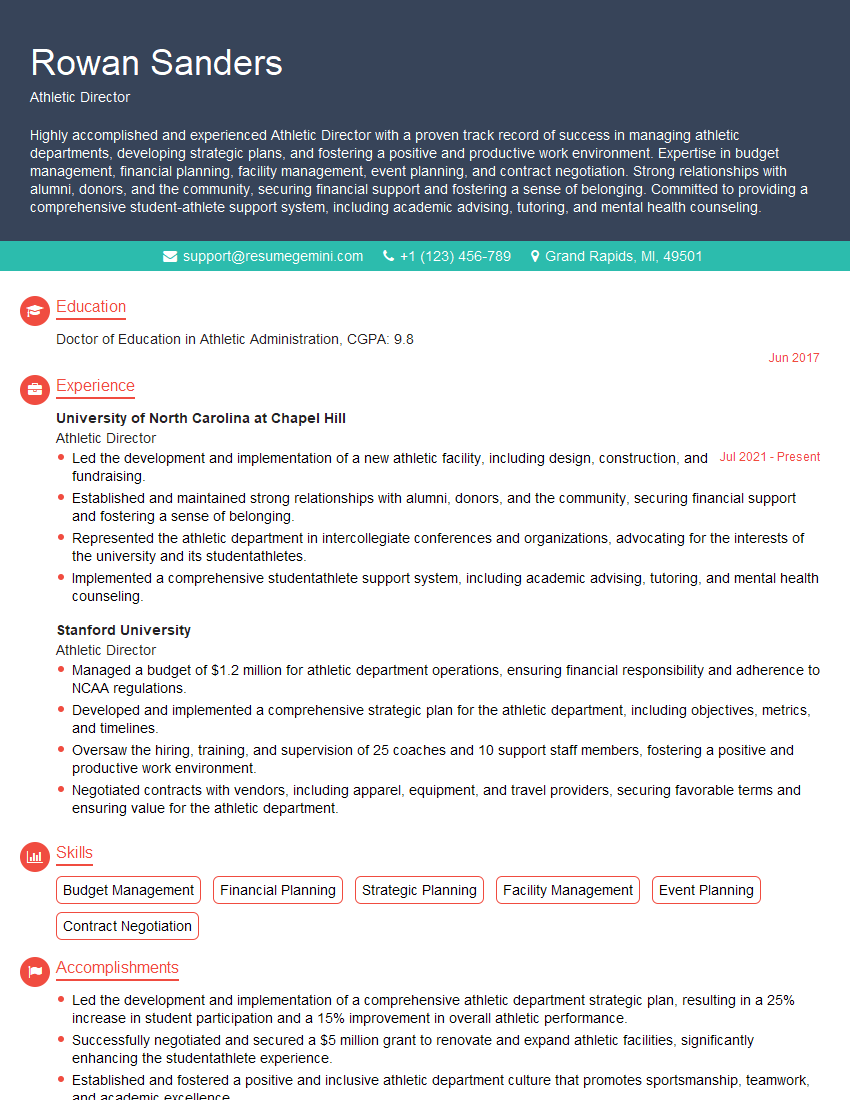
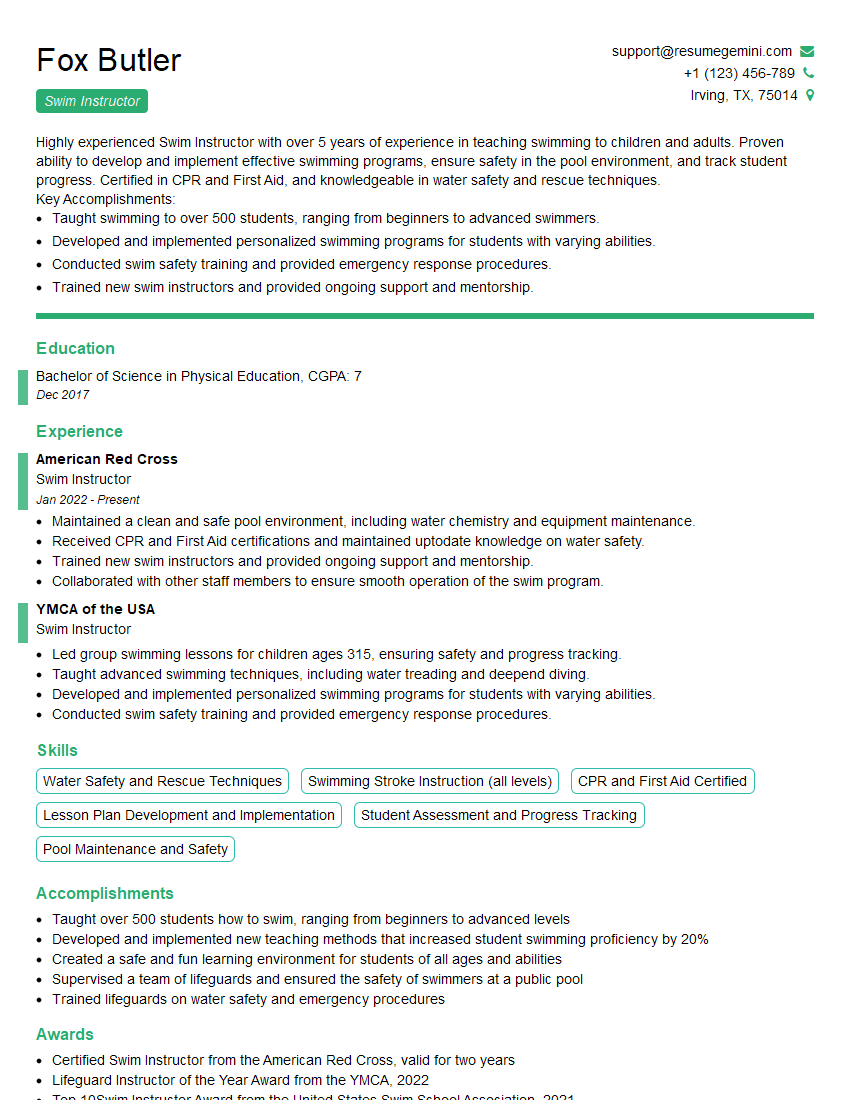
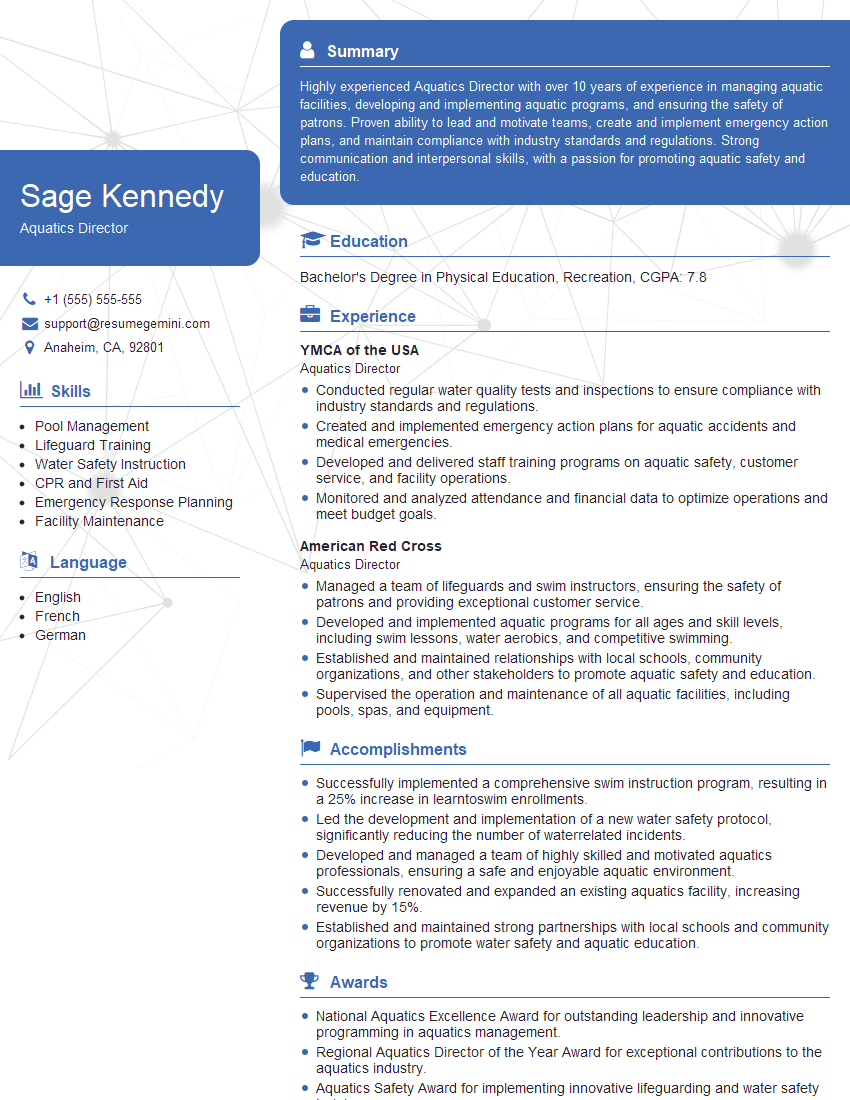
Mastering Swim Team Training and Competition Scheduling opens doors to exciting career opportunities in sports management, coaching, and athletic administration. A strong understanding of these concepts is highly valued by employers. To significantly increase your chances of landing your dream job, invest time in crafting an ATS-friendly resume that highlights your skills and experience effectively. ResumeGemini is a trusted resource that can help you build a professional and impactful resume, tailored specifically to the demands of this competitive field. Examples of resumes tailored to Swim Team Training and Competition Scheduling are provided to guide you through the process. Take the next step and enhance your job prospects today!
Explore more articles
Users Rating of Our Blogs
Share Your Experience
We value your feedback! Please rate our content and share your thoughts (optional).
What Readers Say About Our Blog
Very informative content, great job.
good