Interviews are more than just a Q&A session—they’re a chance to prove your worth. This blog dives into essential Tactical Maneuvers and Deployment interview questions and expert tips to help you align your answers with what hiring managers are looking for. Start preparing to shine!
Questions Asked in Tactical Maneuvers and Deployment Interview
Q 1. Describe your experience in developing and executing tactical deployment plans.
Developing and executing tactical deployment plans involves a meticulous process that blends strategic foresight with adaptable on-the-ground execution. It starts with a thorough understanding of the mission objectives, the operational environment, and the capabilities of the team. I begin by conducting a detailed analysis of the threat landscape, identifying potential vulnerabilities and choke points. This informs the design of the deployment, considering factors such as terrain, weather, and enemy capabilities. The plan itself is usually broken down into phases: initial movement, establishing a secure perimeter, achieving the objective, and finally, extraction. Each phase involves specific tasks and responsibilities assigned to team members, with contingency plans built in to address unexpected situations. For instance, in a recent operation involving a hostage rescue, we meticulously mapped the building, identifying potential entry and escape routes. We pre-assigned roles, practiced breaching techniques, and planned for potential complications, such as hostage injuries or unexpected resistance. The success of this operation hinged on the detailed planning and seamless execution of the deployment plan.
Q 2. Explain your understanding of risk assessment in tactical maneuvers.
Risk assessment in tactical maneuvers is paramount. It’s a continuous process that starts long before deployment and continues throughout the operation. It involves identifying all potential hazards, evaluating their likelihood and impact, and developing mitigation strategies. This includes assessing threats from enemy forces, environmental hazards like weather or terrain, and even logistical challenges such as equipment failure. We use a variety of tools and techniques, including threat modeling, risk matrices, and scenario planning, to comprehensively assess risks. For example, during a desert operation, we considered the impact of extreme heat on personnel and equipment. We incorporated hydration strategies, scheduled rest periods, and pre-positioned spare parts to mitigate those risks. A robust risk assessment allows for proactive decision-making, leading to safer and more effective operations. It’s not about eliminating all risk, which is impossible, but about managing it effectively.
Q 3. How do you prioritize tasks during a high-pressure deployment scenario?
Prioritization during a high-pressure deployment relies heavily on a clear understanding of the mission’s objectives and the current situation. I utilize a system based on urgency and importance, often visualized as a matrix. Tasks critical to mission success and posing immediate threats are prioritized first. This requires quick thinking and decisive action. For example, securing a casualty during an active firefight takes precedence over establishing a secondary defensive position, even though both are vital. Clear, concise communication is crucial in conveying these priorities to the team. We use established protocols and predetermined roles to streamline decision-making and action, minimizing confusion and maximizing efficiency under stress. Effective delegation and trust in the team’s abilities is also a key element in this process.
Q 4. What are the key considerations when selecting a deployment route or location?
Selecting a deployment route or location involves careful consideration of several factors. Terrain analysis plays a crucial role, looking for cover, concealment, and avenues of approach and escape. We assess the potential for enemy observation and ambush, aiming to minimize vulnerability. The availability of logistical support, such as resupply points or medical evacuation routes, is also a key factor. Furthermore, environmental conditions, including weather, visibility, and potential hazards, must be factored into the decision. For instance, deploying through a dense forest offers better cover but may hinder mobility compared to an open field. Ultimately, the best route or location balances mission requirements with the risks involved and we will often conduct a thorough reconnaissance to validate our assessments before deploying.
Q 5. Describe your experience in coordinating with multiple teams during a deployment.
Coordinating multiple teams during a deployment requires clear communication, established protocols, and a shared understanding of the overall plan. Before the operation, I ensure each team leader understands their specific role and responsibilities, and that the interaction between teams is clearly defined. Regular briefings and rehearsals are essential to build cohesion and synchronization. I often use visual aids such as maps and diagrams to facilitate understanding. During the operation, I establish a central command point, allowing me to monitor the progress of all teams and respond to any emerging issues or changes in the situation. For example, during a large-scale search and rescue operation, we divided the search area among multiple teams, ensuring each team had a designated communication channel and a clear understanding of their search pattern and reporting procedures. Effective coordination ensured that the entire operation ran smoothly and efficiently.
Q 6. How do you ensure communication and situational awareness within a tactical team?
Maintaining communication and situational awareness within a tactical team is critical for success. We rely on a combination of techniques. This includes using dedicated communication channels, such as encrypted radios, to transmit real-time information. Standardized procedures for reporting, such as using concise and clear terminology, ensure efficient information sharing. We also employ visual aids, like maps and tactical displays, to enhance situational understanding. Regular team briefings and after-action reviews are crucial for maintaining awareness and improving future operations. For example, we’d utilize a shared digital map system to pinpoint team locations, known enemy positions, and potential hazards. Continuously updating the map ensures everyone has the latest information and maintains a common operational picture.
Q 7. Explain your understanding of different communication methods in tactical environments.
Tactical environments demand reliable and secure communication methods. We use a range of options tailored to the specific situation. This includes encrypted radios for short-range communication, satellite phones for long-range communication in remote areas, and secure messaging applications for text-based communication. The selection depends on factors such as range, security requirements, and environmental conditions. For example, in a highly secure operation, we would utilize encrypted radios with strict communication protocols. In a remote area lacking cellular coverage, satellite phones would be essential. In each case, redundancy is key; we always have backup communication systems in place to ensure seamless operation, even in the event of equipment failure.
Q 8. Describe your experience with contingency planning for tactical deployments.
Contingency planning for tactical deployments is crucial for mission success. It involves anticipating potential problems and developing alternative plans to mitigate risks. Think of it as having a backup plan, a backup to the backup, and even a Plan C. This isn’t just about reacting to problems; it’s about proactively minimizing their impact.
My experience includes developing comprehensive contingency plans that cover a wide range of scenarios, from equipment malfunctions and unexpected weather to hostile actions and civilian casualties. For example, during a recent deployment to a volatile region, we anticipated potential communication disruptions. Our contingency plan involved establishing secondary communication channels using satellite phones and mesh networking, ensuring we maintained operational contact even if primary systems failed. We also pre-positioned emergency supplies and established alternative assembly points in case of unexpected events.
- Risk Assessment: We systematically identify potential threats and vulnerabilities.
- Scenario Development: We create detailed scenarios based on the identified risks.
- Mitigation Strategies: We develop specific plans to address each scenario, assigning responsibilities and resources.
- Testing and Refinement: We regularly test and refine our plans through simulations and exercises.
Q 9. How do you adapt a deployment plan based on unforeseen circumstances?
Adapting to unforeseen circumstances requires flexibility, quick thinking, and a clear understanding of the overall mission objectives. It’s about prioritizing and making tough decisions under pressure. Think of it like navigating a ship in a storm – you need to adjust your course based on the changing winds and waves, while keeping your ultimate destination in sight.
My approach involves a systematic process: First, I assess the situation, determining the impact of the unexpected event on the mission. Second, I evaluate available resources and personnel. Third, I develop and implement a revised plan, prioritizing key objectives and adapting tactics to the new reality. Finally, I communicate the changes to all team members clearly and concisely. For instance, if a key piece of equipment malfunctions, I might re-allocate resources from a less critical task to repair it, or I might adjust the overall strategy to compensate for the equipment loss.
This adaptability often involves creative problem-solving. For example, during a counter-narcotics operation, we encountered an unexpected roadblock. Instead of directly confronting the obstacle, which could have led to a violent confrontation, we utilized local knowledge to identify a less trafficked route, successfully completing the mission without incident.
Q 10. What are your methods for evaluating the success of a tactical maneuver?
Evaluating the success of a tactical maneuver is a multi-faceted process, going beyond simply achieving the immediate objective. It involves measuring the effectiveness of the maneuver in relation to its intended purpose, while also considering collateral effects.
My methods include:
- Objective Achievement: Did the maneuver achieve its primary and secondary objectives? This involves quantitative measures (e.g., number of targets neutralized, area secured) and qualitative assessments (e.g., impact on enemy morale, disruption of enemy activities).
- Resource Consumption: How efficiently were resources (personnel, equipment, time) utilized? Were there opportunities for improvement?
- Risk Mitigation: Were risks appropriately managed? Were there any unforeseen consequences?
- Collateral Damage: What was the impact on civilians and the environment? This aspect is critical for ethical considerations and public perception.
- Lessons Learned: What were the successes and failures of the maneuver? What can be learned to improve future operations?
Post-mission debriefs and thorough after-action reviews are indispensable tools for gathering feedback and making improvements. In a recent operation, we exceeded our objectives, but the process was inefficient. This analysis led to improved training and refinement of procedures, enhancing efficiency in future deployments.
Q 11. Describe your experience in managing resources during a deployment.
Managing resources during a deployment involves careful planning, efficient allocation, and constant monitoring. It’s akin to being a conductor of an orchestra, ensuring each instrument plays its part harmoniously and efficiently.
My experience highlights the importance of:
- Prioritization: Identifying critical needs and allocating resources accordingly based on mission priorities.
- Inventory Control: Maintaining a precise record of all equipment and supplies, ensuring timely replenishment.
- Personnel Management: Optimizing task assignments to leverage individual skills and capabilities, fostering teamwork and communication.
- Logistics Coordination: Ensuring timely delivery and distribution of essential supplies and equipment, which often entails coordination with external support teams.
- Budgetary Control: Managing expenditures effectively and adhering to allocated budgets.
For example, during a humanitarian aid operation, I managed to redirect funds initially earmarked for less critical infrastructure projects towards procuring vital medical supplies, saving several lives. This required careful negotiation with various stakeholders, but the results justified the effort.
Q 12. How do you maintain safety and security within a tactical deployment?
Maintaining safety and security is paramount in any tactical deployment. It’s a proactive approach that incorporates risk mitigation, threat assessment, and thorough planning. Think of it as building a robust security system for your operation.
My approach focuses on:
- Threat Assessment: Identifying potential threats and vulnerabilities in the operational environment.
- Security Protocols: Establishing clear security procedures and protocols, including communication systems, access control measures, and emergency response plans.
- Personnel Training: Providing comprehensive training to personnel on safety procedures, self-defense techniques, and emergency response protocols.
- Situational Awareness: Maintaining continuous situational awareness through intelligence gathering, surveillance, and communication.
- Protective Measures: Implementing appropriate protective measures, such as security checkpoints, perimeter defense, and personal protective equipment.
During a peacekeeping mission, we implemented rigorous security checks at all entry points, resulting in the prevention of several potential attacks. This involved close coordination with local authorities and continuous monitoring of the security situation.
Q 13. Explain your understanding of the legal and ethical implications of tactical maneuvers.
Understanding the legal and ethical implications of tactical maneuvers is not only crucial for compliance but also essential for maintaining public trust and ensuring operational legitimacy. It’s about acting within the bounds of the law and adhering to a strong moral compass.
My understanding encompasses:
- International Humanitarian Law (IHL): Adherence to the principles of IHL, particularly concerning the protection of civilians and the prohibition of excessive force.
- Rules of Engagement (ROE): Strict adherence to established ROEs that govern the use of force.
- Accountability: Maintaining accountability for actions and ensuring transparency in decision-making.
- Ethical Considerations: Prioritizing ethical considerations throughout the planning and execution phases of operations.
- Legal Frameworks: Understanding the relevant legal frameworks governing the use of force and the conduct of military operations.
Any decision regarding a tactical maneuver must consider its legal and ethical ramifications. For example, even during intense combat, the protection of civilians remains a paramount concern. A successful maneuver is not just one that achieves its military objective, but also one conducted in full respect for the law and ethical principles.
Q 14. Describe your experience in post-deployment analysis and reporting.
Post-deployment analysis and reporting is a critical process for learning from past experiences and improving future operations. It’s about reflecting on what worked, what didn’t, and how to do it better next time.
My experience involves:
- Data Collection: Gathering data from various sources, including after-action reports, intelligence briefings, and individual accounts.
- Data Analysis: Analyzing the collected data to identify trends, patterns, and lessons learned.
- Report Writing: Preparing comprehensive reports that clearly articulate findings, recommendations, and areas for improvement.
- Dissemination: Disseminating the findings to relevant stakeholders, including command staff, training departments, and policy makers.
- Implementation: Working to implement recommendations based on the findings to enhance future deployments.
In a recent deployment, post-deployment analysis revealed critical communication gaps that significantly impacted our effectiveness. This led to the implementation of new communication procedures and enhanced training, resulting in improved coordination and efficiency in subsequent deployments. The entire process is vital for continuous improvement.
Q 15. How do you measure the effectiveness of a tactical deployment strategy?
Measuring the effectiveness of a tactical deployment strategy isn’t a simple metric; it’s a multifaceted assessment. We need to look beyond simply achieving the objective. Success hinges on a balance of speed, precision, and minimizing risk to personnel and resources.
- Mission Accomplishment: Did the team achieve its primary and secondary objectives? This is the most fundamental measure, but it needs further context.
- Timeliness: How long did it take compared to the planned timeline? Delays can indicate flaws in planning or execution.
- Resource Expenditure: Were resources (ammunition, equipment, personnel time) used efficiently? Unnecessary resource consumption signals areas for improvement.
- Casualties and Damage: Minimizing friendly casualties and collateral damage is paramount. A successful deployment prioritizes safety.
- Enemy Casualties and Equipment Destroyed: If applicable, the effectiveness against the opposing force is crucial to analyze.
- Post-Mission Analysis: A thorough after-action review is indispensable. This involves analyzing data, gathering feedback, and identifying areas needing adjustment in future operations.
For example, a successful hostage rescue might be measured not just by the number of hostages freed, but also by the speed of the operation, the number of casualties, and the amount of damage incurred.
Career Expert Tips:
- Ace those interviews! Prepare effectively by reviewing the Top 50 Most Common Interview Questions on ResumeGemini.
- Navigate your job search with confidence! Explore a wide range of Career Tips on ResumeGemini. Learn about common challenges and recommendations to overcome them.
- Craft the perfect resume! Master the Art of Resume Writing with ResumeGemini’s guide. Showcase your unique qualifications and achievements effectively.
- Don’t miss out on holiday savings! Build your dream resume with ResumeGemini’s ATS optimized templates.
Q 16. What are your methods for debriefing a team after a tactical maneuver?
Debriefing is crucial for continuous improvement. It’s not about assigning blame, but about learning from experience. My method focuses on a structured, open, and non-judgmental environment.
- Structured Approach: I follow a set agenda, covering key phases of the operation: planning, execution, and outcome. This ensures comprehensive review.
- Open Communication: I encourage every team member to share their perspectives, regardless of rank. Openness fosters trust and identifies issues that may otherwise be overlooked.
- Non-Judgmental Atmosphere: Mistakes are learning opportunities. I create a safe space for honest feedback without fear of retribution. The focus is on constructive criticism and identifying solutions.
- Data Analysis: We review relevant data, including intelligence reports, communications logs, and video footage, to gain objective insights into the operation.
- Actionable Insights: The debrief culminates in identifying specific actionable steps for improvement in future deployments. These could include adjustments to tactics, training, or equipment.
For instance, if a communication breakdown occurred, we would identify the root cause (e.g., faulty equipment, inadequate training) and develop a solution, perhaps integrating alternative communication methods or refining training protocols.
Q 17. Describe a time you had to make a critical decision under pressure during a deployment.
During an urban counter-terrorism operation, we encountered unexpected resistance. Our intelligence suggested a small group, but we encountered a significantly larger and better-equipped force. We were pinned down in a narrow alleyway, with limited escape routes and increasing casualties.
The critical decision was whether to attempt a breakout, which risked heavy losses, or to hold our position and call for reinforcements, potentially jeopardizing the mission’s success and the hostages’ safety. After assessing the situation (enemy numbers, weapon capabilities, our own injuries and remaining ammunition), I decided to call for immediate reinforcements and utilize the limited cover to minimize further casualties while waiting for support.
The risk was delaying the rescue, yet prolonging the engagement risked more deaths. This weighed heavily. Luckily, the reinforcements arrived quickly enough to reverse the situation and effect a successful rescue.
This experience taught me the importance of adaptability, accurate situational awareness, and decisive decision-making under intense time pressure. It also underscored the necessity of maintaining clear communication with command.
Q 18. How do you handle conflict resolution within a tactical team?
Conflict resolution within a tactical team needs a swift and effective approach; unresolved conflict can severely impact performance and morale. My approach emphasizes early intervention and clear communication.
- Early Intervention: Addressing conflicts as soon as they surface is vital. Small disagreements can escalate quickly if left unchecked.
- Open Dialogue: Facilitate a discussion in a neutral setting to ensure each party feels heard and understands the other’s perspective.
- Mediation (if needed): I act as a neutral mediator, facilitating dialogue and helping parties find common ground.
- Focus on Solutions, not Blame: I guide the discussion towards finding practical solutions to address the underlying issues rather than focusing on assigning blame.
- Reinforce Team Cohesion: Following resolution, emphasizing team unity and shared goals is important to rebuild trust and morale. Post-conflict team building activities are valuable in certain cases.
For example, if two team members had conflicting approaches to a tactical problem, I would facilitate a discussion where they could explain their rationales, identify the strengths and weaknesses of each approach, and collaboratively develop a solution that incorporated the best elements of both.
Q 19. Explain your experience with utilizing technology to support tactical maneuvers.
Technology plays a pivotal role in modern tactical maneuvers, enhancing situational awareness, coordination, and decision-making.
- GIS and Mapping Systems: We utilize Geographic Information Systems (GIS) for detailed terrain analysis, route planning, and real-time location tracking.
- Communication Systems: Secure and reliable communication systems, including encrypted radios and satellite phones, are essential for coordinating actions and receiving critical updates.
- Unmanned Aerial Vehicles (UAVs): UAVs provide aerial reconnaissance and real-time imagery, significantly improving situational awareness in challenging terrain.
- Data Analytics and Predictive Modeling: Analyzing data from various sources allows for better predictive modeling to support pre-deployment planning.
- Night Vision Technology: Essential for operations in low-light conditions, ensuring the team can operate effectively 24/7.
Example: Using a GIS system, we could plan a route that minimized exposure to enemy fire, while also accounting for terrain challenges and the location of friendly forces.
Integrating this technology effectively requires ongoing training and proficiency, ensuring the team can adapt and overcome any technical challenges encountered during a deployment.
Q 20. Describe your understanding of different types of terrain and their impact on deployment.
Understanding terrain is fundamental to successful deployment. Different terrains present unique challenges and opportunities.
- Urban Environments: Dense populations, narrow streets, and high-rise buildings create complex challenges, requiring specialized tactics for navigation, concealment, and target acquisition.
- Rural Environments: Vast open spaces, limited cover, and unpredictable weather conditions demand different strategies focused on mobility, long-range surveillance, and endurance.
- Mountainous Terrain: Steep slopes, limited visibility, and difficult access roads necessitate specialized training, equipment, and logistical planning.
- Desert Environments: Extreme temperatures, limited water resources, and vast open spaces require meticulous planning to manage resources and avoid detection.
- Jungle Environments: Dense vegetation, high humidity, and the presence of insects and diseases demand specific training in navigation, survival, and disease prevention.
For example, in a mountainous region, we would prioritize route selection to minimize exposure, utilize specialized equipment for climbing, and account for the potential for landslides or avalanches.
Q 21. How do you integrate intelligence information into tactical planning?
Integrating intelligence information is crucial for effective tactical planning. This involves a systematic approach.
- Intelligence Gathering and Analysis: We gather intelligence from various sources, including human intelligence (HUMINT), signals intelligence (SIGINT), and imagery intelligence (IMINT).
- Threat Assessment: We analyze the collected intelligence to assess potential threats, including enemy strengths, weaknesses, capabilities, and likely courses of action.
- Risk Mitigation: Based on the threat assessment, we develop strategies to mitigate identified risks.
- Contingency Planning: We develop contingency plans to handle unexpected situations or changes in the threat environment.
- Real-time Updates: During the operation, maintaining constant communication and utilizing real-time updates is crucial to adapt the tactical plan according to the evolving situation.
For example, if intelligence indicated that the enemy was using a specific type of communication system, we would plan ways to intercept or jam their communications. Or, if the intel showed enemy patrol patterns, our plan would incorporate elements of deception and avoidance to minimize encounters.
Q 22. What are your strategies for maintaining team morale and cohesion during a deployment?
Maintaining team morale and cohesion during a deployment is paramount to mission success. It’s not just about camaraderie; it’s about building a resilient, high-performing unit capable of handling stress and pressure. My strategy is multifaceted and focuses on proactive measures, rather than reactive damage control.
- Open Communication: I foster a culture of open and honest communication where team members feel comfortable expressing concerns and sharing ideas. Regular briefings, both formal and informal, are crucial. This includes honest assessments of challenges and celebrating successes, no matter how small.
- Shared Goals and Understanding: Before deployment, I ensure every team member understands the mission objectives, their individual roles, and how their contributions fit into the larger picture. This creates a sense of shared purpose and collective responsibility.
- Well-being Initiatives: Recognizing that stress and fatigue can significantly impact morale, I prioritize well-being initiatives. This could include regular physical training adapted to the environment, mindfulness sessions, and access to mental health support. I also ensure adequate rest periods and opportunities for relaxation when possible. I’ve found that even small acts of kindness and recognition go a long way.
- Team Building Activities: While maintaining operational security, I integrate carefully planned team-building activities into downtime. These could be simple things like shared meals, games, or informal discussions to foster bonds and build trust among team members.
- Leadership by Example: Maintaining high morale starts with leadership. I lead by example, demonstrating resilience, commitment, and care for my team’s well-being. This builds trust and fosters a positive environment.
For example, during a recent deployment, we faced unexpected logistical delays that created frustration. By addressing concerns openly, sharing information transparently, and implementing small morale boosters like surprise care packages, we managed to maintain high morale and complete the mission successfully.
Q 23. Explain your experience in managing logistical challenges during a deployment.
Managing logistical challenges during deployment requires meticulous planning and adaptability. It’s a constant balancing act between anticipating needs, reacting to unforeseen circumstances, and ensuring the team has the resources they need to succeed. My experience has taught me the importance of proactive planning and robust contingency plans.
- Detailed Planning: Before deployment, I develop comprehensive logistical plans that account for every aspect, from equipment and supplies to communication systems and transportation. This involves detailed risk assessments and contingency plans for potential disruptions.
- Resource Management: Effective resource management is crucial. This includes careful budgeting, prioritizing resource allocation based on mission needs, and tracking inventory to ensure sufficient supplies. I use specialized software to manage resources effectively and maintain accountability.
- Supply Chain Management: I understand the complexities of supply chain management in challenging environments. This involves establishing reliable supply lines, coordinating with suppliers, and implementing robust systems for tracking shipments and managing inventory. Understanding local market conditions and the possibility of supply disruptions is essential.
- Adaptability and Problem-Solving: Unexpected challenges are inevitable. My approach emphasizes adaptability and problem-solving. This means having contingency plans in place and being able to quickly assess situations, identify solutions, and implement them effectively. For example, during a past operation, a supplier failed to deliver essential equipment on time. By quickly identifying alternative sources and coordinating with our support network, we secured the necessary equipment with minimal impact on the mission timeline.
For example, I once used a combination of commercial satellite communication and a low-bandwidth HF radio system to maintain contact with command and control during a mission in a remote area with limited infrastructure. This involved rigorous testing and redundancy planning to ensure reliable communication despite potential environmental challenges.
Q 24. Describe your understanding of different types of threats and their mitigation strategies.
Understanding different types of threats and developing effective mitigation strategies is critical for successful tactical deployments. My approach involves a comprehensive risk assessment process that considers all potential threats, from environmental hazards to human adversaries.
- Threat Identification and Assessment: This involves identifying all potential threats specific to the operational environment, including physical threats (e.g., IEDs, ambushes, natural disasters), cyber threats (e.g., data breaches, network attacks), and human factors (e.g., fatigue, stress, internal threats).
- Risk Mitigation Strategies: For each identified threat, I develop tailored mitigation strategies. This could involve employing physical security measures, using advanced surveillance systems, implementing cyber security protocols, conducting threat-based training, and developing comprehensive contingency plans.
- Intelligence Gathering and Analysis: Effective intelligence gathering is crucial for understanding the threat landscape and predicting potential threats. This involves collecting and analyzing information from various sources to develop a clear picture of the operational environment and potential risks.
- Threat Monitoring and Response: Once deployed, I establish a continuous threat monitoring system that enables us to detect and respond to threats in real-time. This involves using a combination of human intelligence, technical surveillance, and early warning systems.
For instance, in a high-risk environment, we might utilize advanced surveillance technologies, implement rigorous security protocols, and conduct regular threat briefings to keep personnel informed and prepared. We might also implement layered security, combining physical barriers, electronic monitoring and armed personnel to mitigate against multiple threat vectors.
Q 25. How do you ensure compliance with safety regulations and protocols during a deployment?
Ensuring compliance with safety regulations and protocols is non-negotiable. It’s not just about avoiding legal issues; it’s about protecting the lives and well-being of our personnel. My approach emphasizes proactive measures and continuous monitoring.
- Pre-Deployment Training: Before any deployment, personnel undergo rigorous safety training that covers all relevant regulations and protocols. This training includes hands-on exercises and simulations to ensure everyone understands and can apply the procedures effectively.
- Risk Assessment and Mitigation: We conduct thorough risk assessments to identify potential hazards and develop mitigation strategies. This includes risk assessments related to both the operational environment and the tasks performed.
- Safety Protocols and Procedures: We establish and enforce clear safety protocols and procedures for all operations. These protocols cover aspects such as personal protective equipment (PPE), vehicle safety, communications, and emergency response.
- Regular Inspections and Audits: Regular inspections and audits are conducted to ensure compliance with safety regulations and identify any potential deficiencies. Corrective actions are promptly implemented to address any identified issues.
- Incident Reporting and Investigation: We have a robust system for reporting and investigating safety incidents. This system is designed to identify root causes, prevent future occurrences, and ensure accountability.
For example, if we identify a weakness in a specific safety procedure, we immediately revise the protocol, provide updated training, and conduct a follow-up assessment to ensure that the corrective action is effective. We document all safety-related incidents and use the information to improve future safety measures.
Q 26. Explain your process for selecting and training personnel for tactical deployments.
Selecting and training personnel for tactical deployments is a rigorous process that emphasizes both technical skills and personal attributes. It’s about building a team that can operate effectively under pressure while maintaining professionalism and adhering to ethical standards.
- Selection Criteria: Personnel selection involves rigorous screening based on physical fitness, mental resilience, technical proficiency, and teamwork skills. This includes physical and psychological evaluations, background checks, and performance assessments.
- Specialized Training: Selected personnel undergo extensive training tailored to the specific requirements of the mission. This may include weapon handling, tactical maneuvers, first aid, communication systems, and cultural awareness training relevant to the deployment location. Simulations and field exercises are used to reinforce learning and improve practical skills.
- Team Building and Cohesion: Training also includes team-building exercises to enhance communication, collaboration, and trust amongst team members. This helps establish a cohesive unit that functions effectively under stress.
- Continuous Evaluation and Improvement: Performance is continuously evaluated throughout the training process and during deployments. This provides opportunities for feedback, adjustments to training programs, and identification of areas for individual improvement.
For example, we might use a combination of classroom instruction, live-fire exercises, and realistic simulations to prepare personnel for various scenarios they may encounter during a deployment. We emphasize a “train-as-you-fight” philosophy ensuring that skills are honed in conditions that are as close to the operational environment as possible, without compromising safety.
Q 27. Describe your experience in coordinating with external agencies during a deployment.
Coordinating with external agencies during a deployment is essential for success. It’s about building and maintaining effective working relationships with partners who bring diverse capabilities and perspectives. My experience has shown that clear communication, mutual respect, and shared goals are key.
- Pre-Deployment Coordination: Before deployment, I establish communication channels and coordinate closely with relevant external agencies to ensure a shared understanding of mission objectives, roles, and responsibilities.
- Information Sharing: Throughout the deployment, I maintain regular communication and information sharing with external partners. This ensures everyone is aware of the situation on the ground, emerging challenges, and any necessary adjustments to plans.
- Joint Operations Planning: Where appropriate, I engage in joint operations planning with external agencies to ensure seamless integration of efforts and avoid duplication of resources.
- Conflict Resolution: Disagreements or conflicts can arise. I’m skilled in conflict resolution, mediating disputes in a professional and effective manner to maintain positive working relationships.
- Post-Deployment Debriefing: After the deployment, I conduct a thorough debriefing with external agencies to analyze performance, identify areas for improvement, and document lessons learned for future collaborations.
For example, during a humanitarian aid operation, I worked closely with local authorities, international NGOs, and military units to coordinate the distribution of supplies and provide support to affected communities. This required coordinating logistics, resolving logistical conflicts and ensuring alignment on priorities across different organizations and cultural contexts. Successful collaboration between agencies was critical for the mission’s success.
Key Topics to Learn for Tactical Maneuvers and Deployment Interview
- Terrain Analysis and Route Planning: Understanding how terrain impacts maneuverability, identifying optimal routes, and considering environmental factors in planning.
- Unit Movement Techniques: Applying different movement formations (e.g., column, wedge, echelon) based on threat levels and mission objectives. Practical application includes analyzing scenarios and choosing the appropriate formation.
- Communication and Coordination: Mastering effective communication protocols within a team, ensuring clear and concise information exchange during dynamic operations. This involves understanding various communication methods and their limitations.
- Risk Assessment and Mitigation: Identifying potential hazards, evaluating risks, and developing strategies to minimize threats during deployment. Problem-solving involves scenario-based exercises where you anticipate and address potential challenges.
- Deployment Procedures and Protocols: Understanding the phases of deployment, from initial planning to final execution, and adhering to established procedures. This includes understanding logistical considerations and resource management.
- Emergency Procedures and Contingency Planning: Developing robust plans for unexpected events, including communication failures, equipment malfunctions, and enemy encounters. Practical application involves formulating response plans to various challenging scenarios.
- Security and Protection Measures: Implementing measures to ensure the safety and security of personnel and equipment during deployment. This covers topics like convoy operations and defensive tactics.
Next Steps
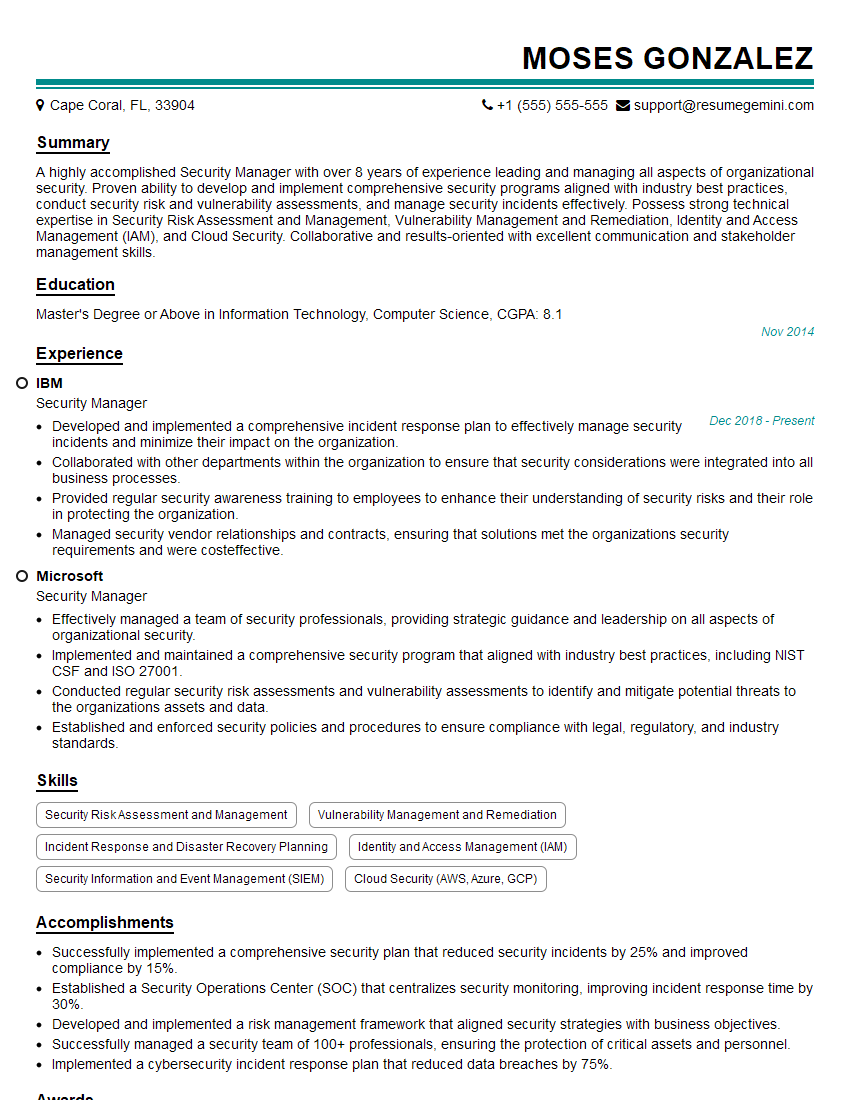
Mastering Tactical Maneuvers and Deployment significantly enhances your career prospects in various fields, demonstrating crucial skills in strategic thinking, problem-solving, and team coordination. To stand out, a well-crafted, ATS-friendly resume is vital. ResumeGemini offers a powerful tool to build a professional resume that showcases your expertise effectively. We provide examples of resumes tailored to Tactical Maneuvers and Deployment to help you create a compelling application that highlights your unique skills and experience. Invest the time to build a strong resume – it’s your first impression with potential employers.
Explore more articles
Users Rating of Our Blogs
Share Your Experience
We value your feedback! Please rate our content and share your thoughts (optional).
What Readers Say About Our Blog
Very informative content, great job.
good