Are you ready to stand out in your next interview? Understanding and preparing for Tactical Understanding interview questions is a game-changer. In this blog, we’ve compiled key questions and expert advice to help you showcase your skills with confidence and precision. Let’s get started on your journey to acing the interview.
Questions Asked in Tactical Understanding Interview
Q 1. Describe a situation where you had to adapt a tactical plan due to unexpected circumstances.
Adapting tactical plans is a crucial skill in any dynamic environment. Unexpected circumstances can range from unforeseen enemy actions to equipment malfunctions or sudden changes in weather. In one operation, we were tasked with a nighttime infiltration into a heavily guarded facility. Our plan relied on utilizing a specific cover of darkness and exploiting a known blind spot in the security patrol routes. However, an unexpected sandstorm reduced visibility to near zero, making the planned approach extremely risky. We quickly convened and assessed our options. Instead of abandoning the mission, we adapted our plan by utilizing thermal imaging equipment to compensate for the lack of visual cues and adjusting our infiltration route to exploit the changes in the wind direction, created by the sandstorm. The revised plan successfully minimized risks, and the mission was completed without compromising the objective. This highlights the importance of flexibility and the ability to swiftly react to changing conditions.
Q 2. Explain your process for prioritizing tasks in a high-pressure, time-sensitive environment.
Prioritizing in high-pressure situations demands a structured approach. I use a combination of methods, starting with a clear understanding of the mission’s objectives. Using a decision matrix can be very helpful. This involves listing all tasks, assessing their urgency (using a scale like high, medium, low), their importance to the overall objective (again, high, medium, low), and then calculating a priority score based on this combination. Tasks with higher scores get tackled first. Another crucial component is effective delegation. Once priorities are established, I distribute tasks to team members based on their skills and experience. Timeboxing is also critical; allotting specific timeframes to complete each task ensures efficiency and prevents time slippage. For example, in a hostage rescue scenario, securing the perimeter and establishing communication channels would be top priority (high urgency, high importance), followed by identifying the hostage’s location and the threat level. Constantly monitoring the situation and re-evaluating priorities as new information comes in are essential for adaptability.
Q 3. How do you assess risk and mitigate potential threats in a tactical operation?
Risk assessment is a systematic process that should never be overlooked. It begins with identifying potential threats, which might include enemy forces, environmental hazards, or equipment failures. For each threat, we assess its likelihood and potential impact, assigning a severity rating. This helps us to prioritize mitigation strategies. Mitigation can involve various tactics. For instance, to reduce the likelihood of an ambush, we might use reconnaissance to gather intelligence and choose alternate routes, utilizing camouflage and concealment techniques. To lessen the impact of equipment failure, we’ll ensure thorough maintenance and carry backup equipment. In a real world example, if intelligence suggests a high probability of encountering improvised explosive devices (IEDs), the mitigation might involve route planning to avoid known IED hotspots and employing route-clearance teams equipped with specialized equipment.
Q 4. Describe your experience in developing and implementing tactical plans.
Developing tactical plans involves several key steps. It begins with a thorough understanding of the mission objective and the operational environment. This involves collecting and analyzing intelligence to assess the situation. Next, I identify the available resources – personnel, equipment, and time. I then develop several courses of action (COAs), weighing the pros and cons of each, selecting the most appropriate one based on risk assessment. The selected COA is then detailed, outlining specific tasks, responsibilities, and timelines. The plan is then briefed and rehearsed with the team. A successful plan, like the one used during a complex urban search and rescue operation I led, hinges on meticulous planning and careful coordination. This particular mission required coordinating multiple teams, each with specific roles (search, rescue, medical), while navigating a challenging urban environment. Thorough preparation resulted in efficient and successful execution.
Q 5. How do you effectively communicate tactical instructions to a team?
Effective communication is paramount. My approach prioritizes clarity, brevity, and conciseness. I use clear and unambiguous language, avoiding jargon unless the team is fully familiar with it. Visual aids, such as maps or diagrams, are very useful to enhance understanding. I employ a combination of methods; a pre-mission briefing outlining the plan and individual tasks is followed by regular updates and check-ins during the operation. The use of clear signals and hand signals is very important, especially in situations where verbal communication might be compromised. After the operation, a debriefing allows for feedback and refinement of communication strategies for future missions. Think of it like a sports team – the coach (me) explains the game plan (tactical instructions) clearly, checks in during the game (operation) and reviews the game afterwards (debriefing).
Q 6. How do you ensure your team understands the overall strategic goals of a tactical plan?
Ensuring team understanding of strategic goals requires clearly linking tactical actions to broader objectives. This is achieved by explaining how individual tasks contribute to the larger mission goals, emphasizing the ‘big picture.’ During planning, I use analogies and real-world examples to illustrate the connection. For example, in a counter-terrorism operation, while the tactical plan might focus on neutralizing a specific threat, the overall strategic goal could be to disrupt a wider terrorist network. We link tactical success (capturing a key figure) to the bigger goal (weakening the terrorist network). This framework helps the team understand the rationale behind their actions, fostering a sense of purpose and motivation. Regular communication reinforces this connection, ensuring everyone remains aligned with the overall strategy.
Q 7. Describe a time you had to make a quick tactical decision under pressure.
During a hostage rescue operation, we encountered an unexpected complication. The building’s layout differed from our intelligence reports, resulting in the hostage being located in a different room than anticipated. This required immediate action. Instead of proceeding according to the original plan, I instantly adapted using the information gathered from our quick reconnaissance. We diverted from the primary entry point and chose a secondary route, which, while risky, offered a better chance of rescuing the hostages with minimal collateral damage. This quick decision, based on my experience, sound judgment, and a rapid reassessment of the situation, ultimately led to a successful outcome, highlighting the importance of decisive action and adaptability under pressure.
Q 8. How do you handle conflicting priorities in a tactical situation?
Handling conflicting priorities in a tactical situation requires a structured approach. Think of it like a triage system in a hospital – you prioritize based on urgency and impact. First, I’d clearly define each priority, assessing its potential consequences and time sensitivity. This might involve assigning a numerical score based on factors like risk, opportunity cost, and overall impact on mission success. Then, I’d utilize a prioritization matrix, such as a MoSCoW method (Must have, Should have, Could have, Won’t have), to rank them. Finally, I’d communicate the decision-making process transparently to the team, explaining the rationale behind choosing one priority over another. For instance, in a hostage situation, rescuing the hostages (Must have) would outweigh securing a specific piece of evidence (Could have), even if the evidence is valuable.
This structured process ensures that resources are allocated effectively and decisions are justified, even under significant pressure. It’s essential to document the reasoning and any adjustments made to the plan due to changed priorities.
Q 9. How do you measure the success of a tactical plan?
Measuring the success of a tactical plan isn’t solely about achieving the primary objective; it’s a multi-faceted assessment. We need to evaluate against pre-defined Key Performance Indicators (KPIs). These KPIs would encompass achieving the primary objective (e.g., neutralizing a threat, securing a location), but also consider efficiency (time taken, resources consumed), collateral damage (civilian casualties, property damage), and the overall impact on the larger strategic goals. For example, successfully completing a raid with minimal casualties while seizing crucial intel would be highly successful, even if a minor secondary objective (capturing a specific individual) wasn’t achieved. A post-operation analysis, including a detailed After Action Review (AAR), is critical to identify areas for improvement in future operations. This review should incorporate data collection, feedback from team members, and lessons learned, leading to a continuous improvement cycle.
Q 10. What are the key components of effective tactical communication?
Effective tactical communication is crucial for mission success. It rests on three pillars: clarity, conciseness, and situational awareness. The information needs to be unambiguous and easily understood by all recipients, even under stress. Jargon should be minimized, and simple, direct language is preferred. Conciseness is key – eliminate unnecessary details to avoid information overload. Finally, maintain constant situational awareness and adapt communication methods (e.g., radio, hand signals, written messages) depending on the environment and level of urgency. For example, using standardized codes or acronyms speeds up communication in noisy environments, but all personnel must be fully trained in their usage.
Regular communication drills are essential to ensure that everyone understands procedures and can communicate effectively in high-pressure environments. This might involve regular practice in different communication modalities and simulated scenarios to hone their skills.
Q 11. How do you utilize resources effectively in a tactical operation?
Effective resource utilization in a tactical operation involves careful planning and execution. It begins with a thorough assessment of available resources – personnel, equipment, time, and funding. The allocation process must align with the priorities outlined in the tactical plan, ensuring that critical resources are assigned to the most impactful tasks. For example, you might prioritize assigning your most experienced snipers to high-value targets, while less experienced personnel focus on providing perimeter security. Furthermore, flexible resource allocation is crucial; if unexpected challenges arise, resources need to be shifted to address the new priorities. Constant monitoring and reassessment are necessary to ensure resources are used efficiently and effectively throughout the operation. A real-world example might be adjusting troop deployments based on real-time intelligence gathered during a counterinsurgency operation.
Q 12. Describe your experience with contingency planning in tactical scenarios.
Contingency planning is integral to tactical success. It involves identifying potential risks and developing alternative plans to address them. This is a proactive process, not reactive. I approach this by brainstorming a wide range of potential problems – equipment malfunction, unexpected enemy actions, changes in weather, civilian interference. For each identified risk, I develop a ‘Plan B’ or even ‘Plan C.’ For example, during a covert operation, a contingency plan might involve alternative escape routes or communication methods in case the primary plan is compromised. These plans aren’t just written; they are rigorously tested and rehearsed to ensure that the team is prepared to respond effectively under pressure. The key is that they are tailored to specific scenarios and are not generic responses. Post-operation analysis is key to evaluate the effectiveness of these plans and update them as necessary.
Q 13. How do you manage information overload during a tactical operation?
Managing information overload during a tactical operation is crucial for maintaining situational awareness and making informed decisions. The key is filtering and prioritizing information. This involves establishing clear information channels and utilizing appropriate technology to filter out irrelevant data. Using pre-defined reporting protocols and prioritizing essential information is crucial. In a fast-paced environment, filtering the information before it reaches decision-makers through a structured system is important to prevent cognitive overload. For example, a central command post might use a system to filter incoming intelligence reports, highlighting only time-critical threats or opportunities. Regularly assessing the cognitive load on each individual and providing breaks or support as needed is equally vital for avoiding fatigue-related errors.
Q 14. How do you identify and address potential weaknesses in a tactical plan?
Identifying and addressing weaknesses in a tactical plan is an ongoing process, not a one-time task. It begins with a thorough review of the plan by multiple individuals, ideally with diverse backgrounds and expertise. This review should scrutinize the plan from different perspectives, looking for potential vulnerabilities or overlooked factors. This can involve conducting a structured vulnerability analysis, using tools such as SWOT analysis or Red Teaming exercises. Red Teaming involves simulating adversarial actions to identify potential weaknesses. The goal is not to find fault, but to proactively identify and address potential problems before they impact the mission. The identified weaknesses should then be prioritized, and corresponding mitigating strategies developed and incorporated into the plan. This iterative process of review and improvement is crucial to enhance the robustness and effectiveness of the plan.
Q 15. How do you incorporate feedback to improve tactical performance?
Incorporating feedback to improve tactical performance is a crucial iterative process. It’s not just about receiving criticism, but actively seeking it out, analyzing it objectively, and then implementing changes to improve future actions. This involves several key steps:
- Active Solicitation: I actively encourage feedback from team members, superiors, and even after-action reports. This includes both positive reinforcement and constructive criticism.
- Objective Analysis: I avoid taking feedback personally. Instead, I analyze it dispassionately, looking for patterns and trends. What recurring issues are highlighted? Are there systemic problems?
- Implementation and Adjustment: Based on the analysis, I implement changes to training, procedures, or individual skill development. This might involve revising plans, implementing new technologies, or focusing on specific weaknesses highlighted in the feedback.
- Continuous Monitoring: I don’t just implement changes and forget them. I continuously monitor the effectiveness of the implemented changes and make further adjustments as needed. This creates a cycle of continuous improvement.
For example, after a training exercise where we struggled with communication, I actively sought feedback from the team. The analysis revealed a lack of clarity in our radio protocols. We revised them, added more detailed training, and then saw a significant improvement in communication effectiveness during subsequent exercises.
Career Expert Tips:
- Ace those interviews! Prepare effectively by reviewing the Top 50 Most Common Interview Questions on ResumeGemini.
- Navigate your job search with confidence! Explore a wide range of Career Tips on ResumeGemini. Learn about common challenges and recommendations to overcome them.
- Craft the perfect resume! Master the Art of Resume Writing with ResumeGemini’s guide. Showcase your unique qualifications and achievements effectively.
- Don’t miss out on holiday savings! Build your dream resume with ResumeGemini’s ATS optimized templates.
Q 16. Describe a time you had to improvise a solution to a tactical problem.
During a hostage rescue simulation, our primary entry point was compromised unexpectedly due to an unforeseen structural collapse. Our pre-planned strategy was rendered useless. We had to improvise quickly.
My immediate actions were:
- Rapid Reassessment: I quickly reassessed the situation, identifying the new challenges and the resources available (alternate entry points, team capabilities, and potential risks).
- Creative Solution: We devised a new entry plan utilizing a less-favored but still viable route, accounting for the structural damage and the changed risk profile. This involved a more risky flanking maneuver.
- Clear Communication: I communicated the improvised plan clearly and concisely to the team, ensuring everyone understood their roles and responsibilities. This clarity was crucial to maintain order and control.
- Flexibility and Adaptation: Throughout the operation, we maintained flexibility, adapting to unforeseen circumstances and further changes.
While the original plan failed, the improvised solution was successful, highlighting the value of adaptability and creative problem-solving in a dynamic environment.
Q 17. How do you manage conflict within a team during a tactical operation?
Conflict within a tactical team is potentially disastrous. Managing it requires a proactive and structured approach:
- Establish Clear Roles and Responsibilities: This minimizes ambiguity and potential for conflict arising from overlapping responsibilities or unclear command structures.
- Open Communication: I foster a culture of open and honest communication, encouraging team members to express concerns or disagreements openly and respectfully.
- Mediation and Facilitation: When conflicts arise, I act as a mediator, facilitating discussion and finding common ground. The focus is on finding a solution that aligns with the mission objective, not simply deciding who’s right or wrong.
- Conflict Resolution Techniques: I am familiar with several conflict resolution techniques, such as compromise, negotiation, and collaborative problem-solving. The best technique is chosen based on the context and nature of the conflict.
- Post-Operation Debriefing: After a mission, we hold a debriefing to analyze successes and failures, including instances of conflict. This helps to learn from past mistakes and improve team dynamics.
For instance, a disagreement about the optimal route during a reconnaissance mission was resolved through collaborative map analysis and discussion, where we weighed the benefits and risks of each route, eventually selecting a consensus route.
Q 18. How do you maintain situational awareness in a complex environment?
Maintaining situational awareness (SA) in a complex environment is paramount to mission success. It requires a multi-faceted approach:
- Information Gathering: I actively seek information from multiple sources: intelligence reports, reconnaissance data, team reports, and even environmental cues.
- Data Fusion: I combine these disparate pieces of information to build a cohesive picture of the situation, identifying patterns and potential threats.
- Mental Models: I use mental models to anticipate potential developments and predict likely enemy actions. This involves considering different scenarios and contingencies.
- Continuous Monitoring: I constantly monitor the environment for changes, adjusting my mental model and understanding accordingly. This includes staying attuned to changes in communication, weather, or unexpected events.
- Communication: I maintain clear and concise communication with the team, sharing critical information to ensure everyone has the same level of situational awareness.
Imagine a hostage situation in a busy urban area. Maintaining SA involves constant monitoring of surveillance footage, radio communications, eyewitness reports, and environmental factors such as traffic patterns and crowd movements, all woven together into an overall picture.
Q 19. How do you delegate tasks effectively in a tactical setting?
Effective delegation in a tactical setting hinges on trust, clear communication, and understanding individual strengths and weaknesses.
- Assess Capabilities: I carefully assess each team member’s skills, experience, and limitations.
- Match Tasks to Skills: I assign tasks based on individual strengths, ensuring the right people are doing the right jobs.
- Clear Instructions: I provide clear, concise, and unambiguous instructions, leaving no room for misinterpretation. This includes defining objectives, setting deadlines, and outlining expected results.
- Empowerment: I empower team members to make decisions within their areas of responsibility, fostering initiative and ownership.
- Monitoring and Feedback: I regularly monitor progress, provide feedback, and offer support as needed. This ensures tasks are completed efficiently and effectively.
For example, in a search and rescue operation, I would delegate tasks such as perimeter security to experienced personnel, while assigning less-experienced members to tasks that are under supervision.
Q 20. How do you maintain morale and motivation during a challenging tactical operation?
Maintaining morale and motivation during a challenging tactical operation is critical for mission success and team well-being.
- Clear Communication: Openly communicate the mission’s purpose, objectives, and progress. This keeps the team informed and engaged.
- Positive Reinforcement: Recognize and reward individual and team accomplishments, no matter how small. This boosts morale and encourages continued effort.
- Team Cohesion: Foster a sense of camaraderie and mutual respect among team members. This strengthens the team bond and increases resilience during difficult times.
- Rest and Recuperation: Ensure the team gets adequate rest and opportunities for relaxation whenever possible. This prevents burnout and improves performance.
- Show Empathy and Support: Empathize with team members’ concerns and provide support when needed. This shows leadership cares and creates trust.
During a prolonged search operation in harsh weather conditions, we maintained morale by celebrating small victories, providing hot meals and rest breaks, and consistently praising their resilience.
Q 21. How do you use data and analytics to inform tactical decision-making?
Data and analytics play an increasingly vital role in informing tactical decision-making. Effective utilization involves several steps:
- Data Collection: This includes intelligence reports, sensor data, environmental monitoring, and real-time feedback from the field.
- Data Analysis: This involves using statistical methods, predictive modeling, and other analytical techniques to identify patterns, trends, and potential threats or opportunities.
- Visualization: Visualizing data through maps, charts, and other tools makes it easier to understand complex situations and identify key insights.
- Scenario Planning: Analyzing data helps create various scenarios and plan appropriate responses, mitigating risk and maximizing chances of success.
- Adaptive Decision-Making: The analysis allows for continuous adjustment of plans and strategies based on new information and changing circumstances.
For example, analyzing crime statistics might reveal patterns of criminal activity, allowing us to deploy resources more effectively. Similarly, using real-time sensor data during a search operation could lead to a quicker discovery of a missing person.
Q 22. Describe your experience with using technology to support tactical operations.
My experience with technology in tactical operations spans several years and various contexts. I’ve leveraged technology across different platforms, from simple communication tools to sophisticated Geographic Information Systems (GIS) and predictive analytics. For instance, in one operation, we utilized real-time drone footage integrated with a GIS map to gain situational awareness during a search and rescue mission. This allowed us to pinpoint the subject’s location quickly and effectively, significantly reducing response time. In another project, we implemented a custom-built data analysis platform to predict potential threats based on historical crime data and social media trends, enabling preemptive resource allocation and improved security. My expertise includes not only using these technologies but also understanding their limitations, ensuring data integrity and implementing robust security protocols. This includes understanding the importance of data encryption and maintaining operational security even within digital spaces.
Q 23. How do you adapt your tactical approach based on the specific context or environment?
Adapting to specific contexts is crucial in tactical operations. A ‘one-size-fits-all’ approach rarely works. My approach involves a thorough assessment of the environment, considering factors like terrain, weather, cultural nuances, and the specific capabilities and limitations of the team. For example, an operation in a dense urban area requires different tactics compared to one in a remote wilderness. In an urban environment, close-quarters combat techniques and communication protocols become paramount, while the wilderness setting might necessitate advanced navigation skills, survival techniques, and strategies for minimizing our environmental impact. I always develop contingency plans, accounting for unexpected developments. This might involve anticipating potential resistance, devising alternative routes, or identifying backup communication methods. This flexible, adaptable mindset is vital for mission success.
Q 24. How do you ensure compliance with relevant regulations and procedures in tactical operations?
Compliance is paramount. I’ve developed a strong understanding of relevant regulations, laws, and ethical guidelines governing tactical operations. This includes adherence to rules of engagement, privacy laws concerning data collection and usage, and internal protocols set by the organization. I often involve legal counsel early in the planning phases to preemptively address potential compliance issues. Before any action is taken, all involved personnel receive thorough briefings on the relevant rules and regulations, emphasizing the importance of accountability and transparency. Detailed documentation and reporting are crucial for demonstrating compliance and for conducting post-operation reviews. Furthermore, I ensure that any technological tools we deploy comply with data protection standards and are subject to appropriate security measures. This includes things like secure data storage and encrypted communications.
Q 25. Describe a time you had to collaborate with other teams or departments on a tactical initiative.
During a large-scale security operation, I collaborated extensively with local law enforcement, intelligence agencies, and other supporting departments. Effective communication and information sharing were critical. We established a unified command structure, utilizing a shared communication platform to streamline information exchange and coordinate actions in real-time. We held regular briefings to ensure everyone was aligned on objectives, timelines, and contingency plans. By fostering strong relationships and promoting open dialogue, we successfully managed potential conflicts, avoiding any duplication of effort and ensuring a unified approach to achieving our common goals. This collaborative spirit proved vital to overcoming challenges and ultimately executing a successful operation.
Q 26. How do you identify and leverage opportunities in a tactical setting?
Identifying and leveraging opportunities requires proactive observation and critical thinking. It’s about recognizing unexpected vulnerabilities in an opponent’s plan or a sudden shift in the environment that can be exploited to gain an advantage. For example, during a surveillance operation, we noticed a change in the target’s routine. Instead of following their planned route, they unexpectedly chose an alternative path. We quickly adjusted our surveillance strategy, repositioning our assets to maintain observation and capitalize on this shift. This resulted in gathering key intelligence that was not part of the original plan. This requires adaptability and the ability to quickly analyze the situation and adjust tactics accordingly.
Q 27. How do you handle setbacks or failures during a tactical operation?
Setbacks and failures are inevitable in tactical operations. My approach focuses on a thorough post-operation analysis. First, we gather all available data, including operational reports, feedback from personnel, and any available video or photographic evidence. We identify the root causes of the failure, pinpointing any weaknesses in planning, execution, or communication. This analysis is not about assigning blame but about learning from mistakes. Once the root causes are identified, we develop strategies to prevent similar failures in the future. This might involve revising standard operating procedures, improving training programs, or implementing new technologies to address identified gaps. Crucially, we also focus on debriefing and providing support to the team, fostering a culture of learning and resilience.
Q 28. What are some common pitfalls to avoid when developing and implementing tactical plans?
Several pitfalls can hinder tactical planning and implementation. One common mistake is inadequate intelligence gathering – failing to gather enough information about the operational environment, the target, and potential threats can lead to a flawed plan. Another is neglecting contingency planning – unforeseen circumstances are inevitable; having well-developed contingency plans is crucial. Overcomplicating the plan is another risk; a simple, robust plan is usually more effective than an overly intricate one. Finally, poor communication within the team can lead to miscoordination and failure. Clear, concise communication channels are essential to success. By avoiding these pitfalls, teams significantly increase their chances of successful tactical execution.
Key Topics to Learn for Tactical Understanding Interview
- Situational Awareness: Understanding the broader context of a situation, identifying key players and their motivations, and anticipating potential challenges.
- Strategic Thinking: Developing and evaluating multiple courses of action, weighing risks and benefits, and selecting the optimal approach to achieve objectives.
- Decision-Making under Pressure: Analyzing information quickly and accurately, making informed decisions in high-stakes environments, and adapting to changing circumstances.
- Resource Allocation: Efficiently managing available resources (personnel, time, equipment) to maximize effectiveness and achieve mission success.
- Problem Solving & Critical Thinking: Identifying core problems, breaking them down into manageable components, and developing creative solutions.
- Communication & Collaboration: Effectively conveying information to others, working collaboratively within a team, and ensuring clear and concise communication under pressure.
- Adaptability & Flexibility: Adjusting plans and strategies in response to unexpected events or changing priorities, maintaining composure and effectiveness.
- Risk Assessment & Mitigation: Identifying potential risks, evaluating their likelihood and impact, and developing strategies to minimize negative consequences.
Next Steps
Mastering tactical understanding is crucial for career advancement in many fields, demonstrating your ability to think strategically, solve complex problems, and lead effectively. To significantly improve your job prospects, focus on crafting an ATS-friendly resume that highlights your relevant skills and experiences. ResumeGemini is a trusted resource that can help you build a professional and impactful resume tailored to your specific career goals. Examples of resumes tailored to showcasing Tactical Understanding expertise are available to further guide your preparation.
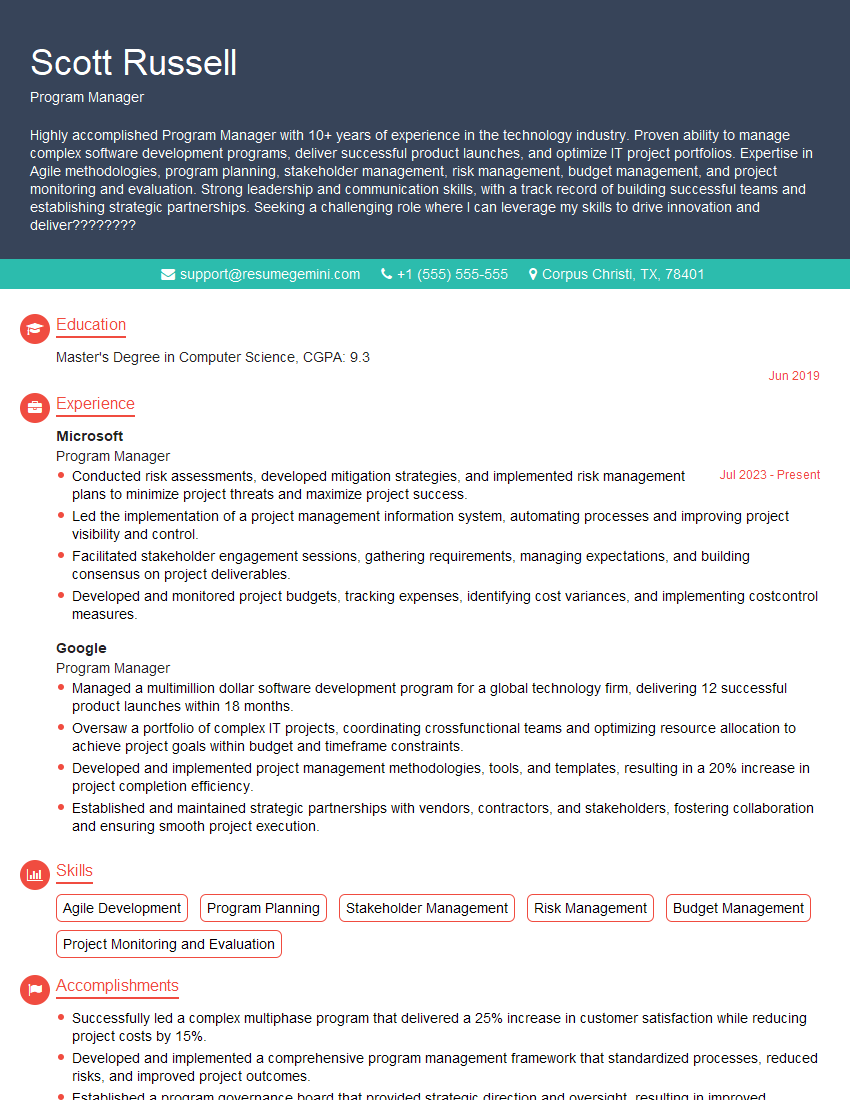
Program Manager Resume Sample
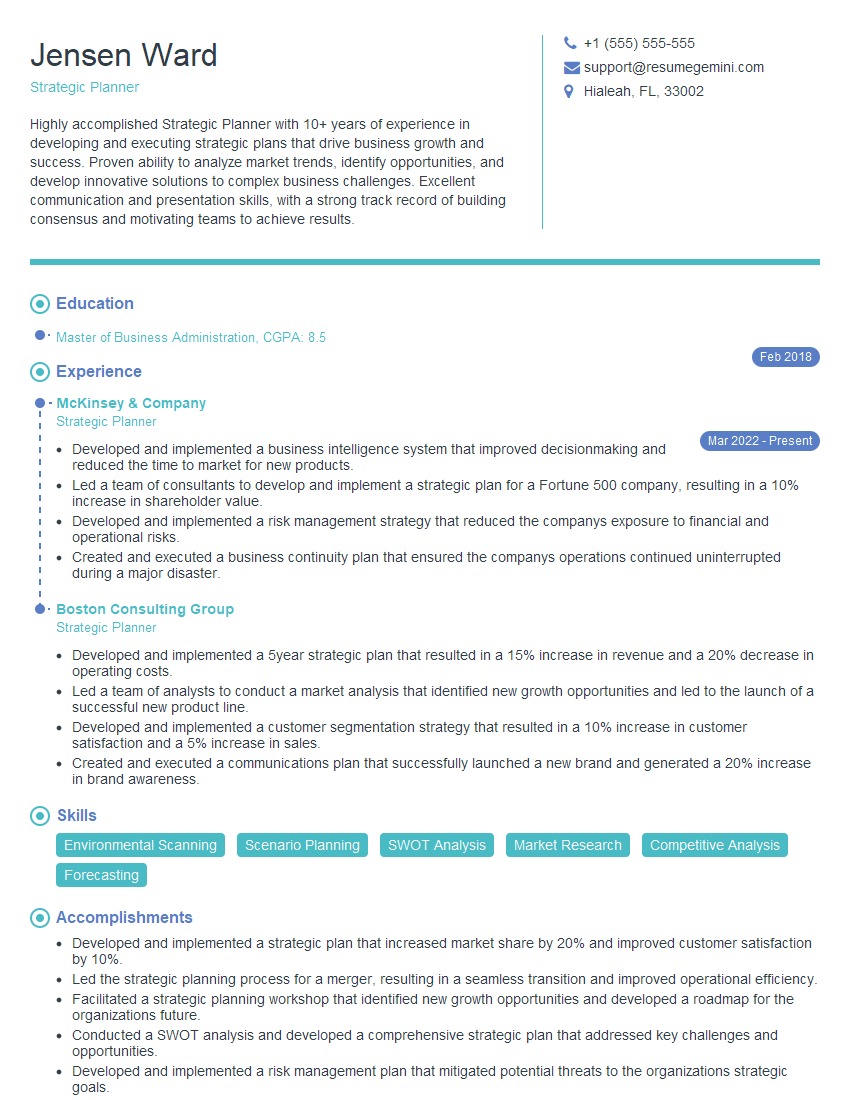
Strategic Planner Resume Sample

Operations Manager Resume Sample

Supply Chain Manager Resume Sample
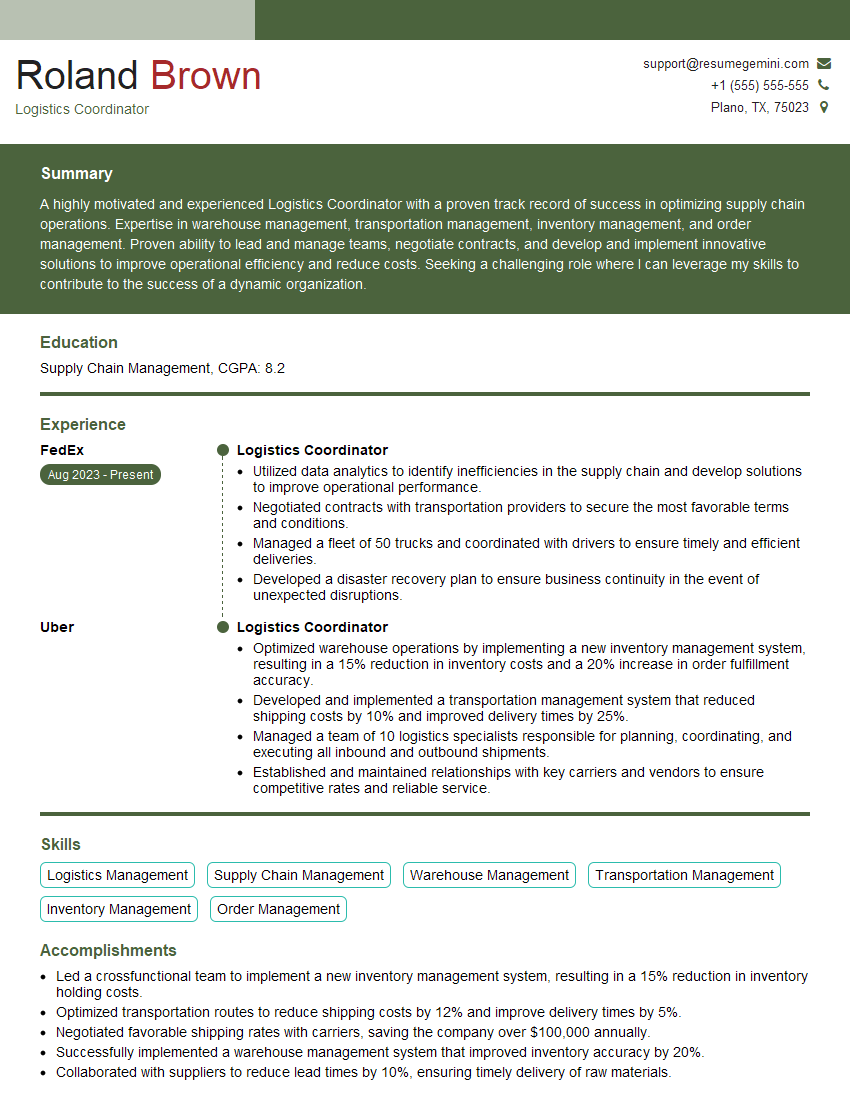
Logistics Coordinator Resume Sample
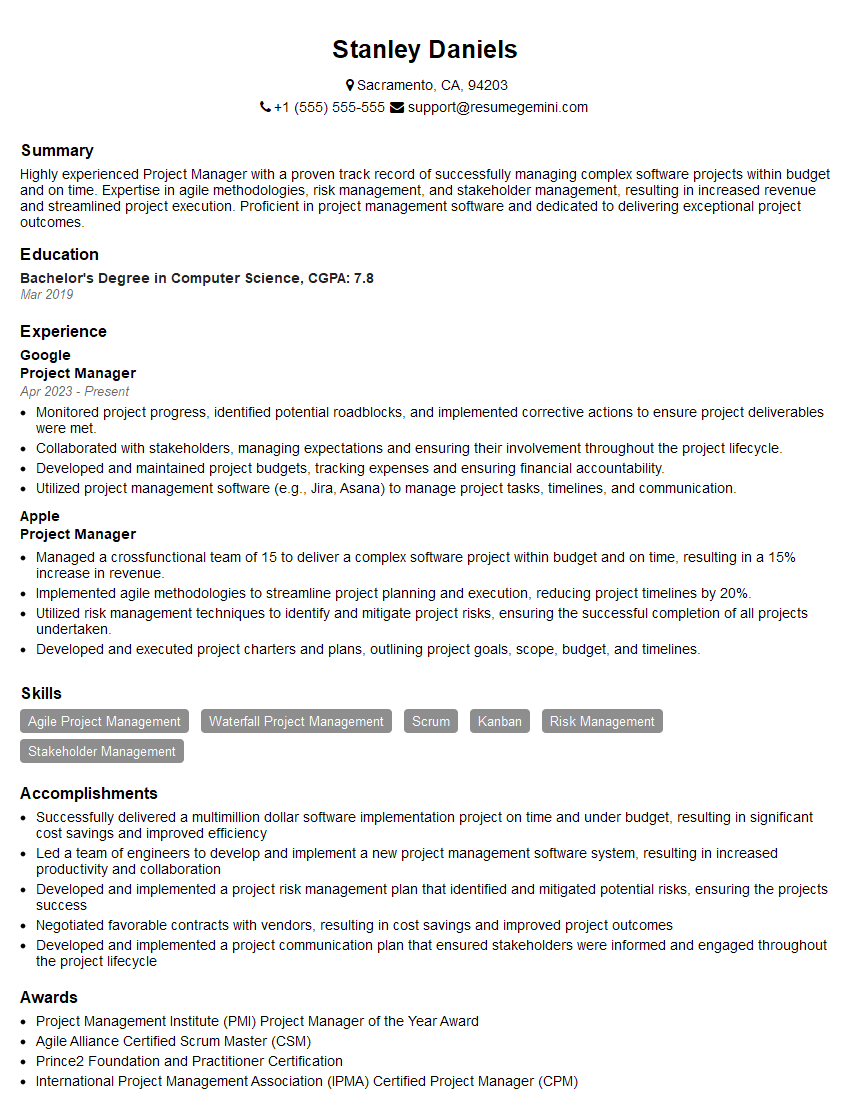
Project Manager Resume Sample

Compliance Officer Resume Sample
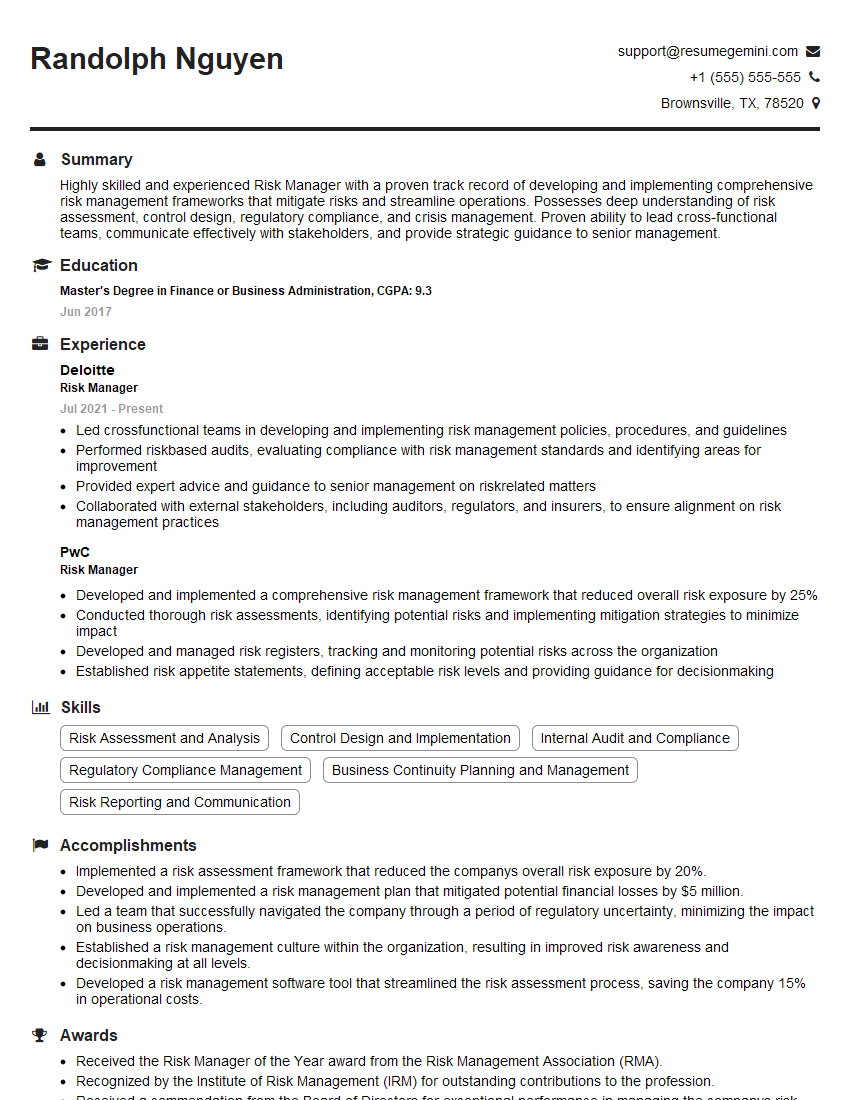
Risk Manager Resume Sample
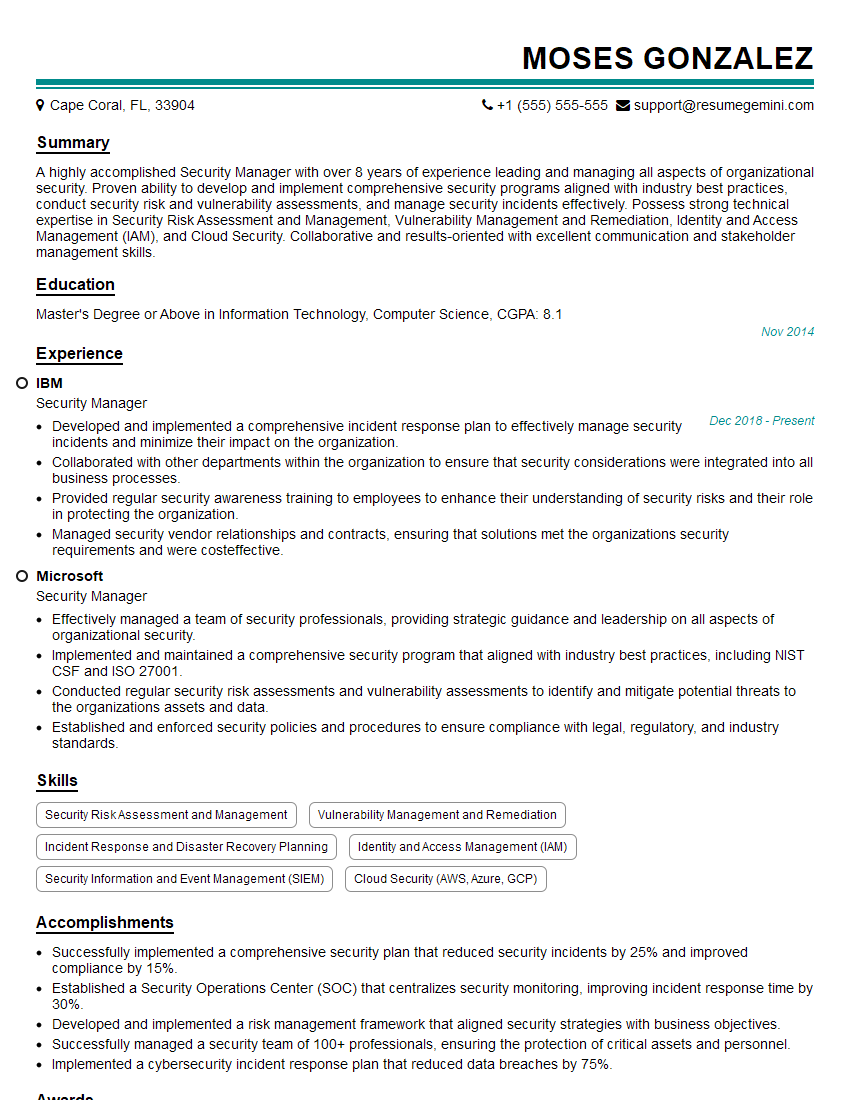
Security Manager Resume Sample
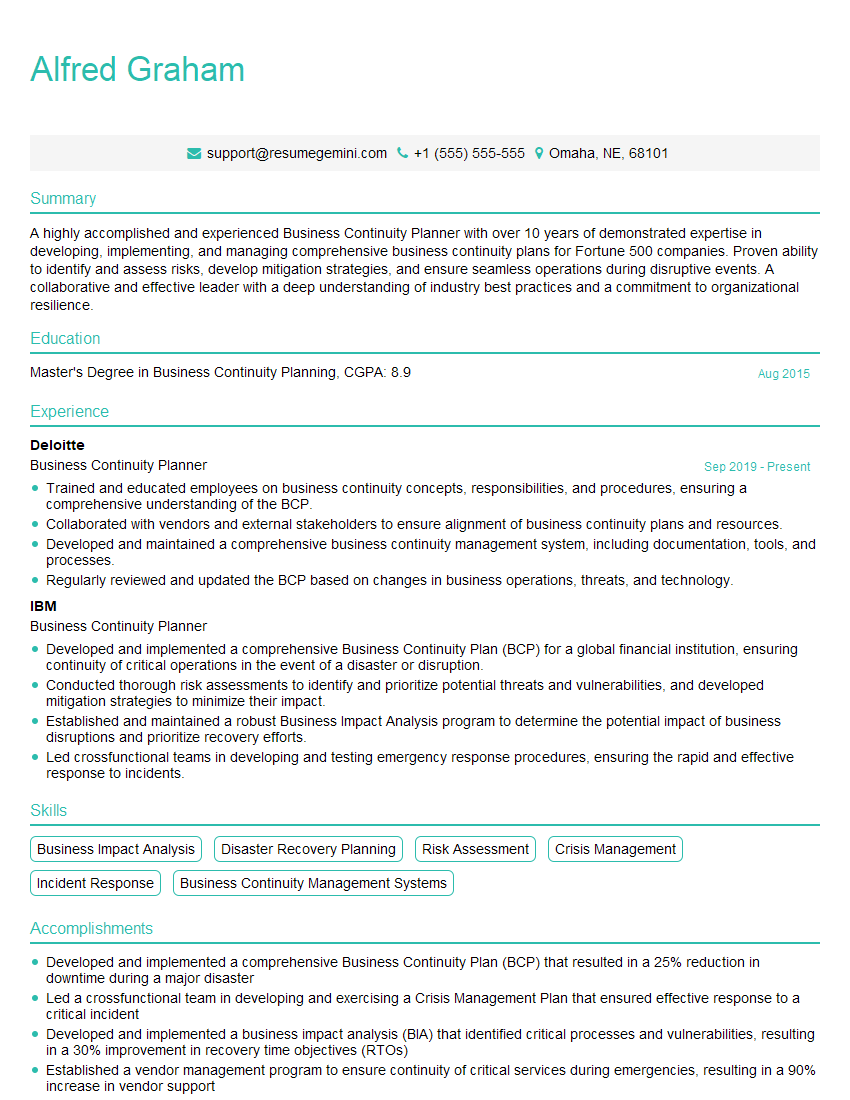
Business Continuity Planner Resume Sample
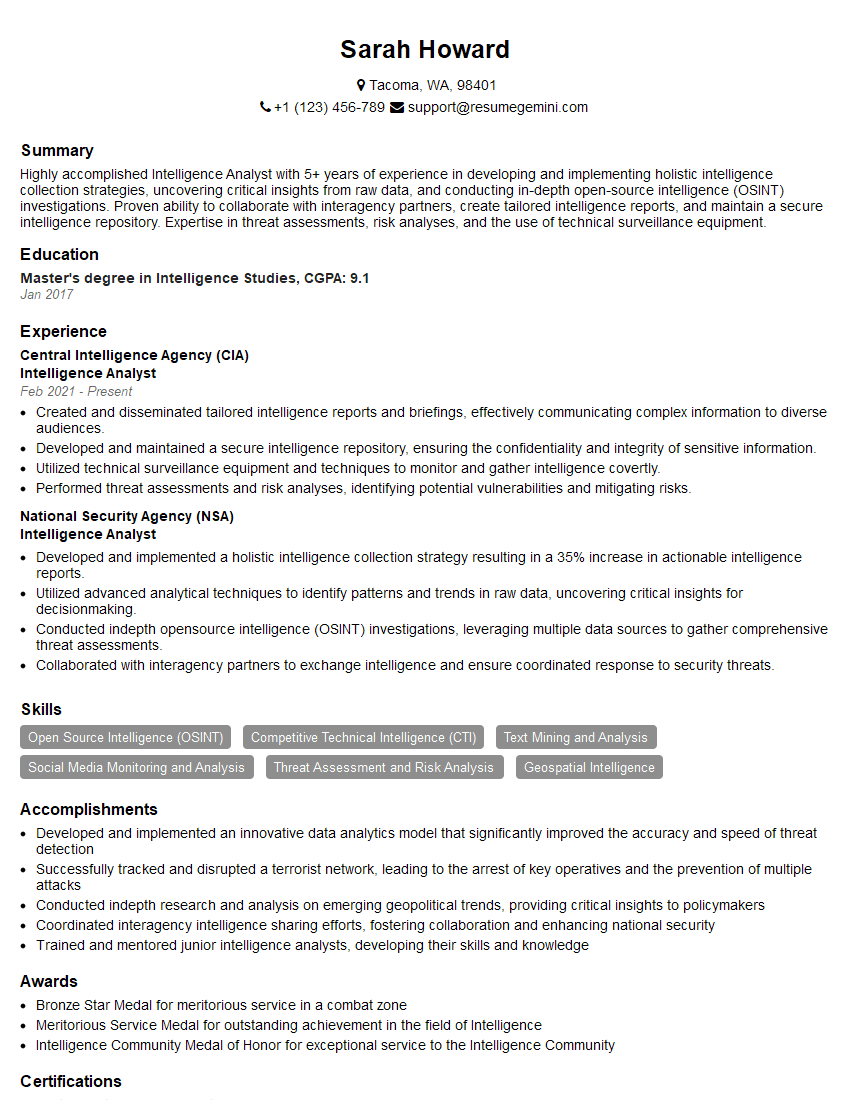
Intelligence Analyst Resume Sample
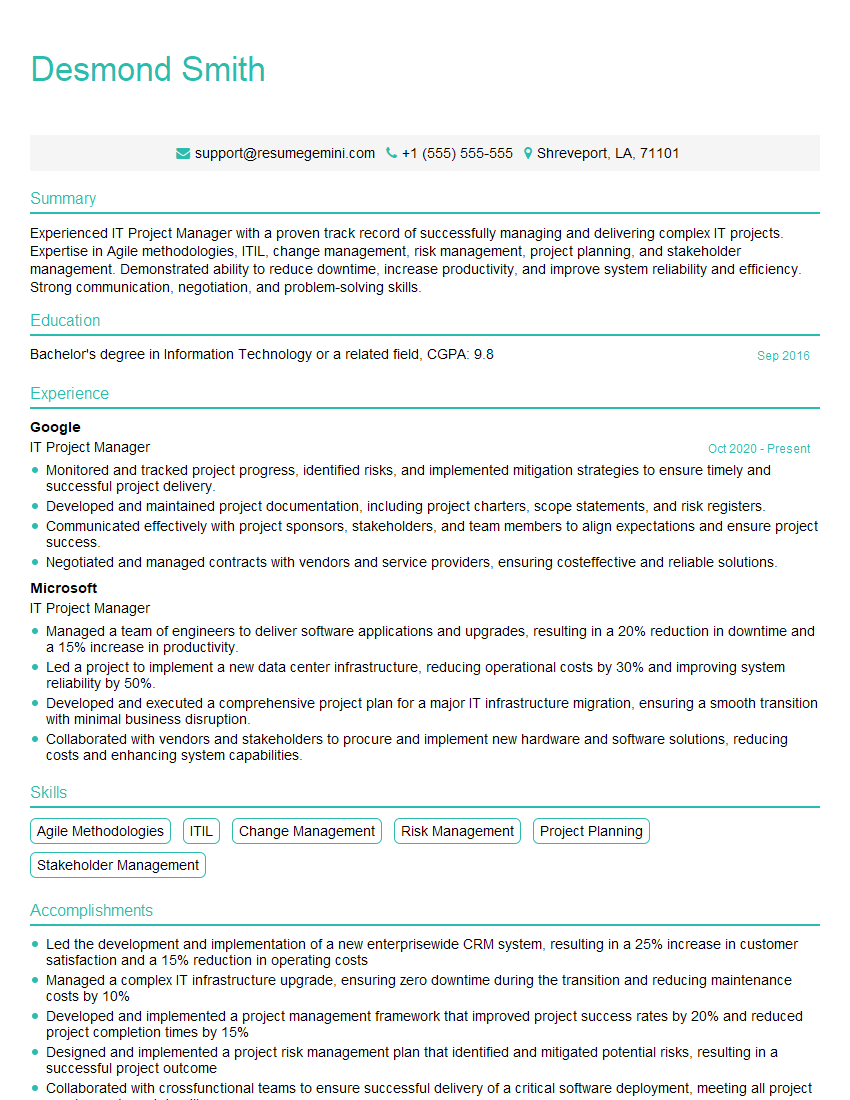
IT Project Manager Resume Sample
Explore more articles
Users Rating of Our Blogs
Share Your Experience
We value your feedback! Please rate our content and share your thoughts (optional).
What Readers Say About Our Blog
Very informative content, great job.
good