Unlock your full potential by mastering the most common Talent and Crew Management interview questions. This blog offers a deep dive into the critical topics, ensuring you’re not only prepared to answer but to excel. With these insights, you’ll approach your interview with clarity and confidence.
Questions Asked in Talent and Crew Management Interview
Q 1. Describe your experience managing a diverse talent roster.
Managing a diverse talent roster requires a multifaceted approach focusing on inclusivity, communication, and understanding individual needs. It’s not just about assembling a team with varied skills; it’s about fostering a collaborative environment where everyone feels valued and respected.
- Understanding Cultural Nuances: I always prioritize understanding the cultural backgrounds and communication styles of each team member. This includes being mindful of potential language barriers, preferred communication methods, and cultural sensitivities regarding feedback and collaboration. For instance, on a recent international project, I ensured that all communication was translated and that meetings were scheduled to accommodate various time zones and religious holidays.
- Equitable Opportunities: I actively seek out and promote equal opportunities for all talent, regardless of background or identity. This involves fair compensation, equitable workload distribution, and providing opportunities for professional development across the board. This has resulted in a more engaged and productive team.
- Open Communication: I create channels for open and honest communication, encouraging team members to voice their concerns and share their perspectives. Regular check-ins, both one-on-one and group meetings, help to identify and address potential issues early on. A recent example involved a team member feeling unheard; open dialogue led to adjustments in workflow that greatly improved their morale and productivity.
Q 2. How do you handle conflicting schedules among crew members?
Conflicting schedules are inevitable in crew management. My approach is proactive and relies on meticulous planning and clear communication.
- Detailed Scheduling Software: I utilize sophisticated scheduling software that allows me to input all crew members’ availability, project deadlines, and individual roles. This provides a clear overview of potential conflicts before they arise.
- Negotiation and Compromise: When conflicts do occur, I prioritize open communication with each crew member to find mutually acceptable solutions. This often involves adjusting schedules, re-allocating tasks, or even engaging additional personnel where necessary. Sometimes it means a difficult conversation about priorities. On a recent shoot, a key grip had a prior commitment; we successfully rearranged the shooting schedule to accommodate both his commitment and project needs.
- Contingency Planning: I always have a backup plan in place. This may involve identifying secondary crew members who can fill in if primary personnel become unavailable. This proactive measure ensures smooth production even with unexpected scheduling disruptions.
Q 3. Explain your process for budgeting talent and crew costs.
Budgeting talent and crew costs requires a detailed and meticulous approach. It involves careful consideration of various factors to ensure the project stays within financial constraints.
- Detailed Breakdown: I begin by creating a detailed breakdown of all anticipated labor costs, including salaries, overtime, benefits, and potential travel expenses for each crew member and talent involved. Each role and skill level is assigned a budget range.
- Negotiation and Value Assessment: I negotiate contracts and rates with talent and crew members while keeping the project’s budget in mind. I strive to find the best balance between affordability and securing high-quality talent. Assessing the value each individual brings is key in this process.
- Contingency Budgeting: A crucial part of the process is including a contingency budget for unforeseen expenses, such as overtime or replacement costs due to unexpected absences. I typically allocate 10-15% of the overall budget for these unforeseen circumstances.
Q 4. What strategies do you use to ensure crew morale remains high?
Maintaining high crew morale is paramount for a successful production. A happy and engaged crew is more productive and delivers higher-quality work.
- Appreciation and Recognition: I actively recognize and appreciate the contributions of each crew member, both individually and as a team. This can involve verbal praise, written acknowledgements, small gifts, or team-building activities. Small gestures can go a long way.
- Open Communication and Feedback: I encourage open communication and actively solicit feedback from the crew. This helps me to identify and address any potential issues or concerns before they escalate. Addressing small problems before they become bigger ones is crucial.
- Fair and Respectful Treatment: Fair treatment and respect are essential. This includes providing a safe and comfortable working environment, fair workload distribution, and adherence to industry standards and labor laws.
- Team-Building Activities: Regular team-building activities such as casual lunches or social gatherings can foster camaraderie and improve morale.
Q 5. How do you mitigate risks associated with talent availability?
Mitigating risks associated with talent availability requires a multi-pronged strategy focusing on proactive planning and contingency measures.
- Early Booking and Contracts: Securing talent early in the process, through firm contracts, helps to minimize the risk of scheduling conflicts or last-minute cancellations. Clear contracts with payment schedules give talent the security they need.
- Backup Talent: Identifying and vetting backup talent for key roles is a critical risk mitigation measure. This ensures that if a primary talent becomes unavailable, a suitable replacement is readily available.
- Detailed Contingency Plans: Developing detailed contingency plans for various scenarios, such as illness, injury, or unforeseen travel issues, helps to ensure the production remains on track despite challenges.
- Strong Communication: Maintaining open and proactive communication with talent throughout the production process helps to identify and address potential issues early on, limiting the impact on the project schedule.
Q 6. Describe your experience with union contracts and regulations.
My experience with union contracts and regulations is extensive. I understand the importance of adhering to all relevant rules and regulations to ensure compliance and prevent potential legal issues. Familiarity with these rules is crucial for managing projects smoothly.
- Contract Negotiation: I’m adept at negotiating union contracts, ensuring that all terms and conditions are fair and comply with applicable regulations. I ensure that all clauses are understood by all parties.
- Compliance: I’m meticulous in ensuring that all aspects of the production comply with union regulations, including pay scales, working hours, safety standards, and grievance procedures. I understand the potential legal issues if rules are not followed.
- Relationship Building: Building strong relationships with union representatives is essential for navigating any potential issues or disputes. Open communication and mutual respect are key in this process. Addressing concerns proactively is important.
Q 7. How do you handle difficult personalities within a crew?
Handling difficult personalities requires a combination of diplomacy, clear communication, and firm yet fair leadership. The key is addressing issues directly and professionally while maintaining a respectful work environment.
- Private Conversation: Addressing behavioral issues in private is crucial. It helps to prevent public confrontation and allows for a more direct and focused discussion about concerns.
- Active Listening and Empathy: Active listening and an attempt to understand the root cause of the difficult behavior can be surprisingly effective. Empathy can facilitate problem solving.
- Clear Expectations and Consequences: Setting clear expectations regarding professional conduct and outlining the consequences of unacceptable behavior is important. This ensures that everyone understands the boundaries of acceptable workplace conduct.
- Mediation: If necessary, I will involve a neutral third party, such as a human resources professional, to mediate disputes and help find resolutions that benefit all parties involved. Sometimes an outside perspective is necessary.
Q 8. Explain your process for onboarding new crew members.
Our crew onboarding process is meticulously designed to ensure a smooth transition for new members. It’s a multi-stage process, starting with pre-boarding communication. We send a welcome package outlining expectations, key personnel contacts, and required paperwork. This minimizes confusion on day one.
- Orientation: The first day involves a comprehensive orientation covering company culture, safety procedures, and project specifics. We emphasize teamwork and clear communication right from the start.
- Mentorship Program: Each new crew member is paired with an experienced mentor who provides guidance and support during their initial weeks. This fosters a sense of belonging and accelerates learning.
- Skills Training: Depending on the role, we offer tailored training programs to upskill or refresh existing skills. We utilize a blended learning approach combining online modules with hands-on workshops.
- Regular Check-ins: We conduct regular check-ins during the first month to address any concerns or challenges. This proactive approach ensures a successful integration into the team.
For example, a new camera assistant would receive training on our specific camera equipment, workflow, and communication protocols. Their mentor would accompany them on initial shoots to provide on-the-job support.
Q 9. How do you track and manage crew timecards and payroll?
We utilize a robust time and attendance system integrated with our payroll software. Crew members submit their timecards electronically, which are then reviewed and approved by their supervisors. The system automatically calculates hours worked, overtime, and any applicable deductions.
This streamlined process minimizes errors and ensures timely and accurate payroll. We also incorporate features that track project-specific hours, allowing for accurate cost allocation and budget tracking. The software generates comprehensive reports, providing valuable insights into labor costs and productivity.
For example, if a particular project is over budget on labor, we can analyze the timecard data to identify potential areas for improvement, such as workflow optimization or more efficient resource allocation.
Q 10. What metrics do you use to measure the success of your team?
Measuring team success goes beyond simply completing projects on time and within budget. We utilize a balanced scorecard approach, considering various key performance indicators (KPIs).
- Project Completion Rate: This tracks the percentage of projects completed on time and within budget.
- Client Satisfaction: We actively solicit feedback from clients to gauge their satisfaction with our work and identify areas for improvement.
- Employee Satisfaction: Regular surveys and one-on-one meetings help us understand our team’s morale and address any concerns.
- Safety Record: Maintaining a safe working environment is paramount. We track incident rates and implement preventative measures.
- Team Collaboration: We analyze team dynamics and communication effectiveness to ensure smooth collaboration.
By monitoring these KPIs, we gain a holistic understanding of our team’s performance and identify areas requiring attention or improvement. For instance, a low client satisfaction score might prompt us to review our communication strategies or project management processes.
Q 11. Describe your experience with talent release and contract negotiations.
Talent release and contract negotiations are crucial aspects of crew management. We ensure a clear and legally sound process.
- Contract Review: All contracts are meticulously reviewed by our legal team to ensure compliance with all relevant labor laws and industry standards.
- Clear Communication: We maintain open and honest communication with talent throughout the duration of their contract. This helps prevent misunderstandings and facilitates a smooth conclusion to the project.
- Negotiation: We negotiate fair and equitable terms that meet both the needs of the production and the talent. We aim for win-win outcomes.
- Documentation: All agreements and communications are documented thoroughly. This helps prevent disputes and protects both parties.
For example, in one instance, we successfully negotiated an extension for a key artist by offering a revised payment schedule and additional perks. This demonstrated our commitment to maintaining good working relationships and achieving mutually beneficial outcomes.
Q 12. How do you ensure compliance with all relevant labor laws?
Compliance with labor laws is a top priority. We maintain a dedicated compliance officer who stays abreast of all relevant legislation and ensures our practices adhere to the regulations. This includes:
- Wage and Hour Compliance: We ensure accurate record-keeping of hours worked, overtime pay, and adherence to minimum wage laws.
- Tax Compliance: We properly withhold and remit all required taxes.
- Safety Regulations: We adhere to all workplace safety regulations and provide appropriate training to our crew.
- Equal Employment Opportunity: We maintain a fair and equitable hiring process, free from discrimination.
- Regular Audits: We conduct regular internal audits to ensure our practices remain compliant.
We also regularly consult with legal counsel to stay updated on any changes in labor laws. Proactive compliance protects our company from potential legal issues and fosters a fair and ethical work environment.
Q 13. Explain your process for resolving conflicts between talent and crew.
Conflict resolution is a crucial skill in crew management. Our approach is based on prompt intervention, clear communication, and a focus on finding mutually acceptable solutions.
- Mediation: We encourage open communication and encourage both parties to express their perspectives. A neutral mediator can help facilitate this process.
- Formal Grievance Procedure: We have a formal procedure for handling grievances, outlining steps for escalating issues if informal resolutions fail.
- Fair and Impartial Investigation: If necessary, we conduct thorough investigations to understand the root cause of the conflict.
- Documentation: We maintain detailed records of all communications and resolutions.
For example, if a conflict arises between a director and a cinematographer, we would facilitate a meeting where they can openly discuss their concerns and work towards a solution. If necessary, we may involve a third-party mediator to assist in the process.
Q 14. Describe a time you had to make a difficult decision regarding talent or crew.
One challenging decision involved a lead actor who consistently arrived late to set, disrupting the entire production schedule. This impacted morale and increased costs. After multiple warnings and attempts at informal resolution, we had to consider replacing the actor.
This was difficult because the actor was talented and the replacement would be costly and time-consuming. However, the ongoing disruptions were negatively impacting the project’s overall success. After careful consideration, weighing the artistic merits against the practical implications, we decided to replace the actor. This decision was difficult, but it ultimately protected the project’s success and ensured the well-being of the rest of the crew. While not always easy, prioritizing the overall project health and team dynamics is sometimes necessary for a positive outcome.
Q 15. How do you build and maintain positive relationships with talent agents?
Building and maintaining positive relationships with talent agents is crucial for securing top talent. It’s about establishing trust, mutual respect, and open communication. Think of it like cultivating a garden; you need consistent nurturing.
Regular Communication: I make it a point to contact agents regularly, even if I don’t have immediate projects. This keeps me top-of-mind and allows for relationship building.
Professionalism and Honesty: Transparency is key. I’m upfront about project details, budgets, and timelines. I treat agents with respect and professionalism, understanding they are advocates for their clients.
Follow-Through: Promises are kept. If I say I’ll get back to an agent, I do. If I say I’ll submit an offer, I do. Reliability builds trust.
Networking and Events: I actively participate in industry events and networking opportunities to connect with agents and build rapport face-to-face.
Feedback (positive and constructive): I always provide feedback to agents on the performance of their talent. This helps them better represent their clients and strengthens our collaborative relationship.
For example, during a recent project, I proactively contacted an agent to discuss the availability of their client for a future, related project. This proactive communication fostered a stronger working relationship, leading to a smoother booking process later on.
Career Expert Tips:
- Ace those interviews! Prepare effectively by reviewing the Top 50 Most Common Interview Questions on ResumeGemini.
- Navigate your job search with confidence! Explore a wide range of Career Tips on ResumeGemini. Learn about common challenges and recommendations to overcome them.
- Craft the perfect resume! Master the Art of Resume Writing with ResumeGemini’s guide. Showcase your unique qualifications and achievements effectively.
- Don’t miss out on holiday savings! Build your dream resume with ResumeGemini’s ATS optimized templates.
Q 16. What software or tools do you use for talent and crew management?
Effective talent and crew management relies heavily on specialized software and tools. My toolkit typically includes a combination of platforms designed to streamline various aspects of the process.
Casting and Scheduling Software: I use software like
CastNetorProductionHUBfor casting calls, scheduling auditions, and managing talent availability. These platforms allow for efficient communication and offer centralized data management.Crew Management Software:
CrewCallor similar tools are essential for tracking crew information, scheduling, payroll, and communication. This helps avoid conflicts and ensures everyone is on the same page.Project Management Software:
AsanaorTrelloare helpful for project planning, task assignment, and progress tracking, keeping the whole production team aligned.Communication Platforms:
Slackor similar collaborative platforms are vital for real-time communication with crew and talent.
These tools combined allow for a streamlined workflow, reducing administrative burden and improving overall efficiency. The data provided also assists in analyzing future resource needs.
Q 17. How do you handle unexpected absences or emergencies within the crew?
Unexpected absences or emergencies within the crew require a rapid and effective response. Preparation and contingency planning are critical.
Emergency Contact Information: Maintaining up-to-date emergency contact information for all crew members is paramount. This allows for swift communication in case of an incident.
Standby Crew: Having a standby crew or a list of readily available replacements for key roles can mitigate the impact of unforeseen absences.
Cross-Training: Cross-training crew members allows for flexibility. If one member is unavailable, another can often step in with minimal disruption.
Communication Protocol: Establishing a clear communication protocol for handling emergencies ensures that information is disseminated promptly and accurately.
Adaptability: Being able to adapt to unforeseen circumstances and revise schedules as needed is essential. This often involves creative problem-solving and leveraging the skills of the available team members.
In one instance, a key grip became ill unexpectedly. Due to our pre-planned standby list and the grip’s colleague having some cross-training, we were able to replace him swiftly, minimizing disruption to the shoot schedule.
Q 18. What are your strategies for recruiting and retaining top talent?
Recruiting and retaining top talent requires a multifaceted approach focusing on both attraction and retention strategies. It’s a continuous process.
Strategic Recruitment: I leverage online platforms, industry networks, and personal referrals to find the best candidates. This includes actively attending industry events and maintaining contact with experienced professionals.
Competitive Compensation and Benefits: Offering competitive salaries, health insurance, and other benefits is crucial for attracting and retaining skilled professionals.
Positive Work Environment: Creating a respectful, collaborative, and supportive work environment where individuals feel valued is paramount. This involves clear communication, respect for work-life balance, and opportunities for professional growth.
Career Development Opportunities: Offering training, mentorship, and opportunities for advancement helps to retain talent by fostering employee growth and engagement.
Employee Recognition: Acknowledging and appreciating the contributions of team members, through both formal and informal means, can significantly boost morale and retention.
For example, our success in retaining a senior cinematographer is largely attributed to providing opportunities for them to mentor junior crew members and to use the latest film technologies on our projects. This created a sense of ownership and professional fulfillment.
Q 19. Describe your experience with background checks and security clearances.
Background checks and security clearances are essential, especially in projects that require high levels of security or involve sensitive information. The process differs based on the project’s needs and legal requirements.
Compliance with Regulations: I strictly adhere to all relevant legal and regulatory requirements regarding background checks. This includes understanding local laws and industry best practices.
Third-Party Services: I typically engage reputable third-party background check services to conduct thorough screenings. This ensures objectivity and compliance with legal standards.
Security Clearance Procedures: When necessary, I work closely with relevant government or private sector agencies to obtain the required security clearances for crew members. This process can be lengthy and requires meticulous documentation.
Data Privacy: I handle all personal data responsibly, ensuring compliance with data privacy regulations and maintaining the confidentiality of sensitive information.
For instance, a recent project requiring access to a secure government facility necessitated coordinating background checks and security clearances through a specialized agency. We managed the process meticulously, guaranteeing compliance and on-time project commencement.
Q 20. How do you ensure that all crew members are properly trained and equipped?
Ensuring proper training and equipment is crucial for safety, efficiency, and project success. It’s a proactive and ongoing process.
Pre-Production Training: I provide comprehensive training sessions before the project begins. This covers safety procedures, equipment usage, and project-specific protocols.
On-the-Job Training: I encourage on-the-job learning and mentorship. Experienced crew members guide newcomers, ensuring knowledge transfer and skill development.
Equipment Check and Maintenance: Regular equipment checks and maintenance are conducted to ensure all tools are in working order and safe for use.
Safety Training: Safety training is a priority, covering potential hazards, emergency procedures, and the use of safety equipment.
Documentation: I maintain detailed records of all training provided and equipment maintenance schedules. This demonstrates compliance and facilitates ongoing improvement.
For example, before commencing a complex stunt sequence, I arranged for specialized safety training, involving demonstrations and practical exercises. This ensured all crew members were fully prepared and capable of handling the demanding situations.
Q 21. Explain your experience with international crew and talent.
Working with international crew and talent presents unique challenges and opportunities. Success hinges on careful planning and cultural sensitivity.
Visa and Work Permits: Navigating visa and work permit regulations for international crew members is a critical aspect. This involves understanding the legal requirements of different countries and engaging immigration specialists when necessary.
Cultural Awareness: I prioritize cultural awareness and sensitivity, ensuring respectful communication and collaboration across different cultures.
Communication Strategies: Effective communication is vital. This may involve using translation services or adapting communication styles to ensure everyone understands and feels included.
Logistics: Managing travel arrangements, accommodation, and other logistical details for international crew members requires meticulous planning and coordination.
Time Zone Considerations: Adjusting schedules and communication strategies to account for different time zones is essential for seamless collaboration.
For instance, on an international project filmed in several countries, I partnered with a specialized agency that handled all aspects of visa acquisition and travel logistics. This eased the process, allowing the focus to remain on creative aspects of production.
Q 22. How do you manage travel and accommodation arrangements for crew?
Managing travel and accommodation for a crew requires meticulous planning and attention to detail. It’s not just about booking flights and hotels; it’s about ensuring the crew arrives rested, prepared, and on time. My process begins with understanding the project’s location, dates, and the crew’s specific needs (e.g., dietary restrictions, accessibility requirements).
- Pre-Production Planning: I collaborate with the production team to determine the optimal travel dates and locations, considering flight schedules and potential delays. I research various accommodation options, focusing on proximity to set, safety, and comfort.
- Booking & Confirmation: I utilize travel management software or work with travel agents to secure the most cost-effective yet suitable options. This includes confirming flight bookings, hotel reservations, and any necessary ground transportation (e.g., airport transfers). All bookings are meticulously documented and shared with the crew.
- Communication & Contingency Planning: Throughout the process, I maintain clear and proactive communication with the crew. This includes sending confirmation emails, itinerary updates, and emergency contact information. I also develop contingency plans to address potential travel disruptions, such as flight cancellations or unforeseen weather events.
- Post-Production Wrap-up: After the production, I handle all necessary expense reports and ensure timely reimbursements. I also gather feedback from the crew to improve future travel arrangements.
For example, on a recent international shoot, I successfully negotiated group discounts on flights and secured a block booking at a hotel offering complimentary shuttle services to the set, saving both time and money.
Q 23. How do you handle talent performance issues?
Addressing talent performance issues requires a sensitive yet firm approach, focusing on constructive feedback and solutions rather than blame. My approach involves several key steps:
- Early Identification: Regular check-ins and informal conversations are key to early identification of potential problems. I actively seek feedback from the team and the talent themselves.
- Private & Constructive Feedback: When issues arise, I initiate a private meeting with the talent to discuss their performance. The feedback is framed constructively, focusing on specific behaviors and their impact on the project, rather than general criticisms.
- Collaborative Solutions: I work with the talent to identify solutions that will improve their performance. This may involve additional training, mentorship, or adjustments to their role. The goal is to empower them to succeed.
- Documentation & Follow-up: All performance discussions are documented, and follow-up meetings are scheduled to track progress. This ensures accountability and transparency.
- Escalation (if necessary): In cases where performance issues persist despite intervention, I escalate the matter to the relevant production managers. This might involve performance improvement plans or, in extreme cases, termination of contract.
For instance, I once worked with an actor struggling with memorizing lines. Through targeted coaching sessions and script adjustments, I helped them regain confidence and successfully complete their role.
Q 24. How do you ensure compliance with insurance and liability requirements?
Ensuring compliance with insurance and liability requirements is paramount in talent and crew management. Neglecting this can lead to significant legal and financial ramifications. My process involves a multi-stage approach:
- Risk Assessment: I work with production to identify potential risks associated with the project, considering location, activities, and the number of people involved.
- Insurance Policy Review: I review the existing insurance policies to confirm adequate coverage. This includes ensuring sufficient workers’ compensation, liability insurance, and any necessary specialized coverage (e.g., equipment insurance, professional indemnity).
- Crew Documentation: I maintain accurate and up-to-date records for all crew members, including their contact information, employment details, and any necessary permits or licenses.
- Compliance Training: I ensure that all crew members receive necessary safety training and understand their responsibilities related to workplace safety and risk mitigation.
- Regular Audits: I conduct regular audits of our insurance policies and documentation to ensure ongoing compliance.
For example, before a shoot involving hazardous materials, I ensured we had the appropriate permits, specialized insurance, and safety training in place for everyone involved, mitigating potential risks and ensuring compliance.
Q 25. Describe your experience working under tight deadlines.
Working under tight deadlines is a common reality in the entertainment industry. My experience has equipped me with strategies to manage time effectively and deliver results under pressure:
- Prioritization & Planning: I prioritize tasks based on their urgency and importance, using project management tools to track progress and deadlines. I break down large tasks into smaller, manageable steps.
- Efficient Communication: Maintaining clear and concise communication with all stakeholders is crucial. Regular updates and proactive problem-solving help prevent delays.
- Flexibility & Adaptability: I’m adaptable and flexible in the face of unexpected changes. This involves quickly adjusting plans and finding creative solutions to overcome challenges.
- Delegation & Teamwork: I’m comfortable delegating tasks effectively to utilize team members’ strengths, ensuring workload distribution and maximizing efficiency.
- Stress Management: I maintain a calm and organized approach under pressure. This involves effective time management, prioritizing self-care, and seeking support from colleagues when needed.
During the production of a short film with a tight turnaround, I efficiently managed crew scheduling, travel arrangements, and equipment logistics, delivering the project on time and within budget despite multiple last-minute changes.
Q 26. Explain your process for creating and distributing crew call sheets.
Creating and distributing crew call sheets is crucial for smooth production. My process is designed for accuracy, efficiency, and clear communication:
- Template Creation: I utilize a standardized call sheet template including all essential information: date, time, location, weather forecast, call time, scene numbers, contact information, and any special instructions.
- Data Gathering: I collect the necessary information from the production schedule, including scene details, shooting locations, cast & crew assignments, and equipment requirements.
- Call Sheet Generation: I populate the template with the collected data, ensuring accuracy and consistency. I double-check all information before distribution.
- Distribution: I distribute the call sheets electronically via email, typically 24-48 hours before the shoot, ensuring everyone has access to the critical information.
- Updates & Revisions: I manage updates and revisions to call sheets, communicating any changes promptly to the affected crew members.
To enhance organization and accuracy, I use project management software to generate and manage call sheets, reducing potential errors and saving time. I also utilize color-coding and clear formatting for easy readability.
Q 27. How do you communicate effectively with diverse teams and individuals?
Effective communication with diverse teams and individuals is fundamental to successful crew management. My approach focuses on empathy, clarity, and inclusivity:
- Active Listening: I prioritize active listening, ensuring that I understand perspectives from individuals across different backgrounds and experiences.
- Clear & Concise Communication: I use clear and concise language, avoiding jargon or overly technical terms. I tailor my communication style to the audience, ensuring that information is easily understood.
- Nonverbal Communication Awareness: I pay attention to nonverbal cues, understanding that communication is not limited to words. I strive to create a safe and respectful environment where everyone feels comfortable sharing their thoughts.
- Cultural Sensitivity: I’m sensitive to cultural differences, recognizing that communication styles and norms vary significantly across cultures. I adapt my communication to be respectful and appropriate in various settings.
- Open Feedback Channels: I establish open communication channels to facilitate feedback from individuals, ensuring that concerns are addressed promptly.
On a recent international project, I successfully navigated communication challenges between a team comprising individuals from diverse linguistic and cultural backgrounds. Through active listening, clear communication, and respect for individual differences, I fostered a collaborative and productive environment.
Key Topics to Learn for Talent and Crew Management Interview
- Recruitment Strategies: Understanding diverse recruitment methods (e.g., online platforms, networking, agency partnerships), candidate sourcing techniques, and employer branding strategies.
- Onboarding and Training: Developing and implementing effective onboarding programs, designing training materials, and managing employee training and development initiatives.
- Performance Management: Setting clear expectations, conducting performance reviews, providing constructive feedback, and identifying areas for improvement within the team.
- Payroll and Compensation: Understanding payroll processes, benefits administration, compensation structures, and compliance with relevant labor laws.
- Crew Scheduling and Resource Allocation: Optimizing crew scheduling to meet project needs, managing resource allocation effectively, and addressing potential scheduling conflicts.
- Budget Management: Developing and managing budgets for talent acquisition, training, and payroll, tracking expenses, and ensuring cost-effectiveness.
- Legal Compliance: Understanding and adhering to employment laws, regulations, and ethical considerations in all talent-related processes.
- Technology & Tools: Familiarity with Applicant Tracking Systems (ATS), HRIS systems, and other relevant software for managing talent and crew effectively.
- Data Analysis & Reporting: Analyzing key performance indicators (KPIs) related to talent acquisition, retention, and performance to inform strategic decision-making.
- Problem-Solving & Conflict Resolution: Developing strategies for resolving conflicts within the team, addressing performance issues, and managing challenging situations.
Next Steps
Mastering Talent and Crew Management is crucial for career advancement in today’s dynamic work environment. A strong understanding of these principles demonstrates valuable skills in leadership, strategic planning, and operational efficiency, opening doors to exciting opportunities. To enhance your job prospects, create an ATS-friendly resume that showcases your skills and experience effectively. ResumeGemini is a trusted resource to help you build a professional and impactful resume. Examples of resumes tailored to Talent and Crew Management are available to guide you. Invest the time in crafting a compelling resume – it’s your first impression with potential employers.

Production Coordinator Resume Sample
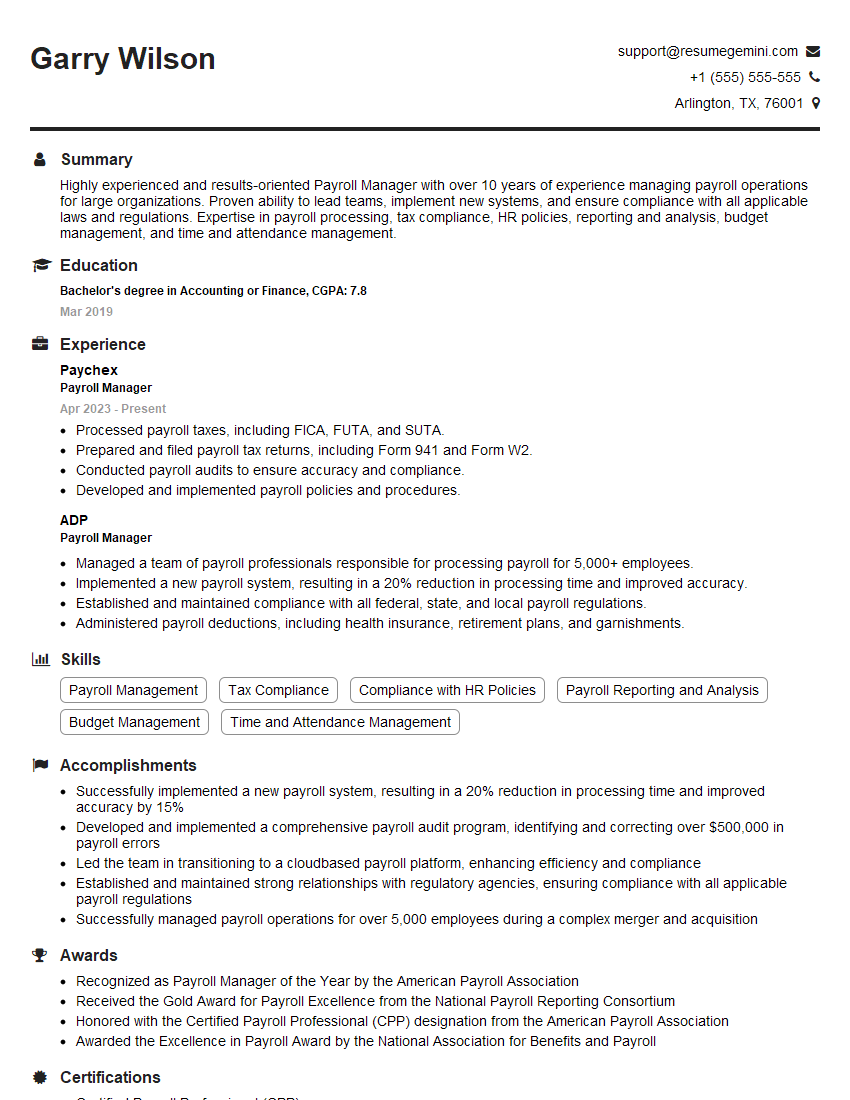
Payroll Manager Resume Sample
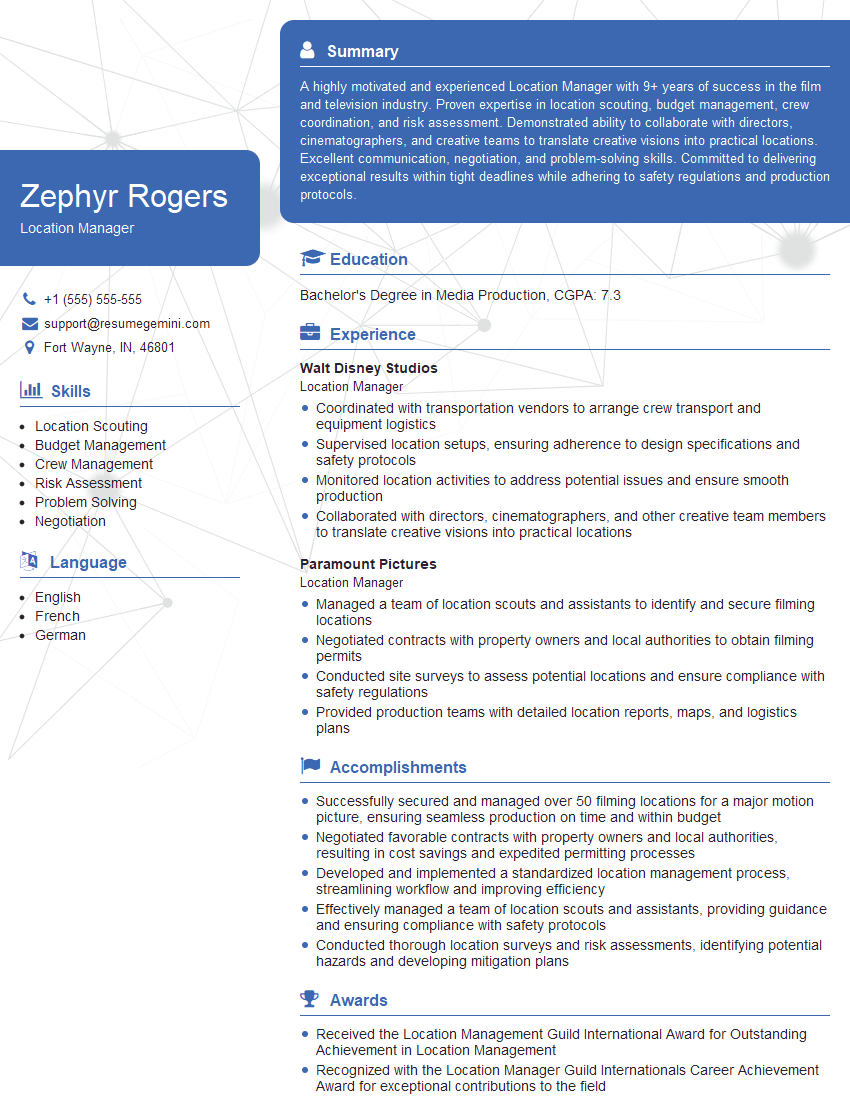
Location Manager Resume Sample
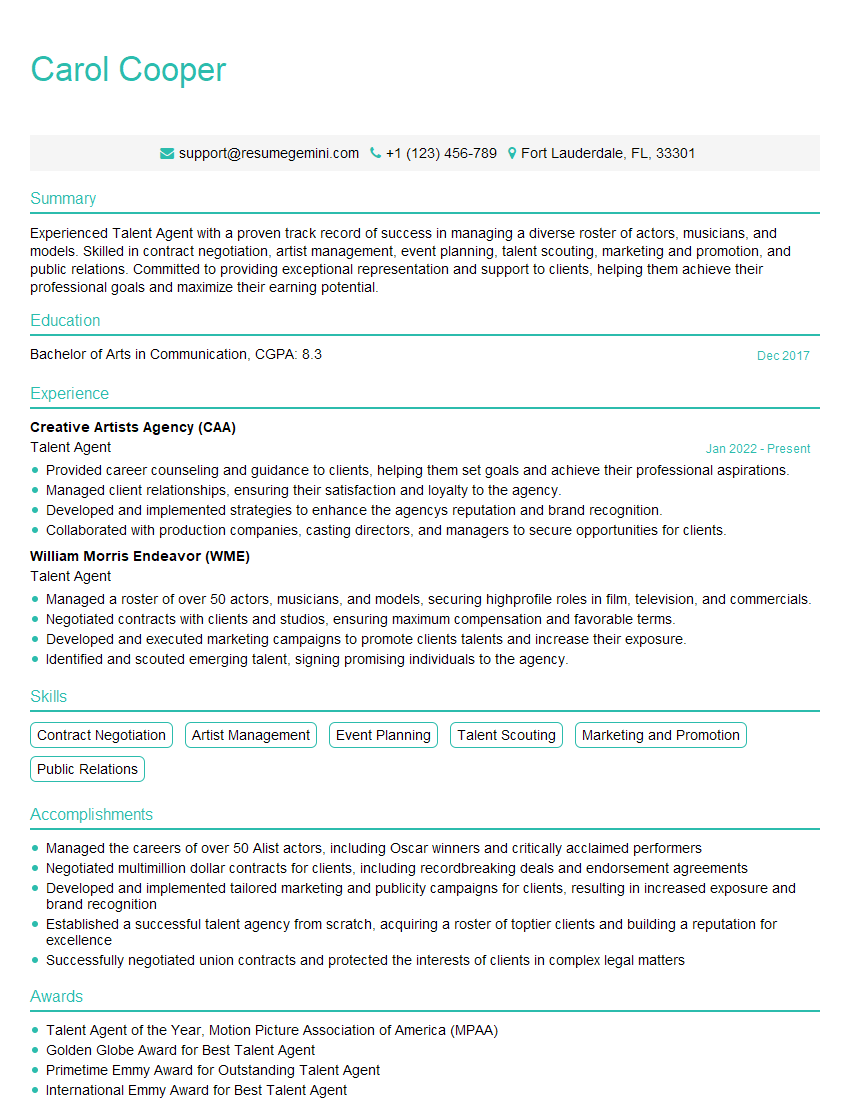
Talent Agent Resume Sample
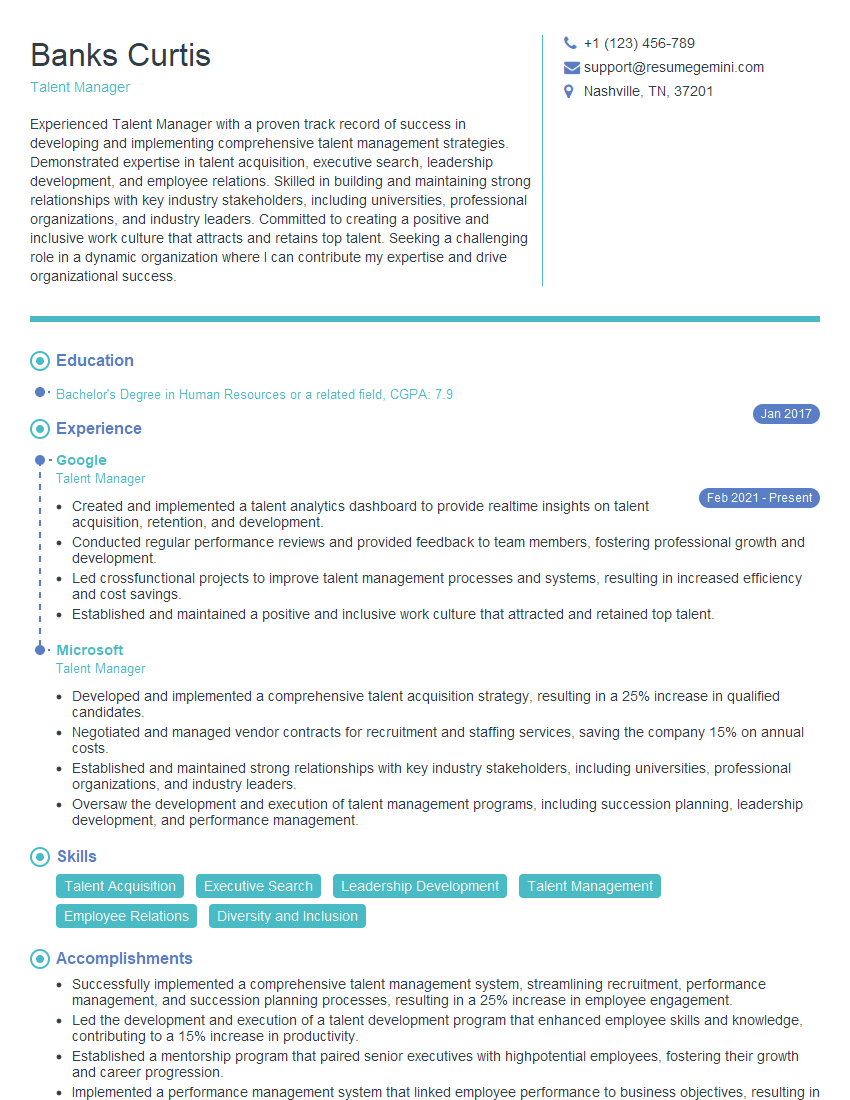
Talent Manager Resume Sample
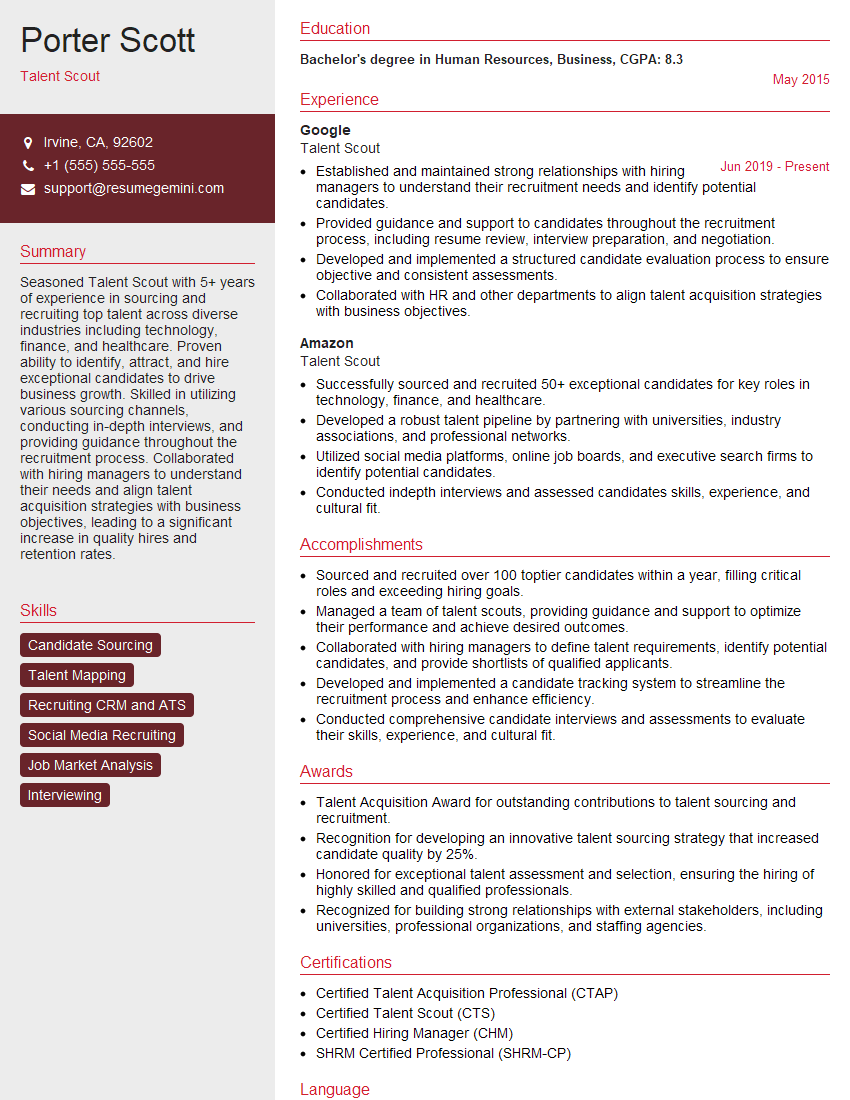
Talent Scout Resume Sample

Scheduling Coordinator Resume Sample
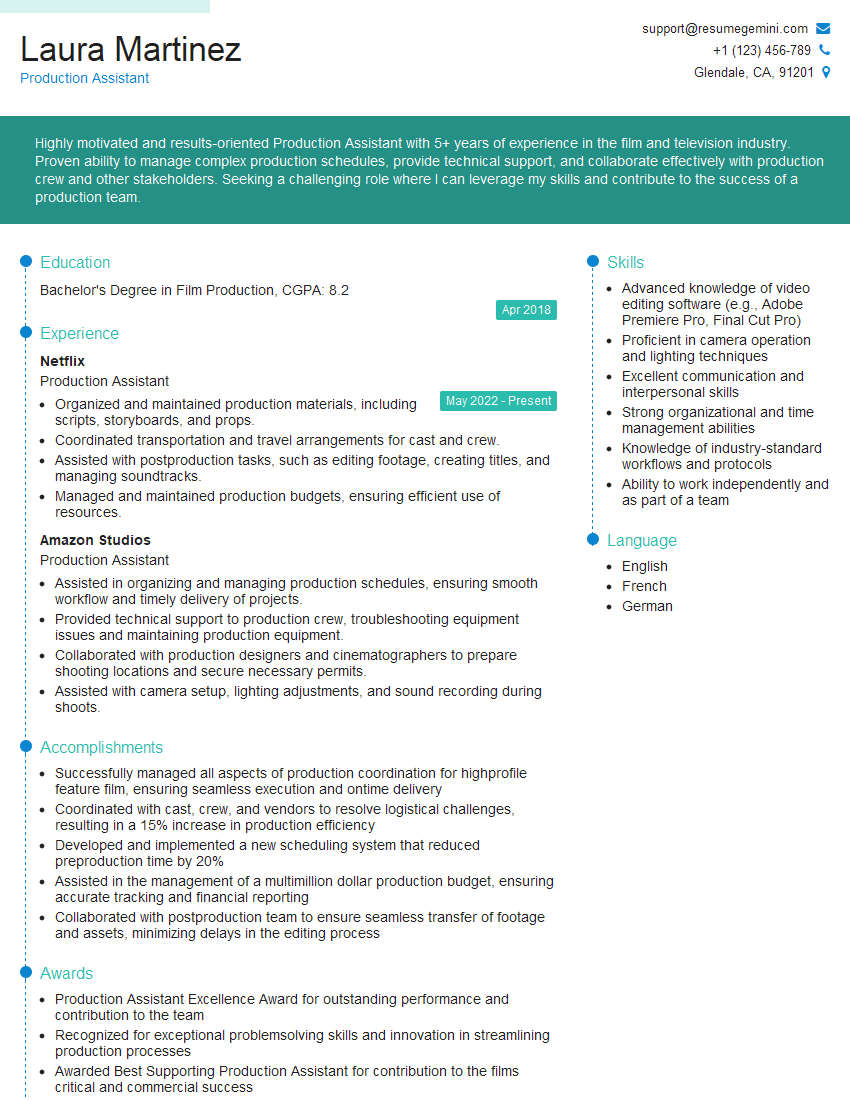
Production Assistant Resume Sample
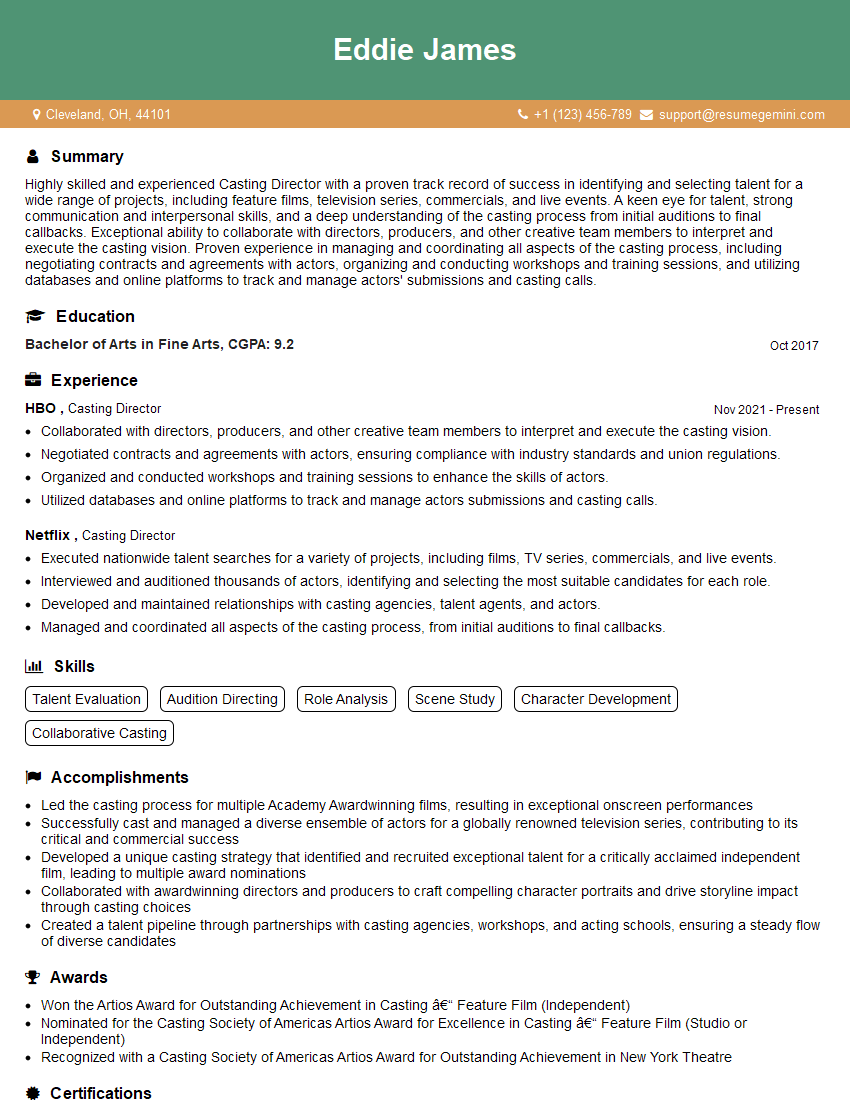
Casting Director Resume Sample
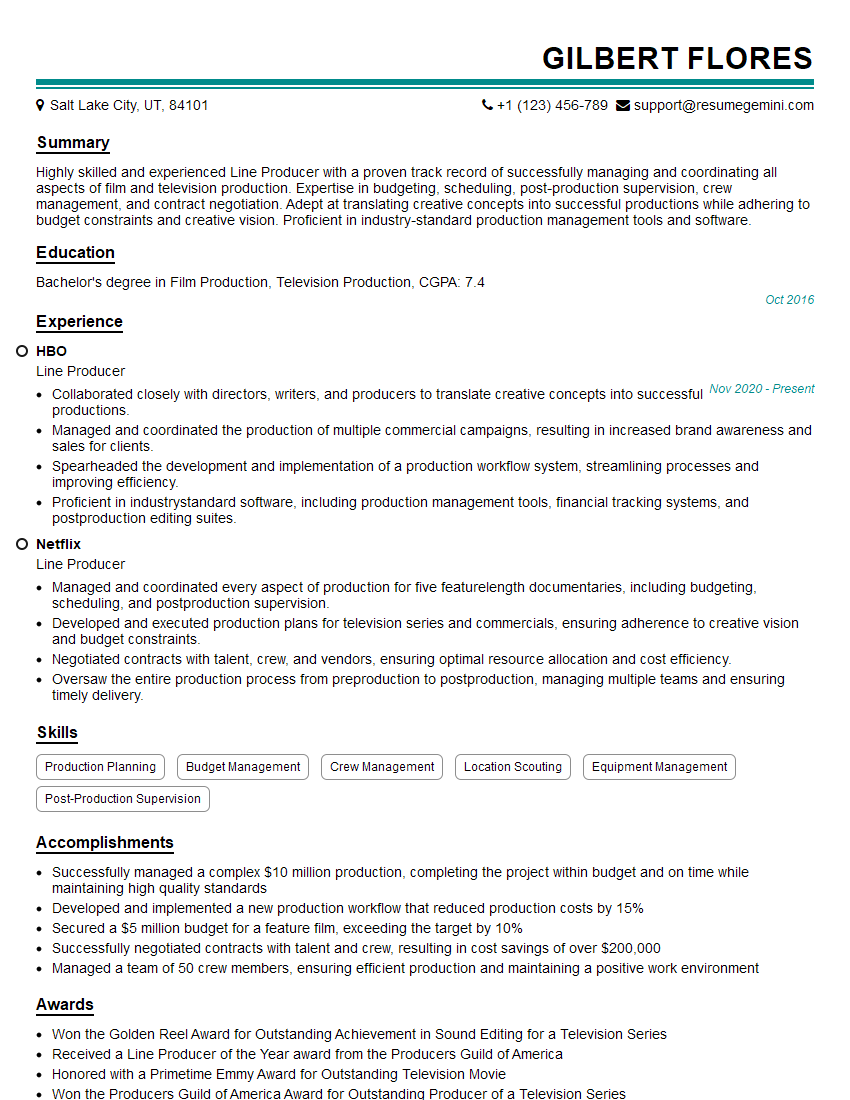
Line Producer Resume Sample
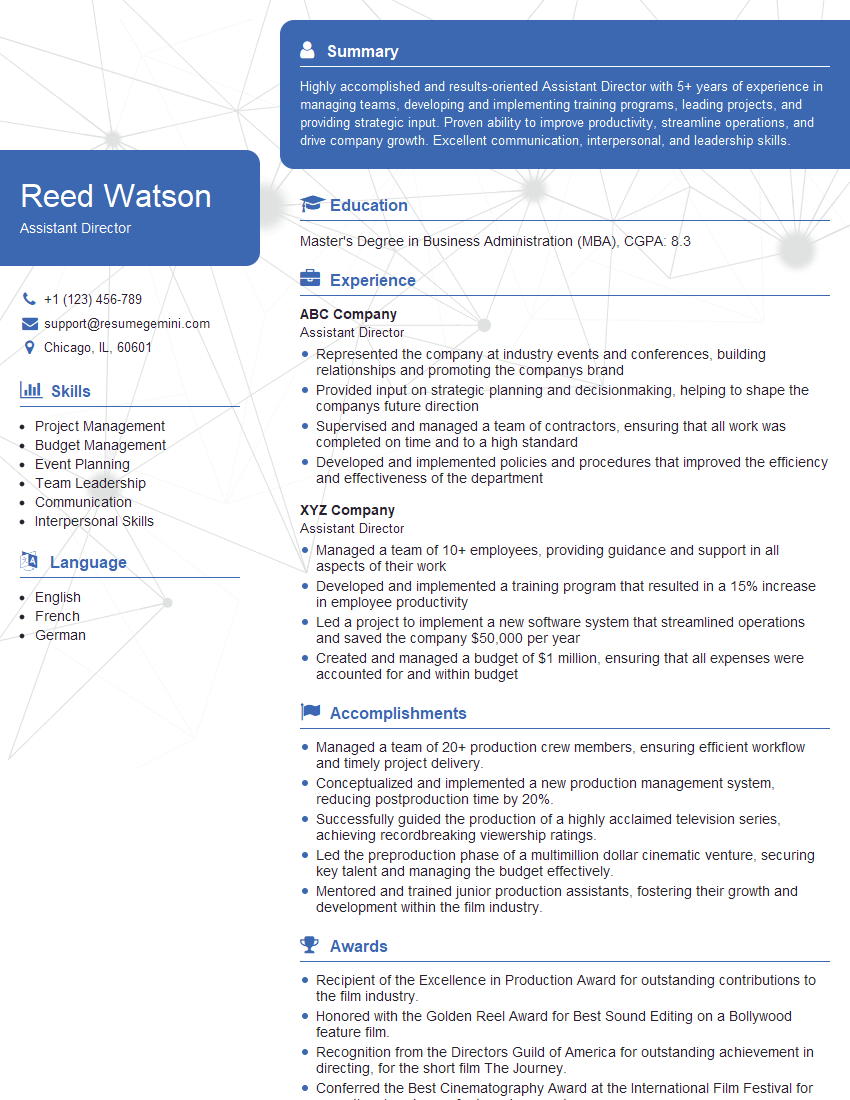
Assistant Director Resume Sample
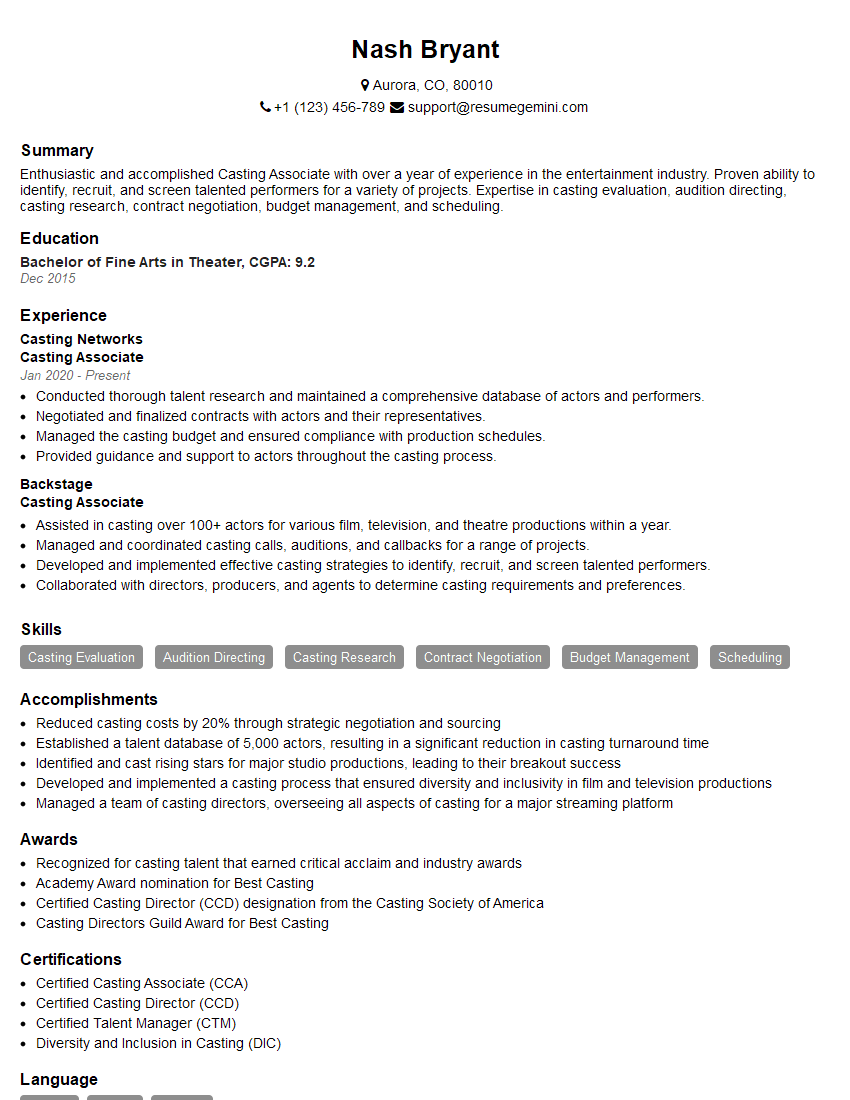
Casting Associate Resume Sample
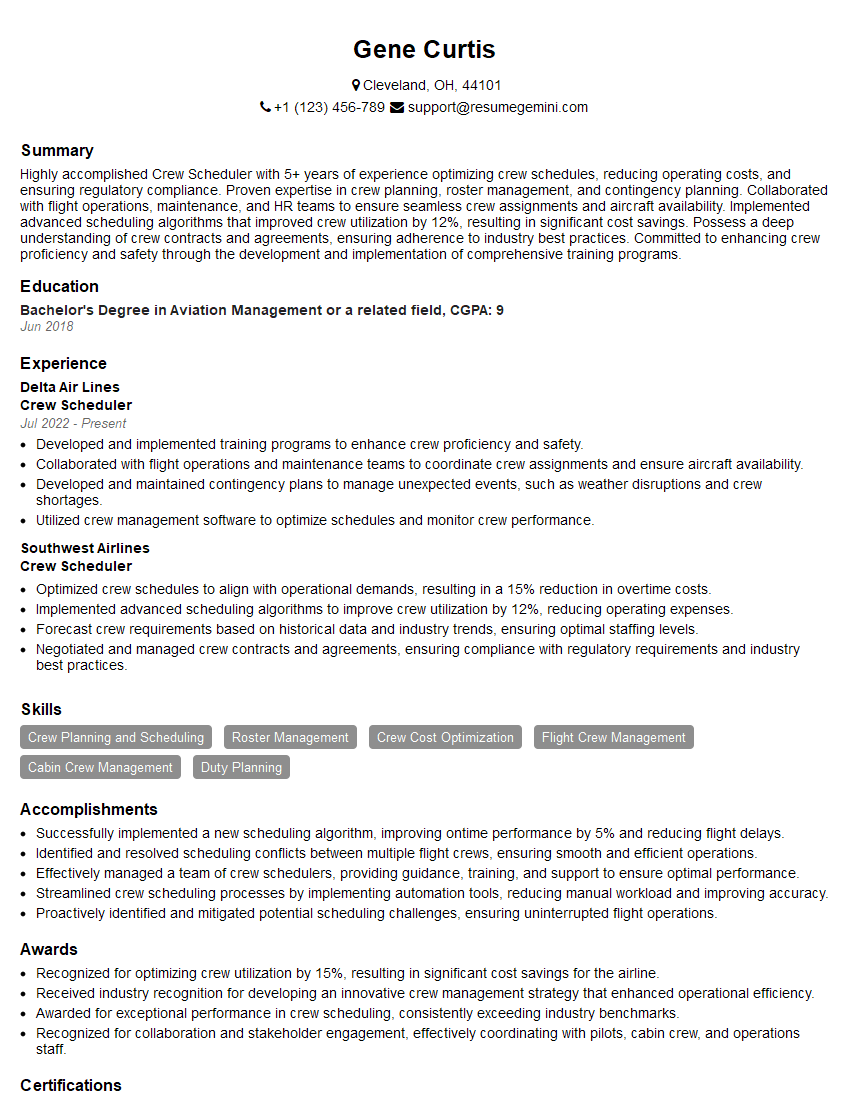
Crew Scheduler Resume Sample
Explore more articles
Users Rating of Our Blogs
Share Your Experience
We value your feedback! Please rate our content and share your thoughts (optional).
What Readers Say About Our Blog
Very informative content, great job.
good