Every successful interview starts with knowing what to expect. In this blog, we’ll take you through the top Tapering and Peaking interview questions, breaking them down with expert tips to help you deliver impactful answers. Step into your next interview fully prepared and ready to succeed.
Questions Asked in Tapering and Peaking Interview
Q 1. Define ‘tapering’ in the context of athletic training.
Tapering, in the context of athletic training, is a systematic reduction in training volume and intensity prior to a major competition. It’s a crucial phase designed to allow the body to recover from the accumulated fatigue of intense training, while maintaining or even enhancing performance capabilities for the target event.
Q 2. Explain the physiological rationale behind tapering.
The physiological rationale behind tapering rests on several key principles. Firstly, it allows for the supercompensation effect. This means that after a period of intense training, a reduction in workload leads to a replenishment of energy stores, glycogen specifically, and a decrease in muscle damage. Secondly, it reduces the accumulation of fatigue and allows the body’s repair and recovery systems to catch up. This leads to improved neuromuscular function, reduced risk of injury, and enhanced physiological preparedness for peak performance. Finally, tapering helps to optimize hormonal balance, potentially boosting the availability of anabolic hormones that promote muscle growth and recovery.
Q 3. What are the common mistakes athletes make during tapering?
Athletes often make several mistakes during tapering. A common error is tapering too aggressively, resulting in a significant loss of fitness. Conversely, some athletes don’t taper enough, leading to fatigue and suboptimal performance on race day. Another frequent issue is maintaining too high an intensity during the taper period. Finally, some athletes fail to maintain a consistent training schedule, introducing inconsistencies that disrupt the body’s recovery process. For instance, a marathon runner might drastically reduce their mileage but continue to perform intense interval sessions, undermining the benefits of the taper.
Q 4. How do you determine the appropriate duration of a taper?
The appropriate duration of a taper depends on several factors, including the athlete’s training history, the intensity and duration of their previous training blocks, the specific event, and the athlete’s individual response to training. Generally, tapers for shorter events (e.g., sprints) might be as short as 3-7 days, while those for longer events (e.g., marathons) can range from 2-4 weeks. The decision should be guided by careful monitoring of the athlete’s fatigue levels, performance in training sessions, and subjective well-being. A gradual reduction in workload and intensity is crucial, rather than abrupt cuts.
Q 5. Describe different tapering strategies (e.g., linear, step, progressive).
Various tapering strategies exist, each with its own advantages and disadvantages.
- Linear Taper: A gradual, consistent reduction in training volume and intensity over a specified period.
- Step Taper: Training volume and intensity are reduced in stages, with more significant reductions at specific points during the taper.
- Progressive Taper: A combination of the above approaches. This often involves a more significant reduction in volume earlier in the taper, followed by a more gradual reduction in intensity during the final phase.
Q 6. How do you individualize a taper based on an athlete’s training history and event specifics?
Individualizing a taper requires careful consideration of several factors. An athlete’s training history, including their prior training volume, intensity, and any previous injuries, significantly influences taper design. Event specifics also play a critical role. A marathon runner will require a longer, more gradual taper compared to a 100m sprinter. The athlete’s physiological response to training must be monitored through measures like heart rate variability, perceived exertion, and performance in training sessions. Careful monitoring and adjustments are key to tailoring the taper effectively. For instance, an athlete who shows signs of excessive fatigue may need a longer or less aggressive taper.
Q 7. What are the key physiological adaptations that occur during the peaking phase?
The peaking phase, which immediately follows the taper, aims to optimize physiological adaptations for peak performance. Key adaptations include increased glycogen stores, enhanced muscle protein synthesis leading to increased muscle strength and endurance, improved neuromuscular coordination and efficiency, and reduced muscle soreness. Moreover, the body experiences a heightened hormonal response, with beneficial effects on muscle growth, recovery, and performance capabilities. This phase is about maximizing the benefits of the preceding taper and ensuring the athlete is primed for optimal performance on competition day. Careful monitoring, nutritional strategies, and adequate rest are critical to successful peaking.
Q 8. How do you monitor an athlete’s readiness during both tapering and peaking?
Monitoring an athlete’s readiness during tapering and peaking is crucial for optimizing performance. We use a multifaceted approach combining physiological, psychological, and performance-based measures. During tapering, we look for signs of decreasing fatigue and improved recovery, monitoring factors like training load (volume and intensity), sleep quality, perceived exertion (using scales like RPE – Rate of Perceived Exertion), and heart rate variability (HRV). A decrease in training load should correlate with improved HRV and reduced RPE. As we approach the peak, we closely monitor performance metrics specific to the athlete’s sport – e.g., time trial results, power output, jump height – looking for continual improvement or at least maintenance of performance at a high level. We also consider the athlete’s mood and motivation levels, as these play a significant role in overall readiness. Any significant deviation from the expected trends should be investigated.
Example: A marathon runner tapering for a race might see a gradual decrease in weekly mileage but a slight increase in speed work intensity. We’d monitor their RPE during these workouts, ensuring it stays within an acceptable range. Their race pace time trials would be watched closely for improvements or consistency, providing a performance-based indicator of readiness.
Q 9. What are the signs of overtraining during tapering?
Signs of overtraining during tapering are often subtle but can significantly impact performance. They often manifest as an unexpected downturn in performance despite reduced training load. This might be accompanied by increased fatigue, persistent muscle soreness, decreased mood, poor sleep, and increased resting heart rate. The athlete might also report feeling unusually irritable, losing appetite, or experiencing frequent illnesses. It’s important to distinguish overtraining from the natural fatigue that can occur as the body adapts to reduced training; overtraining will often show a deviation from normal recovery patterns. Performance plateaus or decreases are clear red flags.
Example: A cyclist tapering for a major time trial might experience a drop in power output during high-intensity intervals even with reduced overall training volume – a clear indicator of potential overtraining.
Q 10. How do you address overtraining or staleness during tapering?
Addressing overtraining or staleness during tapering requires a systematic approach prioritizing rest and recovery. We would immediately reduce training volume and intensity further, sometimes drastically, focusing on active recovery like light jogging or swimming. We might also incorporate additional recovery strategies such as massage, foam rolling, and compression therapy. Nutritional support is key, ensuring adequate hydration, calorie intake, and micronutrients to support the body’s repair processes. We’d also carefully monitor the athlete’s sleep patterns and address any sleep disturbances. In severe cases, a complete break from training may be necessary. Psychological support is crucial, addressing any mental fatigue or stress contributing to the problem. The goal is to facilitate a rapid return to a state of readiness without pushing the athlete too hard.
Example: If a runner experiences unexpected fatigue and decreased performance during tapering, we might implement several days of complete rest, followed by very light cross-training. Dietary adjustments to support muscle recovery and enhance sleep could also be included. Close monitoring of their response to these interventions is essential.
Q 11. Define ‘peaking’ in the context of athletic training.
Peaking, in the context of athletic training, refers to the strategic manipulation of training to optimize an athlete’s performance for a specific competition or event. It involves a systematic reduction in training volume and intensity (tapering) followed by a period of focused recovery and preparation, leading to a peak in physical and mental readiness just before the competition. The goal is to arrive at the competition in optimal condition, possessing maximal strength, speed, endurance, or skill, depending on the sport.
Q 12. Explain the relationship between tapering and peaking.
Tapering and peaking are inextricably linked; tapering is the crucial preparatory phase for peaking. Tapering is the systematic reduction in training volume and intensity that allows the body to recover from the accumulated fatigue of prior intense training. This reduced load permits the body to fully replenish energy stores, repair muscle damage, and optimize physiological systems. This recovery process is what ultimately leads to peaking – the heightened state of performance readiness. Think of it like winding a spring; the intense training is like compressing the spring, and tapering allows the spring to slowly unwind, releasing its maximum potential energy (peak performance) at the right moment. Improper tapering can hinder the peaking process, leading to suboptimal performance.
Q 13. What are the different methods for monitoring an athlete’s performance during peaking?
Monitoring performance during peaking involves a combination of objective and subjective measures. Objective measures might include performance tests specific to the sport, such as time trials, maximal strength tests, or speed tests. We might also use physiological markers like blood lactate levels or maximal oxygen uptake (VO2 max) to assess the athlete’s physiological capacity. Subjective measures include the athlete’s self-reported readiness, mood, energy levels, and perceived exertion. Regular communication and feedback from the athlete are crucial to ensure we are on track. A combination of these objective and subjective data gives a holistic picture of the athlete’s readiness and allows us to make informed adjustments as needed.
Example: A swimmer peaking for a championship might undergo repeated 200m time trials, noting changes in their times and recovery. Their coach would also assess their sleep quality, mood, and overall energy levels during this period. Changes in these measures could indicate a need for alterations to the peaking strategy.
Q 14. How do nutritional strategies support both tapering and peaking?
Nutritional strategies play a vital role in supporting both tapering and peaking. During tapering, the focus shifts to maintaining adequate energy intake while allowing the digestive system some rest. We’ll often slightly reduce overall calorie intake but ensure sufficient carbohydrates for glycogen replenishment, and adequate protein to support muscle repair. Hydration is paramount throughout. During peaking, the emphasis is on optimizing carbohydrate availability for fuel, ensuring readily available energy stores for the event. The timing and type of carbohydrate intake become very important, and personalized strategies are essential. Micronutrients, like antioxidants, might be emphasized to support immune function and reduce inflammation. We will avoid experimental diets or significant dietary changes during this crucial period. Hydration remains a top priority.
Example: A marathon runner tapering might slightly reduce caloric intake but increase carbohydrate consumption from healthy sources like whole grains and fruits. During the peaking phase, their carb intake might be strategically timed before and during the race. Prioritizing easily digestible carbohydrates in the hours leading up to the race is common.
Q 15. How do sleep and recovery influence tapering and peaking?
Sleep and recovery are absolutely fundamental to successful tapering and peaking. Think of your body as a finely tuned engine; intense training is like pushing it to its limits. Tapering allows the engine to rebuild and recharge, while peaking aims to ensure the engine is running at its absolute best on race day. Insufficient sleep during a taper disrupts the body’s repair processes, hindering muscle recovery and potentially reducing performance gains. Similarly, inadequate sleep before a competition leaves you depleted and compromises your peak performance. Conversely, prioritizing sleep during the taper allows for optimal muscle protein synthesis, hormonal regulation, and glycogen replenishment, all crucial for peak performance. I’ve seen athletes significantly improve their race times simply by focusing on sleep hygiene during the taper period. For instance, one marathon runner I worked with increased her recovery quality by focusing on sleep consistency and duration, leading to a significant improvement in her marathon time.
Adequate recovery, encompassing not only sleep but also nutrition and stress management, allows for the physiological adaptations from training to take full effect. During peaking, the athlete needs to ensure that they are sufficiently recovered from the training load while still being in top form. This means a balance of rest and light, targeted workouts.
Career Expert Tips:
- Ace those interviews! Prepare effectively by reviewing the Top 50 Most Common Interview Questions on ResumeGemini.
- Navigate your job search with confidence! Explore a wide range of Career Tips on ResumeGemini. Learn about common challenges and recommendations to overcome them.
- Craft the perfect resume! Master the Art of Resume Writing with ResumeGemini’s guide. Showcase your unique qualifications and achievements effectively.
- Don’t miss out on holiday savings! Build your dream resume with ResumeGemini’s ATS optimized templates.
Q 16. What role does psychological preparation play in both phases?
Psychological preparation is often overlooked, but it’s just as crucial as the physical aspects of tapering and peaking. A confident and mentally strong athlete will perform better than one plagued by self-doubt or anxiety. During the taper, I encourage athletes to visualize success, practice mindfulness techniques to manage stress, and build confidence through positive self-talk. This mental rehearsal helps solidify the physical training and reduces the mental fatigue that can hinder performance. This is particularly important during the taper phase as the reduced training load can sometimes lead to anxiety or uncertainty about fitness levels.
In the peaking phase, the focus shifts to maintaining confidence and managing pre-competition nerves. Techniques like controlled breathing exercises, positive affirmations, and mental imagery are vital in ensuring the athlete approaches the event in a positive and focused state of mind. One of my athletes, a cyclist, significantly improved his time trial performance after we implemented a comprehensive mental training program alongside his physical training. He had always been physically strong, but overcoming his mental blocks proved to be the key to unlocking his full potential.
Q 17. How do you account for individual differences in recovery rates when planning a taper?
Individual differences in recovery rates are significant and must be considered when designing a taper. There’s no one-size-fits-all approach. Some athletes recover quickly from intense training, while others require more time. To account for this, I use a combination of methods. Firstly, I rely heavily on athlete monitoring—measuring things like heart rate variability (HRV), sleep quality, perceived exertion, and performance in training sessions. These objective and subjective measures give me a good indication of the athlete’s recovery status. Secondly, I regularly engage in open communication with the athlete; Their self-reported fatigue levels and overall wellbeing are invaluable.
Based on this data, I personalize the taper. For an athlete who recovers quickly, the taper might involve a gradual reduction in training volume and intensity over a shorter period. For a slower-recovering athlete, I’d opt for a more extended taper with more significant reductions in training load and more rest days incorporated. Flexibility is key. If an athlete reports unusual fatigue, I’ll adjust the plan accordingly. The taper is not set in stone; it’s an adaptive process based on the athlete’s response.
Q 18. Describe the impact of different training modalities (e.g., strength, endurance) on tapering and peaking.
Different training modalities have varying impacts on tapering and peaking. Endurance athletes, like marathon runners, typically benefit from a longer taper to allow for glycogen supercompensation (increased glycogen storage in muscles) and reduce the risk of overtraining. The focus during their taper is on maintaining aerobic capacity while reducing fatigue. Strength athletes, on the other hand, might have a shorter taper, as the focus is on maintaining strength and power rather than endurance. They might include lighter weight training and plyometrics during the taper to maintain muscle mass and neuromuscular efficiency.
For example, a strength athlete might decrease the training volume (sets and repetitions) while maintaining the training intensity (weight lifted) during the taper. In contrast, an endurance athlete might reduce both volume and intensity, with a greater focus on active recovery, such as easy jogging or cycling. It’s crucial to understand the specific energy systems being targeted by the training and tailor the taper accordingly.
Q 19. How do you adjust a taper plan if an athlete experiences an unexpected setback (e.g., illness, injury)?
Unexpected setbacks, like illness or injury, necessitate immediate adjustments to the taper plan. The first step is always to prioritize the athlete’s health and recovery from the setback. Depending on the severity of the setback, the taper might be extended, modified, or even temporarily paused.
If it’s a minor illness, I might reduce the training volume for a few days and increase rest. For a more significant injury, the taper might need to be completely re-evaluated, possibly pushing back the competition or modifying training to accommodate the injury. Close collaboration with medical professionals is crucial in these situations to ensure a safe and effective recovery process. For example, I once had an athlete contract a respiratory illness a week before a crucial competition. We shortened the taper and substituted intense training with low-impact activities like swimming to maintain fitness while promoting recovery.
Q 20. What are the potential risks of inadequate or excessive tapering?
Inadequate or excessive tapering can both have detrimental effects on performance. Inadequate tapering leaves the athlete overly fatigued and susceptible to injury or illness, impacting peak performance. Imagine a car that hasn’t had proper maintenance—it’s likely to break down under strain. Insufficient tapering might lead to a poor performance as the athlete is simply too tired on race day.
Conversely, excessive tapering can lead to detraining, reducing the athlete’s fitness levels and leaving them feeling under-prepared. This is like a car that has been in the garage for too long and needs to be warmed up before driving it at full speed. The key is finding the optimal balance; a taper that allows for sufficient recovery without compromising fitness. The athlete should feel rested, but not stagnant or weakened. Regular monitoring and communication with the athlete are crucial to finding this optimal balance.
Q 21. How can you assess the effectiveness of a taper?
Assessing the effectiveness of a taper involves a multi-faceted approach. It’s not just about how the athlete feels; it’s about objective measures as well. I use several methods: Firstly, I track performance in training sessions. An effective taper should result in improved performance in lighter training sessions, indicating better recovery and readiness for peak performance. Secondly, I monitor physiological markers like HRV and sleep quality. Improvements in these areas suggest that the taper is facilitating adequate recovery. Thirdly, I rely on the athlete’s self-reported feelings – their subjective perception of fatigue, energy levels, and overall mood are important indicators.
Finally, the ultimate assessment is the athlete’s performance in the competition itself. If the athlete performs as expected or better than expected, it indicates a successful taper. However, it is important to note that other external factors can play a role in the outcome, and it is crucial to have realistic expectations and analyze all data to determine the effectiveness of the taper.
Q 22. How do you communicate the tapering and peaking plan to the athlete?
Communicating a tapering and peaking plan effectively requires clear, concise, and collaborative communication. It’s not just about handing the athlete a schedule; it’s about building understanding and buy-in.
- Visual aids: A simple, visually appealing chart showing the reduction in training volume and intensity over time is incredibly helpful. This allows the athlete to see the plan at a glance.
- Regular check-ins: Schedule regular meetings to discuss progress, address concerns, and make adjustments as needed. This fosters open communication and helps catch potential problems early.
- Explain the rationale: Don’t just state the training plan; explain the why behind each decision. For example, explain how reduced volume allows for adequate recovery and how increased intensity during the peaking phase stimulates performance adaptations. This increases trust and understanding.
- Individualization: Emphasize that the plan is tailored to the athlete’s specific needs and goals. Acknowledge their unique responses to training and emphasize flexibility within the plan.
- Open dialogue: Encourage athletes to ask questions and voice concerns. Create a safe space for them to express any doubts or anxieties. An athlete who understands the reasoning behind the plan is more likely to adhere to it.
For example, I might say to an athlete, “This tapering phase is designed to allow your body to fully recover and store energy before the competition. Notice how the volume decreases but the intensity of key sessions stays high. This will prime your muscles and nervous system for peak performance.”
Q 23. How do environmental factors (e.g., altitude, heat) affect tapering and peaking?
Environmental factors significantly impact tapering and peaking. Altitude, heat, and humidity can disrupt training adaptations and negatively influence performance if not carefully considered.
- Altitude: Training at high altitude increases red blood cell production, beneficial for endurance performance. However, tapering at altitude can lead to overtraining if not carefully managed. A gradual descent to competition altitude is often preferred to allow acclimatization.
- Heat: Heat significantly stresses the cardiovascular system and can impair performance. Tapering plans should account for heat acclimatization, which involves gradual exposure to heat and humidity during training. This may involve incorporating heat training sessions in the weeks leading up to the peak.
- Humidity: High humidity exacerbates the effects of heat, increasing the risk of dehydration and heatstroke. Athletes should prioritize hydration and consider adjusting training schedules to avoid the hottest and most humid periods.
For instance, an athlete preparing for a marathon in a hot and humid climate might need a longer tapering period and more focused heat acclimatization during training compared to an athlete competing in a temperate climate.
Q 24. What are some common performance indicators that suggest successful peaking?
Successful peaking is reflected in several key performance indicators (KPIs). These go beyond just feeling good; they are objective measures that track physiological and performance improvements.
- Improved performance in key training sessions: We would expect to see faster times in time trials, higher power outputs in interval training, or greater distances covered in endurance sessions during the peaking phase.
- Increased strength and power: Strength and power testing (e.g., 1RM testing, jump tests) should reflect improvements.
- Enhanced lactate threshold: The lactate threshold, the intensity at which lactate production exceeds clearance, should increase, indicating improved endurance capacity.
- Improved sleep quality: Sufficient sleep is crucial for recovery and peaking. Tracking sleep patterns using wearable devices or sleep diaries can reveal sleep disturbances.
- Positive mood and energy levels: Although subjective, high energy and positive mood coupled with the objective indicators above suggest successful peaking.
- Body composition changes (in some cases): Depending on the sport, we might see a slight reduction in body weight, which is often a positive sign of enhanced energy availability and reduced fluid retention.
For example, if an athlete consistently achieves personal bests in key training sessions during the peaking phase and exhibits positive feedback from sleep tracking data, it suggests the plan is successful.
Q 25. How do you integrate periodization principles into tapering and peaking plans?
Periodization, the systematic planning of training across different time periods, is fundamental to effective tapering and peaking. The peaking phase is the culmination of a longer-term training plan.
- Macrocycle: The overall training plan spanning several months or even a year. It includes several mesocycles and microcycles.
- Mesocycle: A smaller training block within the macrocycle (e.g., 4-8 weeks), often focused on a specific aspect of training (e.g., strength development, endurance training).
- Microcycle: A shorter period (e.g., 1 week) within a mesocycle, detailing daily training sessions. Tapering and peaking typically form the final microcycles within the mesocycle leading up to competition.
Tapering is integrated into the final mesocycle, systematically reducing training volume and intensity while maintaining or slightly increasing training intensity in key areas. Peaking becomes the final microcycle, ensuring the athlete is optimally prepared for peak performance on competition day.
For example, a marathon runner’s annual training plan (macrocycle) might contain several mesocycles focused on base building, strength development, and speed work. The final mesocycle would integrate a gradual tapering process, and the final microcycle would focus on maintaining readiness and strategic race preparation.
Q 26. Describe the role of carbohydrate loading in the context of peaking.
Carbohydrate loading is a nutritional strategy employed during the peaking phase to maximize glycogen stores in muscles and liver. Glycogen is the primary fuel source for high-intensity exercise.
The process involves manipulating carbohydrate intake in the days leading up to the event. It generally consists of:
- Depletion phase: A period of several days where carbohydrate intake is reduced and training intensity is increased, helping deplete glycogen stores.
- Loading phase: A period where carbohydrate intake is significantly increased (70-80% of total calories) and training intensity is greatly reduced, allowing for glycogen repletion.
Effective carbohydrate loading depends on factors such as the duration and intensity of the competition, the athlete’s individual metabolism, and their training status. It’s not appropriate for all athletes or all sports.
For instance, an endurance athlete competing in a marathon might benefit significantly from carbohydrate loading, while a weightlifter likely would not benefit in the same way. Overloading can lead to gastrointestinal upset.
Q 27. How do you monitor hydration status during tapering and peaking?
Monitoring hydration status is crucial throughout tapering and peaking. Dehydration can significantly impair performance and increase the risk of injury. Monitoring should be regular and multifaceted.
- Urine color: Pale yellow urine indicates adequate hydration; dark yellow or amber indicates dehydration.
- Body weight: Daily weight checks can help identify fluid loss or gain. A significant loss warrants attention.
- Hydration questionnaires: Regular questionnaires can assess fluid intake and perceived hydration status.
- Specific gravity of urine: This laboratory test is a precise measure of urine concentration, providing an objective indication of hydration.
- Electrolyte monitoring (occasionally): For longer events, monitoring electrolytes can guide hydration strategies.
For example, I might instruct an athlete to weigh themselves before and after training sessions and adjust their hydration strategies accordingly. We’d also discuss what the color of their urine should look like and review daily fluid intake to ensure it meets individual needs.
Q 28. How do you handle the psychological aspects of peaking, such as pre-competition anxiety?
The psychological aspects of peaking are often overlooked but are just as important as the physical aspects. Pre-competition anxiety can significantly impact performance.
- Mental skills training: Techniques like visualization, relaxation exercises (e.g., progressive muscle relaxation, mindfulness meditation), and positive self-talk can help manage anxiety.
- Cognitive Behavioral Therapy (CBT): CBT is particularly useful for addressing negative thought patterns that contribute to anxiety.
- Stress management strategies: These could include yoga, deep breathing exercises, or other strategies that promote relaxation and reduce stress.
- Sleep hygiene: Prioritizing sleep is essential for both physical and mental recovery.
- Communication: Open communication with the athlete is vital to provide support and address any psychological concerns.
For example, I might work with a sports psychologist to help an athlete develop visualization techniques to mentally rehearse their performance and reduce pre-competition anxiety. I would also ensure regular communication and support in the days leading up to the competition.
Key Topics to Learn for Tapering and Peaking Interview
- The Physiology of Tapering: Understand the physiological adaptations that occur during the tapering phase, including muscle glycogen replenishment, reduced inflammation, and improved recovery.
- Optimal Tapering Strategies: Explore different tapering approaches based on training volume, intensity, and duration. Discuss the factors influencing the ideal tapering plan for various athletes and sports.
- Practical Application of Tapering: Analyze case studies showcasing successful and unsuccessful tapering strategies. Be prepared to discuss how to adjust a tapering plan based on individual athlete responses.
- Peaking Principles: Explain the physiological mechanisms involved in maximizing performance at a specific competition date. This includes carbohydrate loading, hydration strategies, and psychological preparation.
- Monitoring and Adjustment: Discuss the importance of monitoring performance indicators (e.g., heart rate, lactate threshold, perceived exertion) during tapering and peaking phases to make necessary adjustments to the training plan.
- Overtraining and Undertraining: Differentiate the signs and symptoms of overtraining and undertraining and explain how to avoid these pitfalls during the tapering and peaking periods.
- Nutritional Considerations: Explain the importance of tailored nutrition plans during both tapering and peaking phases to optimize energy levels and recovery.
- Individualized Approach: Emphasize the critical need for personalized tapering and peaking plans, considering individual athlete factors like training history, genetics, and competitive goals.
Next Steps
Mastering the principles of Tapering and Peaking is crucial for career advancement in sports science, coaching, and athletic training. A strong understanding of these concepts demonstrates your expertise and ability to optimize athlete performance. To further enhance your job prospects, creating an ATS-friendly resume is essential. We strongly recommend using ResumeGemini to build a professional and impactful resume that showcases your skills and experience effectively. ResumeGemini provides tools and examples to help you craft a resume tailored to the specific requirements of Tapering and Peaking related roles. Examples of resumes tailored to Tapering and Peaking are available for your review.

Fitness Director Resume Sample

Wellness Coach Resume Sample

Sports Psychologist Resume Sample
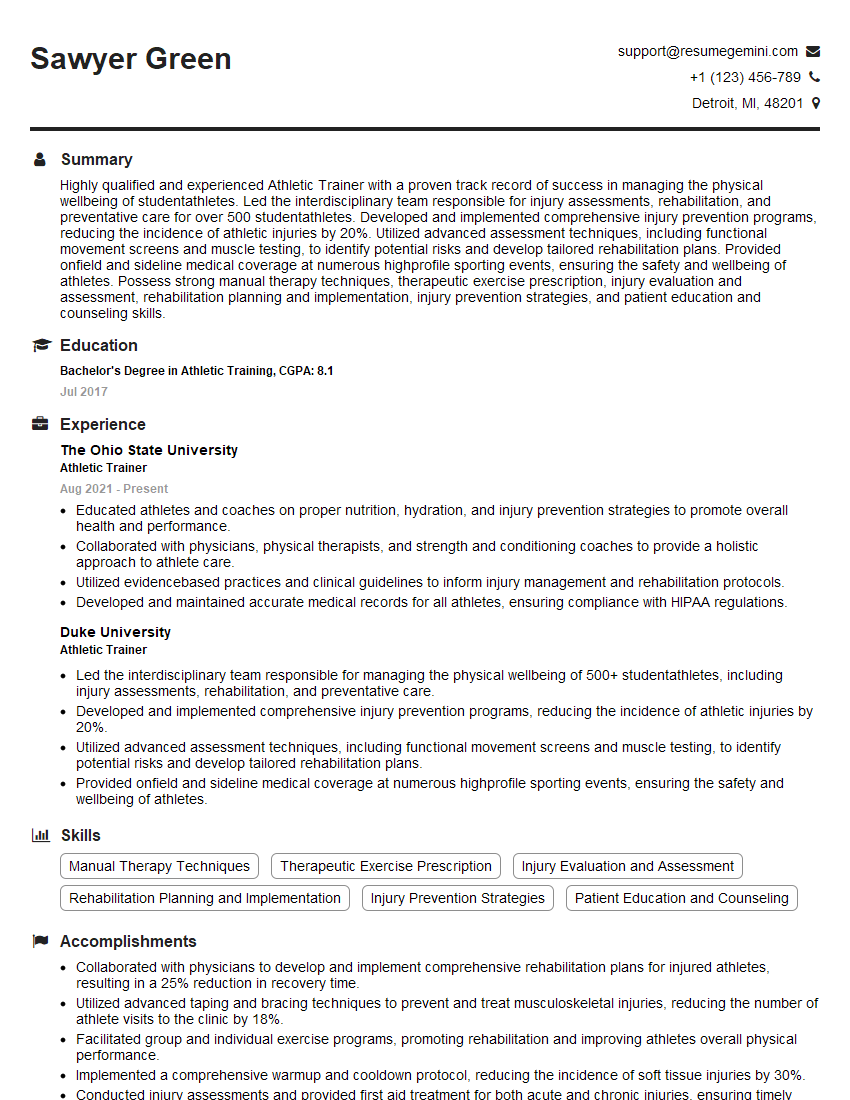
Athletic Trainer Resume Sample
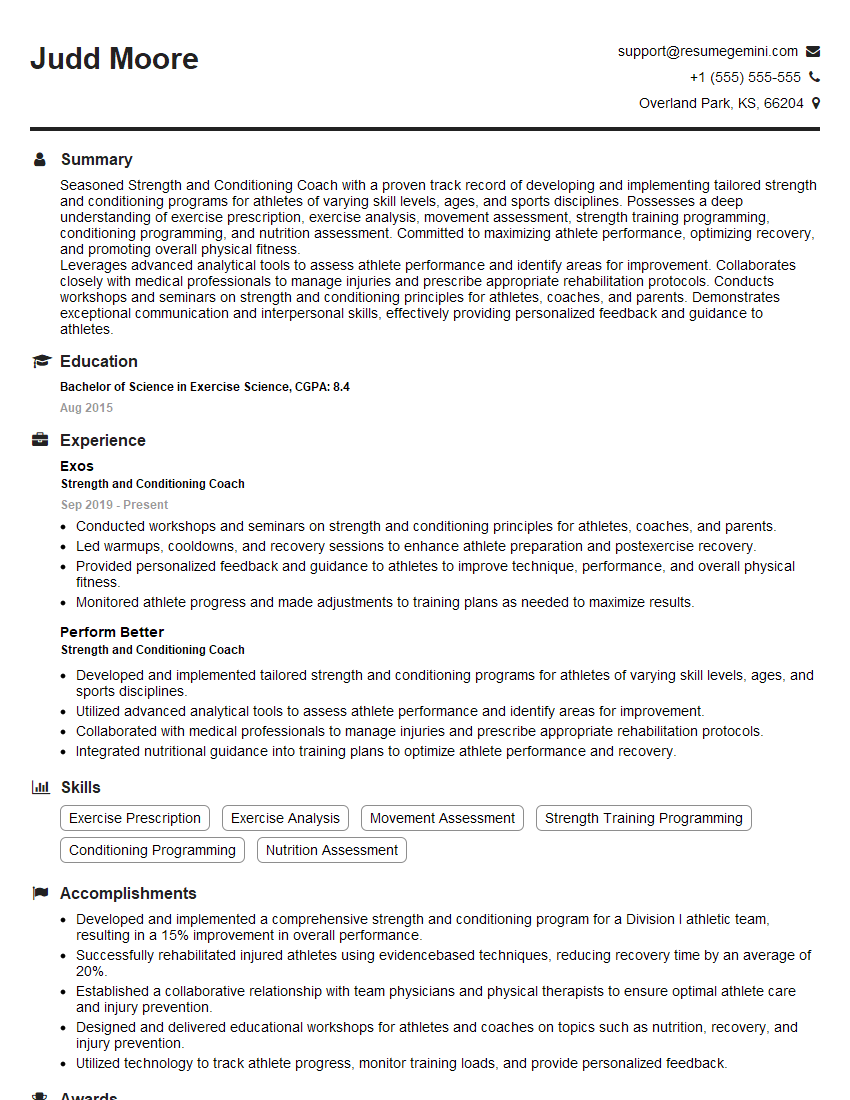
Strength and Conditioning Coach Resume Sample
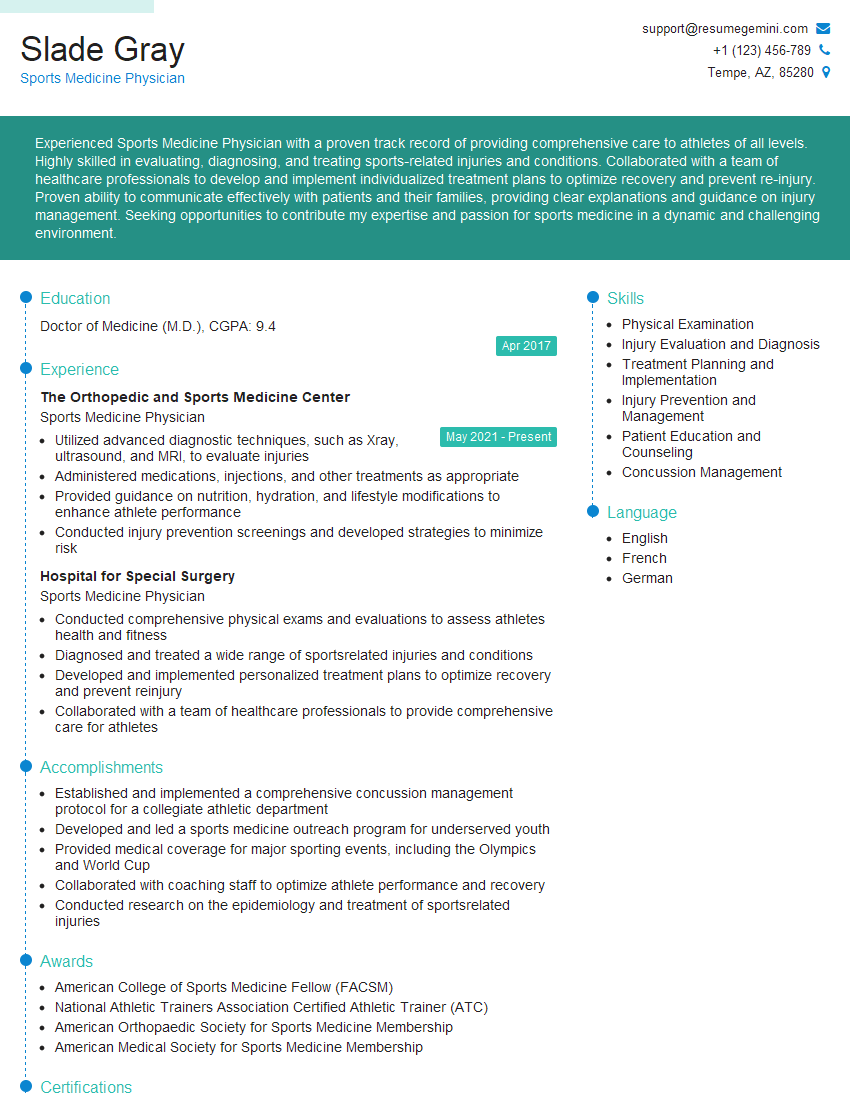
Sports Medicine Physician Resume Sample
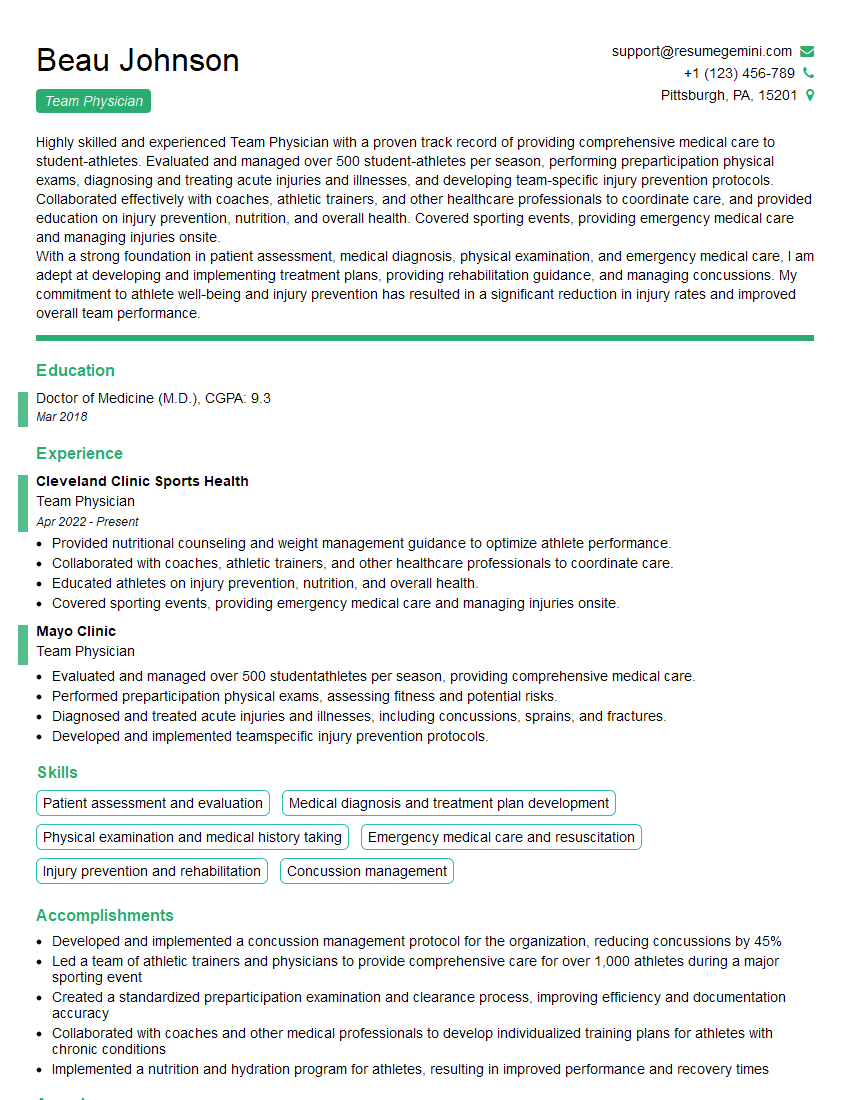
Team Physician Resume Sample

Exercise Physiologist Resume Sample

Exercise Scientist Resume Sample

Kinesiologist Resume Sample
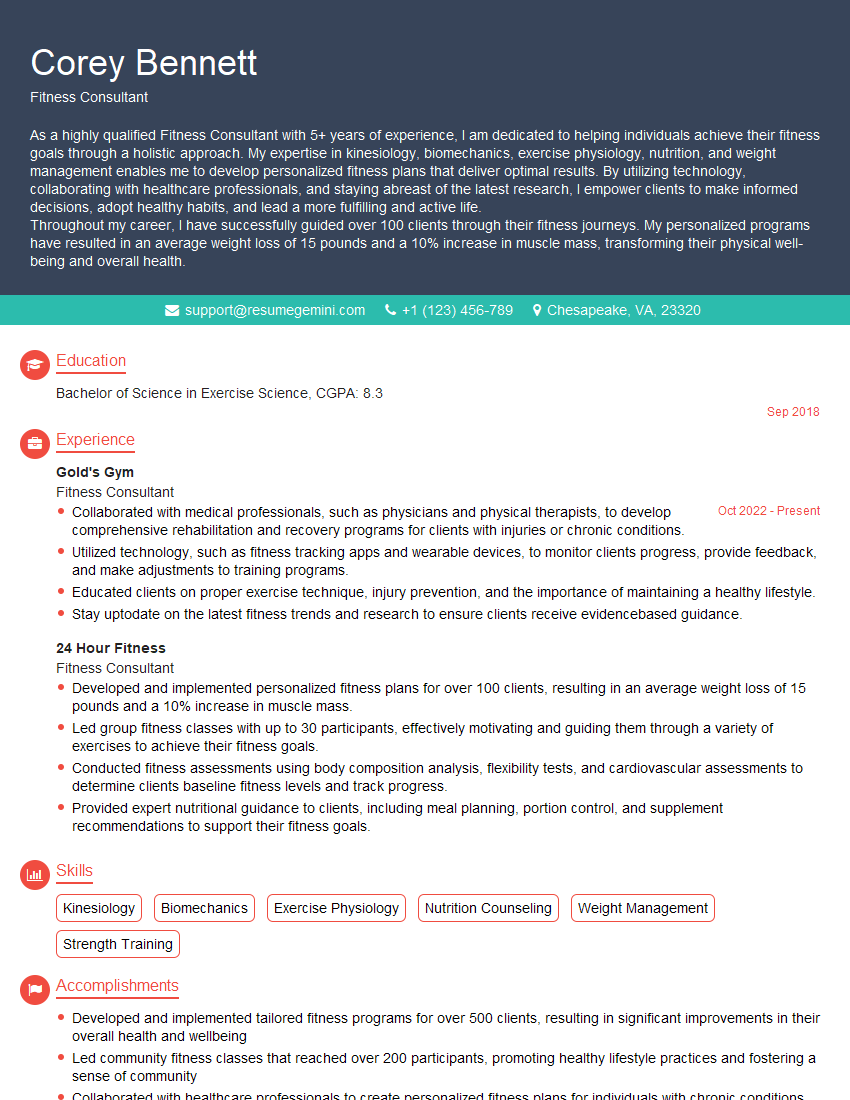
Fitness Consultant Resume Sample
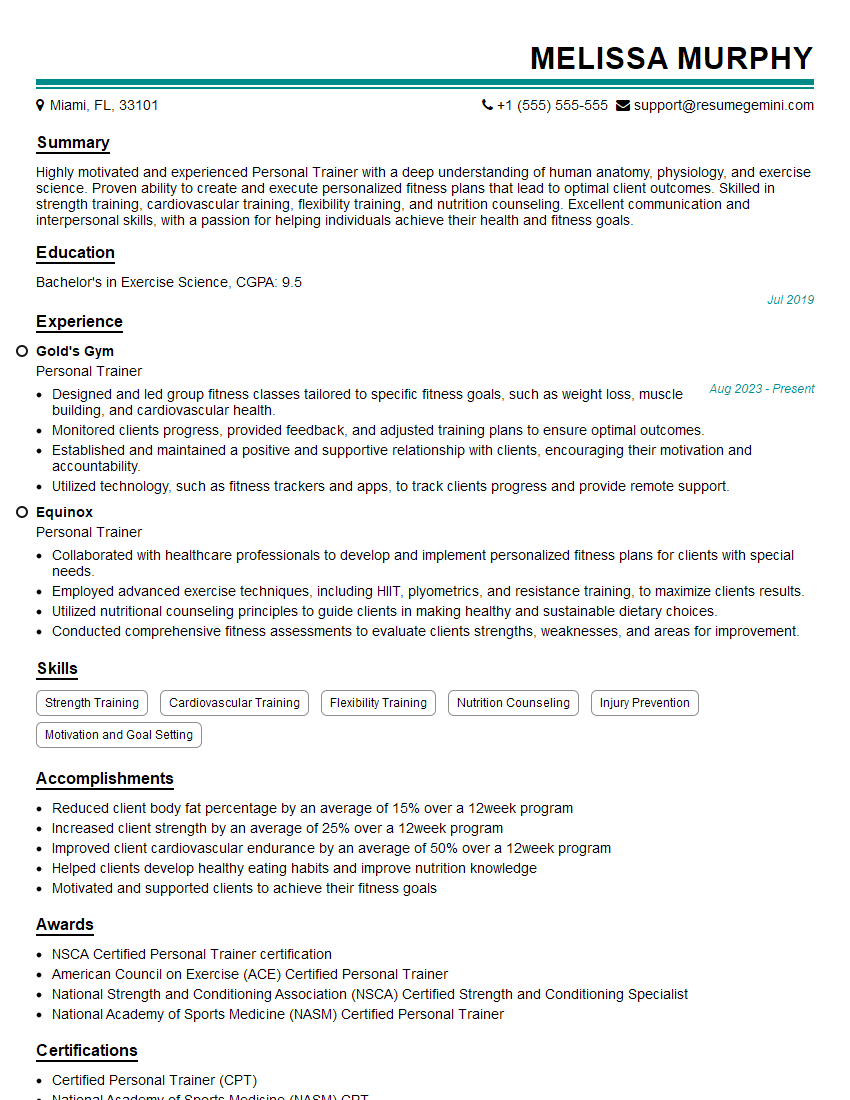
Personal Trainer Resume Sample
Explore more articles
Users Rating of Our Blogs
Share Your Experience
We value your feedback! Please rate our content and share your thoughts (optional).
What Readers Say About Our Blog
Very informative content, great job.
good