Unlock your full potential by mastering the most common Target Acquisition and Identification interview questions. This blog offers a deep dive into the critical topics, ensuring you’re not only prepared to answer but to excel. With these insights, you’ll approach your interview with clarity and confidence.
Questions Asked in Target Acquisition and Identification Interview
Q 1. Explain the process of target acquisition from initial detection to final identification.
Target acquisition is a multi-step process that begins with detecting a potential target and culminates in its positive identification. Think of it like a detective investigation, starting with a vague clue and ending with irrefutable proof of identity. The process typically unfolds as follows:
- Detection: This involves using various sensors (discussed in the next question) to identify potential targets. This stage is often characterized by uncertainty; you’ve spotted something, but you don’t know what it is yet.
- Localization: Once detected, the target’s location (coordinates, proximity to other objects) needs precise determination. This might involve triangulation using multiple sensors or employing advanced geolocation techniques.
- Recognition: This stage focuses on determining the target’s general type or class. For instance, is it a vehicle? A building? An individual? This is based on visual characteristics or sensor data, which may require image enhancement or signal processing.
- Identification: This is the crucial final step where you definitively confirm the target’s identity. This might involve comparing sensor data against known intelligence databases, using biometric analysis (if applicable), or employing specialized identification techniques like license plate recognition.
For example, a reconnaissance aircraft might initially detect a heat signature (detection). Further analysis using infrared and electro-optical sensors could reveal it’s a vehicle (recognition). Finally, comparing its size, shape, and markings with intelligence databases might confirm its identity as a specific type of enemy tank (identification).
Q 2. Describe the different types of sensors used in target acquisition and their limitations.
A wide array of sensors are employed in target acquisition, each with its strengths and weaknesses. Here are some key examples:
- Electro-Optical (EO) Sensors: These use visible light and near-infrared wavelengths to generate images. They offer high resolution but are limited by weather conditions (clouds, fog) and darkness. Examples include cameras and thermal imagers.
- Infrared (IR) Sensors: These detect heat signatures, making them effective in low-light or adverse weather conditions. They are less sensitive to camouflage but can be affected by background thermal noise.
- Radar Sensors: These use radio waves to detect targets, offering long-range capabilities and all-weather operation. However, they can be susceptible to jamming and may not provide detailed image quality.
- Acoustic Sensors: These detect sound waves, useful for detecting moving targets or machinery. Their range is limited and affected by environmental noise.
- Synthetic Aperture Radar (SAR): This advanced radar technique creates high-resolution images, even through clouds. It’s more complex and expensive than traditional radar.
The choice of sensor depends heavily on the operational environment, the type of target, and the available resources. Often, a multi-sensor approach is used to overcome individual limitations and provide a more complete picture.
Q 3. How do you assess the reliability and validity of intelligence sources used in target identification?
Assessing intelligence reliability and validity is paramount in target identification. We use a multi-faceted approach:
- Source Evaluation: We assess the credibility and track record of the intelligence source. Is it a known reliable asset or a new source? What are its biases or motivations?
- Data Corroboration: We never rely on a single source. Information from multiple, independent sources is cross-referenced and compared to identify inconsistencies or corroborate findings. A pattern of agreement across different sources significantly enhances confidence.
- Evidence Analysis: The intelligence is subjected to rigorous analysis, considering the context, plausibility, and potential for manipulation or deception. This may involve fact-checking, open-source research, or advanced data analytics.
- Confidence Levels: We assign confidence levels to the identified target based on the strength and consistency of the evidence. This allows for informed decision-making, acknowledging uncertainty where it exists. A high-confidence identification needs a strong evidence base.
Imagine identifying a high-value target. A single, anonymous tip isn’t enough; we’d need corroboration from other intelligence channels, such as signals intelligence intercepts or satellite imagery. The process is about building a strong case based on multiple, reliable sources of evidence.
Q 4. What are the key characteristics of a valid target?
A valid target possesses several key characteristics depending on the mission objectives. However, generally, a valid target is:
- Identifiable: It can be positively identified to a sufficient level of certainty based on available intelligence.
- Locatable: Its precise location is known or can be determined with sufficient accuracy.
- Accessible: It is within reach of the available assets (weapons systems, personnel) to engage.
- Significant: It meets the mission criteria and contributes to the overall objective. This might be a high-value individual, a key infrastructure component, or a critical enemy asset.
- Legal and Ethical: The engagement of the target is in compliance with applicable laws of armed conflict and ethical considerations.
For example, in a counter-terrorism operation, a valid target might be a known terrorist leader who is located in a specific building, is reachable by special forces, and whose elimination would significantly disrupt terrorist operations.
Q 5. Explain the concept of ‘kill chain’ in the context of target acquisition.
The ‘kill chain’ describes the sequential steps involved in engaging a target, starting from its acquisition and ending with its neutralization. It’s a crucial framework for understanding the entire targeting process. The stages typically include:
- Planning & Intelligence: Defining the objective, gathering intelligence, and identifying potential targets.
- Target Acquisition & Identification: The process we’ve been discussing.
- Targeting: Selecting specific targets and generating targeting data.
- Weapon Selection & Assignment: Choosing the appropriate weapons systems and assigning them to the engagement task.
- Engagement: Launching the attack.
- Assessment: Evaluating the effectiveness of the engagement.
Think of it as a chain; if one link breaks (e.g., poor intelligence leading to inaccurate target identification), the entire process fails. A robust kill chain requires seamless integration and coordination across all stages.
Q 6. How do you prioritize targets based on various factors (threat level, location, etc.)?
Prioritizing targets is a complex process requiring careful consideration of multiple factors. A common approach is to use a weighted scoring system, assigning points based on various criteria:
- Threat Level: How significant is the threat posed by this target? Higher threat levels receive higher priority.
- Immediacy of Threat: How urgent is it to engage this target? Targets posing an imminent threat are prioritized.
- Vulnerability: How easily can the target be engaged? More vulnerable targets may receive higher priority.
- Accessibility: How easily can we reach the target? This factors in location, terrain, and potential obstacles.
- Collateral Damage: What is the risk of unintended harm to civilians or infrastructure? Targets with high collateral damage risk might be de-prioritized or require special consideration.
A matrix or decision support system can be used to organize this information, facilitating efficient target prioritization based on a calculated risk/reward assessment. This is a dynamic process, constantly adapting to changing circumstances on the ground.
Q 7. Describe your experience with different targeting methodologies (e.g., manual, automated).
Throughout my career, I’ve worked with both manual and automated targeting methodologies. Manual targeting relies heavily on human analysts interpreting sensor data, intelligence reports, and other information to identify and prioritize targets. This approach allows for nuanced decision-making but is time-consuming and prone to human error. I have extensive experience in manual target analysis, leading teams in complex intelligence fusion exercises.
Automated targeting systems utilize algorithms and machine learning to process vast amounts of data, identifying potential targets and generating targeting solutions more rapidly than humans. These systems greatly enhance efficiency but still require human oversight to ensure accuracy and ethical compliance. I have been involved in the development and validation of automated target recognition (ATR) systems, contributing to the design and testing of algorithms for various sensor modalities. The ideal approach often blends manual and automated techniques, leveraging the strengths of each to achieve optimal results. Human expertise is crucial for interpreting ambiguous data or making complex ethical judgments that algorithms are not currently equipped to handle.
Q 8. How do you handle conflicting information from multiple intelligence sources during target identification?
Conflicting information from multiple intelligence sources is a common challenge in target identification. Think of it like putting together a jigsaw puzzle with some pieces missing and others potentially incorrect. We address this through a process of correlation and validation.
- Data Fusion: We begin by consolidating information from all sources – human intelligence (HUMINT), signals intelligence (SIGINT), imagery intelligence (IMINT), etc. – into a single, comprehensive picture. This involves using specialized software to cross-reference data points, identifying overlaps and discrepancies.
- Source Credibility Assessment: Each source’s reliability is evaluated based on past performance, methodology, and potential biases. A source known for accuracy carries more weight than one with a history of misinformation.
- Triangulation: We seek corroboration. If three independent sources confirm a piece of information, it’s significantly more credible than if it only comes from one. We look for convergence of evidence to build a stronger case.
- Conflict Resolution: When conflicts remain, we analyze the reasons behind the discrepancies. Is it a timing issue? Different interpretations of the same event? Are there technical limitations affecting data accuracy? We may need to seek further intelligence to clarify these issues. Sometimes, the most reliable course is to acknowledge the uncertainty and highlight the competing viewpoints in the final assessment.
For example, if one source claims a target is located in building X, while another places it in building Y, further investigation, possibly using high-resolution satellite imagery, would be necessary to resolve the discrepancy. This might involve analyzing shadows, vehicle movements, or even patterns of energy consumption.
Q 9. What are the ethical considerations involved in target acquisition and identification?
Ethical considerations are paramount in target acquisition and identification. The overarching principle is adherence to the laws of war and the principle of discrimination. We must ensure that targets are legitimate military objectives and that actions taken to engage them minimize harm to civilians and civilian infrastructure.
- Proportionality: The anticipated military advantage from engaging a target must outweigh the potential harm to civilians. This requires careful consideration of potential collateral damage.
- Precaution: All feasible precautions must be taken to verify the identity of a target and avoid civilian casualties. This includes using multiple intelligence sources, employing appropriate levels of confirmation before engagement, and constantly assessing the evolving battlefield situation.
- Accountability: There must be a clear chain of command and accountability for decisions related to target selection and engagement. This ensures that actions are reviewed and lessons learned are incorporated to prevent future mistakes.
- Transparency: When possible and consistent with operational security, transparency in decision-making processes can improve accountability and reduce the risk of ethical violations.
A real-world example would involve carefully assessing the risks of striking a suspected weapons facility located in a densely populated area. The analysis would consider whether the military advantage justifies the potential civilian casualties, and what measures can be taken to minimize harm, such as using precision-guided munitions or employing less destructive methods.
Q 10. How do you ensure the accuracy and timeliness of target information?
Ensuring accuracy and timeliness in target information is critical for mission success. We achieve this through a combination of rigorous processes and technological tools.
- Real-time Data Integration: Employing systems that consolidate and process information from various sources in real-time allows for dynamic updates to the target picture. This ensures that our understanding of the target is as current as possible.
- Data Validation and Verification: We use multiple sources to confirm information and cross-reference data points. Algorithms and expert analysts collaborate to identify inconsistencies and discrepancies.
- Human Intelligence Validation: Human analysts play a critical role in validating data generated by automated systems. They apply their expertise to interpret information, identify patterns, and make judgments about the reliability of sources.
- Feedback Loops: We incorporate feedback from operations to refine our intelligence processes and identify areas for improvement. Post-operational assessments help us determine the accuracy of target information and make necessary adjustments.
For instance, using geospatial intelligence (GEOINT) to identify a target’s location is complemented by signals intelligence (SIGINT) to confirm activity at that location, and human intelligence (HUMINT) to identify individuals associated with it. This layered approach dramatically increases the reliability and reduces uncertainty.
Q 11. Explain the concept of collateral damage and how it’s mitigated in target selection.
Collateral damage refers to unintentional harm inflicted on non-combatants or civilian infrastructure during military operations. Minimizing it is a fundamental ethical and operational imperative.
- Target Selection Criteria: The selection process prioritizes targets with a high military value and a low risk of civilian casualties. This involves careful assessment of the target’s location, surrounding environment, and potential impact on non-combatants.
- Precision-Guided Munitions (PGMs): These weapons systems allow for increased accuracy in targeting, minimizing the risk of collateral damage. The use of PGMs is a crucial element in modern warfare.
- Rules of Engagement (ROE): Strict adherence to ROE, which dictate when and how military force can be used, is essential to avoid civilian harm. ROEs provide a framework for decision-making in challenging situations.
- Damage Assessment: Post-strike assessments are conducted to evaluate the effectiveness of the engagement and to determine the extent of any unintended harm. This feedback is vital in improving future operations.
Imagine a scenario where a terrorist group is operating from a building in a densely populated area. Minimizing collateral damage might involve using a smaller, more precise munition, or even delaying the strike until a more favorable opportunity presents itself, such as when the building is less occupied.
Q 12. What are the challenges of target acquisition in complex urban environments?
Target acquisition in complex urban environments presents unique challenges due to the density of buildings, civilians, and potential obstacles.
- Obscured Line of Sight: High-rise buildings and dense infrastructure can obstruct sensors’ views of potential targets, making detection and identification difficult.
- Clutter and Camouflage: Targets can blend in with the surrounding urban environment, making it challenging to distinguish them from non-targets.
- Increased Risk of Collateral Damage: The close proximity of civilians and civilian structures increases the risk of unintended harm during target engagement.
- Technological Limitations: Certain technologies, such as satellite imagery, may be less effective in dense urban areas due to shadowing and occlusion.
- Communication Challenges: The complex environment can interfere with communication, impacting coordination and real-time intelligence sharing.
Overcoming these challenges involves using a combination of techniques such as employing higher-resolution sensors, utilizing advanced signal processing to filter out clutter, and relying heavily on human intelligence gathering to verify target locations and activities. The use of unmanned aerial vehicles (UAVs) with high-resolution cameras and sensors can also prove invaluable in navigating complex urban landscapes and providing detailed images of targets.
Q 13. Describe your experience with specific targeting software or systems.
I have extensive experience with several targeting software and systems, including Analyst's Notebook, Palantir Gotham, and SOCET GXP. These systems provide various functionalities ranging from data fusion and geospatial analysis to threat assessment and mission planning.
Analyst's Notebookexcels in its ability to visually represent complex relationships within intelligence data, aiding in the identification of key patterns and connections.Palantir Gothamfacilitates collaborative intelligence analysis, allowing multiple analysts to work concurrently on the same data sets.SOCET GXPprovides powerful tools for geospatial imagery analysis, allowing for precise target location and identification.
Each system has its strengths and weaknesses, and selecting the appropriate tool often depends on the specific mission requirements and available data sources. A comprehensive understanding of each platform’s capabilities is vital for effective target acquisition and identification.
Q 14. How do you validate the identity of a target using multiple intelligence sources?
Validating a target’s identity using multiple intelligence sources is crucial to avoid misidentification and prevent fratricide or civilian casualties. It involves a multi-step process of correlation and verification.
- Biometric Data: If available, biometric data such as fingerprints, facial recognition, or DNA can be used to confirm a target’s identity. This requires access to reliable databases and careful verification.
- Behavioral Analysis: Observing the target’s activities, communications, and associations can provide valuable insights into their identity and role.
- Human Intelligence (HUMINT): On-the-ground sources can provide crucial information about a target’s identity and activities. However, HUMINT sources need careful vetting and validation.
- Signals Intelligence (SIGINT): Intercepting communications, tracking electronic signatures, or monitoring radio frequencies can help confirm a target’s identity and activities.
- Open-Source Intelligence (OSINT): Information collected from publicly available sources, such as social media or news reports, can help corroborate other intelligence findings.
For example, confirming the identity of a suspected high-value target might involve corroborating biometric data with information from HUMINT sources, confirming the location with imagery intelligence, and verifying communications through SIGINT. This multi-layered approach significantly reduces the risk of error.
Q 15. What are the limitations of using open-source intelligence (OSINT) for target acquisition?
Open-Source Intelligence (OSINT) offers a wealth of readily available information, but its limitations are significant when it comes to target acquisition. The primary limitation is the inherent lack of verification. Information found online, from social media to news articles, is often unverified and potentially inaccurate or misleading. This lack of verification can lead to flawed assessments and incorrect targeting decisions.
Another limitation is incompleteness. OSINT might provide pieces of information, but rarely a complete picture of the target. Critical details may be missing, leading to a fragmented understanding. This can be especially problematic when trying to understand the target’s capabilities, intentions, and network.
Finally, data bias is a major concern. OSINT sources often reflect a particular perspective or narrative, potentially skewing the overall picture. This bias needs to be actively identified and accounted for during analysis to avoid drawing inaccurate conclusions. Imagine trying to build a complete profile of a company using only its self-published marketing materials—you’d miss crucial aspects like internal struggles or negative customer reviews.
Career Expert Tips:
- Ace those interviews! Prepare effectively by reviewing the Top 50 Most Common Interview Questions on ResumeGemini.
- Navigate your job search with confidence! Explore a wide range of Career Tips on ResumeGemini. Learn about common challenges and recommendations to overcome them.
- Craft the perfect resume! Master the Art of Resume Writing with ResumeGemini’s guide. Showcase your unique qualifications and achievements effectively.
- Don’t miss out on holiday savings! Build your dream resume with ResumeGemini’s ATS optimized templates.
Q 16. How do you manage uncertainty and risk in target acquisition processes?
Managing uncertainty and risk in target acquisition is crucial for mission success and safety. We employ a multi-layered approach. First, we establish a clear definition of the target and the information needed. This allows us to prioritize intelligence collection efforts and focus resources effectively. Then, we utilize a probabilistic approach to assess the reliability of information gathered. Each intelligence source is evaluated for credibility and potential biases, and we establish confidence levels for each piece of information.
Risk mitigation strategies are developed based on the identified uncertainties. This might involve gathering additional intelligence from multiple sources, conducting corroboration with other intelligence streams, or implementing contingency plans based on different scenarios. We also incorporate red teaming exercises, where we simulate potential failures and attacks to identify vulnerabilities in our process and improve decision-making.
Finally, we use decision matrices to weigh the risks and benefits of different courses of action. This structured approach helps to ensure that decisions are made in a rational and objective manner, even under pressure of incomplete information and tight timelines.
Q 17. Describe a situation where you had to make a critical decision based on incomplete target information.
During a counter-narcotics operation, we needed to neutralize a suspected drug processing lab. Initial intelligence indicated the lab’s location, but the information regarding the number of personnel present and their level of armament was scant and contradictory. We had to make a critical decision: launch a nighttime raid with limited personnel, risking potential casualties if the intel was wrong, or delay the operation, risking the destruction of evidence and the escape of the suspects.
Our team weighed the limited intel against the potential consequences of inaction. We employed a risk-assessment matrix, considering the probability and impact of different outcomes. We opted for a phased approach, starting with a small, heavily armed reconnaissance team to verify the information and neutralize any immediate threats. This allowed us to gather additional on-site intelligence and adjust our tactical plan accordingly before launching the main assault force. The approach proved successful, minimizing risk while achieving mission objectives.
Q 18. How do you ensure the security and confidentiality of target information?
Securing target information is paramount. We adhere to strict protocols and utilize a multi-layered security approach. This includes access control measures, with information categorized and access granted based on a “need-to-know” basis. We employ robust encryption techniques, both in transit and at rest, to protect information from unauthorized access. Data is stored in secure databases, with regular audits and penetration testing to identify vulnerabilities.
Furthermore, we follow strict handling procedures for classified information. Personnel are trained on security awareness and data handling best practices. We regularly review and update our security protocols to address emerging threats. Physical security measures, such as secure facilities and controlled access, are also implemented to further mitigate risks. The goal is to create a system that not only protects sensitive information but also ensures compliance with all applicable regulations and laws.
Q 19. What are the key differences between target acquisition and target identification?
Target acquisition and target identification are distinct but interconnected phases in the targeting process. Target acquisition is the process of locating and identifying potential targets of interest. It’s about finding something that *might* be of significance. Think of it as creating a potential suspect list. This phase relies heavily on intelligence gathering, analysis, and the development of potential target sets.
Target identification, on the other hand, is the process of verifying the identity and characteristics of a potential target acquired earlier. It’s about determining if your suspect is actually guilty. This stage involves confirmation of the target’s location, nature, and attributes to ensure the target is indeed what you initially suspected. We would validate information about the target’s capabilities, vulnerabilities, and surroundings before committing resources to an engagement. This involves analysis of multiple intelligence sources to build a more complete picture.
Q 20. How do you adapt your target acquisition strategies to different operational environments?
Adapting target acquisition strategies to different operational environments is crucial for success. Factors like terrain, climate, political landscape, and technological limitations heavily influence the methods and resources used. In a dense urban environment, for example, reliance on human intelligence and discreet surveillance techniques might be prioritized, while in a remote desert region, aerial reconnaissance and satellite imagery would play a more significant role.
The technological capabilities available also dictate the approach. In areas with limited communication infrastructure, the reliance on readily available technologies might be limited; robust, off-grid communication and data processing capabilities are needed. Similarly, political sensitivities must be considered. Working with local partners might be necessary to access information and resources, whilst respecting local laws and customs. We always tailor our approach to the specific challenges and opportunities presented by the unique environment.
Q 21. Explain the importance of geospatial intelligence in target acquisition.
Geospatial intelligence (GEOINT) plays a pivotal role in target acquisition by providing a detailed visual and spatial understanding of the operational environment. GEOINT sources such as satellite imagery, aerial photography, and maps provide critical information about a target’s location, surrounding infrastructure, terrain, and access routes.
This information is essential for planning operations, assessing risks, and making informed decisions. For instance, high-resolution satellite imagery can reveal details about a target’s physical characteristics, enabling better identification and assessment of its vulnerabilities. Similarly, GIS mapping tools allow us to visualize target locations in relation to other features, such as roads, buildings, and potential obstacles. This provides a clear operational picture, crucial for minimizing risk and maximizing effectiveness during target engagements. This helps to ensure safe and successful mission outcomes.
Q 22. How do you integrate different types of intelligence (HUMINT, SIGINT, IMINT) for a complete target picture?
Integrating different intelligence types for a complete target picture is like assembling a puzzle. Each piece – HUMINT (Human Intelligence), SIGINT (Signals Intelligence), and IMINT (Imagery Intelligence) – provides a unique perspective, and combining them creates a far more accurate and detailed understanding than any single source could offer.
- HUMINT provides contextual information, often involving human sources who can offer insight into a target’s intentions, capabilities, and relationships. Think of this as the ‘story’ behind the target.
- SIGINT intercepts communications (electronic, radio, etc.) revealing operational plans, orders, and conversations. This is the ‘voice’ of the target.
- IMINT offers visual evidence via satellite imagery, aerial photography, and other visual data sources, showing physical locations, infrastructure, and troop movements. This is the ‘visual’ confirmation.
The process involves data fusion, where we correlate information from these different sources. For example, we might use IMINT to identify a potential weapons facility. SIGINT intercepts might reveal communications indicating activity at that location, and HUMINT could provide details about personnel working there and their roles. Cross-referencing these sources verifies the target and creates a more comprehensive profile.
This integrated approach mitigates biases and strengthens the reliability of our target assessment. A single source might be misleading or incomplete, but the convergence of multiple, independent sources creates a robust and reliable picture.
Q 23. Describe your experience with using predictive analysis for target acquisition.
Predictive analysis in target acquisition is invaluable. It involves using historical data, patterns, and algorithms to forecast future behavior. Think of it as looking at past crime patterns to predict where the next crime might occur. In my experience, we’ve successfully used predictive models to anticipate shifts in a target’s activities or locations.
For example, in one operation, we analyzed historical data on a smuggling network’s transit routes, shipment frequencies, and communication patterns. By applying machine learning algorithms, we were able to predict with significant accuracy the timing and location of their next shipment, leading to a successful interception.
The process involves data cleaning, feature engineering (selecting relevant variables), model training (using algorithms like regression or classification), and validation (testing accuracy). While no system is perfect, a well-built predictive model significantly enhances operational effectiveness by enabling proactive, rather than reactive, targeting.
Q 24. What are the legal and regulatory considerations involved in target acquisition?
Legal and regulatory considerations in target acquisition are paramount. They vary based on jurisdiction and the specific context of the operation, but generally involve considerations of national and international laws.
- Domestic Laws: These govern the collection and use of intelligence within a country’s borders. They often define what constitutes legitimate targets, the methods allowed for intelligence gathering, and the safeguards protecting privacy rights.
- International Laws: Rules of engagement and international humanitarian law heavily influence target selection, especially in armed conflict scenarios. The principle of distinction (differentiating between combatants and civilians) is critical. The proportionality of force is another crucial factor.
- Privacy Laws: Protecting personal information is essential. All intelligence gathering must comply with privacy regulations and laws. Unlawful surveillance or unauthorized access to personal data is prohibited.
Strict adherence to these regulations is not only legally required but is also crucial for maintaining ethical standards and building public trust. Prior to any operation, a comprehensive legal review is conducted to ensure compliance and mitigate potential legal risks.
Q 25. How do you measure the success of a target acquisition operation?
Measuring success in target acquisition isn’t just about capturing or neutralizing the target. It’s about evaluating the overall impact of the operation against its objectives. We use a multi-faceted approach:
- Accuracy of Target Identification: Did we correctly identify the intended target? Were there any misidentifications?
- Effectiveness of Intelligence Gathering: Did the operation generate valuable intelligence that met its objectives?
- Operational Success: Did we successfully achieve the stated operational goals? This could include capturing the target, disrupting activities, or gathering specific information.
- Long-Term Impact: Did the operation have a lasting impact on the target’s capabilities or activities?
- Collateral Damage Assessment: Did the operation cause any unintended harm or casualties?
These metrics are assessed using both quantitative (e.g., number of targets identified, amount of intelligence gathered) and qualitative (e.g., operational feedback, impact assessment) data. A post-operation analysis is critical to understanding what worked well and identifying areas for improvement.
Q 26. How would you handle a situation where a target is misidentified?
Misidentifying a target is a serious issue, potentially leading to disastrous consequences. Our protocols prioritize verification and validation at every stage. If misidentification is suspected, the process involves:
- Immediate Halt of Operations: All operations targeting the suspected individual are immediately suspended.
- Independent Verification: Multiple sources of intelligence are independently reviewed and analyzed to verify the target’s identity.
- Data Recalibration: The intelligence gathering process is examined to identify where the misidentification occurred and to prevent similar mistakes in the future.
- Damage Assessment: We evaluate any harm caused by the misidentification, and corrective measures are implemented, if necessary.
- Reporting and Accountability: The incident is thoroughly documented and reported through established channels. An investigation determines responsibility and recommends remedial actions.
The emphasis is on robust verification and validation protocols to minimize the risk of misidentification. Our systems encourage critical thinking, challenging assumptions, and relying on multiple independent sources to confirm information.
Q 27. Explain the process for updating and maintaining a target database.
Maintaining a target database is an ongoing process requiring consistent updating and rigorous quality control. It involves a structured approach:
- Data Input and Validation: All new intelligence is carefully vetted and validated before being integrated into the database. This ensures accuracy and reliability.
- Data Fusion and Correlation: Information from various sources is integrated, identifying redundancies and inconsistencies.
- Regular Updates: The database needs constant updating to reflect the latest intelligence, ensuring that the information remains current and relevant.
- Data Cleaning and Archiving: Outdated or irrelevant data is purged regularly to prevent database bloat and maintain efficiency. Historical data is archived for future reference.
- Access Control and Security: The database needs to be protected from unauthorized access, ensuring data confidentiality and integrity. Access control is implemented based on need-to-know principles.
- Periodic Reviews: Regular reviews assess the effectiveness of the database, ensuring it meets operational needs and identifying potential improvements.
Using a robust database management system (DBMS) is crucial, ensuring data integrity, efficient searching, and effective data visualization. The database is considered a critical asset, requiring ongoing maintenance to guarantee its reliability and effectiveness.
Key Topics to Learn for Target Acquisition and Identification Interview
- Sensor Technology and Data Acquisition: Understanding various sensor types (e.g., radar, lidar, electro-optical), their limitations, and data processing techniques crucial for accurate target identification.
- Target Classification and Recognition: Explore algorithms and methodologies used to distinguish between different target types based on sensor data. Consider practical applications like differentiating friend from foe in complex environments.
- Data Fusion and Integration: Learn how to combine data from multiple sensors to improve target acquisition accuracy and reduce uncertainty. Discuss practical challenges and solutions in real-world scenarios.
- Target Tracking and Prediction: Master techniques for tracking targets in motion and predicting their future positions, including Kalman filtering and other relevant algorithms. Consider the impact of environmental factors on accuracy.
- Signal Processing and Feature Extraction: Understand the importance of signal processing techniques to extract relevant features from raw sensor data for efficient and accurate target identification. Explore techniques like noise reduction and feature enhancement.
- Performance Metrics and Evaluation: Learn how to evaluate the performance of target acquisition and identification systems using relevant metrics like accuracy, precision, recall, and false positive rates. This includes understanding the trade-offs between different metrics.
- Ethical Considerations and Bias Mitigation: Discuss the ethical implications of target acquisition and identification technologies and strategies for mitigating biases in algorithms and data.
Next Steps
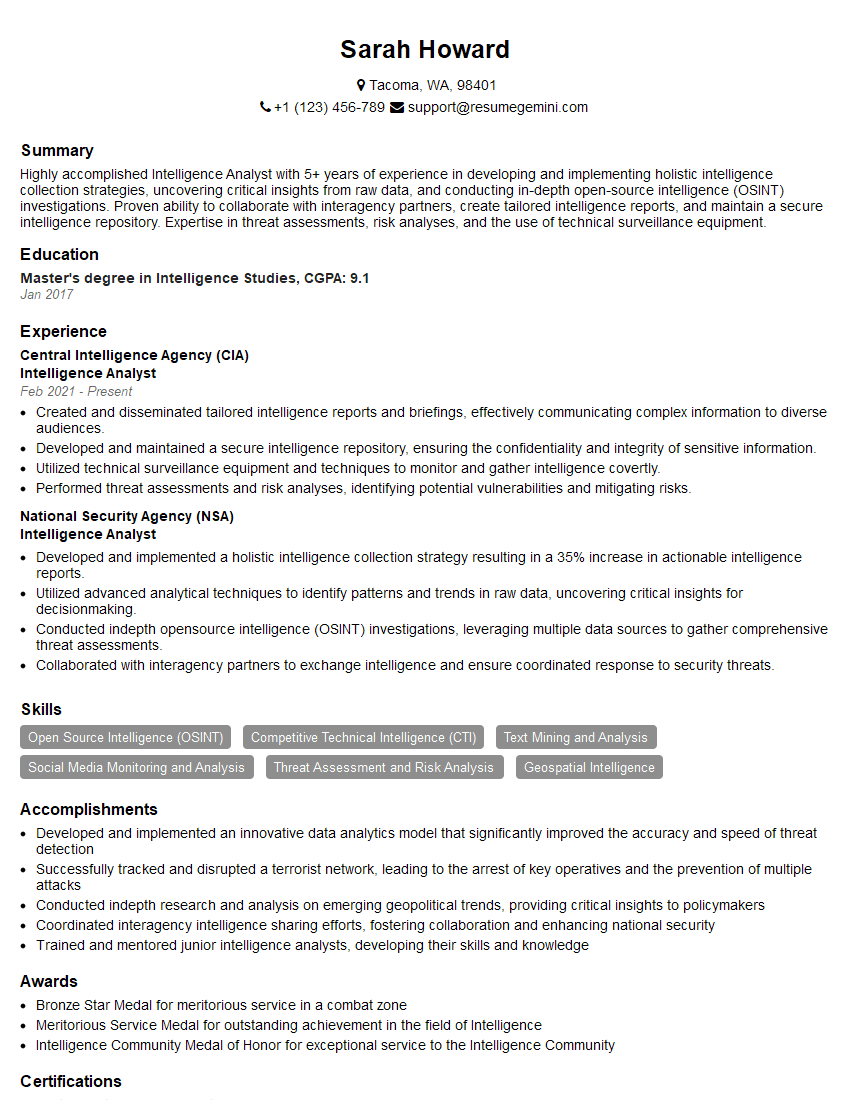
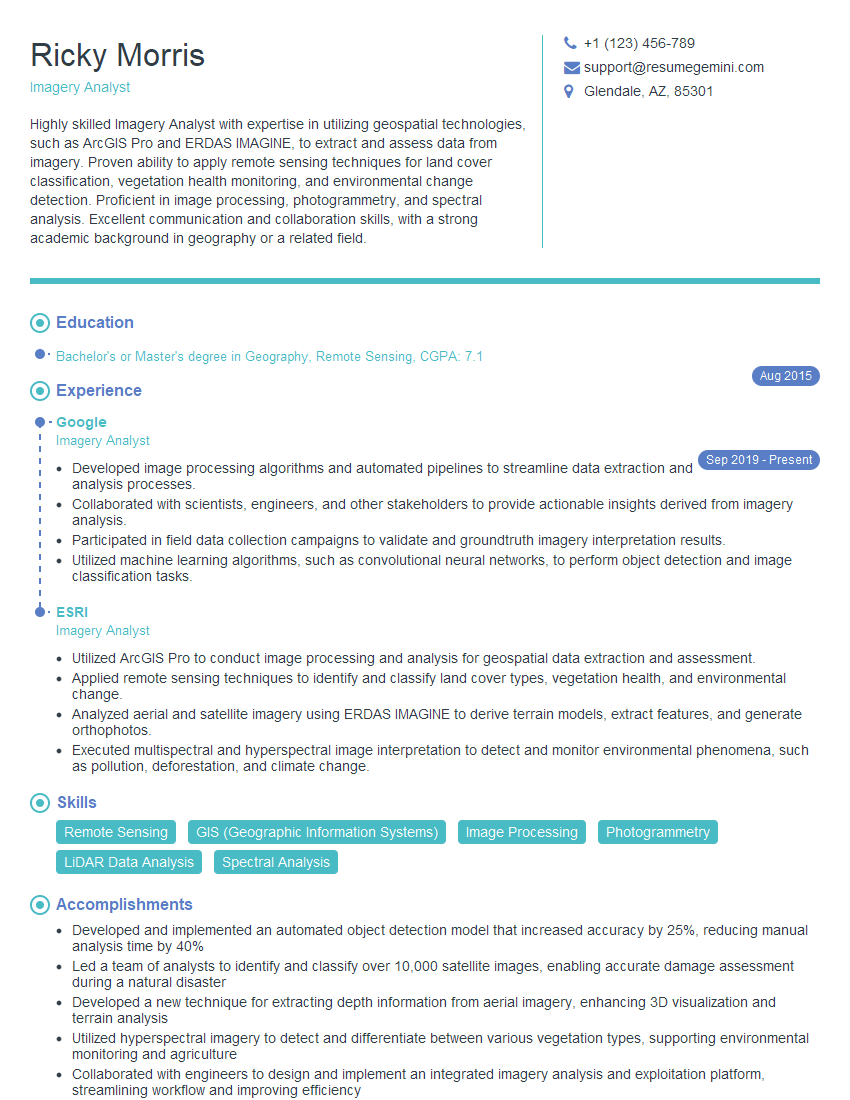
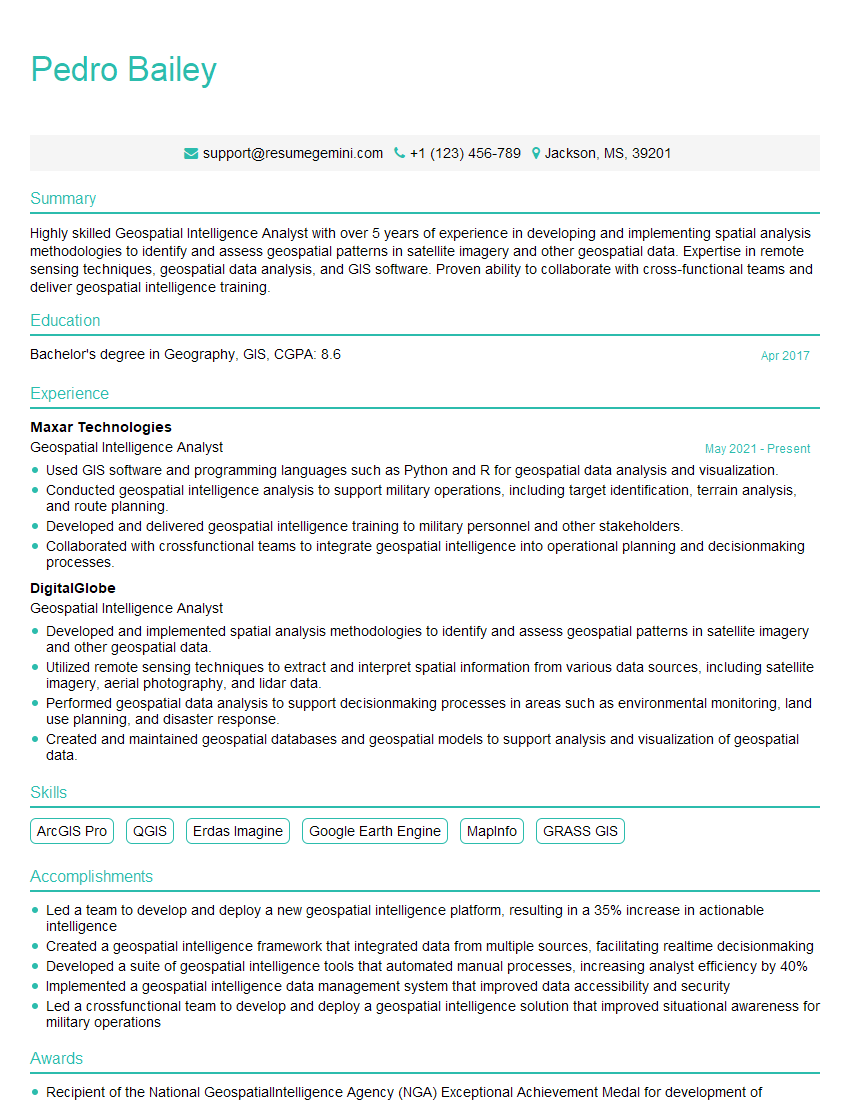
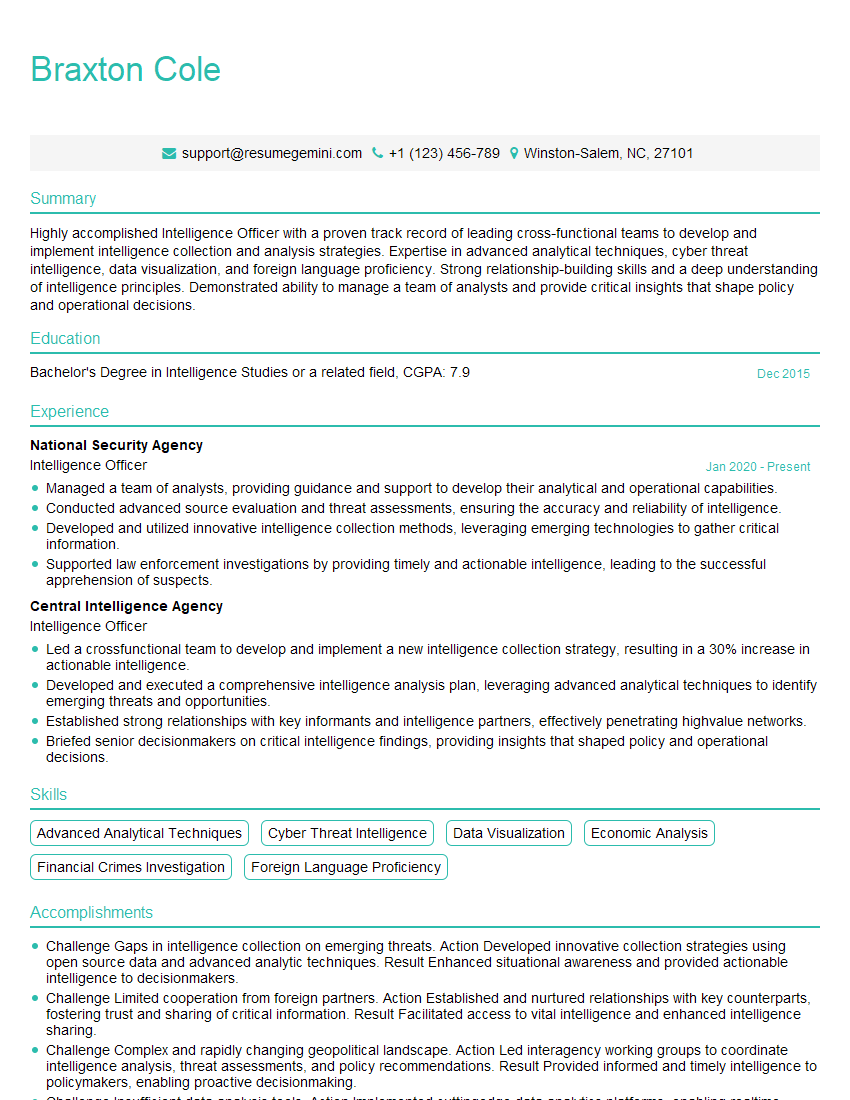
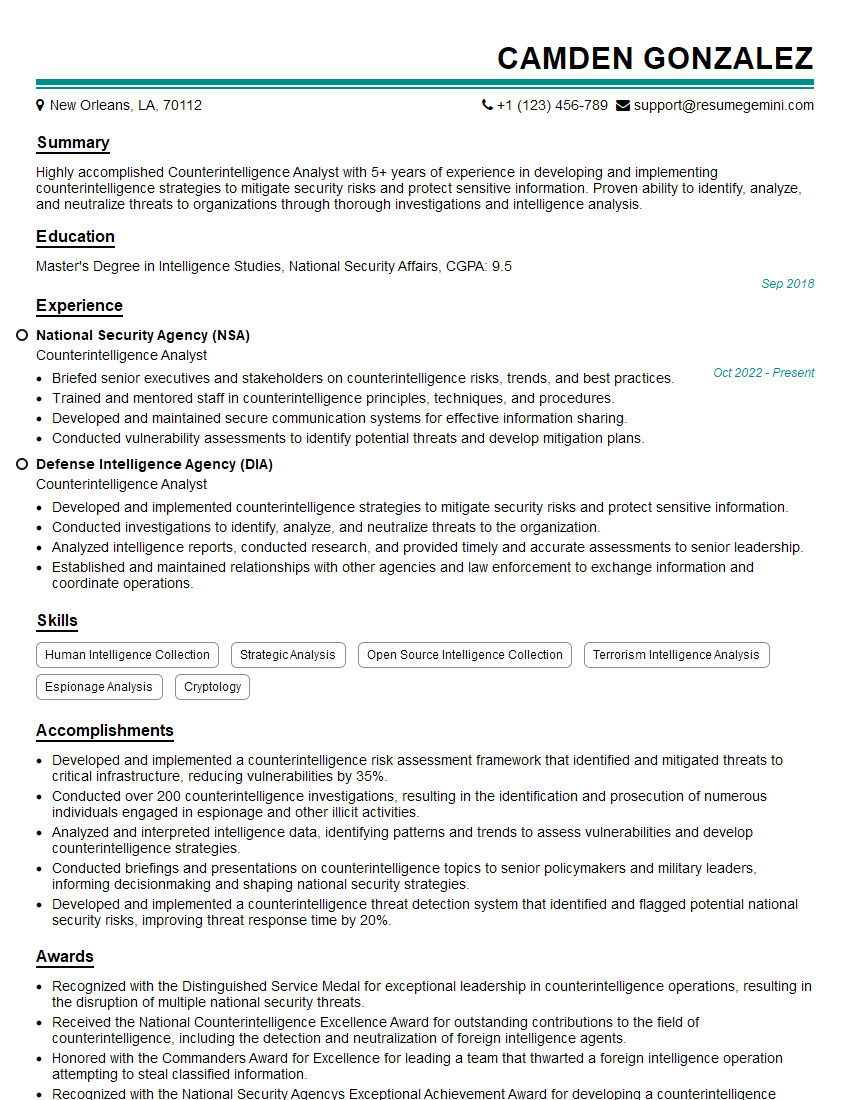
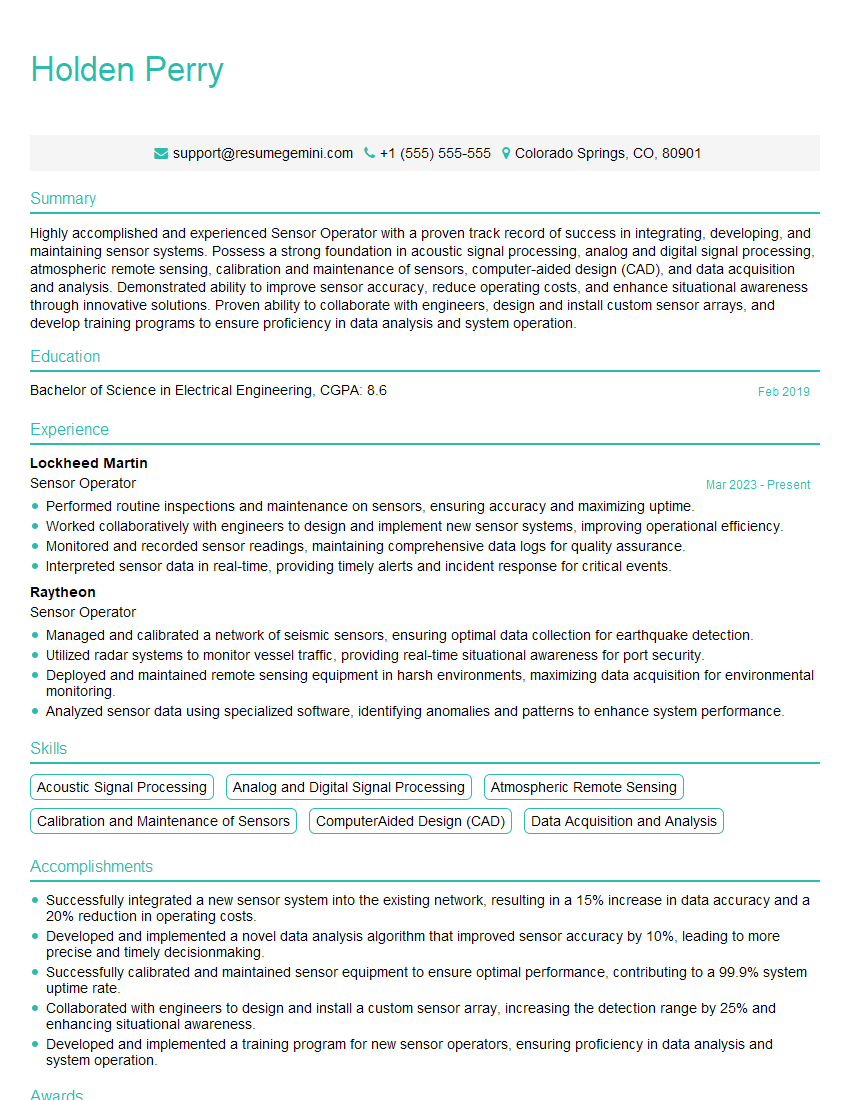
Mastering Target Acquisition and Identification opens doors to exciting and impactful careers in defense, aerospace, and various technological sectors. A strong understanding of these concepts is highly valued by employers. To significantly enhance your job prospects, it’s crucial to present your skills effectively. Creating an ATS-friendly resume is key to getting your application noticed. ResumeGemini is a trusted resource that can help you build a professional and compelling resume tailored to highlight your expertise in this field. Examples of resumes specifically designed for Target Acquisition and Identification roles are available to guide you.
Explore more articles
Users Rating of Our Blogs
Share Your Experience
We value your feedback! Please rate our content and share your thoughts (optional).
What Readers Say About Our Blog
Very informative content, great job.
good