Interviews are opportunities to demonstrate your expertise, and this guide is here to help you shine. Explore the essential Art and Expressive Therapies interview questions that employers frequently ask, paired with strategies for crafting responses that set you apart from the competition.
Questions Asked in Art and Expressive Therapies Interview
Q 1. Describe your approach to assessing a client’s artistic expression.
Assessing a client’s artistic expression is a multifaceted process that goes beyond simply evaluating the aesthetic quality of their work. It’s about understanding the artwork as a reflection of their inner world, their emotional state, and their unconscious processes. My approach involves a combination of observation, dialogue, and careful interpretation.
Firstly, I observe the client’s process: their choice of medium, color palette, subject matter, and the overall energy they invest in the creation. For instance, a client who uses vibrant colors and bold strokes might be expressing excitement or anger, while someone using muted tones and delicate lines might be reflecting sadness or introversion.
Secondly, I engage in a collaborative dialogue, asking open-ended questions about their artwork. I avoid making judgments and instead encourage them to explore their own interpretations. Questions might include: “What are you feeling as you create this?”, “What does this image represent to you?”, or “What part of the process was most challenging or rewarding?”.
Finally, I integrate my observations and the client’s self-reflection to formulate a deeper understanding of their artistic expression. This interpretive process draws on my knowledge of art history, psychology, and expressive therapies to connect the artwork to the client’s experiences and challenges. This holistic approach ensures a nuanced and sensitive assessment.
Q 2. Explain the therapeutic benefits of using different art mediums (e.g., painting, sculpting, collage).
Different art mediums offer unique therapeutic benefits, allowing clients to access and express themselves in diverse ways. The choice of medium can often be as revealing as the artwork itself.
Painting: Offers a fluid and expressive outlet. The use of color, texture, and brushstrokes can facilitate emotional release and exploration of inner landscapes. For example, a client might use bright colors to express joy or dark colors to process grief.
Sculpting: Provides a three-dimensional experience that engages both the mind and body. The act of shaping clay or other materials can be deeply therapeutic, particularly for clients needing to externalize emotions or grapple with physical trauma. The tangible nature of sculpture can offer a sense of control and mastery.
Collage: Allows clients to assemble diverse materials, representing different aspects of themselves or their experiences. This process of selection and arrangement can be incredibly powerful in helping clients integrate fragmented thoughts or emotions, creating a sense of wholeness. For example, a collage might represent different stages of life or relationships.
The power of these mediums lies in their ability to bypass verbal expression, offering alternative avenues for communicating experiences that may be difficult to articulate verbally. This makes them invaluable tools in trauma therapy, grief counseling, and a wide range of other therapeutic contexts.
Q 3. How do you adapt your therapeutic approach to clients with diverse backgrounds and needs?
Adapting my therapeutic approach to clients with diverse backgrounds and needs is paramount. Cultural sensitivity, in particular, is critical. I strive to create a safe and inclusive space where clients feel comfortable expressing themselves authentically. This involves:
Understanding cultural context: I acknowledge that artistic expression varies across cultures. What might be considered appropriate in one culture might not be in another. I make a point to learn about my client’s cultural background and how it might influence their art-making.
Avoiding ethnocentric interpretations: I am mindful not to impose my own cultural biases on my interpretations of the client’s artwork. I focus on the client’s subjective meaning rather than making assumptions based on my own cultural framework.
Utilizing culturally relevant materials: I try to incorporate culturally relevant materials and techniques into the therapeutic process to enhance the client’s comfort and engagement. For example, I might provide materials reflective of the client’s cultural traditions or encourage the use of familiar artistic styles.
Adapting communication styles: I adjust my communication style to be respectful of the client’s preferred method of interaction, considering factors such as language, non-verbal communication, and personal preferences.
This approach ensures that art therapy becomes a truly collaborative and empowering experience, tailored to the unique needs and background of each client.
Q 4. Describe your experience working with clients experiencing trauma.
My experience working with clients experiencing trauma has shown me the remarkable power of art therapy in facilitating healing and recovery. Trauma often leaves individuals struggling to process overwhelming emotions and memories. Art therapy provides a safe and non-threatening space for these individuals to express their experiences in a way that feels manageable and empowering.
In my work, I utilize trauma-informed practices, focusing on building a strong therapeutic relationship based on trust and safety. I begin by creating a collaborative environment where clients have control over their experience, selecting their own mediums and pace of work. Techniques such as sand tray therapy, body-based art, and expressive writing can be particularly beneficial in helping clients access and manage their trauma-related emotions.
I often work with clients to develop coping mechanisms and strategies for managing flashbacks or other trauma-related symptoms. Art can be a tool to help re-narrate their traumatic experiences, fostering a sense of agency and reclaiming their narratives. The goal is not necessarily to ‘cure’ trauma but to empower clients to develop healthier ways of understanding and coping with its effects.
Q 5. How do you integrate art therapy with other therapeutic modalities?
Integrating art therapy with other therapeutic modalities can greatly enhance treatment effectiveness. A holistic approach recognizes that mental health is complex, and different modalities often complement each other well.
For example, I might integrate art therapy with Cognitive Behavioral Therapy (CBT) to help clients identify and challenge negative thought patterns. Artwork can visually represent these patterns, allowing for deeper exploration and processing. Similarly, art therapy can complement psychodynamic therapy by providing a nonverbal avenue to access unconscious material. The artwork can serve as a powerful catalyst for discussion and insight during sessions. Art can also work synergistically with somatic experiencing, helping clients process trauma that’s held in the body.
The key to successful integration is careful planning and communication. I always work collaboratively with other therapists involved in the client’s care to ensure a cohesive and effective treatment plan. It’s essential to maintain clear boundaries and respect the expertise of each modality.
Q 6. Explain the ethical considerations in art therapy practice.
Ethical considerations are central to art therapy practice. Maintaining client confidentiality, ensuring informed consent, and managing boundaries are paramount.
Confidentiality: Client artwork and discussions should be treated with the utmost confidentiality, adhering to relevant professional and legal guidelines. Exceptions would only be made in situations where there’s a legal mandate to disclose information, such as in cases of suspected child abuse or harm to self or others.
Informed Consent: Clients must be fully informed about the nature of art therapy, the process involved, and the potential benefits and risks before they begin treatment. They need to understand their rights and responsibilities within the therapeutic relationship.
Dual Relationships: Avoiding dual relationships (e.g., therapist-client and friend) is crucial. Maintaining professional boundaries is essential to preserve the therapeutic integrity and protect the client’s well-being.
Professional Competence: Art therapists should only practice within their scope of competence, referring clients to other professionals if necessary. Continuing education and professional development are vital for maintaining current knowledge and best practices.
Adhering to a strong ethical framework ensures that art therapy is practiced responsibly and ethically, prioritizing the client’s well-being and fostering a culture of trust and respect.
Q 7. How do you maintain client confidentiality in an art therapy setting?
Maintaining client confidentiality in an art therapy setting requires a multifaceted approach. Firstly, physical security measures are necessary to safeguard the client’s artwork. Artwork should be stored securely and disposed of properly after therapy concludes, following established guidelines.
Secondly, careful attention to discussions is essential. Discussions related to the client’s artwork and therapeutic process are kept confidential. Any documentation of sessions, including case notes, should be stored securely and access restricted to authorized personnel only. It’s important to adhere to the relevant legal and ethical standards regarding the storage and disposal of client records.
Finally, it’s crucial to maintain a professional demeanor and avoid discussing client cases outside of the therapeutic setting. This includes conversations with colleagues or friends, adhering to strict professional boundaries and protecting the client’s privacy and confidentiality at all times.
Q 8. Describe your experience documenting client progress and outcomes.
Documenting client progress and outcomes in art therapy is crucial for evaluating treatment effectiveness and ensuring accountability. My approach involves a multifaceted system combining qualitative and quantitative data. I utilize detailed session notes that describe the client’s artwork, verbalizations, emotional state, and therapeutic interventions. These notes are not merely descriptive; they analyze the meaning and symbolism within the artwork, linking it to the client’s therapeutic goals. For example, a client struggling with anxiety might initially create chaotic, dark paintings. As therapy progresses, a shift towards brighter colors and more structured compositions would be documented, demonstrating a positive change in their emotional state. Beyond session notes, I utilize standardized assessment tools (discussed further in response to Question 6) to track progress quantitatively. This data, along with the qualitative information from session notes, allows me to create a comprehensive picture of the client’s journey and demonstrate measurable outcomes to stakeholders such as supervisors or insurance companies. I regularly review this documentation to inform treatment adjustments and ensure the therapy remains effective and goal-oriented. Finally, I obtain client feedback periodically to ensure they feel their progress is accurately reflected.
Q 9. How do you handle challenging client behaviors during art therapy sessions?
Handling challenging client behaviors requires a calm, empathetic, and structured approach. The key is understanding the *why* behind the behavior. It’s rarely random; it often reflects underlying emotional distress or unmet needs. For example, if a client becomes verbally aggressive, my immediate priority is to ensure the safety of myself and others. I might gently but firmly redirect the behavior, creating space and time for the client to regulate their emotions. I might say something like, “I understand you’re feeling angry right now, and that’s okay. Let’s take a few minutes to breathe and then we can talk about what’s happening.”. Often, providing a non-judgmental space for expression, whether verbal or artistic, allows the client to process their emotions. If the behavior persists or escalates, I’m prepared to implement safety protocols, including contacting colleagues or seeking consultation. The art materials themselves can be a powerful tool; offering the client clay to actively express their frustration, or allowing them to tear up paper to release pent-up energy, can be extremely therapeutic. Following the incident, we would process the experience together, exploring the triggers and strategies for coping in future sessions.
Q 10. What are your strategies for building rapport with clients in an art therapy context?
Building rapport in art therapy hinges on creating a safe and non-judgmental space where clients feel comfortable expressing themselves creatively. This begins from the initial consultation. I prioritize active listening, demonstrating empathy, and using clear, concise language. I avoid imposing my own artistic preferences or interpretations, focusing instead on understanding the client’s unique perspective. I might start by engaging in collaborative art-making activities, such as a simple warm-up exercise, to ease anxiety and foster a sense of connection. This collaborative experience helps establish a sense of mutual trust and respect. Throughout therapy, I validate clients’ feelings, mirroring their emotional experience with statements like, “It sounds like you’re feeling quite overwhelmed.” I also offer choices in materials and art modalities to empower clients and allow them agency in their creative process. Building this trust takes time; it’s a process that unfolds organically as clients experience the therapeutic potential of art-making in a supportive environment. My goal is to be a facilitator, not a director.
Q 11. Explain your understanding of transference and countertransference in art therapy.
Transference and countertransference are fundamental concepts in all therapeutic relationships, including art therapy. Transference refers to the unconscious redirection of feelings from one person to another, often from the client to the therapist. In art therapy, this might manifest as the client projecting feelings onto their artwork or onto the therapist themselves. For example, a client who had a difficult relationship with their mother might unconsciously transfer those feelings onto me, perceiving me as critical or unsupportive, even if I’m striving to be compassionate. Countertransference is the inverse: the therapist’s unconscious emotional reactions to the client. My own unresolved issues or past experiences might unconsciously influence how I respond to the client’s artwork or behavior. Recognizing these phenomena is crucial. Self-awareness and regular supervision are essential to manage countertransference and avoid inadvertently influencing the therapy process. When I notice potential transference or countertransference, I bring it to the client’s attention in a way that respects their autonomy and empowers them to understand their own emotional patterns. This usually takes place with clients who are capable of insightful reflection and when the therapeutic alliance is strong.
Q 12. How do you ensure the safety of your clients during art therapy sessions?
Ensuring client safety is paramount in art therapy. This starts with creating a physically safe environment: a well-lit, comfortable space free from hazards. I carefully select art materials, considering potential allergies or sensitivities. Sharp objects are stored securely, and appropriate waste disposal methods are in place. I always explain the intended use of materials and address any client concerns before proceeding. Beyond physical safety, I also address emotional safety. Creating a trusting, non-judgmental environment is crucial for exploring sensitive or traumatic experiences. I actively listen to my clients’ emotional states and use my clinical judgment to intervene if necessary. If a client expresses suicidal or self-harming ideation, I have established protocols for intervention, including reaching out to the client’s support system, mental health professionals, or crisis services. Informed consent is a cornerstone of safety; clients understand the purpose and limitations of art therapy, the confidentiality protocols, and their rights. I regularly reassess safety measures to ensure the session remains a supportive and beneficial experience.
Q 13. Describe your experience with different art therapy assessment tools.
I have experience with a variety of art therapy assessment tools, both standardized and informal. Standardized assessments, such as the Draw-a-Person test or the Kinetic Family Drawing, provide quantitative data that can be compared across clients and over time. These tools offer objective insights into areas like self-perception, family dynamics, and emotional functioning. For example, the Draw-a-Person test helps to assess aspects of a child’s cognitive maturity and personality in relation to their self-perception and emotional well-being. However, I recognize that standardized tests are not sufficient on their own. I also incorporate informal assessments, such as observing the client’s choice of materials, their artistic process, and their verbalizations about their artwork, providing more qualitative and contextual understanding of their experience. The combination of both standardized and informal assessments helps me gain a holistic view of a client’s psychological state and track progress comprehensively. It’s essential to interpret these assessments in the context of the individual’s overall presentation and history, recognizing that the tools are only part of the equation.
Q 14. What is your preferred approach to termination in art therapy?
My approach to termination in art therapy is gradual and collaborative. It’s not a sudden stop but a carefully planned process that acknowledges the therapeutic relationship’s ending and supports the client’s transition. I typically begin discussing termination several sessions before the actual end date, allowing ample time for processing. This process involves reflecting on the client’s progress, celebrating achievements, and identifying strategies for maintaining gains made during therapy. We might create a final art piece symbolizing the journey or use art-making as a means of exploring emotions about the ending of our sessions. The client’s needs dictate the pace and approach; some might need more time to process the ending than others. I provide referrals or resources for continued support, if needed, ensuring a smooth transition to other services or self-management strategies. The termination process is as much a part of the therapeutic journey as the initial sessions, aiming to equip the client with the tools and resources necessary for continued well-being beyond the formal therapeutic relationship.
Q 15. How do you manage your own emotional well-being while working with challenging clients?
Maintaining my own emotional well-being is paramount in this profession. Working with challenging clients can be emotionally draining, so I prioritize self-care through several strategies. This includes regular supervision with a qualified professional where I can process my experiences and gain support. I also maintain a strong personal support network outside of work, engaging in activities that bring me joy and relaxation. Mindfulness practices, such as meditation, help me stay grounded and present, preventing burnout. Finally, I meticulously adhere to professional boundaries, ensuring that my personal life remains separate from my professional one. This prevents emotional bleed-over and promotes healthy coping mechanisms.
For example, if I’m working with a client dealing with severe trauma, I might find myself feeling emotionally affected. In supervision, I can process those feelings, explore the countertransference, and develop strategies to manage it without compromising my ability to effectively support the client. This proactive approach safeguards my well-being and allows me to continue providing high-quality care.
Career Expert Tips:
- Ace those interviews! Prepare effectively by reviewing the Top 50 Most Common Interview Questions on ResumeGemini.
- Navigate your job search with confidence! Explore a wide range of Career Tips on ResumeGemini. Learn about common challenges and recommendations to overcome them.
- Craft the perfect resume! Master the Art of Resume Writing with ResumeGemini’s guide. Showcase your unique qualifications and achievements effectively.
- Don’t miss out on holiday savings! Build your dream resume with ResumeGemini’s ATS optimized templates.
Q 16. Describe your understanding of the theoretical foundations of art therapy.
The theoretical foundations of art therapy are diverse, drawing from various psychological perspectives. Psychoanalytic theory, for instance, sees art as a non-verbal means of expressing unconscious conflicts and accessing the inner world. Humanistic approaches emphasize self-discovery and personal growth, using art as a vehicle for self-expression and creativity. Cognitive behavioral therapy (CBT) principles can be integrated by focusing on identifying and modifying maladaptive thoughts and behaviors through art-making. Existential therapy uses art to explore themes of meaning, purpose, and freedom. Ultimately, the theoretical framework informs the therapeutic approach, guiding the interpretation of the client’s artwork and the direction of the therapeutic process.
For instance, if a client consistently creates dark and chaotic artwork, a psychoanalytic approach might explore underlying feelings of anger or unresolved trauma, while a CBT approach might focus on identifying and challenging negative thought patterns that contribute to these feelings. The integration of various theoretical lenses allows for a holistic and nuanced understanding of the client’s experience.
Q 17. What are the limitations of art therapy?
While art therapy offers numerous benefits, it also has limitations. It’s not a suitable treatment for all clients or all conditions. Clients with severe cognitive impairments or those who are unable or unwilling to engage in the creative process might not benefit. The subjective nature of art interpretation can be a challenge, requiring careful consideration and the avoidance of imposing the therapist’s own biases. Furthermore, art therapy is often time-consuming, and its effectiveness can be difficult to measure objectively, relying heavily on qualitative assessment methods.
For example, a client with profound aphasia might find it challenging to express themselves through art, even if they have a strong creative inclination. Therefore, a careful assessment of the client’s capabilities and limitations is crucial before initiating art therapy.
Q 18. How do you differentiate between art therapy and other creative arts therapies?
Art therapy is distinct from other creative arts therapies, such as music therapy, dance/movement therapy, and drama therapy, although there can be overlap. Art therapy specifically uses visual art media – drawing, painting, sculpting, collage – as the primary therapeutic modality. Other creative arts therapies utilize different expressive media to facilitate healing and personal growth. The theoretical underpinnings and therapeutic techniques also vary, reflecting the unique qualities of each expressive medium.
For example, music therapy uses music to address emotional and cognitive needs, while dance/movement therapy explores the relationship between body movement and emotional expression. Art therapy, on the other hand, focuses on the visual and symbolic aspects of the artwork to promote self-awareness and healing.
Q 19. Describe your experience with group art therapy.
My experience with group art therapy has been profoundly rewarding. The group setting offers a unique opportunity for clients to learn from each other, share experiences, and develop a sense of community. Observing the dynamic interactions within the group provides valuable insights into each individual’s interpersonal relationships and communication patterns. Group art therapy can also be highly effective in addressing social anxiety and improving social skills. I often utilize structured activities, such as collaborative art projects, to facilitate interaction and build trust among group members.
For instance, a group project involving a shared mural can encourage cooperation, communication, and a sense of shared accomplishment, promoting a feeling of belonging and mutual support within the group. However, careful group composition and management are crucial to ensure the safety and well-being of all participants.
Q 20. How do you incorporate creativity and improvisation into your art therapy practice?
Creativity and improvisation are essential elements in my art therapy practice. I often incorporate spontaneous activities that encourage experimentation and self-discovery. This might involve using unexpected materials or techniques, leaving space for the client’s intuitive responses to guide the process. Improvisation helps clients to access their unconscious and bypass intellectual censorship. I might begin a session by asking a client to simply begin creating, without any pre-defined instructions, and then observe what emerges and guide the conversation based on that.
For example, I might present a client with a variety of unusual materials—found objects, textures, unconventional paints— and invite them to create a piece that reflects their current emotional state. The spontaneity of this approach can unlock creativity and lead to unexpected insights.
Q 21. Explain your understanding of the role of symbolism in art therapy.
Symbolism plays a crucial role in art therapy. The artwork created by clients is often rich in symbolic meaning, reflecting their inner world and unconscious processes. Interpretation of symbolism should be collaborative and client-centered, with the therapist guiding the client to explore the meaning of their artwork, rather than imposing their own interpretations. Symbols can represent emotions, relationships, experiences, and personal narratives, providing valuable clues to the client’s psychological state.
For example, recurring symbols of water in a client’s artwork might represent their emotional fluidity or the need for emotional cleansing. It’s crucial to avoid rigid interpretations of symbols and instead use them as a starting point for a deeper exploration of the client’s experiences and perspectives.
Q 22. How do you use art therapy to facilitate self-discovery and self-expression?
Art therapy leverages the creative process to facilitate self-discovery and expression. It’s based on the understanding that art-making, regardless of skill level, provides a non-verbal avenue for exploring emotions, thoughts, and experiences that may be difficult to articulate verbally.
For example, a client struggling with unresolved trauma might create a collage reflecting fragmented memories. The process of selecting and arranging images, colors, and textures allows for a gradual unveiling of these memories and their associated feelings in a safe and controlled environment. Similarly, a client experiencing anxiety might use drawing to externalize their internal experience, visualizing their anxiety as a specific form or color. The therapist then uses these creations as a springboard for dialogue, helping the client gain insight into their patterns of thinking and feeling.
- Active listening and observation: I carefully observe the client’s choices of materials, colors, and composition, looking for symbolic meaning and emotional expression.
- Facilitative questioning: Instead of direct interpretation, I use open-ended questions to guide the client’s self-reflection and exploration of their artwork. For example, “What feelings or thoughts come up as you work on this?” or “Tell me about the colors you’ve chosen.”
- Creating a safe and supportive space: The therapeutic relationship is paramount. I create a trusting environment where clients feel comfortable expressing themselves without judgment.
Q 23. Describe your experience working with clients who have specific mental health diagnoses (e.g., anxiety, depression).
My experience working with clients diagnosed with anxiety and depression involves utilizing art therapy to address specific symptoms and challenges. For instance, clients struggling with anxiety often benefit from techniques like mindful art-making, focusing on the present moment through the physical act of creating. This can help ground them and reduce feelings of overwhelm.
With depression, art-making can be a powerful tool for reconnecting with self and fostering a sense of agency. Clients may explore themes of sadness, loss, or isolation through their artwork. The process of creating, even something small, can contribute to a sense of accomplishment and self-efficacy. I often use expressive writing alongside art therapy with these clients, to encourage narrative building and reflection.
For example, I worked with a client experiencing severe anxiety who found it difficult to express her feelings verbally. Through guided imagery and sand tray therapy (a form of art therapy using miniature objects in a sand-filled tray), she was able to externalize her anxieties and gradually process them through symbolic representation. The sand tray became a safe space to explore her internal world, and the process significantly reduced her anxiety symptoms.
Q 24. How do you incorporate art therapy into a multidisciplinary treatment team?
Integrating art therapy into a multidisciplinary team requires effective communication and collaboration. My role is to complement the work of other professionals such as psychiatrists, psychologists, and social workers. I do this by sharing observations from art therapy sessions, contributing to case discussions, and offering alternative perspectives gained through the client’s non-verbal communication.
For example, if a client is working with a psychiatrist on medication management and a social worker on interpersonal relationship issues, my role is to add information regarding emotional expression, subconscious processing, and coping mechanisms observed through their art-making. This information provides a comprehensive understanding of the client’s overall well-being and allows for a more holistic treatment plan.
- Regular team meetings: Participating actively in team meetings ensures effective communication and facilitates shared decision-making.
- Written reports: I provide concise, confidential reports summarizing observations and insights from art therapy sessions.
- Collaboration: Maintaining open communication with other team members to coordinate interventions and support client progress.
Q 25. What are some common challenges faced by art therapists?
Art therapists face several challenges. One major challenge is managing the ethical considerations involved in interpreting art. It’s crucial to avoid imposing our own interpretations and to respect the client’s ownership of their artwork and its meaning.
Another challenge is the need for specialized training and ongoing professional development to stay current with best practices and research in the field. The therapeutic relationship demands sensitivity, empathy, and the ability to work effectively with diverse client populations. Time constraints within a session to accommodate the art-making process is also a recurring challenge for many. Further, many art therapists face financial limitations and bureaucratic hurdles in gaining access to adequate resources and funding for the supplies needed in their practice.
Q 26. How do you address resistance or reluctance from clients to participate in art therapy?
Resistance to art therapy is common. Addressing this requires patience, empathy, and a collaborative approach. It’s essential to start by understanding the reasons behind the resistance.
Sometimes, clients may have negative experiences with art in the past, or they might feel self-conscious about their lack of artistic skill. I address this by emphasizing that art therapy is not about producing masterpieces, but about the process itself and self-expression. I might offer a range of media, allowing clients to choose what feels comfortable and inviting. I always highlight the fact that I will respect their choices and that they are in control of the creative process.
If clients remain reluctant, alternative forms of creative expression might be offered – like music, movement, or even writing – as bridges to visual art. This gradual introduction can often help alleviate anxieties around the perceived demands of creating visual art.
Q 27. Describe your experience with supervision and continuing professional development in art therapy.
Supervision is a cornerstone of my professional practice. I regularly meet with a qualified supervisor to discuss cases, process ethical dilemmas, and refine my clinical skills. Supervision provides a space for critical self-reflection and ensures that I maintain high standards of ethical conduct and best clinical practice.
Continuing professional development is crucial in art therapy. I actively participate in workshops, conferences, and advanced training programs to keep abreast of current research, innovative techniques, and new perspectives. This commitment to lifelong learning ensures that I provide the most effective and up-to-date therapeutic interventions.
Q 28. What are your career goals in art therapy?
My career goals in art therapy involve expanding my expertise in trauma-informed care and integrating technology into art therapy practice. I am particularly interested in developing innovative approaches to support underserved populations and enhancing access to art therapy through telehealth platforms.
Ultimately, I strive to create a lasting positive impact on the lives of my clients and to contribute to the advancement of art therapy as a recognized and valuable mental health profession. I aspire to be a leading voice in the field, promoting creative, innovative solutions to the complex challenges faced by individuals in need of support.
Key Topics to Learn for Art and Expressive Therapies Interview
- Theoretical Foundations: Understand the core principles of various expressive therapies (art therapy, drama therapy, music therapy, dance/movement therapy), including their philosophical underpinnings and historical development. Explore the differences and overlaps between these modalities.
- Therapeutic Techniques and Modalities: Become proficient in describing specific techniques used in art and expressive therapies. This includes understanding assessment methods, intervention strategies, and the ethical considerations involved in each approach.
- Client Populations and Applications: Familiarize yourself with the diverse populations who benefit from art and expressive therapies (e.g., children, adolescents, adults, individuals with trauma, mental illness, or physical disabilities). Be prepared to discuss your experience or knowledge of working with specific populations.
- Ethical and Legal Considerations: Demonstrate a strong understanding of ethical guidelines, confidentiality, informed consent, and legal responsibilities in the field of expressive therapies. Be prepared to address potential ethical dilemmas.
- Assessment and Evaluation: Understand the various methods used to assess client needs and progress in art and expressive therapies. This includes both qualitative and quantitative approaches.
- Professional Development and Supervision: Discuss your commitment to ongoing professional development, including supervision and continuing education. Highlight your understanding of the importance of self-care and maintaining professional boundaries.
- Creative Process and its Therapeutic Value: Be ready to articulate the significance of the creative process itself as a therapeutic tool, and how it facilitates self-expression, emotional regulation, and personal growth.
- Integration with Other Therapies: Discuss how art and expressive therapies can be integrated with other therapeutic approaches (e.g., cognitive-behavioral therapy, psychodynamic therapy) for a holistic treatment plan.
Next Steps
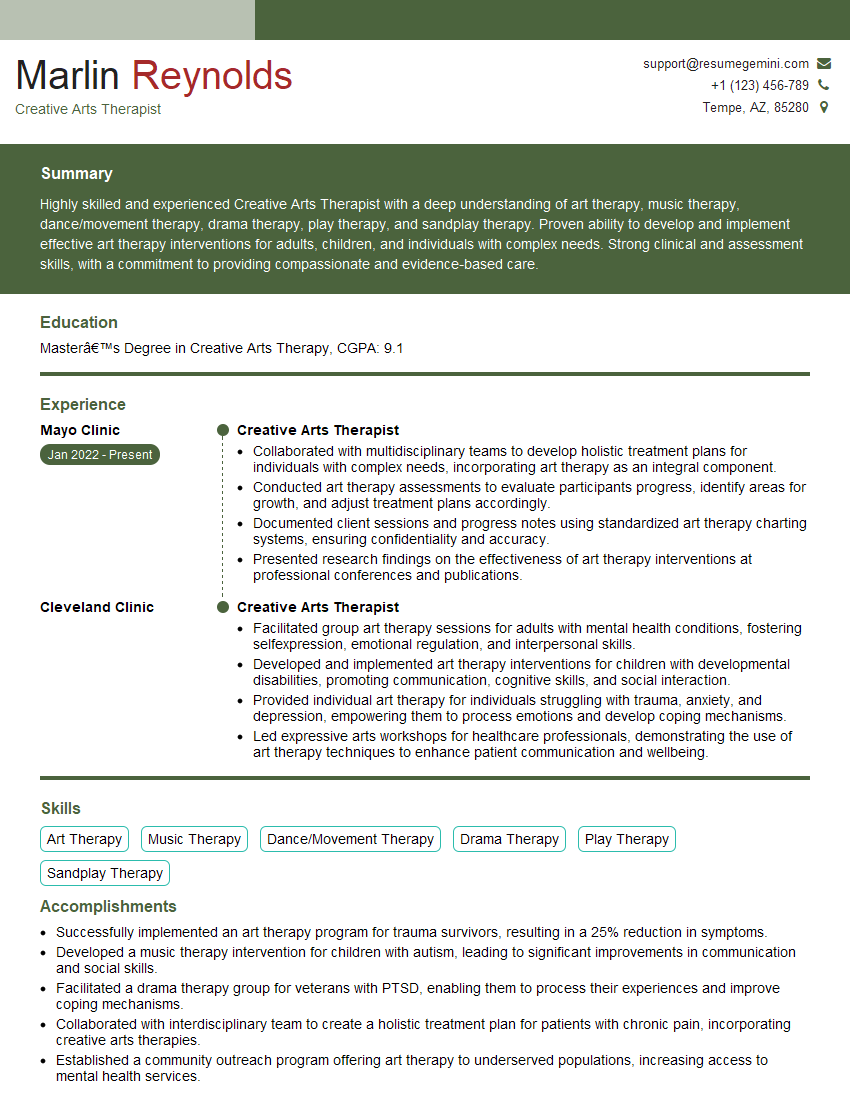
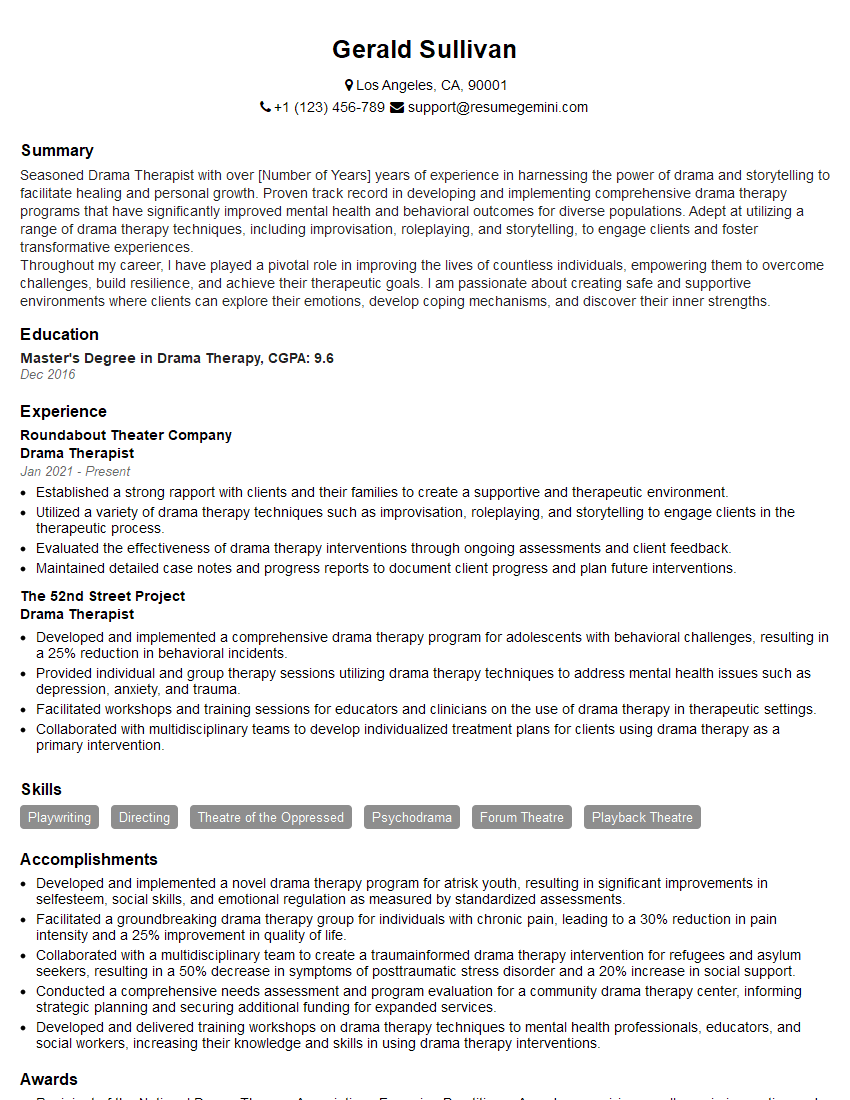
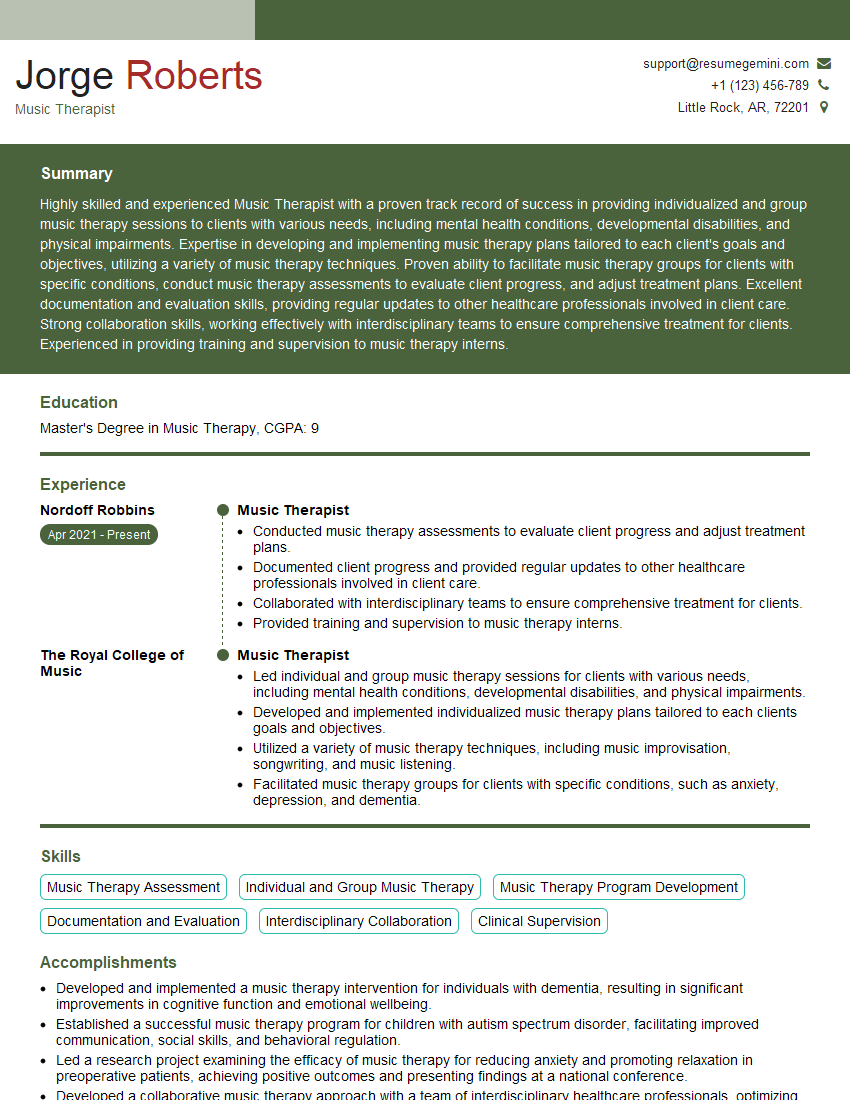
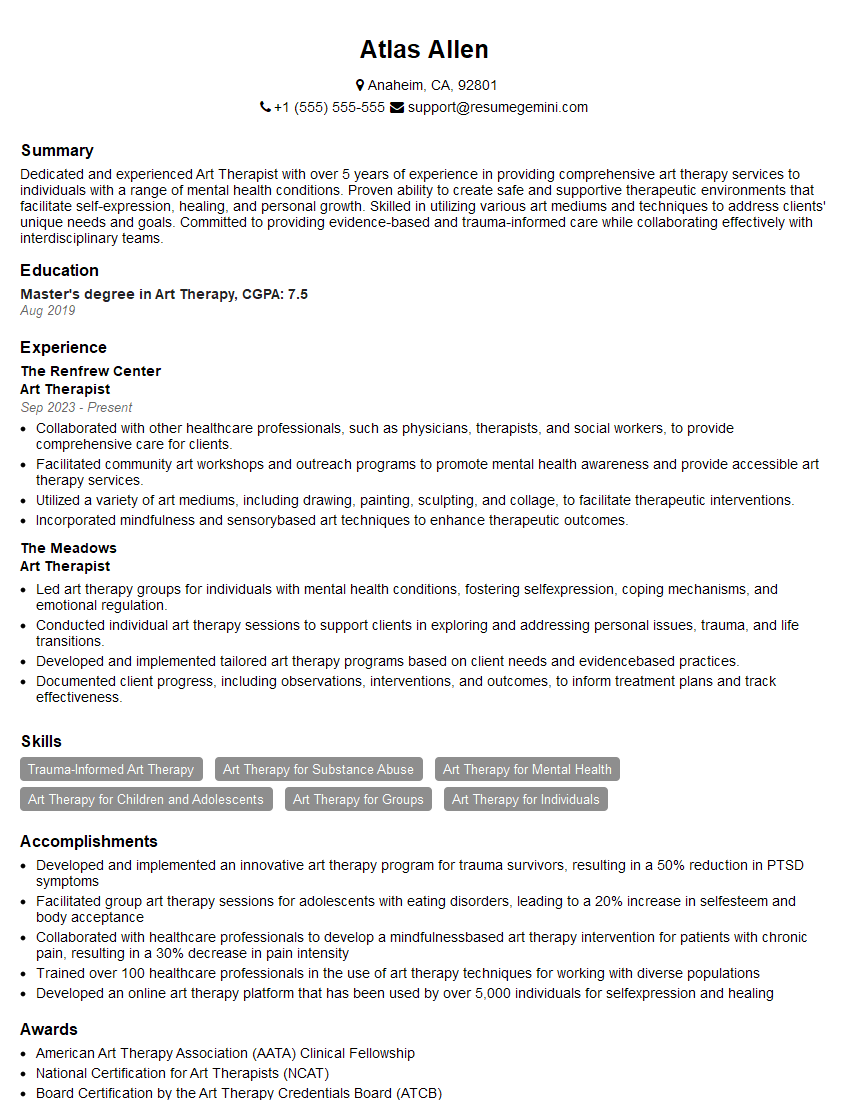
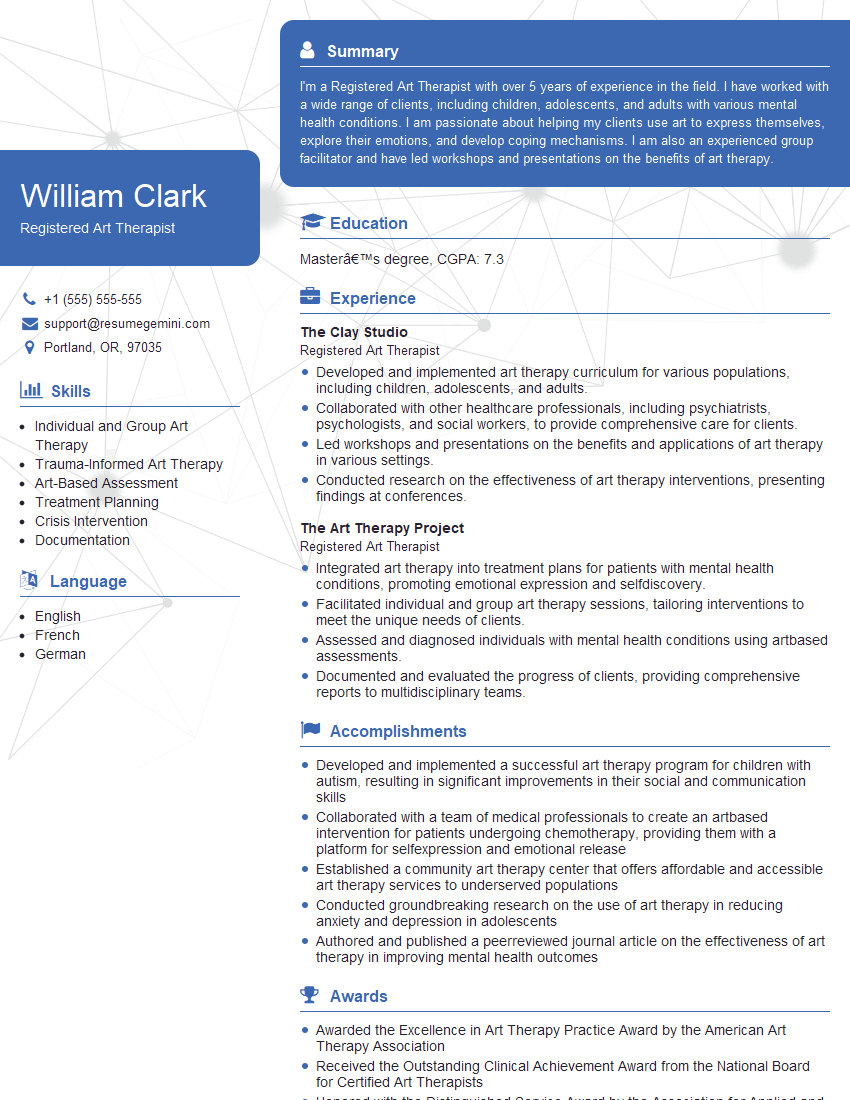
Mastering Art and Expressive Therapies opens doors to a rewarding career helping others through creativity and self-expression. To maximize your job prospects, invest time in crafting an ATS-friendly resume that highlights your skills and experience effectively. ResumeGemini is a trusted resource that can help you build a professional resume that stands out. They provide examples of resumes tailored to Art and Expressive Therapies, ensuring your application makes a strong first impression. Take advantage of these tools to present yourself confidently and secure the position you deserve.
Explore more articles
Users Rating of Our Blogs
Share Your Experience
We value your feedback! Please rate our content and share your thoughts (optional).
What Readers Say About Our Blog
Very informative content, great job.
good