Are you ready to stand out in your next interview? Understanding and preparing for Team Player and Flexible to Changing Work Schedules interview questions is a game-changer. In this blog, we’ve compiled key questions and expert advice to help you showcase your skills with confidence and precision. Let’s get started on your journey to acing the interview.
Questions Asked in Team Player and Flexible to Changing Work Schedules Interview
Q 1. Describe a time you had to adapt to a sudden change in project priorities.
Adapting to sudden changes is crucial in today’s dynamic work environments. My approach involves a three-step process: understanding, prioritizing, and executing. First, I thoroughly understand the new priorities, asking clarifying questions to ensure I’m fully informed. Then, I work with my team to prioritize tasks, using techniques like MoSCoW (Must have, Should have, Could have, Won’t have) to categorize them by importance and urgency. Finally, I adjust my workflow to efficiently accommodate the changes, communicating transparently with the team about any potential impacts on deadlines or deliverables.
For example, in a previous project, we were midway through developing a marketing campaign focused on social media when the client suddenly decided to prioritize a new product launch. We immediately held a team meeting to discuss the shift. Using the MoSCoW method, we determined that certain elements of the social media campaign could be postponed while we focused on creating marketing materials for the new product launch. We successfully launched the new product on time, and then seamlessly re-integrated the social media elements later, minimizing any disruption.
Q 2. How do you handle conflicting deadlines or competing priorities within a team?
Conflicting deadlines are a common challenge in team projects. My strategy is proactive communication and collaborative prioritization. First, I identify all deadlines and priorities, clearly defining the scope of each task. Then, I facilitate a team discussion to openly communicate constraints and potential conflicts. We collectively prioritize tasks based on urgency and impact, possibly re-allocating resources or adjusting deadlines where feasible. It’s essential to document all decisions and keep everyone informed of any changes.
For instance, on a recent project, two team members had overlapping deadlines for critical deliverables. We addressed this by having a joint planning session. We assessed the dependencies between the tasks and rearranged the schedules to create a workable timeline. Transparent communication throughout the process ensured everyone understood the revised plan and their roles within it.
Q 3. Explain your approach to resolving disagreements within a team setting.
Resolving disagreements requires a collaborative and respectful approach. My strategy emphasizes active listening, empathy, and finding common ground. I begin by encouraging each person to clearly articulate their perspective without interruption. Then, I try to identify the root cause of the disagreement, focusing on the issues rather than personalities. Once we understand the core problem, we brainstorm solutions collaboratively, aiming to find an outcome that meets everyone’s needs as much as possible. Compromise is key; it’s about finding the best path forward, not winning an argument.
In one instance, a team member strongly disagreed with a design choice I proposed. Instead of dismissing their concerns, I listened carefully and explored their reasoning. We then discussed various design options, eventually arriving at a compromise that incorporated elements from both our initial suggestions, resulting in a stronger final product.
Q 4. Describe your preferred communication style in a team environment.
My preferred communication style in a team environment is open, transparent, and proactive. I favor a multi-channel approach, utilizing a combination of methods such as regular team meetings, instant messaging for quick updates, and email for formal documentation. I’m mindful of adapting my communication style to the audience and situation. For example, I’ll use more concise communication in a quick update and a more detailed explanation for complex topics. Regular check-ins and active listening are crucial to ensure everyone feels heard and informed.
I believe in maintaining a positive and respectful tone in all communication, both written and verbal. Clear and concise messaging prevents misunderstandings, which can be particularly important when dealing with complex projects and diverse team members.
Q 5. How do you contribute to a positive and productive team atmosphere?
Contributing to a positive and productive team atmosphere requires active participation and a commitment to fostering collaboration. My contributions include proactive communication, celebrating successes, and offering support. I actively participate in team-building activities and foster a culture of mutual respect and trust. I strive to be a positive influence by acknowledging the contributions of others and offering help when needed. I always strive to be a reliable and dependable member of the team.
For instance, I regularly thank team members for their hard work and recognize individual achievements. Celebrating small wins strengthens team morale and helps maintain a positive and motivating work environment.
Q 6. Give an example of a time you had to work with a difficult team member.
Working with difficult team members is inevitable. My approach is based on professional diplomacy and clear communication. I focus on understanding their perspective and identifying the root cause of any conflict. I address issues directly but respectfully, focusing on specific behaviors rather than making personal attacks. I also document all interactions and escalate concerns to management if necessary. Ultimately, my aim is to maintain a professional working relationship while preserving the team’s productivity.
In one case, I worked with a team member who consistently missed deadlines. Instead of criticizing them, I scheduled a one-on-one meeting to understand the reasons for their delays. We worked together to create a more realistic workload and developed strategies for better time management. While the situation required patience, open communication improved their performance and reduced the impact on the team’s overall success.
Q 7. How do you stay organized and manage your time effectively when faced with multiple tasks?
Effective time management is critical when juggling multiple tasks. My approach combines planning, prioritization, and the use of appropriate tools. I start by creating a prioritized task list, breaking down large projects into smaller, manageable tasks. I then allocate time slots for each task, considering deadlines and dependencies. I utilize tools like project management software (e.g., Asana, Trello) to track progress, manage deadlines, and collaborate effectively with the team. Regular reviews of my schedule and adjustments based on progress are also essential for staying organized and on track.
For example, I use the Eisenhower Matrix (Urgent/Important) to prioritize tasks, focusing on completing urgent and important tasks first. This ensures that I address critical items promptly, preventing delays and ensuring efficient time management. I also allocate specific times for focused work, minimizing distractions, which increases productivity.
Q 8. Describe a time you had to work outside of your typical schedule to meet a deadline.
Adaptability to changing schedules is crucial in many professional environments. I’ve had several instances where meeting a tight deadline necessitated working outside my typical hours. For example, during a critical software release at my previous company, we faced a last-minute bug. The entire team, including myself, volunteered to work late into the night and even through the weekend to resolve the issue and ensure a successful launch. We prioritized tasks, assigned roles efficiently, and communicated constantly to track our progress. The successful launch, despite the extended hours, reinforced the value of teamwork and flexibility in high-pressure situations.
In another instance, I was involved in a project requiring close collaboration with a team in a different time zone. To facilitate efficient communication and progress, I adjusted my work schedule to accommodate overlapping work hours, sometimes starting my day earlier or working later in the evening. This proactive approach ensured seamless collaboration and project completion on time.
Q 9. How comfortable are you with ambiguity and uncertainty in a project?
I thrive in environments with a degree of ambiguity. In fact, I find that uncertainty often fosters creativity and innovative problem-solving. My approach to ambiguity involves breaking down complex tasks into smaller, more manageable components. This allows me to focus on actionable steps while maintaining a clear understanding of the overall project goals. I’m comfortable with iterative development, regularly evaluating progress and adjusting plans as needed. Essentially, I embrace the iterative process of refining understanding as information becomes available, rather than being paralyzed by a lack of initial clarity.
For example, in a previous project involving a newly emerging technology, initial specifications were vague. Instead of waiting for complete clarity, I proactively researched the technology, experimented with different approaches, and collaborated with team members to define clear milestones and measurable objectives along the way. This iterative approach allowed us to navigate the uncertainty successfully and deliver a high-quality product.
Q 10. How do you proactively identify potential problems or roadblocks within a project?
Proactive problem identification is a cornerstone of successful project management. My approach involves a combination of meticulous planning, regular monitoring, and effective communication. Before a project begins, I take time to thoroughly analyze potential risks and challenges. This includes reviewing past project experiences, considering potential technical hurdles, and assessing potential external factors that could impact timelines or deliverables. This preemptive analysis forms the basis of a proactive risk management plan.
During project execution, I maintain open communication with team members to identify any emerging issues. Regular progress meetings and transparent documentation processes ensure that problems are surfaced promptly and addressed effectively. This may involve techniques like SWOT analysis (Strengths, Weaknesses, Opportunities, Threats) or simply keeping a detailed log of potential issues and the measures taken to address them.
Q 11. Describe your experience working in a fast-paced, high-pressure environment.
I have extensive experience working in fast-paced, high-pressure environments. My ability to remain calm under pressure and effectively prioritize tasks is a key strength. In such scenarios, I find it crucial to maintain clear communication, delegate effectively, and focus on the most critical tasks. Time management techniques such as the Pomodoro Technique and prioritizing tasks based on their urgency and importance are vital.
For instance, during a product launch with an extremely tight deadline, we experienced several unexpected setbacks including a critical system failure just days before the launch. By staying calm and fostering a collaborative environment, the team rallied and worked tirelessly to address the problem. Clear communication, prioritization, and a flexible approach allowed us to resolve the issue and still meet the launch date successfully. The experience highlighted the importance of teamwork, adaptability, and maintaining composure in high-pressure situations.
Q 12. How do you balance individual contributions with team collaboration?
Balancing individual contributions with team collaboration is a skill I’ve honed throughout my career. I believe that strong individual performance is essential for overall team success, but that success can only be fully realized through effective collaboration. I focus on identifying my strengths and leveraging them to contribute to the team’s overall objectives. Simultaneously, I actively seek opportunities to support and learn from my colleagues.
For example, on a recent project, I took ownership of the most technically challenging component, leveraging my expertise to deliver a high-quality solution. However, I ensured regular communication with the team and collaborated with other members to integrate my work seamlessly with their contributions. I actively solicited feedback, shared knowledge, and ensured that everyone felt valued and empowered to contribute their best work.
Q 13. How do you delegate tasks effectively within a team?
Effective delegation involves more than just assigning tasks; it’s about empowering team members to succeed. I consider the individual skills and experience of each team member when assigning tasks. I ensure that the tasks are aligned with their strengths and capabilities, providing opportunities for growth and development. Before delegating, I provide clear instructions, setting expectations for quality, timelines, and deliverables. I also make myself available to answer questions and provide support if needed.
I regularly check on progress, offering guidance and support, rather than micromanaging. Giving constructive feedback and celebrating successes are integral parts of effective delegation as it fosters trust and ownership within the team. This approach ensures that tasks are completed effectively and team members feel valued and engaged.
Q 14. How do you provide constructive feedback to your team members?
Constructive feedback is crucial for individual and team growth. My approach is to frame feedback in a positive and supportive manner, focusing on specific behaviors and their impact rather than making personal criticisms. I typically use the SBI model (Situation, Behavior, Impact) to structure my feedback. This involves describing the situation, outlining the specific behavior observed, and explaining its impact on the project or team.
For example, instead of saying “Your work was sloppy,” I would say, “During the final review, we noticed some inconsistencies in the data formatting (Situation). This resulted in a delay in the integration process (Impact). Could we discuss strategies for improving data consistency in future tasks? (Behavior)” This approach helps to create an open dialogue and encourages team members to take ownership of their work and continuously improve their performance.
Q 15. How do you handle criticism or feedback from your colleagues?
I view constructive criticism as an invaluable opportunity for growth. My approach is multifaceted. First, I actively listen to the feedback, ensuring I understand the perspective being offered. I ask clarifying questions to ensure I haven’t misinterpreted anything. Then, I reflect on the feedback, considering its validity and how I can apply it to improve my performance. If the feedback is valid, I thank the person for their input and outline concrete steps I’ll take to address it. For example, if a colleague pointed out my reports lacked sufficient detail, I’d commit to adding more specific data points and clearer explanations in future reports. If I disagree with the criticism, I explain my reasoning respectfully, focusing on the facts and avoiding emotional responses. The goal isn’t to win an argument, but to foster understanding and collaborative problem-solving.
Career Expert Tips:
- Ace those interviews! Prepare effectively by reviewing the Top 50 Most Common Interview Questions on ResumeGemini.
- Navigate your job search with confidence! Explore a wide range of Career Tips on ResumeGemini. Learn about common challenges and recommendations to overcome them.
- Craft the perfect resume! Master the Art of Resume Writing with ResumeGemini’s guide. Showcase your unique qualifications and achievements effectively.
- Don’t miss out on holiday savings! Build your dream resume with ResumeGemini’s ATS optimized templates.
Q 16. Describe a time you successfully negotiated a compromise to meet conflicting needs.
During a project involving a tight deadline, the design team wanted to incorporate a complex animation that would significantly extend development time, conflicting with the marketing team’s need for an earlier product launch. To negotiate a compromise, I facilitated a meeting where we outlined each team’s priorities and concerns. We used a collaborative whiteboard to brainstorm alternative solutions. The marketing team suggested delaying the launch by a week instead of compromising on the animation’s quality. The design team then proposed a simpler animation that still met the project’s core goals without causing excessive delays. Through open communication and mutual compromise, we successfully met the needs of both teams. The outcome was a high-quality product delivered only a week later than initially planned, demonstrating the effectiveness of prioritization and negotiation in managing conflicting priorities.
Q 17. How do you ensure everyone on the team is informed and up-to-date on project progress?
Keeping everyone informed is crucial for team cohesion and project success. I employ several strategies. First, we utilize a centralized project management tool, such as Asana or Trello, where all tasks, deadlines, and progress updates are documented. Each team member has access and is responsible for updating their own tasks. Secondly, we hold regular stand-up meetings (typically 15 minutes) to discuss daily progress and any roadblocks. These quick updates maintain a consistent flow of information. Finally, for significant milestones or changes, I send out concise email updates to keep everyone informed. This multi-pronged approach ensures transparent communication and allows quick problem-solving if issues arise. For example, if a task is delayed, the responsible team member can immediately communicate that and the team can brainstorm solutions during the next stand-up.
Q 18. How do you measure the success of a team project?
Measuring project success is more than just meeting deadlines. We use a balanced scorecard approach, looking at several key performance indicators (KPIs). This includes on-time and within-budget delivery, of course, but also considers the quality of the final product (measured through user feedback and testing), the team’s overall morale and collaboration (assessed through regular feedback sessions), and the achievement of initial project goals. For example, if the goal was to increase user engagement by 20%, we would measure that directly post-launch. A successful project delivers not only a functional product but also enhances team skills and leaves a positive impact on both the users and the team itself.
Q 19. How do you stay motivated when faced with setbacks or challenges?
Setbacks are inevitable. My approach to maintaining motivation involves several key strategies. First, I focus on what I *can* control. Instead of dwelling on the problem, I identify actionable steps to address it. Second, I actively celebrate small wins to maintain momentum. Recognizing progress, no matter how small, keeps the team focused and energized. Third, I draw on past successes to remind myself and my team of our capabilities. Finally, I seek support from colleagues or mentors when needed. Openly discussing challenges with trusted individuals can provide fresh perspectives and renewed motivation. Think of it like climbing a mountain – sometimes you need to take a rest, reassess your route, and celebrate reaching smaller peaks before the summit.
Q 20. Describe your experience working on a cross-functional team.
In a previous role, I worked on a cross-functional team developing a new mobile application. The team included designers, developers, marketing specialists, and project managers. Successfully navigating such a diverse group required strong communication skills and the ability to understand and appreciate different perspectives. I actively sought to create a collaborative environment where everyone felt valued and heard. We held regular meetings specifically designed to address concerns across different departments and to ensure all voices were included in decision-making processes. The effective outcome was a collaborative and innovative design that integrated feedback from diverse stakeholders. This experience honed my ability to synthesize diverse perspectives, bridge communication gaps between specialists, and manage complex projects involving multiple teams.
Q 21. How do you utilize technology to improve team communication and collaboration?
Technology plays a vital role in enhancing team communication and collaboration. We use a combination of tools depending on the project’s needs. For example, project management software (like Asana or Trello) helps centralize tasks and track progress. Video conferencing tools (like Zoom or Google Meet) facilitate effective face-to-face interactions, especially in remote work scenarios. Instant messaging platforms (like Slack or Microsoft Teams) allow for quick and informal communication. Additionally, using shared cloud-based storage ensures all team members have access to the latest documents. By leveraging these technologies strategically, we’ve streamlined communication, reduced delays, and fostered greater collaboration within the team, enabling remote team members to work effectively despite geographical barriers.
Q 22. Describe a time you had to adjust your work style to accommodate the preferences of others.
Adapting my work style to accommodate others involves understanding their preferences and communication styles, and then adjusting my approach to foster collaboration. It’s not about compromising my own effectiveness, but rather finding a synergistic approach.
For instance, in a previous project, my team included a highly detail-oriented designer and a results-driven developer. The designer preferred extensive discussions and iterative feedback, while the developer valued concise instructions and independent work. To bridge this, I initiated regular, shorter check-in meetings with the designer, providing focused feedback, and communicated project updates to the developer in a structured, results-oriented manner via email and project management tools. This allowed both individuals to work efficiently, leading to a successful project outcome.
Q 23. How do you handle changes in project scope or requirements?
Handling changes in project scope or requirements is crucial for project success. My approach involves a structured process that begins with understanding the reason for the change and its impact. Then, I collaborate with the team to assess the new requirements, identify potential risks and constraints, and develop a revised plan. This often involves updating project documentation, timelines, and resource allocation. Effective communication and proactive adaptation are key.
In one instance, a client unexpectedly requested a significant design overhaul midway through a website project. Instead of panicking, I convened a team meeting, explained the situation calmly, and collaboratively assessed the impact on timelines and budget. We then worked together, prioritizing essential features, re-allocating tasks, and modifying the project plan to accommodate the change while minimizing disruption. Transparent communication with the client throughout this process was vital in maintaining a positive relationship.
Q 24. How do you prioritize tasks when faced with multiple competing demands?
Prioritizing tasks with multiple competing demands requires a strategic approach. I use a combination of techniques, including time management methodologies like Eisenhower Matrix (urgent/important), and prioritization frameworks such as MoSCoW (Must have, Should have, Could have, Won’t have). This helps me to objectively assess the value and urgency of each task, focusing my efforts on high-impact activities first.
For example, imagine I have a deadline-critical bug fix, a new feature request, and some routine maintenance. Using the Eisenhower Matrix, I would prioritize the bug fix as urgent and important. The new feature, depending on its urgency and importance, would follow, while routine maintenance might be scheduled later. Regularly reviewing and adjusting priorities based on changing circumstances is also crucial.
Q 25. How do you build and maintain strong relationships with your team members?
Building strong relationships within a team is built upon mutual respect, open communication, and collaboration. I actively listen to my team members, valuing their input and perspectives. I make a conscious effort to understand their strengths and challenges, offering support and assistance where needed. Celebrating successes together and fostering a positive and inclusive work environment are also vital.
I regularly hold one-on-one meetings with team members to discuss their progress, address any concerns, and provide mentorship. I also facilitate team-building activities and encourage open communication through various channels such as team chats, regular meetings, and social events. Building trust and demonstrating empathy are crucial in fostering these relationships.
Q 26. Describe a time you had to learn a new skill or technology quickly.
Learning new skills or technologies quickly is essential for staying competitive. My approach involves a structured learning process that combines self-directed learning with mentorship and practical application. I typically start with online resources, tutorials, and documentation. I then practice the new skill through small projects and seek feedback from colleagues or mentors. This iterative process allows for continuous improvement and rapid proficiency.
When our team transitioned to a new project management software, I proactively learned the system by exploring the online documentation, completing the provided training modules, and working through several sample projects. I then shared my knowledge with the team, assisting others in their learning process. This collaborative approach not only helped me master the software but also accelerated the team’s overall adoption.
Q 27. How do you ensure your work aligns with the overall team goals?
Aligning my work with overall team goals necessitates understanding the bigger picture. I accomplish this by actively participating in team planning sessions, clearly understanding the project objectives, and frequently reviewing progress against those objectives. I ensure my tasks directly contribute to the completion of team goals, proactively seeking clarification or adjustments if necessary.
For instance, if the team goal is to launch a product by a certain date, I will make sure all my tasks contribute to that launch, understanding how my individual contributions fit within the larger context. Regular communication with the team lead or project manager ensures that my work remains aligned and any potential conflicts are addressed promptly.
Q 28. How do you contribute to a culture of continuous improvement within your team?
Contributing to a culture of continuous improvement involves proactively identifying areas for enhancement and suggesting solutions. I participate in team retrospectives, offering constructive feedback based on my experiences. I’m also open to trying new methodologies or tools to increase efficiency and productivity. Sharing knowledge and best practices within the team also fosters a learning environment.
For example, after facing a recurring challenge in a previous project, I proposed a new workflow that streamlined the process. This involved introducing a new tool and modifying our communication strategy. The result was a significant improvement in efficiency and reduced errors. This positive outcome further encouraged the team to embrace continuous improvement initiatives.
Key Topics to Learn for Team Player and Flexible to Changing Work Schedules Interview
- Understanding Teamwork Dynamics: Explore different team structures, communication styles, and conflict resolution strategies. Consider how your personal strengths contribute to a collaborative environment.
- Active Listening and Collaboration: Practice techniques for effective communication, including active listening and providing constructive feedback. Think about examples where you successfully collaborated with others to achieve a common goal.
- Adaptability and Problem-Solving in Dynamic Environments: Discuss your approach to handling unexpected changes or challenges. Showcase instances where you demonstrated flexibility and resourcefulness in a fast-paced setting.
- Prioritization and Time Management: Explain your strategies for managing multiple tasks and deadlines effectively, particularly when faced with shifting priorities. Provide examples of how you successfully juggled competing demands.
- Proactive Communication and Reporting: Discuss the importance of keeping your team informed about your progress and any potential roadblocks. Think about how you’ve proactively communicated in past roles to ensure smooth workflow.
- Embracing Change and Continuous Learning: Highlight your ability to adapt to new technologies, processes, or team structures. Demonstrate a willingness to embrace challenges and learn new skills.
Next Steps
Mastering teamwork and adaptability is crucial for career advancement. Employers highly value candidates who can seamlessly integrate into teams, handle unexpected changes, and contribute effectively to a dynamic workplace. To significantly improve your job prospects, focus on creating an ATS-friendly resume that highlights these skills. ResumeGemini is a trusted resource to help you build a professional and impactful resume. We provide examples of resumes tailored to showcasing your abilities as a team player and your flexibility to changing work schedules, helping you present yourself in the best possible light to potential employers.
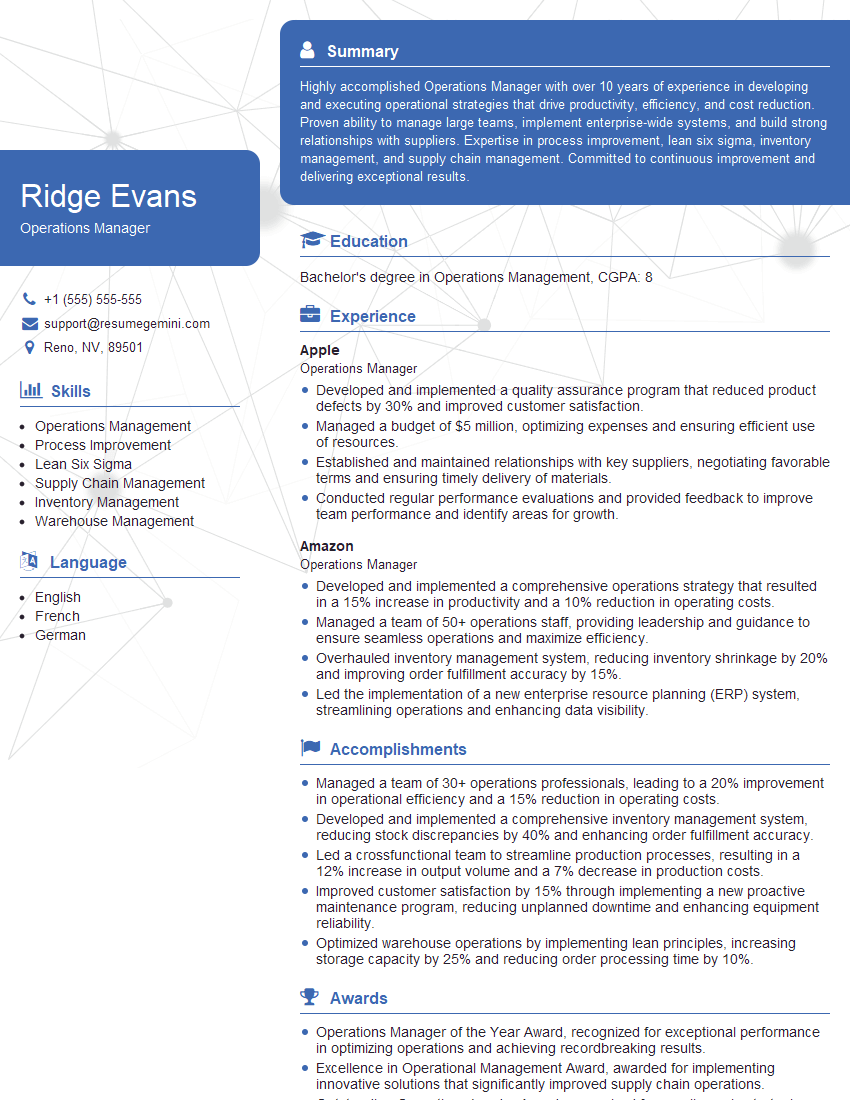
Operations Manager Resume Sample
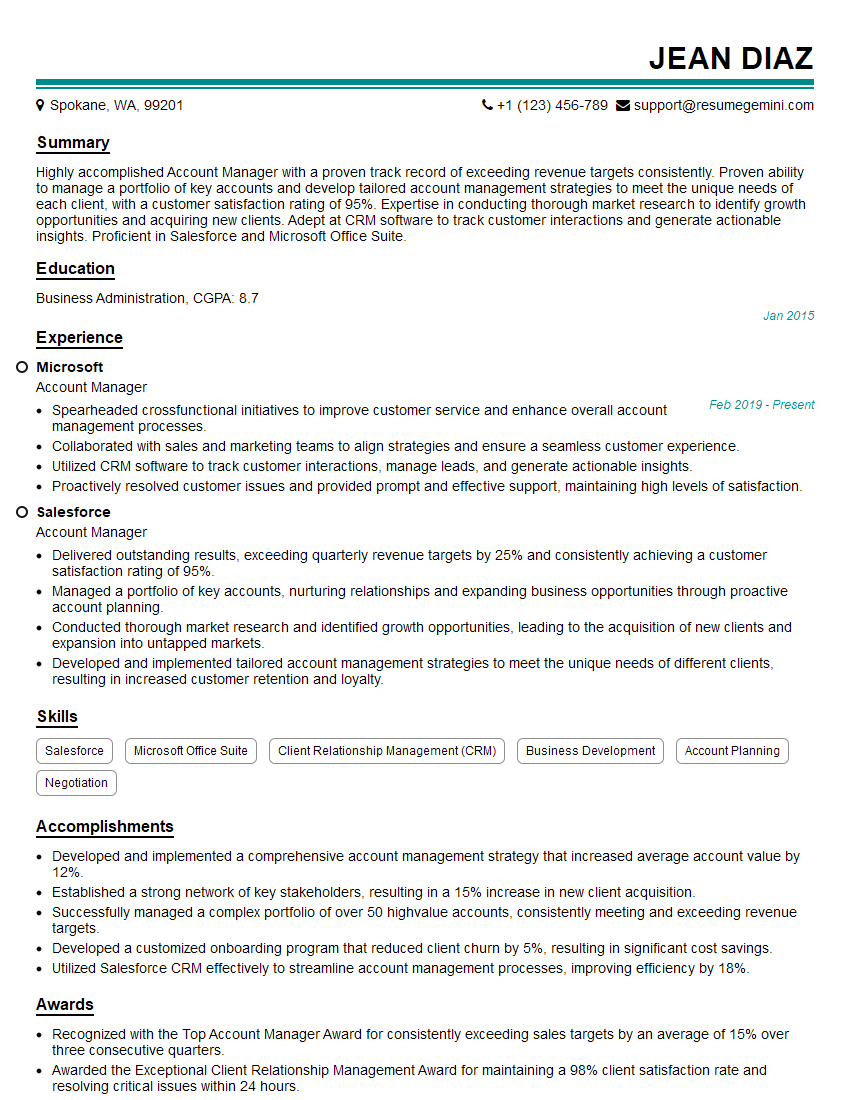
Account Manager Resume Sample
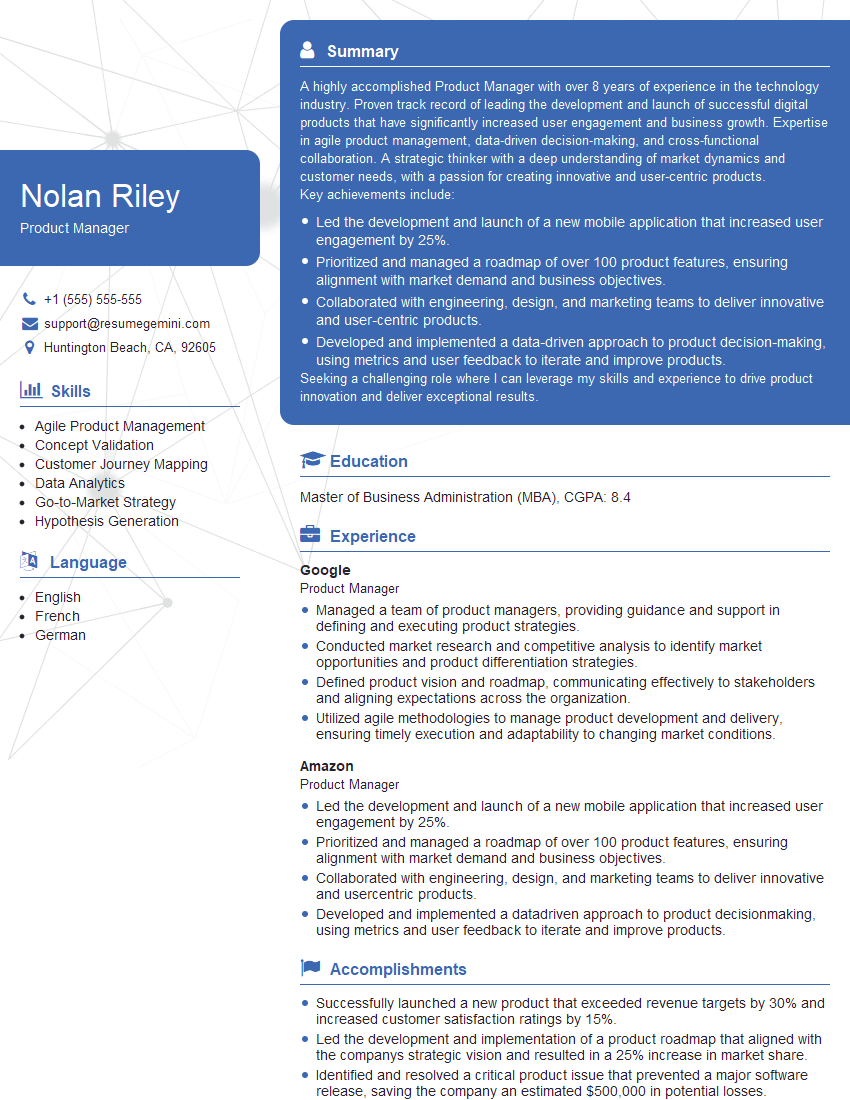
Product Manager Resume Sample
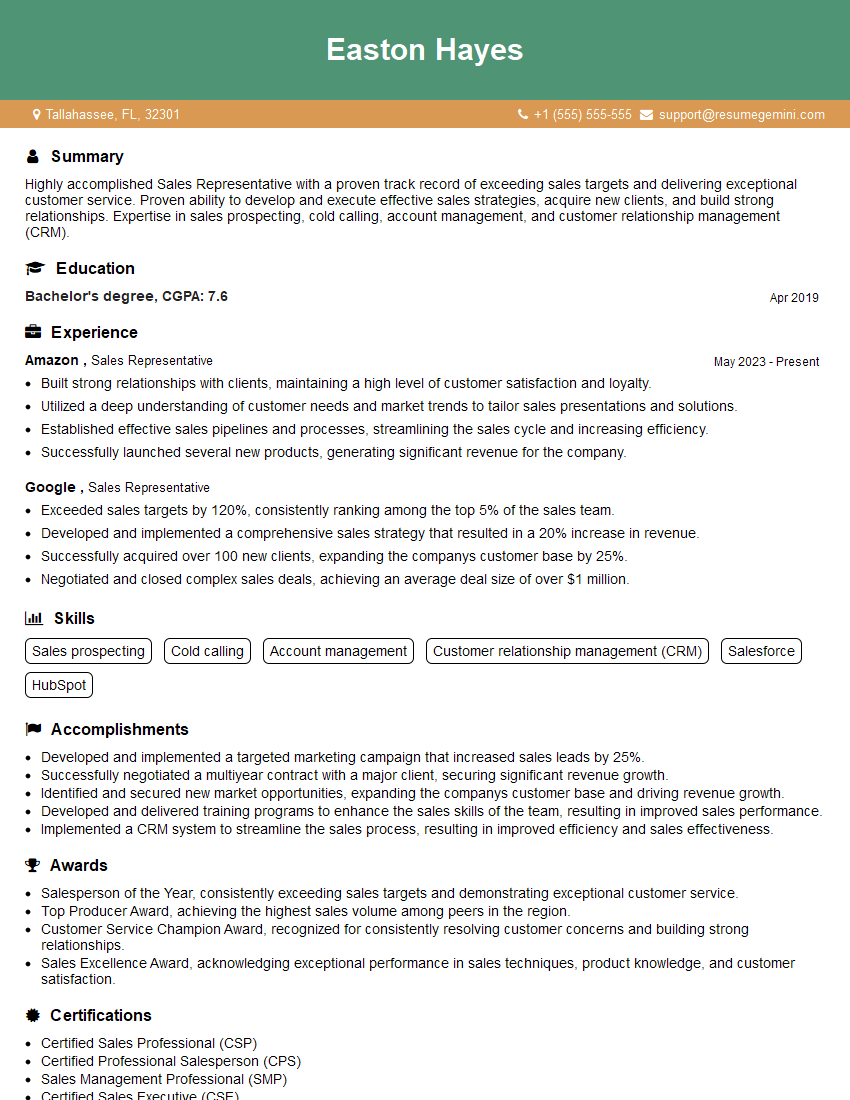
Sales Representative Resume Sample
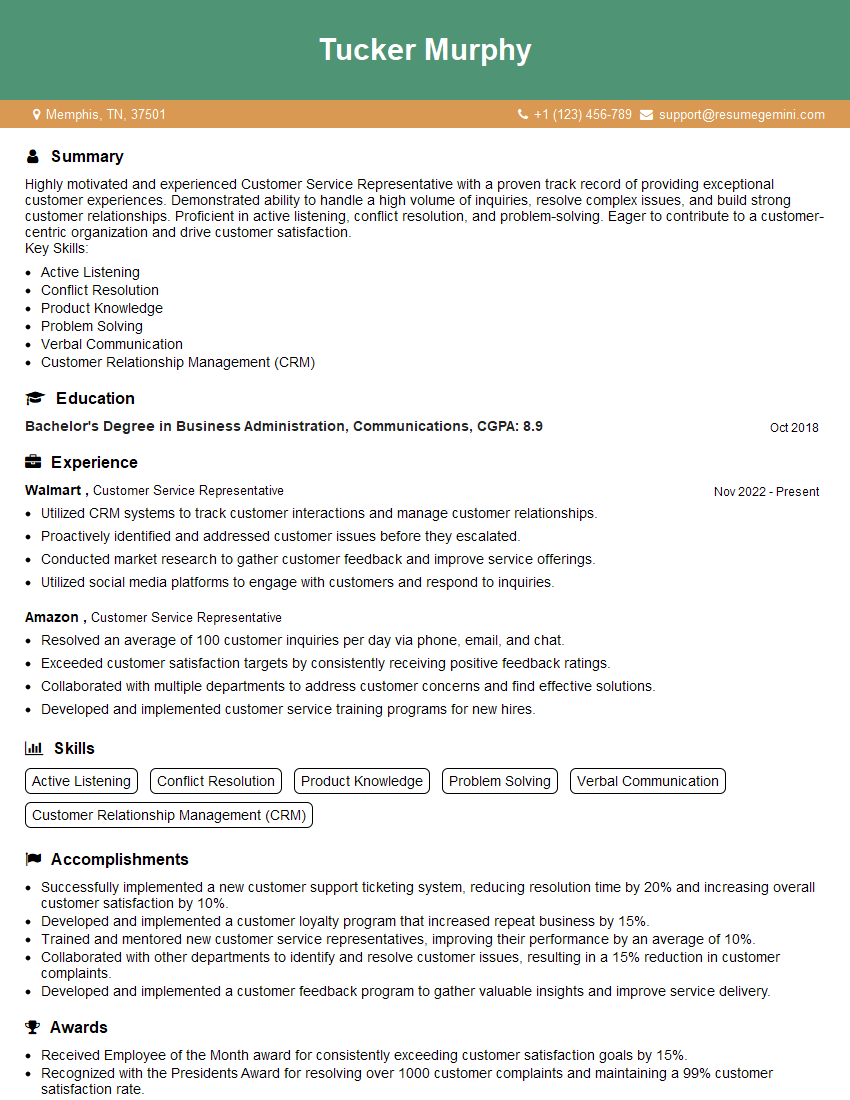
Customer Service Representative Resume Sample
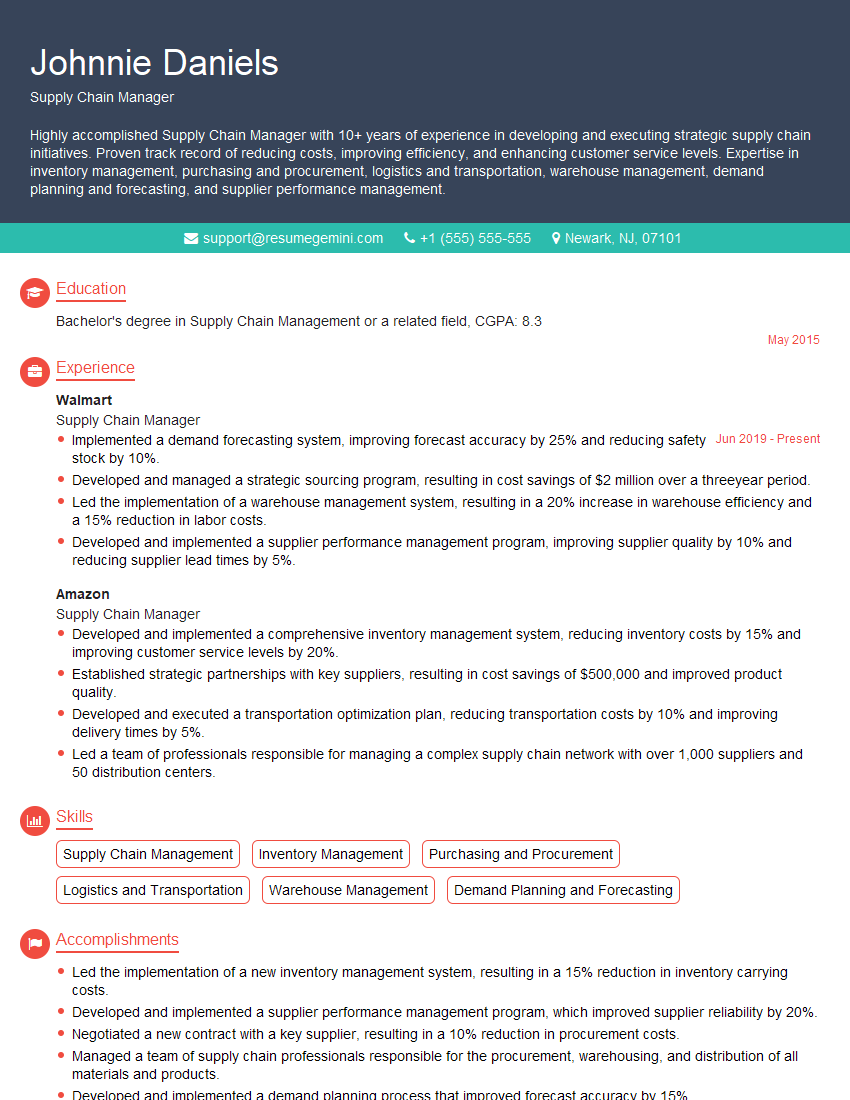
Supply Chain Manager Resume Sample
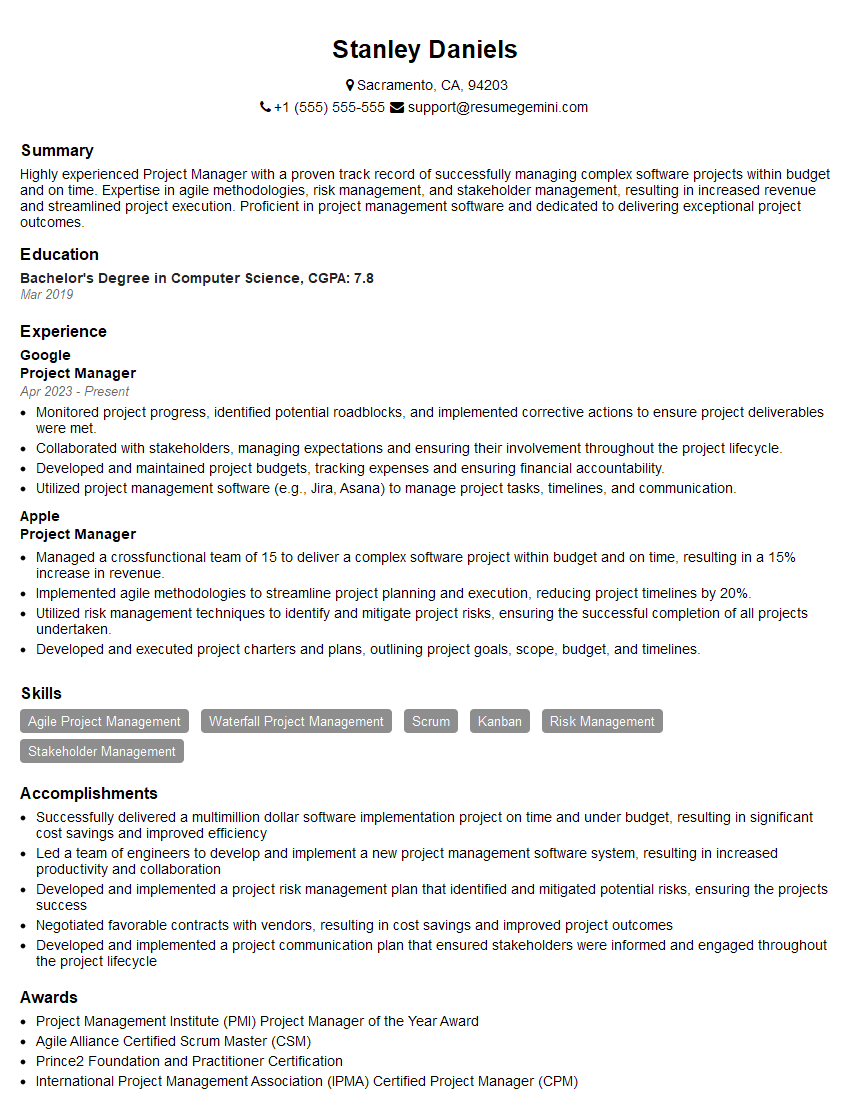
Project Manager Resume Sample
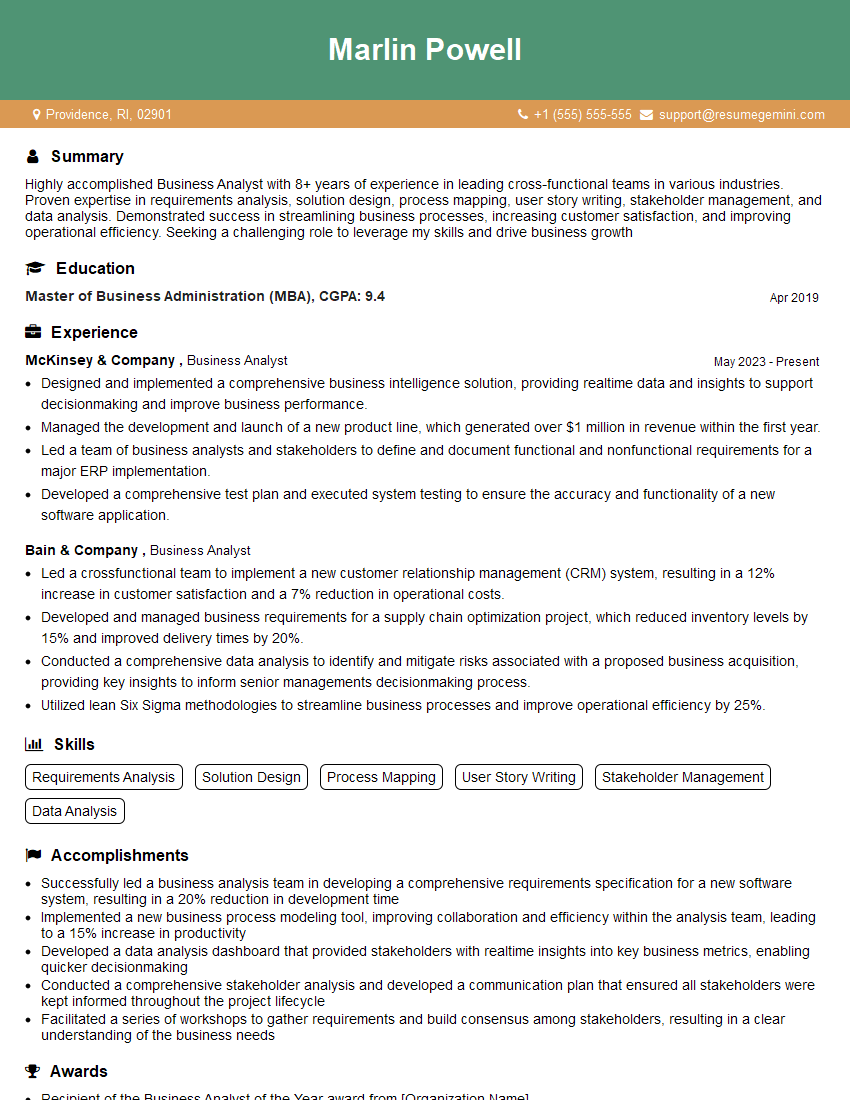
Business Analyst Resume Sample
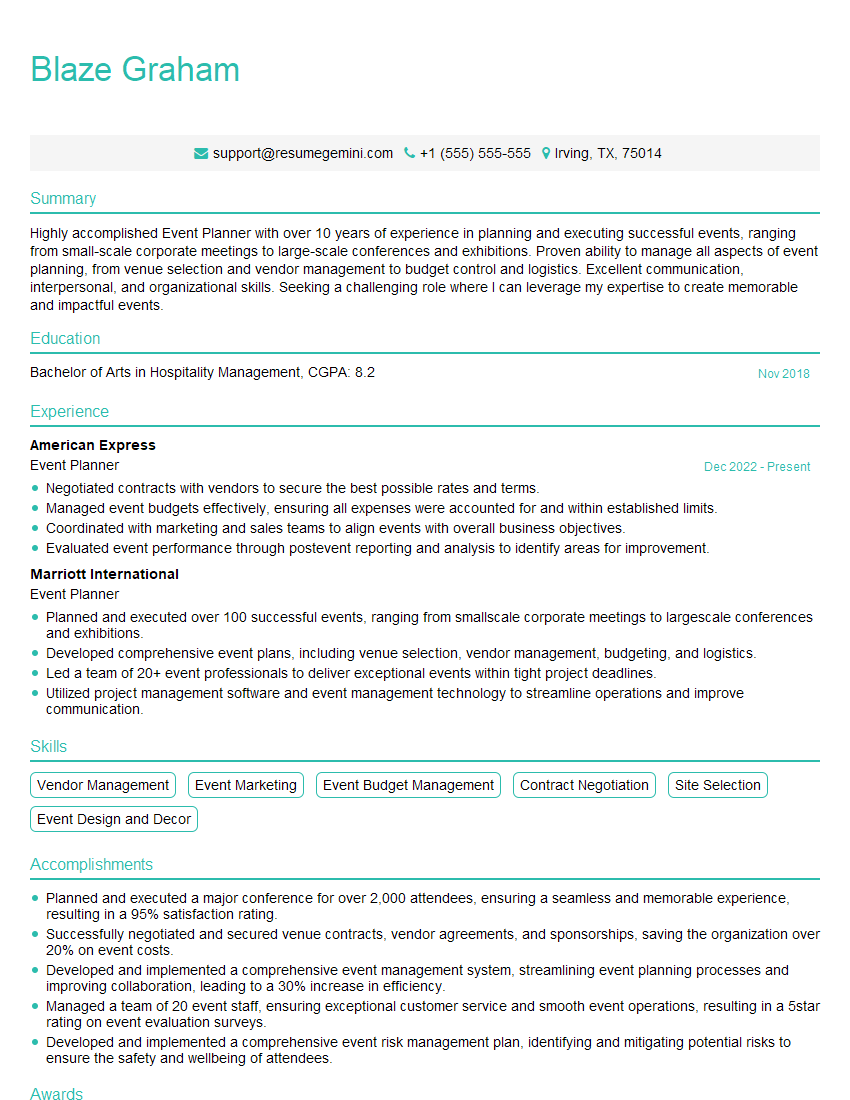
Event Planner Resume Sample
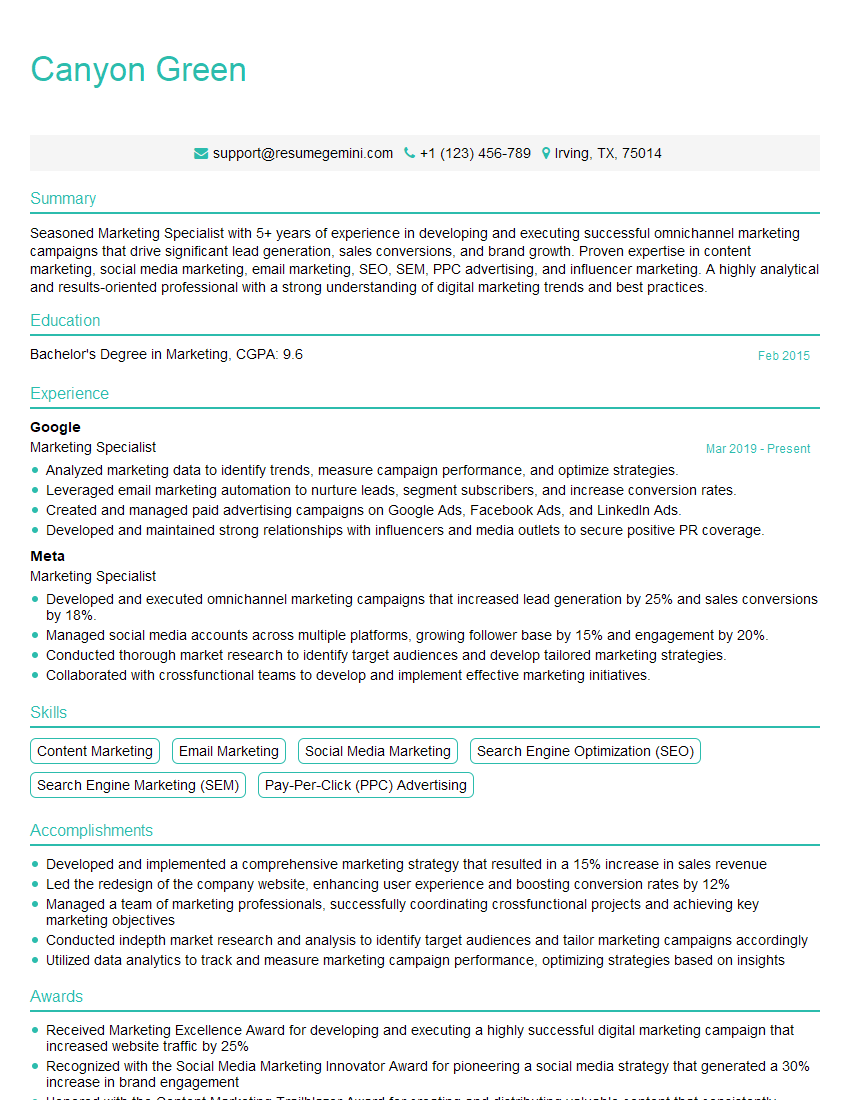
Marketing Specialist Resume Sample

Social Media Manager Resume Sample
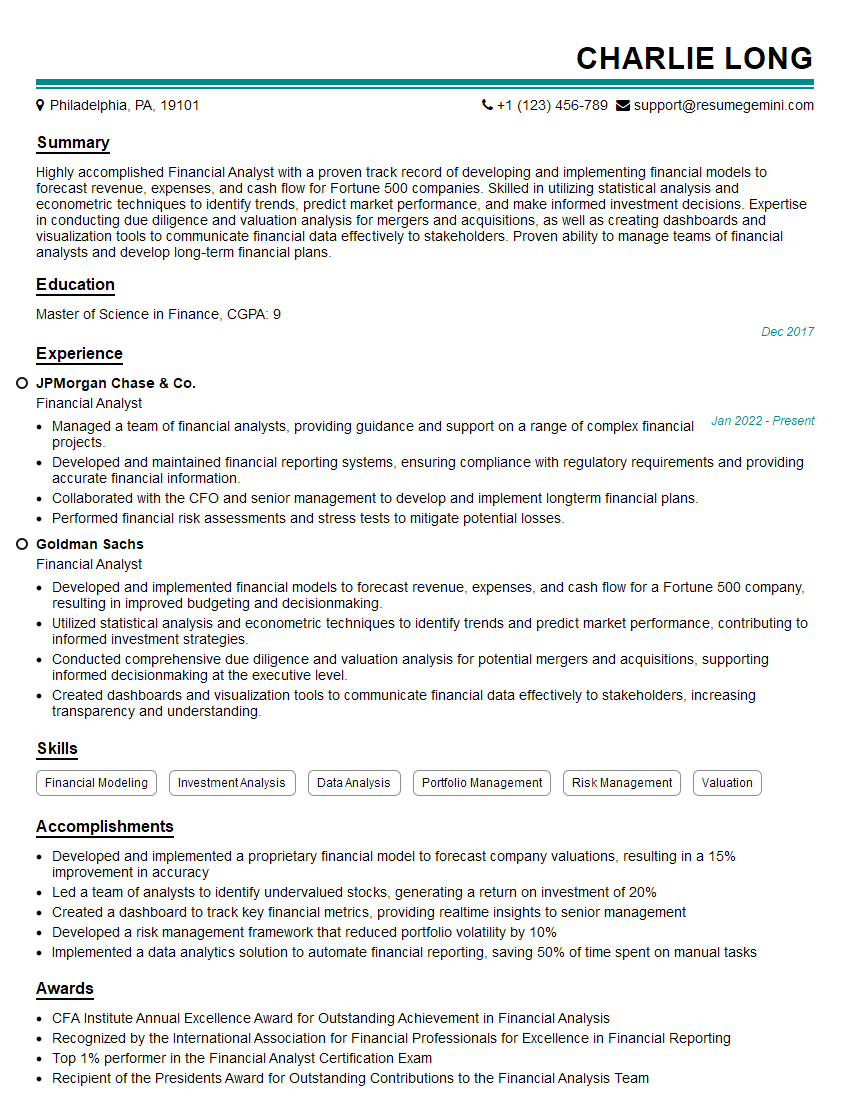
Financial Analyst Resume Sample
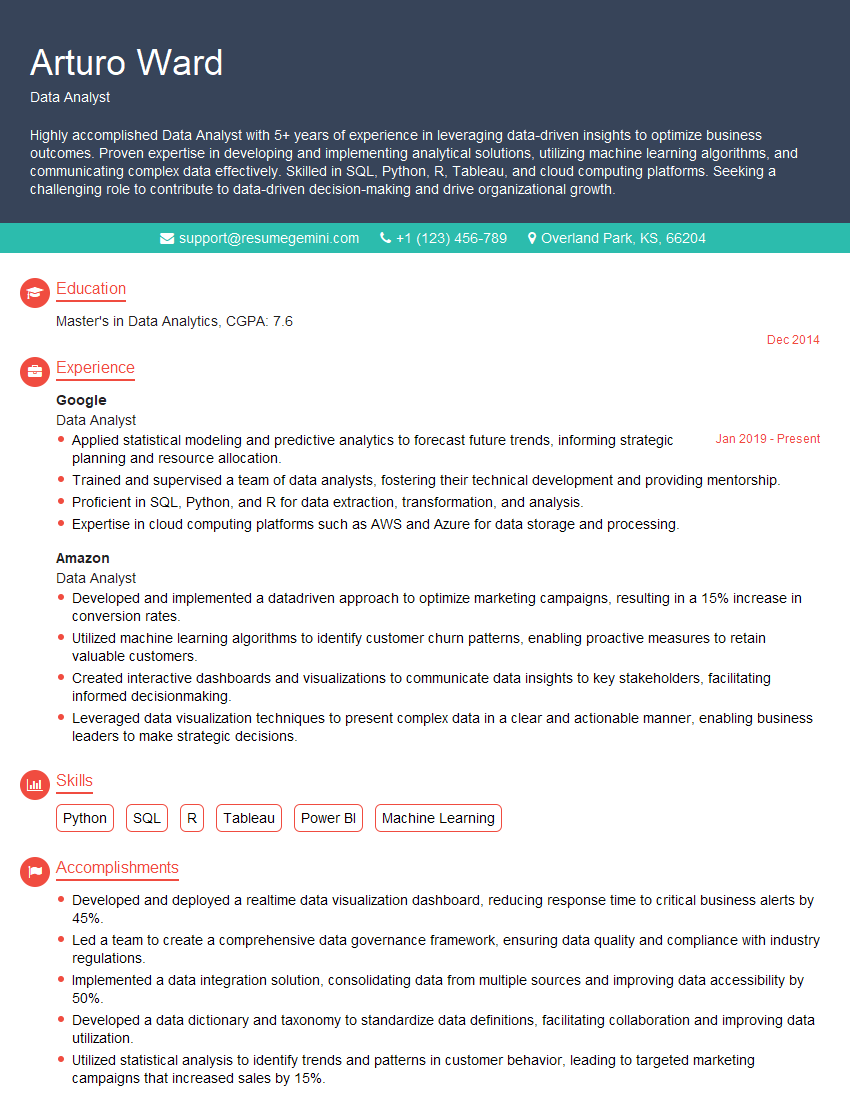
Data Analyst Resume Sample
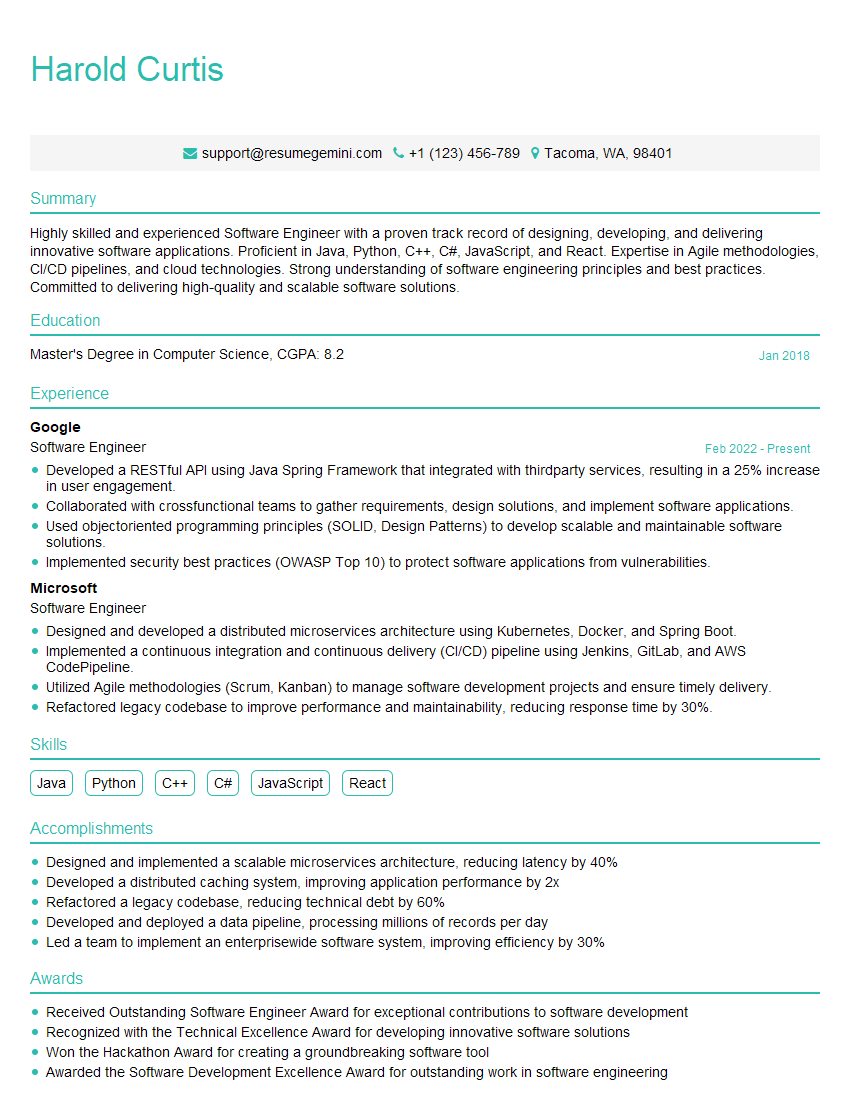
Software Engineer Resume Sample
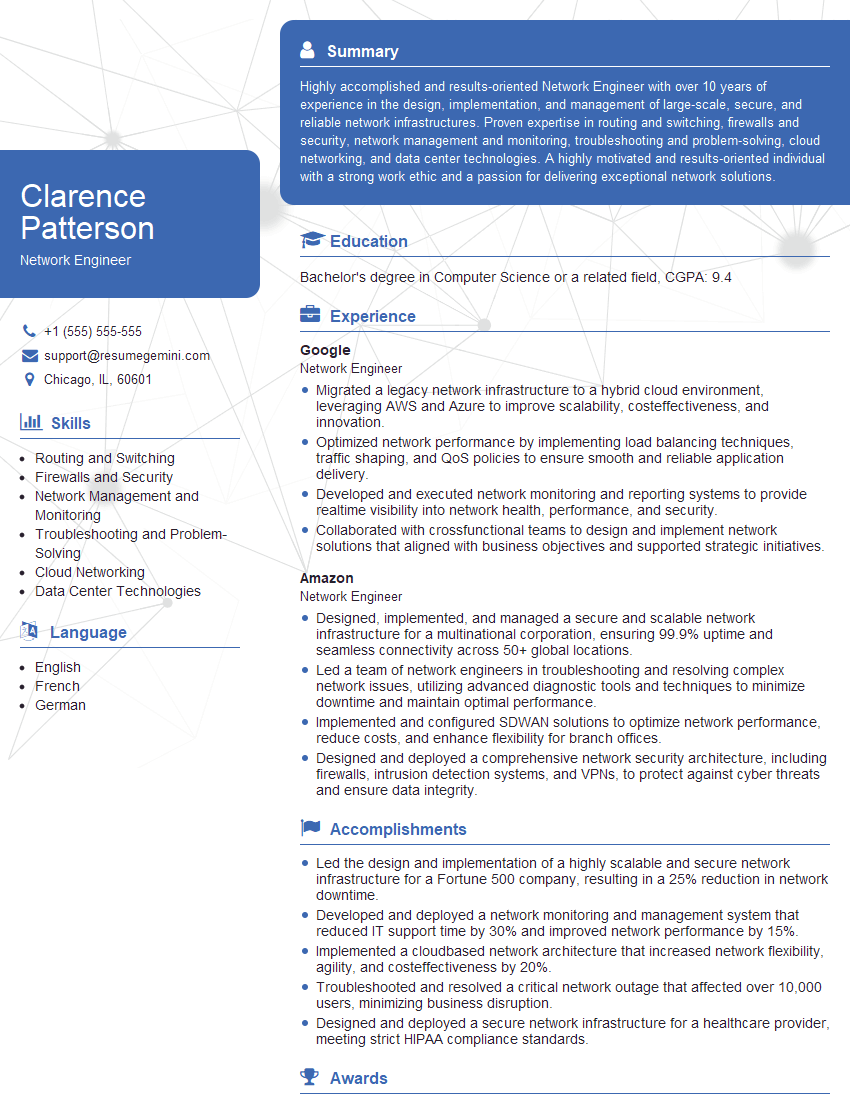
Network Engineer Resume Sample
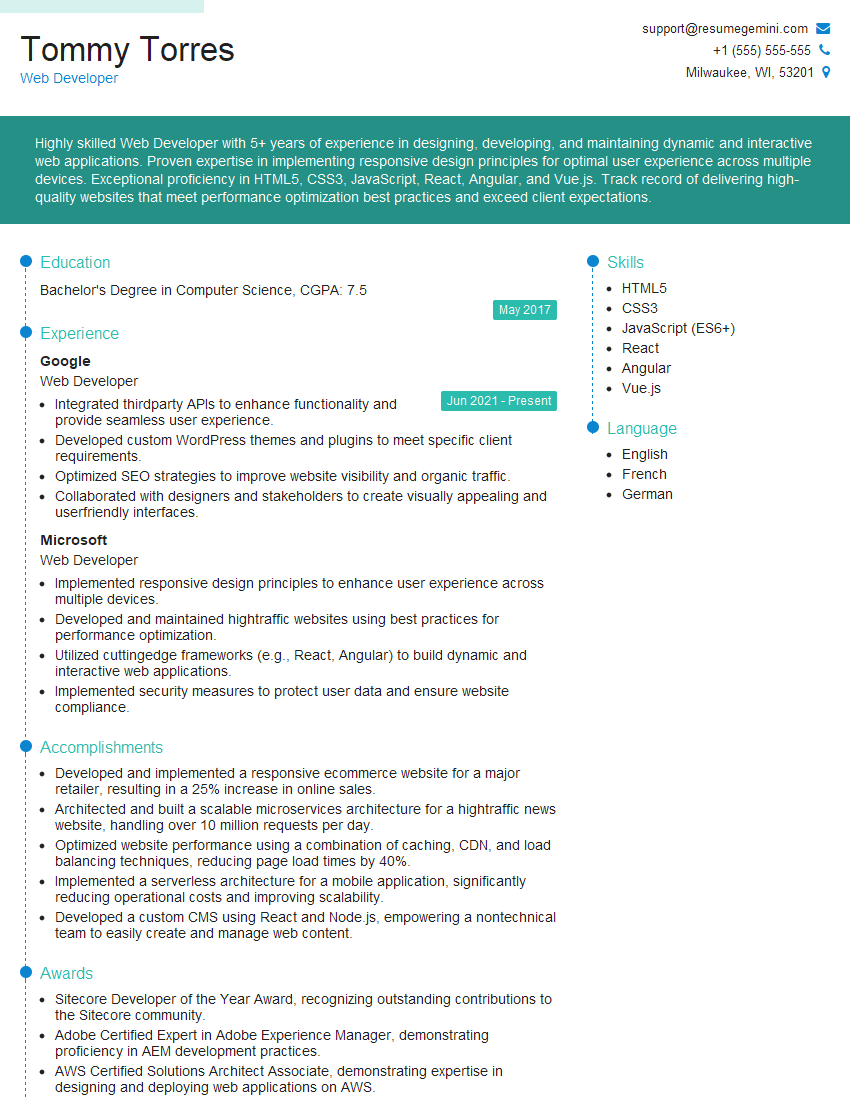
Web Developer Resume Sample
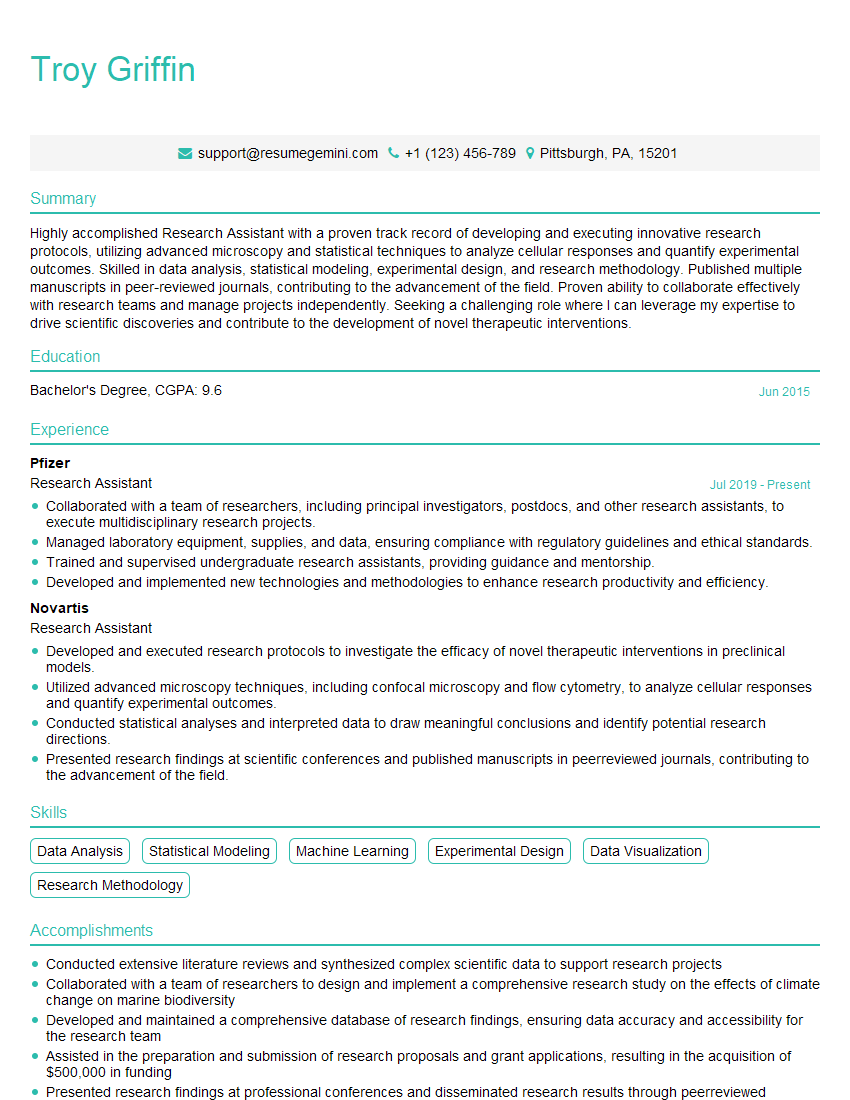
Research Assistant Resume Sample
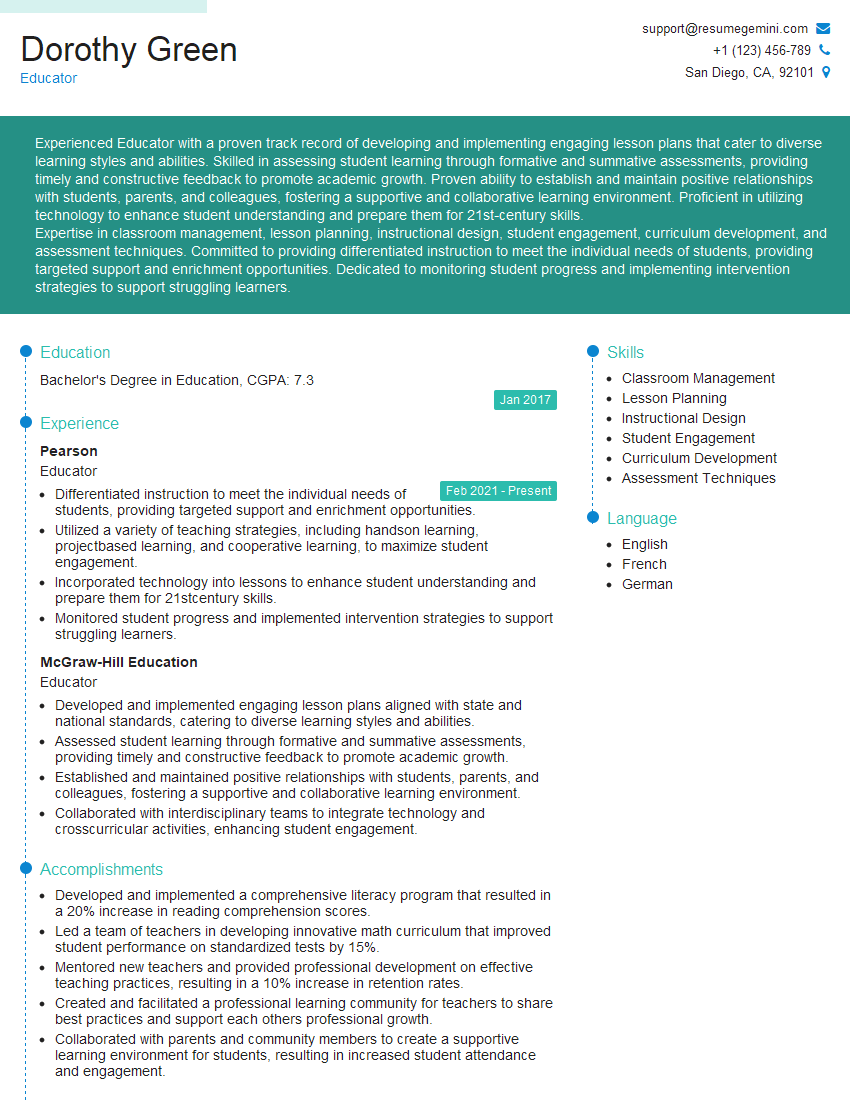
Educator Resume Sample
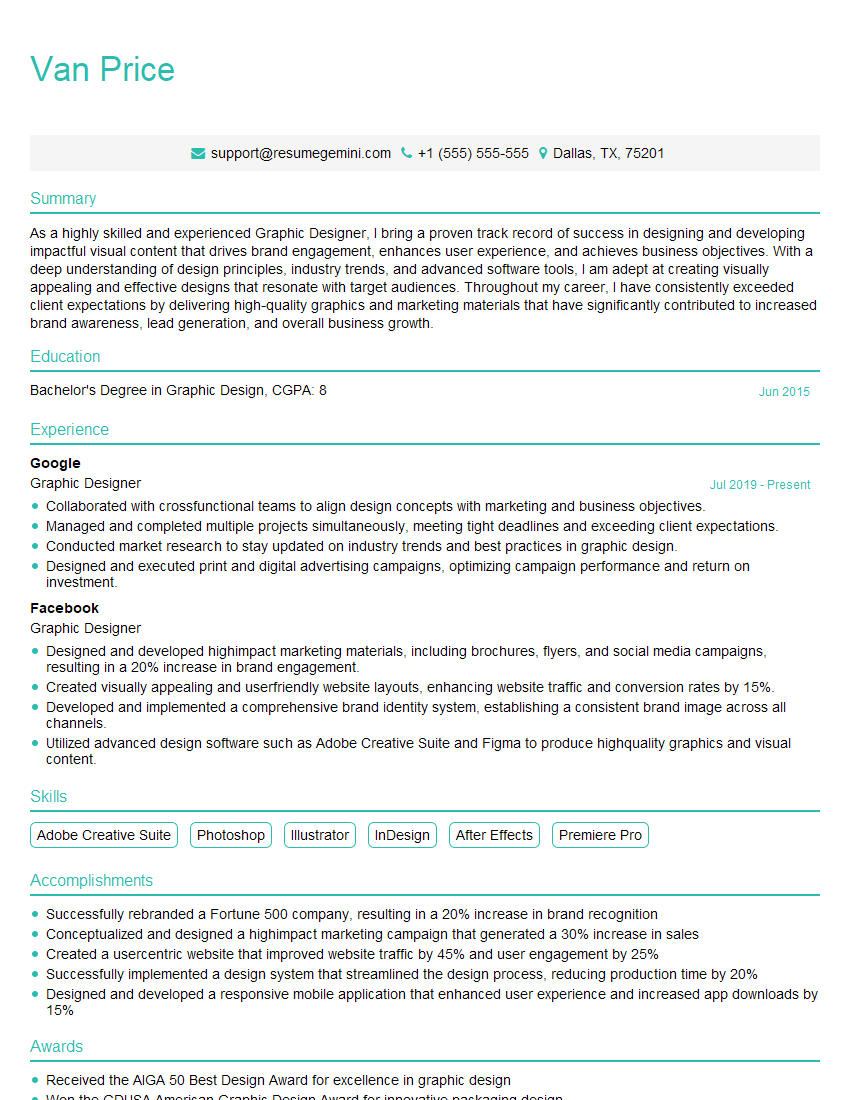
Graphic Designer Resume Sample
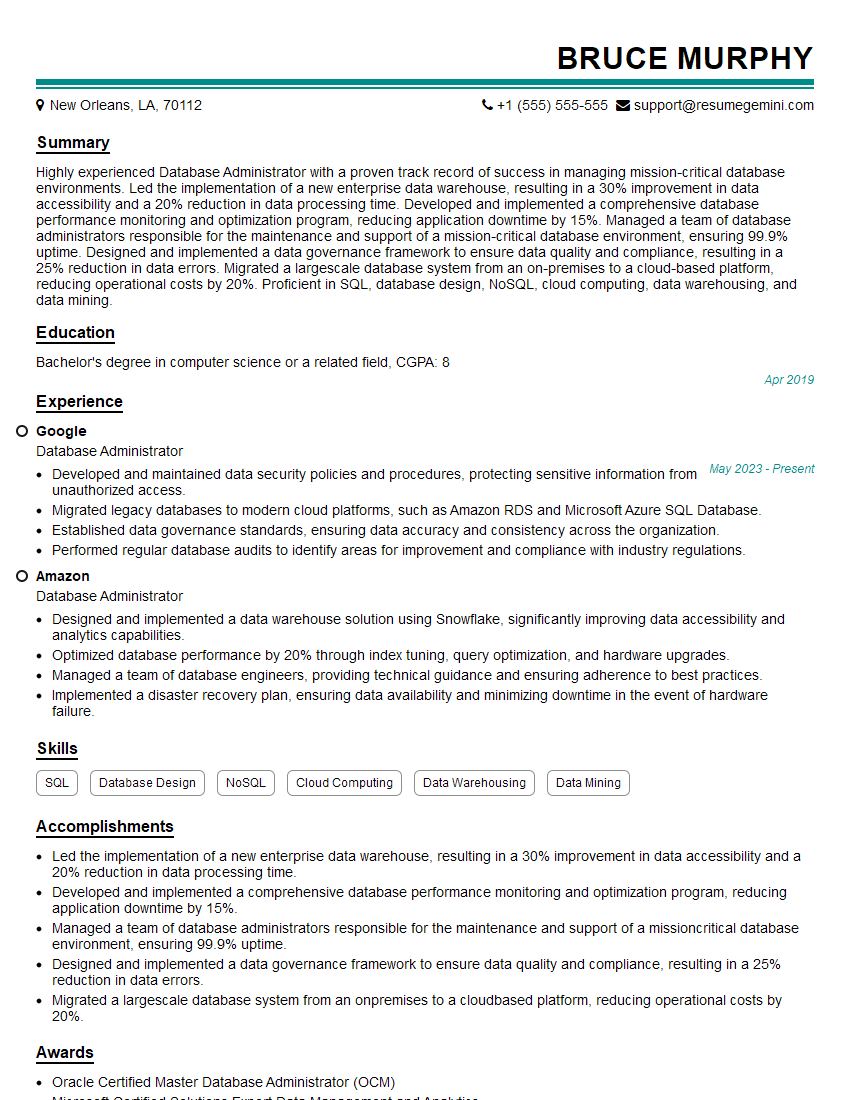
Database Administrator Resume Sample
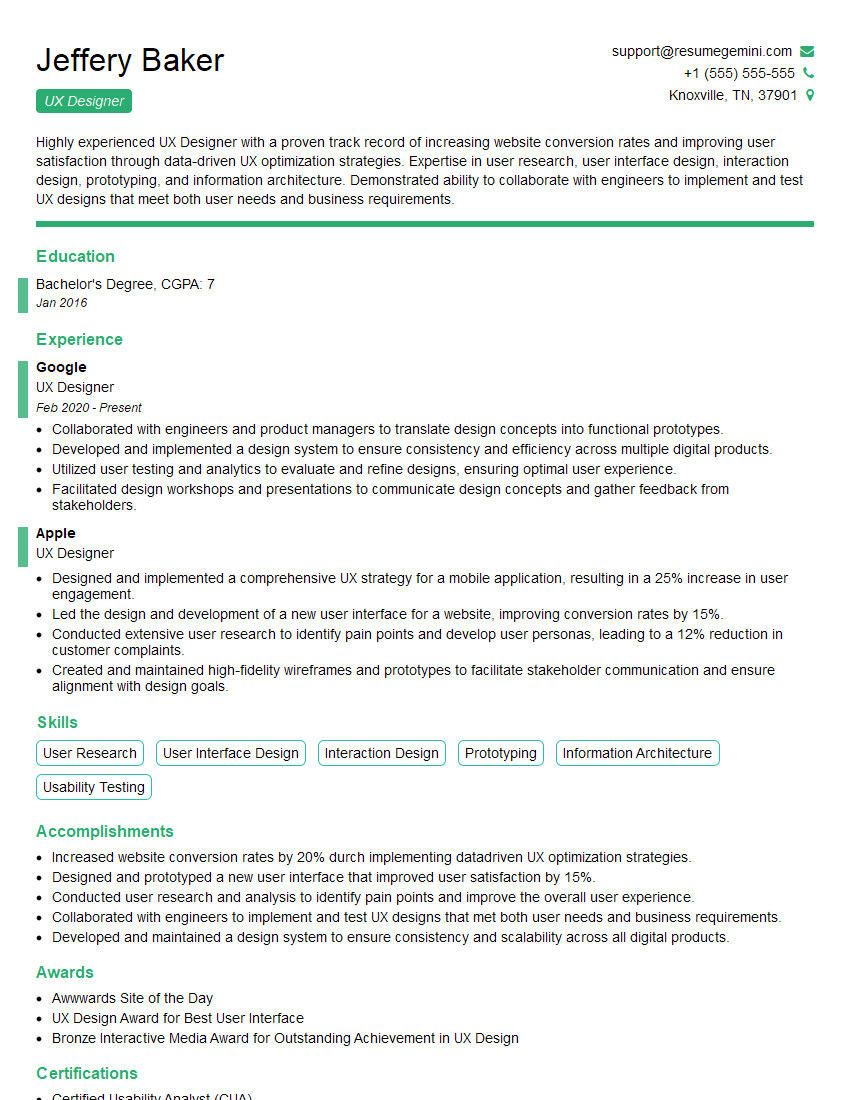
UX Designer Resume Sample
- Operations Manager
- Account Manager
- Product Manager
- Sales Representative
- Customer Service Representative
- Supply Chain Manager
- Project Manager
- Business Analyst
- Event Planner
- Marketing Specialist
- Social Media Manager
- Financial Analyst
- Data Analyst
- Software Engineer
- Network Engineer
- Web Developer
- Research Assistant
- Educator
- Graphic Designer
- Database Administrator
- UX Designer
Explore more articles
Users Rating of Our Blogs
Share Your Experience
We value your feedback! Please rate our content and share your thoughts (optional).
What Readers Say About Our Blog
Very informative content, great job.
good