Are you ready to stand out in your next interview? Understanding and preparing for Technical Manual (TM) and Technical Order (TO) Reading and Interpretation interview questions is a game-changer. In this blog, we’ve compiled key questions and expert advice to help you showcase your skills with confidence and precision. Let’s get started on your journey to acing the interview.
Questions Asked in Technical Manual (TM) and Technical Order (TO) Reading and Interpretation Interview
Q 1. Explain the difference between a Technical Manual and a Technical Order.
While both Technical Manuals (TMs) and Technical Orders (TOs) provide crucial information for maintaining and operating equipment, they differ significantly in scope and purpose. Think of a TM as a comprehensive instruction manual for a specific piece of equipment – akin to an owner’s manual for a car, but far more detailed. It covers everything from assembly and operation to troubleshooting and maintenance procedures. TMs are typically large, multi-section documents covering every aspect of the system.
In contrast, a TO is more focused and action-oriented. It’s a directive or set of instructions for a specific task, often related to maintenance, repair, or modification. Imagine needing to replace a specific part; the TO would provide the precise steps, tools, and parts needed, referencing the relevant section of the TM if necessary. TOs are usually shorter and more specific than TMs, focusing on a particular job or problem.
Analogy: A TM is like a complete encyclopedia on a piece of equipment, while a TO is like a recipe pulled from that encyclopedia for a single dish.
Q 2. Describe your experience interpreting complex technical diagrams.
Interpreting complex technical diagrams is a core competency of mine. My experience includes working with various diagram types, such as schematics, block diagrams, wiring diagrams, and assembly drawings. I’ve found success using a systematic approach:
- Understanding the context: Before diving into the details, I always carefully read any accompanying text or legend to understand the overall purpose and function of the diagram.
- Breaking it down: I deconstruct complex diagrams into smaller, more manageable sections, focusing on one component or system at a time. This approach prevents being overwhelmed by the overall complexity.
- Using cross-referencing: I frequently cross-reference diagrams with other documents, such as parts lists or specifications, to confirm part numbers, sizes, and connections.
- Utilizing software: I’m proficient in using CAD software and other visualization tools to enhance my understanding and even create 3D models based on 2D diagrams, helping to visualize the assembly process.
For example, when troubleshooting a malfunctioning electronic system, I’ve successfully used schematics to trace signal paths and identify potential points of failure by systematically checking component connections and values against the diagram.
Q 3. How do you identify and resolve discrepancies between different technical documents?
Discrepancies between technical documents can be critical. My approach involves a multi-step process:
- Document verification: I first verify the revision levels of all documents involved to ensure I am comparing the most up-to-date versions. Outdated documents are a common source of discrepancies.
- Systematic comparison: I carefully compare the conflicting information, noting any discrepancies in part numbers, specifications, procedures, or diagrams. I might use a spreadsheet to organize my findings.
- Source identification: I then attempt to determine the source of the discrepancy. This may involve contacting the authors of the documents or consulting other relevant documentation.
- Resolution: Based on my findings, I recommend a resolution, which could involve updating one or more documents, or escalating the issue to the appropriate engineering or technical authority for review and final decision.
- Documentation of changes: Finally, any changes made as a result of resolving the discrepancy are meticulously documented and communicated to relevant personnel.
For instance, I once identified a discrepancy in the installation procedures between the TM and a TO. By tracing the source, I determined that the TO was an older revision and initiated the process to update it, preventing potential installation errors.
Q 4. How familiar are you with different technical documentation formats (e.g., PDF, HTML, etc.)?
I’m highly proficient in working with various technical documentation formats, including PDF, HTML, Microsoft Word, and specialized engineering software outputs. My experience spans working with both simple text-based files and complex, multimedia-rich documents containing 3D models, interactive diagrams and embedded videos. My skills extend beyond simply reading these formats; I can also use various tools to extract information, convert formats, and create searchable databases from these documents.
Q 5. What strategies do you use to efficiently locate specific information within a large technical manual?
Finding specific information in large TMs requires efficient strategies. My approach involves:
- Utilizing indices and tables of contents: These are your best friends! I always start by carefully reviewing these sections to find the relevant chapter or section.
- Leveraging search functionality: Modern PDF readers and document viewers have powerful search capabilities. I use keyword searches, Boolean operators (AND, OR, NOT), and wildcard characters (*) to pinpoint the needed information. For example, searching for “
*valve* assembly” would find all mentions of valve assemblies. - Exploiting hyperlinks and cross-references: Many TMs use hyperlinks and cross-references to connect related information within the document. This helps navigate to related sections quickly.
- Creating personal bookmarks and annotations: To improve efficiency over time, I add bookmarks and annotations to frequently consulted sections within the documents.
Essentially, I treat the TM as a database and employ multiple search strategies to efficiently retrieve the data I need.
Q 6. How do you ensure you understand complex technical jargon and terminology?
Understanding technical jargon is critical. I employ several strategies:
- Contextual understanding: I always read the text surrounding unfamiliar terms to gain context and infer their meaning. Often, the surrounding text will provide sufficient clues.
- Using technical dictionaries and glossaries: When contextual clues are insufficient, I consult specialized dictionaries, glossaries, or online resources specific to the equipment or technology.
- Consulting with colleagues and experts: I’m not afraid to ask for help. Discussions with experienced colleagues or subject matter experts can often clarify complex terms and concepts.
- Building a personal glossary: I maintain a personal glossary of technical terms and their definitions for frequently encountered jargon, making future lookups easier.
For example, when encountering unfamiliar acronyms like “HVAC” (Heating, Ventilation, and Air Conditioning), I quickly research their meaning rather than assuming its significance to avoid misinterpretations.
Q 7. Describe your process for verifying the accuracy of technical information.
Verifying technical information is paramount. My verification process involves:
- Source validation: I determine the reliability of the source of information. Is it from a reputable manufacturer, a trusted authority, or a peer-reviewed publication?
- Cross-referencing: I always cross-reference information with multiple sources whenever possible. This reduces the risk of relying on a single potentially flawed source.
- Fact-checking: I check data against known physical parameters or constraints. For example, I would verify a calculated voltage or current against the rated values specified by the manufacturer.
- Practical application (when possible): When feasible, I’ll try to apply the information in a practical setting, using the information to solve a real-world problem or test a hypothesis. This provides empirical evidence of its accuracy.
- Seeking peer review: For critical information, I may seek the opinion of another experienced technician or engineer to validate my understanding and analysis.
This multi-faceted approach ensures that I have a high degree of confidence in the accuracy of the technical information I use.
Q 8. How do you handle situations where technical information is ambiguous or incomplete?
Ambiguity and incompleteness in technical documentation are common challenges. My approach involves a multi-step process. First, I meticulously review the document for any clues, cross-referencing sections and diagrams to see if the missing or unclear information can be inferred. Think of it like solving a puzzle – piecing together the available information to form a coherent picture.
Second, if the document itself doesn’t offer a solution, I leverage my network of colleagues or subject matter experts. Consulting with experienced technicians can often shed light on ambiguous points or provide the missing context. This collaborative approach is often crucial for complex systems.
Third, if internal resources are insufficient, I consult external resources, such as online forums dedicated to the specific equipment, manufacturer websites, or industry standards documents. Remember, the goal is to interpret the information accurately and safely, so external validation is valuable.
Finally, if all else fails, and the ambiguity poses a significant safety risk or operational impediment, I escalate the issue to the appropriate management channels, recommending a formal request for clarification or a document revision from the original authors.
Q 9. Have you ever had to translate technical information for a non-technical audience? How did you approach it?
I’ve often had to translate complex technical information into layman’s terms for non-technical stakeholders. My approach centers on understanding the audience’s knowledge level and tailoring my communication accordingly. I avoid jargon and technical terms whenever possible, opting for clear, concise language and simple analogies.
For example, when explaining a complex electrical schematic to a manager unfamiliar with circuitry, instead of using technical terms, I might describe the system’s functionality as a network of roads, with the power source as the main highway, and different components representing intersections or destinations. This helps them grasp the overall concept without getting bogged down in the details.
Visual aids, such as simplified diagrams or flowcharts, are also incredibly helpful. A picture truly is worth a thousand words when dealing with complex technical information. Finally, I always encourage questions and ensure the audience understands the key takeaways.
Q 10. Explain your experience using technical documentation to troubleshoot equipment problems.
Troubleshooting equipment problems using technical documentation is a core part of my job. My strategy begins with a systematic approach. First, I identify the problem and collect all relevant data, including error messages, observed symptoms, and environmental factors. This forms the basis of my investigation.
Next, I consult the appropriate technical manuals, focusing on troubleshooting sections, flowcharts, and diagnostic tables. I carefully follow the steps outlined, ensuring accurate measurements and observations. Imagine it as following a recipe—precise execution is key.
Often, this involves using diagrams and schematics to trace the signal path or identify potential points of failure. For instance, using a wiring diagram to locate a faulty connection, or using a block diagram to understand the interaction between different subsystems.
If the initial troubleshooting steps don’t resolve the issue, I escalate to the next level of documentation, potentially consulting more advanced service manuals or manufacturer’s support. The key is patience and persistence, systematically eliminating possible causes until the root problem is identified and resolved.
Q 11. Describe your experience with different types of technical illustrations (e.g., diagrams, schematics, exploded views).
I’m proficient in interpreting various technical illustrations. Diagrams provide a general overview of a system, showing the relationships between different components. Schematics show the detailed electrical connections and signal flow, crucial for electrical troubleshooting. Exploded views offer a 3D representation of assembled parts, invaluable for disassembly, assembly, and repair procedures.
For instance, a wiring diagram will help me trace a circuit, while an exploded view helps me understand the order of assembly for a specific component. Understanding the purpose and limitations of each type of illustration is crucial. Sometimes, I combine information from multiple illustrations for a complete understanding.
My experience includes working with various formats including physical drawings, digital images, and interactive 3D models. Each format serves a different purpose, and my ability to adapt to different formats is paramount.
Q 12. How do you stay up-to-date with changes and revisions in technical manuals and orders?
Staying current with changes and revisions in technical documentation is essential for accuracy and safety. I utilize several strategies. First, I subscribe to official notifications or updates from equipment manufacturers. Many manufacturers offer email alerts or online portals to announce changes to their documentation.
Second, I regularly check the manufacturer’s website for updated documentation. The website is the primary source for the latest versions of manuals and technical orders. I also utilise any online databases or management systems provided by the company to track document versions.
Third, I participate in industry forums and professional development activities. These provide opportunities to learn about significant changes and best practices in the field. This networking aspect keeps me abreast of industry-wide updates that might impact the documentation I use.
Q 13. How familiar are you with industry standards and regulations related to technical documentation?
I’m familiar with various industry standards and regulations related to technical documentation. My experience includes working with standards such as those from organizations like ISO (International Organization for Standardization) concerning document management, quality management, and safety procedures. I understand the importance of clear, accurate, and unambiguous documentation to meet regulatory requirements.
Depending on the industry and equipment, other regulations might apply—for example, aviation safety standards in aerospace or specific safety codes for industrial machinery. My knowledge allows me to recognize which standards apply to a specific piece of equipment and to evaluate whether the documentation adheres to those standards.
Understanding these standards ensures the documentation I use is compliant, reliable, and contributes to safe and efficient operation.
Q 14. How do you prioritize multiple technical documents when troubleshooting a complex issue?
When troubleshooting a complex issue with multiple technical documents, prioritization is key. My approach involves a hierarchical structure, starting with the most relevant and readily accessible documents. I often begin with troubleshooting guides or quick-reference sheets that provide a general overview and potential solutions.
Next, I consult more detailed manuals or schematics, focusing on sections related to the specific symptoms I’m observing. Think of this as a detective’s approach – starting with the most likely suspects and gradually narrowing down the possibilities.
If the problem persists, I might consult specialized documentation like service manuals, parts catalogs, or diagnostic software manuals. The key is to move from general to specific, using a systematic approach that leverages the information available most efficiently. I always document my steps and the sources consulted, ensuring traceability and facilitating future troubleshooting.
Q 15. What software or tools do you use to view or manage technical documentation?
For viewing and managing technical documentation, I utilize a variety of software and tools depending on the document type and the task at hand. For PDFs, I rely on Adobe Acrobat Pro, which allows for advanced search functionalities, annotation, and organization. For larger, complex documentation sets, I often use dedicated Document Management Systems (DMS) such as SharePoint or specialized industry platforms. These provide version control, collaborative editing capabilities, and robust search features crucial for efficient access and management. In certain scenarios, where the documentation is in a proprietary format, I would use the manufacturer’s specific software or viewer. For example, some aircraft maintenance manuals require dedicated software for optimal viewing and interaction.
My workflow often involves using a combination of tools. For instance, I might initially find a relevant section using the DMS’s search, then export that portion as a PDF to Adobe Acrobat Pro for detailed annotation and note-taking before integrating the findings back into the DMS for team collaboration.
Career Expert Tips:
- Ace those interviews! Prepare effectively by reviewing the Top 50 Most Common Interview Questions on ResumeGemini.
- Navigate your job search with confidence! Explore a wide range of Career Tips on ResumeGemini. Learn about common challenges and recommendations to overcome them.
- Craft the perfect resume! Master the Art of Resume Writing with ResumeGemini’s guide. Showcase your unique qualifications and achievements effectively.
- Don’t miss out on holiday savings! Build your dream resume with ResumeGemini’s ATS optimized templates.
Q 16. Describe a time you had to interpret a complex technical procedure to perform a task.
During a recent project involving the repair of a complex piece of machinery, I encountered a technical procedure that lacked clarity on a crucial step involving the alignment of two internal components. The procedure mentioned ‘precise alignment’ but lacked specific measurements or tolerances. I had to interpret diagrams, cross-reference specifications from different sections of the manual, and even consult supplementary documentation (manufacturer’s website, older revisions of the manual) to understand the intended alignment. I ultimately developed a step-by-step procedure with precise measurements using a combination of the technical documentation and my own engineering knowledge. This involved creating detailed drawings and utilizing precision measuring tools. The final successful alignment of the components demonstrated the importance of thorough interpretation and proactive problem-solving in such scenarios.
Q 17. How do you handle conflicting information from different sources of technical documentation?
Conflicting information is a common challenge when dealing with technical documentation. My approach involves a systematic process to resolve these discrepancies. First, I verify the versions of each document to ensure I’m comparing current and valid information. Next, I investigate the source credibility and authority of each document – is one a later revision than the other? Is one source a verified manufacturer’s document, and the other a third-party guide? If the conflict remains after this evaluation, I document the discrepancy clearly. Then, I escalate the issue to the appropriate engineering or technical authority for clarification or correction. Using a version control system and a clearly documented chain of investigation and decision-making is crucial to prevent errors.
Q 18. How would you explain a complex technical procedure to a novice?
Explaining a complex technical procedure to a novice requires a clear and concise approach, avoiding jargon and using analogies. I would start by providing a high-level overview of the task’s purpose and the overall process flow. Then, I’d break down the procedure into smaller, manageable steps, explaining each step in simple terms, using visual aids like diagrams or flowcharts whenever possible. I would use relatable analogies to illustrate complex concepts. For example, if explaining a circuit, I might use a water analogy to demonstrate current flow. Throughout the explanation, I’d encourage questions and feedback to ensure understanding at each step. Finally, I’d provide a summary and offer opportunities for hands-on practice under supervision.
Q 19. What is your experience with using technical documentation in safety-critical situations?
My experience with technical documentation in safety-critical situations is extensive. In previous roles, I’ve worked on projects involving aircraft maintenance, where the accuracy and clarity of technical documentation are paramount for flight safety. I have firsthand experience in carefully reviewing procedures for critical tasks, ensuring complete comprehension before execution, and meticulously documenting all steps and findings. The importance of error prevention and adherence to safety protocols is always prioritized. A misstep due to misinterpretation could have catastrophic consequences, therefore a rigorous and methodical approach is essential.
Q 20. Describe your experience with using search functionalities within technical manuals.
Effective use of search functionalities within technical manuals is crucial for efficiency. I’m proficient in using various search techniques, including keyword searches, Boolean operators (AND, OR, NOT) and wildcard characters to refine search results. I also understand the importance of using the correct terminology – for instance, understanding the specific nomenclature used by a manufacturer is crucial. Beyond keyword search, many manuals offer index or table of contents navigation, which I utilize to quickly locate specific sections or chapters. When dealing with complex systems, using the manual’s hierarchical structure and understanding its organization are essential for efficient navigation. Improper search techniques can lead to wasted time and potentially dangerous misinterpretations.
Q 21. How do you identify potential hazards or risks described in technical documentation?
Identifying hazards and risks in technical documentation requires careful attention to detail. I look for specific warnings, cautions, and safety notes explicitly mentioned within the text. I also pay close attention to diagrams and illustrations, searching for symbols indicating hazards (e.g., high voltage, sharp objects, moving parts). I also examine procedure steps carefully looking for any potential risk of injury, equipment damage, or environmental impact. My process involves actively looking for phrases like ‘danger’, ‘warning’, ‘caution’, ‘note’, and related terms, understanding their relative importance. After identifying potential hazards, I would then evaluate the risk level considering the likelihood and severity of the potential incident. This thorough process helps mitigate potential issues before they occur.
Q 22. How proficient are you in using different types of measuring tools to verify information in the TM/TO?
My proficiency in using measuring tools to verify information in TMs and TOs is extensive. I’m comfortable using a wide range of instruments, from basic rulers and calipers to more sophisticated tools like micrometers, dial indicators, and laser measurement devices. The specific tool selection depends entirely on the specifications outlined in the documentation and the nature of the component being measured. For instance, when verifying the dimensions of a small electronic component, I’d use a micrometer for high precision. If I were checking the alignment of a mechanical assembly, a dial indicator would be more appropriate. In each case, I meticulously follow the instructions provided in the TM/TO for the correct measurement technique and tolerance levels, ensuring accuracy and adherence to specifications. I’m also adept at interpreting measurement readings and identifying potential discrepancies, which are crucial for quality control and troubleshooting.
For example, while working on an aircraft engine overhaul, the TO specified a critical shaft diameter with a tolerance of +/- 0.005mm. Using a micrometer, I carefully measured the shaft at multiple points and recorded the data. Comparing the results to the specified tolerance in the TO allowed me to confirm the shaft was within acceptable limits and suitable for installation. If a discrepancy had arisen, I would have documented it and reported it following the established procedures.
Q 23. Explain your experience working with revision control systems for technical documentation.
My experience with revision control systems for technical documentation is significant. I’ve extensively used systems like Git and SVN, understanding the importance of version control in maintaining the integrity and traceability of technical documentation. I understand the concepts of branching, merging, and conflict resolution, and I’m proficient in using these features to manage different versions of documents and track changes effectively. This is vital for ensuring that everyone works with the most current and accurate information. Furthermore, I am familiar with implementing clear versioning schemes and utilizing change logs to document modifications, making it easy to understand the evolution of the documentation and identify the source of any issues.
In a recent project involving the update of a complex system’s maintenance manual, using Git allowed multiple engineers to work concurrently on different sections without interfering with each other’s progress. This streamlined the revision process and minimized the risk of errors. The ability to revert to previous versions if necessary provided invaluable safety net.
Q 24. How do you ensure that the technical documentation you use is current and relevant?
Ensuring that technical documentation remains current and relevant is paramount. My approach involves several key steps: Firstly, I regularly check for official updates and revisions from the original source, often using online portals or dedicated systems for technical publications. Secondly, I always verify the document’s revision number against the latest version available. Thirdly, I compare the document’s date of publication or revision with the equipment’s serial number and manufacturing date, ensuring compatibility. Lastly, I cross-reference information from multiple sources, looking for any discrepancies or inconsistencies that might indicate outdated information.
For example, when working with aircraft maintenance manuals, I always consult the manufacturer’s website for the latest service bulletins and advisories which often supersede information in older manual versions. This helps prevent working with obsolete procedures which could compromise safety and efficiency.
Q 25. What is your experience with creating or updating technical documentation?
I possess considerable experience in creating and updating technical documentation. My experience encompasses various documentation types, including maintenance manuals, operating procedures, parts lists, and troubleshooting guides. I utilize structured authoring tools and follow established standards (e.g., S1000D) to ensure consistency and clarity. I’m proficient in using graphical editing software to create diagrams, schematics, and illustrations, vital for conveying complex technical information effectively. My skills also extend to technical writing, where I focus on precision and clarity to ensure that the documentation is easily understood by the intended audience.
For instance, I recently led the effort to update a legacy equipment maintenance manual, using a structured authoring tool to improve its organization and readability. This involved not only rewriting sections but also incorporating new illustrations and diagrams, ensuring the manual was current and user-friendly. The updated manual significantly improved the efficiency of maintenance operations.
Q 26. Describe a situation where you had to work with incomplete or outdated technical documentation. How did you resolve the issue?
I’ve encountered situations where documentation was incomplete or outdated. In one instance, I was working on troubleshooting a malfunctioning industrial robot. The existing documentation was sparse and lacked detailed wiring diagrams. To resolve this, I systematically investigated the robot’s control system, creating my own detailed wiring diagrams and flowcharts. I used a combination of physical inspection, tracing wires, and referencing related component specifications to build a complete picture. I also consulted with experienced technicians and leveraged online resources to fill in missing information. Once I understood the system thoroughly, I documented my findings to supplement the existing, incomplete documentation. This careful, methodical approach allowed me to successfully diagnose and resolve the robot’s malfunction, while simultaneously improving the existing documentation for future use.
Q 27. How do you manage large volumes of technical documentation effectively?
Managing large volumes of technical documentation effectively requires a systematic approach. I utilize a combination of techniques, including robust filing systems (both physical and digital), keyword tagging and indexing, and the use of search tools tailored to technical documents. I also rely heavily on document management systems (DMS) to organize, track, and control access to documents. These systems often incorporate features like version control, metadata management, and search functionality, making it easier to find the information needed quickly. Additionally, I regularly review and purge outdated or obsolete documents to prevent clutter and ensure only relevant information remains accessible.
Using a DMS allows for easy retrieval of specific manuals or diagrams, regardless of their size or location, saving significant time during troubleshooting or maintenance. A well-organized system also contributes to a safer and more efficient workflow by ensuring engineers always have access to the most up-to-date information.
Key Topics to Learn for Technical Manual (TM) and Technical Order (TO) Reading and Interpretation Interview
- Understanding Document Structure: Learn to navigate the different sections and formats of TMs and TOs, including tables of contents, indexes, and appendices. Understand the purpose and hierarchy of information within these documents.
- Interpreting Technical Diagrams and Schematics: Practice interpreting various types of diagrams, such as wiring diagrams, exploded views, and flow charts. Develop skills to visualize and understand complex systems from these visual representations.
- Identifying and Applying Procedures: Master the ability to extract and follow step-by-step instructions accurately. Practice identifying key safety precautions and warnings within the documentation.
- Troubleshooting Using TMs and TOs: Develop the skill to effectively use TMs and TOs to diagnose and solve problems. Learn how to locate relevant troubleshooting sections and interpret diagnostic information.
- Understanding Revision Control and Updates: Learn about different revision control systems used for TMs and TOs and the importance of working with the most up-to-date versions. Understand how to identify and interpret revision changes.
- Effective Note-Taking and Summarization: Develop strategies for efficient note-taking while reviewing TMs and TOs, and the ability to summarize complex information concisely.
- Applying Knowledge in Practical Scenarios: Practice applying your understanding of TMs and TOs to hypothetical scenarios and problem-solving exercises. This will solidify your comprehension and help you showcase your abilities during the interview.
Next Steps
Mastering Technical Manual (TM) and Technical Order (TO) Reading and Interpretation is crucial for success in many technical roles, demonstrating your attention to detail, problem-solving skills, and ability to work independently. A strong understanding of this skillset will significantly boost your career prospects and open doors to exciting opportunities. To further enhance your job search, focus on building an ATS-friendly resume that highlights your relevant skills and experience. ResumeGemini is a trusted resource that can help you craft a professional and impactful resume. Examples of resumes tailored to Technical Manual (TM) and Technical Order (TO) Reading and Interpretation are provided to give you a head start.
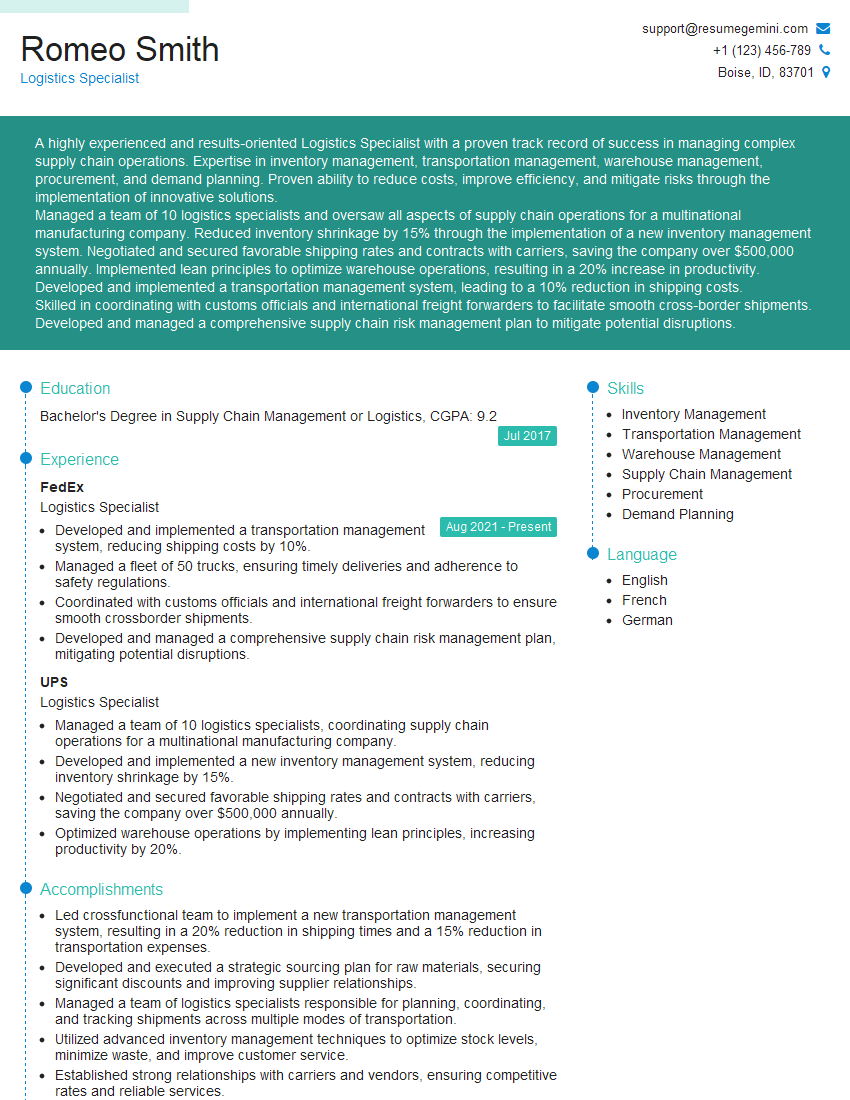
Logistics Specialist Resume Sample
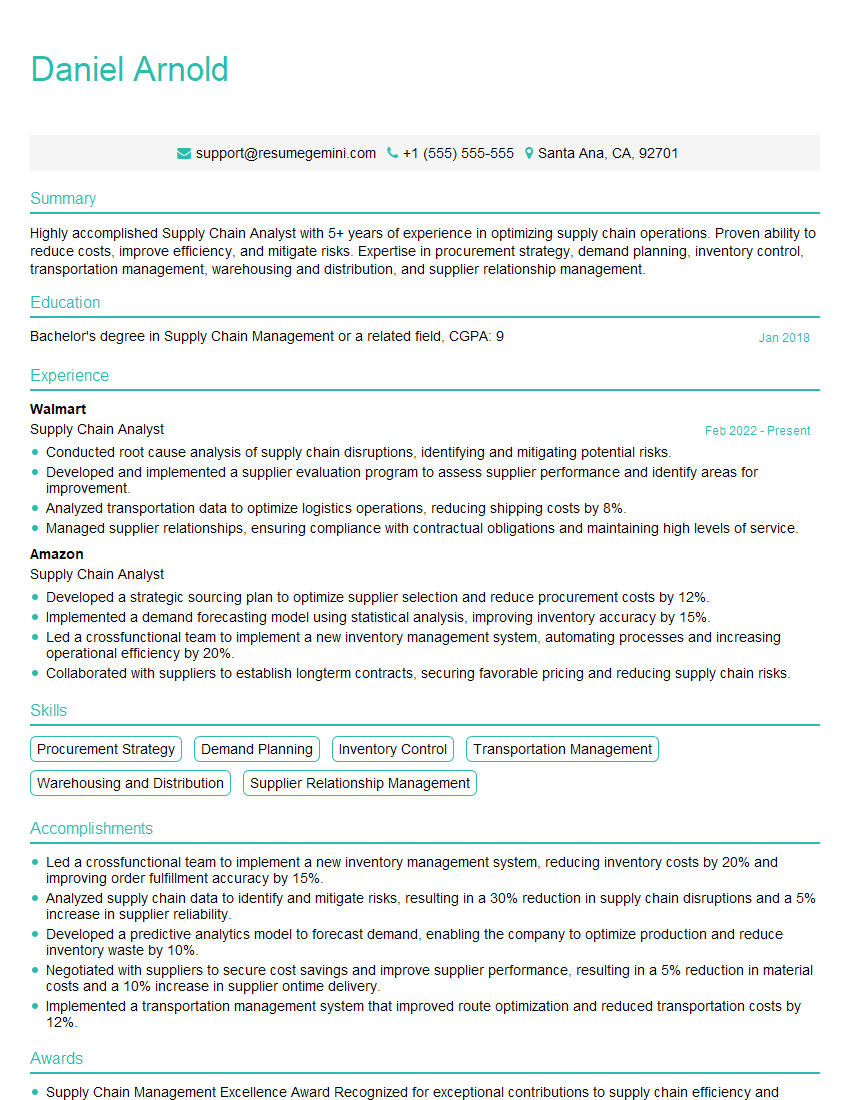
Supply Chain Analyst Resume Sample
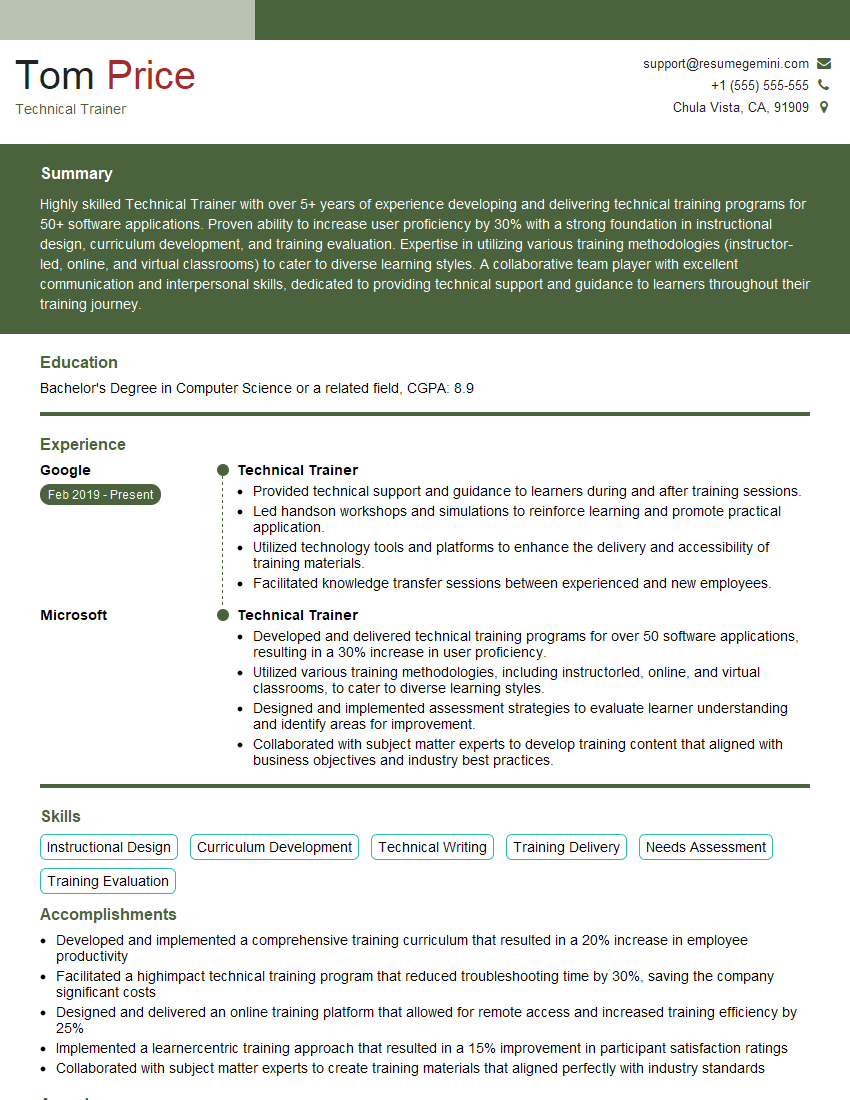
Technical Trainer Resume Sample
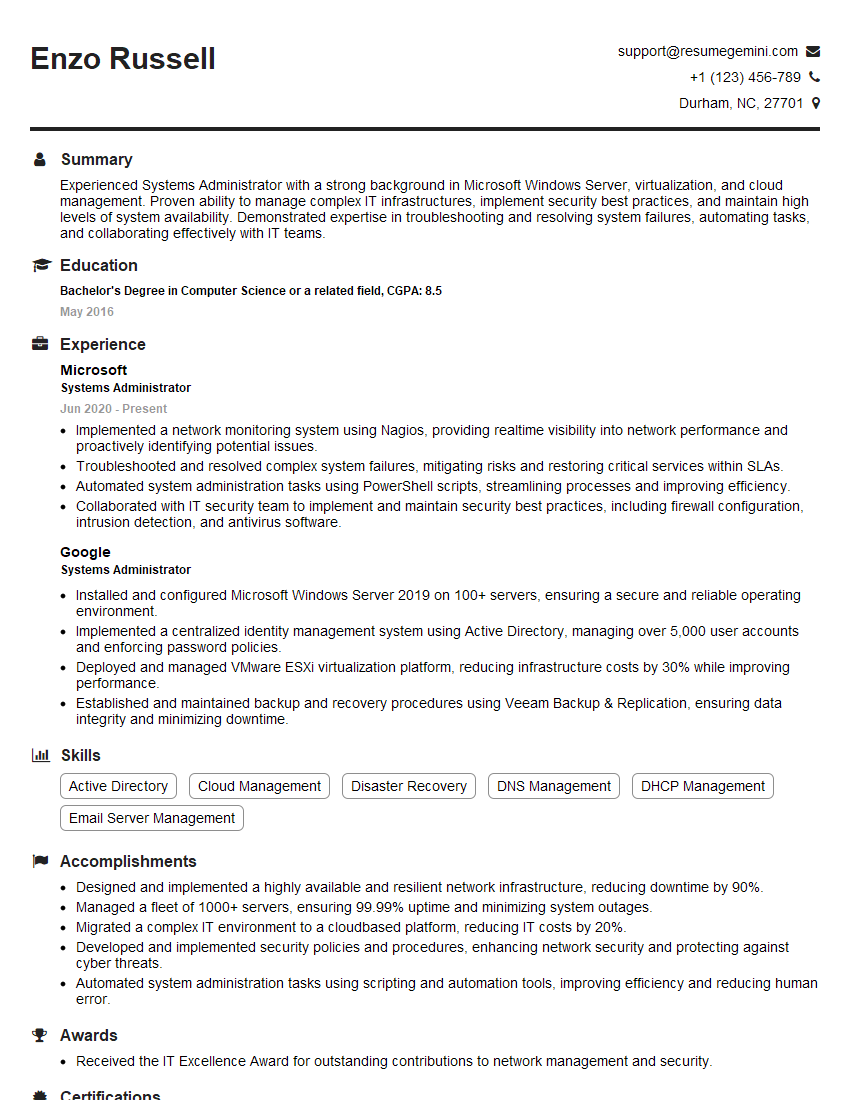
Systems Administrator Resume Sample
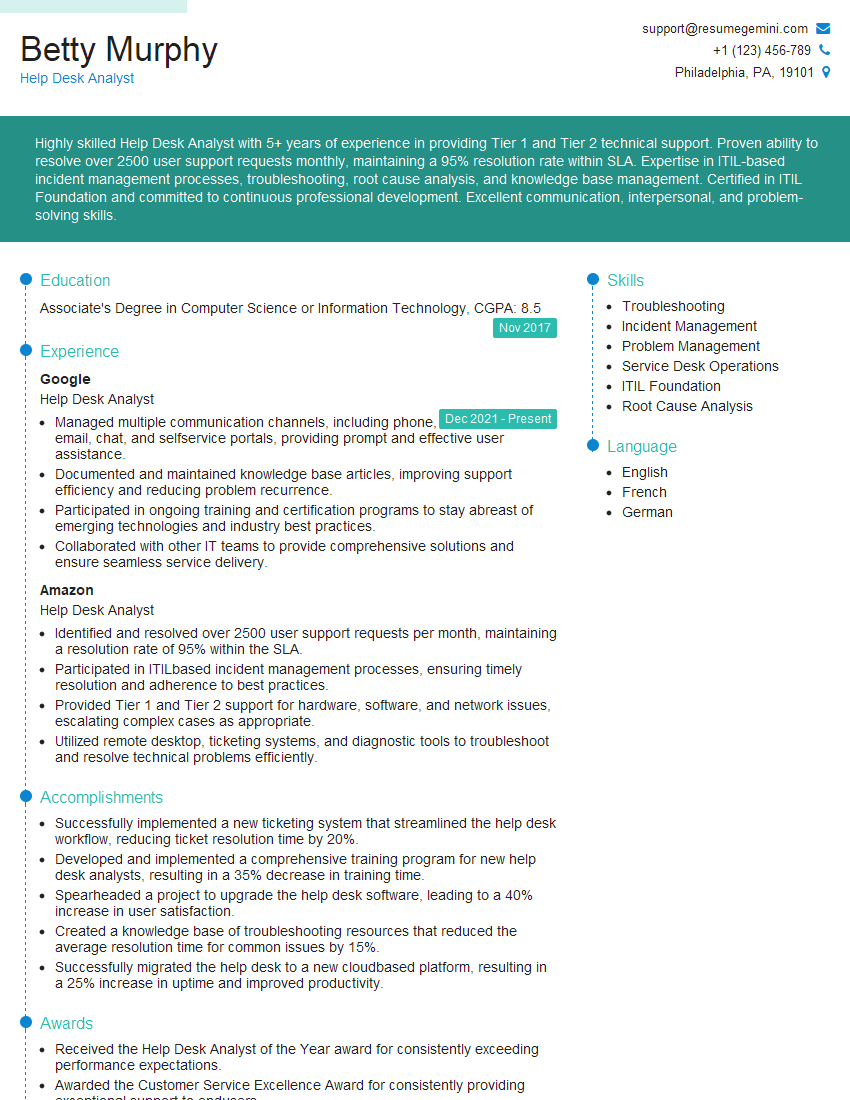
Help Desk Analyst Resume Sample
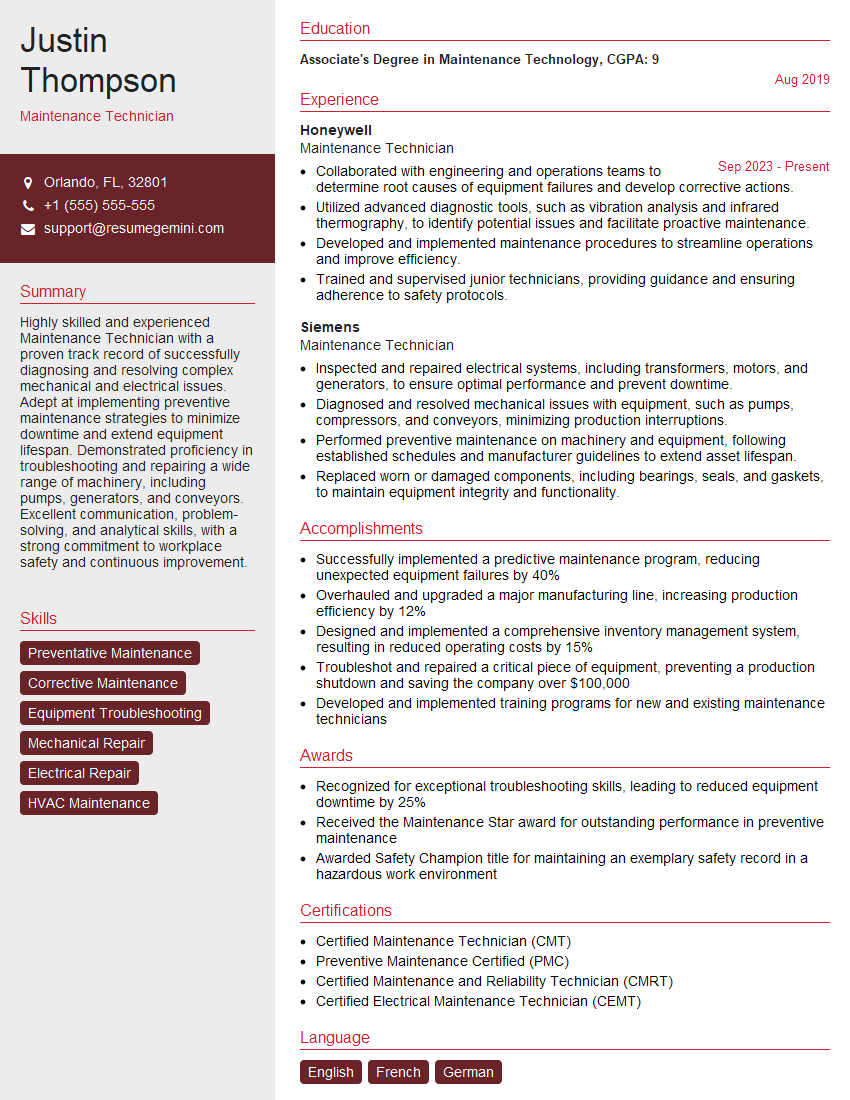
Maintenance Technician Resume Sample
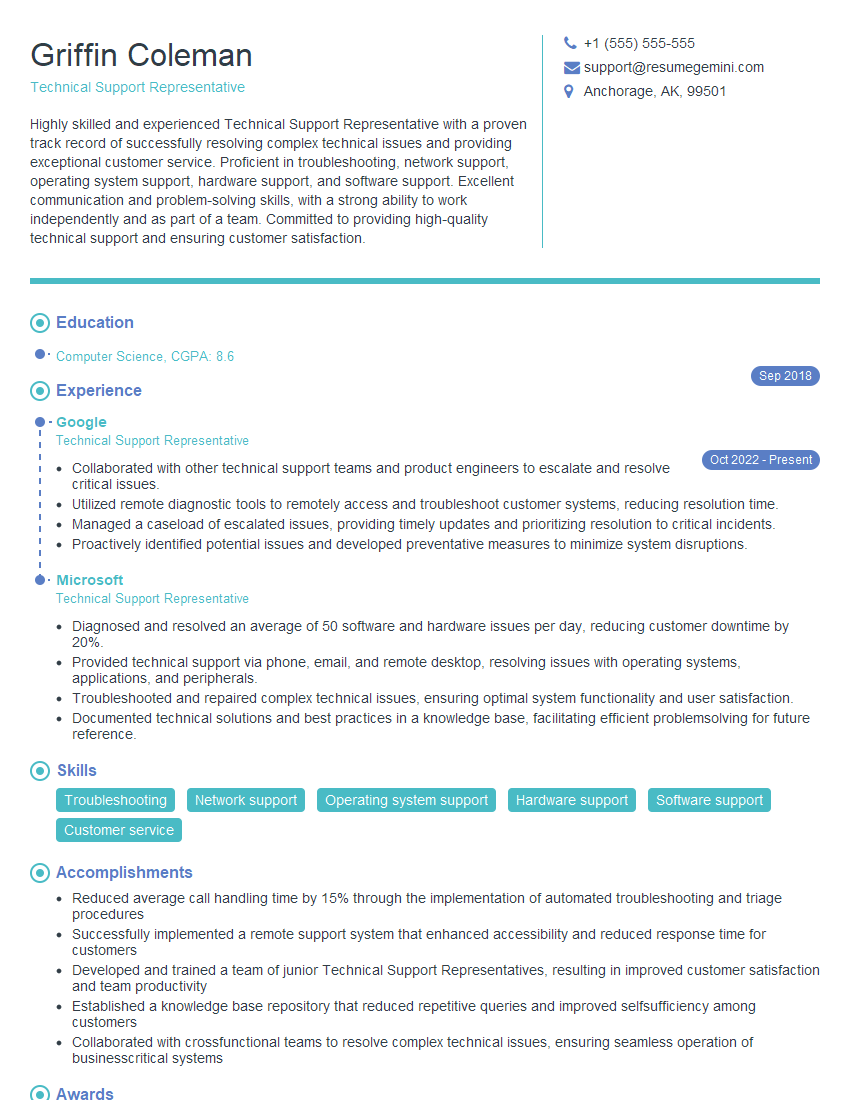
Technical Support Representative Resume Sample
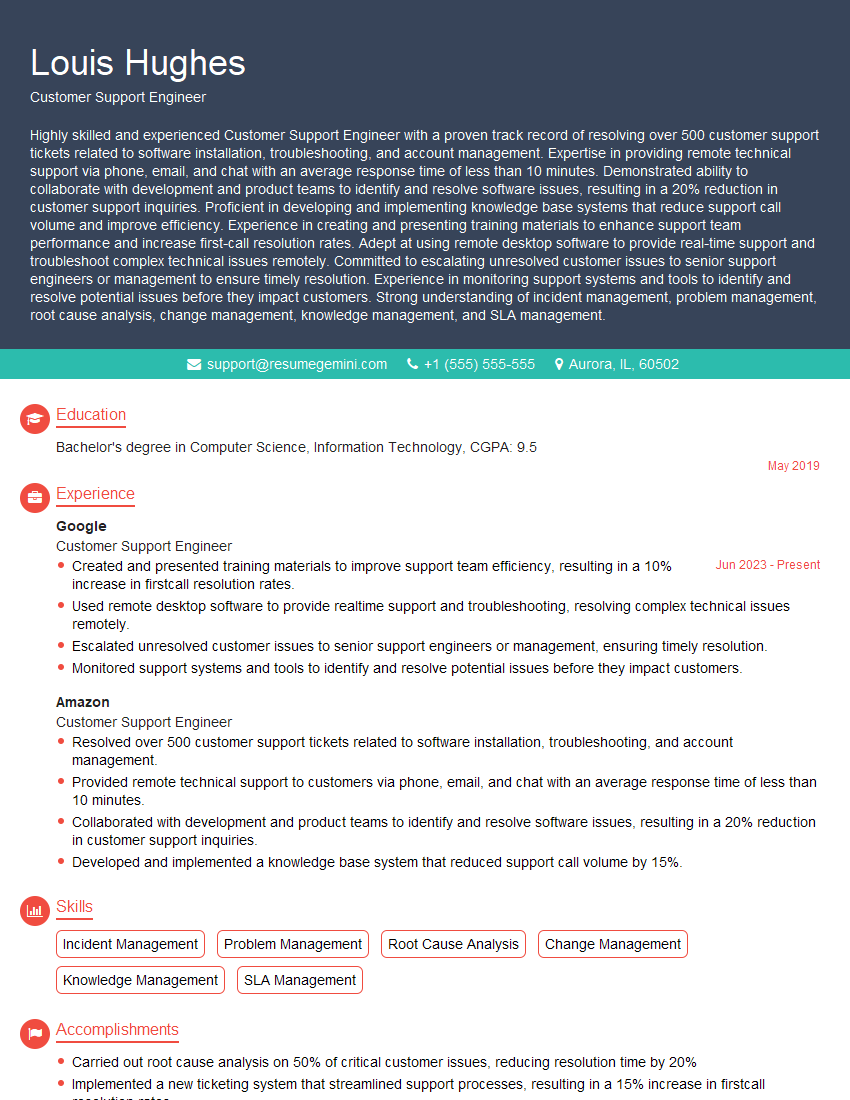
Customer Support Engineer Resume Sample
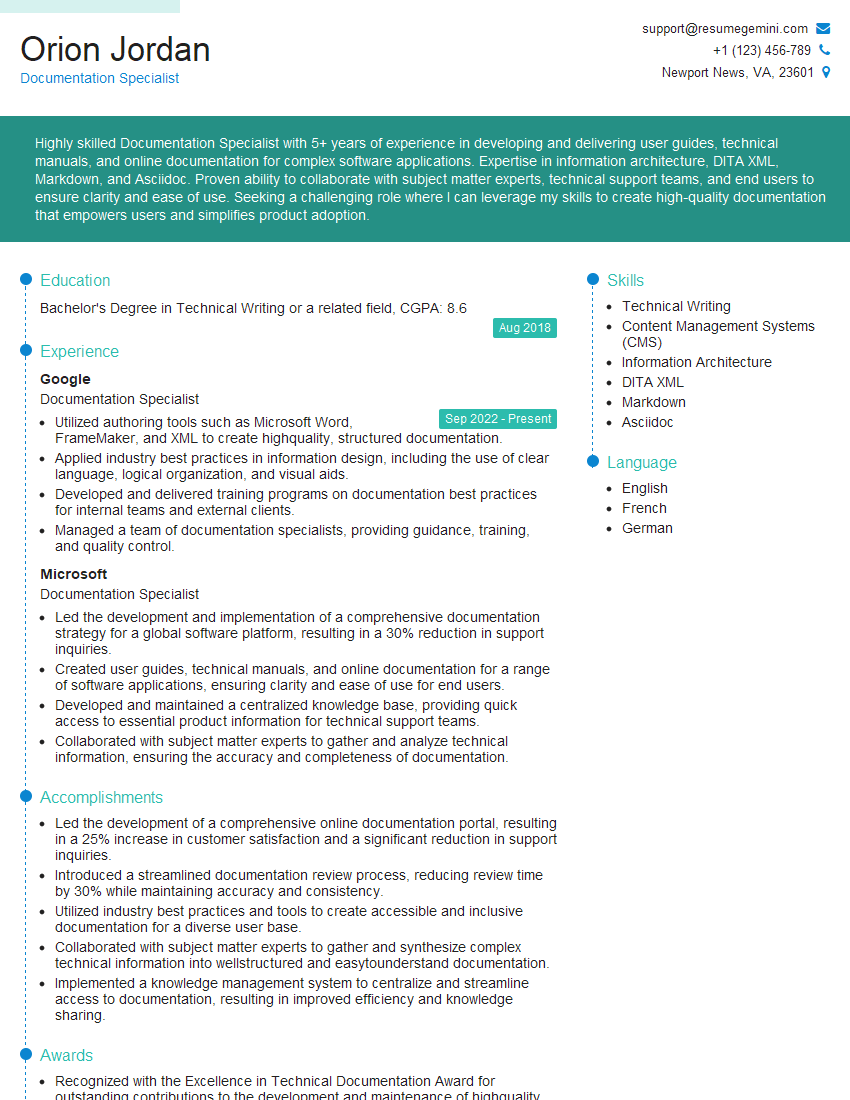
Documentation Specialist Resume Sample
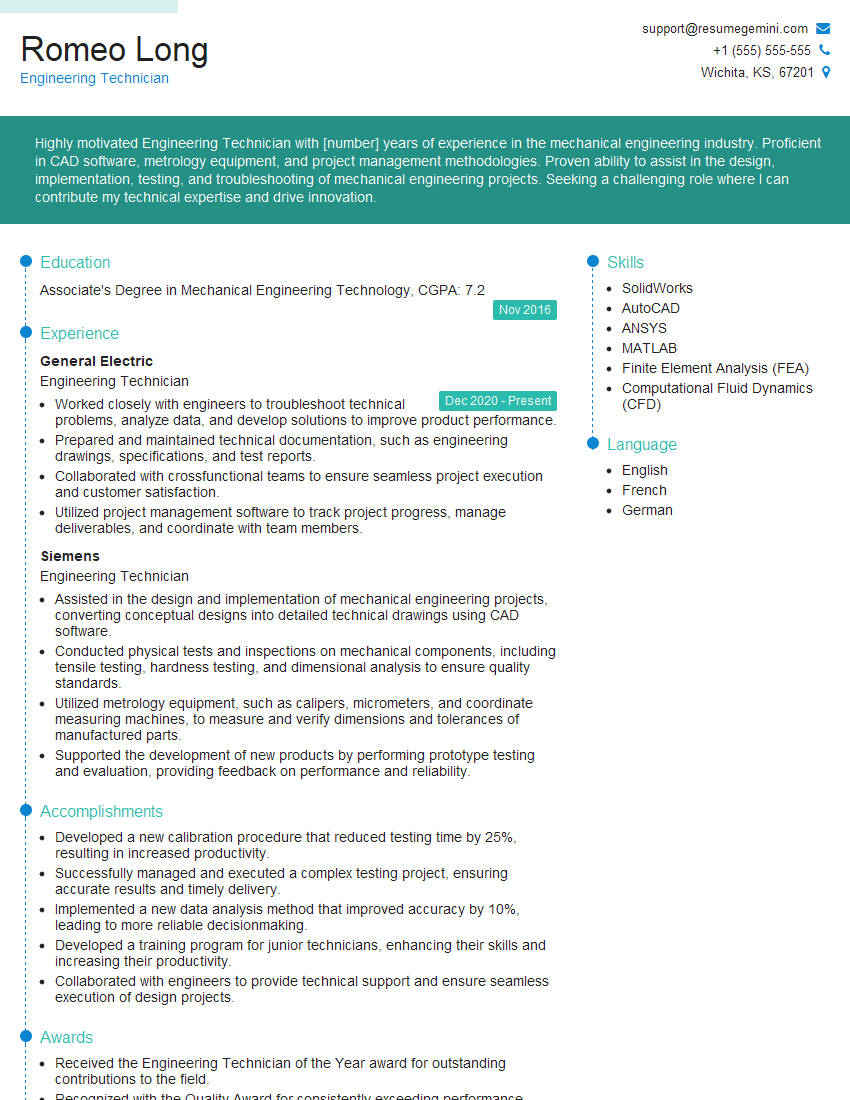
Engineering Technician Resume Sample
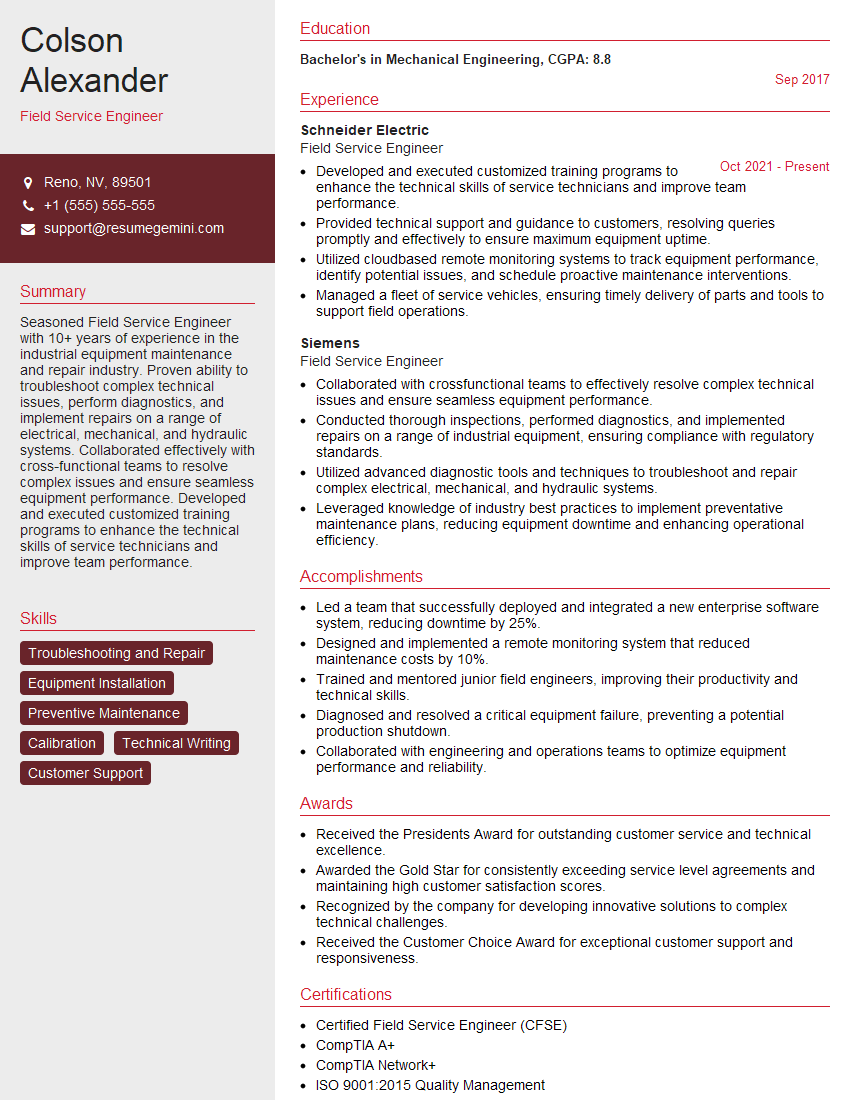
Field Service Engineer Resume Sample
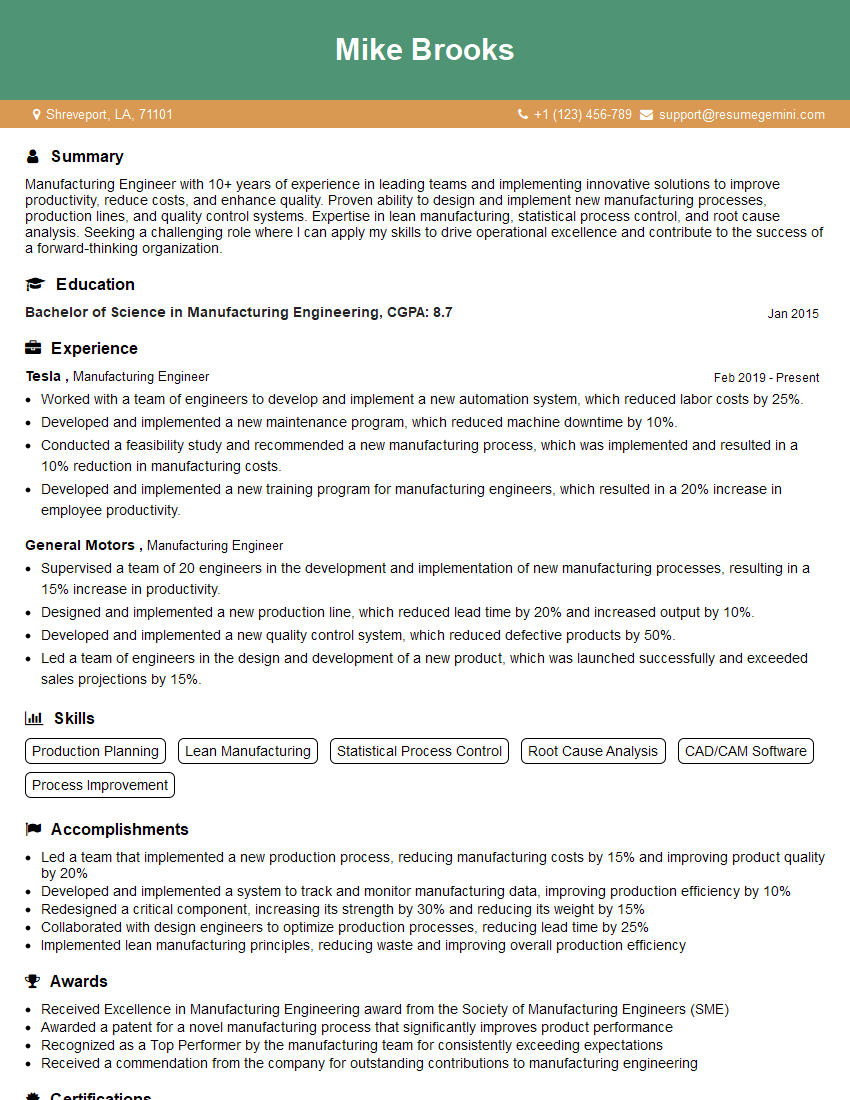
Manufacturing Engineer Resume Sample
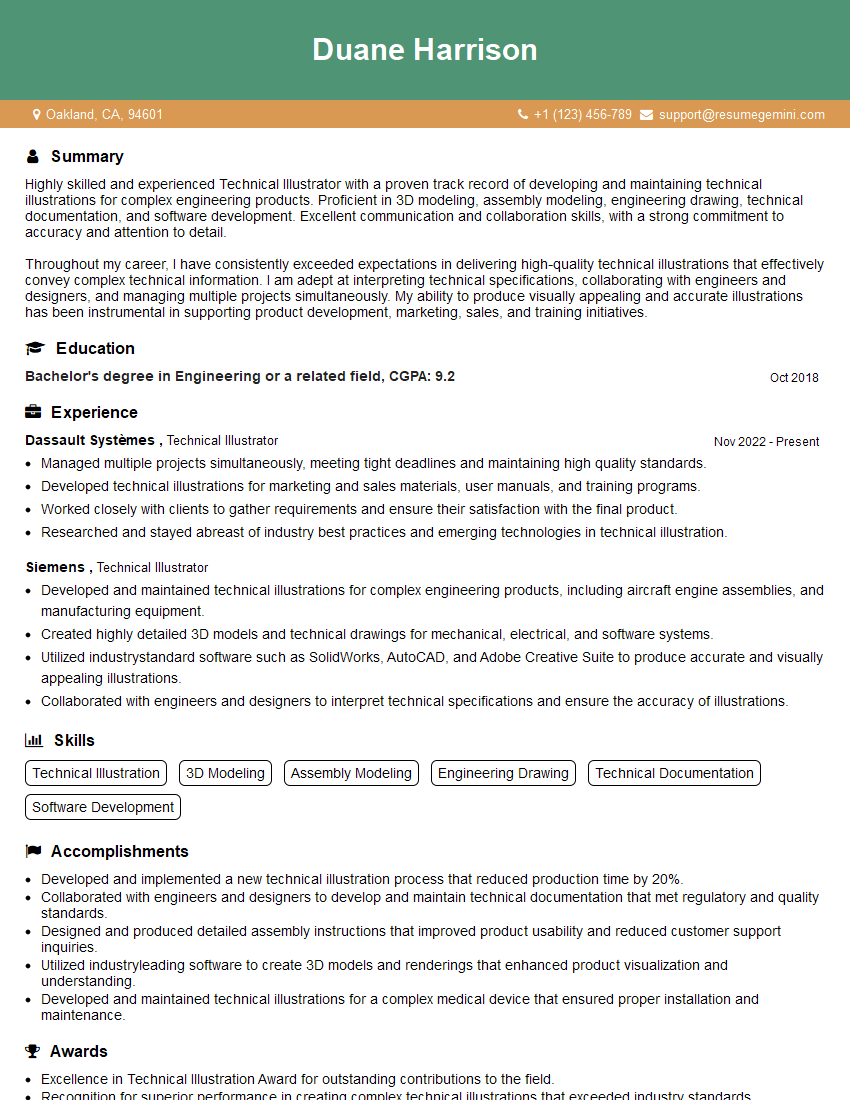
Technical Illustrator Resume Sample
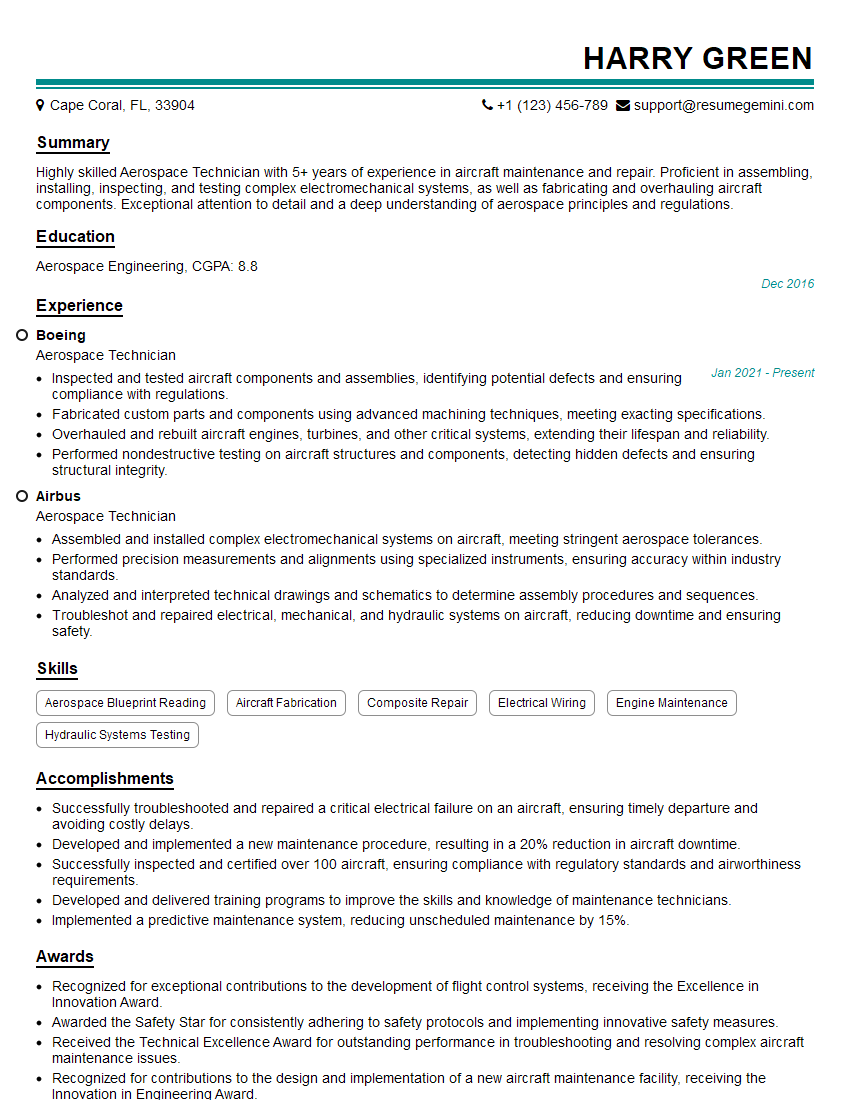
Aerospace Technician Resume Sample
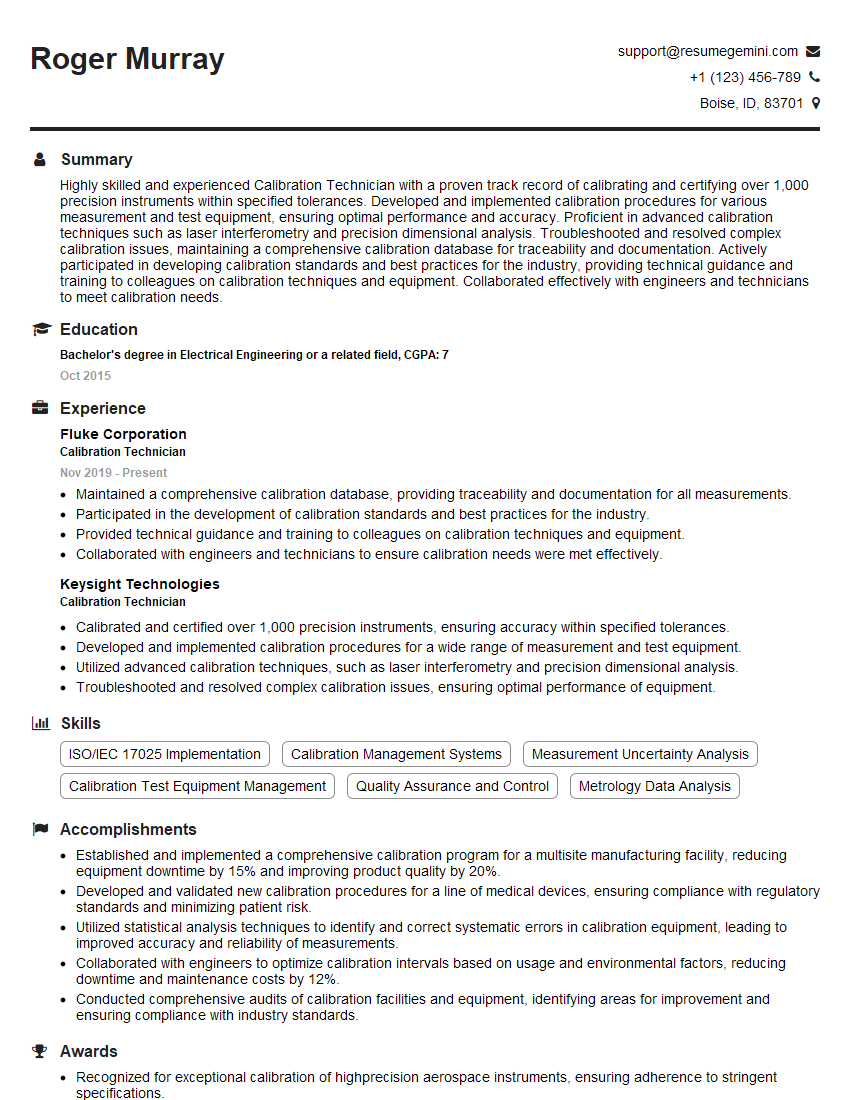
Calibration Technician Resume Sample
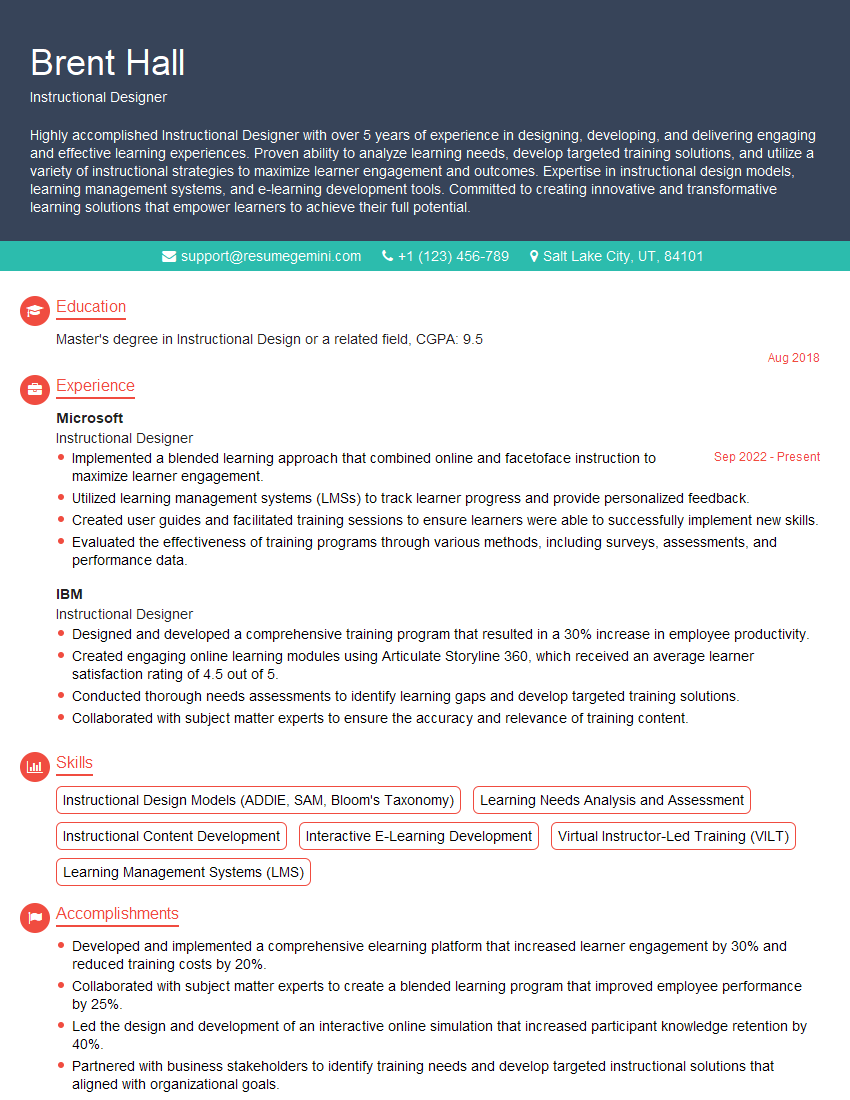
Instructional Designer Resume Sample

Technical Writer Resume Sample
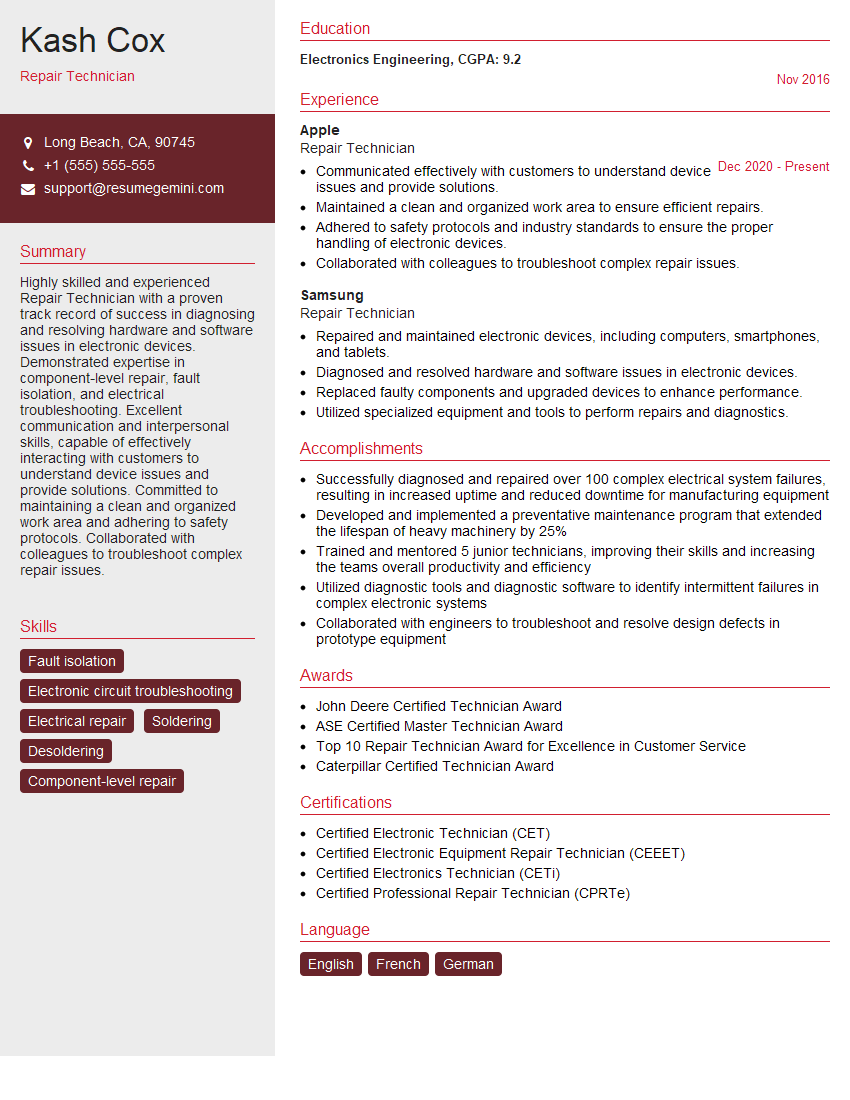
Repair Technician Resume Sample
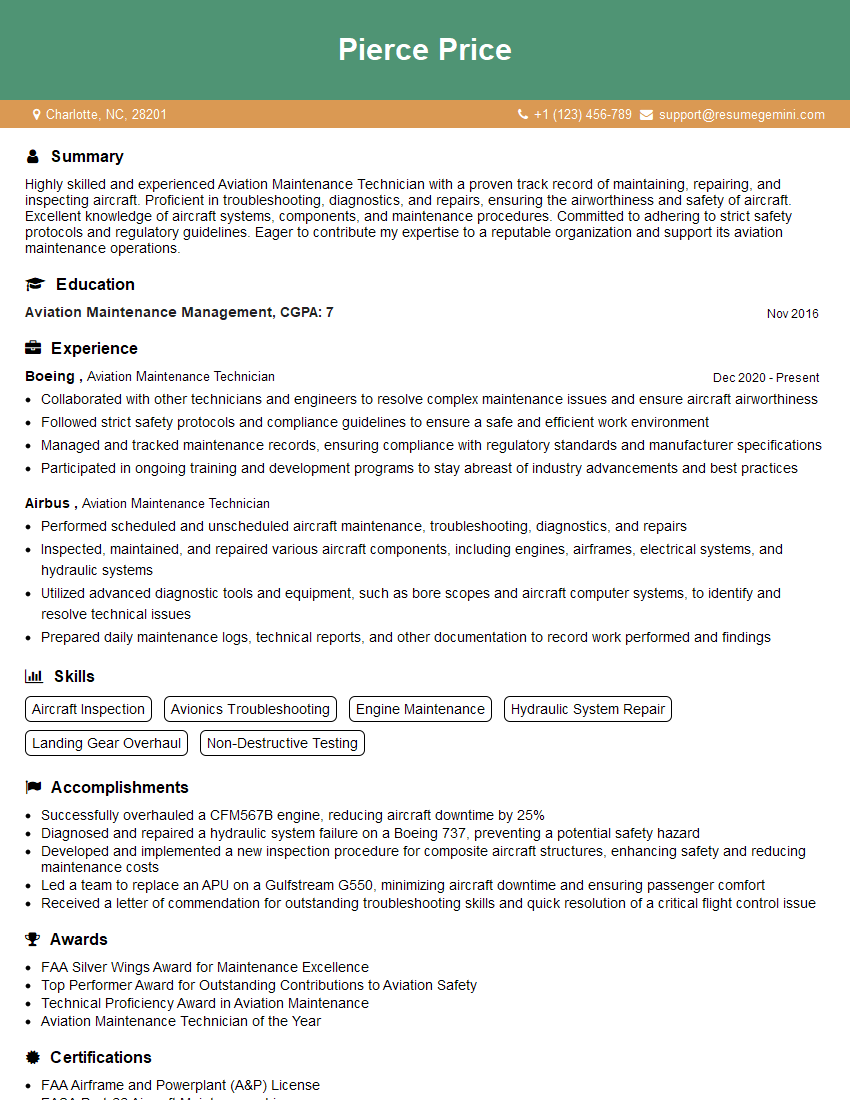
Aviation Maintenance Technician Resume Sample
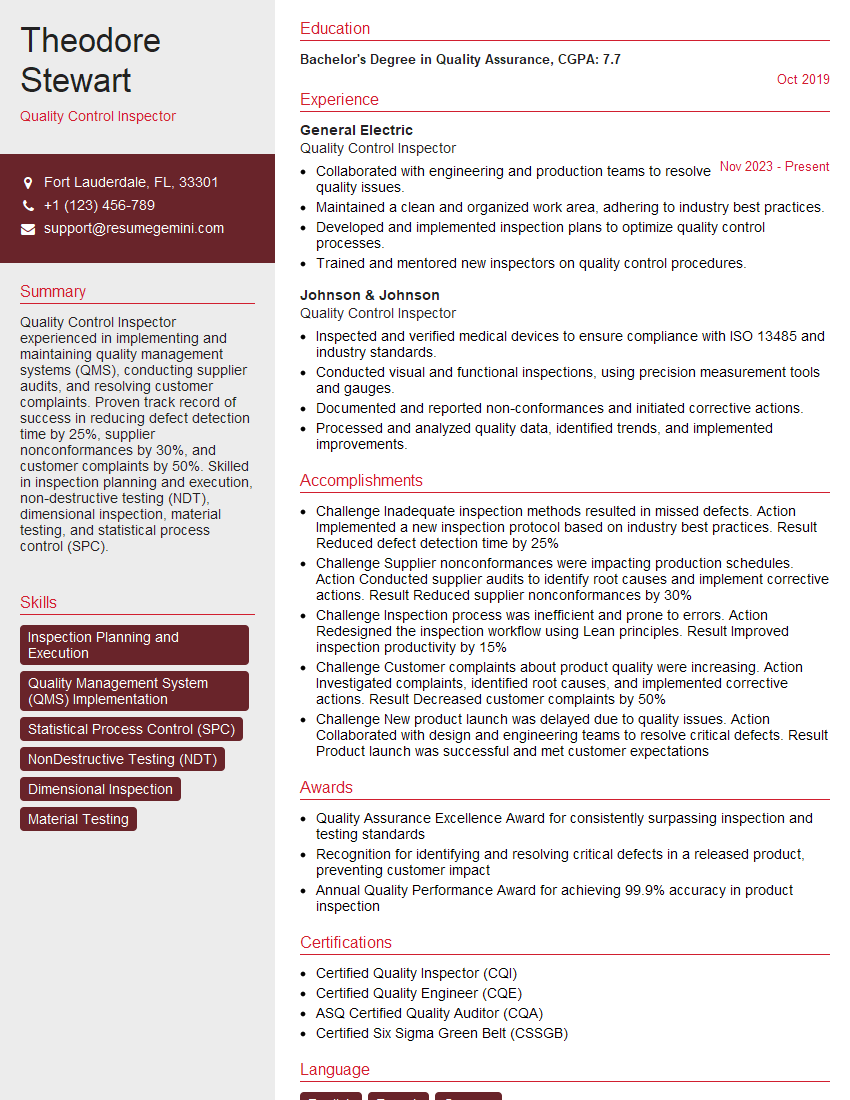
Quality Control Inspector Resume Sample
- Logistics Specialist
- Supply Chain Analyst
- Technical Trainer
- Systems Administrator
- Help Desk Analyst
- Maintenance Technician
- Technical Support Representative
- Customer Support Engineer
- Documentation Specialist
- Engineering Technician
- Field Service Engineer
- Manufacturing Engineer
- Technical Illustrator
- Aerospace Technician
- Calibration Technician
- Instructional Designer
- Technical Writer
- Repair Technician
- Aviation Maintenance Technician
- Quality Control Inspector
Explore more articles
Users Rating of Our Blogs
Share Your Experience
We value your feedback! Please rate our content and share your thoughts (optional).
What Readers Say About Our Blog
Very informative content, great job.
good