Are you ready to stand out in your next interview? Understanding and preparing for Weldment Design and Fabrication interview questions is a game-changer. In this blog, we’ve compiled key questions and expert advice to help you showcase your skills with confidence and precision. Let’s get started on your journey to acing the interview.
Questions Asked in Weldment Design and Fabrication Interview
Q 1. Explain the different types of welding processes and their applications.
Welding processes are broadly categorized by how heat is applied to join materials. Understanding the nuances of each process is crucial for selecting the right one for a specific application, considering factors like material thickness, joint type, and desired weld quality.
- Shielded Metal Arc Welding (SMAW): Also known as stick welding, this is a common process using a consumable electrode coated with flux. The flux protects the weld from atmospheric contamination. It’s versatile and portable but can be susceptible to defects if not executed properly. Example: Repairing a crack in a steel pipe in the field.
- Gas Metal Arc Welding (GMAW): Often called MIG welding, this process uses a continuous wire electrode fed automatically. A shielding gas (usually argon or CO2) protects the weld. It’s efficient for high-volume production and offers good penetration. Example: Fabricating automotive body panels.
- Gas Tungsten Arc Welding (GTAW): Better known as TIG welding, this process uses a non-consumable tungsten electrode. A shielding gas protects the weld, and filler metal is added separately. It produces high-quality welds with excellent appearance, ideal for critical applications. Example: Welding thin-walled stainless steel components in aerospace manufacturing.
- Flux-Cored Arc Welding (FCAW): Similar to MIG welding but the electrode is a tubular wire filled with flux. This process is self-shielding and ideal for outdoor applications where gas shielding is challenging. Example: Welding pipelines in remote locations.
Choosing the appropriate process involves considering factors like material compatibility, joint design, production speed, weld quality requirements, and cost-effectiveness. For instance, TIG welding is preferred for thin materials where precise control is needed, while MIG welding is efficient for thicker materials and mass production.
Q 2. Describe your experience with weldment design software (e.g., AutoCAD, SolidWorks).
My experience with weldment design software spans over 10 years, primarily using SolidWorks and AutoCAD. In SolidWorks, I’m proficient in creating detailed 3D models of weldments, defining weld parameters (bead size, length, etc.), generating accurate bill of materials (BOMs), and performing structural analysis to ensure weld integrity. I utilize SolidWorks’ weldment features extensively to simplify the modeling of complex structures by defining member sizes and automatically creating weld geometries. AutoCAD is used primarily for 2D detailing, creating fabrication drawings, including weld symbols conforming to ANSI standards, ensuring clear communication with the fabrication team.
A recent project involved designing a complex steel framework for a manufacturing plant. Using SolidWorks, I modeled the entire structure, including intricate weld joints, and performed simulations to optimize the design for strength and weight. This allowed me to identify potential stress points and adjust the design to meet specific load requirements before fabrication, minimizing costly rework.
Q 3. What are the common welding defects and how can they be prevented?
Common welding defects can significantly compromise the integrity of a weldment, leading to premature failure. Preventing these defects requires meticulous attention to detail throughout the welding process.
- Porosity: Gas pockets trapped in the weld metal, reducing strength and fatigue resistance. Prevention: Proper cleaning of base materials, using the correct shielding gas, and maintaining a stable arc.
- Undercut: A groove melted into the base material adjacent to the weld. Prevention: Correct welding technique, appropriate travel speed, and using the right welding parameters.
- Lack of Fusion: Incomplete melting and bonding between the weld metal and the base material. Prevention: Careful joint preparation, proper preheating (if required), and consistent heat input.
- Cracks: Fractures in the weld metal or heat-affected zone. Prevention: Proper material selection, preheating/post-heating, avoiding rapid cooling, and stress relief treatments.
- Spatter: Small molten metal droplets that are ejected from the weld pool. Prevention: Maintaining proper welding parameters, using the correct electrode, and good shielding gas flow.
Regular inspections using techniques like visual inspection, radiographic testing (RT), and ultrasonic testing (UT) are crucial for identifying defects and ensuring weld quality. Addressing these defects early on prevents costly repairs or failures later.
Q 4. How do you ensure the quality and safety of weldments?
Ensuring the quality and safety of weldments is paramount. It involves a multi-faceted approach that encompasses design, fabrication, inspection, and documentation.
- Design for Manufacturability (DFM): Creating designs that are easily weldable, minimizing potential defect locations and simplifying the fabrication process.
- Qualified Welders: Employing certified welders who adhere to strict procedures and possess the necessary skills and experience.
- Welding Procedure Specifications (WPS): Developing documented procedures outlining parameters like amperage, voltage, travel speed, and electrode type to ensure consistent weld quality.
- Non-Destructive Testing (NDT): Employing techniques such as visual inspection, radiography, ultrasonic testing, and magnetic particle inspection to detect internal and external flaws.
- Documentation and Traceability: Maintaining comprehensive records of all welding activities, including WPS, welder certifications, NDT results, and material certifications.
By adhering to these practices, potential hazards are minimized, and a high-quality, reliable, and safe weldment is ensured.
Q 5. Explain the importance of proper weld joint design.
Proper weld joint design is critical for achieving strong, reliable, and efficient welds. The joint design significantly influences the weld’s strength, ease of fabrication, and susceptibility to defects.
- Joint Type: Choosing the appropriate joint type (butt, lap, fillet, tee, corner) depends on factors like material thickness, accessibility, and required strength. A butt joint offers maximum strength but requires precise preparation, while a lap joint is simpler to fabricate but has lower strength.
- Joint Preparation: Proper preparation of the joint edges (beveling, grooving) is crucial for ensuring complete penetration and fusion. Insufficient preparation can lead to defects like lack of fusion or incomplete penetration.
- Weld Size: The size of the weld (leg size for fillet welds, throat thickness for butt welds) affects the weld’s strength and capacity. Oversized welds are inefficient, while undersized welds may be insufficient for the intended load.
- Access and Positioning: The design should ensure that the welder has sufficient access to the joint and that it can be welded in a suitable position (flat, horizontal, vertical, overhead).
A poorly designed joint can result in weak welds, increased fabrication time, and higher material costs. Conversely, a well-designed joint ensures a strong, efficient, and reliable weldment.
Q 6. Discuss your experience with different types of welding materials.
My experience encompasses a wide range of welding materials, including various steels, stainless steels, aluminum, and nickel alloys. Each material requires a unique approach to welding, involving careful consideration of its properties and potential challenges.
- Steel: Mild steel is commonly used for general-purpose applications and is relatively easy to weld. High-strength steels require preheating or post-heating to prevent cracking. Different grades of steel may require specialized filler materials.
- Stainless Steel: Welding stainless steel necessitates shielding from atmospheric contamination to maintain corrosion resistance. Different grades of stainless steel (austenitic, ferritic, martensitic) may require different welding techniques and filler metals.
- Aluminum: Aluminum is more challenging to weld due to its high thermal conductivity and tendency to oxidize. TIG welding is often preferred due to its precise control and ability to minimize oxidation.
- Nickel Alloys: These alloys are often used in high-temperature applications and require specialized welding techniques and filler materials to maintain their corrosion and high-temperature properties.
Material selection is crucial in weldment design, and my experience allows me to accurately determine the appropriate materials for diverse applications, considering factors such as strength, corrosion resistance, and cost-effectiveness.
Q 7. Describe your experience with weld procedures and specifications (e.g., AWS D1.1).
I possess extensive experience in developing and implementing weld procedures and specifications, primarily adhering to AWS D1.1 (Structural Welding Code – Steel). This involves a thorough understanding of the code’s requirements, including prequalification of welding procedures, welder qualification, and inspection criteria.
The process starts with developing a Welding Procedure Specification (WPS) that outlines the welding parameters and essential variables for a particular welding process, material, and joint design. This is then followed by Procedure Qualification Records (PQRs) which document the tests conducted to verify that the WPS produces acceptable welds. Only after successful PQRs are welders qualified through performance qualification tests, demonstrating their ability to consistently produce welds according to the WPS.
I’ve been involved in numerous projects where strict adherence to AWS D1.1 was critical. One particular project involved the fabrication of a large steel structure for a bridge. Developing and implementing a comprehensive WPS, ensuring welder qualification, and rigorous inspection procedures were crucial to guarantee the safety and longevity of the structure.
My experience extends beyond AWS D1.1; I am also familiar with other relevant codes and standards, allowing me to adapt my approach to the specific demands of each project.
Q 8. How do you interpret and apply welding symbols?
Welding symbols are a standardized graphical language used to communicate all the necessary information about a weld to the fabricator. They are crucial for ensuring that the weld is made correctly and consistently. Think of them as a blueprint for the weld itself, detailing everything from the type of weld to its dimensions and location.
Interpreting a welding symbol involves understanding its various components. The symbol itself is located on a baseline, with reference lines extending from it. The reference lines indicate the location of the weld on the part. The symbol itself shows the type of weld (e.g., fillet, groove, spot), the welding process (e.g., GMAW, SMAW), and the dimensions (e.g., leg size, throat size, weld reinforcement).
- Arrow Side: This side shows the weld details that apply to the member the arrow points to.
- Other Side: If the symbol is mirrored or contains additional information on the other side of the baseline, it applies to the opposite member.
- Reference Lines: Indicate the location of the weld on the drawing.
- Tail: Provides additional information, such as the weld dimensions, surface finish, and process specifications.
For example, a symbol showing a ‘V’ groove weld with a specific leg size and root opening would clearly indicate the type of weld required and its dimensions to the welder, preventing any ambiguity and ensuring consistent weld quality across multiple fabrication runs.
Q 9. Explain the principles of weldability.
Weldability refers to a material’s suitability for joining by welding. It’s not just about whether the material can be welded, but also about how easily it can be welded, the quality of the weld produced, and the overall cost-effectiveness of the process. Many factors influence weldability, making it a complex consideration in weldment design.
- Material Composition: The chemical composition of a material significantly affects weldability. High carbon steels, for instance, can be prone to cracking due to the formation of hard zones during welding. Austenitic stainless steels, on the other hand, usually weld relatively easily.
- Melting Point and Thermal Conductivity: Materials with very different melting points are difficult to weld together, as a good fusion is crucial. Thermal conductivity influences the heat distribution during the welding process, impacting the final weld quality.
- Preheating and Post-Welding Heat Treatment: These can significantly improve weldability by reducing cooling rates and stress in the material, especially with materials prone to cracking.
- Joint Design: A well-designed joint facilitates good weld penetration and reduces stress concentration. Poor design is a leading cause of weld failures.
For instance, when working with high-strength low-alloy (HSLA) steels, understanding their susceptibility to hydrogen cracking would require implementing measures such as preheating to ensure proper weldability and minimize risks.
Q 10. What are the common non-destructive testing (NDT) methods used for weldments?
Non-destructive testing (NDT) methods are crucial for evaluating the quality and integrity of weldments without causing damage. Several common methods are used, each with its strengths and applications.
- Visual Inspection (VT): This is the simplest method, involving a visual examination of the weld for surface defects such as cracks, porosity, or undercuts. VT is often the first step in NDT.
- Radiographic Testing (RT): RT uses X-rays or gamma rays to detect internal defects like porosity, slag inclusions, and cracks. The resulting image (radiograph) reveals internal structures and flaws. This is often used for critical weldments.
- Ultrasonic Testing (UT): UT utilizes high-frequency sound waves to detect both surface and internal flaws. It’s particularly effective for detecting planar defects like cracks and laminations.
- Magnetic Particle Testing (MT): MT is used for ferromagnetic materials (like steel) to detect surface and near-surface cracks. A magnetic field is induced into the material, and magnetic particles are applied; these particles accumulate at the cracks, making them visible.
- Liquid Penetrant Testing (PT): Similar to MT, PT is used to detect surface-breaking flaws. A dye is applied to the weld surface, penetrating any cracks. A developer then draws the dye out, making the cracks visible.
Choosing the appropriate NDT method depends on the material, the type of weld, and the criticality of the application. For a high-pressure pipeline, a combination of RT and UT might be necessary to guarantee integrity, while a simple visual inspection may suffice for less critical components.
Q 11. Describe your experience with robotic welding.
My experience with robotic welding includes programming, setup, and troubleshooting of robotic welding systems for various applications, including high-volume production of structural components. I’ve worked extensively with different types of robotic arms and control systems and am proficient in using programming software to create welding paths and parameters. This includes teaching the robots new welding tasks and optimizing existing programs to increase efficiency and weld quality.
A project I’m particularly proud of involved automating the welding process for a complex automotive part. By utilizing robotic welding, we significantly improved the consistency of the weld, reduced production time by 40%, and lowered the defect rate to near zero. This involved careful programming to manage the robot’s movements and weld parameters according to the specific geometry of the part and material properties. The project also highlighted the importance of robust quality control measures, even within automated processes.
Robotic welding isn’t just about automating the welding process; it’s about optimizing the entire workflow, including material handling, fixturing, and quality control.
Q 12. How do you manage weldment projects within budget and schedule constraints?
Managing weldment projects within budget and schedule constraints requires careful planning and execution. My approach involves several key strategies:
- Detailed Project Planning: Thorough planning, including accurate material estimation, labor costing, and equipment scheduling, is crucial for staying on track. This often involves creating a work breakdown structure (WBS) to break down the project into smaller, manageable tasks.
- Efficient Resource Allocation: Optimizing resource allocation – skilled welders, appropriate equipment, and materials – is essential. This could involve identifying and using the right welding techniques for the job and selecting efficient tools.
- Rigorous Quality Control: Proactive quality checks throughout the process minimize rework and delays. This includes regularly inspecting welds and implementing NDT where appropriate.
- Effective Communication: Maintaining open and transparent communication among the team, clients, and stakeholders is crucial to identify and address issues promptly.
- Change Management: A system to handle changes effectively is needed. This involves analyzing the impact of changes on the budget and schedule and obtaining approvals before implementing them.
For example, in one project, we anticipated a potential delay due to material shortages. By proactively sourcing alternative materials and communicating the situation to stakeholders, we successfully mitigated the risk without exceeding the budget.
Q 13. What are your strategies for troubleshooting welding problems?
Troubleshooting welding problems requires a systematic approach. It starts with careful observation and a thorough understanding of the welding process and the material being welded.
My troubleshooting strategy typically involves these steps:
- Identify the Problem: What exactly is wrong? Are the welds not fusing properly? Are there cracks? Are the welds too weak? Visual inspection is the first step.
- Analyze the Process: Examine the welding parameters: amperage, voltage, travel speed, and shielding gas flow. Inspect the electrode or wire for wear or defects.
- Check Material Properties: Is the material clean and free from contaminants? Are the material properties appropriate for the chosen welding process?
- Evaluate Joint Design: Is the joint design appropriate for the chosen welding process and material? Poor joint design can contribute to numerous weld defects.
- Consider External Factors: Environmental conditions, such as wind or humidity, can affect the welding process.
- NDT inspection: Conduct NDT to assess the extent of the internal defects. This helps determine the appropriate corrective action.
For instance, if I encounter excessive porosity in a weld, I would systematically check the amperage settings, shielding gas flow, and material cleanliness before concluding the cause. This systematic approach helps avoid guessing and focus on real solutions.
Q 14. Explain your understanding of different types of weld preparations.
Weld preparations are crucial for ensuring good weld penetration, minimizing stress concentrations, and achieving high-quality welds. Different weld preparations cater to various thicknesses and weld types.
- Square Butt Joint: A simple joint with the edges of the materials butted together. Suitable for thinner materials, but requires precise alignment.
- Single V-Groove: A single bevel is prepared on one of the members, creating a V-shaped groove for the weld metal to fill. Often used for thicker materials.
- Double V-Groove: A bevel is prepared on both members, forming a double V-shaped groove. Provides better penetration compared to a single V-groove.
- Single U-Groove: Similar to a single V-groove, but with a wider groove, allowing for easier access to the weld root. Often used for thicker materials where complete penetration is vital.
- Double U-Groove: Similar to a double V-groove but with wider grooves.
- J-Groove: A groove with a step shape to improve penetration and minimize weld metal volume, usually for thicker materials.
- Bevel Groove: Creates a more gradual angle transition between the materials in preparation for the weld.
The choice of weld preparation depends on factors such as material thickness, weld type, access, and cost considerations. For instance, a single V-groove might be sufficient for thinner materials, whereas a double V-groove or U-groove may be needed for thicker sections to achieve full penetration and avoid excessive weld metal deposition.
Q 15. How do you select the appropriate welding consumables?
Selecting the right welding consumables is crucial for achieving high-quality welds. The choice depends on several factors, primarily the base materials being joined, the desired weld properties (strength, toughness, corrosion resistance), and the welding process being used. Think of it like choosing the right paint for a specific surface – you wouldn’t use house paint on a car, right?
- Base Material: The chemical composition of the base metal dictates the filler metal (electrode or wire) type. For example, welding mild steel requires different consumables than stainless steel or aluminum. The wrong choice can lead to porosity, cracking, or poor metallurgical bonding.
- Welding Process: Different processes (e.g., Shielded Metal Arc Welding (SMAW), Gas Metal Arc Welding (GMAW), Gas Tungsten Arc Welding (GTAW)) require specific consumables. SMAW uses coated electrodes, GMAW uses solid or flux-cored wires, and GTAW uses non-consumable tungsten electrodes and filler wire.
- Desired Weld Properties: The application dictates the necessary weld properties. A weld for a structural component requires high strength and toughness, while a weld for a decorative application might prioritize appearance. Consumables are chosen to meet these specific requirements.
For instance, if I’m welding two pieces of 304 stainless steel using GMAW, I’d select an ER308L stainless steel filler wire to ensure a corrosion-resistant weld with good mechanical properties. If the application called for high strength, I might consider a different grade of stainless steel filler metal.
Career Expert Tips:
- Ace those interviews! Prepare effectively by reviewing the Top 50 Most Common Interview Questions on ResumeGemini.
- Navigate your job search with confidence! Explore a wide range of Career Tips on ResumeGemini. Learn about common challenges and recommendations to overcome them.
- Craft the perfect resume! Master the Art of Resume Writing with ResumeGemini’s guide. Showcase your unique qualifications and achievements effectively.
- Don’t miss out on holiday savings! Build your dream resume with ResumeGemini’s ATS optimized templates.
Q 16. Describe your experience with different types of welding fixtures.
My experience with welding fixtures is extensive. I’ve worked with a variety of fixtures, each designed for specific applications and welding processes. The choice of fixture is as critical as the selection of welding consumables; an improperly designed fixture can lead to misalignment, distortion, and ultimately, weld failures.
- Jigs: These are simpler fixtures, often used for repetitive welds, providing support and alignment. I’ve used these extensively in production runs of simple weldments.
- Clamps: Essential for securing components in place during welding, offering flexibility for various geometries. Their proper use is vital for preventing movement during the welding process.
- Welding Positioners: These robotic or manually operated devices rotate and position the workpiece, facilitating access to difficult-to-reach areas and improving weld quality. They are invaluable for large or complex weldments.
- Magnetic Fixtures: These offer rapid setup and are ideal for small to medium-sized parts. However, they may not be suitable for all materials or welding processes.
In one project, we used a custom-designed welding positioner to automate the welding of a large, complex chassis frame. The positioner ensured consistent weld quality and significantly reduced production time. In another instance, I used a simple jig and clamps to repeatedly weld small brackets to a larger assembly, maintaining high precision and repeatability. The key is selecting the appropriate fixture based on the project’s specific requirements and complexity.
Q 17. What are the safety precautions you take while performing welding operations?
Safety is paramount in welding. I always adhere to strict safety protocols, starting with proper Personal Protective Equipment (PPE). This includes a welding helmet with appropriate shade lenses to protect my eyes from arc flash, welding gloves to shield my hands from heat and sparks, and flame-resistant clothing to protect my body from burns.
- Ventilation: Welding often produces harmful fumes. I ensure adequate ventilation or use respiratory protection, especially when working in confined spaces or with materials producing toxic fumes.
- Fire Prevention: Welding involves high temperatures and sparks, creating a fire risk. I always clear the area of flammable materials and have a fire extinguisher readily available.
- Eye and Skin Protection: UV radiation from the welding arc can cause serious eye damage and skin burns. Proper PPE and adherence to safe working distances are essential.
- Electrical Safety: Welding equipment operates at high voltages. I regularly inspect equipment for damage, use appropriate grounding techniques, and avoid contact with live wires.
Before starting any welding operation, I conduct a thorough risk assessment, identifying potential hazards and implementing the necessary safety measures. Safety isn’t just a checklist; it’s a mindset and a commitment to protecting myself and others.
Q 18. How do you ensure the accuracy and precision of weldments?
Ensuring accuracy and precision in weldments involves a multi-faceted approach that begins even before the welding starts. It’s about meticulous planning and execution.
- Accurate Design and Drawings: Precise engineering drawings and 3D models form the foundation of any accurate weldment. These provide exact dimensions and weld specifications.
- Proper Fixturing: As discussed earlier, appropriate fixtures are crucial for holding the components in place during welding, preventing misalignment and distortion.
- Precise Measurement and Alignment: Before welding, I meticulously check the alignment of components using various measuring tools, ensuring they are perfectly positioned according to the design.
- Qualified Welders: Skilled and certified welders are essential for producing high-quality welds. Their expertise ensures proper weld techniques are followed.
- Post-Weld Inspection: Non-destructive testing (NDT) methods, such as visual inspection, radiography, or ultrasonic testing, are employed to verify the quality of the weld and detect any defects.
For instance, in a recent project involving a complex robotic arm, we used a laser tracker to precisely measure and align the components before welding, ensuring the final assembly met the stringent accuracy requirements.
Q 19. What are your experience with different types of weld inspection methods?
My experience encompasses a range of weld inspection methods, each with its strengths and weaknesses. The choice of method depends on the weld type, material, and required level of inspection.
- Visual Inspection (VT): This is the most basic and widely used method, involving visual examination of the weld for surface defects like cracks, porosity, or undercutting. It’s a quick and cost-effective initial screening.
- Radiographic Testing (RT): This uses X-rays or gamma rays to detect internal flaws like cracks, porosity, and inclusions. It’s powerful but requires specialized equipment and trained personnel.
- Ultrasonic Testing (UT): This uses high-frequency sound waves to detect internal flaws. It’s a versatile method suitable for various materials and weld types.
- Liquid Penetrant Testing (PT): This method detects surface-breaking defects by applying a dye that penetrates the crack and is then revealed using a developer. It’s useful for detecting fine cracks.
- Magnetic Particle Testing (MT): This method detects surface and near-surface flaws in ferromagnetic materials by applying a magnetic field and then scattering magnetic particles over the surface. The particles accumulate at the flaw.
I’ve used a combination of VT, UT, and RT on several projects, selecting the appropriate methods based on the criticality of the weld and the potential consequences of failure. For instance, in a pressure vessel application, radiographic testing was crucial to ensure the absence of any internal flaws.
Q 20. Discuss your knowledge of different types of weld metal properties.
Understanding weld metal properties is crucial for ensuring the final product meets its intended application requirements. The properties are influenced by factors such as the base metal, filler metal, welding process, and heat input.
- Tensile Strength: This measures the weld’s ability to withstand pulling forces before fracture. Higher tensile strength is desirable for structural applications.
- Yield Strength: This indicates the stress at which the weld begins to deform permanently. A higher yield strength is crucial for applications where deformation is unacceptable.
- Ductility: This measures the weld’s ability to deform plastically before fracture. Good ductility is desirable to prevent brittle fracture.
- Toughness: This refers to the weld’s ability to absorb energy before fracture, especially at low temperatures. It’s critical for applications involving impact loads or low-temperature operation.
- Hardness: This indicates the resistance to indentation or scratching. Hardness can be desirable for wear resistance but may compromise ductility.
- Corrosion Resistance: This is particularly important for welds in corrosive environments, requiring specific filler metals to match or exceed the corrosion resistance of the base metal.
For example, in a marine application, the weld metal must exhibit excellent corrosion resistance, often necessitating the use of stainless steel filler metals. In a high-stress structural application, high tensile strength and toughness are paramount.
Q 21. Explain your knowledge of different types of heat treatments.
Heat treatments are applied to weldments to modify their microstructure and consequently their mechanical properties. The type of heat treatment depends on the base material, the weld metal, and the desired properties.
- Stress Relief Annealing: This process reduces residual stresses caused by welding. It’s often applied to large, complex weldments to prevent cracking or distortion.
- Solution Annealing: This heat treatment is commonly used for aluminum and stainless steel to dissolve precipitates and increase ductility.
- Precipitation Hardening: This involves heating and cooling the weldment to form precipitates that enhance strength and hardness.
- Normalizing: This is a heat treatment used to refine the grain structure of the weld metal, improving its mechanical properties.
- Tempering: This reduces the hardness and brittleness of a previously hardened weldment, improving its toughness.
The choice of heat treatment is often determined through metallurgical analysis to ensure the best combination of strength, ductility, and toughness. For example, stress relief annealing might be applied to a large steel structure after welding to minimize the risk of distortion and subsequent failure. Incorrect heat treatment can negatively affect the weld’s properties, so it must be performed by trained personnel.
Q 22. What are the different types of welding electrodes and their applications?
Welding electrodes are the consumable rods used in Shielded Metal Arc Welding (SMAW), commonly known as stick welding. The type of electrode you choose significantly impacts the weld’s properties and suitability for the application. They are categorized primarily by their coating type, which dictates the shielding gas composition, weld bead characteristics, and the base metal they can join.
- E6010/E6011: These are general-purpose electrodes known for their deep penetration and ability to weld in all positions, even overhead. The E6011 is slightly more versatile due to its ability to be used on rusty or slightly dirty metals. Ideal for outdoor projects where quick welds are important.
- E7018: This low-hydrogen electrode produces high-quality welds with excellent mechanical properties. Often used for critical applications where strength and toughness are paramount, such as pressure vessels or structural steel. Requires pre-heating to prevent cracking in colder climates.
- Stainless Steel Electrodes (e.g., 308L): Used specifically for joining stainless steel components. Choosing the correct electrode is crucial to prevent corrosion and maintain the corrosion resistance of the stainless steel.
- Cast Iron Electrodes: These electrodes are designed for the specific challenges of welding cast iron, such as its brittle nature and tendency to crack. They often contain alloying elements to match the composition of the base metal.
Choosing the wrong electrode can lead to porosity, cracking, or welds that don’t meet the required specifications. For example, using an E6010 electrode on a critical pressure vessel would be inappropriate due to its lower quality compared to an E7018.
Q 23. How do you deal with distortion in weldments?
Weld distortion, the warping or deformation of the metal during welding, is a common challenge. Minimizing it requires a multi-pronged approach, combining careful planning and skilled execution.
- Preheating: Preheating the base metal reduces the temperature gradient during welding, lessening the tendency to warp. This is especially crucial with thicker sections or high-strength steels.
- Welding Sequence: The order in which you make welds is critical. A well-planned sequence can counterbalance shrinkage forces and minimize overall distortion. Often, a pattern of short welds alternating sides is used.
- Tack Welding: Using tack welds to lightly join the components before full welding helps to maintain their alignment and control distortion. Think of tack welds as small temporary anchors.
- Fixturing: Employing jigs, clamps, or fixtures during welding holds the pieces securely in their intended positions, preventing movement and distortion during the welding process. A robust fixture is essential for complex geometries.
- Post-Weld Straightening: In some cases, minor distortion may require post-weld straightening using methods like hammering or press straightening. This should be done carefully to avoid introducing new stresses or damage.
Imagine welding a large square frame; welding one side fully before another will cause the frame to distort. A better approach would be to tack all four corners, then make short welds on opposite sides, alternating, minimizing warping.
Q 24. Explain the importance of maintaining accurate welding records.
Maintaining accurate welding records is crucial for several reasons, all related to quality control, traceability, and legal compliance.
- Quality Assurance: Records document the welding parameters (current, voltage, travel speed), electrode type, preheat temperature, and post-weld heat treatment. This allows for identifying trends and issues which improve quality and consistency across the welds.
- Traceability: If a problem arises later, the records provide crucial information to determine the root cause, allowing for corrective action. It becomes possible to trace back the entire history of a particular weld.
- Legal Compliance: Many industries (e.g., aerospace, construction) have strict regulations governing welding procedures and record-keeping. Detailed records are needed to demonstrate compliance and avoid legal issues. In case of an accident or failure, well-maintained records can be invaluable in incident investigations.
- Process Improvement: Analyzing welding records can help optimize procedures and reduce waste. For example, by analyzing data, you might find a specific welder’s welds consistently exceed strength requirements. This knowledge is beneficial for streamlining practices.
Imagine a bridge failing. Accurate welding records are not just helpful, they’re essential to understanding why, preventing future failures and holding responsible parties accountable.
Q 25. Describe your experience with different types of welding power sources.
My experience encompasses various welding power sources, each with its strengths and weaknesses:
- Constant Current (CC) Power Sources: These maintain a consistent current regardless of arc length. They’re well-suited for SMAW (stick welding) where arc length fluctuates naturally. They provide a more stable arc for beginners and are more forgiving of poor technique.
- Constant Voltage (CV) Power Sources: These maintain a consistent voltage, making them ideal for Gas Metal Arc Welding (GMAW) and Gas Tungsten Arc Welding (GTAW), as they allow for greater control over penetration and bead shape. Requires more skill to operate efficiently.
- Multi-Process Machines: I’ve worked extensively with multi-process machines capable of handling multiple welding processes (e.g., SMAW, GMAW, FCAW). These are versatile and cost-effective but may require more expertise to operate effectively across all processes.
- Inverter-Based Power Sources: These advanced power sources use modern inverter technology, resulting in lighter weight, higher efficiency, and superior arc characteristics compared to older transformer-based machines.
For example, in a large-scale project, the choice between a multi-process machine and several specialized machines often comes down to factors like budget, worker skill levels, and the diversity of welding tasks involved. Each situation demands an appropriate decision.
Q 26. How do you create a bill of materials for a weldment?
Creating a bill of materials (BOM) for a weldment involves a systematic approach:
- Part Identification: List each unique part needed, including base materials (e.g., steel plates, tubes, channels) and any additional components (e.g., fasteners, shims).
- Material Specifications: Specify the material type (e.g., A36 steel, stainless steel 304) and its dimensions (length, width, thickness). Include grade information where necessary.
- Quantity: Indicate the quantity of each part required for the weldment assembly.
- Part Numbers: Assign unique part numbers for easy identification and tracking within the manufacturing process.
- Supplier Information (Optional): If applicable, include the supplier’s name and contact information for each part.
- Drawing References: Include cross-references to relevant engineering drawings or CAD models.
A typical BOM entry might look like this: Part Number: WM-1001, Description: Steel Plate, Material: A36 Steel, Dimensions: 12" x 18" x 1/4", Quantity: 2. Software like SolidWorks or AutoCAD can greatly simplify the BOM creation and management.
Q 27. What is your experience with designing for manufacturability in weldments?
Designing for manufacturability (DFM) in weldments focuses on creating designs that are efficient, cost-effective, and easy to manufacture. This involves considering various factors during the design phase:
- Weld Joint Design: Selecting appropriate weld joints (e.g., butt, fillet, lap) that are easy to access and weld. Avoid complex geometries that require extensive fixturing or specialized welding techniques.
- Material Selection: Choosing materials that are readily available, weldable, and cost-effective. Considering factors like material thickness, weldability, and strength requirements.
- Tolerances: Setting realistic tolerances that account for the variability inherent in welding. Avoid overly tight tolerances that could increase manufacturing costs and difficulties.
- Accessibility: Designing parts that allow easy access for welding. Avoid enclosed areas or difficult-to-reach locations that increase welding time and complexity.
- Assembly Considerations: Considering how the individual components will be assembled and joined during the manufacturing process. Designing for efficient assembly minimizes overall costs and fabrication time.
For example, a design with many complex, hard-to-reach welds would be more expensive to produce than a design that prioritizes simplicity in weldment design, even if the final product achieves the same mechanical outcome.
Q 28. Explain how you manage a team of welders and fabrication technicians.
Managing a team of welders and fabrication technicians requires strong leadership, communication, and technical expertise. My approach focuses on several key areas:
- Clear Communication: Maintaining open and consistent communication ensures everyone understands project goals, timelines, and safety procedures. Regular team meetings and one-on-one check-ins are crucial.
- Delegation and Empowerment: Assigning tasks according to individual skillsets and empowering team members to take ownership of their work fosters autonomy and motivation.
- Safety First: Prioritizing safety is paramount. Enforcing strict adherence to safety protocols, providing regular safety training, and ensuring appropriate personal protective equipment (PPE) is readily available are non-negotiable.
- Technical Guidance and Training: Providing ongoing technical support, mentoring junior team members, and offering opportunities for professional development enhances skills and overall team performance.
- Performance Monitoring and Feedback: Regularly monitoring team performance, providing constructive feedback, and addressing issues promptly ensures that the team operates efficiently and consistently achieves high-quality results.
I believe in a collaborative approach where team members are seen as partners. Open communication, mutual respect, and a focus on continuous improvement creates a positive and productive work environment. I always aim to create a team spirit, where everyone feels valued and their contribution is recognized.
Key Topics to Learn for Your Weldment Design and Fabrication Interview
- Understanding Weld Joint Design: Explore different weld joint types (butt, fillet, lap, etc.), their strengths, weaknesses, and suitability for various applications. Consider factors like stress concentration and fatigue life.
- Material Selection and Properties: Learn how material properties (strength, ductility, weldability) influence weld design and fabrication processes. Understand the implications of choosing different base metals and filler materials.
- Welding Processes: Familiarize yourself with common welding processes (e.g., MIG, TIG, SMAW) and their advantages and limitations in relation to different materials and joint designs. Be prepared to discuss process parameters and quality control.
- Fabrication Techniques and Sequencing: Understand the practical aspects of fabrication, including assembly techniques, fixturing, and the importance of proper weld sequence to minimize distortion and ensure dimensional accuracy.
- Weld Inspection and Quality Control: Learn about various non-destructive testing (NDT) methods used to ensure weld quality (visual inspection, radiography, ultrasonic testing). Understand the importance of adhering to relevant codes and standards (e.g., AWS D1.1).
- CAD Software Proficiency: Demonstrate your skills in using relevant CAD software (SolidWorks, AutoCAD, Inventor) for weldment design and detailing. Be prepared to discuss your experience with creating detailed drawings and models.
- Problem-Solving and Troubleshooting: Be ready to discuss past experiences where you had to solve problems related to weld design or fabrication. Highlight your analytical skills and ability to identify and address potential issues proactively.
Next Steps
Mastering Weldment Design and Fabrication opens doors to exciting career opportunities in various industries, offering excellent growth potential and competitive salaries. To maximize your job prospects, it’s crucial to present your skills effectively. Creating an ATS-friendly resume is key to getting your application noticed by recruiters. We highly recommend using ResumeGemini to build a professional and impactful resume that highlights your expertise in Weldment Design and Fabrication. ResumeGemini provides tools and resources to craft a resume that stands out, and we even have examples specifically tailored to this field. Take the next step towards your dream career today!

Welding Engineer Resume Sample

Welding Instructor Resume Sample
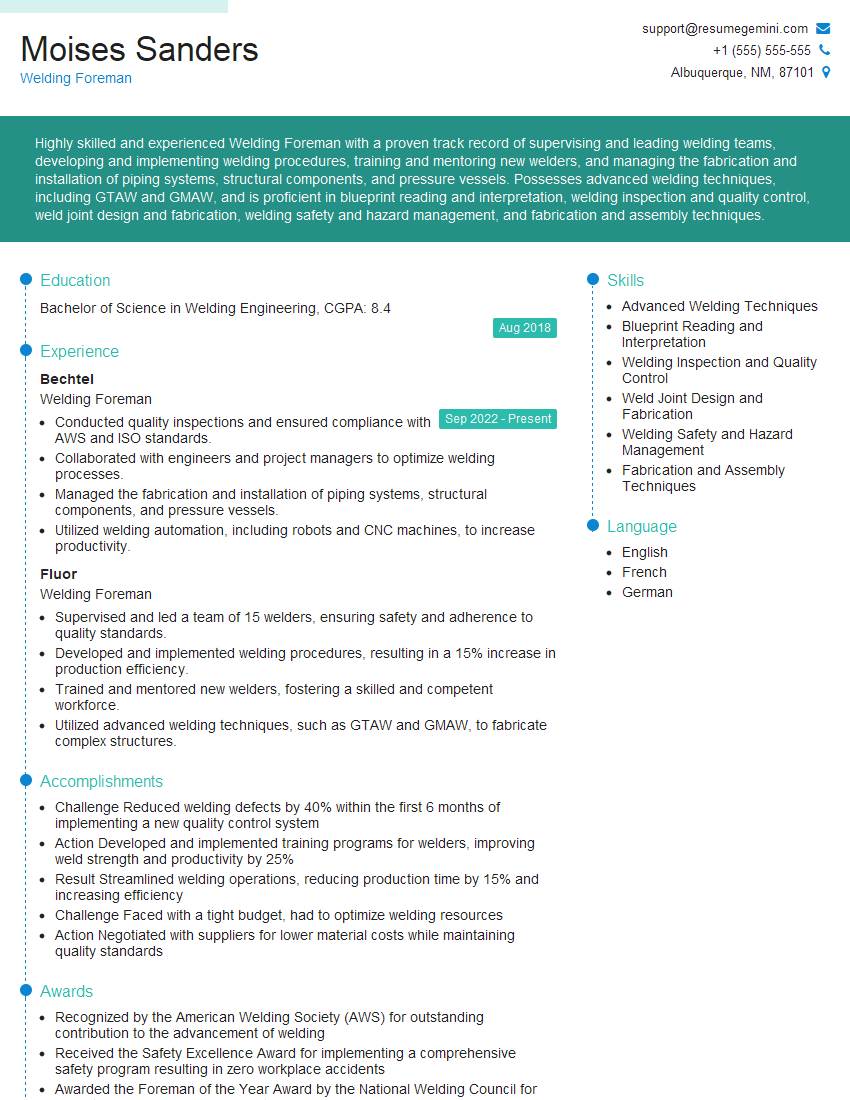
Welding Foreman Resume Sample
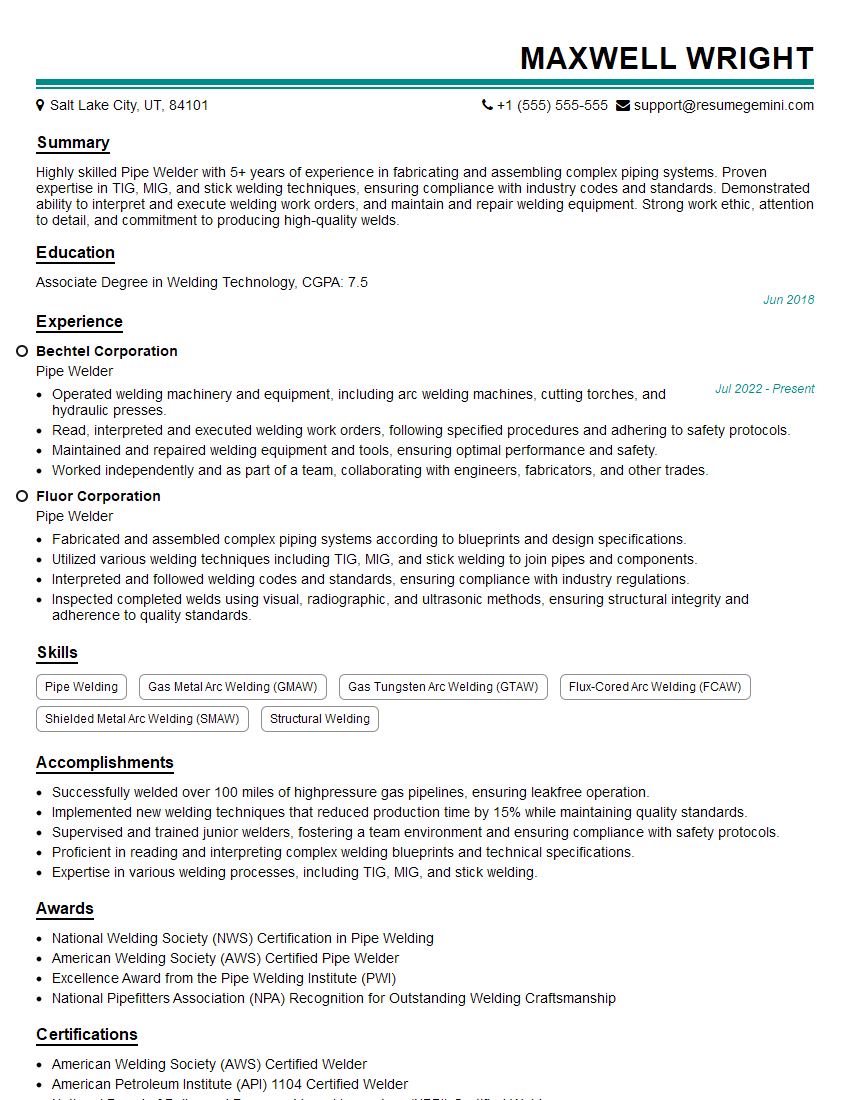
Pipe Welder Resume Sample
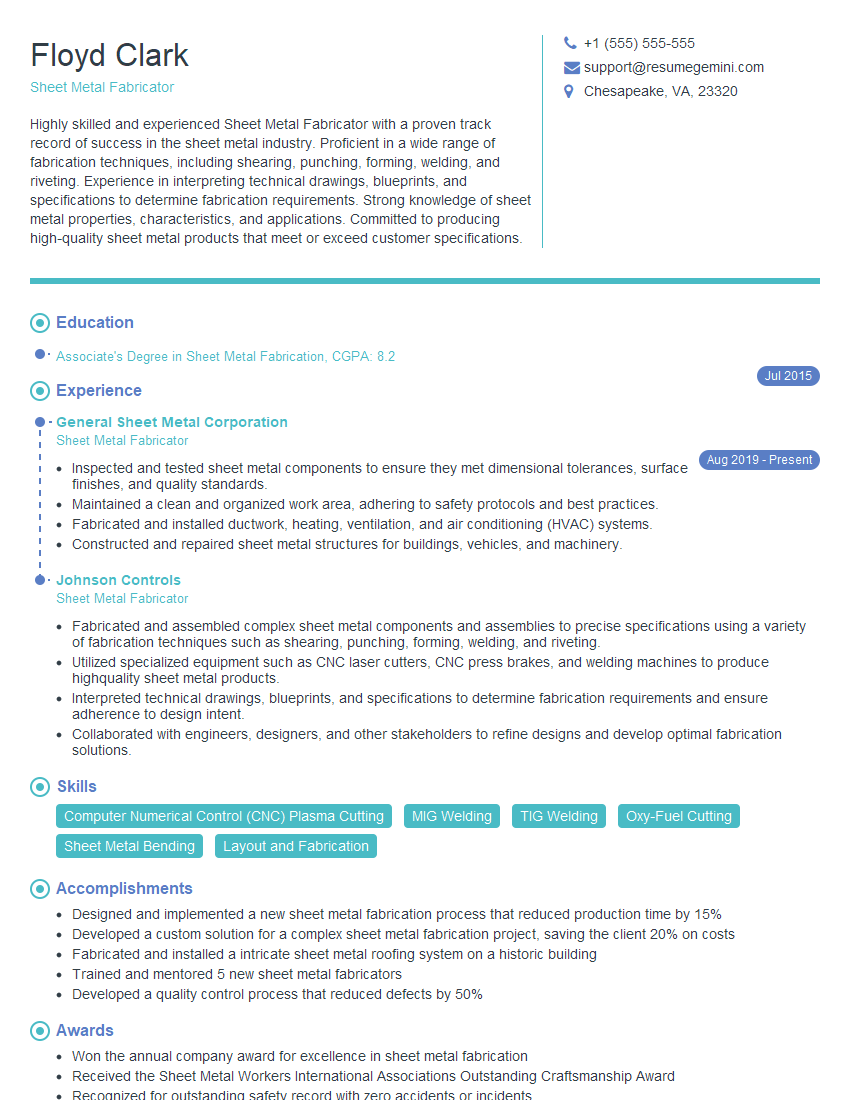
Sheet Metal Fabricator Resume Sample
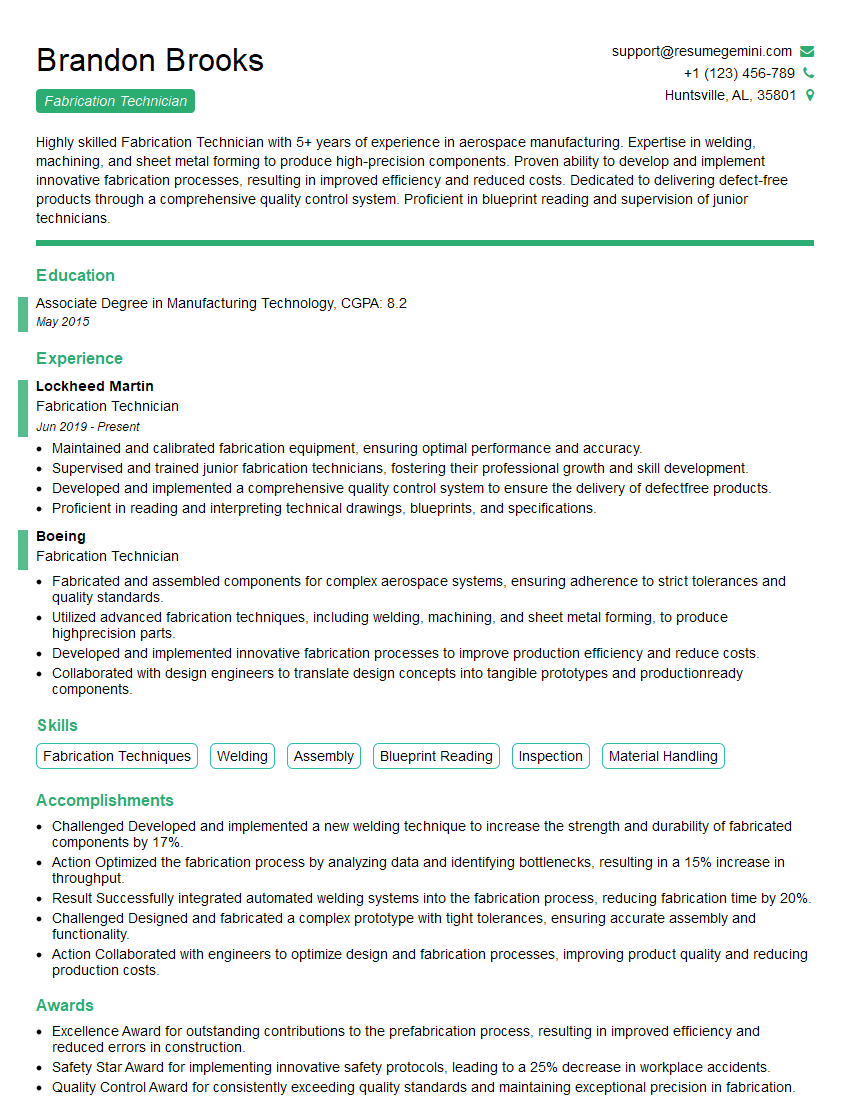
Fabrication Technician Resume Sample
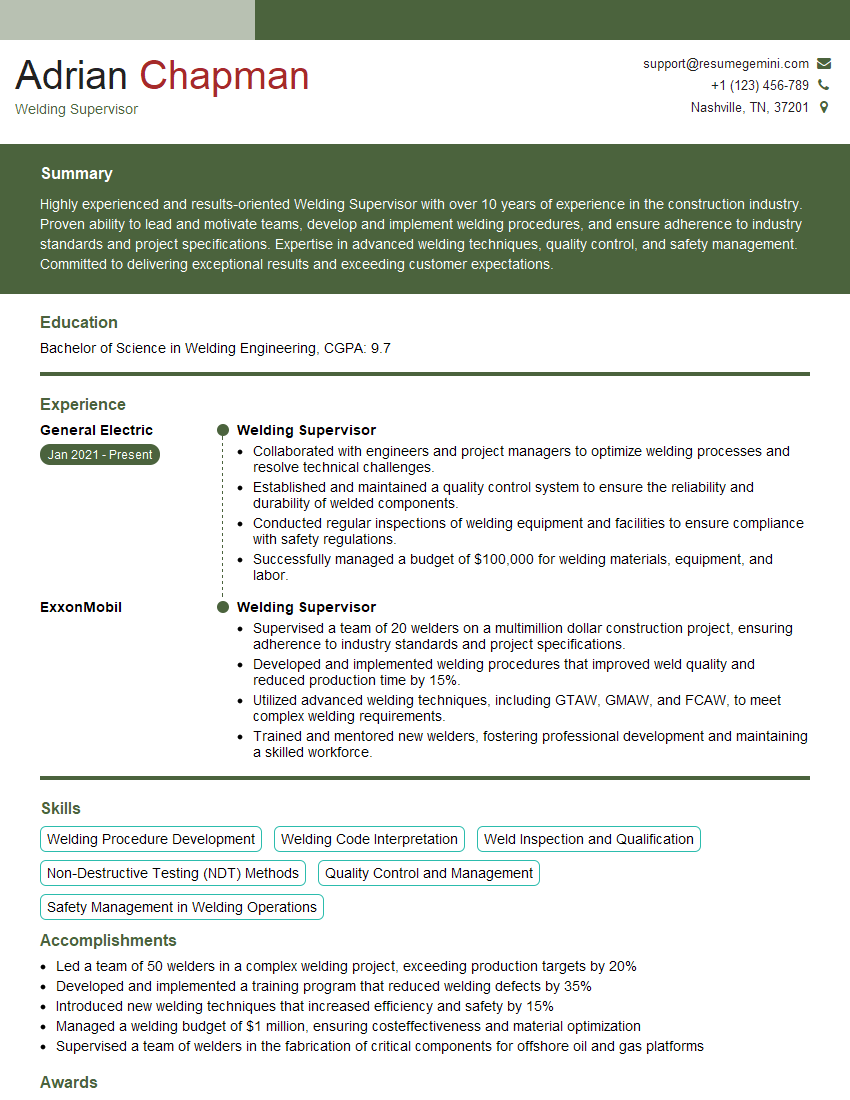
Welding Supervisor Resume Sample
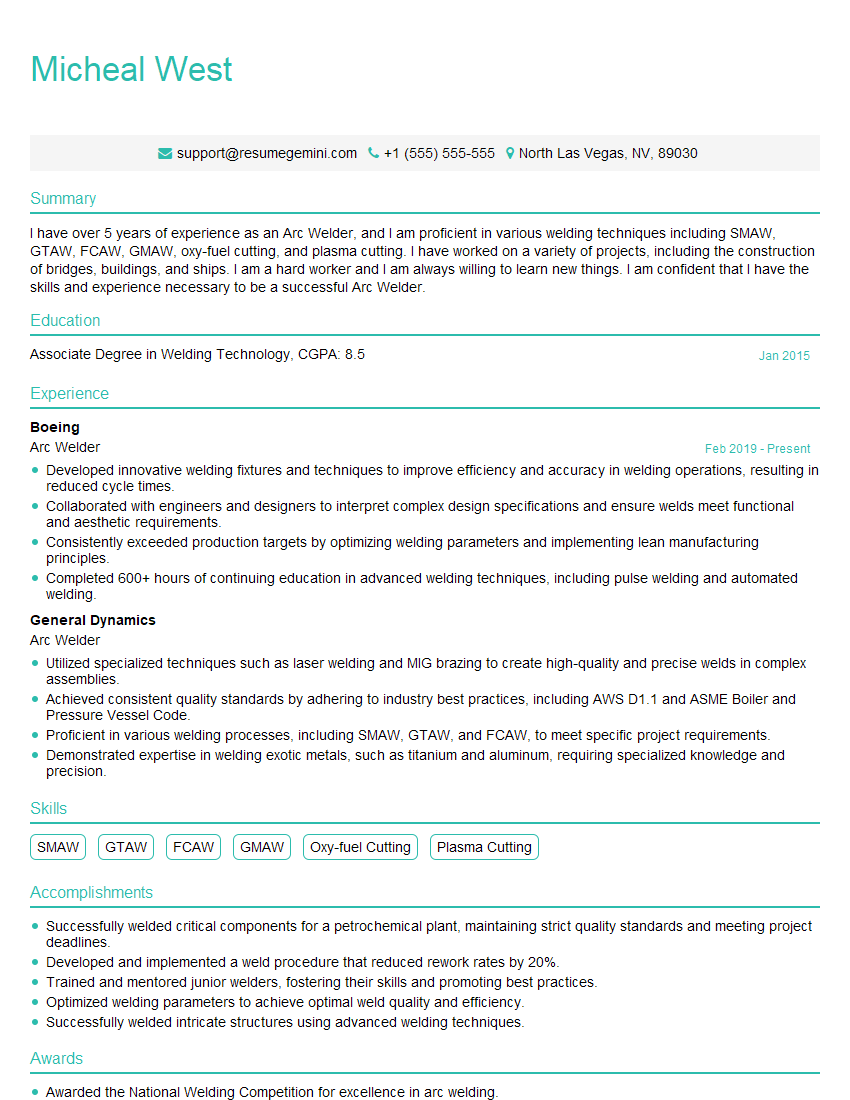
Arc Welder Resume Sample
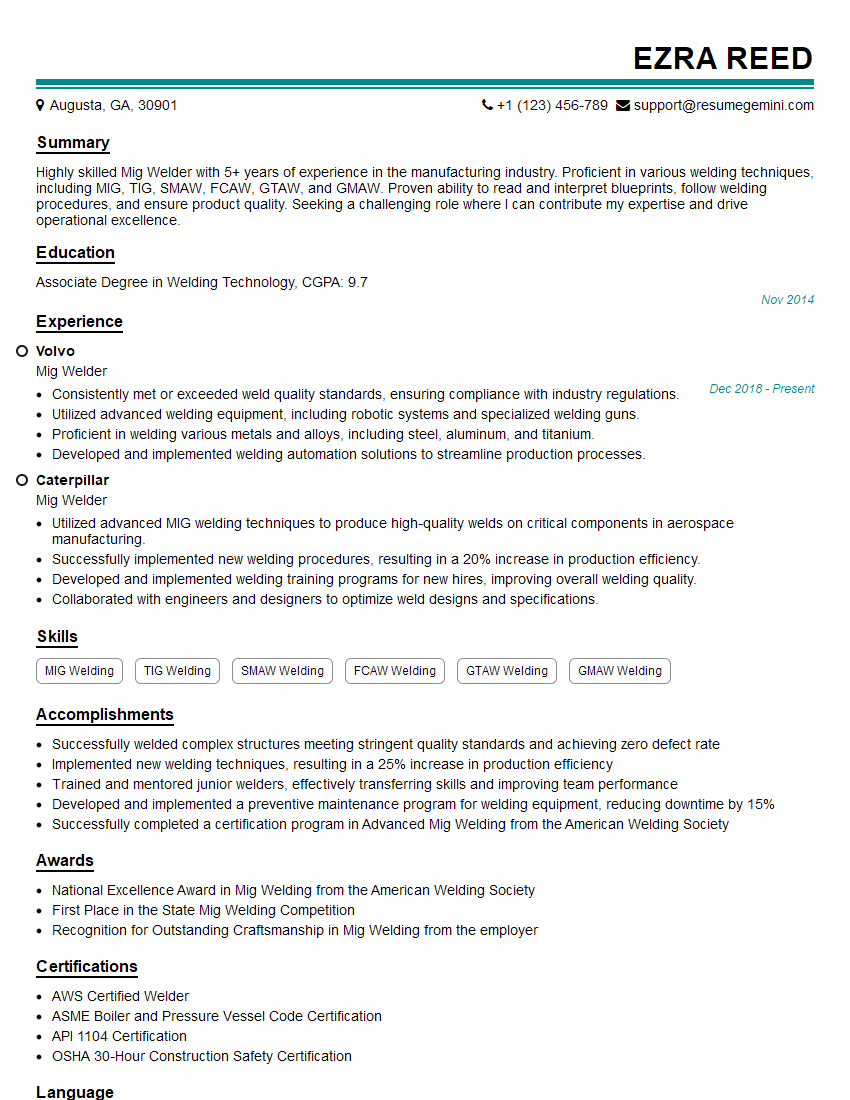
Mig Welder Resume Sample
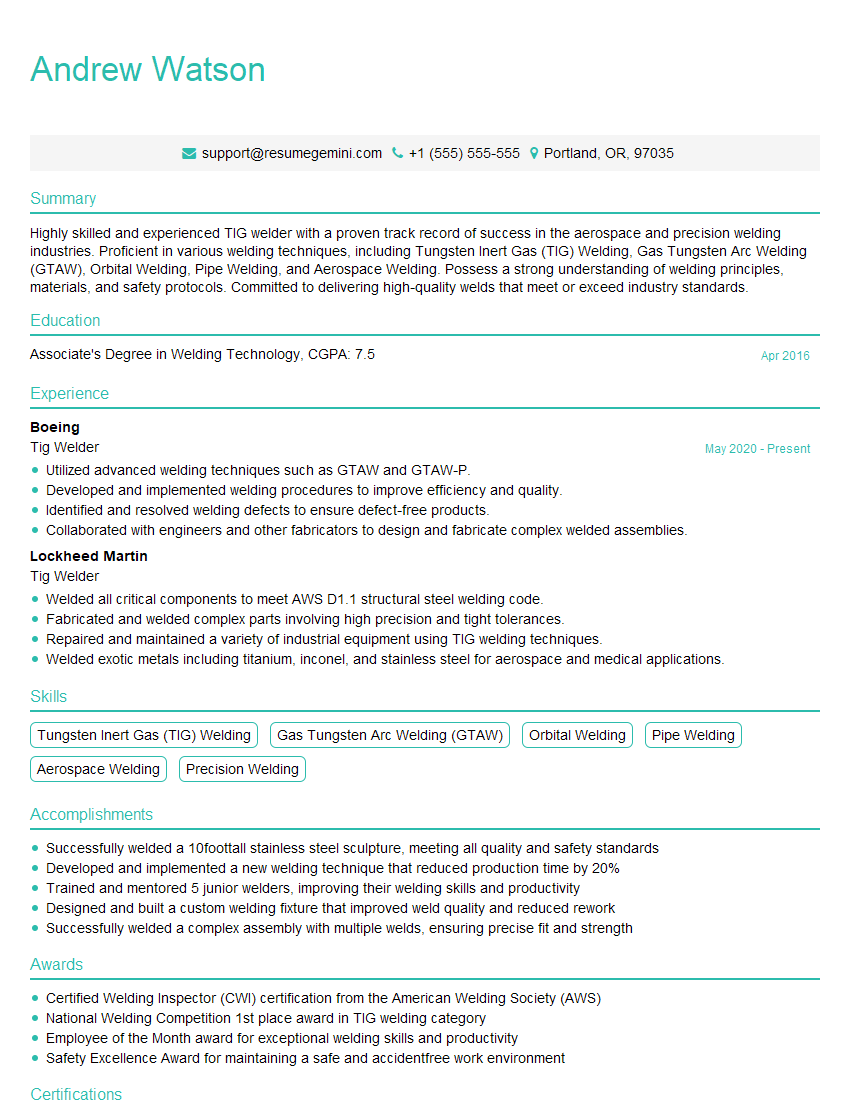
Tig Welder Resume Sample
Explore more articles
Users Rating of Our Blogs
Share Your Experience
We value your feedback! Please rate our content and share your thoughts (optional).
What Readers Say About Our Blog
Very informative content, great job.
good