Feeling uncertain about what to expect in your upcoming interview? We’ve got you covered! This blog highlights the most important Technical Theatre Equipment Operation interview questions and provides actionable advice to help you stand out as the ideal candidate. Let’s pave the way for your success.
Questions Asked in Technical Theatre Equipment Operation Interview
Q 1. Describe your experience with different types of stage lighting instruments (e.g., LED, incandescent, moving lights).
My experience with stage lighting spans a wide range of technologies, from traditional incandescent fixtures to the latest LED and moving light systems. Incandescent lights, while becoming less common due to their high heat output and energy consumption, offer a warm, soft light that’s still valuable for certain applications, particularly when a specific color temperature is needed without the complexities of gels. I’ve extensively used ellipsoidal reflectors (lekos) for sharp, focused beams ideal for highlighting actors or specific scenic elements. These often require the use of gobo (templates) to project patterns.
LED lighting has revolutionized the industry with its energy efficiency, long lifespan, and color-mixing capabilities. I’m proficient in using various LED pars (parabolic aluminized reflector) and profiles, utilizing their color-mixing features for subtle and dramatic effects. I’ve worked with both traditional DMX-controlled LEDs and those with built-in functionalities like wireless control and automated color changes.
Moving lights, such as automated spots and washes, are a critical part of my skillset. I’m experienced with programming these lights using consoles like MA Lighting grandMA2 and ETC Gio. This includes manipulating pan and tilt, gobos, color, and other effects to create dynamic and exciting lighting designs. My experience encompasses troubleshooting issues, such as lamp replacement (for discharge lamps) and ensuring proper DMX addressing and configuration.
Q 2. Explain the process of focusing a Fresnel lens.
Focusing a Fresnel lens is a crucial step in achieving the desired beam spread and intensity. Fresnels, with their characteristic soft-edged beam, are versatile fixtures often used for wash lighting. The process begins by aiming the fixture at the target area. You then adjust the focus knob, typically located on the back of the fixture.
Turning the knob clockwise typically narrows the beam, creating a more concentrated and intense light. Counter-clockwise rotation widens the beam, resulting in a softer wash. The ideal focus point is achieved by observing the edge of the beam—a properly focused Fresnel will show a smooth, even transition between light and shadow. The goal is to achieve a soft, even wash without harsh hotspots or overly diffused light. You’ll frequently fine-tune this based on distance and desired coverage area; a wider beam is needed for further distances or larger areas to be lit.
Q 3. How do you troubleshoot a dimmer pack failure?
Troubleshooting a dimmer pack failure requires a systematic approach. First, I’d check the obvious—are the breakers tripped? Is the dimmer pack receiving power? A simple visual inspection for loose connections or burned components is next. Use a multimeter to check voltage levels and continuity at various points in the dimmer rack’s circuitry.
If the problem persists, I would systematically isolate the faulty dimmer channel. Many dimmer packs have individual channel monitoring, allowing for easy identification of which channel is malfunctioning. This often requires referencing the dimmer pack’s manual and potentially contacting the manufacturer or a qualified technician for support, especially if the issue involves internal components requiring specialized knowledge and safety precautions. A thorough knowledge of electrical safety protocols is paramount when working with dimmer packs due to the high voltage involved. Recording the steps and findings in a log helps avoid repetitive troubleshooting and facilitates swift resolution in future issues.
Q 4. What are the safety procedures for working at heights on a rigging system?
Safety when working at heights on a rigging system is paramount. I strictly adhere to a multi-layered approach, starting with proper training and certification in relevant safety standards (such as OSHA guidelines). This training covers various aspects, including the correct use of fall protection equipment and safe work practices.
Before beginning any work, a thorough inspection of the rigging system is essential—checking for any signs of wear, tear, or damage. All equipment must be properly rated for the weight being lifted. When working at height, I will always use a full-body harness properly connected to an appropriate anchor point, ideally an independent safety line. A spotter is crucial for any high-work task, providing additional oversight and assistance. Clear communication and awareness of the surroundings, including other crew members, is also vital for ensuring a safe and productive work environment. Finally, documentation of all safety checks and procedures is a must, both for compliance and accident prevention.
Q 5. Describe your experience with various audio consoles and mixing techniques.
My audio console experience includes both analog and digital consoles, ranging from smaller Yamaha MG series mixers to larger digital consoles such as Soundcraft Vi Series and Avid VENUE. I’m familiar with various mixing techniques including EQ (equalization), compression, gating, and reverb to sculpt the sound appropriately for the performance.
I’m proficient in setting up microphone inputs, routing signals, and adjusting levels for different instruments and vocalists. I understand the importance of signal flow and audio routing, ensuring a clean and balanced mix. I’m experienced with both live sound reinforcement for theatrical productions and recording sessions, adapting my mixing techniques depending on the context. This includes utilizing various effects processing and working within the limitations of different venues.
Q 6. How do you troubleshoot microphone feedback?
Microphone feedback is that piercing, high-pitched squeal caused by a positive feedback loop between the microphone and the loudspeakers. Troubleshooting involves systematically reducing the gain in the audio chain, starting with the microphone preamplifier. Sometimes, lowering the main output volume can help significantly.
Careful microphone placement is crucial—minimizing the proximity of the microphone to loudspeakers is essential. This might involve repositioning the microphones, using directional microphones (cardioid or supercardioid) to reject sound from the sides and rear, and employing EQ to reduce frequencies prone to feedback (typically in the mid-range). Properly positioned sound absorption panels can also mitigate the problem. If the feedback persists, more precise EQ adjustments, such as narrow notch filters, might be necessary to target specific feedback frequencies. If you’re struggling, you may need to consider a different microphone or speaker placement entirely.
Q 7. What are the different types of microphones and their applications?
Microphones are classified based on their transduction principle (how they convert sound to electrical signals) and polar pattern (their sensitivity to sound from different directions). Dynamic microphones, robust and reliable, are ideal for loud sound sources like drums and amplifiers due to their high SPL (Sound Pressure Level) handling capability.
Condenser microphones, more sensitive and delicate, capture nuances of sound, making them suitable for vocals and acoustic instruments. Their sensitivity comes at the cost of SPL handling, rendering them vulnerable to distortion under excessively loud sounds. Polar patterns include cardioid (heart-shaped, best for minimizing background noise), omnidirectional (sensitive to sound from all directions, best for capturing ambiance), and figure-eight (sensitive to sound from front and back). Choosing the right microphone depends on the specific application—a cardioid dynamic microphone is commonly used for vocals in live performances while a condenser microphone with a cardioid pattern is preferred for studio recording.
Q 8. Explain your experience with sound reinforcement systems and their components.
Sound reinforcement systems amplify and distribute audio throughout a performance space. My experience encompasses the entire system, from microphones and mixers to amplifiers and speakers. I’m proficient in setting up and troubleshooting various configurations, including those with multiple microphones (e.g., for a band or musical), line-level inputs (e.g., from CD players or computers), and wireless microphone systems. I understand the importance of proper microphone technique to avoid feedback and ensure clear audio. For example, I’ve worked on productions where we used a combination of lavalier mics for actors, boom mics for coverage, and instrument mics for a live band, all meticulously balanced through a digital mixing console. I’m also experienced with signal processing (EQ, compression, reverb, delay) to optimize sound quality and adjust for the unique acoustics of each venue. Finally, loudspeaker placement is crucial; I carefully consider factors like room size, audience location, and desired sound dispersion to achieve optimal coverage and minimize unwanted reflections.
- Microphones: Dynamic, condenser, lavalier, shotgun, boundary mics.
- Mixers: Analog and digital consoles, understanding of gain staging and signal flow.
- Amplifiers: Power amplifiers, impedance matching, understanding of wattage and speaker load.
- Speakers: Full-range, subwoofers, line array systems, speaker placement and coverage patterns.
- Signal Processing: Equalization, compression, reverb, delay, gate, noise reduction.
Q 9. Describe your experience with different types of theatrical rigging systems.
My experience with theatrical rigging systems includes both counterweight and automated systems. Counterweight systems rely on a system of ropes, pulleys, and counterweights to raise and lower scenery. I understand the importance of proper weight distribution, rope lacing, and safety procedures associated with this system. I’ve worked extensively with both single- and double-purchase counterweight systems, understanding how to calculate the required counterweight for a given load and how to safely operate the system. Automated systems, such as electric chain hoists and motorized fly bars, offer more precise control and speed, reducing the need for manual labor. For instance, I’ve programmed and operated various types of electric chain hoists to execute complex cue sequences, ensuring smooth and safe movement of scenery and lighting. I’m also familiar with different types of rigging hardware, including shackles, clamps, and safety cables, knowing when and how to properly use each component. Safety is paramount in all rigging operations and I’ve always ensured systems are properly inspected and maintained according to safety regulations.
- Counterweight Systems: Single-purchase, double-purchase, load calculations, rope lacing.
- Automated Systems: Electric chain hoists, motorized fly bars, programming and operation, safety protocols.
- Rigging Hardware: Shackles, clamps, safety cables, load cells.
Q 10. What safety procedures are essential when working with counterweights and fly systems?
Safety is paramount when working with counterweights and fly systems. Essential procedures include:
- Regular Inspections: Rigging systems should be thoroughly inspected before each use, checking for any signs of wear, tear, or damage to ropes, cables, pulleys, and other components.
- Lockout/Tagout Procedures: These procedures are essential to prevent accidental movement of the system while maintenance or repairs are being performed.
- Weight Calculations: Accurate weight calculations are crucial to prevent overloading the system. The total weight of the scenery, including the batten itself, must be accurately determined and balanced with the counterweights.
- Designated Personnel: Only trained and authorized personnel should operate the fly system. Clear communication and hand signals are crucial during operation.
- Emergency Stops: The location and operation of emergency stops must be known by all personnel. These should be readily accessible in case of a malfunction or emergency.
- Personal Protective Equipment (PPE): Appropriate PPE, such as hard hats and safety glasses, should be worn at all times in the fly loft.
- Never Underload: Underloading the counterweights can be as dangerous as overloading as it can lead to uncontrolled movement of the load.
Think of it like this: Imagine the fly system as a complex, powerful machine. Following these safety procedures is like ensuring you have all the necessary safety features in your car, checking everything is working before you drive.
Q 11. How do you calculate weight capacity for a particular rigging point?
Calculating the weight capacity of a rigging point involves several factors. First, you must identify the structural member supporting the point. Is it a steel beam, a wooden grid, or a custom structure? Each material has different load-bearing capacities. The manufacturer’s specifications, engineering drawings (if available), or load test data for the specific member must be consulted. Second, the type of connection is crucial. A directly welded connection will have a higher capacity than a bolted one, and that bolted connection’s capacity is affected by the size and quality of the bolts used. Consider safety factors— industry standards often suggest using a factor of safety ranging from 5 to 10, meaning the design must support 5 to 10 times the intended load. Finally, environmental factors such as corrosion can reduce the load capacity of the rigging point. I always prioritize safety and err on the side of caution, frequently consulting with structural engineers for complex calculations or when dealing with unusual loads or structures. For example, I’ve been involved in projects where the load-bearing capacity of the roof structure was insufficient to support large scenic elements, requiring us to devise creative solutions involving reinforced support structures or distributed loading.
Example: If a beam is rated for 10,000 lbs and you use a safety factor of 5, the safe working load is 2,000 lbs.Q 12. Explain your experience with various types of stage scenery and construction techniques.
My experience spans a range of stage scenery construction techniques, from traditional methods to modern fabrication techniques. I’m adept at working with various materials, including wood, metal, plastics, and fabrics. I understand different scenery types, such as flats, platforms, drops, and three-dimensional pieces. I can interpret scenic designs and translate them into practical construction plans. I’m familiar with various joinery techniques for wood construction, ensuring strength and stability. For metalwork, welding and fabrication techniques are essential for creating durable and aesthetically pleasing structures. I’ve worked on productions that required both intricate, handcrafted scenery and larger-scale pieces built using more industrial techniques. For instance, I’ve built elaborate period-style sets involving hand-carved moldings and custom-painted finishes, as well as more modern sets utilizing modular panels and steel framing. Understanding both traditional and modern techniques allows for flexibility and adaptability to varied projects and budgets.
- Flat Construction: Using lumber, framing techniques, covering materials (canvas, muslin).
- Platform Construction: Using lumber, plywood, steel framing, load-bearing calculations.
- Three-Dimensional Scenery: Carpentry, sculpting, metal fabrication, resin casting.
- Drop Construction: Using fabric, painting techniques, grommets, hanging systems.
Q 13. Describe your experience with theatrical paint and finishing techniques.
My experience includes various theatrical paint and finishing techniques, from simple scenic paints to specialized finishes. I understand the properties of different paints, including acrylics, latex, and oil-based paints, and know how to use them to achieve specific effects. I’m proficient in applying various paint techniques, such as dry brushing, sponging, stippling, and glazing, to create realistic textures and surfaces. I can also create special effects using paints and other materials, such as faux finishes (like marble or wood), aging techniques, and distressing. I’m familiar with different types of primers and sealers to ensure proper adhesion and longevity of the paint job. For example, on one show, we achieved a convincing aged stone look on a massive backdrop by layering different shades of acrylic paint with dry brushing and glazing techniques, then sealing it with a matte finish to minimize glare under stage lighting. Proper preparation and layering is key to a successful paint job that will endure the rigors of a production.
- Paint Types: Acrylics, latex, oil-based paints, specialty paints.
- Application Techniques: Dry brushing, sponging, stippling, glazing, washes.
- Special Effects: Faux finishes, aging techniques, distressing.
- Primers and Sealers: Ensuring proper adhesion and paint longevity.
Q 14. What are some common problems encountered with stage props and how do you solve them?
Common problems with stage props include damage, malfunctioning mechanisms, and unexpected weight or instability. Solutions often involve quick thinking and resourcefulness. Damage can range from minor scratches to significant breakage; repairs might involve woodworking, metalworking, or even quick fixes using tape, glue, or other materials. For example, a broken chair leg might be temporarily reinforced with wooden dowels and glue, providing enough stability for the performance. Malfunctioning mechanisms, such as broken hinges or stuck drawers, often require on-the-spot repairs or clever workarounds. Unexpected weight or instability can be addressed by adding support, relocating the prop, or using counterweights for balance. Careful pre-show inspections are critical to identifying potential problems before they become an issue during the performance. I frequently create a detailed prop list outlining their location, functionality, and potential problems, which serves as a checklist for the crew before the performance.
- Damage: Repair techniques using various materials and tools.
- Malfunctioning Mechanisms: Troubleshooting and repair, workarounds.
- Weight/Instability: Adding support, counterweights, relocation.
- Pre-Show Inspections: Identifying and addressing problems before the performance.
Q 15. Describe your experience with theatrical automation systems.
My experience with theatrical automation systems spans over ten years, encompassing various platforms like MA Lighting’s grandMA2, ETC EOS, and Vectorworks. I’ve worked extensively with automated lighting systems, including moving lights, and motorized scenery systems such as flying bars and lifts. I’m proficient in programming complex cues, sequences, and pre-programmed effects using these systems. For example, in a recent production of ‘Phantom of the Opera,’ I programmed the chandelier’s dramatic descent using the grandMA2, coordinating it precisely with the lighting and sound cues for a truly impactful moment. My work extends to troubleshooting and maintaining these systems, ensuring smooth and reliable operation during performances.
Beyond simple cueing, I’ve managed complex show files integrating multiple automation systems for a seamless, synchronized effect. This includes coordinating the movement of scenery with lighting and sound changes, achieving intricate stage transformations with precision and efficiency. I understand the importance of safety protocols within automation systems and consistently follow best practices during programming, operation and maintenance.
Career Expert Tips:
- Ace those interviews! Prepare effectively by reviewing the Top 50 Most Common Interview Questions on ResumeGemini.
- Navigate your job search with confidence! Explore a wide range of Career Tips on ResumeGemini. Learn about common challenges and recommendations to overcome them.
- Craft the perfect resume! Master the Art of Resume Writing with ResumeGemini’s guide. Showcase your unique qualifications and achievements effectively.
- Don’t miss out on holiday savings! Build your dream resume with ResumeGemini’s ATS optimized templates.
Q 16. How do you program and operate moving lights?
Programming and operating moving lights involves a deep understanding of their functionalities and the chosen control console. I typically begin by familiarizing myself with the fixtures’ capabilities, including their pan/tilt ranges, color mixing, gobo options, and effects. Then, I use the console to create and store lighting cues, essentially snapshots of the light’s settings. For instance, I might create a cue where a particular moving light is positioned at a specific angle, using a particular color and gobo, with a certain intensity. These cues are then linked together to create sequences and effects, whether it’s a simple fade or a complex chase.
Operating involves executing these pre-programmed cues during a performance, often reacting to cues from the stage manager or director. This requires not just technical proficiency, but also an understanding of the artistic intent behind the lighting design. For example, in a dramatic scene, I might subtly adjust the position or color of a moving light to enhance the mood. I’m comfortable using a variety of console software to design and execute these complex lighting plans, from basic cues to timecode-triggered effects for sophisticated shows.
Q 17. Explain your experience with theatrical video and projection systems.
My experience with theatrical video and projection systems includes working with various media servers, projectors, and display technologies. I’m proficient in content creation, playback, and troubleshooting. I’ve worked with systems ranging from simple single-projector setups to large-scale, multi-screen video mapping installations. For example, I was responsible for the video design and execution of a recent production of ‘Peter Pan,’ which involved projecting animated backgrounds onto a large cyclorama to create an immersive theatrical experience.
This includes managing video content, integrating it with lighting and sound, and coordinating the video playback with the performance schedule. I am familiar with various software programs used for video playback, such as Watchout and Resolume, and understand the technical aspects of video scaling, blending, and mapping, along with the importance of image quality and appropriate brightness levels. My experience also includes calibrating projectors to ensure uniform color and brightness across multiple screens, a crucial aspect of seamless video projection.
Q 18. What are different types of video projectors and their applications?
Theatrical video projectors vary significantly in their capabilities and applications. Some common types include:
- LCD Projectors: Generally offer good color accuracy and are cost-effective, but can sometimes struggle with high contrast ratios. They are suitable for many applications, especially where cost is a factor.
- DLP Projectors: Known for high contrast and bright images, making them ideal for large venues or brightly lit stages. However, they can exhibit the “rainbow effect” perceptible to some viewers.
- Laser Projectors: Produce very bright, long-lasting images with superior color saturation and extremely high contrast ratios. They’re often chosen for large-scale projects where brightness and longevity are paramount, though they come with a higher price tag.
- Front Projectors: Standard projectors that sit in front of the screen, easily accessible for maintenance and lamp changes. Best for situations where there is enough room.
- Rear Projectors: Project from behind the screen, providing a cleaner, more immersive look; this is particularly useful in situations where there is less space or the image needs to blend with the set better. More complex to setup and maintain.
The choice of projector depends on the specific needs of the production, including budget, venue size, ambient light levels, and desired image quality.
Q 19. Describe your experience with control systems for lighting, sound, and video.
My experience with control systems for lighting, sound, and video is extensive. I’m proficient in operating and programming various consoles, including MA Lighting grandMA2, ETC EOS, and QLab, for sound and video. I’ve worked in environments where these systems are integrated and synchronized through a central control system or networked together using industry standard protocols. This allows for the simultaneous control of lighting, sound, and video cues, creating a synchronized and impactful performance.
I understand the importance of networking protocols like Art-Net and sACN in the seamless integration of these systems, and have experience troubleshooting network connectivity issues. A recent example involved synchronizing a complex light show with a timed video projection and a live music performance, all controlled through separate but networked consoles for a highly coordinated result. This required intricate timing and coordination to ensure a completely integrated show. I’m comfortable managing complex control systems and ensuring the safety and reliability of all connected equipment.
Q 20. How do you troubleshoot a video projection system?
Troubleshooting a video projection system involves a systematic approach. I begin by identifying the nature of the problem: Is there no image, a distorted image, poor color, or low brightness? I then proceed with a step-by-step process:
- Check the obvious: Ensure the projector is turned on and properly connected to the power source and video source (computer, media server).
- Inspect cables and connections: Verify that all cables are securely connected at both ends. Test with known-good cables if necessary.
- Check the video source: Confirm that the video signal is being sent correctly from the source. Check resolution settings and output format.
- Inspect the projector’s lamp: Check for lamp failure or low lamp hours. Replace the lamp if needed (following safety precautions).
- Examine the image settings: Adjust brightness, contrast, color, and sharpness settings on the projector.
- Check the projection screen: Ensure the screen is clean and free from obstructions.
- Assess the focus and keystone correction: Adjust the focus and keystone correction to optimize the image.
- Verify the media server settings: If using a media server, check for errors or issues with playback.
- Consult documentation and seek support: If the problem persists, consult the projector’s manual or contact technical support for assistance.
This methodical approach helps pinpoint the issue quickly, minimizing downtime and ensuring a smooth performance.
Q 21. What is your experience with theatrical special effects (e.g., fog, pyrotechnics)?
My experience with theatrical special effects includes working with fog machines, haze machines, and pyrotechnics. I understand the importance of safety regulations and procedures when handling these effects. I’ve worked with various types of fog machines, from low-output haze machines that subtly enhance lighting to high-output fog machines that create dramatic atmospheric effects. I’m familiar with the maintenance and operation of these machines, including the safe handling and disposal of fluids.
Regarding pyrotechnics, my experience is limited to supervised and pre-approved effects. I strictly adhere to all safety regulations and collaborate closely with licensed pyrotechnicians to ensure the safe and legal execution of any pyrotechnic effects. This involves careful planning, risk assessment, and rigorous adherence to safety protocols, prioritizing the safety of the performers, crew, and audience. I have experience in designing and implementing various special effects, always taking the appropriate safety precautions into consideration. This includes understanding local fire codes and working with appropriate permits and professionals.
Q 22. Explain your experience with different types of theatrical control consoles.
My experience with theatrical control consoles spans a wide range of systems, from basic analog dimmers to sophisticated digital consoles employing networking protocols like Art-Net and sACN. I’m proficient in operating ETC Ion, Strand Lighting consoles (e.g., the 500 series), and have experience with smaller, more specialized consoles like those used for LED lighting control.
With analog systems, the focus is on precise manual control and understanding the relationship between dimmer packs and the lighting instruments. This requires a deep understanding of circuit loading and the potential for overload. Digital consoles offer far more intricate capabilities. I’ve used them to program complex lighting cues, implement chases and effects, and manage multiple universes of DMX data. For example, while working on a recent musical, I programmed over 500 lighting cues on an ETC Ion console, effectively synchronizing them with the music and choreography. The transition between these systems is seamless. The fundamental principles of lighting design remain constant; the consoles only change the method of execution.
My experience also includes working with consoles for sound and video control. Although less hands-on in these areas, understanding the interconnectedness between lighting, sound, and video control systems is paramount in any large-scale production. I’m familiar with QLab for sound and video playback and some basic AV mixing consoles.
Q 23. What safety precautions are important when using special effects?
Safety is paramount when working with special effects. My approach is guided by a layered system of precautions, beginning with thorough risk assessment and meticulous planning. This starts with understanding the specific hazards posed by each effect, which are many and varied.
- Pyrotechnics: Requires adherence to strict regulations, permits, and qualified pyrotechnicians on-site. We always maintain a safe distance, have appropriate fire extinguishers, and clear escape routes. Pre-show testing in a controlled environment is non-negotiable.
- Fog/Haze Machines: Proper ventilation is crucial to prevent oversaturation and potential respiratory issues. We use low-lying fog effects strategically to avoid obscuring sightlines and ensure adequate visibility for performers and audience members. We also check the fluid levels frequently and ensure the machines are operating safely.
- Open Flame Effects: Requires a fire watch, protective barriers, and ensuring that all flammable materials are safely stored and out of range. Adequate fire suppression systems must be easily accessible and fully functional.
- Smoke/Dry Ice: We always ensure proper ventilation, considering the effect on visibility and potential respiratory irritations. Safe operating procedures for dry ice handling are strictly followed to prevent burns.
Beyond specific effects, general safety protocols include regular equipment checks, proper electrical grounding, and clear communication amongst the crew. The safety briefing before every performance is crucial for reinforcing these protocols and ensuring everyone is on the same page.
Q 24. How do you prioritize tasks during a fast-paced production?
Prioritizing tasks during a fast-paced production relies heavily on effective time management and understanding the production timeline. I employ a system that prioritizes tasks based on their criticality and dependencies. This commonly follows a structured approach:
- Identify Deadlines: Start by clearly identifying all critical deadlines. This includes cue times, strike times, and any external deadlines imposed by the production schedule.
- Dependency Mapping: Next, I visually map task dependencies. Some tasks depend on others being completed first; this helps to avoid bottlenecks.
- Prioritize Critical Path: After mapping dependencies, tasks are prioritized along the critical path – the sequence of tasks that directly impacts the final deadline.
- Delegate Effectively: I delegate tasks to team members with the right skill sets, clearly explaining their responsibilities and ensuring clear communication channels. This prevents unnecessary delays.
- Adapt and Re-prioritize: Flexibility is key. Production schedules are constantly changing. Regular updates and communication ensure I can adjust the priority list efficiently in response to unforeseen changes.
For example, during a recent show, a critical lighting fixture malfunctioned just before the performance. I quickly prioritized repairing it (after checking for safety risks) over other less critical tasks, ensuring the show went on as scheduled.
Q 25. Describe your experience with maintaining and repairing theatrical equipment.
My experience in maintaining and repairing theatrical equipment encompasses both preventative maintenance and reactive problem-solving. Proactive maintenance, such as regular inspections and cleaning of equipment, significantly reduces the likelihood of failures. This involves checking cable connections, ensuring the integrity of lamps and light fixtures, testing DMX connections, and monitoring the operational status of audio and video systems. For example, I conduct routine checks on dimmers to prevent overheating and ensure proper functionality.
When equipment malfunctions, my approach is systematic:
- Identify the problem: Begin by thoroughly diagnosing the fault, assessing symptoms and tracing the problem’s source.
- Isolate the fault: Determine the specific component causing the issue. Sometimes, this is a simple loose connection; other times it requires more in-depth troubleshooting.
- Repair or Replace: Once the fault is identified, the decision is made to repair or replace the component. I have experience in repairing simple electrical circuits and replacing components where necessary. My skills include soldering, basic electronics troubleshooting, and working with various types of connectors.
- Testing and Verification: After any repair or replacement, thorough testing is conducted to verify functionality and ensure the issue is resolved before the equipment is returned to use.
Q 26. Explain your understanding of theatrical safety regulations and procedures.
My understanding of theatrical safety regulations and procedures encompasses a broad range of areas, including OSHA standards (where applicable), local fire codes, and venue-specific safety protocols. I’m familiar with the importance of risk assessments, emergency procedures, and the proper use of personal protective equipment (PPE). This knowledge is essential for ensuring a safe working environment for both the crew and the audience.
Specific knowledge areas include:
- Electrical Safety: Understanding lockout/tagout procedures, proper grounding techniques, and the safe handling of high-voltage equipment.
- Fire Safety: Knowledge of fire prevention measures, including the proper use of fire extinguishers and escape routes. Understanding and complying with fire marshal regulations is crucial.
- Rigging Safety: This involves understanding load calculations, proper knot-tying techniques, and safe rigging practices to avoid accidents associated with hanging lights or other equipment.
- Hazardous Materials: Proper handling and disposal of hazardous materials such as paints, solvents, and pyrotechnics is critical. Understanding Safety Data Sheets (SDS) is a key part of this.
Compliance with these regulations is not simply a matter of following rules; it’s a crucial part of creating a respectful and safe working environment for everyone involved in the production.
Q 27. How do you collaborate effectively with other members of the technical crew?
Effective collaboration is the cornerstone of successful theatrical productions. I believe in open communication, active listening, and mutual respect. This involves:
- Clear Communication: Using clear and concise language, avoiding jargon where possible, and ensuring everyone understands their roles and responsibilities. Regular meetings and briefings are vital.
- Active Listening: Paying attention to what others say, acknowledging their input, and working together to find solutions that address everyone’s concerns.
- Respectful Collaboration: Valuing the contributions of each team member and creating an environment where everyone feels comfortable sharing ideas and concerns. Understanding the strengths of each team member enables me to delegate appropriately.
- Problem Solving as a Team: Working together to find solutions to challenges, leveraging the expertise and experiences of various team members.
For example, during a particularly demanding technical rehearsal, we encountered an unexpected issue with the sound system. By collaboratively troubleshooting the problem, combining our expertise in audio engineering and sound design, we efficiently resolved the issue and avoided significant delays.
Q 28. Describe a time you had to solve a complex technical problem under pressure.
During a large-scale outdoor production, a severe thunderstorm unexpectedly rolled in just as we were about to begin the show. This caused a power outage and a significant disruption. The lighting control system, relying on external power, was completely down, and we had less than 30 minutes to the curtain call. The audience was already seated, creating significant pressure to resolve the situation quickly.
My initial reaction was to assess the situation quickly. We had a backup generator, but it was not fully integrated with the main lighting system. I worked with the electrical crew to quickly connect the generator, but we had a crucial communication issue between the generator output and the lighting console. We determined the issue stemmed from a faulty cable connector.
Using my knowledge of alternative power and DMX connectivity, I directed the team to reconfigure part of the lighting setup to use our available battery-powered units. Simultaneously, another team member located and corrected the cable problem, with me providing real-time guidance on proper setup. We managed to partially restore lighting to the main stage using a combination of the backup generator and battery-powered units. The show started slightly late, but we successfully delivered a complete performance without cancelling the event. This highlighted the importance of having contingency plans, and the value of a collaborative and quick-thinking team.
Key Topics to Learn for Technical Theatre Equipment Operation Interview
- Rigging Systems: Understanding different rigging systems (counterweight, chain motor, etc.), safety procedures, weight calculations, and troubleshooting common issues.
- Lighting Equipment: Familiarization with various lighting instruments (fresnels, ellipsoidal, LED), console operation, color mixing, and lighting design principles. Practical application: Explain how to achieve specific lighting effects using different instruments and techniques.
- Sound Systems: Knowledge of microphones, speakers, mixers, and audio signal flow. Practical application: Describe your experience with sound system setup, troubleshooting feedback issues, and microphone selection for different applications.
- Stage Machinery: Operation and maintenance of stage lifts, turntables, and other automated stage equipment. Troubleshooting mechanical issues and understanding safety protocols.
- Projection and Video: Experience with projectors, screens, and video playback systems. Understanding video formats, aspect ratios, and troubleshooting projection issues.
- Control Systems: Understanding the operation of lighting and sound consoles, including programming, cueing, and troubleshooting. Practical application: Describe your experience with a specific console and your approach to programming a complex lighting or sound cue.
- Safety Procedures and Regulations: Demonstrate thorough knowledge of relevant safety regulations and procedures, including lockout/tagout procedures and risk assessments. This is crucial for a successful interview.
- Problem-Solving and Troubleshooting: Highlight your ability to diagnose and resolve technical issues efficiently and effectively under pressure. Provide specific examples from your experience.
Next Steps
Mastering Technical Theatre Equipment Operation opens doors to exciting career opportunities in theatre, live events, and beyond. A strong understanding of these skills is highly valued by employers. To maximize your job prospects, it’s crucial to have a resume that effectively showcases your expertise. Creating an ATS-friendly resume is key to getting your application noticed by recruiters. We highly recommend using ResumeGemini to build a professional and impactful resume tailored to your skills and experience. ResumeGemini provides examples of resumes specifically designed for Technical Theatre Equipment Operation professionals, helping you present yourself in the best possible light.
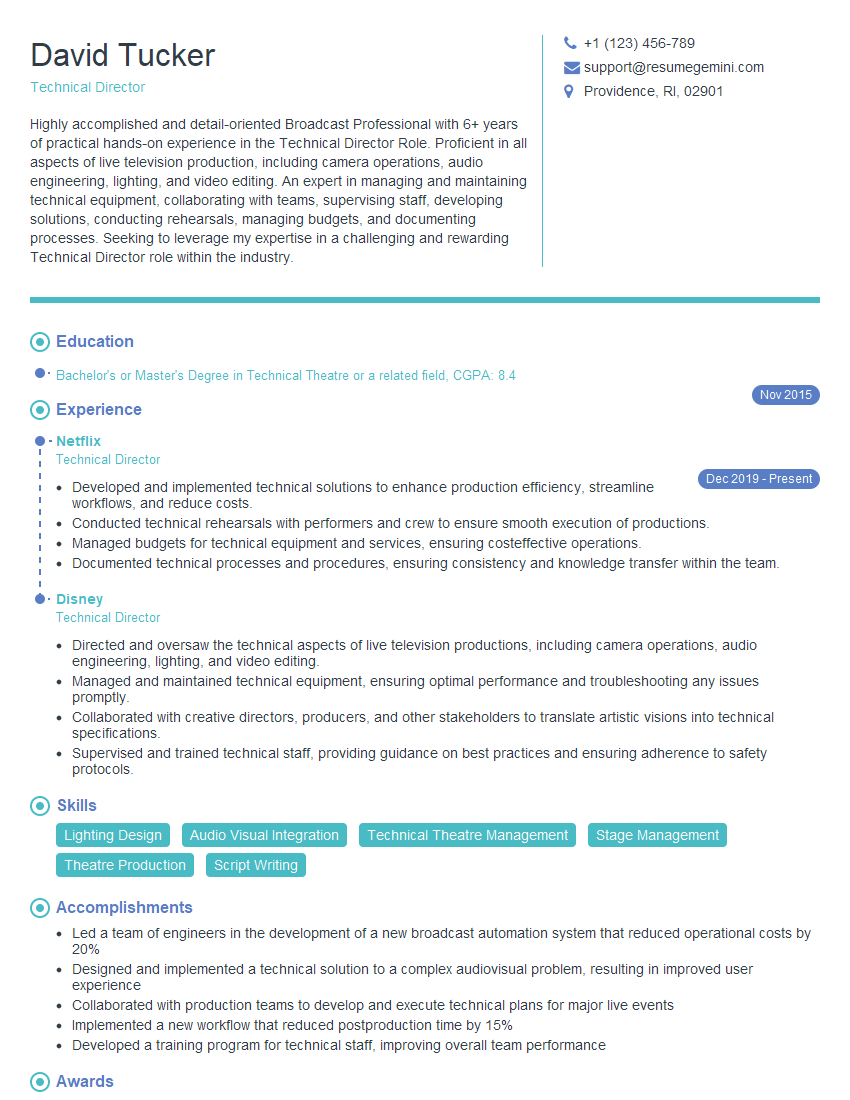
Technical Director Resume Sample
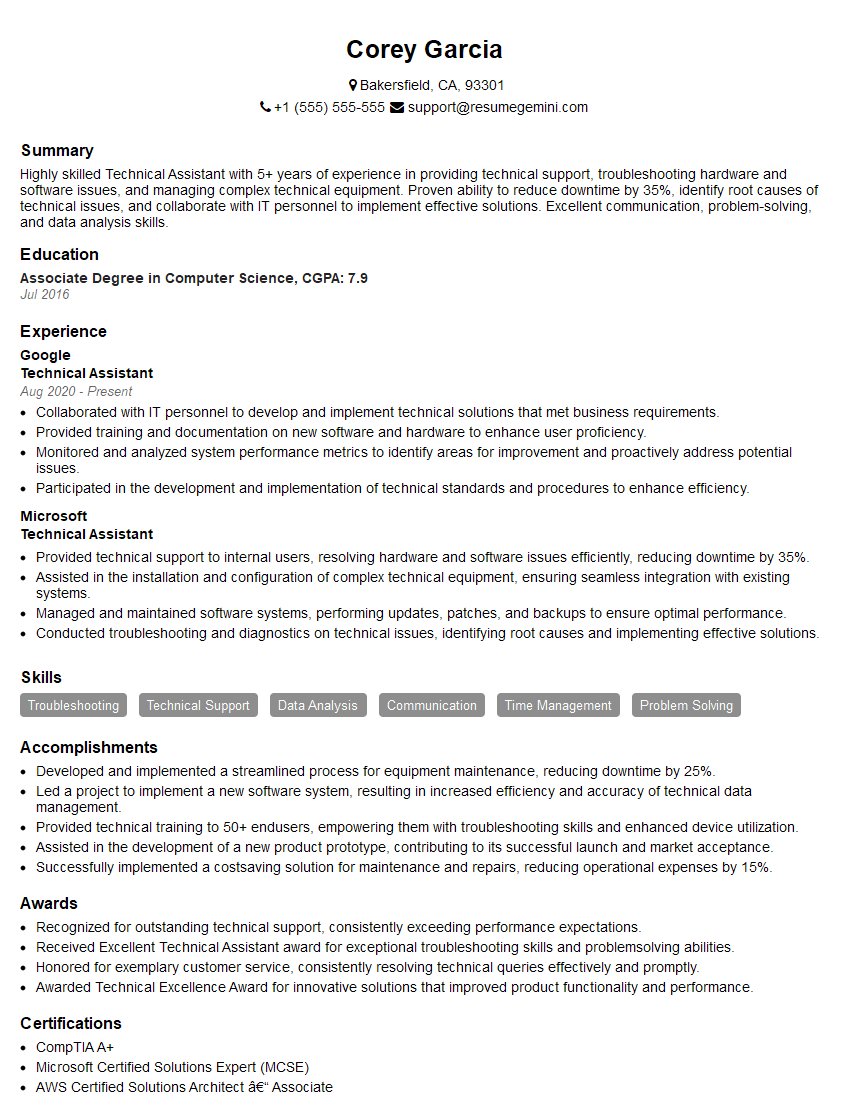
Technical Assistant Resume Sample
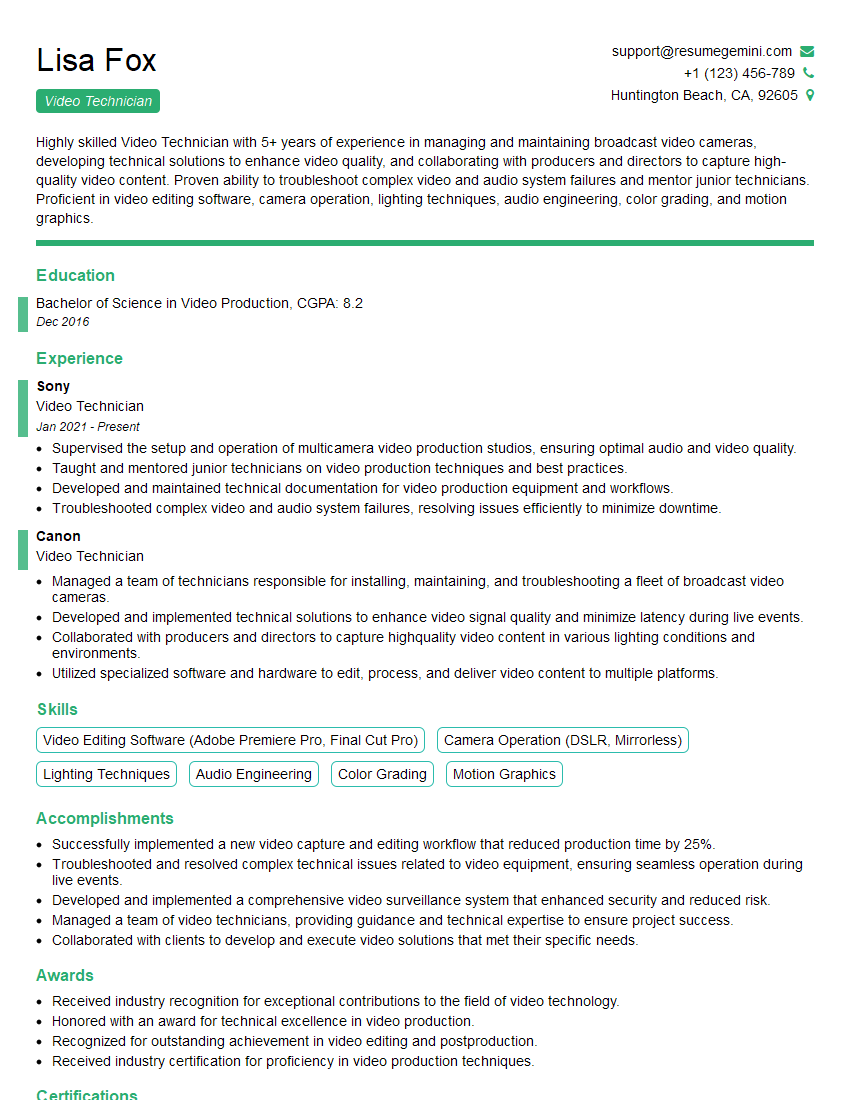
Video Technician Resume Sample
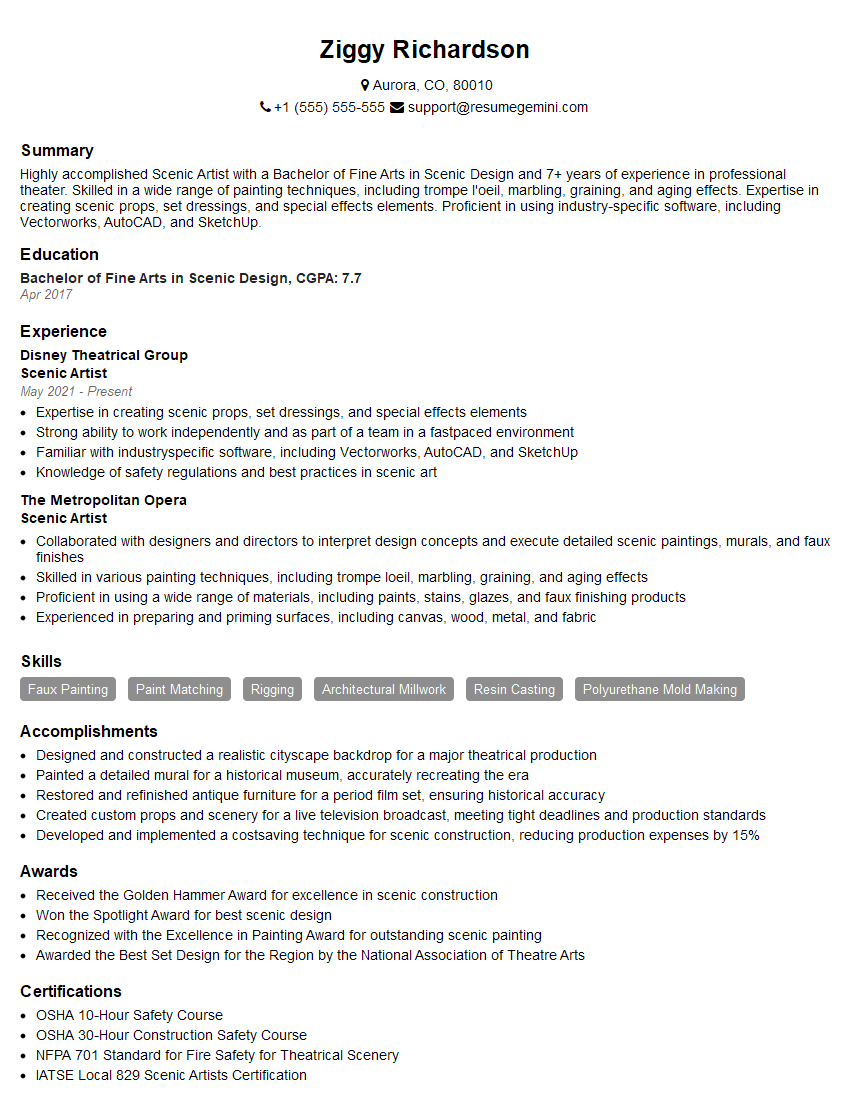
Scenic Artist Resume Sample
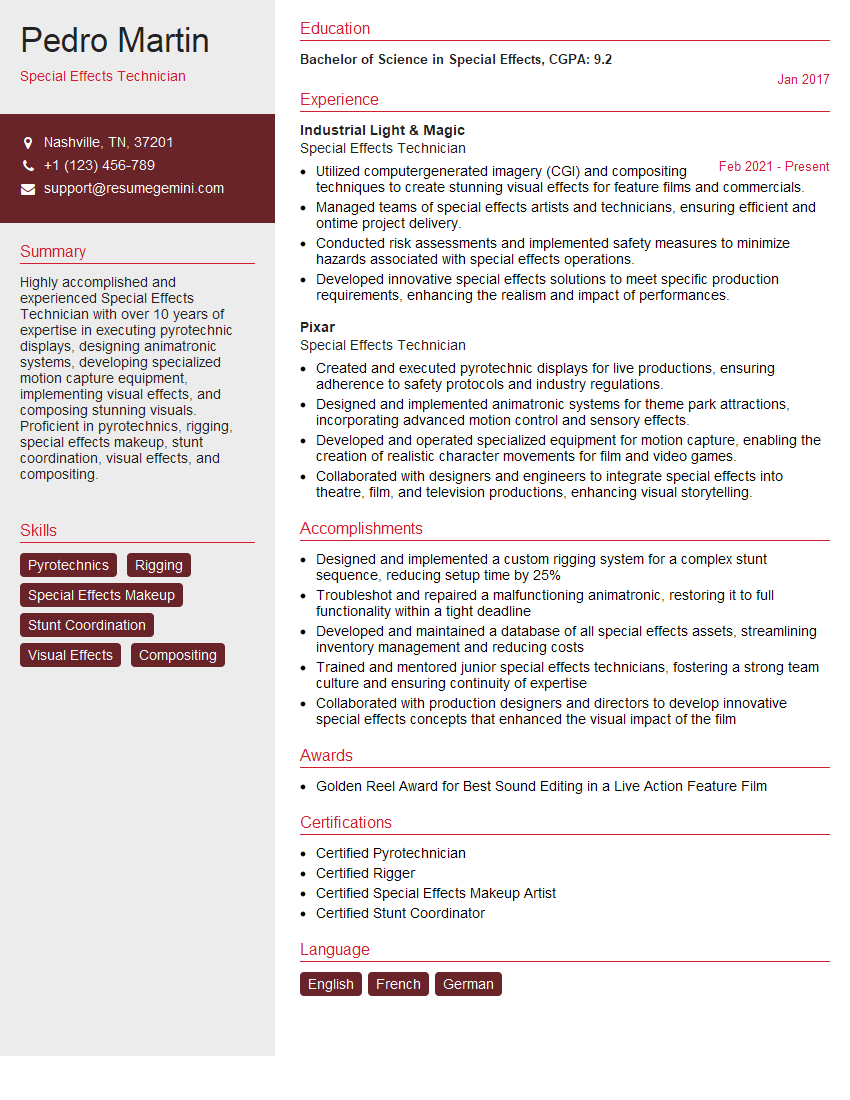
Special Effects Technician Resume Sample
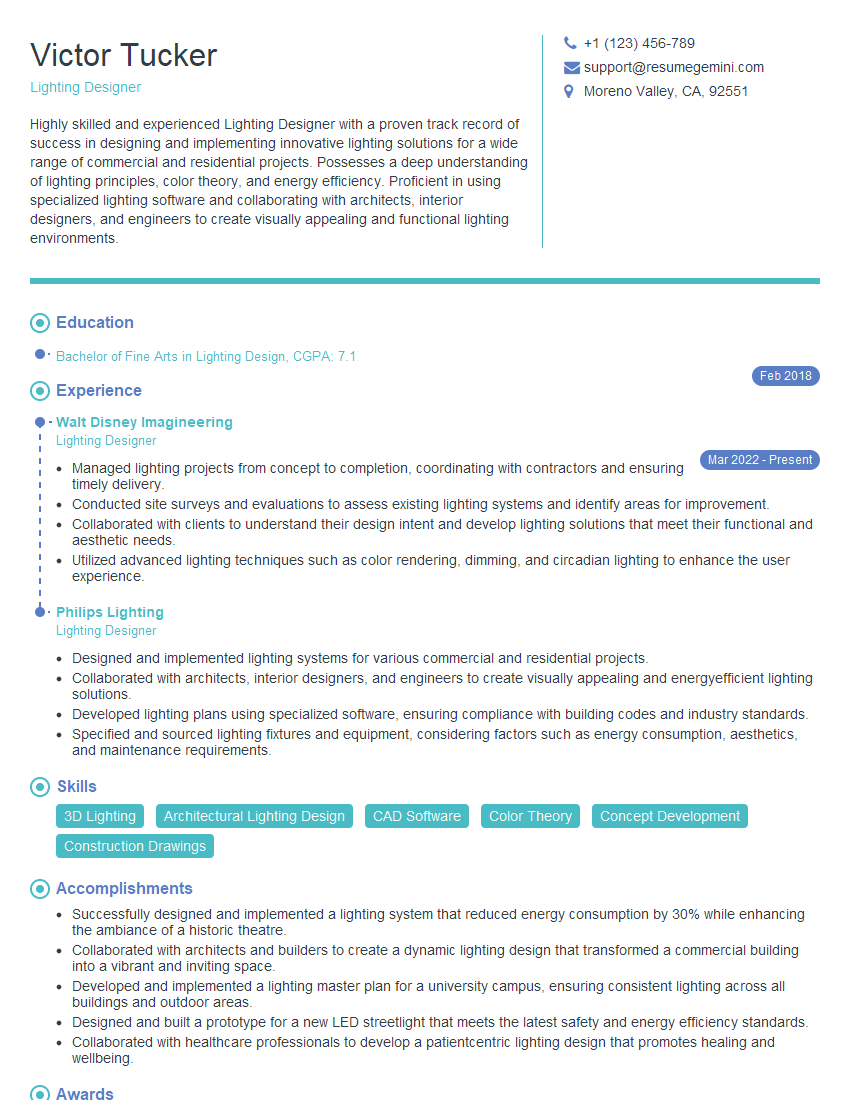
Lighting Designer Resume Sample
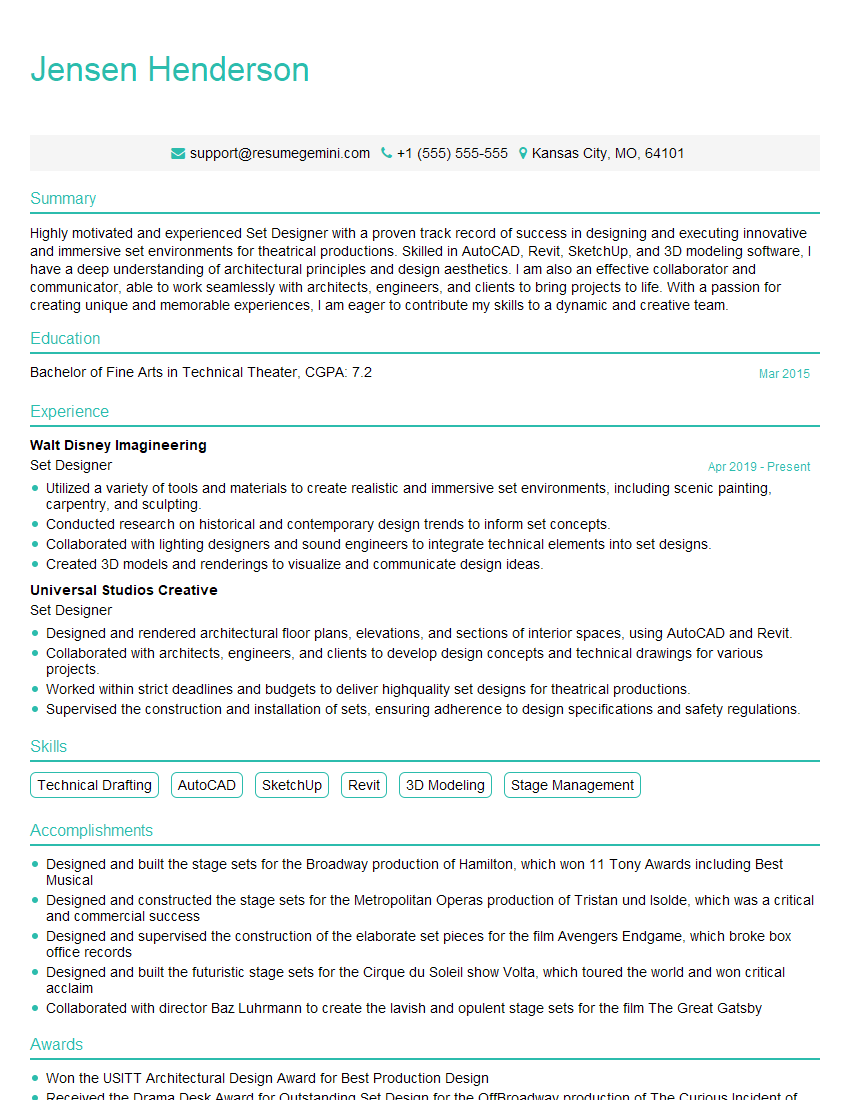
Set Designer Resume Sample
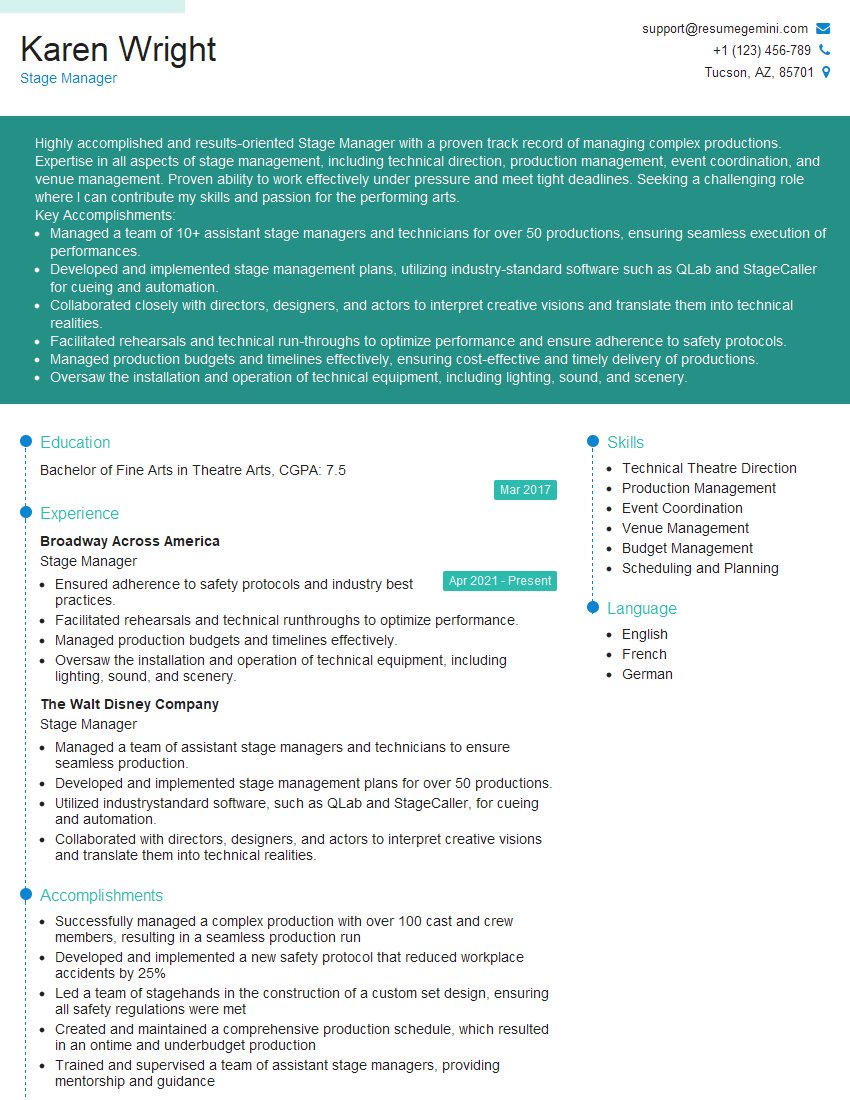
Stage Manager Resume Sample
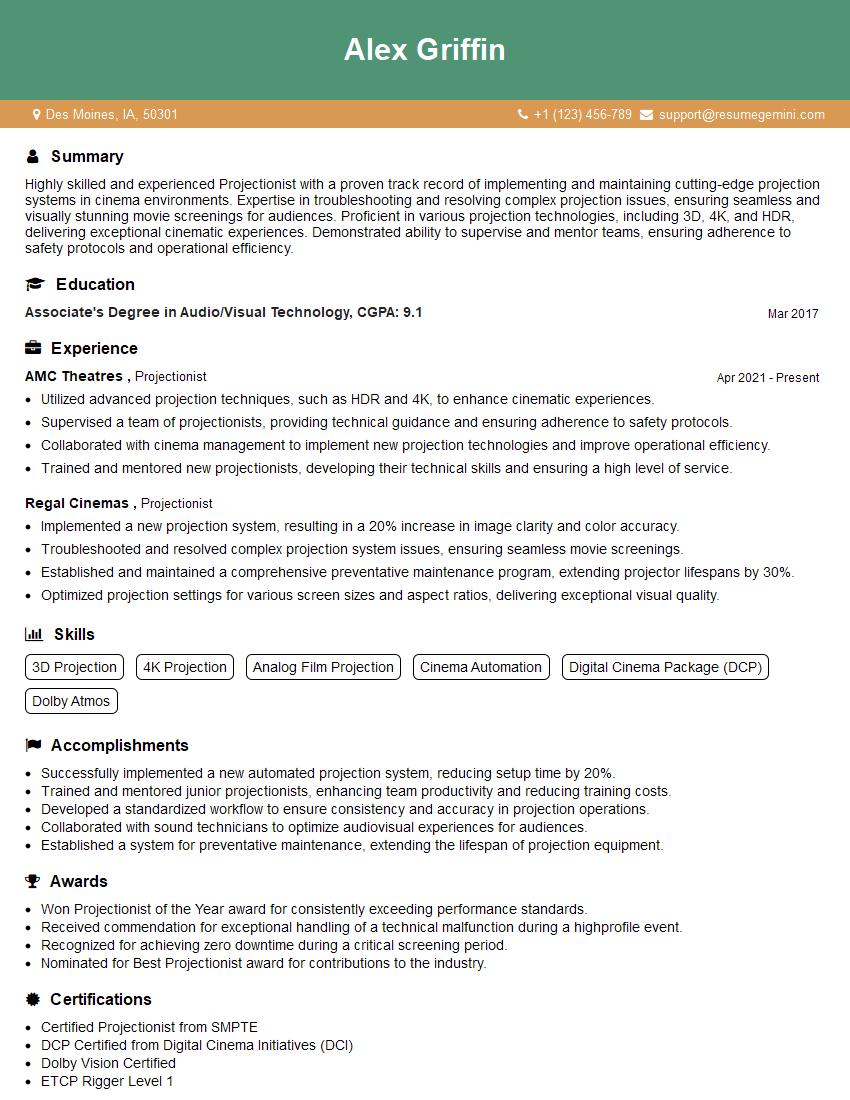
Projectionist Resume Sample
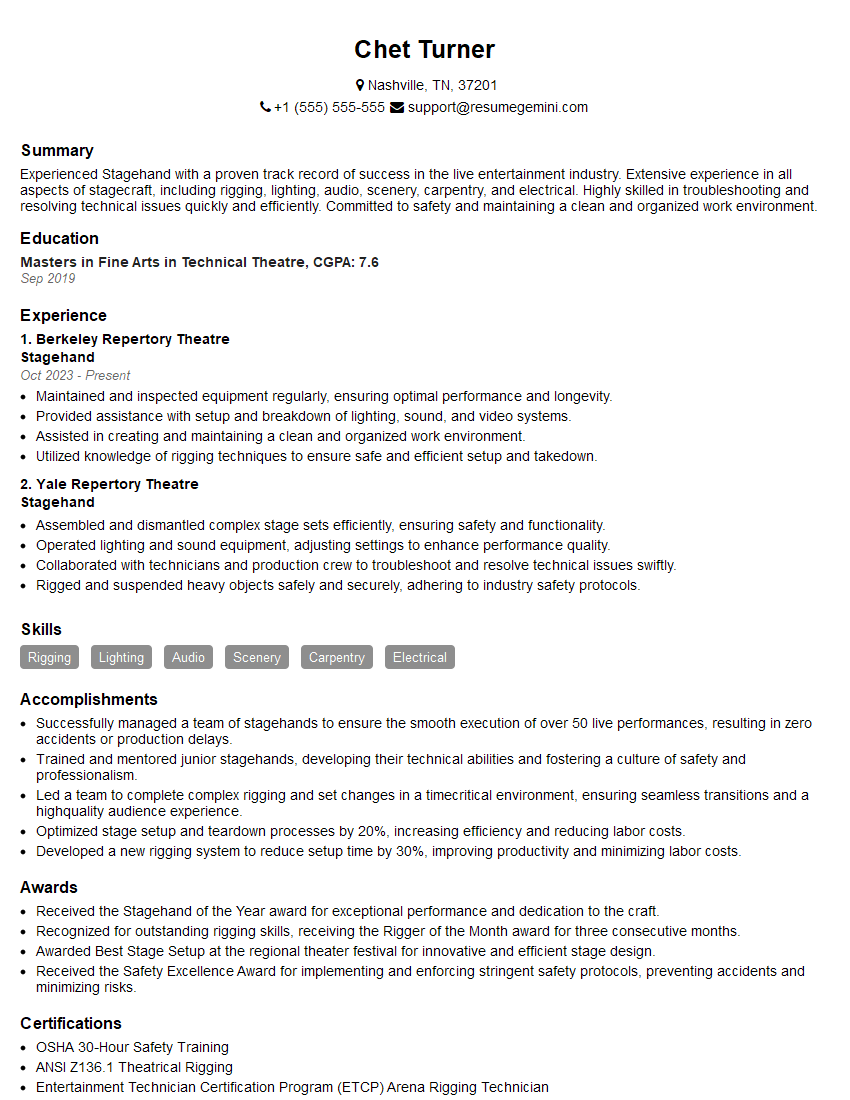
Stagehand Resume Sample
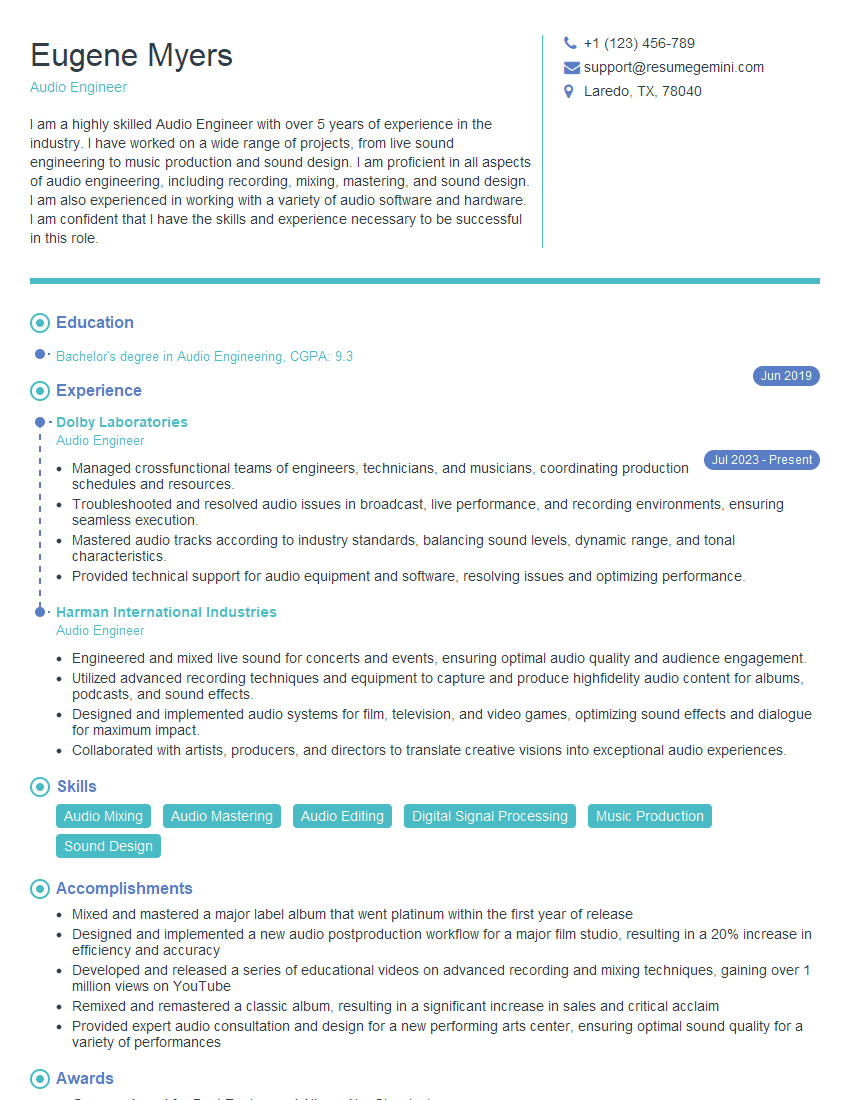
Audio Engineer Resume Sample
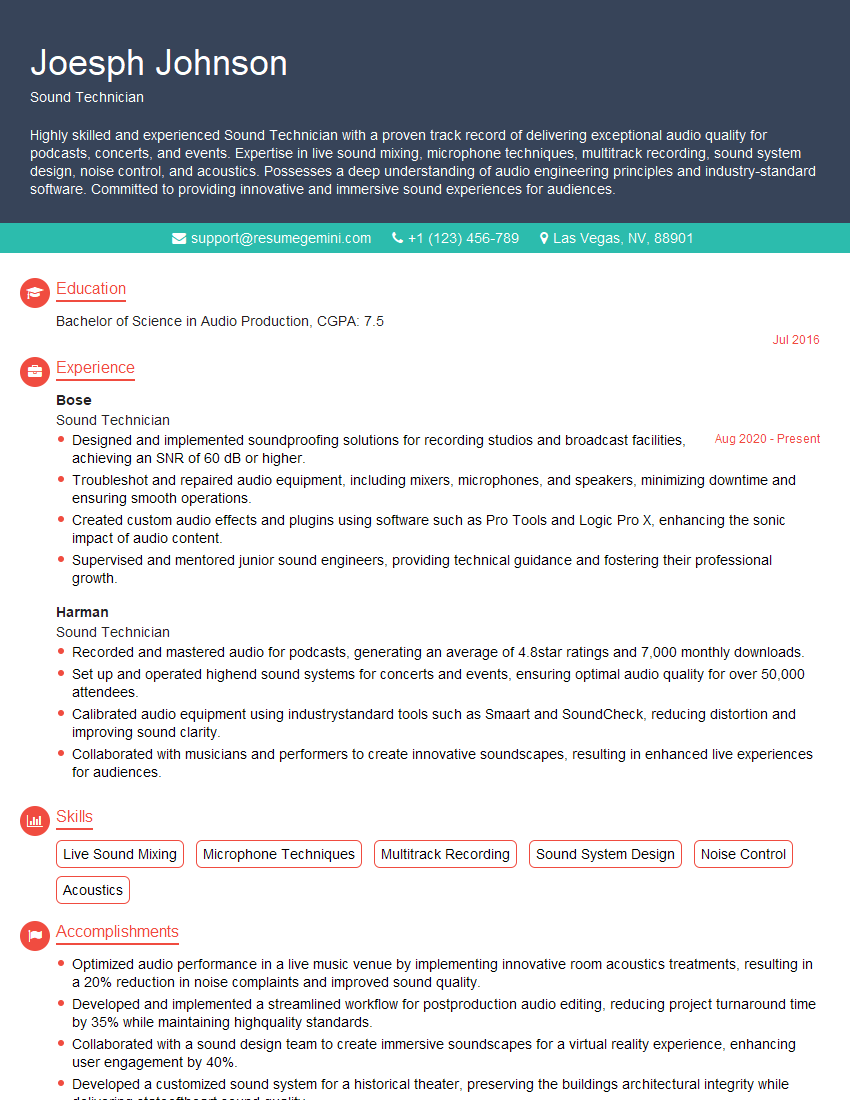
Sound Technician Resume Sample
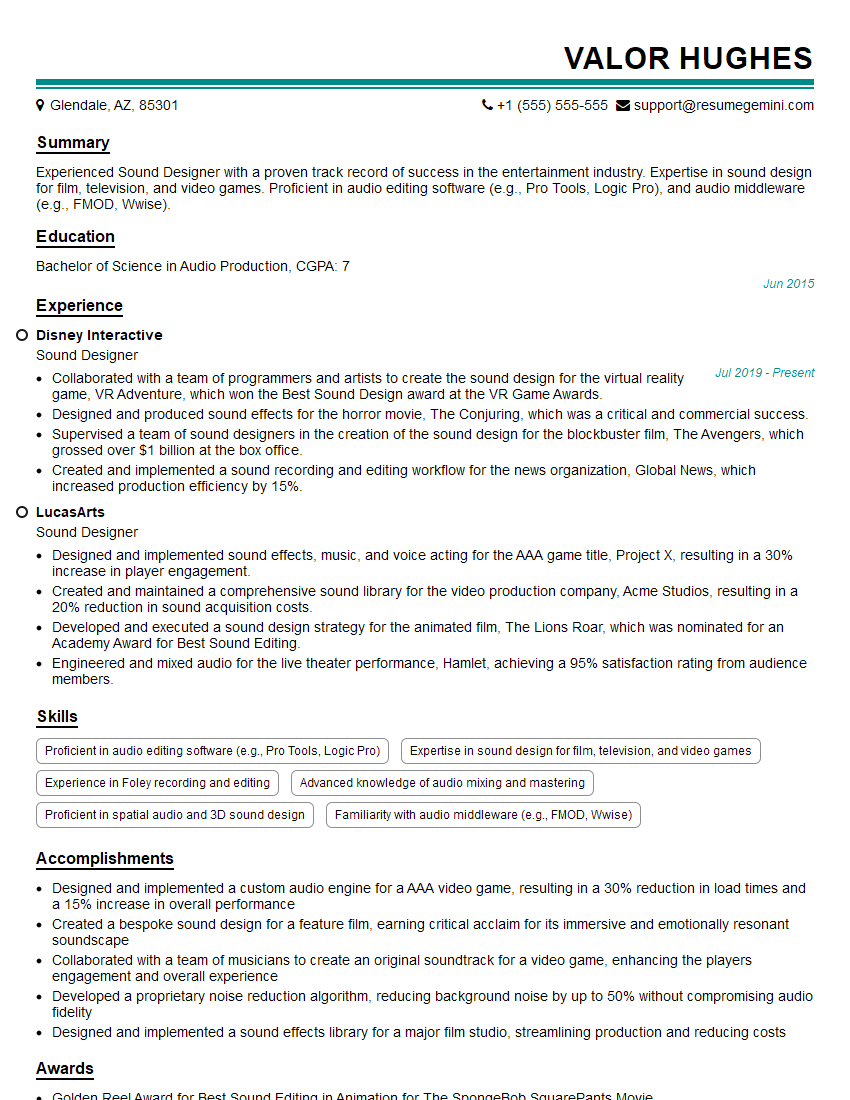
Sound Designer Resume Sample
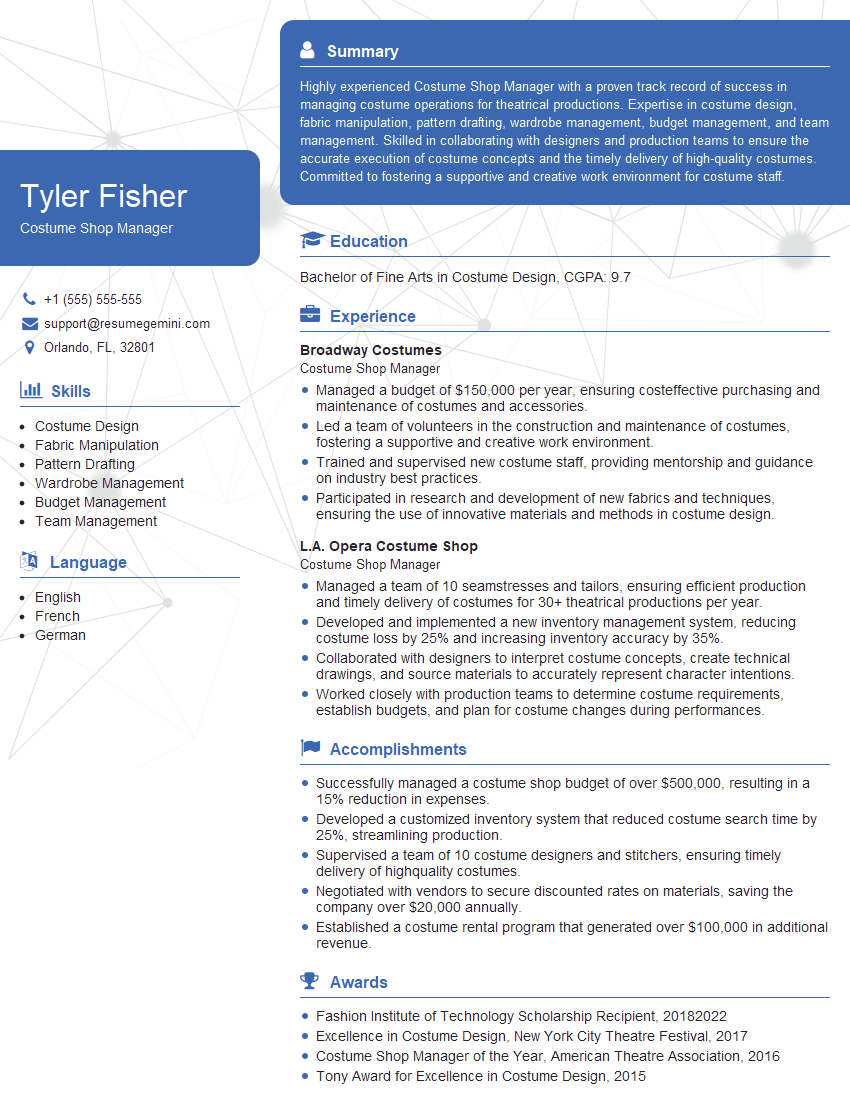
Costume Shop Manager Resume Sample
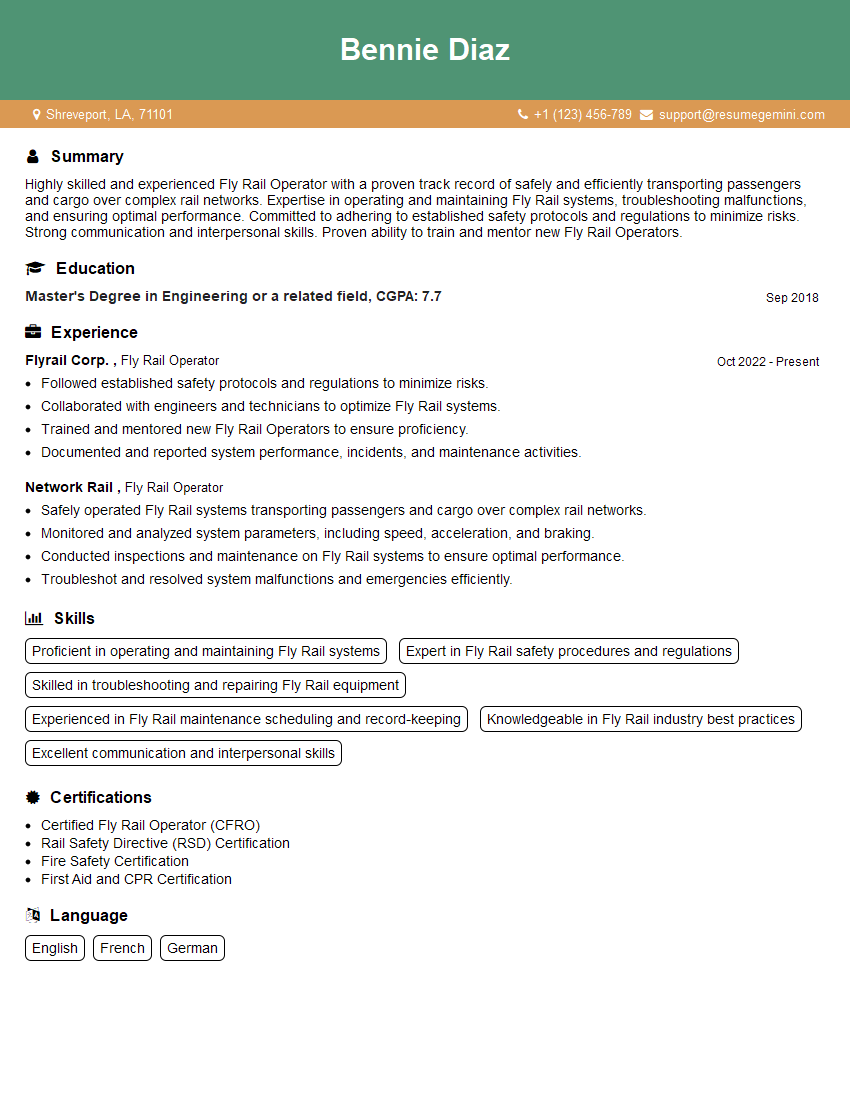
Fly Rail Operator Resume Sample
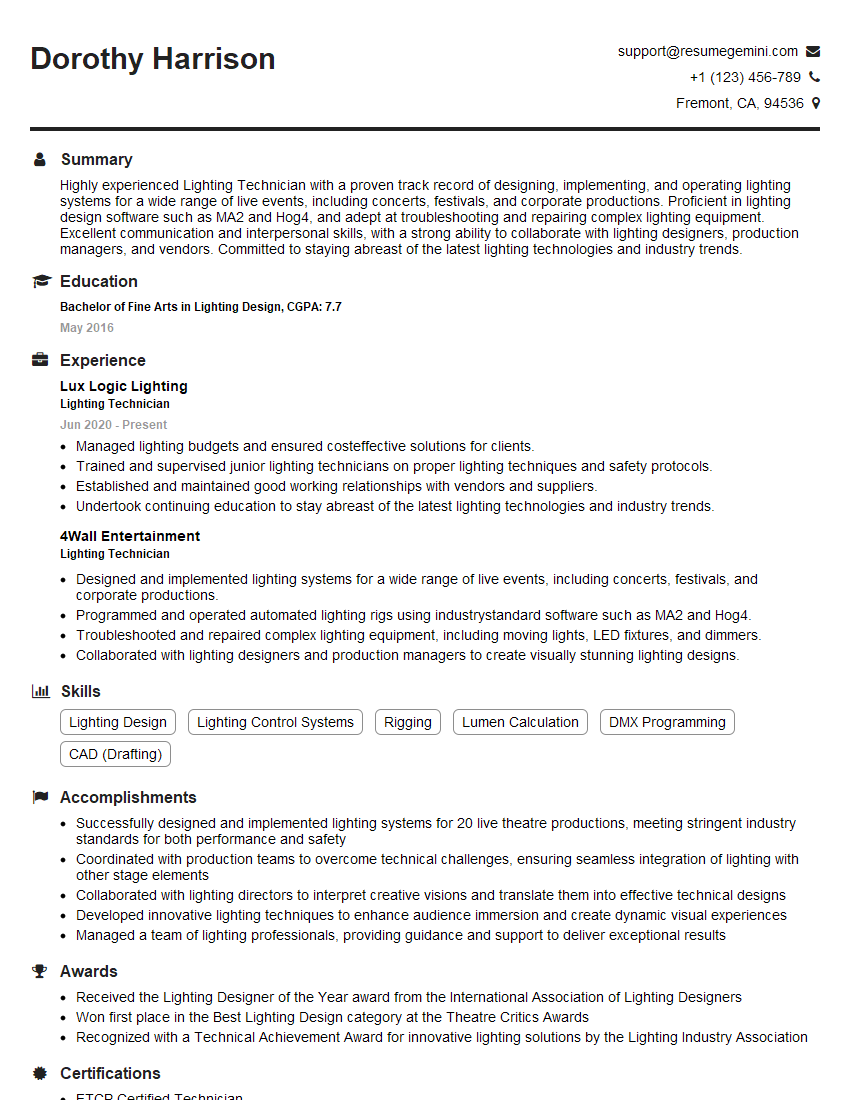
Lighting Technician Resume Sample
Explore more articles
Users Rating of Our Blogs
Share Your Experience
We value your feedback! Please rate our content and share your thoughts (optional).
What Readers Say About Our Blog
Very informative content, great job.
good