The right preparation can turn an interview into an opportunity to showcase your expertise. This guide to Test Requirements Analysis interview questions is your ultimate resource, providing key insights and tips to help you ace your responses and stand out as a top candidate.
Questions Asked in Test Requirements Analysis Interview
Q 1. Explain the difference between functional and non-functional requirements.
Functional requirements define what a system should do, specifying the features and functionalities. They describe the system’s behavior from the user’s perspective. Think of them as the ‘should’ statements. Non-functional requirements, on the other hand, define how the system should perform. They describe qualities like performance, security, and usability. These are the ‘must’ and ‘should’ statements about the system’s quality attributes.
- Example of Functional Requirement: The system should allow users to create, edit, and delete customer accounts.
- Example of Non-Functional Requirement: The system should have a response time of less than 2 seconds for all user actions. The system must be secure and protect user data from unauthorized access.
In essence, functional requirements focus on the system’s capabilities, while non-functional requirements focus on its characteristics.
Q 2. Describe your process for analyzing user stories to derive test requirements.
My process for analyzing user stories to derive test requirements involves a structured approach. I start by understanding the user story’s intent using the INVEST criteria (Independent, Negotiable, Valuable, Estimable, Small, Testable). Then, I break down the story into smaller, more manageable tasks, focusing on identifying specific actions and expected outcomes.
For each task, I identify different test cases to cover various scenarios, including positive and negative testing, boundary value analysis, and equivalence partitioning. I also consider edge cases and error handling. I use a traceability matrix to link each test case back to the original user story, ensuring complete coverage.
Example: Let’s say a user story is: “As a user, I want to be able to log in to the system so that I can access my account.” I would break this down into test cases like:
- Successful login with valid credentials
- Unsuccessful login with invalid credentials (incorrect username, incorrect password, both incorrect)
- Password recovery functionality
- Login attempts lockout after multiple failures
- Handling of special characters in the username and password fields
This ensures that all aspects of the login functionality are thoroughly tested.
Q 3. How do you handle conflicting requirements from different stakeholders?
Conflicting requirements are a common challenge. My approach involves a collaborative and communicative process. Firstly, I identify the conflict clearly, documenting the conflicting requirements and their sources. Then, I facilitate a discussion with all relevant stakeholders to understand the underlying needs and priorities. This often involves asking clarifying questions and exploring the rationale behind each requirement.
We prioritize the requirements based on business value, risk, and technical feasibility. Sometimes, compromise is necessary, and we explore options to integrate, adjust, or even eliminate certain requirements. Finally, the revised requirements are documented and approved by all stakeholders, ensuring everyone is on the same page. Prioritization often involves using techniques like MoSCoW (Must have, Should have, Could have, Won’t have) to manage expectations.
Q 4. What techniques do you use to elicit requirements from stakeholders?
Eliciting requirements is a crucial skill. I use a variety of techniques tailored to the context and stakeholders. These include:
- Interviews: Conducting structured and unstructured interviews to gather information from individuals or groups.
- Surveys and Questionnaires: Distributing surveys to collect data from a larger audience.
- Workshops and Brainstorming Sessions: Facilitating collaborative sessions to generate and refine requirements.
- Prototyping and Mockups: Using visual aids to get feedback on potential designs and features.
- Document Analysis: Reviewing existing documentation, such as user manuals and specifications.
- Observation: Observing users interacting with the system to identify areas for improvement.
The choice of technique depends on factors like the project’s size, stakeholder availability, and time constraints. Often, I use a combination of methods to ensure a comprehensive understanding of the requirements.
Q 5. How do you prioritize test requirements based on risk and criticality?
Prioritizing test requirements is essential for efficient and effective testing. I use a risk-based approach, combining risk assessment with criticality analysis. Risk is determined by the likelihood and impact of a failure, while criticality depends on the requirement’s importance to the system’s overall functionality.
I typically use a matrix to categorize requirements based on risk and criticality. High-risk, high-criticality requirements are prioritized first, followed by high-risk, low-criticality and so on. This ensures that critical functionalities with a high potential for failure are thoroughly tested early in the testing process. Tools such as risk matrices and prioritisation frameworks like MoSCoW are helpful here.
Example: A high-risk, high-criticality requirement might be secure payment processing, while a low-risk, low-criticality requirement could be the color scheme of a button.
Q 6. Explain your experience with requirements traceability matrices (RTMs).
Requirements Traceability Matrices (RTMs) are invaluable tools for ensuring that all requirements are adequately tested and that test cases are linked to specific requirements. I have extensive experience using RTMs throughout the software development lifecycle. I typically create an RTM early in the process and maintain it throughout, updating it as requirements and test cases evolve.
The RTM helps in tracking the flow of requirements from their origin through various stages of development and testing. It allows us to readily identify gaps in testing, assess the impact of changes, and improve communication among stakeholders. It facilitates easier auditing and change management, especially useful in large and complex projects.
I utilize spreadsheet software or dedicated test management tools to create and manage the RTM, ensuring its ease of use and maintainability. A well-maintained RTM is vital for demonstrating compliance and maintaining a strong audit trail.
Q 7. How do you ensure requirements are clear, concise, and unambiguous?
Ensuring requirements are clear, concise, and unambiguous is paramount. I use several techniques:
- Use unambiguous language: Avoid jargon and technical terms that stakeholders might not understand. Define all terms clearly.
- Use the INVEST principles: Ensure that requirements are independent, negotiable, valuable, estimable, small, and testable.
- Employ consistent terminology: Maintain consistent terminology throughout the requirements document.
- Use specific and measurable criteria: Specify the expected behavior and outcome of each requirement using measurable criteria.
- Review and validation: Conduct regular reviews and walkthroughs with stakeholders to identify and address any ambiguities or inconsistencies.
- Prioritize clarity over brevity: If it means sacrificing brevity to gain clarity, prioritising clarity is always better.
By applying these techniques, I ensure that everyone involved in the project understands the requirements clearly and accurately, minimizing the risk of misinterpretations and ensuring efficient development and testing.
Q 8. Describe your experience with various requirements management tools (e.g., Jira, Confluence).
My experience with requirements management tools spans several years and various projects. I’m proficient in using Jira and Confluence, two industry-standard tools, for managing and tracking requirements throughout the software development lifecycle (SDLC). In Jira, I utilize features like creating and assigning issues as requirements, linking them to test cases, and tracking their progress through different stages like ‘To Do,’ ‘In Progress,’ and ‘Done’. The workflow automation capabilities in Jira help streamline the process significantly. Confluence, on the other hand, is invaluable for maintaining a centralized repository of documentation. I leverage it to create and maintain requirement specifications, test plans, and other crucial documents, ensuring that everyone on the team has access to the latest information. I often use Confluence’s version control to track changes in requirements and facilitate collaboration. I’ve also worked with other tools like Azure DevOps and HP ALM, and the principles of effective requirements management remain consistent across all platforms. The key is understanding the tool’s capabilities and leveraging them to optimize the entire testing process.
Q 9. How do you handle changing or evolving requirements during the testing process?
Handling changing requirements is a crucial aspect of my role, and it’s something I approach systematically. The first step is to understand the nature of the change. Is it a minor tweak, a significant alteration, or a completely new requirement? I then assess the impact of the change on the existing test plan, identifying which test cases need to be updated, added, or removed. For minor changes, I might simply update the test cases directly. For more significant changes, I’d initiate a change request, documenting the impact and the proposed solution. This change request is then reviewed by the relevant stakeholders to ensure everyone agrees with the adjustments. Clear and concise communication is vital throughout this process, keeping the team informed about the changes and their implications. We often use a change management process that involves a formal review and approval cycle. In short, adapting to changing requirements isn’t just about modifying test cases, it’s about managing the change effectively to maintain the quality and integrity of the final product.
Q 10. What are the key characteristics of a good test requirement?
A good test requirement is characterized by several key attributes. Firstly, it must be clear, concise, and unambiguous. Vague requirements can lead to misunderstandings and inaccurate testing. Think of it like a recipe; if the instructions are unclear, you won’t get the desired result. Secondly, a good test requirement is testable. It should be possible to design test cases that validate whether the requirement has been met. For example, a requirement like “The system should be user-friendly” is not testable, while “The system should allow users to log in within 3 seconds” is testable. Thirdly, it should be traceable, meaning it should be easily linked to other documents like user stories or use cases. This traceability helps us understand the context of the requirement and its overall importance. Finally, it should be verifiable and consistent with other requirements to avoid conflicts and ensure the entire system functions as intended. A well-defined requirement facilitates efficient test planning and execution.
Q 11. How do you identify and document test conditions and expected results?
Identifying and documenting test conditions and expected results is a critical step in test case design. A test condition describes the specific circumstances under which a test will be executed. It might involve setting up specific data, system configurations, or user inputs. The expected result describes the anticipated outcome of the test under those conditions. This is what we expect to see if the system is working correctly. For example, if the requirement is ‘Users must be able to reset their password’, a test condition could be ‘User enters an incorrect password three times’, and the expected result would be ‘The system displays a ‘Forgot Password?’ link and prompts the user to enter their email address to reset the password’. I typically use a structured approach to document these, using tables or spreadsheets to clearly outline each test case, its conditions, and expected results. This structured approach ensures clarity and consistency across all test cases, making it easier for others to understand and execute the tests. Software tools also help in managing this, providing templates for consistent documentation.
Q 12. Explain your approach to writing effective test cases based on requirements.
My approach to writing effective test cases is based on a systematic process that begins with a thorough understanding of the requirements. I start by analyzing each requirement and breaking it down into smaller, more manageable units. Then, for each unit, I identify the specific test conditions and expected results. I use a template to ensure consistency and clarity. This template usually includes fields for the test case ID, requirement ID, test condition, expected result, actual result, and status. I strive to make the test cases clear, concise, and easy to understand, avoiding jargon and ambiguity. It’s important to consider both positive and negative test cases, covering not only scenarios where the system behaves as expected but also scenarios where it might fail. This ensures thorough testing and uncovers potential issues early in the process. For example, if the requirement states “The system should validate email addresses,” I’d write test cases to check valid email formats, invalid formats, and edge cases like excessively long email addresses. In summary, it is a combination of thorough understanding, systematic approach, and considering various scenarios that ensure effective test case creation.
Q 13. How do you ensure test coverage based on the requirements?
Ensuring test coverage based on requirements is crucial for delivering high-quality software. I achieve this through a combination of techniques. Firstly, I meticulously map test cases to specific requirements. This ensures that every requirement has at least one corresponding test case designed to validate its functionality. This is often documented in a traceability matrix, which provides a clear overview of the relationship between requirements and test cases. Secondly, I utilize coverage metrics to assess how thoroughly the requirements are tested. This might involve calculating the percentage of requirements covered by test cases or using more sophisticated techniques to measure the completeness of testing. When gaps in coverage are identified, additional test cases are designed and added to address these shortcomings. Finally, I leverage different testing techniques like equivalence partitioning and boundary value analysis to improve test coverage efficiently, ensuring we cover various scenarios rather than simply testing the most obvious ones. Regular review meetings, discussing the coverage status and addressing any concerns, are essential to ensuring full test coverage.
Q 14. How do you manage test data for your tests based on requirements?
Managing test data is essential for effective testing, especially with requirements that involve specific data sets or configurations. My approach begins with careful analysis of the requirements to identify the data needed for testing. I then create a detailed test data plan, which outlines the types of data required, their sources, and how they will be managed. This plan considers various scenarios, including positive and negative test cases, boundary conditions, and edge cases. I may use different techniques to create or manage test data, such as using test data generators, extracting data from production systems (with appropriate anonymization), or creating synthetic data. For sensitive data, I adhere strictly to privacy and security guidelines, utilizing data masking techniques to protect personal information. The key is to create a test environment that closely mirrors the production environment, yet allows for flexibility in managing and updating test data as requirements evolve. Proper data management ensures the accuracy and reliability of our testing results.
Q 15. What are some common challenges you face during test requirements analysis, and how do you overcome them?
Test requirements analysis, while crucial, often presents challenges. One common hurdle is dealing with incomplete or ambiguous requirements. This can lead to misinterpretations and ultimately, insufficient testing. Another significant challenge is managing changing requirements throughout the software development lifecycle (SDLC). Requirements can evolve due to new insights, stakeholder feedback, or evolving business needs. Finally, lack of stakeholder involvement can hinder the creation of comprehensive and accurate test requirements. Stakeholders may not clearly articulate their needs or may not understand the testing process.
To overcome these, I employ several strategies. For incomplete or ambiguous requirements, I proactively engage with stakeholders using techniques like interviews and workshops to clarify the ambiguities. For changing requirements, I implement a robust change management process, documenting all changes and their impact on the test plan. A version control system for requirements documents is essential. Finally, to address stakeholder involvement issues, I initiate early and frequent communication, utilizing various communication channels (e.g., email, meetings, presentations) to ensure consistent understanding.
For example, in a recent project involving an e-commerce platform, initial requirements for the checkout process were vague regarding handling international payments. Through focused discussions with the business team and developers, we clarified the specifics of currency conversions, tax calculations, and payment gateway integrations, preventing significant testing gaps later.
Career Expert Tips:
- Ace those interviews! Prepare effectively by reviewing the Top 50 Most Common Interview Questions on ResumeGemini.
- Navigate your job search with confidence! Explore a wide range of Career Tips on ResumeGemini. Learn about common challenges and recommendations to overcome them.
- Craft the perfect resume! Master the Art of Resume Writing with ResumeGemini’s guide. Showcase your unique qualifications and achievements effectively.
- Don’t miss out on holiday savings! Build your dream resume with ResumeGemini’s ATS optimized templates.
Q 16. Explain your understanding of different testing levels (unit, integration, system, etc.) and how requirements map to each level.
Software testing is typically organized into different levels, each focusing on specific aspects of the application. Unit testing verifies individual components or modules in isolation. Requirements at this level are typically derived from the component’s internal design and specifications. Integration testing verifies the interaction between integrated modules or components. Requirements here focus on interfaces and data flow between units. System testing validates the entire system against its overall requirements, ensuring all components work together correctly to meet the end-to-end functionality as specified. Requirements for system testing are often high-level and derive directly from user stories or business requirements. Finally, acceptance testing (often user acceptance testing or UAT) confirms that the system meets the client’s or stakeholder’s needs and expectations. These requirements are usually documented in user stories and acceptance criteria.
Let’s say we’re building a login module. Unit testing might focus on individual functions like password validation (requirement: password must be at least 8 characters long). Integration testing would then focus on the interaction between the login module and the user database (requirement: successful login should update the last login timestamp in the database). System testing would test the entire login process from the user interface to database interaction (requirement: user should be able to successfully log in with valid credentials). Acceptance testing would focus on validating the entire user experience and compliance with business rules.
Q 17. How do you validate the completeness and accuracy of test requirements?
Validating the completeness and accuracy of test requirements is paramount. I employ a multi-pronged approach. Firstly, I use requirements traceability matrices (RTM) to map requirements to test cases, ensuring that all requirements have corresponding test cases. Gaps in the matrix highlight missing test cases, indicating incomplete coverage. Secondly, I conduct peer reviews of the test requirements documents. This involves having other team members review the documents to identify inconsistencies, ambiguities, or missing information. Thirdly, I use test requirement reviews with stakeholders to ensure that the test requirements accurately reflect the actual system functionality and business expectations. These reviews often uncover issues that might have been overlooked during the initial analysis phase.
For instance, in an RTM, if a business requirement states ‘The system shall allow users to upload files up to 10MB,’ I would need corresponding test cases for scenarios like uploading files smaller than 10MB, exactly 10MB, and larger than 10MB, ensuring complete coverage. Peer reviews help uncover any misunderstandings or omissions, such as a missing requirement for handling specific file types. Stakeholder reviews help confirm the accuracy of the requirements, ensuring alignment between testing and actual business expectations.
Q 18. Describe your experience with different requirements elicitation techniques (e.g., interviews, workshops, document analysis).
My experience encompasses a wide range of requirements elicitation techniques. Interviews are valuable for gaining in-depth insights from individual stakeholders, especially subject matter experts. Workshops facilitate collaborative discussions among stakeholders, fostering a shared understanding of requirements. Document analysis involves examining existing documentation such as user stories, use cases, and design specifications to derive test requirements. I also leverage prototyping and questionnaires where appropriate, selecting the best approach based on the project context and stakeholder availability.
In a recent project, we used a combination of techniques. We started with document analysis to understand the existing system architecture and functionality. This was followed by interviews with key stakeholders to clarify ambiguities and gather missing information. Finally, a workshop was conducted to consolidate all gathered requirements and achieve consensus among the stakeholders.
Q 19. How do you handle ambiguous or incomplete requirements?
Ambiguous or incomplete requirements are a common challenge. I follow a structured approach to handle them. First, I document the ambiguity or incompleteness, clearly identifying the specific areas requiring clarification. Next, I prioritize the requirements based on their criticality and impact on the system. I focus on clarifying the most crucial ambiguities first. I then engage stakeholders through meetings, workshops, or emails, to discuss and resolve the issues. If consensus cannot be reached immediately, I document the outstanding issues and propose alternative solutions or assumptions for testing purposes. These assumptions are clearly documented as such. Finally, I update the test requirements document to reflect the clarified requirements and document any assumptions made.
For example, if a requirement states ‘The system should be user-friendly,’ this is highly ambiguous. I’d document this, and then meet with stakeholders to define what ‘user-friendly’ means in this context (e.g., specific navigation criteria, load times, etc.), ultimately leading to concrete, testable requirements.
Q 20. Explain your understanding of the relationship between requirements, test cases, and test results.
Requirements, test cases, and test results are intrinsically linked. Requirements define what the system should do. Test cases are designed to verify that the system meets these requirements. Test results document the outcome of executing the test cases, indicating whether the requirements were met or not. The relationship can be visualized as a chain: Requirements define the goals, test cases are the actions taken to reach the goals, and test results show whether the goals were achieved.
For example, if a requirement is ‘The system shall allow users to search for products by name,’ a corresponding test case might be ‘Verify that searching for a valid product name returns relevant product results’. The test result would then document whether the search function returned the expected results or not. A traceability matrix would link the requirement, test case, and ultimately, the test result.
Q 21. How do you use test requirements to estimate testing effort and resources?
Test requirements are crucial for estimating testing effort and resources. I typically use a combination of techniques. Firstly, I analyze the complexity of each requirement. Complex requirements often require more detailed test cases and, consequently, more testing time. Secondly, I estimate the number of test cases needed for each requirement. This estimation is based on factors like the requirement’s complexity, the number of possible input values, and the need for positive and negative testing. Thirdly, I consider the testing environment setup, which includes configuring hardware, software, and databases. Finally, I account for potential risks and contingencies, factoring in time buffers for unexpected issues or changes in requirements. Based on these estimations, I create a detailed test plan, defining the resources (personnel, tools, and time) required to complete the testing activities effectively.
For instance, a simple requirement like ‘The login button should be displayed’ needs minimal testing, while a complex requirement such as ‘The system should process payments securely’ demands extensive testing involving various payment methods and security protocols, thus requiring more effort and resources.
Q 22. How do you communicate test requirements effectively to different stakeholders (technical and non-technical)?
Effective communication of test requirements is crucial for project success. My approach involves tailoring the message to the audience. For technical stakeholders like developers and other testers, I use precise language, including technical terms where appropriate, and focus on the specifics of the requirements, such as acceptance criteria, test data needs, and potential edge cases. I might utilize diagrams like flowcharts or state transition diagrams to illustrate complex functionalities.
For non-technical stakeholders, such as business analysts, product owners, or clients, I simplify the technical details. I emphasize the overall goal of the testing and its impact on the user experience and business objectives. I use plain language, avoiding jargon, and focus on the value proposition of meeting the requirements. I often use visual aids like mockups or simple tables to illustrate scenarios and expected results. For example, instead of discussing API endpoints, I might describe the expected user experience when completing an online form.
Regardless of the audience, clear and concise documentation is key. I ensure requirements are documented in a consistent format, easily accessible, and regularly updated. I also utilize various communication channels – meetings, emails, presentations – choosing the most suitable method based on the context and audience.
Q 23. Describe a situation where you had to deal with a poorly written requirement. How did you address it?
In a previous project, we encountered a requirement stated as: “The system should be fast.” This was clearly vague and untestable. It lacked specific performance metrics and didn’t define “fast” in any measurable way. To address this, I initiated a collaborative discussion with the product owner, developers, and other stakeholders. We worked together to refine the requirement, breaking it down into testable components.
We identified specific use cases, like logging in, searching data, and uploading files. For each, we defined measurable performance criteria, such as response times (e.g., login within 2 seconds, search results within 1 second). We agreed on acceptable performance thresholds, considering factors like user experience and system load. We also discussed the testing environment (load testing, etc.) needed to verify these metrics. Finally, we updated the requirement documentation with these clear, testable metrics, ensuring everyone agreed on the revised specifications. This collaborative approach ensured the requirement was not only testable but also aligned with the business needs and technical capabilities.
Q 24. What techniques do you employ to ensure requirements are testable?
Ensuring requirements are testable is paramount. I employ several techniques:
- SMART Criteria: I ensure requirements are Specific, Measurable, Achievable, Relevant, and Time-bound. This framework provides a clear path to create test cases. For example, instead of “The system should be user-friendly,” we’d have “The system should allow users to complete checkout within 3 clicks, with an average task completion time of under 60 seconds.”
- Use Cases and User Stories: These provide clear scenarios describing how users interact with the system, which directly informs test case design. A user story might be: “As a customer, I want to be able to add items to my shopping cart so that I can purchase them later.”
- Acceptance Criteria: I work closely with stakeholders to define specific acceptance criteria for each requirement. These criteria outline the conditions that must be met for a requirement to be considered fulfilled, thus allowing for objective testing. For instance, a requirement for secure login might have an acceptance criterion of “the system should reject login attempts with incorrect credentials after 3 attempts”.
- Test Case Design Techniques: I leverage different testing techniques, such as equivalence partitioning, boundary value analysis, and decision table testing, to identify comprehensive test cases based on the requirements.
Regular reviews and feedback loops with stakeholders throughout the requirement analysis and design phase ensures that testability is maintained.
Q 25. What is your experience with using a requirements management tool to track and manage requirements throughout the software development lifecycle?
I have extensive experience using requirements management tools like Jira, HP ALM, and Jama Software. These tools are invaluable for managing the entire lifecycle of requirements, from initial capture and analysis to tracking changes and managing approvals. They provide centralized repositories for all requirements, allowing for better collaboration, traceability, and version control.
In my experience, using these tools allows for better requirement tracing, making it easy to link requirements to test cases, defects, and other artifacts throughout the project. This enhances transparency and facilitates impact analysis when changes are made to requirements. The reporting and dashboards within these tools provide valuable insights into the status of requirements and the overall testing progress. For example, I’ve used Jira to track the implementation and testing of user stories, using its Kanban boards to visualize workflow and identify bottlenecks. This ensures accountability and enables proactive management of issues.
Q 26. How do you ensure alignment between business requirements and technical specifications during test requirements analysis?
Alignment between business requirements and technical specifications is critical. My approach starts with a thorough understanding of the business goals and user needs. I work closely with business analysts to translate high-level business requirements into detailed functional and non-functional requirements that developers can translate into technical specifications. Regular workshops and reviews are crucial for ensuring everyone is on the same page.
I use techniques like requirement mapping to establish clear traceability between business requirements, technical specifications, and test cases. This ensures that all testing activities are directly linked to business goals. For example, a business requirement like “improve customer satisfaction” might translate into technical requirements for faster page loading times, improved search functionality, and a more intuitive user interface. Each of these technical requirements, in turn, is mapped to specific test cases to verify its successful implementation. This traceability helps to avoid misunderstandings and ensures the technical implementation aligns precisely with business needs. Open communication and collaborative problem-solving are essential to bridge any gaps between business and technical perspectives.
Q 27. Describe your experience with different types of requirements (functional, non-functional, user stories, use cases).
I’m experienced with various types of requirements:
- Functional Requirements: These describe what the system should *do*. Examples include: “The system shall allow users to register an account,” or “The system shall calculate the total price of items in the shopping cart.” Testing these involves verifying that the system functions as specified.
- Non-Functional Requirements: These define how the system should *perform*. Examples include performance (response time, throughput), security (access controls, data encryption), usability (ease of use, intuitiveness), reliability (uptime, error handling), and scalability (capacity to handle increasing load). Testing these usually involves performance testing, security testing, usability testing etc.
- User Stories: These are short, simple descriptions of a feature told from the perspective of the person who desires the new capability, usually following the format: “As a [user role], I want [some goal] so that [some reason].” They are useful for agile development and are easily translated into test cases.
- Use Cases: These describe a sequence of actions performed by a user to achieve a specific goal. They provide a more detailed picture of user interactions compared to user stories and are beneficial for complex systems. They are frequently used with detailed diagrams showing the actors, systems, and interactions.
Understanding the nuances of each requirement type is essential for designing effective and comprehensive test cases that validate all aspects of the system, ensuring quality and meeting business objectives.
Key Topics to Learn for Test Requirements Analysis Interview
- Understanding Requirements Documents: Learn to effectively analyze various types of requirements documents (user stories, use cases, functional specifications) to extract testable elements. This includes identifying ambiguities, inconsistencies, and missing information.
- Test Case Design Techniques: Master different test case design techniques like equivalence partitioning, boundary value analysis, state transition testing, and decision table testing. Practice applying these techniques to real-world scenarios.
- Risk Assessment and Prioritization: Understand how to identify potential risks associated with requirements and prioritize testing efforts based on risk level and business impact. This involves understanding different risk categories and their impact on the project.
- Traceability and Test Coverage: Learn how to establish traceability between requirements, test cases, and test results. Understand concepts like requirements coverage and how to ensure comprehensive testing.
- Test Data Management: Explore techniques for creating, managing, and maintaining effective test data that accurately reflects real-world scenarios. Understand the importance of data privacy and security in test data management.
- Communication and Collaboration: Practice clear and concise communication of test findings and risks to stakeholders. Understand the importance of collaboration with developers, business analysts, and other team members.
- Test Automation Considerations: Explore how test automation can be integrated into the test requirements analysis process. Understand the benefits and challenges of automation in this context.
Next Steps
Mastering Test Requirements Analysis is crucial for career advancement in the software testing field. It demonstrates a deep understanding of the software development lifecycle and positions you as a valuable asset to any team. To maximize your job prospects, create an ATS-friendly resume that highlights your skills and experience effectively. ResumeGemini is a trusted resource for building professional and impactful resumes. They offer examples of resumes tailored to Test Requirements Analysis, helping you showcase your abilities and land your dream job.
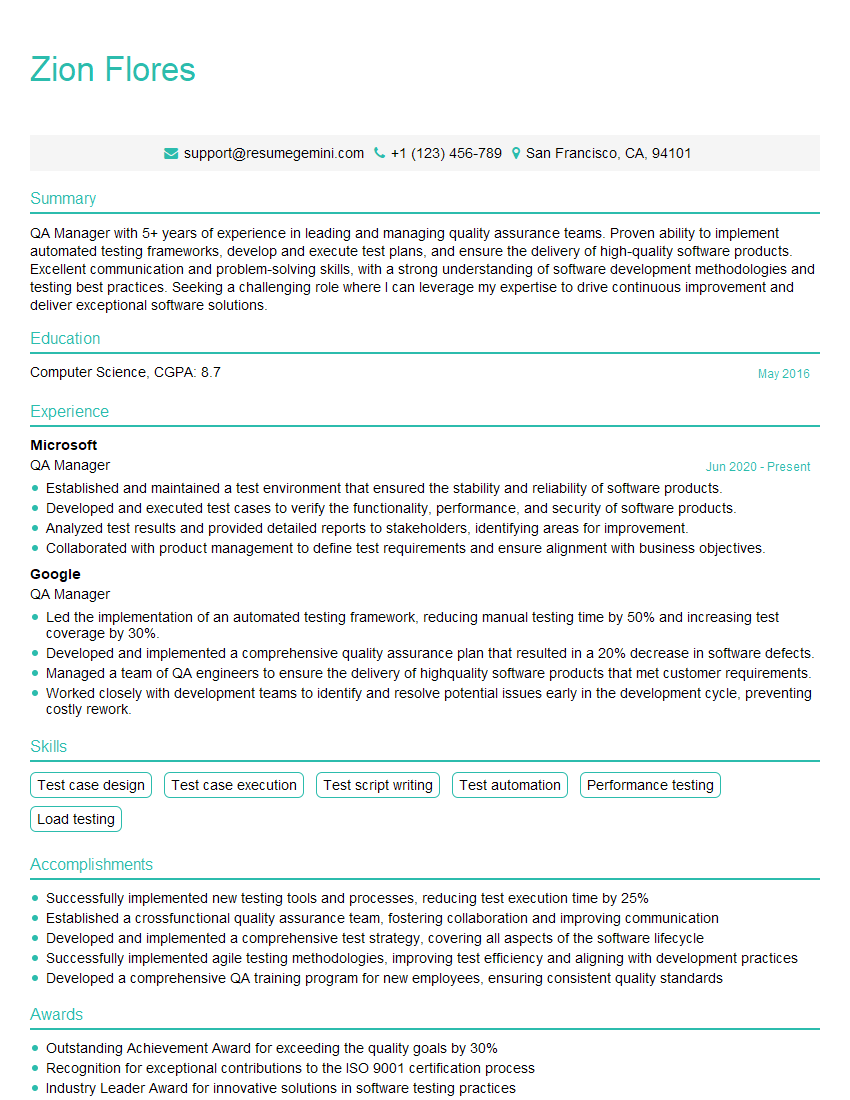
QA Manager Resume Sample
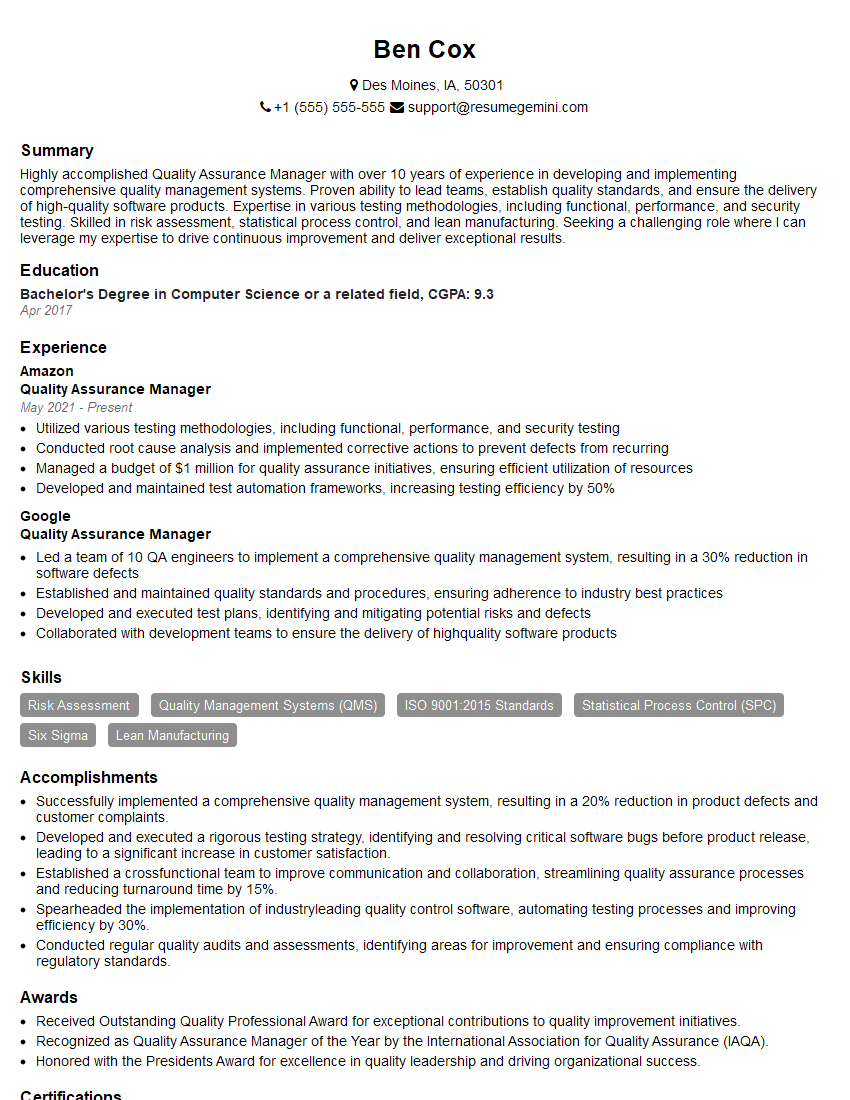
Quality Assurance Manager Resume Sample
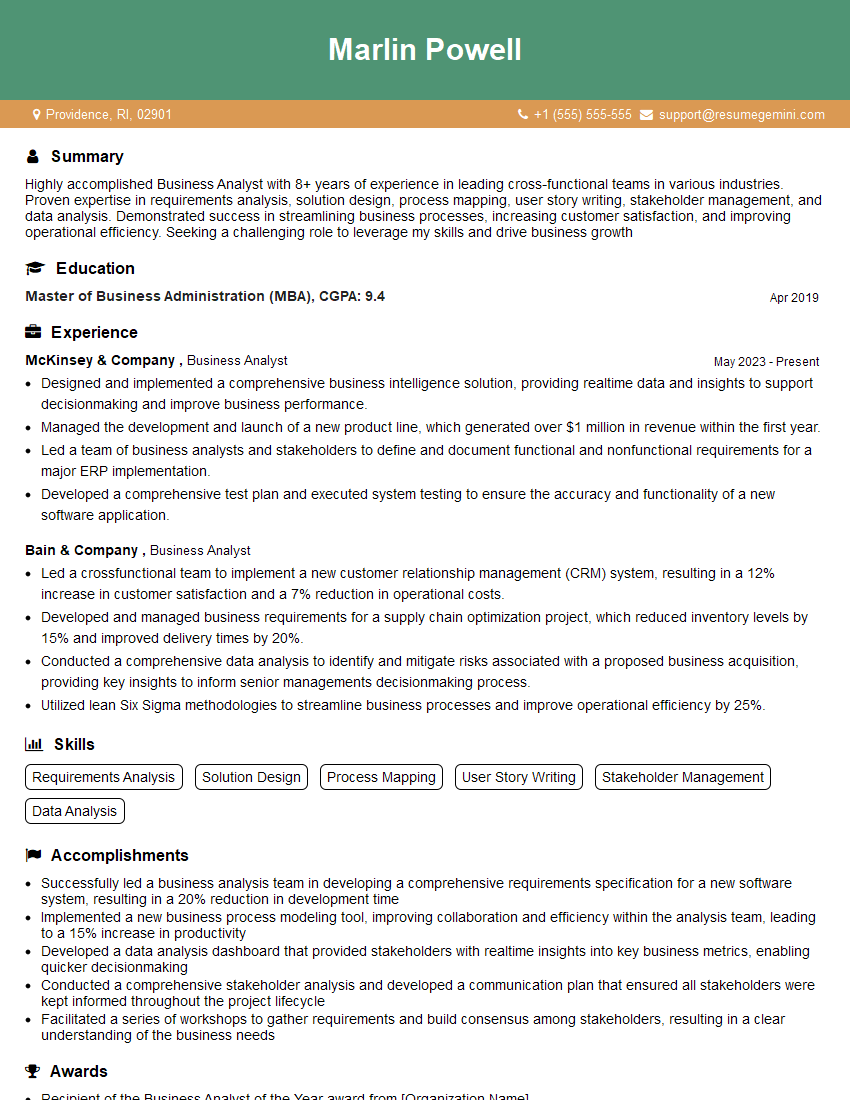
Business Analyst Resume Sample
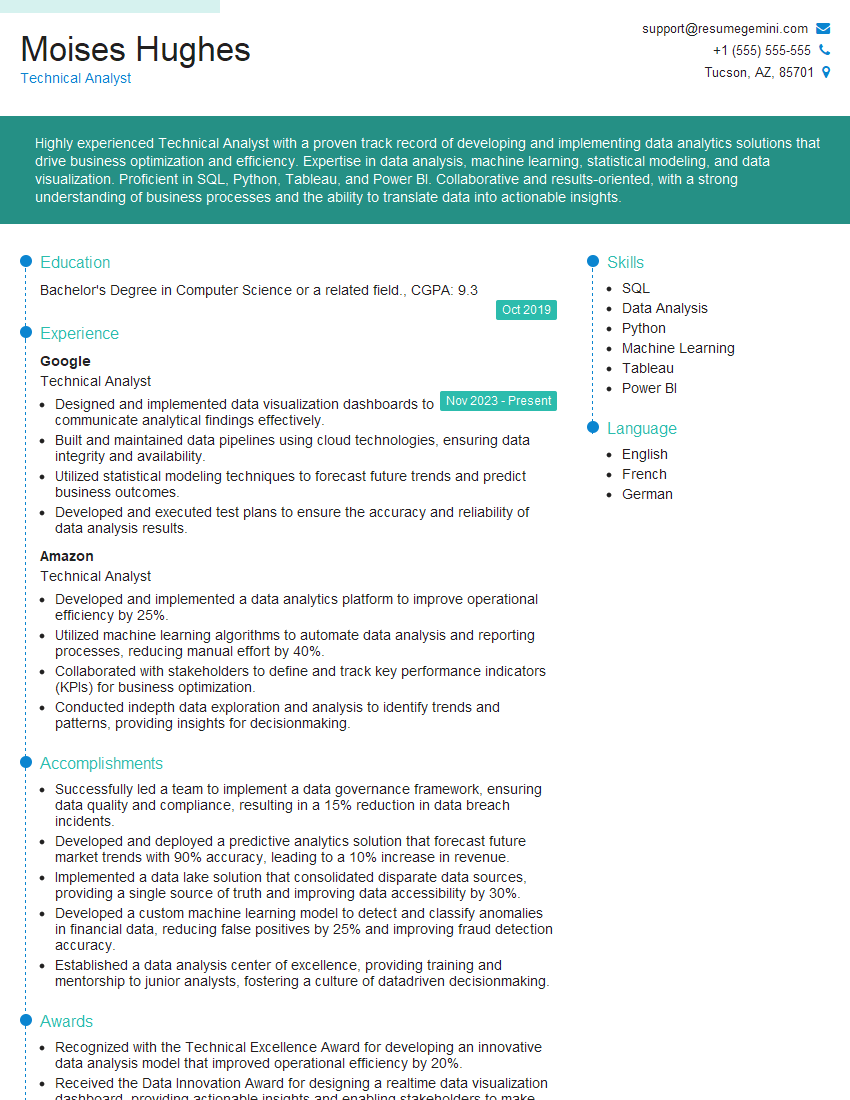
Technical Analyst Resume Sample
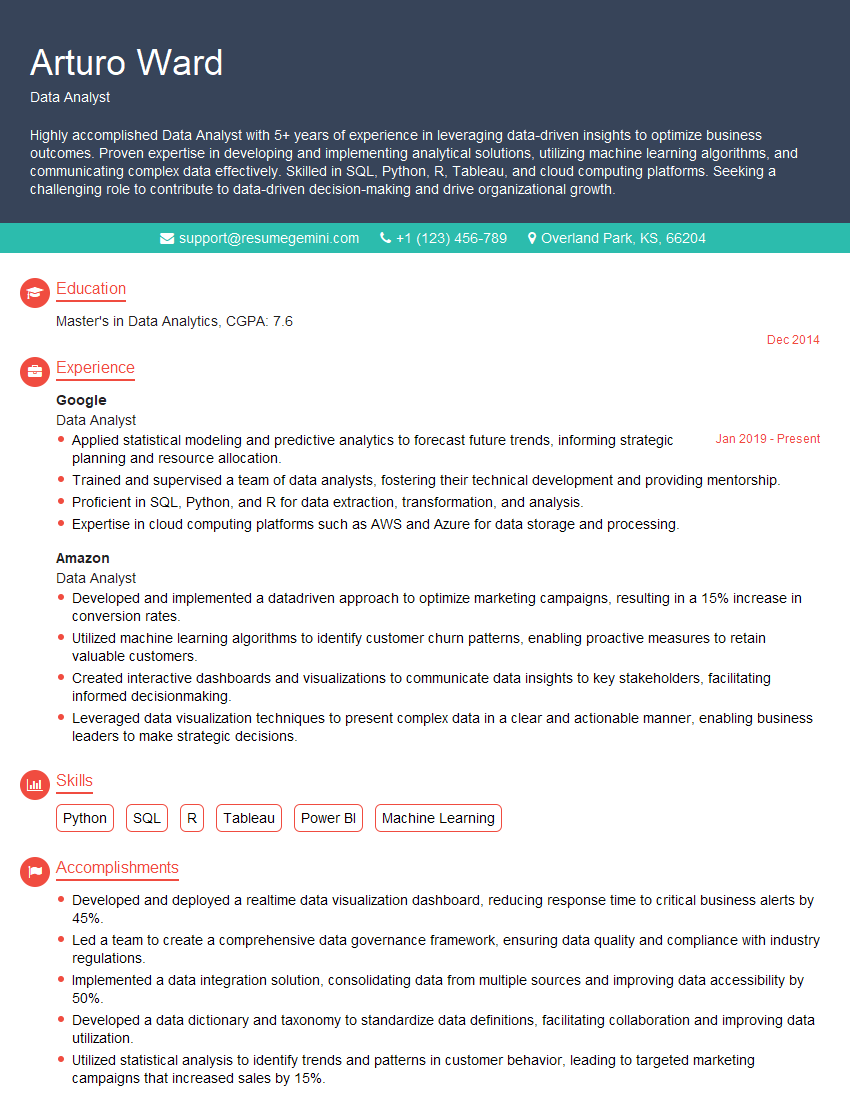
Data Analyst Resume Sample
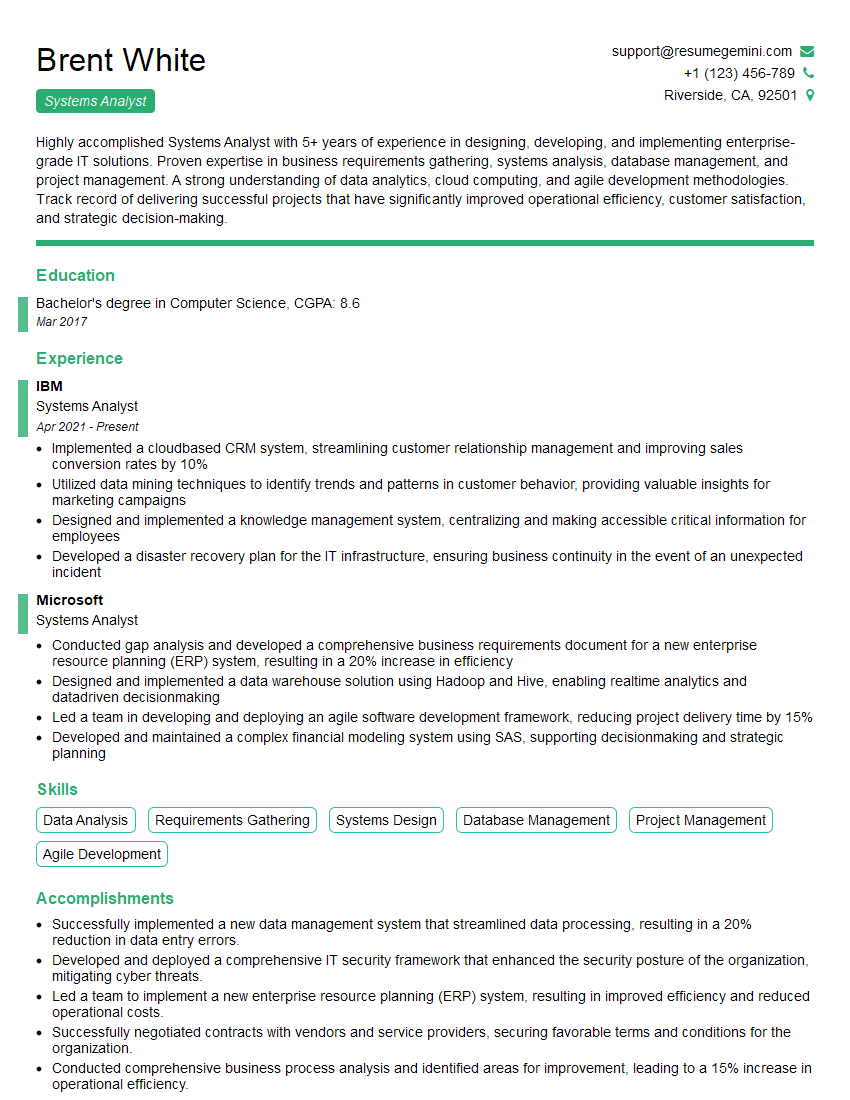
Systems Analyst Resume Sample
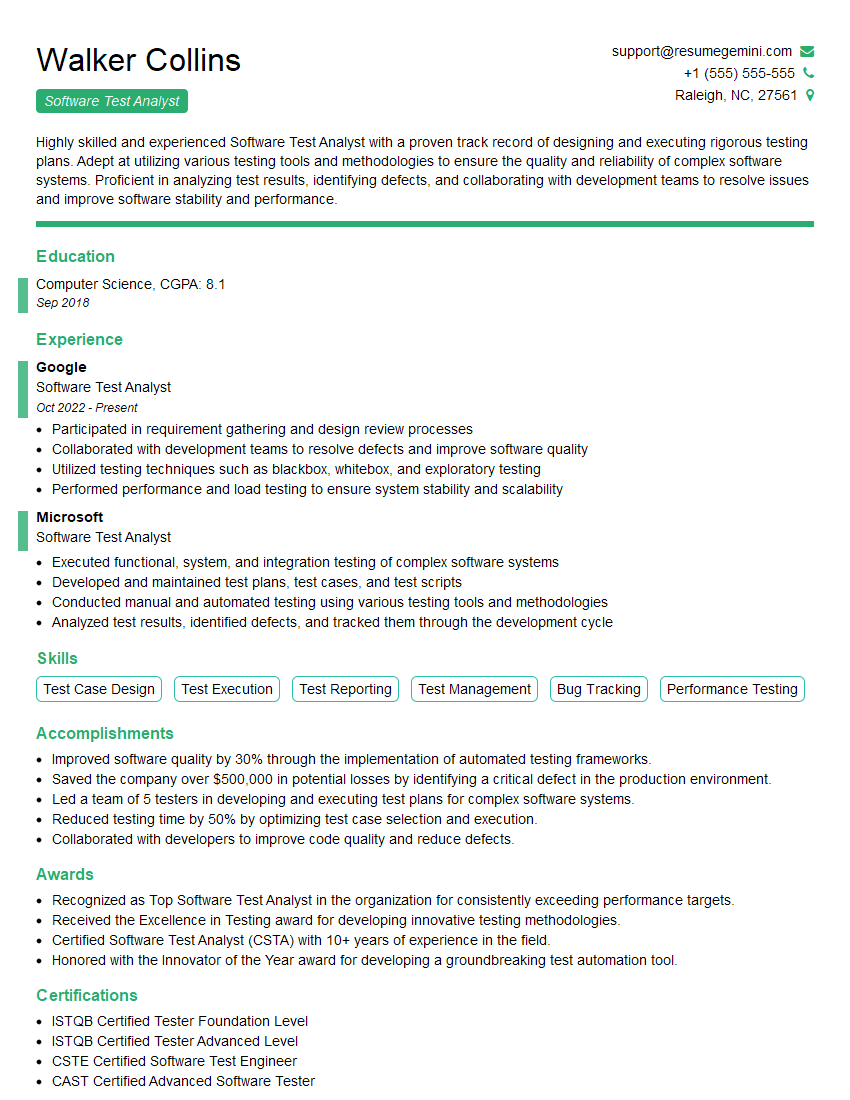
Software Test Analyst Resume Sample
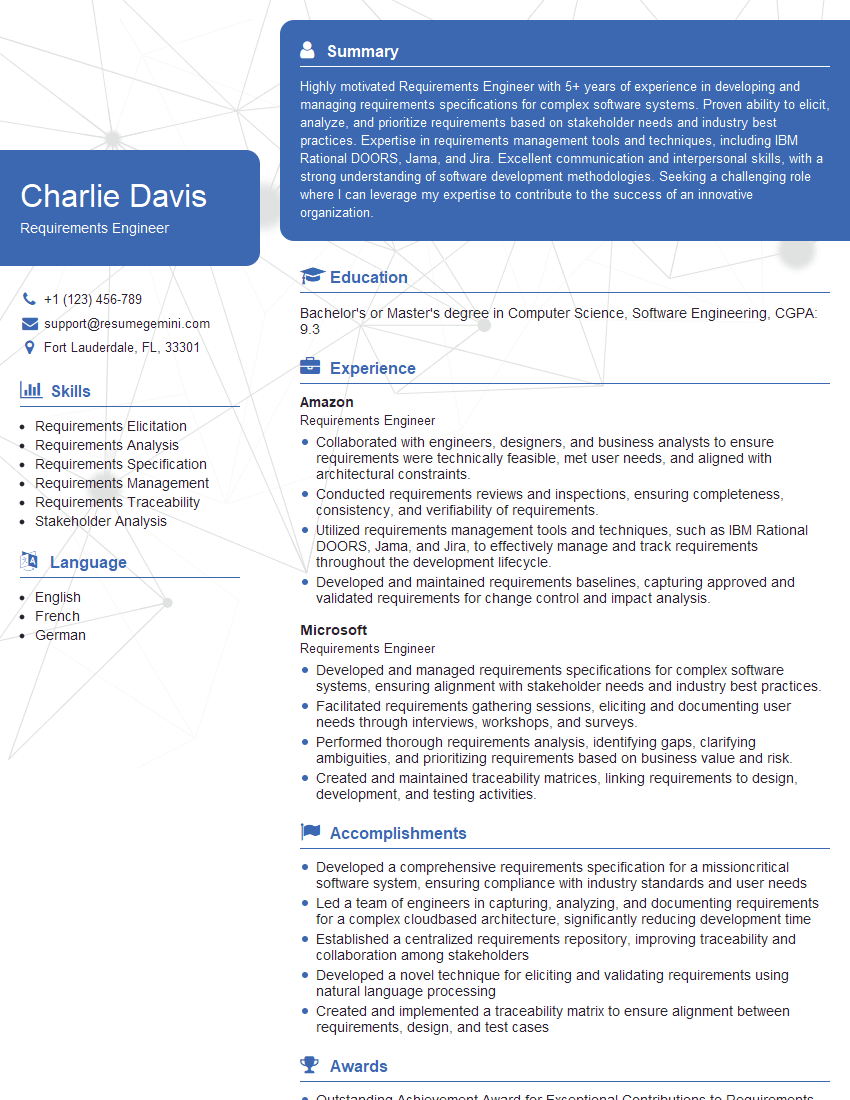
Requirements Engineer Resume Sample
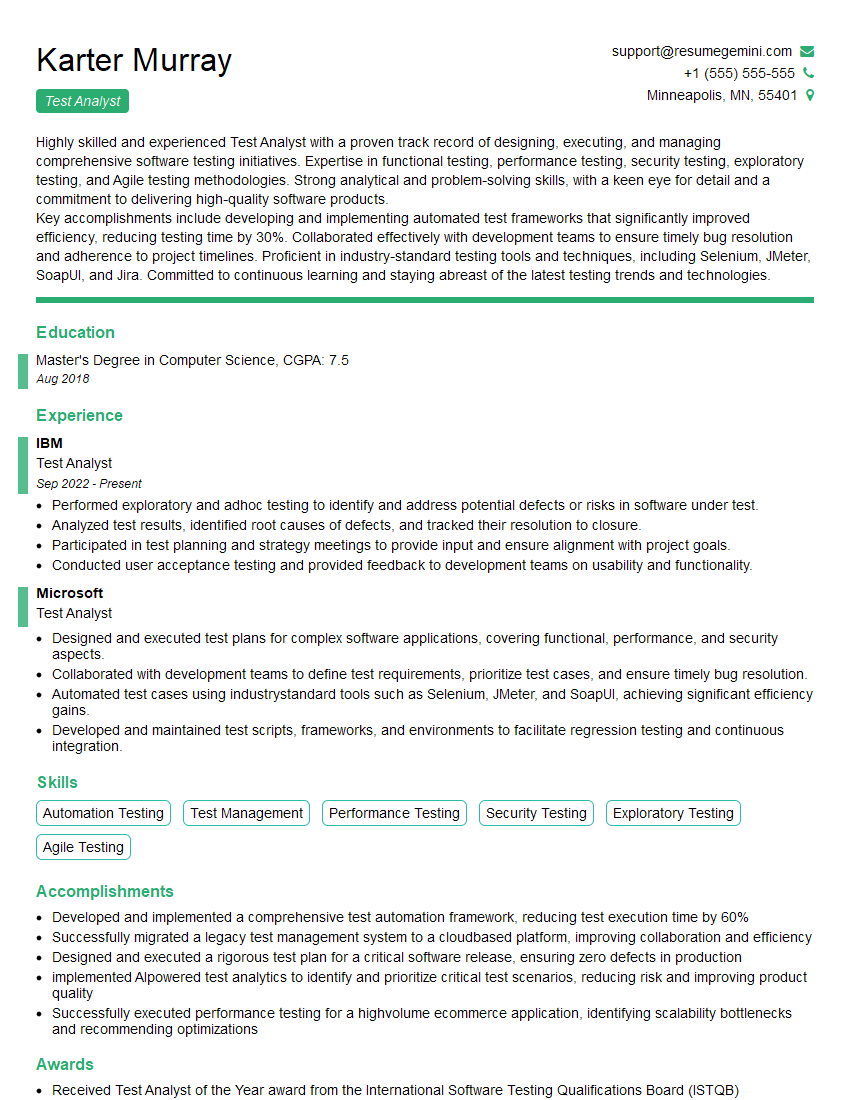
Test Analyst Resume Sample
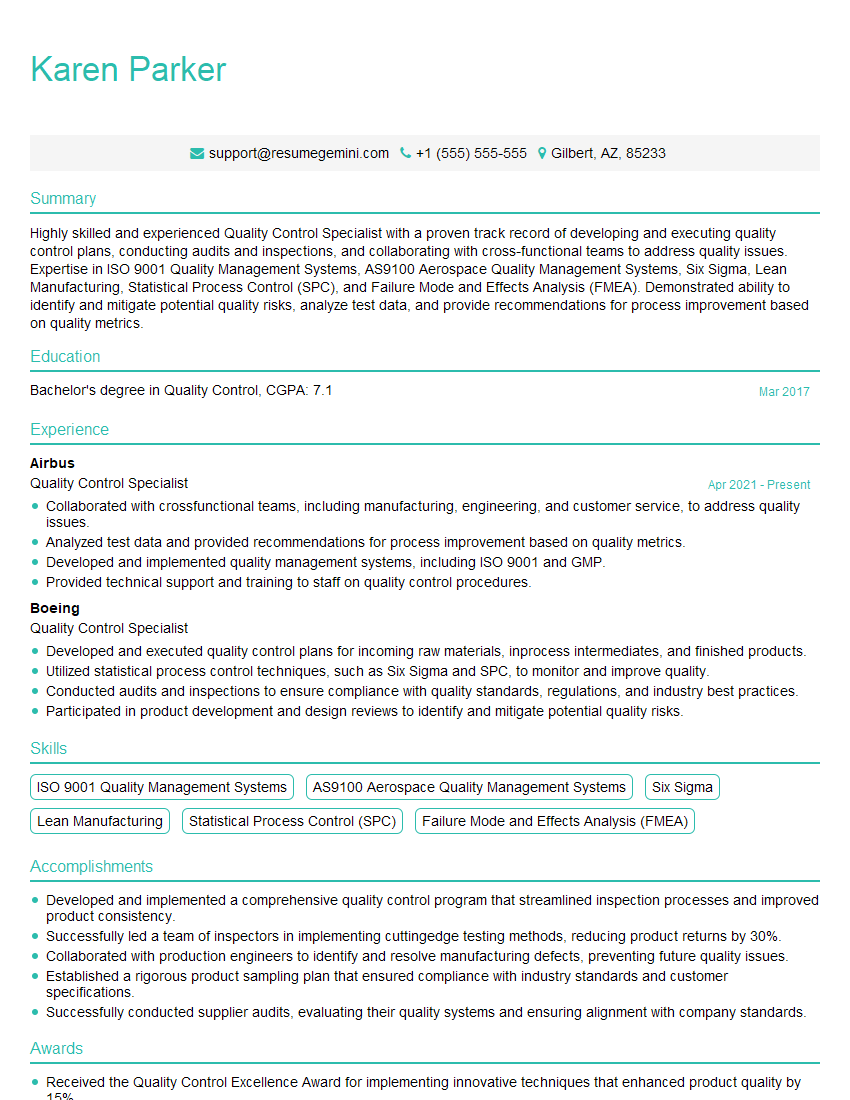
Quality Control Specialist Resume Sample
Explore more articles
Users Rating of Our Blogs
Share Your Experience
We value your feedback! Please rate our content and share your thoughts (optional).
What Readers Say About Our Blog
Very informative content, great job.
good