Are you ready to stand out in your next interview? Understanding and preparing for Thrush Treatment and Prevention interview questions is a game-changer. In this blog, we’ve compiled key questions and expert advice to help you showcase your skills with confidence and precision. Let’s get started on your journey to acing the interview.
Questions Asked in Thrush Treatment and Prevention Interview
Q 1. What are the common symptoms of oral thrush?
Oral thrush, or oral candidiasis, is a fungal infection of the mouth caused by the yeast Candida albicans. Symptoms typically include creamy white lesions or spots on the tongue, inner cheeks, gums, or tonsils. These lesions can be scraped off, sometimes leaving a slightly bleeding surface. Other symptoms can include soreness or burning in the mouth, difficulty swallowing, and a cottony feeling in the mouth. In severe cases, the infection can spread to the throat and cause difficulty breathing. Imagine it like a coating of cottage cheese on the inside of your mouth, that’s often a telltale sign.
- White patches or plaques on the tongue, inner cheeks, or throat
- Soreness or burning in the mouth
- Difficulty swallowing
- Cottony feeling in the mouth
- Loss of taste
Q 2. What are the common symptoms of vaginal thrush?
Vaginal thrush, or vulvovaginal candidiasis, is a common fungal infection of the vagina caused, most often, by Candida albicans. The primary symptom is intense vaginal itching, often accompanied by a thick, white, clumpy discharge that resembles cottage cheese. Other symptoms can include soreness, burning, and pain during urination or intercourse. The area around the vagina (vulva) might also be red and swollen. Think of it like a severe yeast infection; the discomfort and discharge are distinctive.
- Intense vaginal itching
- Thick, white, clumpy vaginal discharge
- Vaginal soreness and burning
- Pain during urination or intercourse
- Redness and swelling of the vulva
Q 3. Describe the diagnostic methods used to identify Candida species.
Diagnosing Candida species typically involves a visual examination of the affected area, followed by laboratory testing. A healthcare professional will visually assess the characteristic lesions or discharge. For oral thrush, a simple scraping of the lesion can be examined under a microscope to identify the presence of Candida yeast cells and pseudohyphae (elongated yeast cells). For vaginal thrush, a sample of the vaginal discharge is collected and examined microscopically. In some cases, a culture may be performed to confirm the diagnosis and identify the specific Candida species, especially if treatment isn’t successful or if the infection recurs frequently. This culture allows the lab to grow the fungus and determine its susceptibility to various antifungal agents.
- Visual examination: Observing the characteristic lesions or discharge.
- Microscopic examination: Identifying Candida yeast cells and pseudohyphae.
- Culture: Growing the fungus to identify the species and determine antifungal susceptibility.
Q 4. Explain the mechanism of action of common antifungal medications like fluconazole.
Fluconazole is a systemic antifungal medication that works by inhibiting the synthesis of ergosterol, a vital component of the fungal cell membrane. Ergosterol is analogous to cholesterol in human cells; by disrupting its production, fluconazole weakens the fungal cell membrane, causing leakage of cellular contents and ultimately leading to fungal cell death. It’s important to remember that fluconazole targets fungal cells selectively because human cells don’t synthesize ergosterol in the same way.
Think of it like this: imagine the fungal cell membrane as a brick wall. Ergosterol is the mortar holding the bricks together. Fluconazole removes the mortar, causing the wall to crumble, effectively killing the fungus.
Q 5. What are the potential side effects of fluconazole?
While generally well-tolerated, fluconazole can cause several side effects, though these vary in severity and frequency. The most common side effects include nausea, vomiting, abdominal pain, and diarrhea. Less frequently, it can cause headaches, dizziness, and skin rash. In rare cases, more serious side effects such as liver damage, changes in blood counts, and allergic reactions can occur. It’s crucial to report any unusual symptoms to a healthcare provider immediately. It’s also important to note that these are potential side effects and not everyone experiences them.
- Nausea, vomiting, diarrhea, abdominal pain
- Headache, dizziness
- Skin rash
- Liver damage (rare)
- Changes in blood counts (rare)
- Allergic reactions (rare)
Q 6. When is topical antifungal treatment preferred over systemic treatment for thrush?
Topical antifungal treatment is generally preferred over systemic treatment (like oral fluconazole) for mild cases of thrush, particularly oral thrush, that are localized and not severe. Topical treatments, such as clotrimazole or nystatin, are applied directly to the affected area and have fewer systemic side effects because they are less likely to be absorbed into the bloodstream. Systemic treatment is usually reserved for more severe cases, recurrent infections, or when the infection has spread beyond the initial site. For example, a mild case of oral thrush might respond well to a topical antifungal mouthwash or ointment, while widespread oral thrush or vaginal thrush might require systemic treatment with fluconazole.
Q 7. How do you differentiate thrush from other conditions with similar symptoms?
Differentiating thrush from other conditions with similar symptoms requires a thorough clinical evaluation. Oral thrush can be mistaken for leukoplakia (a white patch in the mouth that is not easily scraped off), oral lichen planus (a chronic inflammatory condition), or even oral cancer. Vaginal thrush can be confused with bacterial vaginosis (BV) or other infections. Key differences lie in the appearance of the lesions (thrush lesions are usually creamy white and easily scraped off), the presence of other symptoms (like intense itching in vaginal thrush), and the response to treatment. A healthcare professional will use a combination of visual examination, microscopic analysis, and sometimes laboratory tests to make an accurate diagnosis and rule out other possibilities.
For example, if a white patch in the mouth doesn’t scrape off easily, it’s less likely to be thrush and further investigations are needed. If vaginal discharge is thin and grey, rather than thick and white, it points towards BV, not candidiasis. Accurate diagnosis is crucial for effective treatment.
Q 8. Discuss the risk factors associated with recurrent thrush infections.
Recurrent thrush, or candidiasis, is a frustrating problem for many. Several factors increase the likelihood of repeated infections. Think of it like this: thrush thrives in certain environments, and these risk factors create those favorable conditions.
- Weakened Immune System: Individuals with compromised immune systems, such as those with HIV/AIDS, undergoing chemotherapy, or taking immunosuppressants, are much more susceptible to recurrent infections. Their bodies struggle to fight off the Candida fungus effectively.
- Uncontrolled Diabetes: High blood sugar levels create a sugary environment in the mouth and other areas, providing a perfect breeding ground for Candida.
- Antibiotic Use: Antibiotics kill beneficial bacteria in the mouth and gut, disrupting the natural balance and allowing Candida to overgrow. It’s like removing the guards, leaving the castle vulnerable.
- Hormonal Changes: Fluctuations in hormone levels, particularly during pregnancy or menopause, can alter the vaginal environment, increasing the risk of vaginal thrush. These hormonal shifts can also impact oral health.
- Poor Oral Hygiene: Inadequate oral hygiene allows Candida to accumulate, creating a haven for the fungus. Imagine leaving dirty dishes – it’s an invitation for unwanted guests.
- Dental Appliances: Dentures, braces, and other dental appliances can create areas where Candida can easily collect and multiply. These act as surfaces for the fungus to adhere to.
- Certain Medications: Some medications, like inhaled corticosteroids, can increase the risk of oral thrush, especially if proper mouth rinsing is not practiced.
Understanding these risk factors is crucial for developing a tailored prevention strategy. We need to address the underlying issues to reduce recurrence.
Q 9. What are the common causes of oral thrush in infants?
Oral thrush in infants is usually caused by the Candida albicans fungus. Several factors contribute to its development in this vulnerable population:
- Transmission during birth: The infant may acquire the fungus from the mother’s vaginal canal during delivery if the mother has a vaginal yeast infection.
- Weakened immune system: Newborns have immature immune systems that are not yet fully equipped to fight off infections like thrush.
- Antibiotic use: Antibiotic use in the infant can disrupt the balance of the mouth’s normal flora, paving the way for Candida overgrowth.
- Prolonged use of pacifiers or bottles: These can harbor the fungus, facilitating its spread.
- Poor hygiene practices: Insufficient cleaning of bottles, pacifiers, and the infant’s mouth can contribute to the spread of Candida.
Early detection and appropriate treatment are vital to prevent complications. The symptoms usually involve creamy white patches on the tongue and inner cheeks.
Q 10. What are the guidelines for managing thrush in pregnant women?
Managing thrush during pregnancy requires careful consideration due to the impact on both the mother and the developing fetus. The goal is to treat the infection effectively while minimizing potential risks to the baby.
- Diagnosis: A thorough clinical examination is essential to confirm the diagnosis. A healthcare provider can visually identify the characteristic white patches of thrush.
- Treatment: Topical antifungal medications like clotrimazole or nystatin are generally preferred during pregnancy, as they pose a lower risk of systemic absorption. The specific treatment and duration will depend on the severity and location of the infection.
- Safety Considerations: It’s crucial to discuss all treatment options with a healthcare provider, as some antifungal medications may have potential side effects during pregnancy. The benefits of treatment must outweigh any potential risks.
- Breastfeeding: If the mother has thrush, she may also need to treat her nipples to prevent transmission to the infant during breastfeeding. This typically involves antifungal creams or ointments.
Regular monitoring and follow-up appointments are important to ensure the infection resolves and to address any potential complications.
Q 11. How do you advise patients on preventing recurrent thrush infections?
Preventing recurrent thrush involves a multi-pronged approach, focusing on addressing the underlying risk factors and promoting a healthy environment.
- Maintain good oral hygiene: Brush your teeth thoroughly twice a day, floss daily, and use a soft-bristled toothbrush. Regular cleaning of dentures and other oral appliances is essential.
- Control blood sugar levels: If you have diabetes, it’s critical to keep your blood sugar levels within the recommended range to minimize the risk of thrush.
- Avoid unnecessary antibiotic use: Antibiotics should only be used when necessary and as prescribed by a doctor. Consider probiotic supplementation to restore gut balance after antibiotic therapy.
- Address underlying health conditions: Managing underlying health conditions, such as HIV/AIDS or other immune deficiencies, is vital in preventing recurrent infections.
- Dietary adjustments: Reducing sugar intake and consuming a balanced diet rich in probiotics can help maintain a healthy gut microbiome and decrease the risk of thrush.
- Avoid sharing personal items: Don’t share toothbrushes, eating utensils, or other personal items that could transfer the fungus.
Regular check-ups with your doctor or dentist are crucial for early detection and management of any potential recurrence.
Q 12. Describe the role of hygiene in preventing thrush.
Hygiene plays a crucial role in preventing thrush. Think of it as removing the welcome mat for the Candida fungus.
- Oral hygiene: Thorough and regular brushing and flossing remove food particles and plaque, reducing the amount of available substrate for Candida to grow.
- Hand hygiene: Washing hands frequently with soap and water helps prevent the spread of the fungus from one area of the body to another, or from person to person.
- Cleaning of personal items: Regularly cleaning and sterilizing items such as toothbrushes, dentures, pacifiers, and other appliances prevents the build-up of Candida.
- Hygiene during sexual activity: Practicing safe sex and maintaining good genital hygiene can help prevent the spread of vaginal yeast infections, which are often caused by the same fungus that causes oral thrush.
Consistent and meticulous hygiene practices create an environment less hospitable to Candida, significantly reducing the risk of infection.
Q 13. What dietary recommendations do you provide to patients prone to thrush?
Dietary modifications can be helpful in managing and preventing thrush. It’s about creating an environment less conducive to Candida overgrowth.
- Reduce sugar intake: Candida thrives on sugar. Reducing intake limits its food source.
- Increase probiotic intake: Probiotics, beneficial bacteria found in foods like yogurt and kefir, help restore the balance of the gut and oral microbiota, competing with Candida for resources.
- Eat a balanced diet: A diet rich in fruits, vegetables, and whole grains provides essential nutrients for immune function and overall health.
- Limit processed foods: Processed foods often contain high levels of sugar and refined carbohydrates, fueling Candida growth.
- Consider prebiotic foods: Prebiotic foods act as food for probiotics, further supporting a healthy gut balance. These are found in foods like onions, garlic, and bananas.
Dietary changes should be made in consultation with a healthcare professional or registered dietitian to ensure they are appropriate for individual needs and health conditions.
Q 14. What are the implications of untreated thrush?
Untreated thrush can lead to several complications, depending on the location and severity of the infection.
- Pain and discomfort: Thrush can cause significant pain, especially in the mouth and throat, making eating and swallowing difficult.
- Infection spread: If left untreated, thrush can spread to other parts of the body, potentially causing more serious infections.
- Difficulty feeding in infants: In infants, thrush can interfere with feeding and cause weight loss.
- Chronic infections: In individuals with compromised immune systems, thrush can become chronic and resistant to treatment.
- Systemic candidiasis: In severe cases, the infection can spread to the bloodstream (candidemia), causing a life-threatening systemic infection.
Prompt diagnosis and treatment are essential to prevent these potential complications. If you suspect you have thrush, seek medical attention promptly.
Q 15. How do you manage thrush in immunocompromised patients?
Managing thrush, or oral candidiasis, in immunocompromised patients requires a multifaceted approach due to their increased susceptibility to severe infections. These patients often have weakened immune systems, making them more vulnerable to fungal overgrowth and less responsive to standard treatments.
Treatment typically begins with a thorough assessment of the patient’s immune status and the severity of the infection. A definitive diagnosis is crucial, often involving a clinical examination and possibly a culture to identify the specific Candida species.
- Choice of Antifungal: Fluconazole is frequently the first-line treatment, but its effectiveness can be limited in severe cases or with recurrent infections. For more severe or resistant infections, echinocandins (such as caspofungin, micafungin, or anidulafungin) are potent alternatives. Amphotericin B, though effective, is generally reserved for life-threatening cases due to its potential toxicity.
- Dosage and Duration: The dosage and duration of antifungal therapy are tailored to the individual patient’s condition and immune status. Immunocompromised patients typically require higher doses and longer treatment courses compared to immunocompetent individuals. Close monitoring is essential to ensure efficacy and minimize adverse effects.
- Underlying Condition Management: Addressing the underlying condition compromising the immune system is paramount. This might involve optimizing HIV therapy, managing diabetes, or addressing other factors contributing to immunosuppression.
- Supportive Care: Supportive care is crucial. This includes good oral hygiene (gentle brushing with a soft-bristled brush, rinsing with saline), adequate hydration, and nutritional support to enhance the body’s ability to fight the infection.
For example, a patient with uncontrolled HIV and severe oral thrush might require a higher dose of fluconazole for a prolonged period, along with adjustments to their antiretroviral therapy. Regular follow-up appointments are necessary to assess response to treatment and make necessary adjustments.
Career Expert Tips:
- Ace those interviews! Prepare effectively by reviewing the Top 50 Most Common Interview Questions on ResumeGemini.
- Navigate your job search with confidence! Explore a wide range of Career Tips on ResumeGemini. Learn about common challenges and recommendations to overcome them.
- Craft the perfect resume! Master the Art of Resume Writing with ResumeGemini’s guide. Showcase your unique qualifications and achievements effectively.
- Don’t miss out on holiday savings! Build your dream resume with ResumeGemini’s ATS optimized templates.
Q 16. What are the challenges in treating drug-resistant Candida species?
The emergence of drug-resistant Candida species presents a significant challenge in the management of thrush. This resistance stems from various factors, including the overuse and misuse of antifungals. Certain Candida species, like Candida auris, are inherently more resistant to multiple antifungal drugs, making treatment complex and difficult.
Challenges in treating drug-resistant Candida species include:
- Limited Treatment Options: Once resistance develops, the available antifungal options may be limited, potentially requiring the use of less effective or more toxic drugs.
- Difficulty in Diagnosis: Identifying the specific Candida species and its resistance profile requires specialized laboratory tests, which may not be readily available in all settings.
- Increased Treatment Failure: Drug resistance leads to higher rates of treatment failure, potentially requiring prolonged treatment or combination therapies.
- Higher Mortality Risk: Infections caused by drug-resistant Candida species are associated with increased morbidity and mortality, especially in immunocompromised individuals.
Strategies to combat drug resistance involve prudent use of antifungals, adherence to appropriate treatment guidelines, and ongoing surveillance of Candida species for resistance patterns. The development of novel antifungal agents and innovative treatment approaches is also crucial to address this growing public health concern.
Q 17. Discuss the use of probiotics in the prevention of thrush.
Probiotics, live microorganisms that confer a health benefit when administered in adequate amounts, hold promise in the prevention of thrush. The rationale is that they can help restore the balance of the oral microbiota, preventing the overgrowth of Candida. However, the evidence supporting their use is still evolving.
Some studies suggest that certain probiotic strains, such as Lactobacillus and Saccharomyces boulardii, may help prevent candidiasis by competing with Candida for nutrients and space, producing antimicrobial substances, or modulating the immune system.
It’s important to note that not all probiotics are equally effective, and the efficacy can vary depending on the specific strain, dosage, and individual patient factors. Moreover, while probiotics might play a role in *prevention*, they are generally not considered a primary treatment for established thrush.
For example, a patient with a history of recurrent thrush might consider incorporating probiotic-rich foods (like yogurt with live cultures) or supplements into their diet as a preventative measure. However, this should be discussed with a healthcare professional and not used as a replacement for antifungal treatment if an infection develops.
Q 18. Explain the importance of patient education in managing thrush.
Patient education is essential in managing thrush effectively. It empowers patients to take an active role in their care and promotes better treatment outcomes. Key aspects of patient education include:
- Understanding the Cause and Risk Factors: Patients should understand that thrush is a fungal infection, and its development can be linked to factors like weakened immunity, antibiotic use, or poor oral hygiene.
- Recognizing Symptoms: Patients need to know how to identify the characteristic symptoms of oral thrush, such as white patches or soreness in the mouth.
- Adherence to Treatment: Emphasizing the importance of completing the entire course of prescribed antifungal medication, even if symptoms improve before the end of the treatment period, is crucial to prevent recurrence.
- Oral Hygiene Practices: Patients should be instructed on proper oral hygiene techniques, including gentle brushing and rinsing with saline or prescribed mouthwashes.
- Dietary Modifications: In some cases, dietary changes may be recommended to help manage the condition, such as reducing sugar intake.
- Recognizing Recurrence: Patients should know when to seek medical attention if thrush recurs or symptoms worsen.
For instance, explaining to a patient that finishing their antifungal medication is vital, even if they feel better after a few days, prevents the Candida from fully clearing and returning. This prevents chronic infections and reduces the risk of resistance.
Q 19. What are the latest advancements in thrush treatment?
Recent advancements in thrush treatment focus on improving existing therapies and developing new approaches to combat drug resistance. These include:
- Novel Antifungal Agents: Research is ongoing to develop new antifungal drugs with different mechanisms of action, aiming to overcome resistance to existing medications.
- Combination Therapies: Using two or more antifungal agents simultaneously can enhance efficacy and reduce the likelihood of resistance development.
- Targeted Therapies: These therapies aim to specifically target the virulence factors of Candida, minimizing damage to the host cells.
- Improved Diagnostics: Rapid and accurate diagnostic tools are being developed to identify Candida species and their resistance profiles more quickly, facilitating timely and appropriate treatment.
- Personalized Medicine Approaches: Tailoring treatment based on an individual’s genetic profile and the specific characteristics of the infecting Candida strain is a promising avenue.
For example, the development of new echinocandin derivatives with improved activity against resistant Candida strains represents significant progress. Additionally, rapid diagnostic tests are making it possible to quickly identify resistance patterns, guiding clinicians towards the most effective treatment strategy.
Q 20. How do you determine the appropriate dosage of antifungal medication?
Determining the appropriate dosage of antifungal medication for thrush depends on several factors:
- Type of Antifungal: Different antifungals have different dosage recommendations.
- Severity of Infection: More severe infections usually warrant higher dosages.
- Patient’s Age and Weight: Dosage adjustments are often necessary for children and elderly patients.
- Patient’s Renal and Hepatic Function: Kidney and liver function can affect drug metabolism and clearance, requiring dose adjustments to avoid toxicity.
- Immunocompetence: Immunocompromised patients typically need higher doses and longer treatment durations.
The dosage is usually determined based on the physician’s assessment of the patient’s condition and using established treatment guidelines. For example, the dosage of fluconazole for oral thrush might differ significantly between a healthy adult and an immunocompromised individual with a severe infection. Always refer to the prescribing information and follow professional guidelines.
Q 21. Describe the monitoring strategies for patients on antifungal treatment.
Monitoring strategies for patients on antifungal treatment for thrush aim to assess treatment efficacy, detect any adverse effects, and guide adjustments to therapy if needed. These strategies include:
- Clinical Evaluation: Regular clinical examinations to assess the resolution of oral lesions and symptoms are essential.
- Mycological Evaluation: Follow-up cultures to assess the eradication of Candida from the oral cavity are often performed, especially in severe or recurrent cases.
- Monitoring of Adverse Effects: Patients should be monitored for any potential adverse effects of the antifungal medication, such as nausea, vomiting, diarrhea, or liver or kidney dysfunction. Regular blood tests might be necessary.
- Assessment of Immune Status: In immunocompromised patients, monitoring of immune parameters is crucial to ensure the effectiveness of immunosuppressive management and response to antifungal therapy.
For instance, a patient receiving fluconazole might undergo regular blood tests to check liver function, ensuring that the medication isn’t causing any damage. The clinical response is also regularly evaluated, and if there’s no improvement after a set period, the treatment might be adjusted or changed.
Q 22. What are the potential drug interactions with antifungal medications?
Antifungal medications, while crucial in treating thrush (candidiasis), can interact with other drugs, sometimes significantly impacting efficacy or causing adverse effects. These interactions are often due to competition for metabolic pathways or alterations in drug absorption or excretion.
- Azoles (e.g., fluconazole, itraconazole): These are common thrush treatments. They can interact with drugs metabolized by the cytochrome P450 enzyme system (CYP450), such as statins (leading to increased statin levels and risk of myopathy), warfarin (affecting blood clotting), and certain antihistamines. This means careful monitoring of blood levels and potential dose adjustments are needed.
- Polyenes (e.g., amphotericin B): While less commonly used for oral thrush, these are powerful antifungals used in serious cases. They can cause nephrotoxicity (kidney damage), particularly when combined with nephrotoxic drugs like aminoglycoside antibiotics.
- Echinocandins (e.g., caspofungin): These are typically reserved for severe candidiasis but can interact with other drugs, although generally less extensively than azoles.
For example, a patient taking fluconazole for thrush and simvastatin for high cholesterol needs close monitoring for muscle pain or weakness, indicating a potential interaction. Always review the patient’s complete medication history before prescribing antifungals to mitigate the risk of adverse drug interactions.
Q 23. How do you approach a patient who experiences persistent thrush despite treatment?
Persistent thrush despite appropriate treatment requires a thorough reevaluation. The first step is to confirm the diagnosis – is it truly Candida, or another infection mimicking thrush? A second culture may be necessary, and sometimes a KOH prep to visualize hyphae.
Next, we need to explore potential contributing factors:
- Underlying medical conditions: Diabetes, HIV/AIDS, or immunosuppressive medications can significantly impair the body’s ability to clear Candida. Managing these conditions is paramount.
- Non-adherence to treatment: Patients may not be taking the medication as prescribed due to side effects, forgetfulness, or other reasons. Education and support are key.
- Drug resistance: Candida species can develop resistance to antifungals, especially with prolonged or inappropriate use. Antifungal susceptibility testing (discussed later) is crucial here.
- Re-infection: Sources of re-infection, such as poor oral hygiene or sexual contact, must be addressed.
- Incorrect diagnosis: Sometimes, other conditions mimic thrush, necessitating a reassessment.
For instance, a patient with persistent oral thrush despite fluconazole treatment might warrant a full blood count and assessment of blood glucose levels to rule out diabetes, and a discussion on adherence to the prescribed medication regimen. If resistance is suspected, an alternative antifungal like an echinocandin may be considered, guided by susceptibility testing.
Q 24. What are the ethical considerations in managing thrush infections?
Ethical considerations in managing thrush center around patient autonomy, beneficence, and justice. These include:
- Informed consent: Patients need to fully understand their diagnosis, treatment options, risks, and benefits before consenting to any intervention. This is especially important with antifungal medications that can have side effects.
- Confidentiality: Thrush, while common, can be sensitive for some individuals. Maintaining patient confidentiality is essential.
- Access to care: Ensuring equitable access to diagnosis and treatment for all patients, regardless of socioeconomic status or other factors, is paramount. This may involve considering cost-effective treatments.
- Appropriate prescribing practices: Avoiding unnecessary or prolonged antifungal use to minimize the risk of drug resistance and side effects is crucial.
- Considering cultural factors: Patient beliefs and cultural practices can influence treatment adherence. Understanding and addressing these factors is essential for successful management.
For instance, a patient with recurrent thrush might be hesitant to discuss their sexual history, a critical aspect of management in some cases. A sensitive and respectful approach is crucial to build trust and encourage open communication. Similarly, affordable antifungal options should be explored for patients facing financial constraints.
Q 25. How do you document and report cases of thrush?
Documentation and reporting of thrush cases are essential for epidemiological surveillance and public health monitoring. Detailed records should include:
- Patient demographics: Age, sex, medical history.
- Clinical presentation: Location, severity, symptoms.
- Diagnostic testing results: Culture results identifying the Candida species and antifungal susceptibility.
- Treatment provided: Medication, dose, duration, response to therapy.
- Outcome: Resolution of infection, complications.
Reporting mechanisms vary by jurisdiction. In many cases, reporting is mandatory for outbreaks or severe cases (invasive candidiasis). Accurate documentation ensures appropriate public health interventions and aids in identifying trends and risk factors associated with thrush infections.
For example, a case of invasive candidiasis in a hospital setting requires immediate reporting to infection control personnel to prevent further spread.
Q 26. Discuss the role of antifungal susceptibility testing.
Antifungal susceptibility testing (AST) is crucial in managing thrush, especially in cases of persistent infection or suspected drug resistance. AST determines the minimum inhibitory concentration (MIC) of various antifungals against the isolated Candida species. This allows us to select the most effective antifungal agent and minimize the risk of treatment failure.
The process typically involves isolating the Candida from a clinical sample (e.g., oral swab), identifying the species, and then performing the AST using standardized methods. Results are interpreted using established breakpoints to categorize isolates as susceptible, intermediate, or resistant. This information guides treatment decisions; for example, a fluconazole-resistant Candida albicans necessitates choosing an alternative antifungal such as an echinocandin.
AST isn’t always routine for oral thrush, but it becomes vital in cases of treatment failure, immunocompromised patients, or suspected outbreaks.
Q 27. What are the public health implications of widespread thrush infections?
Widespread thrush infections have significant public health implications, especially in vulnerable populations like neonates, immunocompromised individuals, and those in healthcare settings.
- Increased morbidity and mortality: Invasive candidiasis can be life-threatening, particularly in critically ill patients.
- Healthcare-associated infections (HAIs): Thrush outbreaks in hospitals and long-term care facilities can overwhelm resources and increase healthcare costs.
- Emergence of drug resistance: Overuse or inappropriate use of antifungals can drive the development of drug-resistant Candida strains, limiting treatment options.
- Economic burden: The costs associated with diagnosing, treating, and managing thrush infections, along with lost productivity, can be substantial.
Effective public health strategies, including infection control measures in healthcare settings, prudent antifungal stewardship, and targeted surveillance programs, are essential to mitigate these implications.
Q 28. Explain your approach to managing a severe case of invasive candidiasis.
Managing severe invasive candidiasis is a complex undertaking, requiring a multidisciplinary approach involving infectious disease specialists, critical care physicians, and pharmacists. The management strategy centers around rapid diagnosis, broad-spectrum antifungal therapy, and supportive care.
My approach would be:
- Rapid diagnosis: Blood cultures are essential for confirming the diagnosis and identifying the Candida species. Other diagnostic modalities, such as imaging studies, may be necessary depending on the site of infection.
- Empiric antifungal therapy: Treatment typically begins with broad-spectrum antifungals such as echinocandins (caspofungin, micafungin, anidulafungin) or amphotericin B. The choice depends on local epidemiology and potential drug interactions.
- Antifungal susceptibility testing: Once the Candida species is identified, AST is performed to guide further treatment optimization.
- Dosage adjustment and monitoring: Antifungal drug levels are monitored to ensure therapeutic concentrations and minimize toxicity.
- Supportive care: This includes managing symptoms, supporting organ function, and providing nutritional support. Close monitoring for complications, such as organ dysfunction or disseminated intravascular coagulation (DIC), is critical.
- Source control: If possible, removing the source of infection (e.g., surgical debridement of infected tissue) is crucial for successful outcomes.
For instance, a patient with disseminated candidiasis might receive caspofungin initially while waiting for AST results. If the AST shows resistance to caspofungin, the treatment would be switched to an alternative antifungal.
Key Topics to Learn for Thrush Treatment and Prevention Interview
- Understanding Thrush: Etiology, pathogenesis, and risk factors associated with candidiasis (thrush).
- Diagnosis and Assessment: Methods used to diagnose thrush, including visual inspection, laboratory tests (e.g., KOH prep, culture), and differential diagnosis from other oral lesions.
- Treatment Modalities: Overview of antifungal agents (topical and systemic), their mechanisms of action, and appropriate selection based on patient factors and severity of infection.
- Practical Application: Case studies and scenarios involving thrush treatment decisions, considering patient age, underlying health conditions, and potential drug interactions.
- Prevention Strategies: Discussing strategies for preventing thrush, such as good oral hygiene, managing risk factors (e.g., diabetes, immunosuppression), and patient education.
- Complications and Management: Understanding potential complications of thrush (e.g., esophageal candidiasis) and appropriate management strategies.
- Evidence-Based Practice: Applying current research and guidelines to inform treatment and prevention protocols.
- Patient Communication and Counseling: Importance of effective communication with patients regarding diagnosis, treatment options, and prevention measures.
Next Steps
Mastering Thrush Treatment and Prevention is crucial for career advancement in healthcare. A strong understanding of these concepts demonstrates expertise and commitment to patient care, significantly enhancing your job prospects. To stand out, create an ATS-friendly resume that highlights your skills and experience effectively. ResumeGemini is a trusted resource to help you build a professional and impactful resume that captures the attention of recruiters. We offer examples of resumes tailored specifically to Thrush Treatment and Prevention to guide you in creating a winning application. Take the next step towards your dream career today!
Microbiologist Resume Sample
Epidemiologist Resume Sample
Clinical Pharmacist Resume Sample
Family Physician Resume Sample
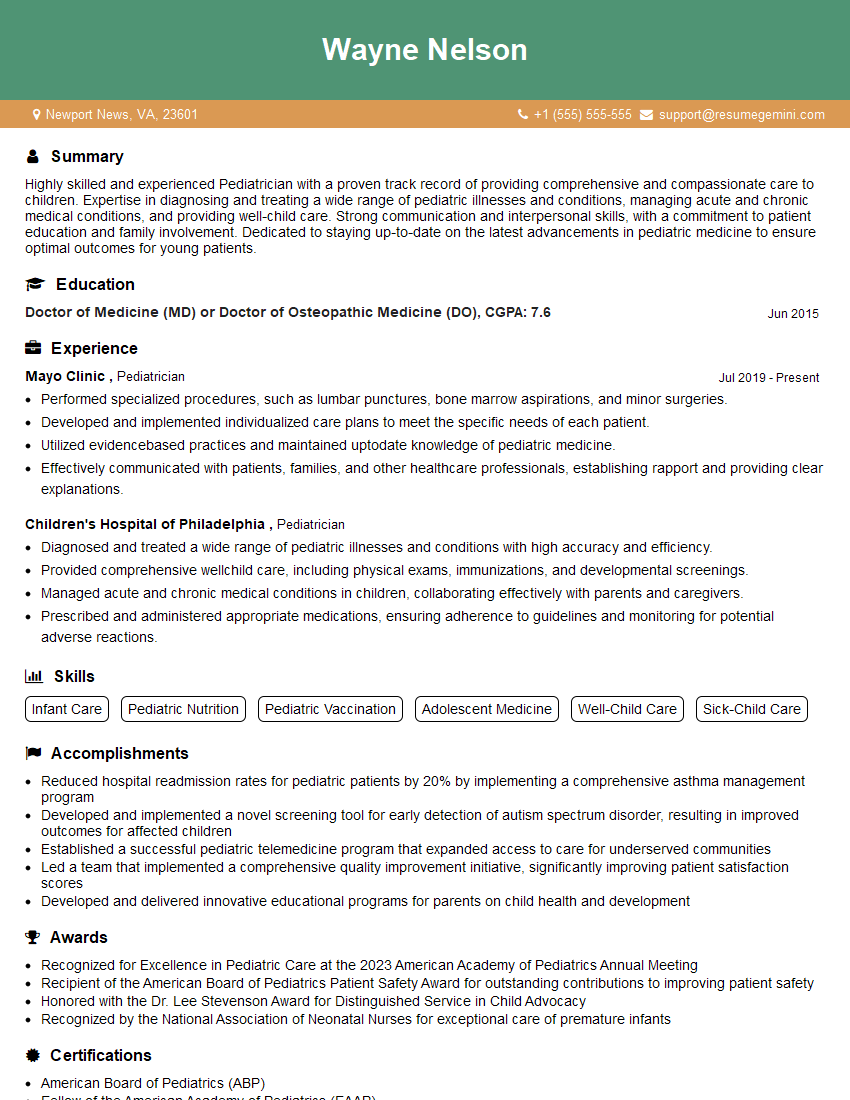
Pediatrician Resume Sample

Physician Assistant Resume Sample
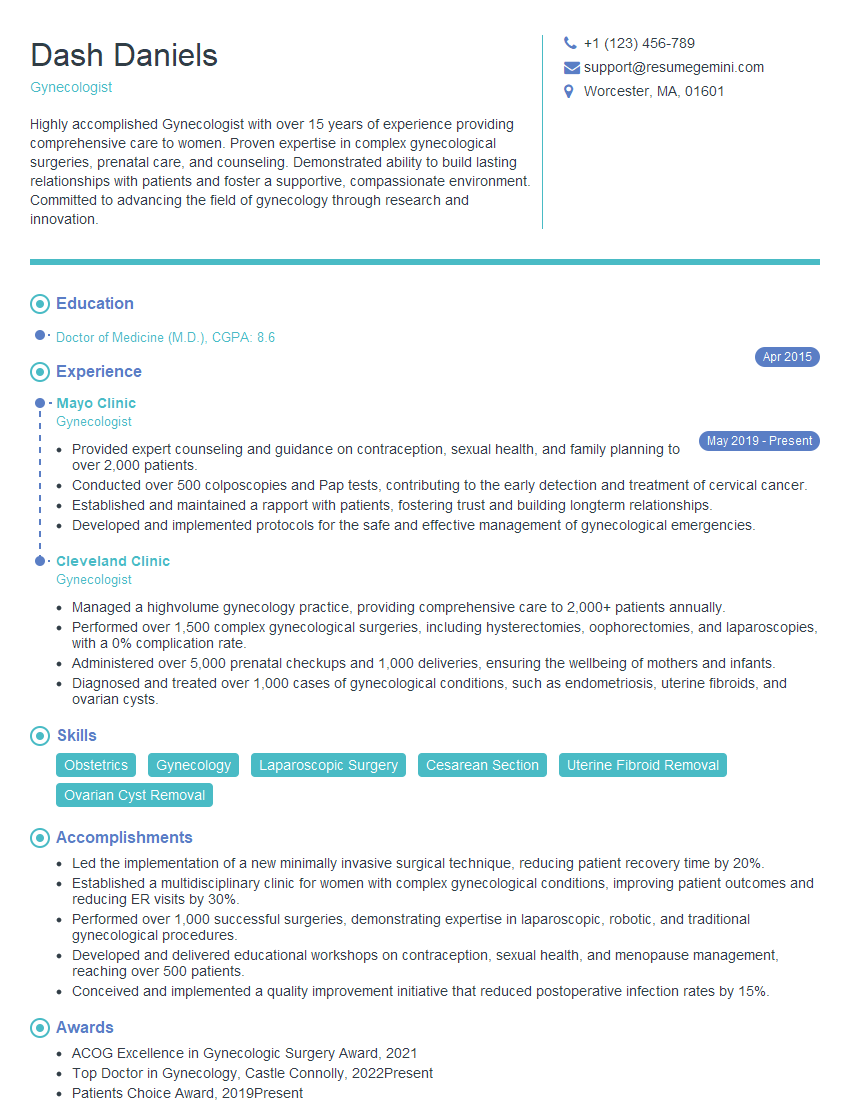
Gynecologist Resume Sample
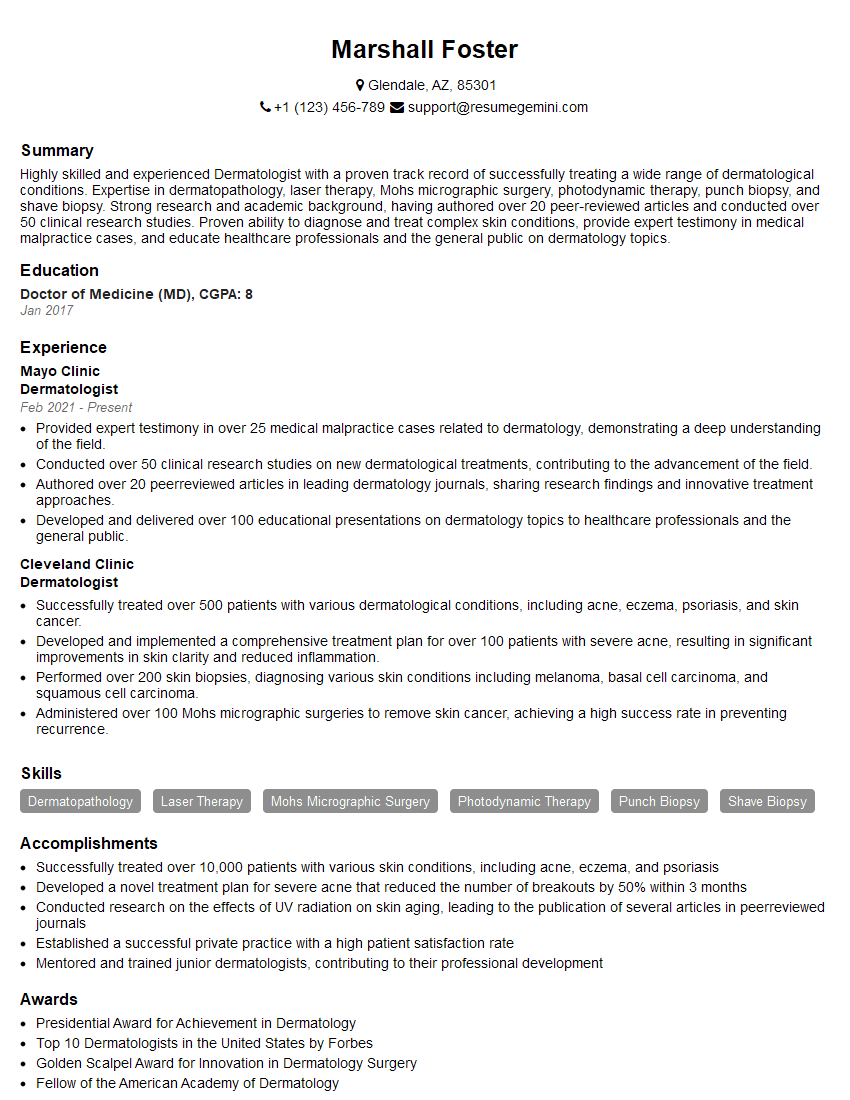
Dermatologist Resume Sample
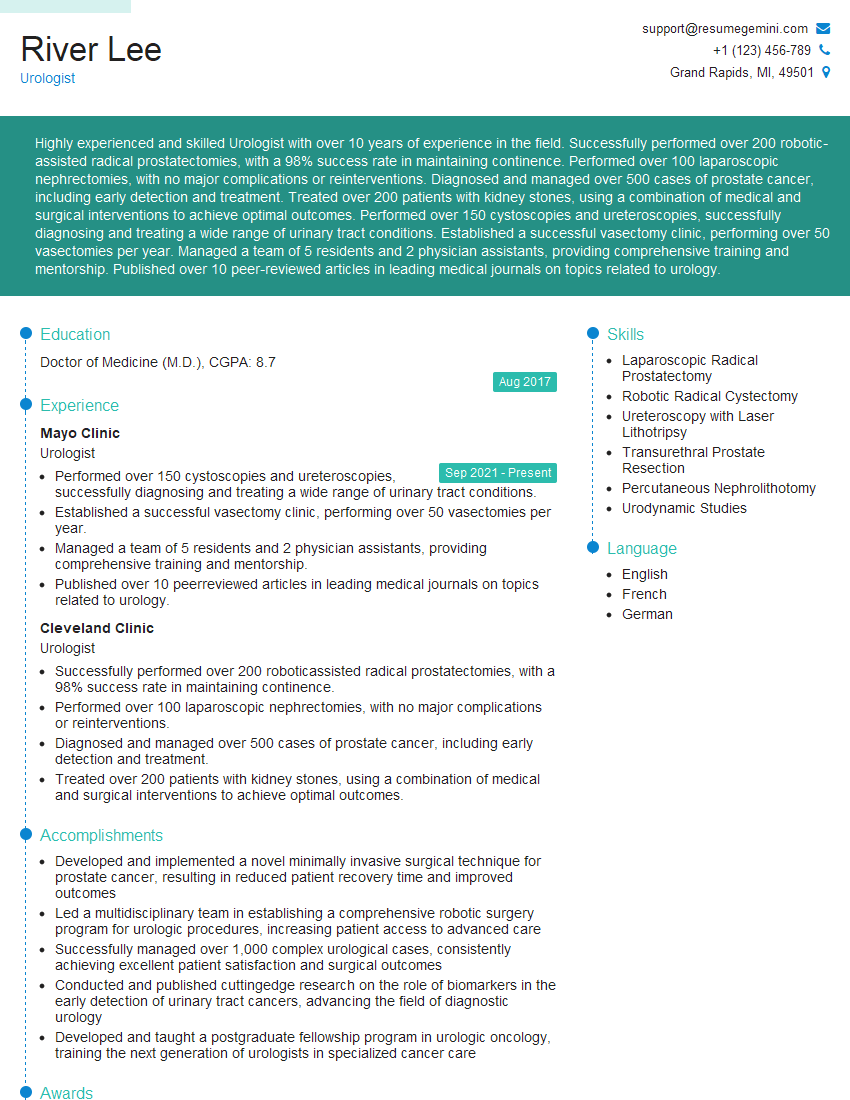
Urologist Resume Sample
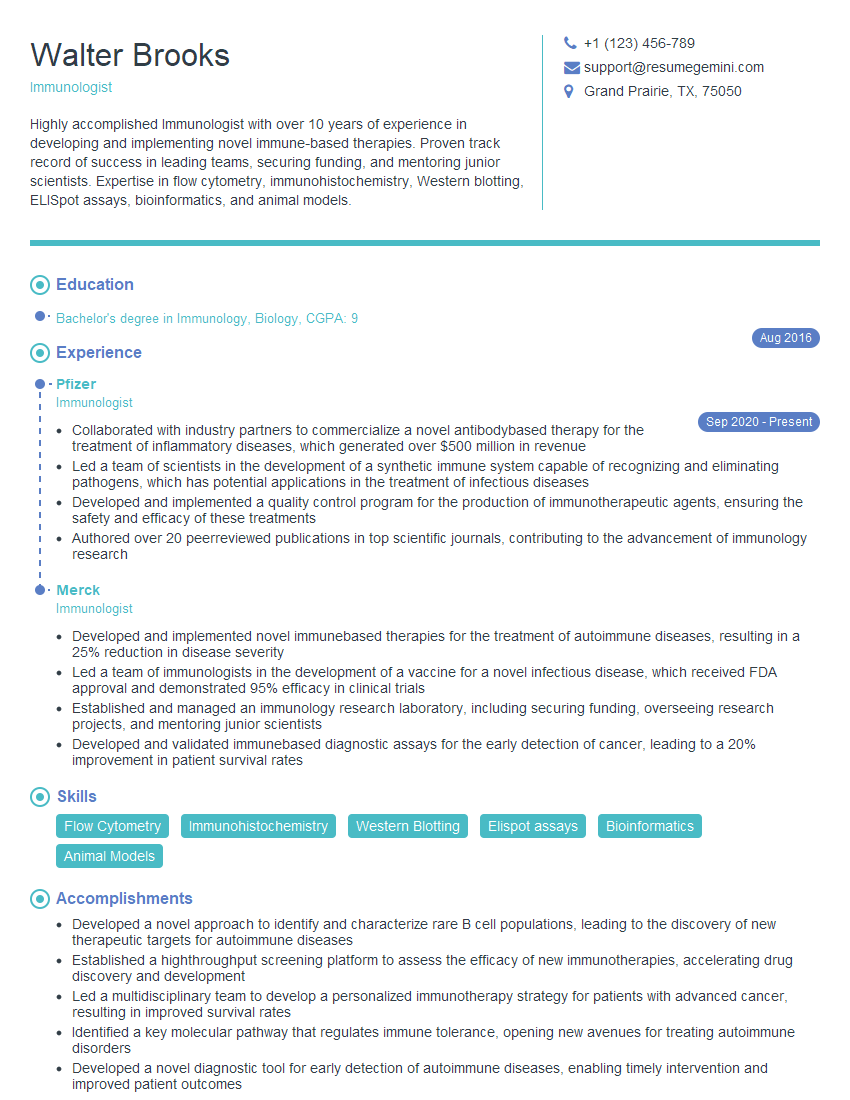
Immunologist Resume Sample
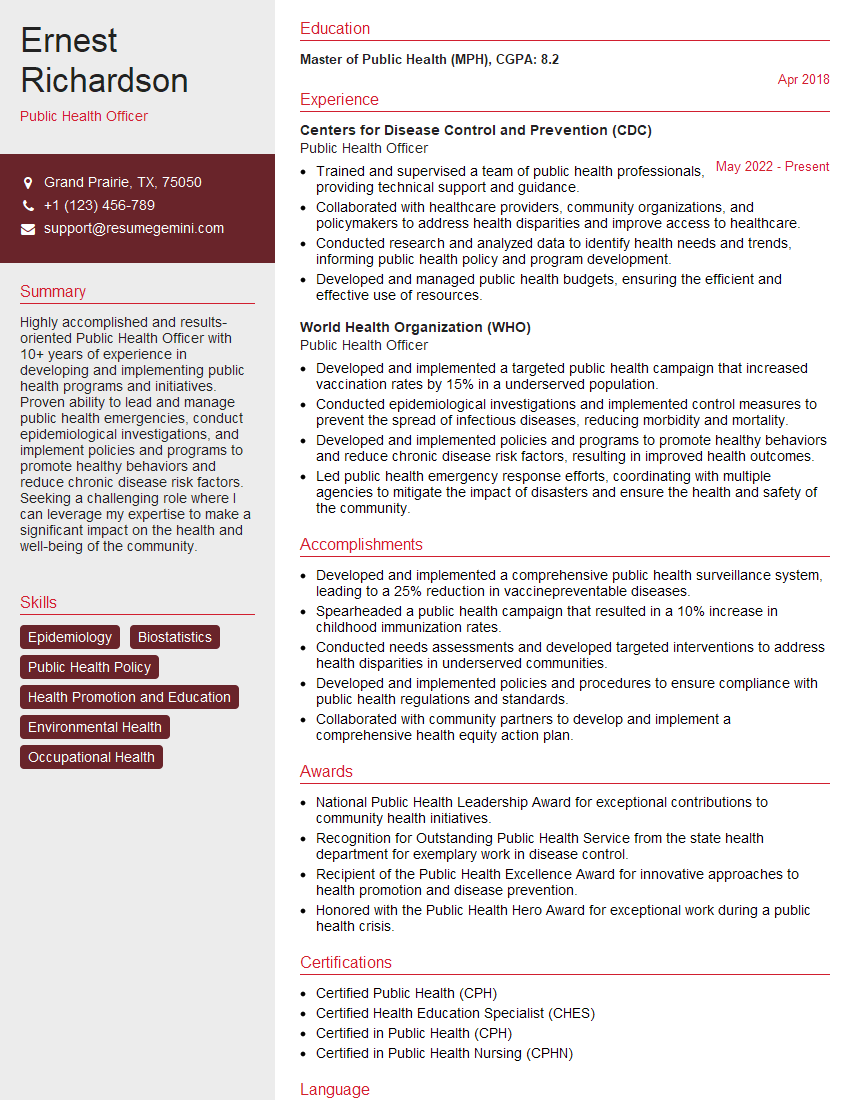
Public Health Officer Resume Sample
Explore more articles
Users Rating of Our Blogs
Share Your Experience
We value your feedback! Please rate our content and share your thoughts (optional).
What Readers Say About Our Blog
Very informative content, great job.
good