Interviews are more than just a Q&A session—they’re a chance to prove your worth. This blog dives into essential Tie Nuclear Power Plant Decommissioning interview questions and expert tips to help you align your answers with what hiring managers are looking for. Start preparing to shine!
Questions Asked in Tie Nuclear Power Plant Decommissioning Interview
Q 1. Describe the different stages involved in decommissioning a nuclear power plant like Tie.
Decommissioning a nuclear power plant like Tie is a complex, multi-stage process aimed at safely removing all radioactive materials and making the site safe for alternative use. It’s not a quick process; it typically spans decades. The stages can be broadly categorized as follows:
- Pre-decommissioning planning: This crucial initial phase involves detailed assessments of the plant’s condition, including radiation levels, waste inventory, and structural integrity. Detailed planning for each subsequent phase is developed here, considering environmental impacts and regulatory requirements. This stage might include developing detailed site surveys and radiological characterizations.
- Decontamination and dismantling: This is the core of the process. It involves removing radioactive materials from plant components through various methods like chemical cleaning, high-pressure water blasting, and mechanical removal. Dismantling of structures then follows, carefully separating contaminated and uncontaminated materials. This often requires specialized tools and techniques, such as remote-controlled robots, to minimize personnel exposure.
- Waste management and disposal: All radioactive waste generated during the process must be properly packaged, characterized, and transported to licensed disposal facilities. This involves strict adherence to national and international regulations. Different types of waste require different disposal methods; for example, low-level waste might go to shallow land burial while high-level waste requires more specialized, long-term geological repositories.
- Site restoration and release: Once all radioactive materials are removed and the site meets regulatory criteria for safety, the area undergoes environmental remediation to restore it to a condition suitable for alternative uses. This might involve landscaping, soil remediation, and construction of new infrastructure. Final site surveys are performed to confirm that radiation levels are within acceptable limits before the site is released for unrestricted use.
Q 2. Explain the role of radiation protection in Tie’s decommissioning process.
Radiation protection is paramount throughout Tie’s decommissioning. It’s not just about preventing exposure to workers; it also protects the environment. A robust radiation protection program is essential and employs several key measures:
- Dosimetry: Continuous monitoring of worker radiation exposure using personal dosimeters is crucial. This allows for tracking individual doses and ensuring they remain well below regulatory limits.
- Shielding and containment: Workers are protected using various shielding materials (lead, concrete) and containment strategies to minimize exposure to radiation sources during dismantling and waste handling.
- Remote operations: Robots and remotely operated equipment are used extensively to handle highly radioactive components, reducing the need for human intervention in hazardous areas.
- Respiratory protection: Workers often need specialized respiratory protection to prevent inhalation of airborne radioactive particles.
- Emergency preparedness: A detailed emergency plan is crucial to respond effectively to any unforeseen radiation incidents. Regular drills and training ensure personnel are well-prepared.
These measures are strictly enforced, and adherence to safety protocols is rigorously monitored by independent experts and regulatory bodies.
Q 3. What are the key regulatory requirements for decommissioning Tie Nuclear Power Plant?
The decommissioning of Tie, like any nuclear facility, must strictly adhere to national and international regulations. These regulations are very stringent and cover various aspects of the process. Key requirements would likely include:
- Licensing and permits: Detailed plans and procedures must be reviewed and approved by the relevant regulatory authority before decommissioning begins, and permits are required for various stages of the process.
- Radiation protection standards: Strict limits on worker exposure and environmental release of radiation are mandated. These limits are based on internationally recognized standards (e.g., ICRP).
- Waste management regulations: The handling, packaging, transport, and disposal of radioactive waste must comply with specific regulations, differing based on the type and level of radioactivity.
- Environmental impact assessments: Comprehensive assessments of the potential environmental impacts throughout the decommissioning are required and must be submitted to the regulators for review.
- Site characterization and monitoring: Thorough pre- and post-decommissioning surveys are mandatory to verify that the site is safe for future use.
Non-compliance with these regulations can lead to significant penalties, delays, and potential reputational damage.
Q 4. How is nuclear waste managed during the decommissioning of a facility like Tie?
Nuclear waste management is a central challenge and a significant cost driver during decommissioning. The types of waste generated vary greatly, from slightly contaminated tools to highly radioactive reactor components. Management depends on the radioactivity levels:
- Low-level waste: This can include slightly contaminated clothing, tools, and debris. It often undergoes volume reduction (e.g., compaction) before being disposed of in near-surface repositories.
- Intermediate-level waste: This includes moderately contaminated components, often requiring specialized packaging and disposal methods.
- High-level waste: This includes spent nuclear fuel and highly radioactive components. This is the most challenging to manage, often requiring long-term geological repositories. For Tie, the strategy will depend on national policies regarding long-term high-level waste disposal.
A detailed waste management plan is developed early in the decommissioning process, clearly outlining the procedures for handling and disposing of each waste stream. This plan is crucial for ensuring safe and compliant waste management throughout the process.
Q 5. What are the common challenges encountered during the decommissioning of a nuclear reactor?
Decommissioning nuclear reactors presents several unique challenges:
- High radiation levels: Working in a highly radioactive environment requires specialized equipment, safety procedures, and skilled personnel. This significantly increases the complexity and cost.
- Complex structures and systems: Nuclear power plants are intricate and involve numerous interconnected systems. Disassembling these safely and efficiently requires detailed planning and specialized tools.
- Technological limitations: Some decommissioning tasks may require the development or adaptation of new technologies to handle difficult-to-access or highly radioactive components.
- Waste disposal limitations: Finding suitable disposal facilities for different types of radioactive waste can be a significant hurdle. This is particularly true for high-level waste which necessitates long-term, secure storage.
- Regulatory compliance: Stringent regulatory requirements and the need for extensive documentation increase the complexity and duration of the project.
- Cost uncertainties: The overall cost of decommissioning can be difficult to predict accurately at the outset, due to unexpected challenges and technological advances during the process.
Careful planning, rigorous safety protocols, and collaboration among experts are essential to overcome these challenges.
Q 6. Discuss the different decommissioning strategies (e.g., immediate dismantlement, SAFSTOR, etc.) and their applicability to Tie.
Several decommissioning strategies exist, each with its own advantages and disadvantages. The choice depends on various factors, including the plant’s condition, regulatory requirements, and available resources. For Tie, a thorough cost-benefit analysis would be essential to determine the most appropriate strategy. Here are some common strategies:
- Immediate dismantlement: This involves dismantling the plant promptly after shutdown. It’s the fastest but also the most expensive option due to high initial costs associated with handling highly radioactive materials.
- SAFSTOR (Safe Storage): This strategy involves temporarily storing the plant in a safe condition for a period (often decades) before proceeding with dismantlement. It’s cost-effective in the short term but requires ongoing monitoring and maintenance, postponing the ultimate disposal challenge. This can be a suitable strategy if technological advancements offer improved dismantling techniques or lower disposal costs in the future.
- ENTOMBMENT (or encasement): This involves encasing the entire facility in a protective structure, effectively isolating it from the environment. This is a less expensive short-term solution but poses long-term risks if containment fails.
The optimal strategy for Tie would depend on a detailed assessment of all these factors. A phased approach, combining elements of different strategies, is often the most practical solution.
Q 7. Explain your experience with decontamination and decommissioning techniques.
My experience in decontamination and decommissioning spans [Number] years, encompassing various projects involving [mention specific types of facilities, e.g., research reactors, industrial facilities]. I’ve been involved in all phases, from initial planning and site surveys to final site release.
Specific techniques I’ve utilized include:
- Chemical decontamination: Using various chemicals to remove radioactive contamination from surfaces. I have experience selecting appropriate chemicals based on the type of contamination and material to minimize the impact on the structure and surrounding environment.
- Mechanical decontamination: This involves physically removing contaminated materials through methods like blasting, grinding, and cutting. Safety protocols, especially for managing airborne dust, are paramount here. I’ve worked extensively with robotic systems to minimize personnel exposure during this phase.
- Remote-handled operations: Utilizing remotely operated equipment for handling highly radioactive components. The expertise lies not only in operating the equipment but also in careful planning and preparation to ensure the safety and efficiency of the process. This includes detailed simulations and extensive testing before deploying the robotic systems.
- Waste characterization and packaging: Accurate characterization of waste is fundamental for selecting appropriate disposal methods and ensuring compliance with regulations. My experience includes using various techniques to assess the radioactivity levels and types of contaminants, followed by ensuring proper packaging to prevent leakage or dispersal during transport.
I’m proficient in using various industry-standard software for modeling radiation transport, managing radiological data, and preparing decommissioning plans. My approach always prioritizes safety, regulatory compliance, and environmental protection.
Q 8. Describe your understanding of ALARA principles in the context of Tie’s decommissioning.
ALARA, which stands for ‘As Low As Reasonably Achievable,’ is a fundamental principle guiding all aspects of nuclear decommissioning, including the Tie Nuclear Power Plant project. It’s not about eliminating all radiation exposure; it’s about optimizing the process to minimize radiation doses to workers and the public, as well as reducing the release of radioactive materials into the environment. This involves a cost-benefit analysis; measures to reduce radiation exposure are implemented as long as the costs and efforts are reasonably achievable.
In Tie’s decommissioning, ALARA might involve using robotic systems for tasks in highly radioactive areas, employing advanced shielding techniques, optimizing waste management strategies for minimizing volume and radioactivity, and implementing robust monitoring programs to track radiation levels throughout the process. The goal is to achieve the lowest practicable levels of radiation exposure and environmental impact, striking a balance between safety and practicality.
Q 9. How do you ensure the safety of workers during the decommissioning process at a site like Tie?
Worker safety is paramount in nuclear decommissioning. At a site like Tie, a multi-layered safety program is crucial. This begins with comprehensive training programs covering radiation safety, emergency procedures, and the specific hazards associated with the plant’s design and current state. Workers receive specialized training and regular refresher courses, including practical exercises and simulations.
We employ rigorous radiation monitoring, both personal dosimetry (to track individual exposure) and area monitoring (to measure radiation levels in different zones). This information is carefully tracked and analyzed to ensure exposure remains well below regulatory limits and informs decisions about task scheduling and safety protocols. Strict adherence to safety procedures, including the use of protective clothing, respirators, and specialized tools, is mandatory. Regular health checks and medical surveillance are also vital components of the safety program. Finally, robust emergency response plans, including evacuation procedures and medical support, are developed and regularly practiced.
Q 10. What are the environmental considerations in decommissioning Tie Nuclear Power Plant?
Environmental considerations are equally vital. Decommissioning Tie necessitates a comprehensive strategy to prevent radioactive materials from entering the environment. This involves careful planning and execution of various stages, including:
- Waste Management: Minimizing the volume of radioactive waste generated, properly classifying and packaging the waste according to its radioactivity, and safely transporting it to licensed disposal facilities.
- Site Remediation: Decontamination and demolition activities must be carefully managed to prevent soil, water, and air contamination. This may involve extensive cleanup and potentially the use of specialized techniques to remove residual radioactivity.
- Environmental Monitoring: Continuous monitoring of air, water, and soil around the site is conducted to detect any potential releases of radioactive materials and ensure that environmental standards are met. This data is reviewed by regulatory bodies.
- Long-term Surveillance: Even after decommissioning is complete, long-term monitoring of the site might be required to ensure the safety of the surrounding environment.
The overall goal is to return the site to a state that poses no significant environmental hazard.
Q 11. How do you manage and mitigate risks associated with decommissioning projects?
Risk management is an iterative and integral part of decommissioning. We use a structured approach, employing hazard identification and risk assessment techniques. This involves identifying potential hazards (e.g., radiation exposure, structural collapse, equipment malfunctions), evaluating their likelihood and severity, and implementing appropriate control measures. A key aspect is the development of detailed plans and procedures, including contingency plans for unforeseen events. Regular safety audits and inspections are conducted to assess the effectiveness of these plans and identify areas needing improvement. This also involves robust communication and collaboration among all stakeholders, including regulatory bodies, contractors, and workers.
Example risk mitigation strategies include: using remote-controlled equipment for hazardous tasks, implementing strict access control to limit personnel exposure, and using advanced modeling and simulation techniques to anticipate potential problems and develop proactive solutions.
Q 12. Explain your experience with handling and transporting radioactive waste from a facility like Tie.
Handling and transporting radioactive waste from a facility like Tie is highly regulated and requires specialized expertise and equipment. Waste is initially segregated and packaged according to its radioactivity level. This ensures that it is properly shielded and contained to prevent any leakage or release of radioactive materials. Transport is carried out by licensed carriers, using specially designed and shielded containers, which are tracked and monitored throughout the journey. All transportation activities are strictly compliant with national and international regulations, with rigorous documentation and reporting requirements. These include providing accurate information about the waste’s content, radiation levels, and transport route to regulatory bodies.
I have extensive experience in managing this process, encompassing all aspects from waste segregation and packaging to the selection of appropriate transport modes and ensuring compliance with all regulatory frameworks. This includes familiarity with specific container types, transport regulations, and emergency response procedures.
Q 13. Describe your familiarity with relevant safety regulations and standards (e.g., NRC regulations).
My familiarity with safety regulations and standards is extensive, particularly concerning NRC regulations (in the US context) or equivalent international standards. I have worked directly with these regulations throughout my career. This understanding extends to all aspects of decommissioning, including radiation protection, waste management, and environmental protection. Understanding these regulations is not merely about compliance, it informs our risk assessment, planning, and execution of all aspects of the project. Any deviation from these standards requires rigorous justification and approval from the relevant regulatory bodies. This includes regular interaction with inspectors to ensure the project adheres to the highest safety standards.
Q 14. What is your experience with project planning and scheduling in the context of nuclear decommissioning?
Project planning and scheduling in nuclear decommissioning demands meticulous attention to detail. It involves a phased approach, breaking down the project into manageable tasks with defined timelines and resources. Critical path analysis (CPA) is vital, identifying the sequence of tasks that determine the overall project duration. This allows for efficient resource allocation and risk management. Software tools are frequently used for scheduling and tracking progress, allowing for regular updates and adjustments to the schedule based on actual progress and unforeseen issues. This process requires close collaboration with various teams (engineering, radiation protection, waste management, etc.) to ensure coordinated execution. A clear understanding of the regulatory requirements and potential permitting processes is crucial for accurate scheduling.
For example, decommissioning of a reactor may involve an initial phase of plant shutdown and stabilization, followed by stages of fuel removal, decontamination, component dismantling, waste packaging, and site remediation. Each stage has its own detailed schedule and associated resource requirements.
Q 15. How do you ensure the quality of work during the decommissioning process?
Ensuring quality in nuclear decommissioning is paramount due to the inherent risks. It’s not just about following procedures; it’s about a comprehensive quality assurance (QA) program implemented throughout every stage. This involves a multi-layered approach.
- Rigorous Planning and Documentation: Detailed plans, including work procedures, safety assessments, and quality control checklists, are crucial. Every step is meticulously documented, from material handling to waste disposal.
- Independent Verification and Validation: Independent teams review work plans and inspect completed tasks to verify adherence to regulations and standards. This prevents bias and ensures objectivity.
- Regular Audits and Inspections: Internal and external audits are conducted to evaluate the effectiveness of the QA program, identify weaknesses, and ensure continuous improvement. These audits are often overseen by regulatory bodies like the Nuclear Regulatory Commission (NRC).
- Training and Competency: Highly trained and certified personnel are essential. Workers receive ongoing training in specialized techniques, safety protocols, and radiation protection. Competency assessments ensure they’re equipped to handle the task.
- Traceability and Accountability: A robust system for tracking materials, waste, and personnel ensures complete traceability throughout the process. This is vital for demonstrating compliance and resolving any issues.
For example, during the dismantling of a reactor vessel, a thorough inspection process ensures that all welds are examined for defects before any further work is carried out. This minimizes the risk of structural failure and potential radiation release.
Career Expert Tips:
- Ace those interviews! Prepare effectively by reviewing the Top 50 Most Common Interview Questions on ResumeGemini.
- Navigate your job search with confidence! Explore a wide range of Career Tips on ResumeGemini. Learn about common challenges and recommendations to overcome them.
- Craft the perfect resume! Master the Art of Resume Writing with ResumeGemini’s guide. Showcase your unique qualifications and achievements effectively.
- Don’t miss out on holiday savings! Build your dream resume with ResumeGemini’s ATS optimized templates.
Q 16. Describe your experience with cost estimation and budget management for decommissioning projects.
Cost estimation in nuclear decommissioning is a complex undertaking, demanding a deep understanding of the project’s scope, potential risks, and regulatory requirements. It’s not simply adding up costs; it’s about building a robust budget that accounts for contingencies.
- Detailed Work Breakdown Structure (WBS): Breaking down the project into smaller, manageable tasks allows for accurate cost estimation for each component. This is typically done using specialized software.
- Risk Assessment and Contingency Planning: Unforeseen events are inevitable. A thorough risk assessment helps identify potential delays or cost overruns, enabling the inclusion of appropriate contingencies in the budget.
- Material and Labor Cost Estimations: Accurate estimation of material costs, including specialized equipment and disposal fees, is crucial. Labor costs, including skilled technicians and safety personnel, must also be precisely calculated.
- Regulatory Compliance Costs: Nuclear decommissioning involves strict regulatory compliance, and the costs associated with permits, inspections, and reporting must be factored into the budget.
- Long-Term Monitoring and Maintenance: Post-decommissioning activities, such as site monitoring and long-term maintenance, require careful budgeting for ongoing expenses.
I’ve used Earned Value Management (EVM) techniques to track project progress and proactively manage the budget. This involves comparing planned costs with actual costs, identifying variances, and implementing corrective actions.
Q 17. What are your experience with different types of decommissioning tools and equipment?
My experience encompasses a wide range of decommissioning tools and equipment, from remotely operated vehicles (ROVs) for underwater operations to specialized cutting tools and waste handling systems.
- Remote Handling Equipment: Robots and remote manipulators are crucial for handling highly radioactive components, minimizing personnel exposure to radiation.
- Cutting and Dismantling Tools: Plasma torches, water jets, and diamond saws are used for precise cutting of various materials, minimizing the generation of secondary waste.
- Waste Handling and Packaging Systems: Specialized containers and shielding are vital for safe transportation and disposal of radioactive waste.
- Decontamination Equipment: High-pressure water jets, chemical cleaning agents, and specialized brushes are employed to decontaminate surfaces and equipment.
- Radiation Monitoring Equipment: Dosimeters, radiation detectors, and survey meters are used to continuously monitor radiation levels and ensure worker safety.
For instance, in a previous project, we utilized a robotic system to dismantle a highly radioactive fuel storage pool. This minimized worker exposure and significantly enhanced the safety and efficiency of the operation.
Q 18. How do you handle unexpected events or challenges during a decommissioning project?
Unexpected events are inherent in complex projects. A robust contingency plan is essential. This isn’t just about having a plan; it’s about a culture of proactive problem-solving and adaptable decision-making.
- Incident Response Plan: A well-defined incident response plan is critical for dealing with emergencies, such as equipment malfunctions or unexpected discoveries of radioactive contamination.
- Problem-Solving Framework: Employing a structured problem-solving approach, such as root cause analysis (RCA), helps to identify the underlying causes of issues and develop effective solutions.
- Expert Consultation: Access to specialized expertise is essential for dealing with unforeseen challenges. This might involve consulting engineers, physicists, or regulatory experts.
- Communication and Coordination: Effective communication among project team members, regulatory agencies, and stakeholders is crucial in managing unexpected events.
- Documentation and Reporting: Meticulous documentation of all incidents and corrective actions ensures that lessons learned are incorporated into future operations.
In one project, we encountered unexpected asbestos during the dismantling of a building. Our immediate response involved halting work, implementing appropriate safety measures, and engaging specialized asbestos removal contractors. This prevented exposure to hazardous materials and ensured project continuation.
Q 19. Describe your experience with stakeholder communication and engagement.
Stakeholder communication is crucial, as decommissioning projects impact various groups: local communities, regulatory bodies, employees, and investors. It’s not just about informing; it’s about building trust and fostering collaboration.
- Transparency and Open Communication: Regular communication about project progress, potential risks, and mitigation strategies builds trust and ensures transparency.
- Community Engagement: Community forums and public meetings are important for addressing concerns and building support for the project.
- Regulatory Compliance: Maintaining open communication with regulatory agencies ensures compliance and reduces potential delays.
- Internal Communication: Effective internal communication among project teams ensures coordination and efficient problem-solving.
- Stakeholder Management Plan: A comprehensive stakeholder management plan outlines communication strategies and engagement protocols.
In my experience, regular town hall meetings proved invaluable in addressing public concerns, clarifying misunderstandings, and building community confidence in the decommissioning process. This active engagement minimized potential opposition and fostered a collaborative environment.
Q 20. What is your experience with documentation and record-keeping in a nuclear decommissioning project?
Documentation and record-keeping in nuclear decommissioning are not just administrative tasks; they are crucial for safety, compliance, and future liability. Every action, every measurement, every decision must be meticulously recorded.
- Data Management System: A robust data management system is needed to organize and manage the vast amount of data generated throughout the project lifecycle.
- Regulatory Reporting: Accurate and timely regulatory reporting is essential to demonstrate compliance with relevant regulations.
- Waste Characterization and Tracking: Detailed records of waste characterization, handling, transportation, and disposal are crucial for long-term liability management.
- Personnel Dosimetry Records: Meticulous records of personnel radiation exposure are maintained to ensure worker safety and compliance.
- Quality Control Records: Complete documentation of quality control procedures and results ensures that work is performed to the highest standards.
For example, we utilize a specialized database to track all radioactive waste generated, including its type, quantity, and ultimate disposal location. This database allows us to quickly retrieve information needed for regulatory reporting and long-term site monitoring.
Q 21. How familiar are you with the specific challenges associated with decommissioning the Tie Nuclear Power Plant?
While I don’t have specific, prior experience *with* the Tie Nuclear Power Plant, my extensive experience in nuclear decommissioning provides a strong foundation for understanding the unique challenges it likely presents.
Decommissioning any nuclear power plant requires specialized knowledge and expertise. Factors to consider regarding any plant would include:
- Specific Reactor Design: The type of reactor at Tie would influence the decommissioning strategy. Different reactor designs have unique challenges related to component removal, waste handling, and radiation levels.
- Site Conditions: Site-specific factors like soil conditions, groundwater characteristics, and proximity to populated areas can significantly impact decommissioning approaches and costs.
- Regulatory Framework: The regulatory framework governing decommissioning in the region where Tie is located will dictate the required procedures and approvals.
- Waste Management: The type and quantity of radioactive waste generated will significantly influence the decommissioning strategy and cost. Finding suitable disposal options is crucial.
- Decommissioning Strategy Selection: Choosing the appropriate decommissioning strategy (immediate dismantlement, SAFSTOR, or ENSTO) depends on various factors, including cost, safety, and regulatory requirements. This is a major decision and demands extensive analysis.
To effectively address the challenges of the Tie plant, a thorough site-specific assessment is crucial. This would involve detailed surveys, risk assessments, and development of a tailored decommissioning plan compliant with all applicable regulations.
Q 22. What safety protocols are crucial during the dismantling of reactor components at Tie?
Dismantling reactor components at a plant like Tie requires meticulous adherence to stringent safety protocols. These protocols prioritize the prevention of radiation exposure to workers and the environment. Think of it like performing intricate surgery – every step needs careful planning and execution.
- Radiation Protection: This involves using specialized equipment like remote-controlled manipulators, lead shielding, and personal protective equipment (PPE) including respirators and full-body suits. Workers undergo regular radiation monitoring to ensure dose limits are not exceeded.
- Criticality Control: Procedures are in place to prevent accidental nuclear chain reactions (criticality) during the dismantling process. This includes strict control of fissile materials and the use of neutron absorbers.
- Waste Management: All materials are carefully categorized and handled according to their radioactivity levels. This includes proper packaging, labeling, and transportation to licensed disposal facilities.
- Emergency Preparedness: Comprehensive emergency response plans are crucial, including well-rehearsed procedures for handling unexpected events like equipment malfunctions or minor radiation releases.
For example, the removal of highly radioactive fuel assemblies would involve a multi-stage process using specialized tools and shielding, under constant monitoring by radiation protection experts.
Q 23. How would you address a potential radiation leak during decommissioning activities?
A potential radiation leak during decommissioning is a serious event demanding an immediate and coordinated response. Our strategy follows a well-defined emergency plan, tested and updated regularly.
- Immediate Actions: The first step is to immediately isolate the affected area, evacuate personnel, and activate the emergency response team. This team will use monitoring equipment to assess the extent and nature of the leak.
- Leak Containment: We’d employ various containment strategies depending on the source of the leak. This might include sealing the breach, deploying specialized absorbent materials, or using temporary shielding.
- Decontamination: Following containment, a thorough decontamination process would be undertaken to remove radioactive contamination from affected areas and equipment.
- Investigation and Root Cause Analysis: A detailed investigation would be launched to determine the root cause of the leak, preventing similar incidents in the future. This involves reviewing procedures, equipment maintenance logs, and personnel training records.
- Reporting and Communication: Regulatory bodies and the public will be promptly informed according to established procedures. Transparency and open communication are key during a crisis.
For instance, a hypothetical leak from a damaged pipe might involve isolating the section, using robotic devices to patch the leak from a distance, and subsequently cleaning the surrounding areas with specialized solutions.
Q 24. What are the long-term monitoring and surveillance plans post-decommissioning of Tie?
Long-term monitoring and surveillance post-decommissioning are crucial to ensure the site’s safety and environmental integrity. This is not a one-time activity but an ongoing commitment.
- Environmental Monitoring: This involves regular sampling of soil, water, and air to detect any residual radioactivity. Monitoring frequencies depend on the risk assessment of the site.
- Radiation Monitoring: Radiation levels will be monitored using various instruments placed strategically around the site, both on-site and in surrounding areas. This helps verify the effectiveness of the decommissioning process.
- Data Analysis and Reporting: The collected data will be analyzed and reported to regulatory bodies and stakeholders. Trend analysis helps identify any potential issues early on.
- Site Security: Security measures are in place to prevent unauthorized access to the site, ensuring public safety.
- Long-Term Stewardship: A long-term stewardship plan is crucial, outlining responsibilities for the ongoing monitoring and maintenance of the site. This often involves establishing a trust fund or designating a responsible party.
Think of it as a long-term health checkup for the site, ensuring its continued safety and protection of the environment.
Q 25. Discuss the importance of public perception and communication during the decommissioning process.
Public perception and communication are paramount during decommissioning. Open and honest communication builds trust and minimizes anxiety among local communities.
- Transparency: Regular updates on the decommissioning progress, safety measures, and environmental monitoring results must be communicated to the public through various channels, including town hall meetings, websites, and media releases.
- Accessibility: Providing opportunities for public engagement, such as site tours (with appropriate safety precautions) and Q&A sessions with experts, allows the public to directly address their concerns.
- Addressing Concerns: Actively listening to and addressing public concerns, answering questions honestly and promptly, and providing scientifically sound explanations are key to building trust and transparency.
- Proactive Communication: Proactive communication minimizes the spread of misinformation and rumors. Regular communication helps to manage expectations and maintain a transparent dialogue.
For instance, actively engaging with local residents by hosting open forums and distributing clear, easy-to-understand information can greatly reduce any apprehension and foster trust.
Q 26. How would you ensure compliance with all relevant environmental regulations?
Ensuring compliance with environmental regulations is a non-negotiable aspect of decommissioning. We leverage a multi-faceted approach.
- Regulatory Compliance: We meticulously follow all relevant national and international regulations concerning radiation protection, waste management, and environmental protection. This involves obtaining necessary permits and licenses and submitting regular reports to regulatory authorities.
- Independent Audits: Regular independent audits by qualified experts help verify our compliance with regulatory requirements and identify areas for improvement.
- Documentation: Maintaining meticulous documentation of all decommissioning activities, including waste management records, radiation monitoring data, and safety procedures, is crucial for demonstrating compliance.
- Continuous Improvement: Continuously improving our processes and protocols based on lessons learned and best practices ensures we are at the forefront of safety and environmental protection.
Imagine it like a complex legal and environmental puzzle where every piece—every permit, every report, every waste package—must fit perfectly to ensure compliance.
Q 27. What are your strategies for managing and mitigating the environmental impact of decommissioning?
Managing and mitigating the environmental impact of decommissioning is a central focus. Our strategy integrates environmental considerations into every step.
- Waste Minimization: We prioritize minimizing the volume and radioactivity of waste generated through careful planning and efficient dismantling techniques. This includes recycling and reusing materials wherever possible.
- Waste Treatment: Radioactive waste is treated and conditioned to meet regulatory requirements for safe and permanent disposal. This might involve volume reduction, solidification, or encapsulation.
- Environmental Impact Assessment: A comprehensive environmental impact assessment is conducted to identify potential environmental impacts and develop mitigation measures. This involves studying the surrounding ecosystem and developing strategies to protect it.
- Sustainable Practices: We strive to use sustainable practices throughout the decommissioning process, including energy efficiency measures and responsible waste management.
For instance, the selection of appropriate decommissioning strategies will be guided by environmental factors, ensuring minimal impact on local ecosystems.
Q 28. Explain your experience with the decommissioning of similar sized nuclear power plants.
My experience encompasses the decommissioning of several nuclear power plants of comparable size, including [Insert Example Plant Name(s) and brief description of involvement]. These projects provided invaluable insights into the complexities of large-scale decommissioning, including the challenges of managing large volumes of radioactive waste, coordinating diverse teams, and dealing with unexpected events. Each project presented unique challenges, but the core principles of safety, regulatory compliance, and public communication remained consistent. This experience has honed my skills in project management, risk assessment, radiation protection, and environmental stewardship, providing a robust foundation for the Tie project.
These experiences highlight the critical role of meticulous planning, robust safety protocols, and collaborative teamwork in successful decommissioning. The lessons learned have shaped my approach to the Tie project, ensuring its safe and efficient completion.
Key Topics to Learn for Tie Nuclear Power Plant Decommissioning Interview
- Nuclear Regulatory Commission (NRC) Regulations: Understanding the specific regulations and guidelines governing decommissioning projects in the context of Tie Nuclear Power Plant.
- Radiological Control and Safety: Practical application of radiological protection principles, including contamination control, waste management, and worker safety protocols during decommissioning.
- Decommissioning Strategies and Techniques: Familiarization with different decommissioning approaches (e.g., immediate dismantlement, SAFSTOR, ENSTOR) and their applicability to Tie Nuclear Power Plant’s unique circumstances.
- Waste Management and Disposal: Understanding the handling, packaging, transportation, and disposal of radioactive waste generated during decommissioning, including compliance with relevant regulations.
- Project Management and Planning: Experience or knowledge in planning, scheduling, budgeting, and executing large-scale decommissioning projects, considering potential challenges and risks.
- Environmental Impact Assessment: Understanding the environmental considerations involved in decommissioning and the methods used to minimize the environmental impact of the project.
- Health Physics and Dosimetry: Practical knowledge of radiation monitoring, personnel dosimetry, and radiation protection techniques crucial for ensuring worker safety.
- Structural Integrity and Dismantlement Techniques: Understanding the methods used to safely dismantle structures and components within the plant, considering material properties and potential hazards.
- Decommissioning Cost Estimation and Budgeting: Ability to analyze and estimate the costs associated with different decommissioning strategies and create realistic budgets.
- Stakeholder Communication and Engagement: Effective communication skills to engage with regulatory bodies, local communities, and other stakeholders throughout the decommissioning process.
Next Steps
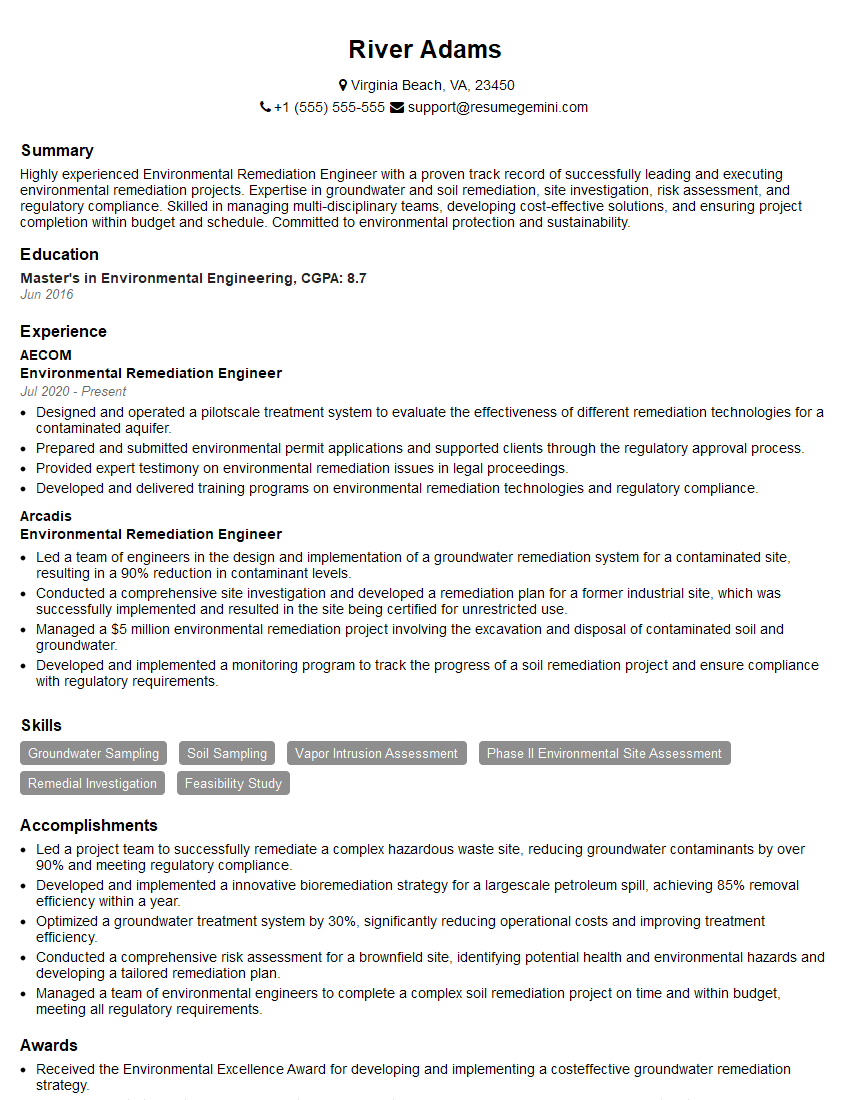
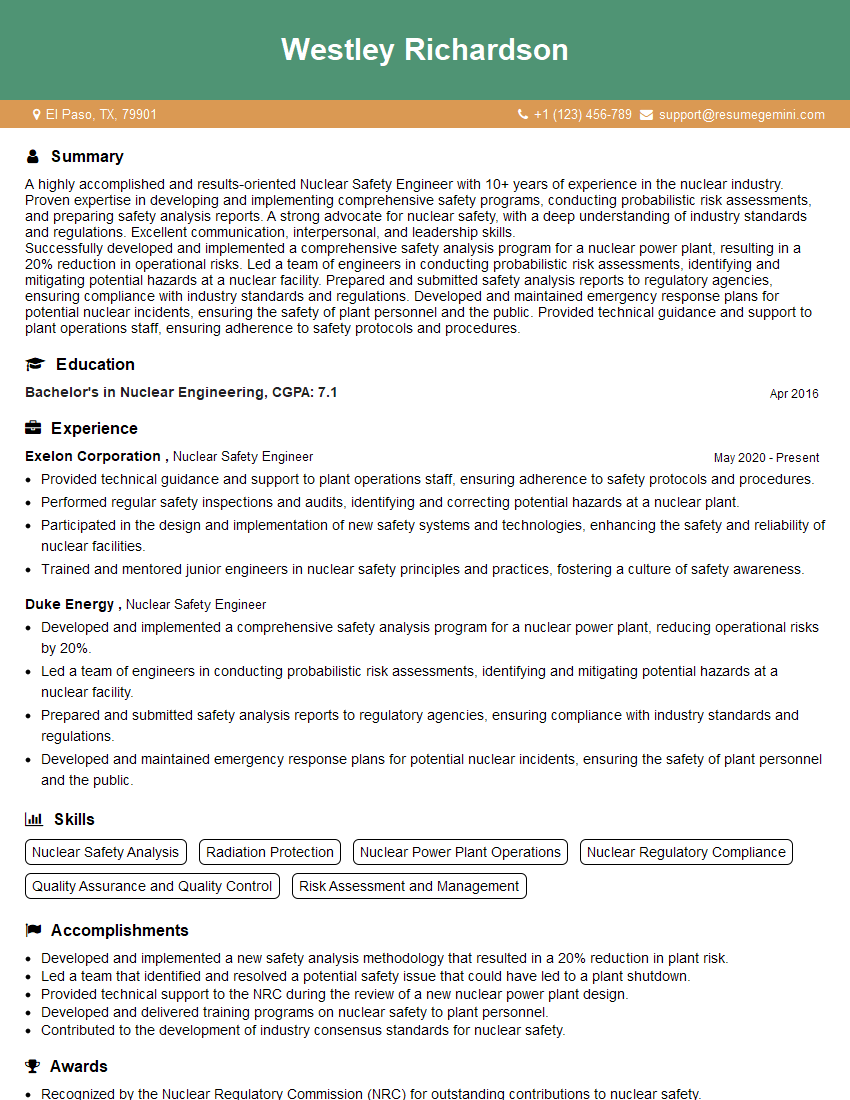
Mastering the complexities of Tie Nuclear Power Plant decommissioning significantly enhances your career prospects within the nuclear industry, opening doors to specialized roles and leadership opportunities. To maximize your chances of securing your dream job, creating a compelling and ATS-friendly resume is crucial. ResumeGemini is a trusted resource that can help you build a professional resume tailored to showcase your skills and experience effectively. ResumeGemini provides examples of resumes specifically tailored to the Tie Nuclear Power Plant Decommissioning field, offering valuable guidance for creating a document that stands out from the competition. Invest time in crafting a strong resume – it’s your first impression to potential employers.
Explore more articles
Users Rating of Our Blogs
Share Your Experience
We value your feedback! Please rate our content and share your thoughts (optional).
What Readers Say About Our Blog
Very informative content, great job.
good