Feeling uncertain about what to expect in your upcoming interview? We’ve got you covered! This blog highlights the most important Time Management and Deadline Compliance interview questions and provides actionable advice to help you stand out as the ideal candidate. Let’s pave the way for your success.
Questions Asked in Time Management and Deadline Compliance Interview
Q 1. Describe your approach to prioritizing tasks.
My approach to prioritizing tasks is a blend of strategic planning and pragmatic adaptation. I begin by using a matrix like the Eisenhower Matrix (Urgent/Important) to categorize tasks. This helps me quickly identify tasks that require immediate attention (urgent and important), those that should be scheduled (important but not urgent), those that can be delegated (urgent but not important), and those that can be eliminated (neither urgent nor important). Once categorized, I further prioritize within each quadrant, considering factors like deadlines, dependencies, and potential impact. I use a combination of to-do lists and project management software to visually track progress and keep everything organized. For instance, a crucial marketing campaign deadline would naturally take precedence over a less time-sensitive internal report.
It’s crucial to be flexible. Unexpected urgent tasks inevitably arise. When this happens, I reassess my priorities, using a ‘re-prioritization’ process. This involves briefly reviewing the remaining tasks, adjusting deadlines as needed, and communicating any changes proactively to relevant stakeholders.
Q 2. How do you handle conflicting deadlines?
Conflicting deadlines are a common challenge, requiring careful negotiation and strategic planning. My first step is to clearly identify all deadlines and their associated consequences. Then, I analyze the dependencies between tasks – are some tasks prerequisites for others? Next, I evaluate the potential impact of delaying each deadline. This may involve discussions with relevant stakeholders to understand the consequences of missing a specific deadline. For example, delaying a client deliverable might have far greater consequences than postponing an internal review.
Once I have a clear picture, I create a revised schedule, potentially adjusting deadlines or re-allocating resources if possible. This often involves communicating with stakeholders to negotiate extensions or re-prioritize tasks collaboratively. Transparency is key – keeping everyone informed prevents misunderstandings and ensures everyone is working towards a common goal. If after careful consideration it’s clear a deadline will be missed, I communicate this proactively, outlining the reason and proposed solution.
Q 3. What tools or techniques do you use for time management?
My time management arsenal includes a variety of tools and techniques. I rely heavily on project management software like Asana or Trello for task organization, deadline tracking, and team collaboration. These platforms allow for task assignment, progress tracking, and efficient communication. I also utilize time-blocking techniques, scheduling specific blocks of time for focused work on particular tasks. This minimizes context switching and improves efficiency. The Pomodoro Technique, working in focused 25-minute intervals with short breaks, is another valuable tool for maintaining concentration and preventing burnout. Finally, I regularly review my schedule and adjust my approach as needed – a dynamic approach is essential for optimal time management.
Q 4. Explain a time you missed a deadline. What happened and what did you learn?
In a previous role, I missed a critical deadline for a software release due to underestimating the complexity of integrating a new third-party API. I had initially allocated insufficient time for testing and troubleshooting the integration. The result was a delayed release and some initial instability in the released software.
The key learning from this experience was the importance of thorough planning and realistic time estimation. I now employ a more meticulous approach to project scoping, factoring in potential unforeseen complications and incorporating buffer time for unexpected issues. I also learned the value of more frequent check-ins and progress reports during complex projects. Proactive communication is vital to identify potential roadblocks early and adjust plans accordingly.
Q 5. How do you delegate tasks effectively to meet deadlines?
Effective delegation is crucial for meeting deadlines, particularly when managing multiple projects. My approach involves clearly defining tasks, selecting the right individuals based on their skills and availability, providing clear instructions and expectations, setting realistic deadlines, and equipping them with the necessary resources. This isn’t just about assigning work; it’s about empowering individuals to succeed. Regular check-ins are important to monitor progress and provide support.
For instance, when delegating a design task, I provide detailed specifications, including target audience, desired style, and any relevant brand guidelines. I also clarify the desired outcome, including deliverables and deadlines. Following up and offering guidance ensures quality and keeps the project on track.
Q 6. How do you manage your time when working on multiple projects simultaneously?
Juggling multiple projects simultaneously demands a structured approach. I use a project prioritization matrix, assigning weights to each project based on urgency and importance. Then, I utilize time-blocking, allocating specific time slots for each project. This prevents context-switching overhead and helps maintain focus. I also employ tools like project management software to track progress across all projects visually and ensure nothing falls through the cracks.
Regular review is key. I periodically assess my progress against my schedule, adjusting my approach as needed to manage any unexpected delays or changes in priority. Communicating with stakeholders across all projects ensures everyone is informed and aligned with the overall plan.
Q 7. What is your preferred method for tracking progress on projects?
My preferred method for tracking project progress is a combination of visual project management software (like Asana or Trello) and regular progress reports. Visual tools offer a clear overview of tasks, their status, and deadlines, enabling easy monitoring and quick identification of potential bottlenecks. Regular progress reports, whether daily, weekly, or bi-weekly depending on the project complexity, provide a more detailed analysis and allow for proactive problem-solving. These reports typically include metrics, milestones achieved, and any roadblocks encountered.
For instance, in Asana, I use kanban boards to visualize the workflow, moving tasks across stages (to-do, in progress, completed). This gives me a clear picture of the project’s overall health and progress at a glance. Combined with regular reports, this provides a comprehensive tracking system, allowing for timely interventions and adjustments.
Q 8. How do you proactively identify potential delays?
Proactively identifying potential delays is crucial for successful project management. It’s not about waiting for problems to arise; it’s about anticipating them. My approach involves a multi-pronged strategy focusing on meticulous planning, risk assessment, and continuous monitoring.
Detailed Planning: I begin by breaking down projects into smaller, manageable tasks, clearly defining dependencies between them. This allows me to visualize the entire workflow and identify potential bottlenecks early on. For instance, if Task A needs to be completed before Task B can start, any delay in Task A directly impacts Task B’s timeline.
Risk Assessment: I conduct a thorough risk assessment, identifying potential challenges such as resource constraints (e.g., lack of skilled personnel, insufficient budget), technical difficulties, or external factors (e.g., supplier delays, regulatory changes). For each risk, I develop mitigation strategies – alternative plans or contingency measures to minimize impact if the risk materializes.
Continuous Monitoring: Regular progress tracking is vital. I use project management tools (more on that later) to monitor task completion rates, resource allocation, and overall project progress against the baseline schedule. Early warning signs of potential delays, such as tasks falling behind schedule or resource conflicts, are readily apparent through this process.
For example, in a recent website development project, I identified a potential delay due to the unavailability of a specific third-party API. By proactively contacting the API provider and exploring alternative solutions, we managed to avoid a significant delay.
Q 9. How do you handle unexpected interruptions that impact your schedule?
Unexpected interruptions are inevitable. My approach to handling them emphasizes minimizing disruption and regaining control efficiently. This involves a combination of prioritization, communication, and flexible scheduling.
Prioritization: I use a prioritization matrix (e.g., Eisenhower Matrix – Urgent/Important) to quickly assess the importance of the interruption and its impact on the overall project. Urgent and important interruptions get immediate attention, while others can be postponed or delegated.
Communication: I immediately communicate the interruption and its potential impact to relevant stakeholders. Transparency is key to managing expectations and preventing misunderstandings. This could involve a quick email update or a short meeting, depending on the situation’s severity.
Flexible Scheduling: I adjust my schedule to accommodate the interruption, re-prioritizing tasks and potentially shifting deadlines as needed. This might involve using time-blocking techniques to allocate specific time slots for catching up on delayed tasks. I also actively look for ways to recover lost time, such as streamlining processes or delegating tasks.
Imagine a scenario where an unexpected client request requires immediate attention. By using my prioritization matrix, I determine that this request is urgent and important. I communicate the change in plans, adjust my schedule, and potentially delegate other less critical tasks to regain control of my day.
Q 10. Describe your experience using project management software.
I have extensive experience using various project management software, including Asana, Trello, and Jira. My choice of software depends on the project’s complexity and the team’s needs. These tools provide essential functionalities for effective time management and deadline compliance.
Task Management: I use these platforms to create, assign, and track individual tasks, breaking down larger projects into smaller, manageable components. This promotes clarity, accountability, and efficient task completion.
Collaboration: The collaborative features of these tools enable seamless communication and information sharing within the team. Real-time updates, comments, and file sharing facilitate efficient teamwork and problem-solving.
Progress Tracking: These platforms offer dashboards and reports providing a clear overview of project progress, identifying potential delays or bottlenecks early on. This enables proactive intervention and timely adjustments to the schedule.
Reporting: I leverage the reporting capabilities to generate progress updates for stakeholders, showcasing milestones achieved, remaining tasks, and potential challenges.
For example, in a recent project using Jira, we tracked bug fixes and feature development using Kanban boards, providing real-time visibility into the progress of each task and facilitating effective sprint planning.
Q 11. How do you communicate project status updates to stakeholders?
Communicating project status updates is a critical aspect of effective project management. My approach emphasizes clarity, consistency, and the use of appropriate communication channels. I tailor my communication style to the audience and the information’s urgency.
Regular Updates: I provide regular updates, typically weekly or bi-weekly, summarizing progress against the project plan. These updates include key milestones achieved, tasks in progress, upcoming tasks, and any potential risks or challenges.
Visual Aids: I often use visual aids such as charts, graphs, and Gantt charts to illustrate progress, making complex information easily understandable. A simple bar chart showing task completion percentages is highly effective.
Multiple Channels: I utilize a variety of communication channels, such as email, project management software updates, and in-person meetings, depending on the audience and the information’s nature. For instance, I might use email for routine updates and a meeting for major changes or critical issues.
Proactive Communication: I am proactive in communicating potential delays or problems, providing stakeholders with ample time to adjust their plans or provide support.
In one project, I used a weekly email update with a progress chart to keep stakeholders informed, and scheduled monthly meetings for in-depth discussions and addressing questions. This approach ensured transparency and avoided misunderstandings.
Q 12. How do you measure your own productivity and efficiency?
Measuring productivity and efficiency is essential for continuous improvement. I employ a combination of qualitative and quantitative methods to assess my performance and identify areas for optimization.
Task Completion Rates: I track the number of tasks completed within the allotted time. This provides a quantitative measure of my productivity.
Time Tracking: I utilize time tracking tools to monitor the time spent on specific tasks. This helps identify time-consuming activities and areas where process improvements can be implemented.
Goal Achievement: I evaluate my progress against pre-defined goals and objectives, determining how effectively I have used my time to achieve desired outcomes.
Self-Reflection: Regular self-reflection is crucial. I consider what worked well, what could have been improved, and how I can adjust my strategies to enhance my efficiency. This includes identifying and eliminating time-wasting activities.
For example, using a time tracking app, I discovered that I was spending too much time on email. By implementing focused email-checking times, I significantly improved my focus and efficiency.
Q 13. How do you adapt your time management strategies to different project types?
My time management strategies adapt based on the project type. Different projects demand different approaches.
Simple Projects: For smaller, less complex projects, a simple to-do list with prioritization might suffice. Focus is on efficient task completion in a linear manner.
Complex Projects: Larger, more complex projects necessitate a more structured approach. I typically employ techniques like work breakdown structures (WBS), critical path method (CPM), and Gantt charts to manage dependencies, milestones, and resource allocation effectively.
Agile Projects: For agile projects, I use iterative approaches, focusing on sprint planning, daily stand-ups, and continuous feedback to adapt to changing requirements and priorities.
Team Projects: In team projects, collaboration is paramount. I utilize project management software to facilitate communication, task assignment, and progress tracking, ensuring everyone is aligned and working towards common goals.
For instance, for a simple marketing campaign, a simple to-do list would work, but a complex software development project would require a robust project management system with clearly defined sprints, tasks, and dependencies.
Q 14. Have you ever had to adjust your schedule due to unforeseen circumstances? How did you handle it?
Yes, I have encountered unforeseen circumstances that required schedule adjustments. In one instance, a key team member fell ill during a crucial project phase. My response involved a combination of problem-solving, communication, and resource reallocation.
Assess the Impact: I first assessed the impact of the absence on the project timeline and deliverables. This involved identifying the affected tasks and their dependencies.
Communicate the Change: I immediately informed stakeholders about the situation and the potential impact on the timeline. Transparency was key to managing expectations.
Resource Reallocation: I re-allocated tasks among the remaining team members, prioritizing critical tasks and adjusting the schedule accordingly. In some cases, I had to seek external support or re-prioritize tasks to minimize the impact on the overall project.
Monitor Progress: I closely monitored the project’s progress after the adjustments, making further changes as needed. Regular check-ins with the team helped keep everyone informed and aligned.
The situation highlighted the importance of having contingency plans and a flexible approach to project management. By promptly addressing the challenge and communicating transparently, we successfully mitigated the impact and completed the project without significant delays.
Q 15. How do you ensure that your team members meet deadlines?
Ensuring my team meets deadlines involves a multi-faceted approach focusing on clear communication, proactive support, and collaborative problem-solving. It’s not about micromanagement, but about empowering the team.
- Clear Expectations: I start by ensuring each task has a clearly defined scope, deliverables, and acceptance criteria. This avoids ambiguity and misunderstandings about what constitutes ‘completion’.
- Collaborative Planning: We use task management tools (like Jira or Asana) where team members can track their progress, dependencies, and potential roadblocks. Regular check-ins, ideally daily stand-ups, allow for early identification of issues and collaborative brainstorming of solutions.
- Proactive Support: I actively remove roadblocks for my team. This might involve securing necessary resources, providing training, or facilitating communication with other departments. It’s about creating an environment where the team can focus on their work.
- Open Communication: I encourage open and honest communication. If someone anticipates a delay, I want to know as soon as possible. This allows us to adjust plans and mitigate potential impacts.
- Regular Feedback and Recognition: Celebrating successes, both big and small, boosts morale and reinforces good work habits. Regular feedback, focusing on both strengths and areas for improvement, helps team members stay on track and improve their time management skills.
For instance, in a recent project, a team member was struggling to integrate a third-party API. By proactively offering support, connecting them with the API provider’s documentation, and allocating extra time, we successfully addressed the issue without impacting the overall deadline.
Career Expert Tips:
- Ace those interviews! Prepare effectively by reviewing the Top 50 Most Common Interview Questions on ResumeGemini.
- Navigate your job search with confidence! Explore a wide range of Career Tips on ResumeGemini. Learn about common challenges and recommendations to overcome them.
- Craft the perfect resume! Master the Art of Resume Writing with ResumeGemini’s guide. Showcase your unique qualifications and achievements effectively.
- Don’t miss out on holiday savings! Build your dream resume with ResumeGemini’s ATS optimized templates.
Q 16. Describe your process for setting realistic deadlines.
Setting realistic deadlines is crucial for project success. It’s a process that requires a good understanding of the task, the team’s capacity, and potential challenges.
- Work Breakdown Structure (WBS): I start by breaking down the project into smaller, manageable tasks. This allows for a more accurate estimation of the time required for each.
- Task Estimation: I work with the team to estimate the time needed for each task. We consider factors such as complexity, dependencies, and potential risks. It’s helpful to use a combination of top-down and bottom-up estimation techniques for improved accuracy.
- Buffer Time: I always build in buffer time – a contingency for unexpected delays or unforeseen challenges. This buffer acts as a safety net and prevents pressure from escalating at the last minute.
- Resource Availability: We consider the team’s capacity and availability. Are there any team members on vacation or working on other high-priority projects? Overcommitting the team will almost certainly lead to missed deadlines.
- Review and Adjustment: Deadlines are not set in stone. Throughout the project lifecycle, we review the progress, assess any changes in scope or priorities, and adjust deadlines as needed. Transparency and communication are crucial in this process.
For example, when estimating the time for writing a technical report, we break it down into research, writing, editing, and review phases. Each phase gets a realistic time allocation, and a buffer is added to account for potential revisions or unforeseen issues.
Q 17. What strategies do you use to avoid procrastination?
Procrastination is a common challenge, but it can be overcome with structured strategies and self-awareness.
- The Pomodoro Technique: This involves working in focused bursts (e.g., 25 minutes) followed by short breaks. It helps maintain concentration and prevents burnout.
- Time Blocking: Scheduling specific time slots for tasks helps create structure and prioritize activities. I encourage my team to treat these blocks as appointments they can’t miss.
- Task Prioritization: Using techniques like the Eisenhower Matrix (urgent/important) helps focus on the most critical tasks first. This prevents getting bogged down in less important tasks.
- Break Down Large Tasks: Overwhelming tasks are often a major cause of procrastination. Breaking them into smaller, more manageable steps makes them less daunting and easier to start.
- Self-Compassion: It’s okay to slip up occasionally. The key is to acknowledge procrastination, identify its root causes, and develop strategies to overcome it. Self-criticism only makes it worse.
I often use the Pomodoro Technique myself. Working in focused 25-minute intervals with short breaks significantly boosts my productivity and helps me avoid getting lost in less important tasks.
Q 18. How do you handle a situation where a team member is consistently missing deadlines?
Addressing consistent missed deadlines requires a supportive yet firm approach focused on understanding the root cause and providing solutions.
- One-on-One Meeting: I schedule a private meeting to discuss the issue in a non-confrontational manner. The focus is on understanding the reasons behind the missed deadlines – are there skill gaps, resource constraints, or personal issues?
- Identifying the Root Cause: Is the problem related to workload, task prioritization, time management skills, or external factors? A collaborative investigation is crucial to finding effective solutions.
- Developing a Support Plan: Based on the root cause, we develop a support plan. This might involve providing additional training, assigning a mentor, adjusting workloads, or seeking external resources. The plan should be specific, measurable, achievable, relevant, and time-bound (SMART).
- Regular Check-ins: Frequent follow-ups ensure the support plan is effective. This demonstrates my commitment to helping the team member succeed.
- Performance Management (if necessary): If the issue persists despite support, formal performance management procedures may be necessary. This could include formal warnings and, in extreme cases, disciplinary actions. However, this should always be a last resort.
In one case, a team member consistently missed deadlines due to poor time management skills. By providing training on time management techniques, and implementing regular check-ins, we improved their performance significantly.
Q 19. How do you build contingency plans into your projects?
Contingency planning is vital for mitigating risks and ensuring project success. It involves identifying potential issues and developing alternative solutions.
- Risk Identification: We brainstorm potential risks during project planning. This includes technical challenges, resource constraints, external dependencies, and changes in priorities.
- Risk Assessment: We assess the likelihood and impact of each identified risk. This helps prioritize which risks to focus on.
- Mitigation Strategies: For each high-impact risk, we develop mitigation strategies. This could involve having backup resources, developing alternative approaches, or setting aside buffer time.
- Communication Plan: We establish a communication plan to ensure stakeholders are informed of any significant issues or changes in plans. Transparency is key in managing expectations.
- Regular Review: The contingency plan is not static. We regularly review the plan, assessing the effectiveness of our mitigation strategies and adjusting it based on new information or changes in the project’s environment.
For instance, in a software development project, a contingency plan might involve having a backup server in case of primary server failure, or having multiple developers assigned to critical tasks to mitigate the impact of unexpected illness or leave.
Q 20. How do you manage your workload when facing high-pressure situations?
Managing workload during high-pressure situations requires a calm, organized approach. It’s about prioritizing effectively and maintaining focus.
- Prioritization: Using a prioritization matrix (like the Eisenhower Matrix) helps focus on the most critical tasks first. This ensures the most important work gets done even under pressure.
- Delegation: If possible, delegate tasks to others. This frees up time to focus on your highest-priority activities.
- Time Management Techniques: Utilizing techniques such as the Pomodoro Technique or time blocking ensures focused work periods and helps prevent burnout.
- Mindfulness and Self-Care: Taking short breaks to clear your head, engaging in mindfulness exercises, or simply stepping away from the computer can reduce stress and improve focus.
- Communication: Keep stakeholders informed about progress and potential challenges. Transparent communication helps manage expectations and prevents unnecessary pressure.
During a critical project launch, I often prioritize tasks based on their impact and urgency. I delegate less critical tasks and use time-blocking to focus on the most crucial activities. Regular short breaks help maintain focus and prevent burnout.
Q 21. How do you stay organized and manage your information effectively?
Staying organized and managing information effectively is crucial for productivity and avoiding unnecessary stress.
- Task Management Tools: I rely on task management tools like Jira or Asana to track tasks, deadlines, and progress. These tools provide a centralized location for all project-related information.
- Note-Taking System: A consistent note-taking system (either digital or paper-based) helps capture ideas, action items, and meeting minutes. I prefer a system that allows for easy searching and retrieval of information.
- File Management System: A well-organized file system ensures easy access to documents and files. I use a consistent naming convention and folder structure to maintain order.
- Calendar Management: My calendar is my primary tool for scheduling meetings, appointments, and deadlines. I use color-coding to distinguish different types of events.
- Regular Decluttering: Regularly decluttering my workspace (both physical and digital) helps maintain focus and reduces distractions.
For instance, I use a digital note-taking app to capture meeting minutes, project ideas, and action items. This allows me to easily search for specific information and ensures I don’t miss any important details.
Q 22. How do you use technology to improve your time management?
Technology is indispensable for effective time management. I leverage several tools to optimize my workflow. My calendar isn’t just for appointments; it’s a project management hub. I use color-coding to categorize tasks by priority and project, and set reminders with customized notifications. For task management, I rely on project management software like Asana or Trello, which allow for task breakdown, assigning responsibilities, and progress tracking. These tools provide a visual representation of my workload, preventing task overload and promoting accountability.
Furthermore, I utilize time-tracking apps to monitor how I spend my time. This provides valuable data to identify time sinks and areas needing improvement. For example, I recently discovered I was spending too much time on email. By setting specific times for email checks, I’ve reclaimed significant time. I also use collaborative tools like Slack for quick communication, avoiding lengthy email chains.
Q 23. What are your strategies for preventing burnout?
Preventing burnout is a proactive process, not a reactive one. My strategy is multifaceted and revolves around mindful self-care. Firstly, I prioritize setting realistic goals and breaking down large projects into manageable tasks. This prevents feeling overwhelmed. Secondly, I meticulously schedule regular breaks throughout my workday. These aren’t just coffee breaks; they’re intentional periods of rest and rejuvenation, often involving physical activity or mindfulness exercises. Think short walks, stretching, or deep breathing.
Equally important is maintaining a healthy work-life balance. This includes setting clear boundaries between work and personal time, disconnecting after work hours, and engaging in activities outside of work that bring joy and relaxation. I ensure I get enough sleep, eat nutritious food, and stay hydrated. Finally, I don’t hesitate to seek support when needed. Whether it’s talking to a colleague, mentor, or therapist, open communication is crucial for preventing burnout.
Q 24. How do you maintain work-life balance while meeting deadlines?
Maintaining work-life balance while meeting deadlines requires a structured approach. I find that effective planning is key. This involves carefully estimating the time required for each task, considering potential delays, and building in buffer time. I prioritize tasks based on urgency and importance, ensuring that crucial deadlines are met without sacrificing personal time.
Technology plays a significant role here. I use task management software to schedule tasks and set reminders, allowing me to stay organized and track progress. I also utilize automation tools wherever possible to streamline repetitive tasks. Crucially, I communicate my workload and deadlines to family and friends, ensuring mutual understanding and support. This prevents conflicts and promotes a sense of shared responsibility. Finally, I make time for activities that promote well-being and stress reduction, even if it’s just 30 minutes of exercise or reading a book.
Q 25. Describe a time you had to make difficult decisions regarding project prioritization.
In a previous role, we were tasked with launching three new product lines simultaneously, each with a tight deadline. Resources were limited, and it became clear we couldn’t complete all three to the same standard within the timeframe. This required difficult prioritization decisions.
After carefully assessing the market demand, potential return on investment, and the available resources for each product line, we decided to focus on two of the three. This meant delaying the launch of one product, which was a tough call. We communicated this decision transparently to stakeholders, explaining our rationale and outlining the plan for the delayed launch. While this was challenging, the successful launch of the two prioritized products resulted in a positive outcome, mitigating potential losses and demonstrating responsible project management.
Q 26. How do you collaborate with others to manage time effectively on shared projects?
Effective collaboration is vital for shared project success. I believe open communication is paramount. We use project management tools to establish clear roles and responsibilities, set shared deadlines, and track progress collectively. Regular team meetings, whether virtual or in-person, provide a platform for updates, problem-solving, and conflict resolution.
To manage time efficiently, we agree on communication protocols, such as designated channels for different discussions. This minimizes distractions and keeps everyone focused. We also leverage shared calendars and task lists to maintain transparency and avoid duplication of effort. Furthermore, I actively encourage mutual support and understanding, recognizing that everyone has different work styles and paces. Open dialogue about workload distribution is essential to avoid individual burnout and maintain overall team effectiveness.
Q 27. How familiar are you with agile methodologies and their impact on time management?
I’m very familiar with Agile methodologies, particularly Scrum and Kanban. These frameworks significantly impact time management by emphasizing iterative development, frequent feedback loops, and adaptive planning. Agile’s focus on short sprints (time-boxed iterations) ensures consistent progress and allows for flexibility in response to changing priorities or unforeseen challenges.
For example, using a Scrum framework, we would define user stories, estimate effort, and break down the work into smaller tasks during sprint planning. Daily stand-up meetings facilitate communication and issue resolution. Regular sprint reviews and retrospectives provide opportunities to assess progress, adjust plans, and optimize the process. This iterative nature ensures that deadlines are met effectively, even with evolving requirements.
Q 28. What are your strengths and weaknesses in time management and deadline compliance?
My strengths lie in my proactive approach to time management. I’m highly organized, skilled at prioritizing tasks, and adept at using technology to optimize my workflow. I’m also a strong communicator, which facilitates effective collaboration on shared projects.
However, my weakness is sometimes overcommitting, taking on too many tasks simultaneously. I’m working on improving this by more realistically assessing my workload and delegating tasks when appropriate. I regularly review my time management techniques, seeking ways to further enhance efficiency and effectiveness. I believe continuous self-improvement is crucial in this area.
Key Topics to Learn for Time Management and Deadline Compliance Interview
- Prioritization Techniques: Learn various methods like Eisenhower Matrix (urgent/important), MoSCoW method (must have/should have/could have/won’t have), and Pareto Principle (80/20 rule) to effectively manage tasks.
- Planning & Scheduling: Explore different planning tools and methodologies (e.g., Gantt charts, Kanban boards) and their practical application in project management and daily workflow optimization. Practice creating realistic schedules and adapting them to unexpected changes.
- Time Tracking & Analysis: Understand the importance of accurately tracking your time to identify time-wasting activities and areas for improvement. Discuss different time tracking methods and how to analyze the data to enhance efficiency.
- Proactive Problem Solving & Risk Management: Develop strategies for anticipating potential roadblocks and delays. Discuss how to proactively address these issues and mitigate risks to ensure on-time project completion. Practice describing examples where you successfully navigated unexpected challenges.
- Communication & Collaboration: Highlight the importance of clear communication with stakeholders regarding project timelines, progress updates, and potential challenges. Discuss strategies for effective collaboration within a team to achieve shared deadlines.
- Stress Management & Work-Life Balance: Discuss healthy coping mechanisms for managing stress related to deadlines. Explain how you maintain a healthy work-life balance to prevent burnout and sustain peak performance.
- Tools & Technologies: Familiarize yourself with common project management software (mentioning specific names is optional, but you could mention categories like task management apps, calendar apps, etc.) and how they support effective time management.
Next Steps
Mastering Time Management and Deadline Compliance is crucial for career advancement. It demonstrates responsibility, efficiency, and a proactive approach to work, making you a highly valuable asset to any organization. To further enhance your job prospects, create a compelling and ATS-friendly resume that effectively showcases your skills and experience in this area. ResumeGemini is a trusted resource to help you build a professional and impactful resume. We provide examples of resumes tailored to highlight Time Management and Deadline Compliance skills, demonstrating how to present your accomplishments effectively. Use these resources to craft a resume that will help you land your dream job.
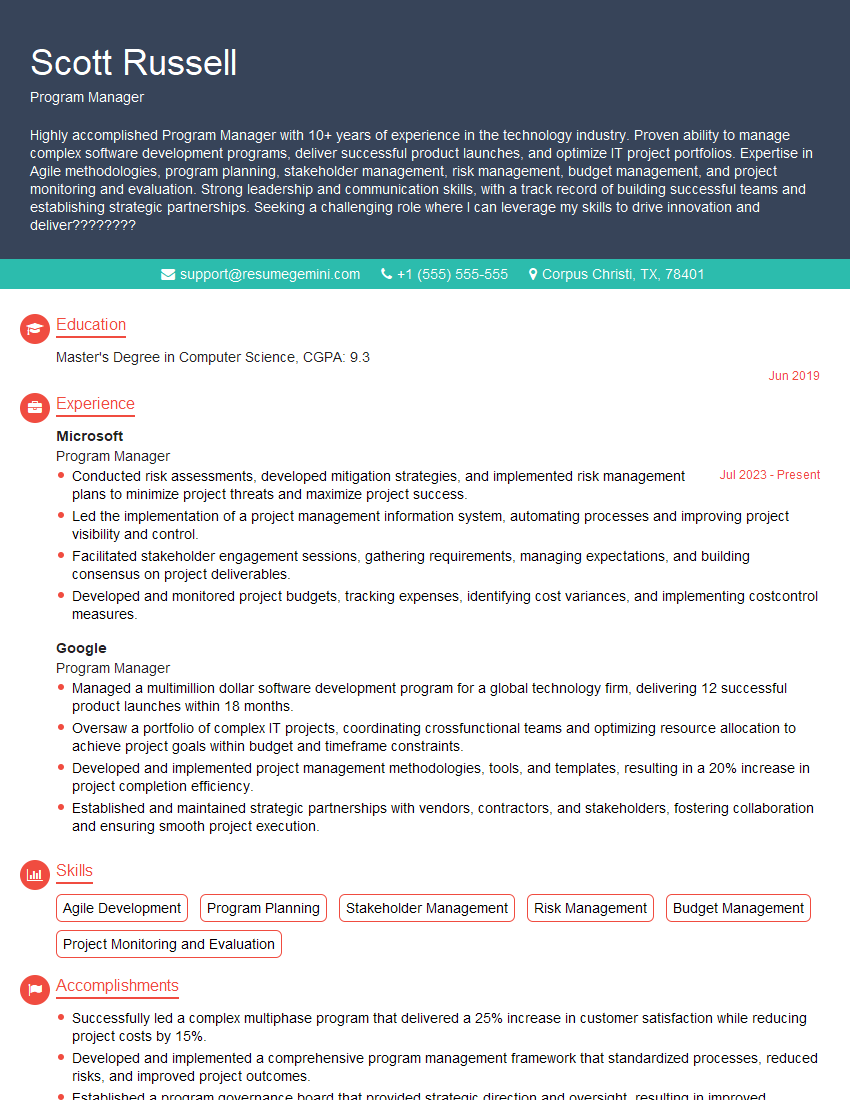
Program Manager Resume Sample
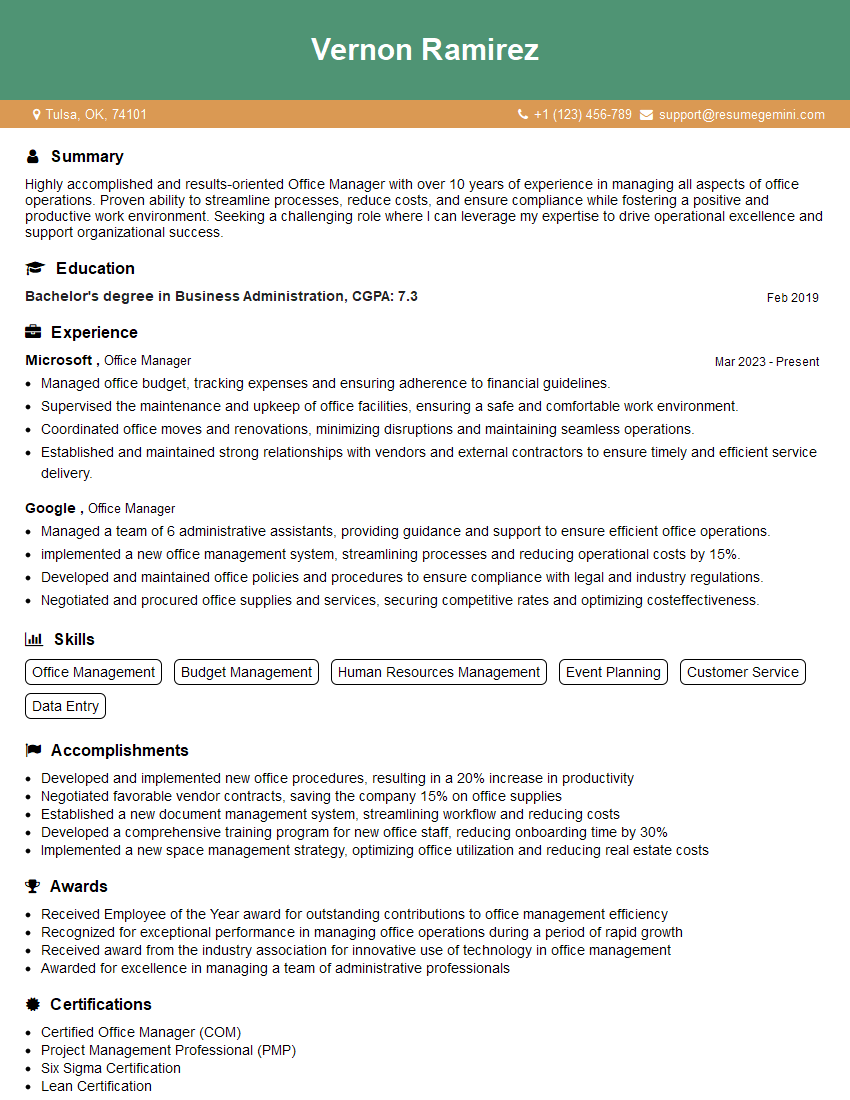
Office Manager Resume Sample

Operations Manager Resume Sample
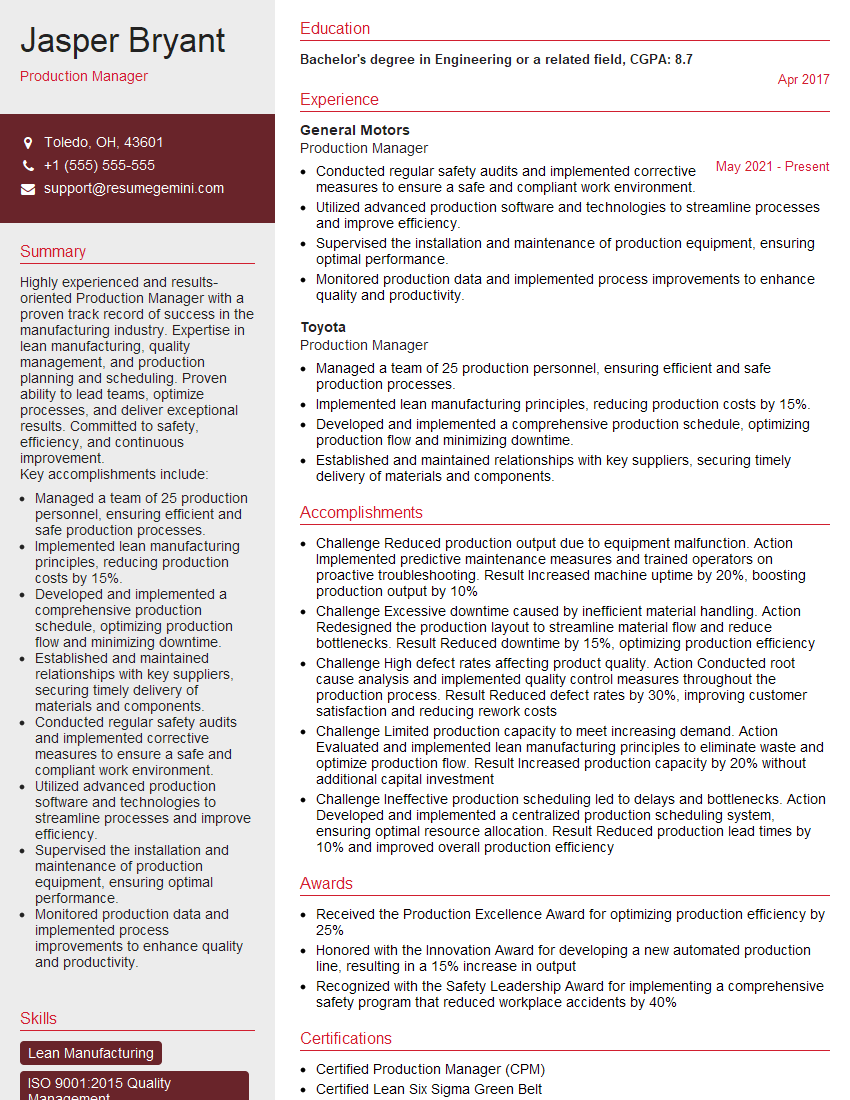
Production Manager Resume Sample
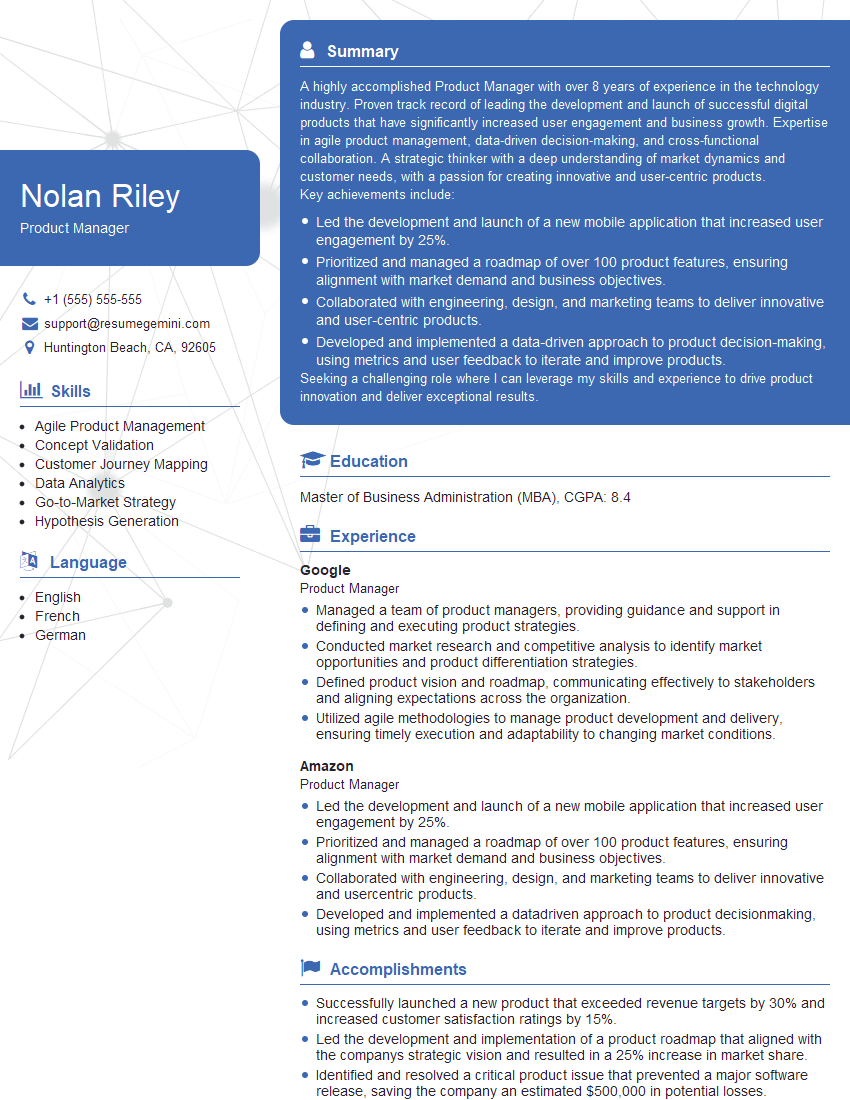
Product Manager Resume Sample
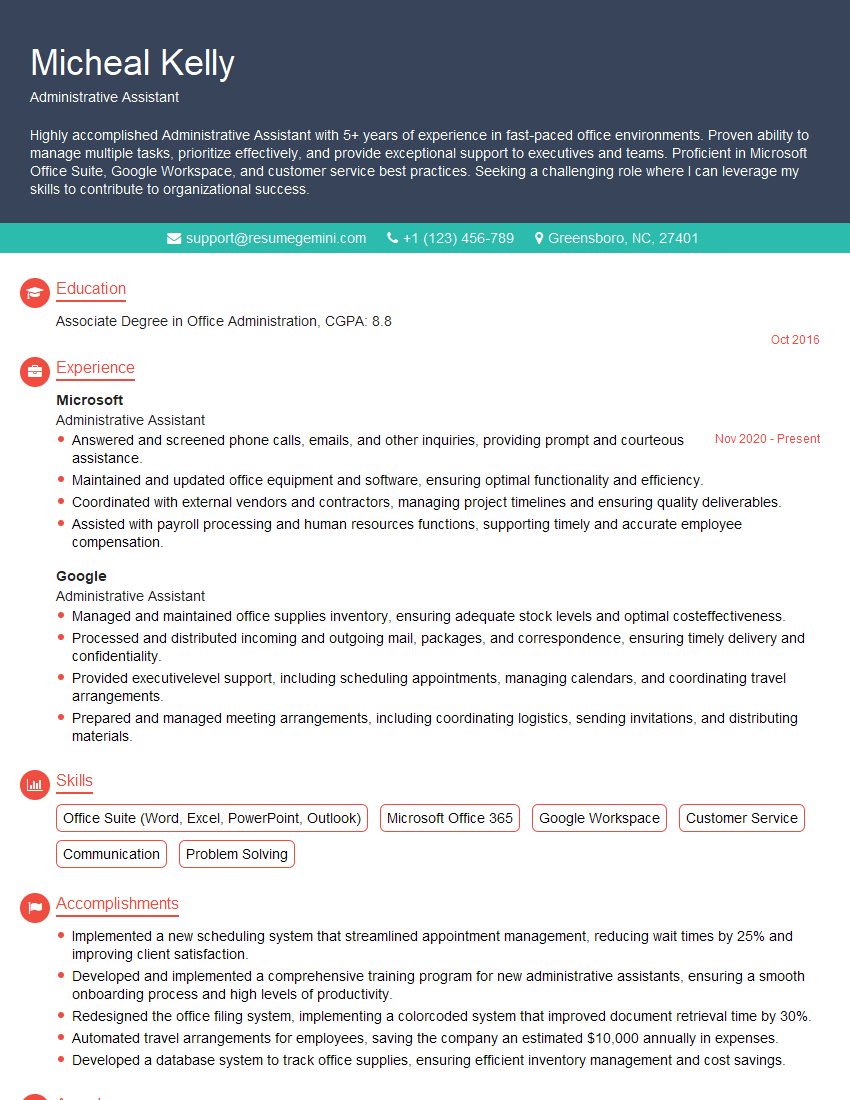
Administrative Assistant Resume Sample
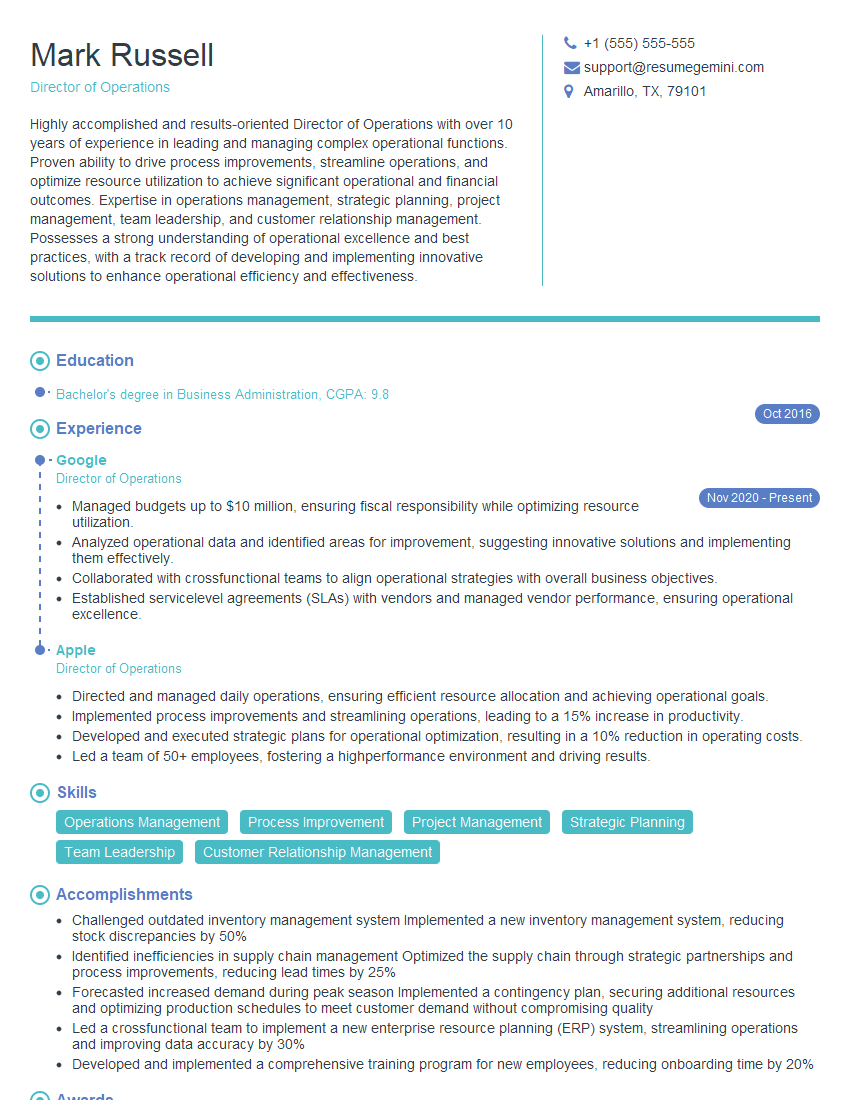
Director of Operations Resume Sample
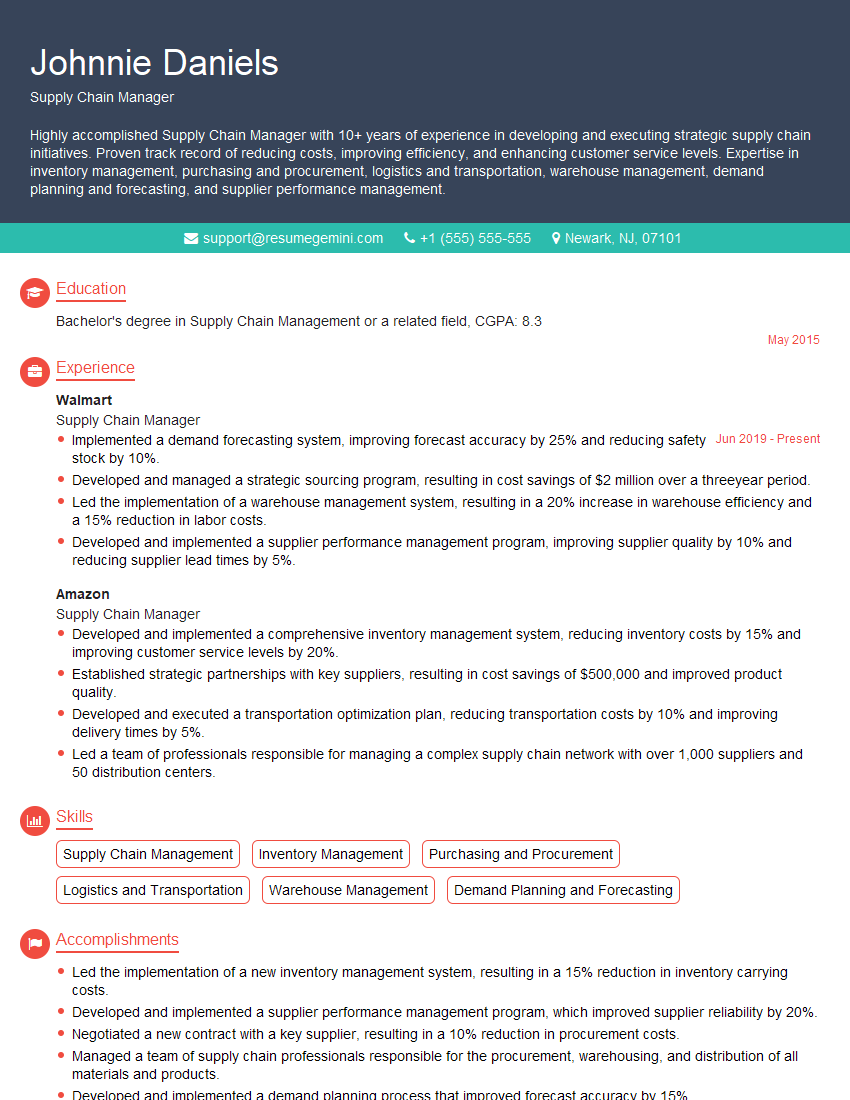
Supply Chain Manager Resume Sample

Project Manager Resume Sample
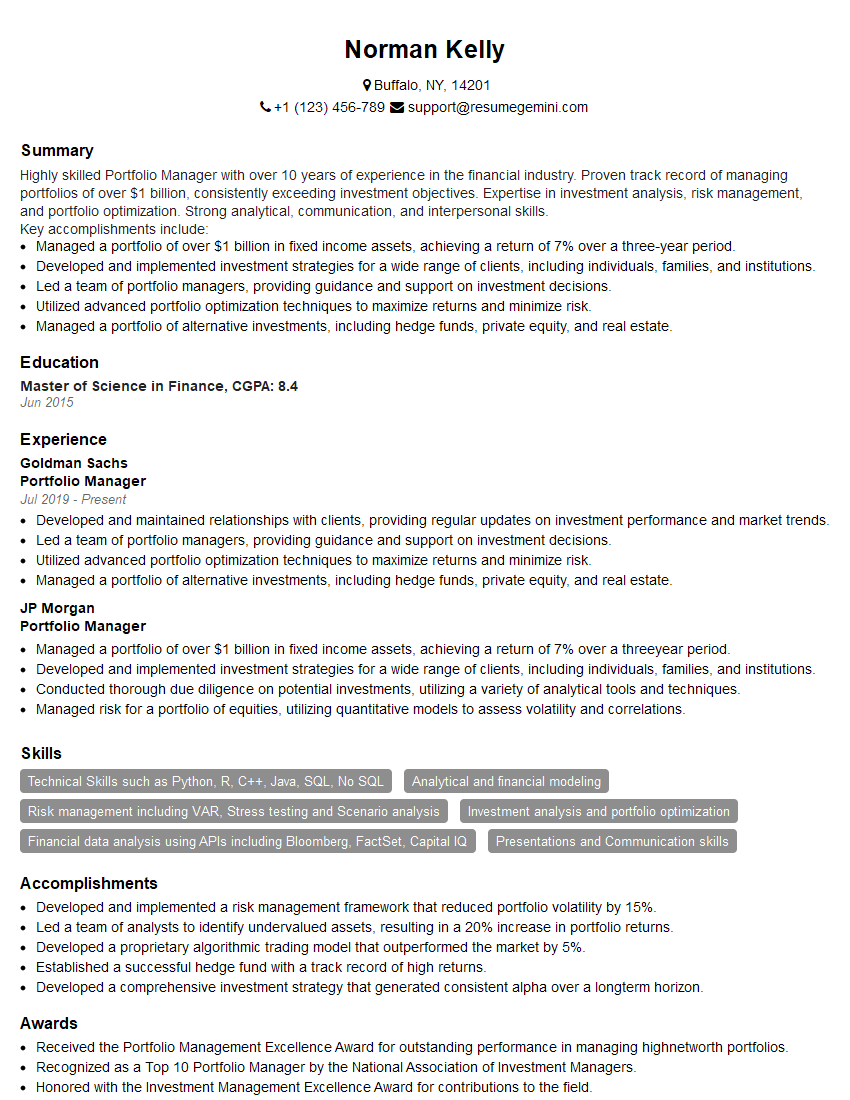
Portfolio Manager Resume Sample
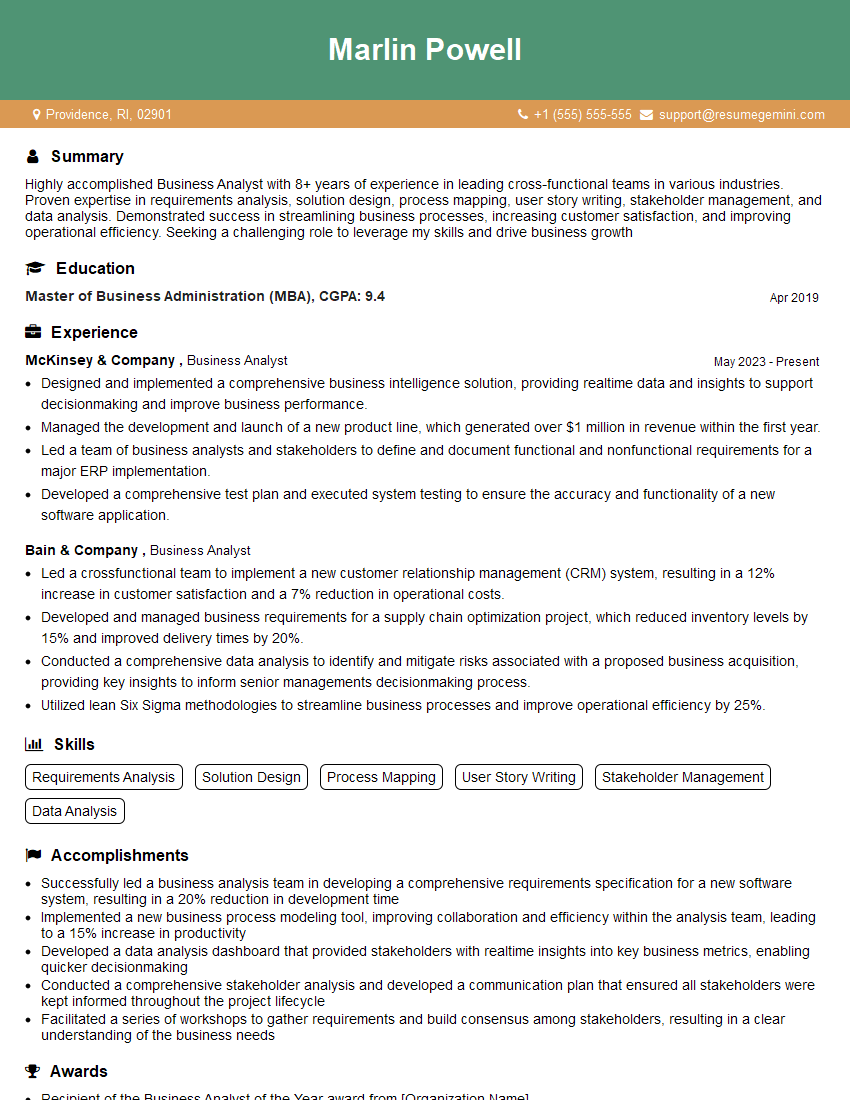
Business Analyst Resume Sample
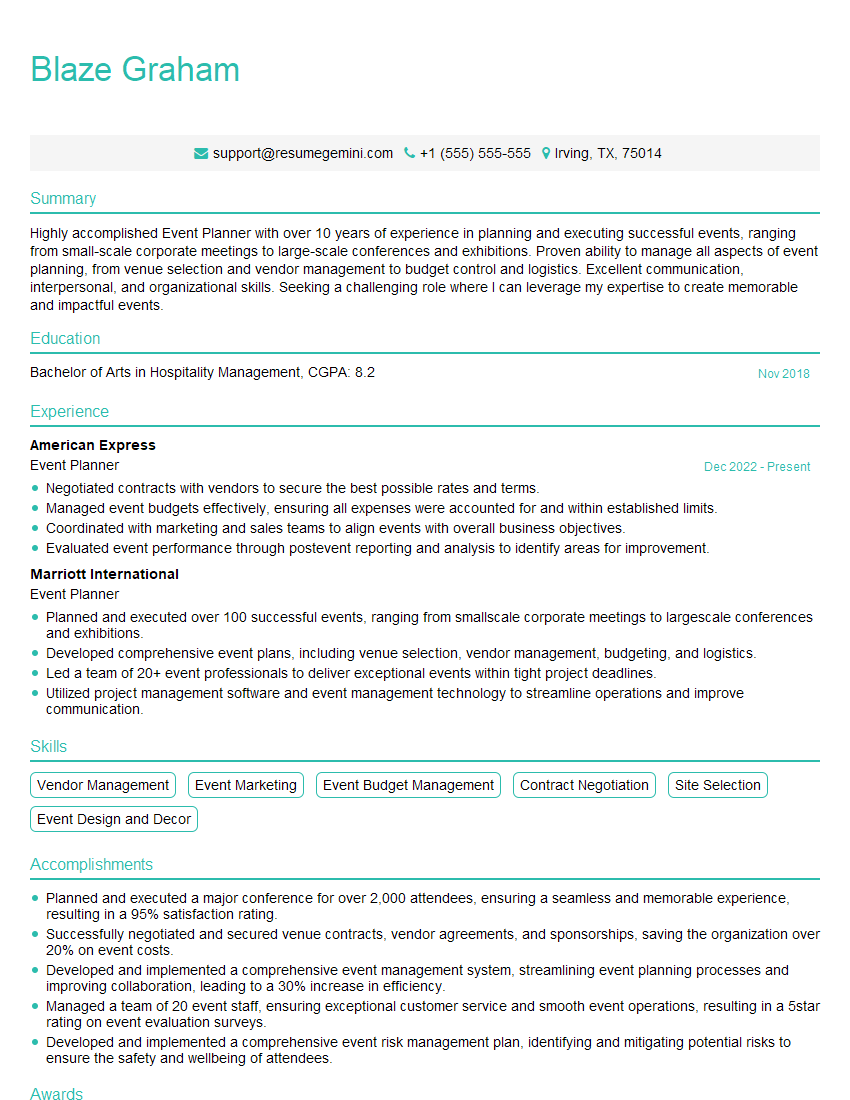
Event Planner Resume Sample

Scheduling Coordinator Resume Sample
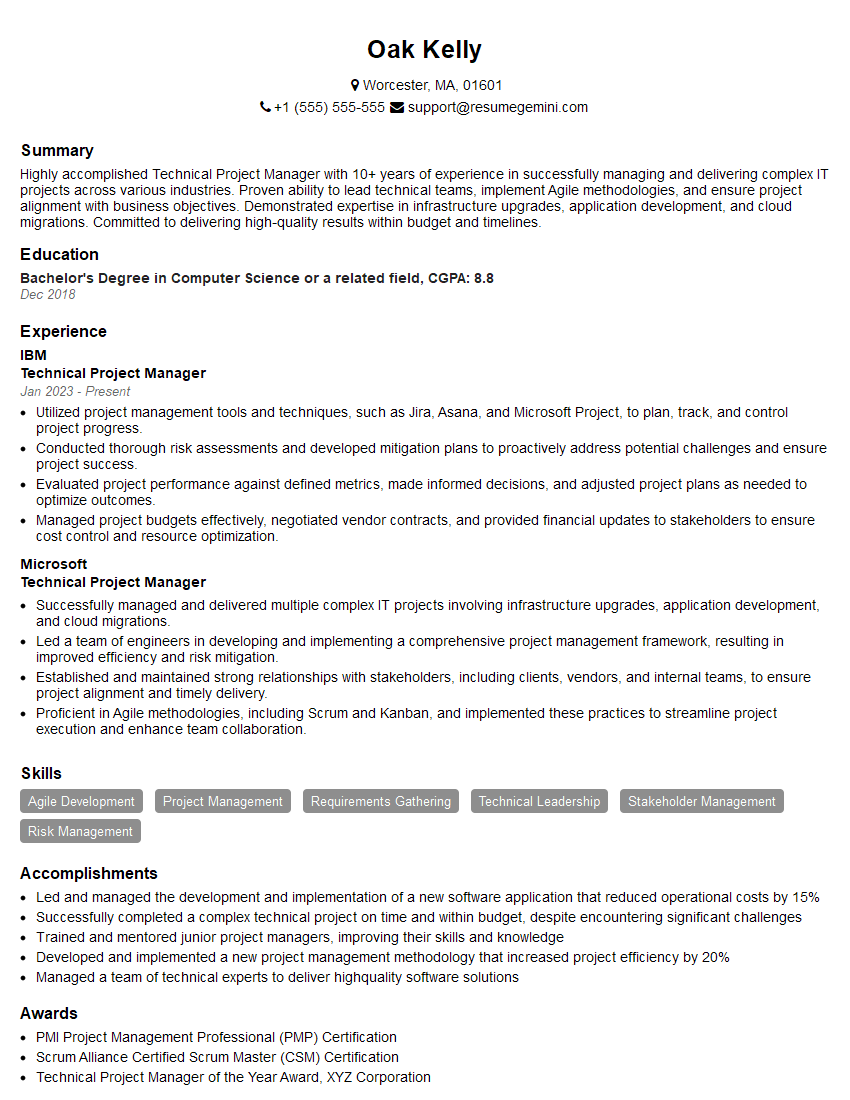
Technical Project Manager Resume Sample
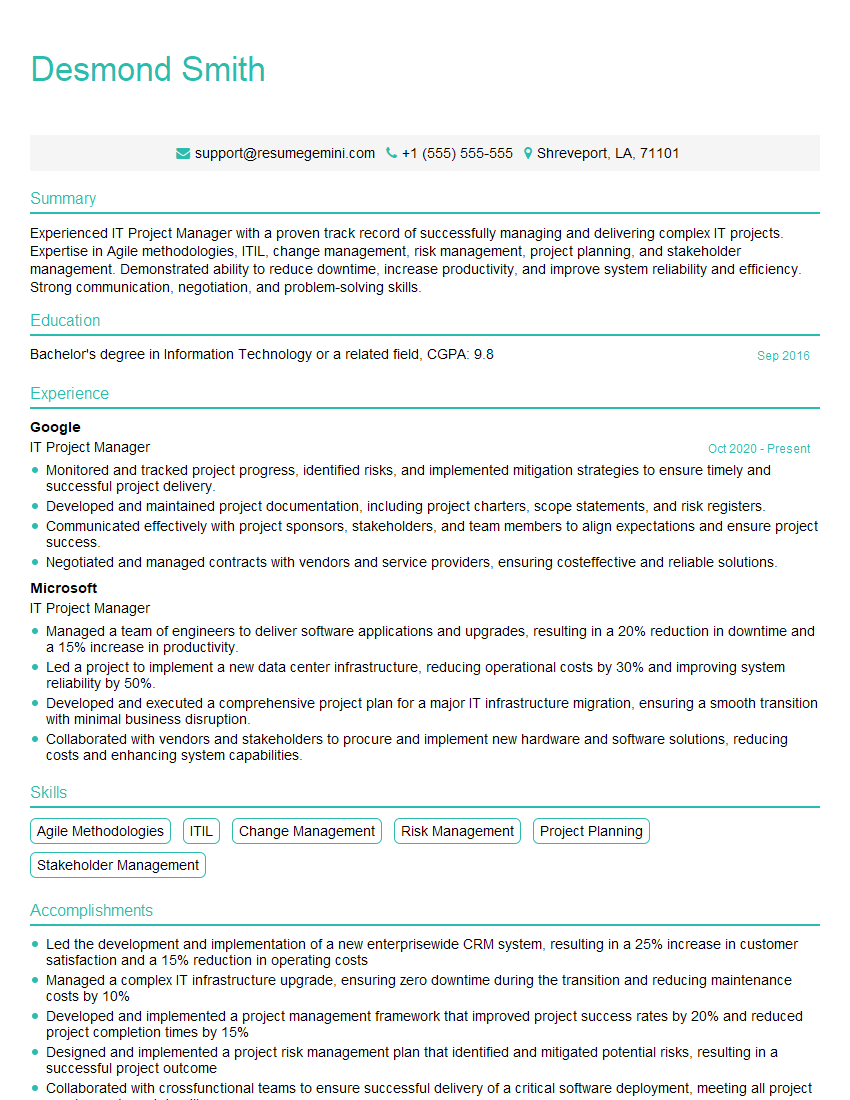
IT Project Manager Resume Sample
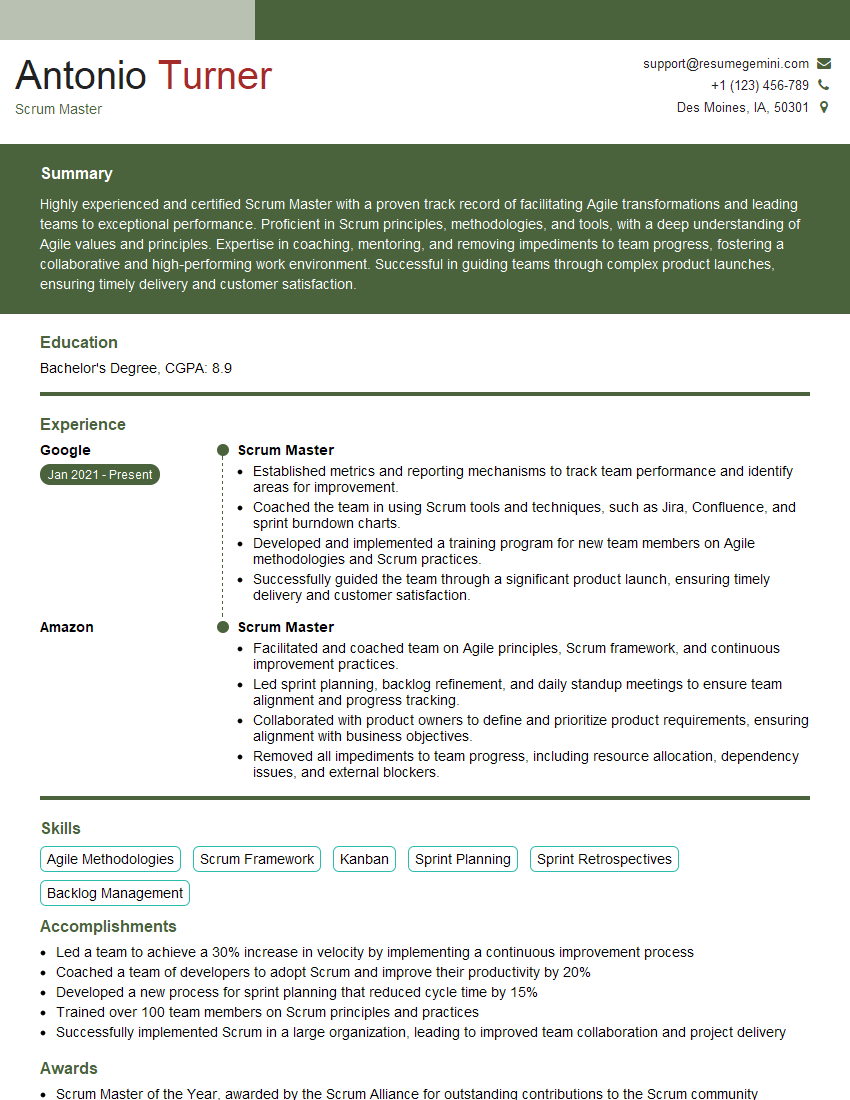
Scrum Master Resume Sample
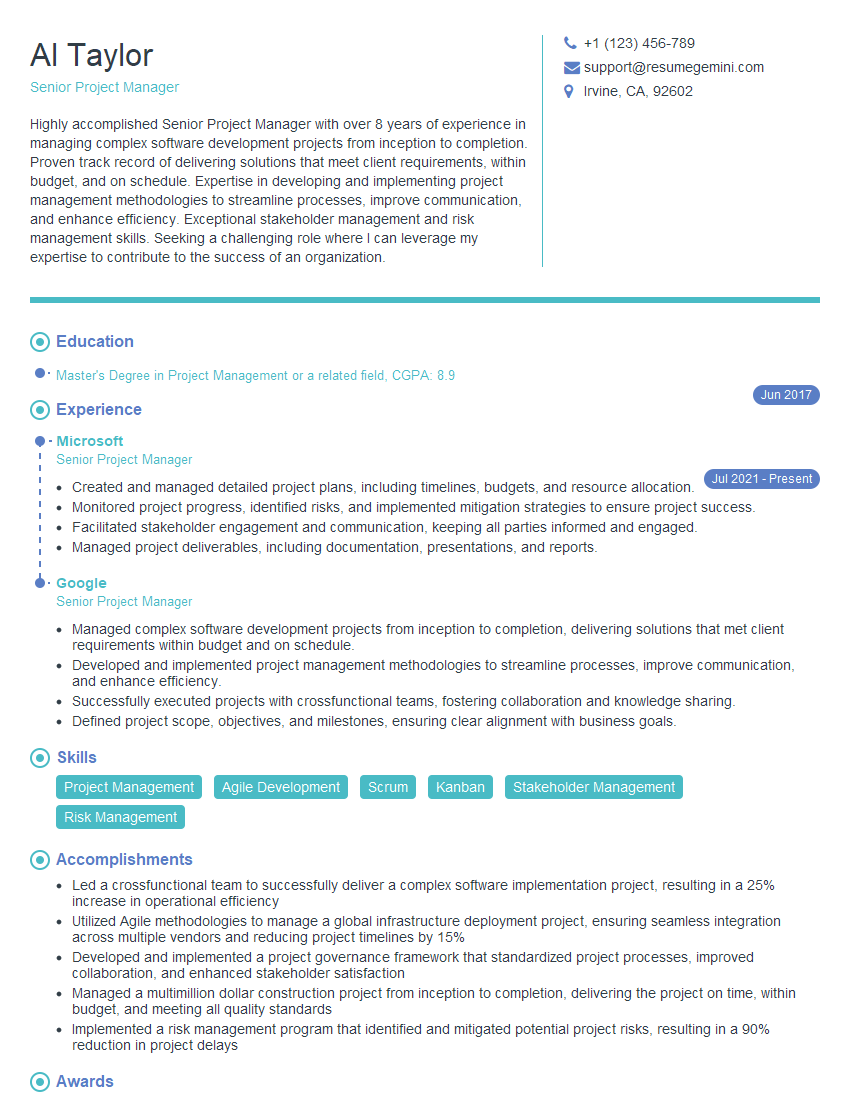
Senior Project Manager Resume Sample
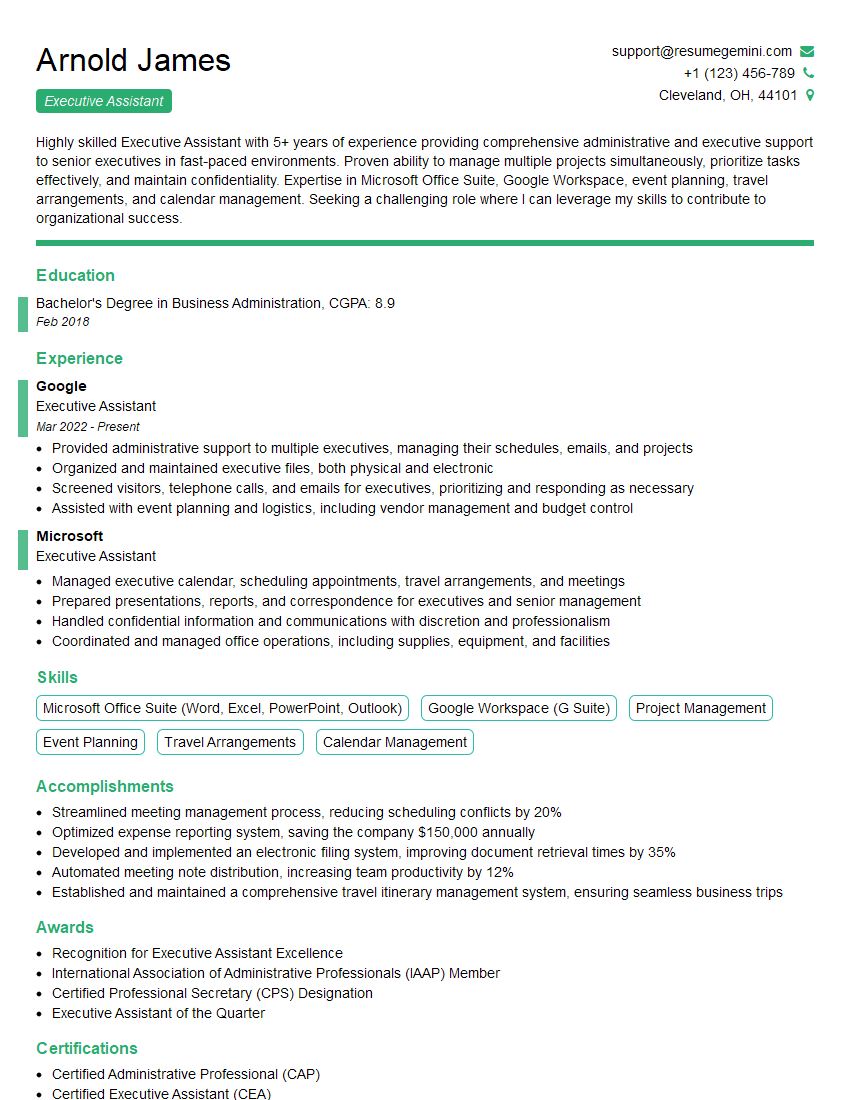
Executive Assistant Resume Sample
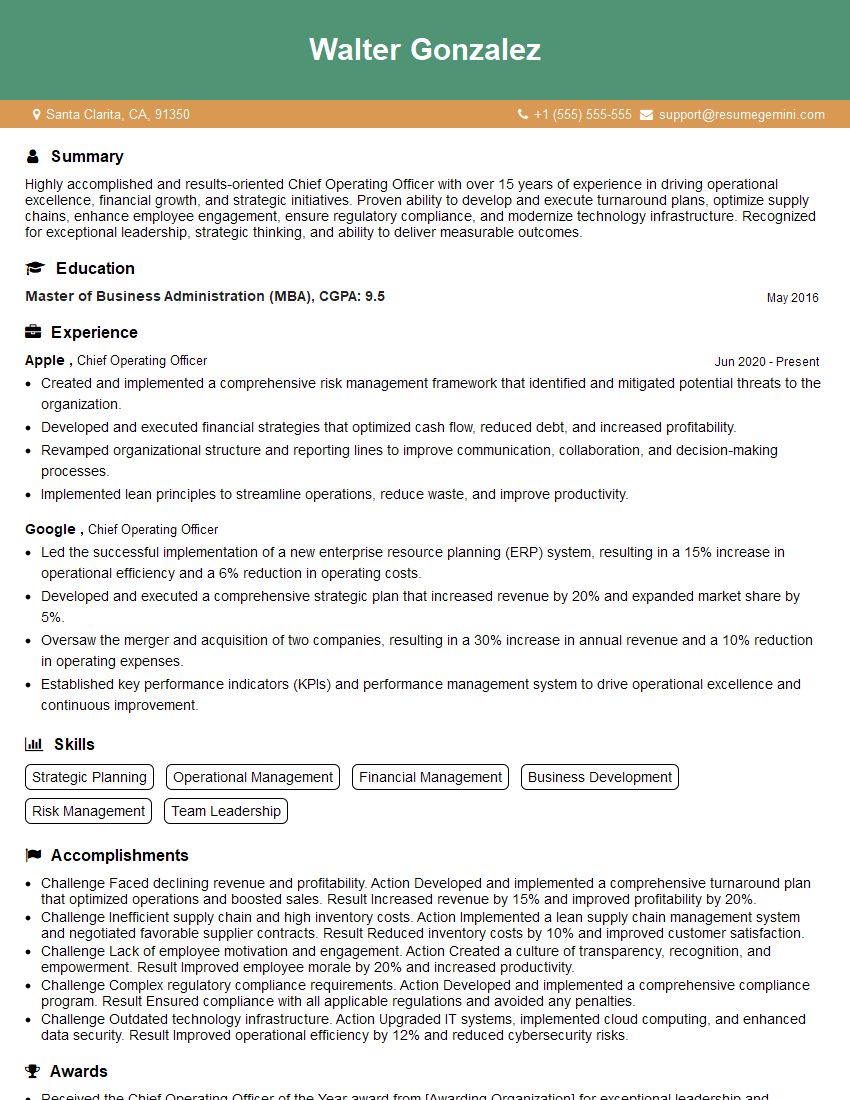
Chief Operating Officer Resume Sample
- Program Manager
- Office Manager
- Operations Manager
- Production Manager
- Product Manager
- Administrative Assistant
- Director of Operations
- Supply Chain Manager
- Project Manager
- Portfolio Manager
- Business Analyst
- Event Planner
- Scheduling Coordinator
- Technical Project Manager
- IT Project Manager
- Scrum Master
- Senior Project Manager
- Executive Assistant
- Chief Operating Officer
Explore more articles
Users Rating of Our Blogs
Share Your Experience
We value your feedback! Please rate our content and share your thoughts (optional).
What Readers Say About Our Blog
Very informative content, great job.
good