Feeling uncertain about what to expect in your upcoming interview? We’ve got you covered! This blog highlights the most important Toxicology and Material Safety interview questions and provides actionable advice to help you stand out as the ideal candidate. Let’s pave the way for your success.
Questions Asked in Toxicology and Material Safety Interview
Q 1. Explain the difference between acute and chronic toxicity.
Acute toxicity refers to the adverse effects on an organism resulting from a single exposure to a substance, while chronic toxicity describes the harmful effects arising from repeated exposure over a prolonged period, typically months or years. Think of it like this: acute toxicity is like getting a sudden, sharp punch, while chronic toxicity is like experiencing a slow, persistent burn.
For example, ingesting a large dose of cleaning solution (acute) could cause immediate health issues, while prolonged exposure to low levels of asbestos (chronic) can lead to lung cancer years later. The key difference lies in the timeframe and the frequency of exposure.
- Acute Toxicity: Rapid onset, typically within 24 hours.
- Chronic Toxicity: Slow onset, develops after prolonged and repeated exposure, often with cumulative effects.
Q 2. Describe the process of developing a Safety Data Sheet (SDS).
Developing a Safety Data Sheet (SDS) is a rigorous process involving several stages. It starts with a thorough hazard identification and characterization of the substance or mixture. This involves collecting data on physical and chemical properties, toxicity data from tests (like LD50/LC50), flammability, reactivity, and any other relevant hazards.
Next, the data is compiled and formatted according to the Globally Harmonized System of Classification and Labelling of Chemicals (GHS). This standardized system ensures consistency across the globe. The SDS then undergoes a thorough review by qualified personnel to ensure accuracy and completeness. Any discrepancies or gaps in data must be addressed. Finally, the completed SDS is reviewed, approved, and distributed to anyone who handles, uses, transports, or stores the chemical.
Imagine building a house – each section of the SDS is like building a specific part (hazard identification, composition, toxicology, etc.). Every section is crucial and needs to be built correctly for a strong, safe, and complete ‘house’ (SDS).
Q 3. What are the key components of a risk assessment?
A risk assessment is a systematic process used to identify hazards, evaluate the associated risks, and determine appropriate control measures. It typically involves four key components:
- Hazard Identification: Identifying potential hazards present in a particular situation or process. This could involve reviewing Material Safety Data Sheets, conducting site surveys, or consulting historical data.
- Hazard Characterization: Describing the nature of the hazards and their potential severity.
- Exposure Assessment: Determining the likelihood and extent of exposure to the identified hazards. This might involve considering the route of exposure, frequency, and duration.
- Risk Evaluation: Combining hazard characterization and exposure assessment to determine the overall level of risk. This involves weighing the severity and likelihood of the adverse health effects.
For example, a risk assessment for a construction site might identify hazards such as falling objects, heavy machinery, and exposure to chemicals. The assessment would then evaluate the likelihood and severity of injuries associated with these hazards, potentially leading to recommendations for implementing safety measures like hard hats, safety harnesses, and proper ventilation.
Q 4. How do you interpret LD50 and LC50 values?
LD50 (Lethal Dose, 50%) and LC50 (Lethal Concentration, 50%) are toxicological endpoints that indicate the amount of a substance required to kill 50% of a test population. LD50 is expressed as a dose (e.g., mg/kg body weight), indicating the amount of substance per unit of body weight, while LC50 is expressed as a concentration (e.g., mg/L air or water), representing the concentration of the substance in the environment.
Lower LD50 or LC50 values indicate higher toxicity; a smaller amount of the substance is needed to cause death in half the test population. These values are crucial in determining the relative toxicity of different substances and in setting safety guidelines and exposure limits.
For instance, a substance with an LD50 of 10 mg/kg is significantly more toxic than one with an LD50 of 1000 mg/kg, as the former requires a much smaller dose to have a lethal effect. It is important to remember that these values are obtained from animal studies and may not directly translate to human toxicity.
Q 5. Explain the different routes of exposure to toxins.
Toxins can enter the body through several routes of exposure, each with its own implications for toxicity and absorption:
- Inhalation: Breathing in airborne particles or gases. This is a common route for many workplace hazards, such as asbestos fibers or volatile organic compounds.
- Dermal Absorption: Absorption through the skin. Many chemicals can penetrate the skin and enter the bloodstream, depending on their properties and the integrity of the skin.
- Ingestion: Swallowing a substance. This route is especially relevant for food contamination, accidental poisoning, or intentional ingestion of toxic substances.
- Injection: Direct introduction into the bloodstream. This is common with intravenous drug use or accidental needle sticks.
The route of exposure significantly impacts the toxicity of a substance. For instance, a chemical absorbed through the skin might cause localized irritation, whereas inhalation of the same chemical might cause respiratory problems. Understanding the different routes is critical for risk assessment and developing appropriate prevention measures.
Q 6. What are the major regulatory agencies involved in toxicology and material safety?
Several major regulatory agencies play a crucial role in toxicology and material safety, ensuring the protection of human health and the environment. These agencies vary by country but have similar goals. Key examples include:
- United States: Environmental Protection Agency (EPA), Occupational Safety and Health Administration (OSHA), Food and Drug Administration (FDA).
- European Union: European Chemicals Agency (ECHA), European Medicines Agency (EMA).
- Canada: Environment and Climate Change Canada (ECCC), Health Canada.
These agencies establish regulations, guidelines, and standards for chemical safety, conduct research on toxicity, and enforce regulations to prevent exposures to harmful substances. They often collaborate internationally to harmonize approaches to chemical safety.
Q 7. Describe your experience with GHS (Globally Harmonized System) labeling.
My experience with the Globally Harmonized System (GHS) of Classification and Labelling of Chemicals is extensive. I have been involved in the development and implementation of GHS-compliant Safety Data Sheets (SDSs) and labels for a variety of chemicals and chemical mixtures. This includes:
- SDS Authoring: I have authored numerous SDSs, ensuring that they accurately reflect the hazards of the substance and comply with all GHS requirements.
- Label Design: I have designed labels according to GHS pictograms, signal words, hazard statements, and precautionary statements, ensuring that they effectively communicate hazards to users.
- Training and Education: I have provided training to personnel on GHS requirements, proper interpretation of SDSs and labels, and best practices for chemical handling and safety.
- Compliance Audits: I have conducted compliance audits to ensure that organizations are meeting GHS requirements and handling chemicals safely.
The GHS has significantly improved the communication of chemical hazards globally by providing a standardized system, ultimately reducing risks associated with chemical handling and exposure.
Q 8. How do you conduct a hazard identification?
Hazard identification is the first and arguably most critical step in managing chemical risks. It involves systematically identifying the inherent hazards associated with a substance or process. This isn’t just about listing chemicals; it delves into understanding their potential to cause harm under various conditions.
My approach to hazard identification is multi-faceted. It starts with a thorough review of the Safety Data Sheet (SDS), which provides comprehensive information on the chemical’s properties, health hazards, and safe handling procedures. I also look at existing literature, including toxicological databases and peer-reviewed publications, to uncover potential hazards that might not be immediately obvious.
Furthermore, I utilize various techniques like Qualitative Hazard Analysis (QHA) and Failure Mode and Effects Analysis (FMEA). QHA uses brainstorming and expert judgment to identify potential hazards, while FMEA systematically analyzes potential failure modes of a process and their consequences. For example, in analyzing a chemical manufacturing process, QHA might reveal the risk of an explosion due to improper mixing, while FMEA could further break down the failure of a mixing valve, leading to the explosion.
Finally, I consider the context of use. The hazard of a chemical can change dramatically depending on the environment, the quantity involved, and the exposure route (inhalation, ingestion, dermal contact). A small amount of a relatively harmless chemical might become dangerous if it’s aerosolized and inhaled in a confined space.
Q 9. Explain your understanding of dose-response relationships.
Dose-response relationships describe the connection between the amount of a substance (dose) an organism is exposed to and the magnitude of the resulting biological effect (response). It’s a fundamental concept in toxicology. Essentially, it illustrates that higher doses generally lead to greater effects. However, the relationship isn’t always linear; it can be quite complex.
Think of it like this: eating one cookie might have a minimal effect, but eating a dozen might lead to a stomachache. This illustrates a positive dose-response relationship. Sometimes, however, there is a threshold dose below which no effect is observed.
Dose-response curves are commonly used to graphically represent these relationships. These curves are created from experimental data, often from animal studies, and are used to determine the NOAEL (No Observed Adverse Effect Level) and LOAEL (Lowest Observed Adverse Effect Level). These values are crucial for establishing safe exposure limits for humans.
It’s important to remember that individual responses can vary widely due to factors like genetics, age, health status, and co-exposure to other substances. This makes establishing universally applicable dose-response relationships challenging, and the development of safety guidelines often involves a degree of uncertainty and the use of safety factors.
Q 10. What are some common toxicological endpoints?
Toxicological endpoints are the specific biological or health effects used to measure the toxicity of a substance. They represent the measurable outcomes of exposure to a toxicant. These endpoints can range from subtle biochemical changes to overt diseases or death.
- Mortality: Death resulting from exposure.
- Organ-Specific Toxicity: Damage to specific organs like the liver (hepatotoxicity), kidneys (nephrotoxicity), or lungs (pulmonary toxicity). For example, exposure to carbon tetrachloride can lead to severe liver damage.
- Developmental Toxicity: Adverse effects on the development of an organism, including birth defects or developmental delays.
- Reproductive Toxicity: Harmful effects on reproductive function, including fertility and fetal development.
- Genotoxicity: Damage to DNA, potentially leading to mutations, cancer, or other genetic disorders.
- Immunotoxicity: Suppression or impairment of the immune system.
- Neurotoxicity: Damage to the nervous system, affecting cognitive function, motor skills, or sensory perception.
- Carcinogenicity: The ability to cause cancer.
The choice of endpoints depends on the specific chemical being evaluated and the potential routes of exposure. For instance, a pesticide intended for agricultural use might be evaluated for its effects on reproductive function and developmental toxicity in addition to acute toxicity.
Q 11. Describe your experience with different toxicological testing methods.
My experience encompasses a wide range of toxicological testing methods, both in vitro (cell culture) and in vivo (animal studies). In vitro methods are generally less expensive and ethically less complex than in vivo studies, but they don’t fully capture the complexity of whole-organism responses.
In vitro methods I’ve utilized include:
- Ames test: For assessing the mutagenic potential of chemicals.
- Cytotoxicity assays: Measuring the ability of a chemical to kill cells.
- Cell proliferation assays: Evaluating the effect of a chemical on cell growth.
In vivo methods include:
- Acute toxicity studies: Determining the short-term effects of a single dose or multiple doses over a short period.
- Subchronic and chronic toxicity studies: Assessing the long-term effects of repeated exposure.
- Developmental toxicity studies: Evaluating effects on embryonic and fetal development.
- Reproductive toxicity studies: Investigating effects on fertility and reproduction.
- Carcinogenicity studies: Evaluating the potential of a chemical to cause cancer, often involving long-term animal exposure.
Data analysis and interpretation for all these methods involve statistical techniques and adherence to guidelines established by regulatory agencies such as the EPA and OECD.
Q 12. How do you assess the risk of a chemical spill?
Assessing the risk of a chemical spill involves a systematic approach combining hazard identification with exposure assessment and risk characterization. It’s a crucial part of emergency preparedness.
The process typically involves:
- Hazard Identification: Identifying the hazardous properties of the spilled chemical using the SDS and other relevant information. This includes understanding its toxicity, flammability, reactivity, and potential for environmental damage.
- Exposure Assessment: Determining the potential for exposure to humans and the environment. This involves considering factors such as the amount spilled, the location of the spill, weather conditions (wind speed and direction, rainfall), and the presence of vulnerable populations (children, elderly, individuals with pre-existing health conditions).
- Risk Characterization: Combining the hazard and exposure information to estimate the likelihood and severity of adverse health effects or environmental damage. This often involves using risk assessment models and considering uncertainty.
For example, a small spill of a relatively non-toxic chemical in an isolated area poses a much lower risk than a large spill of a highly toxic chemical in a densely populated area. Real-world scenarios often involve complex interactions, necessitating the use of sophisticated modeling and simulation techniques.
Q 13. What is your experience with risk mitigation strategies?
Risk mitigation strategies aim to reduce the likelihood or severity of adverse events resulting from exposure to hazardous materials. These strategies should be tailored to the specific hazards identified during the risk assessment process.
Examples of risk mitigation strategies include:
- Engineering controls: Implementing physical barriers, ventilation systems, or process modifications to prevent exposure. This could involve installing containment systems for hazardous chemicals or using automated systems to reduce manual handling.
- Administrative controls: Implementing safe work procedures, training programs, and emergency response plans. This includes developing clear protocols for handling spills and providing training for personnel on proper safety procedures.
- Personal protective equipment (PPE): Providing appropriate PPE, such as respirators, gloves, and protective clothing, to limit exposure. The selection of PPE is critically dependent on the specific hazards involved.
- Substitution: Replacing hazardous chemicals with less hazardous alternatives whenever feasible. This is often a preferred approach, as it reduces the inherent risk associated with a process.
- Waste management: Proper disposal or treatment of hazardous wastes to minimize environmental impact and prevent accidental release.
The selection of appropriate mitigation strategies involves a cost-benefit analysis, considering factors such as the effectiveness of the strategy, the cost of implementation, and the potential consequences of not implementing the strategy. A well-designed risk mitigation program involves a combination of several strategies, creating a layered approach to safety.
Q 14. How do you manage emergency situations related to hazardous materials?
Managing emergency situations involving hazardous materials requires a well-rehearsed, multi-faceted approach emphasizing safety and efficiency. My experience involves following established emergency response protocols, often dictated by regulatory agencies.
Key aspects of my approach include:
- Immediate Actions: Prioritizing the safety of personnel and the public. This includes evacuation of affected areas, containment of the spill (if possible), and preventing further exposure. This stage is characterized by swift action and effective communication.
- Assessment: Determining the nature and extent of the hazard. This involves identifying the hazardous material involved, assessing the size and location of the spill, and evaluating potential risks to human health and the environment.
- Containment and Cleanup: Utilizing appropriate methods for containment and cleanup of the spill, while minimizing the risk to response personnel. This may involve specialized equipment and trained personnel.
- Monitoring: Monitoring air, water, and soil for contamination to ensure the effectiveness of the cleanup efforts and to protect public health and the environment. This often involves the use of sophisticated monitoring equipment and sampling techniques.
- Post-Incident Investigation: Conducting a thorough post-incident investigation to determine the root cause of the incident and identify opportunities for preventing future occurrences. This involves documenting events, interviewing witnesses, and analyzing data to identify systemic weaknesses in safety protocols.
Effective emergency response relies on clear communication, well-defined roles and responsibilities, and readily available resources. Regular training and drills are essential to ensure personnel are prepared to handle emergency situations efficiently and safely.
Q 15. Explain your understanding of occupational exposure limits (OELs).
Occupational Exposure Limits (OELs) are legally mandated or recommended limits on the concentration of hazardous substances in the workplace air. They represent the maximum concentration of a substance to which a worker can be exposed over a specified period without experiencing adverse health effects. These limits are crucial for worker safety and are established by various regulatory bodies like OSHA (Occupational Safety and Health Administration) in the US or the EU’s REACH regulation. Different OELs exist, depending on the exposure duration:
- Time-Weighted Average (TWA): Represents the average airborne concentration over a typical workday (usually 8 hours).
- Short-Term Exposure Limit (STEL): Represents the maximum concentration to which a worker can be exposed for a short period (usually 15 minutes), without suffering from irritation or other immediate adverse effects. It’s important to note that STELs shouldn’t be exceeded during the workday.
- Ceiling Limit: Represents the absolute maximum concentration that should never be exceeded at any time during the workday. Even a brief exposure above this limit is unacceptable.
For example, the TWA for benzene might be 1 ppm, the STEL 5 ppm, and the ceiling limit 10 ppm. This means workers can be exposed to an average of 1 ppm over an 8-hour day, but short peaks up to 5 ppm are allowed, provided they don’t exceed 10 ppm at any point. Exceeding OELs can lead to serious health consequences and workplace safety violations. Regular monitoring of workplace air quality is therefore critical to ensure compliance with these limits.
Career Expert Tips:
- Ace those interviews! Prepare effectively by reviewing the Top 50 Most Common Interview Questions on ResumeGemini.
- Navigate your job search with confidence! Explore a wide range of Career Tips on ResumeGemini. Learn about common challenges and recommendations to overcome them.
- Craft the perfect resume! Master the Art of Resume Writing with ResumeGemini’s guide. Showcase your unique qualifications and achievements effectively.
- Don’t miss out on holiday savings! Build your dream resume with ResumeGemini’s ATS optimized templates.
Q 16. What is your experience with personal protective equipment (PPE)?
My experience with Personal Protective Equipment (PPE) is extensive. I’ve been involved in selecting, fitting, training personnel on, and auditing the use of a wide range of PPE, encompassing respiratory protection (e.g., respirators, supplied air systems), eye and face protection (goggles, face shields), hand protection (gloves, various materials), hearing protection (earplugs, earmuffs), and protective clothing (coveralls, aprons, boots).
In a previous role, I was responsible for developing a comprehensive PPE program for a chemical manufacturing plant, which included risk assessments to determine appropriate PPE for specific tasks, conducting fit-testing for respirators to ensure proper seal and protection, and creating training materials to educate employees on proper PPE use, maintenance, and limitations. I’ve also investigated incidents involving PPE failure to identify root causes and implement corrective actions. For example, an incident involving chemical splash to the face highlighted a need for improved eye protection training and the introduction of emergency eyewash stations. My experience includes working with various standards and regulations related to PPE selection and use, ensuring compliance with all relevant legislation.
Q 17. Describe your experience with environmental monitoring and sampling.
Environmental monitoring and sampling is a cornerstone of my work. I have extensive experience designing and implementing monitoring plans to assess exposure levels to various hazards in diverse settings, from industrial facilities to construction sites. This includes selecting appropriate sampling methods (e.g., air sampling using pumps and sorbent tubes, wipe sampling for surface contamination, water sampling) and analytical techniques (e.g., gas chromatography-mass spectrometry (GC-MS), high-performance liquid chromatography (HPLC)) based on the specific hazard being monitored.
For example, I was involved in a project monitoring air quality in a paint manufacturing facility for volatile organic compounds (VOCs). This involved using calibrated pumps to draw air through sorbent tubes, followed by laboratory analysis using GC-MS to quantify the concentration of individual VOCs. The data collected helped determine the efficacy of ventilation systems and identify areas where additional controls might be needed. I am proficient in interpreting data, producing reports, and recommending appropriate control measures based on sampling results. My experience also encompasses the chain of custody and quality assurance/quality control procedures critical for ensuring data reliability and legal defensibility.
Q 18. How do you conduct a workplace inspection for safety hazards?
Conducting a workplace inspection for safety hazards is a systematic process that involves a thorough visual examination of the work environment, coupled with an assessment of work practices and procedures. I typically follow a structured approach:
- Planning: Define the scope of the inspection, identify areas of concern, and assemble necessary equipment (e.g., checklist, camera, measuring tools).
- Observation: Systematically walk through the workplace, observing for potential hazards. This includes looking for trip hazards, fire hazards, electrical hazards, ergonomic issues, chemical spills, and inadequate ventilation.
- Documentation: Record all observations, taking photographs and making detailed notes of any hazards identified. This documentation is crucial for tracking issues and justifying corrective actions.
- Sampling and Testing: If needed, conduct air monitoring or other environmental sampling to verify potential hazards.
- Interviews: Talk to workers to gain insight into their experiences and identify potential issues not readily apparent during the visual inspection.
- Analysis: Analyze the data collected, identifying high-risk areas and recommending appropriate control measures.
- Reporting: Produce a comprehensive report detailing findings, recommendations, and deadlines for corrective actions.
For instance, during an inspection at a construction site, I might observe workers not using hard hats, exposed electrical wiring, and a lack of proper fall protection. My report would document these hazards, including photographs, and recommend corrective actions such as mandatory hard hat use, proper electrical cable management, and implementation of fall protection systems. The goal is to identify and mitigate hazards before they result in injuries or incidents.
Q 19. Explain your understanding of chemical reactivity and compatibility.
Chemical reactivity and compatibility are critical considerations in toxicology and material safety. Chemical reactivity refers to the tendency of a substance to undergo chemical change, often resulting in the release of energy or the formation of new substances. Compatibility, on the other hand, refers to the ability of two or more substances to coexist without undergoing undesirable reactions. Understanding both aspects is essential for safe handling, storage, and transportation of chemicals.
For example, mixing strong acids and bases can lead to exothermic reactions, generating heat and potentially causing burns or explosions. Similarly, certain chemicals can react violently with water, creating hazardous gases. Incompatibility issues can arise during storage, where incompatible chemicals can react with each other, leading to fires, explosions, or the release of toxic gases. Material Safety Data Sheets (MSDS) provide valuable information on chemical reactivity and compatibility. Proper labeling and segregation of incompatible materials are critical for preventing incidents. This knowledge is essential when designing storage facilities and transportation methods for hazardous materials. The use of incompatible materials in a process can lead to disastrous consequences and requires careful planning and risk assessment.
Q 20. How do you interpret and apply safety regulations?
Interpreting and applying safety regulations is a crucial aspect of my work. This involves a thorough understanding of relevant legislation, standards, and guidelines, such as OSHA regulations in the US, WHMIS in Canada, or the Globally Harmonized System of Classification and Labelling of Chemicals (GHS) internationally. My approach involves several steps:
- Identifying Applicable Regulations: Determine which regulations apply based on the industry, location, and the specific hazards involved.
- Interpreting Regulations: Understand the specific requirements and limitations of each regulation.
- Assessing Compliance: Evaluate whether existing practices and procedures meet regulatory requirements.
- Developing Compliance Programs: Create and implement programs to ensure ongoing compliance, including training programs, monitoring procedures, and emergency response plans.
- Staying Updated: Continuously monitor changes in regulations and best practices.
For instance, when working with a company that handles hazardous waste, I would ensure compliance with regulations governing waste disposal, storage, and transportation. This might involve reviewing waste manifests, inspecting storage facilities, and ensuring proper training of personnel involved in waste handling. A deep understanding of legal requirements and the ability to translate them into practical, effective measures is key to minimizing risks and ensuring regulatory compliance.
Q 21. What is your experience with toxicology software and databases?
I have extensive experience using various toxicology software and databases, such as ToxNet, ChemIDplus, and GESTIS-stoffdatenbank. These tools are invaluable for accessing information on chemical properties, toxicity data, exposure limits, and regulatory information. I use these resources to conduct hazard assessments, risk assessments, and to support the development of safety data sheets. The ability to efficiently search and interpret data from these databases is crucial for making informed decisions about chemical safety.
For example, when evaluating the potential toxicity of a new chemical, I would use these databases to identify relevant toxicological studies, determine its acute and chronic toxicity, and identify any specific health hazards associated with its use. This information is then used to develop appropriate control measures, such as engineering controls, administrative controls, and PPE. My experience extends to using specialized software for modelling exposure scenarios and predicting potential health effects.
Q 22. Describe your experience with data analysis in toxicology and safety.
My experience with data analysis in toxicology and safety is extensive, encompassing various statistical methods and software applications. I’m proficient in analyzing data from in vivo and in vitro studies, including dose-response curves, survival analysis, and histopathological data. I regularly use software like R, SAS, and GraphPad Prism for statistical modeling, data visualization, and report generation. For instance, in a recent project involving the toxicity assessment of a novel pesticide, I utilized nonlinear regression in R to model the dose-response relationship and determine the LD50 (lethal dose at 50% mortality). This involved careful data cleaning, outlier detection, and model validation to ensure the accuracy and reliability of the results. Further, I’m experienced in handling large datasets, ensuring data integrity and performing quality checks before analysis. My analytical skills extend to interpreting the results in the context of regulatory requirements and risk assessment methodologies.
Q 23. How do you communicate complex technical information to non-technical audiences?
Communicating complex technical information to non-technical audiences requires a strategic approach focusing on clarity, simplicity, and relevance. I avoid jargon and technical terms whenever possible, opting for clear and concise language. I use analogies and real-world examples to illustrate concepts, making them easily understandable. For instance, when explaining the concept of LD50, I might compare it to the amount of a substance needed to kill half of a test population of animals, drawing a parallel to everyday situations to ensure comprehension. Visual aids such as charts, graphs, and infographics are crucial in simplifying data and making it visually appealing. I also tailor my communication style to the audience, adjusting the level of detail and technical depth based on their background knowledge. Active listening and feedback mechanisms are integral, allowing me to adapt my communication style and ensure understanding throughout the process.
Q 24. Describe a time you had to solve a complex safety problem.
During a previous role, we encountered a significant safety issue concerning a potential contaminant in a pharmaceutical product. Initial analysis indicated elevated levels of a specific impurity exceeding acceptable limits. This posed a substantial risk, necessitating immediate action. My approach involved a multi-step process: First, we isolated and identified the contaminant through advanced analytical techniques (e.g., HPLC-MS). Second, we investigated the source of the contamination, examining the manufacturing process, raw materials, and storage conditions. Third, we collaborated with the manufacturing team to implement corrective actions – including improvements in purification techniques and stricter quality control measures. Fourth, we conducted a comprehensive risk assessment to determine the potential impact on patient safety and developed mitigation strategies. Finally, we documented all findings and implemented robust change control procedures to prevent similar incidents in the future. The proactive approach, coupled with collaborative problem-solving, successfully mitigated the risk, preventing potential adverse effects on patients and preserving the reputation of the company.
Q 25. How do you stay up-to-date with changes in toxicology and safety regulations?
Staying updated in toxicology and safety regulations requires a multi-faceted approach. I regularly review publications from reputable organizations like the FDA, EPA, and OECD, paying close attention to new guidelines, updated standards, and emerging research. I subscribe to relevant journals and newsletters, attend industry conferences and workshops, and actively participate in professional organizations like the Society of Toxicology (SOT). Online resources and databases, such as those provided by regulatory bodies, are invaluable for accessing the latest information. Moreover, I maintain a network of colleagues and experts in the field, engaging in discussions and knowledge sharing. This holistic strategy ensures I remain abreast of the ever-evolving landscape of toxicology and safety regulations and best practices.
Q 26. Explain your understanding of different types of toxicological studies (e.g., in vivo, in vitro).
Toxicological studies are broadly categorized into in vivo and in vitro studies. In vivo studies involve testing on whole living organisms, typically animals, allowing for assessment of systemic effects and interactions. These can range from acute toxicity studies (short-term exposure) to chronic toxicity studies (long-term exposure), evaluating organ-specific effects and potential carcinogenicity. Examples include LD50 tests and subchronic toxicity studies. In contrast, in vitro studies involve testing on isolated cells, tissues, or organs in a controlled laboratory setting. These are often used for preliminary toxicity screening, mechanistic investigations, and high-throughput screening of large numbers of compounds. They offer advantages like reduced cost, ethical considerations, and the ability to control specific parameters. Examples include cell viability assays and Ames tests for mutagenicity. The choice between in vivo and in vitro studies depends on the research question, the stage of development, and ethical considerations. Often, a tiered approach is utilized, starting with in vitro studies before progressing to in vivo studies when necessary.
Q 27. What experience do you have with the handling and disposal of hazardous waste?
My experience with handling and disposal of hazardous waste is extensive and fully compliant with all relevant regulations. I have a thorough understanding of proper waste segregation, labeling, packaging, and storage protocols. This includes adhering to safety data sheets (SDS) and following established procedures for waste transportation and disposal. I have experience with different waste streams, including chemical waste, biological waste, and radioactive waste (where applicable), ensuring proper management and minimizing environmental impact. I am proficient in utilizing various waste disposal methods, including incineration, landfilling, and specialized treatment processes, depending on the specific waste type and regulatory requirements. Safety is paramount; I always prioritize personal protective equipment (PPE) and adhere to strict safety procedures to minimize risks.
Q 28. Describe your familiarity with different types of toxicity testing on animals (if applicable).
My experience with animal toxicity testing adheres strictly to ethical guidelines and regulatory requirements (e.g., the 3Rs – Replacement, Reduction, Refinement). I have been involved in various studies using different animal models (rodents, non-rodents), always ensuring proper animal care and handling. I’m familiar with various toxicity testing protocols including acute toxicity testing (LD50 determination), subchronic and chronic toxicity studies, reproductive toxicity studies, and carcinogenicity studies. Data analysis and interpretation from these studies are crucial in my work, contributing to safety assessments and regulatory submissions. It’s important to note that I strongly advocate for the 3Rs, seeking alternative testing methods (e.g., in vitro assays) whenever scientifically justifiable to minimize animal use.
Key Topics to Learn for Toxicology and Material Safety Interview
- Toxicological Principles: Understanding dose-response relationships, routes of exposure, and mechanisms of toxicity. Consider exploring different types of toxicity (acute, chronic, developmental).
- Risk Assessment and Management: Familiarize yourself with hazard identification, dose-response assessment, exposure assessment, and risk characterization. Practice applying these principles to real-world scenarios.
- Material Safety Data Sheets (MSDS) and Chemical Handling: Learn how to interpret MSDS information and apply this knowledge to safe handling, storage, and disposal of hazardous materials. Practice identifying potential hazards and implementing appropriate control measures.
- Regulatory Compliance: Understand relevant regulations (e.g., OSHA, EPA) and their implications for material safety and handling procedures within different industries. Be prepared to discuss your understanding of compliance requirements.
- Exposure Assessment Methods: Become familiar with different techniques for assessing worker and environmental exposure to hazardous substances (e.g., air monitoring, biomonitoring). Understand the limitations and strengths of each method.
- Toxicological Testing and Data Interpretation: Gain a working knowledge of in vitro and in vivo toxicity testing methods and be able to critically evaluate and interpret the results of toxicological studies.
- Communication and Problem-Solving: Practice clearly communicating complex toxicological information to both technical and non-technical audiences. Be ready to discuss problem-solving approaches related to material safety incidents.
Next Steps
Mastering Toxicology and Material Safety opens doors to exciting and impactful careers in various sectors, from pharmaceuticals and environmental science to manufacturing and regulatory agencies. A strong understanding of these principles is crucial for career advancement and demonstrating your expertise to potential employers.
To significantly increase your chances of landing your dream job, it’s vital to create a resume that is both ATS-friendly and showcases your skills and experience effectively. ResumeGemini is a trusted resource that can help you build a professional and impactful resume tailored to the specific requirements of Toxicology and Material Safety positions. Examples of resumes optimized for this field are available to guide you. Invest the time in crafting a compelling resume – it’s your first impression with potential employers.

Compliance Manager Resume Sample
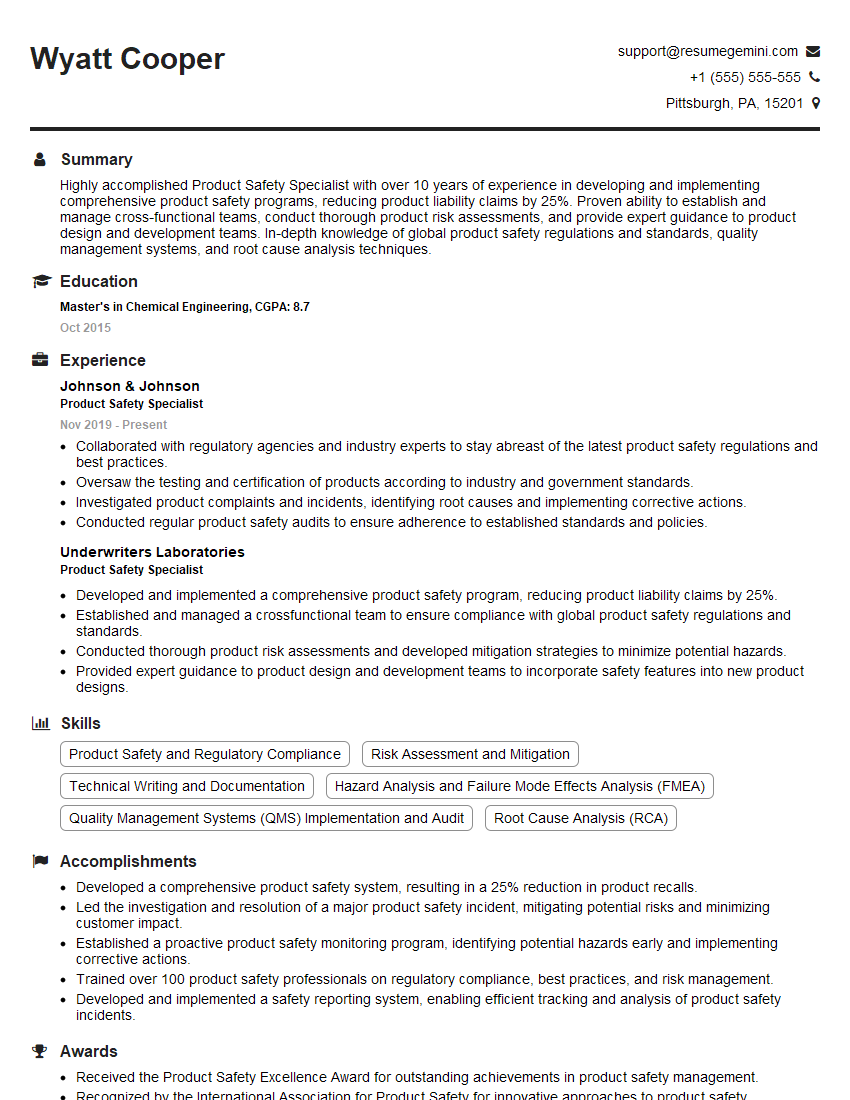
Product Safety Specialist Resume Sample
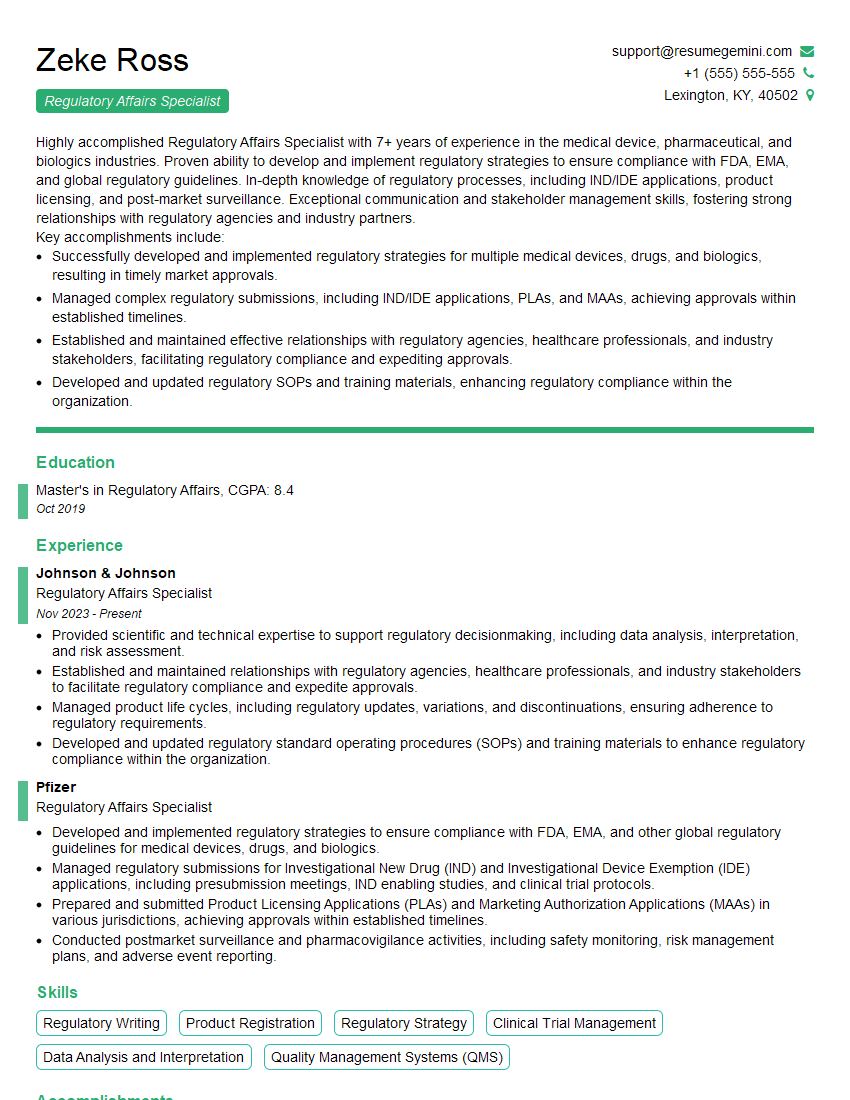
Regulatory Affairs Specialist Resume Sample

Safety Engineer Resume Sample
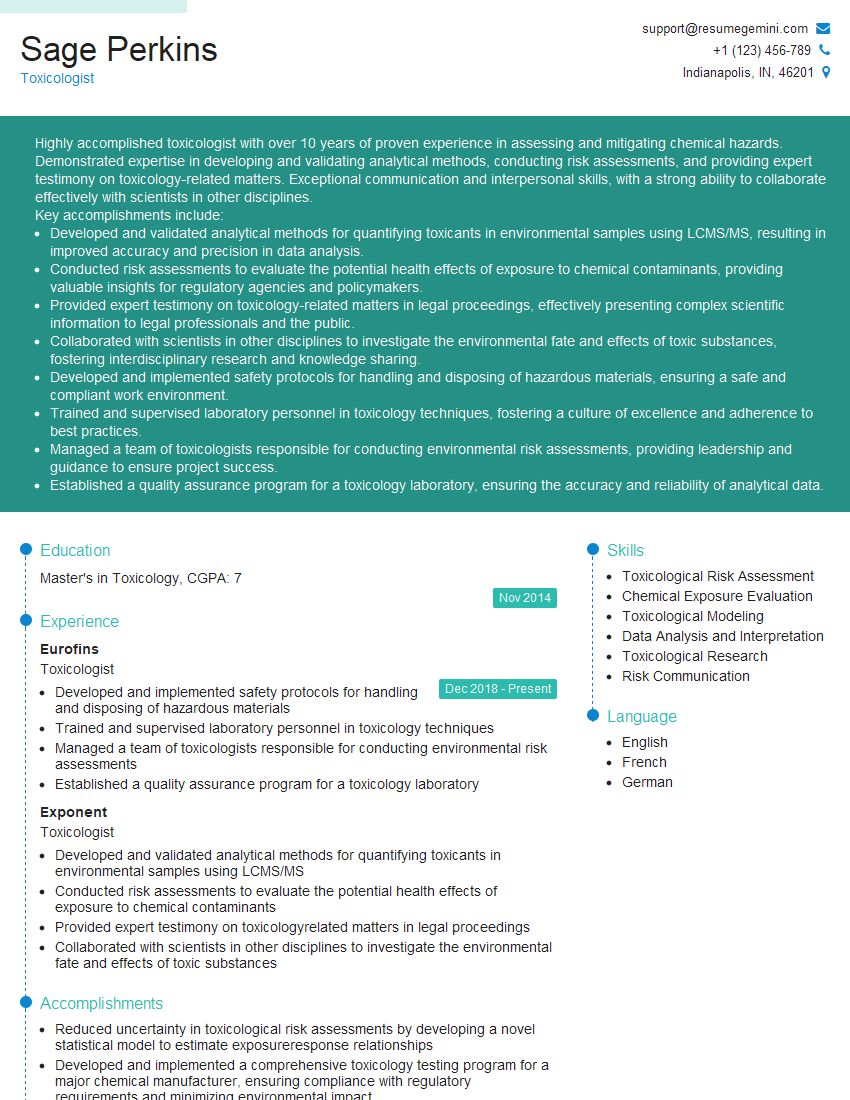
Toxicologist Resume Sample

Risk Assessor Resume Sample
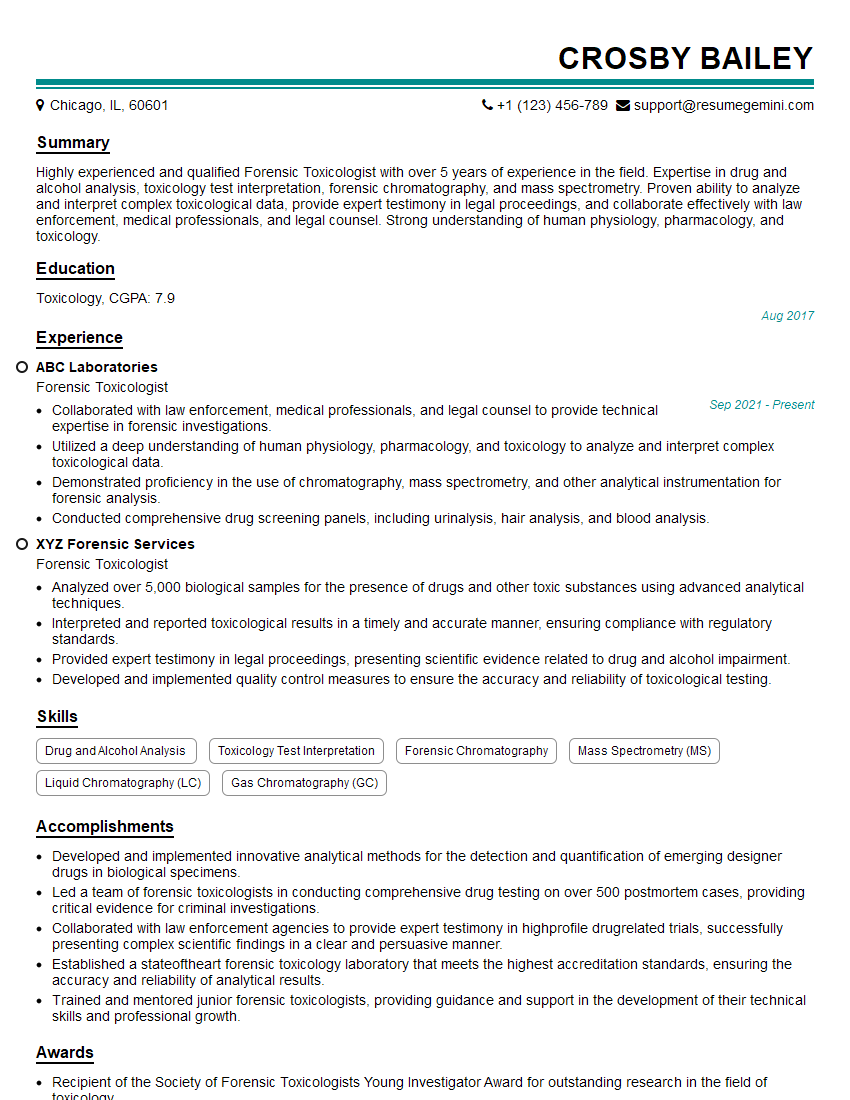
Forensic Toxicologist Resume Sample
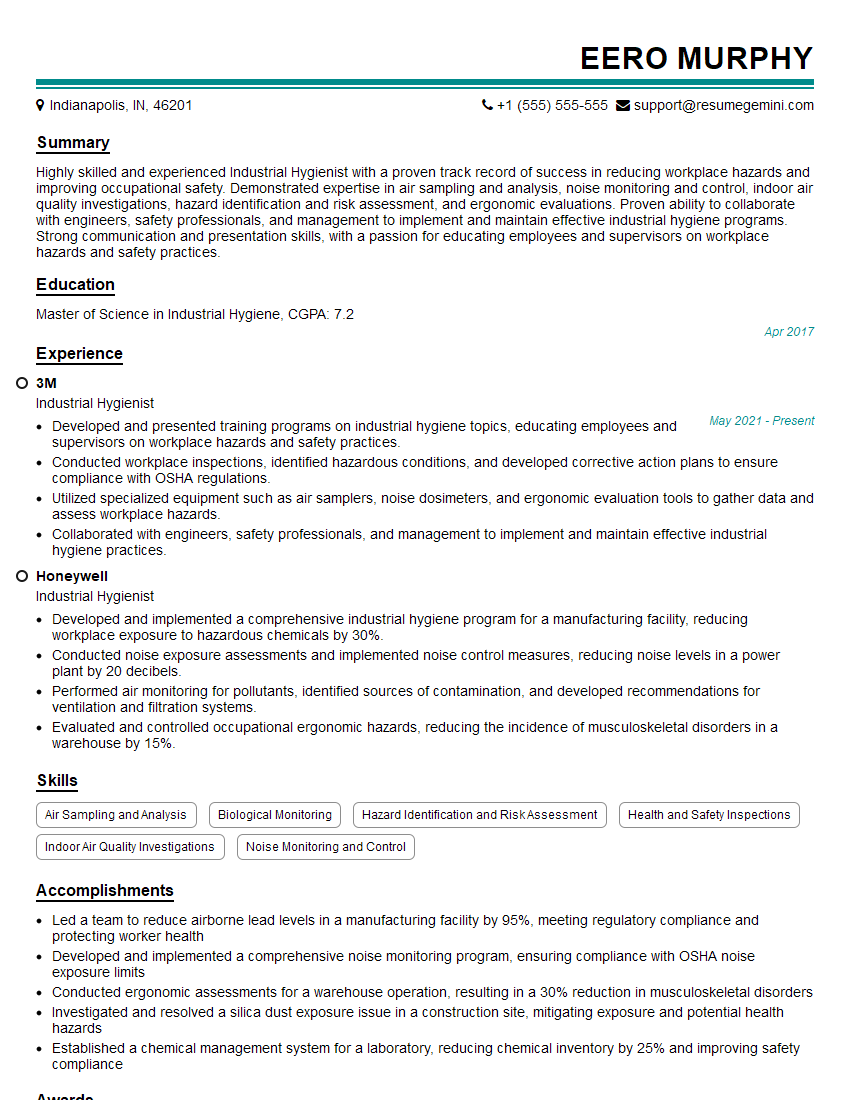
Industrial Hygienist Resume Sample
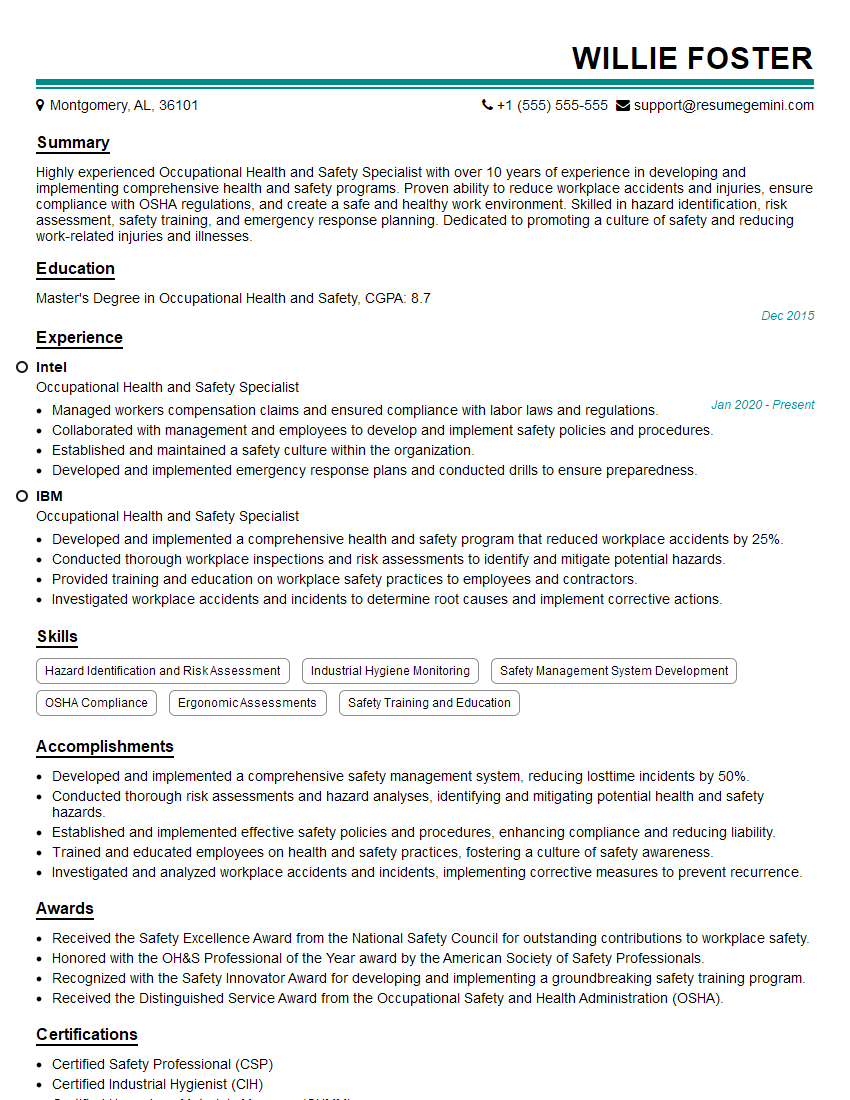
Occupational Health and Safety Specialist Resume Sample
Explore more articles
Users Rating of Our Blogs
Share Your Experience
We value your feedback! Please rate our content and share your thoughts (optional).
What Readers Say About Our Blog
Very informative content, great job.
good