Interviews are more than just a Q&A session—they’re a chance to prove your worth. This blog dives into essential Tractor and Heavy Machinery Operation interview questions and expert tips to help you align your answers with what hiring managers are looking for. Start preparing to shine!
Questions Asked in Tractor and Heavy Machinery Operation Interview
Q 1. Describe your experience operating different types of tractors.
My experience encompasses a wide range of tractors, from smaller, agricultural models like the John Deere 6R series, used primarily for tillage and planting, to larger, more powerful machines like Case IH Steiger tractors, ideal for heavy-duty tasks like pulling large implements or cultivating vast fields. I’m also proficient with specialized tractors such as those equipped with front-end loaders for material handling or those designed for vineyard work with narrow wheelbases and low ground clearance. Each tractor type demands a different operating technique and understanding of its capabilities; for instance, managing the power output on a Steiger requires a much more nuanced approach than operating a smaller, more agile 6R.
Operating a Case IH Steiger requires a more precise understanding of weight distribution and traction control, especially when working in wet conditions or on uneven terrain. I’ve learned to adapt my driving style to match the specific capabilities and limitations of each tractor model to ensure optimal performance and safety.
Q 2. Explain the pre-operation checks you perform on a tractor.
Before operating any tractor, a comprehensive pre-operation check is mandatory. This involves a systematic inspection of several key areas. Think of it like a pilot’s pre-flight checklist, essential for ensuring a safe and efficient operation.
- Fluid Levels: Checking engine oil, transmission oil, hydraulic fluid, coolant, and fuel levels is paramount. Low levels can lead to catastrophic failures.
- Tire Pressure: Correct tire inflation is crucial for optimal traction and fuel efficiency. Underinflation leads to increased fuel consumption and tire wear, while overinflation increases the risk of punctures and uneven wear.
- Brakes: Testing both service and parking brakes is non-negotiable. Malfunctioning brakes put everyone at risk.
- Lights and Signals: Ensuring all lights, turn signals, and hazard lights are functional is essential for safe operation, especially during low-light conditions.
- Steering and Controls: Testing the responsiveness of the steering, throttle, and other controls is crucial to ensure they are operating smoothly and correctly. A faulty control can lead to accidents.
- Visual Inspection: A thorough visual inspection for any leaks, damage, or loose parts is also critical. Early detection of problems can prevent major breakdowns.
Completing this checklist before every operation minimizes the risk of malfunctions and helps maintain the longevity of the equipment. This also ensures I start each task safely and efficiently.
Q 3. How do you maintain optimal fuel efficiency while operating heavy machinery?
Maintaining optimal fuel efficiency involves a multi-faceted approach, focusing on both operator skill and equipment maintenance. It’s all about getting the most out of every drop of fuel.
- Proper Speed and Gear Selection: Operating at the appropriate speed and gear for the task minimizes fuel consumption. Lugging the engine (forcing it to work too hard in too high a gear) is extremely inefficient.
- Load Management: Avoid overloading the tractor, as this increases fuel consumption dramatically. Plan your loads carefully and distribute the weight evenly.
- Terrain Awareness: Choosing the most efficient route and avoiding unnecessary obstacles reduces fuel consumption. Steeper inclines will always increase fuel demands.
- Regular Maintenance: Keeping the tractor well-maintained, including regular servicing and filter changes, contributes significantly to fuel efficiency. A well-tuned engine burns fuel more cleanly and efficiently.
- Preventive Measures: Using fuel additives to reduce wear and improve combustion efficiency is often beneficial. This is a proactive approach towards fuel optimization.
For example, when tilling a field, selecting the correct gear prevents unnecessary engine strain and reduces fuel use. On a steep incline, I might need to switch to a lower gear to maintain control and avoid excessive engine load. These decisions are all about mindful operation.
Q 4. What safety measures do you employ when operating heavy equipment?
Safety is paramount when operating heavy equipment. My approach is proactive and incorporates several key measures.
- Pre-operation Checks: As mentioned earlier, a thorough pre-operation check is the first line of defense.
- Personal Protective Equipment (PPE): Always wearing appropriate PPE, including safety glasses, hearing protection, gloves, and steel-toed boots, is non-negotiable.
- Awareness of Surroundings: Maintaining constant awareness of the surroundings, including other workers, bystanders, and obstacles, is critical. Blind spots are a major cause of accidents; I often use mirrors and spotters where necessary.
- Communication: Using hand signals and radios to communicate effectively with other workers on the site avoids misunderstandings and potential collisions.
- Safe Operating Practices: Adhering to all safe operating practices, including speed limits and avoiding sharp turns, minimizes the risk of accidents.
- Emergency Procedures: Familiarizing myself with emergency procedures and knowing how to respond to unforeseen situations is also vital. This means knowing exactly what to do in the event of equipment failure or accident.
A specific example is always using spotters when working near trenches or in areas with limited visibility. Safety is a continuous process, not just a checklist.
Q 5. Describe your experience with different types of attachments for tractors and excavators.
My experience with attachments is extensive, covering a wide range used on both tractors and excavators. These tools dramatically broaden the versatility of heavy machinery.
- Tractor Attachments: I’m experienced with various implements like plows, harrows, cultivators, planters, balers, loaders, and backhoes. Each attachment requires specific operating techniques and safety precautions.
- Excavator Attachments: On excavators, I’ve used various buckets (ranging from narrow trench buckets to wide ditch-cleaning buckets), rippers, hydraulic hammers, grapple buckets, and augers for diverse tasks such as digging foundations, demolishing structures, or installing utility lines.
For example, operating a backhoe attachment on a tractor requires a precise understanding of its hydraulics and weight distribution to avoid tipping. Similarly, using a hydraulic hammer on an excavator demands careful control to prevent damage to the equipment or surrounding structures.
Q 6. How do you handle challenging terrain or weather conditions while operating heavy machinery?
Operating heavy machinery in challenging conditions requires careful planning, adaptation, and a high level of skill. My experience has equipped me to tackle these situations effectively.
- Terrain Adaptation: In hilly or uneven terrain, I adjust my speed and operation accordingly to maintain traction and stability, choosing lower gears and reduced speeds to maintain control.
- Weather Conditions: During inclement weather such as rain or snow, I modify my operating techniques to ensure safe movement, reducing speed and increasing distances to maintain visibility and prevent accidents. I also adapt to changing light conditions.
- Environmental Awareness: I’m mindful of potential hazards, including slippery surfaces and reduced visibility. I might require assistance in extreme conditions.
- Equipment Adjustment: For example, using wheel weights or chains for improved traction on muddy or icy surfaces is a proactive measure. Using additional lights or a different type of bucket can aid in productivity and safety during inclement weather.
I always prioritize safety and take necessary precautions to ensure the work is completed safely and efficiently. For instance, on a particularly muddy site, using wider tires can improve traction and reduce the risk of getting stuck.
Q 7. Explain your understanding of hydraulic systems in heavy equipment.
Hydraulic systems are the lifeblood of modern heavy equipment, providing the power for various functions like lifting, digging, and steering. Understanding their principles is crucial for effective and safe operation.
Hydraulic systems rely on pressurized fluid to transmit power. A pump generates high-pressure fluid, which is then directed through valves to actuators (hydraulic cylinders or motors). These actuators convert the hydraulic energy into mechanical motion, operating various components such as buckets, arms, and steering mechanisms. The system usually includes a reservoir to store fluid, filters to remove contaminants, and safety features like pressure relief valves to prevent damage from excessive pressure.
For example, in an excavator, hydraulic cylinders extend and retract the arm and bucket, allowing for precise digging and material handling. A malfunction in the hydraulic system, such as a leak or a faulty valve, can render the equipment inoperable or cause a dangerous situation.
My understanding extends to troubleshooting basic hydraulic problems, such as identifying leaks, understanding pressure readings, and recognizing the symptoms of common hydraulic faults. I can perform basic maintenance tasks such as checking fluid levels and replacing filters. However, for more complex repairs, I always call for specialized technicians.
Q 8. What are the common causes of equipment malfunctions and how do you troubleshoot them?
Equipment malfunctions are a common occurrence in heavy machinery operation, stemming from various factors. Troubleshooting effectively requires a systematic approach. Common causes include:
- Mechanical Issues: Worn parts (belts, hydraulic hoses, bearings), hydraulic leaks, engine problems (low oil, faulty injectors), transmission failures.
- Electrical Issues: Faulty wiring, blown fuses, malfunctioning sensors, problems with the electrical system’s components.
- Operator Error: Incorrect operation, overloading the equipment, neglecting routine checks.
- Environmental Factors: Exposure to extreme weather, dust, or debris.
My troubleshooting process begins with a thorough visual inspection, followed by checking vital fluids (oil, coolant, hydraulic fluid) for levels and condition. I then consult the machine’s operational manual to identify potential causes based on any warning lights or error codes displayed. Using diagnostic tools, I can further pinpoint problems. If the issue is beyond my immediate skillset, I immediately report it to the supervisor and follow established safety protocols.
For instance, if a tractor experiences a sudden loss of power, I first check the fuel level, then the oil level and pressure. If those are fine, I might investigate the fuel filter or air filter for blockages. If these checks reveal nothing, I would then suspect an electrical issue or a problem with the fuel injection system and involve a specialist.
Q 9. How do you ensure the safety of yourself and others while working near heavy equipment?
Safety is paramount when working with heavy machinery. My approach is based on a multi-layered strategy encompassing personal safety and the safety of others.
- Pre-Operational Checks: Before starting any machine, I conduct a thorough pre-start inspection, checking all safety features (lights, brakes, horns, seatbelts) and ensuring the surrounding area is clear.
- Communication: Clear and consistent communication is crucial. I use hand signals, radios, and designated spotters when working near others. I ensure everyone understands the work plan and potential hazards.
- Environmental Awareness: I’m constantly aware of my surroundings, paying close attention to potential obstacles like underground utilities, overhead power lines, and other personnel or equipment.
- Safe Operating Procedures: I adhere strictly to all safety regulations and operating procedures specified by the manufacturer and the site. This includes using Personal Protective Equipment (PPE) like safety glasses, hearing protection, and steel-toed boots.
- Emergency Procedures: I am familiar with emergency procedures, including the location of emergency shut-off switches and the proper response protocols in case of an accident.
For example, before starting excavation work, I ensure all underground utilities are marked and that a spotter is present to guide me and alert me to any unexpected obstructions.
Q 10. Describe your experience with GPS-guided machinery.
I have extensive experience operating GPS-guided machinery, primarily tractors and excavators. This technology significantly improves accuracy and efficiency. GPS guidance systems provide real-time positioning, allowing for precise operations, minimizing overlaps and reducing material waste.
My experience includes using various systems which utilize both RTK (Real-Time Kinematic) and other technologies for precise guidance. I’m comfortable setting up and calibrating these systems and interpreting the data they provide. I understand the importance of maintaining a clear satellite signal and addressing any potential interference. GPS guidance is particularly useful in tasks requiring high precision like land leveling, ditching, or precise seeding.
In one project, using GPS-guided machinery for land leveling, we reduced material costs by 15% and completed the project two days ahead of schedule. The precision ensured a perfectly level surface, ready for subsequent construction phases.
Q 11. How do you manage your time effectively when operating heavy machinery on a construction site?
Effective time management on a construction site while operating heavy machinery involves careful planning and execution.
- Prioritization: I prioritize tasks based on their urgency and importance, focusing on the most critical tasks first.
- Planning and Sequencing: I work closely with the site foreman to coordinate my tasks with others to avoid delays and bottlenecks. Careful sequencing of operations minimizes unproductive movement.
- Efficient Movement: I optimize routes and maneuvers to minimize travel time and fuel consumption.
- Regular Maintenance: I incorporate scheduled maintenance checks into my daily routine to avoid unexpected downtime. Minor issues are addressed promptly.
- Effective Communication: Open communication with the site team helps anticipate and resolve potential delays.
For example, instead of making multiple trips to a single location, I plan my routes to complete multiple tasks in a specific area before moving on, thus optimizing the use of time and fuel.
Q 12. Explain your knowledge of different types of heavy equipment and their applications.
My knowledge of heavy equipment encompasses a wide range of machines, each suited for specific applications.
- Excavators: Used for digging, trenching, and material handling. Different sizes and configurations exist, from compact excavators for tight spaces to large excavators for large-scale projects.
- Bulldozers: Used for moving earth, leveling ground, and clearing land. Different blade types suit different tasks (straight blade, angle blade, U-blade).
- Loaders (Wheel and Track): Used for loading and transporting materials. Wheel loaders are better suited for paved surfaces, while track loaders are suited for rough terrain.
- Graders: Used for creating level surfaces and shaping roads. They’re essential for road construction and maintenance.
- Tractors: Used for a variety of agricultural and construction tasks, including plowing, seeding, hauling, and operating attachments like backhoes.
- Forklifts: Essential for material handling in warehousing and construction settings.
My experience spans operating most of these types of equipment, and I understand their capabilities, limitations, and safety requirements. I can select the most appropriate machine for a given task based on factors like soil conditions, project scale, and accessibility.
Q 13. Describe your experience with preventative maintenance procedures.
Preventative maintenance is critical for ensuring the longevity and reliability of heavy equipment. My approach is proactive and involves a multi-step process.
- Daily Inspections: I perform daily checks of fluid levels (oil, coolant, hydraulic fluid), tire pressure, and visual inspections for any leaks, damage, or loose components. I document these checks thoroughly.
- Scheduled Maintenance: I follow the manufacturer’s recommended maintenance schedule, which typically includes oil changes, filter replacements, and other periodic checks.
- Lubrication: Regularly lubricating moving parts helps to prevent wear and tear, extending their lifespan.
- Cleaning: Keeping the equipment clean is important for identifying potential problems early and preventing damage from debris.
- Component Replacement: Worn or damaged parts are replaced promptly to prevent major failures.
For example, I meticulously check the hydraulic system for leaks daily. Addressing a minor leak promptly prevents it from escalating into a major failure requiring costly repairs and downtime.
Q 14. How do you interpret blueprints and site plans related to heavy equipment operation?
Interpreting blueprints and site plans is essential for efficient and safe operation of heavy machinery. I am proficient in reading and understanding various types of construction drawings.
My process involves:
- Identifying Key Features: I carefully examine the plans to understand the site layout, locations of utilities, elevations, and the planned work areas.
- Understanding Symbols and Notations: I’m familiar with standard symbols and notations used in construction drawings, including those representing existing structures, utilities, and proposed earthworks.
- Determining Operational Sequence: I use the plans to plan the most efficient sequence of operations to minimize conflicts and maximize productivity.
- Identifying Potential Hazards: I carefully analyze the plans to identify potential hazards like steep slopes, unstable ground, or proximity to utilities, helping to establish safe operating procedures.
For instance, before starting excavation, I would carefully study the site plan to identify the exact location of underground utilities and ensure that my operations maintain a safe distance from them, thereby preventing costly damages and potential accidents.
Q 15. What is your experience with load capacity and stability calculations?
Load capacity and stability calculations are critical for safe and efficient heavy machinery operation. Understanding these calculations prevents equipment overload, tipping, and potential accidents. This involves considering factors such as the machine’s weight, the weight of the load, the center of gravity of both the machine and the load, and the terrain conditions.
For example, when operating a tractor with a front-end loader, I would first consult the manufacturer’s specifications to determine the maximum load capacity. Then, I’d assess the weight of the material being moved – say, a pile of gravel. I would also consider the distribution of the load; an unevenly distributed load will significantly impact stability. I’d visually inspect the area to identify any potential obstacles or uneven terrain that could compromise stability and adjust my operation accordingly. In challenging terrain, I might reduce the load to ensure safety, keeping a margin of safety to account for unexpected factors.
Furthermore, I use the principles of physics, specifically center of gravity and moment, to assess stability. A higher center of gravity increases the risk of tipping. To prevent this, I’d ensure the load is positioned as low and close to the machine as possible. Software programs and even simple calculations using weight and distance from the pivot point can help refine these assessments in more complex scenarios.
Career Expert Tips:
- Ace those interviews! Prepare effectively by reviewing the Top 50 Most Common Interview Questions on ResumeGemini.
- Navigate your job search with confidence! Explore a wide range of Career Tips on ResumeGemini. Learn about common challenges and recommendations to overcome them.
- Craft the perfect resume! Master the Art of Resume Writing with ResumeGemini’s guide. Showcase your unique qualifications and achievements effectively.
- Don’t miss out on holiday savings! Build your dream resume with ResumeGemini’s ATS optimized templates.
Q 16. How do you communicate effectively with other workers on a construction site?
Effective communication on a construction site is paramount for safety and efficiency. I use a multi-faceted approach, combining clear verbal communication with visual cues and, when necessary, written documentation. On a busy site, shouting isn’t always effective; hand signals are crucial for directing equipment movement and signaling potential hazards. I use standard industry hand signals, ensuring everyone understands their meaning.
Before starting any task, I clarify the plan with everyone involved, confirming the location of work, any potential obstacles, and the sequence of operations. I utilize two-way radios to communicate over longer distances, reporting my progress, any unforeseen challenges, and any safety concerns promptly. With less experienced workers, I provide additional guidance and training. For example, when guiding a truck driver to the exact dumping location, I’ll use hand signals in combination with clear verbal instructions, ensuring they understand precisely where and how to dump the material to prevent delays or accidents.
I believe in proactive communication; I’ll regularly check in with my team, confirming everyone’s safety and addressing any questions or concerns immediately. This proactive approach prevents misunderstandings and fosters a collaborative and safe work environment.
Q 17. Describe a time you had to deal with a malfunctioning piece of heavy equipment.
During a road construction project, the hydraulic system on an excavator malfunctioned, resulting in a complete loss of digging functionality. The initial reaction was to secure the area and prevent further operation of the machine.
My first step was to conduct a thorough visual inspection to identify any obvious external causes of the failure (leaks, damaged hoses, etc.). Following the safety protocols, I ensured the machine was properly shut down and secured. I then communicated the issue to the site supervisor and the maintenance team, providing a detailed description of the problem. We consulted the excavator’s operational manual and troubleshooting guide, systematically checking components according to the manufacturer’s instructions. We suspected a faulty hydraulic pump, and this was confirmed when the maintenance crew performed pressure tests. Once the faulty pump was identified and repaired, I conducted thorough tests to ensure the functionality was fully restored before returning the excavator to service.
The experience highlighted the importance of preventative maintenance and the need for thorough familiarity with the equipment’s operational manuals and safety procedures. It reinforced the need for prompt communication in emergency situations to minimize downtime and potential hazards.
Q 18. How do you prioritize tasks when operating multiple pieces of equipment?
When operating multiple pieces of equipment or managing a team, effective task prioritization is crucial for efficiency and safety. My approach is based on a combination of project timelines, resource allocation, and risk assessment.
First, I’ll review the overall project plan, identifying the critical path – those tasks that must be completed before others can begin. I then allocate equipment and personnel based on their capabilities and the urgency of the tasks. For example, if there’s a time-sensitive task requiring a specific piece of equipment, that task gets priority. Safety considerations always take precedence; if a task presents a higher risk, appropriate safety measures and potentially experienced personnel will be assigned, even if it means delaying other tasks temporarily.
I employ a flexible approach, constantly monitoring progress and adjusting priorities as needed. Unforeseen delays or emergencies might require a shift in priorities, and effective communication is vital to keep the team informed of these adjustments. Regular communication with supervisors is also necessary to ensure tasks align with the overall project plan and deadlines.
Q 19. How familiar are you with relevant safety regulations and certifications?
I am thoroughly familiar with all relevant safety regulations and certifications pertaining to heavy machinery operation. My training includes extensive instruction on OSHA (Occupational Safety and Health Administration) standards, including lockout/tagout procedures, personal protective equipment (PPE) requirements, and safe operating procedures for various types of equipment.
I possess all necessary certifications and licenses required for operating heavy machinery in my region, including my current valid operator’s license for various equipment types. I undergo regular safety training and refresher courses to remain up-to-date with evolving regulations and best practices. Furthermore, I actively participate in safety meetings and contribute to the maintenance of a safe work environment by adhering to company policies and reporting any potential safety hazards.
I’m particularly attentive to pre-operation checks, which encompass visual inspections for mechanical faults, fluid levels, and the correct function of safety systems. This detailed approach significantly reduces the potential for equipment failure and associated risks.
Q 20. Describe your experience with different types of soil and their impact on equipment operation.
Different soil types significantly impact heavy equipment operation, requiring adjustments in techniques and potentially the choice of equipment itself. Understanding soil characteristics—like bearing capacity, drainage, and cohesiveness—is fundamental.
For example, operating a bulldozer in sandy soil requires different techniques than operating in clay. Sand is less stable and can cause the tracks to slip, necessitating slower speeds and possibly the use of wider tracks for better stability. Clay, on the other hand, is often sticky and can create significant traction challenges; it also can be more prone to compaction, leading to potential damage to the machine. Rocky soil necessitates using heavier equipment, such as a rockbreaker, and appropriate operator skill to avoid machine damage. Wet soil can significantly reduce traction and increase the risk of getting stuck. I adjust my operating techniques and speeds accordingly based on the soil type; I may use techniques like counter-steering or lighter loads to manage traction issues or prevent damage to the soil itself or the equipment.
Furthermore, I understand the effect of soil on the performance and lifespan of the equipment. For example, the abrasive nature of some soils may lead to premature wear on the tracks or cutting blades. Regular cleaning and maintenance are essential to address this.
Q 21. How do you handle emergency situations while operating heavy machinery?
Handling emergency situations while operating heavy machinery demands quick thinking, decisive action, and adherence to safety protocols. The first priority is always safety – of myself, fellow workers, and the public.
My response depends on the nature of the emergency. If I encounter a mechanical failure, I immediately stop the machine, secure the area to prevent access, and follow the emergency shutdown procedures. I then communicate the situation to the supervisor and the maintenance team. If there is a risk of fire, I’ll use the on-board fire extinguisher and potentially evacuate the area. If I encounter a person or object in danger, I’ll prioritize their safety, using my equipment cautiously and carefully to mitigate the risk. If I lose control of the machine, I’ll try to use my trained reflexes to steer it into a safe location, minimizing harm to people and property. Following any emergency, I will always thoroughly document the event, including the cause, any injuries sustained, and any damages to property or equipment.
Regular training drills, focusing on emergency response, are essential. Knowing what to do and how to react quickly and effectively helps mitigate the potential consequences of unexpected events.
Q 22. What is your experience with operating heavy machinery at night or in low-visibility conditions?
Operating heavy machinery at night or in low-visibility conditions demands heightened awareness and a rigorous adherence to safety protocols. My experience includes several years working on night shifts and in challenging weather conditions, such as fog and heavy rain. I’ve consistently employed additional safety measures, such as utilizing high-intensity work lights, employing spotters when necessary, and moving at significantly reduced speeds. For example, during a recent night-time road construction project, I employed three spotters to ensure the safety of the team and myself while operating a large grader. The extra vigilance is crucial to preventing accidents and ensuring the integrity of the work itself. I am also proficient in using night vision equipment when necessary.
Q 23. What are your experience and knowledge in using different types of blades, buckets, and other attachments?
My experience encompasses a wide range of attachments, including various types of blades (straight, angle, moldboard), buckets (general purpose, ditch cleaning, demolition), and other implements like rippers, augers, and pallet forks. Understanding the nuances of each attachment and its optimal application is critical. For example, a straight blade is best suited for leveling, while an angle blade is more effective for snow removal or creating slopes. I am familiar with quick-attach systems, allowing for efficient and safe changes between attachments to suit different tasks. A thorough understanding of ground conditions is also paramount. Choosing the correct bucket for the soil type and the application, and adapting my operation style to match is crucial.
Q 24. How do you ensure the safe transport and storage of heavy equipment?
Safe transport and storage of heavy equipment is paramount, and my approach incorporates several key elements. Transport involves ensuring the equipment is properly secured to the trailer or transport vehicle, using appropriate tie-downs and considering weight distribution. I always check local transport regulations and ensure all necessary documentation is in place. Storage focuses on preventing damage and theft. This involves choosing a secure, level location, ideally under cover, to protect from the elements. Regular inspections for corrosion, leaks and wear and tear are vital, and the equipment should be properly parked and locked to prevent unauthorized access. I’ve successfully managed the transport and storage of various heavy equipment, ranging from excavators and bulldozers to loaders and backhoes, applying these protocols every time.
Q 25. What are your salary expectations for this role?
My salary expectations are in line with the industry standard for experienced heavy equipment operators with my skill set and experience, in the range of [Insert Salary Range] annually. I am open to discussing this further based on the specific details of the position and benefits package.
Q 26. What are your long-term career goals in this field?
My long-term career goals include progressing into a supervisory role, potentially as a foreman or site manager, overseeing projects and teams. I am also interested in furthering my training and certifications to expand my operational capabilities and stay current with new technologies in heavy equipment operation. I am particularly interested in the ongoing adoption of automation and precision technology in the field.
Q 27. What are your strengths and weaknesses as a heavy equipment operator?
My strengths include my meticulous attention to detail, my proactive approach to safety, and my adaptability to various job sites and machinery. I’m a quick learner, able to master new equipment and techniques efficiently. A weakness I’m actively working on is delegating tasks. While I’m capable of handling many responsibilities, I recognize the importance of effective teamwork and the benefits of trusting others with specific tasks.
Q 28. Why are you interested in this specific position?
I am interested in this specific position due to [Company Name]’s reputation for safety and its commitment to employee development. The opportunity to work on [Project Type or Specific Project] is particularly appealing, given my experience in [relevant area]. The position aligns perfectly with my career aspirations and offers a chance to contribute to a successful team and challenging projects.
Key Topics to Learn for Tractor and Heavy Machinery Operation Interview
- Machine Operation Fundamentals: Understanding the controls, safety mechanisms, and operational procedures for various types of tractors and heavy machinery (e.g., excavators, loaders, bulldozers).
- Practical Application: Describe your experience with pre-operational checks, routine maintenance, and troubleshooting common mechanical issues. Be prepared to discuss your experience with different terrains and working conditions.
- Safety Procedures and Regulations: Demonstrate a thorough understanding of safety protocols, including personal protective equipment (PPE) use, hazard identification, and emergency procedures. Knowledge of relevant industry regulations is crucial.
- Maintenance and Repair: Explain your familiarity with preventative maintenance schedules, basic repair procedures, and the ability to identify potential mechanical problems. Highlight your experience with diagnostic tools and techniques.
- GPS and Technology Integration: Discuss your experience using GPS systems for precision agriculture or construction tasks. Mention your familiarity with any specialized software or technologies used in the field.
- Problem-Solving and Decision-Making: Be ready to describe situations where you had to troubleshoot equipment malfunctions or adapt to unexpected challenges on the job site. Highlight your ability to work independently and as part of a team.
- Environmental Awareness: Demonstrate understanding of environmental considerations, such as fuel efficiency, soil conservation, and minimizing environmental impact.
Next Steps
Mastering Tractor and Heavy Machinery Operation opens doors to a rewarding career with excellent growth potential in agriculture, construction, and related industries. A strong resume is your key to unlocking these opportunities. Creating an ATS-friendly resume is essential for getting your application noticed by recruiters. To make your resume stand out and increase your chances of landing your dream job, we recommend using ResumeGemini. ResumeGemini provides a user-friendly platform to craft a professional resume, and we have examples of resumes tailored to Tractor and Heavy Machinery Operation available to guide you. Invest time in building a compelling resume—it’s your first impression!

Crane Operator Resume Sample
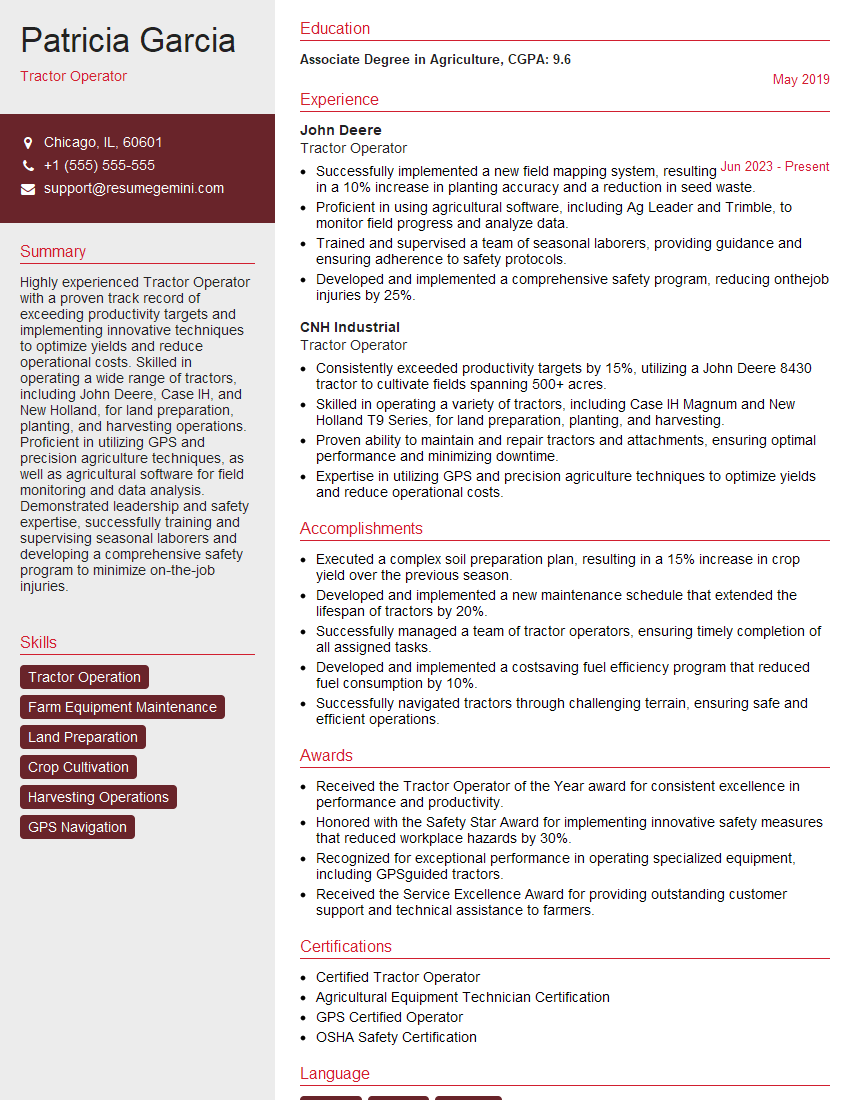
Tractor Operator Resume Sample
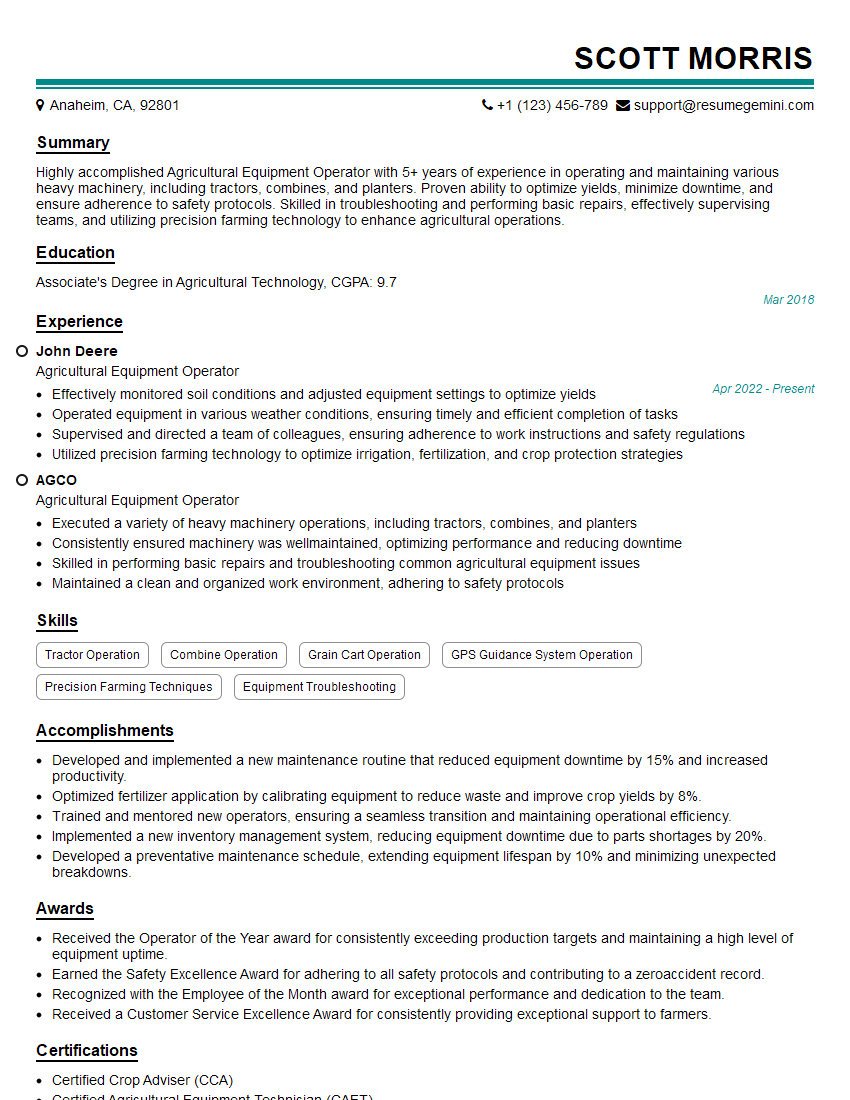
Agricultural Equipment Operator Resume Sample
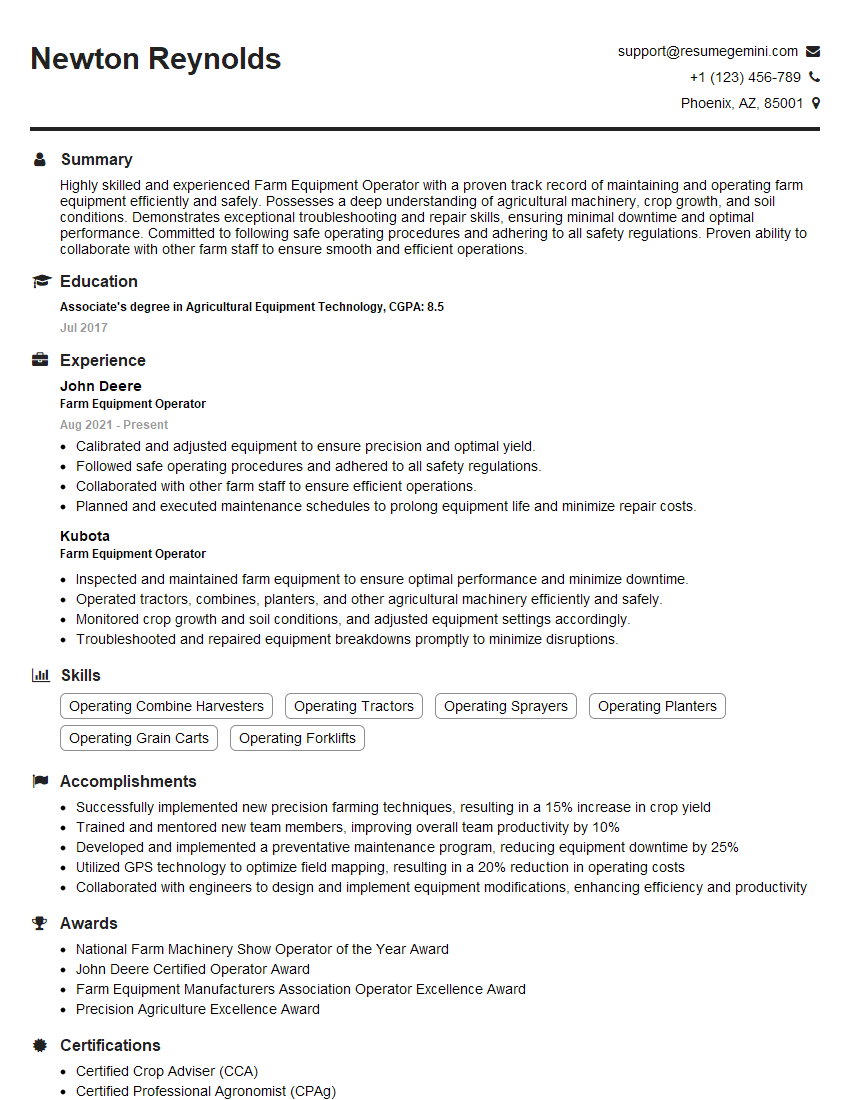
Farm Equipment Operator Resume Sample
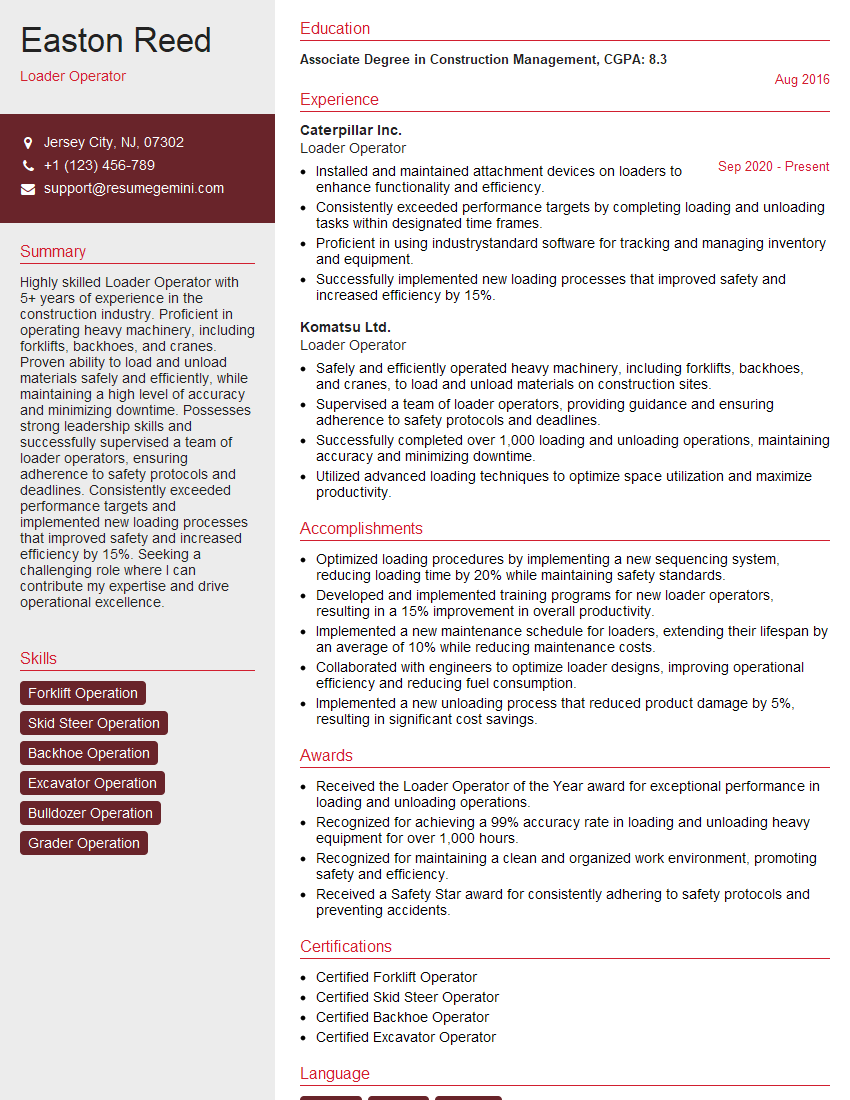
Loader Operator Resume Sample

Heavy Equipment Operator Resume Sample

Roller Operator Resume Sample

Backhoe Operator Resume Sample
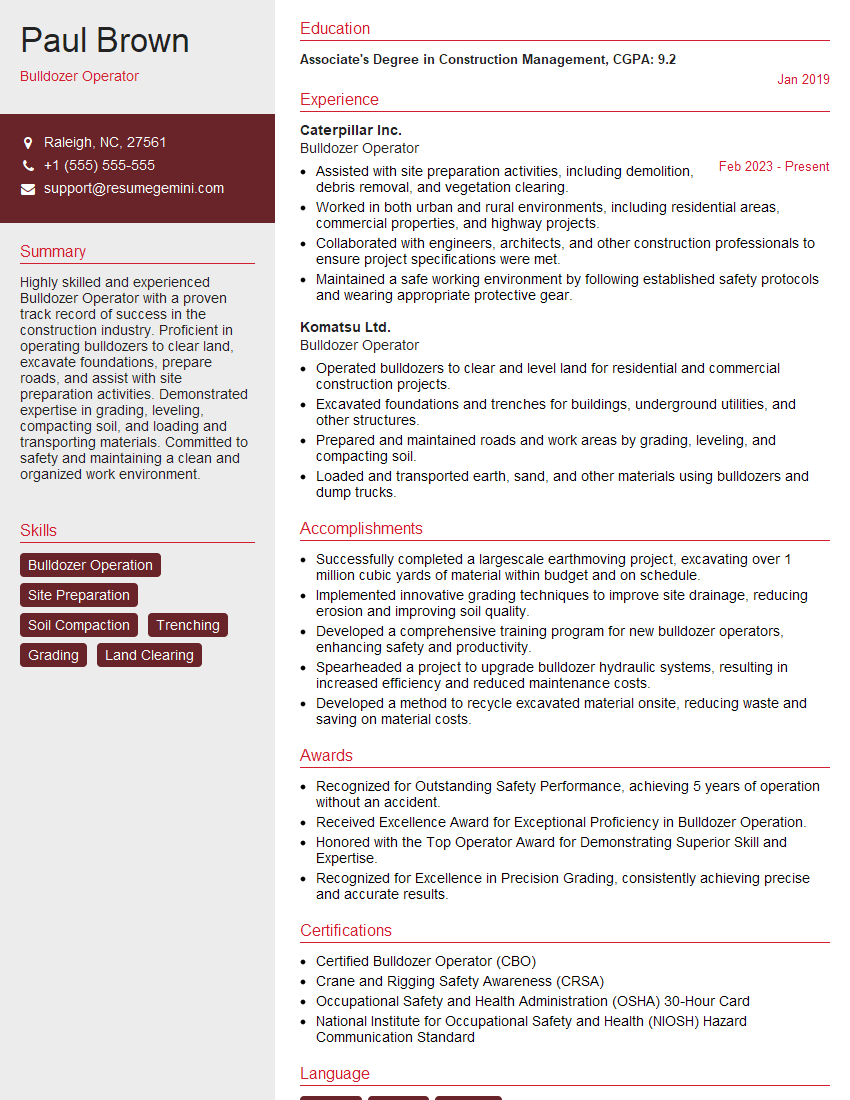
Bulldozer Operator Resume Sample

Excavator Operator Resume Sample
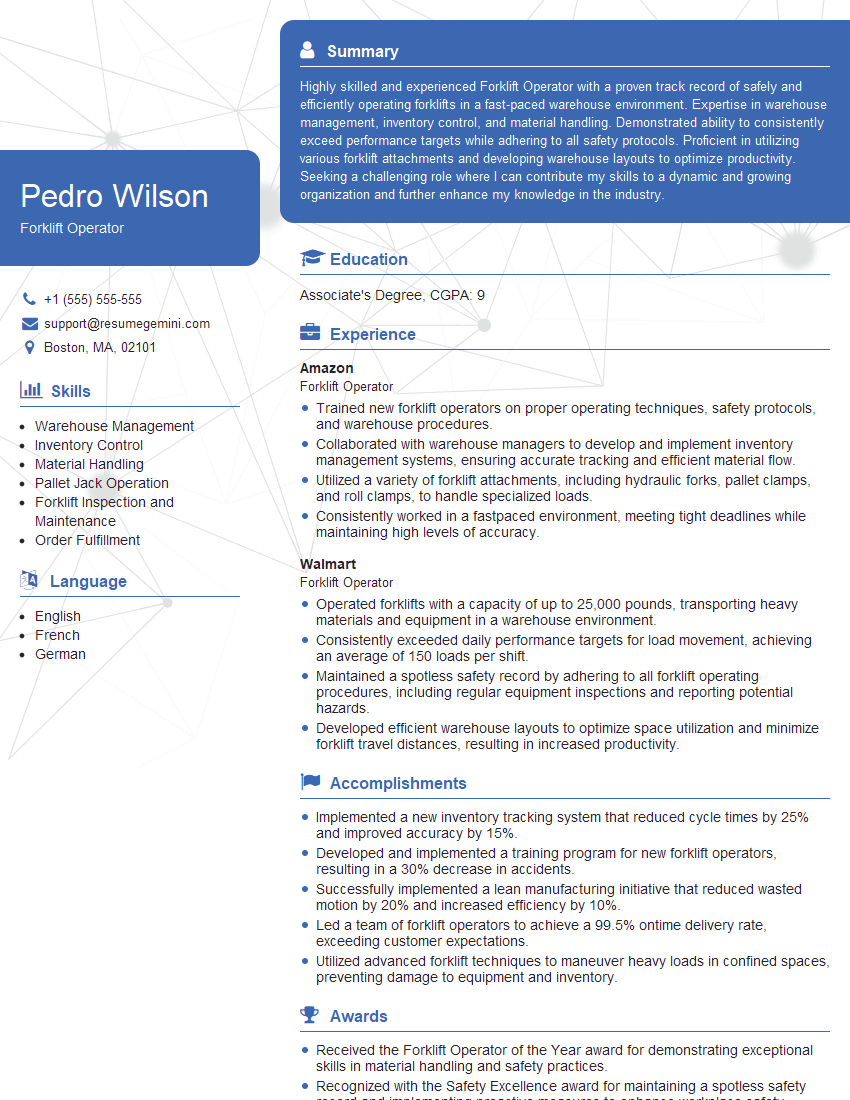
Forklift Operator Resume Sample

Grader Operator Resume Sample
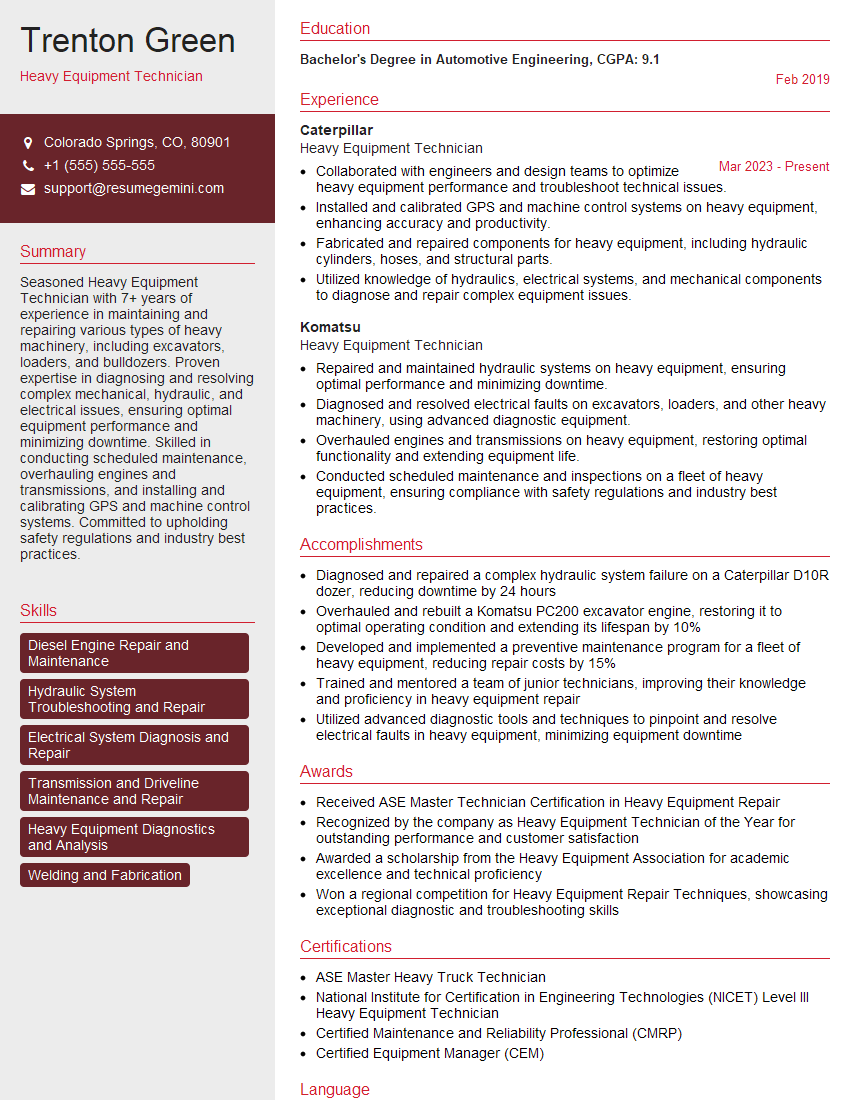
Heavy Equipment Technician Resume Sample
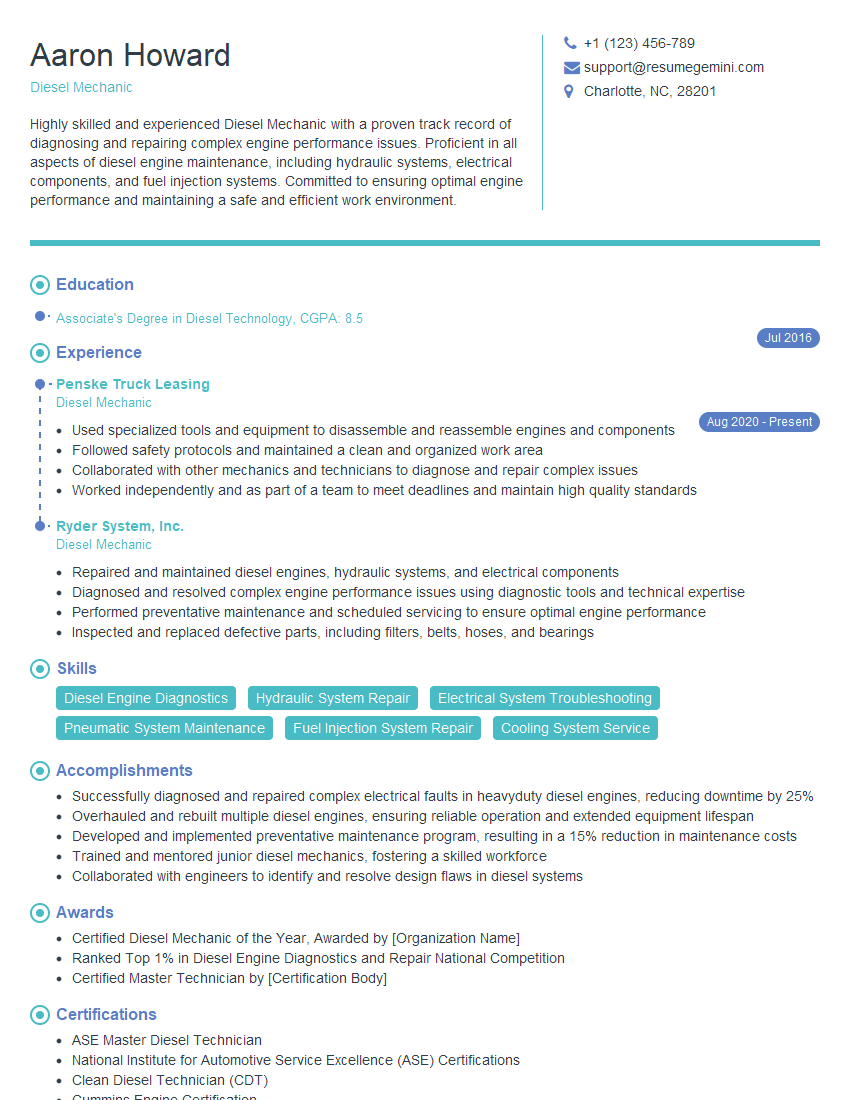
Diesel Mechanic Resume Sample
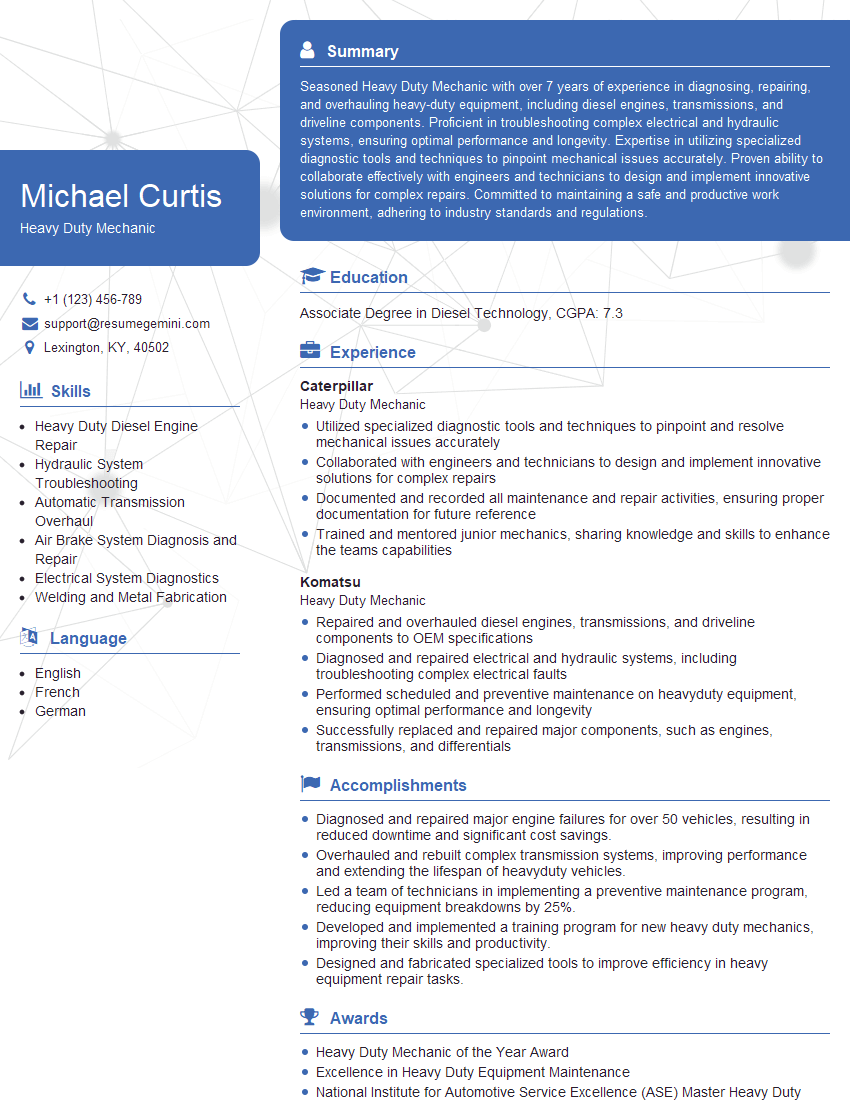
Heavy Duty Mechanic Resume Sample
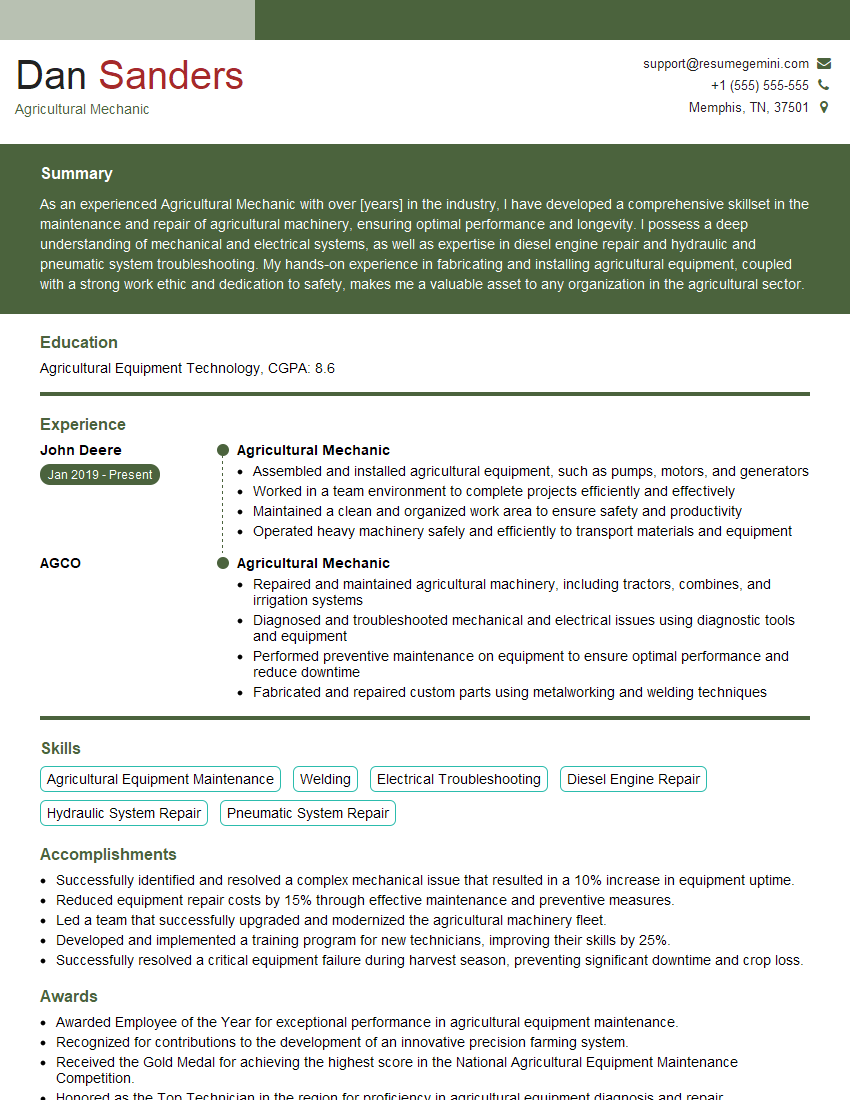
Agricultural Mechanic Resume Sample

Construction Equipment Mechanic Resume Sample
- Crane Operator
- Tractor Operator
- Agricultural Equipment Operator
- Farm Equipment Operator
- Loader Operator
- Heavy Equipment Operator
- Roller Operator
- Backhoe Operator
- Bulldozer Operator
- Excavator Operator
- Forklift Operator
- Grader Operator
- Heavy Equipment Technician
- Diesel Mechanic
- Heavy Duty Mechanic
- Agricultural Mechanic
- Construction Equipment Mechanic
Explore more articles
Users Rating of Our Blogs
Share Your Experience
We value your feedback! Please rate our content and share your thoughts (optional).
What Readers Say About Our Blog
Very informative content, great job.
good