The right preparation can turn an interview into an opportunity to showcase your expertise. This guide to Tree Knowledge interview questions is your ultimate resource, providing key insights and tips to help you ace your responses and stand out as a top candidate.
Questions Asked in Tree Knowledge Interview
Q 1. Explain the difference between pruning and trimming.
Pruning and trimming, while both involving the removal of branches, differ significantly in their purpose and extent. Trimming is generally a light, superficial removal of small branches, often for aesthetic reasons or to remove dead or crossing branches. Think of it as a haircut – keeping things tidy. Pruning, on the other hand, is a more deliberate and often more extensive process aimed at improving the tree’s structure, health, or productivity. This could involve removing larger branches, shaping the canopy, or removing diseased or damaged wood. Imagine pruning as surgery – a precise procedure for the long-term benefit of the tree.
For example, trimming might involve removing a few small, dead branches from a flowering cherry tree to improve its appearance. Pruning might involve removing a large, lower branch from an oak tree to increase clearance under the canopy or removing diseased limbs to prevent the spread of disease. The key distinction lies in the scale and the objectives of the procedure.
Q 2. Describe the various tree growth habits (excurrent, decurrent).
Tree growth habits, or architectural patterns, are broadly classified into excurrent and decurrent forms. Excurrent growth is characterized by a strong central leader, a dominant main stem that grows vertically, with side branches distinctly shorter. Think of the classic Christmas tree shape – tall and conical. Many conifers, like spruces and pines, exhibit this growth habit. Decurrent growth, conversely, lacks a central leader; instead, several main branches compete for dominance, resulting in a more rounded or spreading crown. Many deciduous trees, like oaks and elms, exhibit this growth habit. This creates a wider, more horizontally distributed crown.
Understanding these growth habits is crucial for proper pruning and tree management. Excurrent trees require pruning techniques that maintain the central leader’s dominance, whereas decurrent trees may require pruning to maintain balance between competing branches and prevent overcrowding.
Q 3. What are the common symptoms of tree diseases and how are they diagnosed?
Tree diseases manifest in a variety of symptoms, making accurate diagnosis crucial for effective treatment. Common symptoms include:
- Leaf discoloration: Yellowing, browning, or spotting can indicate nutrient deficiencies, fungal infections (like leaf spot), or insect infestations.
- Dieback: Gradual death of branches, starting at the tips, often points to root problems, drought stress, or infections.
- Cankers: Sunken, discolored areas on the bark, frequently indicate fungal infections or bacterial diseases.
- Galls: Abnormal growths on branches or roots, are often caused by insects or fungi.
- Wilting: Sudden drooping of leaves can be a sign of root rot, drought, or vascular diseases.
Diagnosing tree diseases requires a careful examination of symptoms, including the location and extent of damage, the affected tissues, and the overall tree health. Sometimes, laboratory testing is needed to identify pathogens definitively. It’s advisable to consult with a certified arborist for accurate diagnosis and treatment recommendations. They possess the expertise to distinguish between symptoms caused by biotic (diseases and insects) and abiotic (environmental) factors.
Q 4. Outline the steps involved in a proper tree risk assessment.
A proper tree risk assessment involves a systematic evaluation of a tree’s potential to cause harm. It typically includes these steps:
- Visual inspection: A thorough examination of the tree’s overall condition, including its trunk, branches, roots, and crown. This includes checking for defects like cracks, cavities, decay, and leaning.
- Data collection: Recording relevant information, such as tree species, size, location, age, and surrounding environment. Photographs and detailed sketches are helpful.
- Risk factor analysis: Assessing factors that contribute to the potential for failure, including tree defects, environmental stresses (e.g., wind, snow), proximity to structures or people, and the tree’s overall health.
- Failure mode analysis: Identifying potential failure modes, such as branch breakage, trunk failure, or root failure.
- Risk rating: Assigning a risk rating based on the likelihood and potential consequences of failure. Different systems exist for assigning risk ratings.
- Risk management recommendations: Developing strategies for mitigating the risks, such as pruning, cabling, removal, or monitoring.
- Documentation: Preparing a comprehensive report that summarizes the assessment findings and recommendations.
A professional arborist should perform a thorough tree risk assessment, particularly for trees near buildings or in high-traffic areas. This ensures the safety of individuals and property.
Q 5. Discuss different tree planting techniques and their suitability for various species.
Several tree planting techniques exist, each with its own advantages and suitability for different species. These include:
- Bare root planting: Suitable for deciduous trees and conifers, this method involves planting dormant trees whose roots are bare. It is cost-effective but requires careful handling to avoid root damage.
- Container planting: This method uses trees grown in containers, which protects the roots. It allows for planting throughout the growing season and has a higher success rate. It is particularly suitable for species that don’t transplant well as bare root.
- B&B (ball and burlap) planting: Larger trees are often planted using this method, where the root ball is wrapped in burlap. It helps to retain soil moisture and reduce transplant shock.
The choice of planting technique depends on various factors, including tree species, size, root system, and site conditions. For example, delicate species like maples are often better suited for container planting, while hardy species might do well with bare root planting. Proper planting depth and soil preparation are vital for all techniques to ensure successful establishment and long-term tree health.
Q 6. Explain the importance of soil health for tree growth and vitality.
Soil health is paramount for tree growth and vitality. Healthy soil provides the essential nutrients, water, and oxygen necessary for root development and overall tree vigor. Several key aspects contribute to soil health in relation to trees:
- Nutrient availability: Soil should have a balanced supply of essential nutrients like nitrogen, phosphorus, and potassium, along with micronutrients.
- Water retention and drainage: Well-drained soil prevents waterlogging, while sufficient organic matter helps retain moisture. This balance is critical.
- Soil structure: A good soil structure with adequate pore space allows for optimal root penetration, aeration, and water movement.
- Organic matter content: Organic matter improves soil structure, water retention, and nutrient availability. It also supports a diverse soil biota (beneficial organisms).
- pH level: The soil pH should be appropriate for the specific tree species; most trees prefer a slightly acidic to neutral pH.
Poor soil health can lead to stunted growth, nutrient deficiencies, susceptibility to diseases, and ultimately, tree decline. Soil testing and amendments can be implemented to improve soil conditions, ensuring optimal tree growth and longevity.
Q 7. What are the common pests affecting trees in your region, and how are they managed?
(Note: This section requires specifying a region. The following is an example for a temperate North American region.)
Common tree pests in many temperate North American regions include:
- Emerald ash borer: This invasive beetle infests and kills ash trees. Management involves monitoring, removal of infested trees, and the use of insecticides in some cases.
- Gypsy moth: These caterpillars defoliate various hardwood trees. Management involves biological controls (e.g., Bacillus thuringiensis), insecticides, or tree wrapping in severe cases.
- Aphids: These sap-sucking insects can cause leaf curling and stunted growth. Management often involves natural predators or insecticidal soaps.
- Scale insects: These insects cover themselves with a protective shell, sucking sap from the tree. Management can include horticultural oils or systemic insecticides.
Integrated pest management (IPM) is a holistic approach that combines various techniques to control pests while minimizing environmental impact. This approach may involve biological controls, cultural practices (e.g., proper tree care), and the judicious use of pesticides only when necessary.
Q 8. Describe different tree fertilization methods and their benefits.
Tree fertilization methods aim to supplement the nutrients a tree naturally obtains from the soil. The best method depends on the tree species, its age, soil conditions, and overall health. Common methods include:
Broadcast Fertilization: Granular fertilizer is spread evenly over the root zone. This is economical for larger areas but less precise, leading to potential nutrient runoff.
Deep Root Fertilization: Fertilizer is injected directly into the soil near the tree’s root system. This delivers nutrients efficiently and minimizes environmental impact compared to broadcast methods. It’s particularly useful for larger, established trees.
Liquid Fertilization: Nutrients are dissolved in water and applied through a drip irrigation system or directly to the soil surface. It offers a quick response but requires more frequent applications. Ideal for smaller trees or those with specific nutrient deficiencies.
Mulch Application: Applying a layer of organic mulch such as wood chips or compost around the tree’s base helps retain moisture, improve soil structure and slowly release nutrients as it decomposes. It’s a natural and sustainable method.
Benefits: Proper fertilization promotes healthy growth, enhances disease resistance, improves leaf color, increases flowering and fruiting (in fruiting trees), and extends the lifespan of the tree. For example, a nitrogen deficiency might manifest as pale yellow leaves, while a potassium deficiency can result in weak branches. Fertilization helps prevent these deficiencies, ensuring a robust, thriving tree.
Q 9. How do you identify tree species using their leaves, bark, and twigs?
Identifying tree species requires careful observation of their leaves, bark, and twigs. It’s a process that builds with experience. Here’s a structured approach:
Leaves: Note the leaf arrangement (alternate, opposite, whorled), leaf shape (needle-like, ovate, palmate), leaf margin (toothed, serrated, smooth), leaf venation (parallel, pinnate, palmate), and leaf texture. For instance, oak leaves have lobed margins, while maple leaves are palmate.
Bark: Examine the bark’s color, texture (smooth, rough, furrowed, scaly), and pattern. Birch bark is characteristically papery and peeling, while oak bark is typically deeply furrowed.
Twigs: Observe twig color, the presence of buds (size, shape, arrangement), and any distinguishing features like thorns or lenticels (small pores). For example, the arrangement of buds can indicate whether a tree has opposite or alternate branching.
Field guides and online resources with detailed illustrations and descriptions are invaluable tools. Comparing your observations to images and descriptions in these resources will help narrow down the possibilities. Remember that some species have significant variation within them; a detailed examination is key.
Q 10. Explain the principles of proper tree pruning techniques.
Proper tree pruning is crucial for maintaining a tree’s health, structure, and aesthetics. The principles are based on understanding tree growth and minimizing stress.
Right Time: Pruning is best done during the tree’s dormant season (late winter or early spring) to minimize sap flow and disease risk.
Correct Cuts: Use sharp, clean tools to avoid damaging the bark. Make cuts just outside the branch collar (the swollen area where the branch joins the trunk). Avoid leaving stubs.
Minimize Stress: Remove only necessary branches, focusing on dead, diseased, damaged, or crossing branches that could rub together. Avoid over-pruning, which weakens the tree.
Crown Thinning: Selectively remove some branches within the crown to reduce density and allow better light penetration. This improves air circulation and reduces the risk of breakage.
Crown Reduction (use with caution): This should only be done by experienced arborists and involves reducing the overall size of the tree, ideally by cutting back to laterals (smaller side branches). This is a stressful procedure and can leave the tree vulnerable to disease and decay if done incorrectly.
Example: Imagine a tree with several branches rubbing against each other. Proper pruning would involve removing the weaker or less strategically positioned branch to prevent damage and future problems.
Q 11. What are the safety precautions to be taken when working around trees?
Working around trees presents inherent risks. Safety precautions are essential:
Assess the site: Identify potential hazards like overhead power lines, underground utilities, unstable ground, or decaying branches.
Use appropriate personal protective equipment (PPE): This includes safety glasses, gloves, hearing protection, hard hats, and appropriate clothing.
Use proper tools and equipment: Employ sharp, well-maintained tools and equipment suitable for the task.
Avoid working in bad weather: High winds, rain, or ice significantly increase the risk of accidents.
Have a spotter: When working at heights or near unstable branches, have someone spot you to assist and warn of potential dangers.
Follow safe work practices: Maintain three points of contact when climbing, use safety harnesses when necessary, and never overload equipment.
Know your limitations: If a job is beyond your capabilities or expertise, consult a qualified arborist.
Example: Before climbing a tree, thoroughly inspect the branches for weakness and decay. If any doubts exist, don’t climb; bring in a professional arborist.
Q 12. Describe the process of tree removal, from assessment to disposal.
Tree removal is a complex process requiring careful planning and execution:
Assessment: Evaluate the tree’s size, location, and condition. Consider nearby structures, power lines, and potential hazards. A detailed assessment helps determine the appropriate removal method.
Planning: Develop a safe and efficient removal plan, including access to the tree, equipment needs, and disposal methods.
Preparation: Clear the area around the tree. Protect structures and utilities.
Removal: Employ appropriate techniques, such as climbing and cutting, or using specialized equipment like cranes, to dismantle the tree section by section.
Cleanup: Remove all debris, including branches, limbs, and roots. Ensure the area is left safe and clean.
Disposal: Dispose of the tree material responsibly, possibly through chipping, recycling, or disposal at a designated landfill. Some municipalities may have specific regulations for tree waste disposal.
Example: For a large tree near a building, a crane may be necessary to remove sections safely without causing damage. Smaller trees can often be removed using climbing and cutting techniques.
Q 13. How do you assess the structural integrity of a tree?
Assessing tree structural integrity is crucial to preventing accidents and ensuring safety. It requires a combination of visual inspection and sometimes specialized equipment.
Visual Inspection: Look for signs of decay, cracks, cavities, leaning, or unusual growth patterns. Examine the trunk, branches, and root system for any damage or weakness.
Branch Attachment: Check the angle at which branches join the trunk. Weak or narrow branch attachments are a cause for concern.
Root System: Assess the extent and health of the root system. Exposed or damaged roots can indicate instability.
Stress Indicators: Look for signs of stress, such as dead branches, excessive leaning, or bark splitting.
Advanced Techniques: For critical assessments, specialized techniques such as resistograph testing (to assess wood density), sonic tomography (to detect internal decay), or visual inspection by a drone might be used.
Example: A large crack running down the trunk of a tree is a clear indication of reduced structural integrity and potential failure. This needs immediate attention.
Q 14. What are the legal and ethical considerations for tree care?
Legal and ethical considerations are paramount in tree care. These aspects involve:
Permits and Regulations: Many jurisdictions have regulations regarding tree removal or significant pruning on public or protected land. Obtaining necessary permits before undertaking any work is crucial.
Property Lines: Be aware of property boundaries and avoid working on trees that are not on your property without permission from the owner.
Environmental Impact: Consider the impact of tree removal or pruning on the environment. Minimize harm to other plants, animals, and the surrounding ecosystem.
Heritage Trees: In some areas, specific trees might have heritage protection. It’s crucial to avoid damaging such trees.
Professional Standards: Follow best practices and adhere to professional standards of care to ensure work is performed safely and ethically.
Liability: Take appropriate steps to minimize liability for damage caused by your actions. This may involve appropriate insurance coverage.
Example: Before removing a tree near a public sidewalk, check local ordinances to determine if a permit is required, and ensure that the removal process will not pose safety hazards to pedestrians.
Q 15. What are the common causes of tree failure?
Tree failure, unfortunately, is a common occurrence with various contributing factors. It often isn’t a single event but rather a culmination of stresses weakening the tree over time. We can broadly categorize these causes into:
- Biological Factors: Diseases (like root rot or canker) and pest infestations (e.g., borers, aphids) weaken the tree’s structure, making it susceptible to failure. For instance, a severe fungal infection in the root system can compromise the tree’s ability to absorb water and nutrients, leading to instability.
- Environmental Factors: Extreme weather events like hurricanes, ice storms, and strong winds are obvious culprits. Prolonged drought stresses the tree, making it more vulnerable to wind damage. Conversely, waterlogging can suffocate roots, leading to instability. Soil compaction also restricts root growth and affects anchorage.
- Structural Factors: Pre-existing defects such as cracks, cavities, or weak branch unions significantly increase the risk of failure. Improper pruning techniques, leaving large wounds, can create entry points for disease and weaken the tree’s structure. Poor planting practices, such as planting too deep or using inappropriate soil, can also lead to instability.
- Human Factors: Construction activities damaging roots, improper pruning or cabling, and inadequate site assessment before planting are all human-induced causes of tree failure. For example, grading a slope too close to a tree’s base can damage its root system, compromising stability.
Understanding these causal factors is crucial for implementing preventative measures and assessing risk. Regular inspections, appropriate tree care practices, and skilled arboricultural management are essential to mitigating the likelihood of tree failure.
Career Expert Tips:
- Ace those interviews! Prepare effectively by reviewing the Top 50 Most Common Interview Questions on ResumeGemini.
- Navigate your job search with confidence! Explore a wide range of Career Tips on ResumeGemini. Learn about common challenges and recommendations to overcome them.
- Craft the perfect resume! Master the Art of Resume Writing with ResumeGemini’s guide. Showcase your unique qualifications and achievements effectively.
- Don’t miss out on holiday savings! Build your dream resume with ResumeGemini’s ATS optimized templates.
Q 16. Explain the concept of tree stress and its impact on tree health.
Tree stress is essentially any factor that negatively impacts a tree’s ability to function optimally. Think of it like stress in humans – it weakens the system and makes it more susceptible to disease. Stressors can be biotic (living organisms like pests and pathogens) or abiotic (non-living factors like drought, pollution, or soil compaction).
The impact of tree stress manifests in several ways:
- Reduced Growth: Stressed trees exhibit slower growth rates, smaller leaves, and reduced vigor.
- Increased Susceptibility to Pests and Diseases: A weakened tree is a prime target for pathogens and insects, leading to further decline.
- Structural Weakness: Stress can compromise the tree’s structural integrity, making it more prone to breakage or uprooting, especially during high winds or storms. Think of a stressed tree like a weakened building – more likely to collapse.
- Reduced Fruit or Flower Production: In fruit trees, stress significantly impacts yield.
- Leaf Scorching or Browning: These are common visual signs of stress due to factors like drought or excessive sun.
Managing tree stress involves identifying the causative factors and implementing appropriate mitigation strategies. This might include improving soil conditions, proper watering techniques, pest and disease control, and pruning to improve air circulation.
Q 17. How do you determine the appropriate spacing for tree planting?
Determining appropriate tree spacing is crucial for healthy growth and longevity. It’s a balancing act between providing enough room for individual tree development and maintaining a desired density for aesthetic or ecological purposes. Several factors influence spacing decisions:
- Mature Size of the Tree: The most critical factor is the species’ ultimate size. A large, spreading oak needs far more space than a small flowering cherry. You need to consult references or an arborist to determine the mature size of the species.
- Growth Habit: Consider how the tree’s branches and roots spread. A tree with a broad canopy and extensive root system requires greater spacing than one with an upright form and less spreading roots.
- Site Conditions: Soil quality, sunlight availability, and overall site characteristics impact growth rate. In poor conditions, trees may grow slower, allowing for closer spacing (but never compromising individual tree health).
- Intended Use: Are these trees for shade, windbreaks, or fruit production? The intended function influences the desired density.
Many horticultural guides provide recommended spacing guidelines for various tree species. However, it’s always best to consult with a qualified arborist or landscape designer to ensure the most suitable spacing for the particular site and species.
As an example, let’s say you’re planting Red Maple trees (known for their spreading habit). You’d consult a reference that indicates a mature spread of 40-50 feet. Therefore, you should plant them at least 40-50 feet apart to avoid overcrowding. This prevents competition for resources, minimizes disease spread, and allows each tree to develop its full potential.
Q 18. Discuss the various methods for controlling tree diseases and pests.
Controlling tree diseases and pests requires a multi-pronged approach, integrating preventative measures with responsive actions. The strategies vary depending on the specific issue:
- Preventative Measures:
- Proper Planting and Site Selection: Choosing disease-resistant cultivars, ensuring proper planting depth and soil conditions, and avoiding overcrowding helps to reduce susceptibility.
- Sanitation: Removing diseased or dead branches, fallen leaves, and other debris reduces the inoculum for disease and eliminates breeding grounds for pests.
- Maintaining Tree Vigor: Proper fertilization, watering, and mulching promote healthy growth and increase resistance to disease and pests.
- Responsive Measures:
- Cultural Controls: These involve adjusting growing conditions to make the environment less favorable for pests or diseases. Example: increasing air circulation through pruning.
- Biological Controls: Introducing natural predators or pathogens to control pests. For instance, using beneficial nematodes to control certain soil-borne insects.
- Chemical Controls: Application of insecticides or fungicides as a last resort, always following label instructions carefully and considering environmental impacts. This should be used sparingly and only when other methods are unsuccessful.
Integrated Pest Management (IPM) is a holistic approach that emphasizes monitoring, prevention, and the use of the least toxic methods. It’s essential to accurately identify the disease or pest before selecting the appropriate control method. Incorrect identification and treatment can lead to inefficiencies and even harm to the tree.
Q 19. Explain the importance of using appropriate tools and equipment for tree care.
Using appropriate tools and equipment for tree care is paramount for safety, efficiency, and the health of the tree. Improper tools can cause damage, leading to injury or disease. Sharpened, well-maintained tools make for cleaner cuts, promoting faster healing. Here’s why it’s so important:
- Safety: Sharp pruners and saws reduce the risk of injury to the arborist and prevent unnecessary stress on the tree during pruning. Proper safety equipment such as harnesses, helmets, and eye protection must be used.
- Precision: Specialized tools, such as loppers for branches, pruning saws for larger cuts, and specialized cabling equipment, ensure precise cuts that minimize damage to the tree.
- Efficiency: The right tools save time and effort. A blunt saw requires more force, potentially damaging the tree.
- Tree Health: Clean cuts minimize the risk of infection, allowing the tree to heal quickly. Avoid crushing or tearing tissues with inappropriate tools.
For example, using a dull chain saw to prune a large branch will result in a jagged, ragged cut that’s much more susceptible to infection compared to a clean cut made with a sharp saw. Similarly, using the wrong type of rope or cabling equipment can lead to branch damage or failure.
Q 20. What are the different types of tree support systems and when are they used?
Tree support systems provide temporary or long-term assistance to trees, helping them withstand environmental stressors or overcome structural weaknesses. These systems vary widely depending on the specific need:
- Staking: Newly planted trees, particularly those with delicate root systems or in exposed locations, benefit from staking to prevent wind rock and provide support until the roots establish themselves. It is crucial to use appropriate staking methods to avoid girdling the trunk. This involves using soft materials (e.g., wide straps) and ensuring the stake is not bound too tightly around the trunk.
- Cabling and Bracing: Used to strengthen weak branch unions or support large, heavy branches, preventing breakage. Cabling involves connecting branches together with strong cables, while bracing uses rigid supports to reinforce the structure. This is often necessary to prevent branches from splitting during high winds or heavy snow.
- Guying: Similar to staking but uses stronger supports and cables attached to the trunk to provide greater stability. Often employed for larger trees or those in very windy locations.
- Tree Wraps: Protection against sunscald and winter desiccation, especially for young trees with thin bark.
The choice of support system depends on several factors: tree species, age, size, existing structural problems, and site conditions. Improperly installed support systems can cause more harm than good; consulting a certified arborist is crucial for selecting and installing the appropriate system.
Q 21. Describe your experience with tree inventory and data management.
Throughout my career, I have extensive experience in conducting tree inventories and managing the resulting data. This involves several key steps:
- Data Collection: I utilize various methods, including field surveys, GIS mapping, and remote sensing (e.g., drone imagery) to collect data on tree species, location, size (diameter at breast height – DBH), health, and other relevant characteristics. I have experience with various data logging tools and mobile applications.
- Data Processing and Analysis: The collected data undergoes thorough processing and cleaning before analysis. This may involve using software like ArcGIS or specialized tree inventory management systems to organize and analyze the information. This analysis can provide insights into tree health, species distribution, and areas requiring management interventions.
- Data Management and Reporting: I am proficient in creating comprehensive reports and visualizations based on the analysis, often using maps, charts, and tables to present the findings effectively. I have experience using various databases and data management platforms to ensure data integrity, accessibility, and long-term preservation. This information can inform decision-making related to tree maintenance, risk assessment, and urban forestry planning.
One particular project involved conducting a tree inventory for a large urban park. We utilized a combination of GPS mapping and field surveys to record over 10,000 trees. The data was then used to create a comprehensive database, allowing for efficient management and planning of future tree care and maintenance activities. The information was also valuable for risk assessments, identifying trees that posed a potential hazard.
Q 22. Explain the use of GIS in managing urban tree populations.
Geographic Information Systems (GIS) are invaluable tools for managing urban tree populations. They allow us to map the location, species, health, and other attributes of individual trees across an entire city. This spatial data provides a powerful foundation for informed decision-making.
For example, GIS can help identify areas with tree canopy gaps, prioritize tree planting efforts in underserved neighborhoods, or model the impact of proposed development on existing tree cover. By overlaying tree data with other datasets like utility lines, traffic patterns, and soil types, we gain a comprehensive understanding of the urban forest and its relationship to other city infrastructure. Imagine using GIS to create a heatmap showing areas vulnerable to heat stress, then overlaying it with potential tree planting locations to mitigate these effects – this is the power of GIS in urban forestry.
Furthermore, GIS enables efficient tracking of tree maintenance activities, such as pruning, fertilization, or disease treatment. This data can improve resource allocation and inform the development of long-term management strategies.
Q 23. How do you interpret tree growth rings?
Tree growth rings, also known as annual rings, provide a fascinating record of a tree’s life history. Each ring represents one year of growth, with the width of the ring indicating the environmental conditions during that year. A wide ring suggests favorable conditions such as abundant rainfall and sunlight, while a narrow ring signifies stress from drought, disease, or competition.
Interpreting these rings involves careful examination with a magnifying glass or microscope. We look for variations in ring width, density, and color. For example, a series of narrow rings might indicate a period of prolonged drought, while a sudden change in ring width could signal a significant environmental event like a fire or flood. By analyzing patterns across multiple rings, dendrochronologists can reconstruct past climates and understand how trees have responded to environmental changes. This information is crucial for climate change research and informing sustainable forestry practices.
Q 24. What are the environmental considerations for tree management?
Environmental considerations are paramount in tree management. Our goal is not only to maintain healthy trees but also to minimize the negative impacts of our actions on the surrounding ecosystem. This involves several key aspects:
- Soil health: We need to consider soil type, drainage, and nutrient levels to select appropriate tree species and implement appropriate soil management practices.
- Water conservation: Choosing drought-tolerant species and implementing efficient irrigation techniques are crucial, especially in water-stressed regions.
- Biodiversity: Promoting native tree species supports local ecosystems and wildlife habitats. Diverse plantings also create more resilient forests, less susceptible to pests and diseases.
- Pollution: We must minimize the use of harmful pesticides and herbicides, opting for integrated pest management strategies that prioritize ecological balance.
- Climate change: Selecting tree species that are resilient to changing climate conditions is essential for long-term sustainability.
Ignoring these factors can lead to environmental degradation, harming not only trees but also the wider ecosystem.
Q 25. Describe the various methods for tree propagation.
Tree propagation involves the multiplication of trees through various methods, each with its own advantages and disadvantages. Common methods include:
- Seed propagation: This is the most natural method, involving collecting seeds from mature trees and sowing them. It’s cost-effective but may result in genetic variation and slower growth.
- Cuttings: This method involves taking stem or root cuttings from a parent tree and rooting them to produce new plants. It’s efficient for propagating specific cultivars, preserving desirable traits.
- Grafting: This involves joining a scion (desired cultivar) to a rootstock (providing desirable root system characteristics). This method is commonly used for fruit trees to maintain specific fruit traits.
- Air layering: This technique involves inducing root formation on a stem while still attached to the parent tree, promoting rooting before separation.
- Tissue culture: A laboratory technique for producing clones of desirable trees in a controlled environment. It’s efficient but expensive and requires specialized equipment.
The choice of method depends on factors such as the species, desired characteristics, budget, and scale of propagation.
Q 26. How would you handle a situation where a tree poses an immediate danger?
When a tree poses an immediate danger (e.g., due to storm damage or disease), prompt action is vital. The first step is to assess the situation and determine the level of risk. This often requires a qualified arborist’s expertise to accurately evaluate the tree’s structural integrity.
If the tree is deemed an immediate hazard, the following steps should be taken:
- Evacuate the area: Ensure the safety of people and property in the vicinity.
- Contact emergency services: Involve local authorities, particularly if the tree poses a risk to public areas or infrastructure.
- Implement temporary mitigation measures: If possible and safe, take measures such as cordoning off the area to prevent access.
- Arrange for professional removal: A certified arborist should carry out the tree removal using appropriate safety measures and equipment.
Documenting the entire process, including risk assessment, actions taken, and any damage, is crucial for liability and insurance purposes.
Q 27. What are the key considerations when selecting trees for landscaping projects?
Selecting trees for landscaping projects involves several key considerations to ensure success and long-term sustainability:
- Climate suitability: Choose species that can thrive in the local climate, considering temperature, rainfall, and sunlight.
- Soil conditions: Select trees compatible with the existing soil type, drainage, and pH levels.
- Mature size: Consider the tree’s ultimate size to ensure it fits the available space without causing future problems with power lines or buildings.
- Aesthetic considerations: Select trees with desirable features like shape, leaf color, flowering characteristics, and overall visual appeal.
- Maintenance requirements: Consider the tree’s needs for pruning, fertilization, and pest control.
- Environmental impact: Prioritize native species and those with low water requirements to minimize environmental impact.
Careful planning and species selection are essential for creating a successful and sustainable landscape. Failing to account for these factors could result in unhealthy trees, requiring costly interventions or removal later.
Q 28. Discuss the economic impact of proper tree management.
Proper tree management has significant economic impacts, both positive and negative. Neglecting trees can lead to substantial costs associated with:
- Damage from falling trees: Improperly maintained trees can cause property damage, injuries, and even fatalities, resulting in high insurance claims and legal liabilities.
- Increased energy costs: Lack of tree cover can increase energy consumption for heating and cooling buildings.
- Reduced property values: Unattractive or unhealthy trees can negatively impact the aesthetic appeal of a property, lowering its market value.
Conversely, effective tree management generates significant economic benefits:
- Increased property values: Mature, healthy trees enhance the beauty and value of properties.
- Reduced energy costs: Trees provide shade and reduce cooling loads in buildings.
- Improved air and water quality: Trees filter pollutants, improving the overall environment and reducing healthcare costs.
- Tourism revenue: Scenic areas with healthy trees attract tourists, generating economic activity.
- Carbon sequestration: Trees absorb CO2 from the atmosphere, mitigating climate change and related costs.
In summary, investing in proper tree management provides long-term economic returns far exceeding the initial investment costs.
Key Topics to Learn for Tree Knowledge Interview
- Tree Traversal Algorithms: Understand and be able to implement Depth-First Search (DFS) – Preorder, Inorder, Postorder – and Breadth-First Search (BFS). Consider their time and space complexities and when to use each.
- Binary Trees vs. Binary Search Trees (BSTs): Know the differences, properties, and advantages of each. Practice implementing basic BST operations like insertion, deletion, search, and finding minimum/maximum values.
- Balanced Trees (AVL, Red-Black): Grasp the concepts behind self-balancing trees and their efficiency in maintaining logarithmic time complexity for operations. You may not need deep implementation details, but understanding their purpose is crucial.
- Tree Applications: Be prepared to discuss real-world applications of trees, such as representing hierarchical data (file systems, organizational charts), implementing heaps (priority queues), and building efficient search indexes.
- Tree Representation: Familiarize yourself with different ways to represent trees in code, such as using arrays or linked structures (nodes with pointers to children).
- Problem Solving with Trees: Practice solving problems involving tree manipulation, traversal, and searching. Focus on breaking down complex problems into smaller, manageable steps.
- Heap Data Structure: Understand heap properties (min-heap, max-heap), and operations like insertion, deletion (extract-min/max), and heapify. This is a common tree-based structure in interviews.
- Trie Data Structure: If your role involves string manipulation or searching, understanding Trie’s properties and applications will be beneficial.
Next Steps
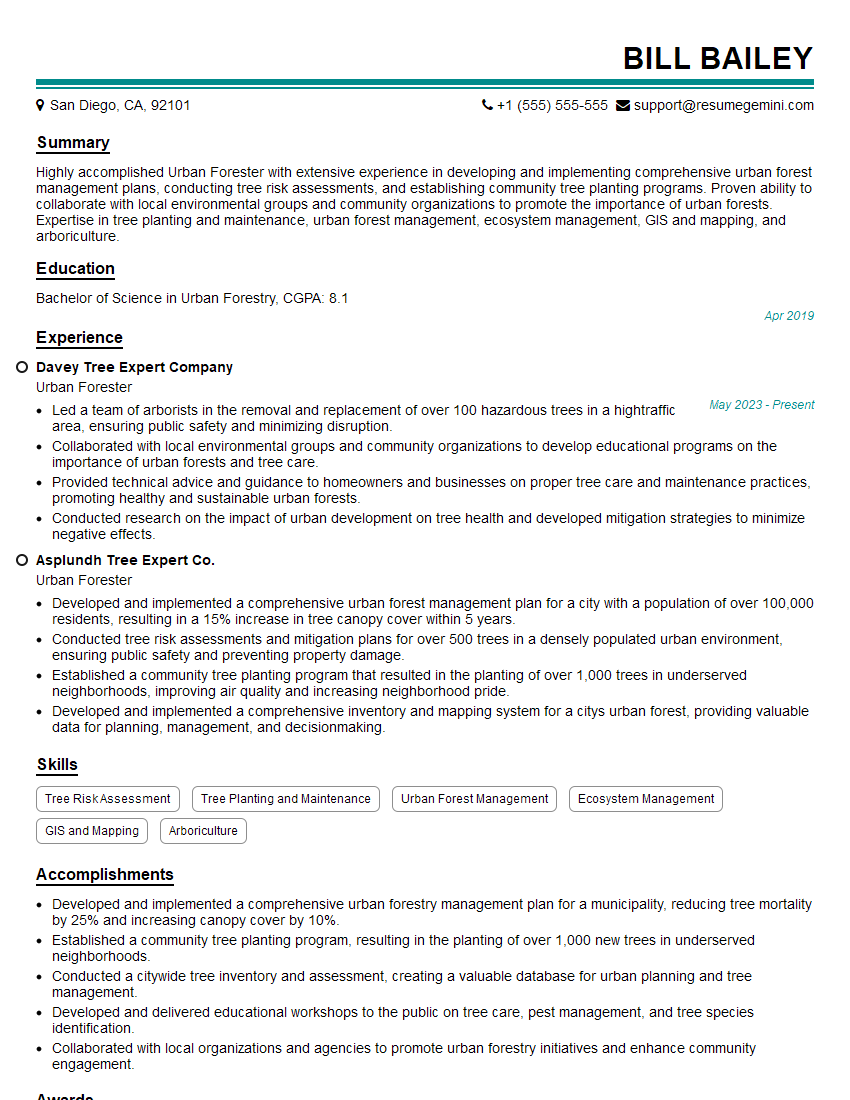
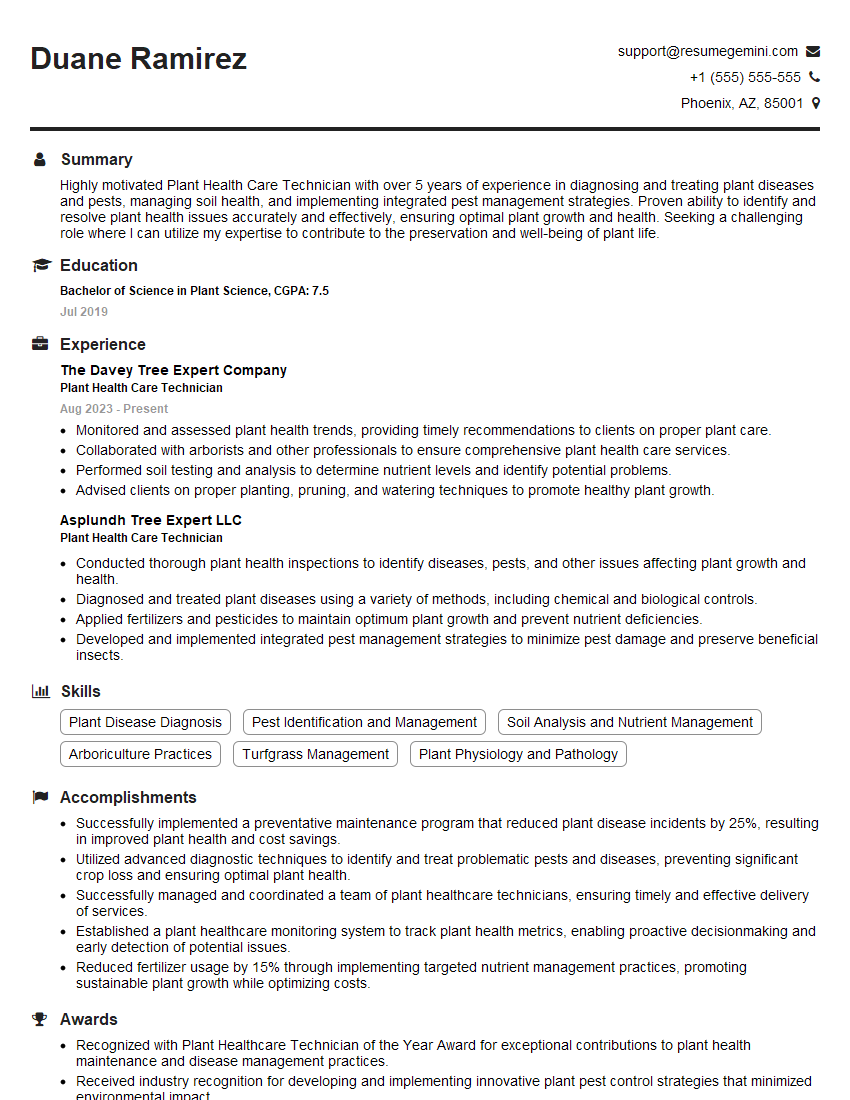
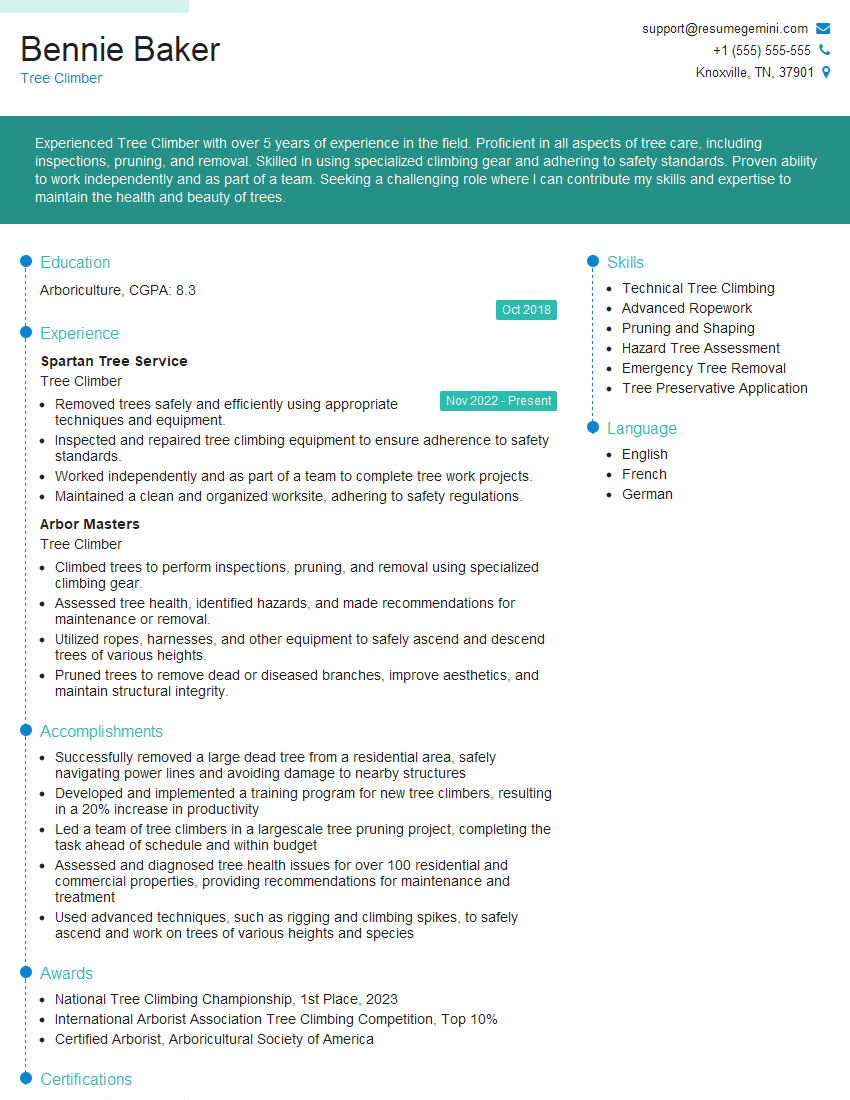
Mastering Tree Knowledge demonstrates a strong foundation in computer science fundamentals and is highly valued in many roles. A deep understanding of these concepts will significantly boost your career prospects. To further enhance your job search, crafting a strong, ATS-friendly resume is vital. We strongly recommend using ResumeGemini to build a professional and impactful resume that highlights your Tree Knowledge expertise. Examples of resumes tailored to Tree Knowledge roles are available for your review – use them as inspiration to showcase your skills effectively.




Explore more articles
Users Rating of Our Blogs
Share Your Experience
We value your feedback! Please rate our content and share your thoughts (optional).
What Readers Say About Our Blog
Very informative content, great job.
good