Cracking a skill-specific interview, like one for Troubleshooting Complex Electrical Systems, requires understanding the nuances of the role. In this blog, we present the questions you’re most likely to encounter, along with insights into how to answer them effectively. Let’s ensure you’re ready to make a strong impression.
Questions Asked in Troubleshooting Complex Electrical Systems Interview
Q 1. Describe your experience troubleshooting complex electrical systems.
Throughout my 10 years in the field, I’ve tackled a wide range of complex electrical system troubleshooting challenges. From diagnosing intermittent faults in industrial automation lines to resolving power outages in large-scale data centers, my experience spans diverse environments and system complexities. For instance, I once successfully identified a faulty capacitor in a high-voltage power supply for a major manufacturing facility, preventing significant production downtime. This involved analyzing voltage readings under varying loads, using an oscilloscope to identify harmonic distortion, and ultimately replacing the defective component. Another significant project involved debugging a communication network failure in a hospital’s critical care unit. This required a meticulous approach, tracing signals, and collaborating with other technicians to minimize disruption to patient care.
These experiences have honed my skills in systematically isolating problems, using advanced diagnostic techniques, and working under pressure to minimize downtime and ensure operational safety.
Q 2. Explain the process you follow when diagnosing an electrical fault.
My diagnostic process is systematic and follows a well-defined methodology. It begins with a thorough safety assessment and the isolation of the faulty system to prevent further problems. Then, I gather information from various sources: operator reports, maintenance logs, and any error messages. Next, I visually inspect the system, checking for obvious signs of damage like loose connections, burned components, or physical damage.
- Data Acquisition: I then employ diagnostic tools like multimeters (to measure voltage, current, and resistance) and oscilloscopes (to analyze waveforms and signal integrity) to gather data.
- Schematic Analysis: I consult schematics and blueprints to understand the system’s architecture and trace signal paths. This helps me isolate potential areas of failure.
- Hypothesis Testing: Based on the collected data and my understanding of the system, I formulate hypotheses about the cause of the fault. I test these hypotheses systematically, isolating sections of the circuit to pinpoint the problem.
- Verification and Repair: Once the faulty component or connection is identified, I carefully make repairs or replacements, ensuring proper safety measures are followed.
- Testing and Validation: Finally, I thoroughly test the system to confirm that the fault has been resolved and the system is operating correctly before handing it back to operations.
This methodical approach ensures efficient troubleshooting and minimizes the risk of overlooking potential issues.
Q 3. How do you prioritize troubleshooting tasks in a high-pressure environment?
In high-pressure environments, prioritization is key. My approach involves a risk assessment. I classify problems based on their potential impact on safety, production, and overall system operation. Problems posing immediate safety risks or critical system failures receive immediate attention.
For example, a fire or a system failure affecting essential medical equipment would take precedence over a minor cosmetic issue. I use a combination of criticality analysis and urgency to define the order of tasks. This involves considering not just the immediate consequence but also the potential for escalation if the problem isn’t addressed swiftly. Clear communication with colleagues and supervisors about the prioritization scheme is also crucial to maintain efficiency and prevent conflicts.
Q 4. What safety procedures do you adhere to when working with high-voltage systems?
Safety is my paramount concern when dealing with high-voltage systems. My procedures always start with a thorough lockout/tagout (LOTO) process, ensuring the system is completely de-energized before I begin any work. This includes verifying that the power is off using appropriate testing equipment and employing personal protective equipment (PPE) like insulated gloves, safety glasses, and arc flash suits as required by the specific voltage level.
I always work with a partner whenever possible, especially on high-voltage tasks, implementing a buddy system for added safety. Furthermore, I strictly adhere to all relevant safety regulations and company policies, regularly reviewing these protocols to stay updated on best practices. I’m also meticulous in keeping a clear and organized workspace, ensuring that tools and equipment are handled safely and efficiently.
Q 5. Describe your experience with various diagnostic tools (multimeters, oscilloscopes, etc.).
I’m proficient in using various diagnostic tools, including multimeters (both digital and analog), oscilloscopes (both digital storage oscilloscopes (DSOs) and analog), clamp meters, and logic analyzers. Multimeters are essential for measuring voltage, current, and resistance, while oscilloscopes allow me to observe the shape and timing of electrical signals, helping identify anomalies like signal distortion or noise. Clamp meters provide a safe way to measure current without interrupting the circuit. Logic analyzers are invaluable for troubleshooting digital circuits by capturing and analyzing digital signals.
For example, using an oscilloscope to analyze the waveform of a motor’s control signal helped me pinpoint a timing issue causing intermittent motor failures. My experience with these tools allows for efficient diagnosis and fault identification in a range of systems.
Q 6. How do you interpret electrical schematics and blueprints?
Interpreting electrical schematics and blueprints is fundamental to my work. I’m adept at reading and understanding various types of schematics, including ladder diagrams, block diagrams, and wiring diagrams. I start by identifying key components, tracing signal paths, and understanding the overall system architecture. I can analyze the flow of power and signals through the circuit, identify potential points of failure, and predict the impact of different component failures.
For example, a recent project involved analyzing a complex control panel schematic to troubleshoot an issue with automated valve control in a water treatment plant. Understanding the logical flow within the schematic allowed me to rapidly isolate the root cause to a faulty relay.
Q 7. Explain your understanding of Ohm’s Law and its application in troubleshooting.
Ohm’s Law (V = IR) is the cornerstone of electrical troubleshooting. It states that voltage (V) is directly proportional to current (I) and resistance (R). Understanding this relationship is critical for diagnosing problems in circuits. For instance, if I measure a lower-than-expected voltage across a component, Ohm’s Law helps me determine if the problem is due to high resistance in the component itself or a reduced current flow.
Let’s say a motor isn’t running. I measure the voltage across the motor terminals; if it’s significantly lower than the expected supply voltage, I know there’s a voltage drop somewhere in the circuit, potentially due to high resistance in wiring or a faulty connection. By using Ohm’s Law and carefully measuring voltages and currents at different points in the circuit, I can systematically track down the source of the problem. It’s an indispensable tool in my troubleshooting arsenal.
Q 8. How do you identify and isolate faulty components in a complex circuit?
Identifying faulty components in a complex circuit involves a systematic approach combining visual inspection, testing with specialized tools, and a solid understanding of circuit theory. Think of it like detective work – you need to gather clues and systematically eliminate possibilities.
Visual Inspection: Start with a thorough visual check for obvious problems like loose connections, burned components (look for discoloration or charring), or damaged insulation. This is your first line of defense and often reveals the culprit quickly.
Multimeter Testing: A multimeter is your essential tool. You’ll use it to measure voltage, current, and resistance at various points in the circuit. For example, checking voltage across a component should show the expected value; if it’s significantly different or zero, the component may be faulty. Similarly, measuring continuity can confirm if a connection is broken.
Signal Tracing: For more intricate circuits, you might need to trace signals using an oscilloscope to identify where the signal path is interrupted or distorted. This helps pinpoint the location of the fault.
Systematic Isolation: Once you have some initial clues, systematically isolate sections of the circuit. This could involve disconnecting components one by one and retesting to see if the problem persists. This process of elimination helps pinpoint the exact faulty component.
Schematic Diagrams: Always refer to the circuit’s schematic diagram. This provides an overview of the circuit’s components and their interconnections, guiding your troubleshooting process.
Example: Imagine troubleshooting a power supply. If the output voltage is low, you might first check the input voltage, then the rectifier diodes, followed by the filter capacitors, and finally the voltage regulator. Each step involves using the multimeter to verify the component’s function.
Q 9. Describe your experience with PLC troubleshooting.
My PLC troubleshooting experience spans several years and various industrial applications. I’m proficient in troubleshooting both hardware and software issues. My approach involves a combination of systematic checks, using diagnostic tools, and leveraging my understanding of PLC programming.
Hardware Troubleshooting: This involves inspecting wiring, checking power supplies, and verifying the integrity of I/O modules. I use tools like multimeters and loop testers to identify shorts, opens, and other physical problems. For example, a faulty I/O module might cause erratic signals from sensors or actuators.
Software Troubleshooting: This involves reviewing the PLC program’s logic to find errors in programming, timing issues, or incorrect configuration. PLC diagnostic tools are utilized to monitor program execution, identify errors, and trace variables. A common issue is a logic error leading to unexpected outputs or machine behavior.
Simulation and Testing: I often use PLC simulation software to test changes and verify corrections before deploying them to the actual PLC. This reduces the risk of introducing new errors during troubleshooting.
Example: In one project, a conveyor system stopped working intermittently. Through systematic checks, I discovered a faulty proximity sensor causing false signals to the PLC. Replacing the sensor resolved the issue immediately.
Q 10. How do you troubleshoot motor control circuits?
Troubleshooting motor control circuits requires a clear understanding of the various components involved and their functions. The process involves carefully checking each component in the control path, from the power supply to the motor itself.
Power Supply: Begin by verifying that the appropriate voltage and current are supplied to the motor controller. Low voltage or insufficient current can be the root cause of motor problems.
Motor Starter/Controller: Examine the motor starter (e.g., contactor, soft starter) for any signs of damage or malfunction. Testing the coil of the contactor, for example, is vital. If it’s not energized, there might be a problem in the control circuitry.
Wiring: Inspect the wiring for loose connections, shorts, or breaks. A visual inspection and continuity tests are essential here.
Overload Protection: Check the overload relays to ensure they’re properly set and haven’t tripped. A tripped overload relay indicates that the motor is drawing excessive current, possibly due to a mechanical issue or a problem with the motor itself.
Motor: If the problem persists, the motor itself may be faulty. This might require specialized motor testing equipment to diagnose windings, bearings, or other internal problems.
Example: A motor might not start because of a faulty contactor coil. Using a multimeter, you can test the coil’s continuity and voltage to confirm its functionality. Or, the motor might be drawing excessive current because of a mechanical jam; resolving the jam will fix the problem.
Q 11. Explain your experience with AC and DC power systems.
I have extensive experience with both AC and DC power systems. While they share some fundamental principles, their characteristics and troubleshooting approaches differ significantly.
AC Power Systems: My work with AC systems includes troubleshooting issues in three-phase systems, transformers, and power factor correction. Challenges often involve voltage imbalances, harmonic distortion, and issues with protective devices.
DC Power Systems: My experience with DC systems encompasses various applications, including battery systems and low-voltage DC distribution. Troubleshooting focuses on voltage drops, load imbalances, and issues with rectification.
Key Differences and Troubleshooting: AC systems often deal with issues related to power factor, phase imbalances, and harmonic distortion, while DC systems are more concerned with voltage regulation, battery health, and grounding issues. Tools like clamp meters and power analyzers are frequently used for both types of systems, but the interpretation of the data differs depending on whether you’re working with AC or DC.
Example: In a three-phase AC system, an imbalance might cause overheating in motors or other equipment, while in a DC system, a low battery voltage can lead to system shutdown or erratic operation. Identifying the root cause requires different approaches and specialized knowledge for each.
Q 12. How do you handle situations where multiple electrical faults exist simultaneously?
Handling multiple simultaneous electrical faults requires a methodical, prioritized approach. It’s like tackling a complex puzzle; you need to break it down into manageable pieces.
Prioritization: Identify the most critical fault – the one posing the greatest risk or causing the most significant disruption. Address this fault first.
Isolation: Attempt to isolate the various faults. This might involve sectioning off parts of the system to prevent cascading failures or interference between fault sources.
Systematic Troubleshooting: After addressing the most critical fault, systematically investigate and resolve the remaining faults, one at a time. Avoid making assumptions about the interaction between faults, as this can complicate troubleshooting.
Safety Precautions: Multiple faults increase the risk of electrical hazards. Take extra safety precautions, ensuring lockout/tagout procedures are followed before commencing any troubleshooting activities.
Example: A power outage might be due to a tripped breaker and a short circuit somewhere in the system. Addressing the tripped breaker restores some power, allowing you to then focus on pinpointing and correcting the short circuit safely and systematically.
Q 13. Describe your experience with preventative maintenance procedures for electrical systems.
Preventative maintenance is crucial for ensuring the reliability and safety of electrical systems. My experience includes developing and implementing preventive maintenance plans for diverse electrical systems in industrial settings.
Scheduled Inspections: Regular inspections involve visual checks for loose connections, damaged insulation, and signs of overheating. These inspections are planned based on the criticality of the system and the operating conditions.
Thermal Imaging: Thermal imaging is used to detect overheating components before they fail, allowing for proactive repairs or replacements. This technique is particularly valuable for high-power equipment.
Testing and Measurements: Regular testing of circuit breakers, relays, and other safety devices ensures their proper functionality. Insulation resistance tests are performed to identify deteriorating insulation.
Cleaning: Regular cleaning of electrical panels and equipment removes dust and debris that can contribute to overheating or short circuits.
Documentation: A comprehensive record of all maintenance activities, including test results, ensures traceability and aids in future troubleshooting.
Example: In a factory setting, a preventive maintenance plan would include regularly testing the insulation resistance of motor windings, inspecting motor starters and contactors, and performing thermal imaging on high-power transformers. By proactively addressing potential issues, we prevent unplanned downtime and minimize the risk of equipment failure.
Q 14. How do you document your troubleshooting process and findings?
Proper documentation is essential for efficient troubleshooting and future maintenance. My documentation process follows a structured format to ensure clarity and completeness.
Problem Description: A detailed description of the problem encountered, including the symptoms observed and the affected equipment.
Troubleshooting Steps: A chronological record of the troubleshooting steps taken, including tests performed, measurements recorded, and components inspected.
Findings: A clear statement of the findings, identifying the root cause of the problem and the faulty component(s).
Corrective Actions: A detailed description of the corrective actions taken, including repairs or replacements made.
Verification: A record of the verification steps to confirm that the problem has been resolved and the system is operating correctly.
Diagrams and Schematics: Inclusion of relevant diagrams and schematics, often with annotations highlighting the problematic areas.
Example: I use a standard report template that includes sections for each of these points. This ensures consistency and makes it easy to track maintenance history and identify recurring problems. Digital documentation tools can be helpful to create and share these reports easily.
Q 15. Explain your experience working with different types of electrical wiring and connectors.
My experience encompasses a wide range of electrical wiring and connectors, from the low-voltage circuits found in control systems to the high-voltage power distribution lines in industrial settings. I’m proficient with various wire types including copper and aluminum conductors with different insulation ratings (e.g., THHN, XHHW, etc.), understanding their applications and limitations. I’ve worked extensively with various connectors, including terminal blocks, crimp connectors, wire nuts, and specialized industrial connectors like Anderson Powerpole and Deutsch connectors. My familiarity extends to understanding the proper gauge selection for different amperage requirements and the importance of correct termination techniques to ensure reliable and safe connections. For example, I’ve successfully troubleshot a control system failure in a manufacturing plant traced to a loose connection in a terminal block – a seemingly small detail that highlighted the crucial role of proper wiring and termination.
- Low-voltage wiring: Experience with control circuits, sensor wiring, and instrumentation.
- High-voltage wiring: Familiarity with power distribution systems, adhering to stringent safety protocols.
- Connector types: Proficient in using and troubleshooting various connectors ensuring correct wire gauge and termination techniques.
Career Expert Tips:
- Ace those interviews! Prepare effectively by reviewing the Top 50 Most Common Interview Questions on ResumeGemini.
- Navigate your job search with confidence! Explore a wide range of Career Tips on ResumeGemini. Learn about common challenges and recommendations to overcome them.
- Craft the perfect resume! Master the Art of Resume Writing with ResumeGemini’s guide. Showcase your unique qualifications and achievements effectively.
- Don’t miss out on holiday savings! Build your dream resume with ResumeGemini’s ATS optimized templates.
Q 16. How do you ensure the safety of yourself and others during troubleshooting procedures?
Safety is paramount in electrical troubleshooting. My approach is always proactive, beginning with a thorough risk assessment. This involves identifying potential hazards like energized circuits, arc flash risks, and confined space entry. I meticulously follow established lockout/tagout (LOTO) procedures to de-energize circuits before commencing any work. I always use appropriate personal protective equipment (PPE), including insulated tools, safety glasses, and arc flash suits when necessary. Furthermore, I ensure a clear communication plan with my team and any other personnel in the vicinity to avoid accidental contact with energized components. For instance, during a recent project involving a high-voltage motor, our team strictly adhered to LOTO procedures, performing double checks, and maintaining open communication throughout the process. This meticulous approach ensured the safety of everyone involved.
Q 17. Describe a challenging electrical troubleshooting experience and how you solved it.
One challenging experience involved a large industrial machine that intermittently shut down without any clear error codes. The system comprised several PLC (Programmable Logic Controller) modules, motor drives, and a complex network of sensors. Initial diagnostic checks yielded no apparent issues. The troubleshooting process involved systematically checking each component, isolating sections of the circuit, and using various diagnostic tools. I meticulously documented my findings, creating a logical flow chart to trace the potential causes. I eventually discovered that intermittent grounding issues were causing voltage fluctuations and ultimately triggering the machine shutdown. The solution was installing additional grounding rods and improving the existing ground connections. This case highlighted the importance of systematic troubleshooting and the need to consider less obvious issues like grounding.
Q 18. What are some common causes of electrical system failures?
Common causes of electrical system failures can be broadly categorized into several areas. Component failures are frequent, including things like failed capacitors, faulty switches, shorted wires, and aging motor bearings. Environmental factors play a significant role; extreme temperatures, moisture, and corrosion can degrade insulation and connectors, leading to failures. Overloads, exceeding the design capacity of circuits, are also common causes, leading to blown fuses or tripped circuit breakers. Poor workmanship, such as loose connections or incorrect wiring, often contribute to intermittent issues or catastrophic failures. Finally, external events, like surges or lightning strikes, can introduce sudden, high-energy transients damaging sensitive equipment.
Q 19. How do you utilize root cause analysis techniques in electrical troubleshooting?
Root cause analysis (RCA) is crucial for effective electrical troubleshooting. I use a structured approach often involving the 5 Whys technique – repeatedly asking “Why?” to drill down to the root of the problem. For instance, if a motor fails, I might follow this sequence: 1. Why did the motor fail? (Overheating). 2. Why did it overheat? (Excessive current draw). 3. Why was the current draw excessive? (Mechanical binding). 4. Why was there mechanical binding? (Wear and tear). 5. Why wasn’t it replaced earlier? (Lack of preventive maintenance). This helps to identify not only the immediate issue but also the underlying causes to prevent recurrence. Other techniques like fault tree analysis and fishbone diagrams are also valuable in complex scenarios. The goal is to address the fundamental issue, not just the symptoms.
Q 20. How familiar are you with relevant electrical codes and safety standards?
I’m thoroughly familiar with relevant electrical codes and safety standards, including the National Electrical Code (NEC) and OSHA regulations. My understanding encompasses safe work practices, equipment grounding, proper wire sizing, arc flash mitigation strategies, and lockout/tagout procedures. I regularly update my knowledge to stay abreast of the latest revisions and industry best practices. Compliance is not merely a formality for me; it’s a critical aspect of ensuring safe and reliable electrical systems.
Q 21. Explain your understanding of circuit breakers and their role in system protection.
Circuit breakers are crucial safety devices designed to protect electrical circuits from overcurrent conditions. When the current exceeds a predetermined threshold, the circuit breaker interrupts the flow of electricity, preventing damage to equipment and reducing the risk of fire. They operate on different principles, such as thermal or magnetic trip mechanisms. Thermal breakers respond to heat generated by excessive current, while magnetic breakers respond to the magnetic field created by high current flow. There are various types of circuit breakers, including those with different trip characteristics (e.g., time-delay, instantaneous), which are selected to match the specific needs of a circuit. Understanding the operation of circuit breakers and their proper selection and installation is vital in ensuring system protection and safety.
Q 22. Describe your experience troubleshooting power quality issues.
Troubleshooting power quality issues involves identifying and resolving disturbances in the electrical supply that can affect equipment performance and lifespan. These disturbances can manifest as voltage sags, swells, surges, harmonics, or interruptions. My approach begins with a thorough understanding of the system’s characteristics and the nature of the problem. I start by gathering data using power quality meters, which record voltage, current, frequency, and harmonic content over time. This data helps pinpoint the root cause. For instance, I once investigated frequent computer crashes at a manufacturing plant. Power quality analysis revealed significant harmonic distortion caused by large numbers of variable-speed drives. The solution involved installing harmonic filters, significantly improving equipment reliability and reducing downtime.
Next, I analyze the load profile to identify any problematic equipment or processes contributing to power quality issues. Then, I investigate the power system’s infrastructure – transformers, cabling, grounding – for any faults. This might involve visual inspections, testing for insulation resistance, and verifying proper grounding practices. Finally, I recommend and implement appropriate mitigation strategies, such as using voltage regulators, surge protection devices (SPDs), or power conditioners, depending on the specific problem identified.
Q 23. How do you interpret fault current analysis reports?
Fault current analysis reports provide critical insights into the magnitude and path of fault currents within an electrical system. These reports, often generated using software analyzing relay settings and system impedances, are crucial for ensuring system protection and safety. I interpret these reports by carefully examining several key aspects: The magnitude of fault currents at various points in the system helps determine the appropriate rating of protective devices like circuit breakers and fuses. The report should show whether these devices are adequately sized to safely interrupt the fault. Analyzing the fault current path reveals the flow of current during a fault, identifying potential weaknesses in the system’s design or protective scheme.
For example, a high fault current in a specific feeder might indicate an inadequate grounding system or excessive cable lengths. The report will also detail the contribution of various system components to the overall fault current. This information assists in optimizing protection coordination, ensuring that protective devices operate selectively to isolate faults without causing unnecessary outages. Finally, I compare the calculated fault currents with the manufacturer’s ratings of equipment to ensure that the system can withstand the stresses during a fault without damage. Without a thorough understanding of these reports, ensuring a safe and reliable system would be impossible. A discrepancy between calculated and expected values can often highlight a problem needing attention.
Q 24. What is your experience with thermal imaging and its application in electrical troubleshooting?
Thermal imaging is an invaluable tool in electrical troubleshooting, allowing for the non-invasive detection of overheating components. This early identification of potential hazards prevents catastrophic failures and ensures the system’s safety and reliability. I’ve used thermal imaging extensively to identify loose connections, overloaded circuits, failing insulators, and potential fire hazards. For example, I used thermal imaging on a large industrial motor control center to identify a connector with a high resistance connection. The heat signature indicated a significant temperature rise, well above the ambient temperature. Replacing the connector solved the problem and avoided a potential fire hazard.
My experience also includes the use of infrared cameras with different resolutions and temperature ranges, selecting the appropriate equipment depending on the application. The interpretation of the thermal images needs careful consideration of the environmental conditions, including ambient temperature and the emissivity of different materials. Software accompanying the thermal imaging cameras assists in quantifying the temperature measurements and producing reports detailing the findings. Beyond simple visual inspection, this detailed analysis helps in identifying potential problems even before visible symptoms appear, enabling proactive maintenance and preventing costly downtime.
Q 25. How familiar are you with different types of electrical relays and their functions?
I have extensive familiarity with various types of electrical relays, including overcurrent, differential, distance, and thermal relays. These relays are the crucial protective devices within an electrical system, rapidly isolating faults to prevent damage and ensure safety. Overcurrent relays, for instance, operate when the current exceeds a predetermined threshold. Their settings need careful coordination to ensure selective tripping – isolating the fault without causing unnecessary outages in other parts of the system. Differential relays compare the currents entering and leaving a protected zone. Any significant difference indicates an internal fault within that zone, triggering the relay to operate.
Distance relays measure the impedance to a fault along a transmission line, providing protection even for faults far from the substation. Thermal relays monitor the temperature of equipment such as transformers and motors, preventing damage from overheating. My experience includes selecting, configuring, testing, and troubleshooting these relays. For example, I once had to re-configure the settings of an overcurrent relay on a distribution feeder after a system expansion to avoid nuisance tripping while maintaining adequate protection. Understanding the characteristics and functions of each relay type, as well as their proper application and coordination, is essential for maintaining a safe and reliable electrical system. Mismatched relay settings can lead to severe equipment damage or power outages, emphasizing the importance of thorough knowledge in this area.
Q 26. Describe your experience with using specialized software for electrical system diagnostics.
I am proficient in using several specialized software packages for electrical system diagnostics. Software such as ETAP, SKM PowerTools, and EasyPower allow for detailed modeling and simulation of electrical systems. These tools are invaluable for analyzing fault currents, coordinating protective devices, and performing load flow studies. For instance, I used ETAP to model a complex industrial power system, including generators, transformers, and various loads. This model allowed me to assess the system’s stability and optimize the settings of protective relays, ensuring reliable operation under various fault conditions. Additionally, I have experience with software for analyzing power quality data, enabling detailed identification and characterization of power disturbances.
This software allows for accurate reporting and assists in making data-driven decisions for system improvements. Using these tools effectively reduces reliance on solely theoretical calculations, offering a robust approach for analyzing and understanding the complex interactions within a power system. I frequently use such software for both design and troubleshooting, validating theoretical concepts and ensuring that solutions are both effective and safe.
Q 27. How do you stay updated on the latest advancements in electrical troubleshooting technologies?
Staying updated on the latest advancements in electrical troubleshooting technologies is crucial for maintaining my expertise. I achieve this through several avenues: I actively participate in professional organizations such as IEEE, attending conferences and workshops to learn about new technologies and best practices. These events often feature presentations and hands-on sessions, allowing for valuable interaction with industry leaders and peers. I also subscribe to technical journals and online publications, keeping abreast of the latest research and developments in power system protection, power quality, and other relevant areas.
Furthermore, I participate in online forums and communities where industry professionals share knowledge and discuss current challenges. This collaborative environment often provides insights into emerging trends and innovative solutions. Continuous learning is essential; the field of electrical engineering is constantly evolving with new materials, technologies and approaches constantly emerging. Staying current ensures I can provide the most effective and efficient solutions to complex problems.
Q 28. Explain your approach to continuous improvement in electrical troubleshooting techniques.
Continuous improvement in electrical troubleshooting techniques is an ongoing process. My approach involves regular reflection on past projects, identifying areas where I could have improved my efficiency or effectiveness. For instance, I maintain a detailed log of every troubleshooting project, documenting the steps I took, the tools I used, the challenges I faced, and the ultimate solution. This documentation serves as a valuable learning resource, helping me recognize patterns and develop best practices. I also actively seek feedback from colleagues and supervisors, learning from their experiences and insights.
Furthermore, I embrace a culture of sharing knowledge within my team, fostering collaboration and continuous learning amongst my peers. By sharing successful troubleshooting techniques and lessons learned, we collectively improve our skills and efficiency. This approach goes beyond simply fixing immediate problems. It is about continually refining processes, streamlining workflows, and ultimately improving the reliability and safety of electrical systems under my care. In this way, improvement becomes a team effort, allowing for a better understanding of system behavior and ultimately improving the overall quality of services provided.
Key Topics to Learn for Troubleshooting Complex Electrical Systems Interview
- Fundamentals of Circuit Analysis: Understanding Ohm’s Law, Kirchhoff’s Laws, and basic circuit theorems is foundational. Practice applying these to diverse circuit configurations.
- AC and DC Circuit Analysis: Master the differences between AC and DC circuits and be prepared to troubleshoot issues in both. This includes understanding waveforms, impedance, and resonance.
- Digital Logic and Troubleshooting: Familiarity with Boolean algebra, logic gates, and troubleshooting digital circuits is crucial, especially in modern systems.
- Electrical Safety and Regulations: Demonstrate a strong understanding of safety protocols, including lockout/tagout procedures and relevant industry regulations.
- Instrumentation and Measurement Techniques: Know how to use multimeters, oscilloscopes, and other diagnostic tools effectively to pinpoint problems.
- Troubleshooting Methodologies: Be prepared to discuss systematic approaches to troubleshooting, such as the “divide and conquer” method, and explain your thought process for isolating faults.
- Common Electrical System Faults: Develop a working knowledge of common problems like short circuits, open circuits, ground faults, and component failures.
- Preventive Maintenance and Predictive Analysis: Discuss the importance of preventative measures and how data analysis can predict potential failures.
- Schematic Reading and Interpretation: Proficiency in reading and interpreting complex electrical schematics is essential for effective troubleshooting.
- Practical Application: Be ready to discuss real-world scenarios where you’ve successfully troubleshot complex electrical systems. Focus on your problem-solving approach and the results you achieved.
Next Steps
Mastering the art of troubleshooting complex electrical systems significantly enhances your career prospects, opening doors to advanced roles and higher earning potential. A well-crafted resume is your key to unlocking these opportunities. Building an ATS-friendly resume is crucial for getting your application noticed by recruiters and hiring managers. ResumeGemini is a trusted resource to help you create a professional and effective resume that highlights your skills and experience in troubleshooting. Examples of resumes tailored to Troubleshooting Complex Electrical Systems are available to help guide you in showcasing your expertise. Invest the time to craft a compelling resume – it’s an investment in your future success.
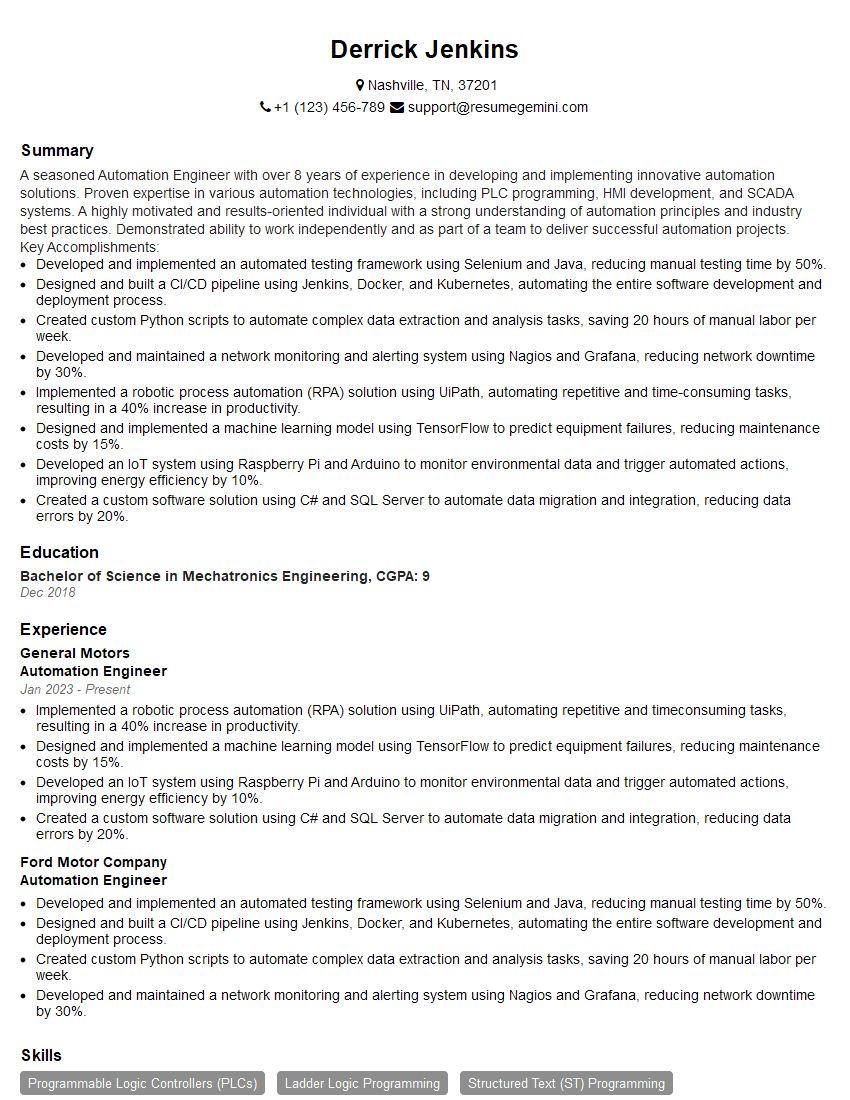
Automation Engineer Resume Sample
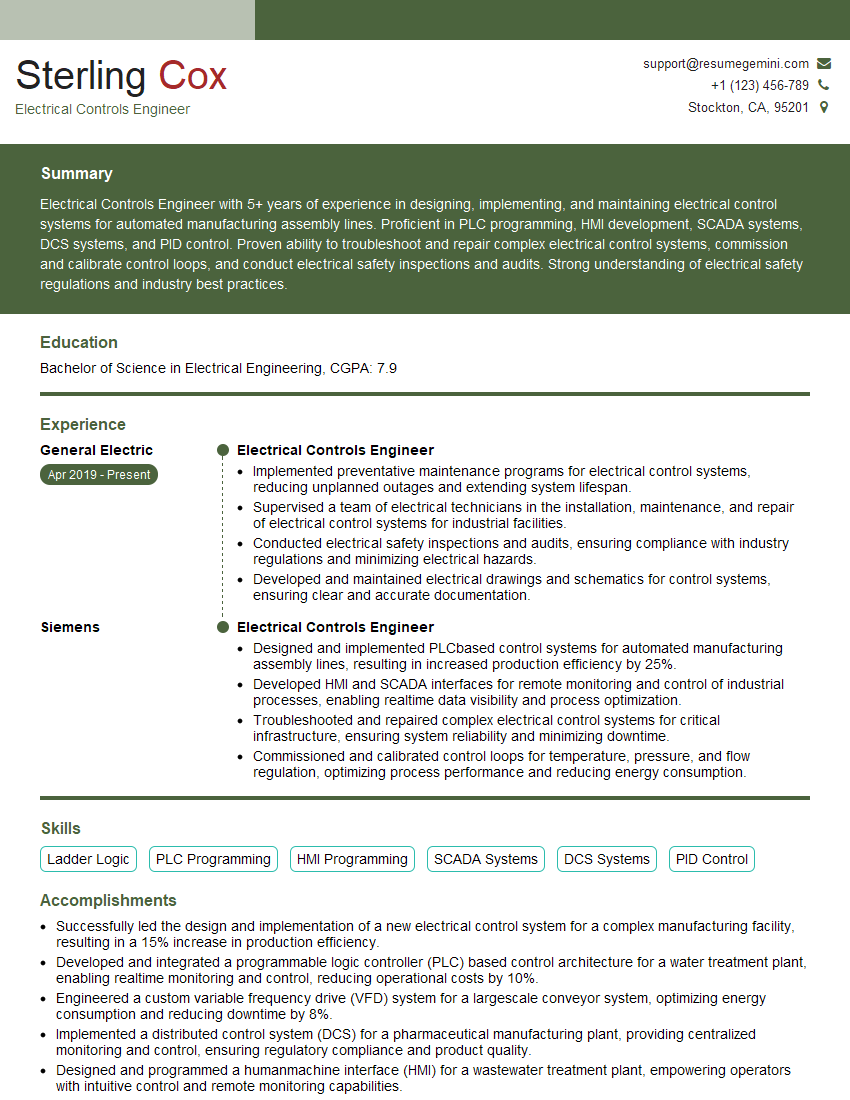
Electrical Controls Engineer Resume Sample
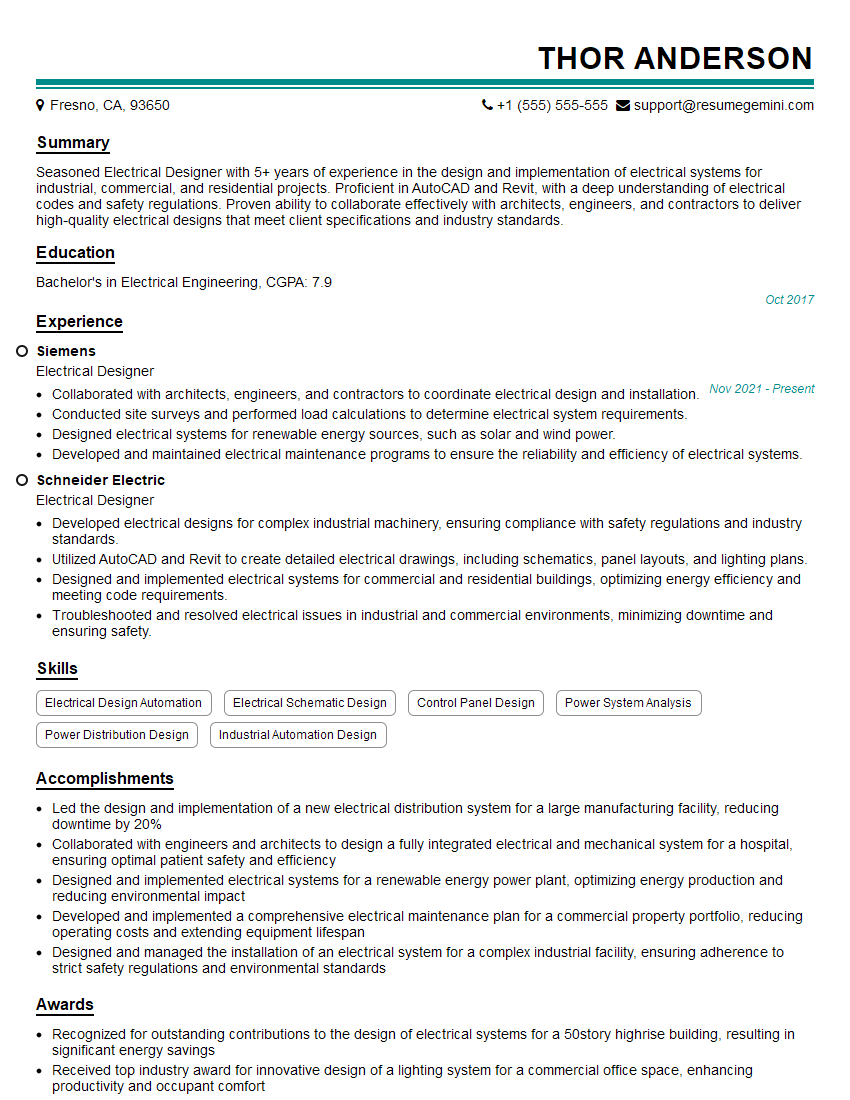
Electrical Designer Resume Sample
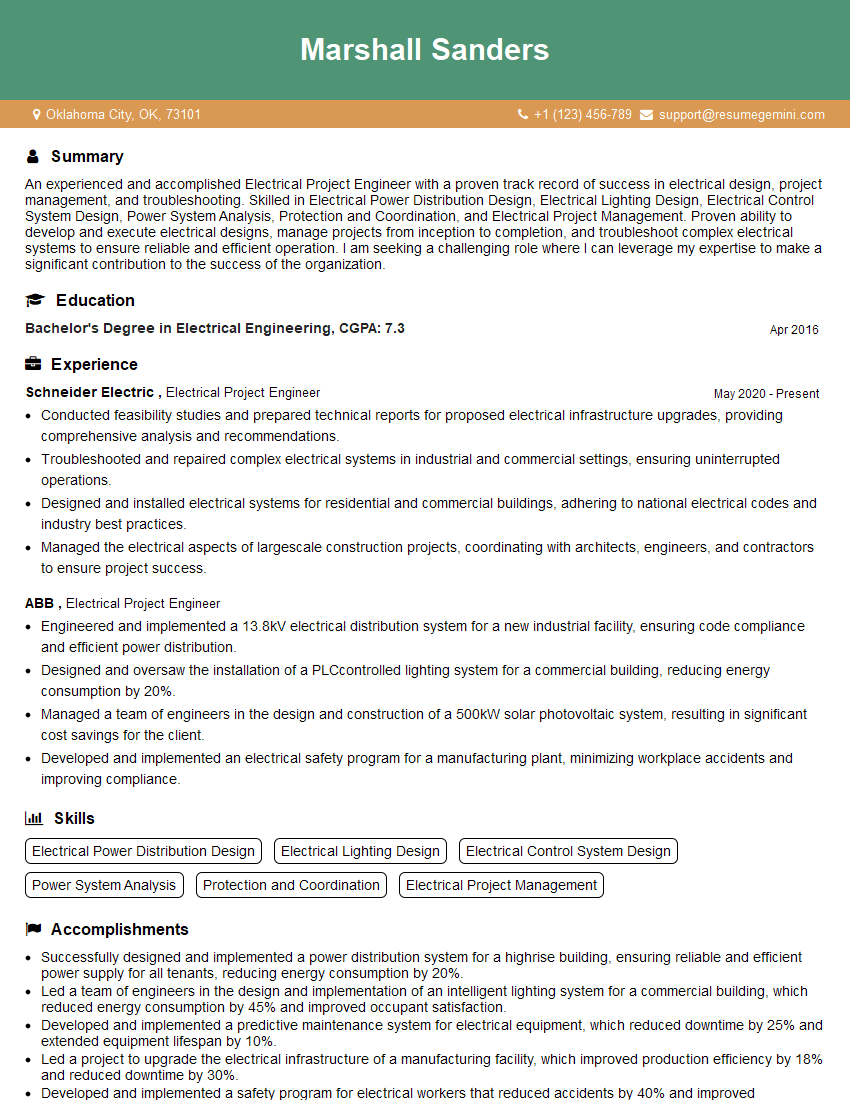
Electrical Project Engineer Resume Sample
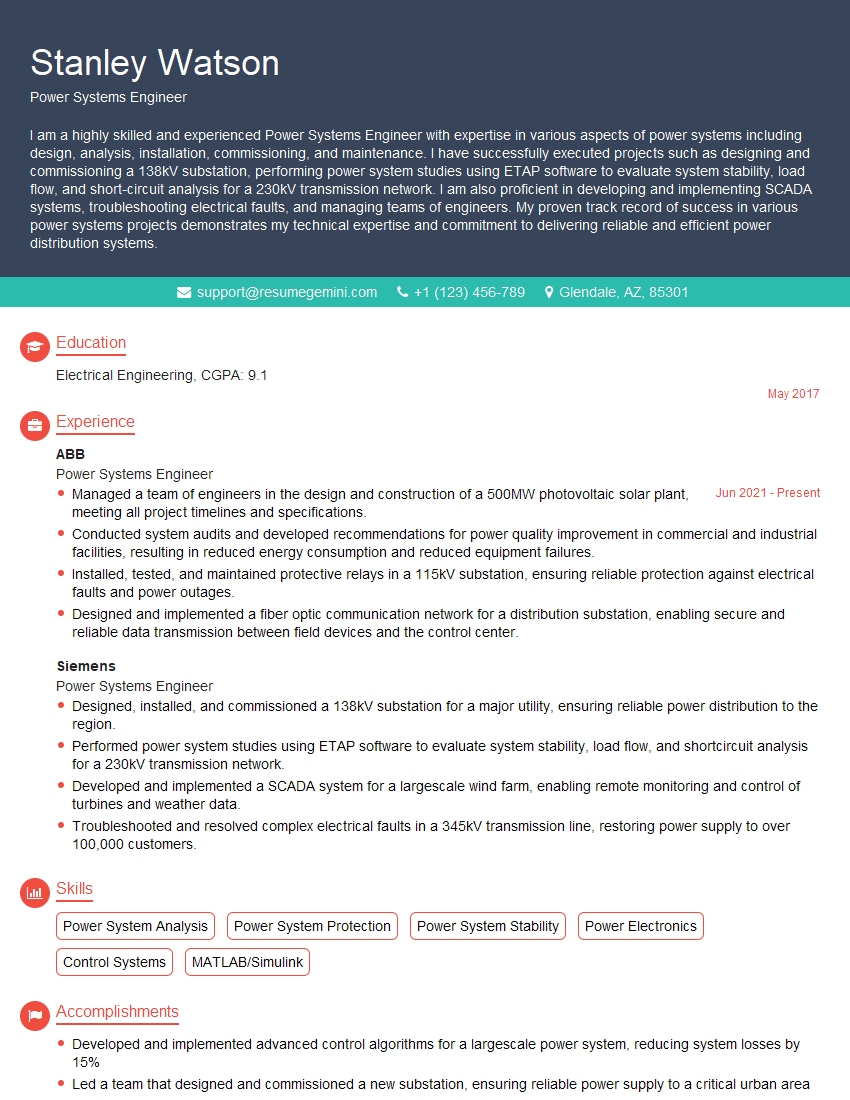
Power Systems Engineer Resume Sample
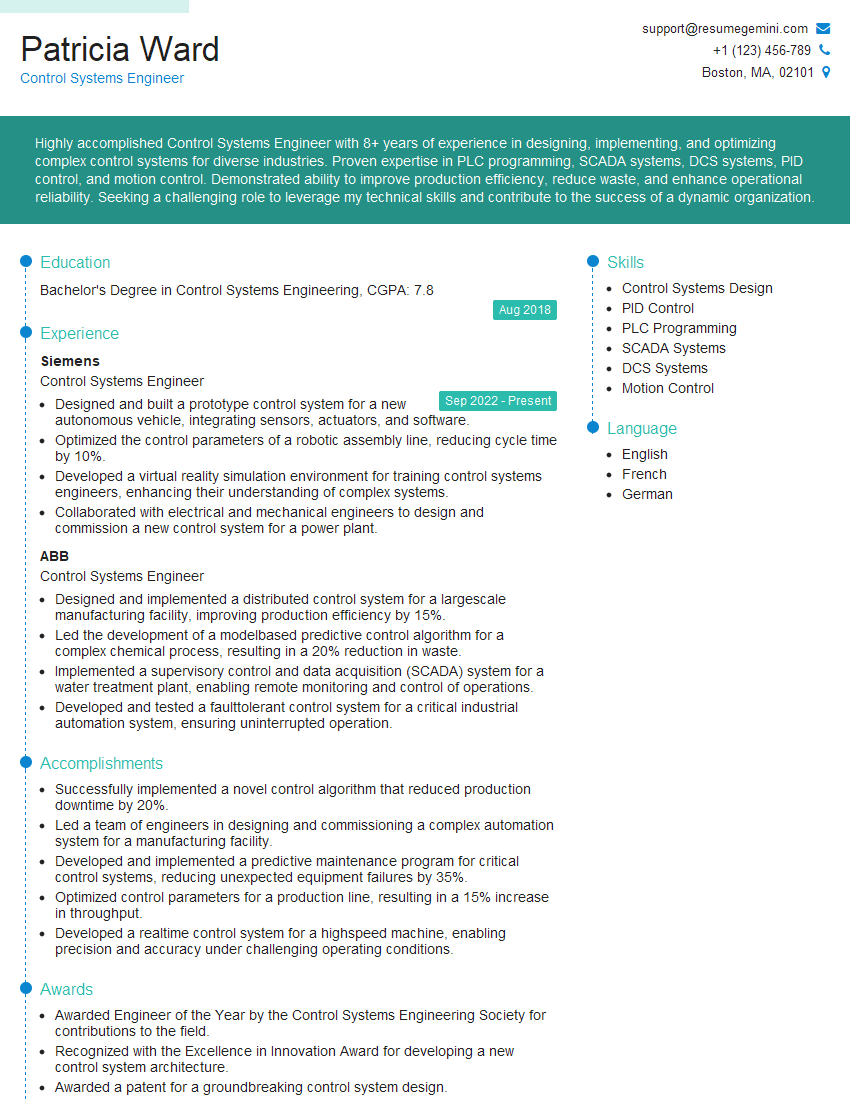
Control Systems Engineer Resume Sample
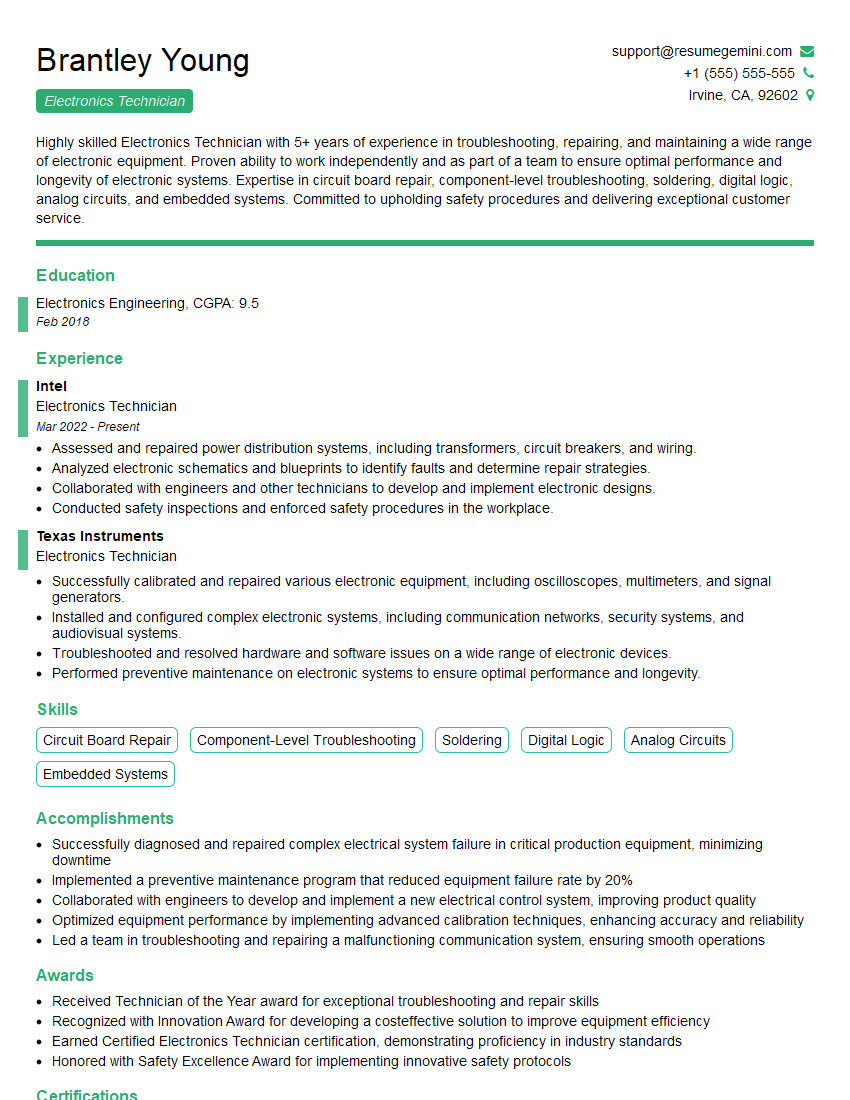
Electronics Technician Resume Sample
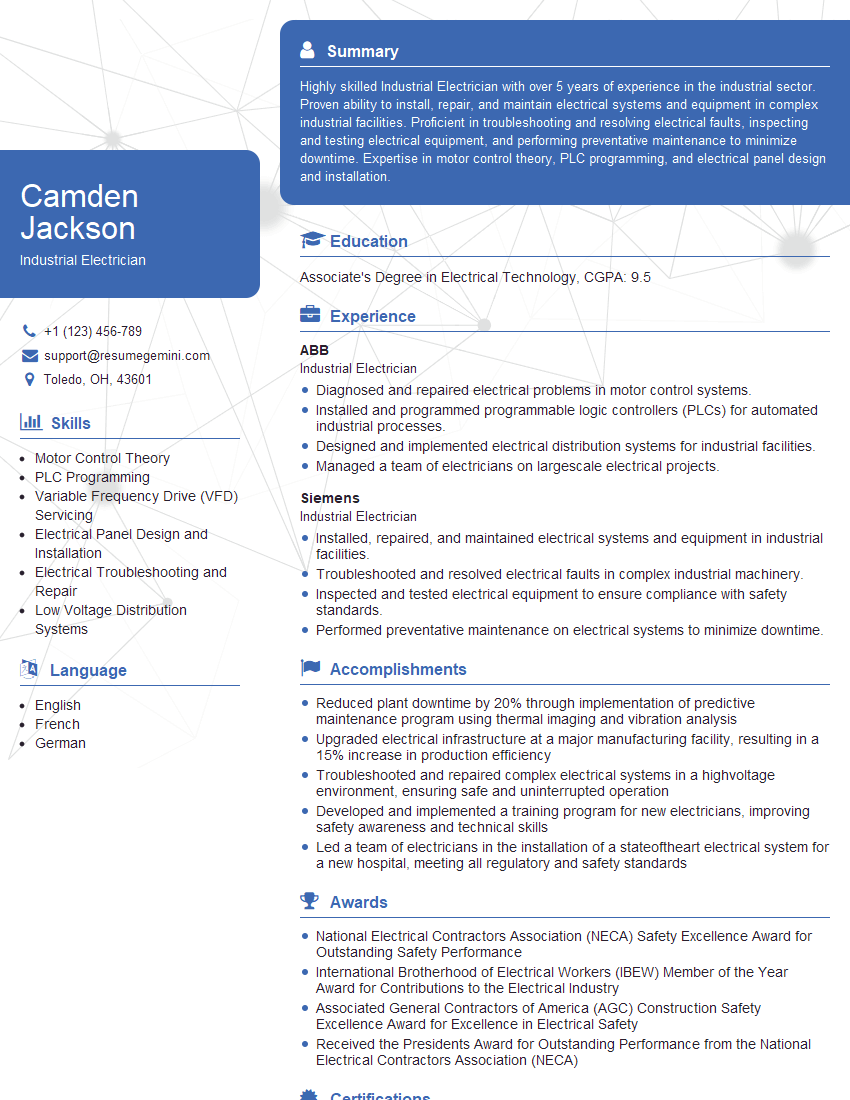
Industrial Electrician Resume Sample

Maintenance Electrician Resume Sample
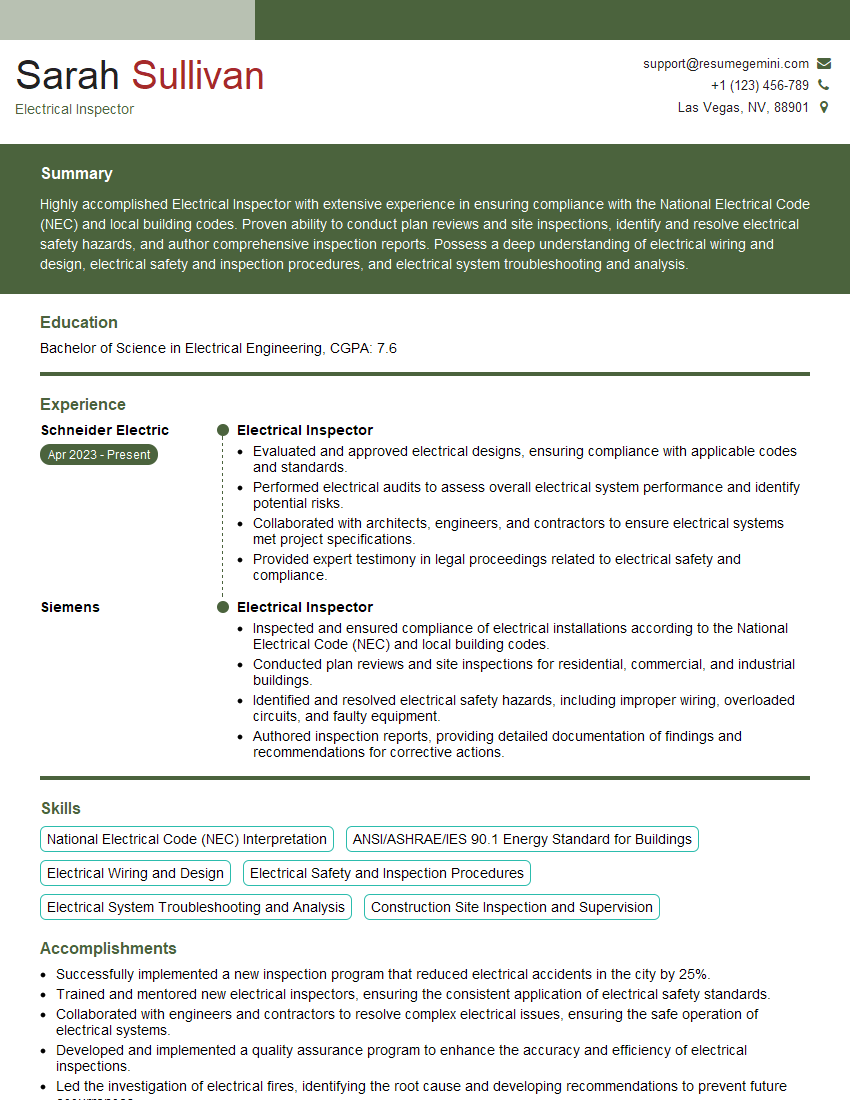
Electrical Inspector Resume Sample
Explore more articles
Users Rating of Our Blogs
Share Your Experience
We value your feedback! Please rate our content and share your thoughts (optional).
What Readers Say About Our Blog
Very informative content, great job.
good