Interviews are opportunities to demonstrate your expertise, and this guide is here to help you shine. Explore the essential Twist-on capping interview questions that employers frequently ask, paired with strategies for crafting responses that set you apart from the competition.
Questions Asked in Twist-on capping Interview
Q 1. Explain the different types of twist-on caps and their applications.
Twist-on caps, also known as screw caps, are ubiquitous in packaging various products. They come in a wide variety of designs, each suited to specific applications and product characteristics. The key differences lie in materials, size, liner type, and closure features.
- Plastic Caps: These are the most common, made from materials like polypropylene (PP) and polyethylene (PE). They are cost-effective and suitable for a wide range of products, from beverages to pharmaceuticals. Different grades of plastic offer varying degrees of barrier properties (protection from oxygen and moisture).
- Metal Caps: Typically aluminum or tin-plated steel, these offer superior barrier properties and a more premium feel. They are frequently used for products requiring extended shelf life or specific aesthetic appeal, such as premium beverages or specialty food items.
- Continuous Thread Caps: The most standard type, featuring a continuous spiral thread on both the cap and the container. These are easy to apply and remove and are widely used across many industries.
- Lug Caps: These caps have lugs or protrusions that help grip the container and provide additional sealing security. They are often favored for applications where leakage prevention is critical.
- Child-Resistant Caps: Designed to prevent children from easily accessing the product, these caps require a specific manipulation sequence to open. They are mandatory for many medications and household chemicals.
- Tamper-Evident Caps: These caps feature a seal that breaks or visibly changes upon opening, providing consumers with assurance that the product has not been tampered with.
For example, a plastic continuous thread cap is ideal for a bottle of water, whereas a metal tamper-evident cap might be preferred for a pharmaceutical product. The choice depends on factors like product type, shelf-life requirements, cost constraints, and regulatory requirements.
Q 2. Describe the process of capping a bottle or container using a twist-on cap.
The process of capping a bottle with a twist-on cap is seemingly simple but involves several crucial steps. It begins with the container being presented to the capping machine. Then:
- Orientation: The container is correctly oriented to align the threads with the cap.
- Application: The cap is placed onto the container’s neck.
- Rotation: The cap is then rotated, typically by a capping chuck within the machine, onto the container’s threads.
- Torque Application: The machine precisely applies the correct torque (twisting force) to ensure a secure seal without damaging the container or cap.
- Release: Once the correct torque is achieved, the cap is released and the capped container moves on to the next stage of the process.
Think of it like screwing a lightbulb into a socket – the right amount of twist is needed for a secure fit. Too little, and it’s loose; too much, and you risk damage.
Q 3. What are the common causes of capping defects and how can they be prevented?
Capping defects can significantly impact product quality and shelf life. Common causes include:
- Incorrect Torque: Too little torque leads to loose caps and potential leakage; too much torque can crush the container or damage the cap.
- Faulty Caps: Damaged or improperly manufactured caps may not thread correctly or provide a proper seal.
- Contaminated Containers: Dirt or debris on the container neck can prevent proper cap engagement.
- Machine Malfunction: Problems with the capping machine, such as worn parts or incorrect settings, can lead to inconsistent torque application or misaligned caps.
- Container Defects: Imperfections in the container neck, such as irregularities in the thread, can hinder proper capping.
Prevention involves regular maintenance of the capping machine, careful inspection of both caps and containers, and consistent monitoring of the torque applied during the capping process. Using high-quality materials and implementing robust quality control measures are essential.
Q 4. How do you ensure the proper torque is applied during the capping process?
Ensuring proper torque is paramount in twist-on capping. It’s achieved through the use of torque-controlled capping machines equipped with sensors and control systems. These machines typically utilize one of two methods:
- Direct Torque Measurement: The machine directly measures the torque applied during the capping process via a torque sensor integrated into the capping head. The sensor provides feedback to the control system, ensuring consistent torque application.
- Torque-Controlled Motor: The capping machine uses a motor with precise control over its rotational force. Pre-programmed torque settings determine the amount of force applied during capping.
Regular calibration of the torque measurement system is critical for accuracy. This involves using a torque wrench to verify the machine’s readings and adjusting settings as needed. Different product types might require varying torque settings, which are determined through testing and experimentation.
Q 5. Explain the importance of torque control in twist-on capping.
Torque control is essential for several reasons:
- Leak Prevention: Proper torque ensures a secure seal, preventing leakage and maintaining product integrity.
- Product Quality: It prevents damage to both the cap and the container, ensuring product quality and aesthetics.
- Shelf Life: A secure seal contributes to extending the product’s shelf life by protecting it from contamination and degradation.
- Consumer Satisfaction: Consistent capping quality ensures a positive customer experience. A poorly capped product can lead to frustration and negative reviews.
- Cost Efficiency: Consistent and correct torque reduces product loss due to leakage or damage, ultimately saving the company money.
Imagine a soda bottle with a loose cap – the contents would leak, the consumer would be unhappy, and the company would lose money. Torque control prevents this scenario.
Q 6. What are the safety precautions you should take when working with capping machinery?
Safety is crucial when operating capping machinery. Precautions include:
- Lockout/Tagout Procedures: Following established procedures to ensure the machine is completely shut down and locked out before performing maintenance or repairs.
- Personal Protective Equipment (PPE): Using appropriate PPE such as safety glasses, hearing protection, and gloves to minimize the risk of injury.
- Machine Guards: Ensuring all safety guards are in place and functioning correctly to prevent accidental contact with moving parts.
- Regular Inspections: Regularly inspecting the machine for any signs of wear, damage, or malfunction.
- Training: All personnel operating or maintaining the machinery should receive proper training on safe operating procedures.
- Emergency Shutdown Procedures: Familiarizing oneself with the location and operation of emergency stop buttons.
Working with machinery without proper safety precautions can lead to serious injury. Prioritizing safety is non-negotiable.
Q 7. How do you troubleshoot common problems encountered during twist-on capping operations?
Troubleshooting twist-on capping problems involves a systematic approach:
- Identify the Problem: Determine the nature of the defect—loose caps, crushed containers, misaligned caps, etc.
- Inspect the Machine: Check for any obvious signs of malfunction, worn parts, or misalignment.
- Check Torque Settings: Verify that the torque settings are correct and consistent with the product requirements.
- Inspect Caps and Containers: Examine caps and containers for defects that might hinder proper capping.
- Examine the Capping Heads: Check for wear and tear, ensuring they’re properly aligned and functioning correctly.
- Review Production Logs: Analyze production data to identify trends or patterns that might point to underlying issues.
- Test and Adjust: Once the cause is identified, make the necessary adjustments and perform test runs to ensure the problem is resolved.
For example, if you’re seeing consistent loose caps, you might first check the torque settings. If those are correct, you’d then look for worn capping heads or defective caps.
Q 8. Describe the different types of capping machines used in the industry.
Capping machines for twist-on closures come in various configurations, primarily categorized by their operating mechanism and production capacity. Let’s explore the main types:
- Rotary Capping Machines: These are the workhorses of high-speed production lines. Containers are indexed on a rotating turret, and capping heads apply the closures in a continuous, circular motion. They’re highly efficient for large-scale operations.
- Linear Capping Machines: Containers move along a linear conveyor belt, passing under capping heads that apply the closures one by one. These are suitable for smaller production volumes or when product variations require flexible integration.
- Infeed/Outfeed Capping Machines: Often seen as part of a larger packaging line, these machines integrate seamlessly with the upstream and downstream processes. They handle the transfer of containers in and out of the capping zone efficiently.
- Handheld Capping Machines: As the name suggests, these are manual tools best for small-batch operations or specialty applications where automation isn’t necessary or cost-effective. Ideal for workshops or artisan products.
The choice of machine depends critically on factors such as production volume, container type, closure design, and budget.
Q 9. What are the advantages and disadvantages of different capping machine types?
Each capping machine type offers a unique set of advantages and disadvantages:
- Rotary Capping Machines:
- Advantages: High speed, high efficiency, ideal for large-scale production.
- Disadvantages: High initial investment, less flexible for product changes, requires more maintenance.
- Linear Capping Machines:
- Advantages: Lower initial investment than rotary, more flexible for product changes, simpler to maintain.
- Disadvantages: Lower speed than rotary, less efficient for very high volumes.
- Infeed/Outfeed Capping Machines:
- Advantages: Seamless integration into production line, high efficiency when fully integrated.
- Disadvantages: Requires careful design and integration to existing equipment, higher investment due to complexity.
- Handheld Capping Machines:
- Advantages: Low cost, portable, suitable for small-scale operations.
- Disadvantages: Slow, labor intensive, not suitable for high volumes.
Q 10. How do you maintain and clean capping equipment?
Maintaining and cleaning capping equipment is crucial for ensuring consistent performance and product quality. A regular maintenance schedule should include:
- Daily Cleaning: Remove any debris, spills, and product residue from the machine using appropriate cleaning solutions and tools. Pay special attention to areas prone to build-up.
- Weekly Inspection: Check all moving parts for wear and tear. Lubricate moving parts as per manufacturer recommendations. Tighten any loose screws or components.
- Monthly Maintenance: Thoroughly inspect the capping heads for damage or wear. Replace worn parts as necessary. Perform a more detailed cleaning, possibly disassembling certain components.
- Preventative Maintenance: Following the manufacturer’s recommended maintenance schedule is key. This may involve periodic replacements of belts, bearings, or other critical parts.
Remember to always follow safety procedures and consult the machine’s operating manual before performing any maintenance or cleaning tasks. Proper sanitation procedures should be in place to meet hygiene standards and prevent cross-contamination.
Q 11. What are the key performance indicators (KPIs) for twist-on capping operations?
Key Performance Indicators (KPIs) for twist-on capping operations are essential for monitoring and improving efficiency. These include:
- Caps per Minute (CPM): Measures the number of caps applied per minute, a direct measure of production speed.
- Torque Consistency: Ensures caps are applied with consistent tightness, preventing leakage or damage.
- Rejection Rate: Measures the percentage of improperly capped containers, indicating potential machine issues or product inconsistencies.
- Overall Equipment Effectiveness (OEE): Considers availability, performance, and quality to give a holistic view of efficiency.
- Downtime: Time spent on repairs, maintenance, or idle periods; understanding downtime is crucial for reducing losses.
- Labor Costs: The cost of labor per unit produced, important for optimizing personnel efficiency.
Tracking these KPIs provides a comprehensive understanding of the capping process’s performance and pinpoints areas for improvement.
Q 12. How do you monitor and improve the efficiency of the capping process?
Monitoring and improving capping process efficiency involves a multi-faceted approach:
- Regular KPI Monitoring: Use data logging and analysis tools to track KPIs and identify trends. This helps in early detection of potential problems.
- Process Optimization: Analyze the entire process flow to identify bottlenecks. Consider factors like container feeding, capping head speed, and operator effectiveness.
- Preventive Maintenance: A proactive maintenance schedule will minimize downtime and ensure consistent performance.
- Operator Training: Well-trained operators contribute significantly to efficient operations. Providing clear instructions and regular training sessions will minimize errors and maximize output.
- Regular Machine Inspections: Routine inspections help identify minor issues before they escalate into major breakdowns.
- Data-Driven Decision Making: Use data to drive continuous improvement initiatives. Identify areas for improvement, test changes, and measure their impact.
For instance, if the rejection rate is high, it might point to issues with torque settings, capping head wear, or inconsistent container dimensions. Addressing these will improve the overall efficiency of the process.
Q 13. Describe your experience with different types of capping materials.
My experience encompasses a wide range of capping materials, each with its own properties impacting the capping process:
- Plastic Caps (PP, HDPE, PET): These are the most common due to their cost-effectiveness, lightweight nature, and recyclability. Different polymers offer varying degrees of stiffness, requiring adjustments in torque settings.
- Metal Caps (Aluminum, Tinplate): These offer a premium look and feel, often used for products requiring a higher barrier to oxygen or moisture. They typically require more torque than plastic caps.
- Composite Caps: These combine the advantages of different materials, offering a balance of cost, performance, and aesthetics. For example, a plastic liner might be combined with an outer metal shell.
Understanding the material properties, like stiffness, ductility, and the coefficient of friction, is crucial to setting correct capping parameters to avoid damage to the caps or containers, and to ensure a secure seal.
Q 14. Explain your experience with troubleshooting capping machine malfunctions.
Troubleshooting capping machine malfunctions requires a systematic approach. My experience shows that a structured problem-solving method works best:
- Identify the Problem: Clearly define the malfunction. Is it low CPM? High rejection rate? Inconsistent torque? Collect data to quantify the problem.
- Check the Obvious: Begin with the simplest checks – verify power supply, check for obstructions, ensure proper lubrication.
- Consult the Manual: The operating manual usually provides troubleshooting guidance, often with diagnostic flowcharts.
- Systematic Elimination: If the problem persists, systematically check each component, starting from the input (container feeding) to the output (capped container). Use your knowledge of the machine’s operation to isolate the problem area.
- Inspect Parts: Visually inspect components for wear and tear, damage, or misalignment. Replace worn-out parts.
- Adjust Settings: Verify and adjust parameters like torque, speed, and timing, following the manufacturer’s recommendations.
- Seek Expert Help: If the problem persists, it may be necessary to contact the manufacturer or a qualified technician for assistance.
For example, a high rejection rate might be caused by inconsistent container heights, which would require adjustments to the infeed mechanism or possibly a replacement of worn parts on the capping head.
Q 15. How do you handle and resolve capping machine jams?
Capping machine jams are a common occurrence, but thankfully, usually easily resolved. The first step is always safety – power down the machine before attempting any repair. Jams typically stem from several sources: incorrect cap orientation, insufficient cap supply, container misalignment, or a problem with the capping head itself.
- Incorrect Cap Orientation: If caps are jammed, check that they are properly oriented in the hopper. Often, a simple adjustment to the cap feed mechanism is all that’s needed.
- Insufficient Cap Supply: An empty or low cap hopper is a frequent cause. Replenish the hopper and ensure the feed mechanism is running smoothly.
- Container Misalignment: Ensure containers are consistently fed into the machine and that the conveyor belt is running correctly. Misaligned containers can cause caps to jam.
- Capping Head Issues: This can involve worn parts, build-up of product residue, or a mechanical fault. Careful inspection and possibly some cleaning or minor repairs might be needed. In serious cases, calling a technician is necessary.
For example, I once encountered a jam caused by a build-up of sticky product residue on the capping head. A thorough cleaning with an appropriate solvent resolved the issue immediately. Always consult the machine’s manual for troubleshooting specific to your model.
Career Expert Tips:
- Ace those interviews! Prepare effectively by reviewing the Top 50 Most Common Interview Questions on ResumeGemini.
- Navigate your job search with confidence! Explore a wide range of Career Tips on ResumeGemini. Learn about common challenges and recommendations to overcome them.
- Craft the perfect resume! Master the Art of Resume Writing with ResumeGemini’s guide. Showcase your unique qualifications and achievements effectively.
- Don’t miss out on holiday savings! Build your dream resume with ResumeGemini’s ATS optimized templates.
Q 16. What is your experience with preventative maintenance on capping machines?
Preventative maintenance is crucial for maximizing uptime and minimizing costly repairs. My approach involves a structured schedule combining daily, weekly, and monthly checks.
- Daily: Visual inspection of the machine for any loose parts, leaks, or unusual sounds. Cleaning the capping head and surrounding areas to remove any product residue. Checking cap supply.
- Weekly: More thorough cleaning of the machine’s components. Lubrication of moving parts according to the manufacturer’s instructions. Verification of torque settings.
- Monthly: Complete inspection of all moving parts. Checking for wear and tear on components such as the capping chuck, conveyor belts, and feed mechanisms. Replacing worn parts as needed.
Think of it like regularly servicing your car – small preventative measures prevent major breakdowns down the line. Proper documentation of all maintenance activities is essential for tracking performance and identifying potential issues before they escalate.
Q 17. Describe your experience with different capping machine brands and models.
Throughout my career, I’ve worked extensively with various capping machine brands and models including Bosch, SMC, and ACMA. Each brand has its own strengths and nuances. For instance, Bosch machines are known for their robustness and reliability, while SMC offers a wide range of customization options. ACMA is particularly suited for high-speed applications. My experience spans from smaller, benchtop cappers to high-speed industrial lines capable of capping thousands of containers per hour. This experience gives me a broad understanding of the strengths and weaknesses of different designs and allows me to quickly diagnose and solve problems irrespective of the brand.
Q 18. How do you ensure that the caps are properly sealed?
Proper cap sealing is paramount to product integrity and shelf life. This relies on several factors:
- Torque Control: The capping machine must apply the correct amount of torque to achieve a secure seal. Too little torque results in loose caps and potential leaks; too much can damage the container or cap.
- Cap and Container Compatibility: The caps and containers must be correctly matched in terms of size and material. Incompatibility can lead to improper sealing.
- Regular Calibration: The capping machine should be regularly calibrated to ensure consistent torque application. This typically involves using a torque wrench to verify the applied torque and making adjustments as needed.
- Material Condition: Environmental conditions (temperature, humidity) and the material properties of both the container and cap will influence the efficacy of the seal. Extreme temperatures can affect plastic properties; proper storage is therefore key.
We use a torque tester to randomly sample sealed containers to verify the torque is within acceptable limits. This data is crucial for maintaining quality control and identifying any issues early.
Q 19. Explain the importance of quality control in twist-on capping.
Quality control in twist-on capping is non-negotiable. It ensures product safety, preserves shelf life, and maintains brand reputation. A poorly sealed container can lead to product spoilage, contamination, and legal issues. My quality control approach is multi-faceted:
- Visual Inspection: Regular visual checks of the capped containers for any obvious defects, such as misaligned or loose caps.
- Torque Testing: Random sampling of containers to verify the torque applied during capping meets specifications.
- Leak Testing: Testing a sample of containers for leaks, either using pressure or vacuum testing methods. This is especially important for liquid or sensitive products.
- Statistical Process Control (SPC): Monitoring key parameters such as torque, capping speed, and container rejection rates. SPC provides a data-driven approach to identifying and addressing any trends or deviations from acceptable limits.
In one instance, we noticed a slight increase in leak rates. By analyzing the SPC data, we pinpointed a gradual decrease in torque applied during capping and promptly adjusted the machine’s settings to resolve the problem.
Q 20. How do you identify and address issues with cap sealing integrity?
Issues with cap sealing integrity are typically identified through leak testing and torque measurement. Identifying the *root cause*, however, requires a systematic approach:
- Inspect the Capped Containers: Begin with a visual inspection for obvious problems such as loose or misaligned caps.
- Check Torque Values: Verify torque is within the specified range. Inconsistencies may indicate a problem with the capping machine or the caps themselves.
- Analyze the Caps and Containers: Inspect the caps and containers for any defects, such as damage or contamination.
- Examine the Capping Machine: Check for issues with the capping head, feed mechanism, or other components. This could include wear and tear, misalignment, or malfunctioning parts.
- Environmental Factors: Assess temperature and humidity levels that could affect the sealing properties of the cap and container materials.
Addressing the issue involves rectifying any identified defects, recalibrating the machine, replacing worn parts, and implementing corrective actions to prevent recurrence. Thorough documentation of the issue, its cause, and the corrective actions taken is vital for continuous improvement.
Q 21. What are the regulatory requirements for capping in your industry?
Regulatory requirements for capping vary depending on the industry and the type of product being packaged. However, common regulations often focus on food safety, consumer protection, and environmental concerns. These regulations often dictate:
- Food Safety Regulations: For food and beverage products, regulations ensure containers are adequately sealed to prevent contamination and spoilage. These requirements are often specified by agencies like the FDA (in the US) or similar bodies in other countries.
- Child-Resistant Packaging: Regulations for certain products, such as medications or chemicals, mandate the use of child-resistant closures. This necessitates specific capping mechanisms and testing procedures to ensure compliance.
- Material Compatibility: Regulations may restrict the use of certain materials in packaging, especially those that could leach into the product or pose environmental risks.
- Labeling Requirements: Regulations stipulate specific labeling requirements, including information on the product, manufacturer, and instructions for opening and disposing of the container.
Staying abreast of these regulations and ensuring compliance is a critical aspect of my role. We regularly review updated regulations and ensure our capping processes and materials meet all applicable standards.
Q 22. How do you ensure compliance with these regulations?
Ensuring compliance in twist-on capping involves adhering to several key regulations, primarily focusing on product safety and quality. This includes meeting standards set by organizations like the FDA (for food and pharmaceutical products) and ensuring the caps provide adequate tamper evidence and prevent leakage or contamination. We achieve this through rigorous quality control procedures, including regular audits of our equipment and processes, meticulous record-keeping, and thorough testing of finished products. For instance, we perform torque tests on a statistically significant sample of capped containers to verify that the caps are securely fastened but not over-tightened, which could damage the container or make it difficult to open. We also maintain detailed documentation of all our procedures and calibration records, ensuring traceability throughout the entire capping process. Finally, we actively participate in industry best practices and stay updated on any regulatory changes to maintain our compliance.
Q 23. Describe your experience with statistical process control (SPC) in capping operations.
Statistical Process Control (SPC) is integral to maintaining consistent capping quality. I have extensive experience implementing and interpreting SPC charts, specifically X-bar and R charts, to monitor key parameters like capping torque, capping speed, and rejection rates. For example, I’ve used X-bar and R charts to track capping torque across different production shifts. By analyzing these charts, we can quickly identify trends or deviations from the established control limits, signaling potential problems before they lead to significant quality issues. This proactive approach minimizes waste and ensures consistent product quality. If a chart indicates a shift in the mean torque or an increase in variability, we investigate the root cause—whether it’s a worn-out capping head, a change in the container material, or operator error—and implement corrective actions immediately. This could involve adjusting the capping machine settings, replacing worn parts, or retraining operators.
Q 24. How do you utilize data to improve capping process efficiency?
Data plays a crucial role in optimizing capping process efficiency. We utilize data collected from various sources – including machine sensors, quality control inspections, and production records – to identify bottlenecks and areas for improvement. For example, we might analyze data on capping speed and rejection rates to identify the optimal capping speed that balances production throughput with acceptable quality. We also analyze the data to predict potential equipment failures, allowing for proactive maintenance and reducing downtime. Furthermore, we use data to optimize our material usage, minimizing waste and reducing costs. A comprehensive data analysis might reveal, for instance, that a specific container material or batch is causing unusually high rejection rates, leading to targeted investigations and improved supplier relationships.
Q 25. Describe a time you had to troubleshoot a significant capping issue. What was the outcome?
During a large-scale production run, we experienced a significant increase in capping failures—specifically, a high rate of loose caps. Initially, we suspected issues with the capping machine’s torque settings. However, after analyzing data from our SPC charts and inspecting the capping heads, we found that the problem wasn’t the machine itself, but rather a subtle variation in the container lip dimensions from our supplier. The slight inconsistencies caused inconsistent torque application, resulting in loose caps. The solution involved working closely with the supplier to address the variation in their manufacturing process, and we also implemented a more robust in-line inspection system to identify and reject faulty containers before they reached the capping stage. The outcome was a significant reduction in capping failures, improved product quality, and minimized waste. This experience highlighted the importance of collaboration across the supply chain and the effectiveness of a data-driven approach to troubleshooting.
Q 26. What is your experience with different types of container materials?
My experience encompasses a wide range of container materials, including glass, various plastics (PET, HDPE, PP), and metal. Each material presents unique challenges in terms of capping. For instance, the torque required for a secure seal varies considerably between glass and plastic containers. Glass is more fragile, requiring careful torque control to avoid breakage, while certain plastics can be more prone to deformation or cracking under excessive pressure. Understanding the material properties, and adapting capping parameters accordingly, is crucial to ensure both product safety and consistent quality. This includes selecting appropriate capping heads and adjusting torque settings to accommodate the specific material characteristics.
Q 27. How do you adapt the capping process for different container shapes and sizes?
Adapting the capping process for different container shapes and sizes requires flexibility and expertise. This primarily involves selecting the appropriate capping heads and adjusting machine settings. The capping heads are designed to accommodate various neck finishes and diameters, and selecting the correct one is paramount. Furthermore, the capping machine itself might require adjustments to accommodate different container heights and overall dimensions. For example, adjusting the infeed and outfeed conveyors is often necessary. In some cases, we may need to use different types of capping chucks or change the orientation of the container during the capping process. This ensures the cap engages correctly and is securely fastened regardless of the container’s specific geometry. We also regularly test and validate these adjustments to ensure that the capping process remains efficient and reliable.
Q 28. What are your salary expectations for this role?
My salary expectations for this role are commensurate with my experience and skills in twist-on capping, as well as the overall compensation package offered. I am confident that my expertise in process optimization, quality control, and troubleshooting will significantly contribute to your company’s success. I am open to discussing a specific salary range after learning more about the details of the position and the company’s compensation structure. I am also interested in opportunities for professional development and growth within your organization.
Key Topics to Learn for Twist-on Capping Interview
- Capping Machine Mechanics: Understanding the operational principles of various twist-on capping machines, including their components, functionalities, and limitations.
- Torque Control and Optimization: Mastering the concepts of torque application in twist-on capping, its impact on product integrity, and methods for optimizing torque settings for different container types and materials.
- Cap Application Techniques: Exploring different cap application methods and their suitability based on factors like cap design, container geometry, and production speed. This includes understanding the implications of variations in speed, pressure, and orientation.
- Troubleshooting and Maintenance: Developing a practical understanding of common issues encountered in twist-on capping processes, including identifying causes and implementing effective solutions. This also encompasses routine maintenance procedures to ensure optimal machine performance.
- Quality Control and Assurance: Learning the methods employed to ensure consistent cap application, preventing defects like loose caps or damage to containers, and maintaining high quality standards throughout the process.
- Safety Procedures and Regulations: Familiarizing oneself with industry-standard safety protocols and regulations relevant to operating and maintaining twist-on capping machinery.
- Production Optimization and Efficiency: Exploring strategies to enhance production efficiency in twist-on capping, minimizing downtime, and maximizing output while maintaining product quality.
- Material Science Considerations: Understanding the properties of different cap and container materials and how they affect the capping process, including material compatibility and potential issues.
Next Steps
Mastering twist-on capping techniques opens doors to exciting career opportunities in manufacturing, packaging, and related fields. A strong understanding of this crucial process significantly enhances your value to potential employers. To maximize your job prospects, it’s essential to present your skills effectively. Creating an ATS-friendly resume is crucial for getting your application noticed. We highly recommend using ResumeGemini to build a professional and impactful resume that highlights your expertise in twist-on capping. ResumeGemini provides tools and resources to create a compelling resume, and we have examples specifically tailored to Twist-on Capping professionals available for your review.
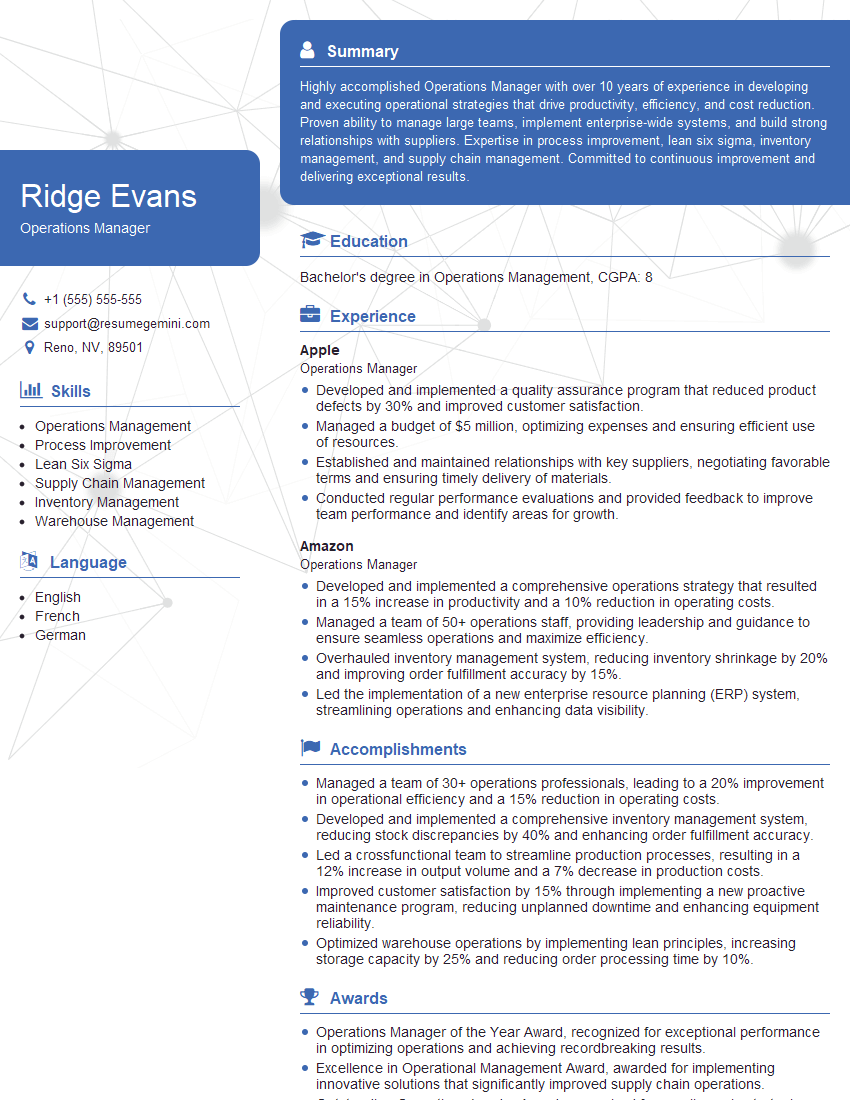
Operations Manager Resume Sample
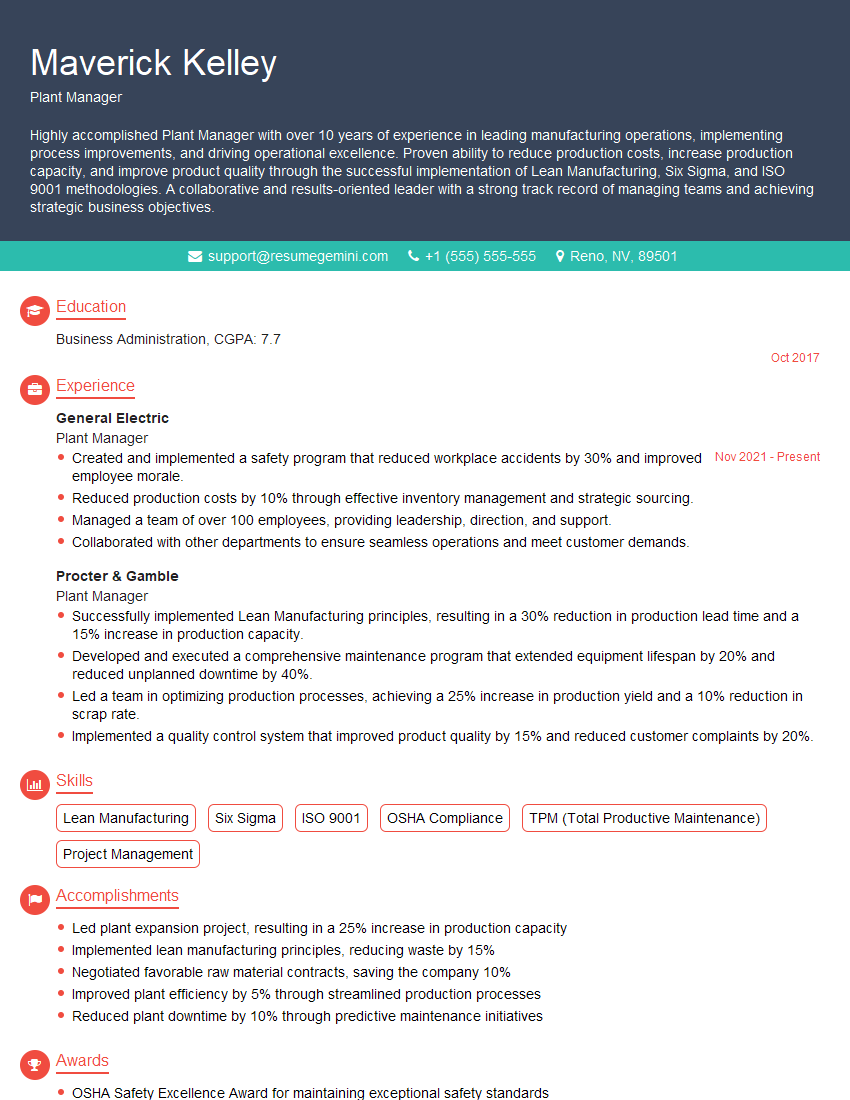
Plant Manager Resume Sample
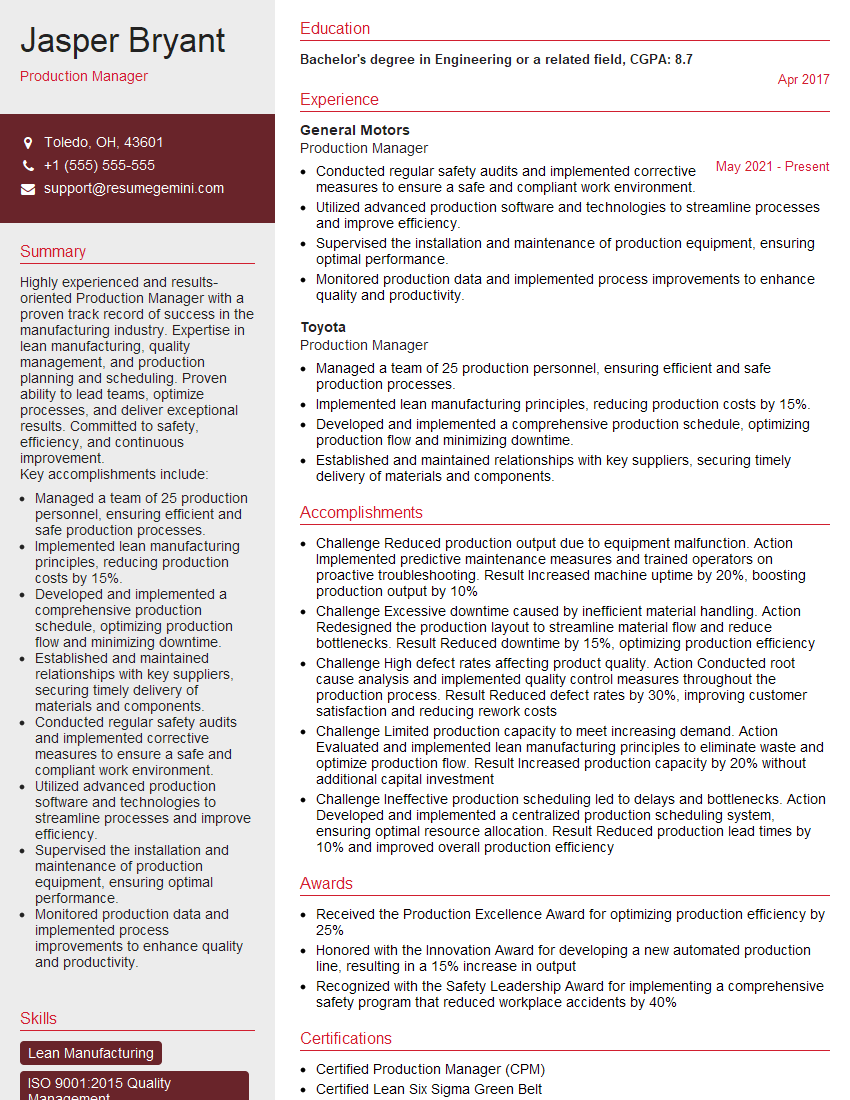
Production Manager Resume Sample

Quality Assurance Manager Resume Sample
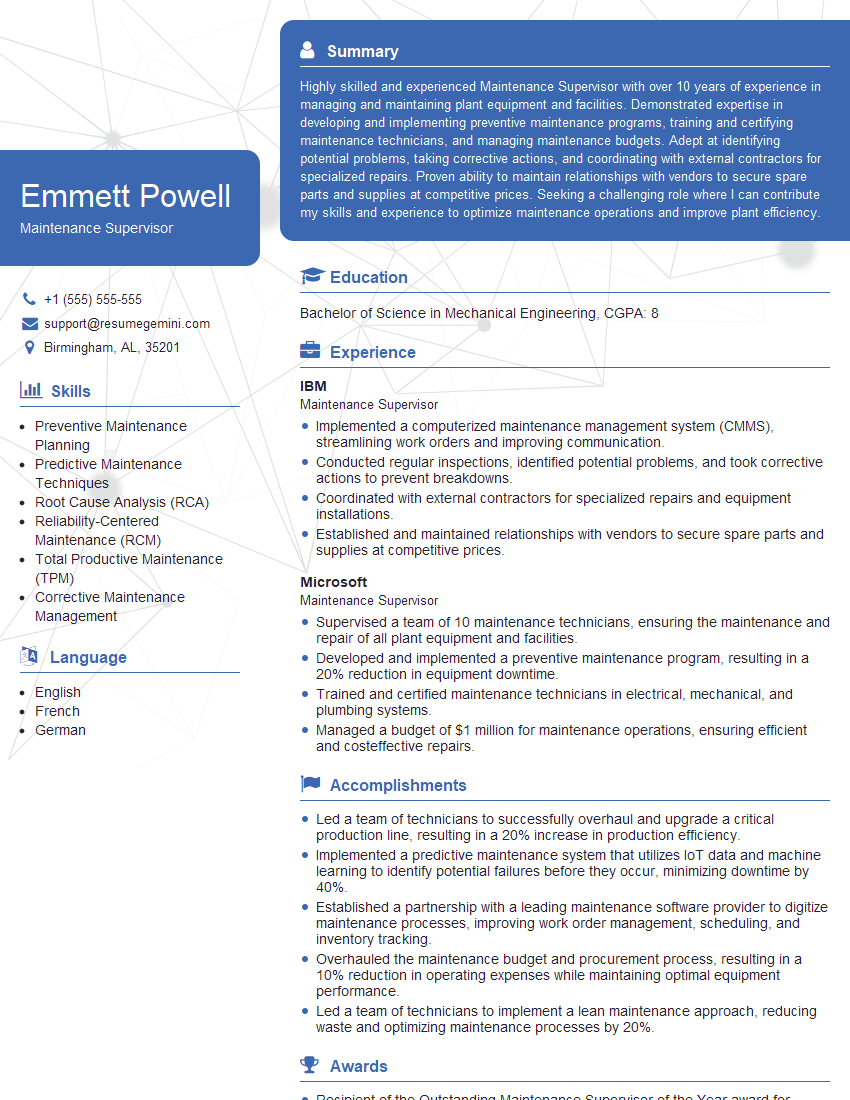
Maintenance Supervisor Resume Sample
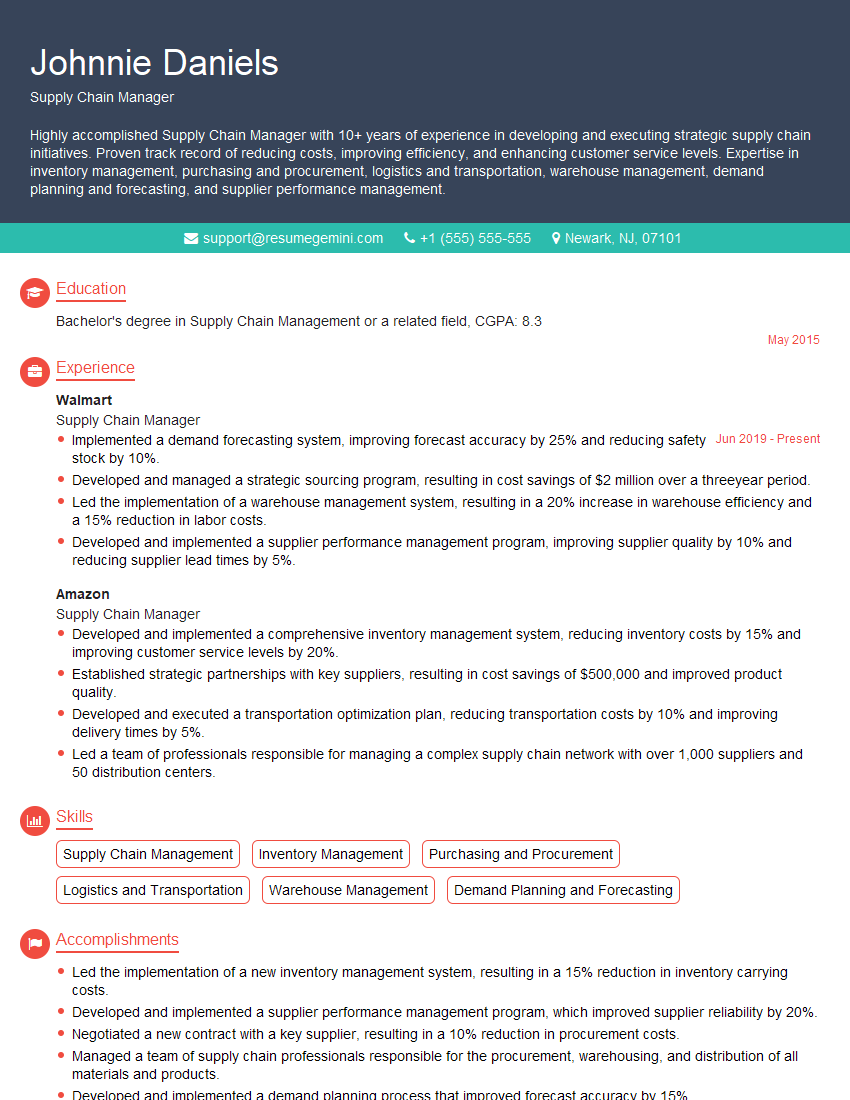
Supply Chain Manager Resume Sample
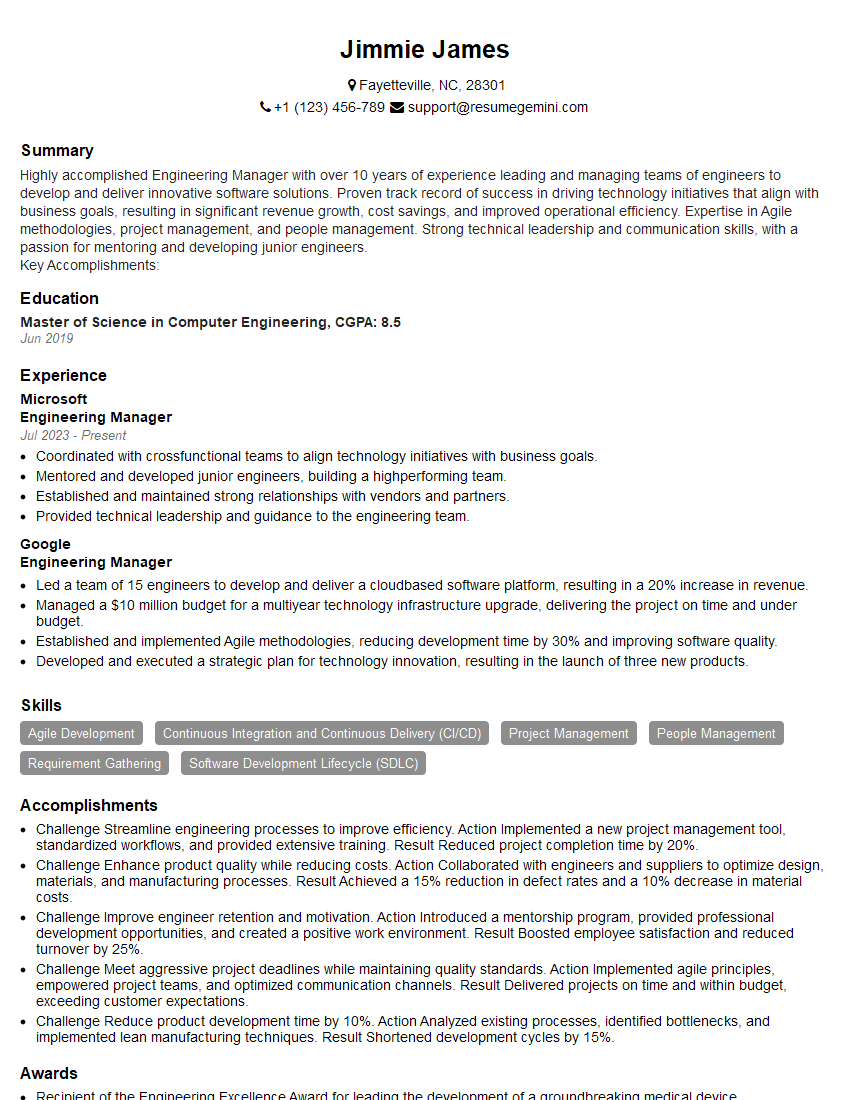
Engineering Manager Resume Sample
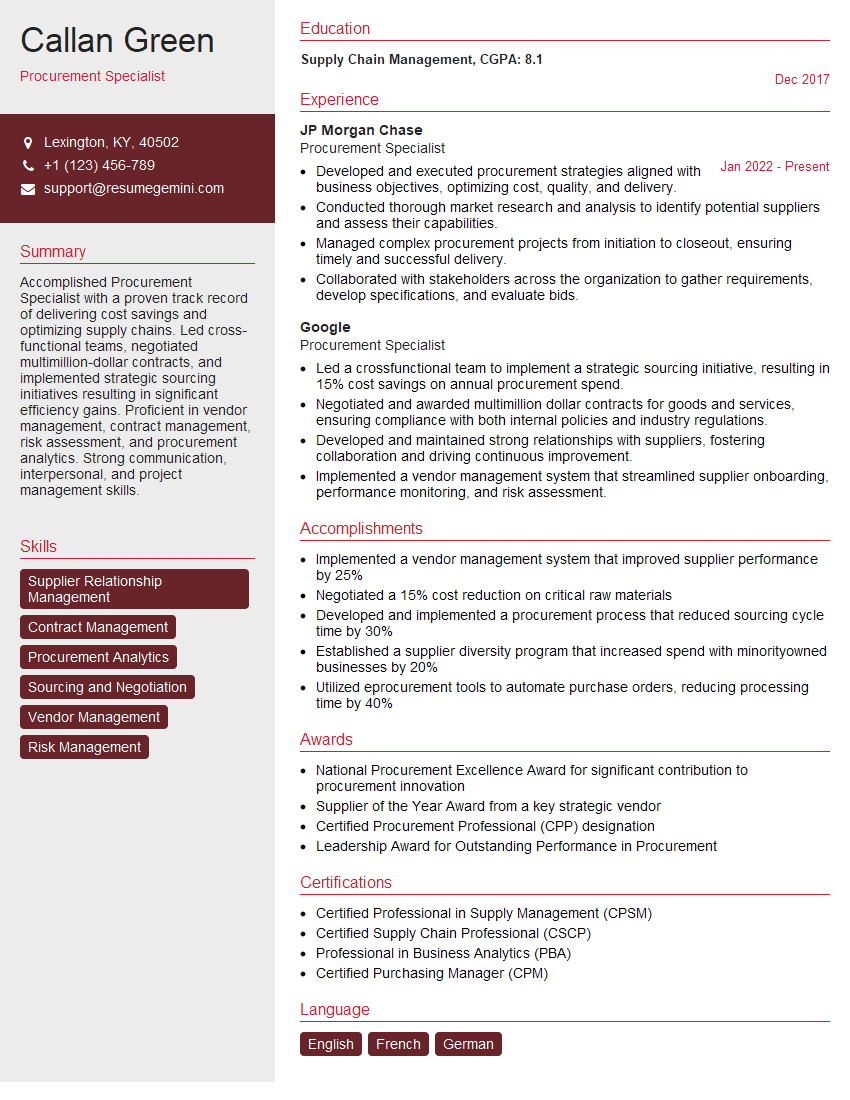
Procurement Specialist Resume Sample
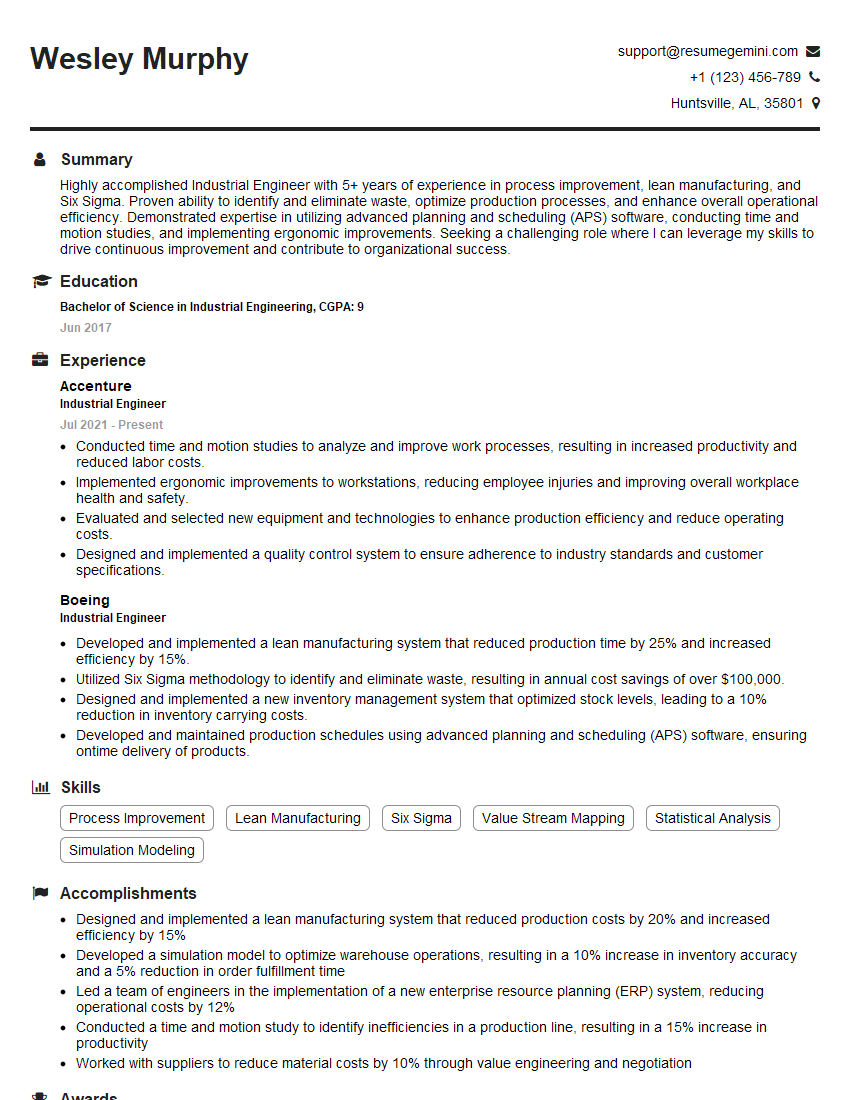
Industrial Engineer Resume Sample
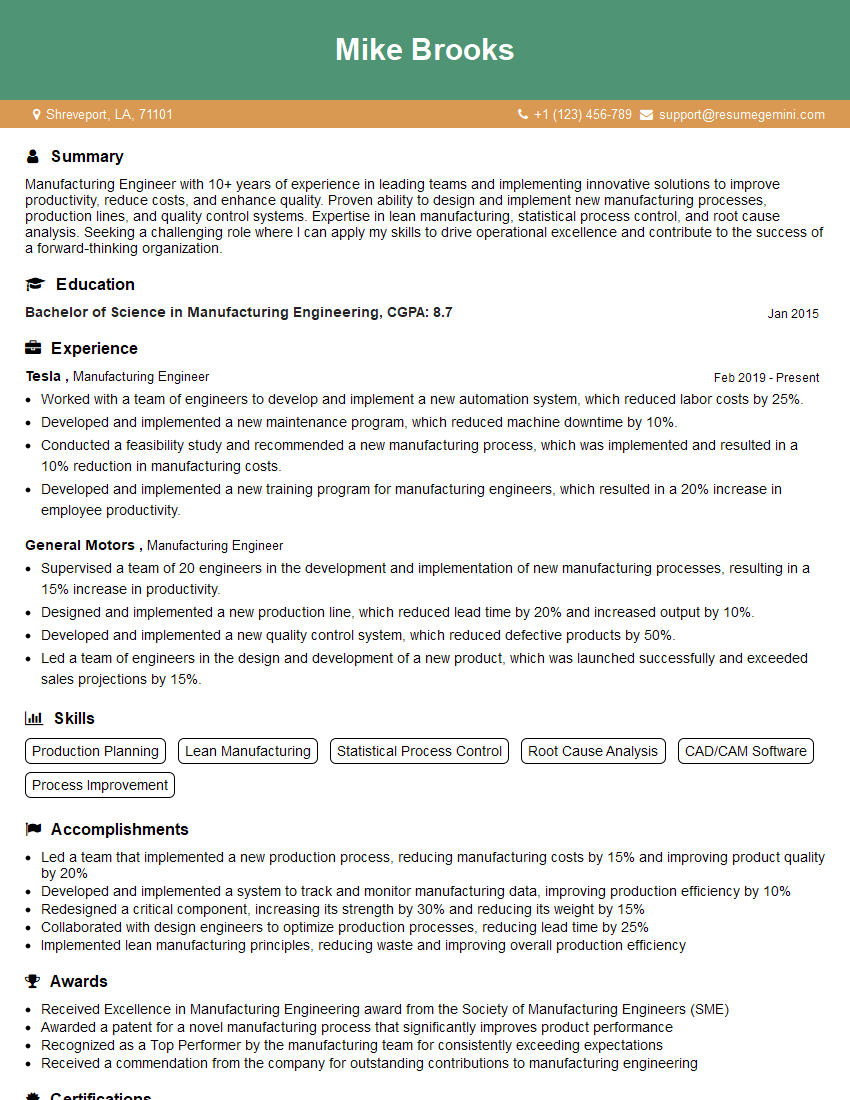
Manufacturing Engineer Resume Sample
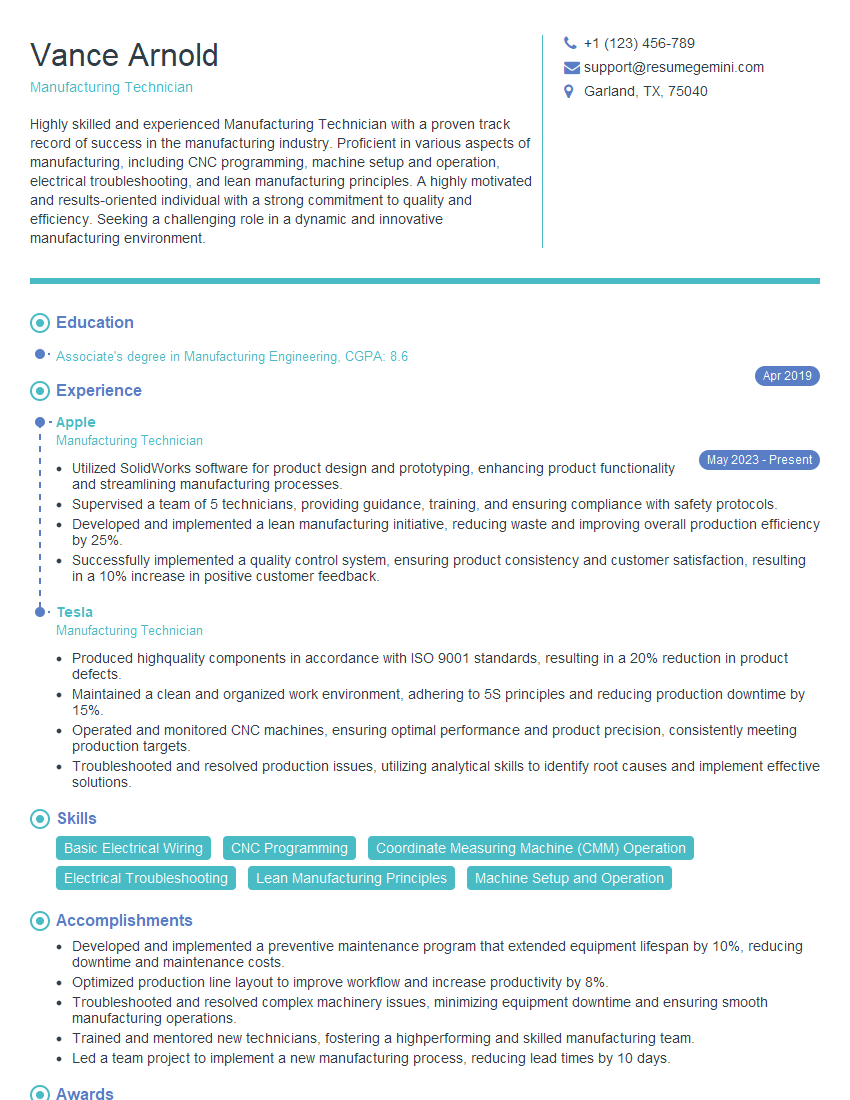
Manufacturing Technician Resume Sample
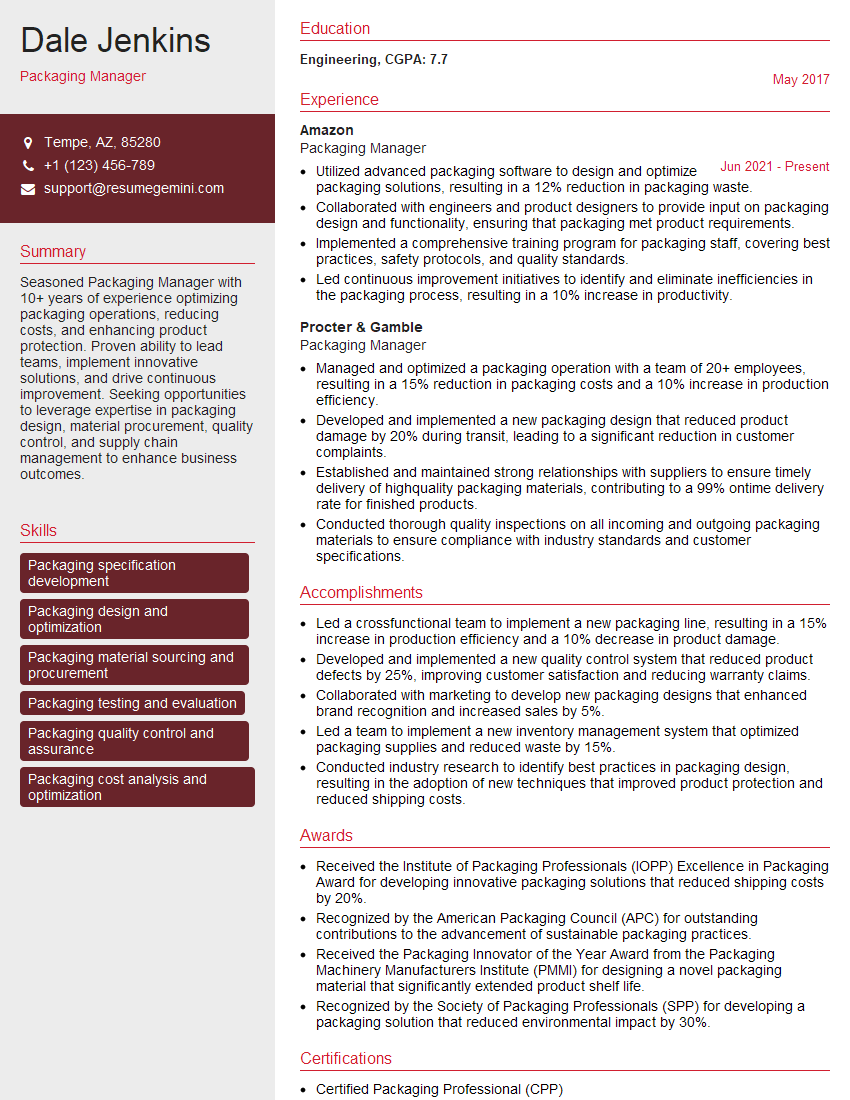
Packaging Manager Resume Sample
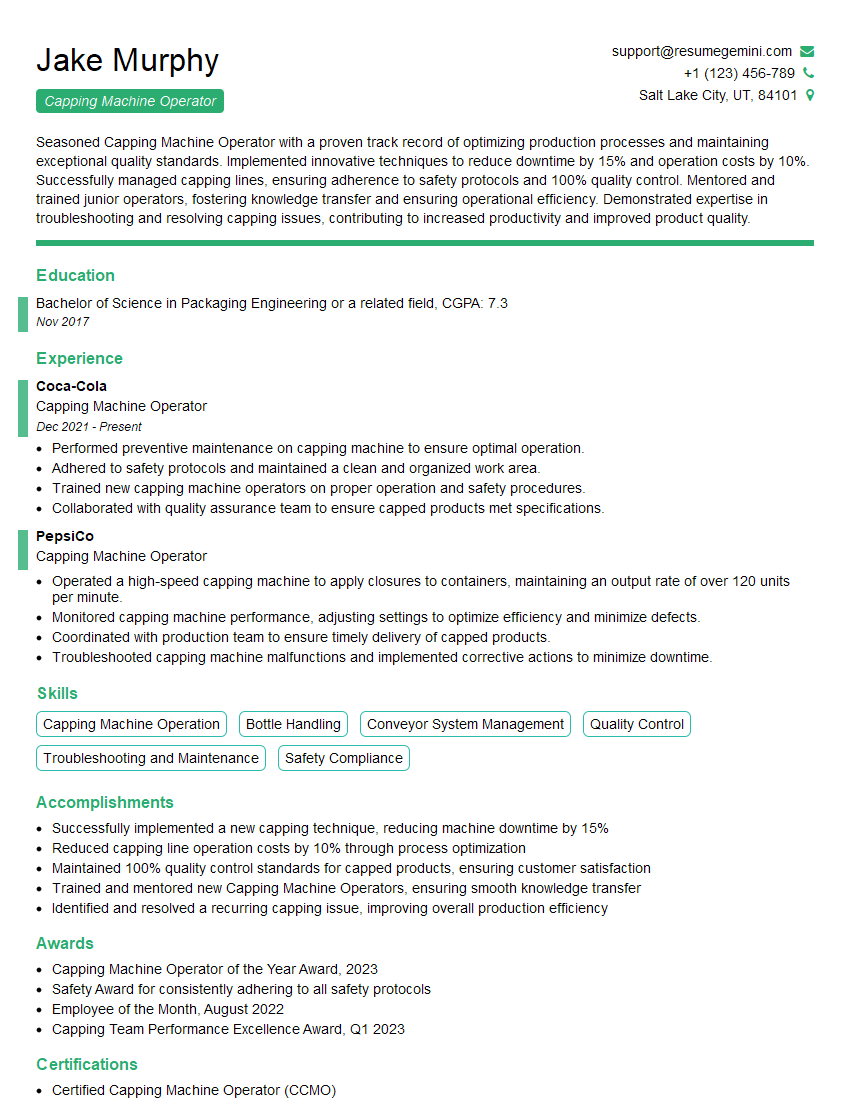
Capping Machine Operator Resume Sample
Explore more articles
Users Rating of Our Blogs
Share Your Experience
We value your feedback! Please rate our content and share your thoughts (optional).
What Readers Say About Our Blog
Very informative content, great job.
good