Feeling uncertain about what to expect in your upcoming interview? We’ve got you covered! This blog highlights the most important Understanding Business Objectives and Requirements interview questions and provides actionable advice to help you stand out as the ideal candidate. Let’s pave the way for your success.
Questions Asked in Understanding Business Objectives and Requirements Interview
Q 1. Describe your process for eliciting business requirements from stakeholders.
Eliciting business requirements is like being a detective, piecing together clues to understand the ‘crime’ – the business problem – and how to solve it. My process starts with understanding the business context. I begin by meeting with key stakeholders – from executives to end-users – to grasp the overall business goals and challenges. I use a combination of techniques to gather information:
- Stakeholder Interviews: Structured and semi-structured interviews allow for in-depth exploration of individual perspectives and needs. I ask open-ended questions, actively listen, and clarify ambiguities.
- Document Reviews: I examine existing documentation, such as business plans, marketing materials, and previous project reports, to gain a comprehensive picture.
- Observation: Observing workflows and processes firsthand provides valuable insights that may not be readily articulated.
- Prototyping and User Testing: Creating low-fidelity prototypes allows stakeholders to interact with potential solutions early on, revealing valuable feedback and refining requirements.
Throughout this process, I ensure thorough documentation, capturing all insights and clarifying any discrepancies. This iterative approach ensures that I continuously refine my understanding of the requirements.
Q 2. How do you prioritize competing business requirements?
Prioritizing competing requirements involves a structured approach. I often use a combination of methods like MoSCoW analysis (Must have, Should have, Could have, Won’t have) and prioritization matrices. These methods help visualize the relative importance and urgency of each requirement.
For instance, in a MoSCoW analysis, we classify each requirement. ‘Must-have’ requirements are essential for the project’s success; ‘Should-have’ features are highly desirable but not critical; ‘Could-have’ features are nice-to-haves that may be added later; and ‘Won’t-have’ features are excluded from this iteration. This method ensures focus on the most crucial functionalities. In a prioritization matrix, we might consider factors like business value, risk, and cost to objectively rank requirements. The key is to involve stakeholders in this process to ensure buy-in and transparency.
Q 3. Explain your experience with different requirements elicitation techniques (e.g., interviews, workshops, surveys).
My experience encompasses a wide range of requirements elicitation techniques. I’ve successfully employed:
- Interviews: From one-on-one discussions with key stakeholders to group interviews with various teams, I adapt my interviewing style to the context. I always prepare a detailed interview guide with open-ended and probing questions to uncover hidden needs.
- Workshops: Facilitating workshops is crucial for collaboration and consensus-building. I structure workshops with clear objectives, activities, and reporting mechanisms to encourage active participation and capture requirements collaboratively.
- Surveys: Surveys are helpful for gathering large-scale feedback quickly, especially when engaging a broad audience. They are effective for gathering quantitative data to supplement qualitative data gathered via interviews and workshops.
- Focus Groups: These smaller, more targeted discussions allow for in-depth exploration of specific aspects of the business problem and potential solutions.
The choice of technique depends on the project’s scale, complexity, and the nature of the stakeholders involved. Often, a blended approach is most effective.
Q 4. How do you handle conflicting requirements from different stakeholders?
Conflicting requirements are common, particularly in projects involving multiple stakeholders with differing perspectives. My approach involves:
- Facilitated Discussion: I bring conflicting parties together in a neutral setting, acting as a mediator to understand the root cause of the conflict. I use active listening to empathize with each perspective.
- Prioritization and Negotiation: Using techniques mentioned earlier (MoSCoW, prioritization matrices), we collaboratively prioritize requirements based on their business value and feasibility. This might involve compromise or trade-offs.
- Documentation and Traceability: Clearly document all decisions and compromises made, providing a record for future reference and managing expectations.
- Escalation (if necessary): If conflicts remain unresolved, I escalate them to senior management for decision-making.
The key is to focus on finding solutions that satisfy the most critical business needs and manage expectations effectively.
Q 5. How do you ensure that business requirements are clearly documented and understood by the development team?
Clear documentation is paramount to avoid misunderstandings and ensure alignment between stakeholders and the development team. I use a combination of techniques:
- Requirements Traceability Matrix: This matrix links business requirements to functional requirements and test cases, ensuring full traceability.
- User Stories: I utilize user stories (e.g., “As a [user type], I want [functionality] so that [benefit]” ) to communicate requirements clearly and concisely in a user-centric manner.
- Use Case Diagrams: These visual tools depict how different users interact with the system, illustrating scenarios and clarifying functionalities.
- Regular Reviews and Feedback Sessions: I conduct regular reviews with stakeholders and the development team to ensure alignment and address any ambiguities or inconsistencies.
The documentation should be easily accessible, well-organized, and regularly updated to reflect changes in requirements.
Q 6. Describe a time you had to translate ambiguous business needs into clear, actionable requirements.
In a recent project for a logistics company, the business stakeholder repeatedly mentioned the need for a “faster” delivery system. This was ambiguous. “Faster” could mean reduced delivery times, improved route optimization, or streamlined order processing. To clarify, I:
- Asked clarifying questions: I delved deeper into the meaning of “faster,” asking about specific metrics (e.g., reduced delivery time by X%, increased order fulfillment rate by Y%).
- Analyzed existing data: I analyzed current delivery times and order processing data to understand the bottlenecks and potential areas for improvement.
- Collaborated with stakeholders: I held a series of workshops with operations managers and delivery personnel to understand the practical implications and constraints.
Through this iterative process, we translated the vague “faster” requirement into several specific, measurable, achievable, relevant, and time-bound (SMART) requirements, including optimizing delivery routes, improving warehouse efficiency, and implementing real-time tracking.
Q 7. How do you validate that the implemented solution meets the original business objectives?
Validating the implemented solution against original business objectives requires a multi-faceted approach. I typically use:
- Acceptance Testing: The development team and stakeholders conduct thorough testing against the defined acceptance criteria, ensuring the solution meets the specified requirements.
- User Acceptance Testing (UAT): End-users test the system in a realistic environment, providing feedback on usability, functionality, and overall satisfaction. This often involves user surveys or feedback sessions.
- Key Performance Indicator (KPI) Monitoring: After deployment, I track key performance indicators (KPIs) to measure the solution’s impact on the business objectives. This includes monitoring metrics such as reduced delivery times, increased efficiency, or improved customer satisfaction.
- Post-Implementation Review: A formal review session is conducted to assess the success of the project against the original business objectives, identify any lessons learned, and inform future projects.
This iterative approach ensures that the solution not only meets the specified requirements but also delivers the intended business value.
Q 8. How do you identify and mitigate risks associated with unclear or incomplete requirements?
Unclear or incomplete requirements are a major risk in any project, potentially leading to costly rework, missed deadlines, and dissatisfied stakeholders. Identifying these risks involves a proactive approach, starting with thorough requirements elicitation. This means employing techniques like interviews, workshops, and document analysis to gather information from various stakeholders. We must also critically analyze the requirements for ambiguity, inconsistencies, and missing information.
Mitigation involves several strategies. Firstly, I use a process of iterative refinement, working closely with stakeholders to clarify vague points and fill gaps through follow-up discussions and prototyping. Secondly, I implement robust requirements validation techniques such as reviews and walkthroughs, involving both technical and business personnel. This helps to identify potential errors and inconsistencies early. Finally, I document all assumptions and constraints explicitly within the requirements documentation. This ensures that everyone is on the same page and any potential problems can be addressed proactively.
For example, a requirement might state ‘the system should be user-friendly’. This is too vague. Through further questioning, we might clarify this as ‘the system should allow users to complete a transaction in under 60 seconds with a 95% success rate, as measured by user testing’. This level of detail significantly reduces ambiguity and risk.
Q 9. What techniques do you use to ensure requirements traceability throughout the project lifecycle?
Requirements traceability is crucial for ensuring that every requirement is properly addressed throughout the project lifecycle. I employ several techniques to achieve this. Firstly, I establish a clear and consistent numbering system for requirements, allowing easy identification and referencing. Secondly, I create a requirements traceability matrix (RTM). This matrix documents the relationships between requirements, design elements, test cases, and other project artifacts. This allows for easy tracking of progress and helps to identify any gaps or inconsistencies.
Another important strategy is to use a requirements management tool (discussed in more detail later). These tools provide automated traceability functionalities, enabling us to link requirements to various project artifacts easily. For example, a change in a high-level requirement can be automatically flagged in all linked lower-level requirements and related test cases, ensuring a complete and up-to-date understanding of the impact of the change.
Imagine a requirement stating ‘the system should generate reports’. An RTM would link this requirement to specific design elements outlining the report’s format, test cases verifying the functionality and generation of the report, and even the code modules that implement the reporting functionality. This complete linkage ensures that even a minor change to the report requirement is fully considered and implemented consistently across all project components.
Q 10. How do you estimate the effort required to implement a set of business requirements?
Estimating effort for implementing business requirements is a crucial aspect of project planning. I typically use a combination of techniques. One approach is analogous estimating, where I compare the requirements to similar features implemented in previous projects. This provides a baseline for estimation. Another approach is decomposition, breaking down the requirements into smaller, manageable tasks. Then, I estimate the effort for each task individually, summing them up to obtain the total effort.
Furthermore, I take into account factors such as complexity, risk, dependencies, and team skills. For instance, a requirement involving a complex integration with a third-party system would require more effort than a simple data entry form. I also involve the development team in the estimation process to gather their input and ensure accuracy. The use of story points in Agile methodologies also aids in estimation, providing a relative measure of complexity rather than absolute time commitments. This allows for flexibility and adjustments as the project progresses.
For example, if a requirement is to ‘implement user authentication’, I’d break it down into tasks like ‘design the authentication flow’, ‘develop the user registration module’, ‘integrate with the authentication provider’, and ‘test the module’. Each task is individually estimated, considering factors such as the complexity of the authentication provider’s API and the need for security considerations.
Q 11. How do you handle changes to business requirements during the project lifecycle?
Changes to business requirements are inevitable during a project’s lifecycle. Handling them effectively requires a structured approach. Firstly, I establish a formal change management process, typically involving a change request form and a review board to assess the impact of changes. This process clearly defines the steps involved in evaluating, approving, and implementing the changes.
Secondly, I use a version control system for requirements documents, tracking all changes made. This ensures that everyone is working with the most current version and maintains a complete history of the changes made. Thirdly, I re-evaluate the project schedule and budget whenever significant changes are introduced. This proactive approach helps to anticipate and mitigate potential delays or cost overruns.
Finally, I communicate changes to all stakeholders promptly and transparently, keeping them informed throughout the entire process. This avoids misunderstandings and maintains everyone’s buy-in. For example, if a change requires significant rework, I might use a Gantt chart to demonstrate the impact on the project timeline and work with stakeholders to find solutions, such as prioritizing certain tasks or adjusting the project scope.
Q 12. Explain your understanding of the difference between functional and non-functional requirements.
Functional and non-functional requirements represent different aspects of a system. Functional requirements describe *what* the system should do, specifying the features and functionalities the system must provide. They typically answer questions such as: ‘What data will the system process?’, ‘What reports will it generate?’, or ‘How will users interact with the system?’.
Non-functional requirements, on the other hand, describe *how* the system should perform. They focus on the quality attributes of the system, such as performance, security, usability, scalability, and reliability. These requirements often answer questions like: ‘How fast should the system respond?’, ‘How secure should the system be against unauthorized access?’, or ‘How easy should the system be to use?’.
A good analogy is building a car. Functional requirements would be: ‘The car should have four wheels’, ‘The car should have an engine’, ‘The car should have seats’. Non-functional requirements would be: ‘The car should accelerate from 0 to 60 mph in under 8 seconds’, ‘The car should achieve at least 30 miles per gallon’, ‘The car should have a safety rating of at least 5 stars’. Both are essential to building a successful car, but they address different aspects of its design and operation.
Q 13. How do you create and maintain a requirements specification document?
Creating and maintaining a requirements specification document (RSD) is a critical activity that ensures a shared understanding of project needs. I use a structured approach, starting with a clear introduction outlining the purpose and scope of the document. I then organize the requirements according to a consistent structure, often using a hierarchical breakdown of requirements into categories and sub-categories.
Each requirement is clearly stated using unambiguous language, avoiding jargon and technical terms where possible. Each requirement is also uniquely identified, facilitating traceability. Furthermore, I include details about any assumptions and constraints associated with each requirement. The RSD should also include detailed descriptions of the functional and non-functional requirements, as discussed earlier. Finally, the document undergoes reviews and approvals to ensure it is accurate, complete, and consistent.
Regularly updating the RSD as changes occur is vital to keep the document current. This should include version control, a change log documenting all revisions, and clear communication of changes to stakeholders. A well-maintained RSD acts as a central repository of information, minimizing misunderstandings and ensuring the project remains aligned with its goals.
Q 14. Describe your experience with requirements management tools.
I have extensive experience with various requirements management tools, including Jira, Confluence, and DOORS. These tools help manage requirements throughout the entire lifecycle, providing features such as requirement creation, version control, traceability, and impact analysis. They also facilitate collaboration among stakeholders, allowing for efficient communication and review processes.
For example, using Jira, I can create user stories, link them to tasks and test cases, and track their progress visually. Confluence allows me to create and share requirements documents, ensuring easy access for everyone involved. DOORS offers advanced features for managing complex systems with multiple stakeholders and stringent regulatory requirements.
The selection of a specific tool depends on project size, complexity, and organizational preferences. The key is to choose a tool that facilitates efficient requirements management, improving communication, collaboration, and overall project success. The right tool streamlines the process and minimizes the risk associated with managing ever-changing business needs.
Q 15. How do you ensure the quality of elicited business requirements?
Ensuring the quality of elicited business requirements is crucial for project success. It’s not just about collecting information; it’s about validating, refining, and ensuring those requirements are clear, complete, consistent, feasible, and unambiguous. My approach involves several key steps:
- Requirement Elicitation Techniques: I utilize a variety of techniques like interviews, workshops, surveys, document analysis, and prototyping to gather requirements from various stakeholders. Each technique has its strengths and weaknesses, and the choice depends on the project context and stakeholder availability.
- Requirement Validation and Verification: After gathering requirements, I employ techniques like prototyping, walkthroughs, and reviews to validate the requirements with stakeholders, ensuring they accurately reflect their needs. This iterative process helps to identify inconsistencies or misunderstandings early on.
- Requirement Prioritization and Management: Not all requirements are created equal. I use techniques like MoSCoW (Must have, Should have, Could have, Won’t have) or value-based prioritization to rank requirements based on business value and feasibility. This ensures that the most critical requirements are addressed first.
- Documentation and Traceability: All requirements are meticulously documented using a consistent format, including traceability to the original source and justifications for decisions. This ensures clarity and maintainability throughout the project lifecycle.
- Regular Reviews and Updates: Requirements are not static. As the project progresses and new information emerges, regular reviews and updates are vital to maintain accuracy and relevance. Change management processes are essential to handle updates effectively.
For example, in a recent project for a financial institution, we used a combination of interviews with loan officers, process mapping of existing workflows, and prototyping of a new loan application system to ensure we captured all necessary requirements accurately. This iterative process uncovered several inconsistencies in the existing process that were incorporated into the new system’s requirements.
Career Expert Tips:
- Ace those interviews! Prepare effectively by reviewing the Top 50 Most Common Interview Questions on ResumeGemini.
- Navigate your job search with confidence! Explore a wide range of Career Tips on ResumeGemini. Learn about common challenges and recommendations to overcome them.
- Craft the perfect resume! Master the Art of Resume Writing with ResumeGemini’s guide. Showcase your unique qualifications and achievements effectively.
- Don’t miss out on holiday savings! Build your dream resume with ResumeGemini’s ATS optimized templates.
Q 16. How do you incorporate user feedback into the requirements gathering process?
User feedback is invaluable in shaping robust and user-friendly systems. Incorporating user feedback isn’t a one-time event; it’s an ongoing process integrated throughout the requirements gathering and development lifecycle. My approach includes:
- Early and Frequent Feedback: I aim to gather feedback early and often, starting with initial concept exploration and continuing through design, development, and testing phases. This allows for continuous refinement and course correction.
- Diverse Feedback Channels: I use multiple channels such as surveys, usability testing, focus groups, and informal feedback sessions to obtain a broad perspective from diverse user groups. This ensures that the system caters to various needs and preferences.
- Structured Feedback Mechanisms: I utilize structured questionnaires and feedback forms to facilitate efficient data collection and analysis. This allows me to identify patterns and trends in user feedback effectively.
- Iterative Design and Development: I incorporate feedback into the iterative design and development process, allowing for incremental improvements based on real-world user interaction. This helps to ensure that the final product aligns closely with user expectations.
- Feedback Analysis and Prioritization: I analyze feedback data to identify common issues, prioritize areas for improvement, and assess the impact of changes. This ensures that resources are allocated effectively.
For instance, during a website redesign project, we conducted usability testing with representative users at various stages of development. Their feedback led to significant changes in the navigation, information architecture, and overall user experience, resulting in a much more user-friendly and efficient website.
Q 17. How do you measure the success of a project in relation to its stated business objectives?
Measuring project success against stated business objectives is essential for demonstrating ROI (Return on Investment) and identifying areas for future improvement. It goes beyond simply delivering a product on time and within budget. My approach involves:
- Defining Measurable Objectives: Business objectives must be clearly defined and quantified using Key Performance Indicators (KPIs). Instead of vague statements, we aim for measurable goals like ‘increase sales by 15%’ or ‘reduce customer support calls by 10%’.
- Baseline Data Collection: Before starting the project, it’s crucial to collect baseline data on the relevant KPIs to measure the impact of the project. This provides a benchmark for comparison.
- Monitoring and Tracking: Throughout the project lifecycle, regular monitoring and tracking of the KPIs ensure we stay on track and can address any deviations early on.
- Post-Implementation Review: After project completion, a thorough review is essential to analyze the achieved results against the established objectives. This includes both quantitative and qualitative assessments.
- Continuous Improvement: The post-implementation review findings should be used to identify areas for continuous improvement and inform future projects. This is vital for organizational learning and sustained success.
For example, a project aimed at improving customer satisfaction might measure success by tracking customer satisfaction scores (CSAT) before and after implementation. A significant increase in CSAT scores would demonstrate the project’s success in achieving its business objective.
Q 18. How do you deal with stakeholders who have unrealistic expectations?
Dealing with stakeholders who have unrealistic expectations requires diplomacy, strong communication, and a data-driven approach. It’s about managing expectations effectively without discouraging collaboration. My strategy involves:
- Active Listening and Understanding: I start by actively listening to understand the root cause of unrealistic expectations. This helps to identify the underlying needs and concerns.
- Collaborative Requirements Definition: I engage stakeholders in a collaborative process to define requirements, ensuring they understand the trade-offs and constraints involved. This helps to manage expectations proactively.
- Presenting Realistic Alternatives: If unrealistic expectations are identified, I present realistic alternatives, highlighting the feasibility and limitations of different options. This is supported by data and evidence.
- Transparency and Communication: Maintaining open and transparent communication throughout the project is crucial to keep stakeholders informed about progress, challenges, and potential adjustments.
- Managing Expectations Through Documentation: Clearly documented requirements and project plans help to set realistic expectations and provide a reference point for discussions.
Imagine a stakeholder expecting a feature to be delivered within a week, when realistic development timelines indicate at least a month. Instead of directly dismissing their request, I would explain the development process, potential risks associated with rushing, and explore alternative solutions, such as prioritizing different features, phasing out the release, or finding a compromise. This approach encourages collaboration and prevents misunderstandings.
Q 19. Describe your approach to analyzing business processes to identify areas for improvement.
Analyzing business processes to identify areas for improvement involves a systematic approach that combines process mapping, data analysis, and stakeholder feedback. My process includes:
- Process Mapping: I begin by creating a visual representation of the existing business process using techniques like flowcharts or BPMN diagrams. This provides a clear understanding of the current state.
- Data Analysis: I analyze process-related data to identify bottlenecks, inefficiencies, and areas with high error rates. This could include data on cycle times, defect rates, resource utilization, and customer satisfaction.
- Stakeholder Interviews and Workshops: I conduct interviews and workshops with individuals involved in the process to gain insights into their perspectives, challenges, and opportunities for improvement. This provides a human element to the analysis.
- Gap Analysis: I compare the ‘as-is’ process (current state) with the ‘to-be’ process (ideal state), identifying gaps and opportunities for improvement. This helps to pinpoint specific areas needing attention.
- Root Cause Analysis: For identified issues, I perform root cause analysis (e.g., using the ‘5 Whys’ technique) to determine the underlying causes, not just symptoms. This ensures lasting solutions.
- Prioritization and Recommendation: Finally, I prioritize improvement areas based on potential impact and feasibility, providing concrete recommendations for implementation.
For instance, in a supply chain optimization project, analyzing delivery data revealed significant delays at a specific warehouse. Through interviews, we discovered the warehouse was understaffed and lacked proper inventory management systems. This led to recommendations for increased staffing and the implementation of a new inventory management system, resulting in significant improvements in delivery times.
Q 20. How familiar are you with different business process modeling notations (e.g., BPMN) ?
I am very familiar with various business process modeling notations, particularly BPMN (Business Process Model and Notation). BPMN is a standard for graphically representing business processes, making it easy to visualize and understand complex workflows. My knowledge extends to other notations as well, such as UML activity diagrams, but BPMN is my preferred choice due to its industry-wide acceptance and comprehensive features.
I use BPMN to model processes at different levels of detail, from high-level overview diagrams to detailed process maps showing specific activities, gateways, and events. This helps stakeholders understand the process, identify bottlenecks, and propose improvements. The use of standard notations ensures clarity and consistency across projects and teams. I’m also proficient in using BPMN modeling tools to create, edit, and simulate process models.
In a recent project, we used BPMN to model the customer onboarding process, visually representing each step, decision point, and potential outcome. This helped identify redundancies and inefficiencies, leading to a streamlined and more efficient onboarding process. The visual model also served as an excellent communication tool with stakeholders.
Q 21. How do you use data analysis to inform business requirements?
Data analysis plays a critical role in informing business requirements by providing objective evidence to support or challenge assumptions. Instead of relying solely on anecdotal evidence or subjective opinions, data analysis helps to base requirements on factual information. My approach involves:
- Identifying Relevant Data Sources: The first step is identifying the relevant data sources that can provide insights into the current business processes and user behavior. This might include CRM data, sales data, website analytics, or operational logs.
- Data Collection and Cleaning: Once the data sources are identified, I collect and clean the data to ensure accuracy and consistency. This often involves handling missing values, outliers, and inconsistencies.
- Data Analysis and Visualization: I use appropriate analytical techniques and visualization tools to analyze the data, identifying trends, patterns, and anomalies. This might involve descriptive statistics, regression analysis, or data mining techniques.
- Interpreting Findings and Identifying Requirements: The analysis results are carefully interpreted to identify the underlying business needs and inform the requirements. For example, analyzing website analytics might reveal areas of high user drop-off, suggesting a need for improved user interface design.
- Validation and Iteration: The identified requirements based on data analysis are then validated through other methods, such as stakeholder interviews, ensuring alignment between data-driven insights and stakeholder perspectives.
For example, in an e-commerce project, we analyzed sales data to identify the most popular product categories and customer demographics. This informed the requirements for the new website, ensuring that the most important products and customer segments were prioritized.
Q 22. Explain your understanding of Agile methodologies and their impact on requirements gathering.
Agile methodologies, like Scrum and Kanban, prioritize iterative development and collaboration. Instead of defining all requirements upfront (a traditional waterfall approach), Agile embraces a flexible, evolving understanding of needs. This impacts requirements gathering by making it an ongoing process, rather than a single, static event. Requirements are captured in short, manageable cycles (sprints), allowing for continuous feedback and adjustment.
For example, in a Scrum project, the product backlog acts as a living document, constantly refined during sprint planning and review sessions. This iterative approach allows the team to respond quickly to changing business needs and incorporate new insights as the project progresses. The emphasis on frequent communication and collaboration helps ensure that the evolving requirements remain aligned with the overall business objectives.
This contrasts with waterfall, where a complete requirements document is created at the beginning, leaving little room for adjustments based on real-world feedback or changing market conditions. Agile’s iterative nature leads to more robust and relevant software, reducing the risk of building something nobody needs.
Q 23. How do you define and measure Key Performance Indicators (KPIs) related to business objectives?
Key Performance Indicators (KPIs) are measurable values that demonstrate how effectively a company is achieving key business objectives. Defining them requires a clear understanding of the business goals. For example, if a business objective is ‘increase market share,’ relevant KPIs might include ‘percentage of market share gained,’ ‘number of new customers acquired,’ or ‘customer retention rate’.
Measuring KPIs involves tracking the chosen metrics over time and comparing them to targets or benchmarks. For instance, if the target is a 10% increase in market share within a year, the team will track the monthly market share to monitor progress. Data visualization tools are essential for effectively monitoring and interpreting KPI data, enabling quick identification of areas requiring attention.
The choice of KPIs depends heavily on the specific business objectives and industry. It’s crucial to select KPIs that are relevant, measurable, and actionable. Using irrelevant or poorly defined KPIs can lead to misleading interpretations and ineffective decision-making.
Q 24. How do you translate business goals into specific, measurable, achievable, relevant, and time-bound (SMART) objectives?
Translating business goals into SMART objectives is crucial for effective project planning and execution. SMART stands for Specific, Measurable, Achievable, Relevant, and Time-bound.
- Specific: Clearly define what needs to be accomplished. Avoid ambiguity.
- Measurable: Define quantifiable targets or metrics to track progress.
- Achievable: Ensure the objective is realistic and attainable given the resources and constraints.
- Relevant: The objective must directly contribute to the overall business goal.
- Time-bound: Set a clear deadline for completion.
For example, a business goal might be ‘improve customer satisfaction’. A corresponding SMART objective could be: ‘Increase customer satisfaction rating (measured by average survey score) by 15% within the next six months by implementing a new customer feedback system and addressing customer complaints within 24 hours.’
This breakdown ensures clarity and provides a framework for tracking progress. Without the SMART framework, the objective remains vague and difficult to manage effectively.
Q 25. Describe a time you had to negotiate with stakeholders to reach a consensus on requirements.
In a previous project involving the development of a new e-commerce platform, stakeholders (marketing, sales, and engineering) had differing opinions on the priority of features. Marketing prioritized a visually appealing design, sales focused on a streamlined checkout process, and engineering emphasized scalability and maintainability. This created conflict regarding project scope and timeline.
To reach consensus, I facilitated a series of workshops. We started by clearly defining each stakeholder’s objectives and concerns. Then, I used a prioritization matrix to rank features based on their impact on business goals and technical feasibility. This visual representation helped stakeholders see the trade-offs involved and understand the limitations. Finally, we used a voting system to finalize feature prioritization, ensuring everyone felt heard and involved in the decision-making process. The result was a prioritized backlog that reflected the needs of all stakeholders while staying within project constraints.
Q 26. How do you ensure alignment between business objectives, project scope, and deliverables?
Ensuring alignment between business objectives, project scope, and deliverables requires a robust planning and communication process. It starts with clearly defining the business objectives and translating them into specific, measurable project goals.
The project scope should be carefully defined to include only the features and functionalities necessary to achieve the project goals. This requires careful consideration of resource constraints and priorities. The project deliverables should be directly linked to the project scope and goals. For each deliverable, it should be clear how it contributes to the overall business objectives. Regular review meetings and progress reports are crucial for monitoring alignment and identifying any discrepancies early on.
A useful technique is the use of a project charter or a requirements traceability matrix, which visually connects the business objectives, project scope, and deliverables, allowing for easy identification of gaps or misalignments. Open communication and collaboration among stakeholders are paramount in maintaining this alignment throughout the project lifecycle.
Q 27. Explain your experience with different types of diagrams used in requirements elicitation (e.g., use case diagrams, data flow diagrams).
I have extensive experience using various diagrams in requirements elicitation. Use case diagrams are effective for visualizing user interactions with the system, identifying actors and their goals. Data flow diagrams (DFDs) illustrate the flow of data within the system, showing how data is processed and transformed. Entity-relationship diagrams (ERDs) model the relationships between entities in a database.
For instance, in a banking application, a use case diagram might show the interaction between a customer (actor) and the ATM (system) for withdrawing cash. A DFD would illustrate how the customer’s account information is accessed, the transaction is processed, and the cash is dispensed. An ERD would depict the relationships between entities like ‘customer,’ ‘account,’ and ‘transaction’ within the database.
Selecting the appropriate diagram depends on the specific context. Use case diagrams are ideal for understanding user behavior; DFDs for data processing; and ERDs for database design. Often, multiple diagram types are used in combination to provide a comprehensive understanding of the system requirements.
Q 28. How do you handle situations where stakeholders are not fully engaged in the requirements gathering process?
When stakeholders are not fully engaged, it’s crucial to understand the underlying reasons. This might stem from lack of understanding, conflicting priorities, lack of time, or simply a lack of interest. My approach involves proactive engagement and communication.
First, I try to understand their perspective. I schedule individual meetings to clarify their roles and concerns. I explain the importance of their input and how it impacts the project’s success. I tailor my communication style to their understanding, using simple language and avoiding technical jargon. For those short on time, I offer concise summaries and focus on their key areas of concern.
I also utilize various engagement techniques: interactive workshops, visual aids, regular progress reports, and feedback mechanisms. If disengagement persists, I escalate the issue to senior management to secure their support and address any organizational roadblocks. Building trust and rapport is crucial in ensuring active stakeholder participation throughout the requirements gathering process.
Key Topics to Learn for Understanding Business Objectives and Requirements Interview
- Defining Business Objectives: Learn to differentiate between strategic goals, tactical objectives, and key performance indicators (KPIs). Understand how to translate high-level business strategies into concrete, measurable objectives.
- Requirements Elicitation Techniques: Master various methods for gathering requirements, including interviews, surveys, workshops, and document analysis. Practice active listening and effective questioning techniques.
- Analyzing and Prioritizing Requirements: Develop skills in identifying dependencies, conflicts, and ambiguities within requirements. Learn techniques for prioritizing requirements based on business value and feasibility.
- Documenting Requirements: Become proficient in creating clear, concise, and unambiguous requirement specifications using appropriate documentation methods (e.g., user stories, use cases).
- Stakeholder Management: Understand the importance of effective communication and collaboration with stakeholders throughout the requirements process. Learn how to manage conflicting priorities and expectations.
- Practical Application: Practice applying these concepts to real-world scenarios. Consider how you would approach a situation where requirements are unclear or conflicting, and how you would propose solutions.
- Problem-Solving Approaches: Develop your ability to break down complex problems into smaller, manageable parts. Practice using analytical and critical thinking skills to identify root causes and propose effective solutions.
Next Steps
Mastering the art of understanding and articulating business objectives and requirements is crucial for career advancement in many fields. It demonstrates your ability to translate business needs into actionable plans, a highly valued skill in today’s competitive job market. To significantly boost your job prospects, create an ATS-friendly resume that highlights your relevant skills and experience. ResumeGemini is a trusted resource that can help you build a professional and impactful resume. We provide examples of resumes tailored to showcase expertise in Understanding Business Objectives and Requirements to help you present your qualifications effectively.
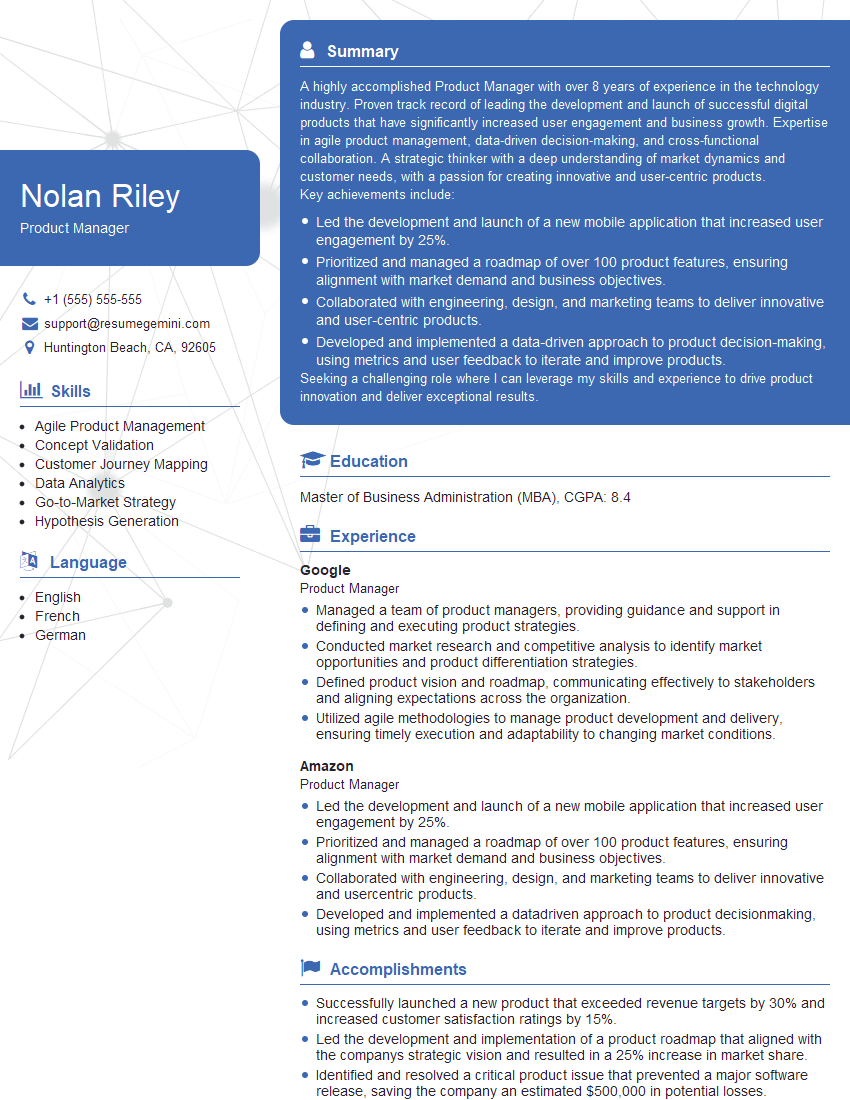
Product Manager Resume Sample
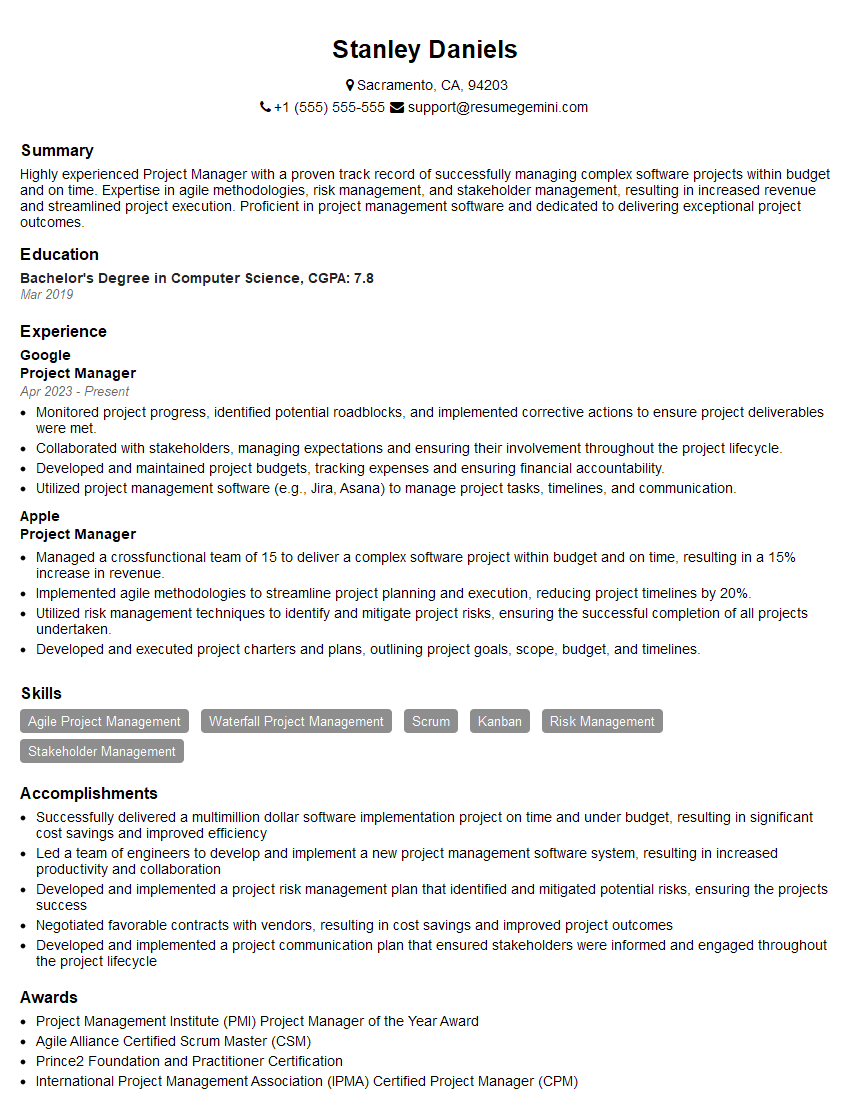
Project Manager Resume Sample
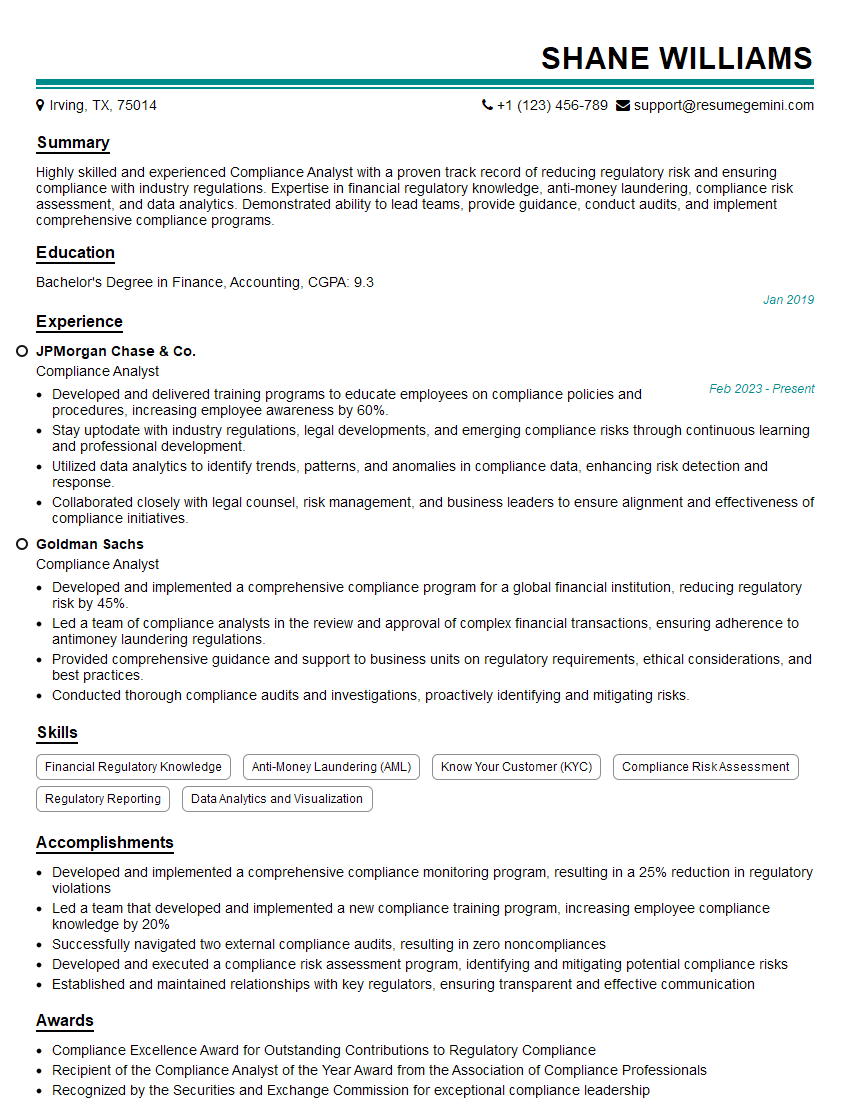
Compliance Analyst Resume Sample
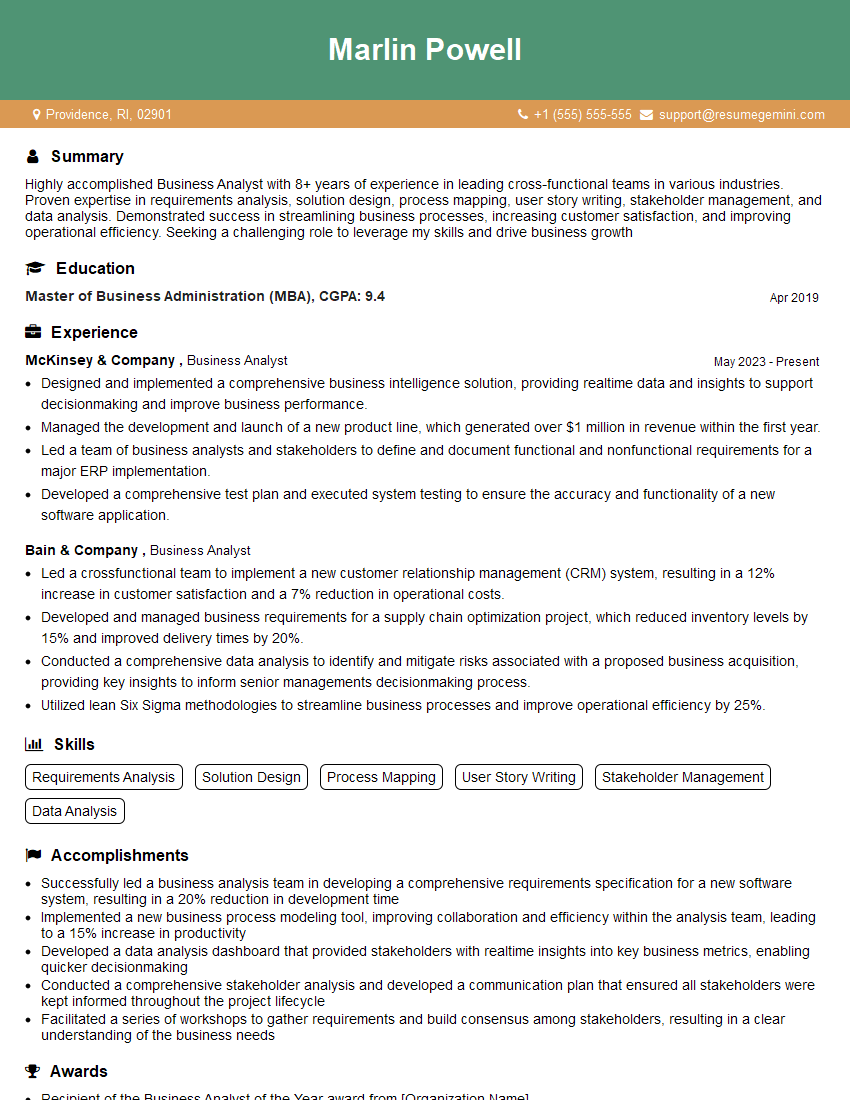
Business Analyst Resume Sample
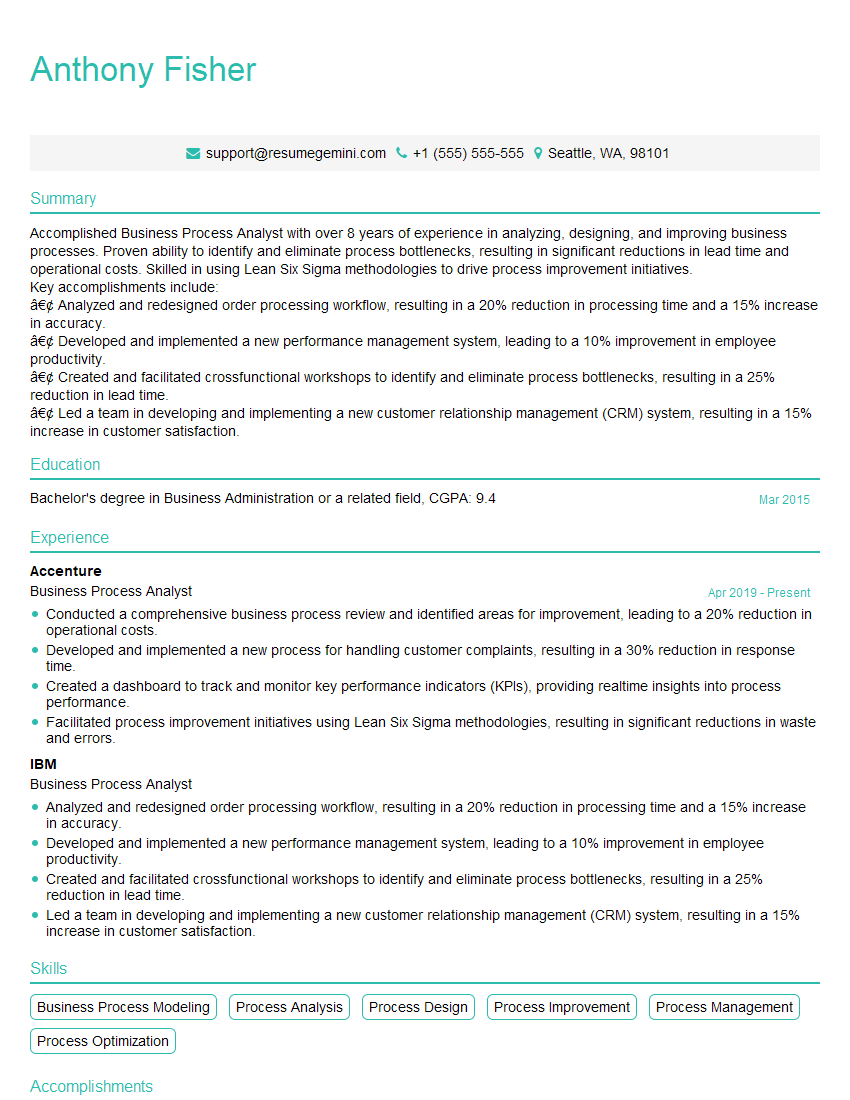
Business Process Analyst Resume Sample
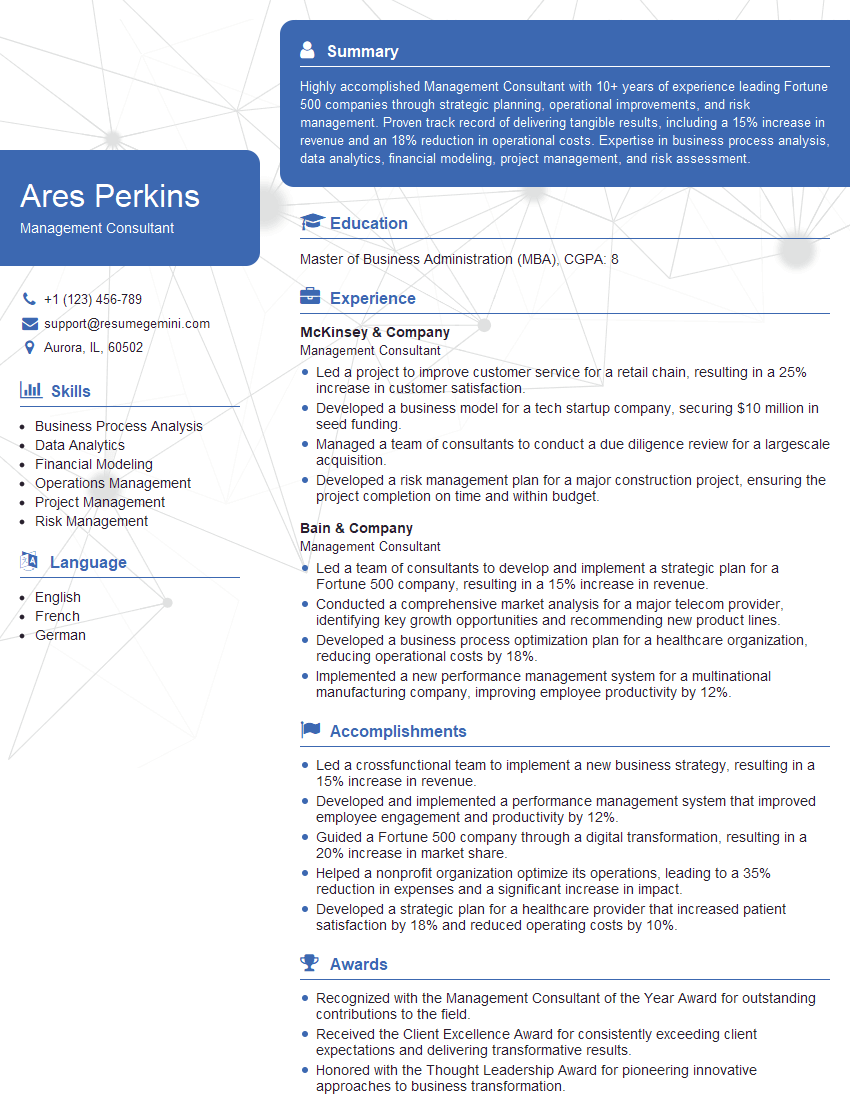
Management Consultant Resume Sample
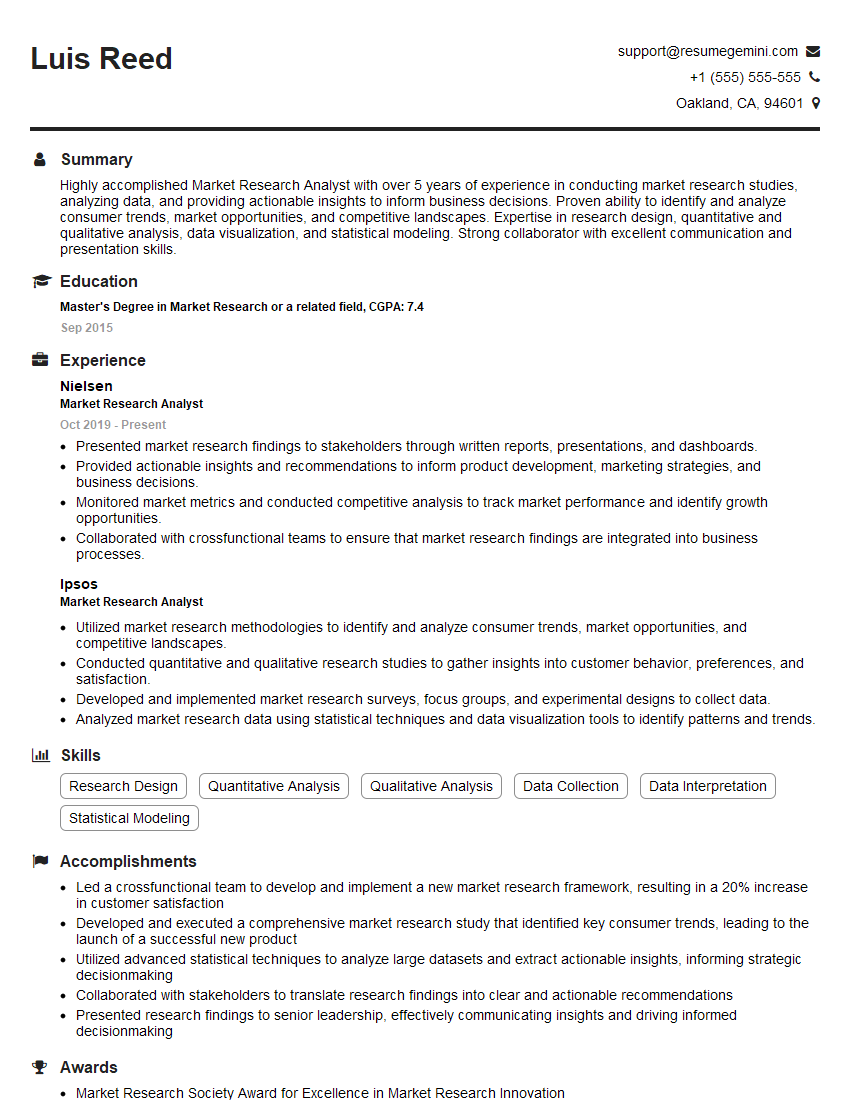
Market Research Analyst Resume Sample
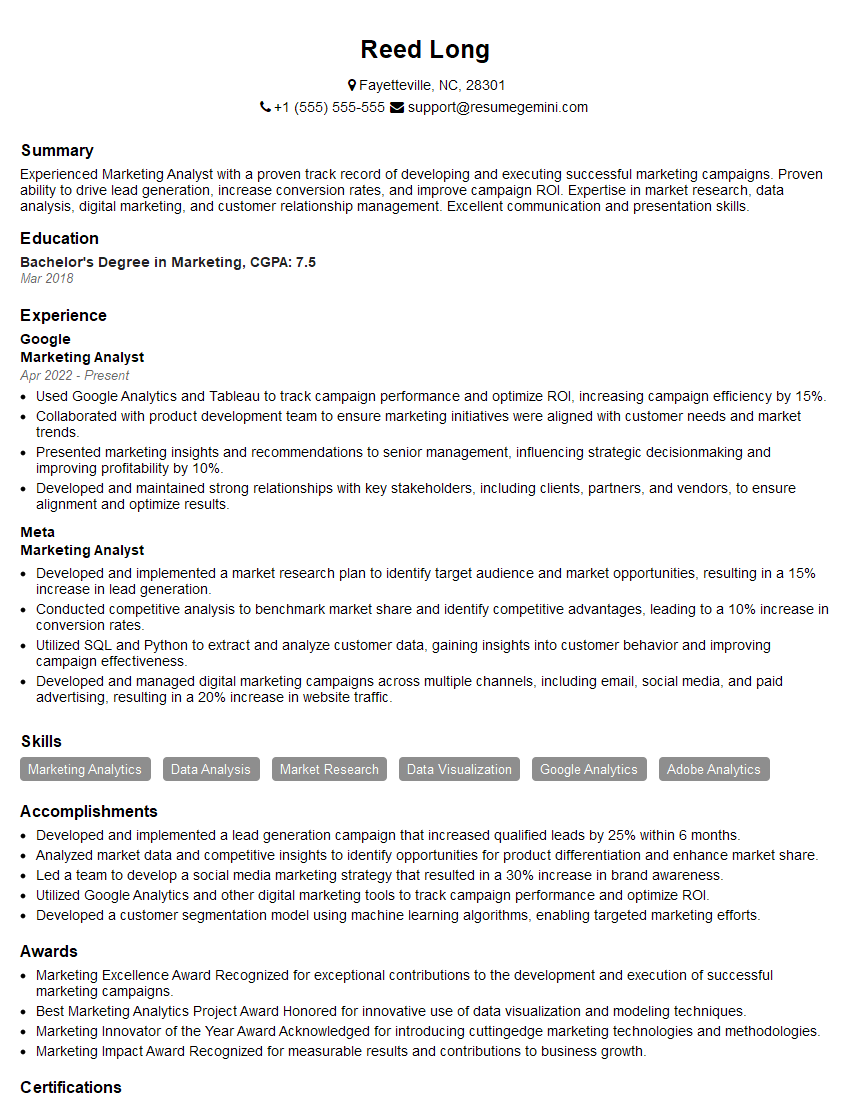
Marketing Analyst Resume Sample
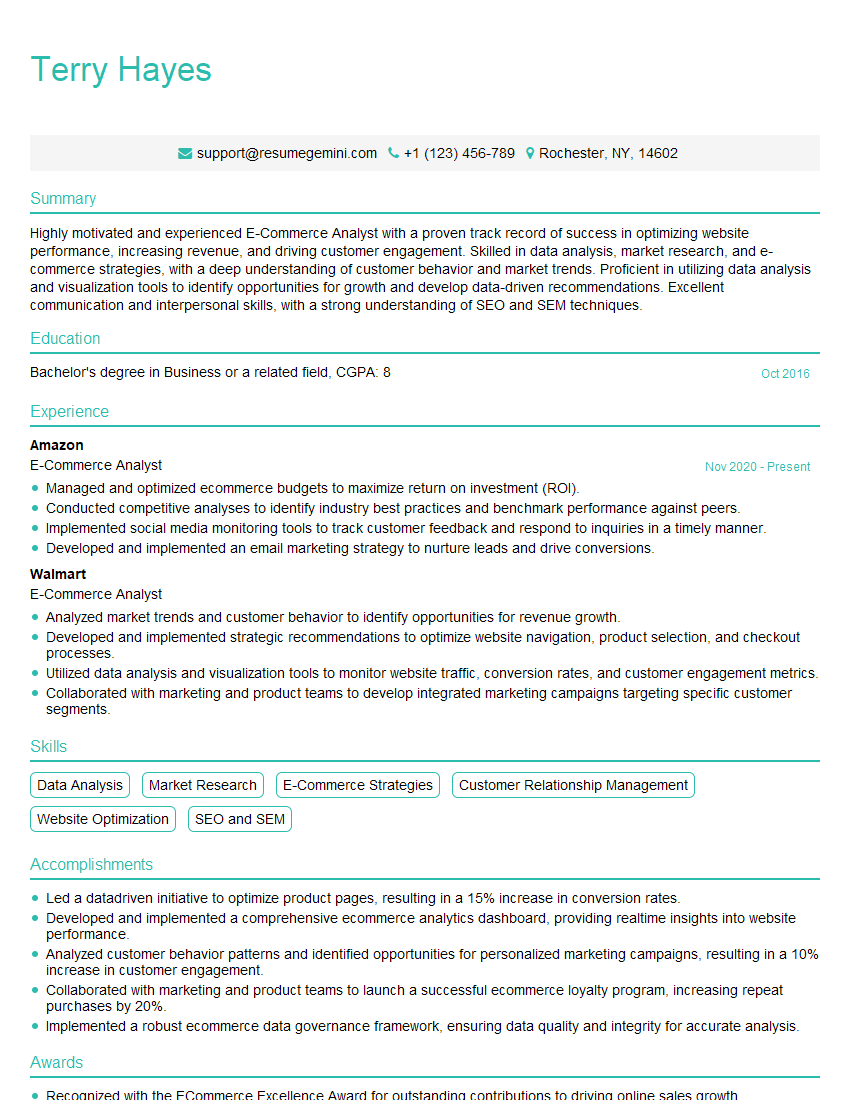
E-Commerce Analyst Resume Sample
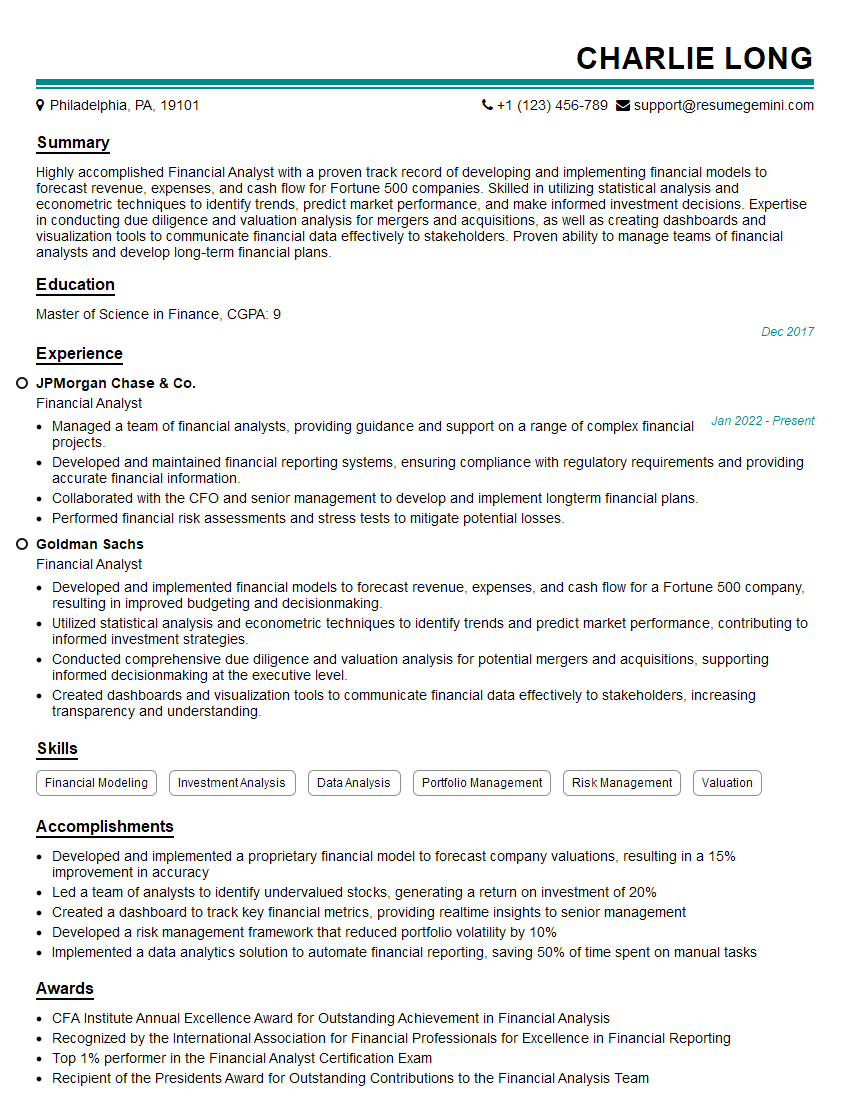
Financial Analyst Resume Sample
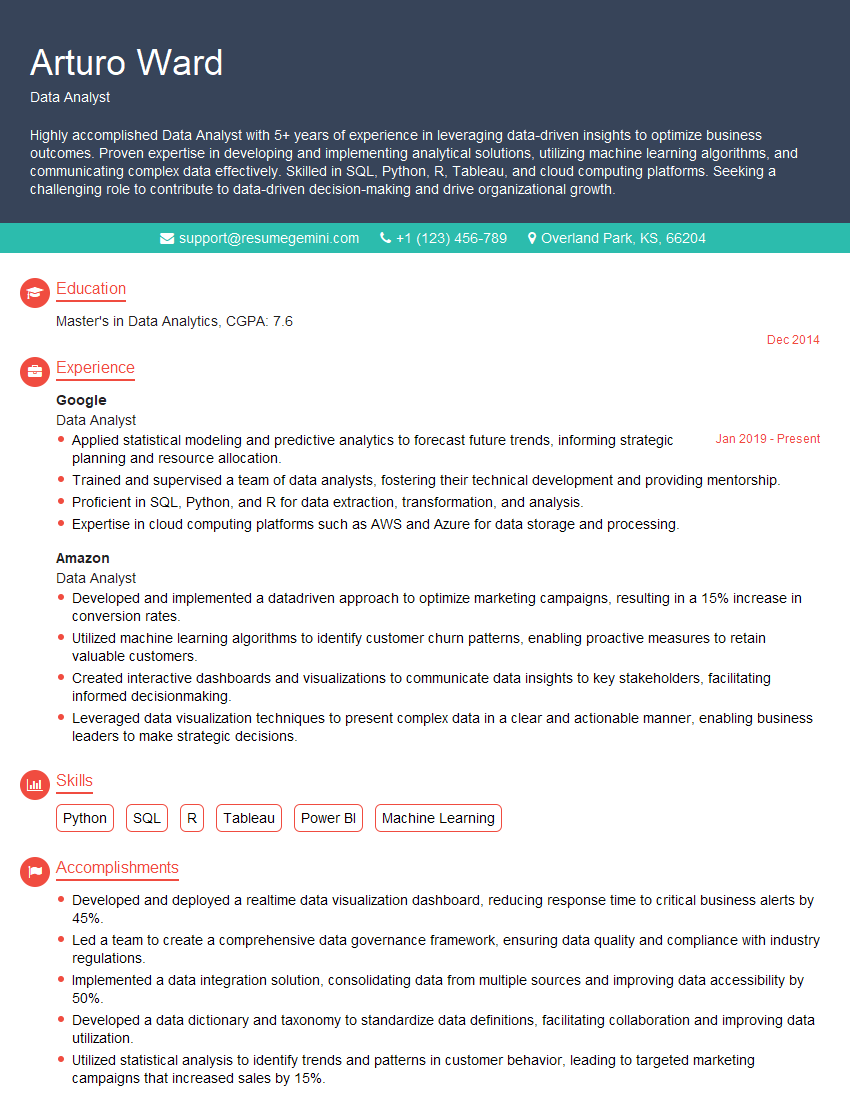
Data Analyst Resume Sample
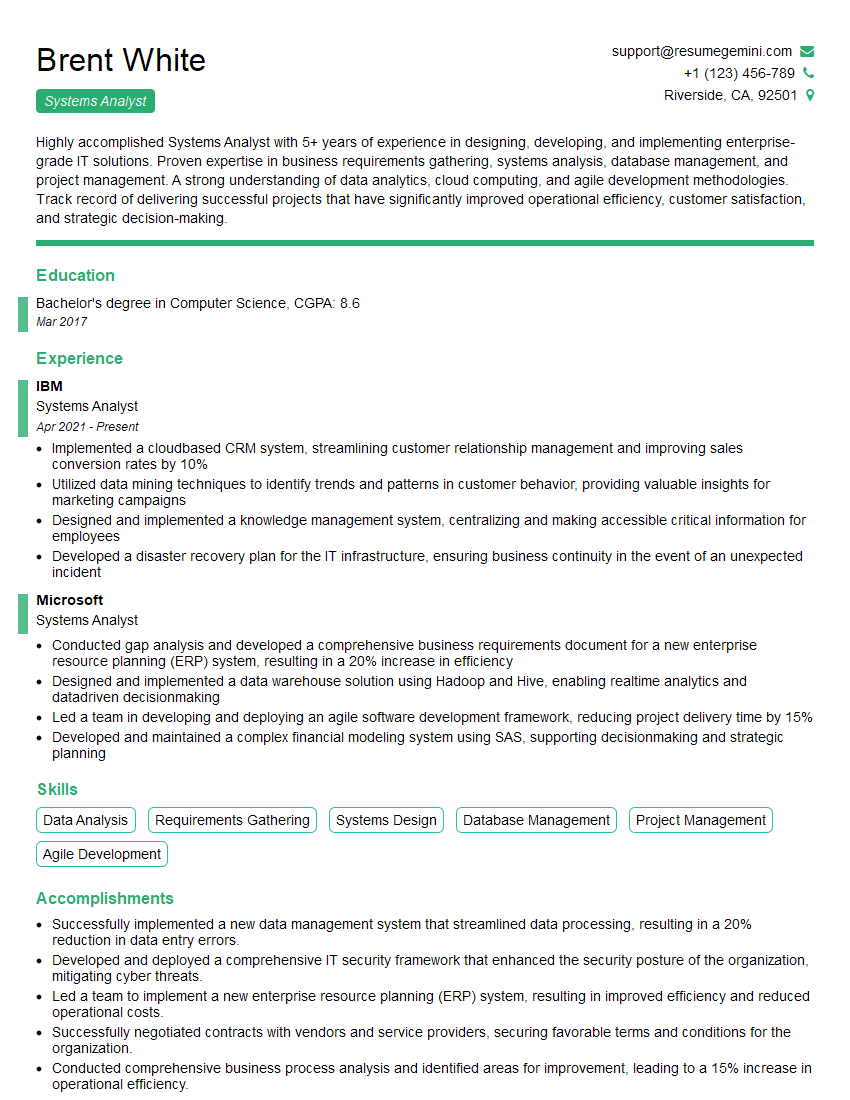
Systems Analyst Resume Sample
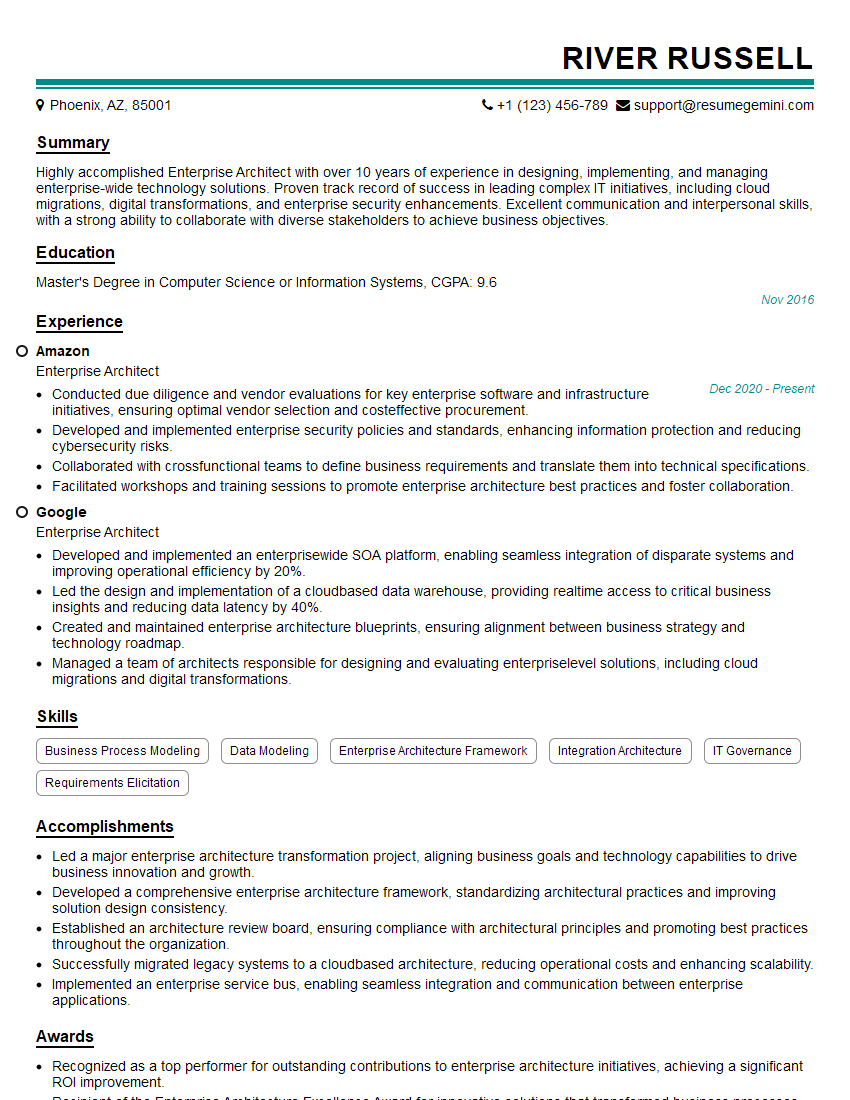
Enterprise Architect Resume Sample
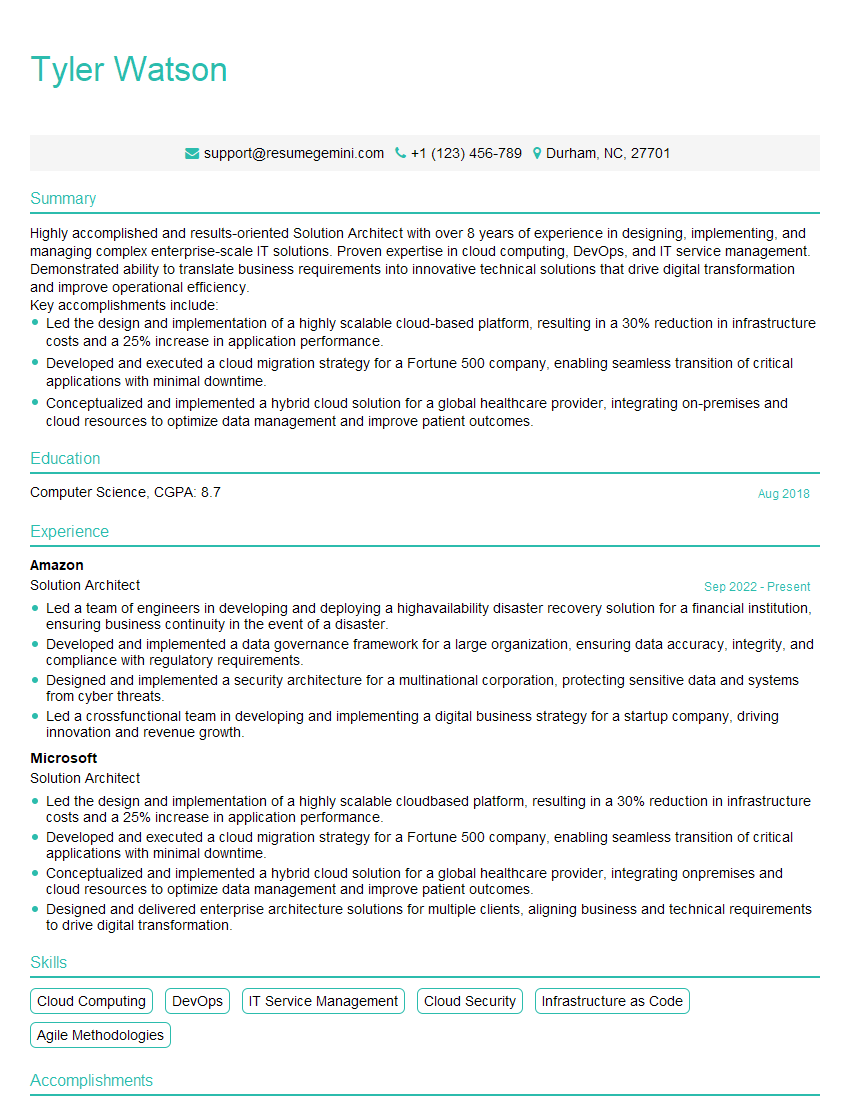
Solution Architect Resume Sample
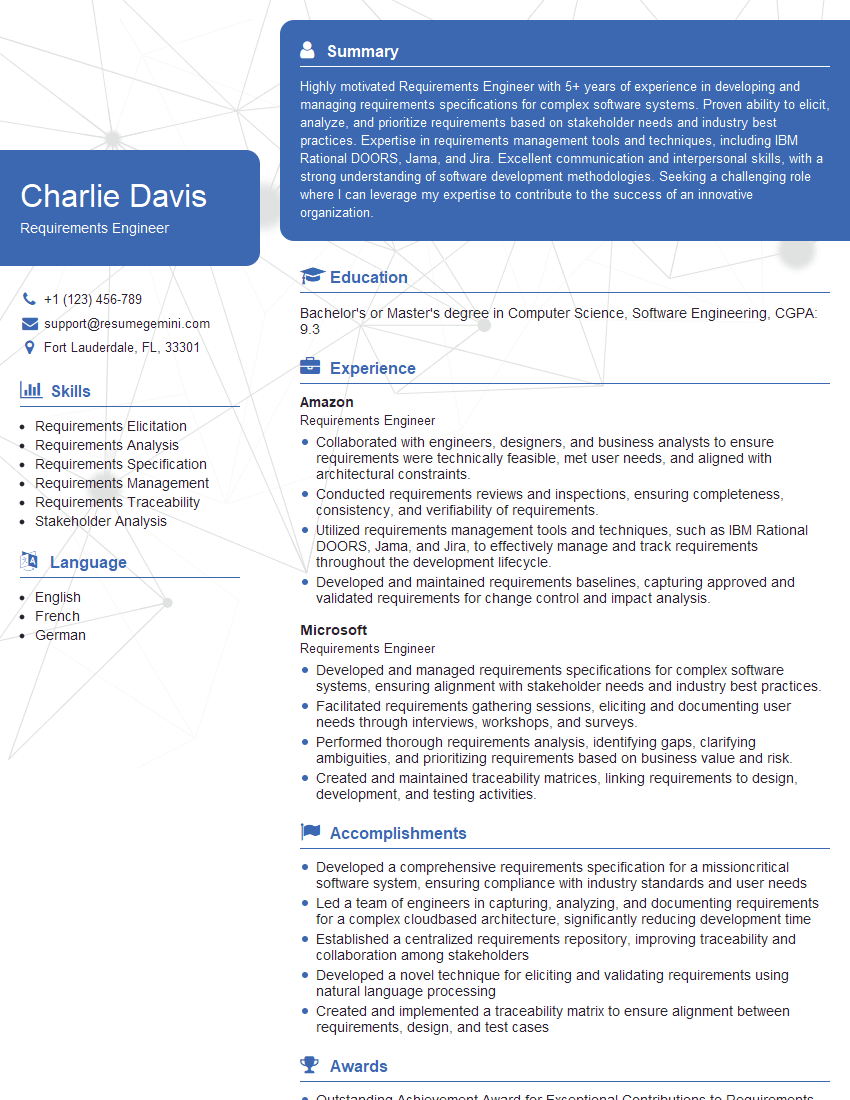
Requirements Engineer Resume Sample
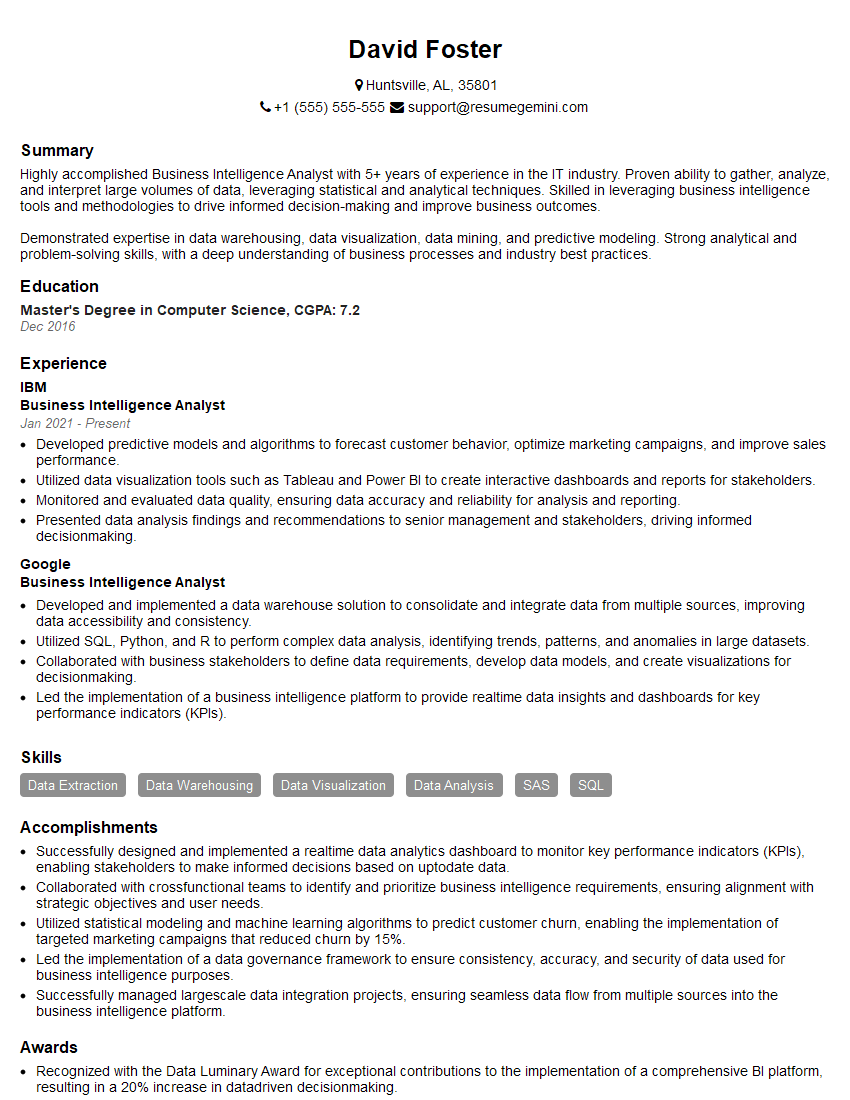
Business Intelligence Analyst Resume Sample
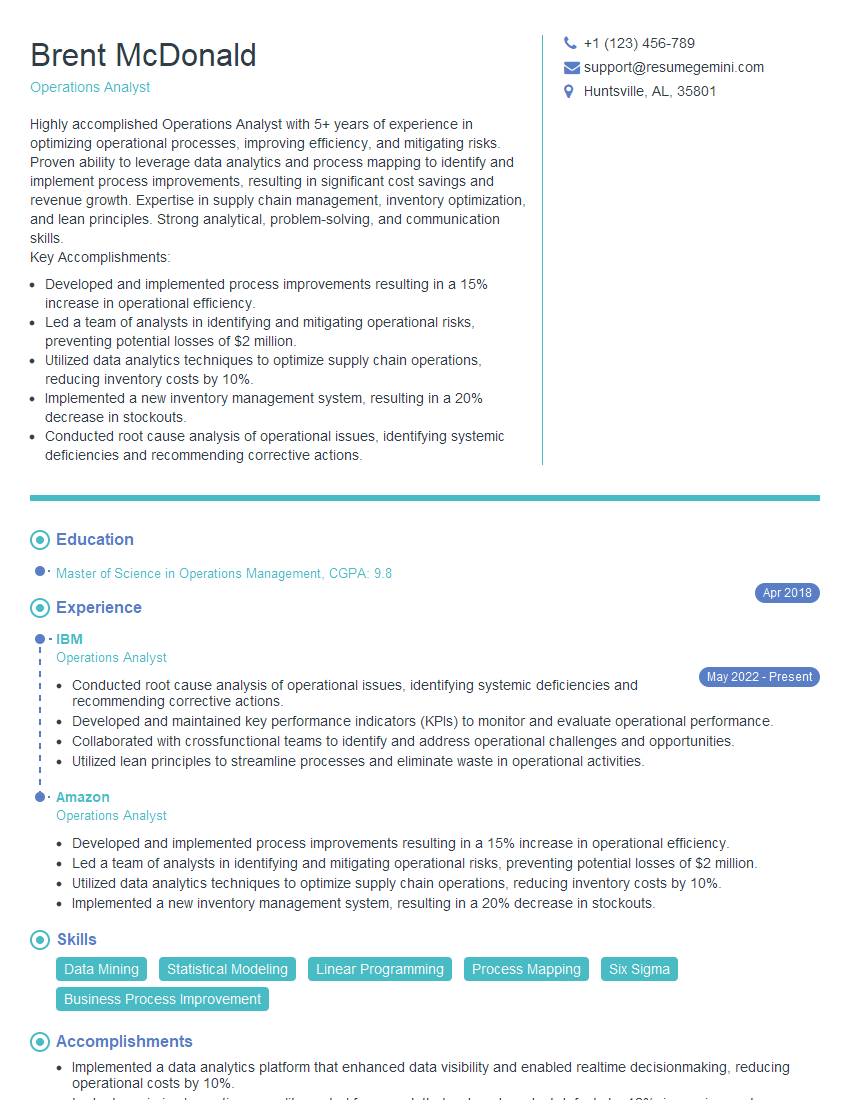
Operations Analyst Resume Sample
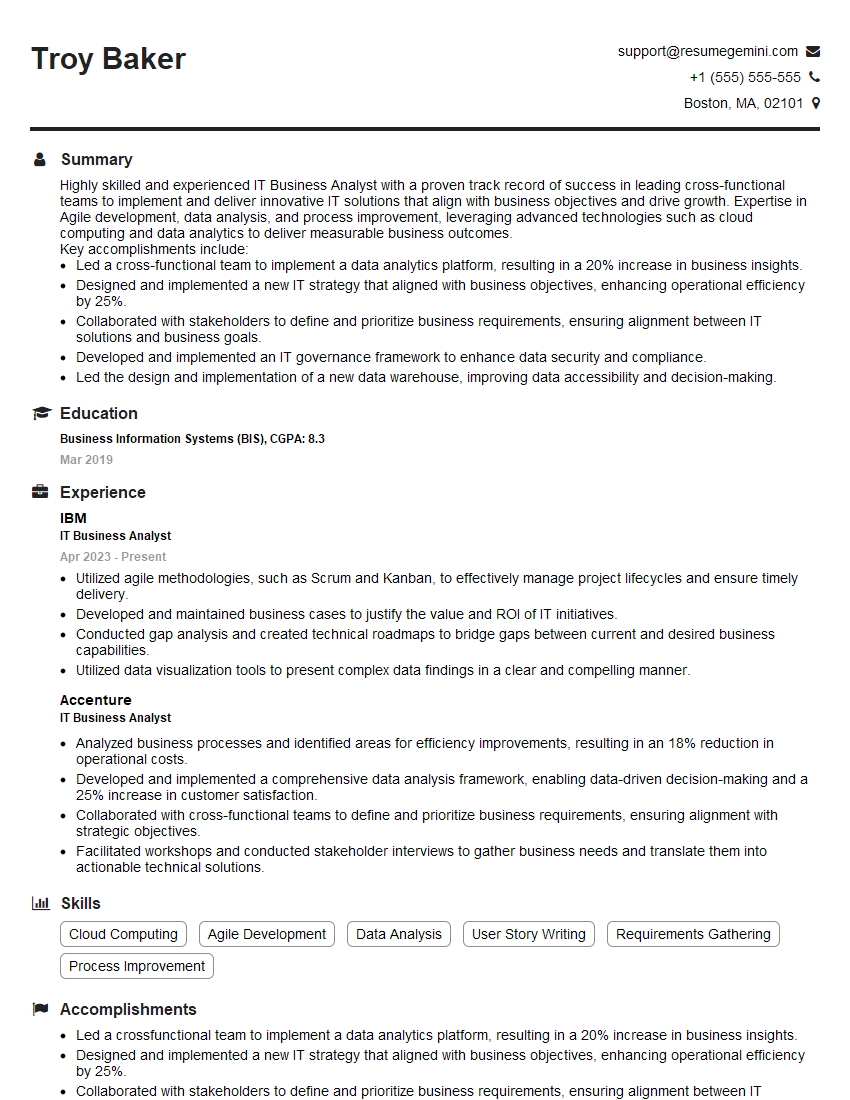
IT Business Analyst Resume Sample
- Product Manager
- Project Manager
- Compliance Analyst
- Business Analyst
- Business Process Analyst
- Management Consultant
- Market Research Analyst
- Marketing Analyst
- E-Commerce Analyst
- Financial Analyst
- Data Analyst
- Systems Analyst
- Enterprise Architect
- Solution Architect
- Requirements Engineer
- Business Intelligence Analyst
- Operations Analyst
- IT Business Analyst
Explore more articles
Users Rating of Our Blogs
Share Your Experience
We value your feedback! Please rate our content and share your thoughts (optional).
What Readers Say About Our Blog
Very informative content, great job.
good