Cracking a skill-specific interview, like one for Understanding of Human Anatomy and Physiology, requires understanding the nuances of the role. In this blog, we present the questions you’re most likely to encounter, along with insights into how to answer them effectively. Let’s ensure you’re ready to make a strong impression.
Questions Asked in Understanding of Human Anatomy and Physiology Interview
Q 1. Describe the process of cellular respiration.
Cellular respiration is the process by which cells break down glucose and other nutrients to release energy in the form of ATP (adenosine triphosphate), the cell’s primary energy currency. It’s essentially how our bodies convert the food we eat into usable energy.
The process occurs in several stages:
- Glycolysis: This initial step takes place in the cytoplasm and breaks down glucose into pyruvate, producing a small amount of ATP and NADH (an electron carrier).
- Pyruvate Oxidation: Pyruvate is transported into the mitochondria and converted into acetyl-CoA, releasing carbon dioxide and producing more NADH.
- Krebs Cycle (Citric Acid Cycle): Acetyl-CoA enters the Krebs cycle, a series of reactions that further oxidize the carbon atoms, releasing more carbon dioxide and generating ATP, NADH, and FADH2 (another electron carrier).
- Oxidative Phosphorylation (Electron Transport Chain and Chemiosmosis): This is the final and most energy-productive stage. Electrons from NADH and FADH2 are passed along a chain of protein complexes embedded in the mitochondrial membrane. This electron flow pumps protons (H+) across the membrane, creating a proton gradient. The protons then flow back across the membrane through ATP synthase, an enzyme that uses this energy to synthesize ATP. Oxygen acts as the final electron acceptor, forming water.
Think of it like a hydroelectric dam: the electron transport chain builds up potential energy (like water behind a dam), and the flow of protons through ATP synthase releases this energy to generate ATP (like the turbine generating electricity).
Dysfunction in cellular respiration can lead to various health problems, including mitochondrial diseases and fatigue.
Q 2. Explain the role of the nervous system in maintaining homeostasis.
The nervous system plays a crucial role in maintaining homeostasis, the body’s ability to maintain a stable internal environment despite external changes. It achieves this through a complex interplay of sensory input, integration, and motor output.
Here’s how it works:
- Sensory Input: Specialized receptors throughout the body detect changes in internal and external conditions (e.g., temperature, blood pressure, blood glucose levels). This information is transmitted to the central nervous system (brain and spinal cord).
- Integration: The CNS processes the sensory input, comparing it to set points for various parameters. If deviations are detected, the CNS initiates appropriate responses.
- Motor Output: The CNS sends signals through the motor nervous system to effectors (muscles and glands) to counteract the deviations and restore homeostasis. For example, if body temperature rises, the nervous system signals sweat glands to increase sweating, cooling the body down.
For example, consider blood pressure regulation. Baroreceptors in blood vessels detect changes in blood pressure. If pressure drops, the nervous system increases heart rate and constricts blood vessels to raise blood pressure back to normal. Conversely, if pressure rises too high, the system will slow heart rate and dilate blood vessels.
Failures in this homeostatic regulation can lead to various diseases, highlighting the critical role of the nervous system in maintaining health.
Q 3. What are the major functions of the endocrine system?
The endocrine system is a network of glands that secrete hormones, chemical messengers that regulate various bodily functions. Its major functions include:
- Regulation of Metabolism: Hormones like thyroid hormones control metabolic rate, influencing energy expenditure and growth.
- Growth and Development: Growth hormone regulates growth during childhood and adolescence, while sex hormones influence puberty and sexual characteristics.
- Maintenance of Homeostasis: Hormones maintain stable internal conditions, including blood glucose levels (insulin and glucagon), blood calcium levels (parathyroid hormone and calcitonin), and water balance (antidiuretic hormone).
- Reproduction: Hormones regulate reproductive processes, including sexual development, menstrual cycles, and pregnancy.
- Response to Stress: The endocrine system plays a crucial role in the body’s response to stress, with hormones like cortisol and adrenaline mediating the ‘fight-or-flight’ response.
Imagine the endocrine system as an orchestra conductor, coordinating the body’s various functions through the precise release of different hormones at the right time and in the right amounts. Imbalances in hormone production can have far-reaching consequences, leading to conditions like diabetes, hypothyroidism, and infertility.
Q 4. Describe the structure and function of the heart.
The heart is a muscular organ responsible for pumping blood throughout the body. It’s a four-chambered pump with a complex structure:
- Atria: Two upper chambers that receive blood returning to the heart.
- Ventricles: Two lower chambers that pump blood out of the heart.
- Valves: Four valves (tricuspid, mitral, pulmonary, and aortic) ensure one-way blood flow.
- Conduction System: Specialized cardiac muscle cells generate and conduct electrical impulses, coordinating the heart’s rhythmic contractions.
The heart’s function is to circulate blood, carrying oxygen and nutrients to the tissues and removing waste products like carbon dioxide. The right side of the heart pumps deoxygenated blood to the lungs for oxygenation, while the left side pumps oxygenated blood to the rest of the body.
The coordinated contraction and relaxation of the heart muscle (myocardium) is essential for efficient blood flow. Heart disease, including conditions like coronary artery disease and heart failure, results from disruptions in the heart’s structure or function.
Q 5. Explain the mechanics of breathing.
Breathing, or pulmonary ventilation, is the process of moving air into and out of the lungs. It involves two main phases:
- Inhalation (Inspiration): The diaphragm contracts and flattens, and the intercostal muscles (between the ribs) contract, expanding the chest cavity. This increases the lung volume, creating a lower pressure inside the lungs compared to the atmospheric pressure. Air flows into the lungs to equalize the pressure.
- Exhalation (Expiration): The diaphragm relaxes and returns to its dome shape, and the intercostal muscles relax, decreasing the chest cavity volume. This reduces lung volume, increasing the pressure inside the lungs above atmospheric pressure. Air flows out of the lungs to equalize the pressure.
Think of it like a balloon: inhaling is like expanding the balloon by pulling on it, and exhaling is like letting the balloon deflate. The respiratory system’s efficiency is critical for oxygen uptake and carbon dioxide removal, essential for cellular respiration and maintaining acid-base balance.
Respiratory diseases, such as asthma and emphysema, impair the mechanics of breathing and can lead to serious health complications.
Q 6. What are the different types of muscle tissue and their functions?
Three main types of muscle tissue exist in the human body, each with distinct structural and functional characteristics:
- Skeletal Muscle: Attached to bones, skeletal muscle is responsible for voluntary movement. It’s characterized by long, cylindrical, striated (striped) fibers and multiple nuclei per cell. Examples include biceps, quadriceps, and other muscles involved in locomotion.
- Smooth Muscle: Found in the walls of internal organs (e.g., stomach, intestines, blood vessels), smooth muscle is responsible for involuntary movements, such as peristalsis (wave-like contractions in the digestive tract) and vasoconstriction/vasodilation (regulation of blood vessel diameter). It’s characterized by non-striated, spindle-shaped fibers with a single nucleus per cell.
- Cardiac Muscle: Found only in the heart, cardiac muscle is responsible for the rhythmic contractions that pump blood. It’s characterized by striated fibers, branching pattern, and intercalated discs (specialized junctions that allow for rapid communication between cells). Its contractions are involuntary.
The different types of muscle tissues have unique properties adapted to their specific functions. Problems with any of these muscle types can manifest in various ways, such as muscle weakness, digestive problems, or heart conditions.
Q 7. Describe the structure of a neuron and how it transmits signals.
A neuron is the fundamental unit of the nervous system, responsible for transmitting information throughout the body. It has three main parts:
- Dendrites: Branch-like extensions that receive signals from other neurons.
- Cell Body (Soma): Contains the nucleus and other cellular machinery.
- Axon: A long, slender projection that transmits signals away from the cell body.
Signal transmission occurs through a process called action potentials. When a neuron receives sufficient stimulation, the membrane potential changes, triggering an action potential – a rapid, self-propagating electrical signal that travels down the axon. The signal is transmitted across synapses (junctions between neurons) through the release of neurotransmitters, chemical messengers that bind to receptors on the postsynaptic neuron, initiating a new signal.
Think of it like a chain reaction: the signal starts at the dendrites, travels through the cell body, and is propagated down the axon, eventually reaching the synapse to communicate with the next neuron. This precise communication system is essential for all nervous system functions, from reflexes to complex cognitive processes. Disruptions in neuronal signal transmission can lead to neurological disorders.
Q 8. Explain the process of bone remodeling.
Bone remodeling is a continuous process where mature bone tissue is removed from the skeleton (a process called bone resorption) and new bone tissue is formed (a process called bone formation). This dynamic process allows the skeleton to adapt to mechanical stress, repair micro-damage, and maintain calcium homeostasis. Think of it like a constantly updating building – old parts are demolished and replaced with new, stronger ones.
The process involves two major cell types:
- Osteoclasts: These large, multinucleated cells are responsible for bone resorption. They secrete acids and enzymes that dissolve the mineral and protein components of bone.
- Osteoblasts: These cells are responsible for bone formation. They synthesize and deposit new bone matrix, which then mineralizes to become hard bone tissue.
The remodeling cycle is tightly regulated by several factors, including hormones (like parathyroid hormone and calcitonin), growth factors, and mechanical loading. For instance, increased weight-bearing exercise stimulates bone formation, leading to stronger bones. Conversely, prolonged inactivity can lead to bone loss.
Understanding bone remodeling is crucial for treating conditions like osteoporosis, where bone resorption exceeds bone formation, leading to weakened bones and increased fracture risk. Treatments often aim to either increase bone formation or decrease bone resorption.
Q 9. What are the major components of blood and their functions?
Blood is a complex fluid connective tissue with several vital components, each playing a crucial role in maintaining overall health. Imagine it as a highly specialized delivery system.
- Plasma: This is the liquid component, constituting about 55% of blood volume. It’s mainly water but also contains proteins (like albumin, globulins, and fibrinogen), electrolytes, nutrients, hormones, and waste products. Plasma acts as a transport medium for these substances.
- Red Blood Cells (Erythrocytes): These are the most numerous cells in blood, responsible for carrying oxygen from the lungs to the body’s tissues and returning carbon dioxide to the lungs. Their oxygen-carrying capacity relies on hemoglobin, an iron-containing protein.
- White Blood Cells (Leukocytes): These are part of the immune system, defending the body against infection and disease. Different types of white blood cells (neutrophils, lymphocytes, monocytes, eosinophils, and basophils) each have specialized functions in combating various pathogens.
- Platelets (Thrombocytes): These small cell fragments are essential for blood clotting. When a blood vessel is injured, platelets aggregate at the site, forming a plug to stop bleeding and initiate the coagulation cascade.
Disruptions in the balance or function of any of these components can have significant health consequences. For example, anemia results from a deficiency of red blood cells or hemoglobin, leading to reduced oxygen-carrying capacity. Leukemias involve uncontrolled production of abnormal white blood cells.
Q 10. Describe the digestive process from ingestion to excretion.
The digestive process is a complex series of mechanical and chemical events that break down food into absorbable nutrients. Let’s trace the journey from mouth to anus:
- Ingestion: Food enters the mouth.
- Mechanical Digestion (Mouth & Stomach): Teeth and chewing break food into smaller pieces. Stomach muscles churn and mix food with gastric juices.
- Chemical Digestion (Mouth, Stomach, Small Intestine): Enzymes in saliva, gastric juice, and pancreatic juice break down carbohydrates, proteins, and fats into smaller units.
- Absorption (Small Intestine): Nutrients are absorbed across the intestinal wall into the bloodstream.
- Elimination (Large Intestine): Undigested material and water are absorbed in the large intestine, forming feces, which are then eliminated from the body.
For example, salivary amylase in saliva starts breaking down carbohydrates in the mouth. In the stomach, pepsin begins protein digestion. The small intestine plays the most crucial role in absorption, with its vast surface area created by villi and microvilli. Understanding the digestive process is key in treating digestive disorders like celiac disease or inflammatory bowel disease.
Q 11. Explain the role of the kidneys in maintaining fluid balance.
The kidneys play a vital role in maintaining fluid balance, primarily through regulating the volume and composition of body fluids. They achieve this through several sophisticated mechanisms:
- Filtration: Blood is filtered in the glomeruli, removing waste products and excess water.
- Reabsorption: Essential substances like glucose, amino acids, and water are reabsorbed back into the bloodstream from the filtered fluid.
- Secretion: Additional waste products and excess ions are secreted into the filtered fluid.
- Excretion: The final filtered fluid, urine, containing waste products and excess water, is excreted from the body.
The kidneys respond to changes in blood volume and pressure. For instance, if blood volume is low, the kidneys will reduce water excretion, conserving fluid. Conversely, if blood volume is high, they’ll increase water excretion. Hormones like antidiuretic hormone (ADH) and aldosterone also play critical roles in regulating fluid balance by influencing water and sodium reabsorption in the kidneys.
Kidney failure significantly impacts fluid balance, leading to edema (fluid retention) and electrolyte imbalances. Dialysis is often necessary to restore fluid balance in such cases.
Q 12. What are the functions of the liver?
The liver is a vital organ with a vast array of functions, acting as a central processing hub for the body. It’s involved in metabolism, detoxification, and synthesis of various substances:
- Metabolism of carbohydrates, proteins, and fats: The liver regulates blood glucose levels, synthesizes proteins, and processes fats for energy production.
- Detoxification: It removes harmful substances from the blood, including drugs and alcohol, and converts them into less toxic forms for excretion.
- Synthesis of bile: Bile aids in fat digestion and absorption.
- Production of plasma proteins: Essential proteins for blood clotting and other functions are produced in the liver.
- Storage of vitamins and minerals: The liver stores essential vitamins (like A, D, E, K) and minerals (like iron).
Liver damage, such as cirrhosis, can severely impair these functions, leading to various health problems, including jaundice (yellowing of the skin and eyes), bleeding disorders, and impaired metabolism.
Q 13. Describe the structure and function of the skin.
The skin, the largest organ in the body, serves as a protective barrier and plays multiple essential roles. Its structure is composed of three main layers:
- Epidermis: The outermost layer, primarily composed of keratinocytes, which produce keratin, a tough protein that protects against abrasion and dehydration. It also contains melanocytes, which produce melanin, the pigment responsible for skin color and protection against UV radiation.
- Dermis: This thicker layer contains blood vessels, nerve endings, hair follicles, sweat glands, and sebaceous glands (which produce oil). It provides structural support and nourishment to the epidermis.
- Hypodermis (Subcutaneous Tissue): This deepest layer consists mainly of fat and connective tissue, providing insulation, cushioning, and energy storage.
The functions of the skin include protection from pathogens, dehydration, and UV radiation; regulation of body temperature through sweating; sensation through nerve endings; and vitamin D synthesis when exposed to sunlight. Skin conditions like eczema or psoriasis reflect disruptions in these functions.
Q 14. Explain the process of wound healing.
Wound healing is a complex process involving several stages to repair damaged tissue. The process can vary depending on the wound’s size and type (e.g., superficial scrape versus deep cut):
- Hemostasis: Immediate response to injury involving blood vessel constriction, platelet aggregation to form a clot, and initiation of the coagulation cascade to stop bleeding.
- Inflammation: White blood cells migrate to the wound site to fight infection and remove debris. This phase is characterized by redness, swelling, pain, and heat.
- Proliferation: New tissue formation occurs, involving the growth of new blood vessels (angiogenesis), collagen deposition by fibroblasts (creating a scar), and epithelial cell migration to cover the wound.
- Remodeling: The scar tissue matures and reorganizes, becoming stronger and less noticeable over time. This phase can last for months or even years.
Factors influencing wound healing include age, nutrition, immune status, and the presence of infection. Understanding this process is essential for proper wound care, preventing infection, and promoting optimal healing. For example, adequate nutrition, especially protein intake, is crucial for collagen synthesis and tissue repair.
Q 15. What are the different types of connective tissue?
Connective tissues are the most abundant and diverse tissue type in the body. They’re responsible for connecting, supporting, and separating different tissues and organs. They are characterized by a relatively large amount of extracellular matrix (ECM) – the stuff between the cells – compared to the amount of cells themselves. This ECM determines the tissue’s specific properties. We can broadly categorize connective tissues into several types:
- Connective Tissue Proper: This includes loose connective tissue (like areolar tissue, found under the skin, providing cushioning and support) and dense connective tissue (like tendons and ligaments, providing strong connections between muscles and bones, or bones and bones). Dense connective tissue can be further categorized into regular (e.g., tendons, with fibers arranged parallel for maximum strength in one direction) and irregular (e.g., dermis of the skin, providing multi-directional strength).
- Specialized Connective Tissue: This group includes cartilage, bone, blood, and adipose (fat) tissue. Each has unique properties and functions. Cartilage provides flexible support (think ear or nose), bone provides rigid support and protection, blood transports oxygen and nutrients, and adipose tissue stores energy and provides insulation.
Think of it like this: Your body’s building blocks – cells – need roads and scaffolding. Connective tissues are those roads, bridges, and structural supports.
Career Expert Tips:
- Ace those interviews! Prepare effectively by reviewing the Top 50 Most Common Interview Questions on ResumeGemini.
- Navigate your job search with confidence! Explore a wide range of Career Tips on ResumeGemini. Learn about common challenges and recommendations to overcome them.
- Craft the perfect resume! Master the Art of Resume Writing with ResumeGemini’s guide. Showcase your unique qualifications and achievements effectively.
- Don’t miss out on holiday savings! Build your dream resume with ResumeGemini’s ATS optimized templates.
Q 16. Describe the structure of the respiratory system.
The respiratory system is responsible for gas exchange – taking in oxygen (O2) and expelling carbon dioxide (CO2). Its structure is remarkably intricate, encompassing the following:
- Upper Respiratory Tract: This includes the nose, nasal cavity, pharynx (throat), and larynx (voice box). These structures filter, warm, and humidify the incoming air.
- Lower Respiratory Tract: This comprises the trachea (windpipe), bronchi (branching airways), bronchioles (smaller branches of the bronchi), and alveoli (tiny air sacs where gas exchange occurs). The trachea branches into two main bronchi, which further subdivide into smaller and smaller bronchioles, eventually leading to the alveoli, creating an enormous surface area for efficient gas exchange.
- Lungs: The lungs are the primary organs of gas exchange, housing the alveoli and their extensive network of capillaries (tiny blood vessels).
Imagine the respiratory system as a highly branched tree. The trunk is the trachea, the branches are the bronchi and bronchioles, and the leaves are the alveoli, where the magic of oxygen uptake happens.
Q 17. Explain the process of gas exchange in the lungs.
Gas exchange in the lungs happens through a process called diffusion, driven by the difference in partial pressures of gases. Oxygen in the alveoli has a higher partial pressure than in the capillaries surrounding the alveoli. This pressure difference causes oxygen to move passively (no energy needed) from the alveoli across the alveolar-capillary membrane into the blood, where it binds to hemoglobin in red blood cells.
Simultaneously, carbon dioxide in the capillaries has a higher partial pressure than in the alveoli. This causes carbon dioxide to diffuse from the blood across the alveolar-capillary membrane into the alveoli to be exhaled. The thinness of the alveolar-capillary membrane (only one cell layer thick) facilitates this rapid and efficient exchange.
Think of it like a game of osmosis; things naturally move from areas of high concentration to low concentration until equilibrium is reached. In this case, oxygen goes into the blood and carbon dioxide leaves the blood, both driven by differences in their partial pressures.
Q 18. What are the major functions of the immune system?
The immune system’s primary function is to defend the body against pathogens (disease-causing organisms like bacteria, viruses, fungi, and parasites) and abnormal cells (like cancer cells). This involves a complex array of processes and players:
- Protection from Infection: The immune system prevents pathogens from entering the body and eliminates those that do invade.
- Removal of Abnormal Cells: It identifies and destroys cells that are damaged or cancerous.
- Immune Surveillance: The immune system continuously monitors the body for threats.
The immune system acts as the body’s security force, constantly patrolling and defending against internal and external threats.
Q 19. Describe the different types of immunity.
Immunity comes in two major forms:
- Innate Immunity: This is the body’s first line of defense, providing non-specific protection against a broad range of pathogens. It’s a rapid response system that includes physical barriers (skin, mucous membranes), chemical barriers (stomach acid, lysozyme in tears), and cellular components (phagocytes – cells that engulf and destroy pathogens). Think of innate immunity as the border patrol, preventing entry and immediately responding to any intrusion.
- Adaptive Immunity: This is a more specific and targeted response, developing over time after exposure to a specific pathogen. It involves the development of memory cells, allowing for a faster and more effective response upon subsequent encounters with the same pathogen. Adaptive immunity has two branches: humoral immunity (mediated by antibodies produced by B cells) and cell-mediated immunity (mediated by T cells that directly attack infected cells). Think of adaptive immunity as a specialized SWAT team that is deployed only when a specific threat is identified.
Innate immunity is like the quick-responding firefighters; they tackle the immediate threat. Adaptive immunity is the long-term solution developed through exposure – like a vaccine.
Q 20. Explain the process of inflammation.
Inflammation is a complex biological response to injury or infection, characterized by redness, swelling, heat, and pain. It’s a crucial part of the body’s healing process, aimed at eliminating the cause of injury and initiating tissue repair.
The process unfolds in several stages:
- Vasodilation: Blood vessels dilate, increasing blood flow to the injured area, causing redness and heat.
- Increased Vascular Permeability: Blood vessels become more leaky, allowing fluids and immune cells to move into the tissues, causing swelling.
- Cellular Recruitment: Immune cells (like neutrophils and macrophages) migrate to the site of injury to engulf pathogens and cellular debris.
- Tissue Repair: Once the threat is neutralized, the body begins to repair the damaged tissue.
Think of inflammation as the body’s emergency response team rushing to the scene of an accident, containing the damage and starting the repair process.
Q 21. What are the major components of the lymphatic system?
The lymphatic system is a network of vessels, tissues, and organs that plays a crucial role in immunity and fluid balance. Its major components include:
- Lymph: A fluid similar to blood plasma, containing white blood cells, that circulates through the lymphatic vessels.
- Lymphatic Vessels: A network of vessels that collect lymph from tissues and transport it to lymph nodes.
- Lymph Nodes: Small bean-shaped organs that filter lymph and contain immune cells (lymphocytes).
- Spleen: A large lymphoid organ that filters blood, removes old red blood cells, and plays a role in immune responses.
- Thymus: An organ crucial for T cell maturation during childhood.
- Tonsils and Adenoids: Lymphoid tissues located in the throat that trap pathogens.
The lymphatic system works like a drainage and filtration system for the body, removing waste products and pathogens, and also playing a critical role in immune function.
Q 22. Describe the structure and function of the eye.
The eye is a complex organ responsible for vision. It’s essentially a sophisticated light-sensitive camera that captures images and transmits information to the brain. Structurally, it comprises several key components:
- Cornea: The transparent outer layer that refracts light.
- Pupil: The adjustable opening that controls the amount of light entering the eye.
- Iris: The colored muscle surrounding the pupil, regulating pupil size.
- Lens: A flexible structure that further focuses light onto the retina.
- Retina: The light-sensitive inner lining containing photoreceptor cells (rods and cones) that convert light into electrical signals.
- Optic Nerve: Transmits these electrical signals from the retina to the brain.
Functionally, the eye works by focusing light onto the retina. The cornea and lens refract (bend) light to create a sharp image on the retina. Rods in the retina detect low-light levels (responsible for night vision), while cones detect color and fine detail (responsible for daytime vision). These signals are then processed by the optic nerve and sent to the visual cortex in the brain, where the image is interpreted.
Q 23. Explain the process of vision.
The process of vision is a remarkable interplay of optics and neurology. It begins with light entering the eye and ends with the brain’s interpretation of that light as an image. Here’s a step-by-step breakdown:
- Light Entry: Light rays from an object enter the eye through the cornea and pupil.
- Focusing: The cornea and lens refract (bend) these light rays to focus them onto the retina.
- Phototransduction: Photoreceptor cells (rods and cones) in the retina convert light energy into electrical signals. Rods are sensitive to dim light, while cones are responsible for color vision and visual acuity.
- Signal Transmission: These electrical signals are transmitted via bipolar cells and ganglion cells to the optic nerve.
- Brain Processing: The optic nerve carries the signals to the visual cortex in the brain. The brain processes the signals, interpreting them as a visual image.
Think of it like a camera: the lens focuses the image, the film (retina) captures it, and the wires (optic nerve) transmit the captured information to the processing unit (brain). Any disruption in any of these steps can lead to impaired vision.
Q 24. Describe the structure and function of the ear.
The ear is a fascinating organ with three main parts, each crucial for its distinct function: hearing and balance.
- Outer Ear: This part collects sound waves. It includes the pinna (the visible part of the ear) and the external auditory canal (ear canal) which channels sound waves to the eardrum.
- Middle Ear: This area amplifies sound vibrations. It consists of three tiny bones – the malleus (hammer), incus (anvil), and stapes (stirrup) – that transmit vibrations from the eardrum to the inner ear. The Eustachian tube connects the middle ear to the throat and helps equalize pressure.
- Inner Ear: This is where sound is converted into nerve impulses and balance is maintained. It contains the cochlea (a spiral-shaped structure responsible for hearing) and the vestibular system (semicircular canals and vestibule, responsible for balance).
The function of the ear is two-fold: to transduce sound waves into neural signals for hearing and to detect changes in head position and movement for balance. Damage to any part of the ear can affect both hearing and balance.
Q 25. Explain the process of hearing.
Hearing involves the conversion of sound waves into nerve impulses that the brain interprets as sound. Here’s how it works:
- Sound Wave Collection: Sound waves enter the outer ear and travel down the ear canal.
- Eardrum Vibration: The sound waves cause the eardrum to vibrate.
- Middle Ear Amplification: The vibrations are amplified by the three tiny bones (malleus, incus, and stapes) in the middle ear.
- Cochlear Fluid Movement: The stapes transmits the vibrations to the oval window, a membrane separating the middle and inner ear. This causes fluid within the cochlea to move.
- Hair Cell Stimulation: The movement of fluid in the cochlea stimulates tiny hair cells within the organ of Corti.
- Signal Transmission: These hair cells convert the mechanical vibrations into electrical signals.
- Auditory Nerve Transmission: The electrical signals are transmitted to the brain via the auditory nerve.
- Brain Interpretation: The brain interprets these signals as sound.
The frequency of the sound wave determines which hair cells are stimulated, allowing us to distinguish different pitches. The amplitude of the wave determines the loudness.
Q 26. What are the major functions of the skeletal system?
The skeletal system is far more than just a framework; it’s a dynamic organ system with numerous vital functions:
- Support: Provides structural support for the body, maintaining posture and shape.
- Protection: Protects vital organs like the brain (skull), heart and lungs (rib cage), and spinal cord (vertebrae).
- Movement: Works with muscles to facilitate movement. Bones act as levers, and joints allow for a range of motion.
- Mineral Storage: Stores essential minerals like calcium and phosphorus, releasing them into the bloodstream as needed.
- Blood Cell Production: Red and white blood cells are produced in the bone marrow (hematopoiesis).
For example, the rib cage protects the heart and lungs from external trauma, while the femur (thigh bone) acts as a lever, enabling walking and running. The constant release and uptake of calcium demonstrates the dynamic nature of bone’s mineral storage function. Without a healthy skeletal system, our bodies simply wouldn’t function properly.
Q 27. Describe the different types of joints.
Joints are the points where two or more bones meet. They’re classified based on their structure and the degree of movement they allow:
- Fibrous Joints: These joints have no joint cavity and are connected by fibrous connective tissue. They allow little or no movement. Examples include sutures in the skull.
- Cartilaginous Joints: These joints are connected by cartilage and allow limited movement. Examples include the intervertebral discs between vertebrae.
- Synovial Joints: These are the most common type of joint, characterized by a joint cavity filled with synovial fluid. They allow for a wide range of motion. Examples include:
- Ball-and-socket joints (e.g., hip and shoulder): Allow movement in multiple planes.
- Hinge joints (e.g., elbow and knee): Allow movement in one plane.
- Pivot joints (e.g., neck): Allow rotational movement.
- Saddle joints (e.g., thumb): Allow movement in two planes.
- Gliding joints (e.g., wrist and ankles): Allow sliding movements.
The different types of joints enable the body to perform a wide variety of movements, from the fine motor skills of the hand to the larger movements of the legs. The specific type of joint dictates the range of motion possible at that joint.
Q 28. Explain the process of muscle contraction.
Muscle contraction is a complex process involving the interaction of proteins within muscle fibers to generate force and movement. It’s a cyclical process driven by calcium ions and ATP (adenosine triphosphate), the cell’s energy currency.
- Nerve Impulse: A nerve impulse triggers the release of acetylcholine (a neurotransmitter) at the neuromuscular junction.
- Calcium Release: Acetylcholine causes the release of calcium ions (Ca2+) from the sarcoplasmic reticulum (a specialized storage organelle within muscle cells).
- Cross-Bridge Cycling: Calcium ions bind to troponin, a protein complex on actin filaments, causing a conformational change that exposes myosin-binding sites.
- Myosin-Actin Interaction: Myosin heads, which are part of the thick filaments, bind to these exposed sites on actin, forming cross-bridges.
- Power Stroke: ATP hydrolysis (breakdown) provides energy for the myosin heads to pivot, pulling the actin filaments toward the center of the sarcomere (the basic contractile unit of muscle).
- Cross-Bridge Detachment: Another ATP molecule binds to the myosin head, causing it to detach from the actin.
- Myosin Head Reactivation: The myosin head returns to its original position, ready to bind to another actin site, and the cycle repeats as long as calcium ions and ATP are available.
- Muscle Relaxation: When the nerve impulse ceases, calcium ions are pumped back into the sarcoplasmic reticulum, and the cross-bridge cycling stops, resulting in muscle relaxation.
This intricate dance of proteins allows for the generation of force and the shortening of muscle fibers, enabling all forms of bodily movement from subtle facial expressions to powerful athletic feats. Disruptions in this process can lead to muscle weakness or disease.
Key Topics to Learn for Understanding of Human Anatomy and Physiology Interview
- Cellular Biology: Understanding cell structure, function, and processes (e.g., respiration, protein synthesis). Consider practical applications in disease diagnosis and treatment.
- Tissues and Organs: Mastering the different tissue types (epithelial, connective, muscle, nervous) and their organization into organs. Explore how this knowledge applies to understanding organ system function and dysfunction.
- Skeletal System: Deep understanding of bone structure, function, and articulation. Practice applying this knowledge to biomechanics and musculoskeletal disorders.
- Muscular System: Comprehending muscle types, contraction mechanisms, and their roles in movement. Explore clinical applications related to muscle injuries and diseases.
- Nervous System: Mastering the structure and function of the central and peripheral nervous systems, including neurotransmission and reflexes. Practice problem-solving related to neurological conditions.
- Cardiovascular System: Understanding the heart, blood vessels, and blood circulation. Apply your knowledge to cardiovascular diseases and their treatments.
- Respiratory System: Deep understanding of gas exchange, lung mechanics, and respiratory regulation. Explore clinical scenarios involving respiratory illnesses.
- Digestive System: Mastering the processes of digestion, absorption, and elimination. Apply this knowledge to understanding digestive disorders.
- Endocrine System: Understanding hormonal regulation and its impact on various body systems. Explore the role of hormones in maintaining homeostasis.
- Renal System: Comprehending the functions of the kidneys in maintaining fluid balance and waste excretion. Practice applying this knowledge to renal pathologies.
- Reproductive System: Understanding the structure and function of the male and female reproductive systems. Explore the hormonal control of reproduction.
- Homeostasis and Regulation: Understanding how the body maintains internal stability across various systems. Practice problem-solving related to disruptions in homeostasis.
Next Steps
A strong understanding of Human Anatomy and Physiology is crucial for career advancement in numerous healthcare fields, opening doors to specialized roles and increased earning potential. To maximize your job prospects, crafting an ATS-friendly resume is essential. ResumeGemini is a trusted resource that can help you build a professional, impactful resume that highlights your skills and experience effectively. ResumeGemini provides examples of resumes tailored to the Understanding of Human Anatomy and Physiology field, ensuring your application stands out.
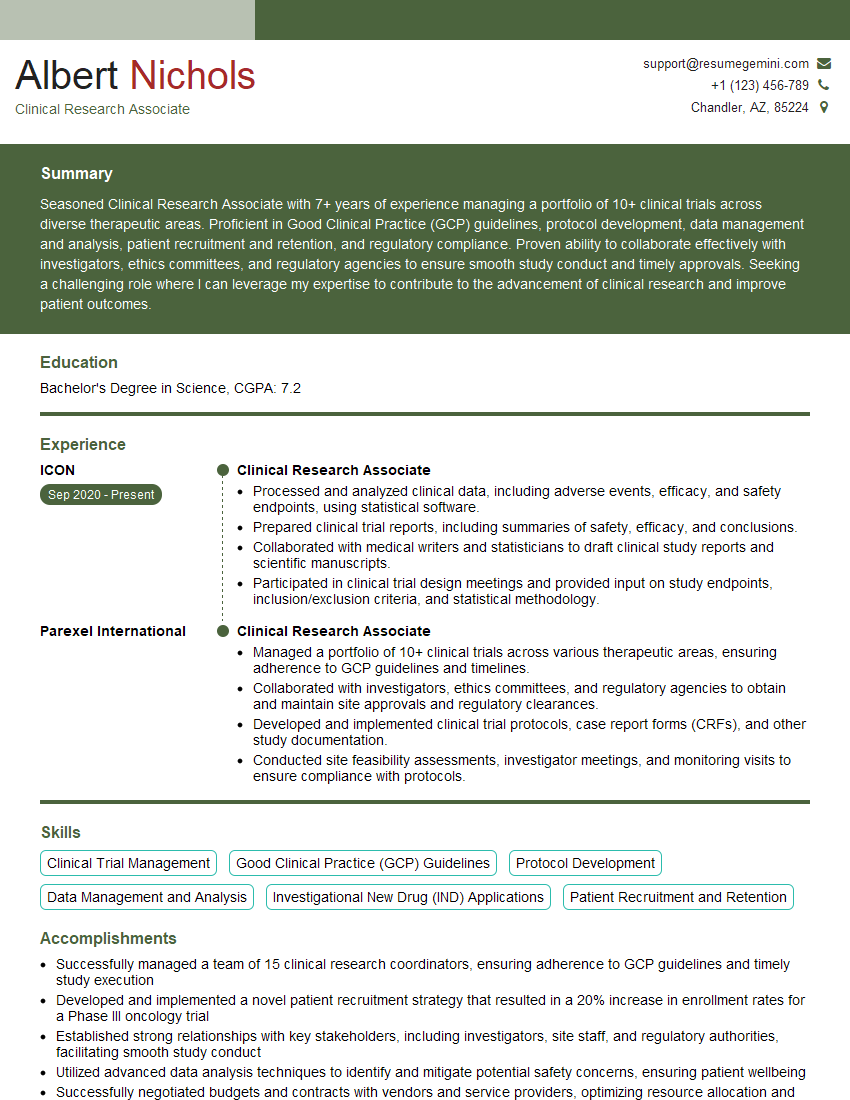
Clinical Research Associate Resume Sample
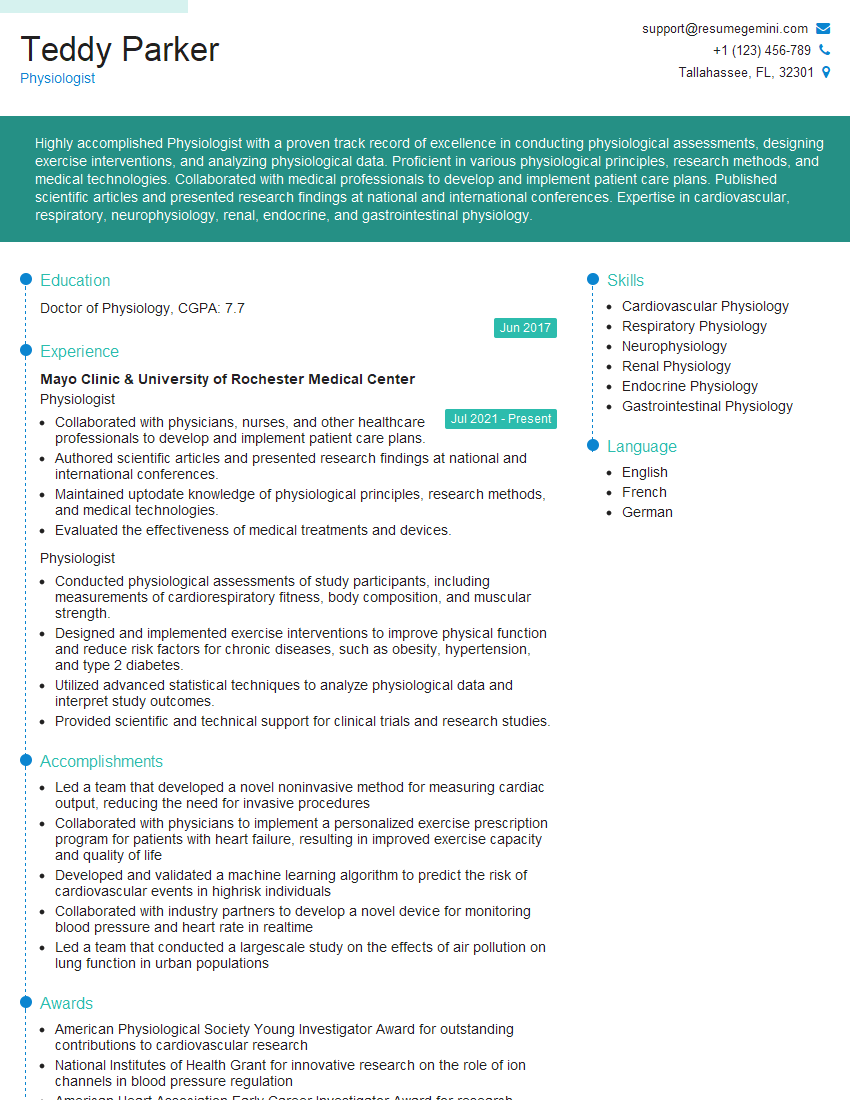
Physiologist Resume Sample
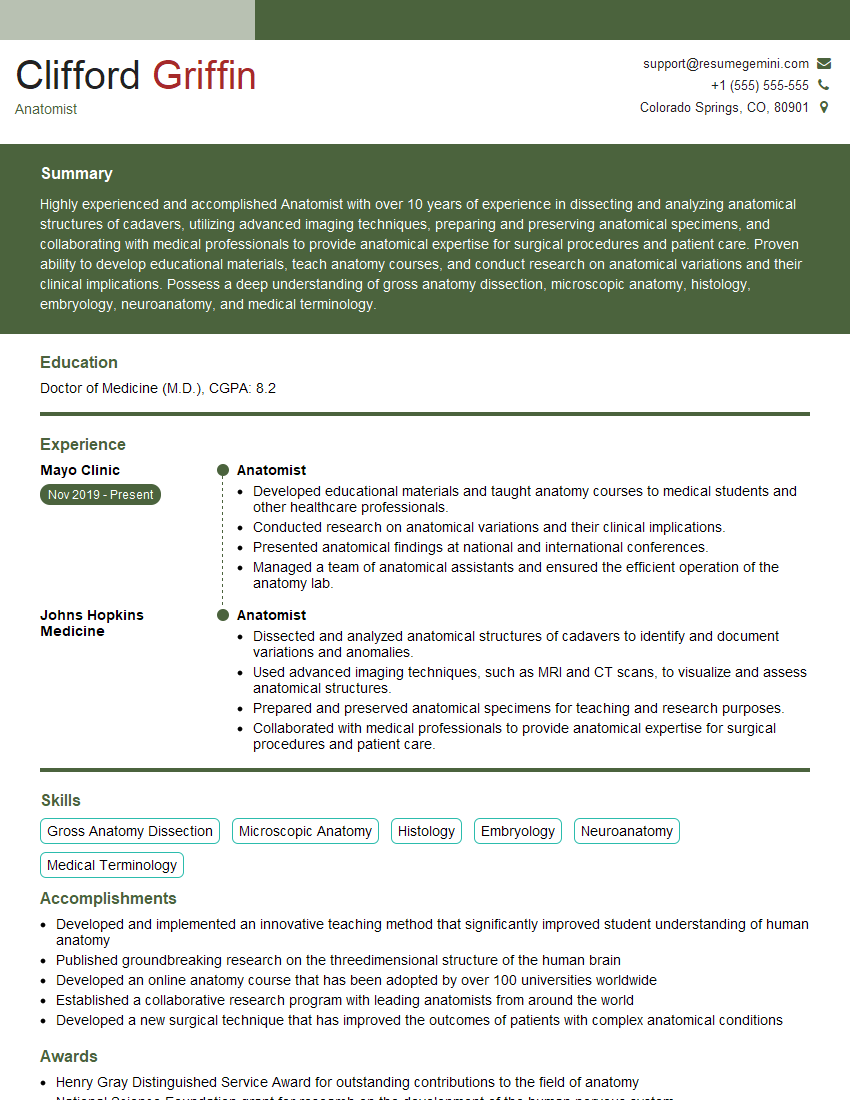
Anatomist Resume Sample
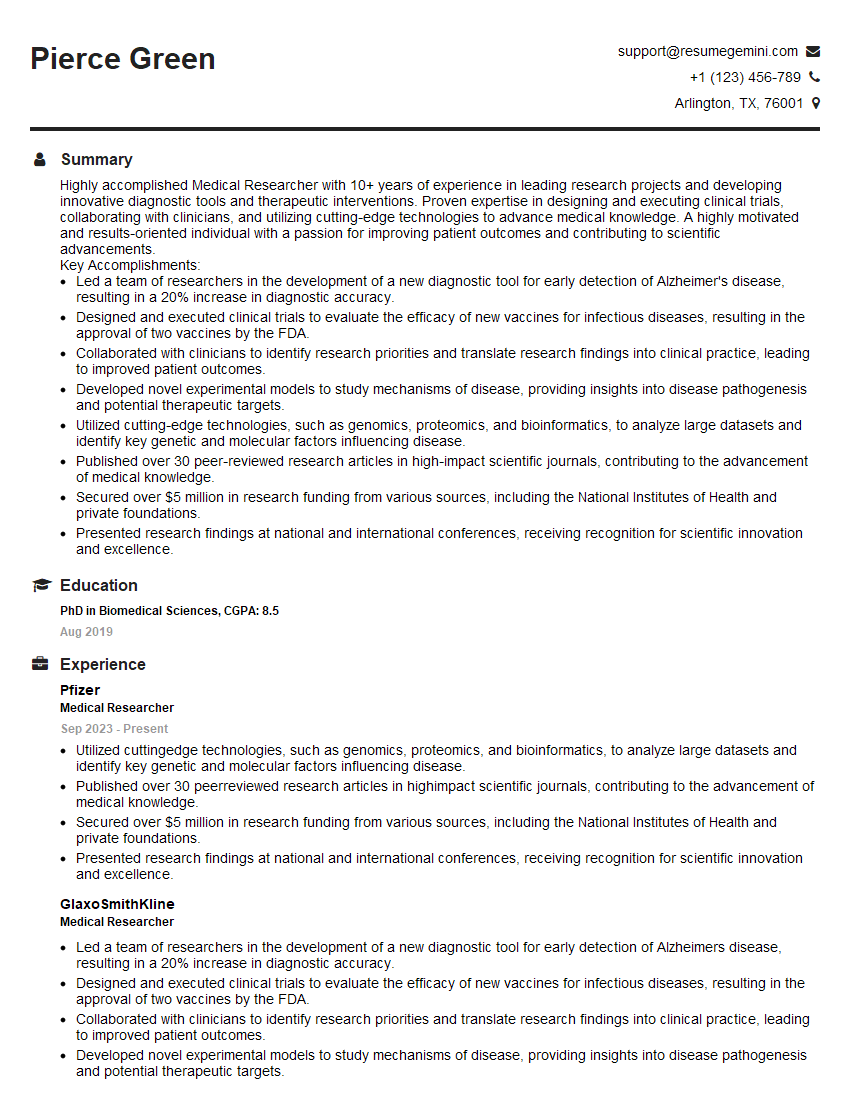
Medical Researcher Resume Sample
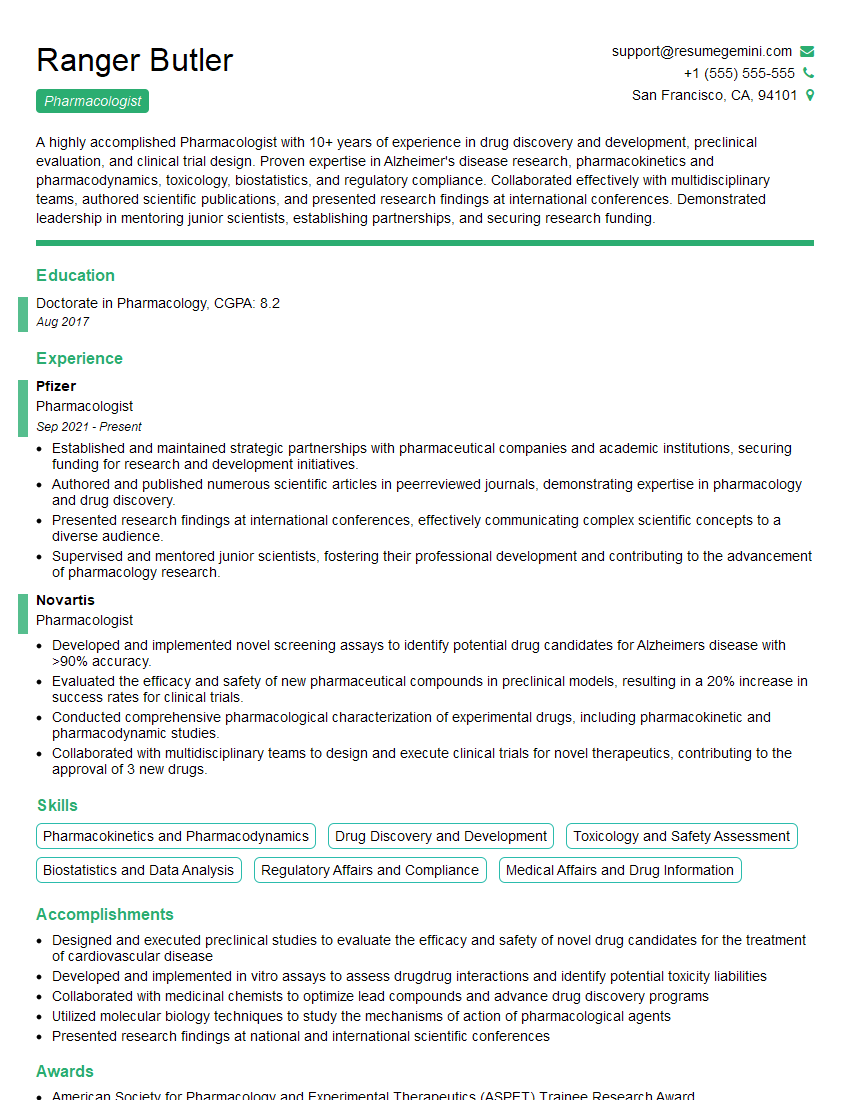
Pharmacologist Resume Sample
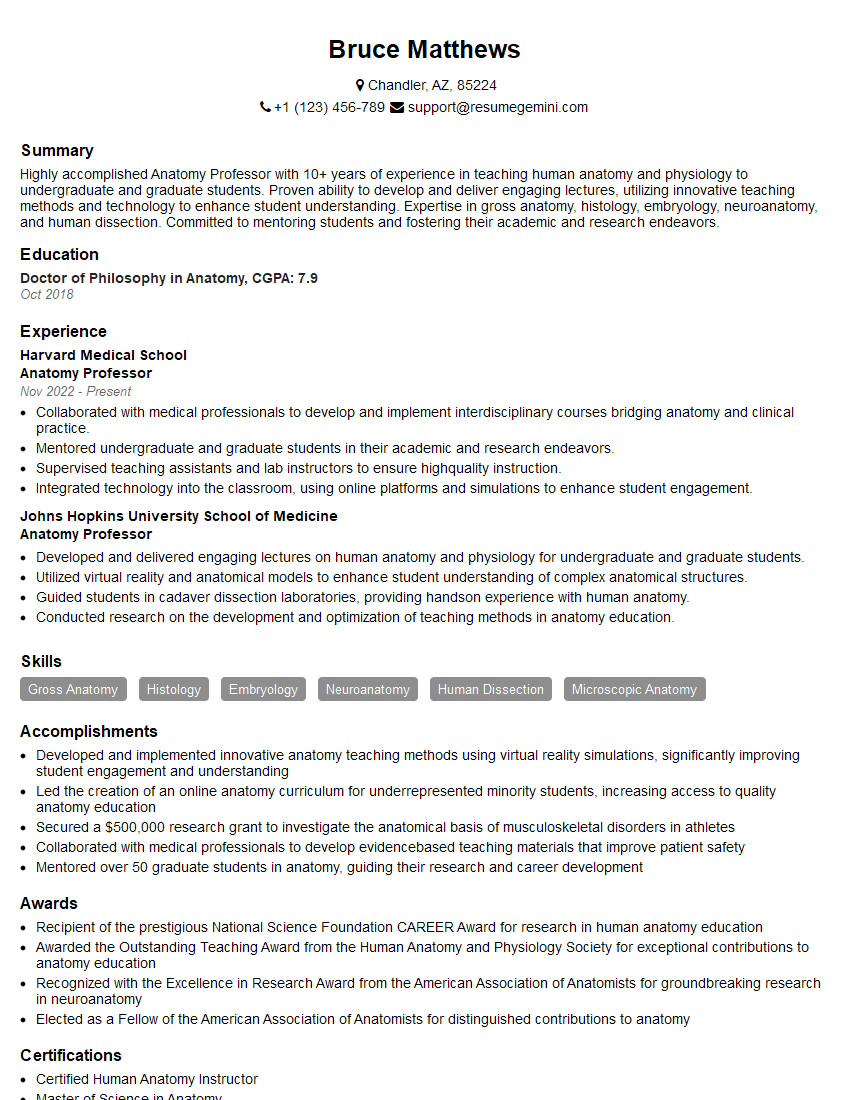
Anatomy Professor Resume Sample
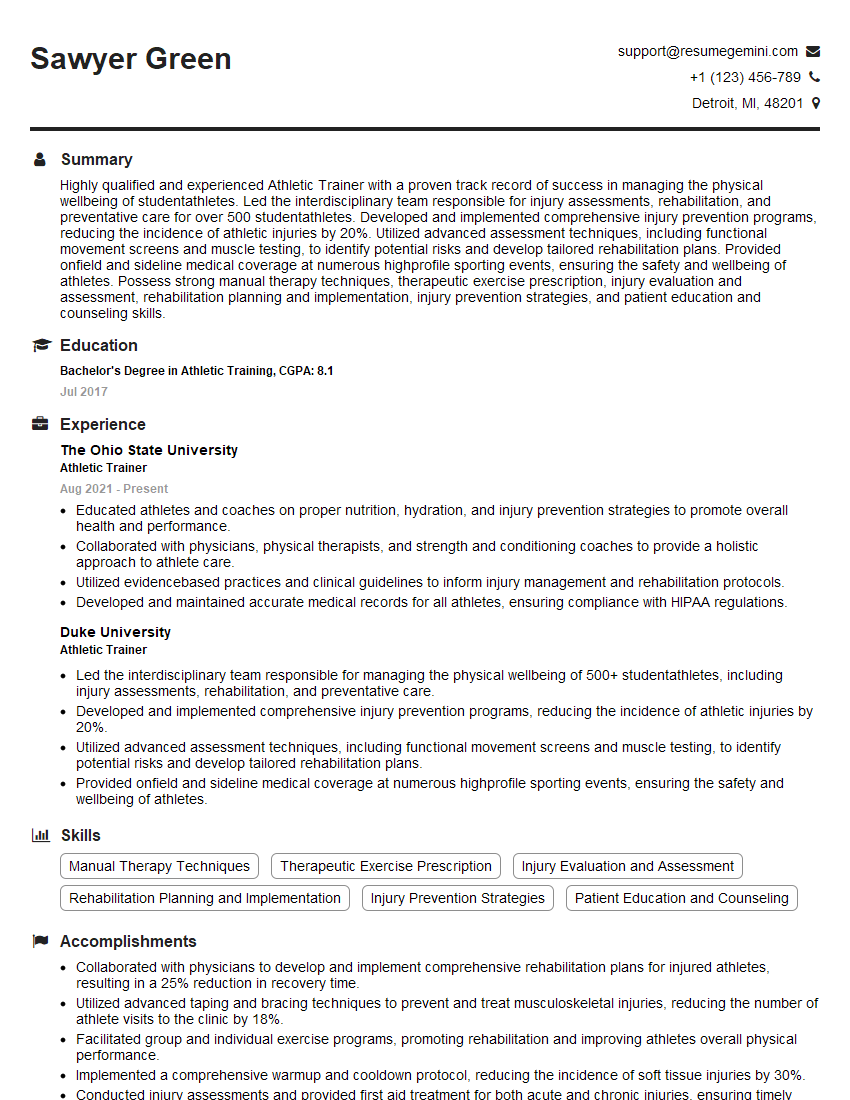
Athletic Trainer Resume Sample
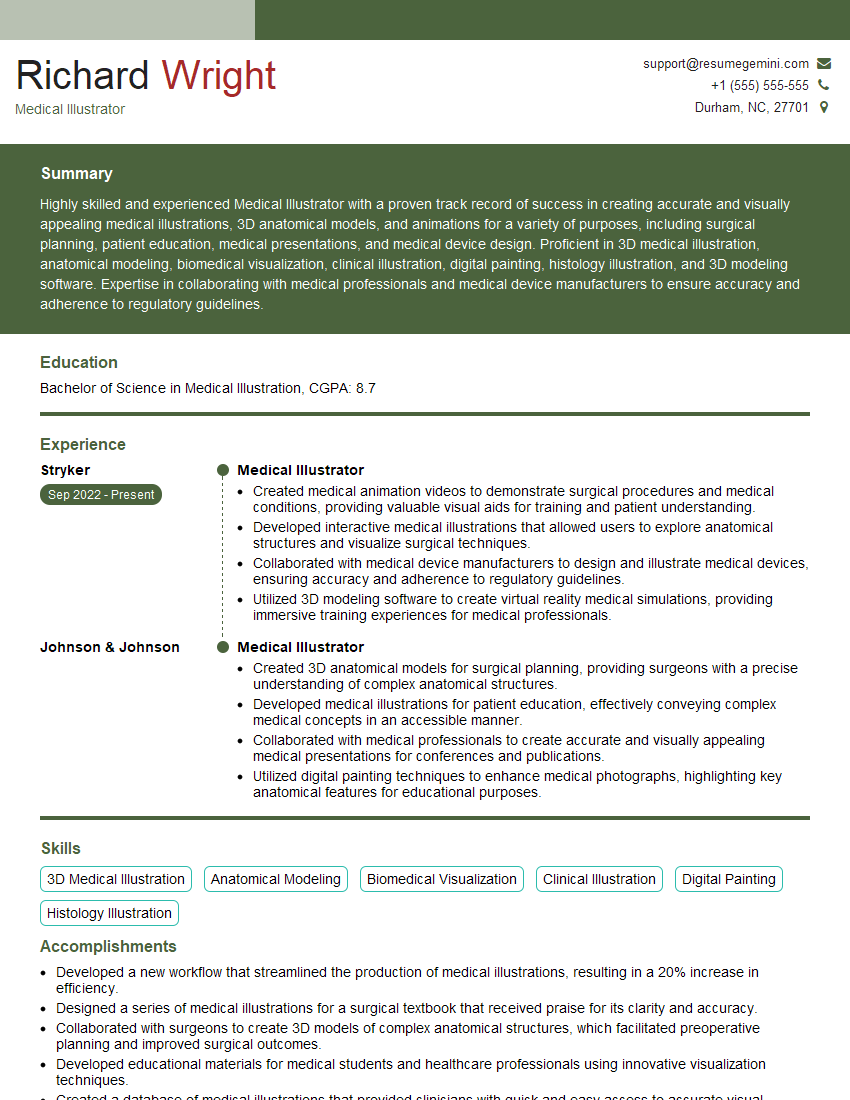
Medical Illustrator Resume Sample
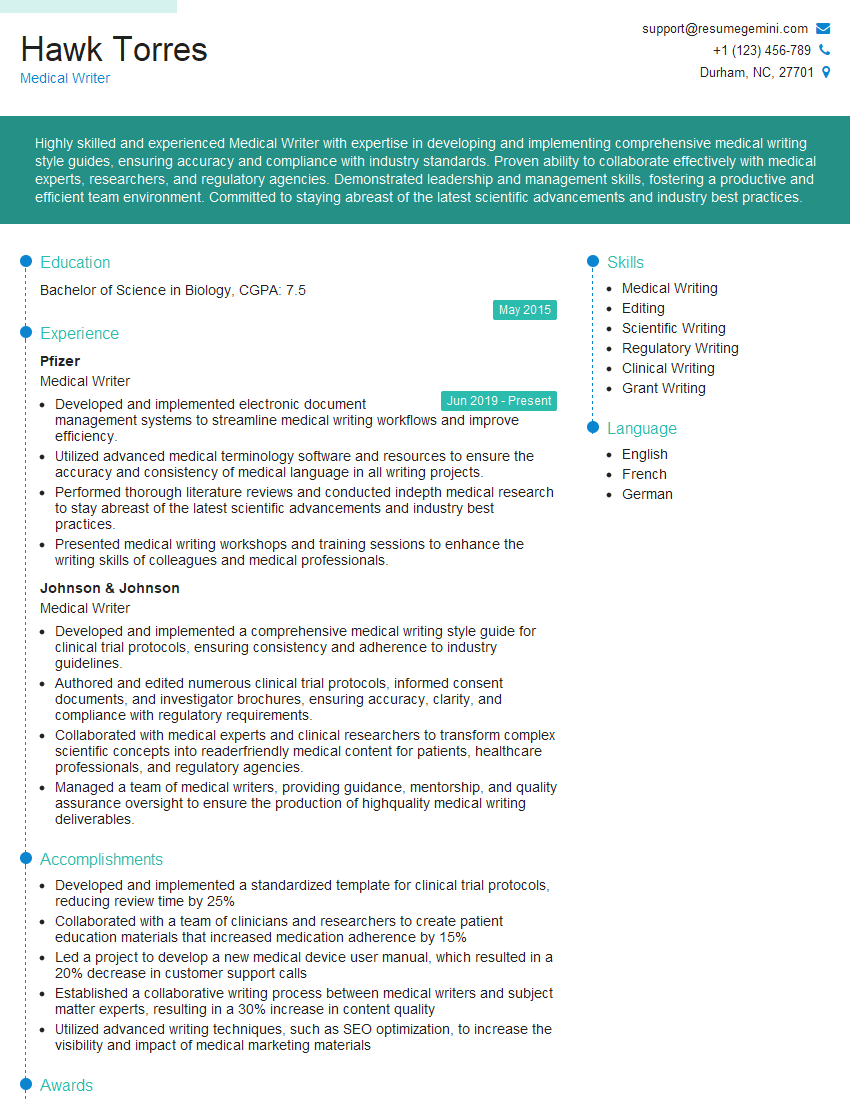
Medical Writer Resume Sample
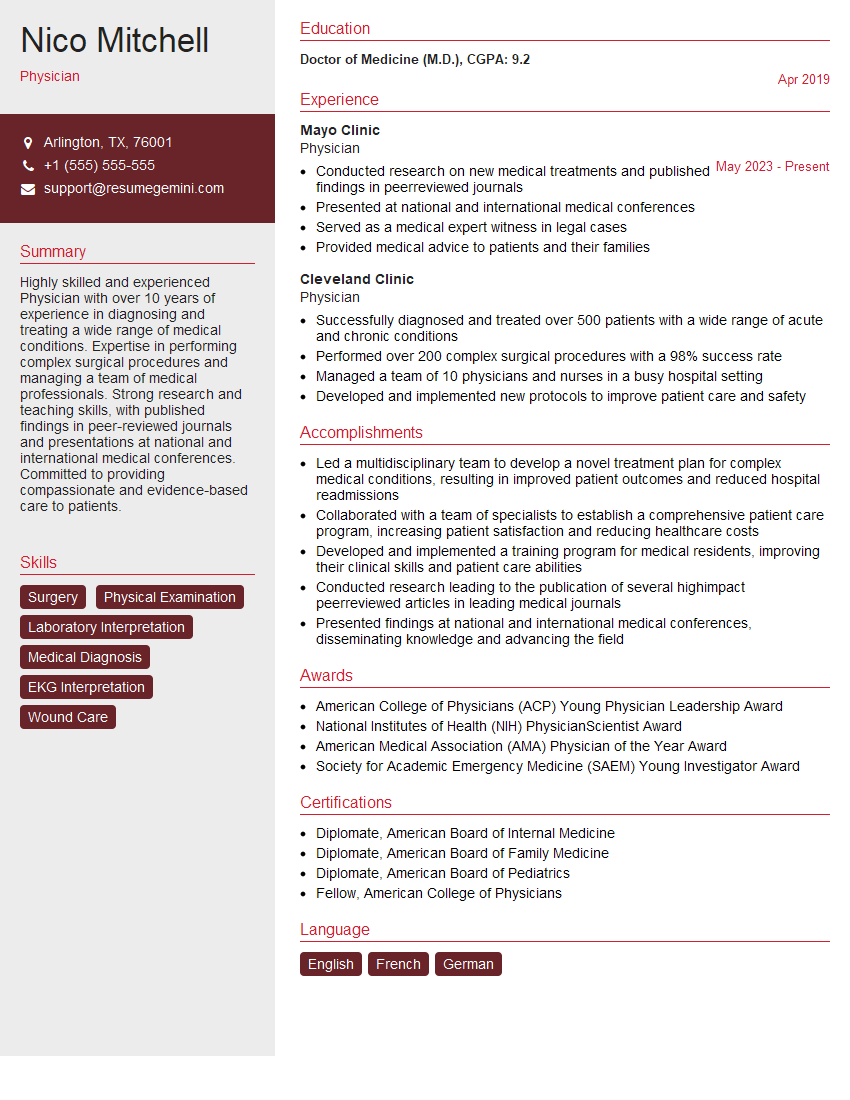
Physician Resume Sample
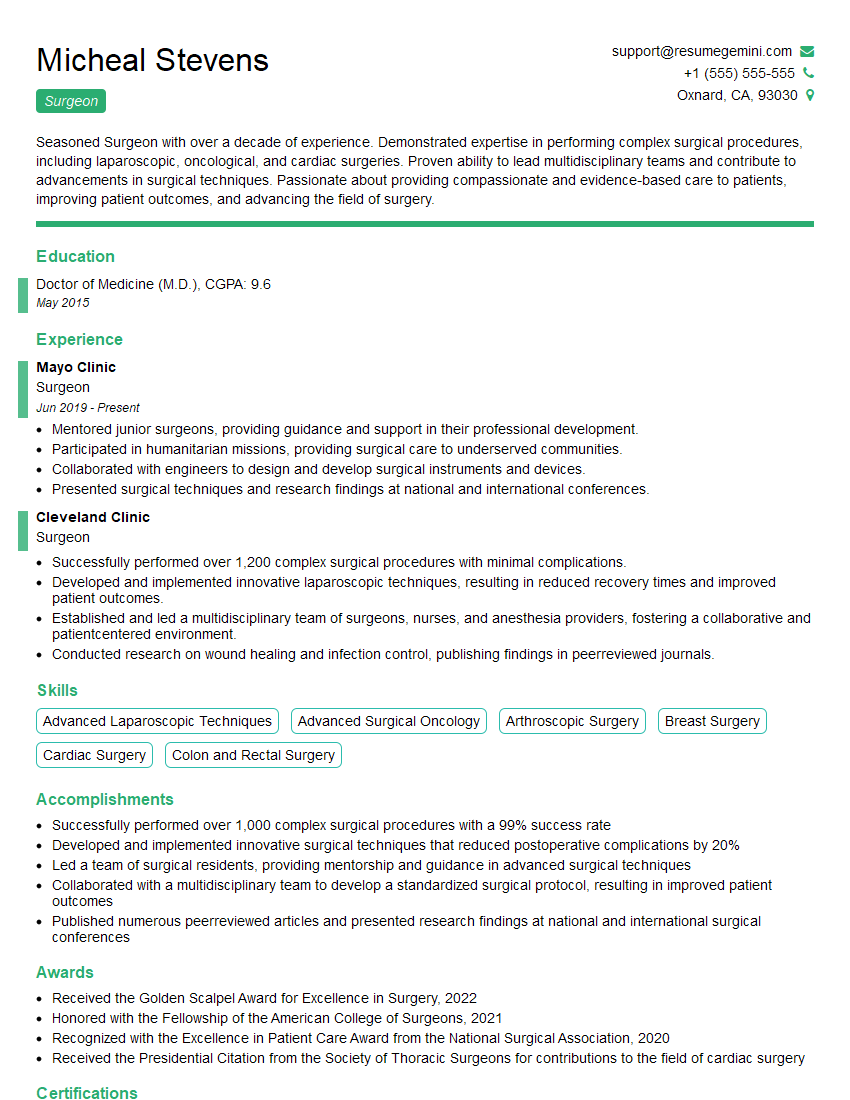
Surgeon Resume Sample
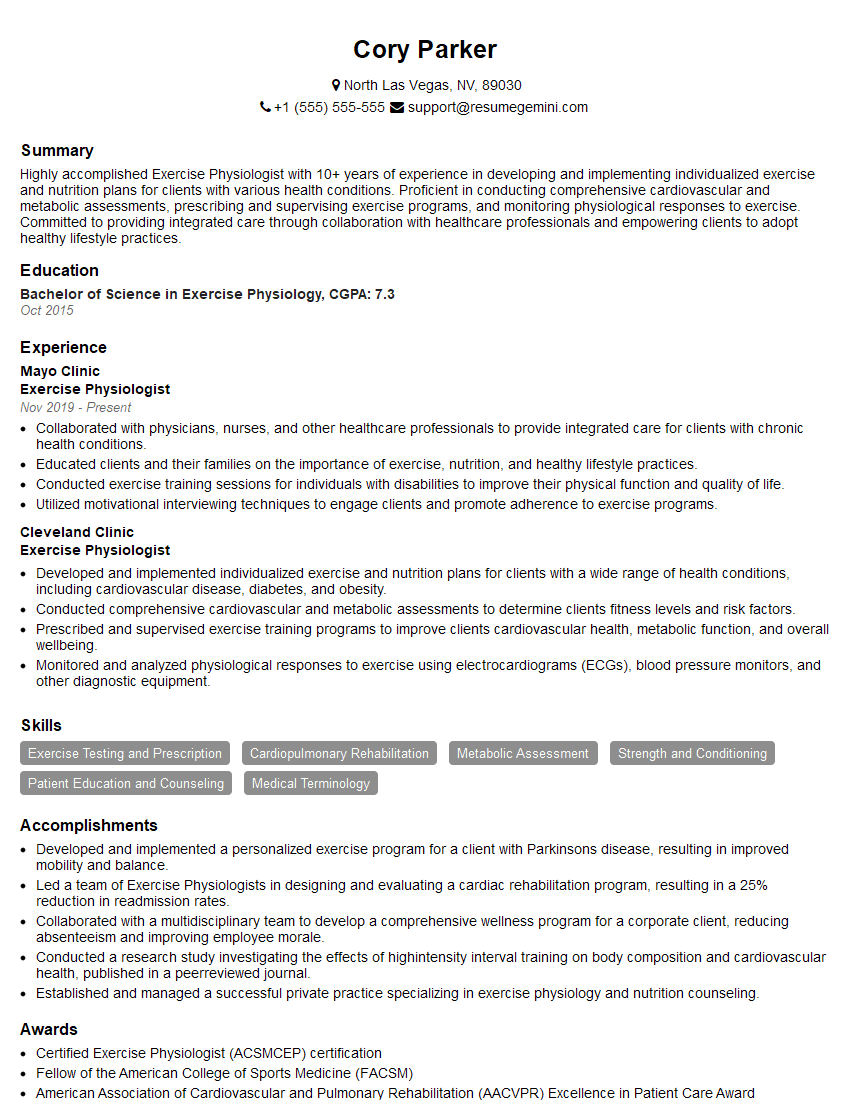
Exercise Physiologist Resume Sample
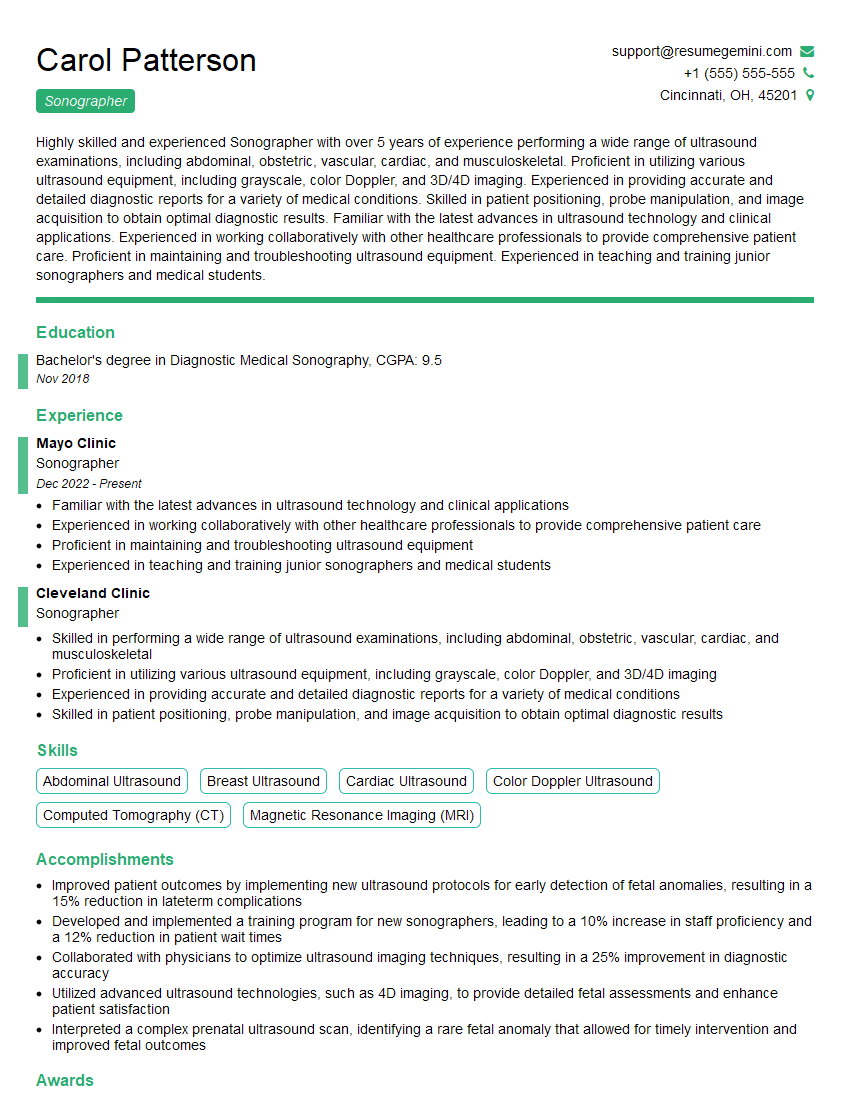
Sonographer Resume Sample
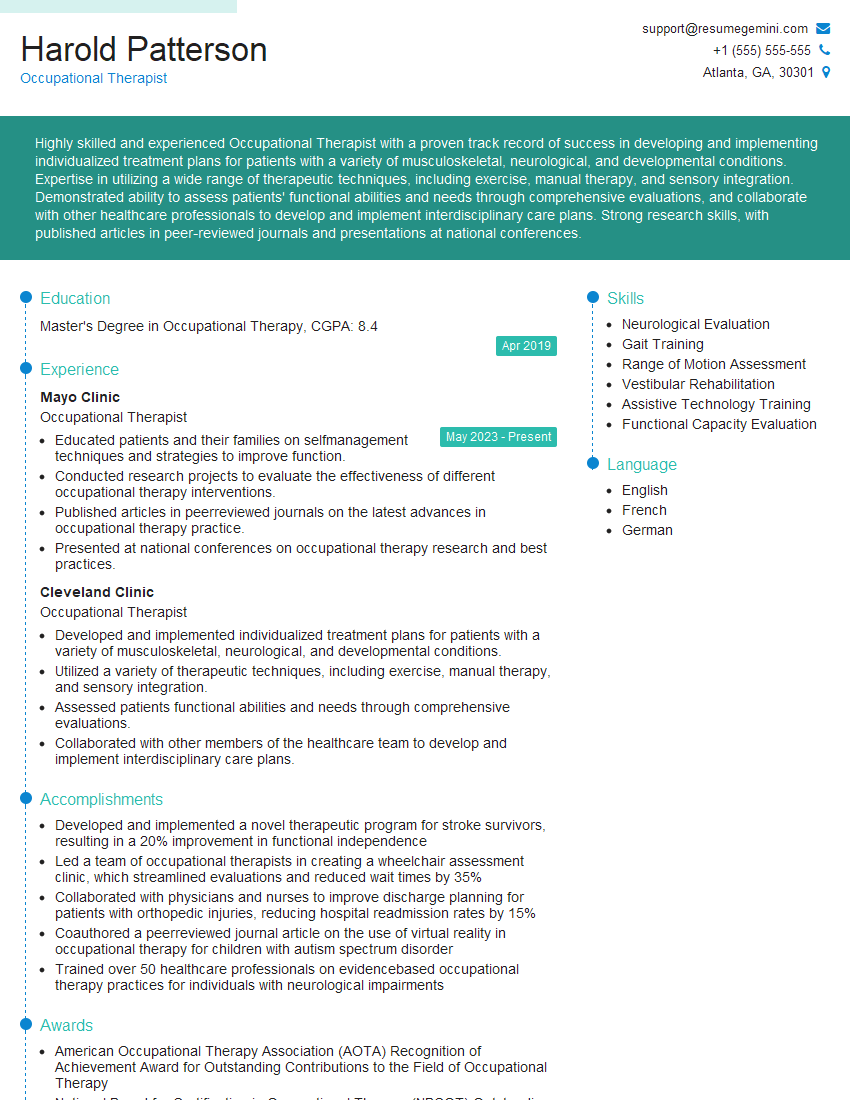
Occupational Therapist Resume Sample
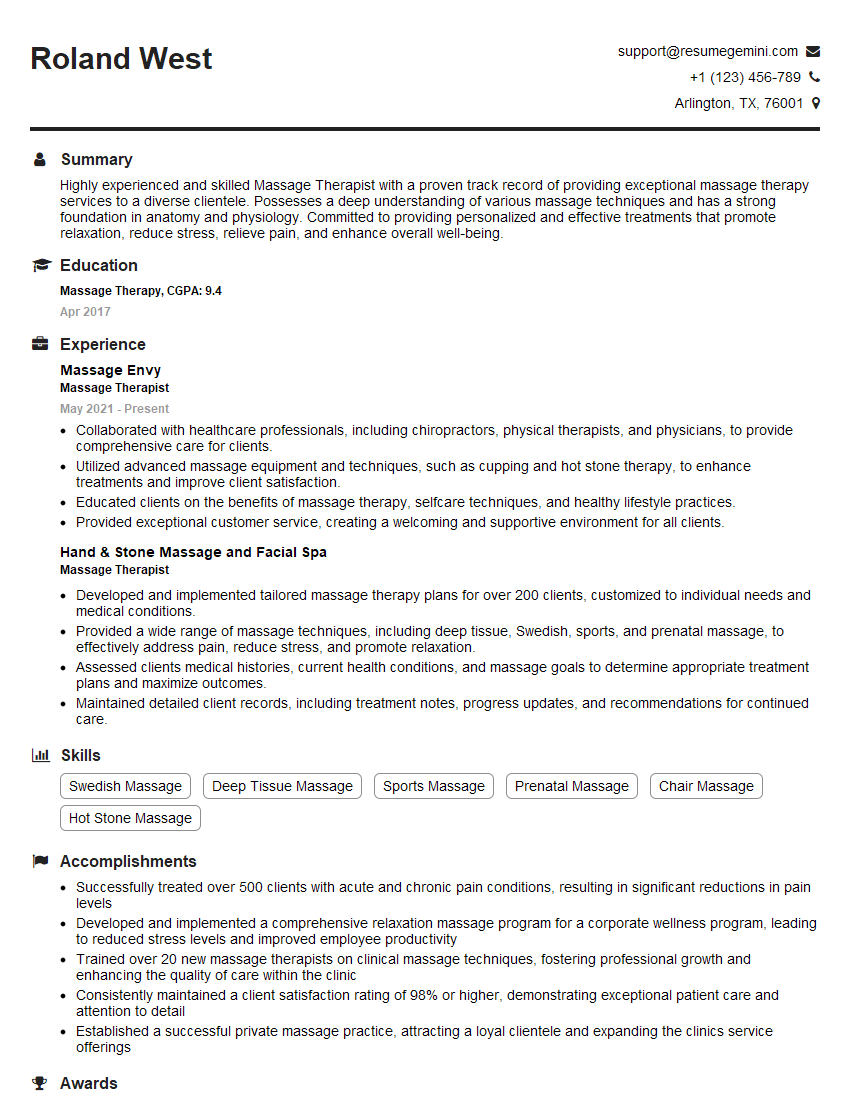
Massage Therapist Resume Sample
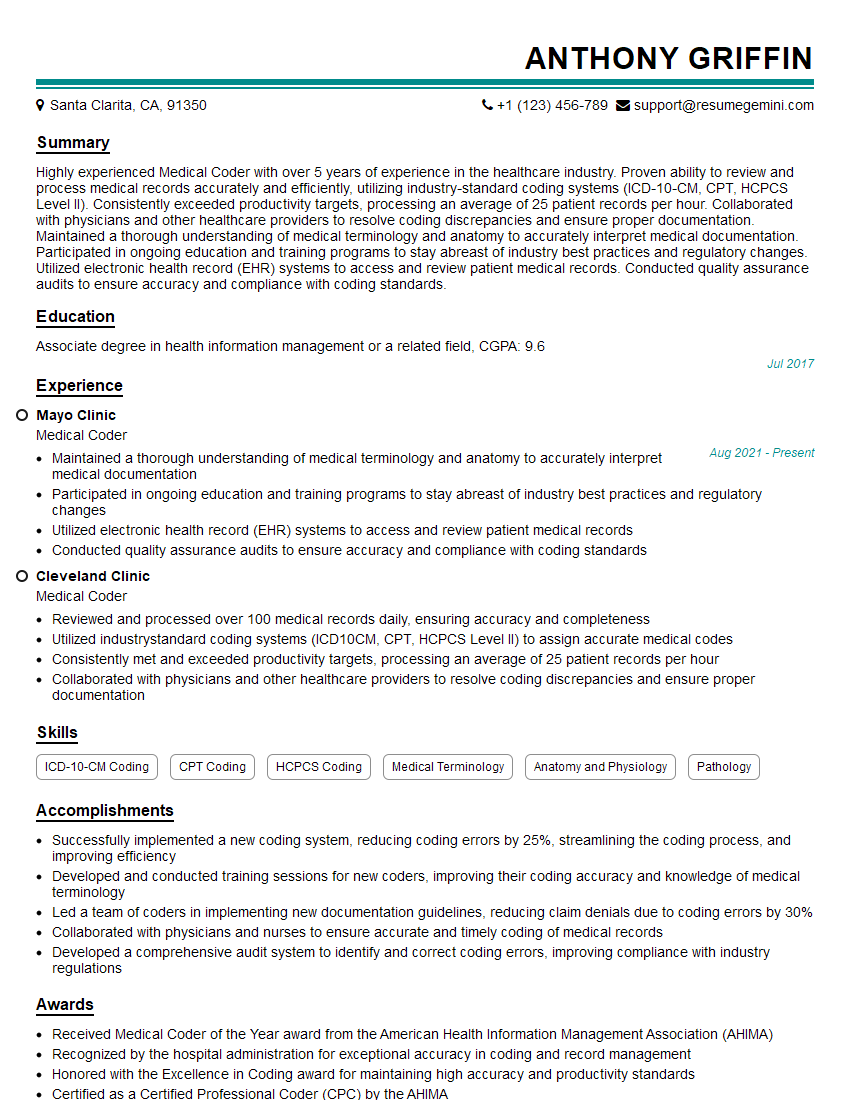
Medical Coder Resume Sample
Explore more articles
Users Rating of Our Blogs
Share Your Experience
We value your feedback! Please rate our content and share your thoughts (optional).
What Readers Say About Our Blog
Very informative content, great job.
good