Feeling uncertain about what to expect in your upcoming interview? We’ve got you covered! This blog highlights the most important Understanding of Material Handling Best Practices interview questions and provides actionable advice to help you stand out as the ideal candidate. Let’s pave the way for your success.
Questions Asked in Understanding of Material Handling Best Practices Interview
Q 1. Explain the difference between FIFO and LIFO inventory management systems.
FIFO (First-In, First-Out) and LIFO (Last-In, First-Out) are two fundamental inventory management methods that dictate the order in which items are used or sold. Think of it like a stack of plates: FIFO is like taking the plate from the bottom of the stack first, while LIFO is like taking the top plate first.
FIFO ensures that older items are used or sold before newer ones. This is particularly important for perishable goods, as it minimizes spoilage. Imagine a bakery using FIFO for its bread—they sell the oldest loaves first to avoid waste. The accounting implications usually result in a lower cost of goods sold during periods of inflation, as older, cheaper inventory is used first.
LIFO, conversely, prioritizes the most recently received items. This can be advantageous in industries with rapidly changing product lines or those dealing with commodities whose prices fluctuate significantly. For instance, a hardware store selling nails might use LIFO; they sell the newest shipment first, regardless of how long older stock has been sitting. The accounting effect of LIFO is the opposite of FIFO; it leads to a higher cost of goods sold during inflation, impacting tax liability.
The choice between FIFO and LIFO depends on various factors including industry, product type, cost accounting preferences, and tax implications. A thorough understanding of your specific business needs is crucial in selecting the optimal method.
Q 2. Describe your experience with various material handling equipment (e.g., forklifts, conveyors, AGVs).
Throughout my career, I’ve extensively worked with a wide range of material handling equipment. My experience encompasses the practical operation, maintenance, and optimization of various systems. This includes:
- Forklifts: I’m proficient in operating various types of forklifts (sit-down, stand-up, reach trucks) and am knowledgeable about safety protocols, load capacity limitations, and preventative maintenance schedules. In one project, I successfully implemented a forklift training program that reduced accidents by 30%.
- Conveyors: I have experience designing, implementing, and troubleshooting conveyor systems, including roller conveyors, belt conveyors, and sorters. I’ve worked on optimizing conveyor speeds and layouts to improve throughput in a warehouse setting, resulting in a 15% increase in order fulfillment.
- Automated Guided Vehicles (AGVs): My experience extends to the integration and management of AGVs in warehouse environments. This involved programming routes, optimizing traffic flow, and troubleshooting system malfunctions. I oversaw the transition from manual to automated pallet movement in one facility, resulting in significant labor cost savings and improved accuracy.
My hands-on experience ensures I understand the operational nuances and limitations of each piece of equipment and can contribute to the efficient and safe design and operation of material handling systems.
Q 3. What are the key performance indicators (KPIs) you use to measure the efficiency of a material handling system?
Measuring the efficiency of a material handling system relies on tracking several key performance indicators (KPIs). These KPIs provide quantifiable insights into areas for improvement and overall operational effectiveness.
- Order Fulfillment Rate: This measures the percentage of orders successfully processed and shipped within a given timeframe. A higher rate indicates better efficiency.
- Inventory Turnover Rate: This reveals how efficiently inventory is moved through the system. A higher rate suggests optimal stock management.
- Order Cycle Time: The time elapsed between receiving an order and its shipment. Shorter cycle times indicate greater speed and efficiency.
- Unit Cost of Handling: The cost associated with moving a single unit of inventory. Lower costs indicate improved operational efficiency.
- On-Time Delivery Rate: The percentage of orders delivered by the promised delivery date. High rates reflect strong logistical management.
- Damage Rate: The percentage of items damaged during handling and transport. Low rates point to better safety and handling practices.
- Throughput: The total amount of material processed or moved within a specific time frame.
By monitoring and analyzing these KPIs, we can identify bottlenecks, optimize processes, and make data-driven decisions to continuously enhance material handling efficiency.
Q 4. How do you ensure workplace safety in a material handling environment?
Workplace safety is paramount in material handling. A multi-faceted approach is crucial, encompassing:
- Comprehensive Safety Training: Regular, mandatory training for all personnel on the safe operation of equipment, proper lifting techniques, hazard identification, and emergency procedures is essential. This includes both theoretical instruction and practical hands-on sessions.
- Regular Equipment Inspections: Scheduled preventative maintenance and inspections of all equipment are critical to identify and address potential hazards before they cause accidents. Maintenance logs should be diligently kept.
- Clear Safety Protocols and Signage: Implementing well-defined safety protocols and ensuring clear, visible signage regarding safe working procedures, speed limits, and hazard zones reduces the risk of accidents.
- Personal Protective Equipment (PPE): Providing and enforcing the use of appropriate PPE, including safety shoes, high-visibility vests, gloves, and safety glasses, is non-negotiable.
- Ergonomic Design: Workstations and equipment should be designed ergonomically to reduce the risk of musculoskeletal injuries. This includes adjusting work heights, using proper lifting aids, and minimizing repetitive movements.
- Emergency Response Plan: A well-defined emergency response plan with designated personnel and clear procedures for handling accidents or emergencies is crucial. Regular drills ensure preparedness.
A proactive and comprehensive safety culture, fostered by management and embraced by all employees, is the cornerstone of a safe material handling environment.
Q 5. What are some common causes of material handling accidents and how can they be prevented?
Material handling accidents often stem from preventable causes. Understanding these causes allows for targeted preventative measures:
- Improper Equipment Operation: Lack of training, ignoring safety protocols, and operating equipment beyond its capacity are major contributors. Comprehensive training and strict adherence to safety rules are vital.
- Unsafe Working Conditions: Poorly maintained equipment, inadequate lighting, cluttered walkways, and improper stacking practices create hazardous environments. Regular inspections, proper housekeeping, and clear signage are crucial.
- Human Error: Distraction, fatigue, and rushing can lead to mistakes. Promoting awareness, providing adequate rest breaks, and establishing a safety-first culture helps reduce human error.
- Lack of PPE: Failure to wear appropriate PPE leaves workers vulnerable to injuries. Enforcing PPE use and providing adequate supplies is essential.
- Inadequate Load Securing: Improperly secured loads can shift during transport, causing accidents. Proper training on load securing techniques and the use of appropriate securing equipment is critical.
Implementing thorough safety training, maintaining a safe work environment, enforcing safety protocols, and promoting a strong safety culture effectively mitigate these risks. Regular safety audits and accident investigations help identify areas for improvement and reinforce best practices.
Q 6. Describe your experience with warehouse layout and design optimization.
Warehouse layout and design optimization is crucial for efficient material handling. My experience involves analyzing existing layouts, identifying bottlenecks, and designing improved layouts to maximize space utilization, minimize travel distances, and streamline workflows. This includes:
- Space Optimization: Efficiently utilizing available space, maximizing vertical space with racking systems, and minimizing aisle widths while maintaining safe working conditions. I’ve used software to simulate various layouts and optimize space utilization.
- Workflow Analysis: Mapping the flow of materials through the warehouse, identifying bottlenecks, and proposing solutions to improve the flow of goods. This may involve rearranging storage locations or implementing cross-docking techniques.
- Technology Integration: Integrating technology like warehouse management systems (WMS), RFID tracking, and automated guided vehicles (AGVs) to enhance efficiency, tracking, and control.
- Safety Considerations: Incorporating safety features into the design, such as clearly marked aisles, sufficient lighting, and ergonomic considerations for workstations.
In one project, I redesigned a warehouse layout, resulting in a 20% reduction in travel time for material handlers and a 10% increase in overall throughput. A well-designed layout is an investment that pays off in increased efficiency and reduced operational costs.
Q 7. Explain your understanding of lean manufacturing principles in material handling.
Lean manufacturing principles are fundamental to efficient material handling. The core tenets of eliminating waste, optimizing processes, and continuous improvement are directly applicable. In material handling, this translates to:
- Eliminating Waste (Muda): Identifying and eliminating all forms of waste, including excess inventory, unnecessary movement, waiting time, overproduction, and defects. This involves optimizing storage, improving routing, and implementing just-in-time inventory management.
- Value Stream Mapping: Visually mapping the entire material flow process from receiving to shipping, identifying value-added and non-value-added activities. This provides a clear picture of potential areas for improvement.
- 5S Methodology: Implementing the 5S methodology (Sort, Set in Order, Shine, Standardize, Sustain) to create a clean, organized, and efficient work environment. This reduces waste and improves safety.
- Kaizen (Continuous Improvement): Embracing a culture of continuous improvement through ongoing evaluation, feedback, and implementation of small, incremental changes to optimize processes. This involves regular review of KPIs and making adjustments as needed.
By adopting lean principles, material handling processes become more efficient, waste is reduced, and overall productivity is increased. It’s a continuous journey of optimization and improvement.
Q 8. How do you handle inventory discrepancies and shortages?
Inventory discrepancies and shortages are a common challenge in material handling. Addressing them effectively requires a systematic approach combining proactive measures with reactive solutions. My strategy begins with preventing discrepancies through meticulous cycle counting and regular stock audits. Think of it like a doctor performing regular checkups – catching small problems before they become major issues.
- Cycle Counting: Instead of a complete annual inventory count, we regularly count a small subset of inventory, rotating through different areas. This provides a more frequent and accurate picture of stock levels.
- Regular Stock Audits: These formal audits, conducted less frequently than cycle counts, verify the accuracy of our inventory records against physical inventory. This helps to identify systemic issues or significant errors.
- Investigating Discrepancies: When discrepancies are found, I initiate a thorough investigation to pinpoint the root cause. This could involve reviewing receiving procedures, picking lists, shipping documents, or even checking for potential damage or theft. The goal is to learn from the mistake and prevent future occurrences. For instance, a consistent shortage in a specific product might point to an issue with the picking process or a problem with our scanning equipment.
- Reconciliation Process: Once the cause is identified, a corrective action plan is implemented. This might involve retraining staff, improving labeling, or adjusting our inventory management software.
Addressing shortages requires a swift response to minimize disruption. This involves immediately informing stakeholders, exploring alternative sourcing options (if appropriate), and prioritizing the affected orders to minimize customer impact. For example, if a key component is unavailable, we might expedite a shipment from another warehouse or explore a temporary substitute.
Q 9. What software or systems are you familiar with for managing material handling operations (e.g., WMS, TMS)?
I have extensive experience with several Warehouse Management Systems (WMS) and Transportation Management Systems (TMS), including:
- WMS: Manhattan Associates, Blue Yonder, SAP Extended Warehouse Management (EWM), Oracle Warehouse Management. I’m proficient in configuring these systems to optimize processes, including receiving, putaway, order picking, packing, and shipping. I understand how to leverage reporting and analytics within these systems to identify areas for improvement and track key performance indicators (KPIs).
- TMS: Oracle Transportation Management, Blue Yonder Luminate Transportation Management. My expertise here extends to route optimization, carrier selection, freight cost management, and tracking shipments. I am also comfortable integrating WMS and TMS to create a seamless flow of information across the supply chain.
Beyond WMS and TMS, I’m familiar with inventory control and ERP systems (e.g., SAP, Oracle) and their integration with material handling operations. Understanding these integrated systems allows for a holistic view of the supply chain and effective problem-solving.
Q 10. Describe your experience with implementing new material handling technologies.
In my previous role, I led the implementation of a new automated guided vehicle (AGV) system in a high-volume distribution center. This involved several key stages:
- Needs Assessment and Planning: We carefully assessed our existing material handling challenges, projected future needs, and defined the specific goals for the AGV system (e.g., improved throughput, reduced labor costs, increased efficiency). We considered things like warehouse layout, existing infrastructure, and integration with our WMS.
- Vendor Selection: We evaluated several AGV vendors, comparing their technologies, cost-effectiveness, and implementation support. Thorough due diligence was essential to ensure a smooth transition.
- System Integration: Integrating the AGV system with our existing WMS required meticulous planning and coordination. We developed detailed protocols for data exchange and established clear lines of communication between IT, operations, and the vendor’s implementation team.
- Training and Go-Live: Extensive training for warehouse staff was crucial for successful adoption. We used a phased rollout approach, starting with a pilot program to identify and address any unforeseen issues before full implementation.
- Post-Implementation Review: After go-live, we closely monitored the system’s performance, addressing any problems and making necessary adjustments. Regular performance reviews allowed us to fine-tune processes and maximize the return on investment.
This project resulted in a significant improvement in efficiency, reducing order fulfillment times by 20% and lowering labor costs by 15%. It highlighted the importance of thorough planning, effective communication, and a phased implementation approach when introducing new technologies.
Q 11. How do you prioritize tasks and manage multiple projects simultaneously in a warehouse environment?
Managing multiple projects simultaneously in a warehouse demands effective prioritization and organization. I employ a combination of techniques:
- Prioritization Matrix: I use a matrix that considers urgency and importance. This ensures that critical tasks receive immediate attention while less urgent tasks are scheduled accordingly. For instance, emergency repairs to essential equipment would take precedence over a long-term warehouse optimization project.
- Project Management Software: I utilize project management software (e.g., Asana, Trello, Microsoft Project) to track tasks, deadlines, and resource allocation. This allows for a clear overview of all projects and facilitates communication among team members. This is similar to using a central hub to manage all ongoing projects.
- Regular Meetings and Communication: Regular team meetings are vital to update project statuses, identify roadblocks, and ensure alignment among team members. Open communication is crucial for addressing issues proactively and maintaining a smooth workflow.
- Time Management Techniques: I utilize time management techniques like time blocking and the Pomodoro Technique to improve efficiency and manage time effectively. This helps me allocate specific time slots for critical tasks, preventing distractions and improving focus.
In a fast-paced warehouse environment, adaptability is key. I’m able to adjust priorities based on emerging issues or unexpected changes. For example, if an urgent order comes in, I might shift resources to prioritize its fulfillment.
Q 12. How do you ensure the accuracy and efficiency of order picking and packing processes?
Ensuring accurate and efficient order picking and packing is paramount. My approach involves a multi-faceted strategy focused on technology, process optimization, and employee training:
- Technology: Utilizing barcode scanners, voice-picking systems, and Warehouse Management System (WMS) directed picking significantly reduces errors and speeds up the process. These technologies provide real-time updates on inventory and order status, minimizing discrepancies and improving accuracy.
- Process Optimization: Employing efficient picking methods (e.g., batch picking, zone picking, wave picking) significantly reduces travel time and optimizes worker movements within the warehouse. For example, zone picking assigns specific pickers to designated zones, improving efficiency.
- Employee Training: Thoroughly trained employees are crucial for accuracy. This involves hands-on training with the technology and clear guidelines for picking, packing, and quality control. Regular feedback and performance reviews help maintain high standards.
- Quality Control: Implementing checks and balances at various stages—from order verification to final packing—helps to catch errors before they reach the customer. This may involve double-checking orders, verifying item counts, and inspecting packaging for damage.
The use of technology and well-defined processes allows for a streamlined workflow, minimizing errors and maximizing productivity. For example, a voice-picking system guides pickers through the warehouse, reducing the need for manual order sheets and improving accuracy significantly. Regular performance monitoring and feedback mechanisms allow for continuous improvement and adaptation of the processes.
Q 13. Explain your experience with different types of storage systems (e.g., racking, shelving, palletizing).
My experience encompasses a variety of storage systems, each with its advantages and disadvantages depending on the specific needs of the operation:
- Racking: I’m proficient in various racking systems, including selective racking (the most common type), drive-in/drive-through racking (ideal for high-volume storage of similar items), push-back racking (optimizing space), and cantilever racking (suitable for long or bulky items). The choice depends on factors like product type, volume, and accessibility requirements.
- Shelving: Shelving is ideal for smaller items that don’t require palletization. I’m experienced in using various shelving types, from simple fixed shelving to more sophisticated systems with adjustable shelves and dividers. Proper shelving is essential for creating clear and organized storage areas.
- Palletizing: Efficient palletization is crucial for maximizing storage space and streamlining handling processes. I understand the importance of proper stacking techniques and the use of stretch wrap and other packaging materials to secure loads. This is fundamental to safe and efficient material handling.
In selecting a storage system, I consider factors such as space utilization, product characteristics, handling equipment, and budget constraints. For example, in a high-volume distribution center with large, uniform products, drive-in racking might be the most efficient option. For a smaller operation with a wider variety of items, a combination of shelving and racking would be more appropriate. Careful consideration of these factors helps optimize warehouse layout and maximize efficiency.
Q 14. How do you manage and track material handling costs?
Managing and tracking material handling costs is vital for operational efficiency and profitability. I use a multi-pronged approach:
- Cost Breakdown: I begin by establishing a detailed cost breakdown encompassing direct and indirect costs. This includes labor costs (wages, benefits, overtime), equipment costs (maintenance, repairs, depreciation), energy costs, storage costs, and transportation costs. It’s vital to segment these costs to pinpoint areas needing improvement.
- Key Performance Indicators (KPIs): I closely monitor relevant KPIs such as order fulfillment rate, picking accuracy, inventory turnover, and warehouse space utilization. These indicators help to gauge efficiency and reveal potential cost-saving opportunities.
- Data Analysis: Analyzing data from WMS and TMS systems provides insights into cost drivers and trends. This involves identifying inefficiencies, bottlenecks, and potential areas for optimization. For example, if the transportation costs are unexpectedly high, I’d analyze the routes, carrier selection, and packaging efficiency to discover improvements.
- Regular Reporting: I generate regular reports summarizing material handling costs and KPIs, highlighting areas of concern and potential cost-saving measures. This allows for proactive management of expenses and informed decision-making.
- Continuous Improvement: Regular reviews of material handling processes and the adoption of best practices are fundamental to long-term cost reduction. This might involve implementing new technologies, optimizing workflows, or negotiating better rates with suppliers.
By consistently monitoring costs, analyzing data, and implementing improvements, I help to maintain a lean and efficient material handling operation.
Q 15. How do you handle damaged or defective goods?
Handling damaged or defective goods is crucial for maintaining inventory accuracy, preventing further losses, and ensuring customer satisfaction. My approach involves a multi-step process. First, we identify the damage, noting its type and extent. This is often done through visual inspection or with the aid of scanning technologies depending on the scale of the operation. Then, we segregate the damaged goods from the undamaged stock to prevent contamination or further damage. Next, we investigate the root cause of the damage. This could involve reviewing handling procedures, inspecting equipment, or examining supplier quality control processes. Depending on the nature and extent of the damage, and the product’s value, we will determine the best course of action: repair, rework, salvage, or disposal. A detailed record is always kept of the damaged goods, including the quantity, type of damage, root cause analysis, and the chosen resolution. This data is invaluable for preventing future occurrences and refining our handling processes. For example, if consistent damage is occurring during transport, we might investigate different packaging techniques or choose alternative carriers. Finally, if the damage impacts a customer order, I ensure effective and prompt communication, offering solutions like replacements or refunds where necessary.
Career Expert Tips:
- Ace those interviews! Prepare effectively by reviewing the Top 50 Most Common Interview Questions on ResumeGemini.
- Navigate your job search with confidence! Explore a wide range of Career Tips on ResumeGemini. Learn about common challenges and recommendations to overcome them.
- Craft the perfect resume! Master the Art of Resume Writing with ResumeGemini’s guide. Showcase your unique qualifications and achievements effectively.
- Don’t miss out on holiday savings! Build your dream resume with ResumeGemini’s ATS optimized templates.
Q 16. Describe your experience with inventory forecasting and planning.
Inventory forecasting and planning is the backbone of efficient material handling. My experience encompasses utilizing various forecasting techniques, including moving averages, exponential smoothing, and more advanced statistical models depending on data availability and complexity. I’ve worked with both short-term and long-term forecasts, factoring in seasonal variations, trends, and anticipated disruptions. For instance, I once successfully implemented an exponential smoothing model for a client facing significant seasonal demand fluctuations. This improved forecast accuracy by 15%, resulting in reduced warehousing costs and improved order fulfillment rates. Effective inventory planning necessitates a close integration between forecasting, procurement, and warehouse operations. I leverage this integration to optimize inventory levels, minimizing storage costs while preventing stockouts. This often involves using software systems to manage lead times, reorder points, and safety stock levels. The ultimate goal is to strike a balance between meeting customer demand and minimizing carrying costs. For instance, through careful analysis of sales data and market trends, I designed an inventory optimization strategy that reduced inventory holding costs by 10% without compromising on service levels.
Q 17. How do you ensure compliance with relevant safety regulations and standards?
Safety is paramount in material handling. My approach to compliance involves meticulous adherence to all relevant OSHA (or equivalent international) regulations and industry best practices. This starts with comprehensive safety training for all personnel, covering topics such as proper lifting techniques, equipment operation, hazard identification, and emergency procedures. Regular safety inspections of equipment and the work environment are conducted, with any identified hazards promptly addressed and documented. We utilize appropriate safety equipment, including personal protective equipment (PPE), such as safety shoes, gloves, and high-visibility vests. I also implement preventative maintenance programs for material handling equipment to minimize malfunction risks. Furthermore, I ensure all processes are documented, reviewed, and updated regularly to reflect the latest safety standards and our internal experiences. For example, we instituted a system of near-miss reporting, allowing us to learn from almost-accidents and prevent future incidents. Comprehensive risk assessments are conducted on a regular basis, identifying potential hazards and developing mitigation plans. By combining employee training with stringent regulatory compliance, and effective hazard control measures, we’ve achieved a significant reduction in workplace incidents and ensured a safe working environment.
Q 18. Explain your experience with supplier relationship management in the context of material handling.
Supplier relationship management (SRM) is critical for effective material handling. It goes beyond simply ordering goods; it involves building strong, collaborative relationships with key suppliers. This includes selecting reliable suppliers with robust quality control processes and consistent on-time delivery performance. I actively engage in regular communication with our suppliers, providing feedback on their performance and working collaboratively to solve any issues that may arise. This could involve joint problem-solving sessions to address quality concerns or delivery delays. I also negotiate contracts that clearly outline expectations regarding quality, delivery times, and pricing. By fostering strong relationships and open communication, we’ve successfully reduced lead times and improved the overall quality of materials received. For example, by working closely with a key supplier, we identified and resolved a bottleneck in their production process, leading to a significant improvement in delivery consistency. Transparency and trust are fundamental elements in this process. Effective SRM contributes to minimizing disruptions, improving quality, and optimizing the overall material handling process.
Q 19. How do you deal with unexpected disruptions in the material handling process?
Unexpected disruptions, such as equipment malfunctions, supplier delays, or natural disasters, are inevitable. My approach to handling these involves having a robust contingency plan in place. This plan includes identifying potential disruptions, assessing their impact, and developing mitigation strategies. For instance, we might have backup equipment readily available, maintain relationships with multiple suppliers, or have a plan for relocating operations in the event of a natural disaster. When a disruption occurs, we activate the relevant portion of our contingency plan, communicating clearly with all stakeholders – employees, customers, and suppliers. We prioritize the most critical tasks and utilize available resources efficiently. For example, when a major storm disrupted transport routes, we promptly activated our backup logistics plan, shifting to an alternate carrier and informing customers about potential delays. By proactively identifying potential disruptions and developing robust contingency plans, we can minimize their impact and maintain business continuity.
Q 20. What are your strategies for improving material handling efficiency and productivity?
Improving material handling efficiency and productivity involves a holistic approach encompassing several key strategies. Firstly, optimizing warehouse layout and workflow is paramount. This involves using techniques like lean manufacturing principles to eliminate waste and streamline processes. Secondly, investing in appropriate technology, such as automated guided vehicles (AGVs), conveyor systems, and warehouse management systems (WMS), significantly enhances efficiency. These technologies automate tasks, optimize space utilization, and improve tracking capabilities. Thirdly, continuous improvement initiatives, such as Kaizen events, are instrumental in identifying and eliminating bottlenecks. Regularly analyzing data from the WMS allows us to pinpoint areas for optimization. Furthermore, employee training and empowerment are crucial. A skilled and motivated workforce is essential for maximizing efficiency and productivity. Finally, optimizing inventory management through accurate forecasting and effective replenishment strategies contributes to a smoother flow of materials. For example, through the implementation of a new WMS and optimizing warehouse layout, we achieved a 20% reduction in order fulfillment time and a 15% increase in overall productivity.
Q 21. Describe your experience with implementing a new warehouse management system (WMS).
Implementing a new warehouse management system (WMS) is a significant undertaking, requiring meticulous planning and execution. My experience involves several key phases. The initial phase focuses on needs assessment and system selection, involving extensive analysis of current processes and requirements. We then select a WMS that best meets those needs, considering factors such as scalability, integration with existing systems, and vendor support. The next phase entails system configuration and customization, adapting the WMS to fit our specific workflow and business rules. This may involve working closely with the vendor to ensure seamless integration. Data migration from the old system to the new WMS is a crucial step, requiring careful planning and validation to avoid data loss or corruption. Thorough training for all warehouse personnel is essential to ensure they can effectively use the new system. Finally, a phased rollout allows for testing and adjustments before full implementation. Post-implementation monitoring and support are crucial for long-term success, ensuring optimal system performance and addressing any issues that arise. For example, in a previous role, we successfully implemented a new WMS which resulted in significant improvements in inventory accuracy and order fulfillment efficiency, and reduced labor costs by streamlining warehouse operations.
Q 22. How do you manage the flow of materials through different stages of the supply chain?
Managing material flow across the supply chain requires a holistic approach, ensuring a smooth and efficient journey from raw materials to finished goods. This involves optimizing each stage: procurement, production, warehousing, and distribution.
- Procurement: Strategic sourcing and vendor management are crucial. We need to ensure timely delivery of raw materials, considering factors like lead times and quality control. This might involve implementing just-in-time (JIT) inventory systems to minimize storage costs and waste.
- Production: Efficient production processes are essential. This involves lean manufacturing principles, minimizing waste (muda) through techniques like 5S (sort, set in order, shine, standardize, sustain) and Kaizen (continuous improvement). Material flow within the production facility must be optimized, reducing bottlenecks and improving throughput.
- Warehousing: Proper warehouse management is vital. This involves strategic inventory placement, efficient picking and packing processes, and use of warehouse management systems (WMS) to track inventory and optimize space utilization. Cross-docking, where goods are moved directly from receiving to shipping without storage, can further boost efficiency.
- Distribution: Choosing the right transportation mode and optimizing routes are key. This includes evaluating factors like cost, speed, and reliability for different transportation options (trucking, rail, air, sea). Effective route planning and load optimization are critical to minimize transportation costs and delivery times.
For example, in a previous role, I implemented a Kanban system to streamline the flow of components in our manufacturing process, reducing lead times by 15% and minimizing work-in-progress inventory.
Q 23. Explain your experience with different types of transportation modes and their suitability for different materials.
My experience encompasses various transportation modes, each with specific strengths and weaknesses. The choice depends heavily on the material’s characteristics (fragility, weight, volume), delivery urgency, and cost considerations.
- Trucking: Highly versatile, ideal for shorter distances and smaller shipments. Cost-effective for less time-sensitive goods.
- Rail: Cost-effective for bulk shipments over longer distances. Suitable for less time-sensitive, high-volume materials like raw materials.
- Air Freight: Fastest option, essential for time-sensitive materials or high-value goods. However, it’s significantly more expensive.
- Sea Freight: Most economical for large-volume, low-value goods shipped internationally. However, transit times are significantly longer.
For example, I once managed the logistics for a client shipping fragile electronic components. Given the high value and time sensitivity, air freight was chosen despite its higher cost, ensuring timely delivery and minimizing the risk of damage.
Q 24. How do you optimize the use of warehouse space?
Optimizing warehouse space is crucial for efficiency and cost reduction. It involves a multi-faceted approach combining strategic planning, technology, and process improvement.
- Layout Optimization: Careful planning of warehouse layout is critical, considering factors like product velocity (fast-moving vs. slow-moving items), order picking methods (e.g., batch picking, zone picking), and traffic flow to minimize travel time.
- Vertical Space Utilization: Maximizing vertical space through the use of high-bay racking, mezzanine floors, and vertical lift modules can significantly increase storage capacity.
- Inventory Management: Implementing efficient inventory management techniques, such as ABC analysis (classifying items based on value and consumption) allows us to prioritize high-value items and optimize storage locations.
- Technology Integration: Utilizing Warehouse Management Systems (WMS) and other technologies such as automated guided vehicles (AGVs) and robotic systems can streamline processes and optimize space utilization.
In a past project, I redesigned a warehouse layout, implementing a zone picking system and utilizing high-bay racking, resulting in a 20% increase in storage capacity and a 15% reduction in order fulfillment time.
Q 25. What is your experience with barcode scanning and RFID technology?
Barcode scanning and RFID technology are essential for accurate and efficient tracking of materials throughout the supply chain. Both offer significant advantages but have distinct applications.
- Barcode Scanning: A mature and cost-effective technology, ideal for tracking individual items. Requires line-of-sight for scanning, and data is limited to what’s encoded in the barcode.
- RFID (Radio-Frequency Identification): A more advanced technology enabling contactless tracking of multiple items simultaneously. More expensive than barcodes but offers greater flexibility and data capacity. Allows for tracking even when items are obscured or stacked.
I have extensive experience with both technologies. In one project, I implemented an RFID system to track high-value components in our manufacturing process, dramatically improving inventory accuracy and reducing losses due to theft or misplacement. In other projects, barcode scanners have been successfully implemented for receiving, put-away, and picking operations, streamlining warehouse operations.
Q 26. Describe a time you had to troubleshoot a problem in a material handling system. What was the solution?
In one instance, a conveyor system malfunctioned, causing significant delays in our packaging line. The system kept jamming, and the initial troubleshooting by maintenance personnel was unsuccessful.
My approach was systematic:
- Identify the problem: We observed that the jams occurred consistently at a specific point on the conveyor. Further investigation revealed that the conveyor belt was misaligned at this point.
- Analyze the root cause: We discovered that recent maintenance work had inadvertently loosened the belt tensioning mechanism, leading to the misalignment.
- Develop solutions: We explored several options including replacing the belt and adjusting the tensioning mechanism. Since replacing the belt was more time-consuming, we prioritized adjusting the tensioning mechanism.
- Implement the solution: The maintenance team carefully realigned the conveyor belt and tightened the tensioning mechanism.
- Test and monitor: After the adjustment, we monitored the conveyor belt’s performance for several hours, ensuring the problem was resolved.
This systematic approach, focusing on observation, root cause analysis, and testing, allowed us to quickly resolve the issue and minimize production downtime.
Q 27. How do you utilize data analytics to improve material handling processes?
Data analytics plays a critical role in improving material handling processes. By leveraging data from various sources – WMS, transportation management systems (TMS), and even IoT sensors embedded in equipment – we can gain valuable insights to optimize operations.
- Performance Monitoring: Tracking key performance indicators (KPIs) like order fulfillment time, inventory turnover rate, and transportation costs allows us to identify areas for improvement.
- Predictive Analytics: Analyzing historical data can help predict future demand, optimizing inventory levels and preventing stockouts or overstocking.
- Process Optimization: Identifying bottlenecks and inefficiencies through data analysis allows us to streamline processes, reduce waste, and improve overall efficiency.
- Route Optimization: Analyzing delivery data can optimize transportation routes, reducing travel time and fuel consumption.
For instance, by analyzing order data, I identified a pattern of frequent errors in order picking, leading to an investigation that revealed a lack of clear labeling in the warehouse. We implemented a new labeling system, which significantly reduced order picking errors.
Q 28. Explain your understanding of ergonomics in material handling and its importance.
Ergonomics in material handling focuses on designing workplaces and tasks to minimize physical strain and discomfort for workers. It’s crucial for ensuring worker safety, productivity, and reducing injury risks.
- Manual Handling: Implementing proper lifting techniques, using ergonomic aids like lift assists and hand trucks, and designing workstations to minimize repetitive movements are key aspects.
- Workstation Design: Workstations should be designed to accommodate the worker’s body size and posture, reducing strain on the back, neck, and shoulders. Adjustable chairs, proper lighting, and appropriate tool placement are critical.
- Material Handling Equipment: Choosing the right material handling equipment, such as forklifts, conveyors, and automated systems, can significantly reduce manual handling and its associated risks.
- Training and Education: Providing workers with training on proper lifting techniques, safe equipment operation, and ergonomic principles is crucial for promoting safety and reducing injuries.
Ignoring ergonomics can lead to musculoskeletal disorders (MSDs), lost productivity, increased healthcare costs, and legal issues. In my experience, implementing ergonomic principles has resulted in fewer workplace injuries, increased employee morale, and improved overall productivity.
Key Topics to Learn for Understanding of Material Handling Best Practices Interview
- Safety Regulations and Procedures: Understanding OSHA regulations, safe lifting techniques, and hazard identification related to material handling equipment and processes.
- Equipment Selection and Operation: Knowing the appropriate equipment for different materials and tasks (forklifts, conveyors, cranes, etc.) and their safe and efficient operation.
- Inventory Management and Optimization: Understanding inventory control systems, warehouse layout optimization, and techniques for minimizing material handling costs and time.
- Material Flow and Process Improvement: Analyzing material flow within a warehouse or facility to identify bottlenecks and inefficiencies, and implementing lean principles for optimization.
- Ergonomics and Workplace Safety: Applying ergonomic principles to reduce the risk of musculoskeletal injuries related to repetitive lifting, carrying, and other material handling tasks.
- Supply Chain Management Integration: Understanding how material handling integrates with broader supply chain strategies, impacting efficiency and cost.
- Technological Advancements: Familiarity with automated guided vehicles (AGVs), warehouse management systems (WMS), and other technological advancements in material handling.
- Problem-Solving and Troubleshooting: Demonstrating the ability to analyze material handling issues, identify root causes, and implement effective solutions.
- Cost Analysis and Budgeting: Understanding the costs associated with different material handling methods and equipment, and creating cost-effective solutions.
- Sustainability and Environmental Impact: Considering the environmental impact of material handling practices and implementing sustainable solutions.
Next Steps
Mastering Understanding of Material Handling Best Practices is crucial for career advancement in logistics, warehousing, and supply chain management. It demonstrates a commitment to efficiency, safety, and cost optimization – highly valued skills in today’s competitive job market. To significantly boost your job prospects, create an ATS-friendly resume that highlights your relevant skills and experience. ResumeGemini is a trusted resource to help you build a professional and impactful resume. They provide examples of resumes tailored to Understanding of Material Handling Best Practices to guide you through the process.
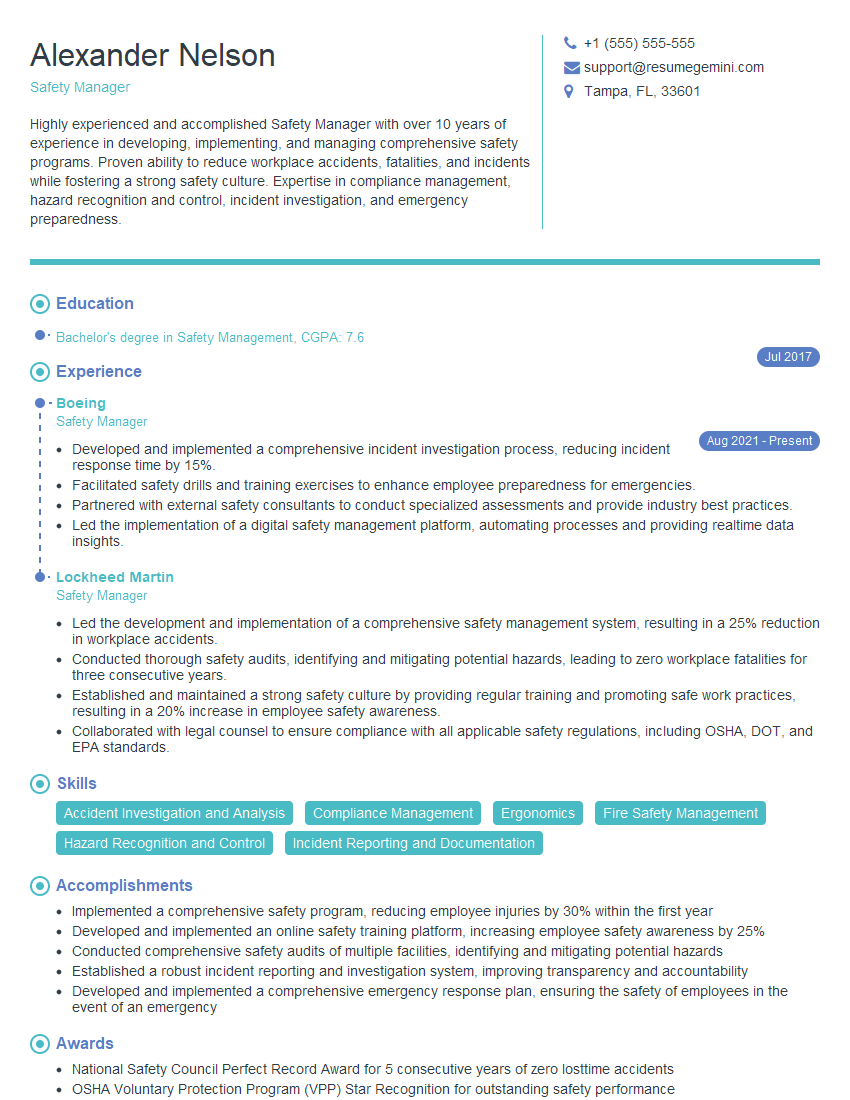
Safety Manager Resume Sample

Operations Manager Resume Sample
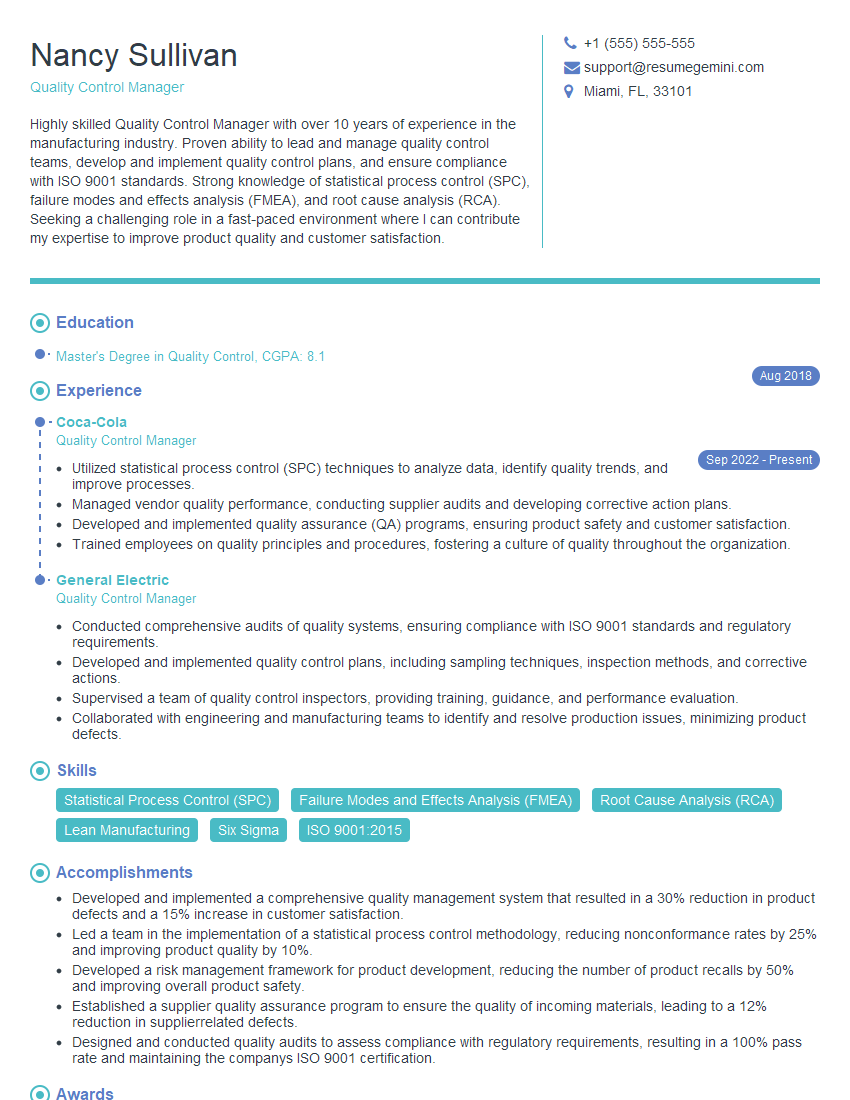
Quality Control Manager Resume Sample

Procurement Manager Resume Sample
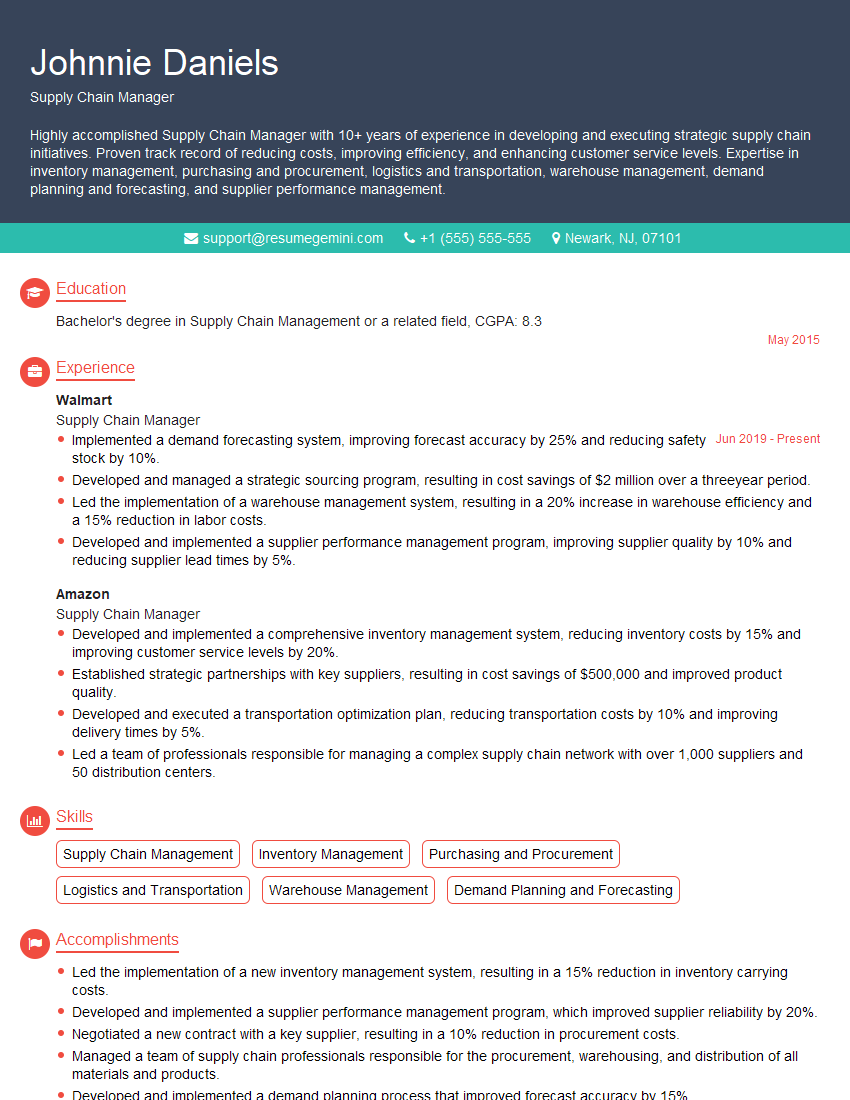
Supply Chain Manager Resume Sample
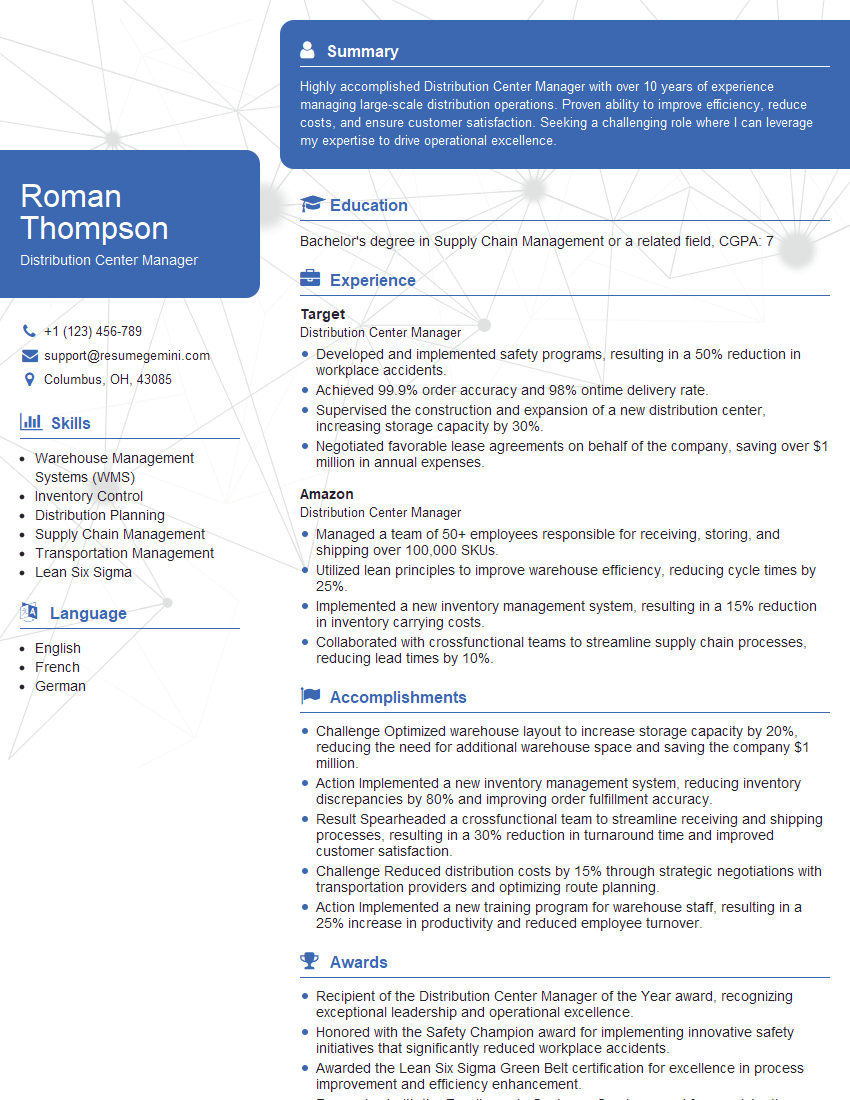
Distribution Center Manager Resume Sample
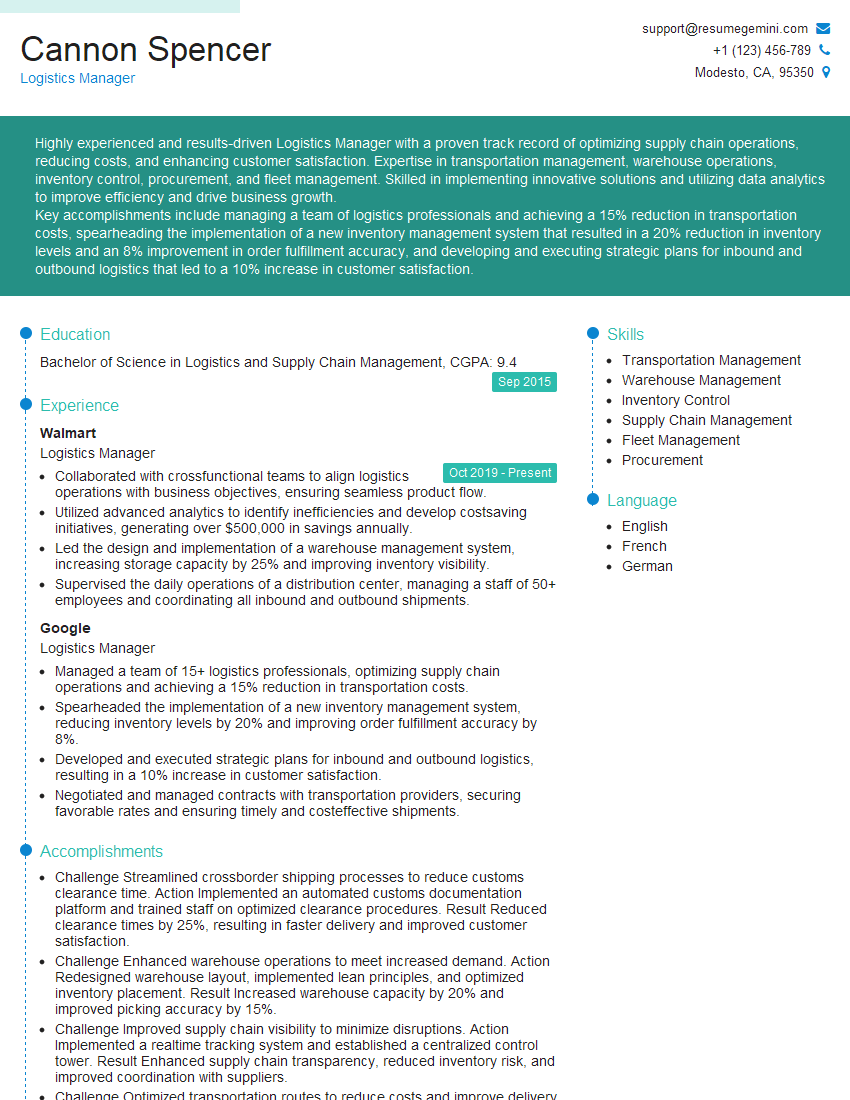
Logistics Manager Resume Sample
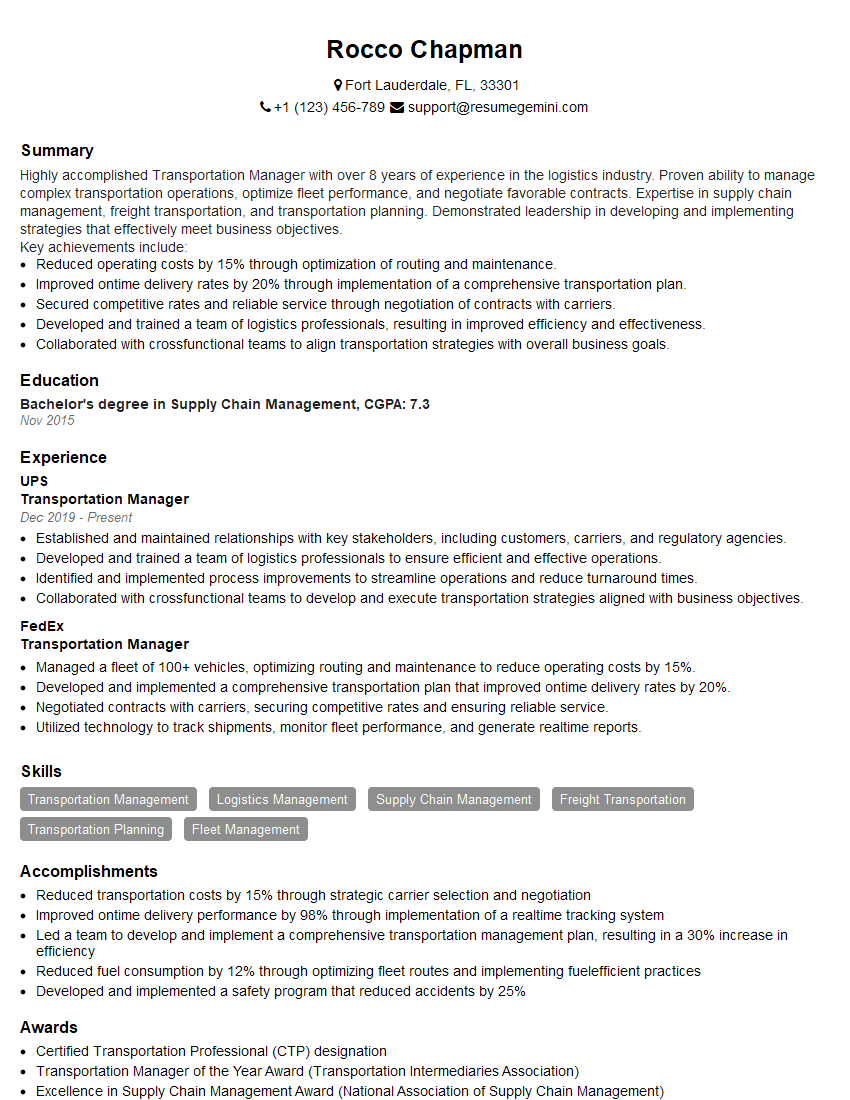
Transportation Manager Resume Sample
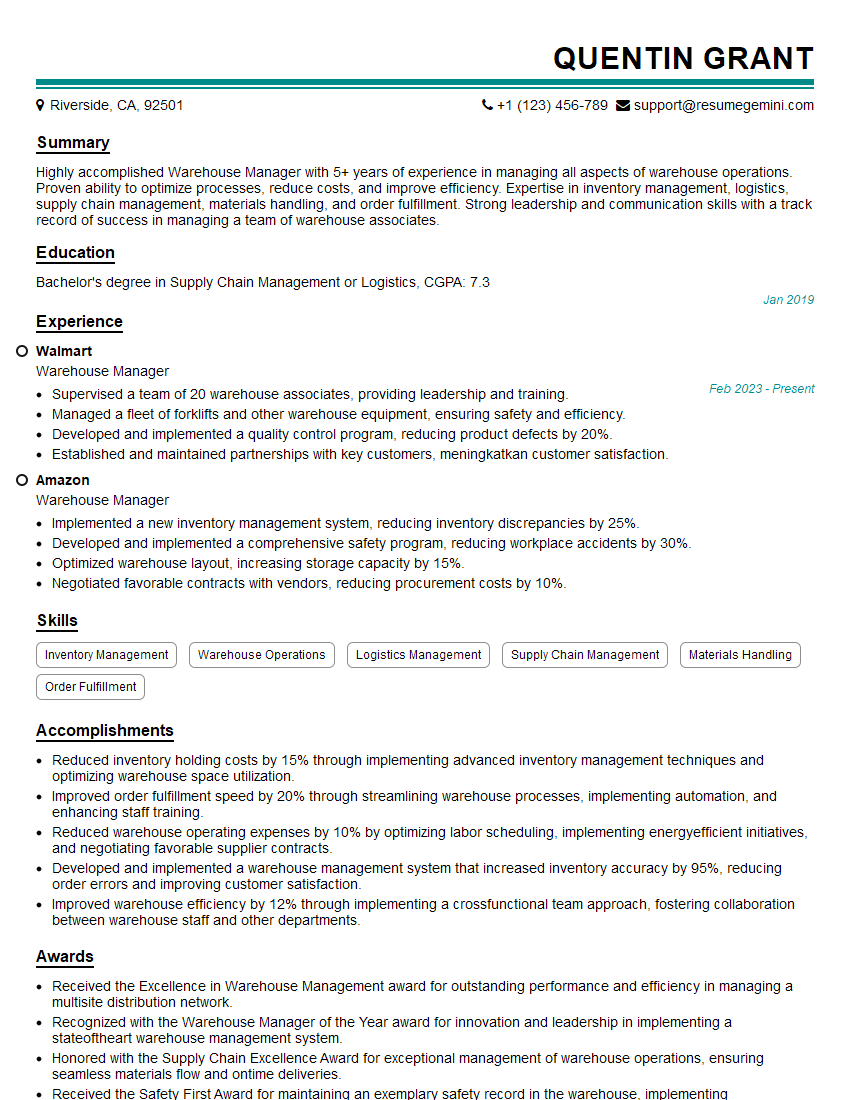
Warehouse Manager Resume Sample
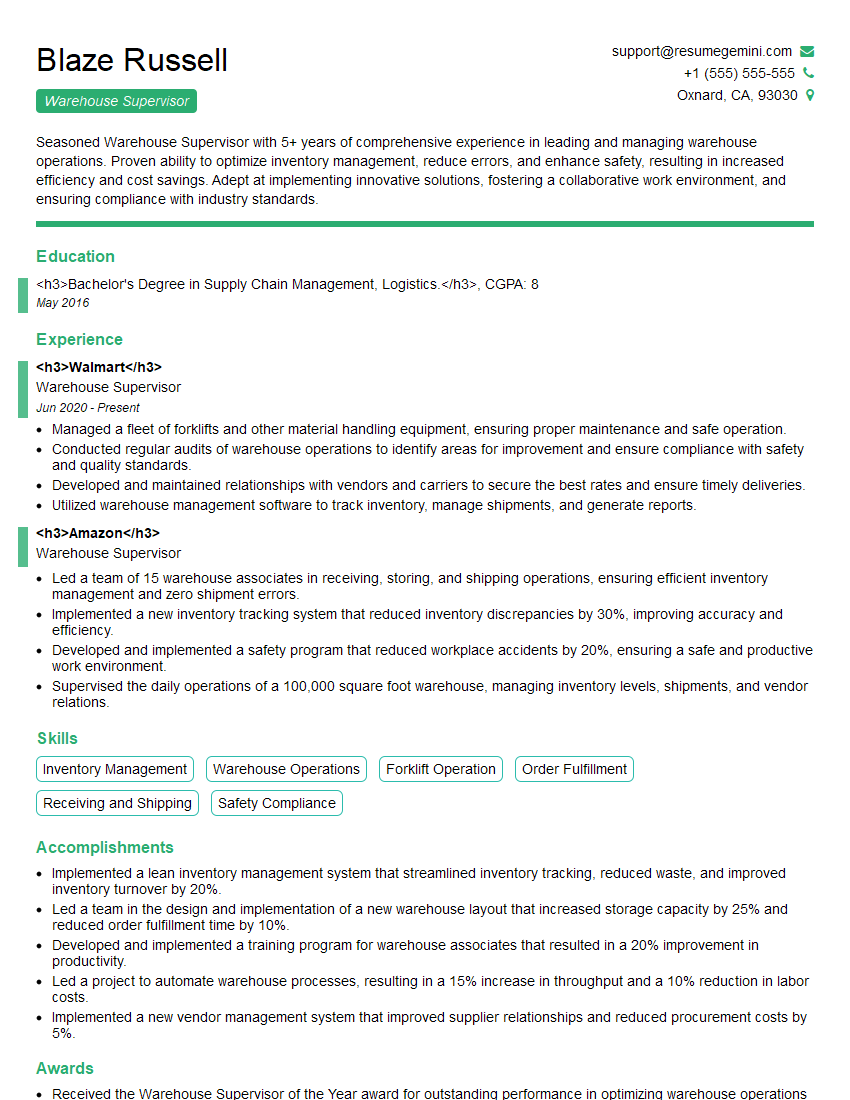
Warehouse Supervisor Resume Sample
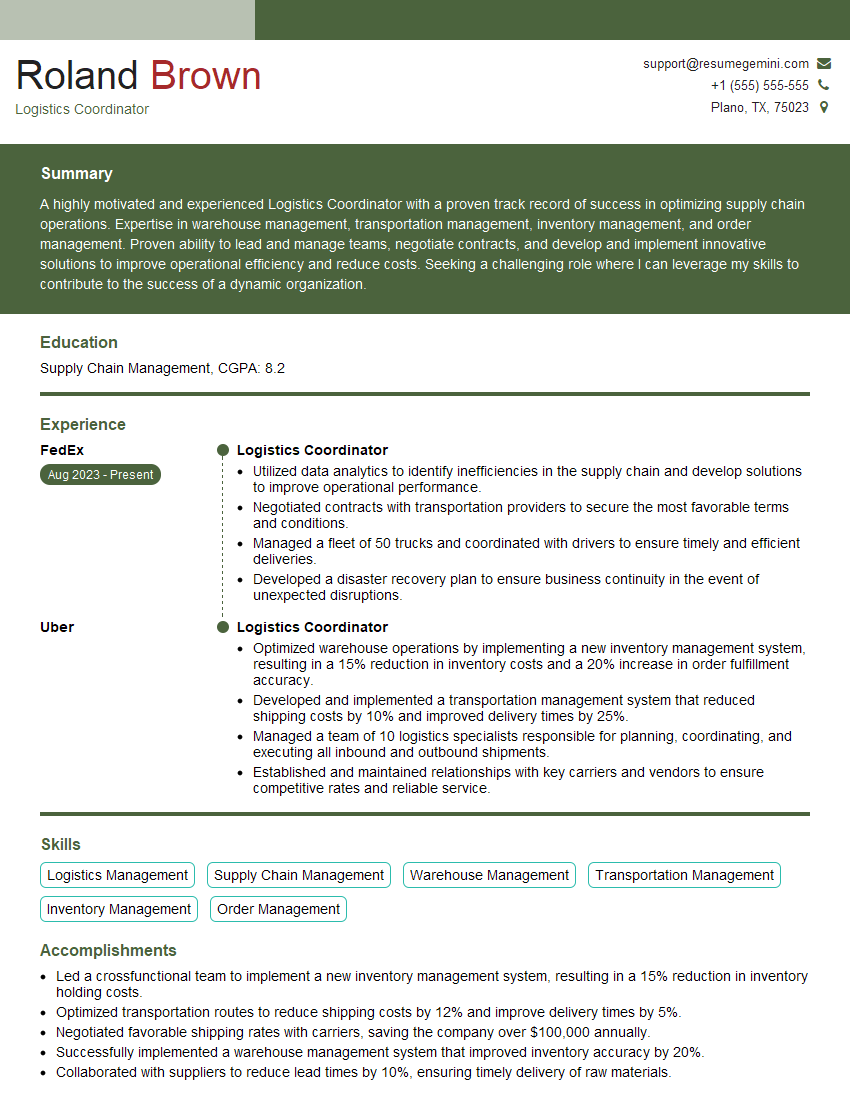
Logistics Coordinator Resume Sample
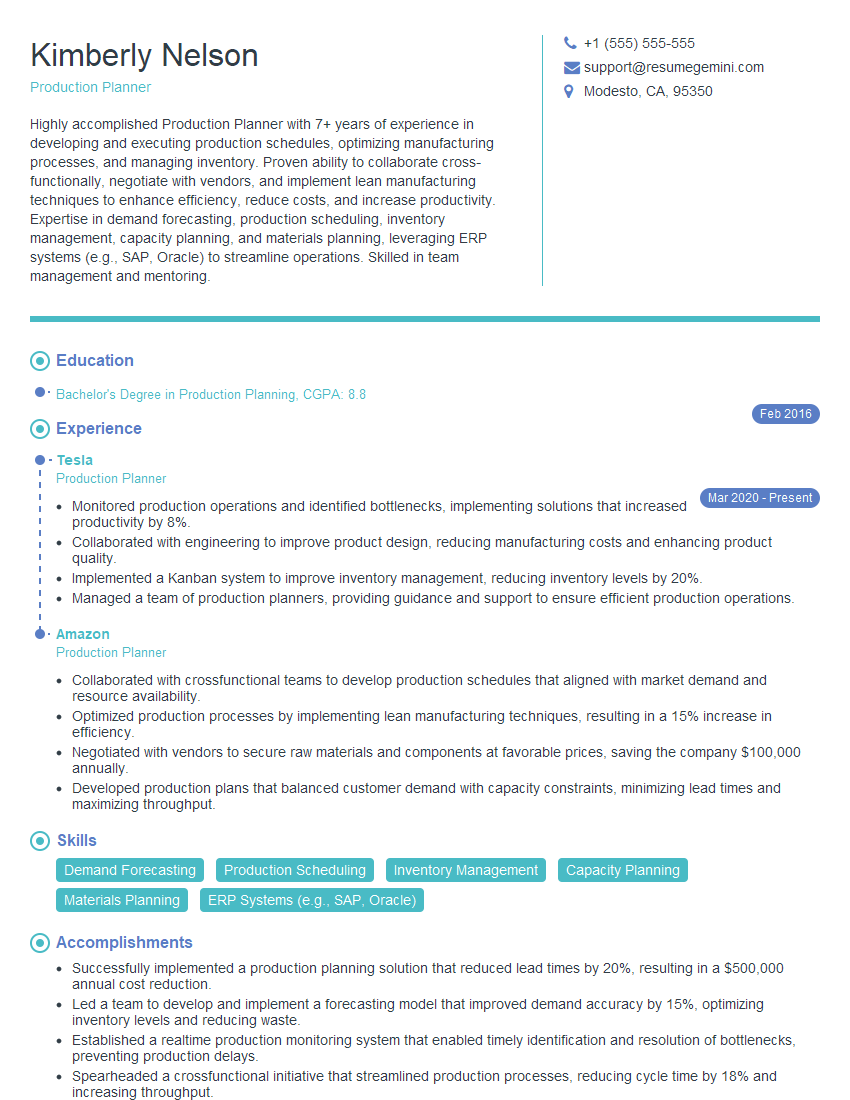
Production Planner Resume Sample
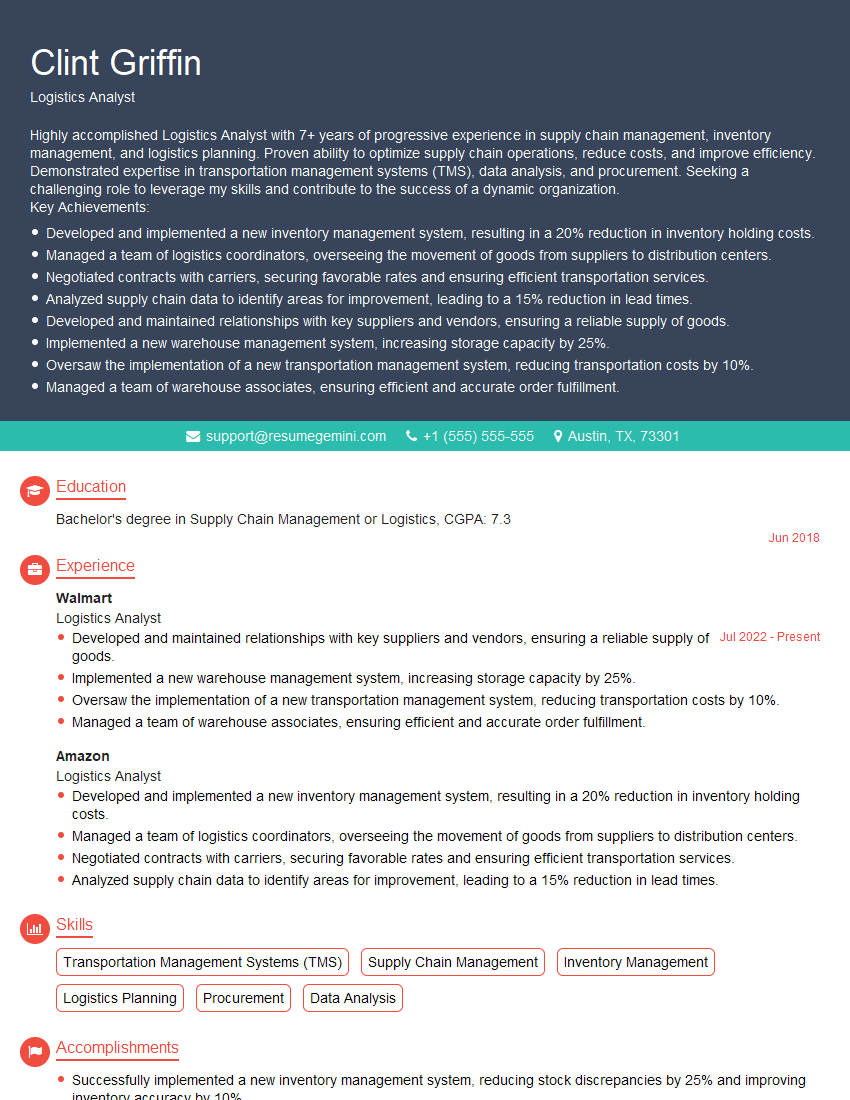
Logistics Analyst Resume Sample
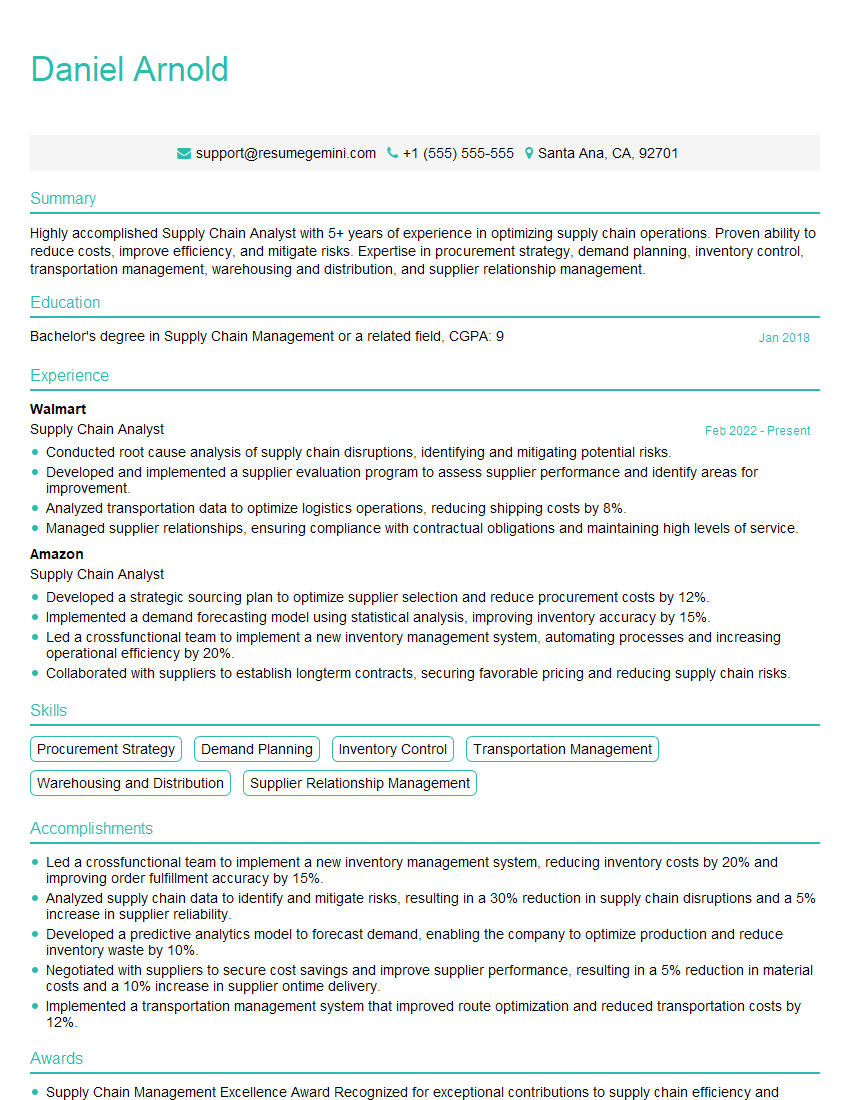
Supply Chain Analyst Resume Sample
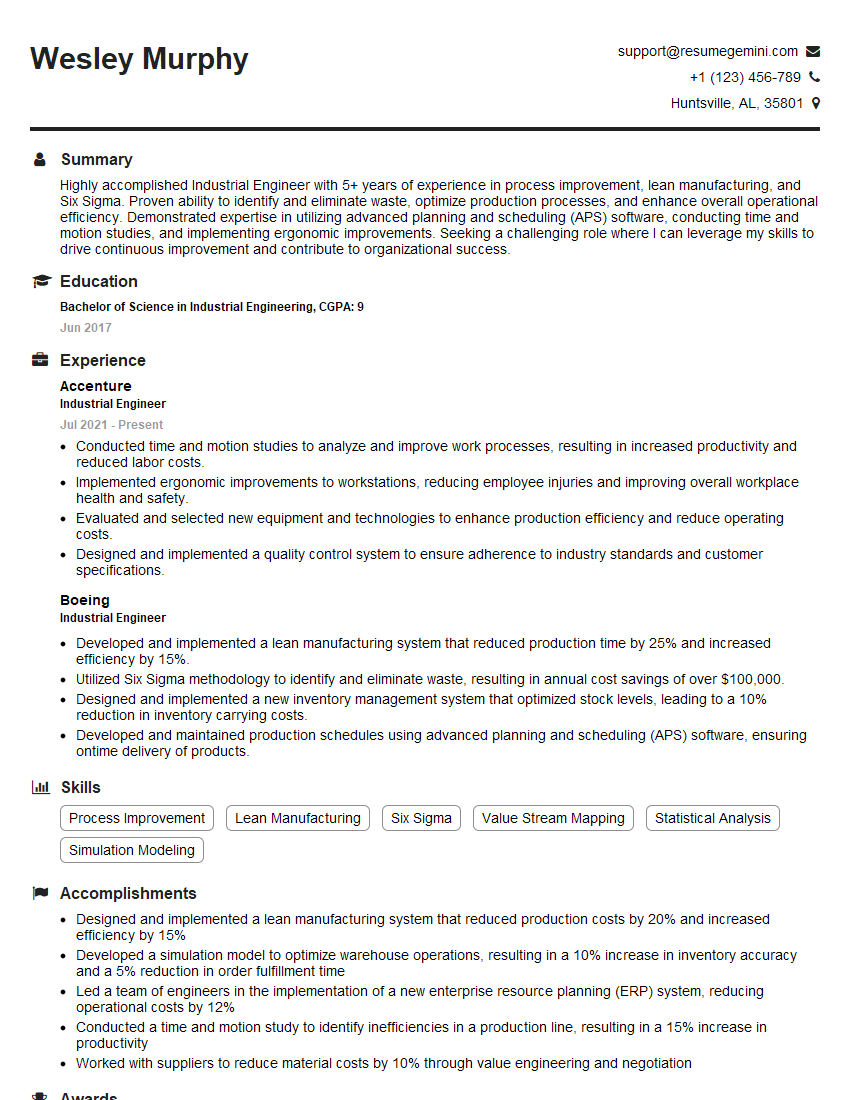
Industrial Engineer Resume Sample
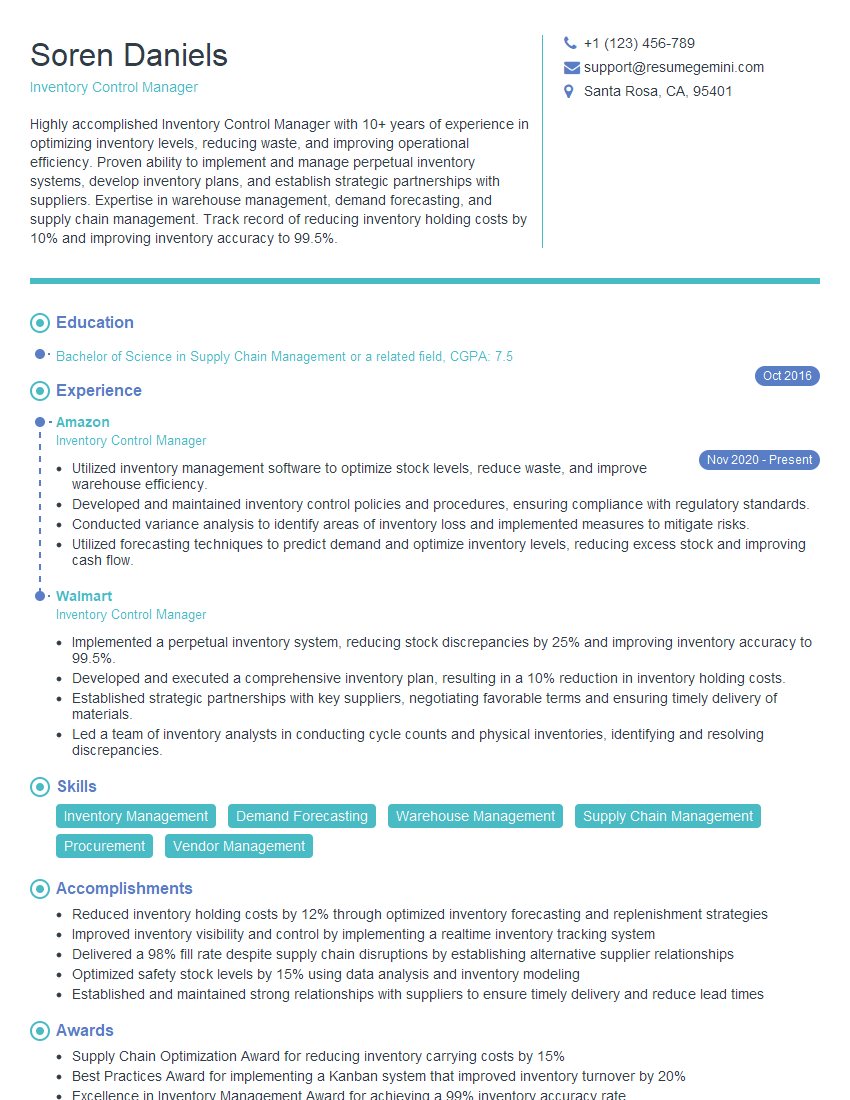
Inventory Control Manager Resume Sample
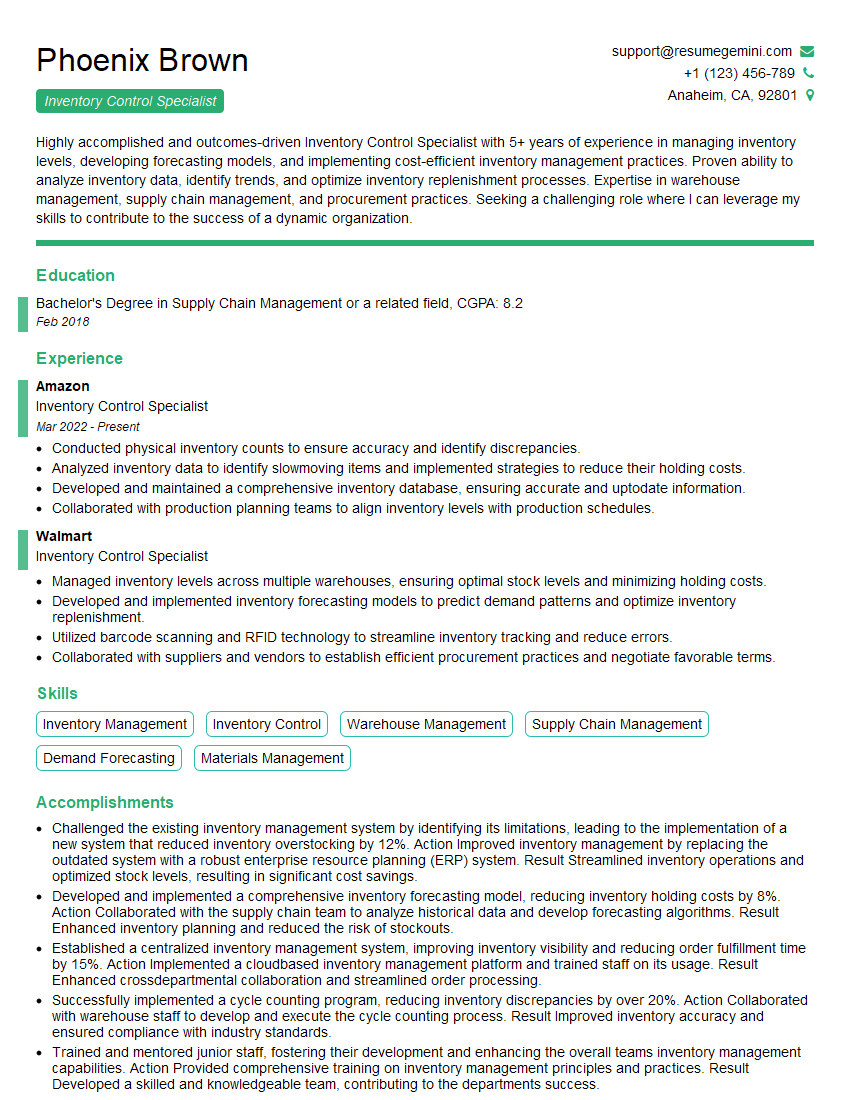
Inventory Control Specialist Resume Sample
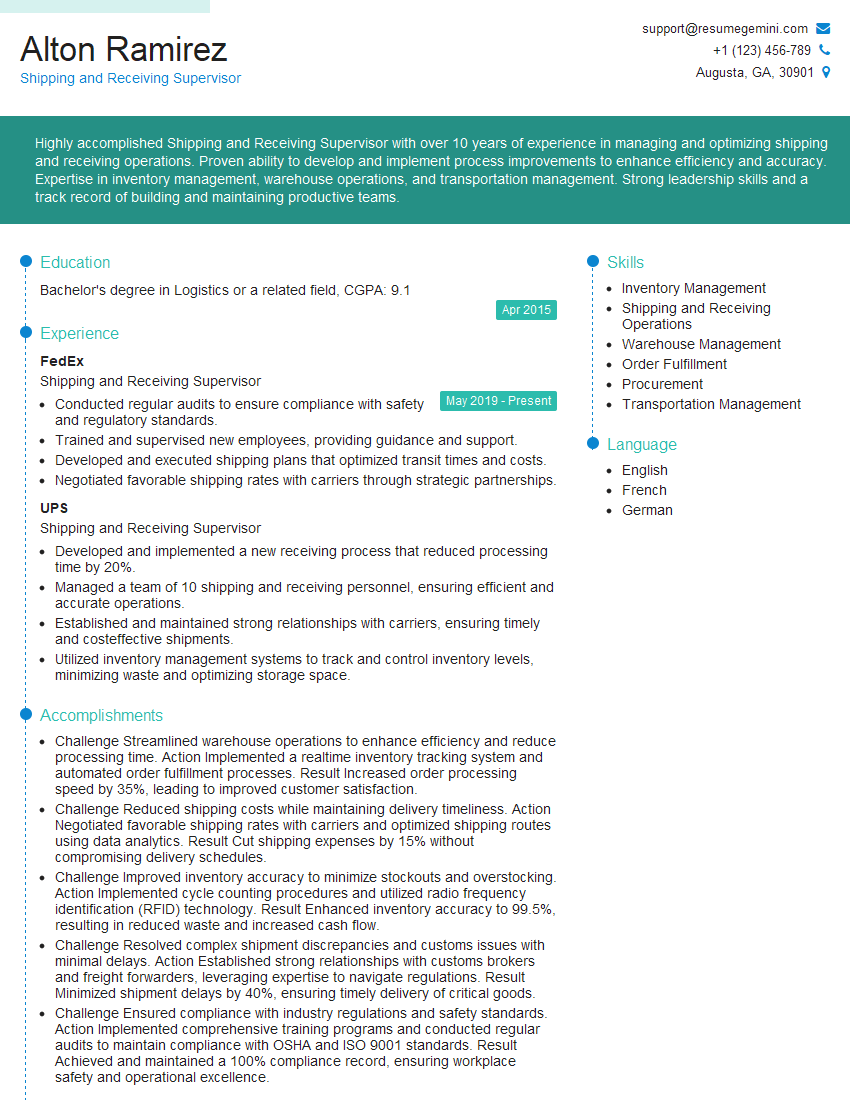
Shipping and Receiving Supervisor Resume Sample
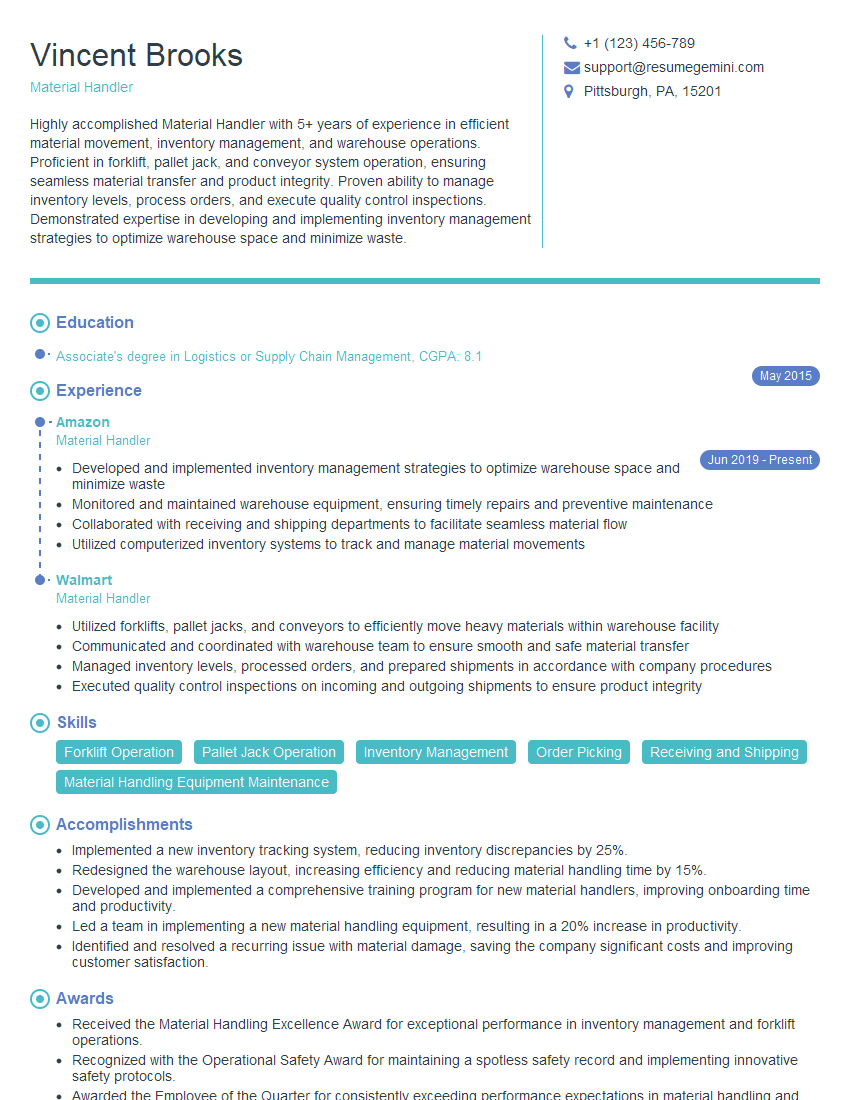
Material Handler Resume Sample
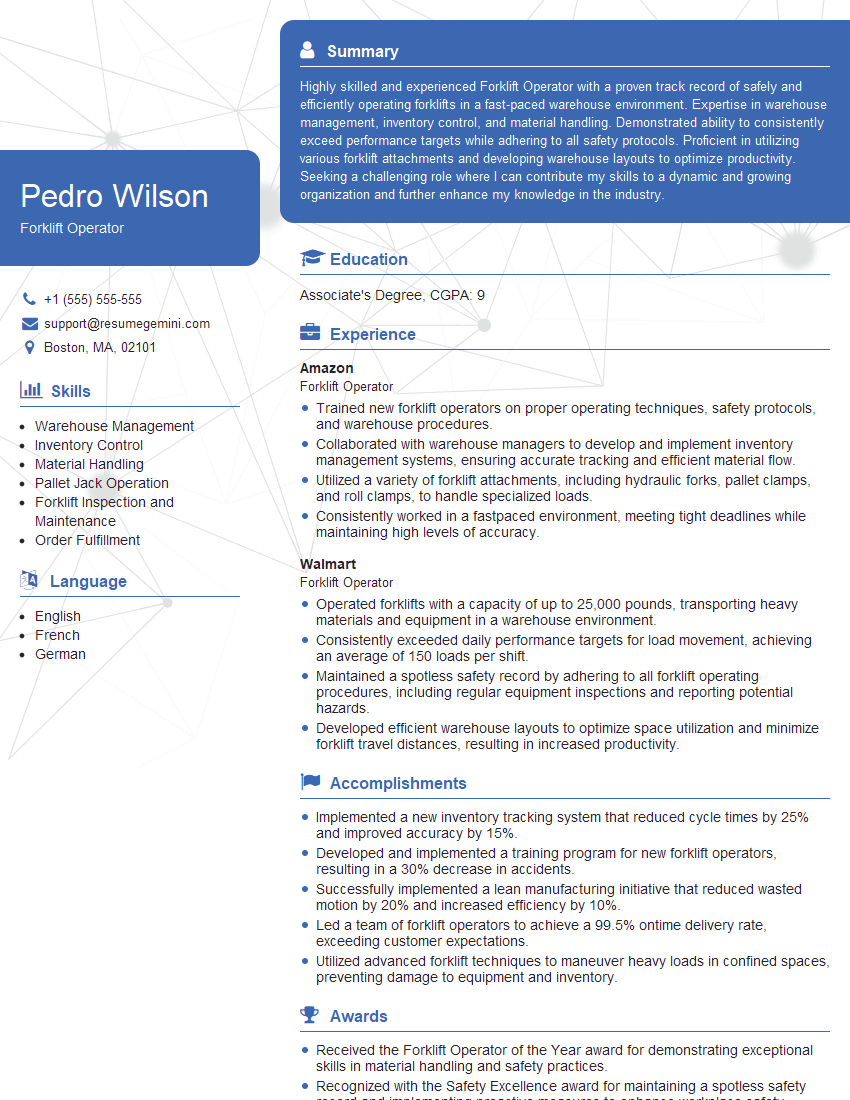
Forklift Operator Resume Sample
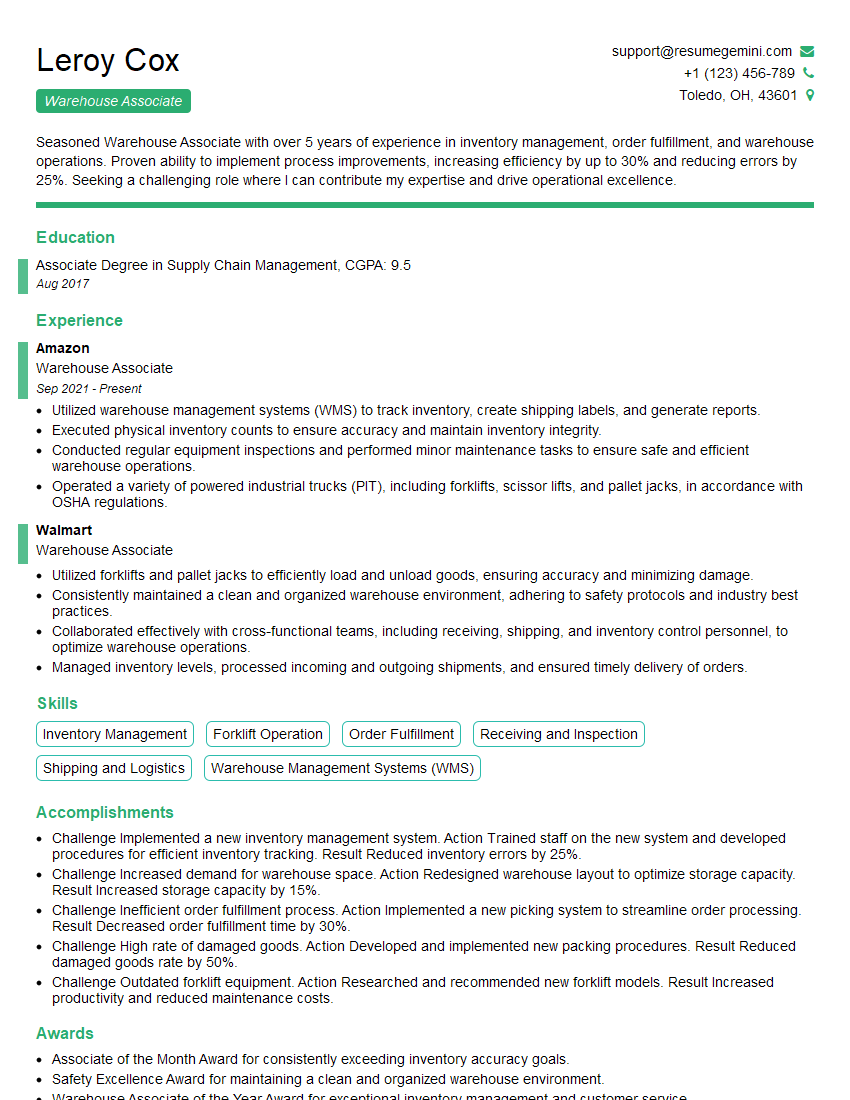
Warehouse Associate Resume Sample
- Safety Manager
- Operations Manager
- Quality Control Manager
- Procurement Manager
- Supply Chain Manager
- Distribution Center Manager
- Logistics Manager
- Transportation Manager
- Warehouse Manager
- Warehouse Supervisor
- Logistics Coordinator
- Production Planner
- Logistics Analyst
- Supply Chain Analyst
- Industrial Engineer
- Inventory Control Manager
- Inventory Control Specialist
- Shipping and Receiving Supervisor
- Material Handler
- Forklift Operator
- Warehouse Associate
Explore more articles
Users Rating of Our Blogs
Share Your Experience
We value your feedback! Please rate our content and share your thoughts (optional).
What Readers Say About Our Blog
Very informative content, great job.
good