Preparation is the key to success in any interview. In this post, we’ll explore crucial Understanding of OSHA safety standards interview questions and equip you with strategies to craft impactful answers. Whether you’re a beginner or a pro, these tips will elevate your preparation.
Questions Asked in Understanding of OSHA safety standards Interview
Q 1. What are the key components of an OSHA inspection?
An OSHA inspection is a comprehensive evaluation of a workplace to ensure compliance with safety and health regulations. It typically involves several key components:
- Opening Conference: The inspector introduces themselves, explains the purpose of the inspection, and outlines the process. They’ll discuss the scope of the inspection, which may be prompted by a complaint, a referral, or a programmed inspection.
- Walkaround Inspection: The inspector physically walks through the workplace, observing working conditions, equipment, and employee practices. They’ll look for hazards and violations of OSHA standards. This is often the most extensive part of the inspection.
- Employee Interviews: The inspector will speak with employees to gather information about safety concerns, potential hazards, and their experiences in the workplace. Employee interviews are conducted confidentially.
- Review of Records: The inspector will review the employer’s OSHA records, including injury and illness logs, training records, and hazard communication plans. This helps verify compliance with recordkeeping requirements.
- Closing Conference: At the end of the inspection, the inspector provides a summary of their findings, discusses any violations identified, and explains the next steps, such as issuing citations or proposing penalties.
Think of it like a thorough health checkup for your workplace. The goal isn’t just to find problems, but also to identify areas for improvement and promote a safer working environment.
Q 2. Explain the difference between OSHA’s General Duty Clause and specific standards.
OSHA’s regulations consist of both general and specific standards. The difference lies in their level of detail and application:
- General Duty Clause (Section 5(a)(1)): This is the cornerstone of OSHA’s authority. It mandates that employers provide a workplace free from recognized hazards that are causing or are likely to cause death or serious physical harm. This clause is a catch-all provision, applicable when no specific standard directly addresses a particular hazard. For example, if a new technology creates an unforeseen hazard, the General Duty Clause could be used to ensure employee protection.
- Specific Standards: These are detailed regulations addressing particular hazards and work practices. They often prescribe specific methods, equipment, or procedures to minimize risks. Examples include standards for fall protection, hazard communication, lockout/tagout, and personal protective equipment (PPE).
Imagine a toolbox. Specific standards are like individual tools designed for particular jobs (e.g., a hammer for nails, a screwdriver for screws). The General Duty Clause is the toolbox itself; it ensures you have the means (through any available method) to address any safety concern, even if there’s no specific tool for it.
Q 3. Describe the process for reporting a workplace injury or illness according to OSHA regulations.
OSHA requires employers to report workplace injuries and illnesses promptly. The reporting process depends on the severity of the incident:
- Recordable Injuries and Illnesses: Employers must record all work-related injuries and illnesses that result in death, days away from work, restricted work, or medical treatment beyond first aid. This information is recorded on OSHA Form 300 and 301.
- Fatalities and Hospitalizations: Employers must report fatalities within 8 hours and hospitalizations, amputations, and losses of an eye within 24 hours to OSHA. This is done through a telephone call to the nearest OSHA office followed by a written report (OSHA Form 301).
- Electronic Reporting: Many employers now utilize electronic reporting systems to comply with these requirements.
Consider this: Prompt reporting allows OSHA to investigate incidents and identify patterns or systemic safety issues that can prevent future injuries. Failing to report can lead to significant penalties.
Q 4. What are the common OSHA recordkeeping requirements?
OSHA’s recordkeeping requirements are crucial for tracking workplace injuries and illnesses to identify hazards and improve safety. Key aspects include:
- OSHA Form 300 (Log of Work-Related Injuries and Illnesses): This annual summary logs all recordable incidents. It is posted in a conspicuous location for employee review.
- OSHA Form 301 (Injury and Illness Incident Report): This provides detailed information about each recordable incident, including employee details, the nature of the injury, and contributing factors.
- OSHA Form 300A (Summary of Work-Related Injuries and Illnesses): This is a summary of the year’s recordable incidents, which is posted annually from February 1st to April 30th.
- Retention of Records: Employers must retain these records for at least five years.
Effective recordkeeping is not merely about compliance; it’s a vital tool for identifying trends, analyzing risk factors, and implementing preventative measures to create a safer workplace. Think of it as a safety audit in progress, continuously monitoring and improving safety protocols.
Q 5. How does OSHA’s Hazard Communication Standard (HazCom) protect workers?
OSHA’s Hazard Communication Standard (HazCom) aims to protect workers from chemical hazards by ensuring that they have access to information about the hazards of the chemicals they handle. This involves several key elements:
- Chemical Inventory: Employers must maintain an inventory of all hazardous chemicals present in the workplace.
- Safety Data Sheets (SDSs): SDSs provide comprehensive information about the hazards of a chemical, including its physical and chemical properties, health effects, precautions for safe handling, and emergency procedures. These documents must be readily accessible to employees.
- Labeling: Containers of hazardous chemicals must be clearly labeled with hazard warnings, including the chemical name, hazard pictograms, signal words, and precautionary statements.
- Employee Training: Employers must provide employees with training on the hazards of the chemicals they handle, safe handling procedures, and emergency response actions.
Think of HazCom as a comprehensive communication system designed to keep employees informed and safe. It’s all about transparency, proper labeling, and equipping employees with the knowledge they need to work safely with potentially hazardous materials.
Q 6. Explain the concept of lockout/tagout procedures and their importance.
Lockout/Tagout (LOTO) procedures are critical safety protocols designed to prevent the unexpected energization or startup of machinery or equipment during maintenance or repair. They ensure that hazardous energy sources are isolated and rendered safe before any work is performed.
- Lockout: Involves using a lock to physically prevent the operation of a machine.
- Tagout: Involves attaching a tag to the equipment to indicate that it is locked out and should not be operated.
- Procedure Steps: A typical LOTO procedure includes: energy isolation, lockout/tagout device application, verification of isolation, work performance, removal of lockout/tagout devices only after verification of safety, and return to normal operation.
Imagine working on a machine that suddenly starts. This could lead to severe injuries or death. LOTO prevents this catastrophic scenario by establishing a formal, documented process to ensure that the equipment is safe before any maintenance activity begins. It’s a life-saving practice.
Q 7. What are the OSHA requirements for Personal Protective Equipment (PPE)?
OSHA requires employers to provide personal protective equipment (PPE) when hazards cannot be eliminated or controlled through engineering or administrative controls. The requirements are multifaceted:
- Hazard Assessment: Employers must conduct a thorough hazard assessment to determine the types of hazards present and the necessary PPE.
- Selection of PPE: PPE must be appropriate for the specific hazards identified and meet industry standards. Examples include hard hats, safety glasses, gloves, respirators, and hearing protection.
- Training: Employees must be trained on how to properly use, maintain, and care for their PPE.
- Provision and Maintenance: Employers are responsible for providing and maintaining the PPE and ensuring that it is in good working condition.
Think of PPE as the last line of defense. While engineering and administrative controls are prioritized, PPE serves as a safety net when other control measures are insufficient. Properly selected and used PPE is a crucial element in protecting workers from injuries.
Q 8. Describe your experience with conducting job hazard analyses (JHAs).
Conducting a Job Hazard Analysis (JHA) is a systematic process to identify and control hazards in the workplace. It involves breaking down a job into its individual steps, identifying potential hazards at each step, and determining appropriate control measures. My experience includes leading JHA teams across various industries, from manufacturing to construction.
For example, in a manufacturing setting, we conducted a JHA for machine operation. We identified hazards like pinch points, moving parts, and electrical hazards. We then developed control measures such as implementing lockout/tagout procedures, providing personal protective equipment (PPE), and ensuring proper machine guarding. The process often involves using a standardized form, documenting each step, hazard, and control, and ensuring the JHA is reviewed and updated regularly, especially after any incidents or process changes.
In another instance, during a construction project, we performed JHAs for tasks like working at heights and trenching. This involved identifying fall hazards and implementing preventative measures like fall arrest systems and trench shoring, respectively. The process always concludes with a review and approval by management and affected workers to ensure buy-in and understanding.
Q 9. How do you develop and implement a safety training program that meets OSHA standards?
Developing a safety training program compliant with OSHA standards requires a multi-step approach. First, you must conduct a needs assessment to identify training gaps based on job hazard analyses and incident reports. The training should then be tailored to address specific hazards relevant to each job role. The program must incorporate both theoretical knowledge and practical application, including hands-on demonstrations and simulations.
For example, training for forklift operators must include theoretical instruction on safe operating procedures, pre-operation checks, and load stability, followed by practical training on maneuvering the forklift in a safe environment. Regular refresher training is crucial to reinforce learnings and address changes in equipment or procedures.
Documentation is paramount. Each employee’s training must be meticulously recorded, including the date of training, the topics covered, and the employee’s competency demonstrated. OSHA requires record-keeping to demonstrate compliance. Finally, the program must be regularly reviewed and updated to ensure its continued effectiveness and relevance.
Q 10. What are the OSHA regulations regarding confined space entry?
OSHA’s confined space regulations (29 CFR 1910.146) are designed to protect workers entering spaces with limited entry and egress, potentially containing hazardous atmospheres. These regulations emphasize a permit-required confined space entry program.
This program necessitates a comprehensive hazard assessment identifying atmospheric hazards (oxygen deficiency, toxic gases, flammables), physical hazards (engulfment, entrapment), and other potential dangers. Before entry, atmospheric testing is mandatory to ensure a safe atmosphere. The program requires trained personnel, including an entrant, an attendant, and potentially a supervisor. Rescue plans must be in place, with designated rescuers and appropriate equipment.
Permitting is a crucial part of the process. A confined space entry permit outlines the hazards, control measures, and emergency procedures. It’s only signed off once all safety requirements are met. Continuous monitoring during the entry is also critical. Non-permit required confined spaces still require hazard assessments and appropriate controls, although the requirements are less stringent.
Q 11. Explain the requirements for fall protection according to OSHA.
OSHA’s fall protection regulations (29 CFR 1926 Subpart M) mandate the use of fall protection when working at heights of 6 feet or more. This involves choosing appropriate fall protection systems tailored to the specific task and environment. Common systems include guardrail systems, safety net systems, and personal fall arrest systems (PFAS).
Guardrails are a primary preventative measure, providing a physical barrier to prevent falls. Safety nets are used to catch workers in the event of a fall. PFAS, consisting of a harness, lanyard, and anchorage point, are used to arrest a fall, limiting its impact. Each system must meet specific OSHA requirements regarding strength, design, and installation.
Proper training is essential for anyone using fall protection equipment. Workers must be competent in using and inspecting the equipment, understanding its limitations, and recognizing potential hazards. Regular inspections of equipment are crucial to ensure its effectiveness. Failure to comply can result in serious injuries or fatalities and significant penalties under OSHA guidelines.
Q 12. How do you investigate and analyze workplace accidents to prevent future occurrences?
Investigating workplace accidents is crucial for preventing future occurrences. The process involves a thorough and objective investigation, gathering all relevant information to pinpoint the root cause(s) of the accident.
This begins with securing the accident scene, interviewing witnesses, reviewing any available documentation (e.g., training records, incident reports), and examining the physical evidence. The goal is to move beyond identifying immediate causes to understand the underlying systemic issues that contributed to the accident. Tools like fault tree analysis or the five whys can be employed to identify root causes.
Once the root causes are identified, corrective actions are developed and implemented to prevent similar incidents. This might involve modifying equipment, improving procedures, enhancing training, or improving safety policies. Following up to ensure the effectiveness of the implemented corrective actions is just as crucial. The entire investigation process must be meticulously documented and used to inform ongoing safety improvements within the workplace.
Q 13. What are your strategies for promoting a strong safety culture within a workplace?
Promoting a strong safety culture requires a multi-faceted approach involving leadership commitment, employee engagement, and continuous improvement. Leadership must actively demonstrate their commitment to safety, setting a clear example and holding employees accountable for following safety procedures.
Employee engagement is paramount. Employees must be actively involved in identifying and addressing hazards. This can be achieved through regular safety meetings, toolbox talks, and safety committees where employees have a voice. Open communication channels are crucial to encourage reporting of near misses and hazards without fear of retribution.
Recognizing and rewarding safe behaviors is vital to reinforce positive actions. This can include employee recognition programs, awards, or incentives. Continuous improvement is achieved through regularly reviewing safety performance data, identifying trends, and adapting safety programs accordingly. A culture of safety isn’t just about rules; it’s about a shared belief that everyone deserves to go home safe at the end of the day.
Q 14. How familiar are you with OSHA’s emergency action plan requirements?
OSHA’s Emergency Action Plan (EAP) requirements (29 CFR 1910.38) are essential for workplace safety. The EAP outlines procedures to be followed in case of fire or other emergencies. A comprehensive EAP must include procedures for reporting emergencies, evacuation routes, and assembly points.
It should also define the roles and responsibilities of different personnel (e.g., fire wardens, first aid providers), procedures for accounting for employees after an evacuation, and emergency rescue procedures. The EAP needs to be reviewed and updated regularly, particularly after any significant changes in the workplace or emergency response capabilities.
The plan must be communicated to all employees through appropriate methods, including training and easily accessible documentation. Regular drills and emergency response training are vital to ensure everyone is familiar with the procedures and knows what to do in an emergency. The EAP must be prominently displayed and easily accessible to all employees.
Q 15. What are the OSHA requirements regarding the handling and storage of hazardous materials?
OSHA’s Hazardous Materials regulations, primarily found in 29 CFR 1910 Subpart H, are extensive and dictate stringent requirements for handling and storage to minimize risks of exposure, accidents, and environmental contamination. These regulations cover a broad spectrum of hazardous materials, encompassing chemicals, flammables, explosives, and radioactive substances.
Proper Labeling and Identification: All containers must be clearly labeled with the material’s identity, hazards, and safety precautions. This includes using the Globally Harmonized System (GHS) hazard pictograms and signal words.
Segregation and Incompatible Materials: Incompatible substances, such as oxidizers and flammables, must be stored separately to prevent potentially dangerous reactions. This often involves designated storage areas and physical separation. For example, storing sodium hypochlorite (bleach) near acids could create a dangerous chlorine gas release.
Storage Conditions: Specific storage conditions are crucial; materials may require ventilation, temperature control, or protection from sunlight. Flammable materials must be stored away from ignition sources.
Material Safety Data Sheets (MSDS) / Safety Data Sheets (SDS): Employers must have readily accessible SDSs for each hazardous material in the workplace. These sheets provide vital information about the material’s properties, hazards, and handling procedures.
Emergency Procedures: Comprehensive emergency procedures, including spill response plans, must be in place and employees must be trained in their implementation. This might include the use of specific absorbent materials, personal protective equipment (PPE), and emergency contact information.
Employee Training: All employees working with hazardous materials must receive thorough training on the hazards involved, appropriate handling techniques, and emergency response procedures.
Non-compliance can lead to significant fines and penalties. For example, improper storage of flammable liquids could result in a fire, causing serious injury or property damage, along with substantial OSHA fines.
Career Expert Tips:
- Ace those interviews! Prepare effectively by reviewing the Top 50 Most Common Interview Questions on ResumeGemini.
- Navigate your job search with confidence! Explore a wide range of Career Tips on ResumeGemini. Learn about common challenges and recommendations to overcome them.
- Craft the perfect resume! Master the Art of Resume Writing with ResumeGemini’s guide. Showcase your unique qualifications and achievements effectively.
- Don’t miss out on holiday savings! Build your dream resume with ResumeGemini’s ATS optimized templates.
Q 16. Describe your experience with conducting safety audits and inspections.
Throughout my career, I’ve conducted numerous safety audits and inspections across various industries. My approach is systematic and proactive, focusing on identifying potential hazards before they lead to incidents. I typically follow a structured methodology:
Pre-Inspection Planning: I begin by reviewing relevant OSHA standards, company safety policies, and previous inspection reports to tailor the audit to specific risks.
On-Site Observation: I conduct thorough walkthroughs of the facility, observing work practices, equipment condition, and the overall workplace environment. This involves examining areas such as storage facilities, machinery operation, and employee behavior.
Documentation Review: I meticulously review safety documentation, including SDSs, training records, incident reports, and permit-required confined space entry documentation, to verify compliance.
Interviews: I interview employees at all levels to gauge their understanding of safety procedures and identify any concerns or areas needing improvement. These interviews provide valuable insights often missing in purely observational audits.
Report Generation: After the inspection, I prepare a detailed report outlining identified hazards, non-compliances, and recommendations for corrective actions. This report includes prioritized findings based on severity and potential impact.
Follow-up: I conduct follow-up inspections to ensure that corrective actions have been implemented effectively. This ensures long-term improvements rather than merely a temporary fix.
For instance, during a recent audit at a construction site, I identified several violations related to fall protection and electrical safety. The report detailed these findings, recommended corrective actions, and provided a timeline for implementation. This resulted in immediate improvements in safety practices.
Q 17. How do you manage and mitigate workplace hazards?
Hazard management and mitigation involve a proactive, multi-step approach. It’s not just about reacting to incidents; it’s about preventing them from happening in the first place. My strategy incorporates:
Hazard Identification and Assessment: This involves systematically identifying potential hazards through job hazard analyses (JHAs), walkthroughs, and employee input. The assessment determines the severity and likelihood of each hazard occurring.
Hazard Control Hierarchy: I prioritize hazard controls based on the hierarchy of controls, starting with elimination (removing the hazard altogether), substitution (replacing a hazardous material with a less hazardous one), engineering controls (installing guards or ventilation), administrative controls (establishing procedures or training), and finally, personal protective equipment (PPE) as the last line of defense.
Implementation of Controls: Once controls are selected, I ensure their proper implementation and verification. This includes training employees on new procedures and providing appropriate PPE.
Monitoring and Evaluation: Regular monitoring and evaluation are crucial to ensure the effectiveness of implemented controls. This may involve conducting regular safety inspections, tracking incident rates, and reviewing safety data. This ensures ongoing improvement and proactive adjustment to emerging hazards.
Employee Involvement: Actively involving employees in the hazard identification and control process is vital. Employees often have invaluable insights into workplace hazards and can significantly improve safety through their participation.
For example, in a manufacturing setting, I helped implement engineering controls to reduce noise exposure by installing sound-dampening equipment. This resulted in a significant reduction in noise levels and improved the well-being of the employees.
Q 18. What is your experience with OSHA’s recordkeeping requirements, specifically Form 300, 300A, and 301?
OSHA’s recordkeeping requirements, specifically Forms 300, 300A, and 301, are crucial for tracking work-related injuries and illnesses. My experience includes:
Form 300 (Log of Work-Related Injuries and Illnesses): I’m proficient in completing and maintaining this log, accurately recording work-related injuries and illnesses, including details such as the employee’s name, date of injury, nature of injury, and days away from work. This ensures a complete and accurate record of workplace safety incidents.
Form 300A (Summary of Work-Related Injuries and Illnesses): This summary is an annual compilation of data from Form 300, which is posted for employee review. I’m experienced in preparing this summary accurately and ensuring its timely display.
Form 301 (Injury and Illness Incident Report): This form provides detailed information about each work-related injury or illness. My experience includes accurately completing these reports, including descriptions of the incident, contributing factors, and corrective actions taken.
Accurate recordkeeping is essential not only for compliance but also for identifying trends, pinpointing areas needing improvement, and demonstrating a commitment to workplace safety. Inaccurate or incomplete recordkeeping can lead to penalties.
Q 19. Describe your understanding of OSHA’s penalties and violations.
OSHA penalties and violations vary significantly based on the severity of the violation, the employer’s history, and the number of employees affected. Violations are classified into several categories:
Willful: This is the most serious category, indicating intentional disregard for safety regulations. Penalties can be substantial, often resulting in significant fines and potential criminal charges.
Serious: A serious violation is one that poses a substantial probability of death or serious physical harm. Penalties for serious violations are significant.
Other-Than-Serious: These violations have a direct relationship to job safety and health, but don’t pose a substantial probability of death or serious harm. Penalties are typically less severe.
Repeated: This occurs when an employer has been cited previously for the same or a similar violation. Penalties are significantly higher than for initial violations.
Failure to Abate: This occurs when an employer fails to correct a previously cited violation within the allotted time frame. Penalties for failure to abate can be substantial.
Beyond fines, OSHA can issue citations, orders to correct violations, and even shut down operations in extreme cases. Understanding these penalties is crucial for driving compliance and fostering a culture of safety.
Q 20. How do you ensure compliance with OSHA regulations in a fast-paced work environment?
Maintaining OSHA compliance in a fast-paced environment requires a proactive and integrated approach. It’s about embedding safety into the very fabric of the organization’s operations.
Proactive Safety Culture: Cultivating a strong safety culture where safety is not just a priority, but a shared value is essential. This includes open communication, employee involvement, and a commitment to continuous improvement.
Streamlined Processes: Efficient and well-defined processes for safety training, hazard identification, and incident reporting are crucial to keep up with the pace of operations.
Technology Integration: Utilizing technology, such as mobile safety apps for incident reporting or digital safety training platforms, can significantly improve efficiency and tracking capabilities.
Regular Training and Communication: Frequent and engaging safety training that adapts to the changing work environment ensures employees remain informed and updated on relevant safety procedures.
Clear Roles and Responsibilities: Clearly defined roles and responsibilities for safety, with designated personnel accountable for specific aspects of the safety program, ensures consistent effort.
In a fast-paced warehouse, for example, implementing a visual management system for safety protocols, combined with regular toolbox talks to address immediate safety concerns, can be crucial for maintaining compliance and a safe environment. This ensures that safety is addressed promptly without hindering productivity.
Q 21. What are the different types of OSHA citations and their implications?
OSHA citations serve as formal notifications of violations and are categorized by severity and nature of the violation.
Citations for Willful Violations: These are issued for intentional disregard of OSHA regulations. They often come with significant penalties and could have legal repercussions.
Citations for Serious Violations: Issued when a hazard exists that could result in death or serious physical harm. These carry substantial fines.
Citations for Other-Than-Serious Violations: These involve violations that could affect employee safety and health but don’t present a high probability of death or serious injury. Penalties are generally lower than for serious violations.
Citations for Repeated Violations: These are issued when the same violation has occurred previously at the same workplace. Penalties are significantly increased for repeated offenses.
Citations for Failure to Abate: These are for not correcting previously cited violations within the specified timeframe. These often result in significant penalties and demonstrate a disregard for compliance.
The implications of receiving an OSHA citation can be far-reaching. Beyond the financial penalties, citations can damage a company’s reputation, affect insurance premiums, and lead to loss of contracts. A history of violations can lead to more stringent inspections and heightened scrutiny from OSHA. Therefore, a robust safety program is essential for preventing violations and mitigating potential risks.
Q 22. How do you communicate safety information effectively to workers?
Effective safety communication is crucial for a safe workplace. It’s not just about posting signs; it’s about ensuring everyone understands and actively participates in safety practices. My approach involves a multi-faceted strategy:
Multiple Communication Channels: I utilize a variety of methods, including toolbox talks (short, focused safety discussions), safety training sessions (both classroom and online), easily digestible visual aids like posters and videos, and regular email updates. This ensures information reaches everyone, regardless of their learning style or language preference.
Tailored Messaging: I adapt my communication to the specific audience. For example, a complex safety procedure might require a detailed handout for technicians, while a simple reminder about wearing PPE could be communicated verbally to the general workforce.
Interactive Sessions: I encourage two-way communication. This includes open forums for questions, safety committees where employees can voice concerns, and regular feedback surveys to assess comprehension and effectiveness.
Reinforcement and Recognition: Safety isn’t a one-time event. I implement systems for regularly reinforcing key messages and recognizing employees who consistently demonstrate safe work practices. This helps to foster a positive safety culture.
For instance, during a project involving confined space entry, I’d use a combination of a detailed training video, a written procedure, a toolbox talk to clarify specific risks, and regular spot checks to ensure compliance. This layered approach greatly increases the chances that the information is understood and followed.
Q 23. What is your experience with developing and implementing safety programs?
I have extensive experience in developing and implementing comprehensive safety programs. This includes conducting thorough risk assessments (using methods like Job Safety Analysis – JSA and HAZOP), developing written safety procedures, selecting and implementing appropriate personal protective equipment (PPE), and conducting regular safety inspections and audits.
In my previous role, I spearheaded the development of a new safety program for a manufacturing facility. This involved:
Risk Assessment: We conducted a detailed analysis of all work processes, identifying potential hazards and determining the associated risks. This involved engaging frontline workers to get their on-the-ground perspective.
Procedure Development: Based on the risk assessment, we created detailed written procedures for high-risk tasks, such as machine operation and chemical handling. These procedures included step-by-step instructions, safety precautions, and emergency response plans.
Training Implementation: We developed and delivered comprehensive safety training programs for all employees. This included both initial training and regular refresher courses. The training was designed to be interactive and engaging, incorporating practical exercises and simulations.
Monitoring and Evaluation: We established a system for monitoring the effectiveness of the safety program, including regular safety inspections, incident investigations, and tracking of leading indicators (e.g., near misses). This data allowed us to identify areas for improvement and continually refine the program.
The results were a significant reduction in workplace accidents and a demonstrable improvement in the safety culture of the facility.
Q 24. What are the key differences between OSHA and other relevant safety standards?
OSHA (Occupational Safety and Health Administration) is a US government agency that sets and enforces workplace safety and health standards for most private sector workplaces. Other relevant safety standards may be industry-specific, nationally recognized, or even company-specific. Key differences include:
Legal Enforceability: OSHA standards carry the force of law. Non-compliance can result in significant penalties. Other standards, while important for best practice, may not have the same legal weight.
Scope and Applicability: OSHA standards cover a wide range of industries and hazards. Other standards might be more narrowly focused, addressing the specific risks of a particular industry (like NFPA for fire safety or ANSI for manufacturing).
Specificity: OSHA standards often provide detailed requirements for specific safety measures. Other standards might be more general, providing guidance and best practices rather than prescriptive regulations.
Enforcement Mechanisms: OSHA has a robust inspection and enforcement system with penalties for non-compliance. Enforcement of other standards might rely on industry self-regulation or voluntary compliance.
Think of it this way: OSHA sets the baseline, the minimum requirements for a safe workplace. Other standards often build upon this foundation, offering more detailed guidance or addressing specific industry needs. Compliance with OSHA is mandatory in most cases; compliance with other standards is often driven by best practice, legal requirements of other regulating bodies, or client demands.
Q 25. Explain your understanding of OSHA’s hierarchy of hazard controls.
OSHA’s hierarchy of hazard controls is a prioritized approach to eliminating or minimizing workplace hazards. The goal is to implement the most effective control measure at the earliest stage possible. The hierarchy is typically represented as follows (from most effective to least effective):
Elimination: Physically removing the hazard. Example: Replacing a dangerous machine with a safer alternative.
Substitution: Replacing the hazard with a less hazardous alternative. Example: Using a water-based cleaner instead of a solvent-based cleaner.
Engineering Controls: Implementing physical changes to the workplace to minimize the hazard. Example: Installing machine guards, providing ventilation systems, or implementing lockout/tagout procedures.
Administrative Controls: Implementing changes to work practices or procedures to minimize the hazard. Example: Job rotation, limiting exposure time, or providing additional training.
Personal Protective Equipment (PPE): Providing workers with equipment to protect them from the hazard. Example: Safety glasses, gloves, respirators. This is the least preferred control as it protects the worker, not the hazard itself.
It’s crucial to remember that this is a hierarchy, not a checklist. Ideally, you would eliminate or substitute the hazard whenever possible. If that isn’t feasible, you then move down the hierarchy, implementing engineering and administrative controls before resorting to PPE.
Q 26. How do you prioritize safety concerns in relation to production goals?
Safety and production are not mutually exclusive; they are intrinsically linked. Prioritizing safety doesn’t mean halting production; instead, it means integrating safety considerations into every aspect of the production process. My approach involves:
Integrated Risk Management: I proactively identify and assess safety risks during the planning stages of any project, not as an afterthought. This ensures safety is considered alongside production timelines and budgets. This may involve a pre-job safety briefing that outlines the potential hazards and control measures.
Data-Driven Decision Making: I use data on safety incidents, near misses, and leading indicators to identify areas needing improvement. This information guides our resource allocation and informs adjustments to production processes to improve safety, which often ultimately improves efficiency as well.
Transparent Communication: I maintain open communication between safety personnel, production managers, and workers, ensuring everyone understands the importance of both safety and production targets. This collaborative approach fosters a culture of shared responsibility.
Proactive Interventions: I focus on preventing accidents rather than just reacting to them. This includes regular safety inspections, proactive training, and the implementation of preventive maintenance programs.
For instance, if a production line is consistently exceeding its target, but safety incidents are increasing, I’d investigate the underlying reasons. This might reveal that shortcuts are being taken to meet production deadlines, compromising safety. Addressing this would involve training, improved communication, and perhaps adjustments to production schedules to allow for safer practices.
Q 27. Describe your experience with working with OSHA representatives during an inspection.
I have extensive experience working with OSHA representatives during inspections. My approach is one of transparency and collaboration. This includes:
Proactive Preparation: Before an inspection, I ensure all required safety documentation is readily available and organized. This includes safety training records, hazard assessments, safety procedures, and incident reports.
Open Communication: I welcome the inspectors and cooperate fully with their requests. I openly discuss our safety programs, addressing any concerns they may raise.
Corrective Actions: I promptly address any deficiencies identified during the inspection and document the corrective actions taken.
Follow-up: I follow up with the inspectors to ensure that all issues have been resolved to their satisfaction.
During a past inspection, an inspector noted a minor discrepancy in our record-keeping system. I immediately rectified the issue, showing the inspector my documented process for addressing the problem. This demonstrated our commitment to continuous improvement and fostered a positive relationship with OSHA.
Q 28. How would you handle a situation where a worker refuses to follow safety procedures?
Refusal to follow safety procedures is a serious issue that requires a structured approach. My response would involve:
Understanding the Reason: I would first attempt to understand why the worker is refusing to comply. Is there a safety concern they haven’t expressed? Are there misunderstandings about the procedure? Is there a lack of proper training or equipment?
Addressing Concerns: I would address any legitimate concerns they may have. If the worker is uncomfortable with a procedure, we would address the underlying problem, not just enforce compliance. This might involve retraining, providing additional equipment, or adjusting the procedure.
Reinforcing the Importance of Safety: I would reiterate the importance of following safety procedures to prevent accidents and injuries. I would emphasize the potential consequences of non-compliance for both the worker and the company.
Progressive Discipline: If the refusal persists, I would follow the company’s progressive discipline policy. This may include verbal warnings, written warnings, suspension, and ultimately, termination in extreme cases. This would be documented thoroughly.
Reporting and Documentation: All instances of safety rule violations, including discussions and corrective actions, should be documented to provide a complete record of events.
Safety is non-negotiable. While understanding the reasons behind a worker’s actions is important, ultimately, enforcing safety procedures is critical to creating and maintaining a safe work environment for everyone. The goal is always to foster cooperation and create a workplace where everyone feels valued and safe, rather than one where fear of disciplinary action is the primary motivator of compliance.
Key Topics to Learn for Understanding of OSHA Safety Standards Interview
- OSHA Act & Regulations: Understanding the core principles of the Occupational Safety and Health Act, including employer and employee responsibilities. Know the difference between general industry, construction, and maritime standards.
- Hazard Identification & Control: Mastering techniques for identifying workplace hazards (physical, chemical, biological, ergonomic, and psychosocial). Learn about implementing effective control measures (engineering controls, administrative controls, PPE).
- Personal Protective Equipment (PPE): Demonstrate knowledge of various types of PPE, their proper selection, use, and limitations. Be prepared to discuss OSHA’s requirements for PPE training and fit testing.
- Emergency Action Plans & Procedures: Understand the development and implementation of emergency action plans, including evacuation procedures, fire prevention, and first aid response. Be ready to discuss your experience with emergency response.
- Recordkeeping & Reporting: Familiarize yourself with OSHA’s recordkeeping requirements, including incident reporting, injury and illness logs, and the importance of accurate documentation.
- Inspections & Citations: Understand the process of OSHA inspections, the rights of employers and employees during an inspection, and the implications of citations and penalties.
- Specific OSHA Standards (Examples): Depending on the role, you may need in-depth knowledge of specific standards relevant to the industry (e.g., lockout/tagout, confined space entry, fall protection). Research standards applicable to your target roles.
- Problem-Solving & Critical Thinking: Be ready to apply your knowledge to hypothetical scenarios and demonstrate your ability to analyze safety problems, identify root causes, and propose effective solutions.
Next Steps
Mastering OSHA safety standards is crucial for career advancement in many fields, demonstrating your commitment to a safe and productive work environment. A strong understanding of these standards will make you a more valuable and sought-after candidate. To highlight your expertise, create an ATS-friendly resume that showcases your skills and experience effectively. ResumeGemini is a trusted resource that can help you build a professional resume tailored to the specific requirements of your target jobs. Examples of resumes tailored to demonstrating understanding of OSHA safety standards are available to help you get started.
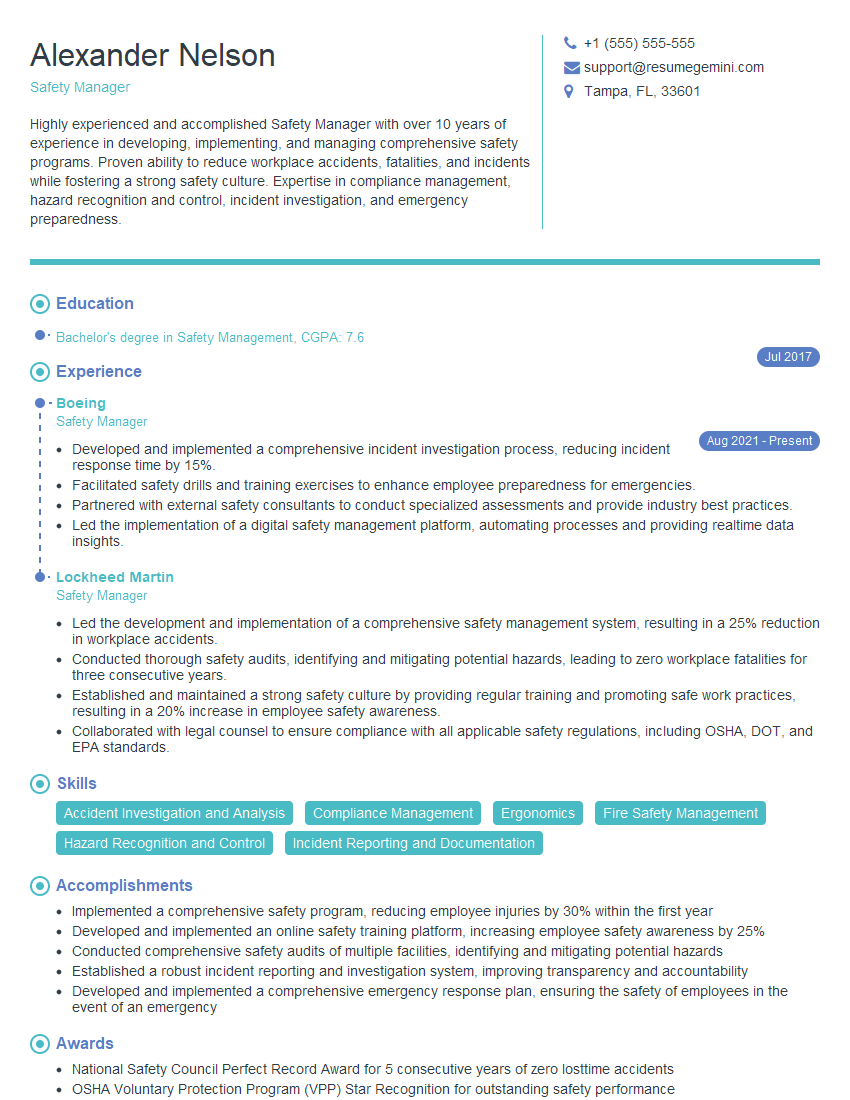
Safety Manager Resume Sample
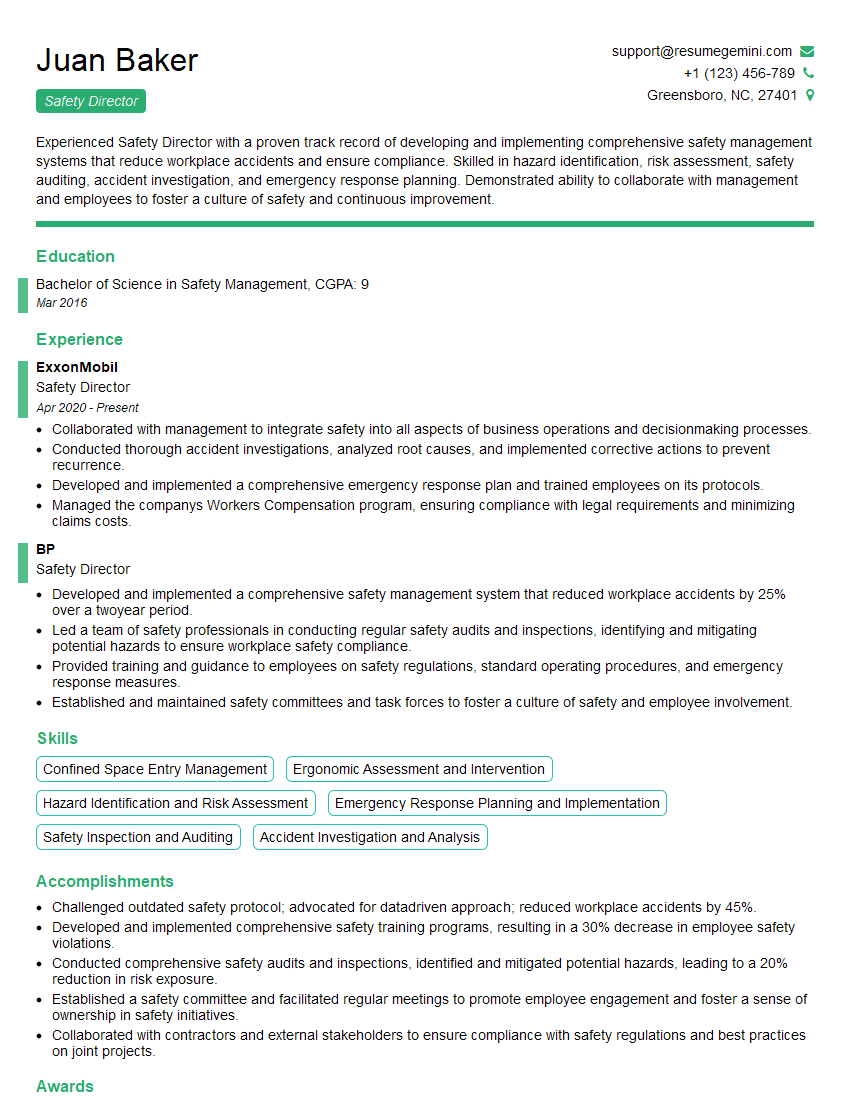
Safety Director Resume Sample
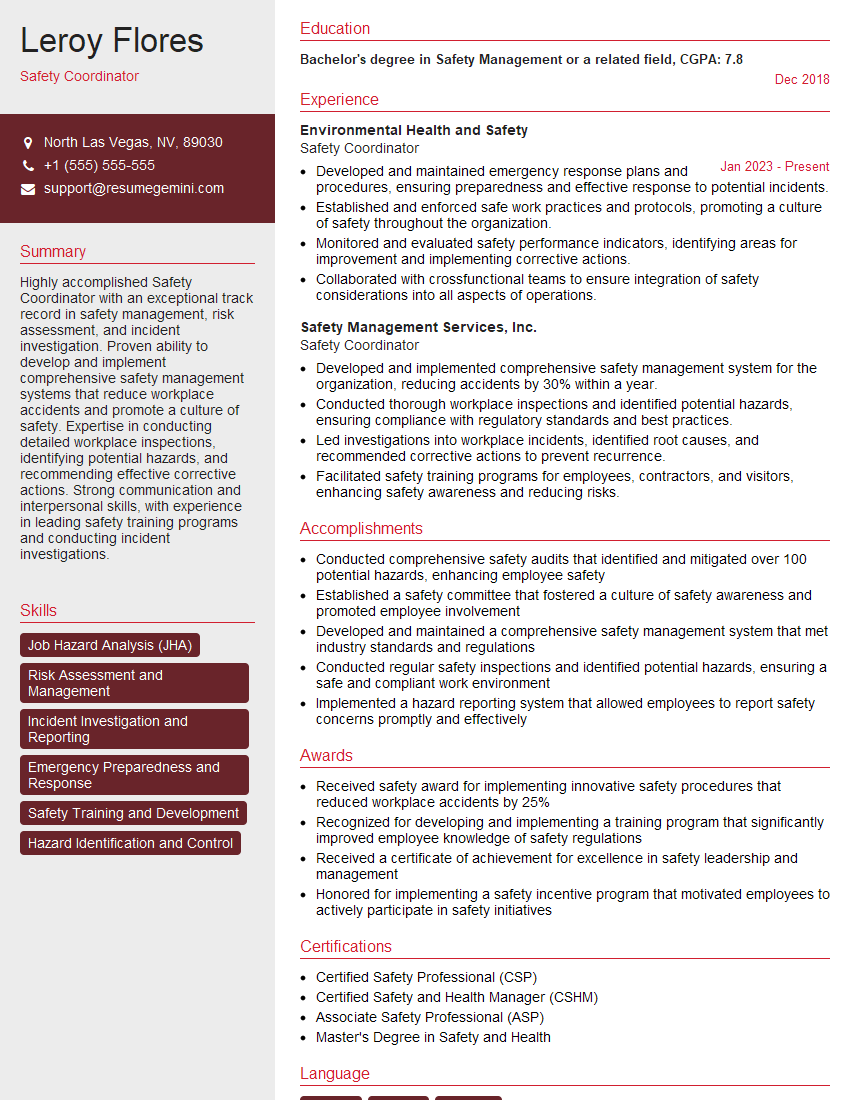
Safety Coordinator Resume Sample

Compliance Officer Resume Sample
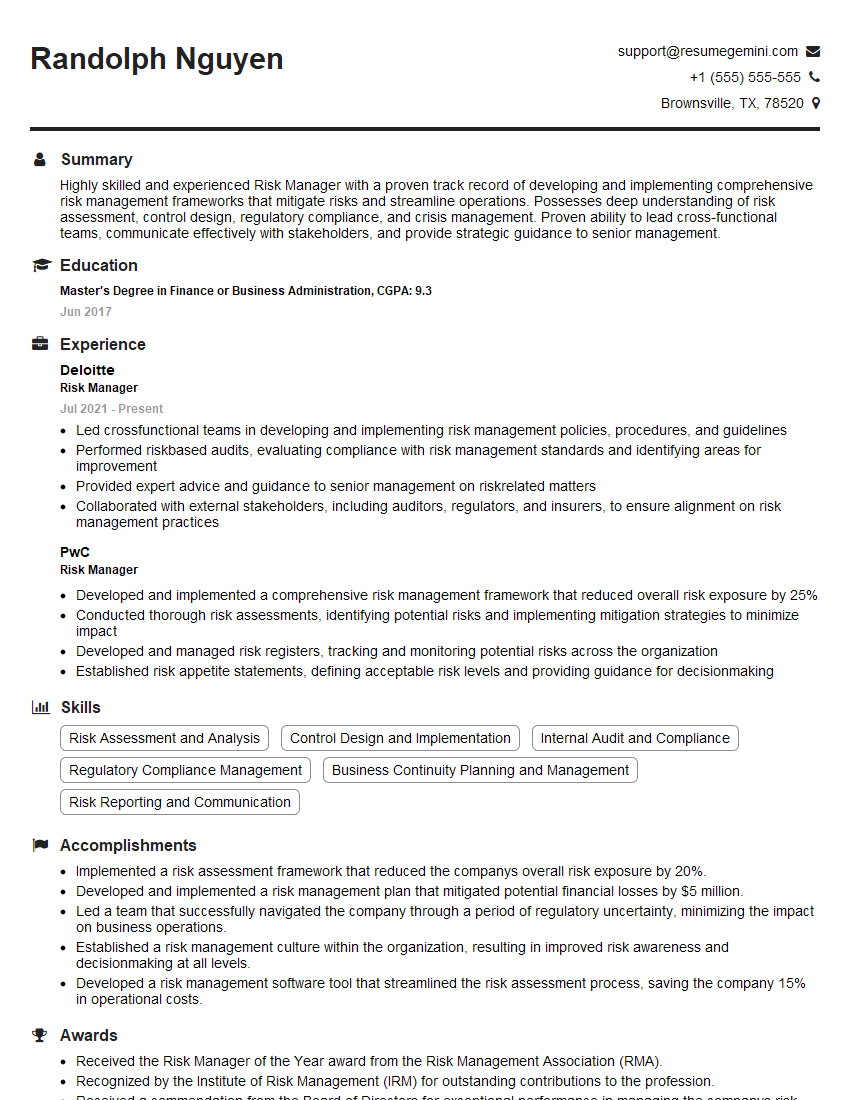
Risk Manager Resume Sample
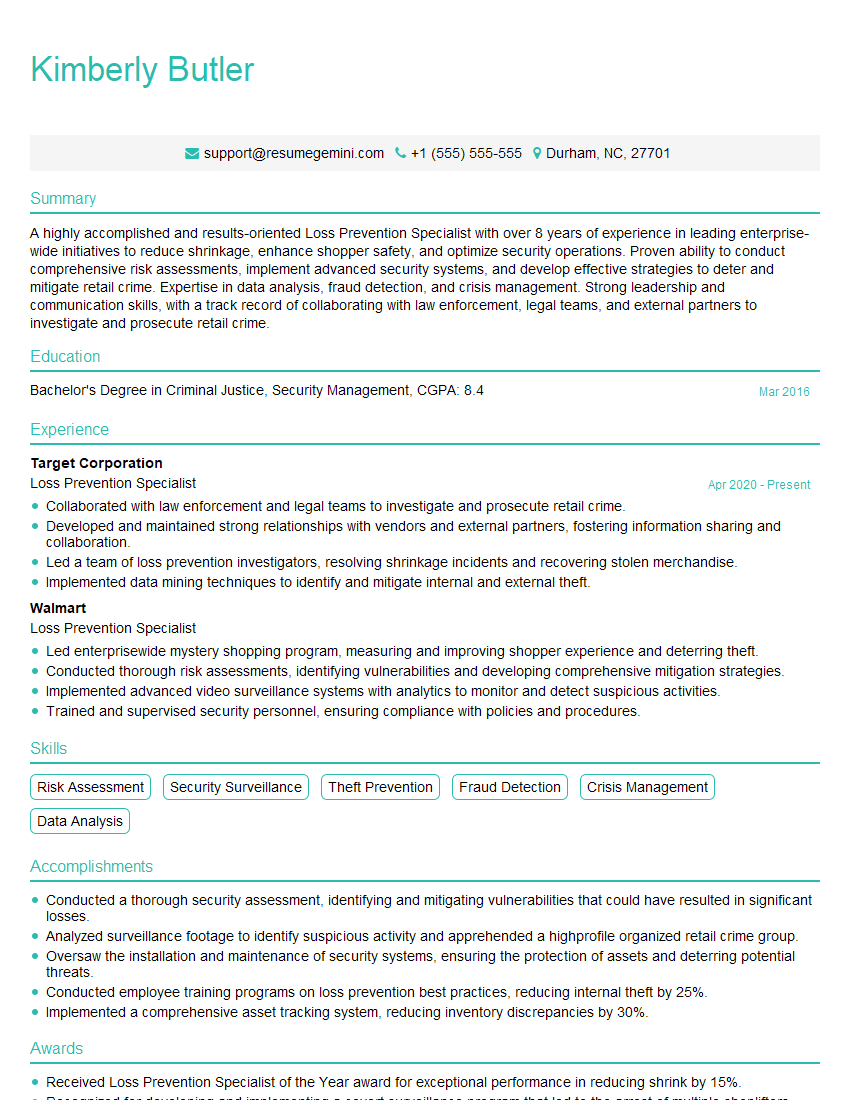
Loss Prevention Specialist Resume Sample
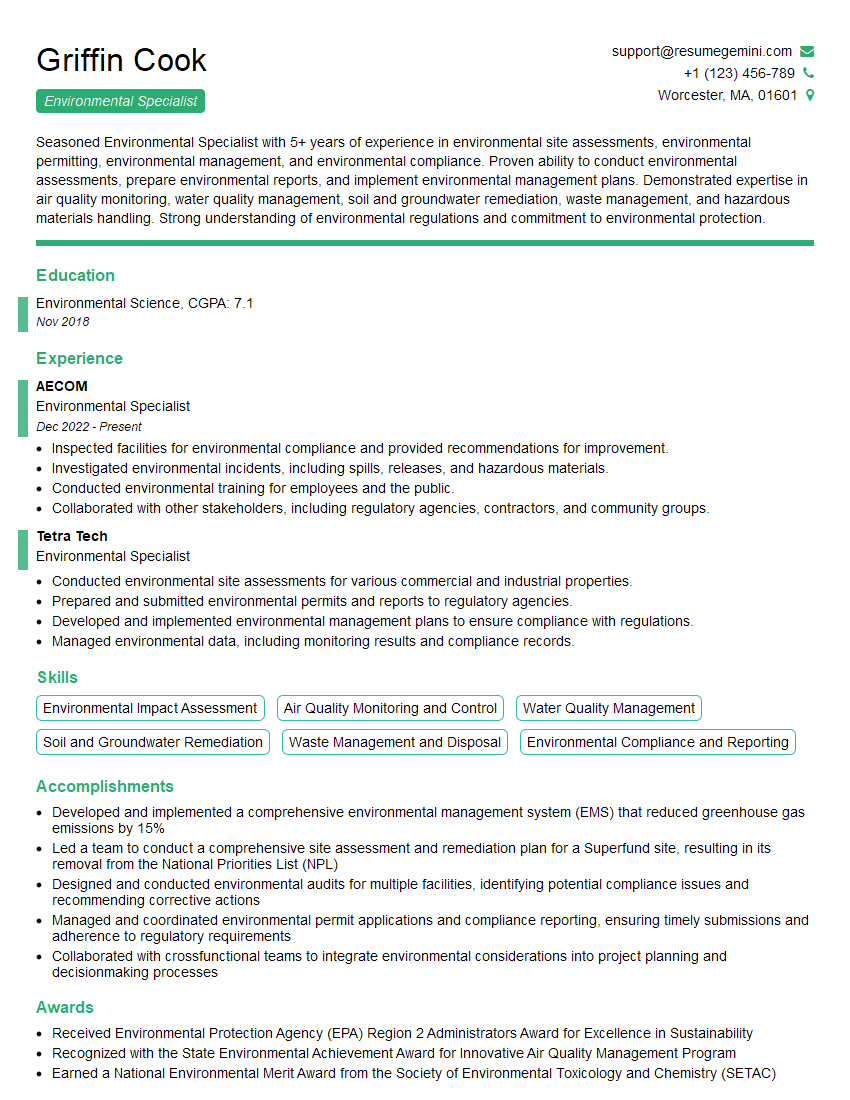
Environmental Specialist Resume Sample
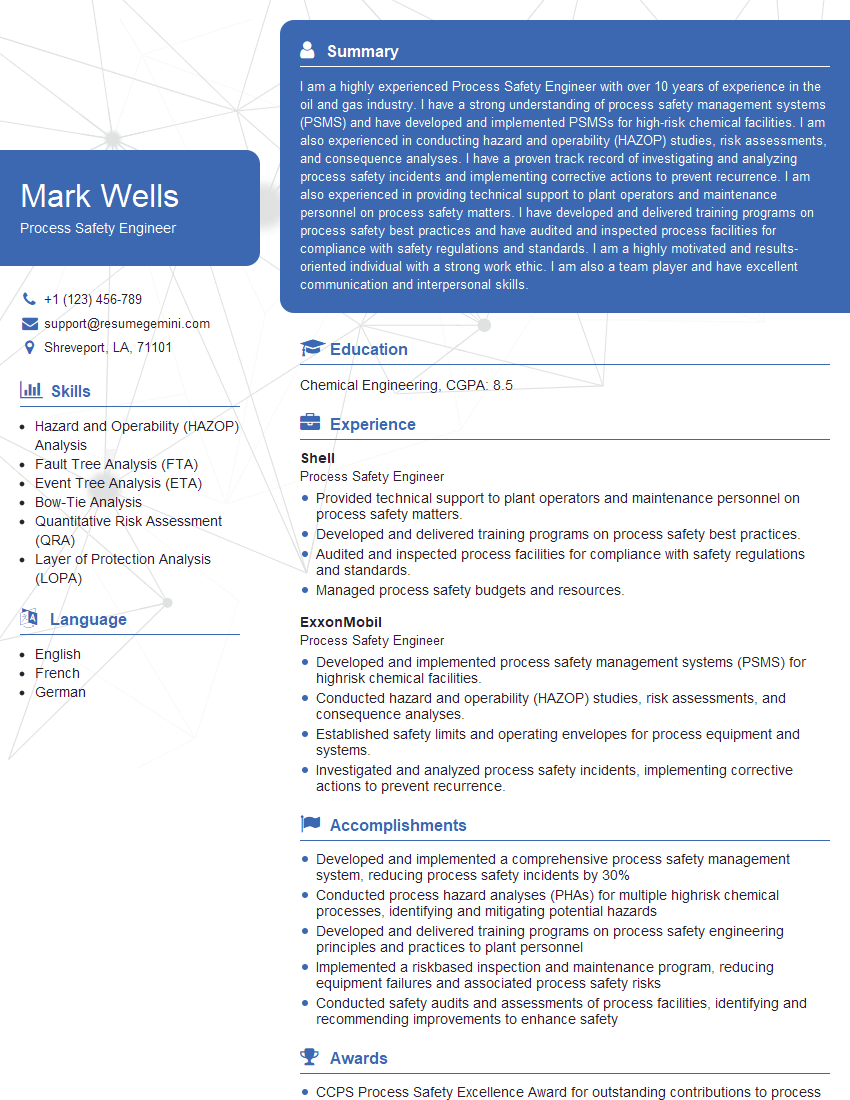
Process Safety Engineer Resume Sample
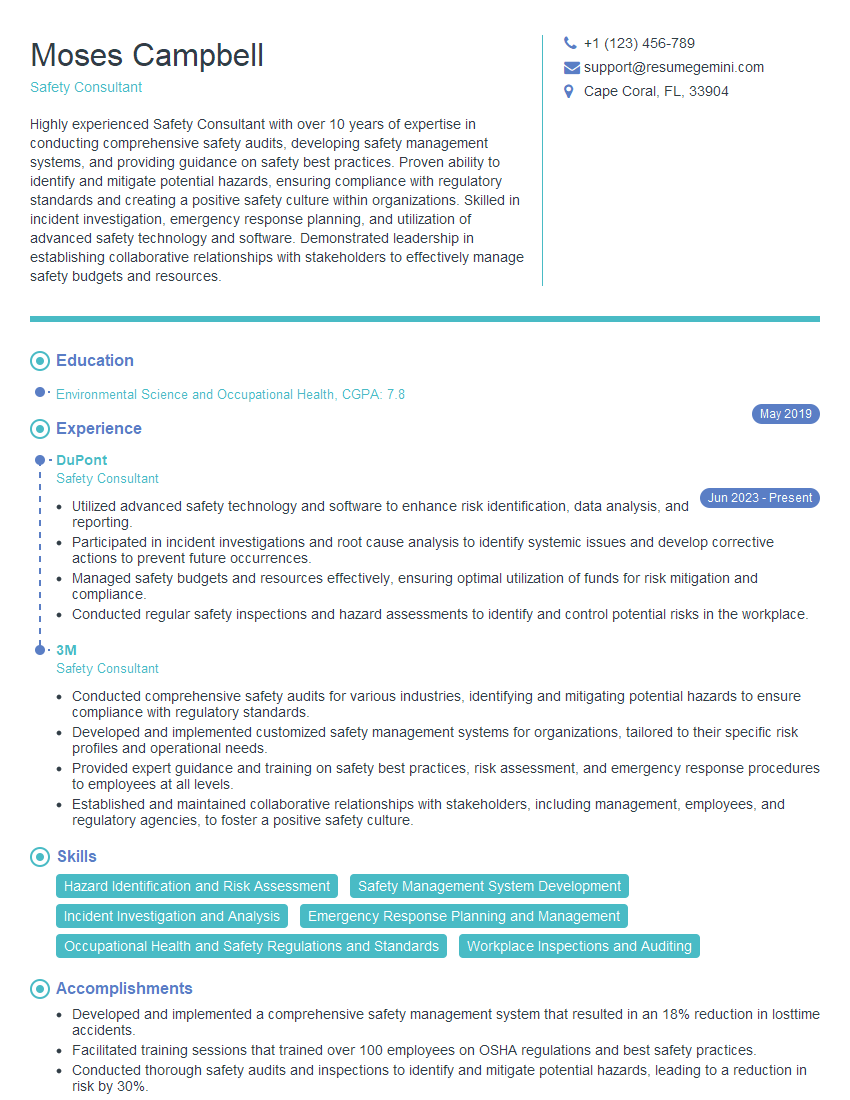
Safety Consultant Resume Sample
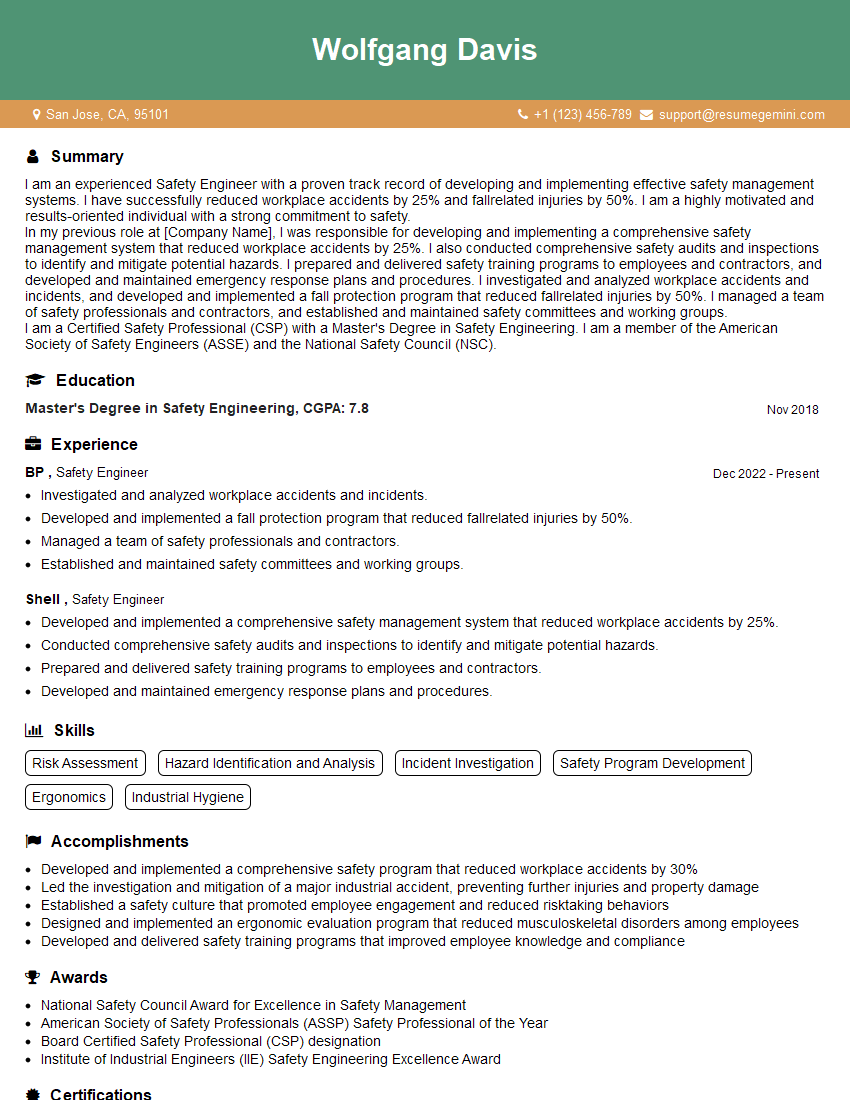
Safety Engineer Resume Sample
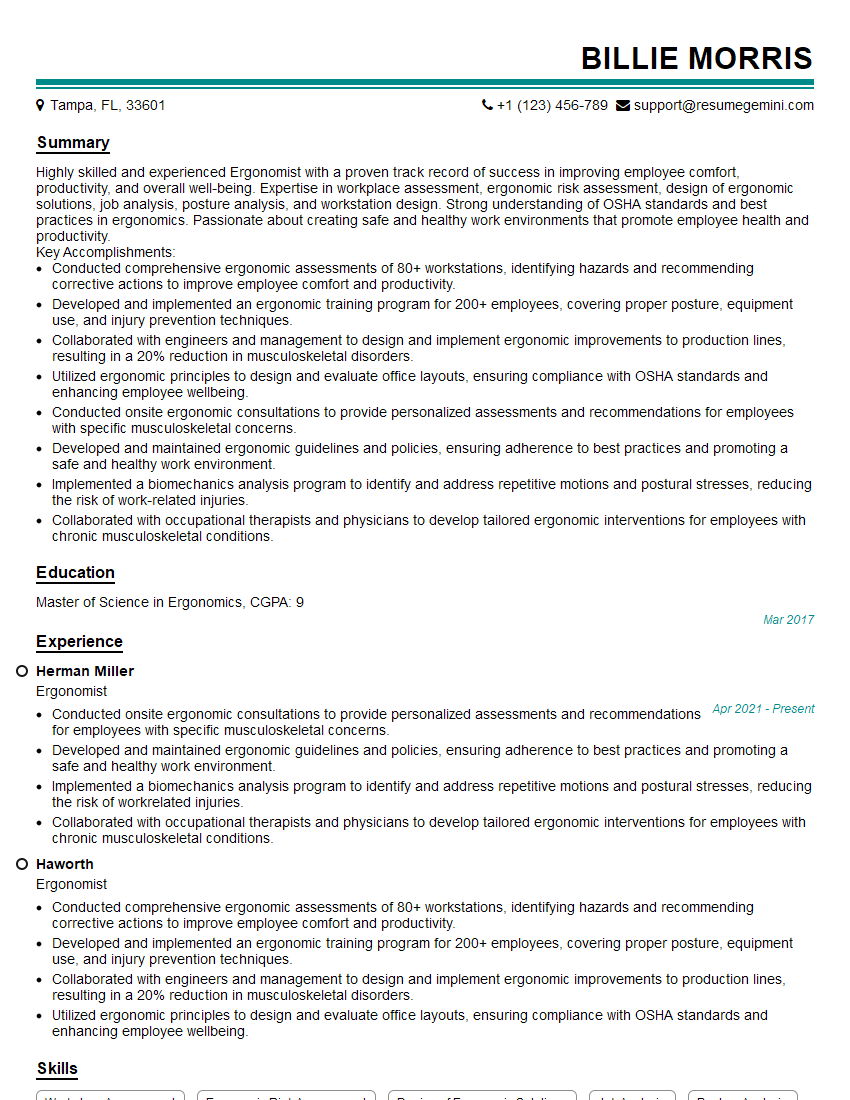
Ergonomist Resume Sample

Safety Inspector Resume Sample
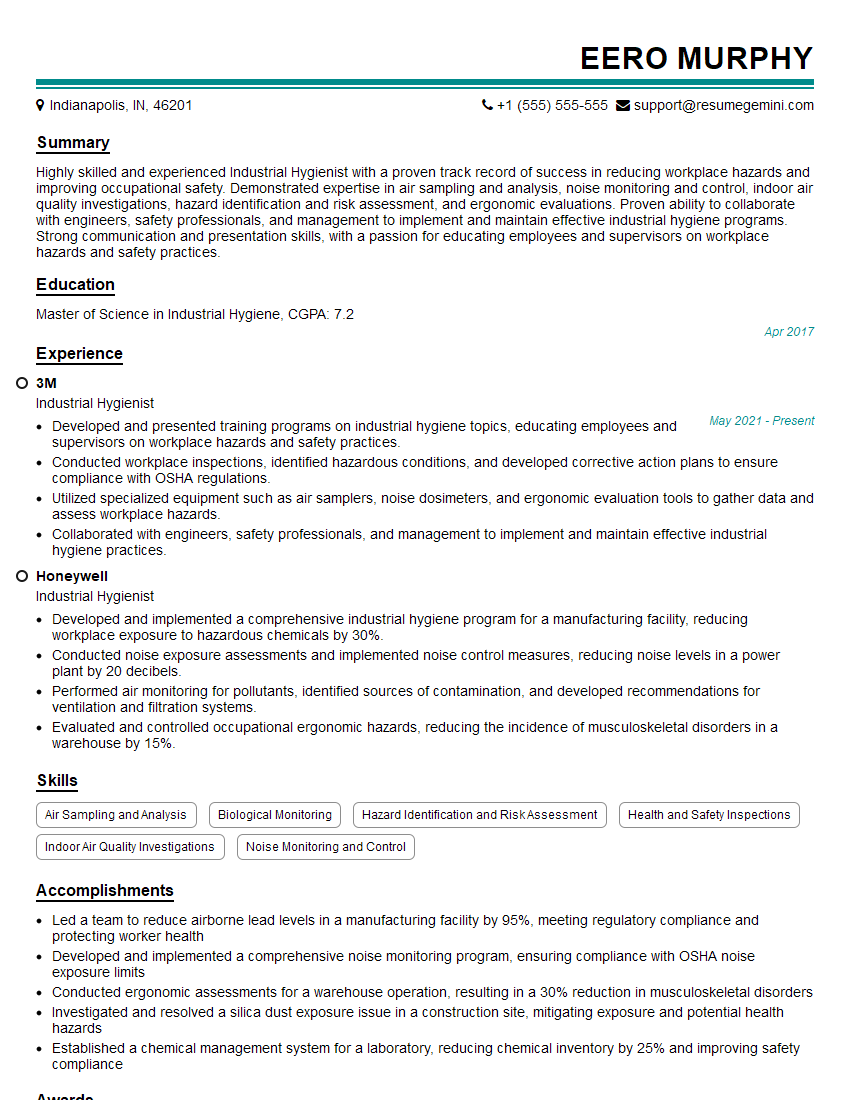
Industrial Hygienist Resume Sample
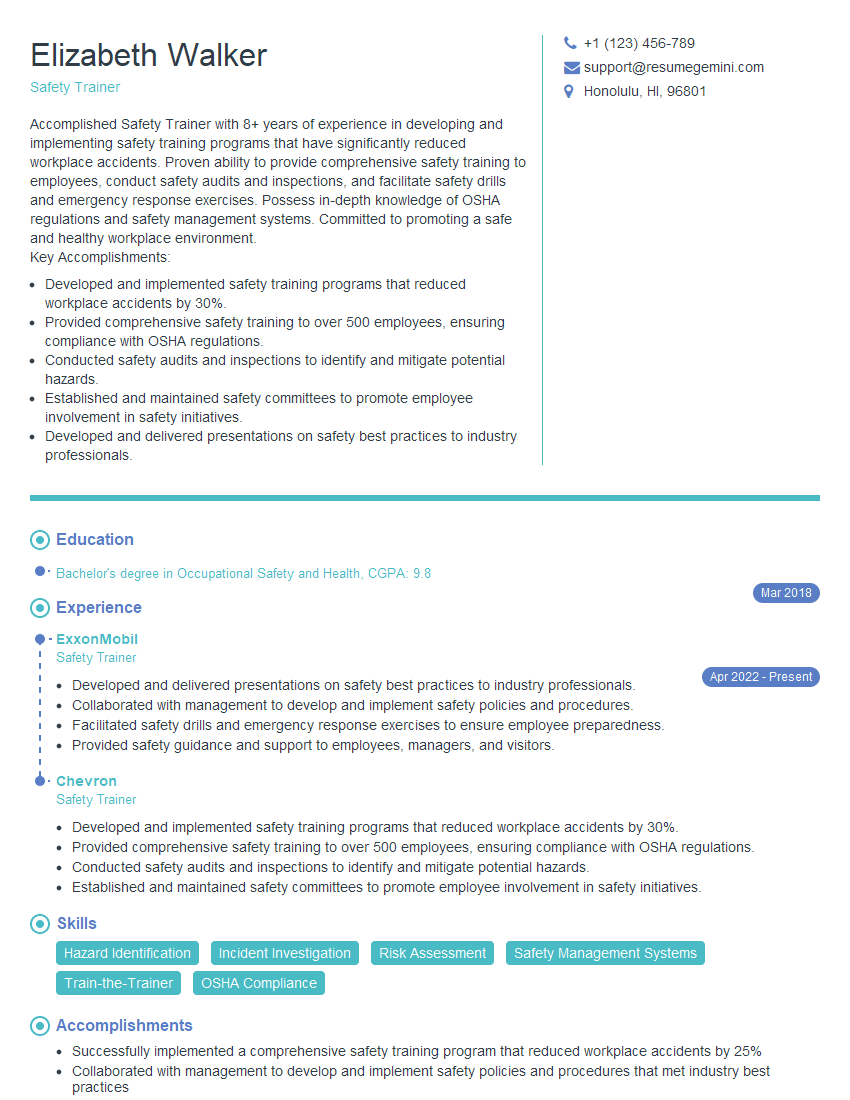
Safety Trainer Resume Sample
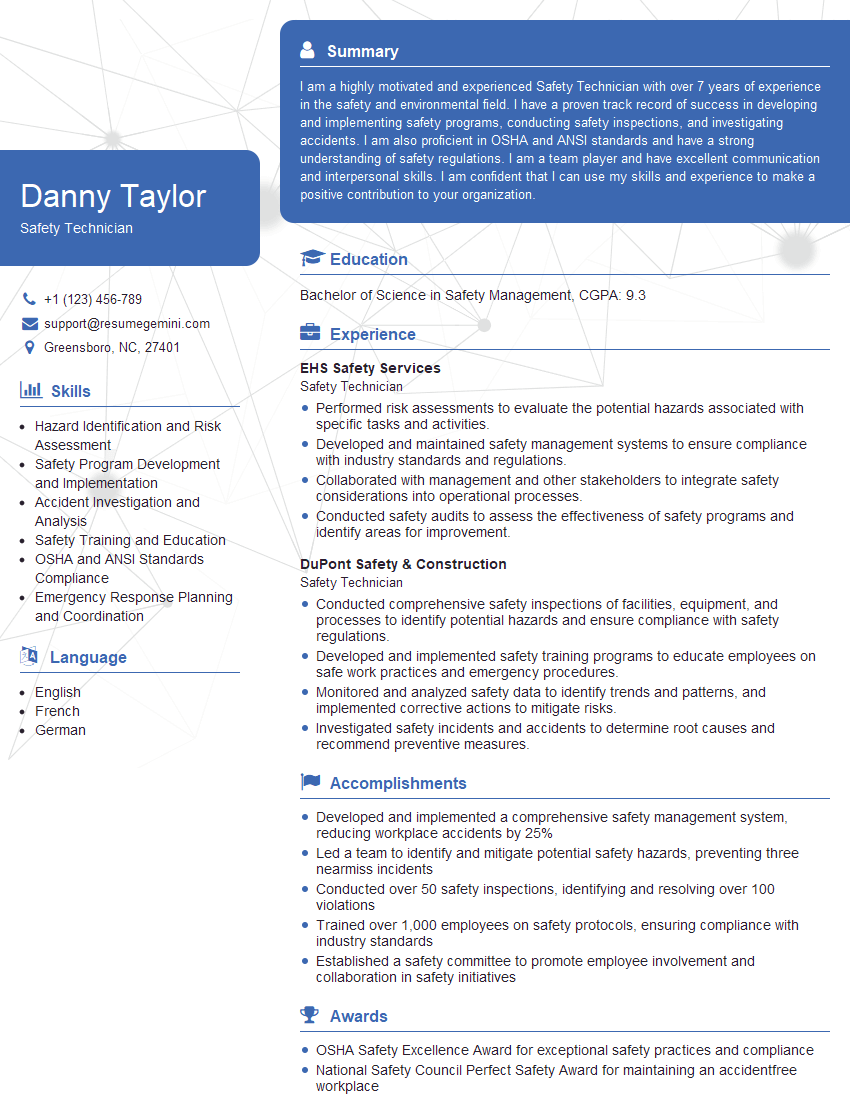
Safety Technician Resume Sample
Explore more articles
Users Rating of Our Blogs
Share Your Experience
We value your feedback! Please rate our content and share your thoughts (optional).
What Readers Say About Our Blog
Very informative content, great job.
good