Are you ready to stand out in your next interview? Understanding and preparing for Understanding of racing event organization and management interview questions is a game-changer. In this blog, we’ve compiled key questions and expert advice to help you showcase your skills with confidence and precision. Let’s get started on your journey to acing the interview.
Questions Asked in Understanding of racing event organization and management Interview
Q 1. Describe your experience in developing a race event budget.
Developing a race event budget requires a meticulous approach, encompassing all aspects from initial planning to post-event analysis. I begin by identifying all potential costs, categorizing them for clarity and better management. These categories typically include:
- Venue and Permits: This covers rental fees, necessary permits, and insurance.
- Marketing and Promotion: Costs associated with advertising, social media campaigns, and promotional materials fall under this.
- Staffing and Volunteers: Salaries, wages, or stipends for event staff and volunteer management expenses.
- Equipment and Logistics: Rental or purchase of timing systems, barriers, signage, first-aid supplies, and transportation.
- Contingency Fund: A crucial element – a buffer for unexpected expenses.
- Prizes and Awards: Costs related to prizes, trophies, and recognition for participants.
- Food and Beverage: Catering costs for participants, officials, and volunteers (if applicable).
Once all cost categories are identified, I meticulously research and obtain quotes from various vendors. Then, I assemble a detailed spreadsheet, allocating budget amounts to each category. Regular review and adjustment are crucial throughout the planning process to account for any changes or unforeseen circumstances. For instance, during a recent marathon, we had to revise our budget due to an increase in insurance costs after a re-evaluation of the risk profile, necessitating a reallocation of funds from marketing to insurance. This highlights the importance of flexibility in budget management.
Q 2. How do you manage risk assessment and mitigation in a racing event?
Risk assessment and mitigation are paramount in race event management. My approach involves a systematic process:
- Identify Potential Risks: This involves brainstorming potential hazards, categorized by area (e.g., participant safety, weather, security, logistical issues). We use a checklist system adapted from previous events and industry best practices.
- Assess Risk Likelihood and Impact: Each identified risk is evaluated based on the likelihood of occurrence and the potential impact (financial, reputational, safety). A risk matrix is employed, assigning scores to prioritize risks.
- Develop Mitigation Strategies: For each high-priority risk, specific mitigation strategies are developed. This might involve emergency medical plans, weather contingency plans, security protocols, or backup plans for technical failures.
- Implement and Monitor: Mitigation strategies are implemented before, during, and after the event. This involves regular communication, monitoring, and adjustments as needed. For instance, a recent triathlon experienced unexpected high winds. Our pre-planned mitigation—delaying the start and altering the course—proved effective, ensuring participant safety.
- Post-Event Review: A thorough review is conducted after the event to analyze the effectiveness of mitigation strategies and identify areas for improvement. We document lessons learned to refine our approach for future events.
Q 3. Explain your process for coordinating with various stakeholders (e.g., sponsors, officials, teams).
Coordinating with various stakeholders requires clear communication, organized systems, and proactive engagement. I employ a multi-pronged approach:
- Regular Meetings: Scheduled meetings with sponsors, officials, and teams provide a platform for updates, feedback, and collaboration. Detailed agendas and meeting minutes ensure accountability and transparency.
- Communication Platforms: Utilizing project management software and communication tools (email, instant messaging) ensures efficient information flow and facilitates quick responses to queries.
- Contracts and Agreements: Clearly defined contracts with sponsors and vendors outline responsibilities, deliverables, and payment schedules. This minimizes misunderstandings and facilitates smooth execution.
- Relationship Building: Building strong relationships with stakeholders is key to effective collaboration. Open communication, active listening, and addressing concerns promptly are critical for fostering trust and mutual respect. For example, I’ve proactively sought feedback from sponsors throughout the planning process in order to ensure their goals are aligned with the event’s, ultimately resulting in a more successful partnership.
Q 4. What strategies do you use to ensure the timely execution of the race schedule?
Ensuring timely execution of the race schedule involves meticulous planning and proactive management. My strategies include:
- Detailed Schedule Creation: A comprehensive schedule, including buffer times for contingencies, is developed and shared with all stakeholders. Critical path analysis helps identify tasks and dependencies to pinpoint potential delays.
- Time Management Tools: Utilizing scheduling tools and assigning specific roles and responsibilities enhances efficiency and accountability. For a recent cycling event, we used a Gantt chart to visualize the entire schedule, which made it easier to monitor progress and identify potential bottlenecks.
- Communication Protocols: Implementing clear communication protocols—regular updates, alerts for delays, and designated contact persons—keeps everyone informed and ensures coordinated responses.
- Contingency Planning: Developing contingency plans for potential delays (e.g., weather, technical issues) ensures swift response and minimizes disruptions to the schedule.
- Real-Time Monitoring: Real-time monitoring during the event enables swift adjustments to the schedule based on actual progress and unexpected circumstances.
Q 5. How do you handle unexpected incidents or emergencies during a race?
Handling unexpected incidents requires a calm, efficient, and decisive approach. My process is:
- Assessment and Prioritization: Quickly assess the nature and severity of the incident. Prioritize actions based on immediate threats to safety or the overall event.
- Emergency Response Plan Activation: Activate the pre-defined emergency response plan (if applicable), involving relevant personnel (medical, security, event staff).
- Communication and Coordination: Ensure clear and effective communication among personnel, participants, and spectators. Coordinate actions to ensure a safe and orderly response.
- Documentation and Reporting: Thoroughly document the incident, including actions taken and outcomes. Report to relevant authorities as required.
- Post-Incident Review: Conduct a post-incident review to evaluate the response, identify weaknesses, and improve future preparedness. For example, in a past event, we experienced a medical emergency that required rapid evacuation. Our pre-planned emergency medical procedures worked flawlessly, thanks to clear communication and the preparedness of our medical team.
Q 6. Describe your experience in managing volunteer teams.
Managing volunteer teams effectively hinges on clear communication, appreciation, and proper organization. My approach involves:
- Recruitment and Training: A clear recruitment process with well-defined roles and responsibilities. Comprehensive training sessions equip volunteers with necessary skills and information.
- Team Structure and Leadership: Establishing a clear team structure with designated leaders ensures coordinated efforts and efficient task management. We use team leaders to facilitate communication and delegation of tasks.
- Communication and Updates: Regular updates, acknowledgment of contributions, and open communication channels ensure volunteers feel valued and informed.
- Appreciation and Recognition: Expressing sincere gratitude for volunteers’ efforts builds morale and encourages participation in future events.
- Feedback Mechanisms: Creating opportunities for feedback allows for continuous improvement in volunteer management practices.
In a recent half-marathon, I successfully managed a team of over 100 volunteers, utilizing online communication platforms and regular briefings to ensure flawless execution. The volunteers felt valued and contributed significantly to the event’s success.
Q 7. How do you ensure the safety of participants, spectators, and staff?
Ensuring the safety of participants, spectators, and staff is the highest priority. My strategy is multifaceted:
- Risk Assessment and Mitigation: A thorough risk assessment and implementation of appropriate mitigation strategies, as discussed earlier, are foundational.
- Emergency Medical Services: Securing adequate medical personnel and facilities, including first-aid stations and ambulances, is essential.
- Safety Protocols and Procedures: Establishing clear safety protocols and procedures for all aspects of the event, including course marking, crowd control, and emergency evacuation plans.
- Security Personnel: Deploying sufficient security personnel to manage crowds, prevent unauthorized access, and maintain order.
- Communication Systems: Implementing robust communication systems to ensure swift response to emergencies and facilitate communication among staff, volunteers, and emergency services.
- Pre-Event Briefing: Conducting comprehensive briefings for all stakeholders to ensure everyone is aware of safety protocols and procedures.
- Post-Event Review: Analyzing safety aspects of the event after its conclusion allows for identification of areas for improvement and enhances safety measures for future events.
Q 8. Explain your experience with race timing and scoring systems.
Race timing and scoring are critical for fair competition and accurate results. My experience encompasses using various systems, from manual methods like hand-held stopwatches and pen-and-paper scoring (useful for smaller, informal races) to sophisticated automated systems. I’m proficient with systems employing RFID (Radio-Frequency Identification) technology, which automatically tracks participants’ transponders as they pass checkpoints, providing precise timing and eliminating manual errors. I’ve also worked with optical timing systems, using cameras and image analysis software for detailed analysis, particularly beneficial in events like swimming or athletics requiring precise fractional-second measurements. My experience includes data management, ensuring accuracy, error detection (e.g., identifying duplicate entries), and generating official results in various formats (e.g., spreadsheets, printable certificates, online leaderboards).
For instance, in a recent triathlon I managed, we used RFID chips embedded in the participants’ bibs, integrating the data with a custom software solution to automatically generate live leaderboards, which were displayed on large screens for the participants and spectators. This system also handled the individual split timings for each leg of the race, calculating the overall race time for each competitor. In another instance with a smaller cycling race, a simpler system with hand-held timing devices was sufficient, as were manual entries of results into a spreadsheet.
Q 9. How do you manage communication during a racing event?
Effective communication is paramount during a racing event. My approach involves a multi-layered strategy employing various channels:
- Pre-Race Communication: This includes a well-defined communication plan outlining key messages, timelines, and responsible parties, using methods like email newsletters, social media updates and dedicated event websites, to reach participants and other stakeholders.
- Race Day Communication: This involves using a combination of methods, including clear signage, announcements via a public address system, radio communication between event staff, and potentially a dedicated app for participants to receive live updates.
- Post-Race Communication: This includes disseminating results, sending thank-you messages, gathering feedback via surveys, and distributing any race-related information such as photos or videos.
For example, in a large marathon I organized, we utilized a dedicated mobile app to provide participants with real-time updates on course closures, medical assistance locations, and race-day changes. Our team also used two-way radios to instantly communicate among course marshals, medical personnel, and event organizers. In the case of an emergency, this rapid communication system allows us to provide a swift and effective response.
Q 10. What experience do you have with race registration and participant management?
Race registration and participant management is a cornerstone of event organization. My experience involves utilizing both online registration platforms and manual registration methods, depending on the scale and nature of the event. I’m familiar with managing registration databases, ensuring data accuracy and security, implementing payment gateways, processing waivers, and producing participant packets. I’m adept at managing participant queries, providing support, and addressing concerns effectively. I also have experience with participant segmentation (e.g., based on age, experience level) for targeted communication.
In one instance, we used a custom-built registration system to manage a large cycling event, integrating it with a payment processor to handle registrations and payments. This system generated automated emails to participants, confirming registrations, providing important updates, and even collecting feedback using post-race surveys. For smaller-scale local races, a simpler online form and manual spreadsheet management sufficed.
Q 11. How familiar are you with different racing formats and regulations?
I have extensive knowledge of various racing formats and their associated regulations. This includes experience with road races (marathons, half-marathons), trail runs, cycling events (road cycling, mountain biking, cyclocross), triathlons, and swimming competitions. My understanding extends to the specific rules and guidelines governing each format, encompassing safety protocols, course marking, timing procedures, and anti-doping regulations. I understand how different governing bodies (e.g., USA Track and Field, UCI) set rules, and I can adapt my approach to meet their requirements.
For instance, I’ve worked with organizing road races adhering to the rules of the local running association, ensuring proper permits, course certification, and emergency medical services. In organizing a mountain biking event, I ensured the course was clearly marked, safe, and met the trail standards and environmental regulations.
Q 12. Describe your approach to marketing and promoting a racing event.
Marketing and promotion are vital for attracting participants and sponsors. My approach combines digital and traditional marketing strategies. This includes:
- Digital Marketing: Utilizing social media platforms (Facebook, Instagram, Twitter), search engine optimization (SEO), email marketing, and paid advertising campaigns (e.g., Google Ads, social media ads) to reach a wide audience.
- Traditional Marketing: Leveraging print media (local newspapers, magazines), partnerships with relevant organizations, and public relations (press releases) to reach potential participants and sponsors.
- Content Marketing: Creating engaging content like blog posts, videos, and photos to attract participants and showcase the event.
In a recent marathon, we implemented a targeted social media campaign focusing on local running communities, generating significant interest and registrations. We also partnered with local businesses for cross-promotion, amplifying our reach.
Q 13. How do you secure sponsorships for a racing event?
Securing sponsorships involves identifying potential sponsors aligned with the event’s values and target audience. My approach involves developing a comprehensive sponsorship package outlining various sponsorship levels and benefits (e.g., logo placement, brand mentions, advertising opportunities). I conduct thorough research to identify suitable sponsors and tailor my proposal to their specific interests. Building strong relationships with potential sponsors is crucial, emphasizing the mutual benefits of the partnership. This includes highlighting the potential return on investment (ROI) and the exposure the sponsorship will provide.
For example, I successfully secured a sponsorship from a local athletic apparel company by demonstrating how the partnership would increase brand visibility among their target demographic of runners and create opportunities for co-branded marketing activities.
Q 14. What metrics do you use to measure the success of a racing event?
Measuring the success of a racing event requires a multifaceted approach, incorporating quantitative and qualitative data. Key metrics include:
- Participant Numbers: Tracking the number of registered participants and the participation rate (percentage of registrations compared to the target).
- Financial Performance: Evaluating revenue generated against expenses to determine profitability.
- Participant Satisfaction: Gathering feedback via surveys and social media to measure participant satisfaction with the organization, course, and overall experience.
- Social Media Engagement: Monitoring metrics such as likes, shares, and comments on social media platforms to measure the event’s reach and audience engagement.
- Sponsor Satisfaction: Evaluating sponsors’ satisfaction with the fulfillment of sponsorship deliverables and their perception of the event’s success.
Analyzing these metrics provides valuable insights for improving future events. For instance, low participant satisfaction scores in a post-race survey might indicate a need to improve the race course, enhance logistical aspects, or upgrade amenities.
Q 15. Explain your experience with event logistics and transportation management.
Event logistics and transportation management are critical for a successful racing event. It’s like orchestrating a complex ballet, ensuring all participants, equipment, and personnel arrive on time and in the right place. My experience encompasses detailed route planning, considering factors such as traffic flow, road closures, and potential congestion. I’ve managed transportation for everything from small local races to larger national events, coordinating bus transport for participants, secure vehicle parking for crews and officials, and even managing the logistics of transporting specialized equipment like timing systems and medical supplies.
For example, during a recent marathon, I developed a comprehensive transportation plan that included shuttle buses from designated parking areas to the starting line, emergency vehicle routes, and a post-race transportation system to move exhausted runners to designated recovery zones. This involved meticulous scheduling, driver coordination, and real-time monitoring to ensure smooth and efficient operations.
- Route planning and optimization: Utilizing mapping software and considering traffic patterns.
- Vehicle coordination: Scheduling and tracking buses, cars, and other vehicles.
- Emergency planning: Establishing contingency plans for unforeseen circumstances like traffic accidents.
- Participant communication: Clearly communicating transportation details to participants well in advance.
Career Expert Tips:
- Ace those interviews! Prepare effectively by reviewing the Top 50 Most Common Interview Questions on ResumeGemini.
- Navigate your job search with confidence! Explore a wide range of Career Tips on ResumeGemini. Learn about common challenges and recommendations to overcome them.
- Craft the perfect resume! Master the Art of Resume Writing with ResumeGemini’s guide. Showcase your unique qualifications and achievements effectively.
- Don’t miss out on holiday savings! Build your dream resume with ResumeGemini’s ATS optimized templates.
Q 16. How do you handle post-event analysis and reporting?
Post-event analysis and reporting are crucial for continuous improvement. It’s about learning from what went well and what could be improved. My approach involves a multi-faceted process that starts immediately after the event concludes.
Firstly, we collect data from various sources such as race timing systems, participant feedback surveys, vendor performance reviews, and incident reports. This data is then meticulously analyzed to identify key performance indicators (KPIs) such as participant satisfaction, on-time performance, safety incidents, and operational efficiency. We create detailed reports that highlight successes, areas for improvement, and actionable insights.
For instance, after a recent triathlon, our post-event analysis revealed a bottleneck at the transition zone. By analyzing the data, we pinpointed the cause – inadequate volunteer staffing – and developed a solution for future events: increased volunteer recruitment and a more efficient volunteer management system.
- Data collection: Gathering data from various sources (surveys, timing systems, etc.).
- KPI analysis: Identifying key performance indicators and evaluating performance.
- Report generation: Creating detailed reports with actionable insights.
- Improvement planning: Developing strategies based on the analysis for future events.
Q 17. Describe your experience using event management software.
Proficient use of event management software is essential for streamlined operations. I’m experienced with several leading platforms, including [mention specific software names, e.g., Eventbrite, Active Network, Regatta]. These tools provide a centralized hub for managing registrations, communications, scheduling, and resource allocation. I’m adept at customizing these platforms to meet the specific needs of racing events.
For example, during the registration process, I utilize the software’s features to create different registration tiers (e.g., individual runner, team registration), manage payment processing, and automatically generate participant bib numbers and race day schedules. The software also facilitates communication with participants through email campaigns and automated updates.
Beyond registration management, the software helps in tracking volunteer schedules, managing vendor contracts, and analyzing post-event data for improved future events.
Q 18. What is your approach to managing vendor relationships?
Managing vendor relationships is about building trust and collaboration. I approach this by establishing clear communication channels, outlining expectations upfront in detailed contracts, and fostering a mutually beneficial partnership. This includes regular check-ins, addressing concerns promptly, and acknowledging their contributions to the event’s success.
A strong vendor relationship is built on clear contracts that specify deliverables, timelines, and payment terms. This reduces ambiguity and ensures all parties are aligned. For example, in managing the timing vendor for a cycling race, I made sure the contract included specific requirements for accuracy, data delivery formats, and backup systems. Regular communication throughout the process ensured a smooth and successful event.
Q 19. How do you handle complaints or feedback from participants or spectators?
Handling complaints or feedback is an opportunity to enhance the participant experience. My approach is to respond promptly and empathetically, actively listening to the concerns and working towards a resolution. This involves acknowledging the feedback, investigating the issue thoroughly, and offering a suitable solution.
For example, if a runner had a complaint about the water station placement, I would personally investigate the issue, review the race course maps, and perhaps even consult with other runners. If warranted, I’d make adjustments for future races and offer the runner a gesture of goodwill like a discount on a future event. Publicly acknowledging and addressing complaints professionally also demonstrates accountability and commitment to improving the event.
Q 20. Explain your experience in obtaining necessary permits and licenses.
Obtaining necessary permits and licenses is a crucial step in planning any racing event. This involves a thorough understanding of local regulations and coordinating with relevant authorities well in advance of the event. The process usually starts with identifying all required permits (road closures, event permits, liquor licenses, etc.) and then submitting complete and accurate applications. I’ve handled this for various events, navigating the bureaucratic process effectively and proactively addressing potential delays.
For instance, for a road race that required road closures, I worked with the local police department and city council months in advance to secure the necessary permits. This involved detailed route maps, traffic management plans, and emergency response protocols. Proactive communication and meticulous documentation were key to a successful application process.
Q 21. Describe your experience with crowd control and security management.
Crowd control and security management are paramount for a safe and enjoyable event. My approach involves developing a comprehensive security plan that addresses potential risks, assigns responsibilities, and includes trained personnel. This plan encompasses everything from crowd flow management and emergency evacuation procedures to security checkpoints and medical support.
In a large-scale event, for example, I’d work closely with local law enforcement, security personnel, and event volunteers to implement crowd control measures like designated entry/exit points, clear signage, and crowd barriers. We would also establish communication protocols and emergency response plans to handle any unexpected incidents.
The objective is to create a secure environment that promotes safety without hindering the enjoyment of the event. A well-executed plan can be the difference between a successful and a chaotic event.
Q 22. How do you ensure compliance with relevant safety regulations?
Ensuring compliance with safety regulations is paramount in racing event organization. It’s not just about avoiding legal issues; it’s about protecting participants, spectators, and staff. My approach is multifaceted and begins long before the event.
- Pre-Event Planning: This involves a thorough risk assessment identifying potential hazards, from track conditions to medical emergencies. We then develop a comprehensive safety plan, detailing procedures and assigning responsibilities. This plan meticulously addresses all relevant regulations, including those from governing bodies like the FIA (for motorsports) or local authorities.
- Track Inspection & Maintenance: Regular inspections of the track, barriers, and safety equipment are crucial. This is often done by certified professionals to ensure everything meets the required standards. We document all inspections with detailed reports.
- Emergency Response: A robust emergency response plan is crucial. This involves coordinating with local emergency services, having clearly marked assembly points, and ensuring sufficient medical personnel and equipment are readily available. Regular drills ensure everyone is prepared to react efficiently in case of an incident.
- Marshalling & Safety Personnel: We recruit and train experienced and qualified marshals and safety personnel. They are equipped with appropriate safety gear and receive detailed briefings on procedures and communication protocols. Proper training also includes the handling of potentially dangerous situations.
- Post-Event Review: After the event, we conduct a thorough review of the safety measures implemented. This includes analyzing any incidents to identify areas for improvement in future events. This continuous improvement process is key to maintaining a high level of safety.
For example, in a recent event, a detailed pre-event track inspection revealed a potential drainage issue. By addressing it proactively, we prevented a potentially hazardous situation during the race.
Q 23. How do you manage environmental impact and sustainability considerations?
Environmental sustainability is increasingly important in event management. We integrate eco-conscious practices throughout the planning and execution phases.
- Waste Management: We implement a robust waste management plan, promoting recycling and composting. This includes clearly marked bins and educating attendees about responsible waste disposal. We also partner with local recycling facilities for efficient processing.
- Energy Efficiency: We aim to minimize energy consumption through the use of energy-efficient lighting, sound systems, and transportation options. We encourage attendees to use public transport or carpools.
- Carbon Footprint Reduction: We explore ways to offset our carbon footprint, such as planting trees or investing in carbon offsetting programs. We also strive to source materials locally to reduce transportation emissions.
- Water Conservation: Efficient water usage is a priority. We use water-saving technologies and implement strategies to minimize water consumption in areas like cleaning and landscaping.
- Sustainable Sourcing: Wherever possible, we choose suppliers who prioritize sustainability in their own operations. This includes catering and merchandise providers.
In a previous event, our commitment to sustainable practices resulted in a significant reduction in waste generated, compared to previous years. We achieved a 40% increase in recycling rates thanks to increased participant engagement and improved waste sorting systems.
Q 24. What is your experience with media relations and event coverage?
Media relations are integral to a successful racing event. My experience encompasses building relationships with journalists, creating press releases, and managing media coverage both before and during the event.
- Pre-Event Media Outreach: We develop a comprehensive media strategy that includes sending press releases to relevant media outlets, inviting journalists to press conferences, and providing media kits with relevant information.
- On-Site Media Management: We establish a dedicated media center with internet access and comfortable working spaces. We assign media liaison officers to assist journalists and ensure smooth access to relevant information and personnel.
- Live Coverage Facilitation: We collaborate with broadcasters and streaming platforms to facilitate live coverage of the event. This includes providing access to key locations and supporting technical requirements.
- Post-Event Reporting: We issue post-event press releases summarizing the event’s key highlights and results. We also maintain relationships with journalists for future events.
- Social Media Engagement: Social media is crucial for engaging with a wider audience. We maintain an active social media presence, sharing live updates, behind-the-scenes content, and engaging with fans and followers.
In one instance, we successfully secured a major television network to broadcast our event, significantly raising its profile and attracting a larger audience than previously achieved.
Q 25. How do you manage the technical aspects of a racing event (e.g., audio-visual, communications)?
Managing the technical aspects of a racing event demands meticulous planning and coordination. This involves a wide range of systems, from audio-visual equipment to communications networks.
- Audio-Visual Systems: This includes sourcing, installing, and testing all audio-visual equipment, including large screens, sound systems, and cameras. This requires a detailed technical plan and collaboration with specialized AV vendors.
- Communications Infrastructure: Reliable communications are crucial. This involves setting up radio communication systems for marshals and officials, ensuring robust internet connectivity for live streaming and media coverage, and establishing emergency communication channels.
- Timing & Scoring Systems: Accurate timing and scoring systems are essential. We work with specialized vendors to ensure that the timing equipment is precisely calibrated and correctly synchronized with the scoring systems. We also have backup systems in place for redundancy.
- Data Management: Collecting and managing large amounts of data during an event require efficient systems. This involves using specialized software to capture timing data, race results, and other relevant information. We ensure data security and integrity.
- Testing and Troubleshooting: Thorough testing of all technical systems is conducted before the event. We have a dedicated technical support team on-site to handle any technical issues during the event.
For example, we once implemented a new, cloud-based scoring system that improved real-time results accuracy and reduced delays in data processing. The improved system allowed us to provide instant updates to spectators, significantly improving the overall viewing experience.
Q 26. How do you handle conflicts between different stakeholders?
Conflict resolution is an inevitable part of managing large-scale events. Different stakeholders – sponsors, participants, officials, and spectators – have varying needs and expectations. My approach emphasizes open communication and proactive conflict management.
- Clear Communication Channels: Establishing clear communication channels and protocols is essential. This allows stakeholders to voice their concerns and facilitates timely resolution of issues.
- Mediation and Negotiation: We strive to resolve conflicts through mediation and negotiation. We facilitate discussions between involved parties to find mutually acceptable solutions.
- Fair and Consistent Decision-Making: We make fair and consistent decisions based on established rules and regulations. Transparency and impartiality are vital to build trust and maintain fairness.
- Escalation Procedures: We have clear escalation procedures in place for conflicts that cannot be resolved at lower levels. This ensures that complex issues are addressed effectively.
- Documentation: Thorough documentation of all communications and decisions related to conflict resolution is important. This helps to ensure transparency and accountability.
One memorable instance involved a dispute between a sponsor and the event organizers concerning a sponsorship activation. Through facilitated negotiation, we arrived at a solution that satisfied both parties, preserving the valuable relationship.
Q 27. Describe your experience with crisis management in a racing event setting.
Crisis management in a racing event setting requires preparedness, swift action, and effective communication. My experience includes developing and implementing crisis management plans and handling various emergency situations.
- Pre-Event Planning: A comprehensive crisis management plan is developed before the event. This plan outlines procedures for handling various emergencies, from medical incidents to track accidents. Regular drills test the plans.
- Emergency Response Team: A dedicated emergency response team is established, comprising medical professionals, security personnel, and communications specialists. This team is trained to respond to various emergencies.
- Communication Strategy: A clear communication strategy is vital. This involves keeping all stakeholders informed of the situation and providing accurate updates to the media. Maintaining open communication lines during crises is crucial.
- Incident Investigation: Following an incident, a thorough investigation is conducted to determine the cause, identify any failings, and implement corrective actions to prevent similar incidents in future events.
- Post-Incident Review: After the crisis is resolved, a post-incident review is conducted to evaluate the effectiveness of the response and identify areas for improvement in future crisis management plans.
In one instance, a severe storm caused significant disruptions to the event. By quickly implementing the crisis management plan and effectively communicating with all stakeholders, we were able to minimize the disruption and ensure the safety of all participants and spectators. We efficiently rescheduled the race with minimal inconvenience.
Q 28. What is your experience with post-event cleanup and dismantling?
Post-event cleanup and dismantling are critical to ensure the venue is returned to its pre-event state and to prevent environmental damage. Efficient and thorough cleanup requires meticulous planning and execution.
- Waste Removal: We have a comprehensive waste removal plan that includes separating waste streams for recycling and disposal. We partner with local waste management companies to ensure efficient and environmentally friendly disposal practices.
- Site Restoration: We restore the venue to its original condition by removing all temporary structures, barriers, and equipment. This involves careful removal and proper disposal of materials.
- Cleanup Crew Coordination: A well-coordinated cleanup crew is essential. We provide detailed instructions and clear timelines for cleanup tasks, allocating responsibilities effectively.
- Safety Precautions: Cleanup activities must be conducted safely. We ensure that the crew is equipped with appropriate safety gear and is trained on safe work practices.
- Environmental Considerations: We minimize the environmental impact of cleanup by using eco-friendly cleaning products and recycling as much material as possible. We inspect the area to mitigate any potential damage caused by the event.
In a recent event, we implemented a color-coded waste management system that greatly improved the efficiency of waste sorting and recycling. This system contributed to a significant reduction in the event’s overall waste footprint.
Key Topics to Learn for Understanding of Racing Event Organization and Management Interview
- Event Planning & Logistics: Developing comprehensive event schedules, managing budgets, securing necessary permits and licenses, and coordinating with various stakeholders (officials, sponsors, vendors, etc.). Consider the practical application of creating detailed timelines and contingency plans.
- Risk Management & Safety: Implementing safety protocols for participants and spectators, addressing potential hazards, developing emergency response plans, and understanding relevant regulations and insurance requirements. Explore practical examples of risk assessment and mitigation strategies.
- Marketing & Sponsorship: Developing effective marketing strategies to attract participants and spectators, securing sponsorships, and managing sponsor relationships. Consider how to create engaging promotional materials and measure campaign effectiveness.
- Participant Management: Registration processes, communication with participants, managing participant data, and addressing participant inquiries and concerns. Think about how to streamline registration and effectively communicate event information.
- Volunteer Management: Recruiting, training, and scheduling volunteers effectively. Discuss strategies for motivating and retaining volunteers and ensuring their safety.
- Post-Event Analysis & Reporting: Evaluating event success, analyzing financial performance, gathering participant feedback, and preparing comprehensive post-event reports. Think about key performance indicators (KPIs) and data analysis techniques.
- Technology & Communication: Utilizing technology for registration, timing, communication, and data management. Explore the use of various software and platforms for race organization.
- Legal & Regulatory Compliance: Understanding and adhering to all relevant laws, regulations, and licensing requirements related to sporting events. Consider the implications of non-compliance.
Next Steps
Mastering the organization and management of racing events opens doors to exciting career opportunities within the sports and entertainment industries. To maximize your job prospects, crafting a strong, ATS-friendly resume is crucial. This ensures your qualifications are effectively communicated to potential employers. ResumeGemini can be a valuable tool in this process, offering guidance and resources to build a professional and impactful resume. Examples of resumes tailored to showcasing expertise in racing event organization and management are available through ResumeGemini to help you present your skills effectively.

Operations Manager Resume Sample
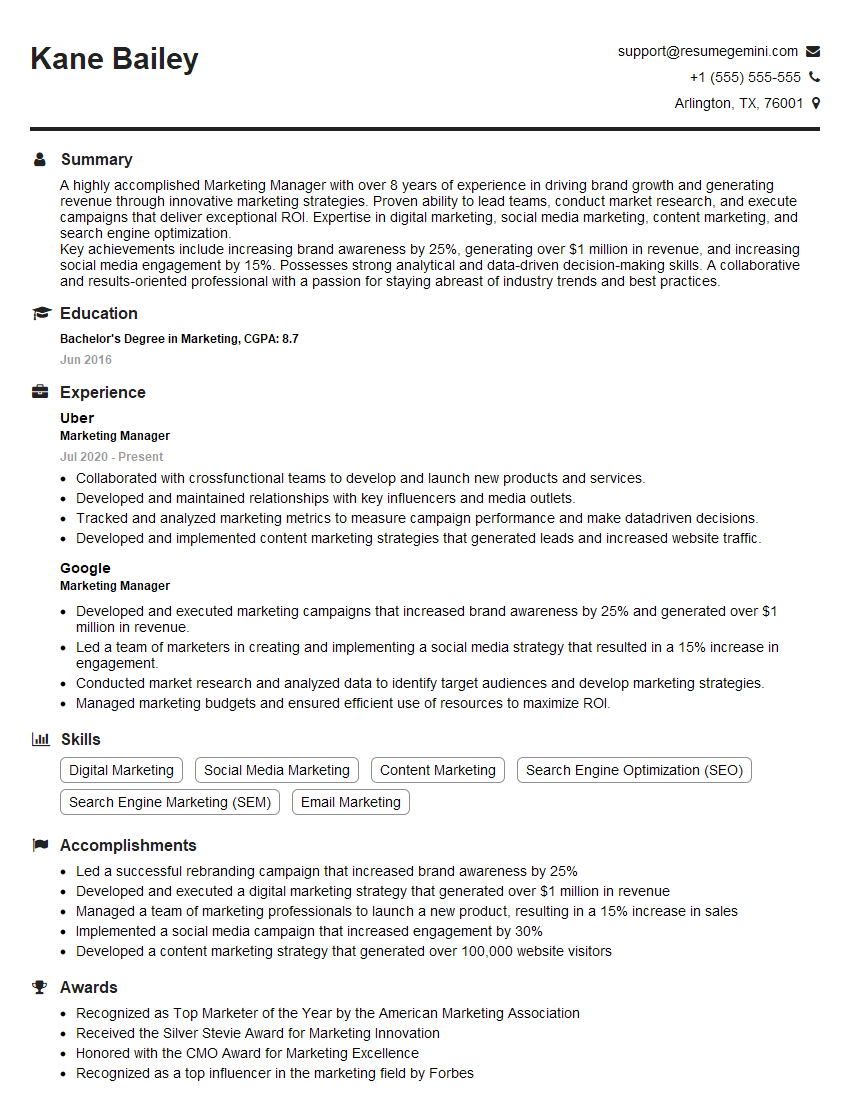
Marketing Manager Resume Sample

Communications Manager Resume Sample
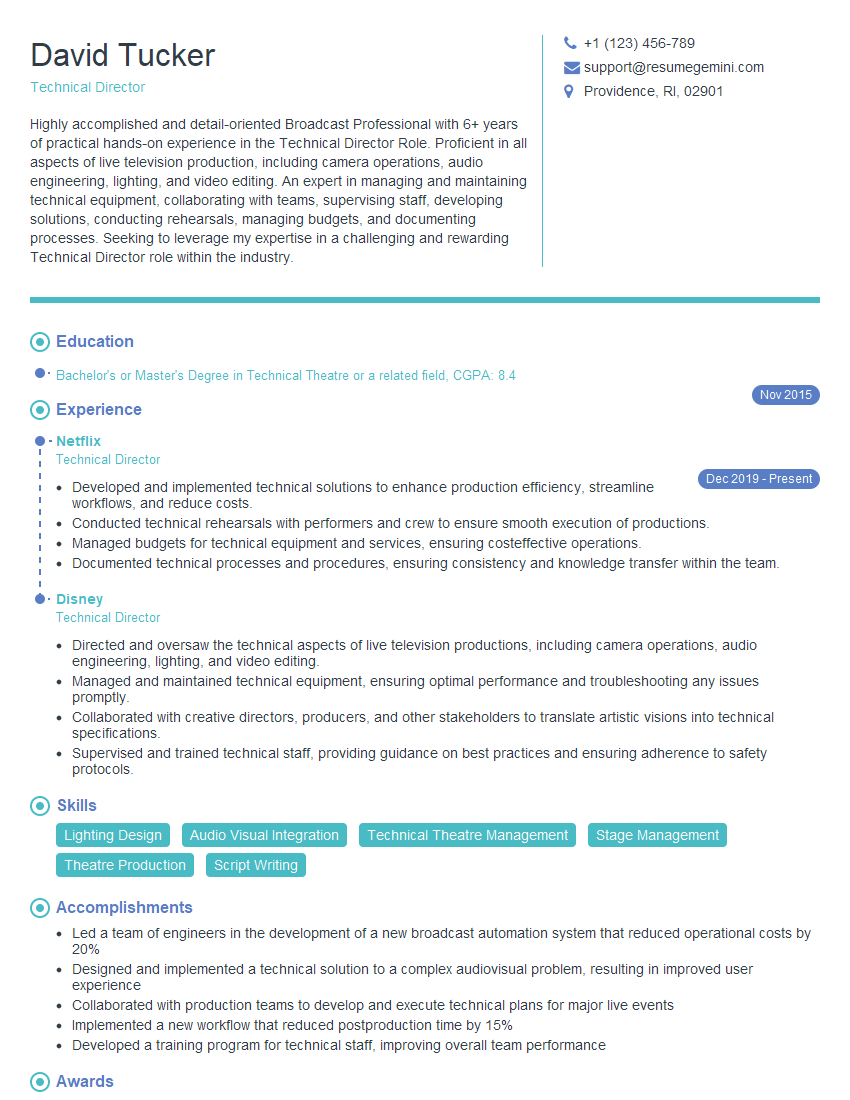
Technical Director Resume Sample
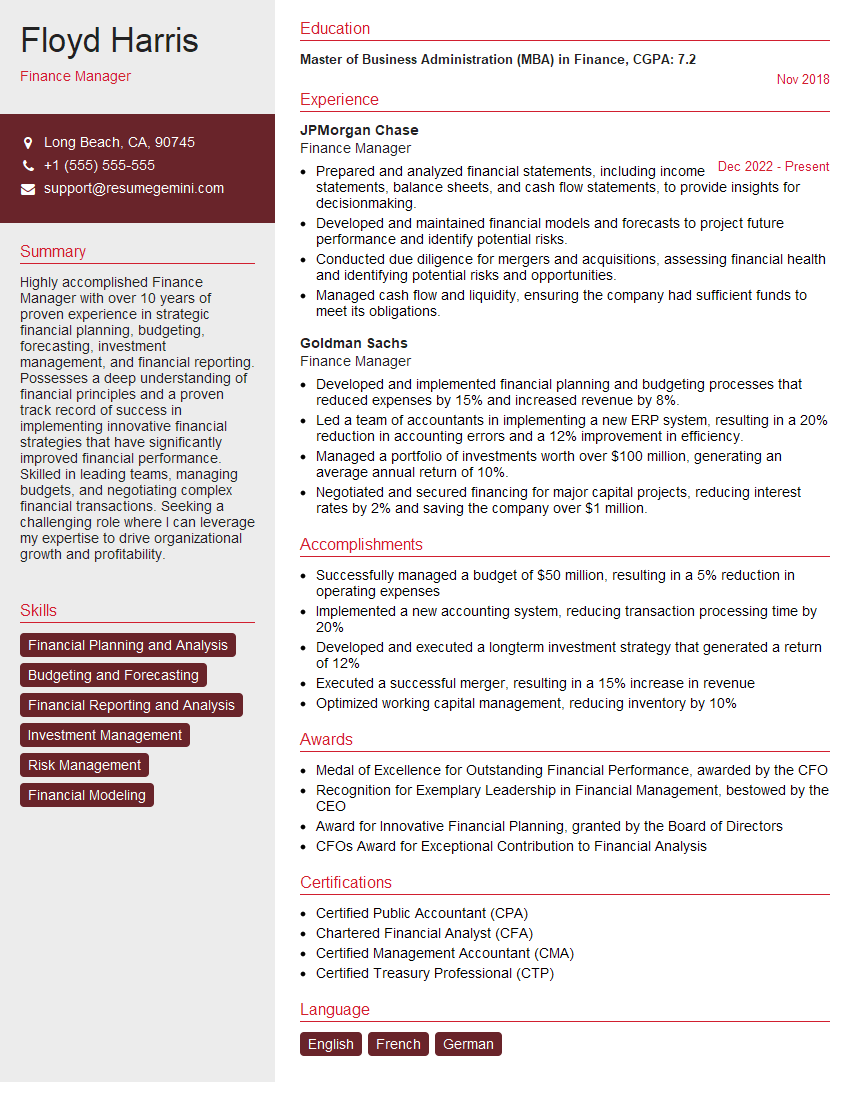
Finance Manager Resume Sample
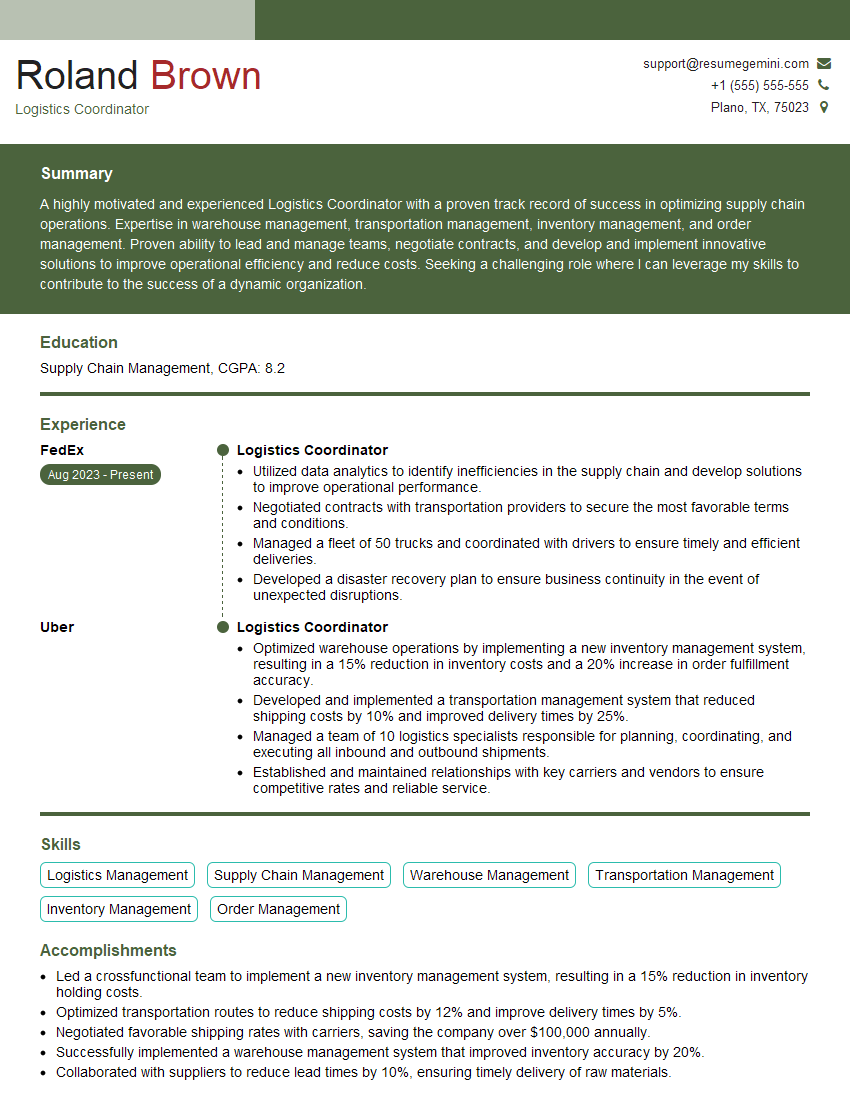
Logistics Coordinator Resume Sample

Project Manager Resume Sample
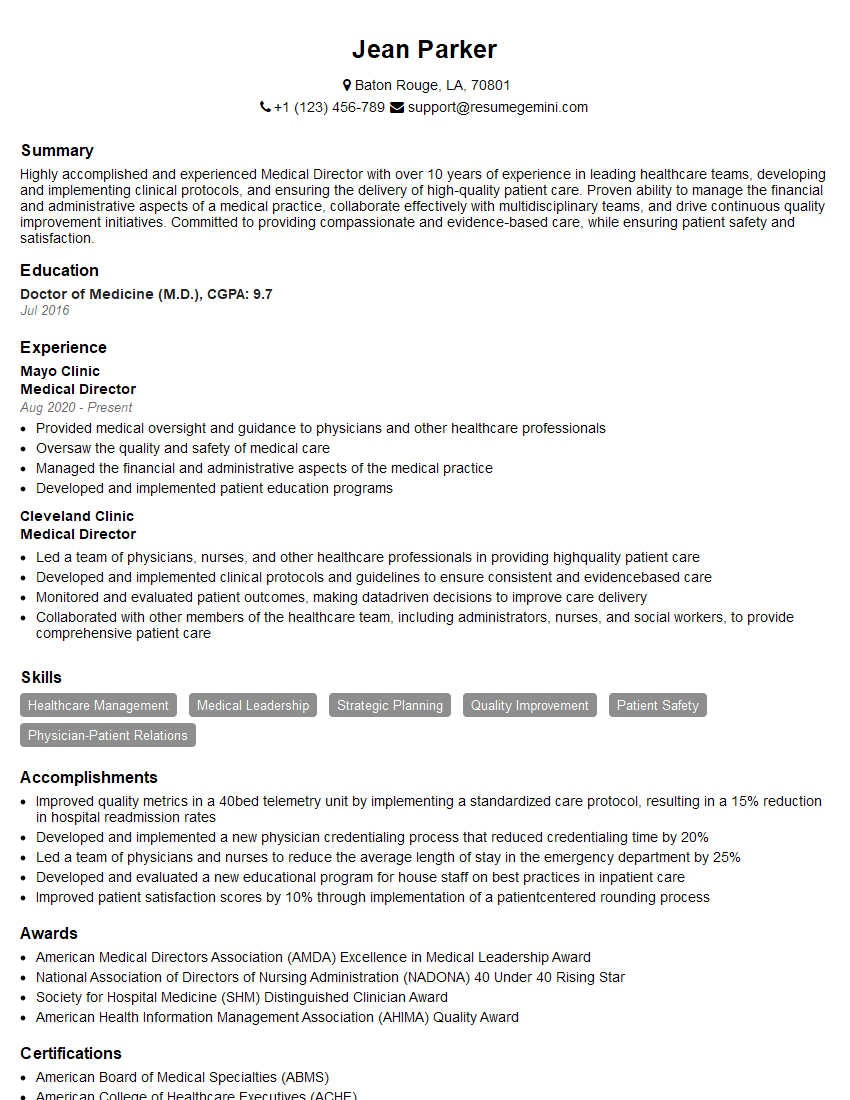
Medical Director Resume Sample
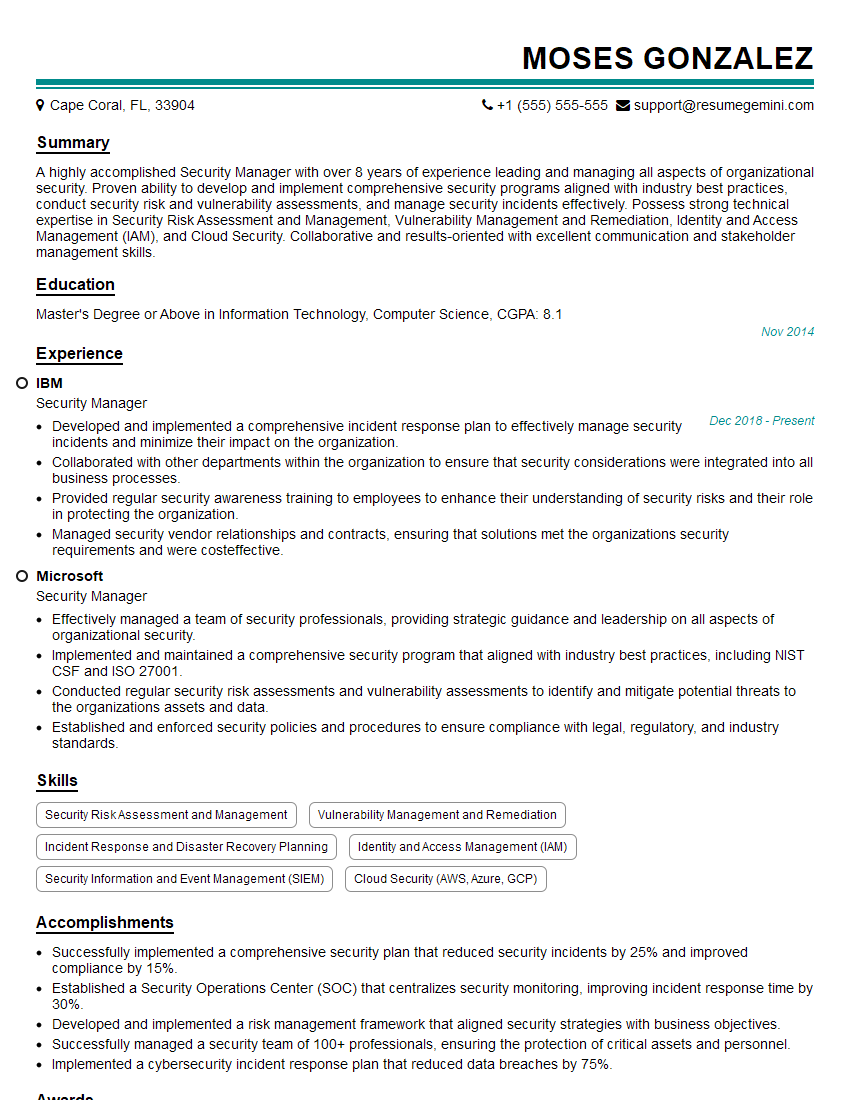
Security Manager Resume Sample
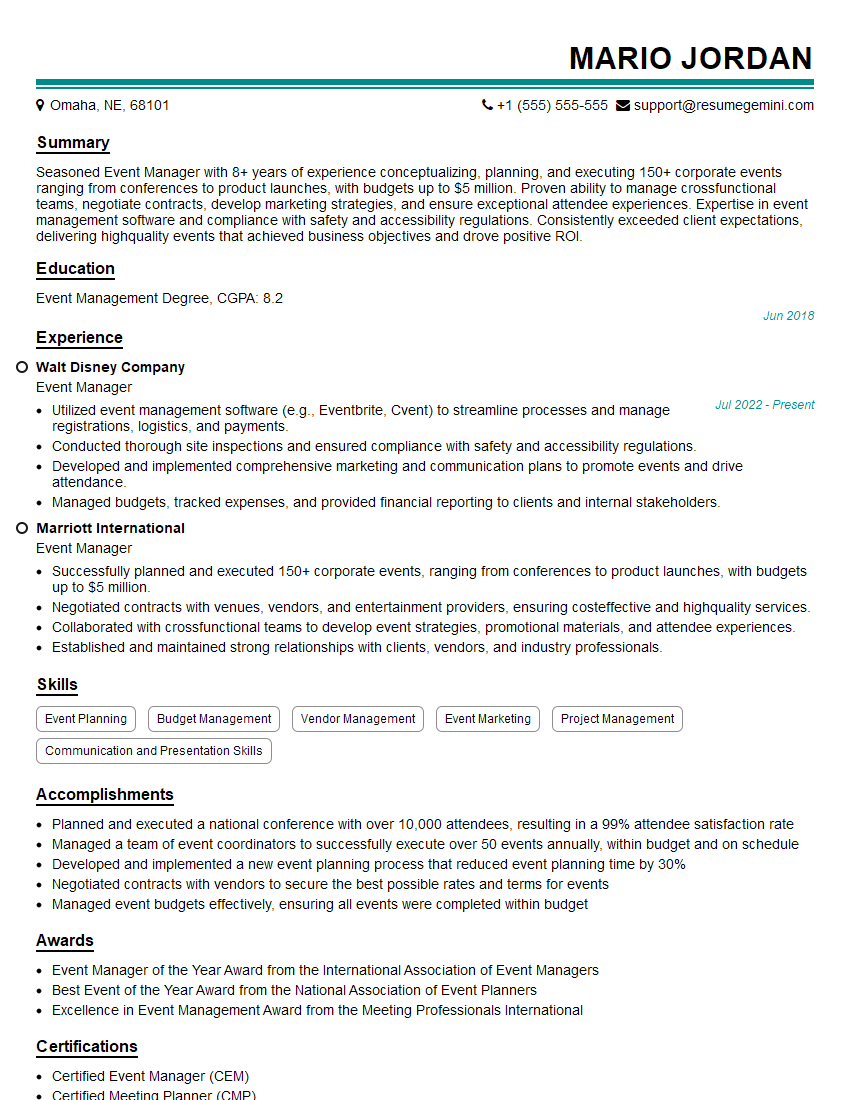
Event Manager Resume Sample
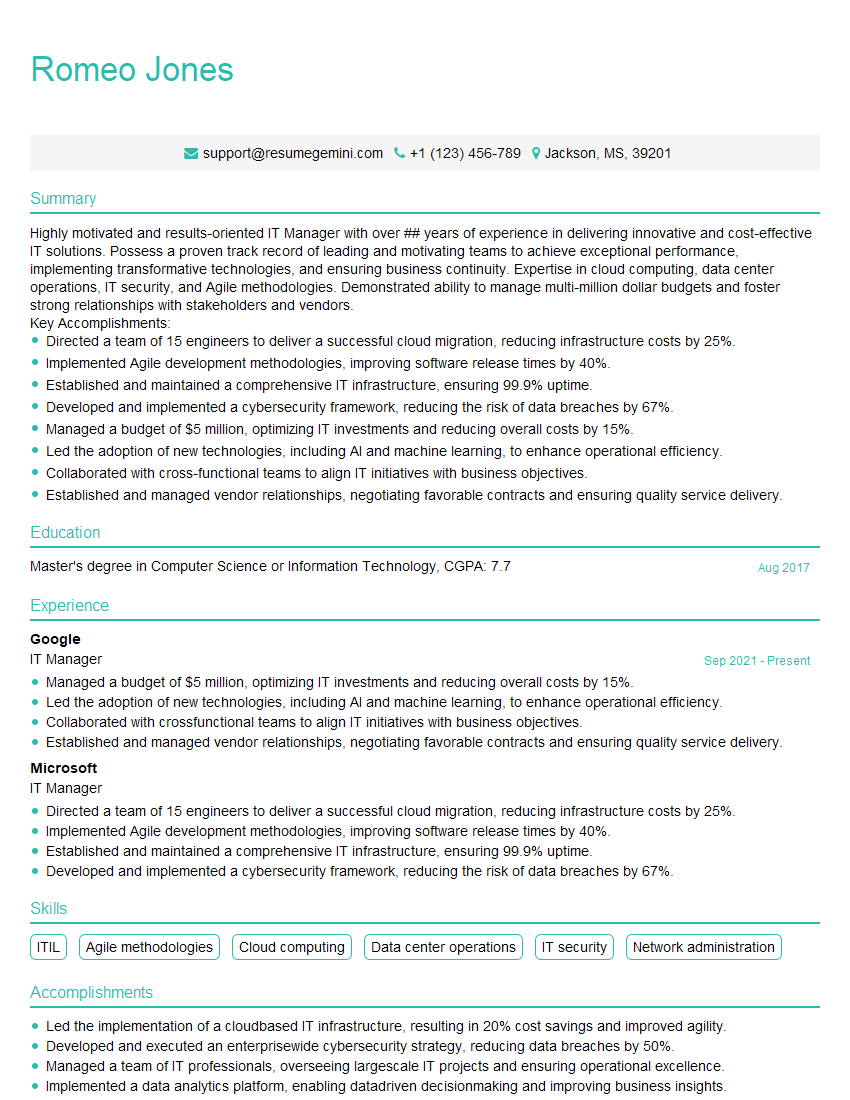
IT Manager Resume Sample
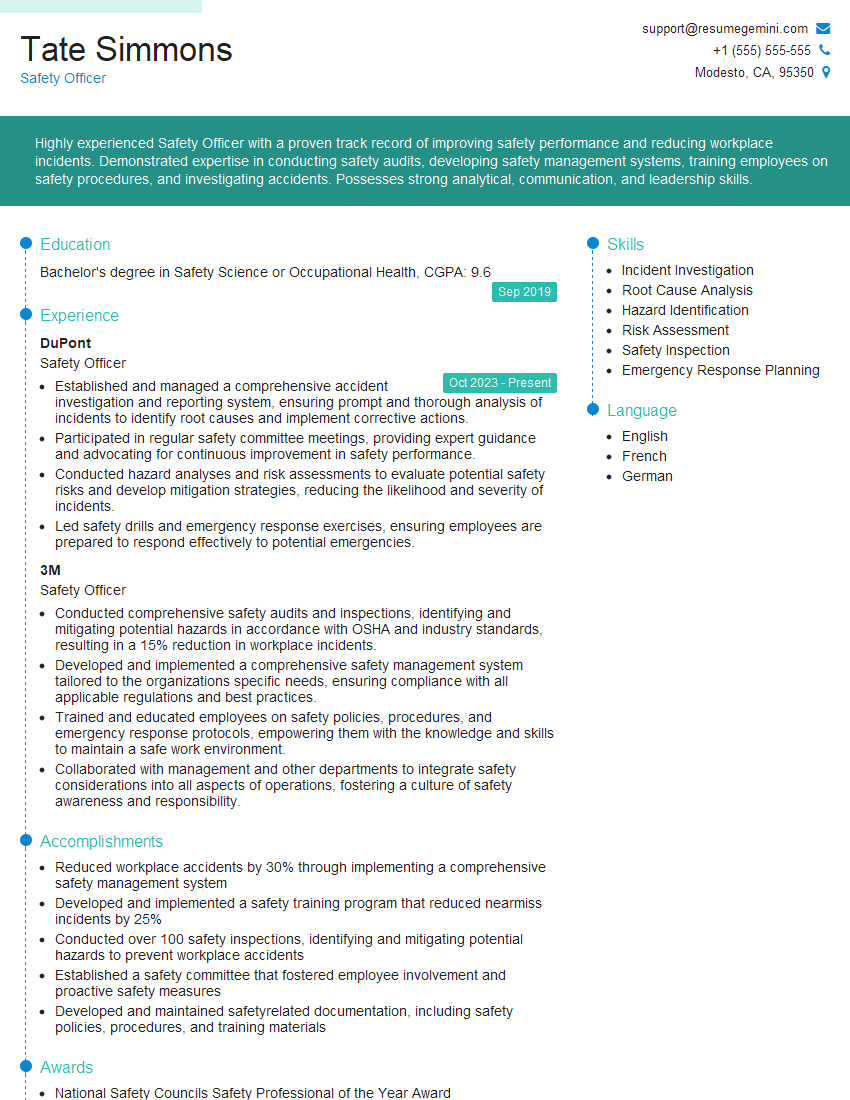
Safety Officer Resume Sample
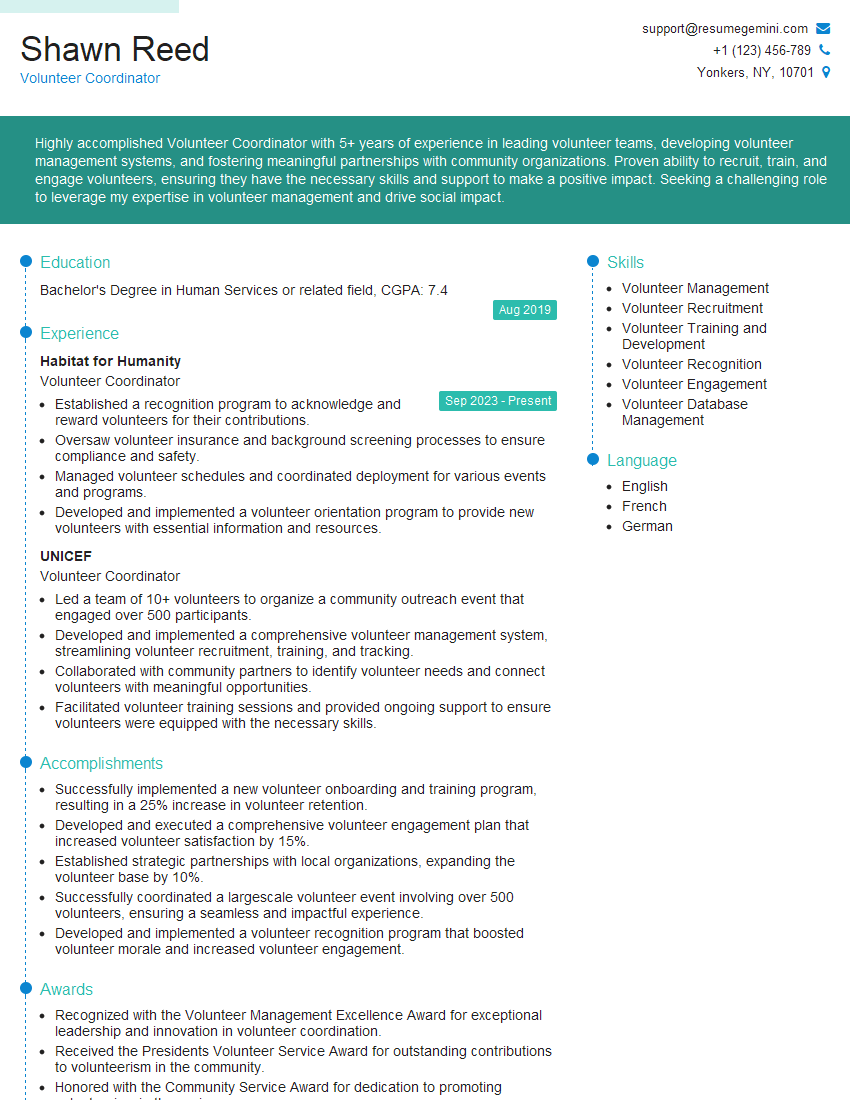
Volunteer Coordinator Resume Sample
Explore more articles
Users Rating of Our Blogs
Share Your Experience
We value your feedback! Please rate our content and share your thoughts (optional).
What Readers Say About Our Blog
Very informative content, great job.
good