Feeling uncertain about what to expect in your upcoming interview? We’ve got you covered! This blog highlights the most important Understanding of root cause analysis techniques interview questions and provides actionable advice to help you stand out as the ideal candidate. Let’s pave the way for your success.
Questions Asked in Understanding of root cause analysis techniques Interview
Q 1. Explain the 5 Whys technique and its limitations.
The 5 Whys is a simple yet powerful iterative interrogative technique used to explore cause-and-effect relationships. It involves repeatedly asking “Why?” to peel back layers of explanation and progressively uncover the root cause of a problem. Each answer forms the basis of the next question.
Example: Let’s say a website is experiencing slow loading times.
- Why? Because the database is slow.
- Why? Because the database server is overloaded.
- Why? Because too many users are accessing the database simultaneously.
- Why? Because there’s insufficient server capacity.
- Why? Because the server wasn’t properly sized for peak load.
The root cause, in this case, is inadequate server capacity.
Limitations: The 5 Whys can be overly simplistic and may not be effective for complex issues with multiple contributing factors. It can also be biased by the person asking the questions and may not reach the true root cause if assumptions are made. It’s best used as a starting point for more detailed investigation.
Q 2. Describe the Fishbone diagram (Ishikawa) method and when it’s most effective.
A Fishbone diagram, also known as an Ishikawa diagram, is a visual tool used to brainstorm and organize potential causes of a problem. It resembles a fish skeleton, with the problem statement forming the head and various branches representing potential contributing factors (causes). These branches are often categorized (e.g., People, Machines, Materials, Methods, Environment, Measurement).
How it works: A team gathers to identify potential causes related to each category. These causes are then further broken down into sub-causes until the root causes are identified.
When it’s most effective: Fishbone diagrams are highly effective when dealing with complex problems that have multiple potential root causes, requiring collaborative brainstorming. They’re ideal in situations where a diverse team can bring different perspectives and expertise to the problem-solving process. For example, diagnosing recurring defects in a manufacturing process, or addressing a major customer service issue.
Q 3. What is the Pareto Principle and how does it apply to root cause analysis?
The Pareto Principle, also known as the 80/20 rule, states that approximately 80% of effects come from 20% of causes. In root cause analysis, this means that a small number of root causes often account for the majority of problems.
Application in RCA: By identifying and addressing this vital 20% of root causes, organizations can achieve significant improvements with a focused effort. For example, if a manufacturing plant is experiencing high defect rates, applying the Pareto Principle might reveal that 80% of defects stem from two specific machines or processes. Focusing on fixing those two issues would likely yield the greatest return on effort compared to addressing all potential causes equally.
Q 4. How do you differentiate between correlation and causation in RCA?
Correlation refers to a relationship where two or more variables change together. Causation, however, means that one variable directly influences or causes a change in another variable. Correlation does not imply causation; two variables can be correlated without one causing the other.
Example: Ice cream sales and crime rates might be positively correlated (both increase in summer), but ice cream sales don’t cause crime, and vice versa. Both are correlated to a third variable: warm weather. In RCA, it’s crucial to distinguish between correlation and causation to avoid focusing on superficial relationships and missing the true root cause.
Q 5. Explain the Fault Tree Analysis (FTA) method.
Fault Tree Analysis (FTA) is a deductive, top-down technique used to analyze how various events can lead to a specific undesirable event (a system failure or accident). It works by constructing a tree-like diagram, starting with the undesired event (top event) and working backward to identify the various fault events that could cause it.
How it works: The FTA diagram uses logical gates (AND, OR) to represent the relationships between events. An AND gate means all preceding events must occur to cause the subsequent event, while an OR gate means only one of the preceding events needs to occur. Each fault event is analyzed further until basic events (those that cannot be further broken down) are reached. This helps understand the various pathways to system failure.
Example: Analyzing the causes of a power outage might involve an FTA that branches out from the ‘power outage’ top event to identify possible causes like equipment failure, human error, or external events (e.g., storm).
Q 6. What is a Failure Modes and Effects Analysis (FMEA) and how is it used in RCA?
A Failure Modes and Effects Analysis (FMEA) is a proactive technique used to identify potential failure modes within a system and assess their potential effects. Unlike reactive RCA, which addresses problems after they occur, FMEA aims to prevent failures before they happen.
Use in RCA: Although primarily preventative, FMEA data can be incredibly valuable in RCA investigations. If a failure occurs, the existing FMEA can quickly provide insights into potential causes, reducing investigation time. The severity, probability, and detectability ratings assigned during the FMEA process can prioritize areas for investigation when a failure occurs.
Example: In the design phase of a new product, an FMEA might identify the potential failure mode of a motor overheating. If this failure actually occurs later, the existing FMEA data will guide the RCA, speeding up the process of pinpointing the root cause (e.g., insufficient cooling, faulty motor design).
Q 7. Describe a situation where you used root cause analysis to solve a complex problem.
During my previous role, our customer support system was experiencing extremely high call volumes and long wait times. Initial analysis showed a spike in calls related to a specific product feature. We used a combination of techniques to identify the root cause.
First, we applied the Pareto Principle, revealing that 80% of the calls were related to three specific error messages. This guided our investigation, focusing on those error messages instead of broadly exploring all possible causes. Next, we constructed a Fishbone diagram to brainstorm potential causes for these errors, categorized by software, user error, and network issues. This collaborative effort identified a poorly documented feature leading to frequent user mistakes. Finally, we employed the 5 Whys to delve deeper into the documentation issue, uncovering inadequate training materials for support staff and insufficient detail in the online help.
The root cause wasn’t a software bug, but rather a combination of poor documentation and inadequate training. Addressing these issues reduced call volumes significantly. The improved documentation, coupled with updated training, decreased the number of user errors and led to an overall increase in customer satisfaction.
Q 8. What are some common biases that can hinder effective root cause analysis?
Effective root cause analysis (RCA) relies on objective investigation, but several biases can easily skew the results. These biases often stem from human psychology and organizational pressures. Here are some common ones:
- Confirmation Bias: This is the tendency to favor information that confirms pre-existing beliefs and ignore contradictory evidence. For example, if a team believes a certain software module is faulty, they might focus on evidence supporting that belief while overlooking other potential causes.
- Anchoring Bias: This involves over-relying on the first piece of information received, even if it’s incomplete or inaccurate. Imagine a network outage; the first report of a failed server might lead the investigation down the wrong path, even if the root cause lies elsewhere.
- Availability Bias: This is the tendency to overestimate the likelihood of events that are easily recalled, often due to their vividness or recent occurrence. A recent similar incident might unduly influence the investigation, leading to a false conclusion.
- Groupthink: In team RCA sessions, groupthink can occur where individuals suppress dissenting opinions to maintain harmony. This can stifle critical thinking and prevent the identification of alternative root causes.
- Attribution Bias: This involves assigning blame prematurely, focusing on individuals or departments rather than systemic issues. Instead of a thorough investigation, the focus might shift to assigning fault before understanding the underlying causes.
Mitigating these biases requires a structured approach, diverse team participation, and a conscious effort to challenge assumptions and actively seek out conflicting evidence.
Q 9. How do you handle situations where the root cause is unclear or difficult to identify?
When the root cause remains elusive, a systematic approach is crucial. It’s helpful to think of it like solving a complex puzzle. You might need to employ several techniques:
- 5 Whys Technique: This iterative questioning method helps drill down to the root cause by repeatedly asking “Why?” However, it’s not always sufficient for complex issues.
- Fishbone Diagram (Ishikawa Diagram): This visual tool helps brainstorm potential causes categorized by different contributing factors (e.g., people, processes, equipment, materials). It aids in identifying multiple potential root causes, even if their relationship is unclear.
- Fault Tree Analysis (FTA): This deductive technique works backward from the undesired event to identify contributing factors, using logic gates to model cause-and-effect relationships. It’s particularly useful for complex systems.
- Data Analysis: This involves reviewing logs, performance metrics, and other relevant data to identify patterns and correlations. Statistical methods can help uncover hidden relationships.
- Expert Consultation: Engaging experts from different domains can provide valuable insights and perspectives, particularly when dealing with specialized technology or processes.
Sometimes, a definitive root cause can’t be identified with certainty. In such cases, it’s essential to document the findings, highlight the areas of uncertainty, and implement interim solutions to mitigate the risk. It’s better to implement improvements based on probable causes rather than doing nothing.
Q 10. Explain the difference between reactive and proactive root cause analysis.
The difference between reactive and proactive RCA lies in their timing and objective.
- Reactive RCA: This is performed *after* an incident or problem has occurred. The goal is to understand what went wrong, fix the immediate problem, and prevent recurrence. Think of a server crashing – you react by investigating and fixing it.
- Proactive RCA: This is performed *before* a problem arises. The goal is to identify potential vulnerabilities or weaknesses in a system or process and address them *before* they cause disruptions. For instance, regularly auditing security protocols to prevent breaches is a proactive approach.
While reactive RCA is necessary for addressing immediate issues, proactive RCA is crucial for building a more resilient and reliable system in the long run. Ideally, an organization should strive for a balance of both approaches.
Q 11. How do you prioritize root causes once identified?
Prioritizing root causes is crucial as resources are limited. A common approach involves a risk assessment matrix. This considers both the likelihood of the root cause contributing to future incidents (probability) and the severity of the potential impact (impact).
A simple way to visualize this is a 2×2 matrix:
- High Probability, High Impact: These root causes require immediate attention and resources.
- High Probability, Low Impact: These should be addressed as soon as feasible.
- Low Probability, High Impact: These should be addressed strategically, possibly with mitigation plans in place.
- Low Probability, Low Impact: These may be deferred unless other factors dictate otherwise.
You can also use quantitative data, such as historical incident frequency, Mean Time To Failure (MTTF), or Mean Time To Repair (MTTR) to support the prioritization.
Q 12. What are some common software tools used for root cause analysis?
Several software tools assist in RCA, depending on the context. These range from simple diagramming tools to sophisticated analytics platforms:
- Microsoft Visio or Lucidchart: Useful for creating fishbone diagrams and other visual representations.
- MindManager: Helps in brainstorming and organizing ideas during the RCA process.
- Jira Service Management: Integrates incident tracking, RCA, and knowledge management.
- Splunk or ELK Stack: These log analysis platforms help sift through large datasets to identify patterns and anomalies.
- Grafana: Provides dashboards for visualizing metrics and identifying trends that might indicate underlying problems.
The choice of tool depends on the complexity of the system being analyzed and the availability of data. Often, a combination of tools is used for a comprehensive RCA.
Q 13. How do you ensure the accuracy and reliability of your root cause analysis findings?
Ensuring the accuracy and reliability of RCA findings requires rigor and attention to detail. Here are some key steps:
- Data Validation: Verify the accuracy and completeness of all data sources. This might involve cross-checking information from multiple sources.
- Multiple Perspectives: Include individuals with diverse expertise and perspectives in the RCA team. This helps challenge assumptions and avoid biases.
- Documented Procedures: Use a structured methodology (e.g., 5 Whys, FTA) and meticulously document each step of the investigation.
- Peer Review: Have the findings reviewed by independent experts to ensure objectivity and identify any potential flaws.
- Verification of Solutions: After implementing corrective actions, verify their effectiveness through monitoring and data analysis.
- Continuous Improvement: Regularly review the RCA process to identify areas for improvement and enhance its effectiveness.
By following these steps, you can significantly increase the confidence in the accuracy and reliability of your root cause analysis findings and prevent recurrence of issues.
Q 14. Describe a time you had to deal with conflicting information during RCA.
During an RCA for a major network outage, we had conflicting reports about the timing of events. Some team members reported a power surge immediately preceding the outage, while others claimed the power was stable. This discrepancy threatened to derail the entire investigation.
To address this, we:
- Gathered More Data: We reviewed detailed power logs from multiple sources, including external power providers. This provided a more complete picture of the power situation.
- Interviewed Witnesses: We conducted structured interviews with personnel who were on duty at the time of the incident, ensuring consistency and accuracy in gathering information.
- Analyzed Network Logs: We closely examined network logs to correlate the reported timing discrepancies with actual network events, looking for specific patterns in the data.
It turned out that the power surge had occurred in a separate building housing backup equipment. The initial reports were accurate, but because they involved different parts of the infrastructure, the connection between the surge and the outage wasn’t immediately apparent. By methodically investigating the conflict, we uncovered the root cause – a power surge impacting the backup power system that caused a cascading failure.
Q 15. How do you communicate your RCA findings to both technical and non-technical audiences?
Communicating Root Cause Analysis (RCA) findings effectively requires tailoring the message to the audience. For technical audiences, I use precise terminology, detailed data analysis, and diagrams illustrating complex relationships. For example, I might present a flow chart showing the sequence of events leading to the failure, including specific code snippets or system logs. I’d focus on the technical details of the root cause and the rationale behind the proposed solutions.
For non-technical audiences, I avoid jargon and technical details. Instead, I use clear, concise language, analogies, and visual aids like bar charts or infographics to summarize key findings and recommendations. I focus on the impact of the problem and the benefits of the proposed solutions, emphasizing the ‘what’ and ‘why’ rather than the ‘how’. For example, instead of discussing specific database queries, I would explain the impact of the issue on customer experience or business operations.
Regardless of the audience, I always start by summarizing the problem, then clearly state the root cause, and finally present the recommended solutions and their expected impact. A well-structured presentation, supported by compelling visuals, ensures that the message is understood and acted upon.
Career Expert Tips:
- Ace those interviews! Prepare effectively by reviewing the Top 50 Most Common Interview Questions on ResumeGemini.
- Navigate your job search with confidence! Explore a wide range of Career Tips on ResumeGemini. Learn about common challenges and recommendations to overcome them.
- Craft the perfect resume! Master the Art of Resume Writing with ResumeGemini’s guide. Showcase your unique qualifications and achievements effectively.
- Don’t miss out on holiday savings! Build your dream resume with ResumeGemini’s ATS optimized templates.
Q 16. What are some key metrics you use to measure the effectiveness of your RCA efforts?
Measuring the effectiveness of RCA efforts involves tracking both leading and lagging indicators. Lagging indicators measure the impact of the RCA’s outcome on the problem, while leading indicators measure the process of performing RCA itself.
- Lagging Indicators: Reduction in the frequency of the problem, improved system uptime, reduced cost of incidents, increased customer satisfaction, fewer customer complaints related to the issue.
- Leading Indicators: Time taken to complete the RCA, accuracy of the root cause identification (validated through subsequent monitoring), implementation rate of recommended solutions, stakeholder satisfaction with the RCA process, improvements in processes designed to prevent future occurrences.
For example, if an RCA identified a software bug as the root cause of frequent system crashes, a lagging indicator would be the decrease in system crashes after the bug fix. A leading indicator might be the time taken to identify the bug and the thoroughness of the testing performed to validate the fix. I use these metrics to continuously improve the RCA process and demonstrate its value to the organization.
Q 17. What are some common pitfalls to avoid during a root cause analysis investigation?
Several pitfalls can derail an RCA investigation. One common mistake is jumping to conclusions prematurely, often based on assumptions rather than evidence. This can lead to ineffective solutions that fail to address the true root cause. For instance, blaming a single operator for a complex system failure without investigating other contributing factors is a classic example.
- Confirmation Bias: Seeking only evidence that confirms pre-existing beliefs, ignoring contradictory data.
- Groupthink: Pressure to conform within a team, hindering open discussion of alternative explanations.
- Insufficient Data Collection: Relying on anecdotal evidence rather than thorough data analysis.
- Focusing on Symptoms, Not Root Causes: Addressing the immediate problem without digging deeper to understand the underlying causes.
- Lack of Defined Methodology: Not using a structured approach, making the investigation disorganized and inefficient.
To avoid these pitfalls, I emphasize a structured approach, rigorous data analysis, diverse team involvement to mitigate groupthink, and a conscious effort to challenge assumptions. Regularly reviewing findings and seeking external perspectives also help avoid biases.
Q 18. Explain how you would use data analysis to support your root cause analysis.
Data analysis is crucial for supporting RCA. It helps move beyond assumptions and provides objective evidence to pinpoint the root cause. I use various techniques depending on the data available and the nature of the problem.
- Descriptive Statistics: Summarizing data using measures like averages, frequencies, and percentages to identify patterns and trends.
- Data Visualization: Using charts and graphs (histograms, scatter plots, time series plots) to identify relationships between variables and visualize the problem’s evolution.
- Regression Analysis: Identifying the strength and direction of relationships between variables to understand potential contributing factors.
- Log Analysis: Examining system logs to track the sequence of events leading to the failure.
- Database Querying: Retrieving relevant data from databases to investigate patterns and anomalies.
For example, if dealing with network outages, I might analyze network traffic logs to identify bottlenecks or unusual activity. If dealing with application errors, I might query a database to see if there’s a correlation between error rates and specific data entries. By analyzing data systematically, I can objectively confirm or refute hypotheses about the root cause, providing a solid foundation for my recommendations.
Q 19. How do you ensure that your root cause analysis recommendations are implemented effectively?
Ensuring effective implementation of RCA recommendations requires careful planning and follow-up. I begin by clearly defining roles, responsibilities, and deadlines for each recommended action. This is often documented in a formal action plan.
- Clear Action Plan: Assigning ownership of each action item to specific individuals or teams.
- Regular Monitoring: Tracking progress towards the completion of each action item.
- Communication & Reporting: Providing regular updates to stakeholders on progress and challenges.
- Feedback Mechanisms: Incorporating feedback from those involved in the implementation to identify and address any obstacles.
- Post-Implementation Review: Conducting a review after implementation to assess the effectiveness of the changes and identify any areas for further improvement.
For example, if the RCA identified a need for improved employee training, I would ensure the training is scheduled, that materials are developed, and that employee participation is tracked. I would then monitor the impact of the training on error rates and overall system performance. This structured approach ensures that the recommendations aren’t just documented but actually implemented and lead to tangible improvements.
Q 20. How do you handle situations where the root cause is beyond your control?
When the root cause is beyond our immediate control (e.g., a third-party vendor issue, a natural disaster, or a regulatory change), the focus shifts from fixing the root cause to mitigating its impact and advocating for change where possible.
- Risk Assessment: Determining the severity and likelihood of recurrence.
- Mitigation Strategies: Implementing temporary workarounds or backup plans to minimize disruption.
- Communication & Escalation: Informing stakeholders and escalating the issue to the appropriate parties (e.g., the vendor, regulatory bodies).
- Documentation & Monitoring: Maintaining detailed records of the issue, mitigation efforts, and ongoing communication.
- Advocacy for Change: Where appropriate, working to influence change to reduce future risks. For example, advocating for the third-party vendor to address the root cause of the issue in their system.
The key is to acknowledge the limitations while proactively addressing the immediate impact and working towards a long-term solution to prevent similar incidents in the future. Transparency and open communication with stakeholders are crucial in these situations.
Q 21. Describe your experience with different RCA methodologies.
I have extensive experience with various RCA methodologies, each with strengths and weaknesses depending on the context.
- 5 Whys: A simple, iterative questioning technique that helps uncover the root cause by repeatedly asking ‘why’ until the fundamental cause is identified. It’s effective for simple problems but can be less useful for complex issues with multiple contributing factors.
- Fishbone Diagram (Ishikawa Diagram): A visual tool that categorizes potential causes of a problem into different categories (people, methods, materials, machines, environment, measurement). It helps explore various perspectives and identify contributing factors systematically.
- Fault Tree Analysis (FTA): A deductive technique that uses a tree-like diagram to show how different events can combine to cause a failure. It is particularly useful for analyzing complex systems with multiple potential failure points.
- Failure Mode and Effects Analysis (FMEA): A proactive technique used to identify potential failures in a system and assess their potential impact. It helps prevent problems before they occur.
- Taproot: A structured methodology that combines elements of various RCA techniques, including the 5 Whys and fault tree analysis. It is used to perform a detailed root cause investigation and provide actionable recommendations.
My choice of methodology depends on the complexity of the problem, the available data, and the organizational context. Often, I use a combination of these techniques for a more comprehensive analysis.
Q 22. How do you validate the root cause you’ve identified?
Validating a root cause isn’t a one-size-fits-all process; it requires a multi-faceted approach. Think of it like solving a detective mystery – you need solid evidence to support your conclusions. We can’t simply assume something is the root cause; we must prove it.
Firstly, re-examine the evidence. Did we gather all the relevant data? Are there any inconsistencies or missing pieces? Often, a second look at logs, interview transcripts, or system data reveals crucial information.
- 5 Whys Technique Validation: If we used the 5 Whys, we’d verify each ‘why’ against data. For example, if the 5th ‘why’ points to insufficient training, we’d check training records, employee feedback, and performance metrics to confirm this is indeed the root.
- Fishbone Diagram Validation: With a Fishbone, we’d check if each potential cause branch identified truly contributes to the problem. We might interview team members or run statistical tests to determine the correlation.
- Data Analysis: Statistical analysis can confirm or disprove our root cause. If we hypothesize a specific software bug causes downtime, we’d analyze logs for error frequencies, times of occurrence, and correlation with specific user actions.
- Test and Retest: A powerful validation method is to implement changes addressing the supposed root cause and monitoring the effect. If the problem diminishes or disappears, it strongly supports our finding. If not, we need to revisit our analysis.
Ultimately, validation is an iterative process. We continuously refine our understanding until we reach a high degree of confidence in our root cause identification.
Q 23. What are some examples of effective preventative measures based on your RCA findings?
Preventative measures stem directly from the root cause identified. They are not generic fixes but are targeted solutions. Let’s imagine a scenario: A manufacturing plant experienced frequent production line stoppages due to machine malfunctions. Our RCA reveals the root cause is inadequate machine maintenance.
- Improved Maintenance Schedules: Based on the RCA findings, we’d implement a more rigorous and proactive maintenance schedule, perhaps with predictive maintenance techniques using sensor data to anticipate potential issues.
- Enhanced Training for Maintenance Staff: We would provide additional training to maintenance personnel, covering advanced diagnostics and repair techniques. This ensures they can identify and address problems more effectively.
- Investment in New Equipment or Upgrades: The analysis might show that the existing machinery is obsolete or prone to frequent breakdowns. Investing in newer, more reliable equipment could be a preventative measure.
- Improved Parts Procurement: Perhaps substandard parts were a contributing factor to the malfunctions. Switching to higher-quality, certified suppliers could prevent future stoppages.
In short, effective preventative measures are proactive, data-driven, and tailored to address the specific weaknesses exposed by the RCA.
Q 24. What is the difference between root cause analysis and problem-solving?
While related, root cause analysis (RCA) and problem-solving are distinct processes. Think of it this way: RCA is the ‘why,’ while problem-solving is the ‘what’ and ‘how.’
RCA focuses on identifying the underlying cause of a problem. It digs deep, often going beyond superficial symptoms to find the fundamental issue. The goal is to understand *why* the problem occurred, not just to fix the immediate symptom.
Problem-solving, on the other hand, is about finding a solution and implementing it. It’s a more action-oriented approach, focusing on the practical steps needed to resolve the issue *and* prevent its recurrence. Once the RCA identifies the root cause, problem-solving steps in to develop and implement a solution.
Analogy: Imagine a car that won’t start. Problem-solving might involve jump-starting the car or calling a tow truck. RCA, however, would investigate *why* the car won’t start – is it a dead battery, a faulty alternator, or a problem with the starter motor? Only after understanding the ‘why’ (RCA) can we effectively implement the ‘what’ and ‘how’ (problem-solving).
Q 25. How do you manage stakeholder expectations during a root cause analysis investigation?
Managing stakeholder expectations during an RCA is crucial for its success. Transparency and proactive communication are key. Think of it as setting the stage for a collaborative investigation.
- Initial Briefing: At the outset, clearly communicate the RCA’s goals, timeline, and methodology to all stakeholders. This sets realistic expectations about the process’s duration and deliverables.
- Regular Updates: Provide regular updates, highlighting key findings and milestones. This prevents assumptions and misinformation from spreading.
- Open Communication Channels: Establish open communication channels for stakeholders to voice their concerns or provide additional information. This fosters collaboration and ensures everyone feels heard.
- Manage Expectations on Solutions: Emphasize that the RCA’s primary goal is to find the *root* cause, not necessarily to immediately solve the problem. Solutions will come after the root cause is identified and validated.
- Acknowledge Uncertainty: It’s okay to acknowledge that the RCA might not yield a definitive answer immediately. Be transparent about challenges and uncertainties encountered during the investigation.
By proactively managing expectations, we create a climate of trust and cooperation, leading to a more effective and well-received RCA process.
Q 26. What is your approach to documenting the root cause analysis process?
Thorough documentation is essential for RCA. It ensures accountability, provides a record for future reference, and facilitates the sharing of knowledge. I use a structured approach:
- Problem Statement: A clear, concise description of the problem, including its impact and timeline.
- Data Collection Methodology: A detailed account of the methods used to gather information (interviews, logs, data analysis, etc.).
- Root Cause Analysis Methodology: Specify the technique used (5 Whys, Fishbone, Fault Tree Analysis, etc.) and justify its selection.
- Findings and Evidence: Present the gathered evidence, including data, interview transcripts, and analysis results. Use visual aids like diagrams and charts to enhance clarity.
- Root Cause Identification: Clearly state the identified root cause, supported by the presented evidence.
- Recommended Actions/Corrective Measures: Outline specific actions to address the root cause and prevent recurrence. Include responsibilities and timelines.
- Review and Approval: Document the review and approval process of the RCA report by key stakeholders.
The documentation can take the form of a formal report, a shared online document, or a combination of both. The key is to maintain a clear, consistent, and comprehensive record of the entire process.
Q 27. How do you adapt your RCA approach depending on the context and complexity of the issue?
Adaptability is crucial in RCA. The approach should be tailored to the specific context and complexity of the issue. A simple problem might only require a quick 5 Whys session, whereas a complex system failure could demand a more rigorous, multi-method approach.
- Simple Problems (e.g., isolated equipment malfunction): A quick 5 Whys session, combined with a visual inspection, might suffice.
- Moderately Complex Problems (e.g., recurring software bugs): A combination of the 5 Whys, data analysis (log files, error reports), and potentially a Fishbone diagram could be employed.
- Complex Problems (e.g., large-scale system failures): A more structured approach like Fault Tree Analysis, combined with data analysis, interviews, and potentially external expertise, might be necessary.
Consider the following factors when adapting your approach:
- Complexity of the system: The more interconnected the system, the more sophisticated the RCA methodology needed.
- Time constraints: Urgency might necessitate a faster, more focused investigation.
- Resource availability: The availability of data, personnel, and tools will influence the scope and depth of the analysis.
- Stakeholder involvement: The level of stakeholder engagement and their expertise will shape the collaboration and communication strategies.
A skilled RCA practitioner can seamlessly adapt their methodologies to the unique circumstances of each case, ensuring a thorough and effective investigation.
Key Topics to Learn for Understanding of Root Cause Analysis Techniques Interview
- Defining the Problem: Mastering techniques for clearly and concisely defining the problem statement, including data gathering and initial assessment.
- 5 Whys Technique: Understanding the application and limitations of the 5 Whys method, and knowing when to apply alternative techniques.
- Fishbone Diagram (Ishikawa Diagram): Proficiency in creating and interpreting Fishbone diagrams to identify potential root causes across various categories (people, methods, materials, equipment, environment).
- Pareto Analysis: Understanding how to prioritize root causes by identifying the vital few versus the trivial many using Pareto charts.
- Fault Tree Analysis (FTA): Familiarity with FTA for complex systems, understanding how to build a fault tree and use Boolean logic to identify root causes.
- Practical Application: Demonstrate experience applying these techniques in real-world scenarios, discussing challenges overcome and lessons learned.
- Root Cause vs. Contributing Factor: Clearly differentiating between the root cause and contributing factors in a problem.
- Data Analysis & Interpretation: Showcasing your ability to use data to support your root cause analysis conclusions, and understanding data limitations.
- Presenting Findings: Articulating your findings clearly and concisely, both verbally and in written reports, using visuals effectively.
Next Steps
Mastering root cause analysis techniques is crucial for career advancement in many fields, showcasing your problem-solving abilities and critical thinking skills. Employers highly value individuals who can effectively identify and resolve complex issues. To maximize your job prospects, building an ATS-friendly resume is key. ResumeGemini is a trusted resource to help you craft a professional resume that highlights your skills and experience effectively. Examples of resumes tailored to showcasing expertise in root cause analysis techniques are available through ResumeGemini, helping you present your qualifications powerfully to potential employers.
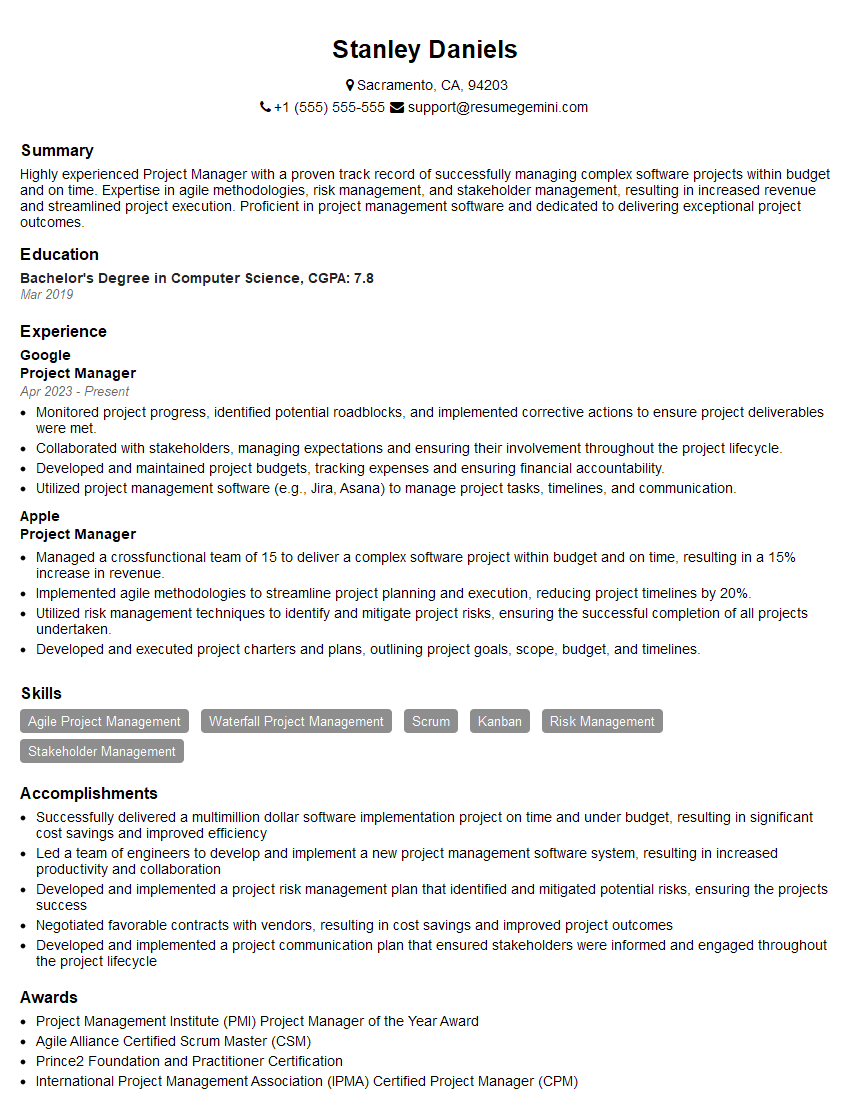
Project Manager Resume Sample

Compliance Officer Resume Sample
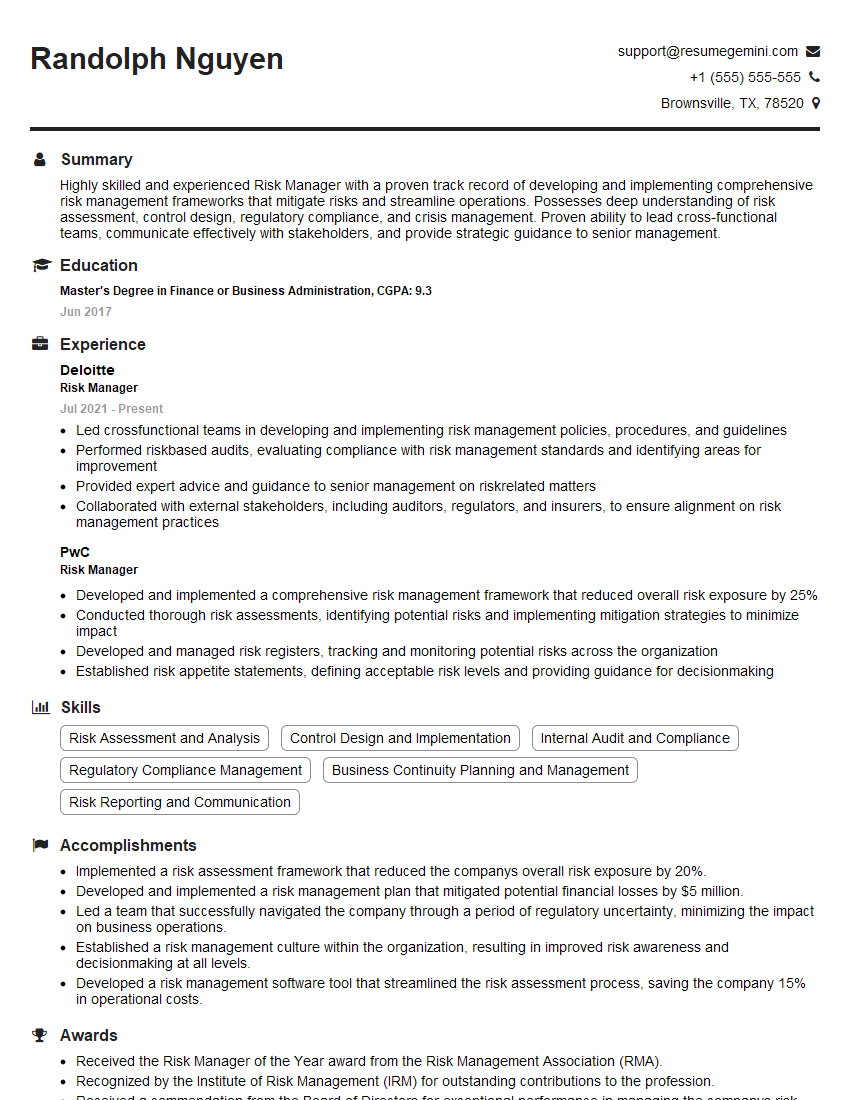
Risk Manager Resume Sample
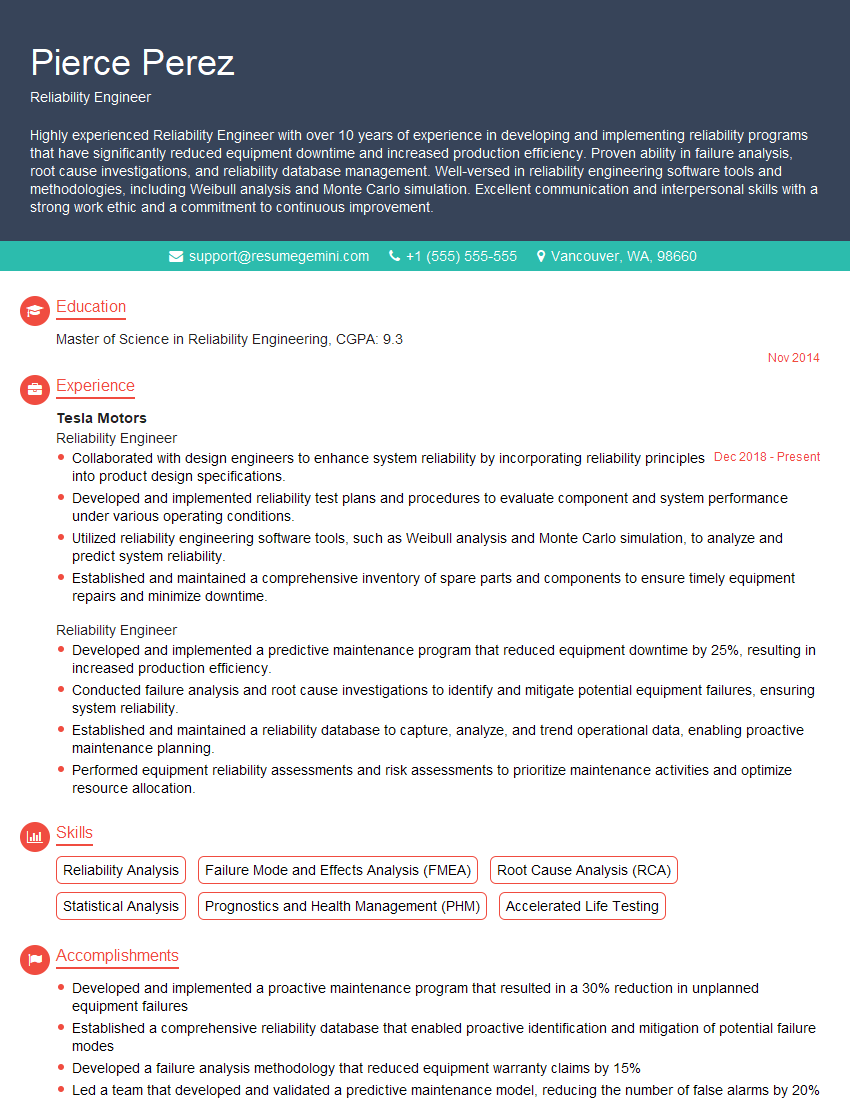
Reliability Engineer Resume Sample
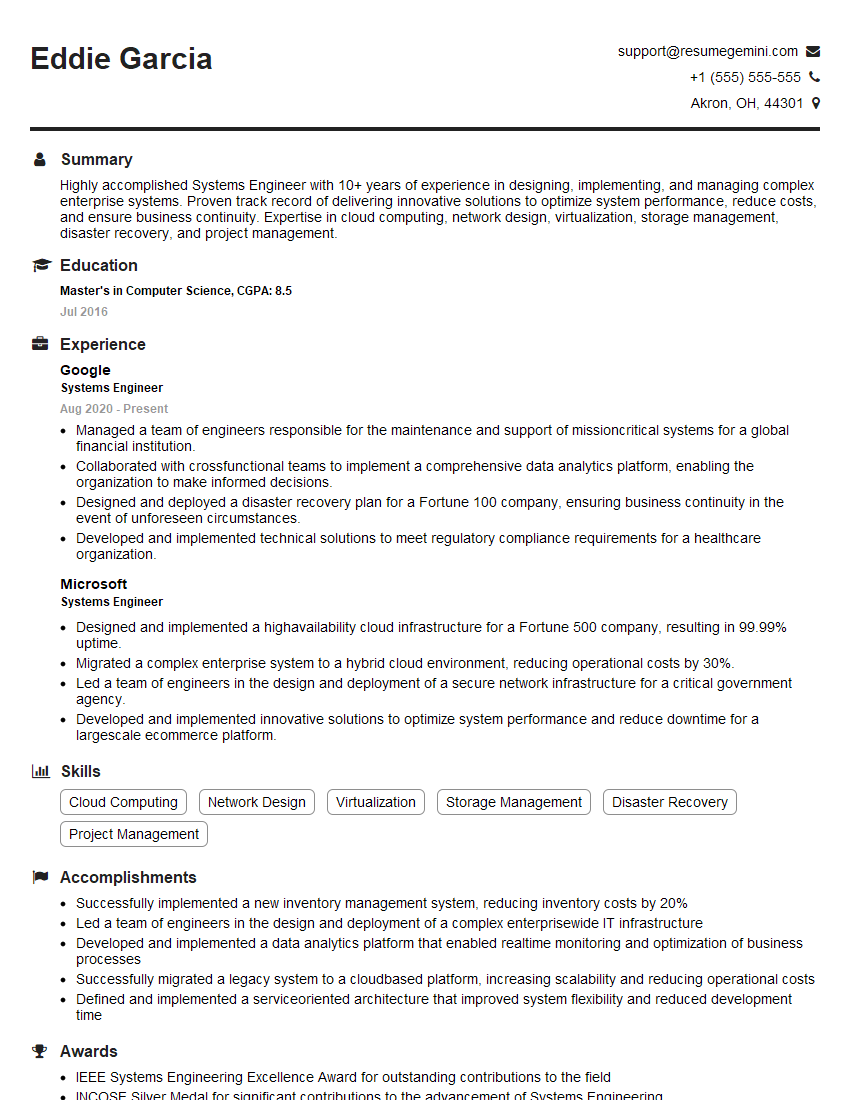
Systems Engineer Resume Sample
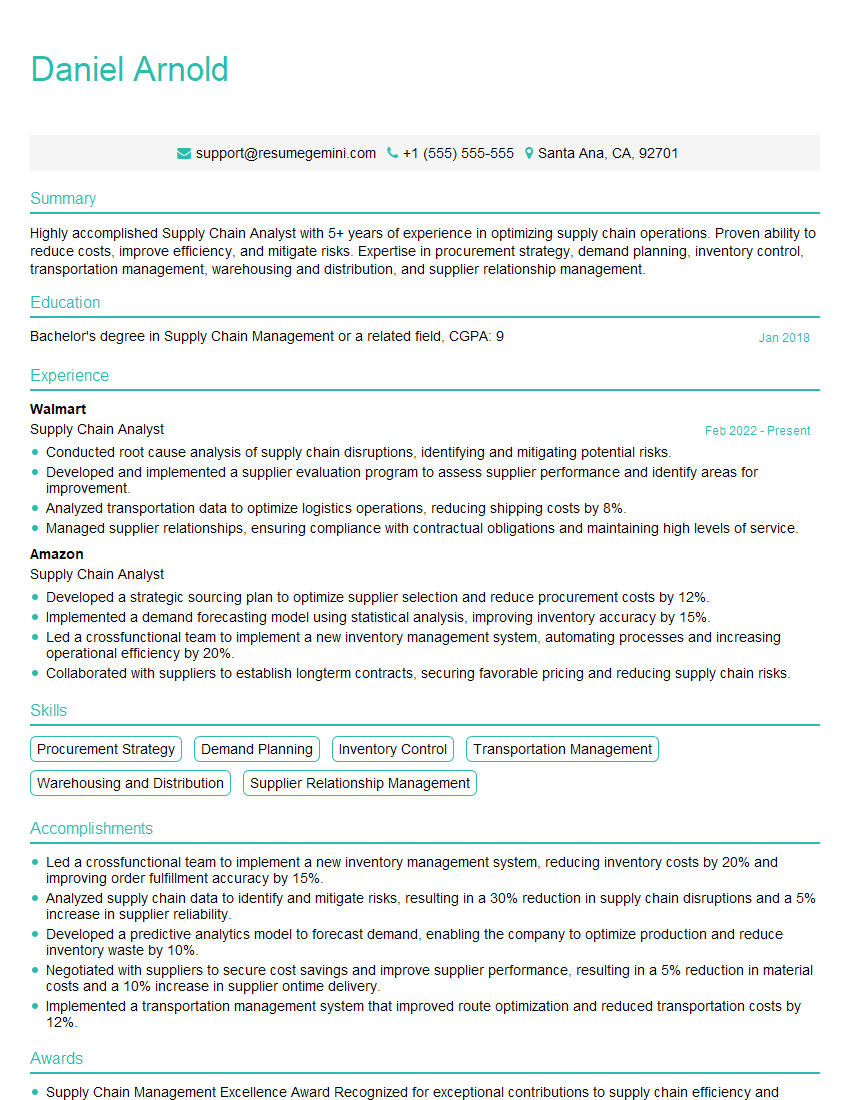
Supply Chain Analyst Resume Sample
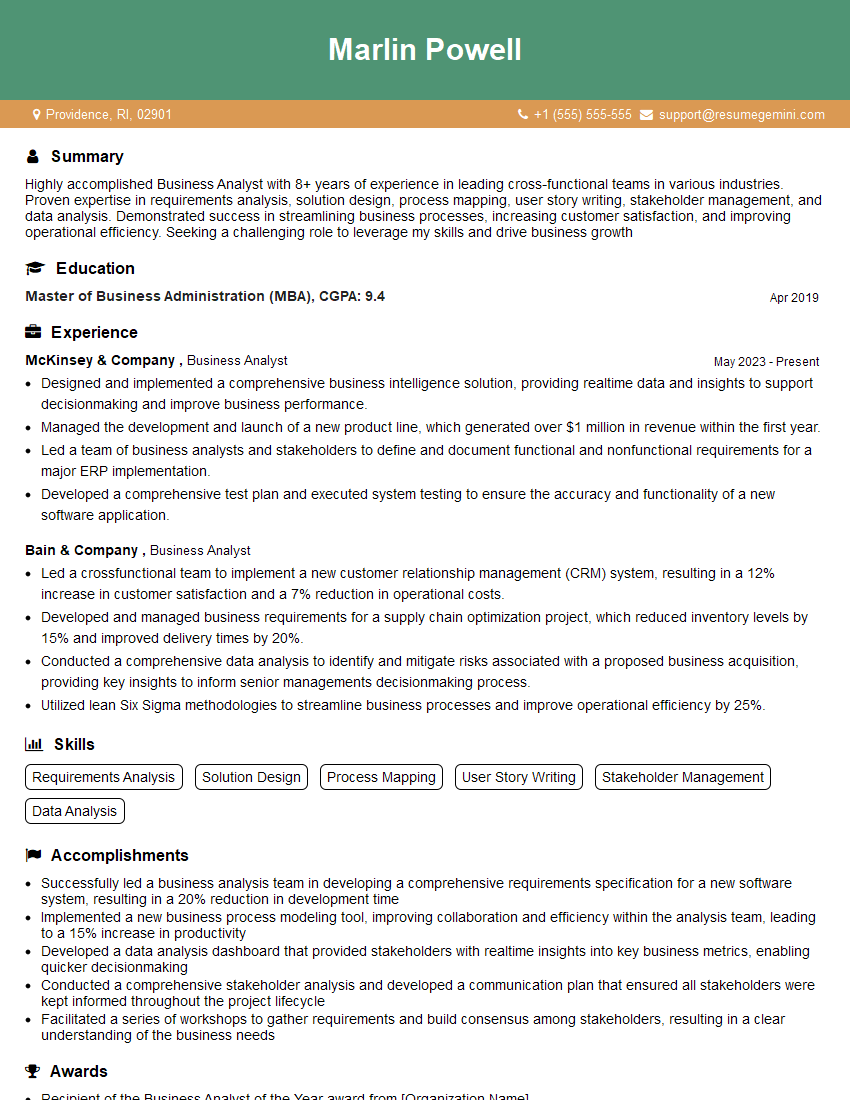
Business Analyst Resume Sample
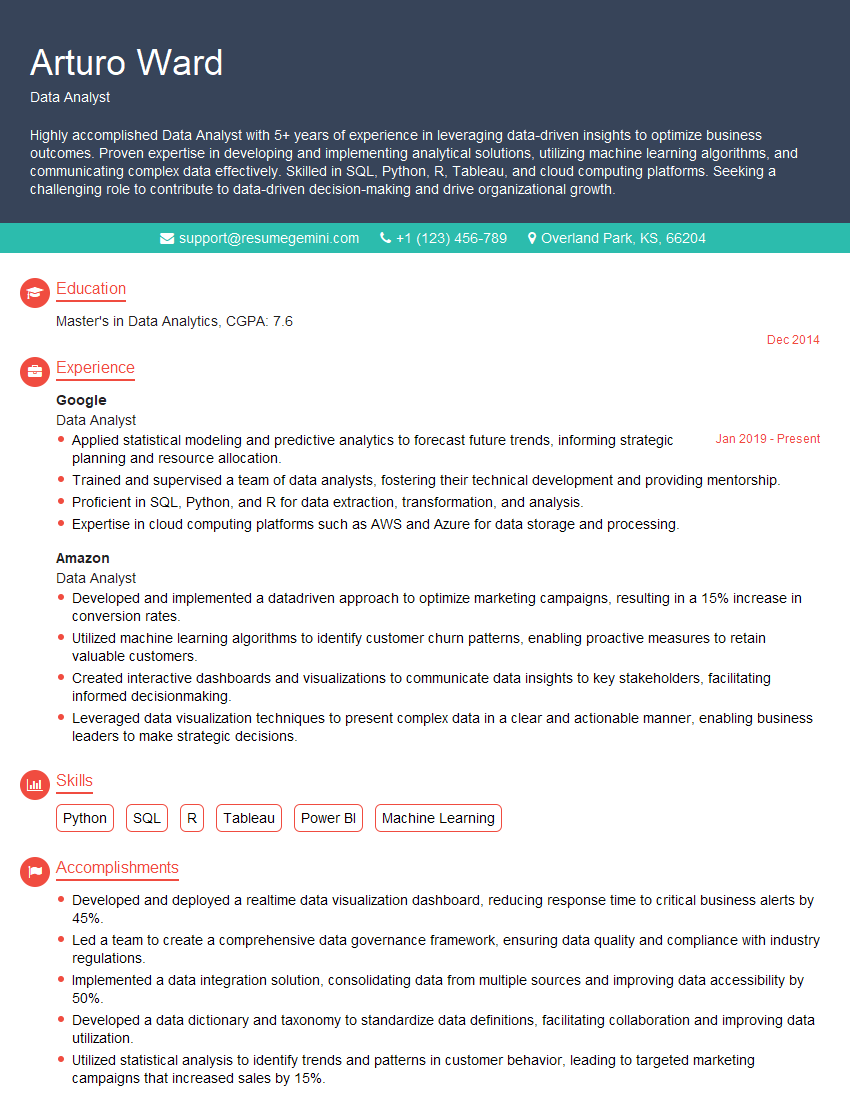
Data Analyst Resume Sample
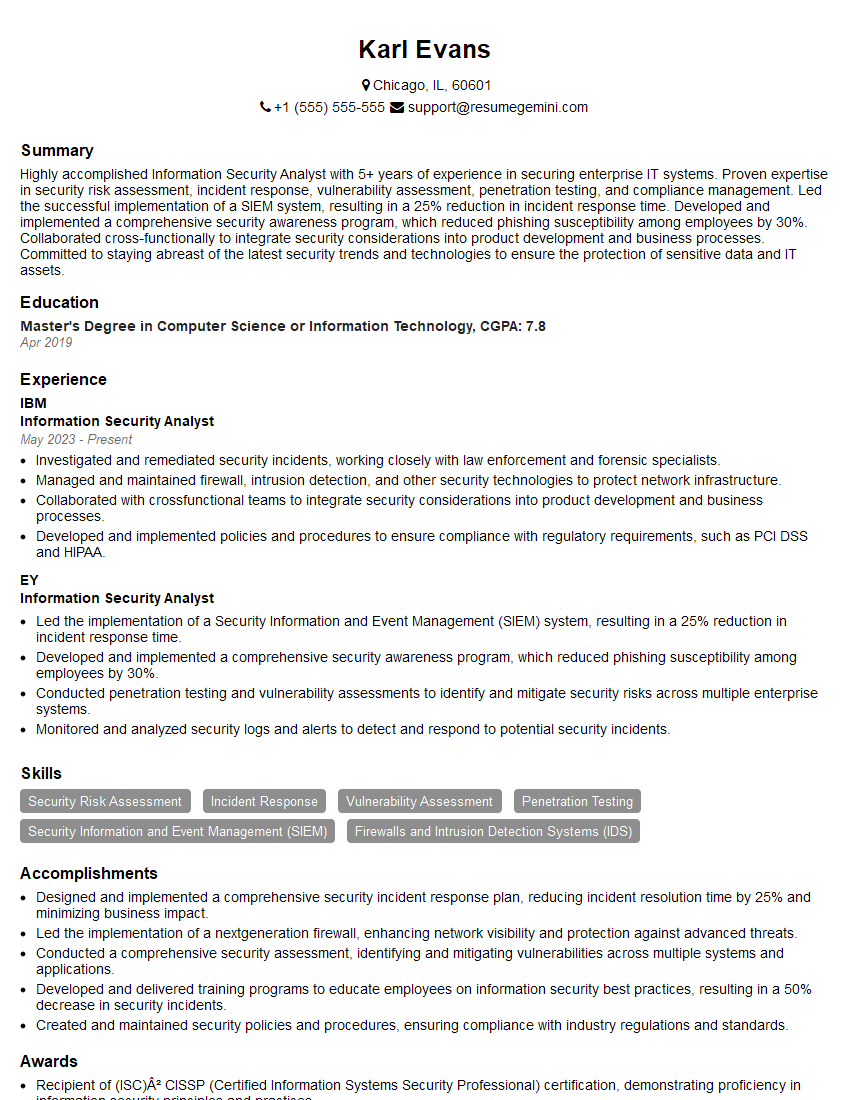
Information Security Analyst Resume Sample
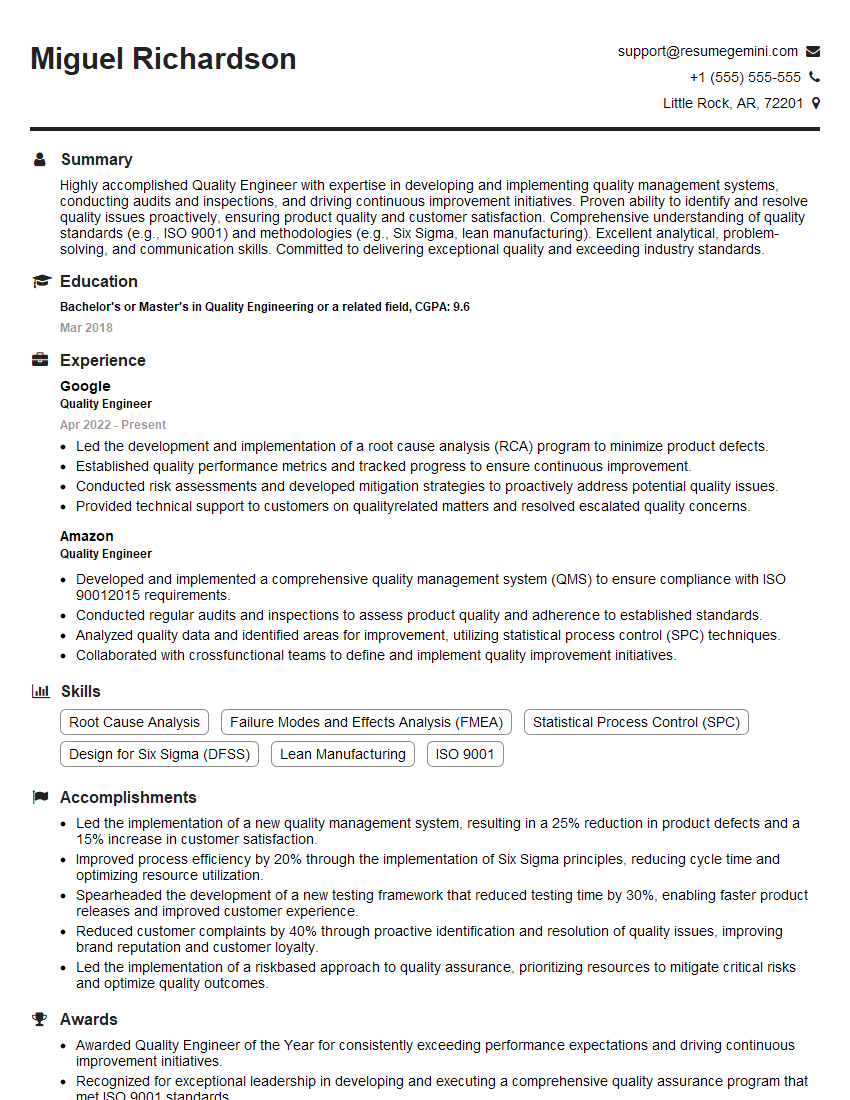
Quality Engineer Resume Sample
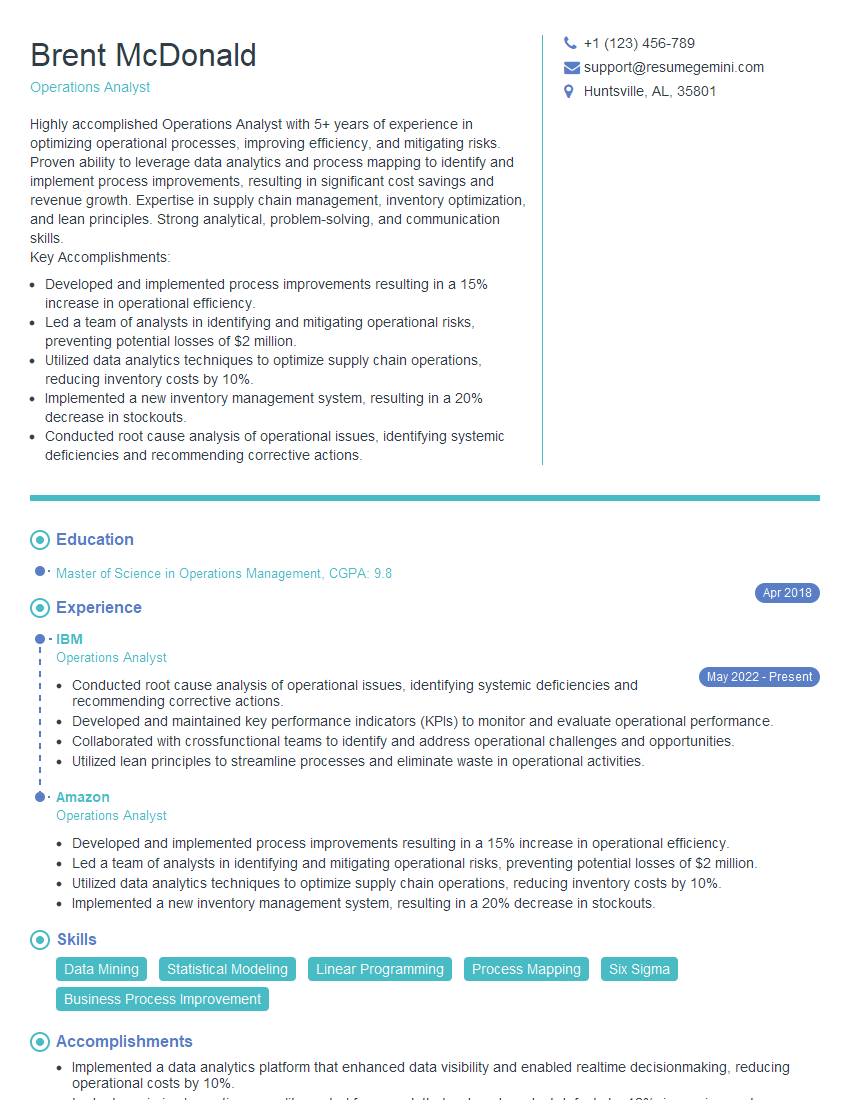
Operations Analyst Resume Sample
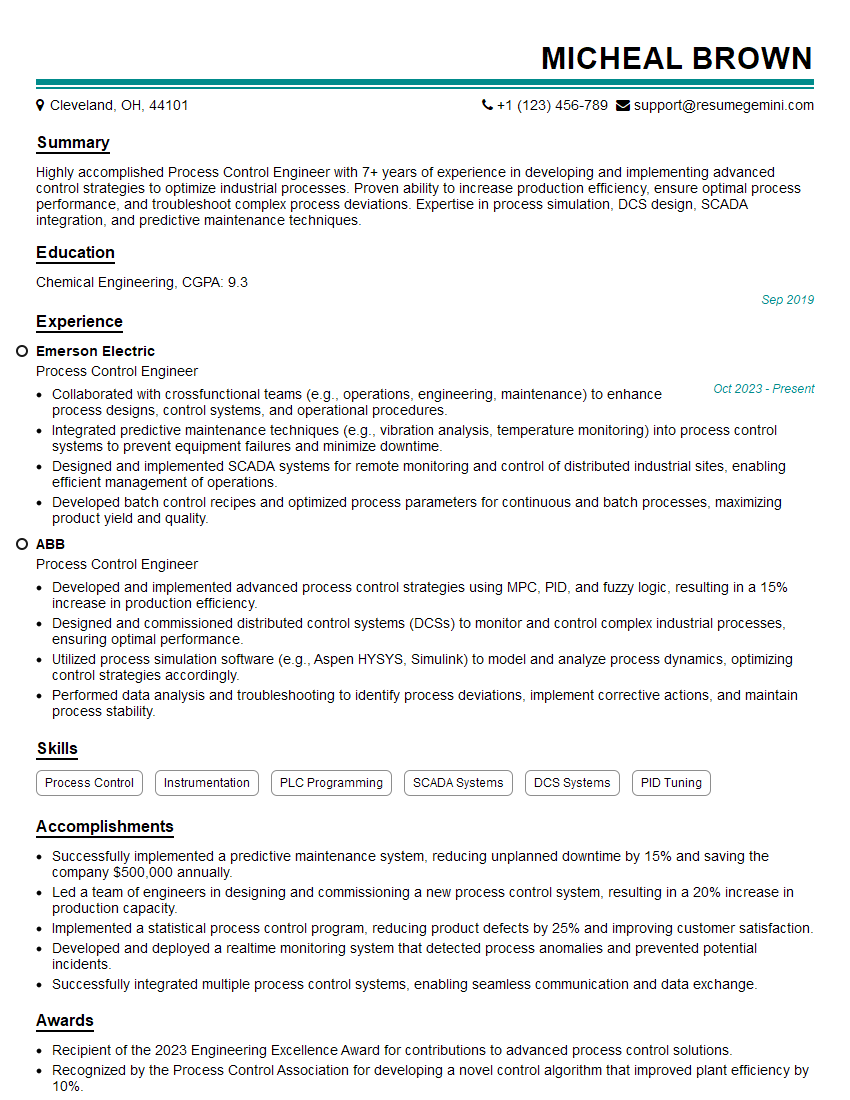
Process Control Engineer Resume Sample
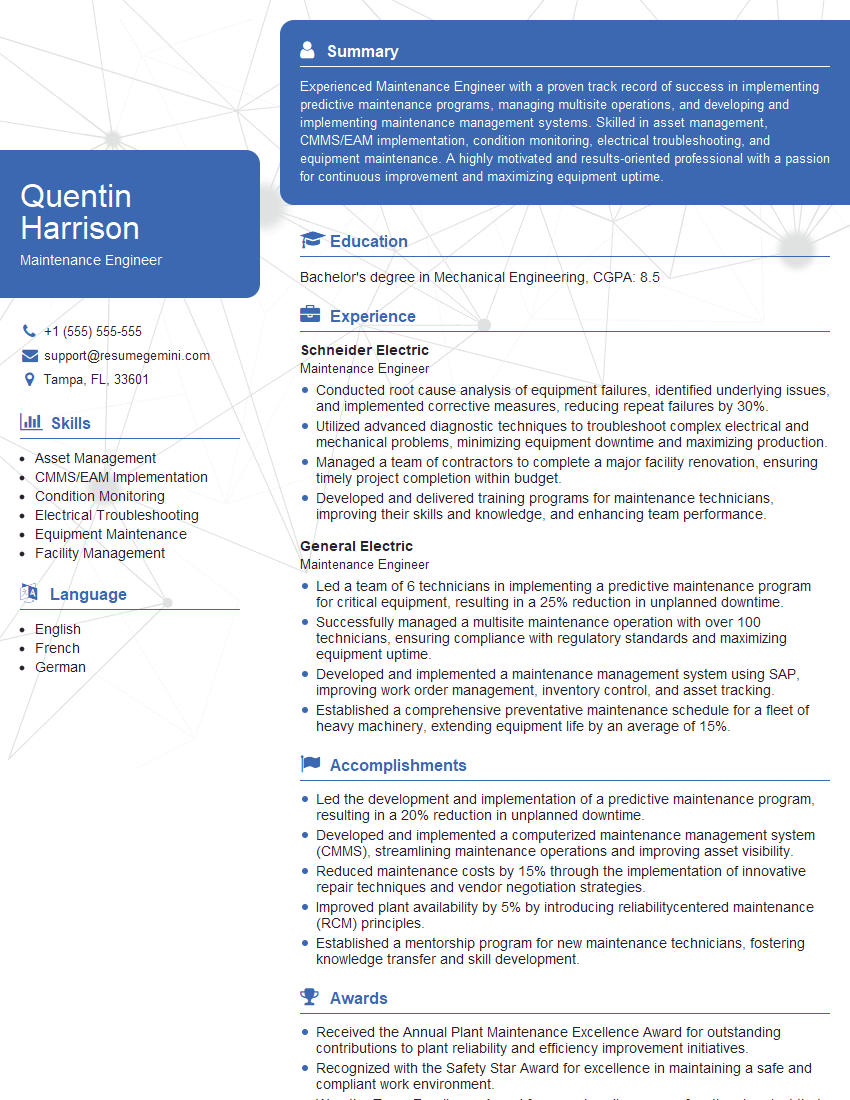
Maintenance Engineer Resume Sample
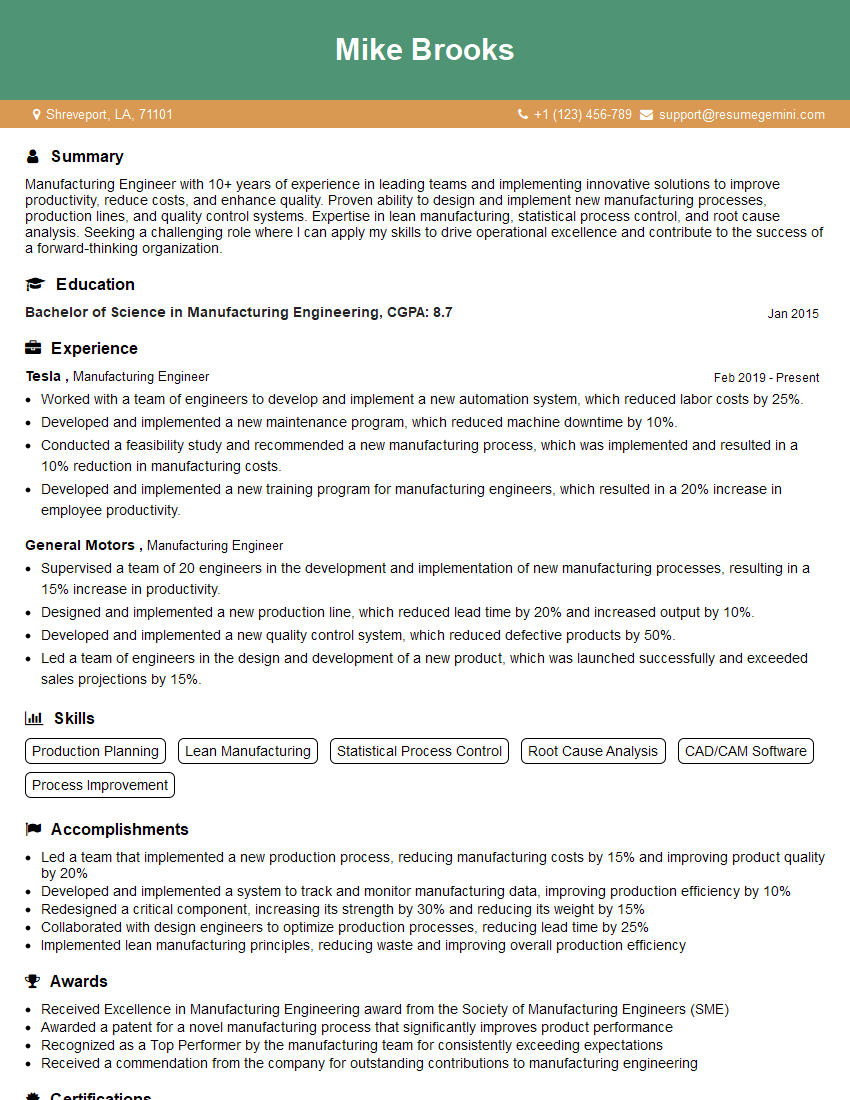
Manufacturing Engineer Resume Sample
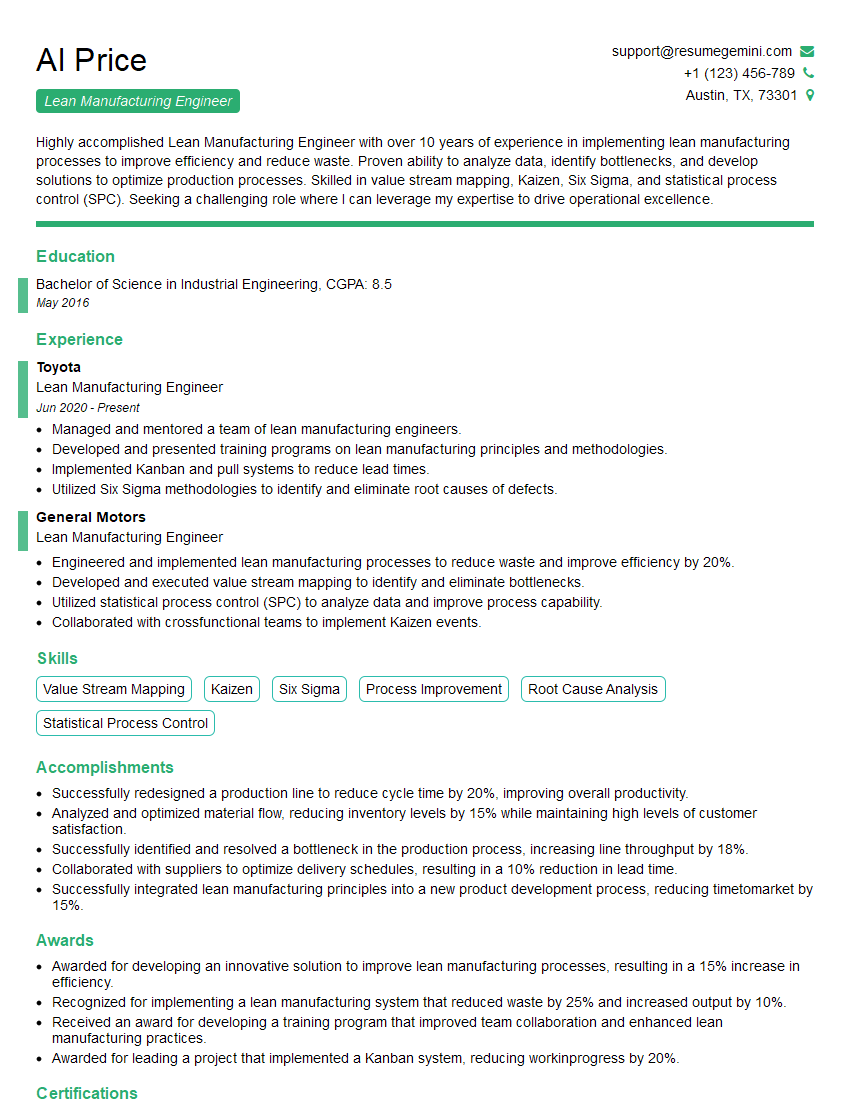
Lean Manufacturing Engineer Resume Sample
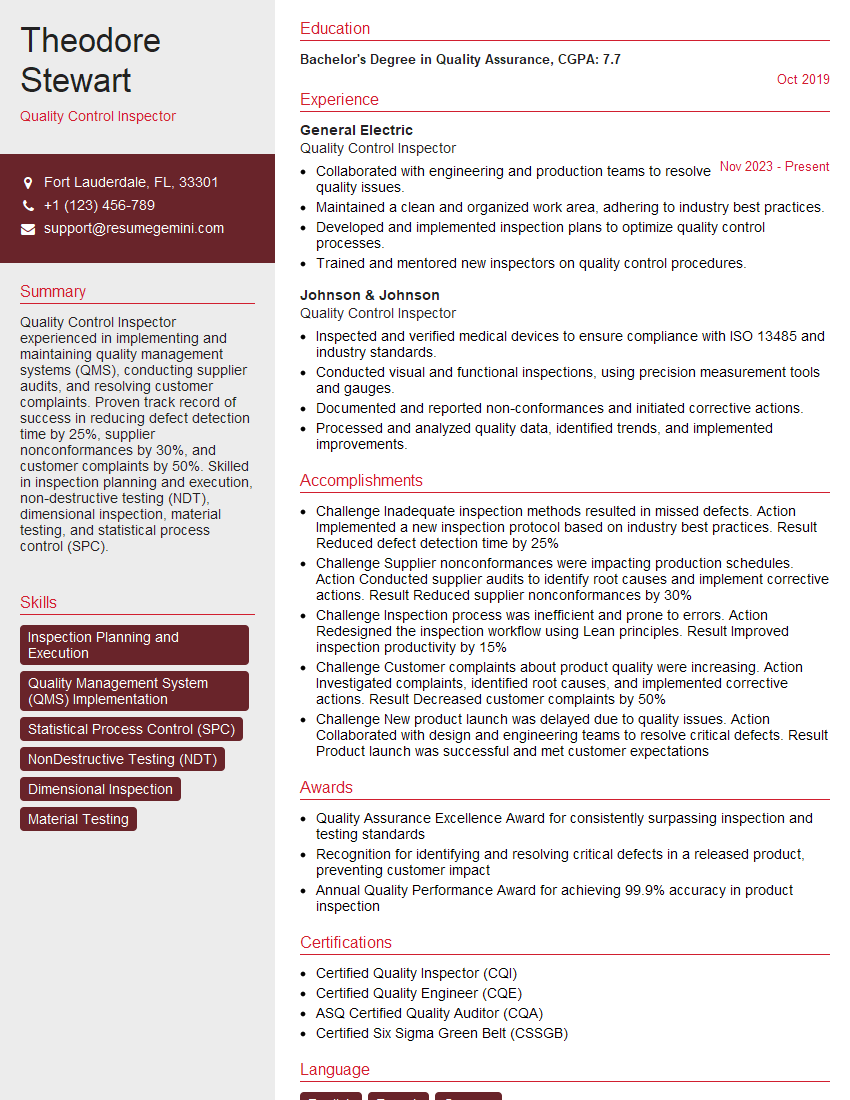
Quality Control Inspector Resume Sample
- Project Manager
- Compliance Officer
- Risk Manager
- Reliability Engineer
- Systems Engineer
- Supply Chain Analyst
- Business Analyst
- Data Analyst
- Information Security Analyst
- Quality Engineer
- Operations Analyst
- Process Control Engineer
- Maintenance Engineer
- Manufacturing Engineer
- Lean Manufacturing Engineer
- Quality Control Inspector
Explore more articles
Users Rating of Our Blogs
Share Your Experience
We value your feedback! Please rate our content and share your thoughts (optional).
What Readers Say About Our Blog
Very informative content, great job.
good