Are you ready to stand out in your next interview? Understanding and preparing for Understanding of the demands of professional hockey interview questions is a game-changer. In this blog, we’ve compiled key questions and expert advice to help you showcase your skills with confidence and precision. Let’s get started on your journey to acing the interview.
Questions Asked in Understanding of the demands of professional hockey Interview
Q 1. Describe the physiological demands of professional hockey on players.
Professional hockey demands exceptional physical conditioning. Players require a potent blend of anaerobic and aerobic power, explosive strength, agility, and endurance. Think of it like this: a hockey game is a series of short, intense bursts (shifts) interspersed with brief recovery periods. These bursts require incredible power for skating, shooting, checking, and battling in tight spaces. The recovery periods are crucial because the next burst is always just around the corner.
Physiologically, this translates to high VO2 max (a measure of aerobic fitness), powerful leg muscles for skating (think explosive jumps and sprints), upper body strength for shooting and checking, and incredible core stability to maintain balance and power during dynamic movements. Players also need exceptional hand-eye coordination and reaction time.
- Anaerobic Power: Crucial for short, high-intensity efforts like sprints and body checks.
- Aerobic Capacity: Essential for maintaining stamina throughout the game’s duration.
- Strength and Power: Needed for shooting, checking, and battling for puck possession.
- Agility and Balance: Key for quick changes in direction and maintaining stability on skates.
Q 2. Explain the importance of periodization in a professional hockey player’s training program.
Periodization in hockey training is vital for optimizing performance and preventing injuries. It involves strategically cycling training phases throughout the year to peak at crucial moments (e.g., playoffs). Imagine it as a carefully orchestrated symphony, with different sections (training phases) contributing to a grand finale (peak performance).
A typical periodization model might include:
- Off-season (Hypertrophy/Strength Phase): Focus on building muscle mass and strength through heavy weight training.
- Pre-season (Power/Strength-Endurance Phase): Shift towards power development, incorporating plyometrics and speed work, while maintaining strength.
- In-season (Maintenance/Peak Phase): Maintain fitness levels, focus on skill development, game strategy, and injury prevention. Training volume and intensity are carefully managed.
- Post-season (Active Recovery Phase): Emphasizes active recovery, light exercise, and injury rehabilitation to allow the body to recover fully.
Careful planning ensures players are not overtrained and are physically and mentally prepared to handle the rigorous demands of the season.
Q 3. What are the key performance indicators (KPIs) you would use to assess a player’s performance?
Key Performance Indicators (KPIs) for assessing a hockey player’s performance are multifaceted and depend on the player’s position. However, some common metrics include:
- Skating Speed and Acceleration: Measured using GPS tracking systems to assess speed, agility, and distance covered.
- Shot Power and Accuracy: Assessed through specialized shooting testing and game data.
- Puck Handling Skills: Evaluated using drills and game footage analysis.
- Checking Effectiveness: Measured by the success rate of hits and their impact on opponents.
- Defensive Positioning and Awareness: Assessed through video analysis and statistical data (e.g., blocked shots, takeaways).
- Game Statistics: Goals, assists, plus/minus rating, penalty minutes (though not always indicative of positive performance).
Combining these quantitative metrics with qualitative observations from coaches and scouts provides a comprehensive assessment of player performance.
Q 4. How would you identify and address burnout in a professional hockey player?
Burnout in hockey players stems from the intense physical and psychological demands of the sport. Identifying burnout requires a multi-pronged approach involving open communication, psychological screening, and close monitoring of performance. Common signs include decreased motivation, fatigue, poor performance, irritability, and sleep disturbances.
Addressing burnout involves:
- Open Communication: Creating a safe space for players to express their concerns and frustrations.
- Psychological Support: Providing access to sports psychologists or mental health professionals.
- Load Management: Adjusting training schedules and game load to reduce stress and promote recovery.
- Skill Development: Focusing on improving specific skills can boost confidence and motivation.
- Time Off: Providing opportunities for rest and relaxation can help prevent burnout from accumulating.
- Mindfulness Techniques: Incorporating stress-reduction techniques like meditation and yoga to help players manage pressure and anxiety.
Early intervention is critical; addressing burnout proactively prevents long-term effects on player performance, mental health, and longevity in the sport.
Q 5. Discuss the role of technology (e.g., video analysis) in player development.
Technology plays a transformative role in player development, providing objective data and insights previously unavailable. Video analysis is paramount, allowing coaches to meticulously review game footage, identify strengths and weaknesses, and provide tailored feedback. For example, a player’s skating technique can be analyzed frame-by-frame to pinpoint inefficiencies or correct errors.
Other technologies include:
- GPS Tracking Systems: Provide data on skating speed, distance covered, and acceleration, allowing for detailed performance analysis.
- Wearable Sensors: Monitor physiological parameters like heart rate, exertion levels, and sleep patterns, providing insights into player fatigue and recovery.
- Virtual Reality (VR) Training: Offers immersive training environments to simulate game scenarios and refine skills in a safe and controlled setting.
By leveraging these technologies, hockey organizations can optimize player training, enhance performance, and make data-driven decisions.
Q 6. What are the common injury risks in professional hockey, and how can they be mitigated?
Professional hockey carries significant injury risks due to its high-impact nature. Common injuries include:
- Concussions: A major concern due to body checks and hits to the head.
- Knee Injuries (ACL, MCL, meniscus tears): Frequent due to twisting and sudden changes in direction.
- Shoulder Injuries (rotator cuff tears, dislocations): Occur during shooting, checking, and falls.
- Muscle Strains and Sprains: Common due to repetitive movements and high-intensity exertion.
- Wrist and Hand Injuries: Prone to injury due to stick handling and puck battles.
Mitigation strategies include:
- Proper conditioning and strength training: To build resilience against injuries.
- Advanced injury prevention programs: Targeted exercises and drills designed to reduce injury risk.
- Improved equipment: Helmets, shoulder pads, and other protective gear are crucial.
- Rule changes and enforcement: Addressing dangerous hits and promoting fair play.
- Early identification and treatment of injuries: Facilitating swift recovery and reducing long-term complications.
Q 7. Explain your understanding of the Collective Bargaining Agreement (CBA) and its impact on team operations.
The Collective Bargaining Agreement (CBA) is a legally binding contract between the players’ association (NHLPA) and the league (NHL). It governs virtually all aspects of the players’ employment, including salaries, benefits, working conditions, and dispute resolution. It’s essentially the rulebook for the entire professional hockey landscape.
The CBA’s impact on team operations is significant:
- Salary Cap: Limits team spending on player salaries, promoting competitive balance across the league. Teams must manage their financial resources carefully within the constraints of the salary cap.
- Player Drafts and Free Agency: The CBA establishes rules governing player acquisition, impacting team strategies for building rosters.
- Contract Negotiations: The CBA outlines the terms and conditions under which players and teams negotiate contracts.
- Dispute Resolution: The CBA provides mechanisms for resolving disputes between players and teams.
- Player Safety: The CBA often addresses player safety concerns, influencing rule changes and protocols.
Understanding and adhering to the CBA is essential for successful team management. Failure to comply can result in penalties and legal ramifications.
Q 8. How would you manage a conflict between a coach and a player?
Resolving conflicts between coaches and players requires a delicate balance of understanding, empathy, and decisive action. My approach prioritizes open communication and identifying the root cause of the disagreement. I’d first facilitate a private meeting with both parties, encouraging them to express their perspectives without interruption. This allows me to gain a complete understanding of the situation, identifying any misunderstandings or unmet expectations.
Next, I’d focus on finding common ground. This might involve adjusting training plans to better suit a player’s strengths or clarifying the coach’s expectations for performance and conduct. Sometimes, compromise is necessary, perhaps adjusting playing time or roles to address concerns. If the conflict persists despite mediation, I’d consider involving higher management, potentially leading to a personnel change if necessary. The ultimate goal is a productive team environment where players feel valued and coaches have the tools and support to succeed.
For example, I once mediated a disagreement between a coach who favored a highly structured offensive system and a highly skilled player who preferred a more improvisational approach. By creating a compromise that allowed for structured plays within the framework of individual creativity, we were able to satisfy both parties and see improvements in overall team performance.
Q 9. Describe your experience with recruiting and scouting hockey players.
My experience in recruiting and scouting spans over 15 years, encompassing various levels of hockey, from junior leagues to professional organizations. My scouting process is multi-faceted, combining advanced statistical analysis with extensive on-ice observation. I utilize a network of contacts across various leagues and levels to gather information about potential players.
The initial phase involves identifying potential prospects through game film analysis, statistical data, and recommendations from scouts and coaches. I focus on identifying not only raw talent but also attributes like work ethic, character, and coachability. These intangible factors are just as important as physical abilities in predicting long-term success.
Following the initial identification, I conduct extensive live scouting sessions to assess players’ performances under pressure, observing their decision-making skills, hockey sense, and overall contribution to the team. This involves attending games and practices, and conducting interviews with the players, their coaches, and teammates.
Finally, we compile all the gathered data, comparing it to the team’s specific needs and the overall budget, to make informed decisions. This data-driven approach ensures that we acquire players that fit both our short-term and long-term goals.
Q 10. How do you evaluate a player’s potential for long-term success in the NHL?
Evaluating a player’s potential for long-term NHL success is a complex undertaking that goes beyond simply looking at statistics. I utilize a holistic approach that considers several key factors:
- Physical Attributes: Size, speed, strength, and agility are foundational aspects of NHL success. But potential for growth is as important as existing skill levels.
- Skills & Hockey IQ: Puck handling, shooting accuracy, skating efficiency, and the overall understanding of the game are crucial. How quickly can they learn and adapt to new systems?
- Character & Work Ethic: A player’s attitude, dedication, and ability to handle pressure are essential for sustained success in the face of adversity. Teamwork and leadership potential are also important.
- Mental Fortitude: Resilience, adaptability, and the ability to bounce back from setbacks are vital for the demanding physical and mental challenges in the NHL.
- Injury History and Durability: Past injuries and overall health and conditioning are examined to assess their likelihood to stay healthy and play consistently.
I also pay close attention to their progress over time. Consistent improvement year over year is a strong indicator of long-term potential. Statistical analysis supplements these observations, looking at metrics like points-per-game, plus/minus, and other advanced stats.
Q 11. What are the ethical considerations in scouting and player recruitment?
Ethical considerations are paramount in scouting and player recruitment. Transparency and fairness are crucial. We must adhere to the rules and regulations established by the league and the players’ associations. This includes avoiding any form of undue influence or coercion during the recruiting process.
We must ensure that all interactions with players and their families are respectful and appropriate, particularly with younger players, guaranteeing their protection and well-being. Confidentiality is paramount, especially when dealing with sensitive information.
Furthermore, avoiding conflicts of interest and maintaining objectivity during the evaluation process are essential. Decisions must be based solely on a player’s merit and potential, not on personal relationships or external pressures.
The ethical treatment of players, particularly international players, requires special attention to cultural sensitivities and the proper handling of contracts and compensation. We must also ensure that our recruiting practices promote diversity and inclusion within the league.
Q 12. Explain the different styles of hockey (e.g., European vs. North American).
North American and European hockey styles differ significantly. North American hockey tends to emphasize a faster, more physical style of play with a focus on individual skill and scoring. The game is often characterized by more hitting and a greater emphasis on speed and individual rushes. The smaller ice surface contributes to this faster, more direct style.
European hockey, in contrast, often emphasizes a more structured, positional style of play with a greater emphasis on team play and puck possession. The larger ice surface allows for more time and space for passing plays and developing elaborate offensive strategies. While physicality is still present, it tends to be less intense compared to the North American style. There’s a stronger emphasis on passing accuracy and puck control, often resulting in a more methodical and less chaotic game.
These differences stem from various factors including coaching philosophies, training methods, and even cultural aspects. Understanding these nuances is crucial for any general manager in building a competitive team, as integrating players from different backgrounds necessitates adaptability and strategic planning.
Q 13. How do you develop a winning team culture?
Developing a winning team culture is more than just winning games; it’s about building a cohesive unit where every member feels valued, respected, and accountable. My approach involves several key elements:
- Establish Clear Expectations: Setting clear standards for both on-ice performance and team conduct ensures everyone is on the same page. This includes expectations for work ethic, discipline, and sportsmanship.
- Foster Open Communication: Open dialogue is critical. Players should feel comfortable expressing their concerns, suggestions, and feedback. Regular team meetings and one-on-one sessions foster this communication.
- Promote Accountability: Each player must be held accountable for their actions, both on and off the ice. This establishes a sense of responsibility and commitment to team goals.
- Build Team Cohesion: Team-building exercises, both on and off the ice, strengthen bonds and foster a sense of camaraderie. Encouraging social interactions outside of hockey can be just as important as on-ice practices.
- Celebrate Successes and Learn from Failures: Acknowledging both wins and losses as learning opportunities cultivates a growth mindset and builds resilience within the team.
Ultimately, a winning team culture is built on mutual respect, trust, and a shared commitment to achieving collective goals. It’s an environment where players feel empowered and supported to perform at their best, resulting in a synergistic team effort.
Q 14. Describe your experience with budget management in a professional hockey context.
Budget management in professional hockey demands a sophisticated understanding of financial planning, player valuation, and contract negotiations. My experience involves creating and managing budgets that balance competitive roster construction with financial sustainability. This involves careful analysis of player salaries, contract terms, and other operational expenses. My expertise encompasses forecasting future revenue streams, considering factors such as ticket sales, sponsorships, merchandise sales, and broadcasting rights.
I’ve successfully negotiated player contracts while ensuring financial compliance. This involves a thorough understanding of the collective bargaining agreement, free agency rules, and salary cap implications. Effective budget management also requires strategic planning, including allocating resources effectively across various departments such as player personnel, coaching staff, and team operations.
The process often necessitates making difficult decisions. This could involve letting go of valued players to maintain salary cap compliance or prioritizing specific investments to address team weaknesses. Data-driven decision making through financial modeling and scenario planning are essential to navigate these challenges.
Q 15. How do you manage player expectations and motivation?
Managing player expectations and motivation requires a multifaceted approach focusing on individual needs and team goals. It’s about fostering a culture of open communication, transparency, and mutual respect.
- Individualized Approach: I begin by conducting thorough assessments of each player’s strengths, weaknesses, and aspirations. This helps tailor individual development plans and set realistic, achievable goals. For example, a young player might focus on improving their defensive positioning, while a veteran might work on enhancing leadership skills. Regular one-on-one meetings are crucial for addressing concerns and celebrating successes.
- Clear Communication: Open dialogue is paramount. Players need to understand the team’s strategies, their roles within the team, and how their performance contributes to overall success. This includes providing constructive feedback, both positive and negative, in a timely and supportive manner.
- Positive Reinforcement: Acknowledging hard work and effort, even when results aren’t immediately visible, is crucial. Celebrating wins, both big and small, builds team morale and motivates players to strive for excellence. This can be through public recognition, team bonuses, or individual awards.
- Addressing Setbacks: Losing streaks and personal struggles are inevitable. A supportive environment allows players to openly discuss their challenges without fear of judgment. This involves providing mental health resources and working collaboratively to develop strategies for overcoming obstacles. For instance, I might bring in a sports psychologist to assist players dealing with performance anxiety.
In essence, managing expectations and motivation is about building strong relationships based on trust, understanding, and a shared commitment to achieving team goals.
Career Expert Tips:
- Ace those interviews! Prepare effectively by reviewing the Top 50 Most Common Interview Questions on ResumeGemini.
- Navigate your job search with confidence! Explore a wide range of Career Tips on ResumeGemini. Learn about common challenges and recommendations to overcome them.
- Craft the perfect resume! Master the Art of Resume Writing with ResumeGemini’s guide. Showcase your unique qualifications and achievements effectively.
- Don’t miss out on holiday savings! Build your dream resume with ResumeGemini’s ATS optimized templates.
Q 16. What strategies would you use to improve team performance during a losing streak?
Turning around a losing streak requires a balanced approach focusing on restoring confidence, refining strategies, and maintaining team cohesion. It’s not just about tactics; it’s about the mental and emotional state of the team.
- Analyze Performance: I begin by meticulously analyzing video footage of recent games, identifying weaknesses in our systems and individual performances. This data-driven approach helps pinpoint areas for improvement, whether it’s defensive coverage, power-play execution, or offensive strategies. We might notice a breakdown in our forechecking pressure, leading to more scoring chances for the opponent.
- Adjust Strategies: Based on the analysis, I would adjust our game plan. This might involve tweaking our defensive alignment, experimenting with new offensive setups, or focusing on improving our special teams play. Perhaps we need to introduce a new defensive scheme or focus on generating more shots on net.
- Boost Team Morale: Maintaining a positive atmosphere during a losing streak is critical. Team meetings focused on reinforcing positive aspects of our performance, highlighting areas of improvement, and emphasizing collective effort are crucial. This might involve individual and team pep talks, and team-building activities to foster camaraderie.
- Focus on Fundamentals: Often, teams struggle during losing streaks because of minor technical issues. We might focus on practicing the basics, such as puck handling, passing, and shooting, reinforcing fundamental skills that are often overlooked during more intense gameplay.
- Communicate Effectively: Transparency is key. I would openly communicate with the players and coaches, addressing concerns and answering questions directly. Honest and supportive communication ensures players feel heard and involved in the process of turning things around.
Ultimately, addressing a losing streak is a systematic process involving careful analysis, strategic adjustments, strong communication, and a positive team environment. It’s about reminding the team of its strengths and capabilities while identifying areas for improvement.
Q 17. Discuss the importance of mental skills training in professional hockey.
Mental skills training is increasingly recognized as a critical component of success in professional hockey. It addresses the mental aspects of the game that directly impact performance, such as focus, confidence, resilience, and emotional regulation.
- Enhanced Focus and Concentration: Professional hockey demands intense concentration for extended periods. Mental skills training, including mindfulness and meditation techniques, helps players develop the ability to stay present, reduce distractions, and maintain peak focus throughout the game.
- Improved Confidence and Self-Belief: Confidence plays a crucial role in performance. Mental skills training uses techniques such as positive self-talk, visualization, and goal-setting to cultivate unshakeable self-belief and reduce performance anxiety.
- Increased Resilience and Stress Management: Hockey is a high-pressure environment. Mental skills training equips players with coping mechanisms to handle pressure, bounce back from setbacks, and maintain composure under stress. Techniques like breathwork and cognitive reframing are very useful here.
- Improved Emotional Regulation: Managing emotions, especially during high-stakes situations, is crucial for success. Mental skills training teaches players to control impulsive reactions, maintain emotional balance, and channel their emotions constructively.
- Enhanced Teamwork and Communication: Mental skills training can also strengthen communication and teamwork. By fostering a team environment focused on mutual support and positive reinforcement, players can create a collaborative culture conducive to success.
Incorporating mental skills training into player development provides players with the mental tools necessary to reach their full potential. It’s as essential as physical training.
Q 18. How would you create a player development plan for a young prospect?
Creating a player development plan for a young prospect is a long-term investment requiring a strategic approach that blends on-ice training with off-ice development. It needs to be personalized, adaptive and measurable.
- Assessment and Goal Setting: The first step is a comprehensive assessment of the prospect’s skills, strengths, weaknesses, and areas for improvement. This involves observing their gameplay, analyzing their performance data, and discussing their aspirations with the player, their agents, and their family. Specific, measurable, achievable, relevant, and time-bound (SMART) goals are set.
- On-Ice Development: This involves individualized training focusing on areas needing improvement. This could include power skating drills to improve speed and agility, shooting accuracy training, and defensive positioning work. Regular feedback and adjustments are essential based on the player’s progress.
- Off-Ice Development: This aspect is equally critical. This might include strength and conditioning programs tailored to their body type and position, nutritional guidance, and recovery strategies. Sleep, nutrition and hydration are critical to ensuring peak performance and preventing injuries.
- Mental Skills Training: As mentioned earlier, mental skills training is crucial. This will focus on building confidence, managing stress, improving focus, and developing resilience. A sports psychologist can play a vital role in this aspect.
- Regular Monitoring and Evaluation: The plan should be continuously monitored and evaluated to track progress, identify any challenges, and make necessary adjustments. This might involve regular performance reviews, feedback from coaches and teammates, and data analysis to assess the effectiveness of the training regimen.
- Exposure and Opportunities: Providing opportunities for the prospect to play at higher levels, including junior leagues, international tournaments, or even short stints with the main team, is crucial for their growth and experience.
This holistic approach ensures that the prospect receives the support and guidance needed to develop into a well-rounded professional hockey player.
Q 19. How do you use data analytics to improve player performance?
Data analytics plays a vital role in modern professional hockey, providing valuable insights into player performance and team strategies. It’s about using data to make informed decisions to maximize efficiency and improve results.
- Tracking Performance Metrics: We use advanced tracking technologies to collect data on various aspects of player performance, including shots on goal, shot attempts, passes completed, hits delivered, time spent in different zones, and defensive zone entries. This data can be used to objectively evaluate player contributions and identify areas for improvement.
- Identifying Strengths and Weaknesses: By analyzing this data, we can identify individual player strengths and weaknesses, providing targeted feedback and personalized training plans. For instance, we might find a player is exceptional at creating scoring chances but struggles with defensive play, prompting additional training in that area.
- Optimizing Team Strategies: Data analysis helps optimize team strategies. By examining the effectiveness of different formations, power-play strategies, and defensive alignments, we can make data-driven decisions to maximize success. For example, data might show that a certain power-play formation is more effective against certain opponents.
- Predictive Modeling: Advanced analytics can be used to develop predictive models to forecast player performance or predict outcomes of games. This data can inform lineup decisions, player trades, and strategic planning.
- Injury Prevention: By tracking player movement patterns and exertion levels, we can identify potential risks of injury and take steps to mitigate those risks. We might observe that a certain player is prone to lower-body injuries due to specific skating patterns, prompting adjustments in their training regimen.
Using data analytics is not simply about collecting numbers; it’s about intelligently interpreting that data to make sound decisions that improve player performance and enhance team success. It allows for a more objective and nuanced approach to player evaluation and team development.
Q 20. How would you handle media relations during a crisis?
Handling media relations during a crisis requires a proactive and strategic approach focused on transparency, control of the narrative, and maintaining the team’s reputation. It’s about damage control and ensuring the team’s story is told accurately and appropriately.
- Rapid Response: A swift and decisive response is essential. Establish a crisis communication team that can quickly assess the situation and formulate a communication strategy. Speed and accuracy are key to reducing negative impact.
- Transparency and Honesty: Be upfront and honest with the media. While protecting the team’s interests, avoid hiding information or making misleading statements. Transparency will help build trust and credibility.
- Controlled Messaging: Develop a consistent and controlled message that addresses the situation accurately and fairly. Designate a spokesperson to ensure all communication is aligned and consistent, reducing the risk of contradictory statements.
- Proactive Communication: Take the initiative in communicating with the media. Holding press conferences or issuing press releases allows the team to control the narrative and prevent misinformation from spreading. This is particularly important during investigations or sensitive issues.
- Monitor Media Coverage: Track media coverage and monitor online conversations to identify and address any inaccuracies or harmful narratives. Prepare for follow-up questions and be ready to adjust strategy based on the media’s response. Social media monitoring is crucial here.
- Empathy and Understanding: Acknowledge the impact of the crisis on those involved and express empathy and understanding. This human approach will resonate with the public and help rebuild trust.
Handling media relations during a crisis is a delicate balancing act between protecting the team’s image and being truthful with the public. A proactive, well-planned approach, emphasizes transparency and communication and helps to minimize damage and restore trust.
Q 21. Describe your experience with contract negotiations for hockey players.
Contract negotiations for hockey players are complex and multifaceted, requiring a deep understanding of the market, player value, and the intricacies of collective bargaining agreements (CBAs).
- Market Research: Thorough market research is the foundation of any successful negotiation. This involves examining comparable contracts for players with similar skills, experience, and performance levels. Understanding the salary cap and other CBA restrictions is vital.
- Player Evaluation: Objective evaluation of the player’s performance, potential, and overall value is crucial. This includes considering their past performance, projected future performance, and the impact they have on the team. Detailed statistical analysis and scouting reports provide an objective evaluation.
- Negotiation Strategy: Develop a clear and comprehensive negotiation strategy that takes into account the player’s aspirations, the team’s financial constraints, and the prevailing market conditions. This includes setting realistic expectations and identifying potential compromises.
- Understanding CBA Rules: A thorough understanding of the CBA and its implications is essential. This involves understanding clauses related to salaries, bonuses, incentives, trade restrictions, and contract lengths. Any contract must conform to the rules stipulated in the CBA.
- Communication and Relationship Building: Strong communication and relationship building between the player’s agent, the team’s management, and the player themselves is essential for a smooth and productive negotiation process. Open dialogue and transparency are key to finding common ground.
- Legal Counsel: Engaging experienced legal counsel is crucial, particularly in complex negotiations involving multiple players and teams. A lawyer specializing in sports contracts can ensure that the contract is legally sound and protects the interests of both parties.
Successfully negotiating hockey player contracts requires a blend of market knowledge, financial acumen, legal expertise, and strong communication skills. It’s a delicate process that requires careful planning and execution.
Q 22. How would you address the needs of players with different cultural backgrounds?
Addressing the needs of players from diverse cultural backgrounds is crucial for team cohesion and individual well-being. It’s not just about acknowledging differences; it’s about actively fostering an inclusive environment where every player feels valued and respected.
Cultural Sensitivity Training: Implementing mandatory training for coaches and staff on cultural awareness, implicit bias, and effective communication strategies is vital. This ensures everyone understands the nuances of different cultures and can interact appropriately.
Dietary Accommodations: Professional hockey players have rigorous nutritional needs. Understanding and accommodating diverse dietary restrictions, whether religious (e.g., halal or kosher) or based on personal preferences (e.g., vegetarianism, veganism), is essential for optimal performance and player morale. This might involve providing specialized meal options or working with a nutritionist experienced in diverse dietary needs.
Language Support: For players whose first language isn’t English, providing translation services during meetings, medical appointments, and team activities is non-negotiable. This ensures that everyone understands team strategies, safety protocols, and important announcements.
Open Communication Channels: Establishing a safe space for players to express their concerns and share their experiences is paramount. This can be achieved through regular one-on-one meetings with coaches or team psychologists, or through team-building activities that encourage open dialogue and mutual understanding.
For example, a team might arrange for a culturally appropriate celebration for a player’s religious holiday or provide access to resources that support their cultural identity. Creating a welcoming and inclusive atmosphere allows players to perform at their best.
Q 23. What are the legal considerations related to athlete representation?
Legal considerations related to athlete representation are complex and multifaceted, primarily revolving around contracts, agents, and player rights. The key legal areas are:
Agent Representation: Players often sign with agents who negotiate contracts, endorse deals, and manage various aspects of their careers. It’s essential to choose a reputable and qualified agent who operates within the legal framework. Contracts with agents need to be carefully reviewed to avoid conflicts of interest or unfair terms.
Contract Negotiation: Negotiating contracts involves careful consideration of salary, bonuses, contract length, termination clauses, and other related provisions. A breach of contract can have serious legal ramifications for both the player and the team.
Image Rights and Endorsements: Players’ images and names are valuable assets. Agreements regarding image rights and endorsements need clear legal protection to avoid disputes over usage and compensation.
Dispute Resolution: Disputes between players, agents, and teams often necessitate arbitration or litigation. Understanding the applicable rules and regulations, such as those outlined by the league’s collective bargaining agreement (CBA), is critical in resolving conflicts effectively.
Collective Bargaining Agreements (CBAs): CBAs are legally binding contracts between leagues and players’ associations. They establish the rules governing player salaries, benefits, and working conditions. Understanding the CBA’s provisions is crucial for both players and teams.
For instance, if a team breaches a player’s contract, the player might have grounds to sue for damages. Conversely, if a player violates the terms of their contract, the team may take legal action.
Q 24. Explain the role of nutrition in optimizing performance for hockey players.
Nutrition plays a pivotal role in optimizing hockey player performance. The demands of the game—speed, strength, endurance, and explosive power—require a carefully planned nutritional strategy.
Carbohydrate Loading: Carbohydrates are the primary fuel source for high-intensity exercise. Strategic carbohydrate intake before, during, and after games and training sessions ensures sufficient energy reserves to avoid fatigue.
Protein Intake: Protein is vital for muscle growth, repair, and recovery. Sufficient protein intake supports muscle mass maintenance and reduces the risk of injury.
Hydration: Dehydration significantly impairs performance. Players must consistently hydrate throughout the day, especially during training and games, to maintain optimal body function and prevent heat exhaustion.
Micronutrients: Vitamins and minerals are essential for various bodily functions, including immune system support, energy production, and injury prevention. A balanced diet rich in fruits and vegetables provides these essential nutrients.
Timing of Meals: The timing of meals and snacks is crucial. Consuming carbohydrates before training or competition provides immediate energy, while protein intake afterward supports muscle recovery. This should be customized for each individual’s training schedule and needs.
For example, a player might consume a high-carbohydrate breakfast before morning practice, a protein-rich snack after practice, and a balanced meal before a game. Ignoring nutritional needs can lead to fatigue, increased injury risk, and reduced performance.
Q 25. How would you assess and address a player’s specific strength and conditioning needs?
Assessing and addressing a player’s strength and conditioning needs requires a comprehensive approach that combines testing, analysis, and individualized programming. Here’s a step-by-step process:
Baseline Testing: Start with a thorough assessment of the player’s current physical capabilities. This includes tests to evaluate strength, power, speed, agility, flexibility, and endurance. Examples are 1RM (one-rep max) tests for strength, vertical jump for power, and sprint tests for speed.
Movement Screenings: Assess the player’s movement patterns to identify any muscle imbalances or movement compensations that may increase injury risk. This often includes functional movement screens like the overhead squat and lunge assessments.
Needs Analysis: Based on the test results and the demands of hockey, identify the player’s specific strengths and weaknesses. For example, a defenseman might need improved strength and power for puck battles, while a forward might require enhanced speed and agility for offensive plays.
Program Design: Develop an individualized strength and conditioning program tailored to address the player’s specific needs. This program should incorporate resistance training, plyometrics, speed and agility drills, and flexibility exercises. The program’s intensity and volume should be progressively overloaded to stimulate continuous improvement.
Monitoring and Adjustments: Regularly monitor the player’s progress, making adjustments to the program as needed. This might involve modifying exercises, adjusting training volume, or adjusting the training schedule based on feedback from the player and performance data.
For instance, a player struggling with lower body strength might benefit from a program focusing on squats, deadlifts, and other compound exercises. This process ensures that the program remains relevant and effective, supporting continuous improvement.
Q 26. What strategies would you employ to enhance the team’s power play effectiveness?
Enhancing a team’s power play effectiveness requires a multi-pronged approach focusing on strategy, skill development, and execution. Key strategies include:
Strategic Variations: Develop a repertoire of power play setups to keep the opposing team guessing. This might involve using different formations (e.g., 1-3-1, 2-1-2), entry strategies, and passing lanes to create scoring opportunities.
Individual Skill Development: Focus on improving individual skills crucial for power play success. This includes shooting accuracy and power, passing precision, and effective puck handling in tight spaces under pressure.
Net-Front Presence: A strong net-front presence is crucial for deflecting shots, creating screens, and generating rebounds. Players need to master effective techniques for establishing position and creating scoring chances near the net.
Communication and Teamwork: Clear communication between players is vital for executing plays effectively. Players must understand their roles, anticipate each other’s movements, and seamlessly execute passing plays and shooting opportunities.
Practice and Repetition: Regular power play drills during practice are essential for mastering execution and improving timing. Repetition helps players develop muscle memory and coordination, enhancing their ability to perform under pressure.
Video Analysis: Analyzing video footage of power play performances allows for identifying strengths, weaknesses, and areas for improvement. This helps refine strategies and tactics, and enables players to understand their own contributions to the power play’s success or failure.
For example, a team might practice specific passing sequences to exploit gaps in the opposing penalty kill’s defense or develop strategies to counter different penalty-kill formations.
Q 27. How would you design a goaltender-specific training program?
Designing a goaltender-specific training program requires a holistic approach addressing physical conditioning, technical skills, and mental preparation. Key components include:
Strength and Conditioning: Goalies need exceptional lower body strength, core stability, and flexibility. Training should incorporate exercises to enhance these areas, focusing on strength, power, and agility training, all while minimizing the risk of injury.
Technical Skill Development: Regular practice on technical skills is paramount. This includes drills focusing on stance, posture, glove and stick handling, rebound control, and lateral movement. The focus should be on developing the fundamental techniques correctly, building consistency and responsiveness.
Mental Conditioning: Goalies need excellent mental resilience and focus. Training might include visualization techniques, mindfulness exercises, and strategies for managing pressure and stress.
Game Simulation: Simulating game situations during practice is crucial. Drills should mimic the pace, intensity, and unpredictability of real games, allowing goalies to refine their reactions and decision-making under pressure.
Recovery and Injury Prevention: Goalies face high physical demands, so recovery and injury prevention are key. The program should include elements of active recovery, stretching, and injury prevention strategies to reduce the risk of injury.
For example, a goalie might incorporate plyometrics to improve explosive movements, specialized agility drills to improve lateral movement, and regular flexibility work to prevent injuries. The balance between physical and mental training is critical for a well-rounded goalie.
Q 28. Explain the importance of sleep and recovery in professional hockey.
Sleep and recovery are paramount in professional hockey. The physically demanding nature of the game requires sufficient time for the body and mind to repair and rebuild.
Sleep Deprivation Impacts: Insufficient sleep impairs cognitive function, reduces reaction time, decreases strength and power output, weakens the immune system, and increases the risk of injury. In the high-pressure environment of professional hockey, these negative impacts can be significant.
Optimal Sleep Duration: Most professional athletes benefit from 8-10 hours of high-quality sleep per night. Establishing a consistent sleep schedule and creating a conducive sleep environment is essential.
Recovery Strategies: Beyond sleep, active recovery strategies like light exercise, stretching, and foam rolling promote muscle recovery and reduce soreness. Proper nutrition also supports faster recovery.
Monitoring and Adjustment: Players and coaching staff should monitor sleep patterns and recovery levels regularly. This might involve using wearable technology to track sleep quality or incorporating subjective feedback from players on how they are feeling. Adjustments to training schedules, travel plans, and other factors may be necessary to optimize recovery.
For example, a team might incorporate recovery days into its training schedule or provide players with access to resources that promote better sleep hygiene, such as sleep education, and professional guidance on sleep management. Prioritizing sleep and recovery is a crucial investment in player health and performance.
Key Topics to Learn for Understanding the Demands of Professional Hockey Interview
- The Physical Demands: Understanding the intense physical conditioning required, including stamina, strength, speed, and agility. Consider the impact of travel and recovery on player performance.
- The Mental Demands: Exploring the psychological pressures of professional hockey, such as dealing with high-stakes competition, media scrutiny, and the emotional toll of wins and losses. Discuss strategies for maintaining focus and mental resilience.
- Team Dynamics and Leadership: Analyzing the importance of teamwork, communication, and leadership within a professional hockey team. Explore different leadership styles and their effectiveness in a high-pressure environment.
- Strategic and Tactical Understanding: Demonstrating knowledge of game strategies, formations, and tactical adjustments made during gameplay. Discuss how these strategies adapt to different opponents and game situations.
- Injury Prevention and Management: Understanding the common injuries in professional hockey, preventative measures, and rehabilitation strategies. Consider the role of medical staff and the importance of player health.
- Business Aspects of Professional Hockey: Explore the business side of the sport, including player contracts, marketing, sponsorship, and franchise management. This shows a holistic understanding of the industry.
- Technological Advancements in Hockey: Discuss the impact of data analytics, video analysis, and other technologies on player performance, coaching strategies, and team management.
Next Steps
Mastering an understanding of the demands of professional hockey significantly enhances your career prospects within the industry, opening doors to roles beyond just playing. A strong, ATS-friendly resume is crucial for showcasing your knowledge and experience to potential employers. ResumeGemini is a trusted resource to help you build a professional and impactful resume tailored to highlight your expertise. We provide examples of resumes specifically designed for candidates with a deep understanding of the demands of professional hockey, helping you present yourself effectively to recruiters. Take the next step towards your dream career today!
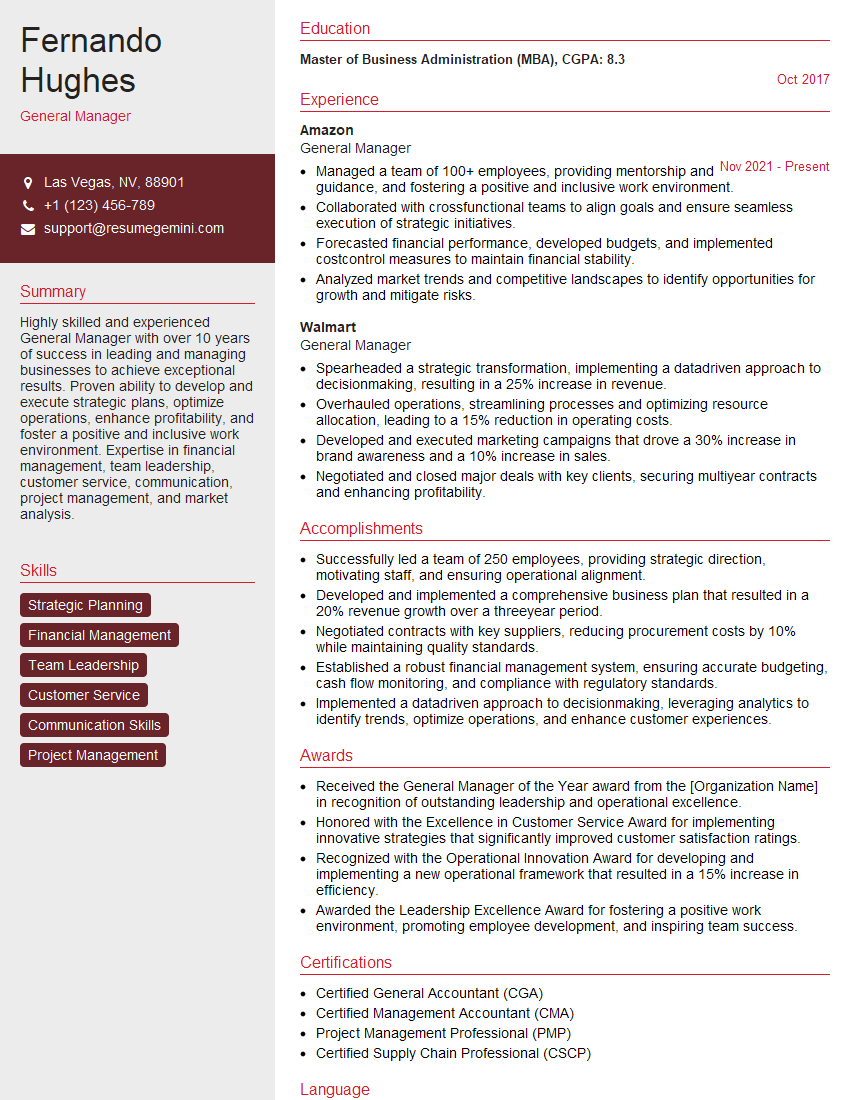
General Manager Resume Sample
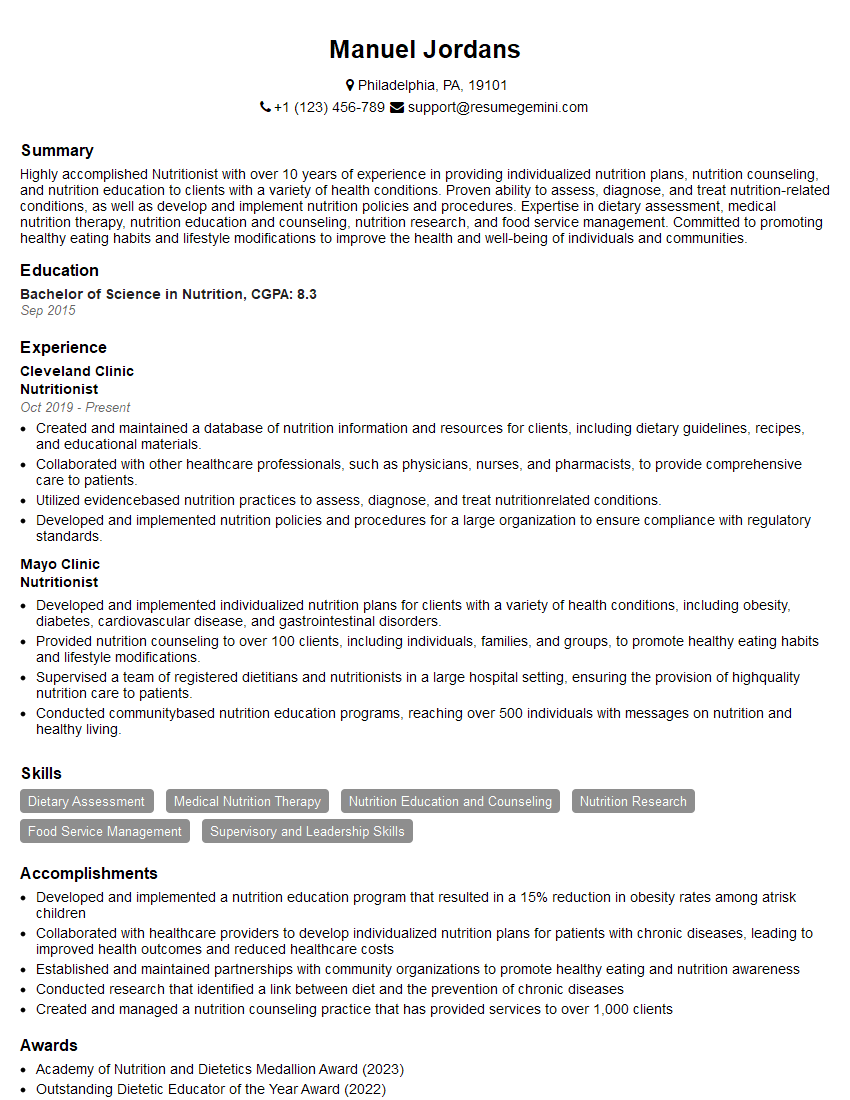
Nutritionist Resume Sample
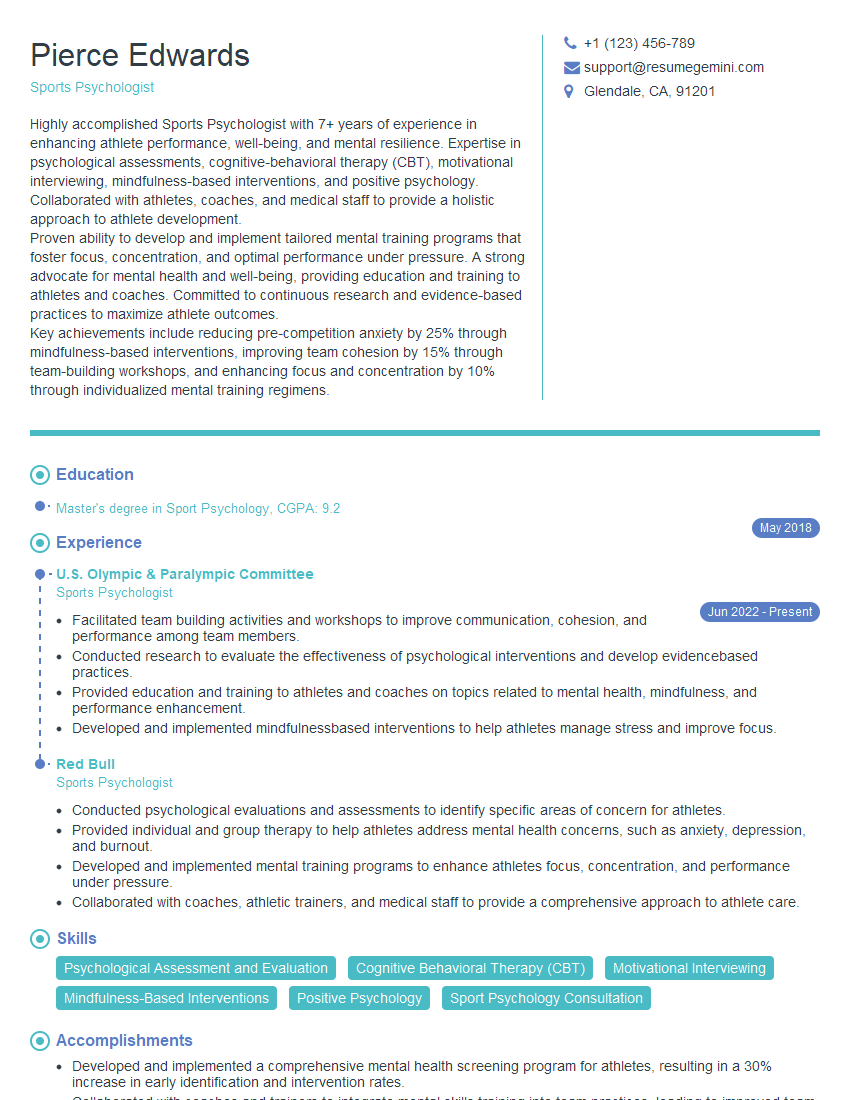
Sports Psychologist Resume Sample
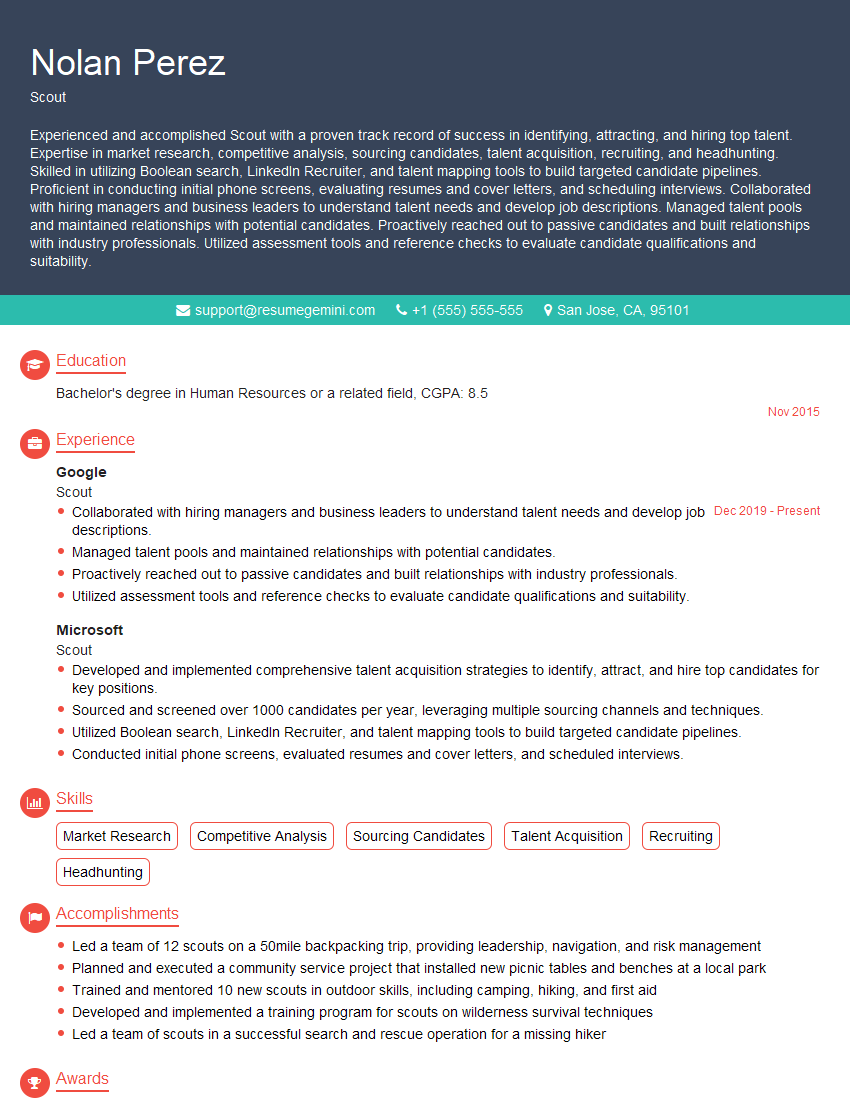
Scout Resume Sample
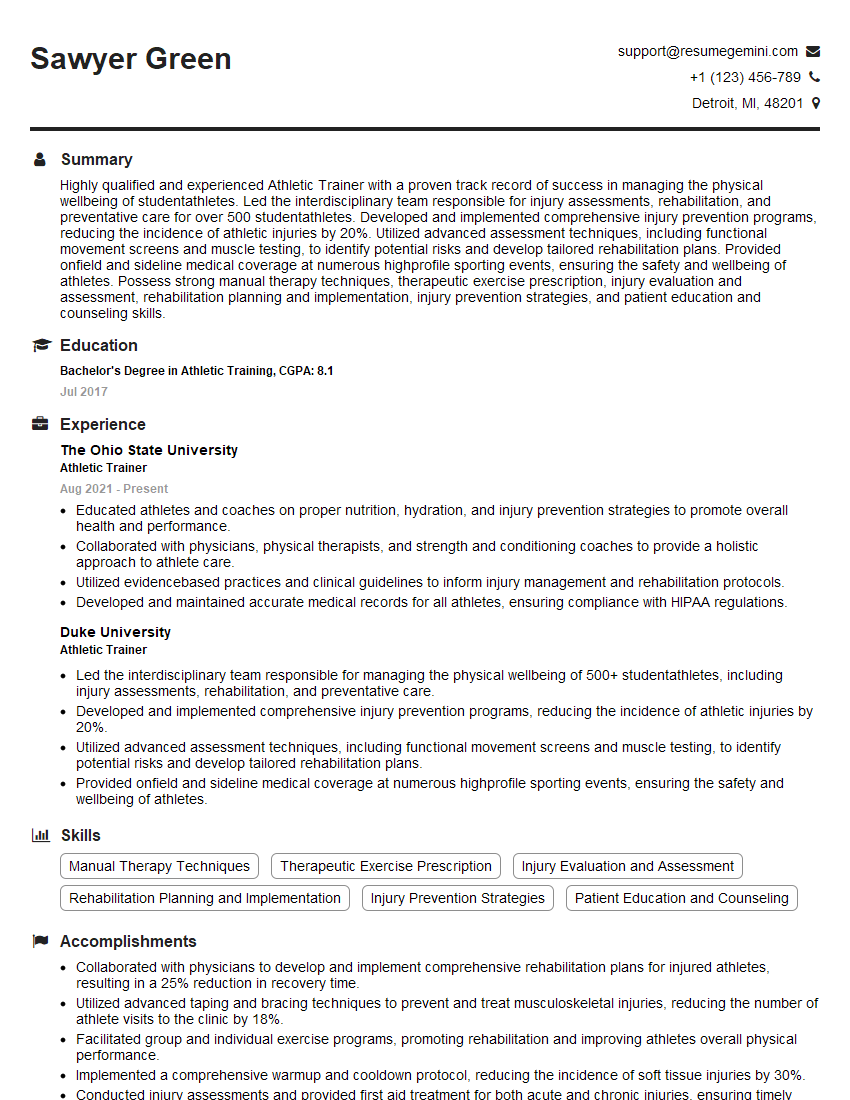
Athletic Trainer Resume Sample
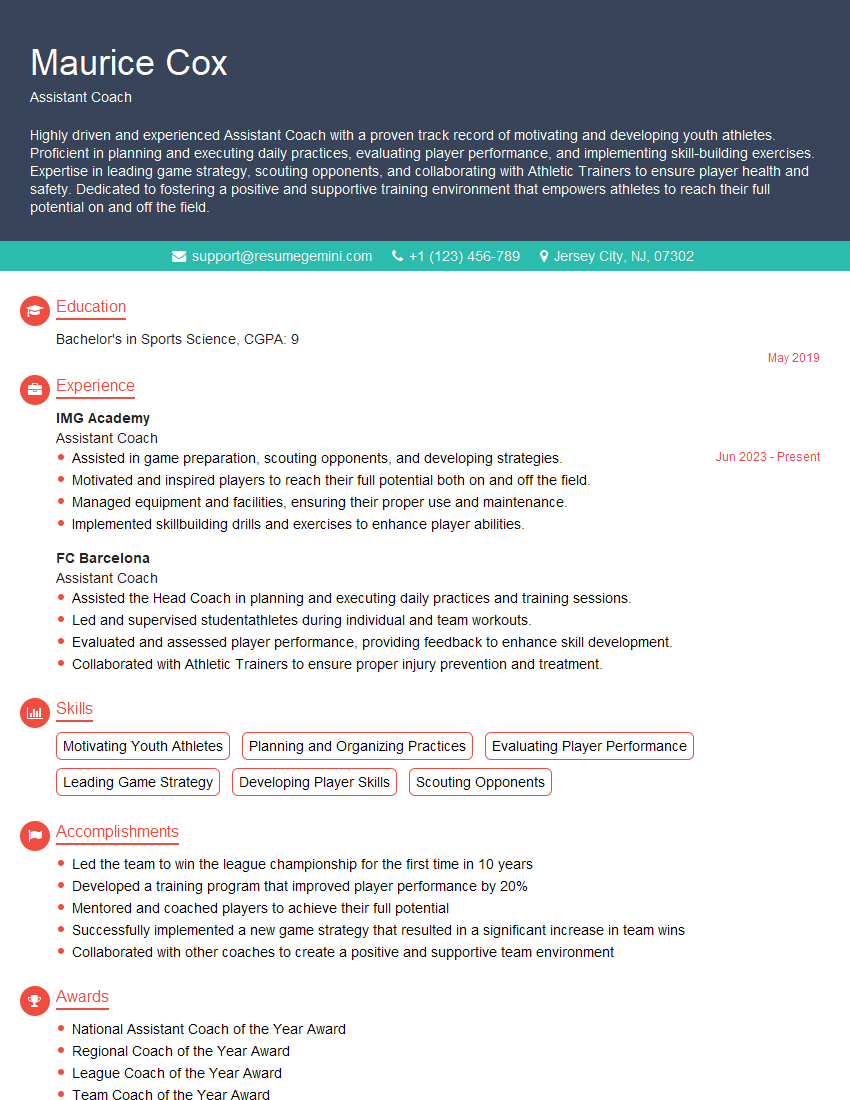
Assistant Coach Resume Sample
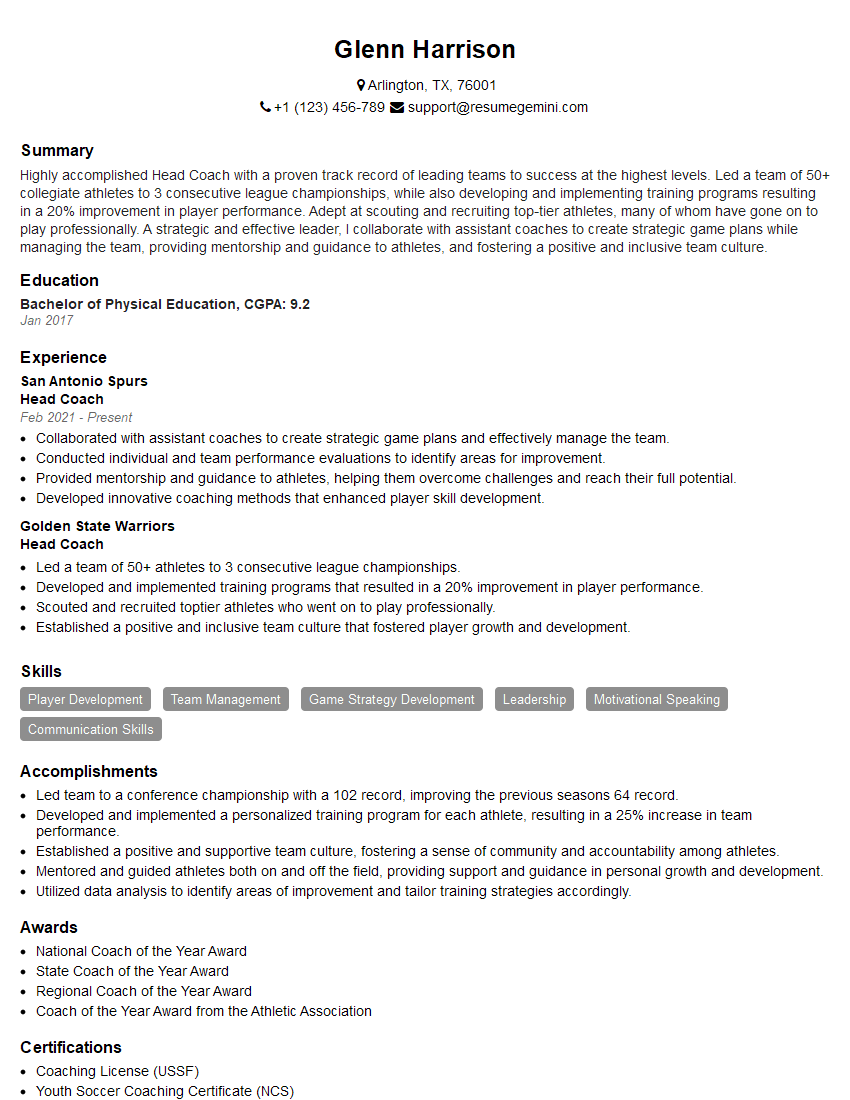
Head Coach Resume Sample
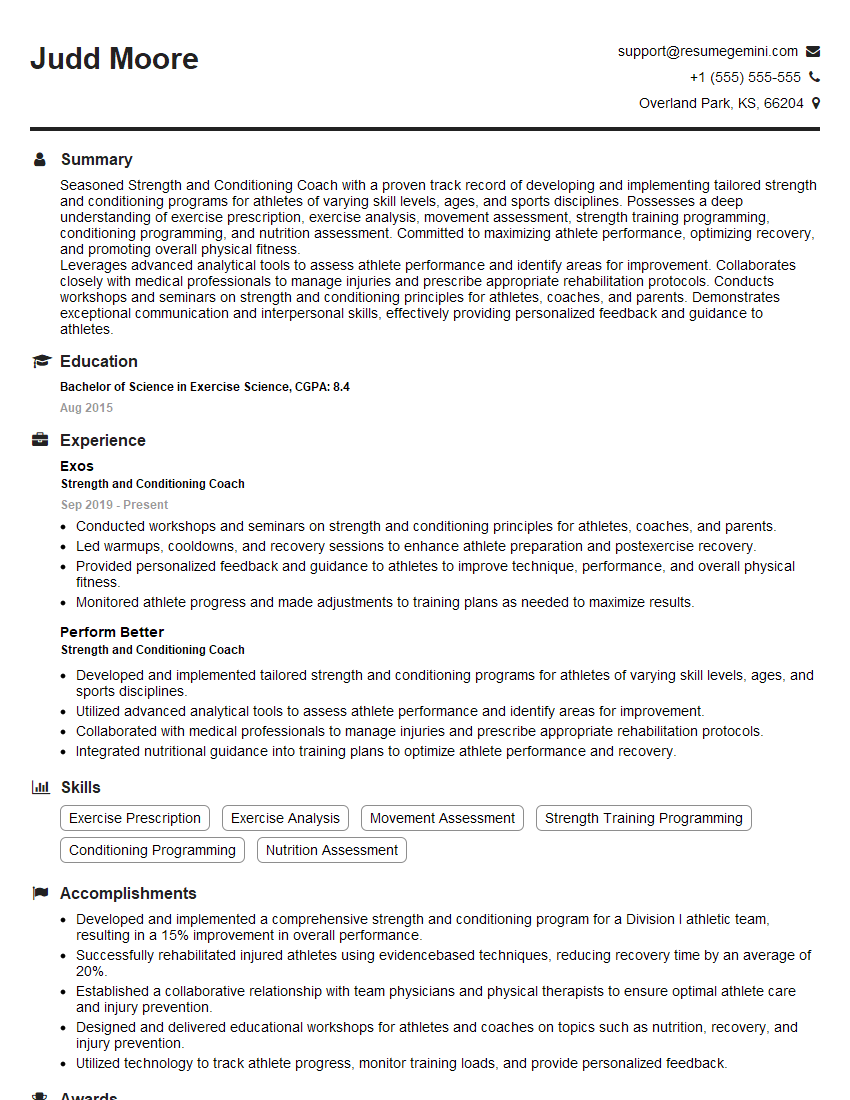
Strength and Conditioning Coach Resume Sample
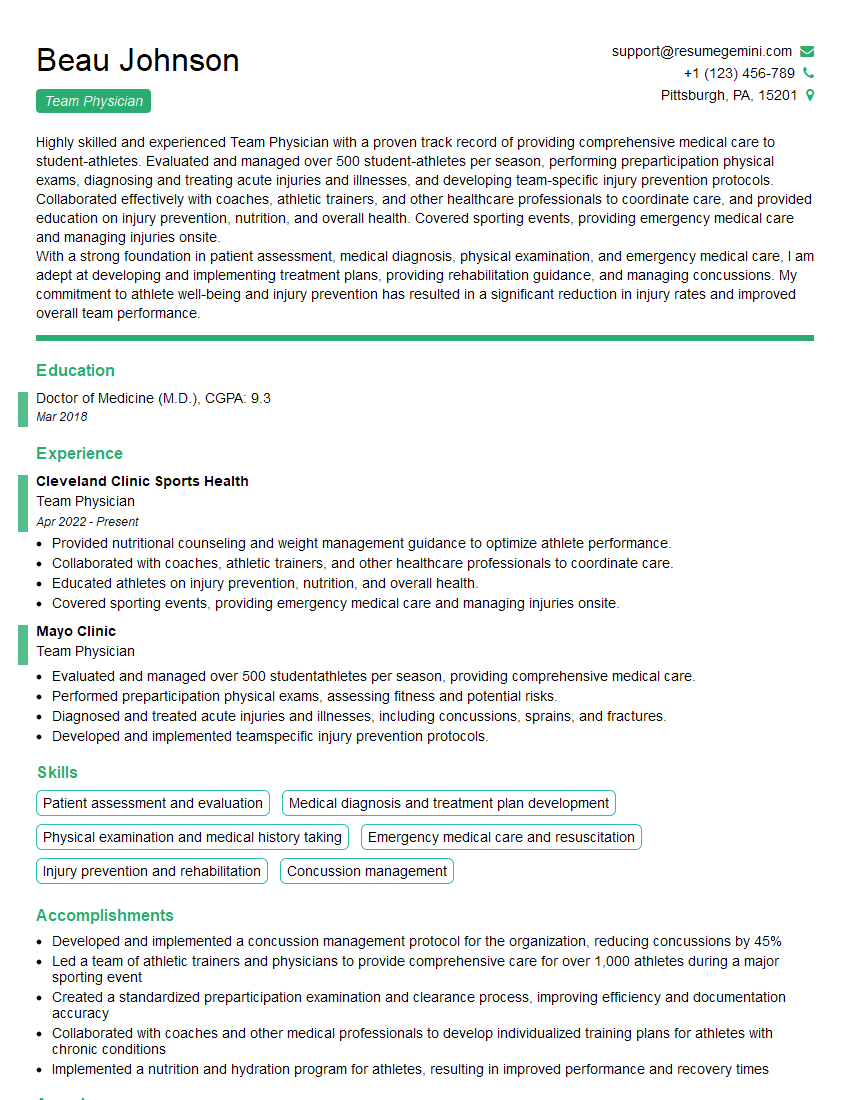
Team Physician Resume Sample
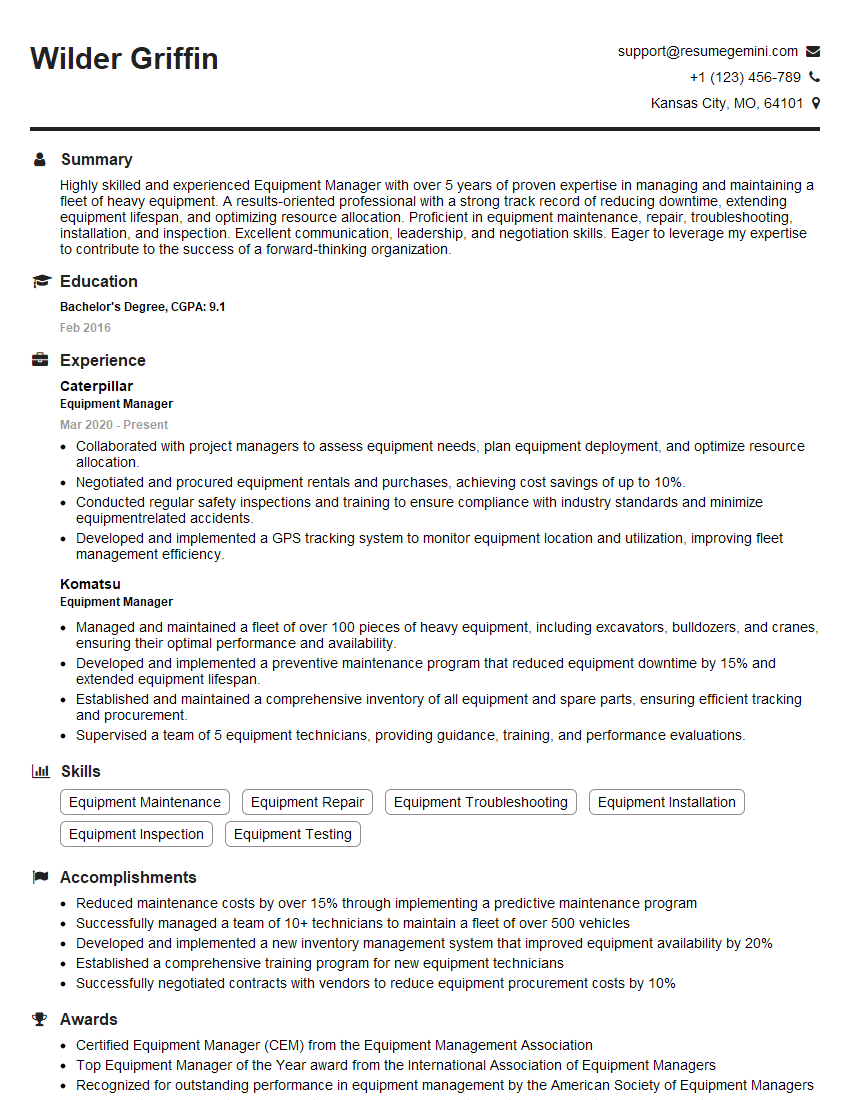
Equipment Manager Resume Sample
Explore more articles
Users Rating of Our Blogs
Share Your Experience
We value your feedback! Please rate our content and share your thoughts (optional).
What Readers Say About Our Blog
Very informative content, great job.
good