Unlock your full potential by mastering the most common Adherence to Industry Standards and Regulations interview questions. This blog offers a deep dive into the critical topics, ensuring you’re not only prepared to answer but to excel. With these insights, you’ll approach your interview with clarity and confidence.
Questions Asked in Adherence to Industry Standards and Regulations Interview
Q 1. Describe your experience with ISO 9001 standards.
ISO 9001 is an internationally recognized standard that outlines requirements for a quality management system (QMS). Essentially, it’s a framework for businesses to ensure they consistently meet customer and regulatory requirements. My experience with ISO 9001 spans several years, including direct involvement in the implementation and maintenance of a QMS for a manufacturing company. This involved documenting processes, conducting internal audits, and participating in management review meetings to continually improve our quality processes. For example, we implemented a robust corrective and preventive action (CAPA) system, which significantly reduced product defects. We also utilized the PDCA (Plan-Do-Check-Act) cycle for continuous improvement, making systematic changes based on data analysis of production processes. I’m also familiar with the transition to the latest version of the standard and its emphasis on risk-based thinking.
Q 2. Explain the importance of Sarbanes-Oxley Act (SOX) compliance.
The Sarbanes-Oxley Act (SOX) of 2002 is a U.S. federal law designed to protect investors by improving the accuracy and reliability of corporate disclosures. Its importance lies in its focus on preventing accounting fraud and enhancing corporate responsibility. Non-compliance can lead to significant financial penalties, legal action, and reputational damage. My understanding extends to the key provisions regarding financial reporting, internal controls, and corporate governance. For instance, I’ve worked with companies to implement SOX-compliant internal controls over financial reporting (ICFR), which involves detailed documentation of financial processes, regular testing of controls, and the development of remediation plans for any identified deficiencies. Think of SOX as a robust security system for a company’s financial information, designed to deter and detect fraud. It requires meticulous record-keeping, regular audits, and a strong ethical culture within the organization.
Q 3. How would you handle a situation where a colleague is not adhering to company compliance policies?
Addressing non-compliance starts with a private, professional conversation. I’d first attempt to understand the reasons behind the non-adherence. Is it a lack of understanding, oversight, or something more serious? For example, if it’s a simple misunderstanding of a policy, I’d offer clarification and provide relevant training materials. If it’s a repeated issue, I’d document the instances and escalate the concern to the relevant manager or compliance officer. The goal is to address the issue constructively and ensure future compliance. If the non-compliance poses a significant risk, I would immediately report it through the appropriate channels. The key is to balance a supportive approach with the need to uphold the company’s compliance standards. This approach emphasizes fairness and helps maintain a positive work environment while protecting the organization.
Q 4. What is your understanding of GDPR and its implications?
The General Data Protection Regulation (GDPR) is a European Union regulation on data protection and privacy for all individuals within the European Union (EU) and the European Economic Area (EEA). It mandates how companies collect, process, and store personal data. Its implications are far-reaching, requiring organizations to demonstrate compliance through documented processes, data security measures, and the ability to respond to data subject access requests. For example, a company must obtain explicit consent before collecting personal data, and they must be transparent about how that data will be used. A breach of GDPR can result in substantial fines. Understanding GDPR goes beyond simply having a privacy policy; it requires a comprehensive understanding of data governance, data security, and the rights of individuals regarding their personal information. Imagine it like a contract between a company and its customers regarding their personal data – a contract that needs to be carefully followed and respected.
Q 5. How do you stay updated on changes in industry regulations?
Staying current on regulatory changes is crucial in this field. My approach involves a multi-pronged strategy. I subscribe to reputable industry publications and newsletters, attend relevant conferences and webinars, and actively participate in professional organizations. I also leverage online resources provided by regulatory bodies, such as the FTC for US regulations and the ICO for UK regulations. Staying connected with peers through professional networks also allows for the exchange of valuable information and insights into emerging compliance challenges. Regularly reviewing and updating internal compliance documentation is another key aspect of this ongoing process. Think of it like staying updated with software patches – continuous improvement and vigilance are essential for staying compliant.
Q 6. Describe your experience conducting internal audits.
I have extensive experience conducting internal audits, both as an auditor and as an auditee. My approach is methodical and risk-based. This involves understanding the scope of the audit, reviewing relevant documentation, conducting interviews with employees, and testing controls. I utilize checklists and standardized procedures to ensure consistency and completeness. My goal is not just to identify non-conformances but also to understand the root causes and provide constructive recommendations for improvement. For example, during an audit of a company’s IT security procedures, I discovered a weakness in their password policy, which I documented and suggested a stronger policy that met industry best practices. The effectiveness of internal audits lies in their ability to provide a proactive assessment of compliance, helping to identify and rectify problems before they escalate.
Q 7. Explain your understanding of risk assessment methodologies.
Risk assessment methodologies involve identifying, analyzing, and evaluating potential threats and vulnerabilities. I’m familiar with various approaches, including qualitative and quantitative methods. Qualitative methods often involve brainstorming sessions and expert opinions, while quantitative methods involve assigning numerical values to risks based on probability and impact. One commonly used framework is the Failure Mode and Effects Analysis (FMEA), where potential failures are identified and assessed based on severity, occurrence, and detection. Another is the ISO 31000 standard for risk management, which provides a comprehensive framework for establishing a risk management process. In my experience, effective risk assessment involves collaboration across departments, incorporating diverse perspectives, and using a combination of methods tailored to the specific context. A thorough risk assessment empowers businesses to proactively manage potential disruptions and protect their operations.
Q 8. How do you identify and mitigate compliance risks?
Identifying and mitigating compliance risks involves a proactive and multi-faceted approach. Think of it like building a strong house – you need a solid foundation and ongoing maintenance to prevent problems. First, we need a thorough understanding of all applicable regulations and industry standards. This includes conducting regular risk assessments, identifying potential vulnerabilities (weak points in your ‘house’), and analyzing their likelihood and potential impact.
For example, in the healthcare industry, a risk assessment might focus on HIPAA compliance, covering areas such as data breaches, unauthorized access, and improper disposal of patient information. Once risks are identified, we develop mitigation strategies. This could involve implementing robust security measures (like stronger locks on the windows), employee training programs (ensuring everyone understands the building codes), and regular audits to ensure effectiveness (regular inspections).
- Risk Assessment Methodologies: We employ frameworks like NIST Cybersecurity Framework or ISO 27001 to systematically assess and prioritize risks.
- Mitigation Strategies: This can range from implementing technical controls (e.g., encryption, firewalls) to administrative controls (e.g., access control policies, employee training) and physical controls (e.g., security cameras, access badges).
- Monitoring and Reporting: Continuous monitoring of controls and regular reporting to management are crucial for ongoing risk management.
Q 9. What is your experience with implementing compliance programs?
Throughout my career, I’ve been instrumental in implementing and improving compliance programs across diverse sectors. In my previous role at a financial institution, I led the implementation of a comprehensive anti-money laundering (AML) program. This involved developing policies and procedures aligned with regulatory requirements, establishing a robust transaction monitoring system, and conducting regular training for employees. We also integrated a case management system to track and manage suspicious activity reports effectively.
In another engagement, I worked with a healthcare provider to improve their HIPAA compliance program. This focused on enhancing their data security measures, refining their breach response plan, and improving employee training on data privacy and protection. These projects were not simply about checking boxes but involved a deep understanding of the organization’s operational processes and tailoring the compliance program to fit its unique needs.
Key to success was fostering a culture of compliance, not just viewing it as a series of regulations, but as an integral part of the organization’s values and operations.
Q 10. How would you handle a non-compliance incident?
Handling a non-compliance incident requires a swift, decisive, and transparent response. Imagine it’s like a fire in your building. The first step is immediate containment – limiting the damage as quickly as possible. This involves identifying the root cause of the non-compliance, isolating the affected systems or data if applicable, and preventing further violations.
Next, we initiate a thorough investigation. This includes collecting evidence, interviewing relevant individuals, and documenting all findings. The investigation helps understand the full extent of the incident, determines responsibility, and reveals any systemic weaknesses. This investigation is akin to a fire marshal’s investigation – identifying the cause and preventing future occurrences.
Depending on the severity and nature of the non-compliance, we may need to report the incident to relevant regulatory bodies, such as the SEC, FTC, or HHS. We also develop and implement corrective actions to prevent recurrence, which could include revising policies, enhancing security measures, and providing additional employee training. Finally, documentation of the entire incident, from initial detection to corrective actions, is critical for future reference and audit purposes.
Q 11. Describe your experience with documentation and record-keeping related to compliance.
Effective documentation and record-keeping are the cornerstone of a successful compliance program. Think of it as keeping meticulous and organized blueprints for your ‘compliance house’. All compliance-related activities should be thoroughly documented, including policies, procedures, training materials, risk assessments, audit reports, and incident reports. This ensures that we can demonstrate our commitment to compliance and readily provide evidence to regulators if needed.
We use a variety of methods for documentation, including electronic document management systems, secure databases, and physical filing systems. Access to these records is strictly controlled to maintain confidentiality and integrity. The key is to maintain a comprehensive, auditable trail of all compliance-related activities. Furthermore, we ensure that our documentation is clear, concise, and readily accessible to those who need it.
Regular reviews and updates of documentation are critical to ensure it remains current and accurate. This is like regularly inspecting and updating the blueprints of your building to account for any changes or improvements.
Q 12. Explain your knowledge of HIPAA regulations.
HIPAA, the Health Insurance Portability and Accountability Act, is a US federal law designed to protect the privacy and security of Protected Health Information (PHI). My understanding of HIPAA is comprehensive, covering all aspects from the Privacy Rule, Security Rule, and Breach Notification Rule. I’m familiar with the different types of PHI, the permissible uses and disclosures of PHI, and the stringent requirements for safeguarding electronic PHI (ePHI).
I understand the critical need for robust security measures to protect ePHI, including access controls, encryption, audit trails, and regular security risk assessments. I also know the importance of complying with HIPAA’s breach notification requirements, ensuring prompt notification to affected individuals and regulatory authorities in case of a data breach. I’ve worked on projects involving HIPAA compliance audits, risk assessments, and remediation efforts, ensuring all procedures meet the strict standards set by the law. My experience ensures that handling PHI is done securely and ethically, respecting the sensitivity of health information.
Q 13. What is your experience with conducting compliance training?
I have extensive experience in conducting compliance training, designing programs tailored to the specific needs and roles of the employees. This involves developing engaging and informative training materials that are easily understood and retained. My approach emphasizes interactive learning techniques, such as case studies, role-playing, and quizzes, to ensure effective knowledge transfer.
For example, when training employees on data security best practices, I’ve used realistic phishing simulations to demonstrate the importance of vigilance against social engineering attacks. I also incorporate real-world scenarios and examples to reinforce the importance of compliance. Post-training assessments are used to measure employee understanding and identify areas needing further clarification or reinforcement. Documentation of all training activities is essential, creating a comprehensive record that demonstrates ongoing employee engagement with compliance requirements.
Q 14. How do you ensure the effectiveness of compliance programs?
Ensuring the effectiveness of compliance programs requires a continuous monitoring and improvement cycle. It’s not a one-time effort, but rather an ongoing process of assessment, refinement, and adaptation. We utilize a multi-pronged approach. This includes regular audits, both internal and external, to assess the effectiveness of controls and identify any gaps. Key performance indicators (KPIs) are established and tracked to monitor compliance performance. These could include metrics like the number of security incidents, the time taken to resolve them, or the completion rates of compliance training.
Regular reviews of policies and procedures are necessary to ensure they remain relevant and effective, considering changes in regulations and industry best practices. Employee feedback is also valuable in identifying areas for improvement. And, importantly, management support and commitment are crucial for driving a culture of compliance. It’s not enough to have a robust program; the entire organization must embrace it. A successful compliance program is not just a set of rules, but a dynamic and evolving system designed to safeguard the organization from risk.
Q 15. What metrics do you use to track compliance performance?
Tracking compliance performance requires a multifaceted approach, utilizing key metrics to monitor adherence to standards and regulations. We don’t rely on a single metric, but rather a combination tailored to the specific regulatory landscape and organizational context. These metrics often fall into a few key categories:
Incident Rate: This tracks the number of compliance incidents (e.g., data breaches, violations, non-conformances) over a given period. A decreasing incident rate indicates improvement.
Audit Findings Rate: This metric measures the number of audit findings per audit conducted. A lower rate showcases effective preventative measures and internal controls.
Remediation Rate: This focuses on the speed and efficiency of addressing identified compliance issues. A high remediation rate reflects a robust corrective action process.
Training Completion Rate: This tracks employee participation in compliance training. High completion rates indicate awareness and understanding of expectations.
Policy Adherence Rate: We assess how well employees and processes adhere to established policies and procedures through internal audits and reviews.
For example, in a previous role managing HIPAA compliance, we tracked the number of unauthorized access attempts to protected health information (PHI) as a key indicator of system security and employee training effectiveness. By analyzing these metrics regularly, we could identify trends, pinpoint areas needing improvement, and measure the success of our compliance initiatives.
Career Expert Tips:
- Ace those interviews! Prepare effectively by reviewing the Top 50 Most Common Interview Questions on ResumeGemini.
- Navigate your job search with confidence! Explore a wide range of Career Tips on ResumeGemini. Learn about common challenges and recommendations to overcome them.
- Craft the perfect resume! Master the Art of Resume Writing with ResumeGemini’s guide. Showcase your unique qualifications and achievements effectively.
- Don’t miss out on holiday savings! Build your dream resume with ResumeGemini’s ATS optimized templates.
Q 16. Describe a situation where you had to interpret complex regulations.
During my time at a financial institution, we faced a challenging interpretation of the newly implemented regulations surrounding customer data privacy. The regulations were quite nuanced, leaving some ambiguity on the exact requirements for data anonymization before its use in marketing analytics. Different interpretations existed within the industry, leading to uncertainty.
To navigate this, I employed a multi-step approach:
Thorough Legal Review: We engaged external legal counsel specializing in data privacy to clarify the ambiguous sections of the regulations.
Industry Best Practices Research: We examined how other leading financial institutions, known for their strong compliance posture, addressed the same issue. This provided insights into accepted interpretations.
Internal Cross-Functional Collaboration: I convened a team with representatives from legal, IT, marketing, and risk management. This collaborative discussion helped us to reach a consensus on how to implement the regulation while minimizing risk and maintaining business objectives.
Documentation and Internal Policy Update: We documented our interpretation, rationale, and the chosen approach in a revised internal policy. This served as a clear guide for all employees and facilitated consistent adherence.
This systematic approach allowed us to comply with the regulations while ensuring a clear understanding within the organization, ultimately minimizing potential regulatory penalties and reputational damage.
Q 17. How would you explain complex compliance issues to non-technical staff?
Explaining complex compliance issues to non-technical staff requires clear, concise communication and avoiding technical jargon. I usually employ a storytelling approach, focusing on real-world examples and analogies.
For example, if explaining the concept of data encryption, instead of using technical terms like ‘AES-256 encryption,’ I’d say something like: “Imagine your data is a secret message locked in a safe. Encryption is like the lock and key – it protects your data from unauthorized access.”
Further, I focus on the ‘why’ behind compliance, emphasizing the risks of non-compliance – such as financial penalties, reputational damage, or legal action – and relating these consequences to the impact on the organization and the employees themselves. I use visuals, such as flowcharts or simple diagrams, to illustrate complex processes. Finally, I provide frequent opportunities for questions and ensure everyone understands the expectations and their individual roles in ensuring compliance.
Q 18. What is your experience with regulatory reporting?
My experience with regulatory reporting is extensive. I’ve been involved in preparing and submitting reports for a variety of regulations, including but not limited to HIPAA, GDPR, SOX, and PCI DSS. This includes:
Data Gathering and Analysis: I’m proficient in collecting and analyzing data from diverse sources to ensure the accuracy and completeness of regulatory reports.
Report Preparation and Submission: I’m experienced in preparing reports that meet specific regulatory requirements, including formatting, submission timelines, and necessary documentation.
Internal Audits and Reviews: I’ve conducted internal audits to verify the accuracy of data used for regulatory reporting.
Regulatory Changes Management: I’m adept at monitoring changes in regulations and adjusting reporting procedures accordingly.
Using Reporting Software: I am familiar with various compliance reporting software and tools to streamline the process.
In a previous role, I successfully managed the annual reporting process for SOX compliance, ensuring accurate and timely submission, leading to a clean audit and strong regulatory confidence.
Q 19. Describe your approach to continuous improvement in compliance.
Continuous improvement in compliance is an ongoing process, not a one-time event. My approach involves a cyclical model incorporating:
Regular Monitoring and Evaluation: Consistent monitoring of compliance metrics (as discussed earlier) and conducting periodic internal audits are crucial.
Gap Analysis: Identifying discrepancies between current practices and regulatory requirements allows for proactive remediation.
Process Optimization: Streamlining processes to reduce risks and increase efficiency often involves leveraging technology or implementing automation.
Employee Training and Development: Regular training and awareness programs ensure that employees are up-to-date on regulations and best practices. This includes implementing ongoing learning opportunities.
Feedback Mechanisms: Establishing channels for feedback from employees, stakeholders, and external audits help identify blind spots and areas for improvement.
Benchmarking: Comparing our performance against industry best practices and competitors helps us to identify opportunities for continuous improvement.
This iterative approach ensures that our compliance program remains robust, adaptive, and effective in managing evolving risks.
Q 20. How do you prioritize compliance tasks in a high-pressure environment?
Prioritizing compliance tasks in a high-pressure environment demands a structured approach. I use a risk-based prioritization framework. This involves:
Risk Assessment: Identifying potential compliance risks and assessing their likelihood and impact. This often uses a risk matrix.
Urgency and Criticality: Categorizing tasks based on their urgency (immediacy) and criticality (potential impact of non-compliance).
Resource Allocation: Allocating resources effectively to address high-priority tasks first, while ensuring sufficient attention to less urgent but still critical issues.
Regular Communication: Keeping stakeholders informed about the prioritization process and any changes in status is essential for transparency and accountability.
Flexibility and Adaptability: Being prepared to adjust priorities in response to emerging risks or changes in regulatory requirements.
For example, if facing a deadline for a critical regulatory report while also addressing a security vulnerability, I would prioritize the report to avoid immediate penalties, while allocating resources to address the vulnerability swiftly to mitigate long-term risks.
Q 21. What is your experience with different compliance frameworks (e.g., COSO)?
I have significant experience with various compliance frameworks, including COSO (Committee of Sponsoring Organizations of the Treadway Commission), ISO 27001 (Information Security Management), and NIST Cybersecurity Framework.
COSO Framework: I understand its internal control framework principles for effective risk management and compliance. This includes applying COSO’s five components—control environment, risk assessment, control activities, information and communication, and monitoring activities—to design and implement effective compliance programs.
ISO 27001: I’m familiar with its requirements for establishing, implementing, maintaining, and continually improving an information security management system (ISMS). This includes understanding the controls needed to manage risks related to confidentiality, integrity, and availability of information.
NIST Cybersecurity Framework: My experience includes applying the NIST framework’s five functions—identify, protect, detect, respond, and recover—to develop a comprehensive cybersecurity program.
Understanding these frameworks allows me to tailor compliance programs to specific organizational needs and regulatory requirements, ensuring that the selected framework aligns perfectly with the overall business objectives.
Q 22. How do you balance compliance with business objectives?
Balancing compliance with business objectives is a delicate act of finding synergy, not compromise. It’s about understanding that robust compliance isn’t a barrier to success but a foundation for sustainable growth. We shouldn’t see them as opposing forces; rather, we should view them as interdependent. Strong compliance mitigates risks, builds trust with stakeholders (customers, investors, regulators), and enhances brand reputation – all of which contribute significantly to achieving business objectives.
For example, in a financial institution, rigorous KYC/AML (Know Your Customer/Anti-Money Laundering) compliance, while demanding resources, protects the institution from hefty fines and reputational damage, ultimately safeguarding its long-term financial health and profitability. The key is proactive planning and integration. We need to embed compliance into every stage of the business process, from product development to marketing. Risk assessments, regular audits, and a culture of compliance are crucial. This ensures that compliance isn’t an afterthought but a core component of strategic decision-making.
Q 23. Explain your understanding of the role of technology in ensuring compliance.
Technology plays a pivotal role in ensuring compliance. Think of it as the backbone of an efficient and effective compliance program. It allows for automation of many tasks, reducing human error and improving accuracy. For instance, automated data monitoring systems can identify potential compliance breaches in real-time, enabling prompt corrective action. Workflow automation tools streamline processes like regulatory reporting, reducing processing time and ensuring consistency.
Technology also facilitates data-driven decision-making. Compliance analytics dashboards provide valuable insights into compliance performance, highlighting areas of strength and weakness, allowing for focused improvements. Furthermore, secure data storage and access control mechanisms, like encryption and role-based access, are crucial for maintaining data integrity and confidentiality in line with various regulations like GDPR or HIPAA.
Consider a scenario where a company uses a technology platform to track employee training completion on compliance-related topics. This platform can automate the reminders, track progress, and generate reports that demonstrate regulatory compliance. This ensures that all employees are properly trained and up-to-date on the relevant regulations.
Q 24. Describe your experience with using compliance management software.
I have extensive experience with various compliance management software solutions, including both cloud-based and on-premise systems. My experience encompasses the entire lifecycle – from selection and implementation to ongoing maintenance and optimization. I’m proficient in using these platforms to manage regulatory updates, track compliance activities, conduct risk assessments, and generate reports for internal and external audits.
For example, in a previous role, I implemented a GRC (Governance, Risk, and Compliance) platform that significantly improved our ability to manage and track compliance obligations across different departments. This involved customizing the system to meet our specific needs, integrating it with existing systems, and providing training to users. The result was a more efficient and effective compliance program with significantly improved data visibility and reporting capabilities. The system allowed us to efficiently identify potential compliance gaps and respond proactively, minimizing risks and enhancing our overall control environment.
Q 25. How do you handle conflicting regulatory requirements?
Conflicting regulatory requirements are a common challenge, particularly in multinational organizations. Handling them requires a systematic approach. The first step is meticulous identification and documentation of all applicable regulations. This involves careful analysis of the specific requirements of each jurisdiction to pinpoint areas of conflict. Once identified, the next step involves prioritizing regulations based on risk. Those with the most significant potential impact, both financially and reputationally, are prioritized. A thorough cost-benefit analysis is vital, assessing the cost of compliance with each regulation against the potential consequences of non-compliance.
When direct conflict arises, seeking expert legal counsel is essential. Often, legal interpretation and strategic engagement with regulators are crucial to finding a compliant and feasible solution. Internal policies should clearly articulate the company’s approach to resolving such conflicts. Ultimately, achieving compliance may involve a combination of strategic choices and meticulous documentation to justify the chosen approach to regulators.
Q 26. What is your understanding of due diligence in relation to compliance?
Due diligence in relation to compliance refers to the thorough investigation and assessment of risks associated with non-compliance before engaging in a particular activity or transaction. It’s about proactively identifying and mitigating potential issues before they become problems. This could involve examining a supplier’s compliance history, verifying the credentials of business partners, or conducting a comprehensive review of internal processes for potential weaknesses.
For example, before engaging a new third-party vendor, due diligence might involve reviewing their compliance certifications, conducting background checks on key personnel, and assessing their data security protocols. This proactive approach helps to ensure that the vendor’s operations align with the organization’s compliance standards and minimize the risk of indirect violations.
Essentially, due diligence in compliance is about minimizing risk through careful planning and proactive investigation.
Q 27. How do you ensure the accuracy and completeness of compliance data?
Ensuring the accuracy and completeness of compliance data is paramount. It relies on a combination of robust data governance, technological tools, and a culture of accountability. This starts with implementing clear data collection procedures, using standardized data formats, and employing validation checks at every stage of data entry. Regular data audits are crucial – both internal and potentially external audits – to verify accuracy and identify any discrepancies. Data reconciliation processes are also essential to ensure consistency across various data sources.
Technology plays a significant role here. Data analytics tools can help identify outliers and inconsistencies, allowing for timely corrections. Data encryption and access control measures are crucial to maintain data integrity and prevent unauthorized access or modification. Finally, it is essential to establish clear roles and responsibilities for data management and to foster a culture where data accuracy is highly valued and prioritized.
Q 28. Describe your experience with investigating compliance violations.
Investigating compliance violations requires a methodical and objective approach. The process typically begins with the identification of a potential breach, which might stem from an internal audit, a whistleblower report, or an external regulatory inquiry. The investigation then involves gathering evidence, interviewing relevant personnel, and analyzing documentation. It’s crucial to maintain a fair and impartial process, ensuring due process for all involved. This often necessitates using forensic tools and techniques to analyze digital data, reconstruct events, and identify root causes.
The goal is not just to identify the violation but to understand its root cause, determine the extent of the damage, and implement effective corrective actions to prevent recurrence. Comprehensive documentation is crucial throughout the investigation process to support findings and aid in remedial actions. The findings should be presented in a clear and concise report, outlining the violation, its causes, its impact, and the recommended corrective actions. Furthermore, based on the severity of the violation, it may be necessary to involve external counsel or regulatory bodies.
Key Topics to Learn for Adherence to Industry Standards and Regulations Interview
- Understanding Relevant Legislation: Familiarize yourself with key regulations and laws impacting your industry (e.g., HIPAA, GDPR, SOX). Focus on the practical implications of non-compliance.
- Industry Best Practices: Explore widely accepted standards and guidelines within your field. Consider how these practices translate into daily tasks and decision-making.
- Risk Management and Compliance Programs: Understand the framework of compliance programs, including internal controls, audits, and reporting procedures. Be prepared to discuss how you would identify and mitigate potential risks.
- Data Privacy and Security: Learn about data protection principles, security protocols, and the handling of sensitive information. Consider real-world scenarios and your approach to maintaining data integrity.
- Ethical Considerations: Explore the ethical dilemmas that can arise in relation to industry standards and regulations. Develop your approach to navigating complex situations and prioritizing ethical conduct.
- Documentation and Record Keeping: Understand the importance of accurate and comprehensive record-keeping, and the processes for maintaining compliant documentation.
- Responding to Audits and Investigations: Familiarize yourself with the procedures involved in responding to internal and external audits, and how to address potential discrepancies.
Next Steps
Mastering adherence to industry standards and regulations is crucial for career advancement. It demonstrates your commitment to ethical conduct, professionalism, and risk mitigation – qualities highly valued by employers. To significantly improve your job prospects, creating an ATS-friendly resume is essential. ResumeGemini can help you build a compelling resume that highlights your skills and experience in this critical area. We offer examples of resumes tailored to Adherence to Industry Standards and Regulations to guide you through the process. Use ResumeGemini to craft a professional document that showcases your preparedness for success.

Quality Assurance Manager Resume Sample
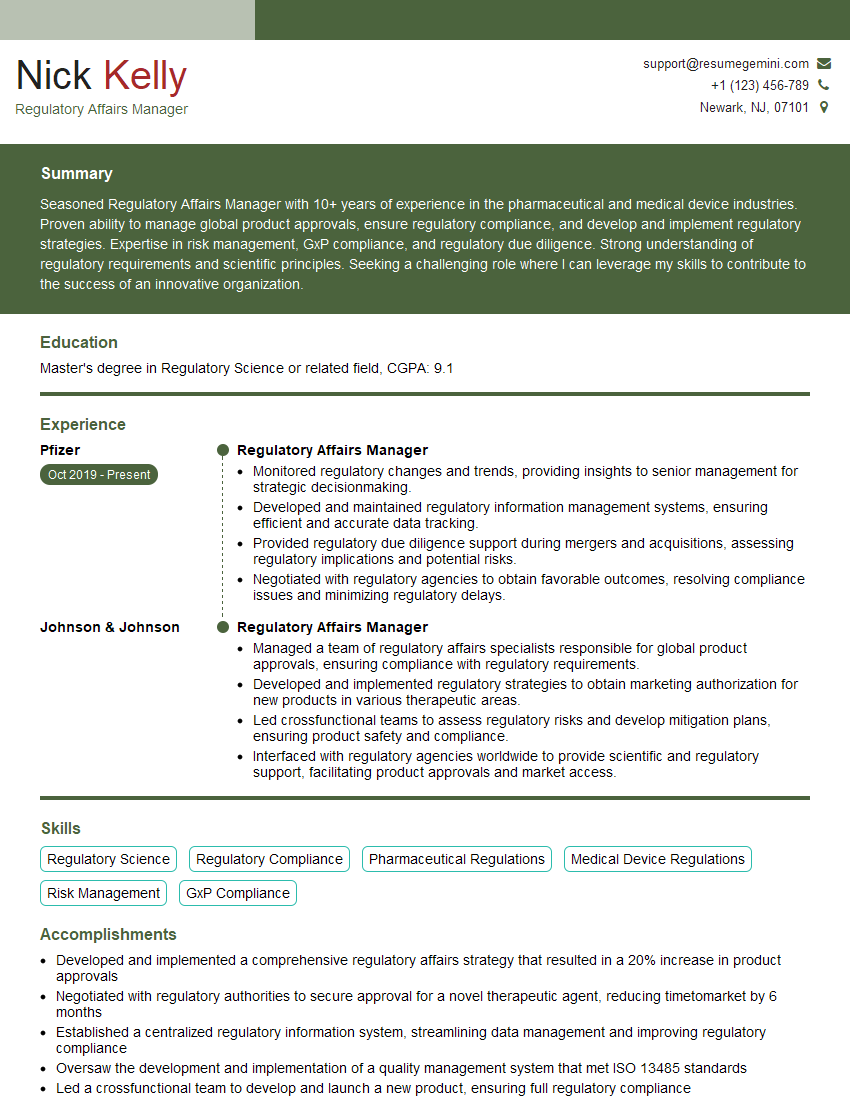
Regulatory Affairs Manager Resume Sample
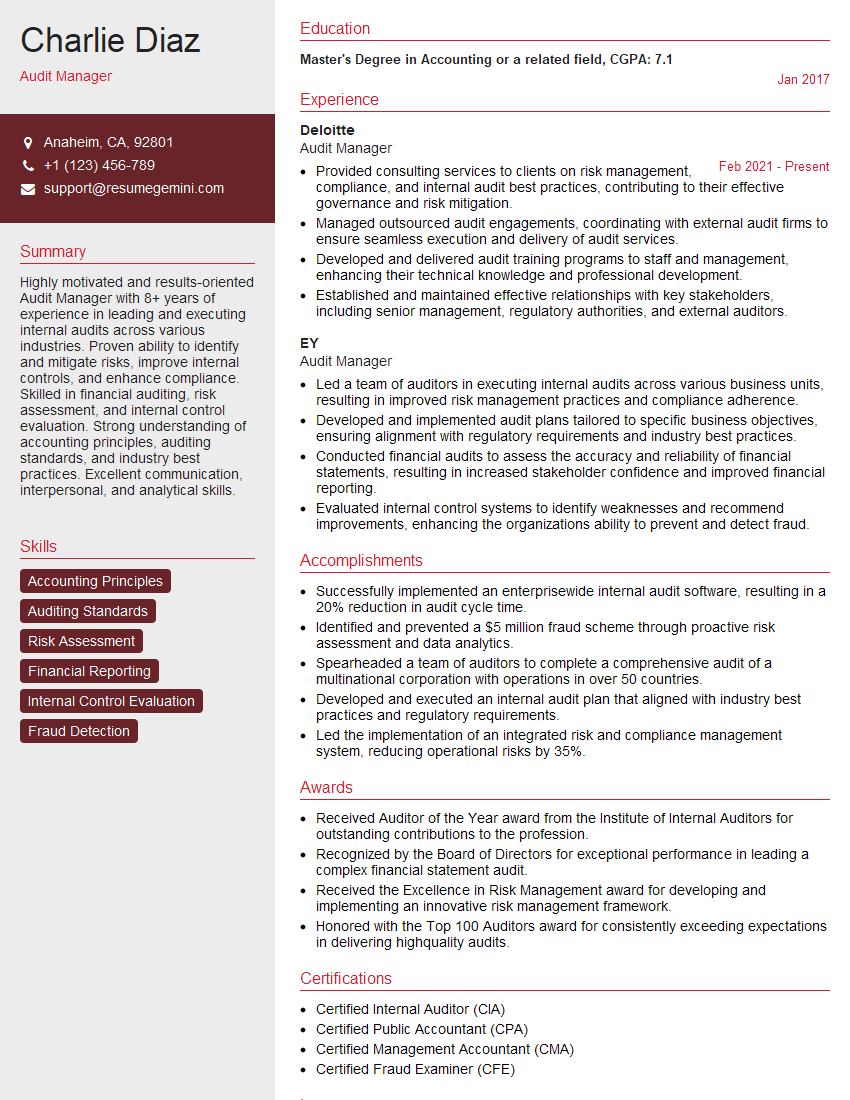
Audit Manager Resume Sample
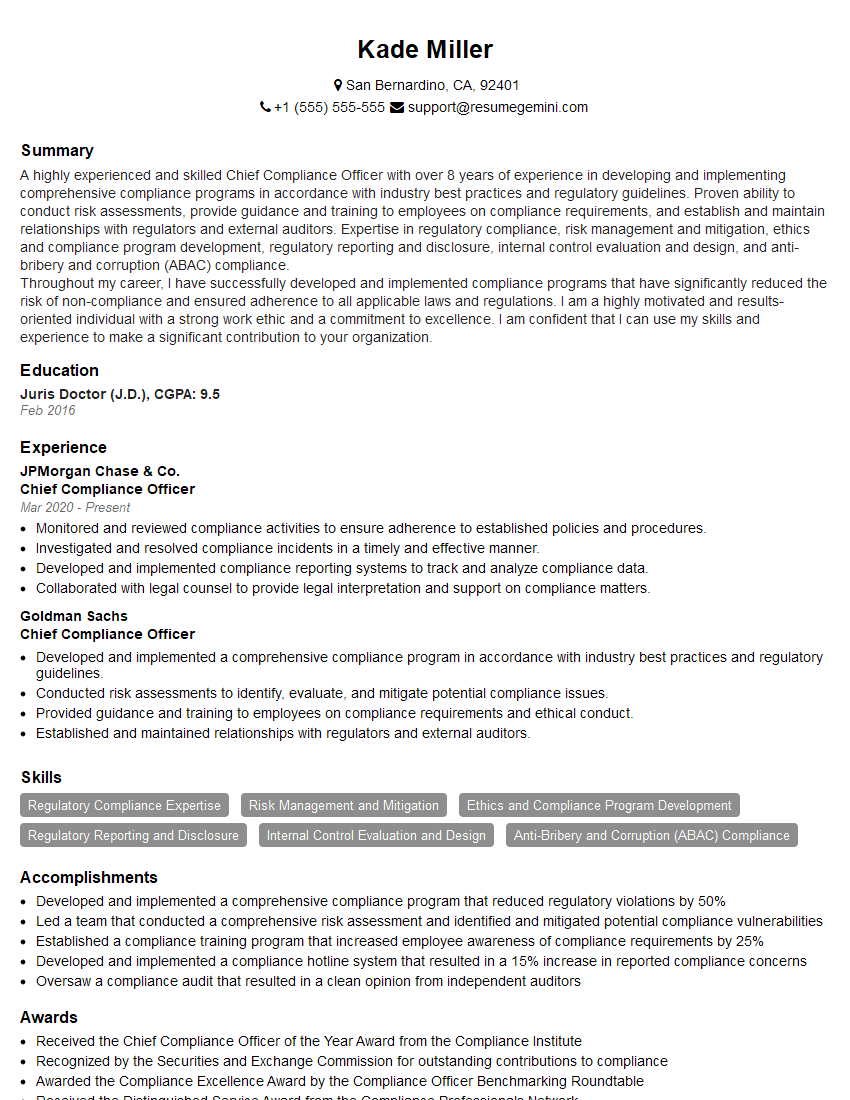
Chief Compliance Officer Resume Sample
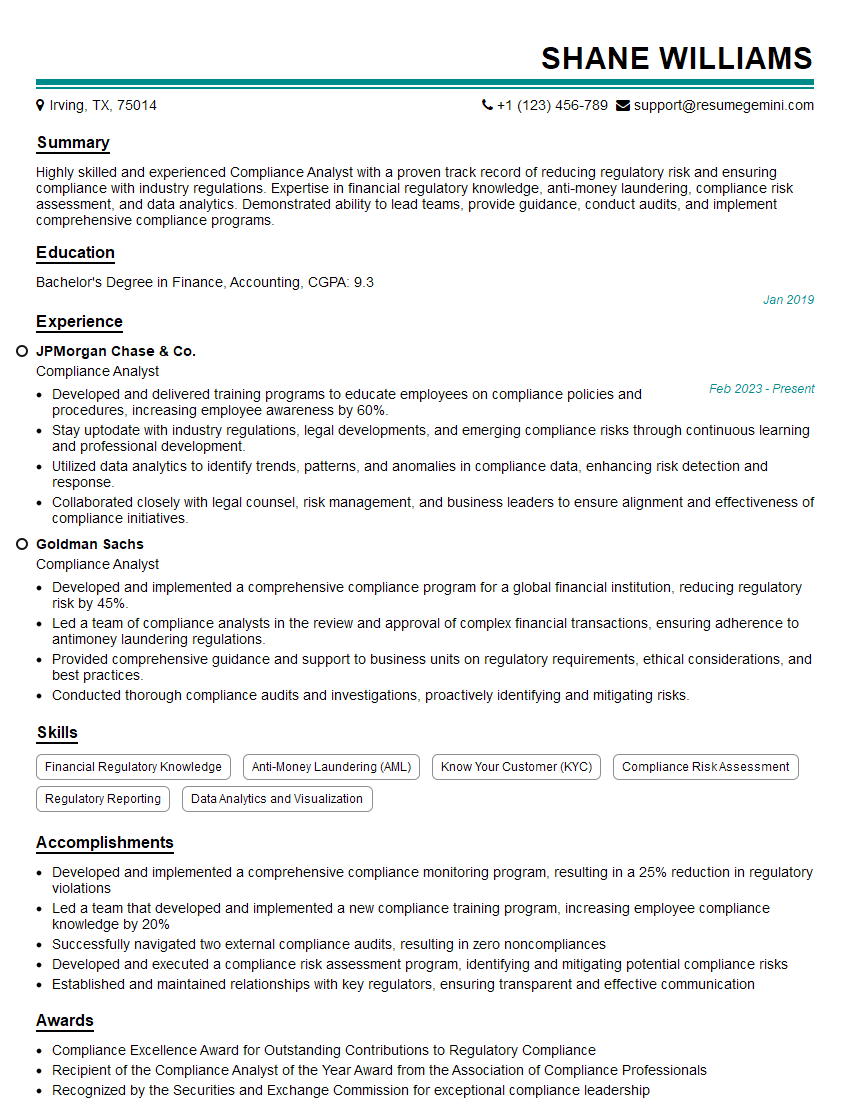
Compliance Analyst Resume Sample
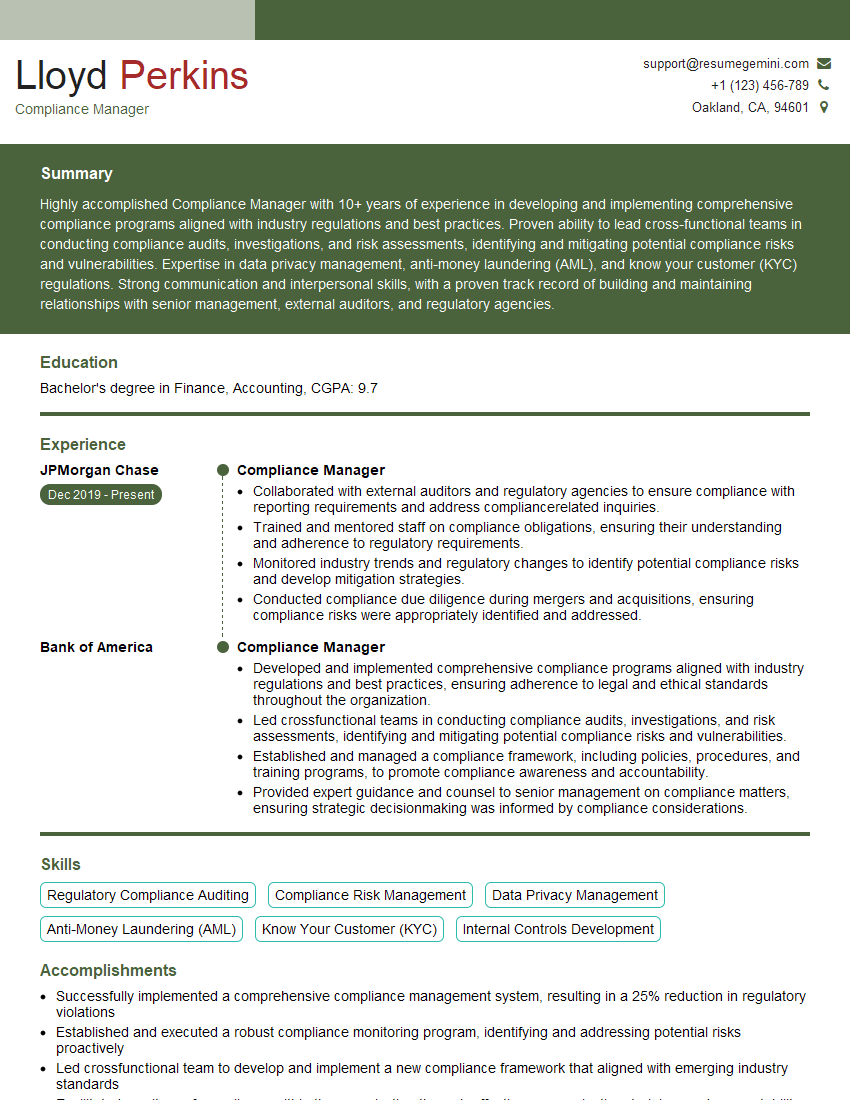
Compliance Manager Resume Sample

Compliance Officer Resume Sample
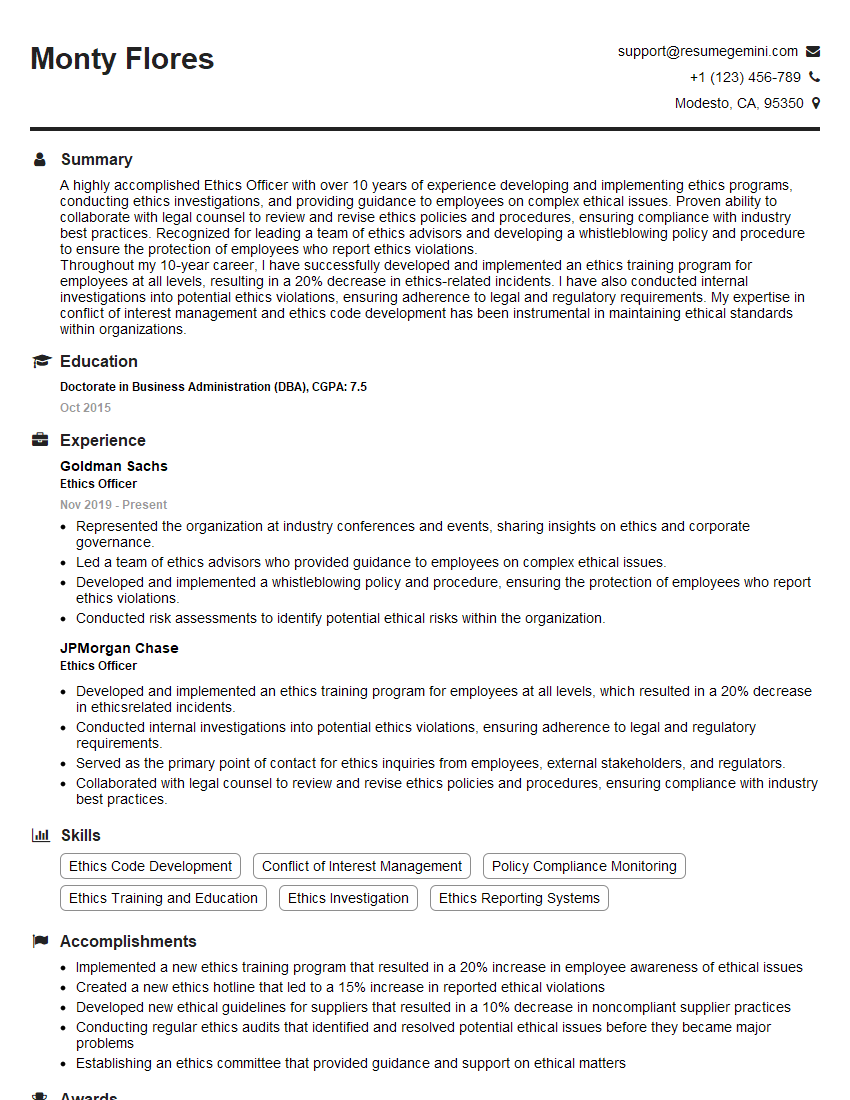
Ethics Officer Resume Sample
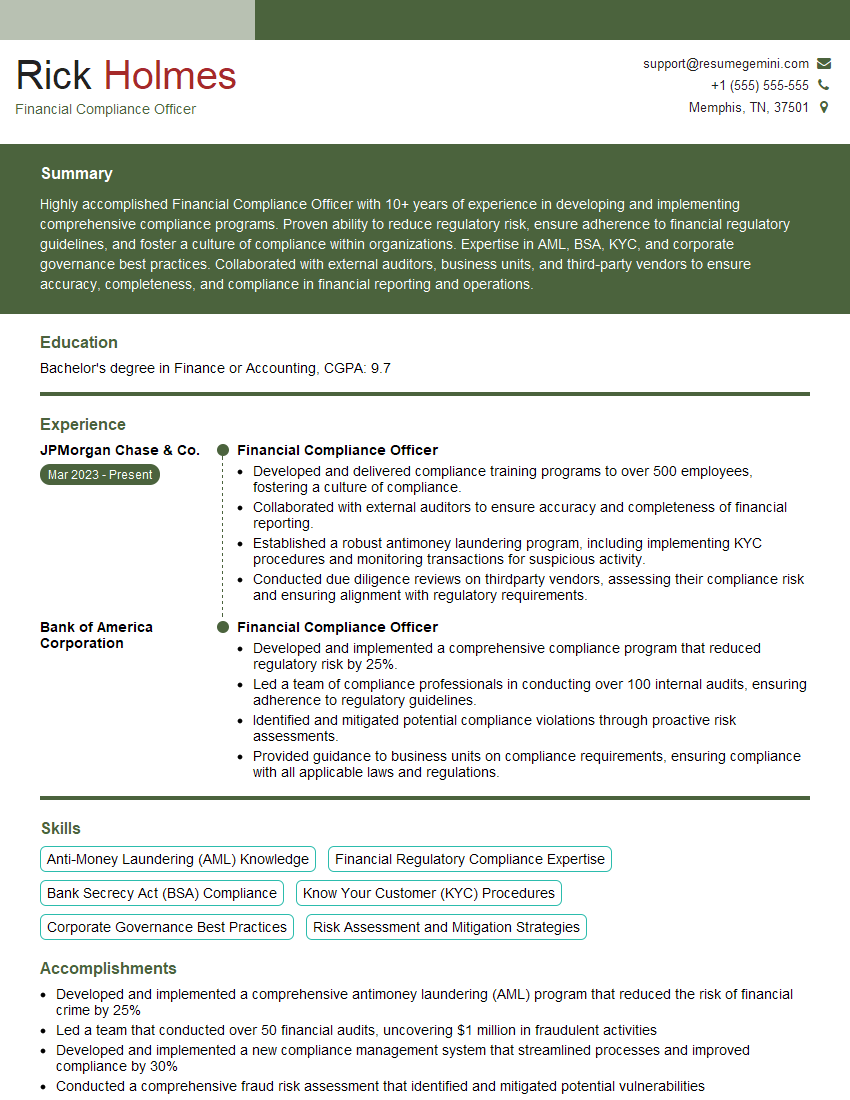
Financial Compliance Officer Resume Sample
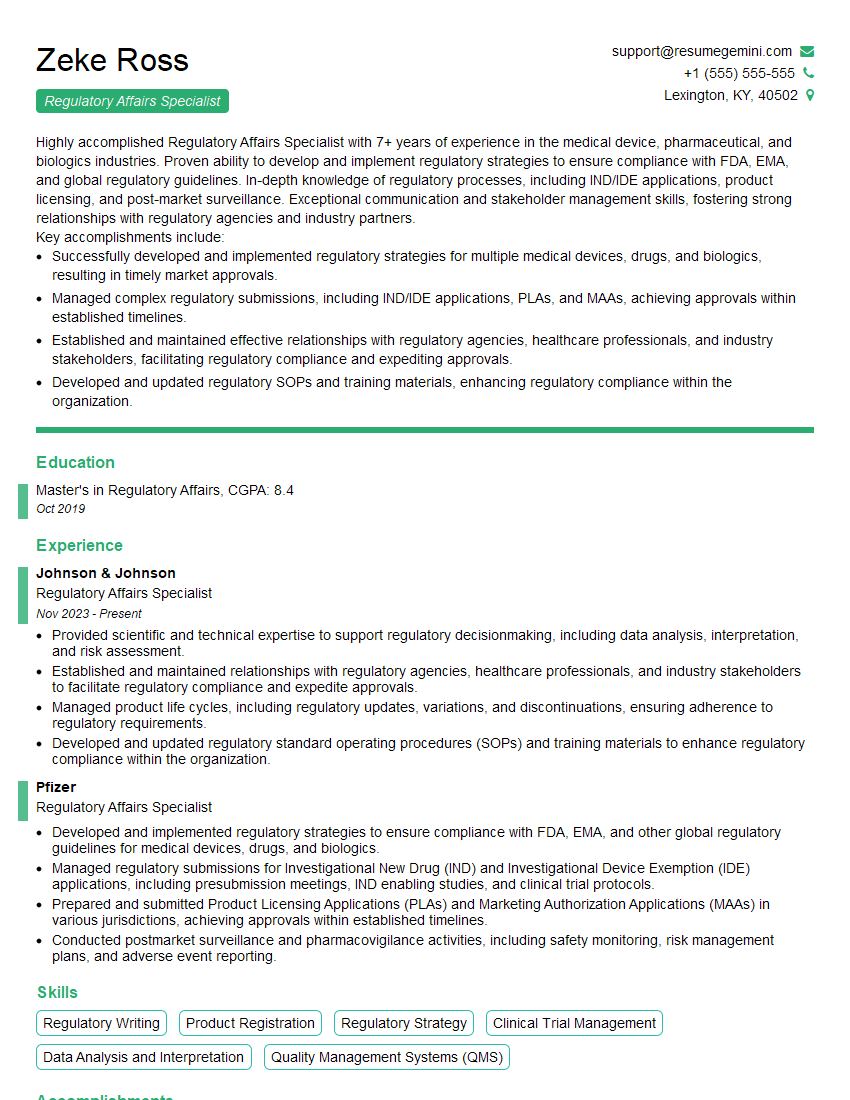
Regulatory Affairs Specialist Resume Sample
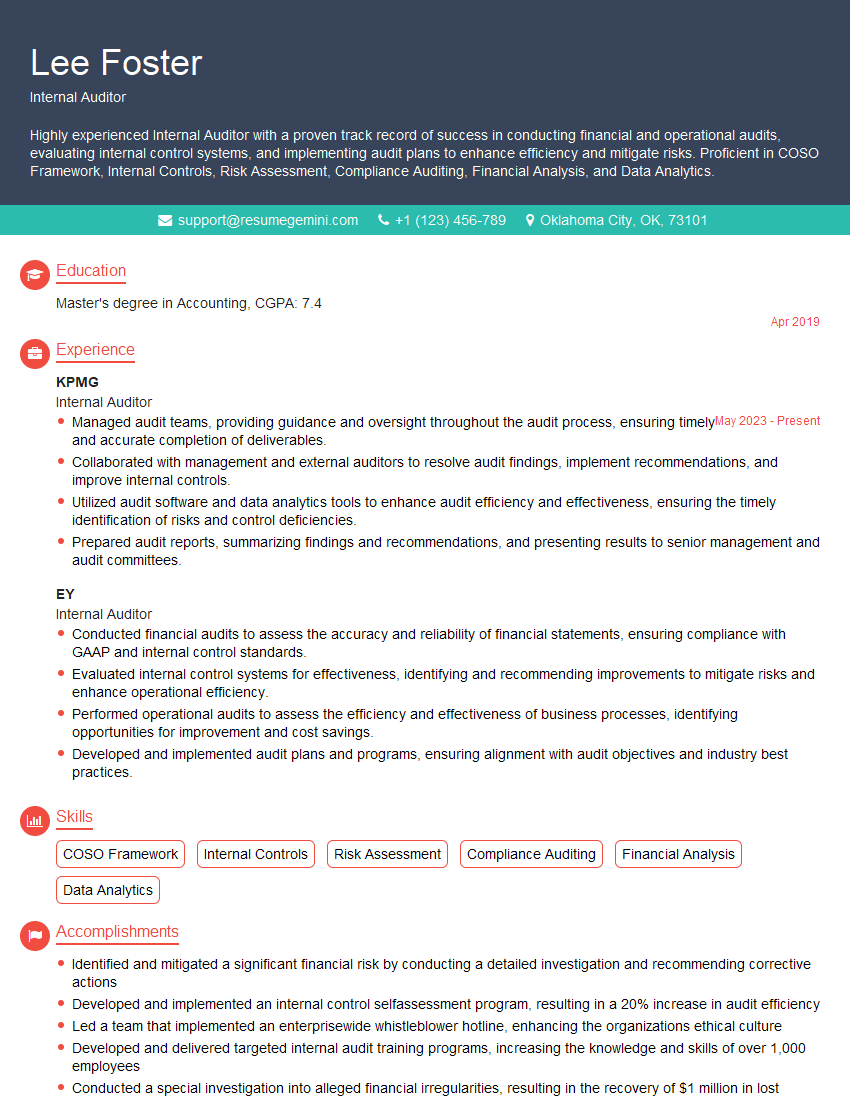
Internal Auditor Resume Sample
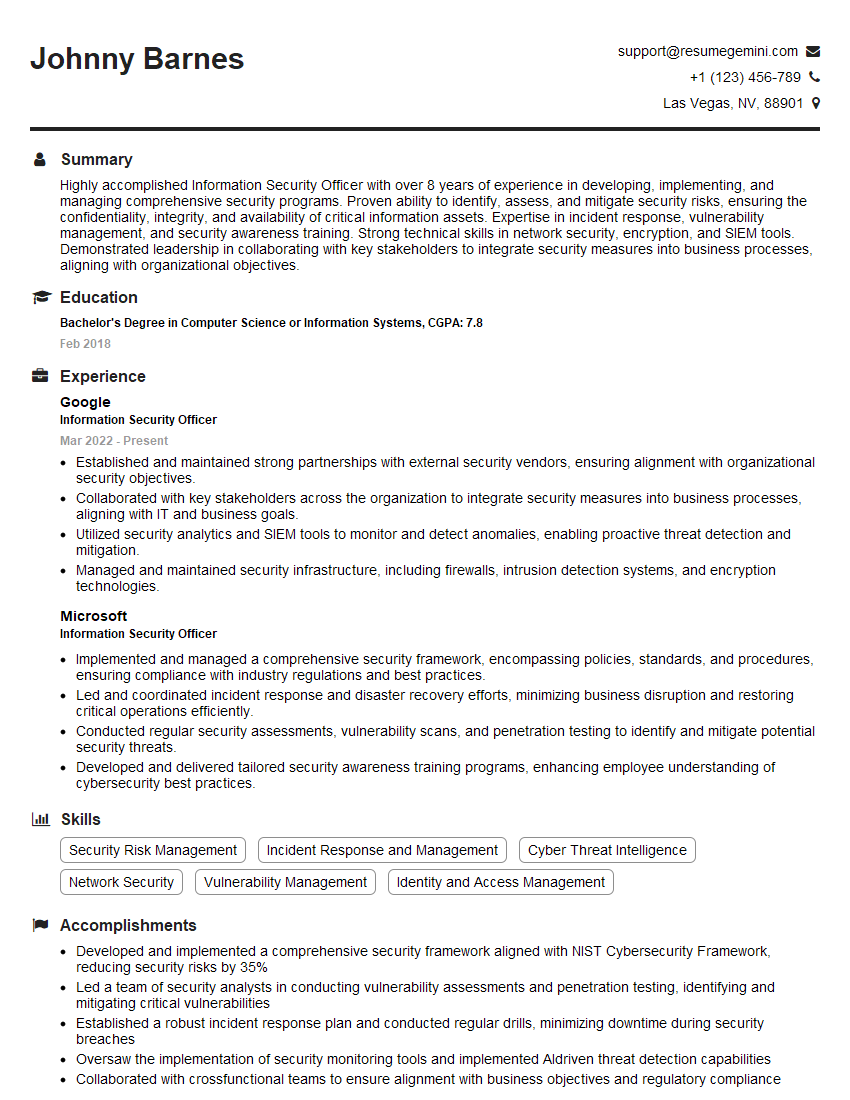
Information Security Officer Resume Sample
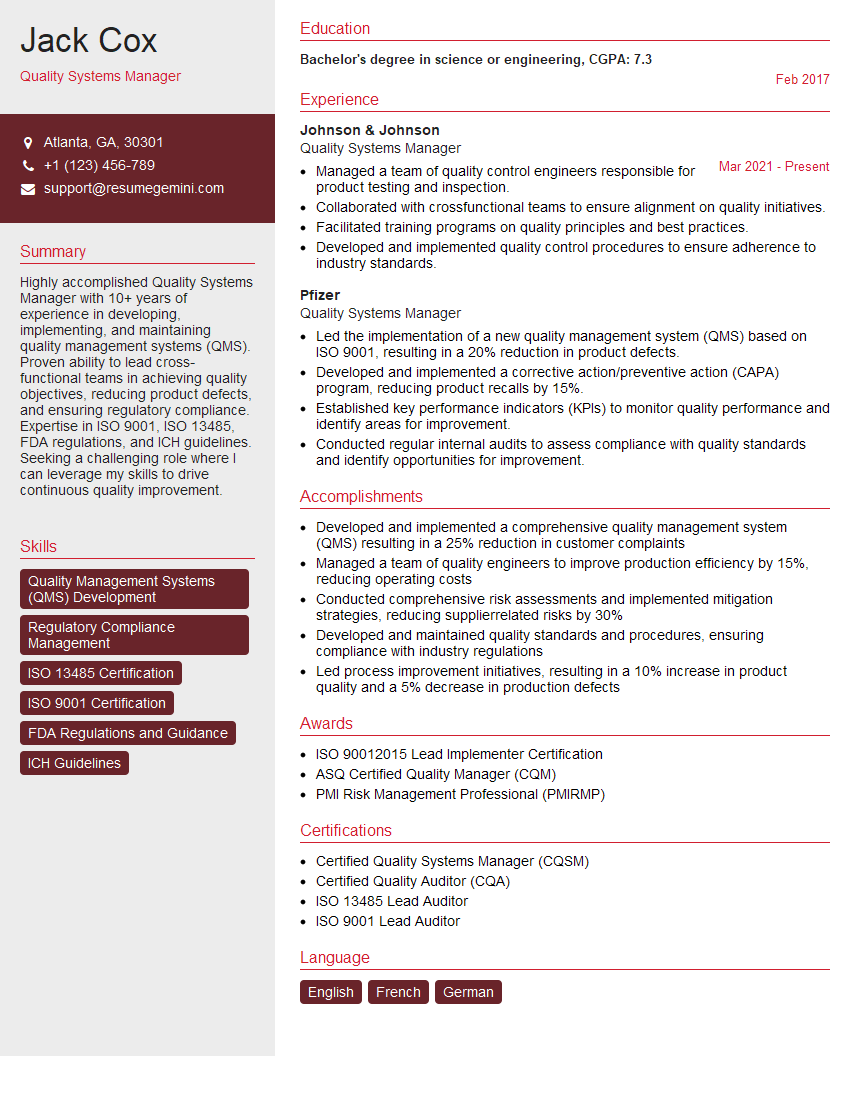
Quality Systems Manager Resume Sample
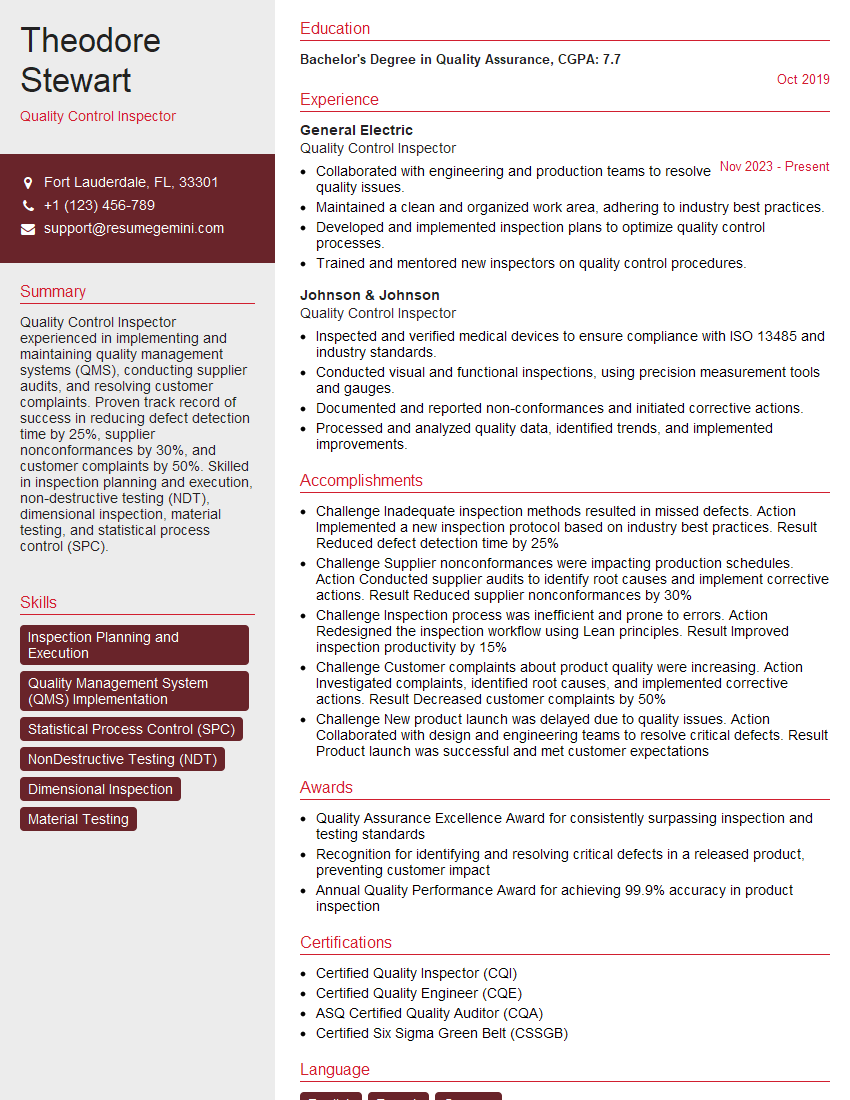
Quality Control Inspector Resume Sample
- Quality Assurance Manager
- Regulatory Affairs Manager
- Audit Manager
- Chief Compliance Officer
- Compliance Analyst
- Compliance Manager
- Compliance Officer
- Ethics Officer
- Financial Compliance Officer
- Regulatory Affairs Specialist
- Internal Auditor
- Information Security Officer
- Quality Systems Manager
- Quality Control Inspector
Explore more articles
Users Rating of Our Blogs
Share Your Experience
We value your feedback! Please rate our content and share your thoughts (optional).
What Readers Say About Our Blog
Very informative content, great job.
good