Interviews are opportunities to demonstrate your expertise, and this guide is here to help you shine. Explore the essential Understanding of Trimming Parameters and Machine Settings interview questions that employers frequently ask, paired with strategies for crafting responses that set you apart from the competition.
Questions Asked in Understanding of Trimming Parameters and Machine Settings Interview
Q 1. Explain the importance of accurate trimming parameters in a manufacturing process.
Accurate trimming parameters are crucial in manufacturing for several reasons. They directly impact the final product’s quality, dimensional accuracy, and overall aesthetic appeal. Inaccurate parameters can lead to defects like burrs, uneven cuts, or material waste, increasing production costs and potentially compromising product safety or functionality. Imagine trimming a gasket for an engine; even a slight misalignment could lead to a leak, causing significant problems. Therefore, precise control over parameters like blade speed, pressure, and feed rate is essential to achieve consistent and high-quality output.
Q 2. Describe different types of trimming machines and their applications.
Trimming machines vary widely depending on the material being processed and the desired outcome. Some common types include:
- Punch Presses: Used for high-volume, precise trimming of sheet metal or other relatively rigid materials. They use a die to punch out a specific shape.
- Rotary Trimmers: Employ a rotating blade to trim materials, offering versatility for various shapes and thicknesses. They’re suitable for both soft and relatively hard materials.
- Ultrasonic Trimmers: Utilize high-frequency vibrations to cut delicate or hard-to-trim materials like plastics and elastomers, minimizing heat and stress on the material. This results in a cleaner cut with minimal distortion.
- Laser Trimmers: Offer high precision and flexibility, ideal for complex shapes and delicate materials. They use a laser beam to precisely cut or trim the material.
- Waterjet Trimmers: Use a high-pressure jet of water to cut various materials, offering versatility and minimal material damage.
The choice of machine depends on factors such as material properties (hardness, elasticity, thickness), desired accuracy, production volume, and cost considerations. For instance, a punch press would be ideal for mass-producing identical metal parts, while an ultrasonic trimmer would be preferred for sensitive electronic components.
Q 3. How do you determine the optimal trimming parameters for a specific material?
Determining optimal trimming parameters requires a systematic approach. It usually involves a combination of material testing, machine capability analysis, and iterative optimization. We begin by understanding the material’s properties, such as its tensile strength, elasticity, and propensity to deform under pressure. Then we consult the machine’s specifications to understand its capabilities and limitations (maximum speed, force, etc.).
We typically start with a small-scale test, incrementally adjusting parameters like blade speed, pressure, and feed rate, while carefully monitoring the results. We look for indicators like clean cuts, minimal burrs, consistent dimensions, and absence of material distortion. Data logging and statistical analysis are crucial here to identify trends and establish optimal settings. This iterative process, often referred to as Design of Experiments (DOE), allows us to fine-tune the parameters to achieve the desired outcome while minimizing waste and maximizing efficiency. For example, increasing blade speed might improve productivity but could lead to increased burrs if the pressure isn’t adjusted accordingly.
Q 4. What are the common causes of inaccurate trimming and how can they be addressed?
Inaccurate trimming often stems from a combination of factors. Common culprits include:
- Dull or damaged cutting tools: A blunt blade will produce uneven cuts, burrs, and potentially damage the material.
- Incorrect machine settings: Improper blade speed, pressure, or feed rate will lead to inconsistent trimming.
- Material inconsistencies: Variations in material thickness or properties can affect the trimming process.
- Poorly maintained machines: Lack of regular maintenance can lead to mechanical issues affecting accuracy.
- Improper fixturing: Insecure clamping or incorrect part positioning can result in uneven trimming.
Addressing these issues requires proactive maintenance, regular tool inspection and replacement, careful calibration of machine settings, and consistent material quality control. Implementing a robust preventive maintenance program, including regular cleaning and lubrication, significantly reduces the likelihood of these problems.
Q 5. Explain the relationship between trimming parameters and product quality.
The relationship between trimming parameters and product quality is direct and significant. Precise trimming ensures dimensional accuracy, which is critical for proper fit and function, especially in assemblies. Inaccurate parameters can result in defects that compromise functionality, aesthetics, and even safety. For example, if a plastic cover for an electronic device is trimmed incorrectly, it might not fit properly, potentially leading to damage to internal components or making the device difficult to use. Similarly, inconsistent trimming of a gasket can compromise its sealing capabilities.
In short, accurate trimming parameters are a cornerstone of high-quality manufacturing. They contribute to consistent product performance, enhance the final product’s appearance, and prevent costly rework or scrap.
Q 6. How do you troubleshoot issues related to machine settings during trimming operations?
Troubleshooting machine settings requires a systematic approach. I typically follow these steps:
- Identify the problem: Clearly define the issue. Is it inconsistent trimming, excessive burrs, or dimensional inaccuracy?
- Inspect the cutting tool: Check for sharpness, damage, or wear. Replace if necessary.
- Verify machine settings: Compare current settings to established optimal parameters. Recalibrate if necessary.
- Check material properties: Ensure the material conforms to specifications. Address inconsistencies if found.
- Inspect fixturing: Make sure the part is securely and correctly positioned during the trimming operation.
- Review maintenance logs: Check for recent maintenance activities that might have affected machine performance.
- Test and adjust: Make incremental adjustments to machine settings and monitor the results. Keep detailed records of changes and outcomes.
Data-driven analysis, through systematic testing and record-keeping, is critical for pinpointing the root cause and implementing effective solutions. Sometimes, involving specialized technicians or manufacturers is necessary for complex issues.
Q 7. Describe the safety procedures you follow while operating trimming machines.
Safety is paramount when operating trimming machines. My safety procedures include:
- Proper training and certification: I ensure I’m adequately trained and certified to operate the specific machine.
- Personal Protective Equipment (PPE): I always wear appropriate PPE, including safety glasses, hearing protection, and cut-resistant gloves.
- Machine guarding: I verify that all safety guards are in place and functioning correctly before operation.
- Lockout/Tagout procedures: I follow established lockout/tagout procedures when performing maintenance or repairs.
- Emergency stop procedures: I’m familiar with the location and operation of the emergency stop button.
- Regular machine inspections: I perform regular visual inspections to identify any potential hazards before starting the machine.
- Cleanliness and orderliness: I maintain a clean and organized workspace to prevent accidents.
Adherence to these safety protocols ensures a safe working environment and minimizes the risk of injury during trimming operations. Safety is not just a set of rules; it’s a mindset that prioritizes the well-being of individuals above all else.
Q 8. How do you maintain and calibrate trimming machines to ensure accuracy?
Maintaining and calibrating trimming machines is crucial for consistent accuracy. Think of it like tuning a musical instrument – small adjustments make a big difference in the final output. My approach involves a multi-step process:
- Regular Inspections: Daily checks for blade wear, alignment, and any loose components. I look for signs of damage, like chipped blades or misaligned guides.
- Calibration Procedures: I follow the manufacturer’s specified calibration procedures, often involving precision tools and measurements. This usually includes adjusting the cutting depth, blade pressure, and feed rate to factory specifications, using a gauge or micrometer to ensure accurate settings.
- Test Cuts: Before starting a production run, I always conduct test cuts on scrap material to verify the settings and identify any potential issues. This allows for fine-tuning before impacting valuable materials.
- Preventive Maintenance: Regular lubrication of moving parts, blade cleaning, and replacement of worn components prevent costly breakdowns and ensure the machine operates efficiently. This prevents unexpected downtime and maintains precision over the machine’s lifespan.
- Documentation: Meticulous record-keeping of all maintenance and calibration activities, including dates, settings, and any observed issues. This helps track machine performance and predict potential future maintenance needs.
For example, on a recent project involving precision trimming of circuit boards, a slightly misaligned blade was causing inconsistent cuts. By carefully recalibrating the machine according to the manufacturer’s instructions and performing test cuts, we were able to achieve the desired level of accuracy, minimizing waste and ensuring the project’s success.
Q 9. What are the key performance indicators (KPIs) for trimming operations?
Key Performance Indicators (KPIs) for trimming operations are vital for monitoring efficiency and quality. These KPIs help to identify bottlenecks and areas for improvement. They usually include:
- Trimming Accuracy: Measured as the deviation from the specified dimensions. We use precision measuring instruments like calipers and micrometers. Low deviation indicates high accuracy.
- Throughput/Production Rate: The number of parts trimmed per unit of time (e.g., parts per hour or per minute). This helps measure the efficiency of the entire process.
- Waste Material: Percentage of material lost during trimming due to errors or inefficiencies. Minimizing waste is key to cost-effectiveness.
- Blade Life: The lifespan of the trimming blades before they need replacement. Longer blade life indicates efficient operation and proper maintenance.
- Downtime: The amount of time the machine is not operational due to maintenance, repairs, or malfunctions. Minimizing downtime is crucial for maintaining productivity.
- Defect Rate: The percentage of trimmed parts that are defective and need to be discarded. A low defect rate indicates high quality of the trimming process.
By tracking these KPIs, we can identify areas where we can optimize our processes and improve the overall performance of our trimming operations. For instance, a high defect rate might indicate a need for recalibration or improved operator training.
Q 10. How do you interpret trimming machine data to identify areas for improvement?
Interpreting trimming machine data is like reading a story about the machine’s performance. We use several data sources, including machine logs, production records, and quality control reports.
- Identifying Trends: Analyzing data over time helps us to spot trends, such as gradual increases in defect rates or a decline in throughput. This might point to wear and tear on the blades or other machine components requiring attention.
- Statistical Process Control (SPC): SPC charts help us visualize variations in trimming parameters and identify unusual patterns. This helps to detect and address anomalies before they lead to significant quality problems.
- Root Cause Analysis: When a problem is identified, we use root cause analysis techniques to pinpoint the underlying issue. This may involve examining machine settings, material properties, or operator training.
- Data Visualization: Tools like spreadsheets and specialized software are used to visualize data and make it easier to understand. Graphs and charts can effectively show patterns and trends.
For instance, if we see a consistent increase in waste material, we might investigate whether the blade is dull, the feed rate is too high, or the material itself is inconsistent. By carefully analyzing the data, we can effectively identify the root cause and implement corrective actions.
Q 11. Explain the impact of incorrect blade alignment on trimming accuracy.
Incorrect blade alignment significantly impacts trimming accuracy, similar to how a misaligned saw blade would produce uneven cuts in wood. Even slight misalignments lead to inconsistencies in the final product.
- Uneven Cuts: Misalignment results in uneven cuts, where one side of the trimmed part is larger or smaller than the other. This leads to dimensional inaccuracies and potential rejection of parts.
- Increased Waste: To compensate for uneven cuts, operators might trim more material than necessary, increasing material waste and costs.
- Increased Defect Rate: Parts with uneven cuts are often considered defective, leading to a higher reject rate and reduced production efficiency.
- Blade Damage: Misaligned blades experience uneven wear, reducing their lifespan and increasing maintenance costs. They may also be more prone to breakage.
Imagine trying to cut a perfectly square piece of material with a crooked blade; the result would be far from square. Regular checks and adjustments of blade alignment are essential for maintaining accurate and consistent trimming.
Q 12. How do you handle variations in material properties during trimming?
Material properties vary significantly and directly impact trimming operations. Think of trying to cut through butter versus cutting through steel – completely different approaches are needed.
- Adjusting Machine Parameters: Depending on material hardness, thickness, and other properties, we adjust the cutting depth, blade pressure, and feed rate to optimize the trimming process. A harder material might require a more aggressive blade and higher pressure.
- Blade Selection: The type of blade used is critical. Some blades are designed for softer materials, while others are suited for harder, more rigid materials.
- Pre-treatment: Sometimes pre-treating the material, such as softening it or applying lubricants, improves trimming results, especially with brittle or abrasive materials.
- Material Testing: Regular testing of the incoming material ensures that it meets the specifications required for the trimming process. Variations in material quality can impact results.
For example, when trimming a batch of rubber parts, we might need to reduce the blade pressure compared to trimming metal parts to avoid tearing or deformation. Careful consideration of material properties is crucial for obtaining consistent results.
Q 13. Describe your experience with different types of trimming blades and their selection criteria.
I have extensive experience with various trimming blade types, and the selection criteria depends heavily on the material being trimmed and the desired finish.
- Steel Blades: These are commonly used for general-purpose trimming and are durable, but can dull quickly depending on the material. They’re cost-effective for many applications.
- High-Speed Steel (HSS) Blades: Offer longer life and better cutting performance than standard steel blades, particularly with harder materials. They are more expensive but provide superior durability and accuracy.
- Carbide Blades: Excellent for trimming very hard or abrasive materials. They offer exceptionally long life and a sharp edge for precise cuts, but are significantly more expensive.
- Ceramic Blades: These blades are exceptionally durable and are used for delicate materials where a clean, smooth edge is crucial. They are more fragile than other blade types.
The selection criteria involves considering factors such as material hardness, desired cut quality, required blade life, and cost. For example, when trimming thin, delicate plastic films, I would choose ceramic blades for their ability to produce a clean cut without damaging the material. Conversely, for robust metal components, HSS or carbide blades would be a better choice.
Q 14. How do you ensure the consistency of trimming across multiple batches?
Maintaining consistent trimming across multiple batches requires meticulous attention to detail and robust quality control. It’s like baking a cake – you need to follow the recipe precisely every time to achieve the same result.
- Calibration Checks: Before each batch, I thoroughly check and recalibrate the machine based on the manufacturer’s guidelines and previous successful settings. This ensures that the parameters are consistent across production runs.
- Material Inspection: Every batch of material is inspected for consistency in thickness, hardness, and other relevant properties. Variations can significantly affect trimming outcomes.
- Regular Maintenance: Regular maintenance, including blade sharpening or replacement, helps maintain consistent performance over multiple batches. A worn blade will impact consistency.
- Operator Training: Well-trained operators are crucial for maintaining consistency. Proper training ensures they follow established procedures and identify potential problems early on.
- Statistical Process Control (SPC): SPC charts are used to monitor trimming parameters and ensure that they remain within acceptable limits throughout the process. This provides early warning signals of any drift from the target.
For example, in a recent project involving the trimming of hundreds of thousands of identical parts, regular calibration checks, material inspections, and SPC monitoring ensured that the variation in the final product dimensions remained well within the acceptable tolerance across all batches, resulting in a high yield and minimal waste.
Q 15. What are the potential consequences of incorrect trimming parameters?
Incorrect trimming parameters can lead to a cascade of negative consequences, impacting product quality, production efficiency, and even safety. Imagine trying to cut a cake with a dull knife – you’d get uneven slices and potentially hurt yourself. Similarly, in trimming operations, wrong parameters result in suboptimal outcomes.
- Poor part quality: Incorrect blade speed, feed rate, or pressure can result in burrs, cracks, jagged edges, or dimensional inaccuracies, leading to scrap or rework.
- Reduced throughput: If the trimming process is too slow due to inappropriate settings, it significantly lowers the overall production rate, affecting manufacturing deadlines and profitability.
- Increased tooling wear: Aggressive parameters might prematurely wear out cutting tools, increasing maintenance costs and downtime. Conversely, too-gentle settings can increase cycle time and decrease efficiency.
- Machine damage: Extreme settings can overload the machine, causing damage to the motor, drive system, or other components.
- Safety hazards: Incorrect parameters can lead to unpredictable tool behavior, potentially causing injury to operators.
For example, setting the blade speed too high while trimming a delicate material can cause it to shatter, whereas too low a speed can result in a dull, uneven cut. Therefore, precise parameter selection is crucial for successful trimming operations.
Career Expert Tips:
- Ace those interviews! Prepare effectively by reviewing the Top 50 Most Common Interview Questions on ResumeGemini.
- Navigate your job search with confidence! Explore a wide range of Career Tips on ResumeGemini. Learn about common challenges and recommendations to overcome them.
- Craft the perfect resume! Master the Art of Resume Writing with ResumeGemini’s guide. Showcase your unique qualifications and achievements effectively.
- Don’t miss out on holiday savings! Build your dream resume with ResumeGemini’s ATS optimized templates.
Q 16. Describe your experience with automated trimming systems.
I have extensive experience with automated trimming systems, particularly those used in high-volume production environments. My expertise spans various types of automated systems, including CNC-controlled trimmers and robotic trimming cells. I’ve worked with systems employing different cutting technologies such as shearing, punching, and laser cutting.
In one project, we implemented a vision-guided robotic trimming system to automate the trimming of complex composite parts. The system used high-resolution cameras to precisely locate and trim intricate shapes, significantly improving accuracy and reducing scrap. This involved programming the robot’s movements and fine-tuning the trimming parameters to achieve optimal performance. We employed a rigorous testing and validation process, including statistical process control (SPC), to ensure the system met our quality and efficiency targets.
Another project involved the integration of a CNC-controlled trimmer with a high-speed conveyor system. This involved optimizing the machine’s feed rate to match the conveyor speed, ensuring smooth and continuous operation. We also developed a custom software interface to simplify parameter adjustment and monitor the machine’s performance in real-time.
Q 17. How do you manage downtime caused by trimming machine malfunctions?
Downtime in trimming operations is costly, so proactive maintenance and efficient troubleshooting are critical. My approach involves a multi-pronged strategy:
- Preventative Maintenance: Regular scheduled maintenance, including lubrication, blade sharpening/replacement, and system inspections, minimizes unexpected breakdowns. I adhere strictly to the manufacturer’s recommended maintenance schedules.
- Rapid Response Team: In the event of a malfunction, a well-trained team is essential. This team should be equipped with diagnostic tools and spare parts to quickly identify and resolve the problem.
- Root Cause Analysis: After a malfunction, we conduct a thorough root cause analysis to prevent recurrence. This often involves analyzing machine logs, inspecting damaged components, and reviewing the operational parameters.
- Inventory Management: Maintaining a sufficient inventory of critical spare parts, such as cutting tools and sensors, minimizes downtime due to component failure.
- Remote Diagnostics: Many modern trimming machines offer remote diagnostic capabilities. This allows for quick troubleshooting and potentially reduces the need for on-site service calls.
For instance, during a recent incident, a sensor malfunction caused a machine stoppage. Our team quickly identified the faulty sensor using remote diagnostic tools, ordered a replacement part, and had the machine back online within a few hours, minimizing production disruption. Clear, documented procedures for troubleshooting common issues are also key.
Q 18. What are the different types of cutting tools used in trimming operations?
The choice of cutting tool is critical in trimming operations, as it significantly influences the quality of the final product and the efficiency of the process. The type of tool used depends heavily on the material being trimmed, the desired finish, and the production volume.
- Rotary Blades: These are common in trimming applications, offering versatility and good cutting performance. Variations include high-speed steel (HSS) blades, carbide blades, and diamond blades, each suited for different materials and applications.
- Punching Dies: Used for precise cutting of specific shapes and often employed in high-volume production. These are particularly useful for creating clean, sharp cuts in sheet metal.
- Shearing Blades: These are designed for clean cuts without significant burrs or deformation, especially useful for thicker materials.
- Laser Cutters: Offer high precision and flexibility, especially useful for intricate shapes and delicate materials. The downside can be the higher capital cost of laser technology.
- Waterjet Cutters: Utilize a high-pressure water jet to cut materials; very useful for a wide range of materials including metals and composites, often with minimal heat-affected zone.
For example, carbide blades are ideal for trimming hardened materials, while HSS blades are suitable for softer materials. The selection process carefully considers the trade-offs between cost, durability, and precision.
Q 19. How do you optimize trimming parameters for different materials and thicknesses?
Optimizing trimming parameters for different materials and thicknesses is a crucial aspect of achieving high-quality, efficient production. This requires a thorough understanding of both the material properties and the capabilities of the trimming machine.
The process typically involves:
- Material Testing: Conducting preliminary tests to determine the optimal cutting speed, feed rate, and pressure for each material. Factors such as hardness, tensile strength, and ductility significantly affect parameter selection.
- Thickness Consideration: Thicker materials require greater cutting force and potentially lower cutting speeds to prevent tool breakage or machine damage. Thinner materials require more delicate settings to avoid tearing or deformation.
- Experimental Design: Using a structured approach to parameter adjustment. This often involves a series of controlled experiments to determine the optimal parameter settings.
- Iterative Adjustment: Fine-tuning the parameters based on the results of the tests, continually refining the process until the desired quality and efficiency are achieved.
- Documentation: Maintaining detailed records of the optimal parameters for each material and thickness. This allows for consistent results and reduces the time required for setup of future jobs.
For example, trimming thin aluminum sheet requires a much lower cutting force and a slower feed rate compared to trimming thick steel. Failure to adjust parameters accordingly will result in either damaged parts or inefficient trimming operations.
Q 20. Explain the concept of tolerance in trimming operations.
Tolerance, in trimming operations, refers to the acceptable range of variation in the dimensions of the trimmed part. It defines the permissible deviation from the specified dimensions. Think of it like baking a cake: you have a recipe with specific measurements, but slight variations are acceptable and still result in a good cake. Similarly, in trimming, perfect precision is often unrealistic or uneconomical.
Tolerances are usually expressed as plus or minus values (e.g., ±0.1mm). Factors influencing tolerance include:
- Machine Capabilities: The inherent precision of the trimming machine itself.
- Tool Wear: As cutting tools wear, their precision diminishes, impacting tolerances.
- Material Properties: Some materials are inherently more difficult to trim precisely than others.
- Environmental Conditions: Temperature and humidity can influence the accuracy of the trimming process.
Tight tolerances require more precise equipment, sharper tools, and potentially slower trimming speeds. The specified tolerance level is usually determined by the application requirements of the trimmed part. A component for a critical aerospace application will have far tighter tolerances than a part for a simple consumer product.
Q 21. Describe your experience with statistical process control (SPC) in trimming.
Statistical Process Control (SPC) is indispensable in ensuring consistent quality and identifying potential issues before they impact production. In trimming operations, SPC involves monitoring key process parameters and using statistical methods to detect deviations from the desired performance levels. This helps maintain consistent part quality and minimize waste.
My experience with SPC in trimming includes:
- Control Charts: Implementing control charts to monitor parameters such as part dimensions, cutting forces, and cycle times. This allows for early detection of trends or shifts indicating potential problems.
- Capability Analysis: Performing capability studies to assess the machine’s ability to meet the specified tolerance requirements. This helps identify areas where improvements are needed.
- Data Collection and Analysis: Employing automated data acquisition systems to collect real-time data on trimming parameters and part dimensions. Sophisticated software then analyzes this data to identify trends and outliers.
- Corrective Actions: Implementing corrective actions based on the analysis of SPC data, such as adjusting machine parameters, replacing worn tools, or investigating machine malfunctions.
For instance, by using control charts to monitor part thickness, we detected a gradual upward trend indicating potential tool wear. This allowed us to replace the cutting tool proactively, preventing the production of non-conforming parts and minimizing scrap. A proactive approach using SPC is much more efficient and cost-effective than reacting to quality problems only after they appear.
Q 22. How do you document and report trimming process data?
Documenting and reporting trimming process data is crucial for maintaining quality, identifying areas for improvement, and ensuring compliance. My approach involves a multi-faceted strategy combining real-time monitoring and comprehensive post-process analysis.
Real-time Monitoring: I utilize machine-integrated data logging systems to capture key parameters like cutting speed, blade pressure, feed rate, and material thickness. This data is often displayed on a central monitoring system and can trigger alerts if parameters deviate outside pre-defined acceptable ranges. For example, if the blade pressure drops below a certain threshold, an alert notifies the operator to adjust the setting or replace the blade. This immediate feedback helps prevent defects and ensures consistent output.
Post-Process Analysis: After each trimming run, I meticulously analyze the collected data using statistical process control (SPC) software. This allows me to identify trends, outliers, and potential sources of variation. For instance, I might notice a gradual increase in blade wear, leading to a decrease in cutting precision. This information is then used to schedule preventative maintenance and optimize trimming parameters. All data, including charts, graphs, and analysis reports, is meticulously documented and stored in a secure database, often accessible through a shared network for collaborative review.
Reporting: I generate clear and concise reports summarizing the trimming process data, highlighting key performance indicators (KPIs) like production efficiency, defect rates, and material waste. These reports are regularly distributed to relevant stakeholders, including supervisors, engineers, and management, to facilitate informed decision-making and continuous improvement. These reports often incorporate visual aids like histograms and control charts to make the data easier to understand.
Q 23. How do you identify and address potential safety hazards associated with trimming machines?
Safety is paramount in any industrial setting, especially when operating potentially hazardous machinery like trimming machines. My approach involves proactive risk assessment, rigorous adherence to safety protocols, and continuous training.
Risk Assessment: Before operating any machine, I conduct a thorough risk assessment identifying potential hazards, such as blade entanglement, ejection of material, electrical shock, and noise exposure. This assessment informs the implementation of appropriate safety measures. For example, if a risk assessment indicates a potential for material ejection, I would ensure appropriate guards are in place and operators are equipped with the necessary personal protective equipment (PPE), including safety glasses and hearing protection.
Safety Protocols: I strictly adhere to all established safety protocols, including lock-out/tag-out procedures for maintenance, proper machine guarding, and emergency stop procedures. Regular inspections of safety devices like emergency stops and guards are critical. I never bypass or disable safety features.
Training and Communication: I believe in continuous training to keep operators informed about safe operating procedures. This includes both initial training upon starting a new job and regular refresher courses. Open communication about safety concerns is also essential. I encourage operators to report any safety hazards or near misses, fostering a culture of safety and accountability.
Q 24. What is your experience with different types of machine control systems?
My experience encompasses a range of machine control systems, from traditional analog controls to sophisticated programmable logic controllers (PLCs) and computer numerical control (CNC) systems. I’m comfortable working with both simple and complex control systems, adapting my approach based on the specific machine and its capabilities.
Analog Controls: I have experience with traditional analog systems, which typically involve adjusting dials and switches to control machine parameters. These systems require a hands-on approach and a keen understanding of the relationship between settings and machine performance. For example, adjusting the feed rate on a simple guillotine cutter using an analog dial requires precise control to achieve the desired cut quality.
PLCs and CNC Systems: I’m proficient in working with PLCs and CNC machines, allowing for highly automated and precise trimming processes. PLCs provide programmable control over machine functions, allowing for complex sequences and automated adjustments. CNC systems often involve programming precise cutting paths and parameters using specialized software. This level of control is crucial for highly complex or intricate trimming operations, ensuring consistency and accuracy. My experience includes programming and troubleshooting PLCs and CNC systems using various programming languages like ladder logic and G-code.
Q 25. How do you ensure compliance with relevant safety regulations and standards?
Compliance with safety regulations and standards is not merely a formality; it’s an integral part of my work ethic. I ensure compliance by staying updated on relevant legislation, meticulously following established procedures, and maintaining detailed records.
Staying Updated: I regularly review and update my knowledge of relevant safety regulations and standards, including OSHA (Occupational Safety and Health Administration) guidelines and industry-specific codes. This ensures my practices are always aligned with the latest requirements.
Following Procedures: I meticulously follow all established safety procedures, including lock-out/tag-out procedures, personal protective equipment (PPE) requirements, and emergency response protocols. I actively participate in safety training programs to stay updated on best practices.
Maintaining Records: I maintain detailed records of all safety inspections, training sessions, and any incidents or near misses. This documentation not only helps ensure compliance but also provides valuable data for continuous improvement in safety practices. These records are kept readily accessible for audits and reviews.
Q 26. Explain the role of preventative maintenance in maintaining trimming machine efficiency.
Preventative maintenance is crucial for maintaining trimming machine efficiency and preventing costly downtime. It’s a proactive approach that involves regularly scheduled inspections and servicing to identify and address potential problems before they escalate.
Regular Inspections: I conduct regular visual inspections of the machine to check for wear and tear, loose connections, and any signs of damage. This includes inspecting blades, belts, bearings, and other critical components. Any minor issues identified during these inspections are addressed promptly to prevent them from becoming major problems.
Scheduled Servicing: I follow a strict preventative maintenance schedule, including lubrication, cleaning, and replacement of worn parts. This schedule is tailored to the specific machine and its operating conditions, taking into account factors like usage frequency and environmental conditions. For example, blades might require sharpening or replacement at specific intervals based on the type of material being trimmed.
Impact on Efficiency: Preventative maintenance directly translates to increased efficiency. By preventing unexpected breakdowns and maintaining optimal machine performance, we minimize downtime, improve product quality, and reduce overall operational costs. A well-maintained trimming machine will operate smoothly, produce consistent results, and require fewer repairs in the long run.
Q 27. Describe a time when you had to troubleshoot a complex problem related to trimming parameters or machine settings.
During a high-volume production run, we experienced inconsistent trimming results, leading to a significant increase in defective parts. Initially, the issue seemed random, affecting different parts of the material inconsistently. My troubleshooting approach involved a systematic investigation.
Step 1: Data Analysis: I first reviewed the real-time data from the machine’s control system, focusing on parameters like blade pressure, feed rate, and cutting speed. I noticed slight variations in blade pressure that were not initially considered significant.
Step 2: Visual Inspection: A thorough visual inspection of the machine revealed slight misalignment in the blade-holding assembly. This was likely the cause of the inconsistent pressure.
Step 3: Calibration and Adjustment: After realigning the assembly and recalibrating the blade pressure sensor, we conducted test runs to confirm the fix. The inconsistent trimming issues were resolved, and the defect rate returned to acceptable levels.
Step 4: Documentation: The entire troubleshooting process, including the identified problem, corrective actions, and test results, was documented thoroughly. This documentation served as valuable information for future reference and preventative measures.
This experience highlighted the importance of both meticulous data analysis and hands-on troubleshooting. The solution was not immediately obvious, requiring a systematic approach and a blend of technical skills and attention to detail.
Key Topics to Learn for Understanding of Trimming Parameters and Machine Settings Interview
- Types of Trimming Machines: Understanding the capabilities and limitations of different machine types (e.g., rotary, guillotine, laser) and their suitability for various materials and applications.
- Parameter Optimization: Exploring the relationship between trimming parameters (e.g., blade speed, pressure, feed rate) and the quality of the final product. This includes identifying optimal settings for different materials and desired tolerances.
- Material Properties and Considerations: Analyzing how material characteristics (e.g., thickness, hardness, elasticity) influence the choice of trimming parameters and machine settings.
- Troubleshooting and Diagnostics: Developing strategies for identifying and resolving common trimming issues, such as uneven cuts, burrs, or material damage. This includes understanding error messages and machine diagnostics.
- Safety Procedures and Regulations: Demonstrating knowledge of safety protocols associated with operating trimming machinery, including lockout/tagout procedures and personal protective equipment (PPE).
- Quality Control and Inspection: Understanding the methods used to ensure the trimmed product meets quality standards, including dimensional accuracy and surface finish. This often includes using various measuring instruments.
- Preventive Maintenance: Knowing the importance of routine maintenance tasks to ensure optimal machine performance, efficiency, and longevity. This includes identifying potential wear and tear and addressing it proactively.
- Advanced Techniques and Automation: Familiarity with advanced trimming techniques, such as automated systems or CNC-controlled machines. Understanding the programming and setup involved can be a significant advantage.
Next Steps
Mastering the understanding of trimming parameters and machine settings is crucial for career advancement in manufacturing and related fields. A strong grasp of these concepts demonstrates technical proficiency and problem-solving skills, making you a highly valuable asset to any team. To significantly boost your job prospects, create an ATS-friendly resume that highlights your expertise effectively. ResumeGemini is a trusted resource to help you build a professional and impactful resume that showcases your skills and experience in the best possible light. Examples of resumes tailored to Understanding of Trimming Parameters and Machine Settings are available to guide you. Take the next step towards your dream career today!

Operations Manager Resume Sample

Plant Manager Resume Sample

Production Manager Resume Sample

Production Supervisor Resume Sample

Engineering Manager Resume Sample

Process Engineer Resume Sample

Automation Engineer Resume Sample
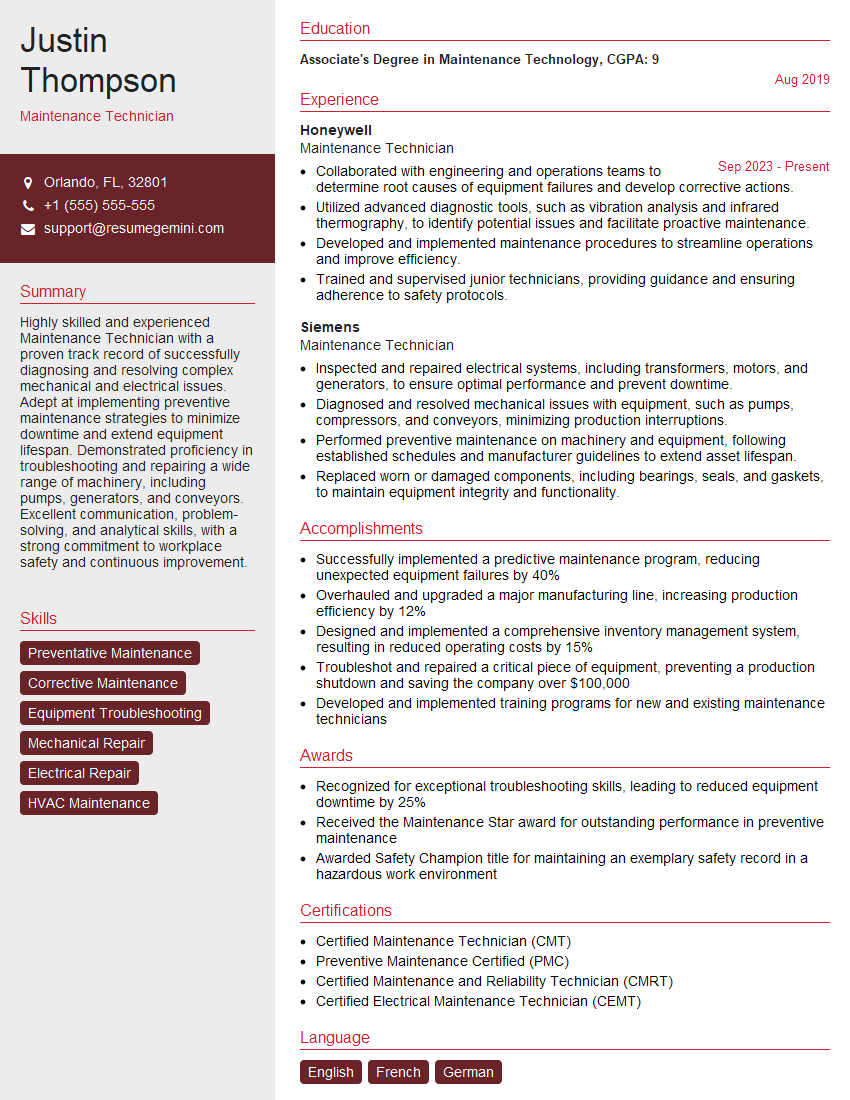
Maintenance Technician Resume Sample

Technical Supervisor Resume Sample

Industrial Engineer Resume Sample

Manufacturing Engineer Resume Sample

Quality Assurance Engineer Resume Sample

Control Systems Engineer Resume Sample

Mechatronics Engineer Resume Sample

Robotics Technician Resume Sample

Manufacturing Technician Resume Sample

Machine Operator Resume Sample

Precision Machinist Resume Sample

Tool and Die Maker Resume Sample

Quality Control Inspector Resume Sample
- Operations Manager
- Plant Manager
- Production Manager
- Production Supervisor
- Engineering Manager
- Process Engineer
- Automation Engineer
- Maintenance Technician
- Technical Supervisor
- Industrial Engineer
- Manufacturing Engineer
- Quality Assurance Engineer
- Control Systems Engineer
- Mechatronics Engineer
- Robotics Technician
- Manufacturing Technician
- Machine Operator
- Precision Machinist
- Tool and Die Maker
- Quality Control Inspector
Explore more articles
Users Rating of Our Blogs
Share Your Experience
We value your feedback! Please rate our content and share your thoughts (optional).
What Readers Say About Our Blog
Very informative content, great job.
good