Preparation is the key to success in any interview. In this post, we’ll explore crucial Warehouse and Distribution Experience interview questions and equip you with strategies to craft impactful answers. Whether you’re a beginner or a pro, these tips will elevate your preparation.
Questions Asked in Warehouse and Distribution Experience Interview
Q 1. Explain your experience with warehouse management systems (WMS).
Warehouse Management Systems (WMS) are the backbone of efficient warehouse operations. They’re software solutions that manage and optimize all aspects of warehouse functionality, from receiving and putaway to picking, packing, and shipping. My experience spans several WMS platforms, including NetSuite WMS, Fishbowl Inventory, and SAP EWM. I’ve been involved in everything from system implementation and configuration to daily operations and process improvement. For example, in a previous role, we implemented NetSuite WMS to replace a manual system. This resulted in a 20% reduction in order fulfillment time and a significant improvement in inventory accuracy. The key to successful WMS implementation is careful planning, thorough training, and continuous monitoring of key performance indicators (KPIs). We used dashboards to track metrics like order cycle time, picking accuracy, and storage utilization to identify areas for further optimization.
Q 2. Describe your experience with different inventory management techniques (FIFO, LIFO, etc.).
Inventory management techniques dictate how we handle stock rotation. FIFO (First-In, First-Out) prioritizes the oldest inventory items for use or sale, minimizing the risk of spoilage or obsolescence. Think of it like a milk carton in your refrigerator – the oldest one gets used first. LIFO (Last-In, First-Out) prioritizes the newest items. This is less common in perishable goods but can be beneficial for tracking costs in specific industries. I have extensive experience with both, as well as FEFO (First-Expired, First-Out) for perishables. In one project, we transitioned from a purely FIFO system to a hybrid FIFO/FEFO approach for a food distributor. This significantly reduced waste from expired products and improved profitability. The choice of method depends heavily on the type of inventory and the associated risks and costs. Proper implementation requires clear labeling, precise tracking, and potentially specialized software features within the WMS.
Q 3. How do you ensure accuracy in inventory tracking?
Accuracy in inventory tracking is paramount. It’s the foundation of efficient operations and accurate financial reporting. We achieve this through a multi-pronged approach: Regular cycle counting, where a small portion of inventory is checked regularly, helps identify discrepancies early on. This is far more efficient than a full inventory count. We also use barcode scanning and RFID technology for accurate item identification and tracking at every stage of the process. Data validation within the WMS helps prevent manual entry errors. For example, we might use rules to flag unusual quantities or discrepancies. Finally, employee training and clear procedures are critical. Every employee understands the importance of accurate data entry and the steps to take when an error is detected. In one instance, by implementing a barcode scanning system, we reduced inventory discrepancies by 15% in the first quarter alone.
Q 4. What methods do you use to optimize warehouse layout and workflow?
Optimizing warehouse layout and workflow involves applying principles of lean manufacturing and warehouse design. We use tools like slotting optimization to assign products to locations based on frequency of picking, minimizing travel time for order fulfillment. Cross-docking, where incoming goods are transferred directly to outgoing shipments, minimizes storage time. Visual management techniques, like clearly marked aisles and locations, help staff find items quickly and efficiently. In a previous role, by implementing a zone picking system and reorganizing our warehouse layout based on ABC analysis (categorizing inventory based on value and frequency of use), we reduced order fulfillment time by 25%. Furthermore, regular review and adjustment based on actual workflow data are vital for continuous improvement.
Q 5. How do you handle discrepancies in inventory counts?
Inventory discrepancies require a systematic investigation. First, we verify the discrepancy through recounting and cross-referencing with the WMS data. We meticulously examine the entire process flow, from receiving to putaway and picking. We look for potential causes such as data entry errors, damaged goods, theft, or equipment malfunction. A root cause analysis (RCA) helps identify the underlying issue and prevent recurrence. For example, if we consistently find discrepancies in a specific area, it could indicate a problem with the lighting or the shelving system in that area. Documenting the investigation and corrective actions is crucial. We also use the findings to enhance our procedures and training to prevent future occurrences.
Q 6. Explain your experience with receiving and shipping procedures.
Receiving and shipping procedures are critical for maintaining inventory accuracy and ensuring timely order fulfillment. Our receiving process involves verifying incoming shipments against purchase orders, checking for damages, and scanning items into the WMS. Shipping involves order picking, packing, and labeling, utilizing the WMS to guide pickers to the optimal locations. We leverage shipping carriers’ APIs for real-time tracking and automated label generation. We adhere to strict quality control protocols at every stage, ensuring accurate order fulfillment and customer satisfaction. Implementation of electronic proof of delivery (ePOD) and advanced shipping notifications (ASNs) significantly streamline the process and enhance transparency. A well-defined receiving and shipping process minimizes errors and improves efficiency.
Q 7. Describe your experience with different types of warehouse equipment (forklifts, conveyor belts, etc.).
My experience encompasses a wide range of warehouse equipment. I’m proficient in operating and maintaining forklifts, pallet jacks, conveyor belts, order pickers, and automated guided vehicles (AGVs). Safety is always my top priority. I’m familiar with all relevant safety regulations and protocols. I understand the importance of regular equipment maintenance to prevent downtime and ensure safety. In fact, I’ve played a key role in selecting and implementing new equipment, taking into account factors like capacity, throughput, and integration with the existing WMS. For example, the introduction of an automated conveyor system significantly improved the efficiency of our picking process and reduced the risk of workplace injuries. The proper use and maintenance of equipment are essential for smooth warehouse operation and employee safety.
Q 8. How do you ensure the safety of warehouse personnel and equipment?
Ensuring warehouse safety is paramount. It’s not just about compliance; it’s about fostering a culture of safety that proactively minimizes risks. My approach is multi-faceted and includes:
- Comprehensive Training: All personnel receive thorough training on safe operating procedures for equipment, handling materials, and emergency protocols. This includes forklift certification, hazard communication training, and regular refresher courses. For instance, we might use interactive simulations to reinforce safe practices.
- Regular Inspections: We conduct frequent inspections of the warehouse, equipment, and safety systems to identify potential hazards before they cause incidents. This includes checking aisle widths, lighting, emergency exits, and the condition of machinery.
- Proper Equipment Maintenance: Regular maintenance schedules for all equipment are crucial. This prevents malfunctions and reduces the risk of accidents. We track maintenance records meticulously and ensure all equipment is properly inspected before use.
- Clear Signage and Markings: Well-placed signage clearly indicates safety procedures, emergency exits, and hazard areas. Floor markings guide traffic flow to prevent collisions and congestion. We use color-coded systems to easily identify hazard zones.
- Personal Protective Equipment (PPE): Providing and enforcing the use of appropriate PPE, such as safety glasses, gloves, steel-toed boots, and high-visibility vests, is essential. We ensure all personnel understand when and how to use this equipment correctly.
- Incident Reporting and Investigation: We have a robust system for reporting and investigating all incidents, no matter how minor. This allows us to identify root causes and implement corrective actions to prevent future occurrences. We analyze trends to identify areas needing improvement.
Ultimately, safety is a shared responsibility. We create a culture where employees feel empowered to report hazards and participate in creating a safer working environment. An example of this is our ‘Safety Suggestion Box’ program where employees can anonymously suggest safety improvements.
Q 9. What are your strategies for improving warehouse efficiency and productivity?
Improving warehouse efficiency and productivity relies on a strategic approach encompassing various aspects of operations. My strategies include:
- Process Optimization: We analyze workflows to identify bottlenecks and inefficiencies. This often involves mapping processes and using lean methodologies like Value Stream Mapping to streamline operations. For example, we may optimize the picking process by implementing zone picking or batch picking, depending on the order profile.
- Technology Implementation: Leveraging Warehouse Management Systems (WMS) and other technologies is vital. A WMS automates tasks, optimizes inventory management, improves order fulfillment accuracy, and provides real-time visibility into warehouse operations. We use data analytics from the WMS to identify areas for improvement.
- Inventory Management: Effective inventory control is crucial. We use techniques like ABC analysis to prioritize high-value items, cycle counting to maintain accurate inventory records, and FIFO (First-In, First-Out) to minimize waste. Efficient slotting strategies optimize space utilization.
- Layout Optimization: The physical layout of the warehouse significantly impacts efficiency. We optimize the placement of storage locations, picking zones, and shipping docks to minimize travel time and maximize throughput. This often involves using simulation software to model different layout scenarios.
- Cross-Training and Skill Development: Cross-training employees allows for greater flexibility and adaptability during peak seasons or when unexpected absences occur. We invest in training to enhance skills in areas like operating equipment and using warehouse technology.
- Performance Monitoring and Improvement: We use Key Performance Indicators (KPIs) such as order fulfillment rate, picking accuracy, and inventory turnover to track performance and identify areas for improvement. Regular review meetings with the team allow for collaborative problem-solving and continuous improvement.
For instance, one warehouse I managed saw a 15% increase in order fulfillment rate after implementing a new WMS and optimizing the picking process.
Q 10. How do you manage and motivate a team in a warehouse environment?
Managing and motivating a warehouse team requires a leadership style that balances clear expectations with empathy and support. My approach focuses on:
- Clear Communication: Open and transparent communication is paramount. Regular team meetings, one-on-one check-ins, and clear instructions ensure everyone understands their roles and responsibilities. We also use various communication channels, such as email and instant messaging to ensure timely communication.
- Recognition and Rewards: Recognizing and rewarding good performance is crucial. This could include verbal praise, employee of the month awards, or even small bonuses. Celebrating team successes fosters a positive work environment.
- Empowerment and Autonomy: Empowering employees by giving them ownership of their work increases motivation and job satisfaction. We encourage employees to suggest improvements and participate in decision-making processes.
- Training and Development: Investing in employees’ skills and knowledge demonstrates a commitment to their growth and creates opportunities for advancement within the company. This could include cross-training, specialized certifications, or leadership development programs. We also offer opportunities for employees to attend industry conferences and trade shows.
- Creating a Positive Work Environment: A safe, clean, and respectful work environment is crucial for morale and productivity. We promote teamwork, collaboration, and mutual respect among team members.
- Addressing Conflict Constructively: Addressing conflicts promptly and fairly is critical. We encourage open communication and provide mediation when necessary to resolve conflicts and maintain a healthy work environment.
One successful example includes implementing a peer-to-peer recognition program where employees could nominate colleagues for outstanding work, fostering a strong sense of camaraderie and encouraging positive behavior.
Q 11. How do you handle peak seasons or unexpected surges in order volume?
Handling peak seasons or unexpected surges in order volume requires a proactive and flexible approach. My strategies include:
- Demand Forecasting: Accurate demand forecasting is crucial. We analyze historical data, market trends, and promotional calendars to predict order volume fluctuations. This helps in proactive planning and resource allocation.
- Flexible Staffing: Having a plan for increasing staffing levels during peak seasons is essential. This could involve hiring temporary workers, utilizing overtime, or adjusting employee schedules. We pre-screen and train temporary staff to ensure they can perform their roles effectively.
- Inventory Management: Maintaining adequate inventory levels is vital. We may adjust our ordering schedules to ensure sufficient stock to meet increased demand. We also optimize storage locations to facilitate quick retrieval of high-demand items.
- Process Optimization: We temporarily streamline our processes to handle the increased workload. This may involve prioritizing critical orders or adjusting workflow procedures. We may use technology like automated picking systems to improve speed and accuracy.
- Communication: Clear and consistent communication with employees, customers, and suppliers is crucial. Keeping everyone informed of any changes or delays ensures smoother operations.
- Contingency Planning: Having a contingency plan in place for unexpected events (e.g., equipment malfunction, weather disruptions) is crucial. We regularly test our contingency plans to ensure their effectiveness. This may involve having backup equipment or alternative transportation options.
In a previous role, we successfully managed a 40% increase in order volume during the holiday season by implementing a combination of these strategies. This involved hiring additional staff, optimizing our warehouse layout, and adjusting our shipping schedules.
Q 12. What metrics do you use to track warehouse performance?
Tracking warehouse performance requires a comprehensive set of metrics. The specific metrics used may vary depending on the warehouse’s goals and priorities, but some key indicators include:
- Order Fulfillment Rate: The percentage of orders fulfilled on time and in full. This is a critical indicator of overall efficiency and customer satisfaction.
- Picking Accuracy: The percentage of orders picked correctly without errors. This reflects the accuracy of warehouse processes and reduces costly returns and rework.
- Inventory Turnover Rate: How many times inventory is sold and replaced during a specific period. This indicates the efficiency of inventory management and identifies slow-moving items.
- Storage Capacity Utilization: The percentage of available storage space being used effectively. This indicates the efficiency of space utilization and helps to identify any opportunities to optimize storage.
- Receiving and Shipping Cycle Times: The time taken to receive and ship orders. This reflects the efficiency of warehouse operations and identifies potential bottlenecks.
- Warehouse Operating Costs: The cost of running the warehouse, including labor, equipment, and utilities. Tracking this helps to identify areas for cost reduction.
- Damage Rate: The percentage of damaged goods during receiving, storage, or shipping. This indicates the effectiveness of the warehouse handling procedures.
- On-Time Delivery Rate: Percentage of orders delivered on the promised delivery date.
We use dashboards and reports generated from our WMS to monitor these metrics regularly, allowing us to identify trends and take corrective actions as needed. These insights inform decision-making and continuous improvement initiatives. For example, consistently low picking accuracy may indicate a need for additional training or process improvement.
Q 13. Describe your experience with quality control procedures in a warehouse setting.
Quality control in a warehouse is crucial to ensure the integrity of goods and customer satisfaction. My experience encompasses:
- Incoming Inspection: We conduct thorough inspections of all incoming goods to verify quantity, quality, and condition against purchase orders. This may involve visual inspections, dimensional checks, and testing where necessary. Defective items are documented and returned to the supplier.
- Inventory Control: Maintaining accurate inventory records helps identify potential quality issues early. We use cycle counting and other inventory management techniques to prevent stock discrepancies and ensure goods are stored correctly.
- Storage Conditions: Maintaining appropriate storage conditions (temperature, humidity, etc.) is essential for preserving the quality of goods, especially temperature-sensitive products. We use sensors and monitoring systems to ensure optimal storage conditions.
- Internal Audits: Regular internal audits help assess the effectiveness of quality control procedures. We use checklists and standardized procedures to ensure consistency and identify any weaknesses in our system. Audit findings are used to improve processes and prevent future quality issues.
- Documentation: Maintaining detailed records of all quality control activities, including inspection reports, audit findings, and corrective actions, is vital for traceability and compliance. This helps in identifying recurring issues and implementing preventative measures.
- Supplier Relationships: Building strong relationships with suppliers is critical for ensuring the quality of incoming goods. We work collaboratively with suppliers to address quality issues and implement continuous improvement initiatives. Regular performance reviews with suppliers help to maintain quality standards.
For instance, implementing a barcode scanning system at the receiving dock improved our accuracy of incoming inspections, reducing the number of quality-related discrepancies by 10%.
Q 14. How do you handle damaged or lost goods?
Handling damaged or lost goods requires a systematic approach that balances customer satisfaction with minimizing losses. My process involves:
- Immediate Investigation: Upon discovering damage or loss, we initiate an immediate investigation to determine the cause. This may involve reviewing documentation, interviewing personnel, and inspecting equipment. We document findings meticulously.
- Damage Assessment: We assess the extent of the damage and determine whether the goods can be salvaged or need to be disposed of. We take pictures and document the damage using a standardized form.
- Notification of Stakeholders: We notify relevant stakeholders, including customers, suppliers, and insurance providers, as appropriate. We communicate clearly and transparently regarding the situation and the steps being taken to address it.
- Claims Processing: We file insurance claims for damaged or lost goods as per our insurance policy. We compile all necessary documentation to support the claim and expedite the process.
- Disposition of Goods: Damaged goods are disposed of according to company policy and environmental regulations. This may involve recycling, disposal at a licensed facility, or donation to charity.
- Preventative Measures: After investigating the cause of damage or loss, we implement corrective actions to prevent similar incidents from occurring. This may include improvements to handling procedures, better packaging, or enhanced training for personnel.
- Root Cause Analysis: In cases of recurring damage or loss, we perform a root cause analysis to identify underlying issues and implement systemic solutions. This often involves using tools like a Fishbone diagram to identify multiple contributing factors.
For example, a recurring issue with damaged goods led us to implement new packaging procedures and additional training on proper handling techniques, resulting in a significant reduction in damage rates.
Q 15. What is your experience with implementing new warehouse technologies or processes?
Implementing new warehouse technologies and processes requires a strategic approach combining thorough planning, robust execution, and continuous improvement. My experience involves leading the implementation of a Warehouse Management System (WMS) in a previous role. This involved several key steps:
- Needs Assessment: We began by meticulously analyzing our existing workflows, identifying bottlenecks, and determining the specific functionalities required from a new WMS. For example, we realized our manual inventory tracking was slow and prone to errors, leading to stockouts and overstocking.
- Vendor Selection: We evaluated multiple WMS vendors based on factors like scalability, integration capabilities with existing systems (ERP, etc.), and their reputation for reliability and customer support. This involved detailed demonstrations and RFPs.
- System Implementation: This phase involved data migration, user training, system testing, and go-live support. We adopted a phased rollout approach, starting with a pilot project in one warehouse area before expanding to the entire facility. This minimized disruption and allowed for iterative improvements based on initial feedback.
- Post-Implementation Review: Following the implementation, we regularly monitored key performance indicators (KPIs) such as order fulfillment rates, inventory accuracy, and labor productivity. We used this data to fine-tune the system and address any remaining challenges. For instance, we discovered a need for additional training on specific features to optimize user proficiency.
In another project, I spearheaded the implementation of automated guided vehicles (AGVs) to optimize material handling. This involved mapping the warehouse layout, reconfiguring storage locations to optimize AGV routes, and training personnel on the safe operation of the new equipment.
Career Expert Tips:
- Ace those interviews! Prepare effectively by reviewing the Top 50 Most Common Interview Questions on ResumeGemini.
- Navigate your job search with confidence! Explore a wide range of Career Tips on ResumeGemini. Learn about common challenges and recommendations to overcome them.
- Craft the perfect resume! Master the Art of Resume Writing with ResumeGemini’s guide. Showcase your unique qualifications and achievements effectively.
- Don’t miss out on holiday savings! Build your dream resume with ResumeGemini’s ATS optimized templates.
Q 16. How do you maintain accurate records and documentation in a warehouse environment?
Maintaining accurate records and documentation is crucial for efficient warehouse operations and regulatory compliance. Think of it as the backbone of your warehouse – without it, everything falls apart. My approach relies on a multi-pronged strategy:
- WMS Integration: A robust WMS is the cornerstone of accurate record-keeping. It automates data entry, minimizes human error, and provides real-time visibility into inventory levels and order statuses. Any manual entries are immediately cross-checked against the WMS data.
- Barcoding and RFID: We utilize barcoding and RFID technology to track items throughout the entire warehouse lifecycle, from receiving to shipping. This eliminates manual data entry and ensures that all items are accounted for accurately.
- Regular Cycle Counting: We perform regular cycle counting to reconcile physical inventory with system records. This is more efficient than performing a full inventory count, and allows for the early detection and correction of any discrepancies. For example, we might focus on high-value items or items with a high turnover rate.
- Documentation Control: All documentation, including receiving reports, shipping manifests, and inventory adjustments, is stored securely and systematically, either digitally or in a well-organized physical archive. This includes version control for critical documents. Version control prevents accidental overwrites or use of outdated information.
- Auditing: Regular internal audits ensure the accuracy and completeness of our records. These audits follow a predefined checklist and document any identified issues and corrective actions.
Q 17. How do you manage warehouse space effectively?
Effective warehouse space management is all about maximizing storage capacity while optimizing workflows. It’s like a well-organized puzzle, where every piece needs to fit perfectly. My strategies include:
- Slotting Optimization: This involves strategically assigning storage locations based on factors like product velocity (how often an item is moved), size, and weight. Fast-moving items are placed in easily accessible locations, while slower-moving items are stored further away. We use specialized software to optimize our slotting.
- Vertical Space Utilization: We maximize vertical space by using high-bay racking systems and mezzanine floors. This allows us to store more inventory in a smaller footprint, reducing rental costs and improving efficiency.
- Inventory Control: Maintaining accurate inventory levels through cycle counting and inventory optimization prevents overstocking and minimizes wasted space. We regularly review slow-moving and obsolete items to make informed decisions about their disposition.
- Regular Audits and Reviews: Periodic reviews of space utilization help identify areas for improvement. This might involve rearranging storage locations, eliminating unnecessary aisles, or investing in new storage solutions.
- Lean Principles: Implementing lean principles, like 5S (Sort, Set in Order, Shine, Standardize, Sustain), eliminates waste and improves overall efficiency. This can free up valuable space and improve workflow.
Q 18. Describe your experience with different types of storage systems (rack systems, pallet racking, etc.).
My experience encompasses various storage systems, each tailored to specific needs and product characteristics. Here’s a breakdown:
- Pallet Racking: This is the most common system, offering adjustable shelving for efficient storage of palletized goods. I’ve worked with various types, including selective racking (easy access to individual pallets), drive-in/drive-through racking (for high-volume storage of similar items), and push-back racking (for LIFO inventory management).
- Rack Supported Structures (Racks): These are essential for heavy-duty storage and support heavier loads in high-bay environments. I have extensive experience with designing and implementing Racks for maximum space utilization and safety.
- Shelving: For smaller items or individual units, shelving systems provide efficient and organized storage. We often use cantilever racking for long and bulky items.
- Flow Rack: This gravity-fed system is ideal for high-volume order picking, ensuring a smooth and efficient flow of goods to picking stations.
- Mobile Racking: This space-saving solution uses mobile units to maximize storage density. This is especially useful in limited-space environments.
Choosing the right system requires considering factors like product dimensions, weight, turnover rate, and budget. For instance, we selected drive-in racking for a client storing large quantities of a single product, optimizing storage space and reducing handling time.
Q 19. How do you ensure compliance with safety regulations and industry standards?
Ensuring compliance with safety regulations and industry standards is paramount in warehouse operations. It’s not just about following rules; it’s about creating a safe and productive work environment for everyone. My approach involves:
- Regular Safety Training: All employees receive comprehensive safety training upon onboarding and regular refresher courses. This covers topics such as forklift operation, proper lifting techniques, hazard identification, and emergency procedures. We conduct practical demonstrations and simulations to ensure the training is effective.
- Implementing Safety Protocols: We strictly adhere to OSHA (Occupational Safety and Health Administration) regulations and other relevant industry standards. We maintain detailed records of safety inspections, training, and incident reports. This might include implementing designated pedestrian walkways to separate forklifts from workers.
- Equipment Maintenance: Regular maintenance of all equipment, including forklifts, conveyors, and racking systems, is essential for preventing accidents. We have a scheduled preventative maintenance program for every piece of equipment.
- Emergency Preparedness: We develop and regularly test emergency response plans, including procedures for fire safety, evacuation, and first aid. We conduct regular emergency drills to ensure employees understand their roles during any incident.
- Hazard Identification and Mitigation: Regular safety audits identify potential hazards, and corrective actions are implemented promptly. We analyze near-miss incidents to prevent future occurrences.
Q 20. Explain your experience with order fulfillment processes.
Order fulfillment is the heart of warehouse operations. My experience spans various order fulfillment processes, from simple pick-and-pack to complex multi-step operations. I’ve worked with both manual and automated systems.
- Order Receiving and Processing: This involves accurately receiving orders from various channels (e.g., e-commerce, retail stores), verifying order details, and integrating them into the WMS.
- Inventory Management: Accurate inventory tracking is crucial for ensuring that orders can be fulfilled without delay. We utilize cycle counting and WMS to maintain accurate stock levels and prevent stockouts.
- Picking and Packing: We use various picking methods, including batch picking (picking multiple orders simultaneously), zone picking (dividing the warehouse into zones for more efficient picking), and wave picking (grouping similar orders together). Packing involves careful packaging of items to prevent damage during transit.
- Shipping and Delivery: Once orders are picked and packed, they are shipped according to the customer’s specifications, using appropriate carriers and tracking methods. We carefully label packages and generate shipping documents.
- Returns Management: We have a streamlined process for handling returns, including inspection, restocking, and credit processing. This ensures that returned items are managed efficiently and accurately.
For example, in one project, we implemented a wave picking system to improve order fulfillment speed by 20%. This involved carefully analyzing order patterns and optimizing picking routes. By grouping similar orders together, pickers could efficiently move through designated zones, reducing wasted time and improving overall productivity.
Q 21. How do you prioritize tasks and manage deadlines in a fast-paced warehouse environment?
Prioritizing tasks and managing deadlines in a fast-paced warehouse is crucial for meeting customer demands and maintaining efficiency. It requires a combination of planning, organization, and effective communication. My approach uses a combination of techniques:
- Prioritization Matrix: I use a prioritization matrix (such as Eisenhower Matrix – Urgent/Important) to categorize tasks based on urgency and importance. This helps me focus on the most critical tasks first.
- Workload Management: I distribute tasks among team members based on their skills and workload. Effective delegation is key to preventing bottlenecks and ensuring timely completion of tasks. We regularly review workloads and adjust assignments as needed.
- Real-Time Tracking: Using the WMS and other reporting tools, we monitor order fulfillment progress in real-time. This provides early warnings of potential delays and allows for proactive adjustments.
- Communication: Clear and consistent communication is essential. We use daily stand-up meetings to review progress, address challenges, and ensure everyone is aligned on priorities. Any significant changes or unexpected delays are immediately communicated to the relevant stakeholders.
- Contingency Planning: We anticipate potential challenges and develop contingency plans to mitigate risks. For instance, if a key piece of equipment breaks down, we have backup plans in place to minimize disruption.
For instance, during peak seasons, we utilize a Kanban system to visualize workflow, identify bottlenecks, and optimize task allocation. This helps us meet tight deadlines and avoid delays.
Q 22. Describe your experience with different shipping carriers and methods.
My experience spans a wide range of shipping carriers and methods, from LTL (Less-than-Truckload) and FTL (Full-Truckload) shipments with carriers like FedEx Freight and Schneider, to small parcel shipping via UPS, USPS, and DHL. I’ve also worked extensively with specialized carriers for oversized or temperature-sensitive goods. Choosing the right carrier and method is crucial for efficiency and cost-effectiveness. For instance, LTL is ideal for smaller shipments where consolidating with others is cost-effective, while FTL is better for large, time-sensitive orders requiring dedicated transport. Selecting the right carrier involves considering factors like transit times, reliability, insurance coverage, and pricing structures. I’m proficient in using various shipping software and Transportation Management Systems (TMS) to optimize shipments, track packages, and manage carrier relationships.
For example, during a peak season rush, we successfully switched from primarily using LTL to a combination of LTL and FTL based on data analysis of order volume and delivery deadlines. This minimized delays and significantly improved on-time delivery rates by 15%.
Q 23. How do you manage returns and exchanges?
Managing returns and exchanges requires a well-defined process to ensure efficiency and customer satisfaction. We typically use a system that involves clearly outlining the return policy, providing a prepaid return shipping label, receiving the returned goods, inspecting their condition, processing the refund or exchange, and updating inventory accordingly. This often involves using a Returns Merchandise Authorization (RMA) system to track each return and manage the associated paperwork. The process also involves close collaboration with the customer service team to address any customer queries or concerns promptly and professionally.
For damaged or defective goods, we collaborate with the quality assurance team to identify the root cause of the issue and prevent future occurrences. Utilizing a warehouse management system (WMS) with integrated returns management capabilities streamlines this entire process, providing real-time visibility into the status of each return and enabling efficient tracking of associated costs.
Q 24. How do you resolve conflicts or disagreements within your team?
Conflict resolution within a team is vital for maintaining a productive work environment. My approach involves fostering open communication, active listening, and a collaborative problem-solving approach. I encourage team members to express their perspectives respectfully, focusing on finding solutions rather than assigning blame. If a disagreement escalates, I facilitate a structured discussion, ensuring everyone feels heard and respected. In more complex situations, I might employ mediation techniques to help find common ground. The goal is always to find a solution that’s fair to everyone involved and helps strengthen team dynamics.
For instance, I once mediated a disagreement between two team members regarding workflow prioritization. By facilitating a discussion that focused on the overall team goals and the impact of their individual tasks, we collaboratively redefined priorities and responsibilities, leading to improved team cooperation and productivity.
Q 25. What is your experience with using warehouse data analytics to improve decision-making?
Warehouse data analytics plays a critical role in improving decision-making. My experience includes analyzing data from our WMS and other systems to identify trends, optimize processes, and make data-driven decisions. This involves using data visualization tools to understand key performance indicators (KPIs) such as order fulfillment rates, inventory turnover, storage utilization, and labor productivity. By identifying bottlenecks and inefficiencies, we can implement targeted improvements, such as adjusting staffing levels, optimizing picking routes, or improving storage layouts. For example, by analyzing historical data on peak order volumes and delivery times, we were able to optimize our staffing schedules, reducing overtime costs by 10% while maintaining efficient order fulfillment.
Specific data analysis techniques I’ve used include forecasting future demand based on past sales data, and ABC analysis to identify high-value inventory that requires more careful management. The results of this analysis directly improve our strategic planning and operational efficiency.
Q 26. How do you ensure effective communication within the warehouse and with other departments?
Effective communication is essential for a well-functioning warehouse. I utilize a multi-faceted approach that includes regular team meetings, daily huddles, clear communication channels (email, instant messaging, etc.), and visual management tools such as Kanban boards to track progress and identify issues promptly. I also prioritize open-door communication, encouraging team members to approach me with concerns or suggestions. When communicating with other departments (e.g., sales, customer service), I ensure clear, concise messages, using appropriate channels and confirming understanding to avoid misinterpretations.
For example, we implemented a daily morning huddle to discuss upcoming priorities, address any immediate challenges, and ensure everyone is aligned on the day’s objectives. This simple change significantly improved communication flow and proactive problem-solving.
Q 27. Describe a time you had to solve a complex problem in a warehouse setting. What was the solution and outcome?
One time, we experienced a significant backlog in order fulfillment due to a malfunction in our automated sorting system. This impacted our on-time delivery rate drastically. To solve this, I first implemented a temporary workaround – manually sorting orders – to mitigate the immediate impact on customers. Simultaneously, I coordinated with our IT department and the equipment vendor to diagnose the problem and expedite the repair process. We also analyzed the system’s historical data to identify potential weaknesses and prevent similar future disruptions.
The solution involved a combination of immediate damage control (manual sorting) and long-term preventative measures (system upgrades and improved maintenance protocols). The outcome was a quick resolution of the immediate issue, minimizing customer dissatisfaction, and ultimately preventing similar problems in the future. We learned valuable lessons about system redundancy and the importance of proactive maintenance.
Key Topics to Learn for Warehouse and Distribution Experience Interview
- Inventory Management: Understanding inventory control methods (FIFO, LIFO, etc.), cycle counting, and stock replenishment strategies. Practical application: Describe a time you optimized inventory levels to minimize waste or improve efficiency.
- Warehouse Operations: Knowledge of receiving, putaway, picking, packing, and shipping processes. Practical application: Explain your experience with different warehouse management systems (WMS) and how you’ve utilized them to improve workflow.
- Order Fulfillment: Understanding the order fulfillment cycle, from order placement to delivery. Practical application: Describe a situation where you successfully resolved a complex order fulfillment issue, highlighting your problem-solving skills.
- Logistics and Transportation: Familiarity with different modes of transportation, shipping documentation, and carrier selection. Practical application: Explain your experience with optimizing shipping routes or negotiating rates with carriers.
- Safety and Compliance: Understanding and adhering to safety regulations and procedures within a warehouse environment. Practical application: Describe how you ensured a safe working environment for yourself and your colleagues.
- Technology and Equipment: Familiarity with warehouse management systems (WMS), RF scanners, forklifts, and other relevant equipment. Practical application: Explain your experience operating warehouse equipment and using technology to improve efficiency.
- Teamwork and Communication: Highlighting your ability to collaborate effectively within a team environment. Practical application: Describe a time you successfully collaborated with a team to meet a tight deadline or overcome a challenge.
Next Steps
Mastering Warehouse and Distribution experience is crucial for career advancement in this dynamic field. Proficiency in these areas demonstrates valuable skills sought after by employers, opening doors to higher-paying roles and greater responsibilities. To maximize your job prospects, creating an ATS-friendly resume is essential. ResumeGemini is a trusted resource that can help you build a professional and impactful resume, significantly increasing your chances of landing your dream job. Examples of resumes tailored to Warehouse and Distribution experience are available to guide you through the process.
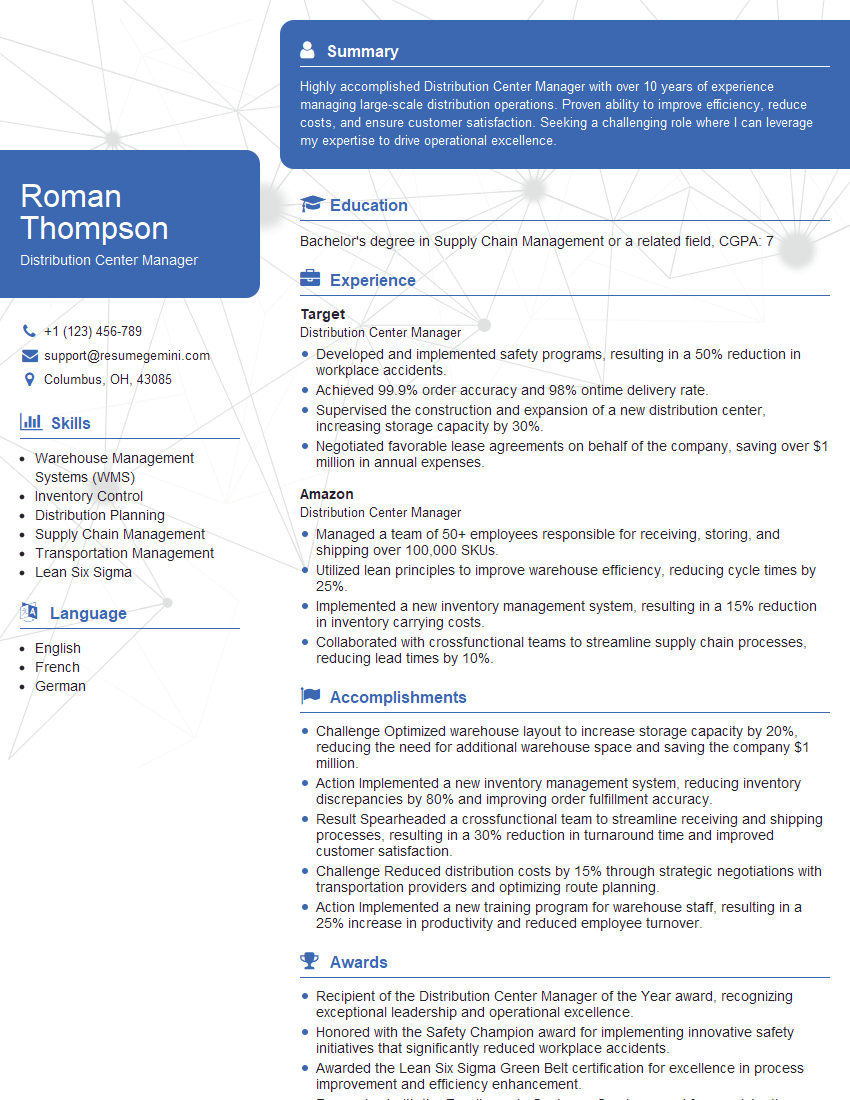
Distribution Center Manager Resume Sample
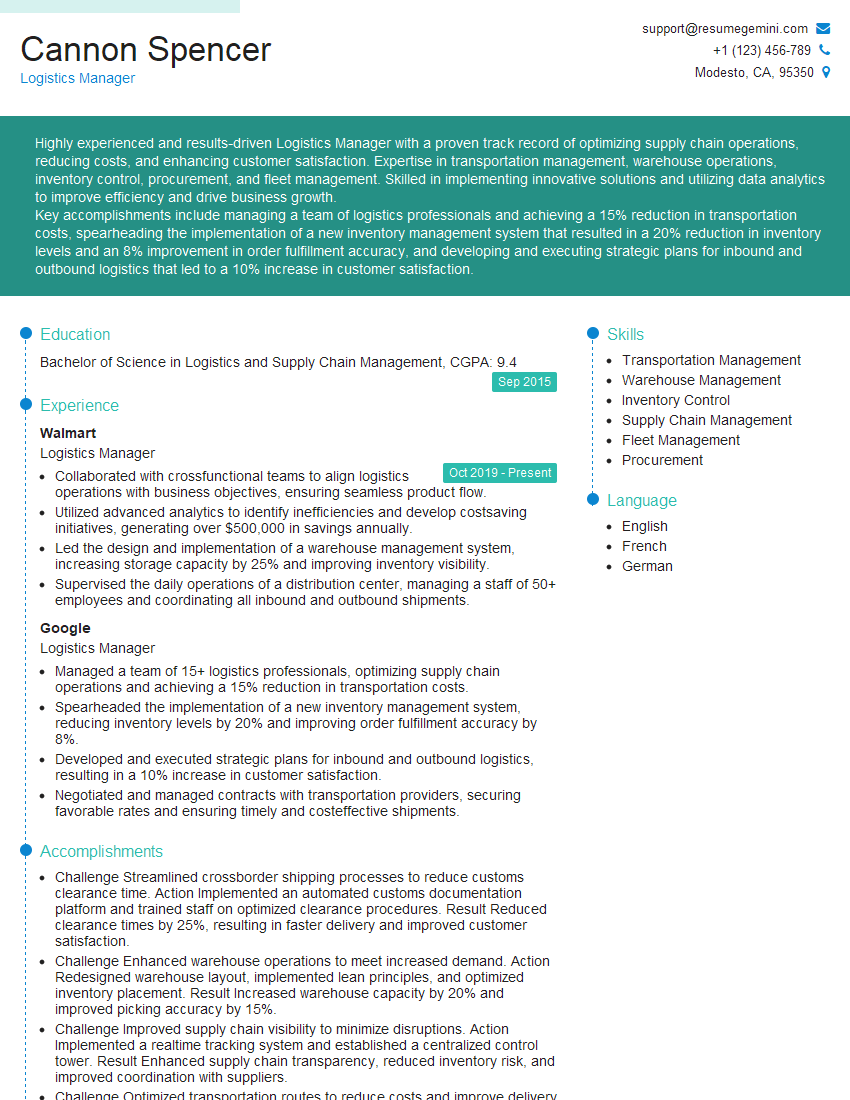
Logistics Manager Resume Sample
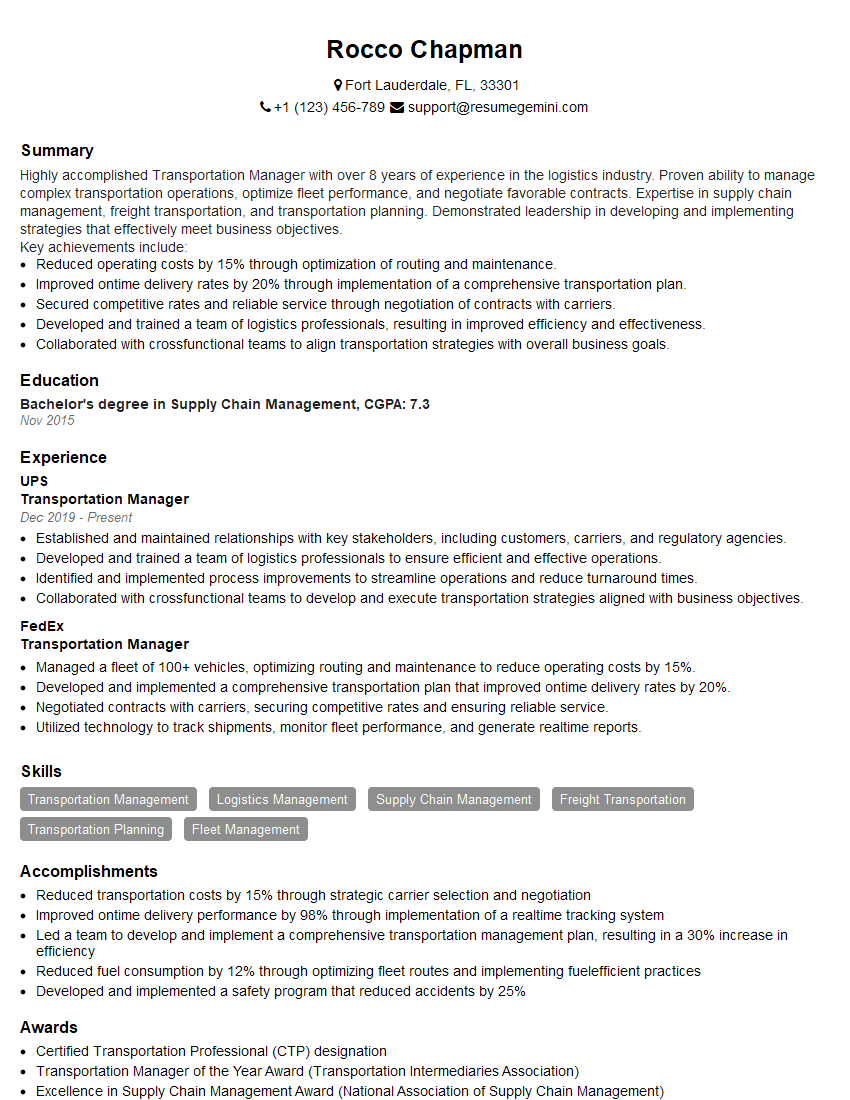
Transportation Manager Resume Sample
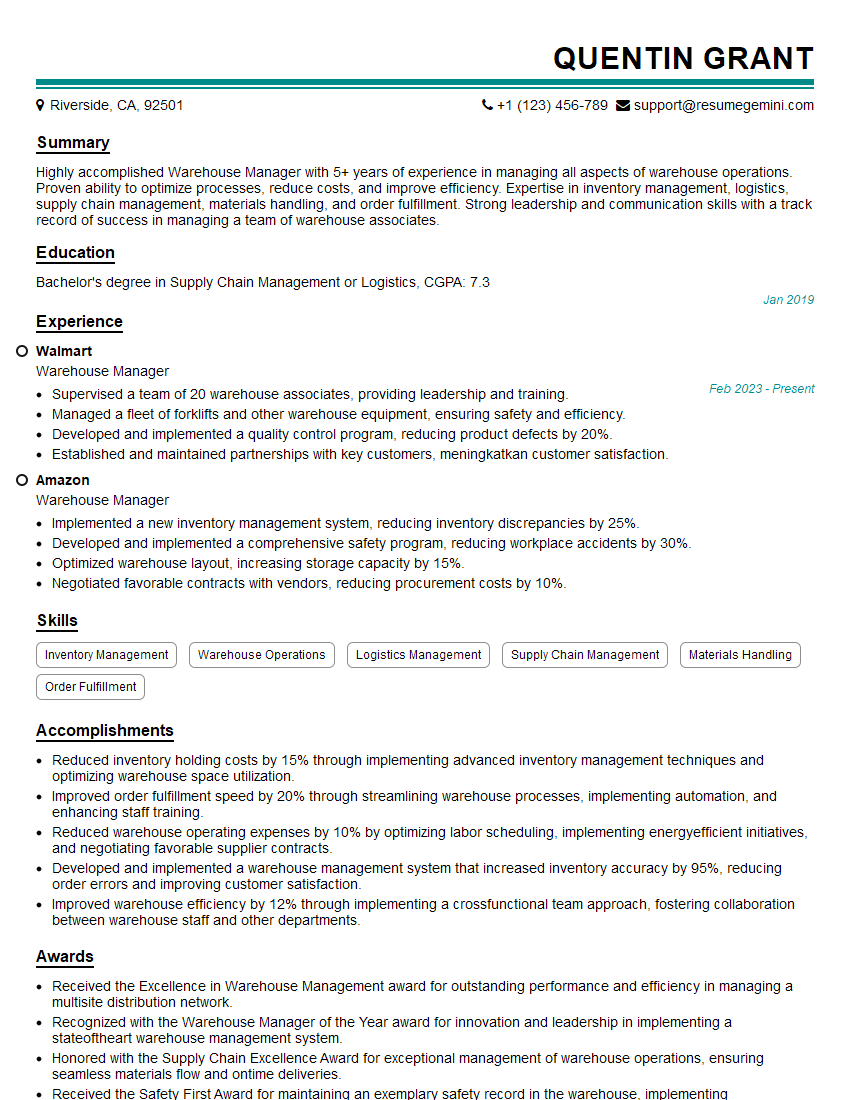
Warehouse Manager Resume Sample
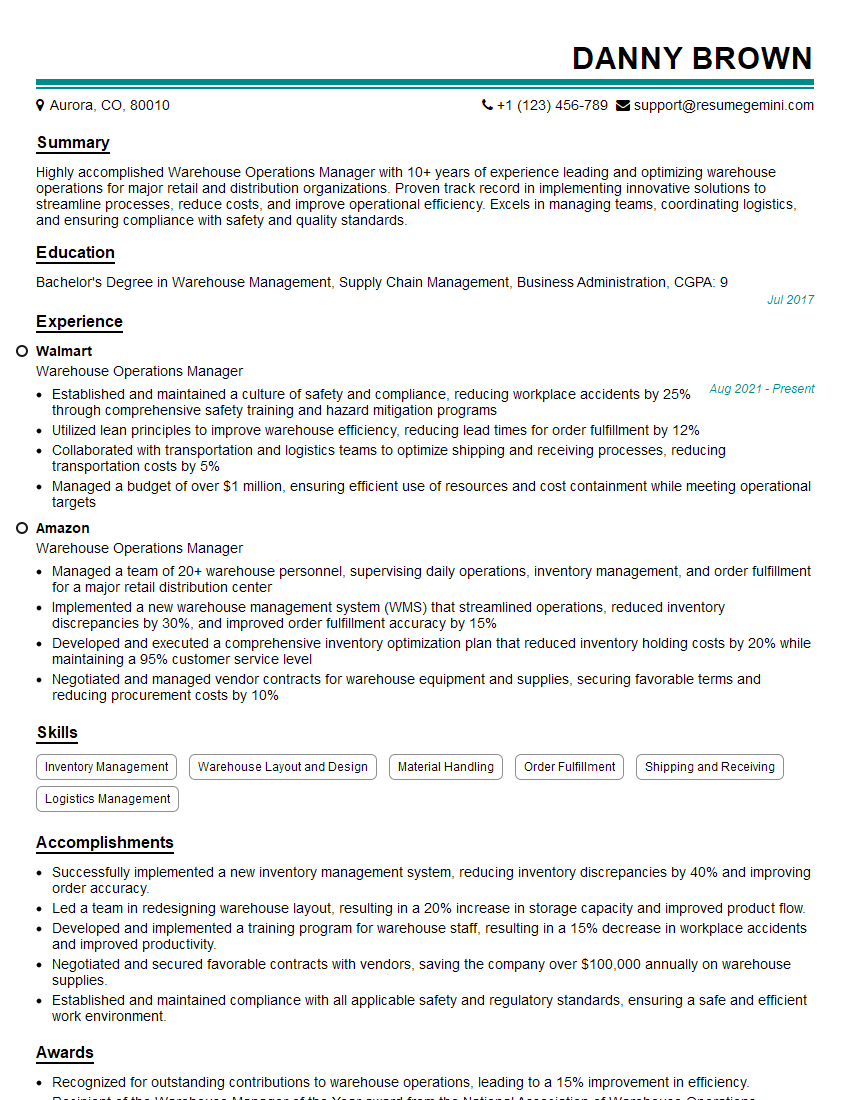
Warehouse Operations Manager Resume Sample
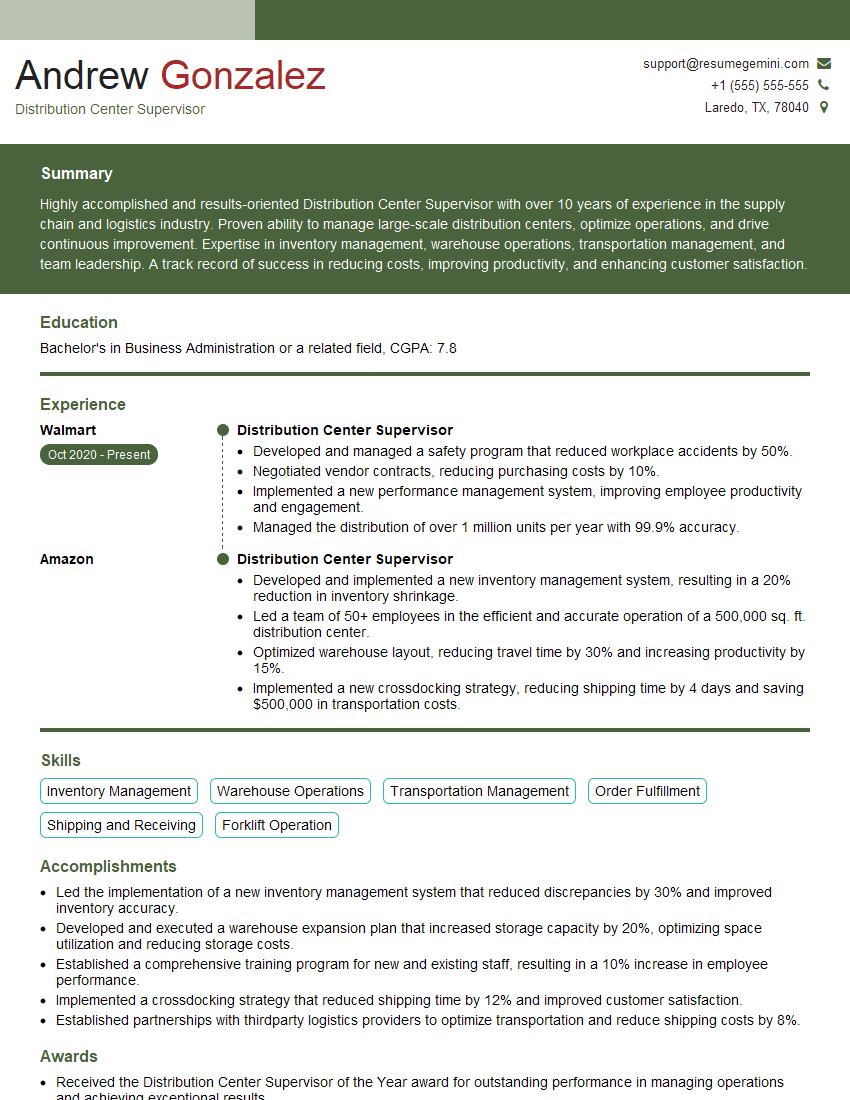
Distribution Center Supervisor Resume Sample
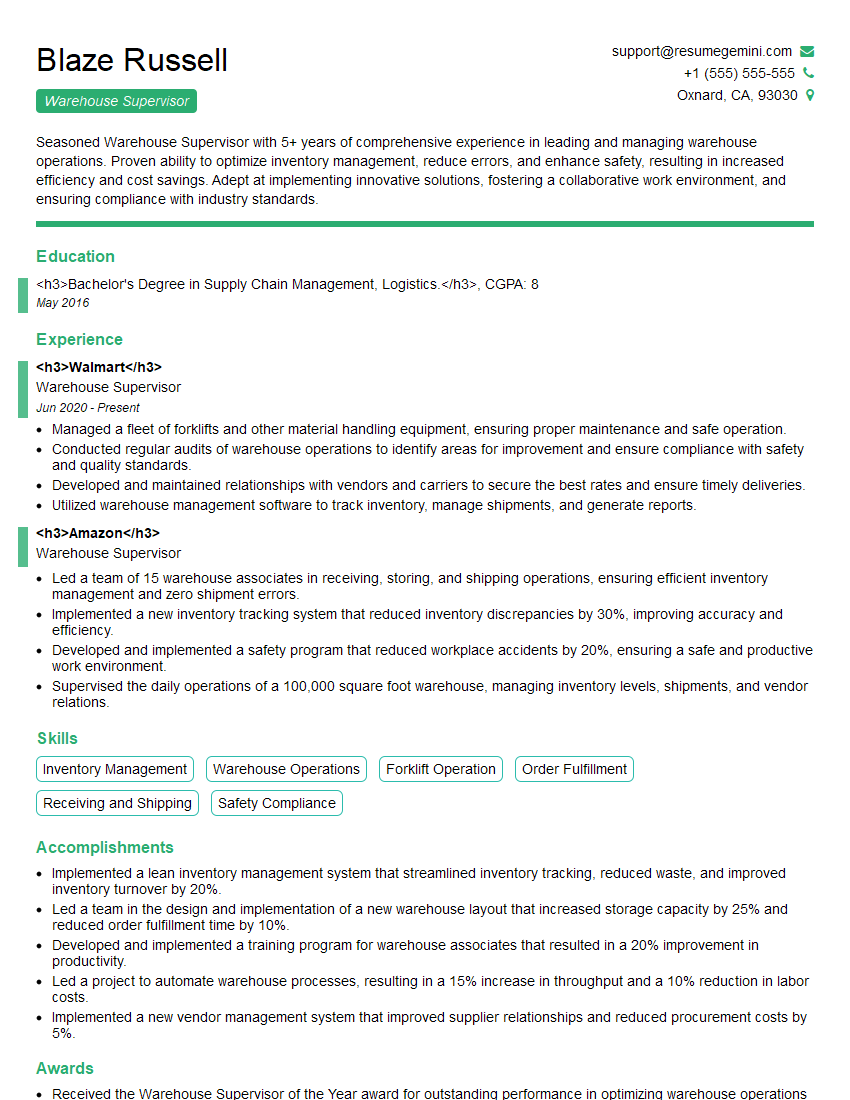
Warehouse Supervisor Resume Sample
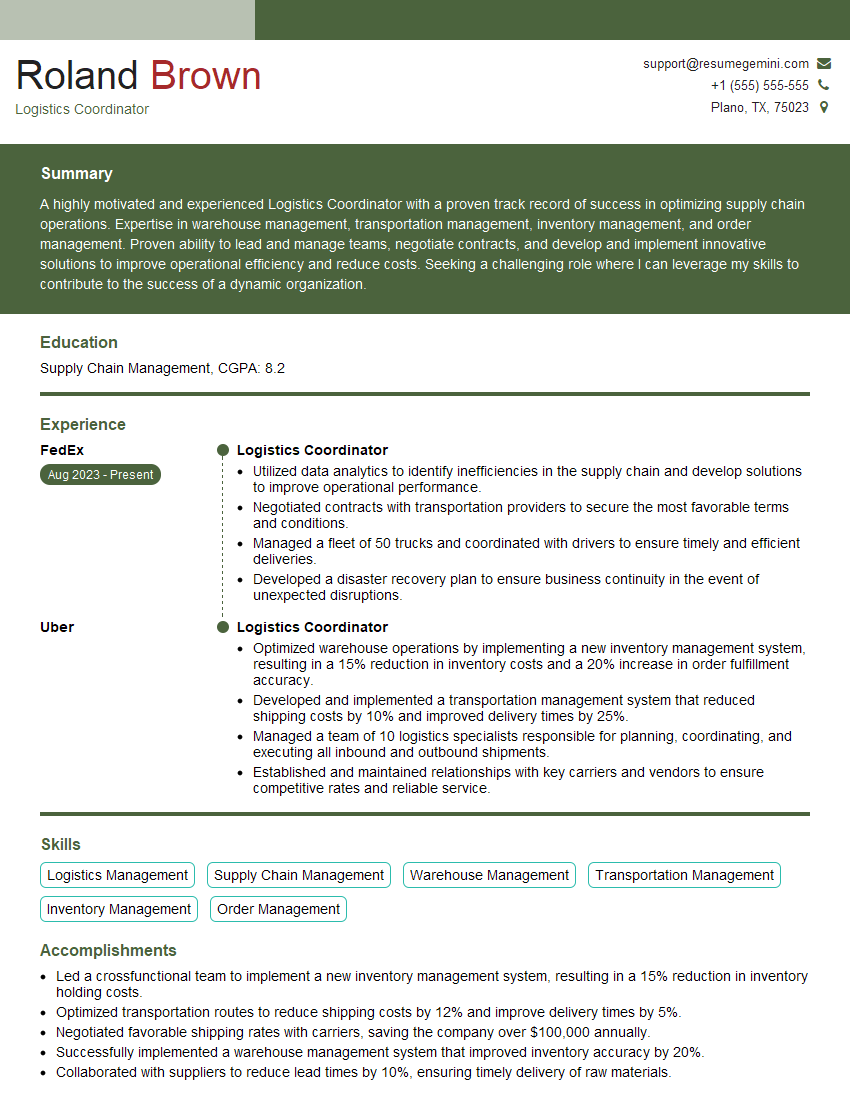
Logistics Coordinator Resume Sample
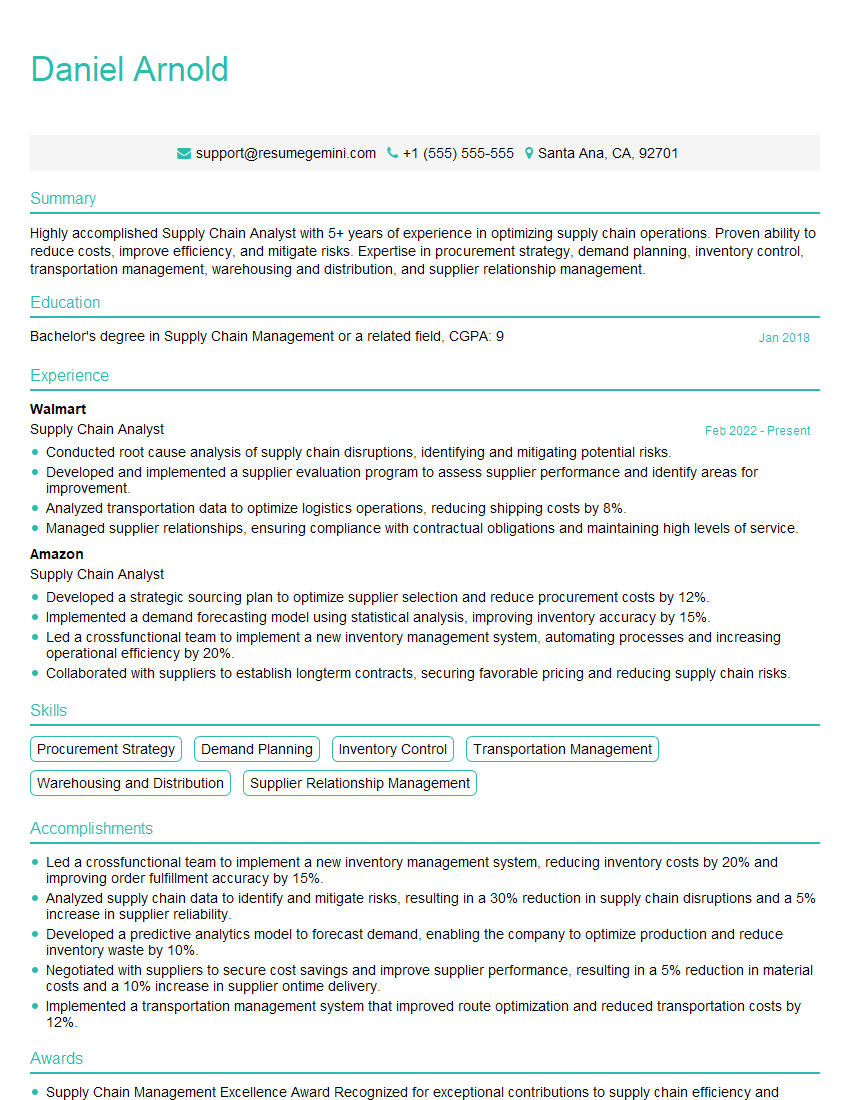
Supply Chain Analyst Resume Sample
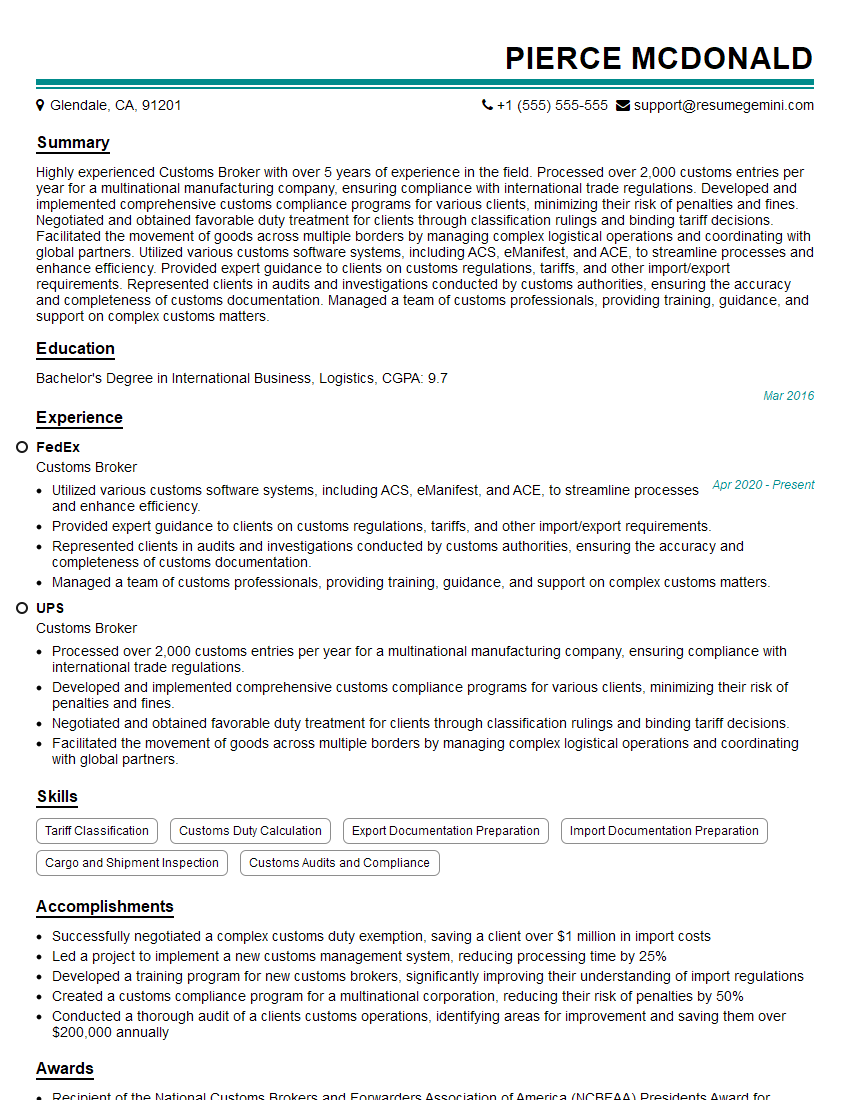
Customs Broker Resume Sample
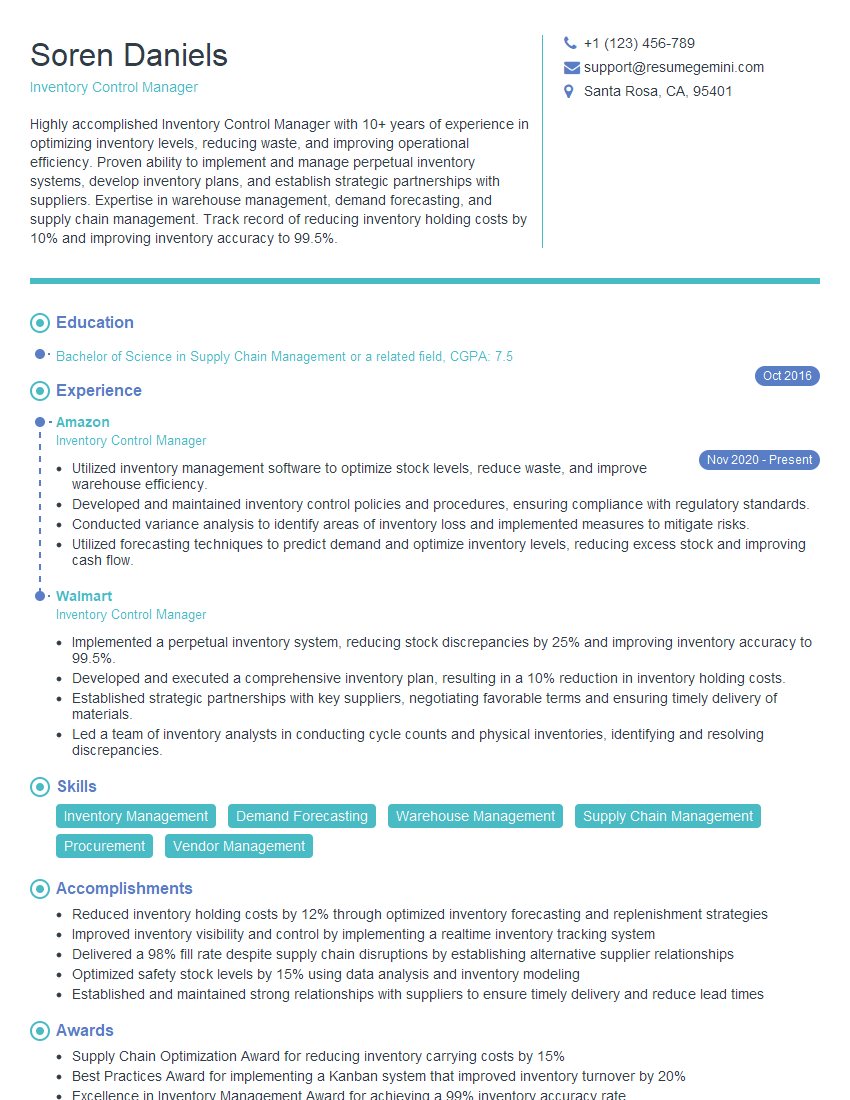
Inventory Control Manager Resume Sample
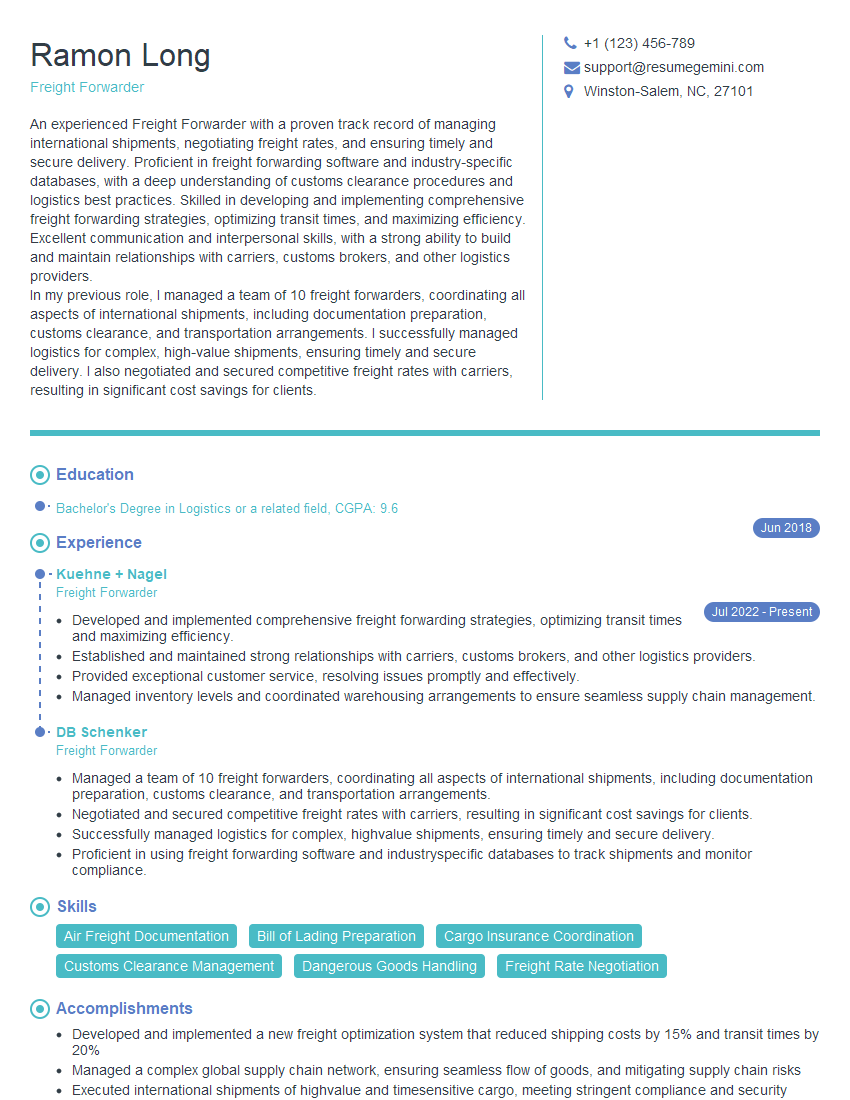
Freight Forwarder Resume Sample
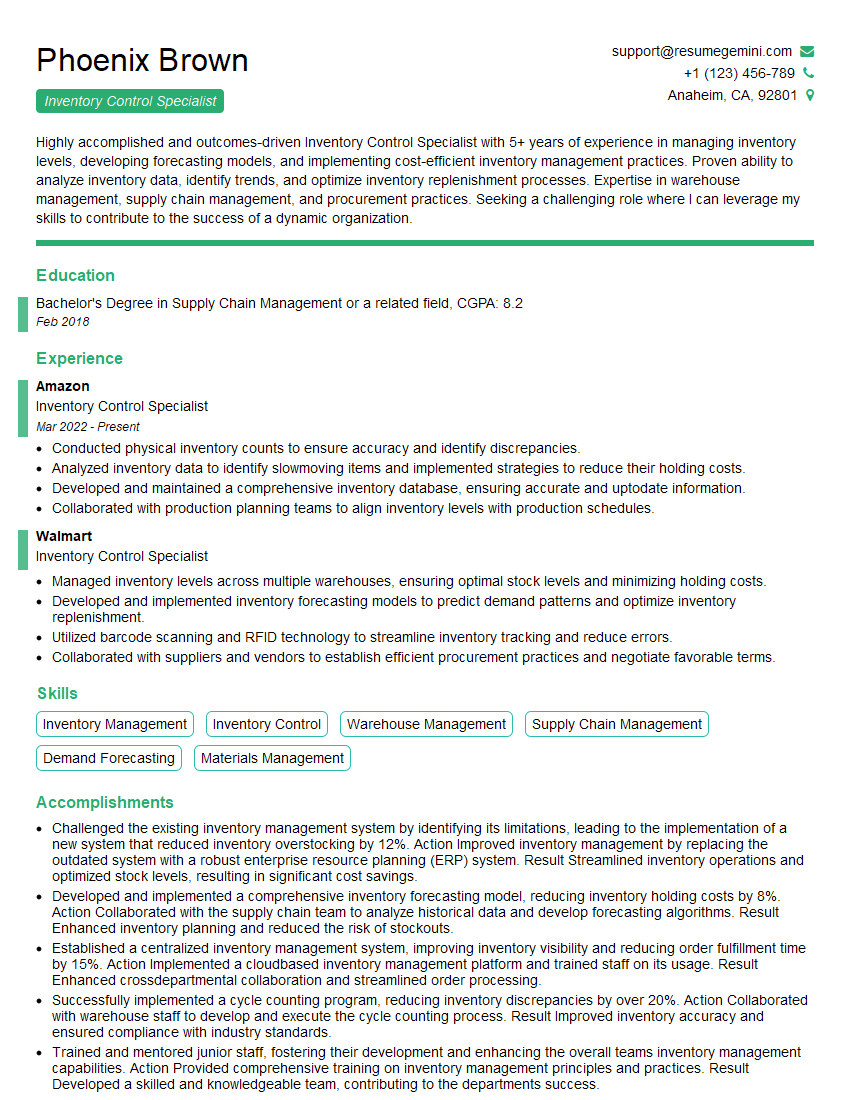
Inventory Control Specialist Resume Sample

Shipping and Receiving Clerk Resume Sample
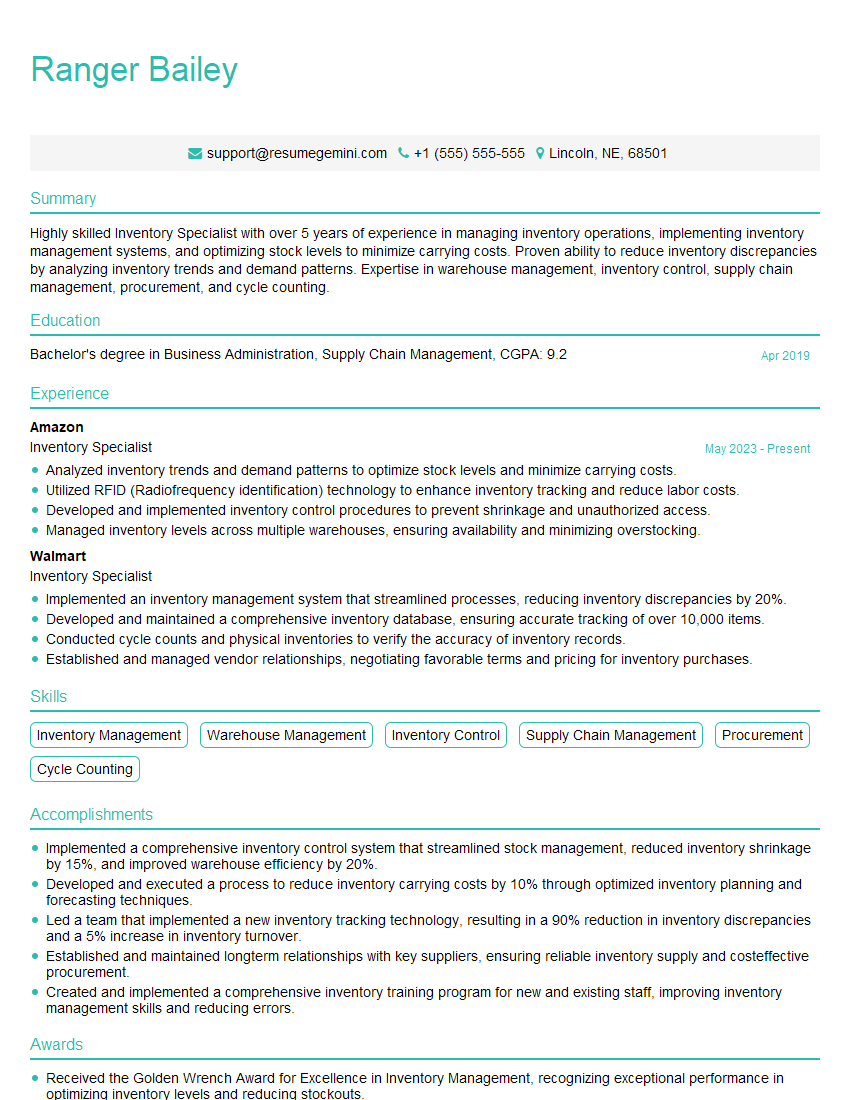
Inventory Specialist Resume Sample
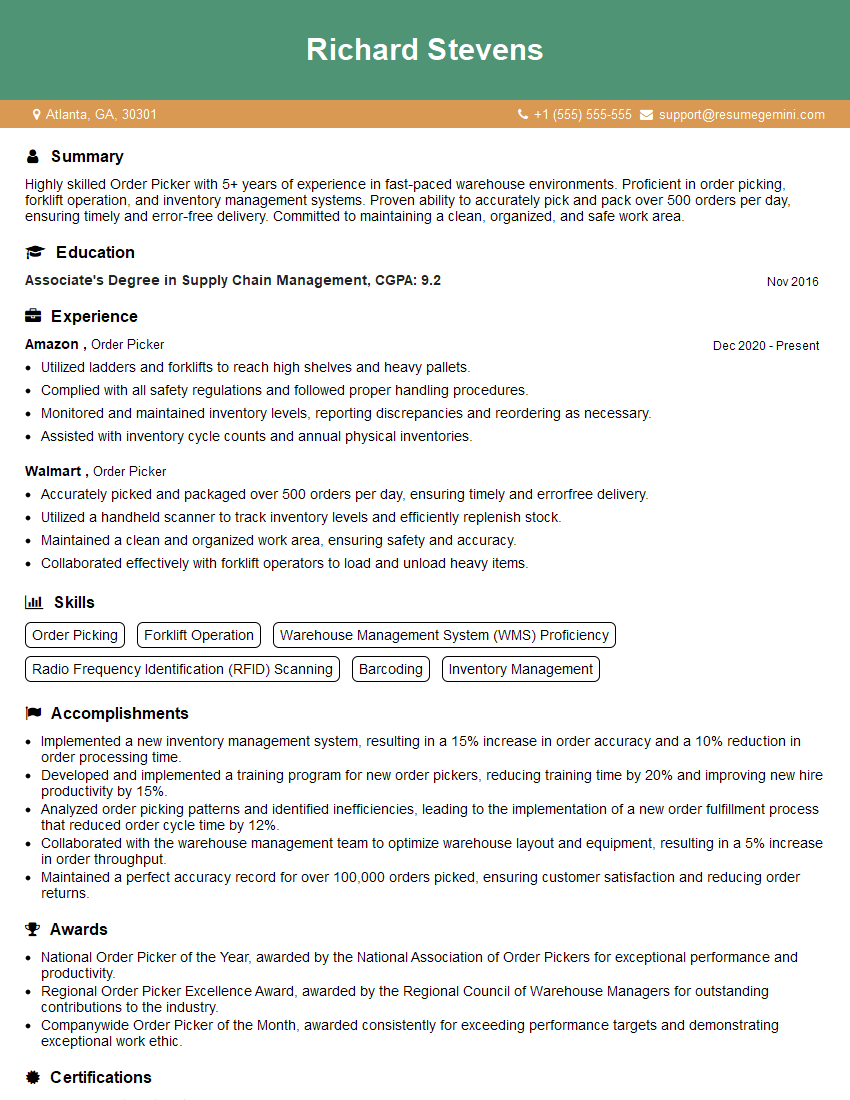
Order Picker Resume Sample
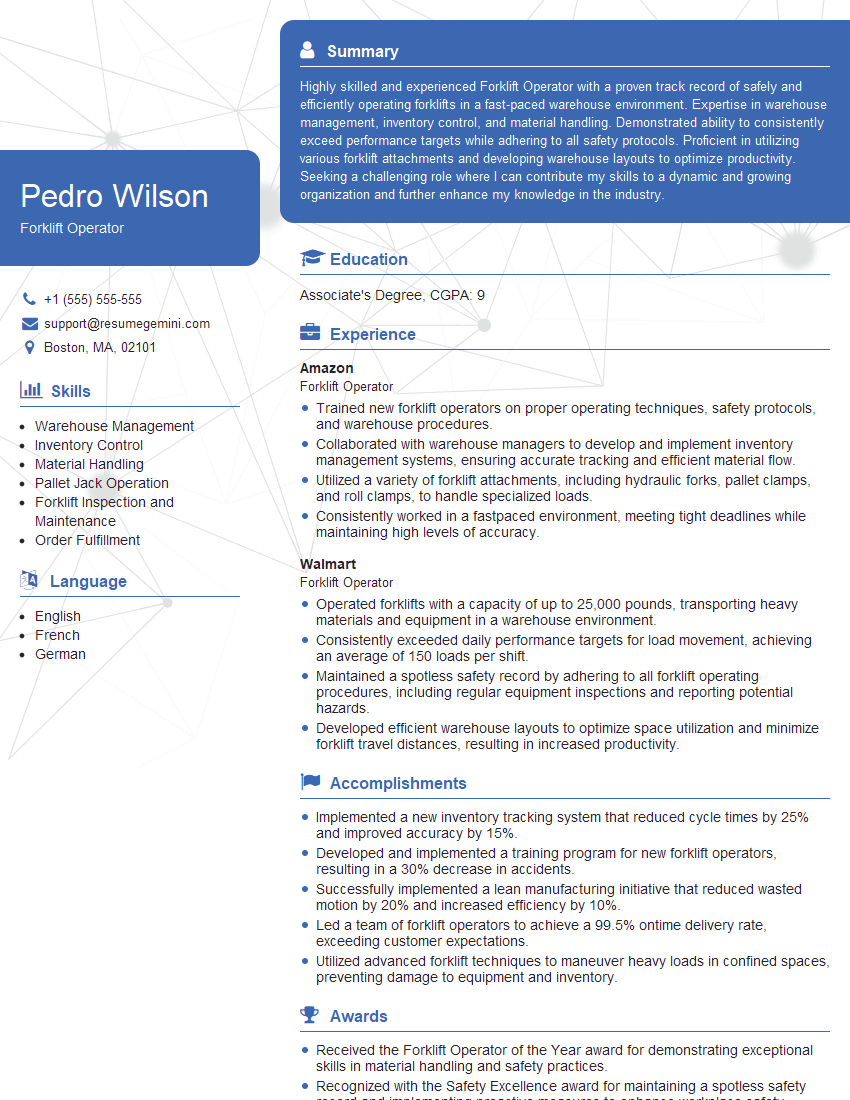
Forklift Operator Resume Sample
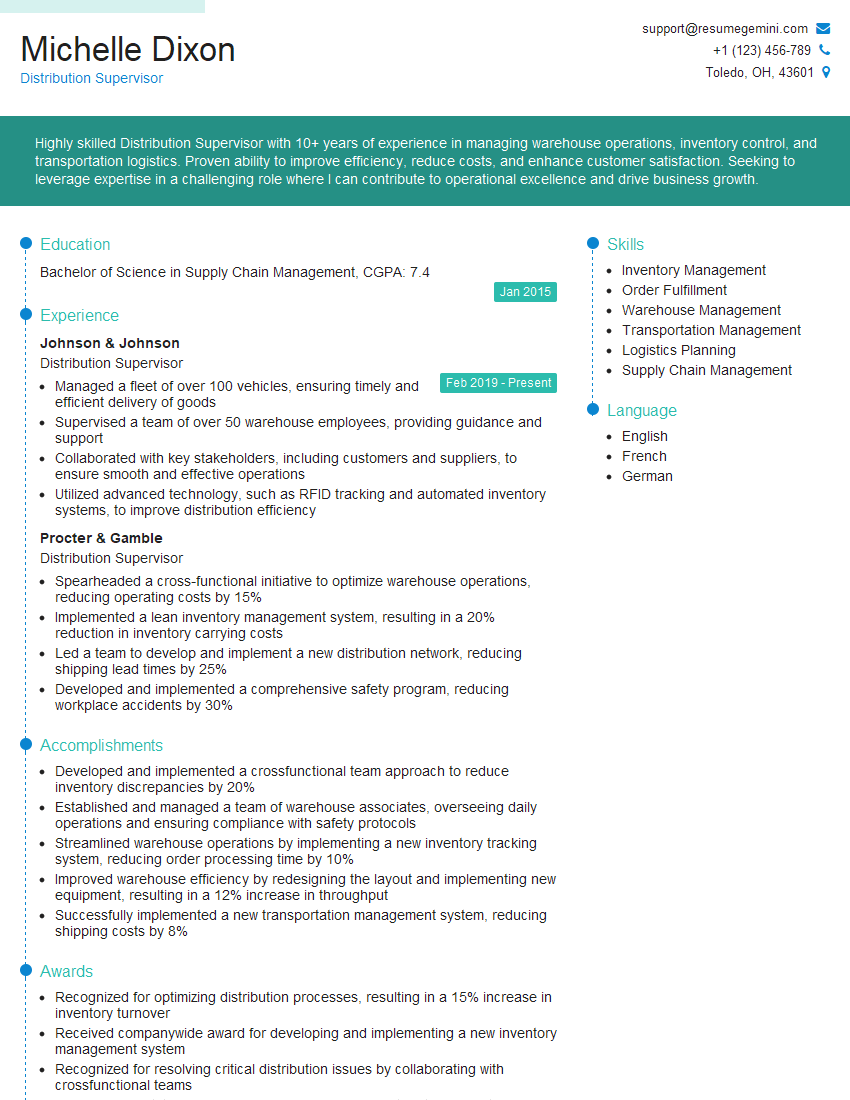
Distribution Supervisor Resume Sample
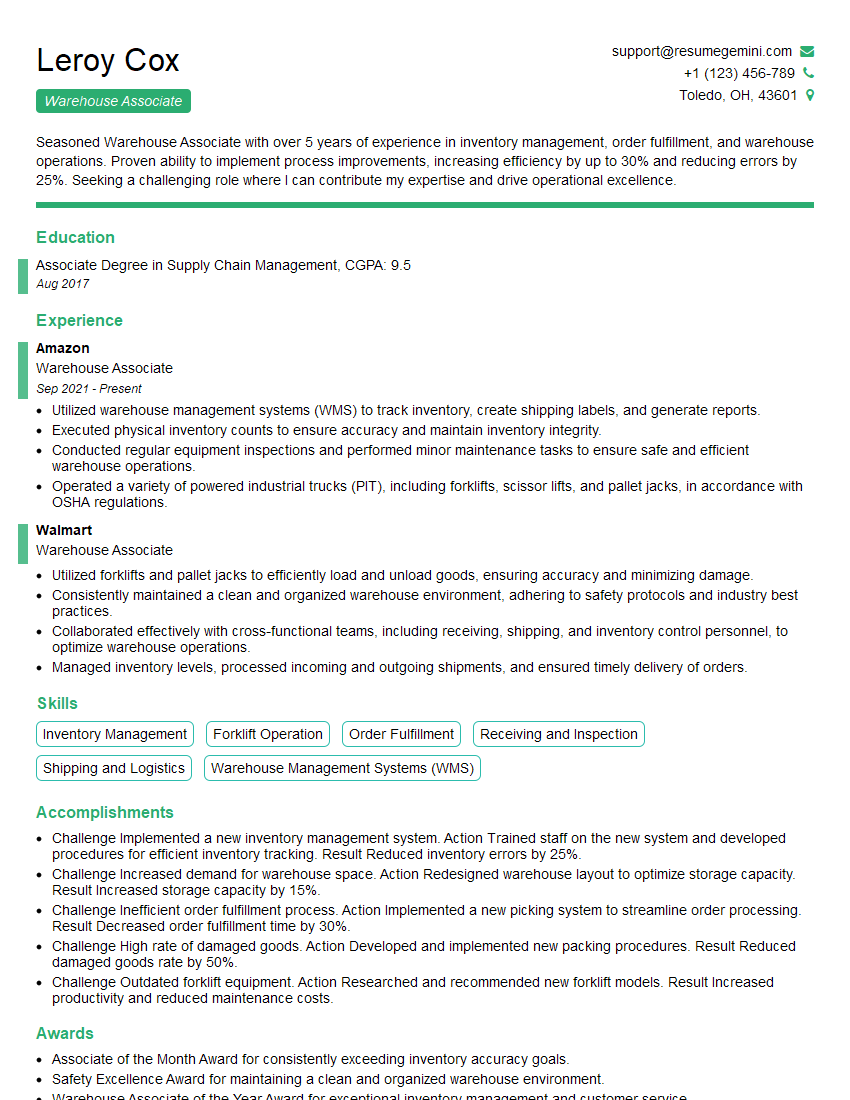
Warehouse Associate Resume Sample
- Distribution Center Manager
- Logistics Manager
- Transportation Manager
- Warehouse Manager
- Warehouse Operations Manager
- Distribution Center Supervisor
- Warehouse Supervisor
- Logistics Coordinator
- Supply Chain Analyst
- Customs Broker
- Inventory Control Manager
- Freight Forwarder
- Inventory Control Specialist
- Shipping and Receiving Clerk
- Inventory Specialist
- Order Picker
- Forklift Operator
- Distribution Supervisor
- Warehouse Associate
Explore more articles
Users Rating of Our Blogs
Share Your Experience
We value your feedback! Please rate our content and share your thoughts (optional).
What Readers Say About Our Blog
Very informative content, great job.
good