Cracking a skill-specific interview, like one for Use of Hand Signals and Communication Techniques, requires understanding the nuances of the role. In this blog, we present the questions you’re most likely to encounter, along with insights into how to answer them effectively. Let’s ensure you’re ready to make a strong impression.
Questions Asked in Use of Hand Signals and Communication Techniques Interview
Q 1. Explain the importance of clear hand signals in high-noise environments.
In high-noise environments, where verbal communication is difficult or impossible, clear hand signals become absolutely crucial for effective communication. They provide a visual, non-verbal method of conveying information quickly and accurately, even amidst loud machinery, strong winds, or other auditory distractions. Think of construction sites, emergency rescue operations, or even directing traffic during a power outage – these are situations where hand signals are essential.
The importance lies in their immediacy and universality. A well-understood hand signal can transmit critical information faster than shouting, and it’s less prone to misinterpretation caused by background noise. Careful selection of signals and consistent training are key to ensuring everyone understands the same meaning.
Q 2. Describe three common hand signals used in emergency situations and their meanings.
Several standardized hand signals are used in emergency situations. Here are three common ones:
- Stop: A simple, universally understood signal. This is typically a flat hand, palm facing outward, held firmly out in front of the body. It signifies an immediate halt to any activity.
- Emergency Stop/Danger: A more urgent variation, often involves both hands held up high and spread wide. This communicates immediate and serious danger that requires immediate attention.
- Injured Person: This often involves pointing to the injured area while making a gesture indicating pain or distress. It is crucial to create a clear system of signs for different kinds of injuries to assist emergency responders.
It’s vital to establish clear, consistent meanings for these hand signals within a team or organization to avoid confusion in high-pressure scenarios.
Q 3. How would you adapt your hand signals for individuals with visual impairments?
Adapting hand signals for visually impaired individuals requires a multi-sensory approach. Simply relying on visual cues won’t suffice. Instead, we should incorporate tactile and auditory components.
- Tactile Signals: We can use hand-on-hand signaling, where the sender guides the receiver’s hand into the specific hand shape representing a message.
- Auditory cues: Simultaneously providing verbal instructions, while keeping the hand signal visible for anyone else nearby, allows a fully inclusive approach.
- Simple, Consistent Signals: Using highly distinct hand signals minimizes the risk of misunderstanding. A standardized set of simple, distinct gestures for critical actions and information is necessary.
It’s crucial to train visually impaired individuals to use and interpret the agreed-upon signals, creating an environment where communication flows smoothly.
Q 4. What are the cultural considerations when using hand signals internationally?
Cultural considerations are paramount when using hand signals internationally. Gestures that are perfectly acceptable in one culture can be highly offensive or have completely different meanings in another. A simple thumbs-up gesture, for example, is considered positive in many Western countries but can be insulting in some Middle Eastern and African cultures.
Before using any hand signals in a different culture, research the local customs and meanings of common gestures. When working internationally, using a combination of clear, simple signals with written or spoken communication whenever possible is the most reliable strategy to avoid misunderstandings.
Q 5. Explain the difference between assertive and aggressive body language.
Assertive and aggressive body language, while both involving strong expressions, differ significantly in their intent and effect.
- Assertive Body Language: Focuses on expressing one’s needs and opinions confidently and respectfully, without dominating or belittling others. Assertive hand gestures are clear, direct, and often involve open palms and controlled movements.
- Aggressive Body Language: Aims to dominate or intimidate others. Aggressive hand gestures may include pointing aggressively, clenched fists, or abrupt, forceful movements. It often involves invading personal space and direct eye contact, which can cause discomfort.
The key difference lies in the intent. Assertiveness conveys confidence and self-respect, whereas aggression seeks to control or humiliate.
Q 6. How can you ensure your hand signals are easily understood across diverse cultural backgrounds?
To ensure your hand signals are understood across diverse cultural backgrounds, a multifaceted approach is needed:
- Keep it simple: Avoid complex or ambiguous gestures. Opt for straightforward, easy-to-understand signals.
- Visual aids: Use pictures or diagrams to illustrate the meaning of each signal before implementing them. This aids in cross-cultural understanding.
- Combine with verbal communication: Whenever possible, reinforce hand signals with spoken words or written instructions, particularly when dealing with individuals from different linguistic backgrounds.
- Training and feedback: Conduct thorough training sessions, ensuring everyone understands the meaning of the signals, and allow time for questions and feedback to address any confusion.
Remember that clear communication surpasses language barriers; careful planning ensures everyone receives the message.
Q 7. Describe a situation where miscommunication due to hand signals led to a problem. How could it have been avoided?
I once witnessed a construction mishap where a worker, using a hand signal to indicate the lowering of a heavy beam, inadvertently used a gesture that meant something completely different in the native language of another worker on the site. The beam fell prematurely, causing minor damage.
This could have been avoided by:
- Pre-job briefing: Including a thorough explanation of all hand signals to be used, with visual aids and multilingual translations.
- Standardized signage: Supplementing hand signals with clear, multilingual signage at the worksite.
- Regular training: Conducting regular refresher courses on safe signaling practices for all workers on the site.
A clear and comprehensive communication strategy reduces risks significantly.
Q 8. What are some effective techniques for using hand signals in conjunction with verbal communication?
Effective hand signals enhance verbal communication by providing visual reinforcement and clarification, particularly in noisy or visually-impeded environments. Think of it like adding subtitles to a movie – it aids understanding.
- Synchronization: Use hand signals simultaneously with, or immediately after, your verbal instructions. This ensures the message is received consistently. For example, if instructing someone to ‘move forward,’ point forward with your hand as you say the words.
- Clarity and Precision: Employ clear, concise, and universally understood hand signals. Avoid ambiguous gestures. For instance, instead of vague hand waving, use distinct hand signals for ‘stop,’ ‘go,’ ‘left,’ and ‘right’.
- Contextualization: Tailor your hand signals to the specific situation and audience. A hand signal that works well in a construction site might be inappropriate in a formal meeting. Consider the cultural context as well; some hand gestures have different meanings across cultures.
- Repetition & Confirmation: If unsure if your message is understood, repeat the signal and verbally confirm understanding, asking the recipient to acknowledge. A simple thumbs up or nod can be used to check comprehension.
For instance, in a manufacturing setting, hand signals are crucial for directing machinery movements or guiding workers. Using the ‘stop’ hand signal immediately before shouting ‘Stop!’ adds an extra layer of safety and emphasis.
Q 9. How do you ensure the safety and understanding of hand signals in dynamic or fast-paced environments?
Ensuring safety and understanding in dynamic environments requires a robust strategy emphasizing high visibility and unambiguous signals.
- Bright Clothing & Accessories: High-visibility clothing and signal vests significantly enhance the visibility of hand signals, especially in low light or high-traffic areas.
- Standardized Signals: Using a pre-defined set of standardized hand signals known to all parties involved is critical. Training should be consistent and focused on these signals. Consider using a visual aid or diagram to clearly demonstrate the signals.
- Multiple Communication Channels: Never rely solely on hand signals. Integrate verbal communication, whistles, or even two-way radios as backup communication methods. For example, a construction foreman might use hand signals for basic commands, but use a radio for detailed instructions or emergencies.
- Signal Amplification: In noisy conditions, utilize bright-colored flags, light signals, or other visual aids to reinforce hand signals.
- Regular Training & Drills: Conduct frequent training and drills to ensure everyone remains familiar with the signals and their application in different scenarios. Simulate emergency situations to prepare personnel.
Imagine a busy airport tarmac – clear, consistent hand signals, combined with radio communication, are essential for safe aircraft handling and ground crew coordination. Without standardized signals, the risk of errors and accidents dramatically increases.
Q 10. Explain the importance of maintaining eye contact while using hand signals.
Maintaining eye contact while using hand signals is paramount for ensuring that your message is correctly received and understood. It establishes a clear communication channel and confirms engagement.
Think of it as a feedback loop. By looking at the recipient, you can gauge their understanding. If they look confused or don’t respond, you can adjust your communication accordingly. Without eye contact, it’s easy to misinterpret their reactions and your message might be lost completely. It strengthens your message’s impact, proving you’re actively communicating rather than just making a gesture.
For example, in a surgical procedure, the surgeon’s clear eye contact with the surgical nurse is key to ensuring that the nurse understands which instrument to pass next. The lack of eye contact could result in grave consequences.
Q 11. Describe techniques to improve your observation and interpretation of nonverbal cues.
Improving your observation and interpretation of nonverbal cues involves a multi-faceted approach focusing on attentiveness, context, and pattern recognition.
- Active Listening & Observation: Pay close attention not just to what people say, but how they say it. Notice their body language, facial expressions, and overall demeanor.
- Contextual Awareness: Consider the context of the interaction. The meaning of a nonverbal cue can vary dramatically depending on the situation.
- Clustering of Cues: Look for patterns or clusters of nonverbal cues. A single gesture might be ambiguous, but several cues together paint a clearer picture.
- Cultural Sensitivity: Be mindful of cultural differences in nonverbal communication. A gesture that is acceptable in one culture might be offensive in another.
- Practice and Feedback: Practice observing nonverbal cues and seek feedback from others on your interpretations. Reflect on instances where you accurately or inaccurately interpreted non-verbal communication to refine your skills.
Imagine you are interviewing a candidate; observing their posture, hand movements, and eye contact provides valuable insights into their confidence level, engagement, and honesty, adding context to their verbal responses.
Q 12. How would you handle a situation where someone misunderstands your hand signals?
If someone misunderstands my hand signals, I would immediately take the following steps:
- Acknowledge the Misunderstanding: Clearly state that there has been a misunderstanding.
- Verbal Clarification: Explain the intended meaning of my hand signals using clear and simple verbal language. If needed, I will use alternative communication methods like diagrams or written instructions.
- Repetition and Demonstration: Repeat the hand signals, ensuring they are performed slowly and clearly. Demonstrate the correct action to accompany the signal, if necessary.
- Confirmation: Ask the person to repeat back the instructions or perform the task to verify their understanding.
- Alternative Signals: If there are persistent issues with understanding, utilize alternative communication methods, such as verbal commands, written instructions, or visual aids.
For example, in a high-stakes scenario like firefighting, a misinterpretation of hand signals can lead to disaster. Immediate clarification and confirmation are crucial.
Q 13. What are some common mistakes people make when using hand signals?
Common mistakes in using hand signals include:
- Ambiguous Gestures: Using vague or unclear hand movements.
- Lack of Consistency: Using different hand signals for the same instruction, leading to confusion.
- Ignoring Context: Not tailoring signals to the environment or audience.
- Insufficient Visibility: Using hand signals that are too small or indistinct.
- Poor Timing: Using hand signals out of sync with verbal instructions.
- Over-Reliance: Ignoring other forms of communication and relying solely on hand signals.
- Neglecting Cultural Differences: Using hand signals that are offensive or misunderstood in a particular culture.
For instance, using a thumbs up in some cultures signals approval, while in others, it’s considered offensive. Always be mindful of cultural context.
Q 14. Describe your experience using hand signals in a professional setting.
In my previous role as a project manager for a construction firm, effective hand signal communication was essential for coordinating the team on the construction site. We implemented a comprehensive training program covering standardized hand signals for various tasks, emphasizing safety precautions. These included signals for crane operation, material handling, and emergency stops. We also integrated radio communication for complex tasks or in noisy environments. The use of consistent and clearly defined hand signals greatly enhanced efficiency and safety, reducing misunderstandings and potential hazards. The improved communication resulted in a significantly more organized and efficient work environment. Our implementation led to a noticeable decrease in accidents and improved overall project timelines.
Q 15. How do you maintain consistency and accuracy in your use of hand signals?
Maintaining consistency and accuracy in hand signals requires a structured approach. It’s like learning a precise language; each gesture needs a clear, unambiguous meaning. First, I establish a standardized signal set, documented visually and perhaps even with written descriptions. This ensures everyone understands the meaning of each signal. Then, regular practice and drills are crucial. I’d practice with colleagues in simulated scenarios, focusing on both giving and receiving signals in various conditions. Regular review and feedback sessions, where we assess accuracy and identify areas for improvement, are also vital. Finally, using visual aids like checklists or flash cards during initial training and periodic refresher courses reinforces correct technique and helps address any inconsistencies that may arise.
Career Expert Tips:
- Ace those interviews! Prepare effectively by reviewing the Top 50 Most Common Interview Questions on ResumeGemini.
- Navigate your job search with confidence! Explore a wide range of Career Tips on ResumeGemini. Learn about common challenges and recommendations to overcome them.
- Craft the perfect resume! Master the Art of Resume Writing with ResumeGemini’s guide. Showcase your unique qualifications and achievements effectively.
- Don’t miss out on holiday savings! Build your dream resume with ResumeGemini’s ATS optimized templates.
Q 16. What strategies do you use to ensure your hand signals are easily visible?
Ensuring visibility is paramount. Think of it like stage lighting – you need to ensure your ‘performance’ is seen by your audience. First, I use large, clear movements. Subtle gestures are easily missed, especially at a distance or in low light. Second, I leverage clear contrasts. For example, using bright-colored vests or gloves enhances visibility. Third, I pay close attention to my surroundings. If there’s a bright background, I might move to a position that provides better contrast. Fourth, I actively check for confirmation. I will get confirmation from the receiver of the signal to ensure understanding. Finally, I’d utilize appropriate technology if the environment requires it, such as illuminated signal panels or headlamps in low visibility situations.
Q 17. How do you adapt your communication style to different audiences when using hand signals?
Adapting hand signals to different audiences involves understanding their context and capabilities. For instance, when working with individuals who are hearing impaired, I’d use established sign language components, integrating them within the overall communication system; the hand signals would then serve as a primary form of communication. With novice colleagues, I’d start with simpler signals and provide thorough explanations and demonstrations, ensuring they comprehend the signal’s meaning and correct execution. With experienced teams, I might utilize more complex and nuanced signals that enhance efficiency and speed of communication. Context is key—adjusting the speed, size, and clarity of the signals based on the environment’s noise level and visual obstructions.
Q 18. How familiar are you with various sign language systems?
My familiarity with various sign language systems is extensive. While I don’t claim fluency in all systems, I have a strong understanding of American Sign Language (ASL), British Sign Language (BSL), and several basic signal systems used across various industries, including aviation, maritime, and construction. I understand that these systems have specific grammatical structures and rules, unlike simple hand signals. I’ve completed training courses and engaged in self-study to broaden my understanding. This breadth of knowledge allows me to adapt and communicate effectively in diverse contexts where a formal sign language might be necessary, rather than simply using improvised hand signals.
Q 19. Describe a time you had to interpret nonverbal cues to understand someone’s message.
During a high-stakes rescue operation in a dense forest, radio communication was hampered by interference. A fellow rescuer signaled distress, not through a pre-arranged signal, but through a combination of facial expressions – a strained, worried look – and gestures indicating a struggle with terrain. He was subtly pointing to his leg, indicating an injury and his body language showed obvious pain. By reading this nonverbal communication, I was able to quickly assess the situation, request backup, and provide immediate on-site aid before the situation worsened. This highlighted the importance of observing the full context of nonverbal cues, even subtle ones.
Q 20. What are some effective methods to improve your own nonverbal communication skills?
Improving nonverbal communication skills is a continuous process. I regularly practice by recording myself communicating through gestures and analyzing my body language, focusing on clarity and consistency. Feedback is crucial; I actively solicit input from colleagues on the effectiveness of my signals. I also utilize resources such as videos and workshops focusing on nonverbal communication techniques, paying attention to both positive and negative examples. Mirroring techniques, where I subtly replicate the other person’s body language to build rapport, are also part of my repertoire. Self-awareness, continuous practice, and seeking feedback are keys to improvement.
Q 21. How would you assess the effectiveness of a hand signal system?
Assessing the effectiveness of a hand signal system requires a multi-faceted approach. Firstly, I’d observe its usability in real-world situations, noting the clarity, speed, and accuracy of communication. Then I would collect feedback from users, gathering both quantitative data (e.g., error rates) and qualitative data (e.g., user satisfaction). Finally, I’d analyze the system’s adaptability – how well it performs in various conditions, with diverse users, and under different levels of stress. This holistic assessment, combining observational data, user feedback, and performance analysis, provides a comprehensive understanding of the system’s strengths and weaknesses, paving the way for improvements.
Q 22. What are the limitations of using hand signals for communication?
Hand signals, while efficient for quick communication in certain contexts, have significant limitations. Their primary drawback is ambiguity. The same signal can have different meanings depending on the culture, context, or even the individual using it. For instance, a thumbs-up might mean ‘good job’ in some cultures, but is considered offensive in others.
- Limited Vocabulary: Hand signals can only convey a limited range of messages compared to spoken or written language. Complex ideas are difficult, if not impossible, to communicate using only gestures.
- Distance and Visibility: Effective hand signaling requires clear line of sight and sufficient distance. Obstructions, poor lighting, or significant distance can render signals useless.
- Environmental Factors: Noise, wind, or heavy machinery can interfere with the observation and interpretation of hand signals, potentially leading to miscommunication and accidents.
- Physical Limitations: Individuals with physical impairments may have difficulty using or interpreting hand signals. Also, wearing gloves or protective gear can hinder the use of precise hand signals.
Therefore, reliance solely on hand signals should be avoided, especially in situations demanding precise or complex communication. They’re best used as a supplemental form of communication, not the primary one.
Q 23. How do you prioritize safety when using hand signals in a workplace?
Prioritizing safety when using hand signals in the workplace is paramount. It requires a multifaceted approach.
- Standardized Signals: Implement a clearly defined and well-understood set of hand signals specific to the workplace. This ensures everyone interprets signals consistently. A training program is essential to teach and reinforce these signals.
- Clear Visibility and Communication: Ensure ample lighting and clear lines of sight. If operating heavy machinery or working in areas with limited visibility, consider supplemental communication methods like radios or two-way communication systems.
- Confirmation and Acknowledgment: The receiver should always acknowledge the signal received, either through a return signal or verbal confirmation. This helps prevent misunderstandings and ensures everyone is on the same page.
- Redundancy: Whenever possible, use multiple communication methods. Combining hand signals with verbal instructions or audible warnings increases safety and minimizes the risk of misinterpretations.
- Emergency Procedures: Designate specific hand signals for emergency situations, such as ‘stop,’ ’emergency,’ or ‘help.’ Ensure everyone is familiar with these signals and their associated emergency response procedures.
Imagine a construction site – a worker directing a crane operator using pre-agreed hand signals. Consistent training and use of these signals, coupled with verbal confirmation, are crucial for the safety of everyone involved.
Q 24. Describe the role of context in interpreting hand signals.
Context plays a crucial role in interpreting hand signals. The same gesture can have vastly different meanings depending on the situation and the individuals involved.
For example, a raised hand might signify a simple ‘stop’ in traffic, a request for attention in a classroom, or a vote during a meeting. The interpretation entirely depends on the surrounding circumstances and the established norms within the specific setting.
- Environment: The physical location heavily influences the meaning. A hand signal on a construction site will have different implications compared to the same signal used in a courtroom.
- Participants: The relationship between the individuals communicating is vital. A gesture between close friends will likely be different than the same gesture between strangers or colleagues.
- Pre-established Conventions: Many professional fields (e.g., aviation, maritime) have their own unique sets of hand signals. The understanding of these established conventions is critical for accurate interpretation.
- Nonverbal Cues: Facial expressions, body language, and tone of voice often accompany hand signals, providing additional context and helping to clarify the message.
Therefore, successful communication through hand signals hinges on understanding the surrounding context, the established norms within that environment, and paying attention to all accompanying nonverbal cues.
Q 25. How can hand signals be used to enhance teamwork and collaboration?
Hand signals can significantly enhance teamwork and collaboration by providing a quick, efficient, and often non-verbal method of communication in situations where verbal communication might be difficult or impractical.
- Coordination: In tasks requiring precise coordination, hand signals allow team members to communicate quickly and effectively, improving efficiency and reducing errors. Think of a surgical team or a construction crew working in a noisy environment.
- Situational Awareness: Hand signals can improve situational awareness, allowing team members to share immediate observations and react swiftly to changing circumstances. This is crucial in dynamic environments, like emergency response or disaster relief.
- Non-Verbal Communication: In situations where noise levels are high or verbal communication is impossible, hand signals provide a vital means of communication, enabling seamless collaboration.
- Shared Understanding: By establishing and using a shared set of hand signals, teams develop a common language and a stronger sense of unity and mutual understanding.
For instance, a synchronized swimming team uses intricate hand signals to coordinate their movements, showcasing the power of hand signals in achieving intricate collective performance.
Q 26. How do you maintain a professional demeanor while using hand signals?
Maintaining a professional demeanor while using hand signals requires careful attention to detail and a conscious effort to avoid any misinterpretations.
- Controlled Movements: Gestures should be precise, controlled, and clear. Avoid overly dramatic or exaggerated movements that might appear unprofessional or distracting.
- Appropriate Context: Ensure that the chosen hand signals are appropriate for the professional setting and the audience. Avoid using informal or slang gestures.
- Eye Contact: Maintain eye contact with the recipient to ensure they understand the signal and to reinforce the message’s seriousness.
- Body Language: Complement hand signals with confident and professional body language. Avoid fidgeting or distracting mannerisms.
- Cultural Sensitivity: Be aware of cultural differences in hand gestures. Avoid using gestures that might be considered offensive or inappropriate in a particular culture.
Think of a lawyer addressing a jury – clear, concise, and professional hand gestures can complement their verbal arguments, enhancing their overall impact. Conversely, erratic or unprofessional movements would undermine their credibility.
Q 27. Explain the importance of practicing and refining hand signal techniques.
Practicing and refining hand signal techniques is crucial for effective and safe communication. Regular practice ensures clarity, consistency, and a shared understanding among team members.
- Consistency: Repetitive practice helps establish muscle memory and ensures consistent signal delivery, reducing the risk of misinterpretation.
- Clarity: Practice allows for the refinement of gestures, ensuring they are clear, concise, and unambiguous. This is vital for minimizing confusion and ensuring safety.
- Speed and Efficiency: Practicing allows for smoother and more efficient execution of signals, crucial in time-sensitive situations.
- Team Coordination: Team-based practice allows members to synchronize their understanding of signals, improving teamwork and collaboration.
- Feedback and Improvement: Regular feedback and critiques help identify areas for improvement, refining techniques and enhancing communication effectiveness.
A fire fighting team, for example, needs seamless coordination. Regular drills and practice of their hand signals are critical to their safety and their ability to effectively control and extinguish fires.
Key Topics to Learn for Use of Hand Signals and Communication Techniques Interview
- Understanding Nonverbal Communication: Explore the impact of body language, facial expressions, and hand gestures on communication effectiveness. Consider cultural nuances and context.
- Hand Signal Proficiency: Practice various hand signals used in specific professional contexts (e.g., traffic control, construction, aviation). Analyze the clarity, safety, and efficiency of different signaling methods.
- Effective Communication Strategies: Learn how to combine hand signals with verbal communication for maximum impact. Develop techniques for ensuring clear and unambiguous messaging in diverse situations.
- Safety and Best Practices: Understand the importance of standardized hand signals and the potential risks of miscommunication. Learn to adapt your communication style to different environments and audiences.
- Problem-Solving and Adaptability: Practice identifying and resolving communication breakdowns caused by unclear signals or environmental factors. Develop strategies for adapting your communication style to overcome obstacles.
- Technology Integration: Explore how technology (e.g., visual aids, communication devices) can enhance or supplement hand signal communication. Consider the ethical implications and limitations of technological solutions.
Next Steps
Mastering Use of Hand Signals and Communication Techniques is crucial for career advancement in many fields, demonstrating your ability to work safely and effectively in team environments. A strong resume is vital for showcasing these skills to potential employers. Create an ATS-friendly resume to maximize your chances of getting noticed by recruiters. ResumeGemini is a trusted resource to help you build a professional and impactful resume that highlights your abilities. We provide examples of resumes tailored to Use of Hand Signals and Communication Techniques to help guide you. Invest time in crafting a compelling resume – it’s your first impression!
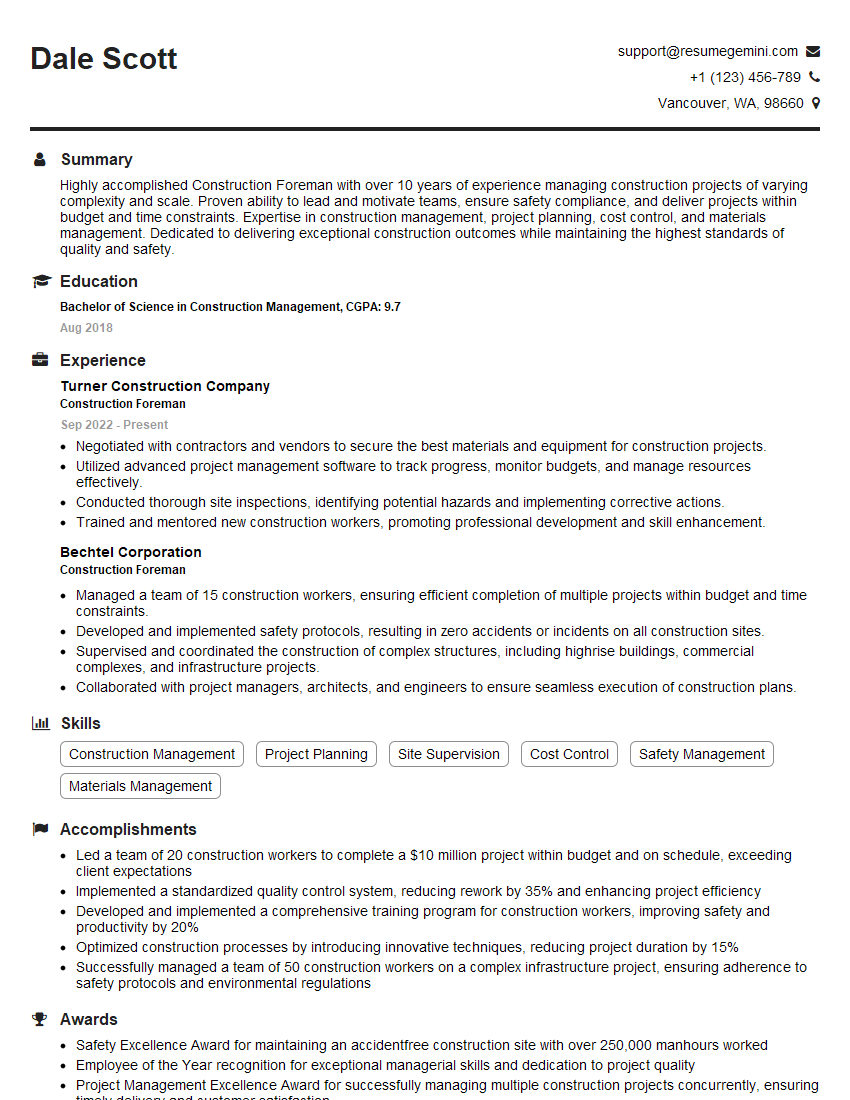
Construction Foreman Resume Sample
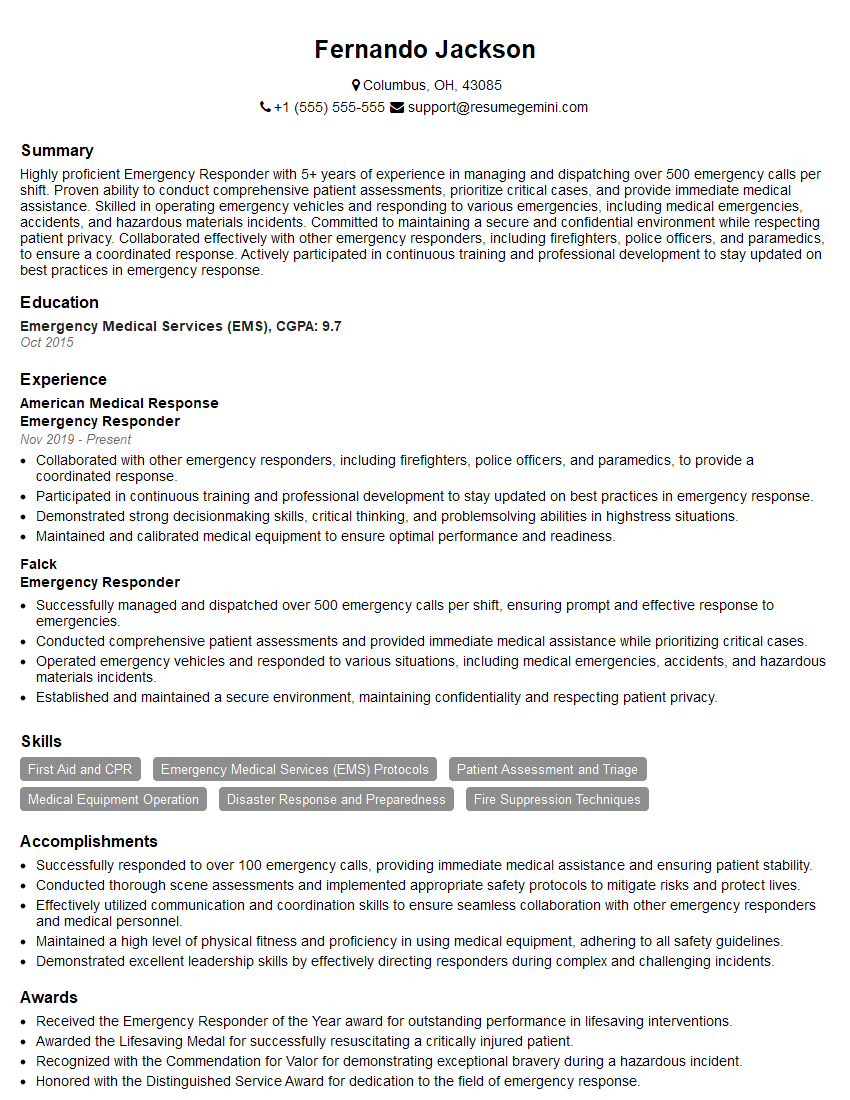
Emergency Responder Resume Sample
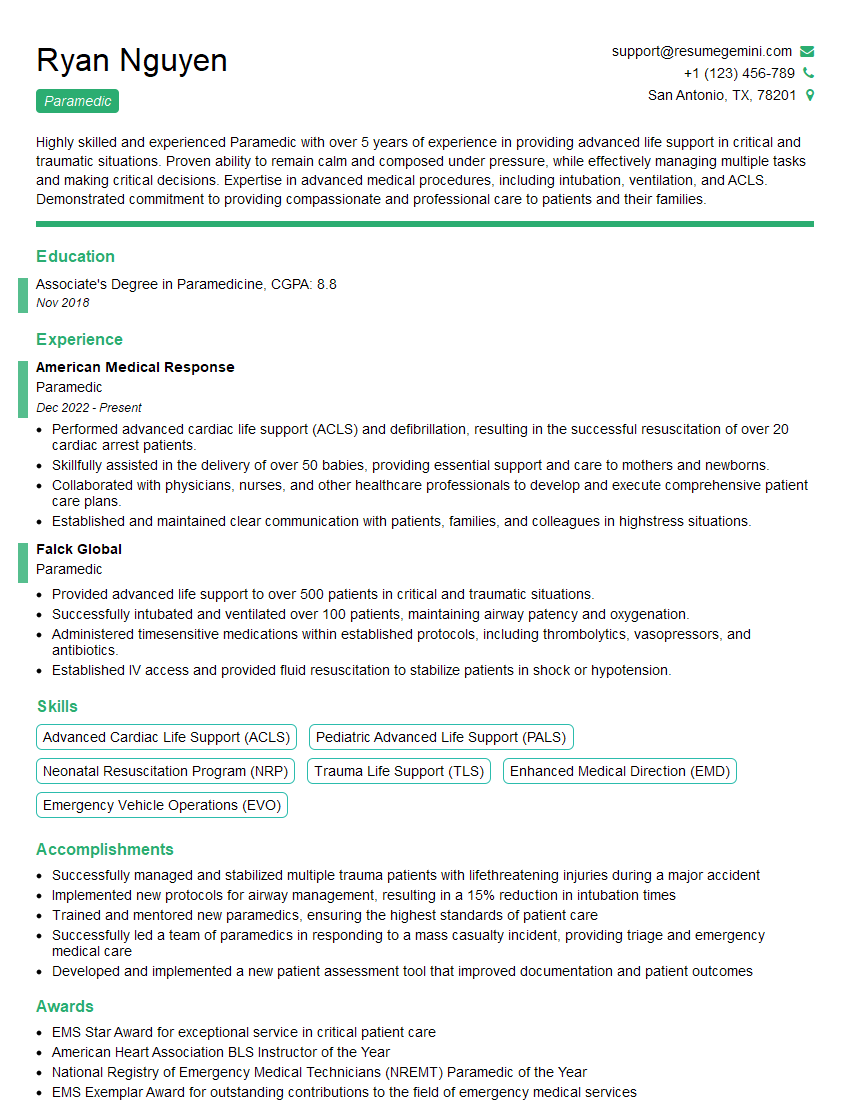
Paramedic Resume Sample
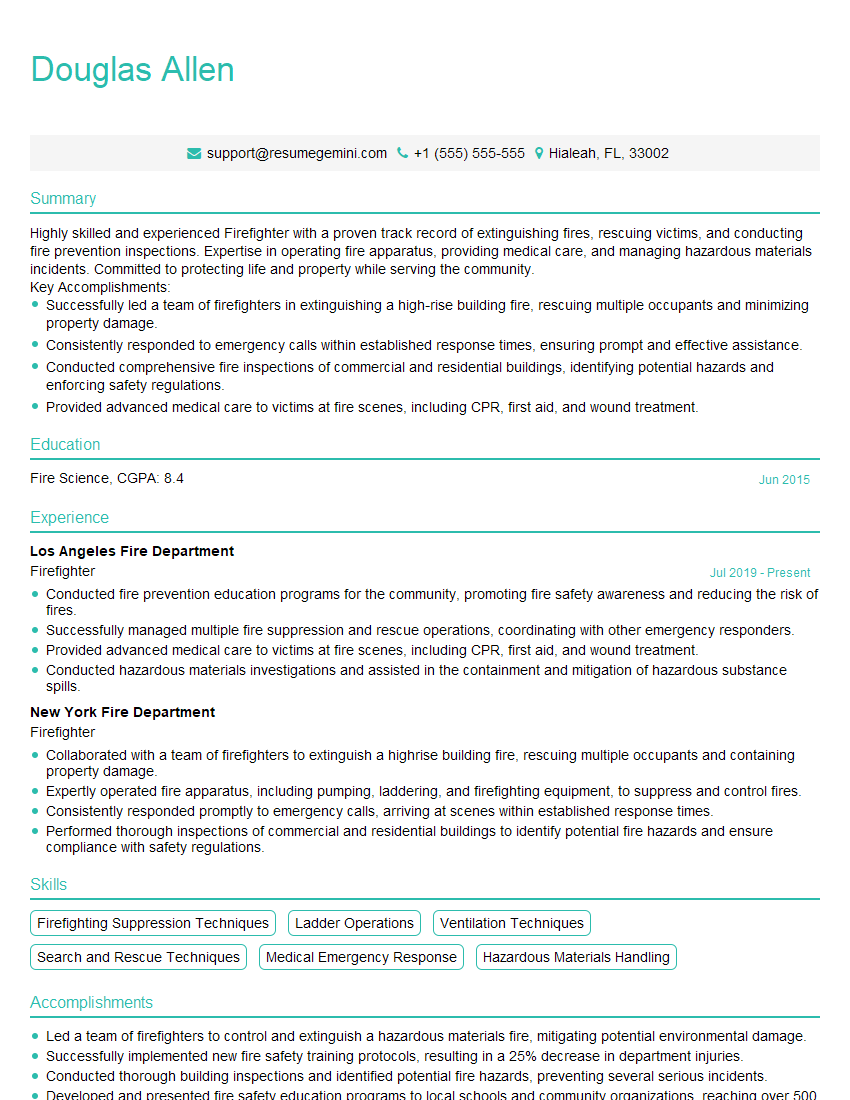
Firefighter Resume Sample
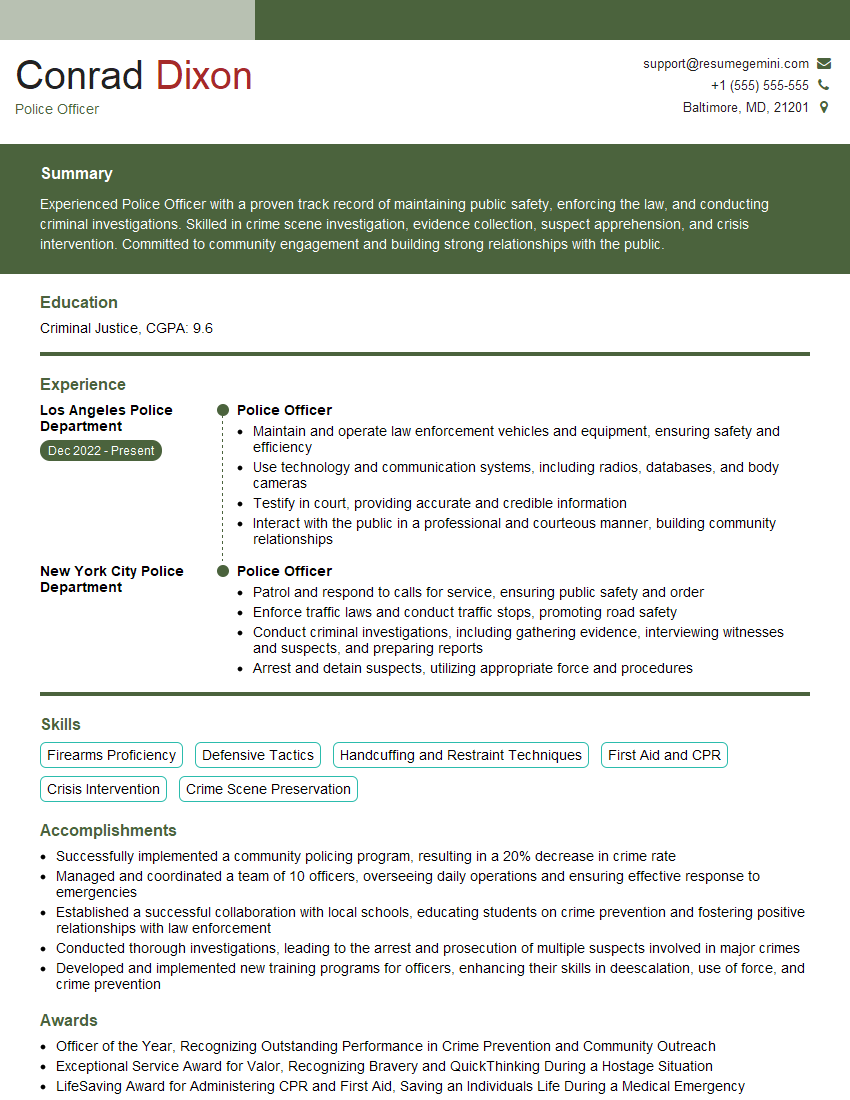
Police Officer Resume Sample
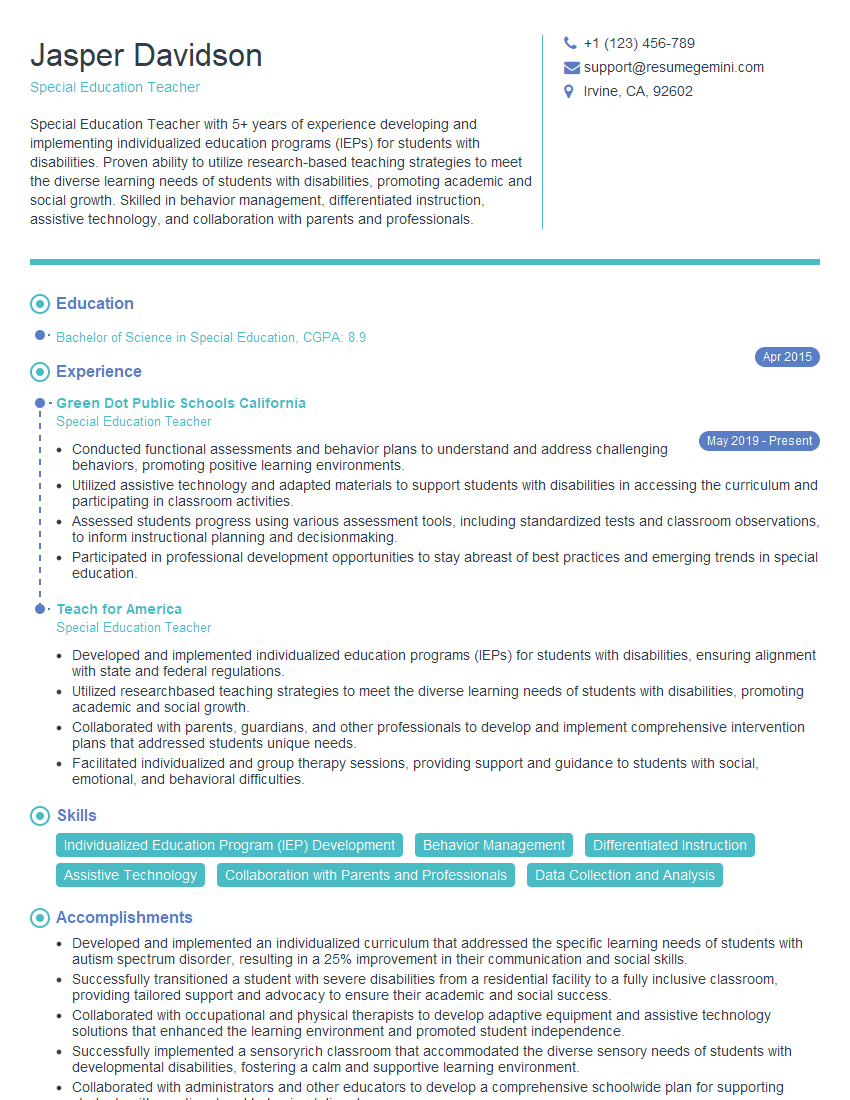
Special Education Teacher Resume Sample
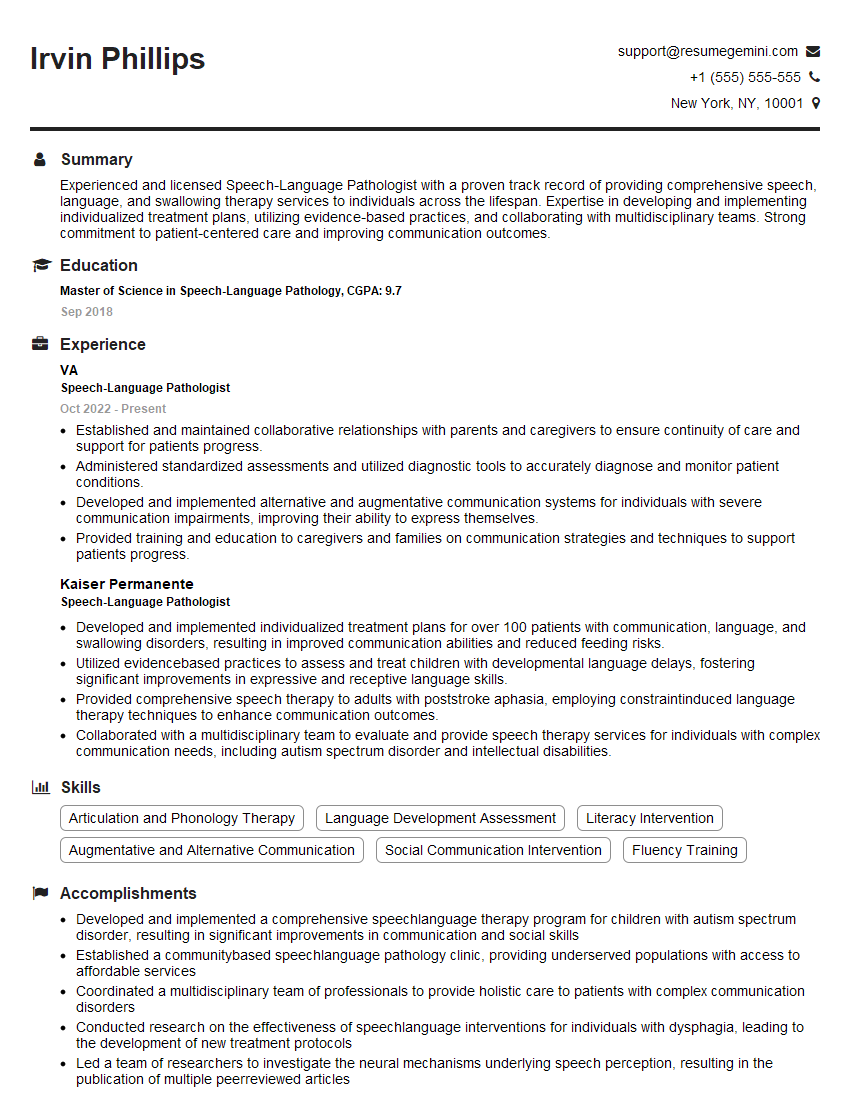
Speech-Language Pathologist Resume Sample
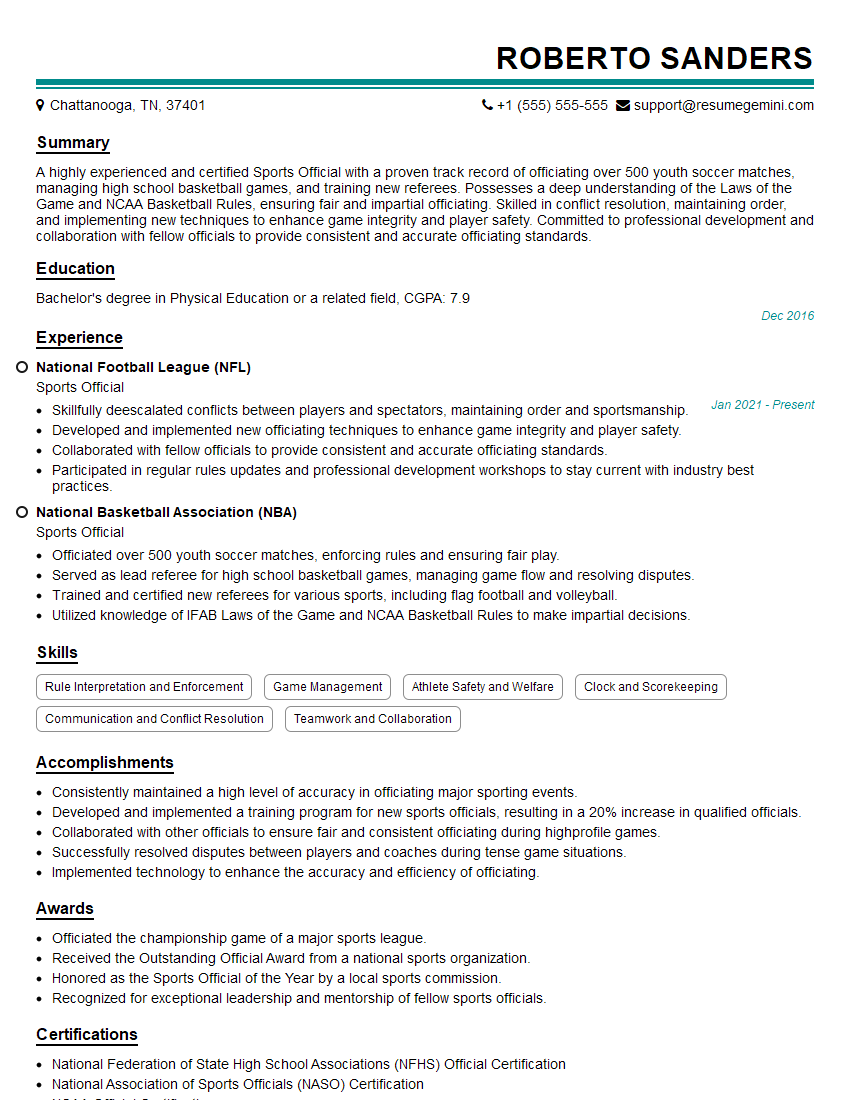
Sports Official Resume Sample
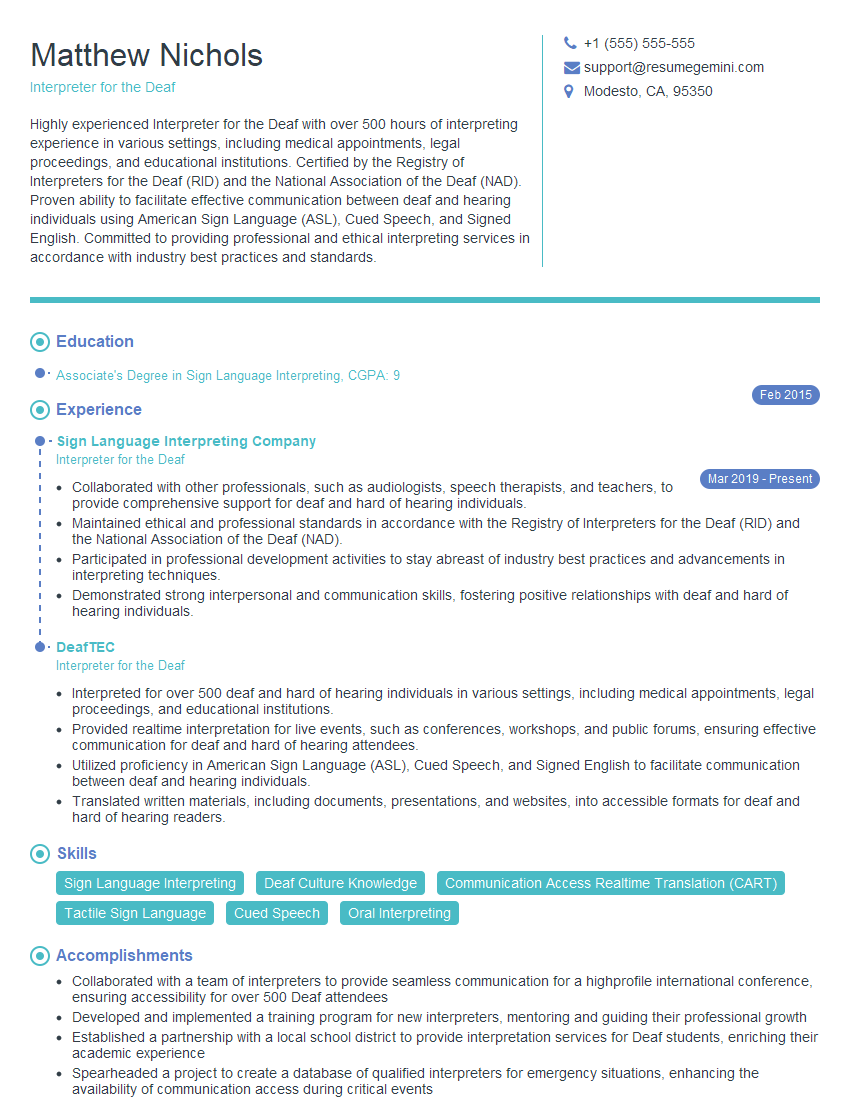
Interpreter for the Deaf Resume Sample
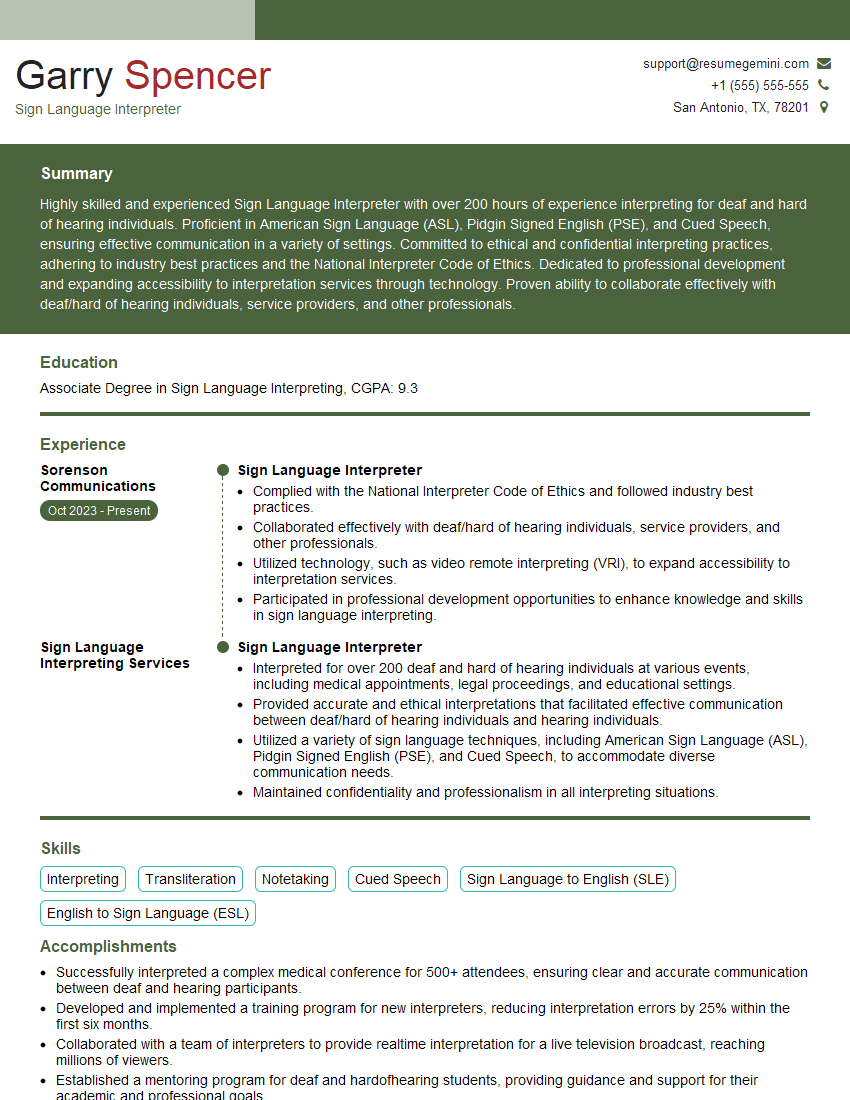
Sign Language Interpreter Resume Sample
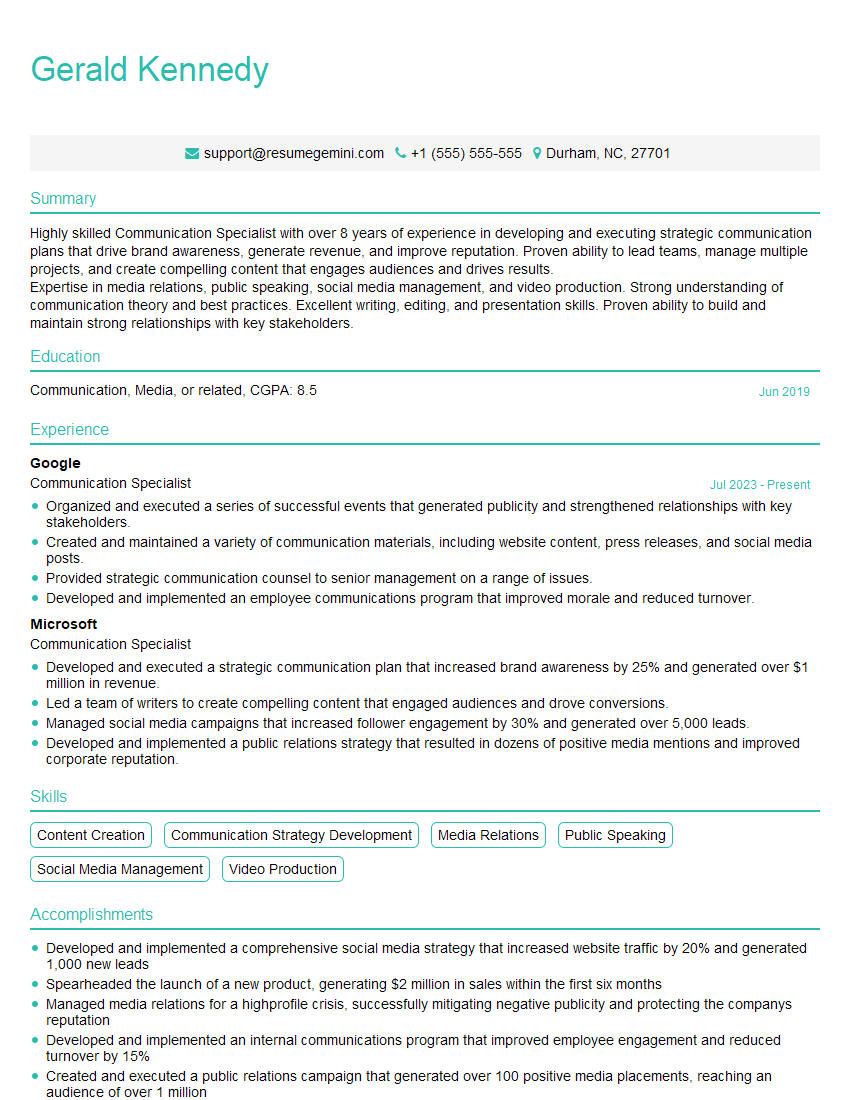
Communication Specialist Resume Sample

Occupational Therapist Resume Sample
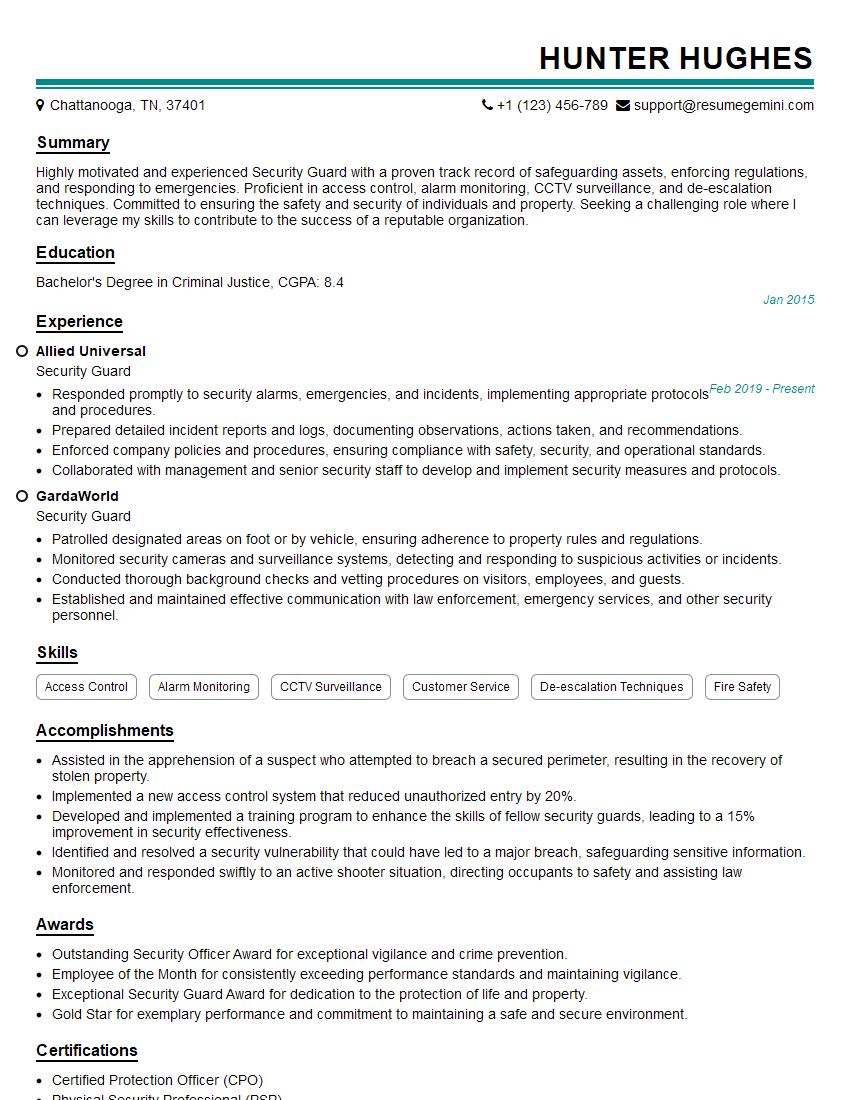
Security Guard Resume Sample
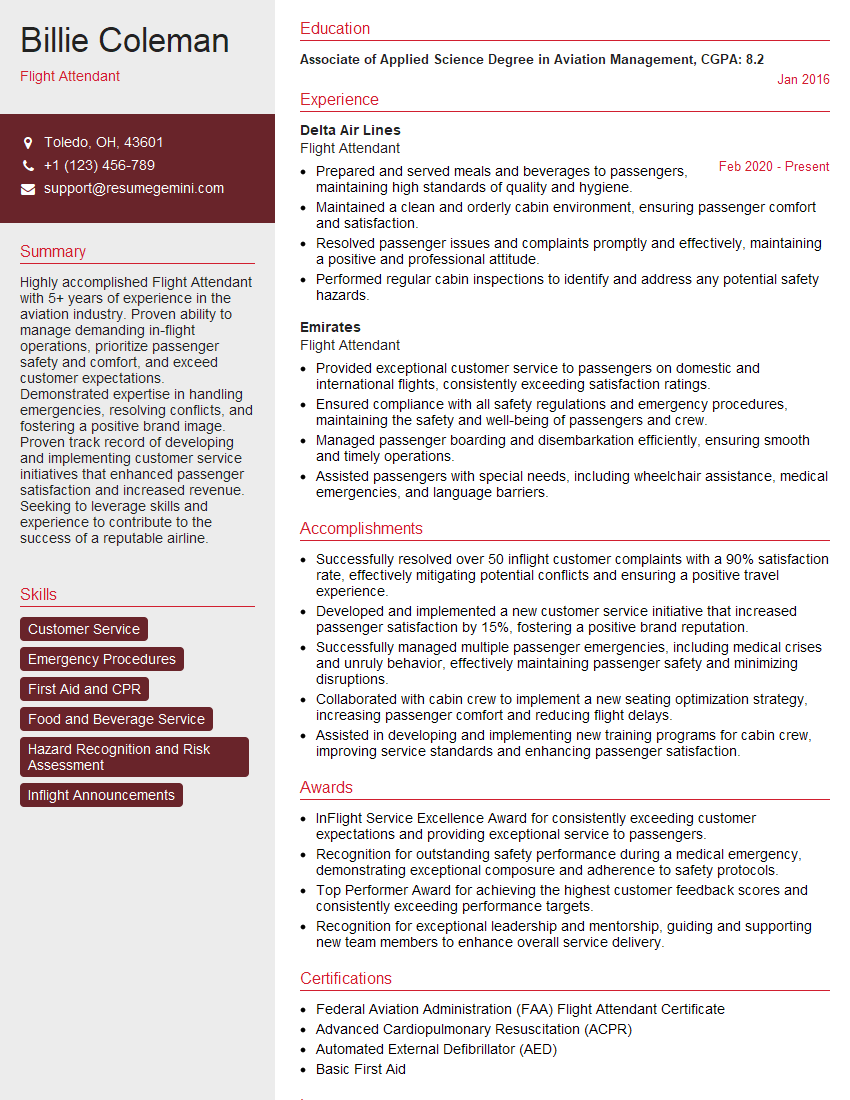
Flight Attendant Resume Sample
Explore more articles
Users Rating of Our Blogs
Share Your Experience
We value your feedback! Please rate our content and share your thoughts (optional).
What Readers Say About Our Blog
Very informative content, great job.
good