The right preparation can turn an interview into an opportunity to showcase your expertise. This guide to Use of hand tools and equipment interview questions is your ultimate resource, providing key insights and tips to help you ace your responses and stand out as a top candidate.
Questions Asked in Use of hand tools and equipment Interview
Q 1. Describe your experience with various hand saws (e.g., hand saw, coping saw, hacksaw).
My experience with hand saws spans a variety of applications. I’m proficient with several types, each suited for specific tasks. The standard hand saw is versatile for general crosscutting and ripping (cutting with and against the grain of the wood). Its teeth are designed for a balance of speed and smoothness. I’ve used it extensively for framing projects, cutting lumber to size. The coping saw, with its narrow blade and adjustable frame, excels at intricate cuts in curved or delicate materials like wood or thin metal. I frequently use it for curved cuts in woodworking projects, such as making decorative moldings or cutting out intricate shapes. Finally, the hacksaw, with its fine, hardened teeth, is ideal for cutting metal. Its rigid frame allows for controlled, straight cuts, essential when working with pipes, metal bars, or other metallic components. I’ve used it countless times for plumbing repairs and metal fabrication projects, emphasizing the importance of proper blade selection for different materials and avoiding excessive pressure to prevent blade breakage.
Q 2. Explain the proper use and maintenance of a drill press.
Proper use and maintenance of a drill press are critical for safe and effective operation. Before each use, I meticulously inspect the chuck to ensure it’s securely tightened and the bit is firmly clamped. The work piece must be securely clamped to the drill press table, preventing movement during drilling. I always use the appropriate speed for the material and drill bit; forcing the bit can lead to breakage or damage. I start slowly and gradually increase speed. After drilling, I always turn off the drill press and allow it to stop completely before removing the work piece. Maintenance includes regularly cleaning the drill press table and chuck, lubricating moving parts as recommended in the owner’s manual, and sharpening or replacing drill bits as needed. A dull bit requires more force, increasing the risk of binding and kickback. I also ensure the drill press belt is properly tensioned, crucial for optimal power transmission and preventing slippage.
Q 3. How do you ensure the safety of yourself and others when using power tools?
Safety is paramount when using power tools. My approach is multifaceted. First, I always inspect the tool for any damage before each use, ensuring all guards are in place and functioning correctly. I wear appropriate personal protective equipment (PPE), including safety glasses or a face shield, hearing protection, and work gloves. Loose clothing or jewelry are avoided to prevent entanglement. I ensure the work area is well-lit and free of clutter, minimizing tripping hazards. When operating the tool, I maintain a firm grip and use the tool according to the manufacturer’s instructions. Never force a tool beyond its capabilities. I also educate others working nearby about the potential hazards and establish a safe working distance. Finally, I always disconnect the power before making any adjustments or performing maintenance.
For instance, in a recent project involving a circular saw, I not only used a push stick to keep my hands clear of the blade but also ensured that all bystanders were at least six feet away. This demonstrated a commitment to personal safety and the well-being of those around me.
Q 4. What are the different types of screwdrivers and when would you use each?
Screwdrivers come in various types, each designed for specific screw heads. The most common are Phillips (cross-shaped), slotted (straight), Torx (star-shaped), and hex (six-sided). Phillips heads are widely used in many applications; slotted heads are simpler but can cam out (slip) more easily. Torx heads provide superior grip and prevent cam-out, especially useful for high-torque applications. Hex heads, often found in machinery, offer strong resistance to stripping. The choice of screwdriver depends on the screw head type. Using the wrong screwdriver can damage the screw head or the screwdriver itself. For example, I’d use a Torx screwdriver for assembling a piece of high-precision equipment where screw head damage would be catastrophic. For general home repairs, I’d likely use a Phillips or slotted screwdriver.
Q 5. Describe your experience with different types of wrenches (e.g., open-end, box-end, socket).
My experience with wrenches includes open-end, box-end, and socket wrenches. Open-end wrenches offer access to tight spaces but provide less grip. Box-end wrenches offer better grip but can be more difficult to position. Socket wrenches, combined with a ratchet, offer speed and efficiency, especially when working with multiple fasteners. I select the type based on the application. For instance, if I’m working in a confined space, I’d use an open-end wrench. For maximum grip on a stubborn bolt, I’d choose a box-end wrench. For repetitive tasks, a socket wrench with a ratchet is far more efficient. Choosing the correct size is crucial – too small and you risk damaging the fastener; too large and you could round off the corners.
Q 6. How do you measure accurately using a tape measure?
Accurate measurement using a tape measure requires attention to detail. I always start by ensuring the tape measure’s hook is aligned with the starting point of the measurement. This is because the hook itself has a small amount of play. When measuring, I keep the tape measure taut but avoid stretching it. I read the measurement from the end of the hook, not the metal tip. For precise measurements, particularly for smaller components, I frequently use a combination of a tape measure and a ruler. I carefully note the units (inches or centimeters) and always double-check the measurement to avoid errors. For instance, in laying out a floor, ensuring accurate measurements is paramount; a small mistake can lead to significant problems later in the project.
Q 7. Explain the importance of proper tool storage and organization.
Proper tool storage and organization are essential for safety, efficiency, and tool longevity. A well-organized workspace saves time searching for tools. It reduces the risk of accidents by preventing tools from being misplaced or left in unsafe locations. I use a system that allows for easy identification and retrieval. I prefer using labeled containers, tool chests, or wall-mounted organizers to keep tools separated by type and size. Tools with sharp edges or points are stored carefully to prevent injuries. Regular cleaning and maintenance of the storage area is vital. Properly stored tools last longer as they are protected from damage or corrosion. For example, my tool chest is divided into sections for different tool types, with each section further organized by size. This ensures quick access to the necessary tools while maintaining a clean and safe environment.
Q 8. What are the safety precautions for using a grinder?
Grinders are powerful tools capable of quickly removing material, but their power demands stringent safety precautions. Think of a grinder as a miniature, high-speed saw – respect is paramount.
- Eye Protection: Always wear safety glasses or a full-face shield. Grinding throws off sparks and debris that can severely damage your eyes. I’ve seen firsthand the devastating consequences of neglecting this precaution.
- Hearing Protection: Grinders are incredibly noisy. Earmuffs or earplugs are essential to prevent hearing loss. Prolonged exposure without protection can lead to permanent damage.
- Respiratory Protection: Depending on the material being ground, a respirator might be necessary to filter out dust and harmful particles. This is crucial when working with materials like asbestos or certain metals.
- Proper Guarding: Ensure the grinder’s guard is correctly installed and functioning. The guard protects you from flying debris. Never operate a grinder without a properly fitted guard.
- Secure Grip and Work Area: Maintain a firm grip on the grinder and ensure the work area is clean and free from obstructions. A cluttered workspace increases the risk of accidents. I always clear my area before starting any grinding task.
- Correct Technique: Use smooth, controlled movements. Avoid applying excessive pressure, which can lead to the grinder binding and potentially causing it to kick back.
- Regular Maintenance: Check the grinder regularly for damage to the guard, cord, and other components. A well-maintained tool is a safe tool. I always inspect my tools before each use.
Q 9. Describe your experience working with different types of fasteners (e.g., screws, bolts, nails).
My experience with fasteners spans a wide range of applications, from simple home repairs to complex construction projects. I’m proficient with various types, including screws, bolts, nails, rivets and even specialized fasteners like machine screws and self-tapping screws.
- Screws: I’m comfortable with different screw types – Phillips, flathead, Torx – and understand the importance of selecting the right screw for the material and application. For example, I wouldn’t use a standard wood screw in a metal application.
- Bolts: I’m adept at using various bolt sizes and types, including carriage bolts, machine bolts, and eye bolts, understanding torque specifications to ensure secure and safe joints. Incorrect torque can lead to failure.
- Nails: From finishing nails to framing nails, I understand nail selection based on material and application. I know the importance of proper nail set and the consequences of using the wrong nail type, potentially causing splitting or insufficient holding power.
- Specialized Fasteners: I have experience using specialized fasteners for specific applications. This includes understanding the unique characteristics and installation techniques for each type.
My experience ensures I select the right fastener for the job, considering factors such as material, strength requirements, and ease of installation. I also prioritize using the appropriate tools for the job to avoid damaging the fastener or the material being fastened.
Q 10. How would you troubleshoot a malfunctioning power tool?
Troubleshooting a malfunctioning power tool involves a systematic approach. It’s like diagnosing a car problem – you need to follow a process of elimination.
- Safety First: Unplug the tool immediately. Never attempt to troubleshoot a live power tool.
- Visual Inspection: Carefully examine the tool for any visible damage, such as broken cords, loose parts, or damaged switches.
- Check the Power Source: Make sure the outlet is functioning correctly by testing it with another appliance. A simple solution is often overlooked.
- Inspect the Blades/Bits: If applicable, check the blades or bits for damage or wear. Dull or damaged bits can cause a tool to malfunction.
- Check the Battery (Cordless Tools): For cordless tools, ensure the battery is charged and properly connected. Low battery can cause unexpected behaviour.
- Consult the Manual: Refer to the tool’s manual for troubleshooting guides and diagrams. Manufacturers often include helpful information.
- Seek Professional Help: If the problem persists after these steps, consult a qualified technician. Attempting complex repairs without the necessary expertise can be dangerous.
For example, if a drill stops working, I’d first check the power, then the battery (if cordless), and then examine the chuck to ensure the bit is securely clamped. If none of this resolves the issue, I would consult the manual or seek professional help.
Q 11. Explain your experience with different types of hammers.
Different hammers are designed for specific tasks. Selecting the right hammer is crucial for efficiency and safety.
- Claw Hammer: The workhorse of hammers, ideal for general carpentry tasks like driving nails and removing them. The claw is incredibly useful for demolition and nail extraction.
- Ball-Peen Hammer: Used for shaping metal, riveting, and other metalworking applications. Its rounded peen allows for controlled strikes.
- Sledgehammer: A heavy-duty hammer used for demolition work and breaking up materials. Requires extra caution due to its weight and potential for injury.
- Mallet: Used for softer materials to avoid damaging the surface. Rubber mallets are common for protecting delicate materials like wood.
- Framing Hammer: Heavier than a standard claw hammer, with a larger head for driving large nails quickly and efficiently in framing applications.
My experience includes using all these hammers in various projects. For instance, I’d use a framing hammer for rough construction, a claw hammer for finish work, and a mallet for delicate tasks like assembling furniture.
Q 12. How do you select the appropriate drill bit for a specific material?
Selecting the right drill bit is critical for clean, accurate holes and to prevent damage to both the drill bit and the material being drilled.
- Material Type: The type of material dictates the bit type. For example, wood requires a wood bit, metal a metal bit, and masonry a masonry bit. Using the wrong bit can lead to breakage or a poorly formed hole.
- Bit Diameter: The diameter of the hole determines the size of the bit. Accurate measurement is essential for precise work.
- Bit Length: The length of the bit should be appropriate for the material thickness. Too short a bit will not drill through, while too long can lead to bending or breakage.
- Bit Point Type: Different point types are suited for different materials. For instance, a self-centering point is excellent for wood, while a split-point is ideal for metal.
For instance, drilling a hole in a piece of hardwood for a screw, I’d select a high-speed steel (HSS) twist drill bit with a self-centering point, selecting a diameter slightly smaller than the screw shank. For drilling metal, I’d use a cobalt-steel bit known for its durability. Incorrect bit selection results in stripped screws or damaged holes.
Q 13. Describe your experience with using a level.
A level is a fundamental tool for ensuring surfaces are horizontal or vertical. Accuracy is crucial in construction and other trades.
- Types of Levels: I’m familiar with various levels, including torpedo levels (small and compact), standard levels (with multiple vials for different orientations), and laser levels (providing long-range accuracy).
- Usage: Levels ensure accurate alignments for walls, shelves, picture frames, and many other applications. I’ve used them countless times to ensure plumb (vertical) and level (horizontal) installations.
- Accuracy: The accuracy of the level itself is critical. A poorly calibrated level will lead to inaccurate results. I regularly check the accuracy of my levels.
- Applications: From simple home repairs to complex construction, the level is an indispensable tool. Precise leveling is crucial for achieving professional results and ensuring structural integrity.
I remember a project where precise leveling was critical. Building a custom bookshelf, I used a level at each step, checking the horizontality and verticality of each shelf. The final result was a perfectly level bookshelf, testament to the importance of using a level.
Q 14. How do you ensure the accuracy of your measurements when working on a project?
Accuracy in measurements is paramount for any successful project. Inaccurate measurements lead to costly mistakes, rework and frustration.
- Appropriate Measuring Tools: I use the correct tools for the job – tape measures for general measurements, calipers for precise measurements, and squares for checking angles. The tool’s accuracy is also important.
- Multiple Measurements: I always take multiple measurements to verify accuracy. This helps catch errors and avoids relying on a single, potentially incorrect measurement.
- Proper Technique: I ensure proper measuring technique – keeping the tape measure taut, reading the measurement correctly, and marking the measurement accurately. This ensures there’s no slack or improper readings.
- Check for Errors: I double-check all measurements, especially before cutting materials. This helps avoid costly mistakes and ensures a quality final product.
- Transferring Measurements: Carefully transfer measurements to the material using marking tools, like pencils or chalk lines, ensuring precise placement and avoiding errors.
In one instance, I was building a custom cabinet. I meticulously took multiple measurements and double-checked them before cutting the wood. Thanks to this approach, the final product fit perfectly with no adjustments needed, showcasing the value of accurate measurements.
Q 15. Explain the process for using a soldering iron.
Soldering is the process of joining two metal pieces using a solder, a metal alloy with a lower melting point. A soldering iron is the tool used to melt the solder, creating a strong, electrically conductive bond.
The process begins with preparing your workspace. You need a clean, well-lit area with proper ventilation to avoid inhaling fumes. Next, you clean the surfaces to be soldered using a wire brush or sandpaper, removing any oxides or contaminants that would prevent a good connection. Then, apply flux to the surfaces. Flux is a chemical cleaning agent that helps remove oxides and promotes solder flow.
Now, heat the soldering iron to the correct temperature (this will vary depending on the solder type and the materials being joined – check the manufacturer’s recommendations). Once hot, touch the tip of the iron to the joint while simultaneously feeding the solder to the joint, not directly to the iron tip. The solder should flow smoothly into the joint, creating a shiny, concave surface. Once the solder has cooled, inspect your work to ensure a solid, clean connection. If you have excessive solder, a small amount of solder wick can be used to remove it. For example, when soldering electronics components, using too much heat can damage sensitive components, while insufficient heat will result in a weak, unreliable joint.
Career Expert Tips:
- Ace those interviews! Prepare effectively by reviewing the Top 50 Most Common Interview Questions on ResumeGemini.
- Navigate your job search with confidence! Explore a wide range of Career Tips on ResumeGemini. Learn about common challenges and recommendations to overcome them.
- Craft the perfect resume! Master the Art of Resume Writing with ResumeGemini’s guide. Showcase your unique qualifications and achievements effectively.
- Don’t miss out on holiday savings! Build your dream resume with ResumeGemini’s ATS optimized templates.
Q 16. What are the different types of pliers and their uses?
Pliers are versatile hand tools used for gripping, bending, and cutting. There are many types, each designed for a specific task.
- Needle-nose pliers: Long, slender jaws ideal for reaching into tight spaces and grabbing small objects. I often use these for delicate electronics work.
- Slip-joint pliers: Adjustable jaws allowing for a variety of grip sizes. They’re great for general purpose gripping and turning.
- Lineman’s pliers: Heavy-duty pliers with cutting edges and a gripping surface. Used for thicker wires and more robust tasks.
- Diagonal cutting pliers (dikes): Designed specifically for cutting wire. I use these frequently in electrical work.
- Locking pliers (vise-grips): These have a locking mechanism that keeps them firmly clamped onto the workpiece until manually released, making them excellent for holding parts securely while working on them.
Choosing the right type of pliers is critical. Using the wrong type can damage the workpiece or even lead to injury.
Q 17. How do you maintain and clean your hand tools?
Proper maintenance extends the lifespan of your hand tools and improves their performance. After each use, clean your tools. Remove any dirt, debris, or residue with a wire brush, cloth, or compressed air. This is especially crucial for tools used with adhesives or oily substances. For tools with moving parts, such as pliers or adjustable wrenches, apply a small amount of light machine oil to lubricate them and prevent rust. Store tools in a dry place, avoiding moisture which can lead to corrosion. Periodically inspect for damage like cracks or loose handles. Sharpening tools such as screwdrivers and chisels as needed is also essential for efficiency and to prevent damage.
For example, I always clean my chisels immediately after use to remove any wood chips or resin. Then, I apply a light coat of oil and store them in a designated tool box.
Q 18. Describe your experience with using a pipe wrench.
A pipe wrench is a powerful tool used to grip and turn pipes and fittings. I’ve extensively used pipe wrenches in plumbing and other mechanical work. It’s crucial to understand the proper grip and application to prevent damage to the pipe or injury to yourself. Before using it, I carefully assess the pipe’s size and material to select the appropriately sized wrench. I always ensure a firm, secure grip on the pipe, avoiding slippage. The wrench should be positioned to maximize its leverage while applying steady, controlled force. Over-tightening can damage the pipe or the wrench itself. It’s essential to avoid using it on finished surfaces or delicate materials as it might cause damage. On one project, I used a pipe wrench to tighten a stubborn fitting in a difficult-to-reach location; careful application was crucial for successful completion without damaging the surrounding pipes.
Q 19. Explain the safety procedures for operating a circular saw.
Circular saws are powerful tools capable of causing serious injury if not handled carefully. Always wear appropriate safety gear: safety glasses, hearing protection, and work gloves. Ensure the blade is sharp and securely attached. Never operate the saw without a proper blade guard in place. Before cutting, carefully plan your cut line and secure the material to be cut using clamps or a vise. Avoid using a circular saw in cramped or unstable conditions. Maintain a firm grip on the saw and keep your body positioned away from the blade’s path. Never force the saw; let it work at its natural cutting speed. And most importantly, never reach across the blade while it’s in motion. Finally, always unplug the saw when not in use or before making any adjustments.
Q 20. How do you use a multimeter to test electrical circuits?
A multimeter is a versatile testing instrument used to measure voltage, current, and resistance in electrical circuits. To test voltage, connect the multimeter leads to the appropriate points in the circuit while selecting the DC or AC voltage setting, making sure the selected range is suitable. For measuring current, you need to insert the multimeter in series within the circuit; this usually requires breaking the circuit at the point of measurement. To measure resistance, disconnect the circuit first; then connect the multimeter leads across the component you want to test. The multimeter will display the measured value. Always ensure the proper settings and safety precautions are taken before any measurement. For instance, improperly selecting the range in a voltage measurement can damage the multimeter. I have used this extensively while troubleshooting electrical faults in various home appliances and car repairs, determining component failures, and checking circuit continuity.
Q 21. What are the different types of welding techniques and when would you use each?
Welding techniques join metals together by melting them and allowing them to fuse. Different techniques are used depending on the material, thickness, and desired outcome.
- Shielded Metal Arc Welding (SMAW): Uses an electrode coated with flux to create a protective shield for the weld. It’s versatile and widely used for various materials, ideal for outdoor settings due to its portability.
- Gas Metal Arc Welding (GMAW): Also known as MIG welding, it uses a continuous wire electrode and a shielding gas to protect the weld pool. It’s faster and produces cleaner welds than SMAW, suitable for thin materials and high-volume production.
- Gas Tungsten Arc Welding (GTAW): Often called TIG welding, it uses a non-consumable tungsten electrode and an inert shielding gas. Produces high-quality, precise welds, often used for materials requiring exceptional purity or appearance, though it’s slower than other techniques.
- Oxy-fuel welding: Uses a torch that combines oxygen and fuel gas to produce a flame hot enough to melt the base metals. Simpler and cheaper than arc welding processes; suitable for smaller jobs and less demanding applications.
The choice of welding technique depends on several factors. For example, if precision and a clean finish are paramount, I would choose TIG welding. But for faster, high-volume production, MIG welding would be the preferred method. Understanding the strengths and weaknesses of each technique is crucial for selecting the right one for the job.
Q 22. Describe your experience with using a pneumatic tool.
My experience with pneumatic tools spans over ten years, encompassing a wide range of applications in construction and industrial settings. I’m proficient in using various pneumatic tools, including impact wrenches, nail guns, drills, and sanders. I understand the importance of proper air pressure regulation for optimal performance and tool longevity. For example, using an impact wrench to remove stubborn lug nuts on a vehicle requires careful adjustment of the air pressure to avoid damaging the bolts or the wheel itself. Too much pressure can strip the threads, while too little makes the task unnecessarily difficult and time-consuming. I also possess experience maintaining and troubleshooting these tools, including identifying leaks, replacing worn parts, and ensuring proper lubrication.
In one instance, I was tasked with assembling a large steel structure using a pneumatic rivet gun. Understanding the nuances of adjusting the air pressure and the correct riveting technique was crucial to ensuring the structural integrity of the project and preventing accidents.
Q 23. How do you identify and address potential hazards when working with tools and equipment?
Identifying and addressing potential hazards when working with tools and equipment is paramount. My approach involves a multi-step process: First, a thorough risk assessment is performed, considering factors like the type of tool, the work environment, and the potential for injury. This includes identifying potential hazards such as exposed wiring, sharp edges, moving parts, and environmental conditions like slippery surfaces or poor lighting. Second, I select and properly use the appropriate personal protective equipment (PPE) based on the identified hazards. Third, I follow all established safety procedures and guidelines, including lockout/tagout procedures for machinery maintenance and the use of appropriate safety guards. Fourth, I regularly inspect tools for damage or wear and ensure that they are properly maintained. Finally, I communicate potential hazards and safety concerns to my colleagues and supervisors.
For instance, when working with a chainsaw, I would assess the area for obstacles, wear appropriate eye and ear protection, ensure the chain is properly tensioned and sharpened, and maintain a safe distance from others. Regular maintenance, including sharpening and lubrication, is crucial for minimizing kickback risks.
Q 24. Explain your understanding of torque specifications.
Torque specifications refer to the amount of rotational force applied to a fastener, such as a bolt or nut. Understanding and adhering to these specifications is crucial to prevent damage to the component and ensure its proper function and safety. Using a torque wrench, calibrated to the specified torque value, ensures consistent tightening, preventing over-tightening (which can strip threads or damage the material) or under-tightening (which can result in loosening and potential failure).
The torque specification is usually found in the equipment’s manual or engineering drawings and is expressed in units such as Newton-meters (Nm), foot-pounds (ft-lb), or inch-pounds (in-lb). For example, when assembling an engine, adhering to specific torque values for each bolt is crucial to ensure proper sealing and prevent leaks or damage to the engine block. Incorrect torque can lead to significant engine failure.
Q 25. What are your methods for selecting the correct personal protective equipment (PPE)?
Selecting the correct PPE depends entirely on the specific task and the potential hazards involved. My method for selection involves a careful assessment of the risks. I consider factors like the type of tool being used, the materials being handled, the environment, and any potential hazards such as chemical exposure, high-impact risks, or flying debris.
For instance, when working with power tools, I always wear safety glasses or a face shield to protect against flying debris and eye injuries. When working at heights, I utilize a safety harness and fall protection equipment. When dealing with hazardous chemicals, I wear appropriate gloves and protective clothing. The selection process is not arbitrary; it’s a risk-mitigation strategy guided by established safety guidelines and best practices.
Q 26. Describe a time you had to troubleshoot a complex equipment malfunction.
During a large-scale construction project, a critical piece of equipment – a hydraulic excavator – experienced a sudden malfunction. The hydraulic system failed, rendering the excavator immobile. The initial troubleshooting involved checking the hydraulic fluid levels and looking for any visible leaks. After confirming that the fluid levels were adequate and no external leaks were evident, I began a systematic diagnostic approach. I checked the hydraulic pump, hoses, and valves for any signs of damage or blockages, paying close attention to the pressure gauges. I also consulted the machine’s service manual, systematically checking each component mentioned in the troubleshooting section. The issue eventually traced to a faulty pressure relief valve, which was preventing the proper flow of hydraulic fluid. Replacing the valve restored the excavator’s functionality and allowed the project to continue without significant delays.
Q 27. How do you stay updated on safety regulations and best practices for tool use?
Staying updated on safety regulations and best practices is an ongoing process. I accomplish this through several methods: I regularly review relevant industry publications, attend workshops and training sessions, and actively participate in safety meetings. I also stay abreast of changes in legislation and regulatory updates related to tool safety. Following the guidelines issued by organizations like OSHA (Occupational Safety and Health Administration) is essential to ensure compliance and maintain the highest safety standards. Continuous learning ensures that my practices reflect the latest advancements in tool safety and risk management.
Q 28. Describe your experience with preventative maintenance of tools and equipment.
Preventative maintenance is crucial for tool longevity and workplace safety. My approach emphasizes regular inspections and cleaning, proper lubrication, and timely repairs. For example, I regularly inspect power tools for loose connections, worn parts, and damage to the casing. I lubricate moving parts as recommended by the manufacturer and promptly address any signs of wear or damage. I keep detailed records of all maintenance activities and follow a schedule to ensure that all equipment receives regular attention. This proactive approach minimizes downtime, reduces the risk of accidents, and extends the lifespan of the tools, leading to cost savings in the long run.
Think of it like maintaining a car; regular oil changes and tire rotations prevent major problems down the road. The same principle applies to tools and equipment – preventing small problems from becoming major failures is key to both productivity and safety.
Key Topics to Learn for Use of Hand Tools and Equipment Interview
- Safety Procedures and Regulations: Understanding and applying relevant safety protocols for various hand tools and equipment, including PPE selection and usage.
- Tool Selection and Maintenance: Choosing the appropriate tool for a specific task, understanding tool limitations, and performing basic maintenance (cleaning, sharpening, lubrication).
- Measuring and Marking Techniques: Accurate use of measuring tools (tape measures, rulers, levels) and marking techniques for precise cuts and installations.
- Basic Hand Tool Operation: Proficient use of common hand tools such as hammers, screwdrivers, wrenches, saws, drills, and pliers. Understanding their different types and applications.
- Power Tool Operation and Safety: Safe and effective use of power tools like drills, saws, sanders, and impact drivers, including understanding safety features and potential hazards.
- Material Handling and Application: Working with different materials (wood, metal, plastic) and applying appropriate techniques for cutting, shaping, and fastening.
- Problem-Solving and Troubleshooting: Identifying and resolving common issues encountered during tool operation, understanding the causes of malfunctions, and implementing effective solutions.
- Project Planning and Execution: Understanding the steps involved in completing a project, from planning and preparation to execution and cleanup.
- Working with Drawings and Specifications: Interpreting technical drawings and specifications to accurately complete tasks.
Next Steps
Mastering the use of hand tools and equipment is crucial for career advancement in many skilled trades. A strong understanding of these skills demonstrates competence, reliability, and attention to detail – qualities highly valued by employers. To significantly increase your job prospects, it’s essential to create a professional, ATS-friendly resume that effectively highlights your abilities. ResumeGemini is a trusted resource that can help you build a compelling resume tailored to your skills and experience. Examples of resumes tailored to the Use of Hand Tools and Equipment are available to help guide you. Take the next step towards your dream career today!

Maintenance Technician Resume Sample

Machinist Resume Sample

Painter Resume Sample

Mechanic Resume Sample
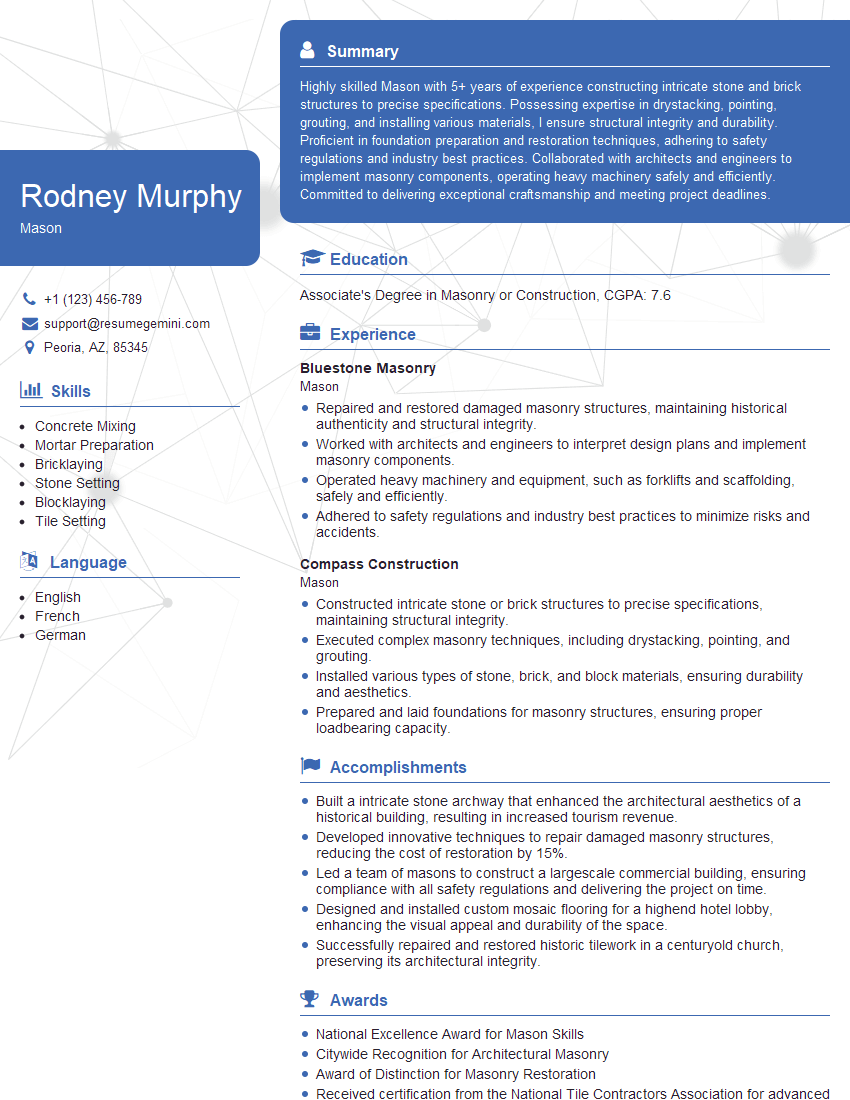
Mason Resume Sample

Cabinetmaker Resume Sample

Construction Worker Resume Sample

Carpenter Resume Sample

Floor Installer Resume Sample

Installer Resume Sample
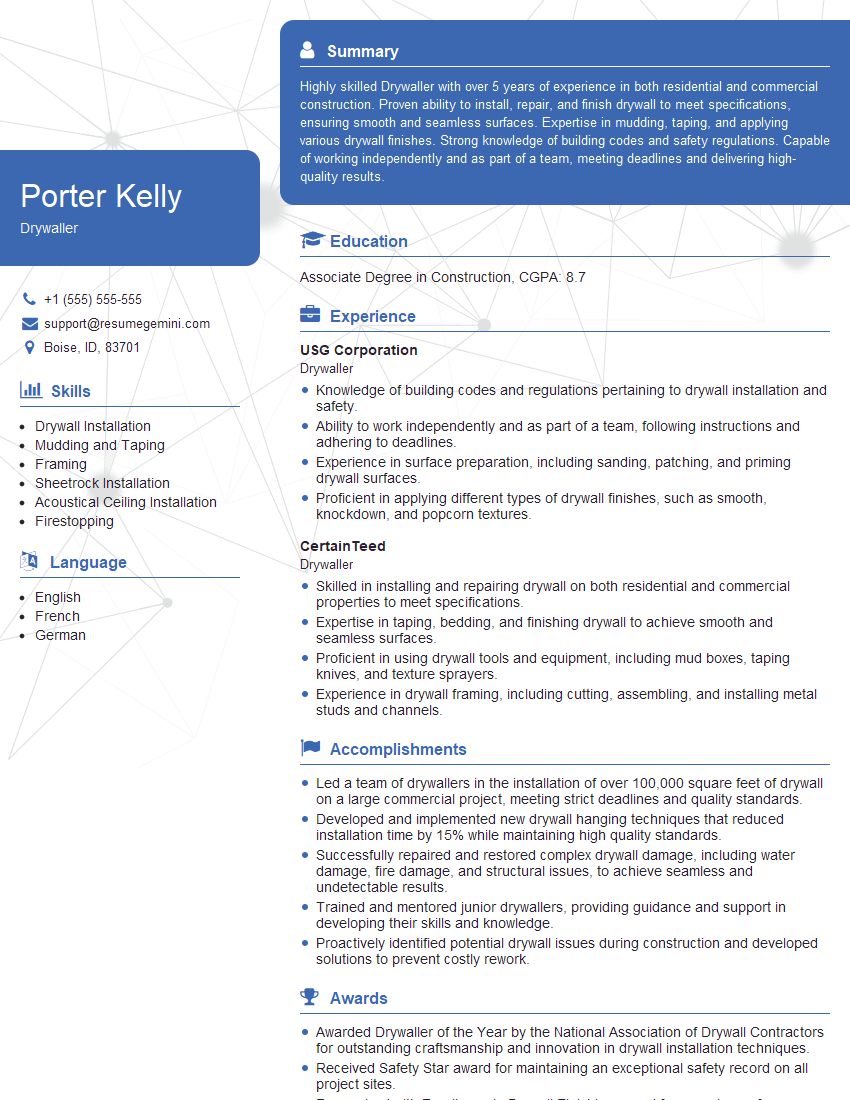
Drywaller Resume Sample

Electrician Resume Sample

Pipefitter Resume Sample

Plumber Resume Sample
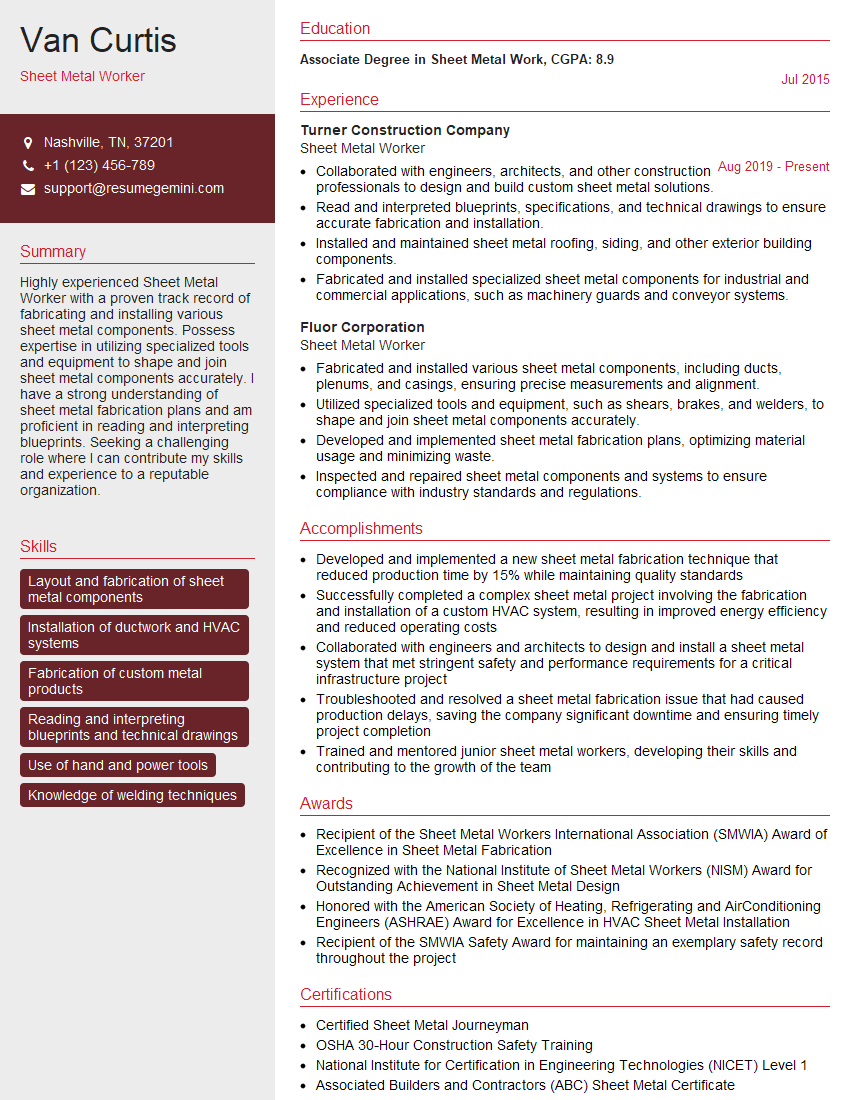
Sheet Metal Worker Resume Sample
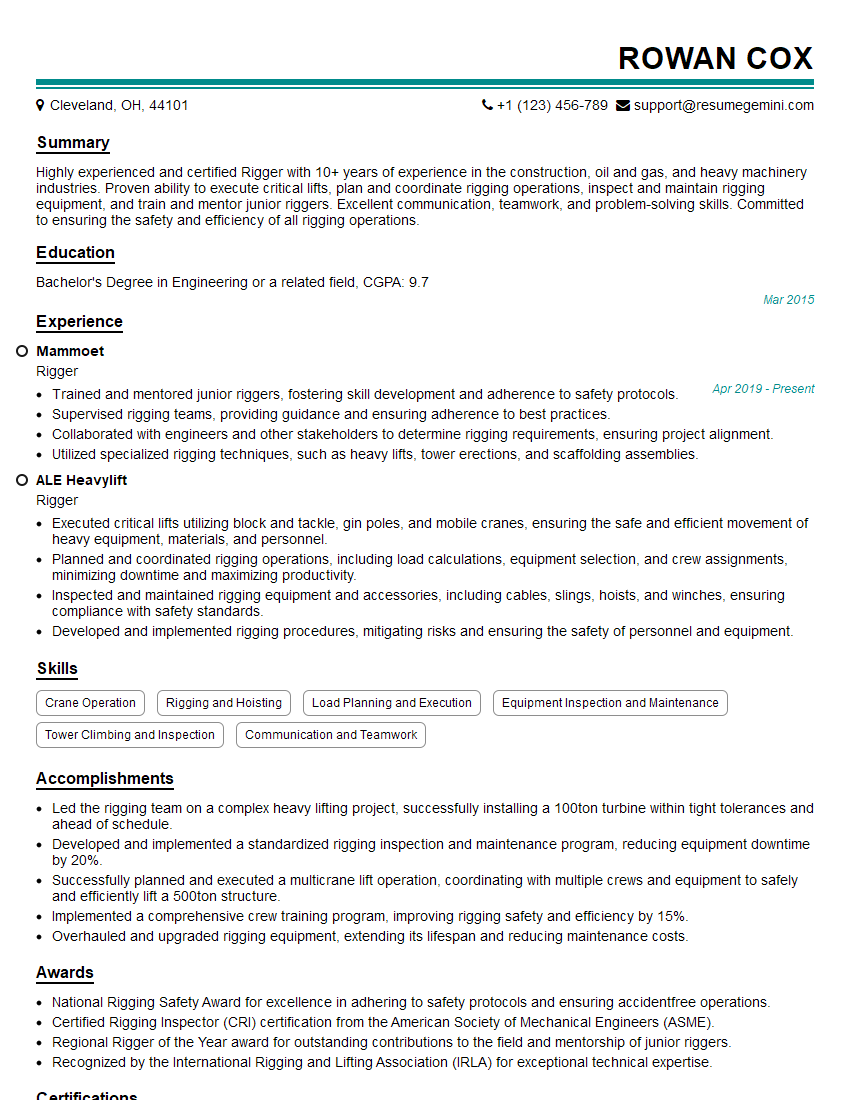
Rigger Resume Sample

Repair Technician Resume Sample

Automotive Technician Resume Sample

Welder Resume Sample

Industrial Mechanic Resume Sample

Millwright Resume Sample
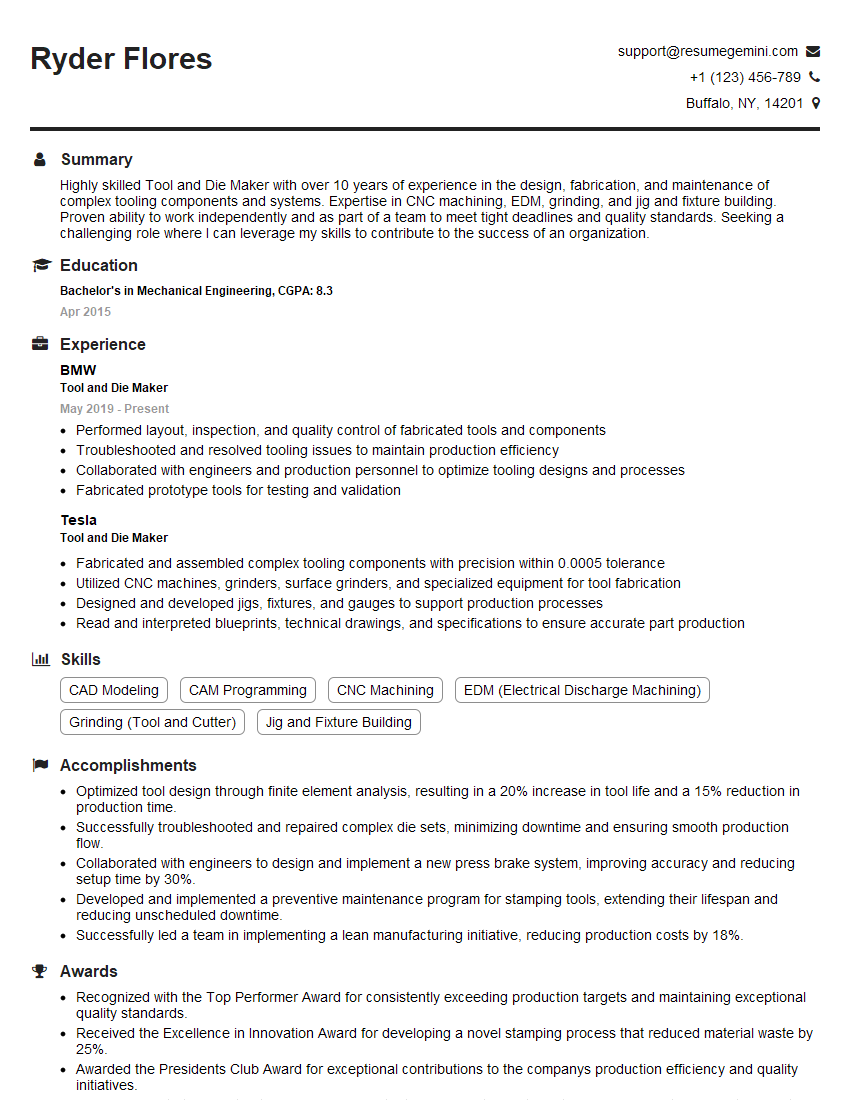
Tool and Die Maker Resume Sample

HVAC Technician Resume Sample
- Maintenance Technician
- Machinist
- Painter
- Mechanic
- Mason
- Cabinetmaker
- Construction Worker
- Carpenter
- Floor Installer
- Installer
- Drywaller
- Electrician
- Pipefitter
- Plumber
- Sheet Metal Worker
- Rigger
- Repair Technician
- Automotive Technician
- Welder
- Industrial Mechanic
- Millwright
- Tool and Die Maker
- HVAC Technician
Explore more articles
Users Rating of Our Blogs
Share Your Experience
We value your feedback! Please rate our content and share your thoughts (optional).
What Readers Say About Our Blog
Very informative content, great job.
good