The right preparation can turn an interview into an opportunity to showcase your expertise. This guide to Use of Pallets, Slings, and Other Material Handling Equipment interview questions is your ultimate resource, providing key insights and tips to help you ace your responses and stand out as a top candidate.
Questions Asked in Use of Pallets, Slings, and Other Material Handling Equipment Interview
Q 1. What are the different types of pallets and their applications?
Pallets are platforms used for the efficient handling and transportation of goods. They come in various types, each suited to different applications. The choice depends on factors like load weight, material type, and handling equipment available.
- Wood Pallets: The most common type, offering good strength-to-weight ratio and relatively low cost. However, they’re susceptible to damage from moisture and pests.
- Plastic Pallets: More durable and hygienic than wood, resistant to moisture and chemicals. They’re often more expensive but offer longer lifespan, making them cost-effective in the long run. Great for food and pharmaceutical industries.
- Metal Pallets: Extremely strong and durable, ideal for heavy loads and harsh environments. They’re heavier and more expensive than other types.
- Composite Pallets: Combine the benefits of different materials (e.g., wood and plastic) to offer a balance of strength, durability, and cost-effectiveness.
Applications: Wood pallets are commonly found in general warehousing and distribution. Plastic pallets excel in food processing and cold storage. Metal pallets are used in heavy manufacturing and industries requiring high hygiene standards. Composite pallets offer a versatile solution for many applications.
Q 2. Explain the proper techniques for stacking pallets.
Proper pallet stacking is crucial for safety and efficiency. Think of it like building a tower of blocks – a wobbly base leads to a collapse! Here’s how to do it right:
- Stable Base: Ensure the bottom layer of pallets is on a level, solid surface. Uneven surfaces can lead to instability.
- Interlocking: Stagger the pallets in subsequent layers to create a stronger, more stable structure. This prevents shifting and collapse.
- Weight Distribution: Distribute the weight evenly across the pallets. Heavier items should be placed lower in the stack.
- Height Limits: Don’t exceed the recommended stack height for the type of pallet and the load being carried. This information is usually provided by the pallet manufacturer.
- Inspection: Regularly inspect the stack for damage or instability. Replace any damaged pallets immediately.
Example: Imagine stacking boxes of canned goods. You wouldn’t put all the heavy cans on top, right? The same principle applies to pallets. Heavier pallets or heavier loads should always go on the bottom.
Q 3. Describe the different types of slings and their load capacities.
Slings are crucial for lifting and moving heavy loads safely. Different types are designed for specific applications and load capacities.
- Nylon Slings: Strong, flexible, and relatively lightweight. They’re often chosen for their shock absorption properties. Capacity varies greatly depending on the sling’s width and construction.
- Polyester Slings: Similar to nylon slings but generally stronger and more resistant to abrasion. Their high tensile strength makes them suitable for heavier loads.
- Chain Slings: Extremely strong and durable, ideal for heavy and abrasive loads. They are less flexible than synthetic slings.
- Wire Rope Slings: Highly resistant to abrasion and cutting, often used in harsh environments. Careful inspection is crucial due to the possibility of internal wire breakage.
Load Capacities: The load capacity of a sling depends on its type, size, construction, and the angle at which it’s used. Always consult the manufacturer’s specifications for accurate load limits. Never exceed the working load limit (WLL).
Q 4. How do you select the appropriate sling for a specific load?
Selecting the appropriate sling involves considering several factors:
- Load Weight: The sling’s working load limit (WLL) must exceed the weight of the load. Always use a safety factor.
- Load Shape and Size: Choose a sling appropriate for the shape and size of the load. For example, a round sling is ideal for cylindrical objects, while a chain sling might be used for awkwardly shaped loads.
- Lifting Conditions: The environment (e.g., high temperatures, chemical exposure) will affect sling choice. Certain materials are more resistant to specific conditions.
- Angle of Lift: The angle at which the sling is used affects its capacity. A sling lifting at a 30-degree angle will have a lower capacity than one lifting vertically.
Example: Lifting a heavy steel beam requires a strong chain sling, while lifting a delicate piece of machinery might require a padded nylon sling to prevent damage.
Q 5. What are the safety precautions when using slings?
Safety is paramount when using slings. Here are some crucial precautions:
- Regular Inspection: Regularly inspect slings for wear, damage, or defects. Damaged slings should be immediately removed from service.
- Proper Attachment: Ensure the sling is correctly attached to the load and the lifting equipment. Incorrect attachment can lead to accidents.
- Load Distribution: Distribute the load evenly across the sling legs to prevent overloading or damage.
- Avoid Shock Loads: Sudden movements or jerky starts can create shock loads that exceed the sling’s capacity. Lift smoothly and steadily.
- Training: Operators should receive proper training on the safe use and inspection of slings.
- WLL Compliance: Never exceed the Working Load Limit (WLL) specified for the sling.
Ignoring these precautions can result in serious accidents, including dropped loads and injuries to personnel.
Q 6. Explain the importance of proper load securing techniques.
Proper load securing is essential to prevent shifting, damage, or accidents during transport. It’s like packing a suitcase – if you don’t secure your items, everything could get jumbled up and damaged.
- Appropriate Restraints: Use appropriate restraints such as straps, chains, or nets, depending on the load and transportation method.
- Secure Attachment: Ensure that the restraints are securely attached to both the load and the vehicle.
- Sufficient Restraint: Use enough restraints to prevent shifting or tipping of the load during transit.
- Proper Tensioning: Tighten the restraints to ensure the load is secure but avoid over-tightening which could damage the load.
- Regular Inspection: Check the load securing regularly during transit to ensure everything remains secure.
Example: Securing a stack of lumber on a flatbed truck requires strong straps wrapped around the load and securely fastened to the truck’s tie-down points to prevent the lumber from shifting or falling off.
Q 7. What are the common causes of pallet damage?
Pallet damage can occur due to various factors, leading to costly replacements and safety hazards.
- Improper Stacking: Uneven stacking, exceeding height limits, or poor weight distribution can cause damage to pallets in the stack.
- Rough Handling: Dropping, jarring, or forcefully dragging pallets can lead to structural damage.
- Moisture Damage: Exposure to moisture can cause wood pallets to warp, rot, or become weakened.
- Pest Infestation: Wood pallets can be susceptible to insect infestation, weakening their structural integrity.
- Overloading: Exceeding the pallet’s weight capacity will stress the pallet’s structure and lead to eventual failure.
- Chemical Exposure: Exposure to certain chemicals can degrade the materials used in pallet construction.
Preventing pallet damage requires careful handling, proper stacking techniques, and regular inspection to identify and replace damaged pallets before they cause accidents or further damage.
Q 8. How do you identify damaged pallets?
Identifying damaged pallets is crucial for safety and efficiency. A damaged pallet can lead to load instability, product damage, and even workplace injuries. Inspection should be thorough and cover several key areas:
- Structural Integrity: Look for broken boards, splinters, loose nails or screws, significant cracks, or warping that compromises the pallet’s overall strength. Imagine a chair with a broken leg – it’s unreliable. The same applies to pallets.
- Deckboard Condition: Check for missing or damaged deckboards. Even a few missing boards can weaken the pallet significantly, especially when carrying heavy loads.
- Stringer Condition: Examine the stringers (the vertical supports) for cracks, breaks, or significant wear. These are the backbone of the pallet; damage here is serious.
- Block Condition: For block pallets, check the blocks for damage or looseness. Similar to the stringers, these provide crucial structural support.
- Contamination: Inspect for any signs of contamination such as liquids, chemicals, or debris that could compromise the integrity of the pallet or the goods being transported. This could indicate previous damage or improper storage.
If any of these issues are present, the pallet should be considered damaged and removed from service.
Q 9. Describe the procedures for handling damaged pallets.
Handling damaged pallets requires a safe and systematic approach. Never attempt to repair a damaged pallet on the spot; it’s risky and usually ineffective. Here’s the procedure:
- Identification and Isolation: Clearly mark the damaged pallet to prevent accidental use. Use tags, paint, or other clear markings to indicate it’s unfit for use.
- Removal from Service: Immediately remove the damaged pallet from the active work area. Keep it separate from undamaged pallets to avoid confusion or accidental use.
- Proper Disposal: Dispose of damaged pallets according to company policy and local regulations. Some companies may have pallet recycling programs, while others may require disposal in designated waste areas.
- Documentation: Document the damage, including the type of damage, date, and the location where the damage was identified. This record-keeping is crucial for safety and liability reasons.
Remember, a seemingly minor damage can escalate into a major safety hazard. Prioritizing safe handling of damaged pallets is essential for preventing accidents and ensuring a safe workplace.
Q 10. What are the different types of material handling equipment?
Material handling equipment encompasses a wide range of machinery designed to move, lift, and transport materials efficiently and safely. Here are some key types:
- Forklifts: These are versatile machines used to lift and move palletized goods. They come in various types, including counterbalanced, reach trucks, and order pickers.
- Pallet Jacks (Hand Trucks): Manual equipment for moving pallets over short distances, ideal for smaller loads and tighter spaces.
- Conveyors: Systems of belts or rollers that transport materials along a defined path, often used in automated warehouses or factories.
- Overhead Cranes: Used for lifting and moving heavy loads, frequently seen in large industrial settings.
- Slings: Fabric or metal straps used to lift and secure loads, often in conjunction with cranes or other lifting equipment.
- Straddle Carriers: Used for transporting large containers in ports and yards.
- Automated Guided Vehicles (AGVs): Robots used in warehouses and factories for automated material handling.
The choice of equipment depends on the specific application, the weight and size of the load, and the layout of the work environment.
Q 11. Explain the operation and safety procedures of a forklift.
Forklift operation requires extensive training and adherence to strict safety procedures. Improper use can lead to serious accidents. Here’s a breakdown:
- Pre-Operational Inspection: Always perform a thorough inspection before each use (detailed below).
- Safe Operation: Drive slowly and cautiously, especially in congested areas. Be aware of your surroundings and maintain a safe distance from other personnel and obstacles.
- Load Handling: Ensure the load is properly secured and balanced to prevent tipping. Never exceed the forklift’s weight capacity.
- Visibility: Maintain good visibility by using the horn and mirrors. Be aware of blind spots.
- Personal Protective Equipment (PPE): Always wear appropriate PPE, including safety shoes, high-visibility clothing, and safety glasses.
- Emergency Procedures: Know the location of emergency shutoff switches and how to use them in case of an emergency.
- Refueling and Maintenance: Follow proper procedures for refueling and maintenance to prevent fire or injury.
Think of driving a forklift like driving a car – but with much greater responsibility. Mistakes can have severe consequences.
Q 12. How do you perform a pre-operational inspection of a forklift?
A pre-operational inspection is non-negotiable for safe forklift operation. It’s akin to a doctor’s checkup before a major surgery. Here’s a checklist:
- Tires: Check tire pressure and condition for any damage or wear.
- Fluid Levels: Check engine oil, transmission fluid, and hydraulic fluid levels.
- Lights and Horn: Verify that all lights and the horn are functioning correctly.
- Brakes: Test the brakes to ensure they are responsive and effective.
- Steering: Check steering for smooth operation without any unusual noises or vibrations.
- Leaks: Inspect for any fluid leaks.
- Safety Devices: Ensure that all safety devices, such as seatbelts, horns, and lights, are in good working order.
- Mast and Forks: Inspect the mast and forks for any damage or wear. Ensure the forks are properly aligned.
If any issues are found, report them immediately to your supervisor before operating the forklift. Don’t compromise safety.
Q 13. What are the limitations of a pallet jack?
Pallet jacks, while efficient for short distances, have limitations:
- Limited Lift Height: They can only lift pallets to a relatively low height, typically a few inches above the ground.
- Short Travel Distance: They’re best suited for short-distance movement within a confined area. Long distances are impractical and tiring.
- Load Capacity: They have a limited weight capacity compared to forklifts. Exceeding this capacity can lead to damage or accidents.
- Uneven Surfaces: They may struggle on uneven or inclined surfaces, potentially leading to instability and accidents.
- Manual Operation: Requires considerable physical effort, making it unsuitable for heavy or frequent use.
Choosing the right equipment depends on your specific needs. Don’t use a pallet jack where a forklift is more appropriate.
Q 14. Explain the proper techniques for operating a pallet jack.
Proper pallet jack operation is key to safety and efficiency. Follow these steps:
- Assess the Load: Ensure the pallet is stable and the weight is within the jack’s capacity.
- Positioning: Position the forks under the pallet, ensuring they are centered and securely engaged.
- Lifting: Pump the handle smoothly and steadily to lift the pallet. Avoid jerky movements.
- Movement: Tilt the handle slightly backward to move the pallet. Maintain control and move at a steady pace.
- Lowering: Slowly lower the pallet by depressing the release lever, ensuring it’s done gently to prevent damage.
- Safety: Keep clear of moving loads and be aware of your surroundings.
Practice makes perfect. Mastering the proper techniques ensures efficient movement and minimizes the risk of injury or damage.
Q 15. Describe the different types of overhead cranes and their applications.
Overhead cranes are essential in many industries for lifting and moving heavy materials. They come in several types, each suited to specific applications.
- Top Running Cranes: These cranes run on tracks fixed to the top of a building or structure. They offer a large working area and are commonly used in factories, warehouses, and shipyards for moving large components or materials across a broad space. Imagine a massive car manufacturing plant – these are the cranes you’d see moving car bodies along the assembly line.
- Underhung Cranes: These cranes are suspended from a fixed structure, often a support beam. They are ideal for situations where headroom is limited, such as in low-ceiling workshops or maintenance bays. Think of a smaller machine shop where maximizing space is crucial.
- Jib Cranes: These are cantilever cranes with a horizontal arm, providing a limited but highly maneuverable working area. They’re perfect for smaller lifting tasks in localized areas, often found in workshops or loading docks for precise material placement.
- Gantry Cranes: These are freestanding cranes with legs that run on tracks on the ground. They offer a large working area and are particularly useful outdoors or in areas where overhead support structures aren’t available. You might see these in construction sites or port facilities lifting containers onto ships.
The choice of crane depends entirely on the specific needs of the application, considering factors like load capacity, workspace dimensions, and the nature of the materials being handled. Proper assessment is crucial for safety and efficiency.
Career Expert Tips:
- Ace those interviews! Prepare effectively by reviewing the Top 50 Most Common Interview Questions on ResumeGemini.
- Navigate your job search with confidence! Explore a wide range of Career Tips on ResumeGemini. Learn about common challenges and recommendations to overcome them.
- Craft the perfect resume! Master the Art of Resume Writing with ResumeGemini’s guide. Showcase your unique qualifications and achievements effectively.
- Don’t miss out on holiday savings! Build your dream resume with ResumeGemini’s ATS optimized templates.
Q 16. What are the safety procedures for operating an overhead crane?
Safety is paramount when operating an overhead crane. A lapse in procedure can have catastrophic consequences. Here are essential safety procedures:
- Pre-operational Checks: Thoroughly inspect the crane, including the hook, cables, and mechanisms, before each use. Look for any signs of wear, damage, or loose parts. Think of it as a pre-flight check for an airplane – vital for safety.
- Load Capacity: Never exceed the crane’s rated load capacity. This information is clearly marked on the crane. Overloading can lead to structural failure.
- Proper Signaling: Use clear and standardized hand signals or a communication system when working with a crane operator. Miscommunication is a leading cause of accidents.
- Safe Lifting Practices: Lift loads smoothly and steadily, avoiding sudden movements or jerky starts. Ensure the load is properly balanced and secured to prevent swaying or accidental drops.
- Personal Protective Equipment (PPE): Always wear appropriate PPE, including safety helmets, gloves, and high-visibility clothing.
- Training and Certification: Only trained and certified personnel should operate overhead cranes. This ensures a basic level of competency and adherence to safe operating procedures.
- Emergency Procedures: Know and understand emergency procedures, including how to shut down the crane in case of an emergency. This should be practiced regularly.
Following these procedures diligently minimizes the risk of accidents and ensures a safe working environment. Remember, safety is not just a guideline; it’s a necessity.
Q 17. How do you calculate the safe working load of a sling?
Calculating the safe working load (SWL) of a sling is crucial for preventing accidents. The SWL is the maximum load a sling can safely support. This calculation isn’t simply about the sling’s material strength; it takes into account several factors:
- Sling Type: Different sling types (e.g., chain, wire rope, webbing) have different SWLs. Manufacturers provide specific SWL ratings for each type and configuration.
- Sling Angle: The angle at which the sling is attached to the load significantly affects its capacity. The more acute the angle (closer to a straight line), the lower the effective SWL. A sling supporting a load at a 30-degree angle will have a much lower SWL than one supporting it vertically.
- Number of Legs: Using multiple legs in a sling configuration increases the effective SWL. For example, a two-legged sling effectively distributes the load, allowing for a higher SWL than a single-legged sling of the same material.
- Condition of the Sling: Regularly inspect slings for wear, damage, or corrosion. Damaged slings should be removed from service immediately. Look for signs of fraying, kinks, or breaks in the material.
Manufacturers provide SWL charts and data sheets with details for different sling types and configurations. These are crucial for calculating SWL for specific applications. Remember, always err on the side of caution. If you have any doubts, it is crucial to consult with a qualified professional.
Q 18. What are the different types of load restraints?
Load restraints are devices used to secure loads during transportation or storage, preventing shifting or movement. Various types exist, each suited to different needs:
- Ratchet Straps: These use a ratchet mechanism to tighten straps around a load, providing excellent security. Commonly used for securing smaller or oddly shaped items.
- Chain Bindings: These are heavy-duty restraints composed of chains and hooks, ideal for securing large or extremely heavy loads. Suitable for use with industrial and shipping applications.
- Webbing Straps: Similar to ratchet straps, these use durable webbing material. They offer a high strength-to-weight ratio and are commonly used for securing loads on trailers and trucks. Webbing straps are very versatile and useful when securing loads of various shapes and sizes.
- Dunnage Bags: Air-filled bags that are placed within the load to stabilize it and prevent movement. They’re frequently used to secure large items of irregular shapes, filling gaps and holding items firmly in place.
- Load Bars: Metal bars that are placed across or within loads to keep them secure and prevent them from tilting or falling over. Often used when shipping heavy or oddly shaped loads.
The selection of load restraints depends on the type, size, and weight of the load, as well as the mode of transportation or storage. Improper load restraint is a major cause of accidents during transportation, so careful selection and application are essential.
Q 19. Explain the importance of load stability.
Load stability is paramount for preventing accidents and damage during material handling. An unstable load can easily topple, shift, or fall, resulting in injury or property damage.
Imagine carrying a stack of boxes. If they are not properly stacked and secured, they could easily collapse. That is the essence of load instability in a larger-scale operation.
Maintaining load stability involves:
- Proper Center of Gravity: The load’s center of gravity should be as low as possible and kept centrally located. This minimizes the risk of tipping.
- Securement: Loads should be adequately secured using appropriate restraints to prevent movement during handling or transportation.
- Balanced Distribution: The load should be evenly distributed to prevent imbalances that could lead to instability.
- Careful Handling: Lifting and moving loads should be done smoothly and steadily to avoid sudden jarring movements that could destabilize them.
Ensuring load stability reduces the risk of accidents, protects equipment and materials, and increases overall efficiency in material handling operations.
Q 20. What are the common hazards associated with material handling?
Material handling is inherently risky, and several common hazards exist:
- Falling Objects: Loads can fall from heights, causing serious injury or damage. This is a major concern when working with overhead cranes or stacked materials.
- Struck-By Hazards: Workers can be struck by moving loads, equipment, or falling objects. This highlights the importance of maintaining safe distances and using appropriate safety precautions.
- Caught-Between Hazards: Workers can be caught between moving equipment or loads, leading to serious injuries or fatalities. This underscores the necessity of avoiding proximity to moving machinery and maintaining awareness of surroundings.
- Ergonomic Hazards: Manual material handling can cause musculoskeletal injuries due to repetitive lifting, awkward postures, and excessive force. Proper lifting techniques and the use of lifting aids are essential.
- Crush Hazards: Workers can be crushed by heavy equipment or loads. Safe operating procedures and well-maintained machinery are crucial to mitigate this hazard.
These hazards underscore the need for comprehensive safety procedures and training to ensure the safety of all personnel involved in material handling.
Q 21. How do you mitigate risks associated with material handling?
Mitigating risks associated with material handling requires a multi-faceted approach:
- Risk Assessment: Conduct thorough risk assessments to identify potential hazards and develop control measures. This is a proactive step that minimizes the potential for accidents.
- Engineering Controls: Implement engineering controls such as guarding, interlocks, and automated systems to reduce the likelihood of accidents. This is the most effective way of removing hazards from the workplace.
- Administrative Controls: Develop and enforce safe work procedures, training programs, and communication protocols. This includes clear instructions, routine inspections, and regular refresher training.
- Personal Protective Equipment (PPE): Provide and ensure the proper use of PPE, such as safety helmets, gloves, high-visibility clothing, and safety shoes. This is the last line of defense against hazards.
- Regular Maintenance: Regularly inspect and maintain all material handling equipment to ensure it is in safe working condition. This prevents equipment failure and reduces the risk of accidents.
- Training and Competency: Provide comprehensive training to all personnel involved in material handling, ensuring they are competent in the safe operation of equipment and procedures.
A layered approach combining these strategies offers the most effective protection against material handling hazards, creating a safer and more productive work environment. Remember, safety is a continuous process, requiring vigilance and commitment from everyone involved.
Q 22. Describe your experience with warehouse safety regulations.
Warehouse safety is paramount. My experience encompasses a deep understanding and strict adherence to OSHA (Occupational Safety and Health Administration) regulations, as well as company-specific safety protocols. This includes, but is not limited to, proper training on the use of all material handling equipment, understanding and implementing lockout/tagout procedures for maintenance, and ensuring proper personal protective equipment (PPE) is worn at all times – things like safety shoes, high-visibility vests, and safety glasses. I’ve been actively involved in conducting safety inspections, identifying potential hazards, and implementing corrective actions to prevent accidents. For example, I noticed a poorly lit area in a previous warehouse, leading to near misses. I initiated a request for improved lighting, which reduced the risk of slips, trips, and falls significantly. Furthermore, I’m proficient in hazard communication, ensuring all team members are aware of potential chemical hazards and how to handle them safely.
Q 23. What is your experience with different types of pallet racking systems?
I have extensive experience with various pallet racking systems, including selective racking, drive-in/drive-through racking, push-back racking, and cantilever racking. Selective racking is the most common – it allows for individual pallet access, making it highly versatile. Drive-in/drive-through racking is ideal for high-volume storage of similar items, optimizing space. Push-back racking utilizes gravity to allow for FIFO (First-In, First-Out) stock management. Finally, cantilever racking is perfect for storing long or bulky items like lumber or pipes. My experience includes not only selecting the appropriate racking system for a specific application but also ensuring its proper installation, regular inspection for damage or structural integrity issues, and adherence to load capacity limits to prevent collapse. For instance, in a previous role, I was instrumental in selecting push-back racking for a high-volume grocery warehouse, which significantly improved their picking efficiency and reduced storage space requirements.
Q 24. How do you ensure efficient workflow in material handling operations?
Efficient workflow in material handling hinges on optimization and planning. This starts with a well-defined layout, minimizing unnecessary travel distances and maximizing the use of space. Implementing a clear process flow, including receiving, storage, picking, packing, and shipping, is crucial. Technology plays a vital role: Using warehouse management systems (WMS) to track inventory and optimize routing significantly streamlines operations. Training employees on standardized operating procedures and using appropriate equipment is also key. For example, I implemented a lean methodology in a previous warehouse, reducing the average order fulfillment time by 20% by eliminating bottlenecks and streamlining processes. This involved analyzing the workflow, identifying waste, and implementing targeted improvements. Regular performance monitoring and continuous improvement initiatives are vital for maintaining efficiency.
Q 25. What are the best practices for inventory management in relation to material handling?
Effective inventory management is intrinsically linked to material handling. Accurate inventory tracking, often achieved through barcode or RFID systems, is fundamental. This data allows for optimal space utilization, minimizing overstocking or stockouts. A robust inventory management system helps in forecasting demand and optimizing stock levels, ensuring efficient material flow. Proper labeling and organization of stored materials are also essential for easy retrieval. FIFO (First-In, First-Out) or FEFO (First-Expiring, First-Out) methods help prevent waste and maintain product quality. For example, implementing a WMS with integrated inventory tracking allowed a previous employer to reduce waste by 15% and improve order accuracy, leading to higher customer satisfaction.
Q 26. Describe a situation where you had to troubleshoot a problem with material handling equipment.
In a previous role, a forklift experienced a sudden malfunction, refusing to start. Initially, I checked the battery, ensuring it was properly charged and connected. The problem persisted. I then systematically checked the hydraulic system for leaks and ensured adequate fluid levels. After ruling out these issues, I discovered a blown fuse in the electrical system. Replacing the fuse immediately resolved the problem. This experience highlighted the importance of systematic troubleshooting, starting with the simplest possible causes and progressively investigating more complex issues. This approach minimizes downtime and prevents further damage.
Q 27. How do you stay updated on changes in material handling safety regulations and best practices?
Staying updated on material handling safety regulations and best practices is an ongoing process. I regularly review publications from OSHA, industry associations like MHI (Material Handling Industry), and relevant trade journals. I also attend industry conferences and webinars to learn about new technologies and safety standards. Networking with other professionals in the field allows for the sharing of best practices and lessons learned. Furthermore, participating in regular safety training sessions keeps me abreast of any changes in regulations and updates in safe operating procedures. Continuous learning ensures I’m equipped to handle any challenges and maintain the highest safety standards.
Q 28. Describe your experience using RFID or barcode scanners in a material handling setting.
I have extensive experience using both RFID and barcode scanners in material handling. Barcode scanners are widely used for tracking individual items, especially in environments with lower throughput. RFID technology, on the other hand, enables real-time tracking of multiple items simultaneously, making it more suitable for high-volume environments. In a previous warehouse, we transitioned from barcode scanners to an RFID system for pallet tracking. This significantly improved inventory accuracy and streamlined the receiving and shipping processes, reducing manual data entry and minimizing errors. The RFID system provided real-time location data, enabling more efficient picking and stock management. The integration of these systems with our WMS further enhanced operational efficiency.
Key Topics to Learn for Use of Pallets, Slings, and Other Material Handling Equipment Interview
- Types of Pallets: Understanding different pallet types (e.g., wood, plastic, metal), their strengths, weaknesses, and appropriate uses in various warehousing and logistics settings.
- Safe Pallet Stacking and Handling: Mastering techniques for safe stacking, securing, and moving pallets to prevent damage and accidents. This includes understanding weight limits and appropriate equipment.
- Sling Selection and Usage: Learning to identify different sling types (e.g., chain, web, wire rope), their capacity ratings, inspection procedures, and safe operating practices. This includes understanding proper hitching and rigging techniques.
- Forklift Operation and Safety: Understanding basic forklift operation, including pre-operation checks, safe operating procedures, and awareness of potential hazards. This should cover both safe driving and load handling techniques.
- Other Material Handling Equipment: Familiarizing yourself with the safe operation and limitations of other equipment such as conveyors, cranes, and hand trucks. Focus on safety protocols and recognizing potential hazards associated with each.
- Load Securement and Transportation: Understanding best practices for securing loads on pallets and during transportation to prevent shifting or damage. This includes awareness of relevant regulations and standards.
- Inspection and Maintenance: Knowing how to conduct regular inspections of pallets, slings, and other equipment to identify potential damage or wear and tear, and understanding basic maintenance procedures.
- Hazard Identification and Risk Mitigation: Developing the ability to identify potential hazards related to material handling and implementing appropriate risk mitigation strategies. This includes understanding relevant safety regulations and procedures.
- Emergency Procedures: Familiarizing yourself with proper procedures in case of accidents or emergencies involving material handling equipment.
Next Steps
Mastering the safe and efficient use of pallets, slings, and other material handling equipment is crucial for career advancement in logistics, warehousing, and manufacturing. Proficiency in this area demonstrates responsibility, competence, and a commitment to safety – highly valued attributes in many industries. To maximize your job prospects, create an ATS-friendly resume that highlights your skills and experience effectively. ResumeGemini is a trusted resource that can help you build a professional and impactful resume, and we provide examples tailored to the Use of Pallets, Slings, and Other Material Handling Equipment field. Take the next step towards your dream job today!

Operations Manager Resume Sample

Supply Chain Manager Resume Sample
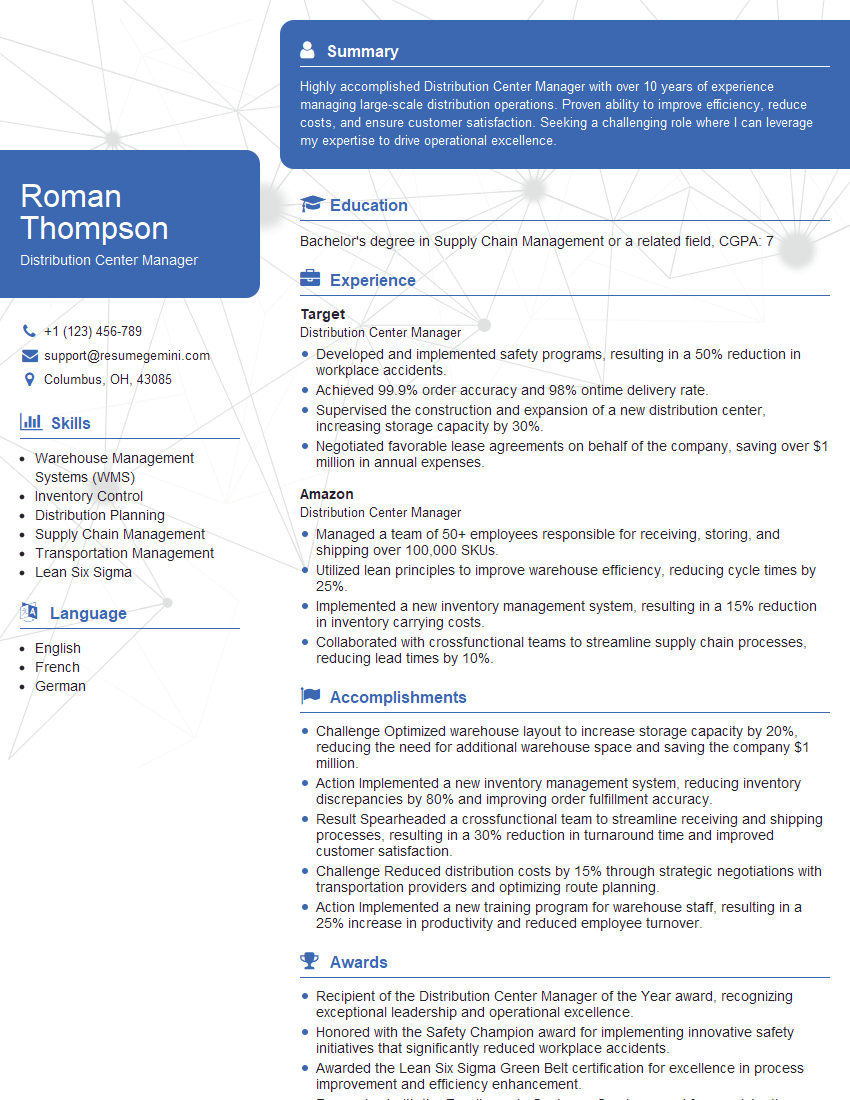
Distribution Center Manager Resume Sample

Logistics Manager Resume Sample

Warehouse Manager Resume Sample
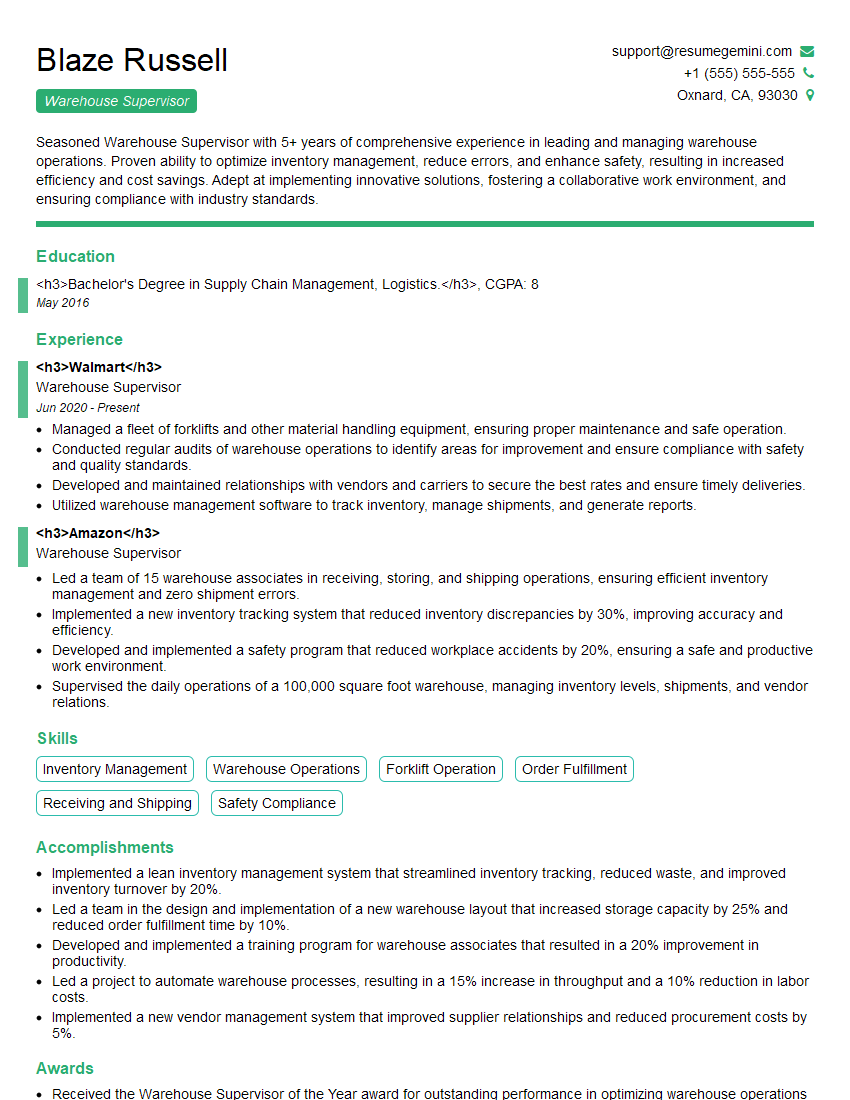
Warehouse Supervisor Resume Sample
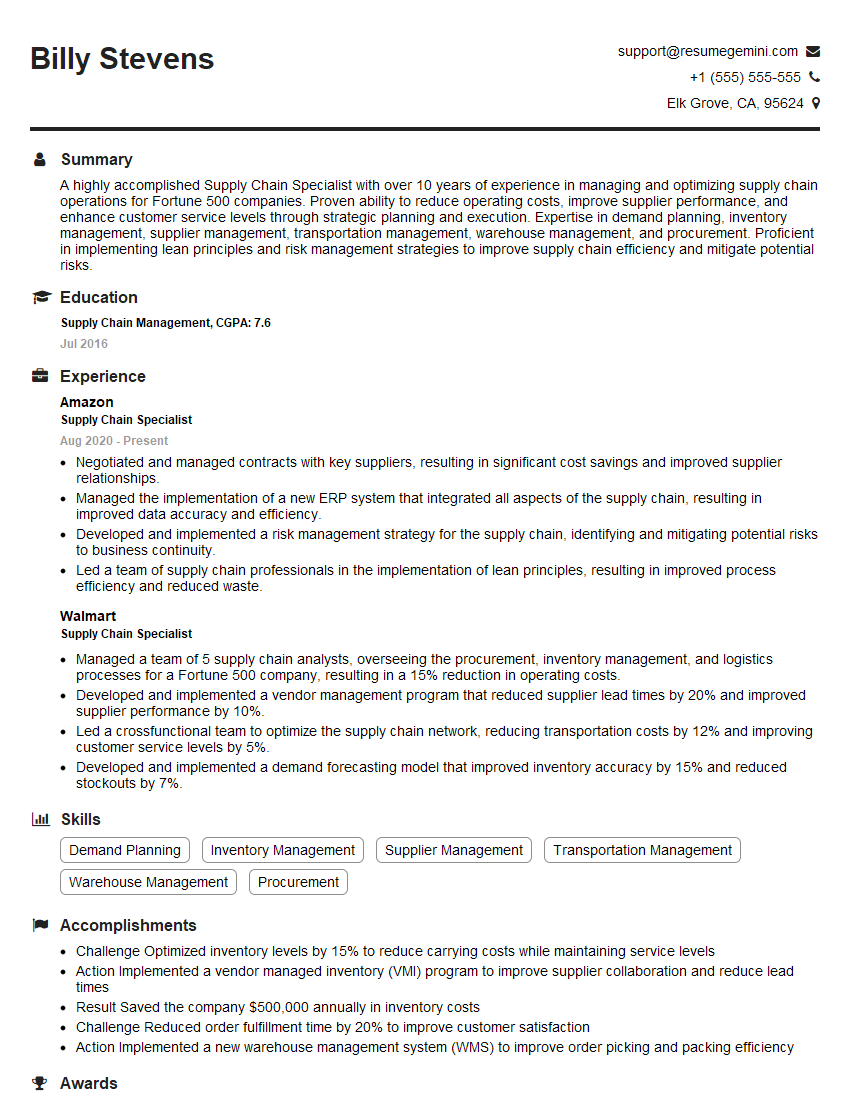
Supply Chain Specialist Resume Sample
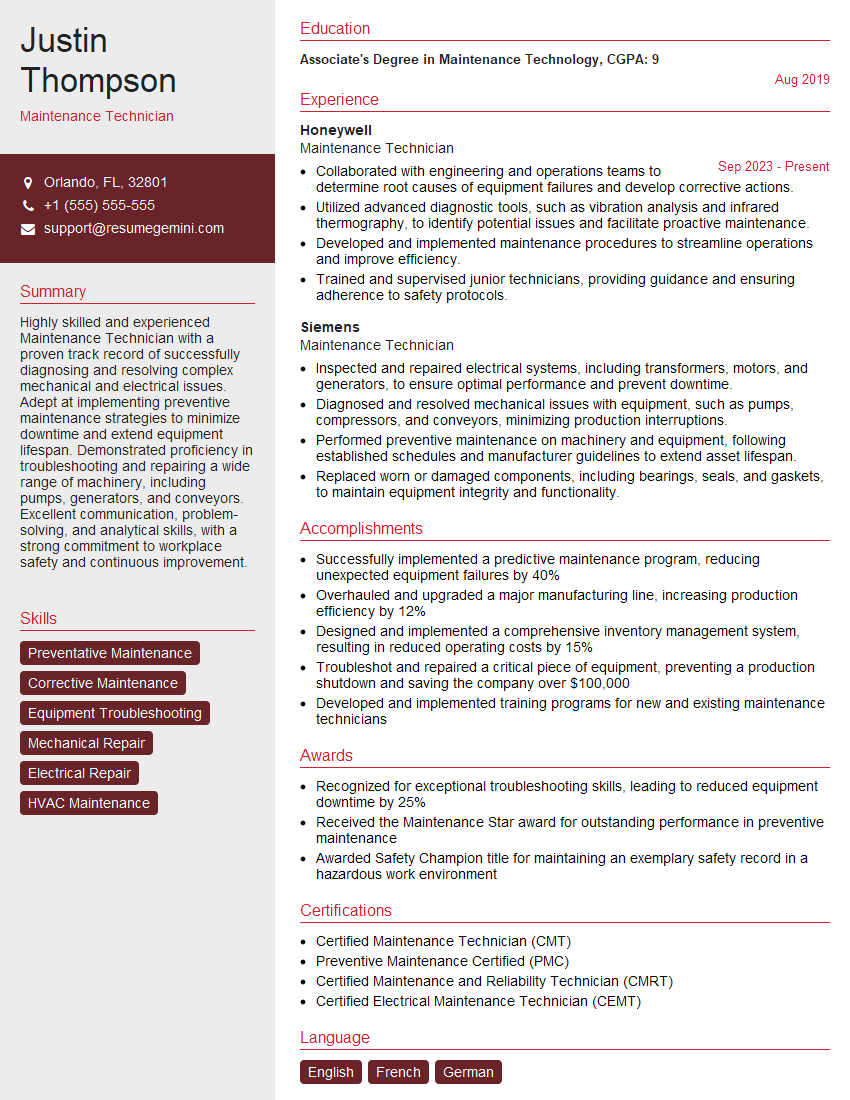
Maintenance Technician Resume Sample

Equipment Operator Resume Sample

Safety Officer Resume Sample

Crane Operator Resume Sample

Inventory Control Specialist Resume Sample

Shipping and Receiving Clerk Resume Sample
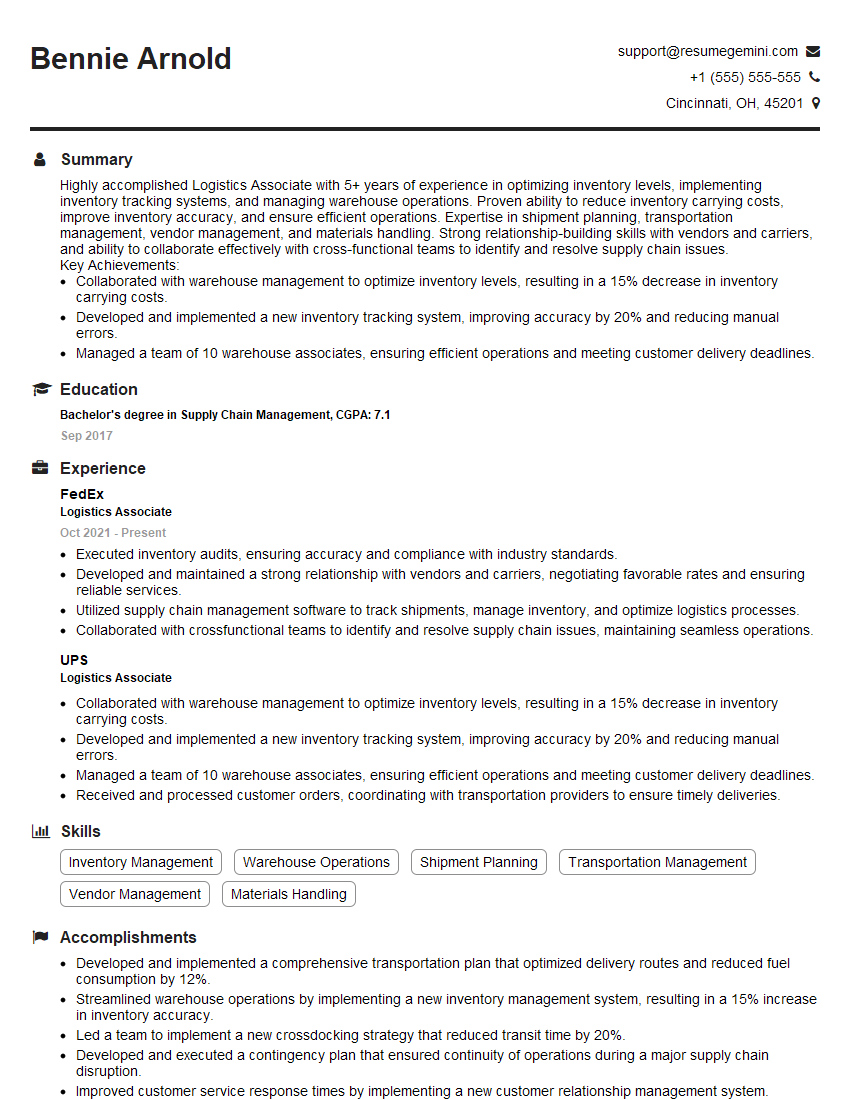
Logistics Associate Resume Sample

Material Handler Resume Sample

Order Picker Resume Sample

Forklift Operator Resume Sample

Rigger Resume Sample

Material Handling Technician Resume Sample

Lift Truck Mechanic Resume Sample

Hoist Operator Resume Sample

Warehouse Associate Resume Sample
- Operations Manager
- Supply Chain Manager
- Distribution Center Manager
- Logistics Manager
- Warehouse Manager
- Warehouse Supervisor
- Supply Chain Specialist
- Maintenance Technician
- Equipment Operator
- Safety Officer
- Crane Operator
- Inventory Control Specialist
- Shipping and Receiving Clerk
- Logistics Associate
- Material Handler
- Order Picker
- Forklift Operator
- Rigger
- Material Handling Technician
- Lift Truck Mechanic
- Hoist Operator
- Warehouse Associate
Explore more articles
Users Rating of Our Blogs
Share Your Experience
We value your feedback! Please rate our content and share your thoughts (optional).
What Readers Say About Our Blog
Very informative content, great job.
good