Interviews are more than just a Q&A session—they’re a chance to prove your worth. This blog dives into essential Vaccination and Deworming interview questions and expert tips to help you align your answers with what hiring managers are looking for. Start preparing to shine!
Questions Asked in Vaccination and Deworming Interview
Q 1. Explain the mechanism of action of a live attenuated vaccine.
Live attenuated vaccines use a weakened form of the pathogen to trigger an immune response. Instead of causing illness, the weakened pathogen replicates in the recipient, mimicking a natural infection. This replication stimulates a robust and long-lasting immune response, including both humoral (antibody-mediated) and cell-mediated immunity.
Think of it like a controlled exposure – a small, harmless ‘taste’ of the disease that teaches the body to fight it off later. The body produces antibodies and memory B and T cells, which provide long-term protection. Examples include the measles, mumps, and rubella (MMR) vaccine and the oral polio vaccine (OPV).
Q 2. Describe the difference between active and passive immunity.
Active and passive immunity differ in how the body acquires protection. Active immunity develops when the body’s immune system actively produces antibodies in response to an antigen (like a vaccine or a natural infection). This process takes time, but the resulting immunity is usually long-lasting. Think of it as building your own defense system.
Passive immunity, on the other hand, involves the transfer of pre-formed antibodies from one source to another. This is like borrowing someone else’s already-built defense system. It provides immediate protection but is shorter-lived because the body doesn’t produce the antibodies itself. Examples include maternal antibodies passed to a newborn through breast milk or the administration of antitoxins.
Q 3. What are the contraindications for administering certain vaccines?
Contraindications for vaccines vary depending on the specific vaccine, but common ones include severe allergic reactions to a previous dose of the same vaccine or its components, a severely weakened immune system (immunodeficiency), and pregnancy (for some vaccines). Certain illnesses, such as a high fever, might temporarily postpone vaccination until the animal recovers. A thorough history taking of the animal’s health is crucial before any vaccination.
For example, a dog with a known severe allergy to eggs should not receive vaccines containing egg protein. Always consult the vaccine product insert for a complete list of contraindications and precautions.
Q 4. How do you determine the appropriate dosage of deworming medication?
Deworming medication dosage is determined by the animal’s weight, the type of parasite targeted, and the specific medication used. The dosage is usually expressed as milligrams (mg) or milliliters (ml) per kilogram (kg) of body weight. This information is clearly stated on the product label.
Incorrect dosing can lead to ineffective treatment or toxicity. Always follow the manufacturer’s instructions carefully. Using a weight scale accurate to the nearest tenth of a kilogram is crucial for precise dosing. If you are unsure about the appropriate dosage, consult your veterinarian.
For example, a deworming medication for dogs might have a recommended dosage of 5 mg/kg. For a 10kg dog, the dose would be 50 mg. Never guess; always double-check the dosage calculation before administering any medication.
Q 5. What are the common side effects of vaccination in animals?
Common side effects of vaccination in animals are usually mild and transient. These can include localized reactions at the injection site such as swelling, redness, pain, or firmness. More systemic reactions are less frequent and can include lethargy, mild fever, or loss of appetite. In rare cases, more severe reactions can occur, requiring immediate veterinary attention.
It’s crucial to monitor the animal closely for 24-48 hours after vaccination. If any unusual symptoms develop, contact your veterinarian immediately. Note any unusual reactions in the patient’s record. Proper record-keeping is essential for tracking vaccine efficacy and adverse reactions.
Q 6. How do you handle a vaccine adverse event?
Handling a vaccine adverse event requires prompt action. First, assess the severity of the reaction. Mild reactions, like localized swelling, usually require only observation and supportive care. For moderate to severe reactions (such as anaphylaxis), immediate veterinary intervention is crucial, which may include administering antihistamines or epinephrine. Thorough documentation of the event, including the vaccine administered, the animal’s response, and the treatment provided, is vital for future reference and reporting.
Reporting suspected vaccine adverse events to relevant authorities, like the vaccine manufacturer and regulatory agencies, is essential for monitoring vaccine safety and improving vaccine strategies.
Q 7. Describe different types of deworming medications and their uses.
Numerous deworming medications target different parasites. Broad-spectrum dewormers are effective against multiple parasite types, such as roundworms, hookworms, and whipworms. Specific dewormers target a particular parasite, like tapeworms. The choice of medication depends on the suspected parasite infection, the animal’s species, age, and health status. It’s crucial to use dewormers according to the veterinarian’s recommendation, based on a proper diagnosis.
Examples include benzimidazoles (e.g., fenbendazole), ivermectin (often used for heartworm prevention as well), and pyrantel pamoate. The proper administration route (oral, topical, injectable) and frequency of treatment is always specific to the medication and parasite.
Q 8. What are the key factors to consider when developing a vaccination schedule?
Developing a vaccination schedule requires careful consideration of several key factors. It’s like planning a comprehensive defense strategy against multiple enemies (diseases).
- Disease prevalence: The vaccination schedule must prioritize vaccines against diseases that are most common or pose the greatest threat in a specific geographic region or population. For example, in areas with high measles incidence, the measles vaccine would be a top priority.
- Age-specific susceptibility: Infants and young children are generally more susceptible to certain diseases, so vaccines targeting those diseases are usually administered earlier in life. For example, rotavirus vaccine is typically given in the early months of life.
- Vaccine efficacy and safety: The schedule must consider the efficacy (how well the vaccine works) and safety profile (potential side effects) of each vaccine. Some vaccines might require multiple doses to achieve full immunity, leading to a spaced-out schedule.
- Immunological interference: Administering multiple vaccines simultaneously can sometimes interfere with the immune response. Therefore, the schedule must be carefully designed to minimize this risk and ensure optimal immune protection.
- Logistics and feasibility: Practical factors like vaccine availability, cost, and the feasibility of administering multiple doses influence the schedule. For example, resource-limited settings may necessitate simpler schedules.
- Public health goals: The overall goal is to achieve herd immunity, protecting the entire population even those who can’t be vaccinated. The schedule needs to be effective and widely accepted to achieve this.
Creating an effective vaccination schedule is a complex process that requires collaboration between epidemiologists, immunologists, and public health officials.
Q 9. Explain the importance of proper vaccine storage and handling.
Proper vaccine storage and handling are critical for maintaining vaccine potency and ensuring safety. Imagine a delicate flower – it needs the right conditions to thrive and keep its beauty. Similarly, vaccines need specific temperature ranges to remain effective.
- Cold chain maintenance: Vaccines must be consistently stored at recommended temperatures (often between 2°C and 8°C) using refrigerators and freezers with accurate thermometers. Consistent monitoring is essential. Breaks in the cold chain can render vaccines ineffective.
- Proper handling techniques: Vaccines must be handled carefully to prevent contamination. This includes using sterile needles and syringes, maintaining proper aseptic techniques, and avoiding excessive shaking or exposure to sunlight.
- Inventory management: Accurate record-keeping of vaccine stock, expiry dates, and handling procedures is crucial to prevent wastage and ensure vaccine availability.
- Training of personnel: Healthcare providers administering vaccines should receive thorough training on proper storage, handling, and administration techniques to prevent errors and maintain the efficacy and safety of the vaccine.
Failure to maintain the cold chain or follow proper handling procedures can result in vaccine failure, leading to decreased efficacy or potentially causing adverse reactions due to degraded vaccines.
Q 10. How do you identify and control parasite infestations?
Identifying and controlling parasite infestations involves a multi-pronged approach that’s similar to pest control in a home – you need to identify the pest and employ the right method for eradication.
- Diagnosis: Parasite infestations are often diagnosed through fecal examination (looking for parasite eggs or larvae in stool samples), blood tests (checking for parasite antigens or antibodies), or imaging techniques (identifying adult parasites). For example, a blood smear can help diagnose malaria.
- Treatment: Anthelmintic drugs (dewormers) are the primary method of treatment for many parasitic infestations. The specific drug and dosage vary depending on the type of parasite and the host species. For example, albendazole is effective against a range of intestinal worms.
- Environmental control: Many parasites have specific environmental conditions that favor their survival. Measures to control these conditions can help reduce parasite transmission. For example, improving sanitation and hygiene practices can minimize the spread of many intestinal parasites.
- Vector control: Some parasites are transmitted through vectors such as mosquitoes or ticks. Controlling the vector population through insecticide spraying or other measures is vital for preventing infestations. For instance, malaria prevention involves controlling mosquito populations.
- Public health interventions: Mass deworming campaigns can be implemented in communities with high rates of parasitic infestations. These campaigns often target specific age groups.
A successful parasite control strategy requires a comprehensive approach that combines diagnosis, treatment, and environmental control to minimize the impact of parasitic infections.
Q 11. Discuss the role of vaccination in herd immunity.
Vaccination plays a crucial role in achieving herd immunity, a form of indirect protection for those who cannot be vaccinated. It is like creating a protective shield around vulnerable individuals.
When a large percentage of a population is vaccinated against a particular disease, it becomes difficult for the pathogen to spread efficiently. This reduced transmission protects not only the vaccinated individuals but also those who cannot be vaccinated due to medical reasons (e.g., immunocompromised individuals) or age (e.g., infants too young for certain vaccines). This indirect protection is herd immunity.
The threshold for herd immunity varies depending on the infectiousness of the disease and the efficacy of the vaccine. For highly contagious diseases like measles, a high vaccination coverage (often above 95%) is required to achieve herd immunity. For less contagious diseases, lower coverage rates might be sufficient.
Herd immunity is essential for protecting vulnerable populations and reducing the overall incidence of vaccine-preventable diseases. It also helps to prevent outbreaks and epidemics.
Q 12. How do you monitor the efficacy of vaccination programs?
Monitoring the efficacy of vaccination programs is crucial to assess their impact and identify areas for improvement. It’s like tracking the performance of a complex machine and making adjustments for optimal efficiency.
- Disease surveillance: Monitoring the incidence of vaccine-preventable diseases is the primary indicator of vaccine program success. A significant decline in disease incidence suggests a successful program.
- Serological surveys: Measuring antibody levels in the vaccinated population helps determine the proportion of individuals who have developed protective immunity after vaccination. This helps gauge vaccine effectiveness.
- Vaccine coverage rates: Tracking the percentage of the target population that has received the recommended vaccines provides an indication of program reach and effectiveness.
- Adverse event monitoring: Continuous surveillance of adverse events following vaccination helps assess vaccine safety and identify potential problems.
- Cost-effectiveness analysis: Evaluating the cost-effectiveness of vaccination programs helps justify resource allocation and optimize program efficiency.
Data collected through these methods are crucial in making informed decisions about vaccine program design, implementation, and resource allocation. Regular monitoring ensures programs remain effective and adapt to changing circumstances.
Q 13. What are the ethical considerations surrounding vaccination?
Ethical considerations surrounding vaccination involve balancing individual rights and the collective good of society. It’s a complex ethical dilemma that requires careful consideration of various factors.
- Informed consent: Individuals should have the right to make informed decisions about vaccination based on accurate information about benefits and risks. This applies to all age groups, with special considerations for children and vulnerable populations where parental or guardian consent is necessary.
- Vaccine safety and efficacy: Ensuring the safety and efficacy of vaccines through rigorous research and testing is paramount. Transparency in sharing information about risks and benefits is also critical.
- Equity and access: Vaccination programs should strive to ensure equitable access to vaccines for all populations, regardless of socioeconomic status, race, or geographic location. This necessitates tackling logistical and financial barriers to access.
- Mandatory vaccination: The ethics of mandatory vaccination are often debated, balancing individual autonomy with the need for public health protection. Such policies require careful consideration of potential limitations on individual rights.
- Religious and cultural beliefs: Respect for diverse religious and cultural beliefs regarding vaccination is crucial, while also maintaining the broader aim of maximizing vaccine coverage and protecting public health. Open dialogue and education often bridge this gap.
Ethical decision-making in vaccination requires a delicate balance between individual rights and the collective well-being of society. Ongoing dialogue and careful consideration of these aspects are necessary to ensure ethically sound and effective vaccination programs.
Q 14. Describe different methods for administering vaccines.
Vaccines are administered using various methods, each with its advantages and disadvantages. The choice of method often depends on the type of vaccine, the age of the recipient, and the accessibility of resources.
- Intramuscular (IM): This is the most common route, involving injection into a muscle. The deltoid muscle in the arm or the vastus lateralis muscle in the thigh are frequently used sites. Many vaccines, including influenza and hepatitis B, are administered this way.
- Subcutaneous (SC): Injection under the skin is used for some vaccines, like measles, mumps, and rubella. This route generally results in a slower absorption rate compared to IM administration.
- Intradermal (ID): Injection into the dermis (the upper layer of skin) is used less frequently. This method is used for some tuberculosis tests (like the Mantoux test), and certain vaccines, like BCG (Bacillus Calmette-Guérin), might also be administered intradermally.
- Oral: Some vaccines, like the oral polio vaccine, are administered orally. This route is easy and convenient, but it may not be as effective as injected vaccines in certain circumstances.
- Nasal: Nasal spray vaccines are available for some diseases, like influenza. This route is convenient and may elicit a good immune response in the nasal passages.
The selection of the appropriate administration route requires consideration of the specific characteristics of the vaccine and the recipient to ensure optimal efficacy and safety.
Q 15. Explain the concept of serological testing in relation to vaccination.
Serological testing, in the context of vaccination, is a crucial method to assess the immune response after vaccination. It doesn’t directly measure the vaccine itself, but rather the body’s reaction to it. Essentially, we’re looking for evidence that the vaccine has successfully triggered the immune system to produce antibodies against the targeted disease.
This is done by drawing a blood sample and analyzing the serum (the liquid portion of the blood after clotting) for the presence of specific antibodies. If antibodies are detected at a sufficient level, it suggests a successful immune response and, therefore, a likely protective effect from the disease. The absence or low levels of antibodies might indicate insufficient immune response, requiring further investigation and potentially a booster dose.
For example, after administering a canine distemper vaccine, we might perform a serological test several weeks later to confirm the presence of anti-distemper antibodies. A positive result reassures us that the vaccination was effective. Different tests exist, such as ELISA (enzyme-linked immunosorbent assay) and neutralization tests, each with varying sensitivity and specificity for different diseases and antibodies.
Career Expert Tips:
- Ace those interviews! Prepare effectively by reviewing the Top 50 Most Common Interview Questions on ResumeGemini.
- Navigate your job search with confidence! Explore a wide range of Career Tips on ResumeGemini. Learn about common challenges and recommendations to overcome them.
- Craft the perfect resume! Master the Art of Resume Writing with ResumeGemini’s guide. Showcase your unique qualifications and achievements effectively.
- Don’t miss out on holiday savings! Build your dream resume with ResumeGemini’s ATS optimized templates.
Q 16. How do you manage vaccine stock and expiry dates?
Managing vaccine stock and expiry dates is paramount for maintaining vaccine efficacy and preventing wastage. It involves a multi-pronged approach.
- First-In, First-Out (FIFO) System: We always use the oldest vaccines first, ensuring that near-expiry vaccines are administered before newer ones. This minimizes the risk of expiry-related losses.
- Detailed Inventory: A meticulous record-keeping system is crucial, tracking vaccine batch numbers, expiry dates, quantities received, and quantities administered. Software solutions can be hugely beneficial here.
- Proper Storage: Vaccines must be stored under the appropriate temperature conditions specified by the manufacturer, typically within a cold chain (refrigeration). Regular temperature monitoring is essential, with records meticulously maintained.
- Regular Stock Audits: Frequent checks of vaccine stock are necessary to identify near-expiry vaccines and potential storage issues. These audits help in planning for replenishment and identifying any discrepancies.
- Disposal Procedures: Clear procedures for disposing of expired or damaged vaccines must be established and strictly followed, often involving specific biohazard protocols.
Imagine a scenario where we fail to track expiry dates: we could end up administering ineffective vaccines, potentially jeopardizing animal health and risking outbreaks. Robust vaccine management ensures that we provide only effective protection.
Q 17. Discuss the challenges of deworming in livestock.
Deworming livestock presents numerous challenges, often intertwined and impacting efficacy.
- Parasite Resistance: Overuse or misuse of dewormers has led to widespread parasite resistance, rendering many commonly used drugs ineffective. This necessitates the development and use of new deworming agents and strategic deworming programs.
- Difficult Diagnostics: Accurate diagnosis of parasitic infections can be difficult. Faecal egg counts, while helpful, don’t always provide a complete picture of the infection’s severity, especially with infections that don’t produce eggs, like larval stages.
- Environmental Factors: Parasite lifecycle and prevalence are significantly affected by environmental factors like climate, humidity, and grazing management. High rainfall or poor pasture management can increase parasite burden.
- Economic Constraints: The cost of dewormers, especially for large herds, can be a significant barrier to implementing effective deworming programs. Farmers might opt for less-effective strategies due to cost concerns.
- Practical Challenges: Administering dewormers to large numbers of animals can be time-consuming and labor-intensive. This is especially true in extensive farming systems.
For example, a farmer might struggle to control gastrointestinal parasites in sheep due to drug resistance in the local parasite population, compounded by inadequate pasture rotation.
Q 18. What are the common parasites affecting different animal species?
The common parasites affecting different animal species are numerous and vary widely depending on the host species, their environment, and management practices. Here are some examples:
- Cattle: Ostertagia ostertagi (brown stomach worm), Cooperia spp. (Cooperia worms), Haemonchus placei (barber pole worm), Fasciola hepatica (liver fluke).
- Sheep: Haemonchus contortus (barber pole worm), Teladorsagia circumcincta (Teladorsagia worm), Nematodirus battus (Nematodirus worm), Dicrocoelium dendriticum (lancet liver fluke).
- Swine: Ascaris suum (roundworm), Oesophagostomum spp. (nodular worm), Trichuris suis (whipworm).
- Poultry: Heterakis gallinarum (cecal worm), Ascaridia galli (roundworm), Eimeria spp. (coccidia).
- Dogs: Toxocara canis (roundworm), Ancylostoma caninum (hookworm), Dipylidium caninum (tapeworm).
- Cats: Toxocara cati (roundworm), Ancylostoma tubaeforme (hookworm), Toxoplasma gondii (toxoplasmosis – protozoan).
It is important to note that this is not an exhaustive list, and many other parasites can affect these and other animal species.
Q 19. How do you interpret parasite egg counts?
Interpreting parasite egg counts involves understanding the quantitative relationship between the number of parasite eggs detected in a faecal sample and the intensity of the parasitic infection. It’s a crucial tool in assessing the need for deworming and monitoring its effectiveness.
The results are typically expressed as eggs per gram (EPG) of faeces. A high EPG count indicates a heavy parasitic burden, whereas a low count might suggest a light or even negligible infection. However, simply relying on a single EPG count can be misleading. Factors to consider include:
- Species of Parasite: Different parasites have varying egg production rates. A high EPG of a low-pathogenicity parasite might not require treatment, whereas a low EPG of a highly pathogenic parasite could demand immediate intervention.
- Age and Health of the Animal: Younger or weaker animals are more susceptible to the effects of parasitic infection, even at relatively low EPGs.
- Clinical Signs: The presence or absence of clinical symptoms (weight loss, diarrhoea, anaemia, etc.) should be considered along with the EPG count.
- Thresholds: Veterinary guidelines provide EPG thresholds to guide deworming decisions. These thresholds vary depending on the parasite species, animal species, and the production system.
For example, an EPG count of 500 for Haemonchus contortus in sheep is usually considered a high count warranting deworming, whereas the same count for a less pathogenic species might not require immediate action. Repeated EPG counts are often helpful to monitor treatment success and the development of parasite resistance.
Q 20. Explain the role of preventative deworming.
Preventative deworming, also known as prophylactic deworming, aims to control parasitic infections before they become clinically significant. It is a crucial element of livestock and companion animal health management. The goal is to reduce parasite populations to a level that minimizes their impact on the animals’ health and productivity.
This approach relies on strategic deworming schedules, often based on the parasite lifecycle, seasonality, and the risk factors involved. It might involve regular deworming at specific intervals, or targeted deworming based on risk factors such as high parasite prevalence in the environment or the age and health status of the animals.
The benefits of preventative deworming include improved animal health, better productivity (increased weight gain, milk yield, egg production), and reduced economic losses. However, it is crucial to implement a strategic and responsible approach to prevent the development of drug resistance. This involves proper diagnosis, using effective dewormers, and following appropriate treatment protocols. Overuse of dewormers should be avoided. A thoughtful combination of preventative measures like pasture management and selective deworming is more sustainable in the long run.
Q 21. What is the difference between a broad-spectrum and a targeted deworming agent?
The difference between broad-spectrum and targeted deworming agents lies in their effectiveness against various parasite species.
- Broad-spectrum dewormers are effective against a wide range of parasite species. They are often used when the specific parasite species are unknown or when multiple species are suspected. However, this broad-spectrum activity can sometimes lead to a greater risk of developing resistance.
- Targeted deworming agents are specifically effective against one or a few closely related parasite species. They are generally preferred when the specific parasite causing the infection is known. The use of targeted dewormers minimizes the risk of killing beneficial organisms and helps to reduce the likelihood of developing resistance in non-target species.
For example, a broad-spectrum dewormer might be used in a herd of cattle with suspected multiple gastrointestinal parasites. In contrast, if a specific parasite species (e.g., Haemonchus contortus) is known to be causing a problem in sheep, a targeted dewormer effective against that species would be preferred. The choice between broad-spectrum and targeted dewormers depends on factors such as the prevalence of various parasite species, the severity of infection, and the potential risk of developing drug resistance.
Q 22. Describe the resistance development related to deworming.
Resistance development in deworming, also known as anthelmintic resistance, is a significant concern. It occurs when parasitic worms evolve and become less susceptible or completely resistant to the drugs used to control them. This means the dewormers become less effective, leading to persistent infections and reduced treatment success.
This happens through various mechanisms. For instance, some parasites develop mutations that alter the drug’s target site, preventing the drug from binding effectively. Others may enhance drug detoxification or develop increased drug efflux, pumping the drug out of their cells. The overuse or misuse of dewormers accelerates this process significantly.
Think of it like antibiotics for bacteria: if we overuse antibiotics, the bacteria evolve resistance, making the antibiotics ineffective. Similarly, if we repeatedly use the same dewormers, the parasites develop resistance, rendering future treatments less effective. This leads to a need for higher dosages, more frequent treatments, and potentially, the use of more toxic drugs.
- Overuse: Frequent deworming, even when not needed, selects for resistant parasites.
- Misuse: Incorrect dosage or administration of dewormers can lead to the survival and proliferation of resistant parasites.
- Lack of drug rotation: Using the same dewormer repeatedly allows resistant strains to thrive.
Strategies to combat resistance include strategic deworming (only when necessary), regular monitoring of parasite resistance, and employing integrated pest management techniques that reduce parasite exposure.
Q 23. What is the importance of record keeping in vaccination and deworming?
Record keeping in vaccination and deworming is absolutely crucial for effective animal health management and disease control. Accurate, detailed records provide a comprehensive history of each animal’s treatment, allowing for informed decision-making and improved outcomes.
Benefits of robust record-keeping include:
- Monitoring efficacy: Tracking vaccination and deworming schedules helps to assess the effectiveness of programs and identify potential problems.
- Disease surveillance: Records help identify disease outbreaks and track their spread, facilitating timely interventions.
- Individual animal health management: Knowing an animal’s vaccination and deworming history is essential for proper care and treatment decisions.
- Compliance and traceability: Accurate records are vital for complying with regulations and tracing the source of potential problems.
- Improved herd/flock health: Well-managed records contribute to better overall animal health and productivity.
Records should ideally include the animal’s identification, date of treatment, type of vaccine or dewormer administered, dosage, route of administration, and any observed reactions. Digital record-keeping systems are becoming increasingly popular due to their efficiency and ease of data analysis.
Q 24. How do you educate clients about vaccination and deworming?
Educating clients about vaccination and deworming is a vital part of my role. I use a clear, concise, and empathetic approach, tailored to each client’s level of understanding and concerns.
My strategy involves:
- Explaining the ‘why’: I start by explaining the benefits of vaccination and deworming in plain language, highlighting how they protect animals from disease and improve their overall health and productivity. I use analogies and relatable examples to make complex concepts easier to grasp.
- Addressing concerns: I openly address clients’ concerns, such as potential side effects or costs, offering honest and informative responses.
- Providing clear instructions: I provide clear and detailed instructions on how to administer vaccines and dewormers correctly, emphasizing the importance of following instructions carefully. I also demonstrate the correct techniques if needed.
- Follow-up and support: I encourage clients to contact me with any questions or concerns and provide ongoing support to ensure successful implementation.
- Visual aids: Brochures, leaflets or short videos can supplement the discussion, improving comprehension and retention.
Example: When explaining the importance of deworming, I might compare parasites to unwelcome house guests—they need to be evicted regularly to prevent harm to the host (the animal).
Q 25. What safety precautions should be taken when handling vaccines and dewormers?
Safety precautions are paramount when handling vaccines and dewormers. These substances can be hazardous if handled improperly. My approach prioritizes both personal safety and the safety of the animals.
Key precautions include:
- Personal Protective Equipment (PPE): Always wear appropriate PPE, such as gloves, masks, and eye protection, to prevent accidental exposure.
- Proper storage: Vaccines and dewormers should be stored at the correct temperature to maintain their efficacy and safety. Check labels for recommended storage conditions.
- Sterile techniques: Maintain sterile techniques during administration to prevent contamination and reduce the risk of infection.
- Safe disposal: Dispose of used needles, syringes, and other waste materials appropriately according to local regulations. Do not reuse needles or syringes.
- Accurate dosage: Always carefully measure and administer the correct dosage to avoid adverse effects.
- Read labels and instructions: Before handling any vaccine or dewormer, carefully read the label and accompanying instructions to understand potential risks and precautions.
- Emergency preparedness: Have a plan in place to handle any potential adverse reactions or accidental exposures.
Q 26. Explain the process of reporting vaccine reactions or failures.
Reporting vaccine reactions or failures is crucial for monitoring vaccine safety and effectiveness. Prompt and accurate reporting contributes to the overall knowledge base and helps prevent future problems.
The process usually involves documenting the incident in detail, including:
- Animal identification: Species, age, breed, and any other relevant identifiers.
- Vaccine details: Manufacturer, name, lot number, date of administration, and dosage.
- Reaction details: Nature of the reaction (e.g., fever, swelling, lethargy), onset, duration, and severity.
- Treatment administered: Any treatment given to manage the reaction.
- Outcome: Did the animal recover? Were there any long-term effects?
This information is then reported to the relevant authority (e.g., the manufacturer, a government agency, or a veterinary regulatory body). Many jurisdictions have established reporting systems or websites that facilitate this process.
Example: If an animal experiences a severe allergic reaction after a vaccination, a detailed report would be prepared and submitted promptly to the manufacturer and the appropriate veterinary authorities. This allows them to investigate the cause and potentially take action to improve the safety of the vaccine.
Q 27. How do you adapt your vaccination and deworming strategies to different environmental conditions?
Environmental conditions significantly influence the effectiveness of vaccination and deworming strategies. Adaptation is crucial for optimal results.
Factors to consider include:
- Climate: Extreme temperatures can affect vaccine stability and efficacy. Some vaccines require refrigeration, while others are heat-sensitive. Deworming efficacy may also be affected by temperature and humidity.
- Rainfall: Heavy rainfall can lead to increased parasite burdens, requiring more frequent deworming. It can also impact pasture quality and animal health.
- Altitude: Altitude can affect parasite prevalence and distribution, necessitating modifications to deworming programs.
- Herd management practices: Overstocking or poor hygiene practices can exacerbate parasite problems, requiring more intensive control measures.
Adaptations: Strategies may involve using different types of vaccines or dewormers suitable for specific conditions, adjusting treatment schedules based on environmental factors, implementing improved sanitation and herd management practices, and utilizing integrated pest management approaches that address both environmental and parasitic factors.
Example: In hot and humid climates, vaccines might require more frequent refrigeration and deworming programs might need to be adjusted for higher parasite burdens.
Q 28. Describe your experience with a specific vaccination or deworming protocol.
I have extensive experience with the implementation of a combined vaccination and deworming protocol for sheep flocks in a high-altitude region prone to gastrointestinal parasites and clostridial diseases.
The protocol involved:
- Vaccination: A multivalent clostridial vaccine was administered subcutaneously at specific ages, providing protection against common clostridial diseases prevalent in the area. A booster dose was given a few weeks later, and yearly boosters were implemented.
- Deworming: A strategic deworming approach was employed, utilizing fecal egg count (FEC) monitoring to determine the need for deworming. A rotational approach to dewormers was adopted to prevent or slow the development of anthelmintic resistance.
- Pasture Management: Rotation of pastures and improved grazing management were implemented to reduce parasite buildup on grazing lands. This helped to reduce parasite exposure in the flock.
The program led to a significant reduction in the incidence of clostridial diseases and gastrointestinal parasitism in the flocks, resulting in improved animal health, higher productivity, and reduced economic losses for the farmers. The FEC monitoring also allowed us to accurately assess the effectiveness of our deworming strategies and make necessary adjustments over time. Close collaboration with the farmers was essential for successful implementation of the protocol.
Key Topics to Learn for Vaccination and Deworming Interview
- Vaccine Types and Mechanisms: Understand different vaccine types (live attenuated, inactivated, subunit, etc.) and their mechanisms of action. Be prepared to discuss advantages and disadvantages of each.
- Vaccine Schedules and Administration: Familiarize yourself with recommended vaccination schedules for various age groups and species (human and animal, depending on the role). Practice explaining proper vaccine administration techniques and safety precautions.
- Adverse Events and Management: Learn to recognize and manage potential adverse events following vaccination. This includes understanding the causes, symptoms, and appropriate responses.
- Deworming Agents and Their Mechanisms: Study the various deworming agents, their target parasites, and their mechanisms of action. Be prepared to compare and contrast different classes of anthelmintics.
- Parasite Life Cycles and Epidemiology: Develop a strong understanding of the life cycles of common parasites and their epidemiology. This is crucial for effective deworming strategies.
- Resistance Management: Discuss strategies for preventing and managing anthelmintic resistance in both human and animal populations.
- Public Health Implications: Understand the public health significance of vaccination and deworming programs, including their impact on morbidity and mortality rates.
- Data Analysis and Interpretation: Be prepared to interpret data related to vaccine efficacy, deworming success rates, and parasite prevalence. This might include understanding statistical concepts relevant to epidemiological studies.
- Ethical Considerations: Discuss the ethical implications of vaccination and deworming programs, including informed consent and equitable access.
- Practical Application: Case Studies: Prepare to discuss real-world scenarios involving vaccination and deworming challenges and solutions. Consider preparing examples related to outbreak management, program implementation, or troubleshooting.
Next Steps
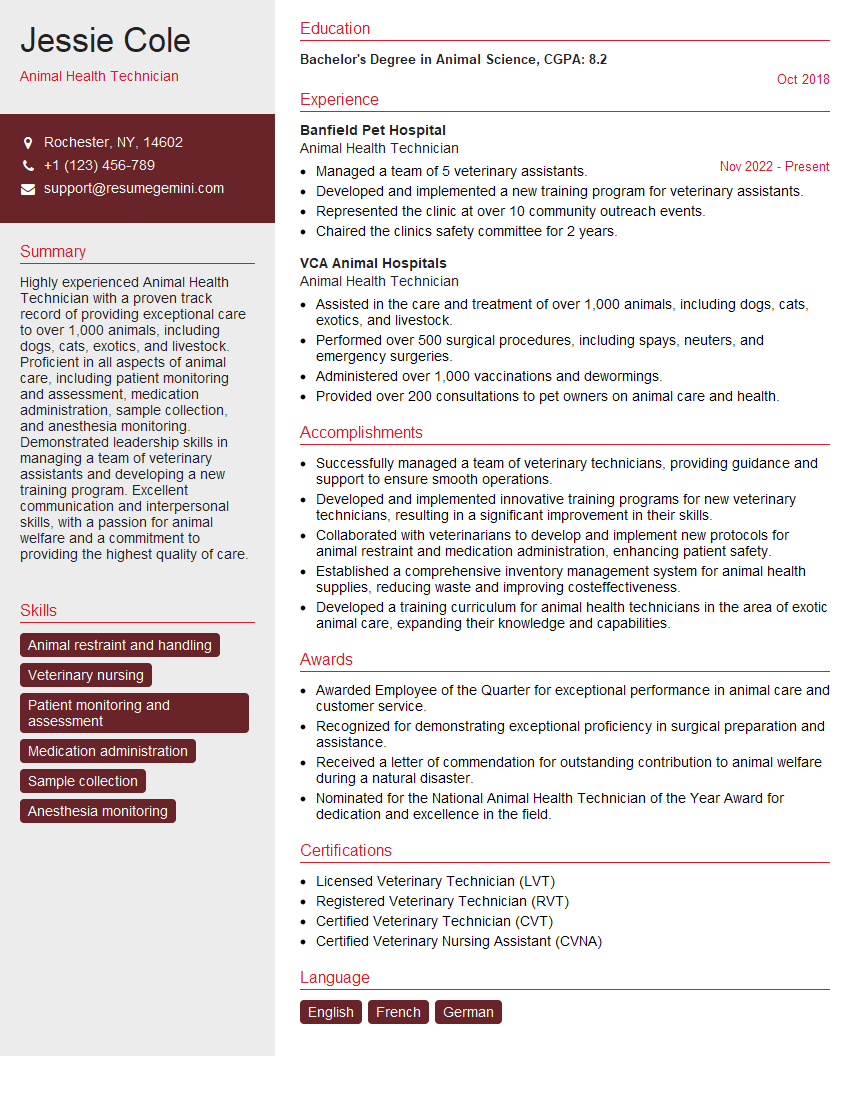
Mastering vaccination and deworming principles is vital for a successful career in this field, opening doors to diverse and impactful roles. A strong resume is your key to unlocking these opportunities. Creating an ATS-friendly resume is crucial for getting noticed by employers. ResumeGemini is a trusted resource that can help you build a professional and effective resume tailored to the specifics of your experience in vaccination and deworming. Examples of resumes tailored to this field are available, allowing you to see best practices in action.
Explore more articles
Users Rating of Our Blogs
Share Your Experience
We value your feedback! Please rate our content and share your thoughts (optional).
What Readers Say About Our Blog
Very informative content, great job.
good