Preparation is the key to success in any interview. In this post, we’ll explore crucial Water and Wastewater Design interview questions and equip you with strategies to craft impactful answers. Whether you’re a beginner or a pro, these tips will elevate your preparation.
Questions Asked in Water and Wastewater Design Interview
Q 1. Explain the difference between primary, secondary, and tertiary wastewater treatment.
Wastewater treatment is a multi-stage process designed to remove contaminants from wastewater before it’s safely returned to the environment. The three main stages – primary, secondary, and tertiary – represent increasing levels of treatment intensity.
Primary Treatment: This is the initial, physical process focusing on removing large solids. Think of it as a simple filtering process. Wastewater flows through a screen to remove large debris, then into settling tanks (clarifiers) where heavier solids settle out to form sludge. This removes around 60% of suspended solids and 30% of BOD (Biochemical Oxygen Demand), a measure of organic pollutants.
Secondary Treatment: This stage focuses on biological degradation of dissolved organic matter. Microorganisms (bacteria) consume the dissolved organic matter, significantly reducing BOD and suspended solids. Common methods include activated sludge processes (where air is bubbled through the wastewater to promote bacterial growth) and trickling filters (where wastewater is sprayed over a bed of media coated with microorganisms). This typically removes another 20-30% of BOD and suspended solids, bringing the total removal to 80-90%.
Tertiary Treatment: This is an optional, advanced treatment designed to remove remaining pollutants not handled by primary and secondary stages. Methods include filtration (sand, membrane), disinfection (chlorination, UV), and nutrient removal (nitrogen and phosphorus). Tertiary treatment is crucial for water bodies sensitive to even small pollutant levels, ensuring high-quality effluent.
Example: A municipal wastewater treatment plant might employ primary and secondary treatment for a basic level of cleanliness, with tertiary treatment added if the receiving water body (e.g., a lake or river) requires stricter standards.
Q 2. Describe the various methods used for water disinfection.
Water disinfection is the crucial final stage of water treatment, eliminating harmful microorganisms like bacteria, viruses, and protozoa. Several methods achieve this, each with advantages and disadvantages:
- Chlorination: The most common method, using chlorine gas, sodium hypochlorite (liquid bleach), or chlorine dioxide. Chlorine is a powerful disinfectant, relatively inexpensive, and provides residual protection in the distribution system. However, it can form disinfection byproducts (DBPs) that may be harmful at high concentrations.
- UV Disinfection: Uses ultraviolet light to damage the DNA of microorganisms, rendering them harmless. UV is environmentally friendly, producing no DBPs. However, it doesn’t provide residual disinfection like chlorine.
- Ozonation: Employs ozone (O3), a powerful oxidant, to kill microorganisms. Ozone is very effective, leaving no DBPs, but it is more expensive and less stable than chlorine, requiring on-site generation.
- Chloramination: Combining chlorine with ammonia creates chloramine, a longer-lasting disinfectant providing residual protection in the distribution system while producing fewer DBPs than free chlorine.
Selection of the appropriate method depends on factors such as water quality, cost, regulatory requirements, and the desired level of disinfection. For instance, a small community might opt for chlorination due to its cost-effectiveness, whereas a larger city with stringent DBP regulations might choose chloramination or UV disinfection.
Q 3. What are the key design considerations for a water distribution network?
Designing a reliable water distribution network requires careful consideration of several key factors to ensure adequate water pressure, flow, and quality throughout the system.
- Demand Forecasting: Accurately predicting future water demand based on population growth, industrial needs, and economic development is crucial to sizing pipes and storage facilities appropriately.
- Pipe Sizing and Material Selection: Proper pipe sizing ensures adequate flow while minimizing energy loss. Material selection considers factors like cost, durability, corrosion resistance (e.g., ductile iron, PVC, HDPE), and the water’s characteristics.
- Pumping System Design: Strategic placement of pumps and booster stations ensures adequate pressure throughout the network, especially in higher elevations. Pump sizing considers peak demand and head loss in the pipes.
- Storage Capacity: Reservoirs and elevated tanks provide storage for peak demand and ensure continuous supply during emergencies or equipment failures. Storage size depends on demand patterns and the reliability of the source water supply.
- Network Topology: Looping networks provide redundancy, enhancing system reliability. Dead-end lines should be avoided to minimize stagnation and water quality issues.
- Water Quality Considerations: The design should prevent contamination, maintain water pressure to avoid backflow, and minimize water age throughout the system.
Example: A growing suburb might require a looped network design with multiple storage tanks and booster stations to accommodate future population growth and ensure sufficient water pressure across different elevations.
Q 4. How do you design for peak flows in a wastewater collection system?
Wastewater collection systems must handle peak flows, often significantly exceeding average flows, effectively preventing sewer overflows and backups. Designing for peak flows involves several strategies:
- Peak Flow Estimation: Accurate estimation of peak flows is paramount, often using statistical methods based on historical data, rainfall intensity, and population characteristics. The rational method or time-area method are commonly used.
- Storage Capacity: Incorporating storage capacity in the system, such as wet wells at pumping stations or storage tanks, helps to manage fluctuations in flow and prevent overflows during peak events.
- Pipe Sizing: Pipes must be adequately sized to handle peak flows, avoiding excessive velocities that can cause erosion and damage while preventing backups. This often involves using larger diameter pipes during peak flow periods or implementing flow control strategies.
- Pumping Stations: Strategically located pumping stations with sufficient capacity can move wastewater during high flows from areas with low hydraulic gradients to areas with higher elevation. The pump’s capacity should be able to handle the peak flow rate.
- Flow Control Structures: Structures like flow regulators and weirs can help to manage flow rates, preventing surges and overflows.
Example: In a heavily urbanized area, a larger diameter pipe and strategically placed pumping station might be necessary to effectively manage storm runoff and prevent sewer overflows during intense rainfall events.
Q 5. Explain the concept of hydraulic head and its importance in water distribution.
Hydraulic head is the total energy per unit weight of water at a specific point in a water distribution system. It’s the sum of three components:
- Elevation Head: The potential energy due to the water’s elevation above a reference point (e.g., sea level).
- Pressure Head: The potential energy due to the water’s pressure.
- Velocity Head: The kinetic energy due to the water’s velocity.
Hydraulic head is expressed in units of length (e.g., meters or feet). Understanding hydraulic head is crucial for designing efficient water distribution systems:
- Determining Water Pressure: Pressure head directly affects water pressure in the system, which is essential for adequate water supply to consumers.
- Analyzing Flow Patterns: The difference in hydraulic head between two points drives water flow. Analyzing head loss due to friction in pipes is vital to ensuring sufficient flow and pressure.
- Designing Pumping Systems: Pumping systems need to overcome the total head loss in the distribution network to maintain the required pressure and flow.
- Identifying Potential Problems: Low head can indicate potential issues like insufficient flow, while high head might indicate excessive pressure that could cause leaks or pipe bursts.
Example: A water distribution system serving a hilly area needs to account for the elevation head to ensure sufficient pressure at higher elevations. Pumping stations might be needed to compensate for head loss due to friction in long pipelines or elevation changes.
Q 6. What are the common types of pumps used in water and wastewater systems?
Water and wastewater systems use various types of pumps, each tailored to specific applications:
- Centrifugal Pumps: The most common type, using a rotating impeller to increase the water’s velocity and pressure. They are efficient for handling large volumes of water at moderate pressures, commonly used in water distribution and wastewater pumping stations.
- Positive Displacement Pumps: These pumps displace a fixed volume of water with each stroke, producing high pressure at lower flow rates. They are suitable for handling viscous fluids or slurries and are sometimes used in sludge pumping in wastewater treatment.
- Submersible Pumps: These pumps are placed directly in the water source (well, reservoir, or sump), eliminating the need for a separate pumping chamber. They are commonly used for well water pumping or in wastewater treatment for sump pumping.
- Diaphragm Pumps: These pumps use a flexible diaphragm to move water, making them suitable for handling fluids with abrasive particles. They are sometimes used in wastewater applications where handling solids is crucial.
- Axial Flow Pumps: Designed to move large volumes of water at low pressure, often used for dewatering or large-scale water transfer projects.
Pump selection depends on factors such as flow rate, head, fluid properties, and cost. A large water treatment plant might use centrifugal pumps for main water distribution, while a smaller wastewater plant might opt for submersible pumps for sludge handling.
Q 7. Describe different types of filtration used in water treatment.
Water filtration removes suspended solids and other impurities from water. Several types of filtration are used in water treatment, each targeting different particle sizes and contaminant types:
- Coagulation and Flocculation: These pre-filtration processes enhance the removal of suspended particles. Chemicals (coagulants) destabilize the particles, allowing them to clump together (floc) for easier removal.
- Sedimentation: After coagulation/flocculation, gravity settles larger particles in sedimentation basins.
- Rapid Sand Filtration: Water flows through a bed of sand, removing remaining suspended solids. This is a common and cost-effective method.
- Dual Media Filtration: Uses a bed of anthracite coal and sand, providing enhanced removal of turbidity compared to sand filtration alone.
- Membrane Filtration: Employs membranes with extremely small pores to remove dissolved organic matter, bacteria, viruses, and other impurities. This includes microfiltration (MF), ultrafiltration (UF), nanofiltration (NF), and reverse osmosis (RO), with varying pore sizes and applications.
- Diatomaceous Earth Filtration (DE): Uses diatomaceous earth as a filter media, providing a high degree of filtration.
The choice of filtration method depends on water quality, desired level of treatment, and cost considerations. For example, a water treatment plant might employ coagulation/flocculation followed by rapid sand filtration for basic treatment, while a more advanced plant might add membrane filtration to achieve higher purity.
Q 8. How do you determine the appropriate size of a wastewater treatment plant?
Determining the appropriate size of a wastewater treatment plant is a crucial step in ensuring efficient and effective wastewater management. It involves a careful consideration of several factors, primarily the design flow. This isn’t simply the current wastewater generation; we need to project future needs, considering population growth, industrial expansion, and potential changes in water usage patterns. Think of it like sizing a water pipe – you wouldn’t use a garden hose for a fire hydrant.
We begin by estimating the average daily flow (ADF) and peak flow. ADF represents the typical daily wastewater volume, while peak flow accounts for periods of significantly higher flow, such as during rainfall events. Various methods are used for this estimation, including statistical analysis of historical data, population projections, and per-capita wastewater generation rates. For instance, a residential area might have a different per-capita wastewater generation rate than an industrial park.
Once the design flow is determined, we select the appropriate treatment processes and unit sizes. This might involve selecting the size of clarifiers, aeration tanks, and digesters based on established design standards and engineering calculations. These calculations consider hydraulic retention time (HRT) – the time wastewater spends in each treatment unit – and solid retention time (SRT) – the average time solids remain in the activated sludge process. Insufficient HRT or SRT can lead to incomplete treatment.
Finally, we factor in safety margins and redundancy. Treatment plant designs incorporate excess capacity to accommodate unforeseen increases in flow or equipment failures. This redundancy ensures continued operation even during maintenance or unexpected events. Imagine a hospital – you need backup generators in case of a power outage; similarly, a wastewater treatment plant requires redundancy for reliable operation.
Q 9. Explain the principles of activated sludge treatment.
Activated sludge treatment is a widely used biological wastewater treatment process that relies on the action of microorganisms to remove organic pollutants. Imagine a tiny army of microscopic organisms working together to break down waste. This process primarily involves two key components: aeration and sedimentation.
In the aeration tank, wastewater is mixed with a large population of microorganisms called activated sludge. Air is introduced to provide oxygen, which the microorganisms need to aerobically break down organic matter. This process transforms complex organic compounds into simpler, less harmful substances like carbon dioxide and water. The microorganisms thrive on this ‘food’ source and multiply, forming the activated sludge.
Following aeration, the mixture flows into a clarifier or sedimentation tank. Here, the activated sludge settles out, forming a concentrated sludge layer at the bottom. A portion of this sludge is recycled back to the aeration tank to maintain a healthy microbial population (return activated sludge or RAS). The remaining sludge is removed as waste sludge (waste activated sludge or WAS).
The clarified effluent, now significantly reduced in organic pollutants, is discharged. The efficiency of the process depends on several factors, including aeration intensity, HRT, SRT, and the characteristics of the influent wastewater. Properly managed, activated sludge treatment is highly effective at removing BOD (Biochemical Oxygen Demand) and suspended solids, improving the quality of discharged water.
Q 10. What are the regulatory requirements for wastewater discharge?
Regulatory requirements for wastewater discharge vary significantly depending on location and the type of discharge. However, common themes revolve around protecting receiving water bodies and public health. These regulations are typically set by national, regional, or local environmental agencies.
Commonly regulated parameters include:
- Biochemical Oxygen Demand (BOD): Measures the amount of oxygen consumed by microorganisms during the decomposition of organic matter. High BOD indicates significant organic pollution and can deplete oxygen in receiving waters, harming aquatic life.
- Suspended Solids (SS): Represents the total amount of solid particles suspended in the wastewater. Excessive SS can cloud water, reduce light penetration, and negatively impact aquatic ecosystems.
- Total Nitrogen and Phosphorus: These nutrients can contribute to eutrophication, an overgrowth of algae that depletes oxygen and harms aquatic life. Regulations often limit their discharge to control nutrient loading in water bodies.
- pH: The wastewater discharge needs to have a pH within an acceptable range to avoid harming aquatic organisms.
- Pathogens: Regulations often require disinfection to eliminate harmful bacteria and viruses.
Non-compliance with these discharge limits can result in significant penalties, including fines and legal action. Detailed discharge permits are usually required, specifying allowed discharge limits and monitoring requirements. Regular monitoring and reporting are essential to ensure compliance.
Q 11. Describe different types of pipes used in water and wastewater systems and their applications.
Water and wastewater systems utilize a variety of pipes, each suited to specific applications based on material properties, pressure ratings, and cost considerations.
Common pipe materials include:
- Ductile Iron: Strong, durable, and resistant to corrosion. Commonly used for water mains under pressure, especially in larger diameter applications.
- Polyvinyl Chloride (PVC): Lightweight, corrosion-resistant, and relatively inexpensive. Widely used for sewer lines and water distribution in low-pressure applications.
- High-Density Polyethylene (HDPE): Flexible, durable, and resistant to chemicals. Often used for long pipeline runs, particularly in challenging terrains.
- Concrete: Used for large-diameter sewer lines and gravity-flow applications. Provides structural strength and resistance to abrasion.
- Asbestos Cement (AC): Though largely phased out due to health concerns, some older systems may still contain AC pipes.
The choice of pipe material depends on several factors: internal and external pressures, soil conditions, chemical compatibility with the transported fluid, lifespan requirements, and cost. For instance, HDPE might be favored for its flexibility in crossing uneven terrain, while ductile iron offers superior strength for high-pressure water mains.
Q 12. How do you design for sewer overflows and infiltration/inflow?
Sewer overflows and infiltration/inflow (I/I) are significant challenges in wastewater management. Sewer overflows occur when the capacity of the sewer system is exceeded, leading to untreated wastewater being discharged into the environment. I/I refers to the unwanted entry of groundwater (infiltration) and stormwater (inflow) into the sewer system, increasing the volume of wastewater and potentially overloading the treatment plant.
Designing for these challenges involves several strategies:
- Capacity Planning: Accurate forecasting of future flows, including peak flows from rainfall events, is crucial. The sewer system needs sufficient capacity to handle these peak flows without overflowing.
- Proper Sewer Design: This includes using appropriate pipe sizes and slopes to ensure efficient flow. Regular maintenance and cleaning of the sewer system help prevent blockages.
- Stormwater Management: Implementing separate stormwater systems to minimize inflow. This prevents stormwater from mixing with wastewater and overloading the sewer system.
- Infiltration/Inflow Reduction: Identifying and repairing leaks and cracks in sewer pipes. This reduces the volume of infiltrated groundwater.
- Overflow Control Structures: Implementing storage tanks or overflow bypass systems to capture excess flow during extreme events.
- Green Infrastructure: Utilizing green infrastructure techniques, such as rain gardens and permeable pavements, can reduce stormwater runoff and infiltration into the sewer system.
A comprehensive approach, involving detailed hydraulic modeling and a robust maintenance program, is necessary to effectively mitigate sewer overflows and I/I problems. Ignoring these issues can lead to environmental damage and public health risks.
Q 13. What are the common types of water meters and their applications?
Water meters are essential devices for measuring water consumption. Several types exist, each with its own advantages and applications:
- Positive Displacement Meters: These meters measure water by directly counting the volume passing through a chamber. They are highly accurate and suitable for high-precision metering applications, such as industrial or commercial settings.
- Velocity Meters: These meters measure the velocity of water flowing through a pipe. They are often more cost-effective than positive displacement meters but may be less accurate, particularly at low flows. They are commonly used in residential applications.
- Compound Meters: Combine features of both positive displacement and velocity meters. They offer good accuracy over a wide range of flows and are frequently used in commercial settings.
- Smart Meters: These meters incorporate advanced features, such as remote reading capabilities and data logging. They allow for real-time monitoring of water usage and can help identify leaks or anomalies. They are becoming increasingly popular as part of advanced water management systems.
The selection of a water meter depends on factors like accuracy requirements, flow rate range, cost, and the need for remote monitoring capabilities. For instance, a high-accuracy positive displacement meter might be preferred for industrial billing, while a more cost-effective velocity meter might suffice for residential applications.
Q 14. Explain the concept of water hammer and how to mitigate it.
Water hammer is a pressure surge that occurs in a liquid-filled pipe when the flow is suddenly stopped or changed. Imagine turning off a garden hose abruptly – you hear a loud bang. That’s a simplified version of water hammer.
This phenomenon is caused by the inertia of the water. When the flow is stopped, the water’s momentum continues, causing a pressure wave to travel through the pipe. These pressure waves can be very intense, potentially damaging pipes, valves, and other components of the water system. The severity depends on factors such as the pipe material, length, diameter, and the rate of flow change.
Mitigation strategies include:
- Slow Closing Valves: Using valves that close slowly helps reduce the sudden change in flow, lessening the pressure surge.
- Air Chambers or Surge Tanks: These devices absorb the pressure wave, preventing damage to the piping system.
- Pressure Relief Valves: These valves release excess pressure, preventing it from reaching damaging levels.
- Proper Pipe Design: Careful selection of pipe materials and sizing helps minimize the impact of water hammer.
Ignoring water hammer can lead to significant damage and costly repairs. Proper design and implementation of mitigation measures are essential for the safe and reliable operation of water systems.
Q 15. What is the role of SCADA systems in water and wastewater treatment plants?
SCADA, or Supervisory Control and Data Acquisition, systems are the nervous system of modern water and wastewater treatment plants. They’re essentially sophisticated computer systems that monitor and control the entire treatment process, from influent to effluent. Think of them as a central control room with real-time dashboards providing a bird’s-eye view of all plant operations.
Role in Water Treatment: SCADA systems monitor water levels in reservoirs, pump performance, chemical dosages (like chlorine), and the status of various treatment units (filtration, disinfection). They automate processes, alert operators to anomalies (like a low chlorine level or a pump failure), and provide historical data for trend analysis and optimization. For example, a SCADA system might automatically adjust pump speeds based on water demand, ensuring optimal energy efficiency.
Role in Wastewater Treatment: In wastewater plants, SCADA monitors influent flow rates, sludge levels, aeration tank conditions (dissolved oxygen, pH), and the performance of treatment units (primary clarifiers, activated sludge basins, digesters). It manages the entire treatment process, ensuring optimal efficiency and regulatory compliance. For instance, it could automatically control the addition of chemicals to adjust pH levels or activate backup generators during power outages.
In essence, SCADA systems enhance efficiency, improve safety, optimize resource utilization, and ensure regulatory compliance in both water and wastewater treatment plants.
Career Expert Tips:
- Ace those interviews! Prepare effectively by reviewing the Top 50 Most Common Interview Questions on ResumeGemini.
- Navigate your job search with confidence! Explore a wide range of Career Tips on ResumeGemini. Learn about common challenges and recommendations to overcome them.
- Craft the perfect resume! Master the Art of Resume Writing with ResumeGemini’s guide. Showcase your unique qualifications and achievements effectively.
- Don’t miss out on holiday savings! Build your dream resume with ResumeGemini’s ATS optimized templates.
Q 16. Describe different types of aeration systems used in wastewater treatment.
Aeration is crucial in wastewater treatment, primarily in the activated sludge process, to introduce oxygen for aerobic bacteria to break down organic matter. Several types of aeration systems exist, each with its strengths and weaknesses:
- Surface Aerators: These mechanical devices, such as paddle wheels or surface aerators, agitate the surface of the wastewater, increasing oxygen transfer. They’re relatively simple and cost-effective but less efficient in deeper tanks.
- Diffused Aeration: This system uses air diffusers placed at the bottom of the tank to bubble air directly into the wastewater. Fine-bubble diffusers offer superior oxygen transfer efficiency compared to coarse-bubble diffusers, but they require more maintenance and have a higher initial cost. Examples include membrane diffusers and porous diffusers.
- Hydraulic Aeration: This method uses the energy from wastewater flow to introduce oxygen. While energy-efficient, it’s less effective in achieving high dissolved oxygen levels compared to mechanical or diffused aeration.
- Combined Systems: Many plants use a combination of aeration systems to optimize oxygen transfer and energy efficiency. For instance, surface aerators can be used in conjunction with diffused aeration for greater flexibility and control.
The choice of aeration system depends on factors like tank depth, wastewater characteristics, oxygen demand, and budget constraints. Careful consideration of these factors is vital for designing an effective and efficient aeration system.
Q 17. How do you perform a hydraulic analysis of a water distribution network?
Hydraulic analysis of a water distribution network involves determining the pressure and flow in each pipe of the network under various demand conditions. This is essential for ensuring adequate water pressure and flow to consumers while also optimizing the design and operation of the system. The process typically involves these steps:
- Data Collection: Gather data on pipe diameters, lengths, roughness coefficients, pump characteristics, reservoir elevations, and consumer demands (flow rates).
- Network Modeling: Utilize specialized software (e.g., EPANET) to create a digital representation of the water distribution network. This involves inputting the collected data and defining the network’s topology (pipes, junctions, reservoirs, pumps).
- Simulation and Analysis: Simulate the water flow in the network under different scenarios (peak demand, normal demand, fire flow). This produces results showing pressure, flow, and velocity in each pipe. Analysis focuses on identifying areas with inadequate pressure or excessive velocity, potential bottlenecks, and loop flow.
- Optimization and Design: Based on the simulation results, optimize the network design, potentially by adjusting pipe diameters, adding new pumps or storage tanks, or modifying the network topology to address any issues identified.
Hydraulic analysis is critical for ensuring sufficient water pressure to meet consumer demands, minimizing water loss due to leaks, and preventing water hammer (pressure surges) in the system. It also plays a vital role in fire protection, ensuring adequate water pressure for firefighting.
Q 18. What are the different types of wastewater treatment processes?
Wastewater treatment processes aim to remove pollutants from wastewater to protect the environment and public health. Several treatment methods exist, often combined in a sequence to achieve optimal results:
- Preliminary Treatment: This involves removing large debris (grit, rags) through screening and grit chambers.
- Primary Treatment: This uses sedimentation to remove settleable solids in primary clarifiers.
- Secondary Treatment: This employs biological processes to remove dissolved and suspended organic matter. The most common method is the activated sludge process, using aerobic bacteria to break down organic matter. Other methods include trickling filters and rotating biological contactors.
- Tertiary Treatment (Advanced Treatment): This removes remaining pollutants, including nutrients (nitrogen and phosphorus) and pathogens. Processes include filtration, disinfection (chlorination, UV), and advanced oxidation processes.
- Sludge Treatment: The sludge (solids) collected during treatment is further processed through thickening, digestion (anaerobic or aerobic), and dewatering before disposal or reuse.
The specific treatment processes employed depend on factors like wastewater characteristics, regulatory requirements, and budget limitations. For example, a densely populated area with stringent discharge limits might require tertiary treatment, whereas a rural area might only need primary and secondary treatment.
Q 19. Explain the importance of chlorine residual in water distribution systems.
Chlorine residual in water distribution systems is critical for maintaining water quality and preventing waterborne diseases. After disinfection at the treatment plant, a chlorine residual is maintained throughout the distribution system to ensure continuous inactivation of any pathogens that may enter the water.
Importance:
- Disinfection: The residual chlorine acts as a safeguard against microbial contamination that might occur due to leaks in the pipes, backflow events, or biofilm growth within the distribution system.
- Protection against Regrowth: It prevents the regrowth of bacteria within the distribution system, ensuring that safe and potable water reaches consumers.
- Indicator of Treatment Effectiveness: Monitoring the chlorine residual provides an indicator of the effectiveness of the disinfection process and the overall integrity of the distribution system.
However, maintaining an appropriate chlorine residual is crucial; excessive levels can lead to taste and odor problems and potential health concerns, while insufficient levels can compromise water quality. Therefore, careful monitoring and control of chlorine dosage are essential to ensure both safety and palatability of the drinking water.
Q 20. What is the significance of BOD and COD in wastewater analysis?
BOD (Biochemical Oxygen Demand) and COD (Chemical Oxygen Demand) are key indicators of the organic pollution level in wastewater. They represent the amount of dissolved oxygen consumed by microorganisms during the decomposition of organic matter. While both measure organic pollution, they differ significantly in their approach.
BOD: This test measures the amount of oxygen consumed by aerobic microorganisms over a specific period (typically 5 days at 20°C). It reflects the biodegradable organic matter present in the wastewater. A higher BOD indicates a greater level of biodegradable organic pollution and a higher oxygen demand in receiving water bodies.
COD: This test measures the amount of oxygen required to chemically oxidize all organic matter in the wastewater, regardless of its biodegradability. It provides a quicker and more comprehensive measure of total organic pollution compared to BOD. It includes both biodegradable and non-biodegradable organic materials.
Significance: Both BOD and COD are crucial in wastewater characterization and treatment plant design. They help determine the treatment level needed to meet discharge limits and assess the efficiency of the treatment processes. For instance, a high BOD value indicates a need for effective biological treatment, while a high COD value might suggest the presence of refractory organic pollutants requiring advanced treatment.
Q 21. Describe the different types of wastewater treatment lagoons.
Wastewater treatment lagoons are large, shallow ponds used for biological treatment of wastewater. They leverage natural processes like sunlight, aeration, and microbial activity to remove pollutants. Several types exist:
- Facultative Lagoons: These lagoons are the most common type, combining aerobic and anaerobic zones. Aerobic bacteria thrive near the surface, while anaerobic bacteria decompose organic matter in the deeper, oxygen-deficient zones. They are relatively simple, low-cost systems suitable for smaller communities.
- Aerated Lagoons: These lagoons are equipped with aeration systems (e.g., surface aerators or diffused aeration) to maintain aerobic conditions throughout the pond. They achieve higher treatment efficiency compared to facultative lagoons, allowing for smaller land footprints.
- Anaerobic Lagoons: These lagoons operate under anaerobic conditions, relying solely on anaerobic bacteria for treatment. They are used for treating high-strength wastewater or as a pretreatment step before other treatment processes. They produce biogas as a byproduct.
- Oxidation Ponds (Stabilization Ponds): These are similar to facultative lagoons but typically use longer detention times to achieve higher treatment efficiency.
Lagoon systems are generally cost-effective and require less energy than conventional treatment plants. However, they require significant land areas and are not suitable for all wastewater characteristics or regulatory requirements. Their performance can also be affected by climatic conditions.
Q 22. How do you design for sustainability in water and wastewater systems?
Designing sustainable water and wastewater systems involves minimizing environmental impact throughout the lifecycle, from planning and construction to operation and eventual decommissioning. This encompasses resource efficiency, reduced energy consumption, and protection of ecosystems.
- Water conservation: Implementing strategies like leak detection and repair programs, promoting water-efficient fixtures and appliances, and using reclaimed water for non-potable purposes significantly reduces potable water demand.
- Energy efficiency: Optimizing pump operations, utilizing renewable energy sources (solar, wind), and employing energy-efficient equipment in treatment plants reduce the system’s carbon footprint. For instance, variable frequency drives (VFDs) on pumps adjust their speed based on demand, resulting in considerable energy savings.
- Waste reduction and resource recovery: Designing treatment processes to recover valuable resources like biogas (from anaerobic digestion) for energy generation and biosolids for fertilizer reduces waste and reliance on external inputs. Implementing strategies for sludge reduction further minimize waste disposal needs.
- Environmental protection: Protecting water bodies through careful discharge management, minimizing chemical usage, and restoring impacted habitats are crucial. Designing for buffer zones around treatment facilities prevents impacts on nearby ecosystems.
- Lifecycle assessment: Evaluating the environmental impact of materials and construction techniques used across the project’s entire lifecycle (cradle-to-grave) ensures environmentally conscious choices are made.
For example, a sustainable wastewater treatment plant might incorporate anaerobic digestion to produce biogas, which can then be used to power the plant, significantly reducing its reliance on fossil fuels.
Q 23. What are the common challenges faced in water and wastewater design?
Designing water and wastewater systems presents numerous challenges, often intertwined and location-specific:
- Funding constraints: Securing adequate funding for large-scale infrastructure projects is often a major hurdle. This can lead to compromises in design, technology selection, or operational efficiency.
- Regulatory compliance: Navigating complex and ever-evolving environmental regulations and permitting processes requires expertise and careful planning. Meeting stringent effluent discharge limits can necessitate costly treatment upgrades.
- Population growth and urbanization: Rapid population growth and urbanization increase the demand on existing infrastructure, potentially exceeding its capacity and necessitating expansion or upgrades. Forecasting future demands accurately is crucial.
- Climate change impacts: Increased frequency and intensity of extreme weather events (droughts, floods) pose significant challenges to both water supply and wastewater management. Systems must be designed to be resilient to these impacts.
- Site limitations: Available land for constructing treatment plants or pipelines may be limited, expensive, or environmentally sensitive. This can necessitate innovative design solutions.
- Public perception and acceptance: Securing public support for new infrastructure projects, especially wastewater treatment plants, can be challenging due to concerns about odors, aesthetics, and potential environmental impacts. Effective communication and community engagement are vital.
For instance, designing a wastewater treatment plant in a densely populated urban area requires careful consideration of space limitations and potential noise and odor pollution. This may involve using innovative compact treatment technologies and employing effective odor control measures.
Q 24. Describe different methods for removing nutrients (nitrogen and phosphorus) from wastewater.
Removing nutrients (nitrogen and phosphorus) from wastewater is crucial for protecting receiving water bodies from eutrophication (excessive nutrient enrichment leading to algal blooms). Several methods are employed:
- Biological Nutrient Removal (BNR): This is the most common method, employing a combination of aerobic (oxygen-rich) and anaerobic (oxygen-deficient) processes. Bacteria consume organic matter and nutrients, converting ammonia to nitrate (nitrification) and then nitrate to nitrogen gas (denitrification). Phosphorus removal often involves chemical precipitation using chemicals like ferric chloride or aluminum sulfate.
- Enhanced Biological Phosphorus Removal (EBPR): A more advanced version of BNR, EBPR utilizes specific types of bacteria that accumulate phosphorus within their cells under anaerobic conditions. These bacteria are then harvested during the aerobic phase, removing phosphorus from the wastewater.
- Membrane Bioreactors (MBR): MBRs combine biological treatment with membrane filtration. This improves effluent quality, removing both dissolved nutrients and suspended solids more effectively than conventional methods.
- Struvite Crystallization: This process recovers phosphorus in the form of struvite crystals, a slow-release fertilizer. It reduces phosphorus concentration in the effluent and produces a valuable byproduct.
- Chemical Precipitation: This involves adding chemicals to precipitate phosphorus out of solution. It’s a straightforward method, but it generates sludge that needs to be disposed of.
The choice of nutrient removal method depends on several factors, including effluent discharge limits, available space, energy costs, and the characteristics of the wastewater.
Q 25. How do you handle the design of pump stations in wastewater systems?
Pump stations are essential components of wastewater systems, moving wastewater from collection points to treatment plants. Their design requires careful consideration of several factors:
- Flow capacity: Pump station capacity must accommodate peak flow conditions, including infiltration/inflow (I/I) from stormwater and groundwater.
- Head pressure: The required head pressure is determined by the elevation difference between the inflow and outflow points, as well as the pipeline length and friction losses.
- Pump selection: Choosing appropriate pumps (submersible, centrifugal, etc.) depends on flow rate, head, and wastewater characteristics (solids concentration, viscosity).
- Redundancy: Providing backup pumps ensures system reliability and prevents service interruptions.
- Controls and automation: Automated control systems monitor flow levels, pump operation, and alarms, allowing for remote monitoring and efficient operation.
- Safety and accessibility: Designing for safety includes proper ventilation, emergency shutdown mechanisms, and easy access for maintenance.
- Environmental protection: Minimizing noise pollution and preventing odor emissions is important, especially in densely populated areas.
For example, a pump station serving a large residential area will require more pumping capacity compared to one serving a smaller community. The design must account for future population growth and potential increases in flow.
Q 26. Explain the process of solids handling and disposal in wastewater treatment.
Solids handling and disposal in wastewater treatment involves managing the various solids generated during the treatment process. This includes screenings, grit, sludge (from primary, secondary, and tertiary treatment), and other residuals.
- Thickening: Reducing the volume of sludge by removing excess water, often through gravity thickening or mechanical thickening.
- Anaerobic Digestion: Breaking down organic matter in sludge using anaerobic bacteria, generating biogas as a byproduct. This reduces sludge volume and recovers energy.
- Aerobic Digestion: Stabilizing sludge using aerobic bacteria, reducing its volume and pathogen content.
- Dewatering: Further reducing sludge moisture content through methods such as belt presses, centrifuge, or vacuum filters, making it easier to transport and dispose of.
- Disposal options: Common disposal methods include land application (as fertilizer after proper treatment), incineration, landfilling, or co-digestion (mixing with other organic wastes in anaerobic digestion). Regulations governing sludge disposal vary significantly.
Careful management of solids is crucial to minimize environmental impact, conserve resources, and ensure compliance with regulations. For instance, land application of biosolids can provide a sustainable alternative to chemical fertilizers, but it requires rigorous testing to ensure the absence of harmful pathogens.
Q 27. What are the different types of flow measurement devices used in water and wastewater systems?
Various flow measurement devices are used in water and wastewater systems, each with its strengths and limitations:
- Magnetic flow meters: Measure flow by detecting the voltage induced by a conductive fluid moving through a magnetic field. They are accurate, non-intrusive, and suitable for a wide range of flows.
- Ultrasonic flow meters: Measure flow using sound waves. They are non-intrusive and can be used in a variety of pipes. Different types exist, including transit-time and Doppler meters.
- Venturi meters and orifice plates: Measure flow based on pressure differences created by constrictions in the pipe. They are relatively inexpensive but can cause pressure losses.
- Weirs and flumes: Open channel flow measurement devices that measure flow over a notch or through a shaped channel. They are used in open channels and are relatively simple to construct and maintain.
- Electromagnetic flow meters: similar to magnetic flow meters but less common in wastewater due to the conductive nature of the medium.
The choice of flow meter depends on factors such as the type of pipe, fluid characteristics, required accuracy, and budget. For example, magnetic flow meters are commonly used for measuring flow in large wastewater pipelines, while weirs might be used for smaller open channels.
Q 28. How would you approach designing a water treatment system for a remote community?
Designing a water treatment system for a remote community requires a holistic approach considering the specific constraints and challenges:
- Water source assessment: Identifying a reliable and sustainable water source (surface water, groundwater) is crucial. This involves assessing water quality, availability, and potential risks (contamination, seasonal variations).
- Treatment technology selection: Choosing appropriate treatment technologies depends on the water quality and community needs. Simple, robust, and low-maintenance technologies are preferred for remote locations. Options include point-of-use treatment, slow sand filtration, or packaged treatment plants.
- Energy considerations: Remote communities often have limited access to electricity. Consider using solar power, wind power, or other off-grid energy sources to power the treatment system.
- Material selection and logistics: Choosing locally available materials simplifies construction and reduces transport costs. Logistics can be complex, requiring careful planning and coordination.
- Community engagement: Involving the community in the design and operation of the system ensures ownership and sustainability. Training local personnel is crucial for long-term operation and maintenance.
- Operation and maintenance: Designing for ease of operation and maintenance is essential. Simple, robust designs reduce the need for specialized skills and equipment.
For example, a remote community with limited resources might utilize a simple slow sand filtration system, powered by solar energy, to provide safe drinking water. This approach prioritizes simplicity, reliability, and local participation.
Key Topics to Learn for Water and Wastewater Design Interview
- Hydraulics and Hydrology: Understanding flow characteristics, pipe networks, and water distribution systems. Practical application includes designing efficient pumping systems and managing water pressures.
- Wastewater Treatment Processes: Familiarize yourself with primary, secondary, and tertiary treatment methods. Practical application includes designing efficient treatment plants considering space, cost, and environmental regulations.
- Water Treatment Processes: Mastering coagulation, flocculation, sedimentation, filtration, and disinfection techniques. Practical application includes designing safe and reliable drinking water treatment plants.
- Design Codes and Standards: Thorough understanding of relevant codes (e.g., AWWA, ASCE) and regulatory compliance. Practical application includes ensuring the designed systems meet all safety and environmental requirements.
- CAD Software Proficiency: Demonstrate expertise in using relevant CAD software (e.g., AutoCAD, Civil 3D) for design and modeling. Practical application includes creating detailed drawings and 3D models of water and wastewater facilities.
- Cost Estimation and Project Management: Understanding budgeting, scheduling, and risk assessment for water and wastewater projects. Practical application includes developing realistic project proposals and managing resources effectively.
- Environmental Impact Assessment: Understanding environmental considerations and mitigation strategies. Practical application includes designing environmentally sustainable water and wastewater systems.
- Sustainability and Water Resource Management: Explore water conservation techniques and strategies for sustainable water management. Practical application includes designing water-efficient systems and reducing environmental footprint.
Next Steps
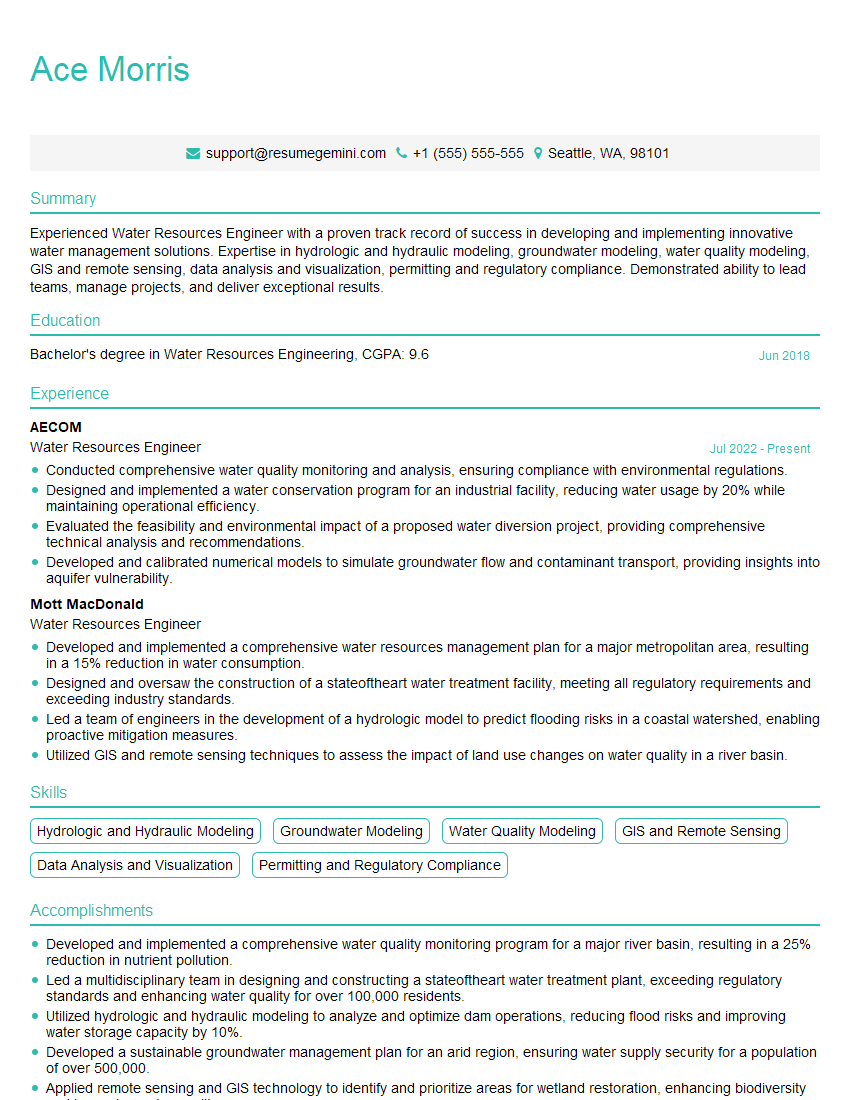
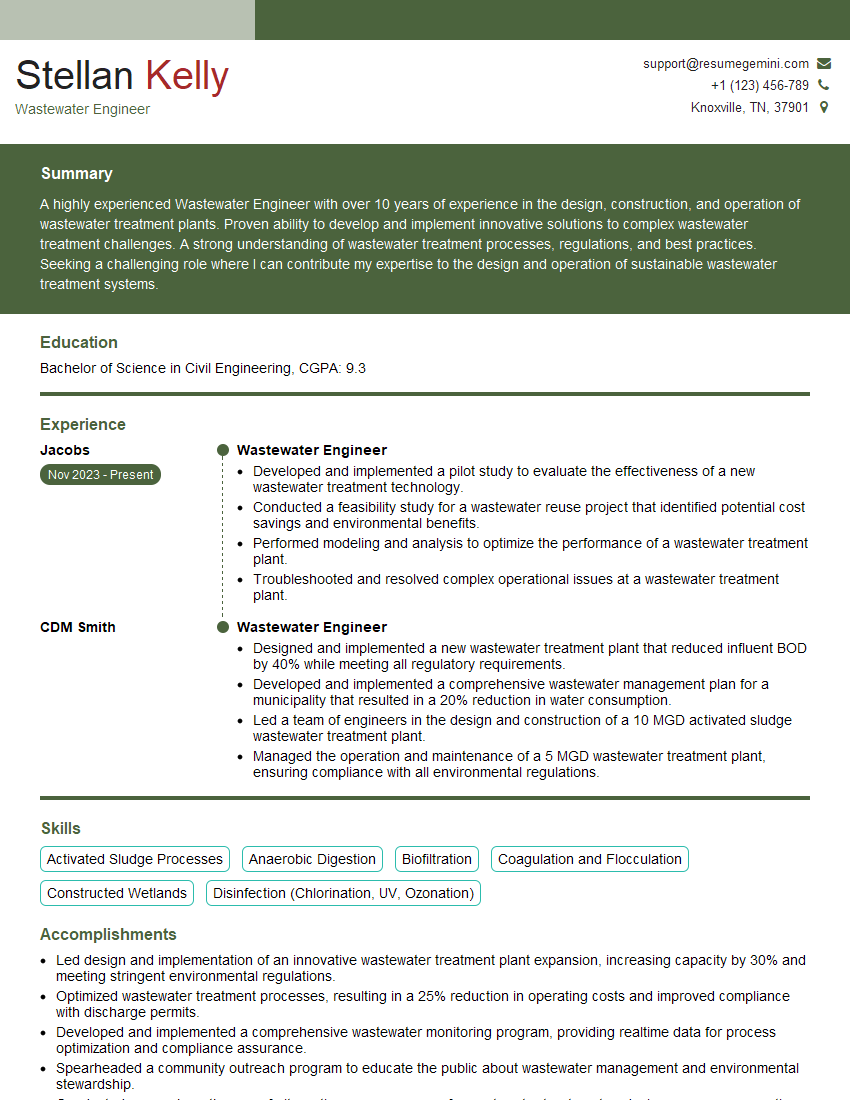
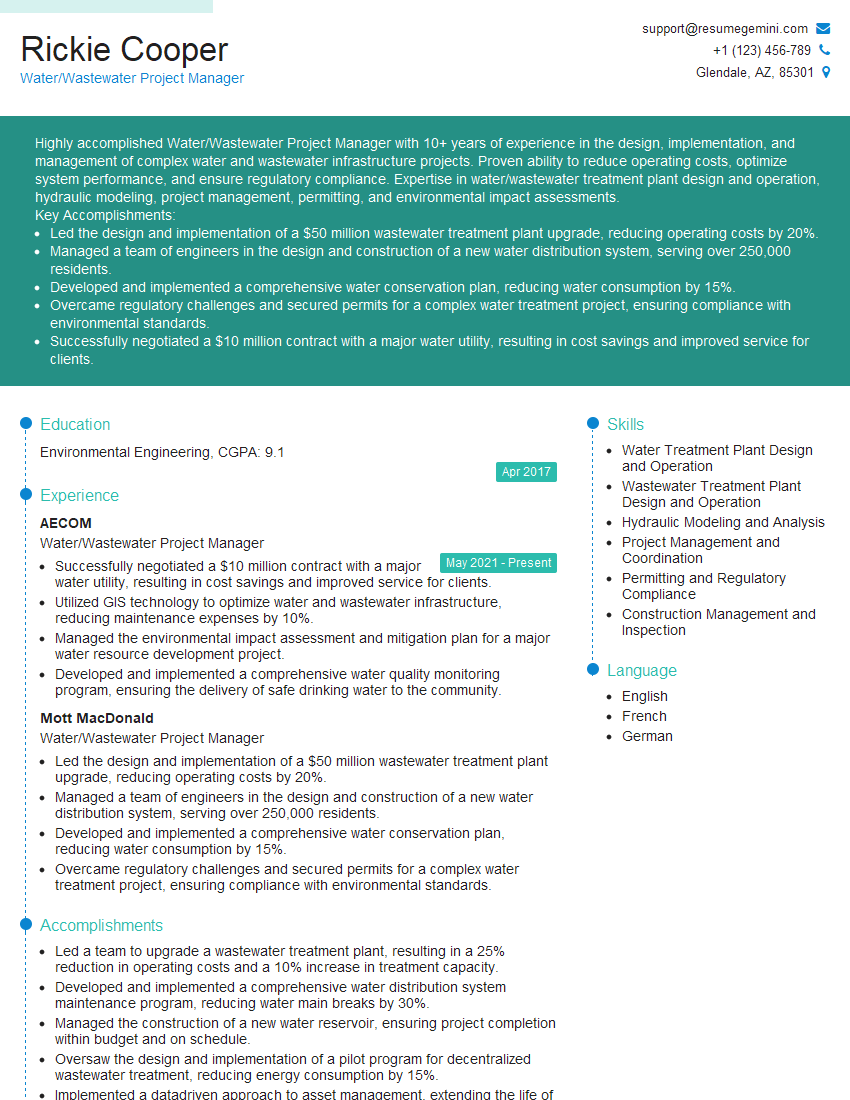
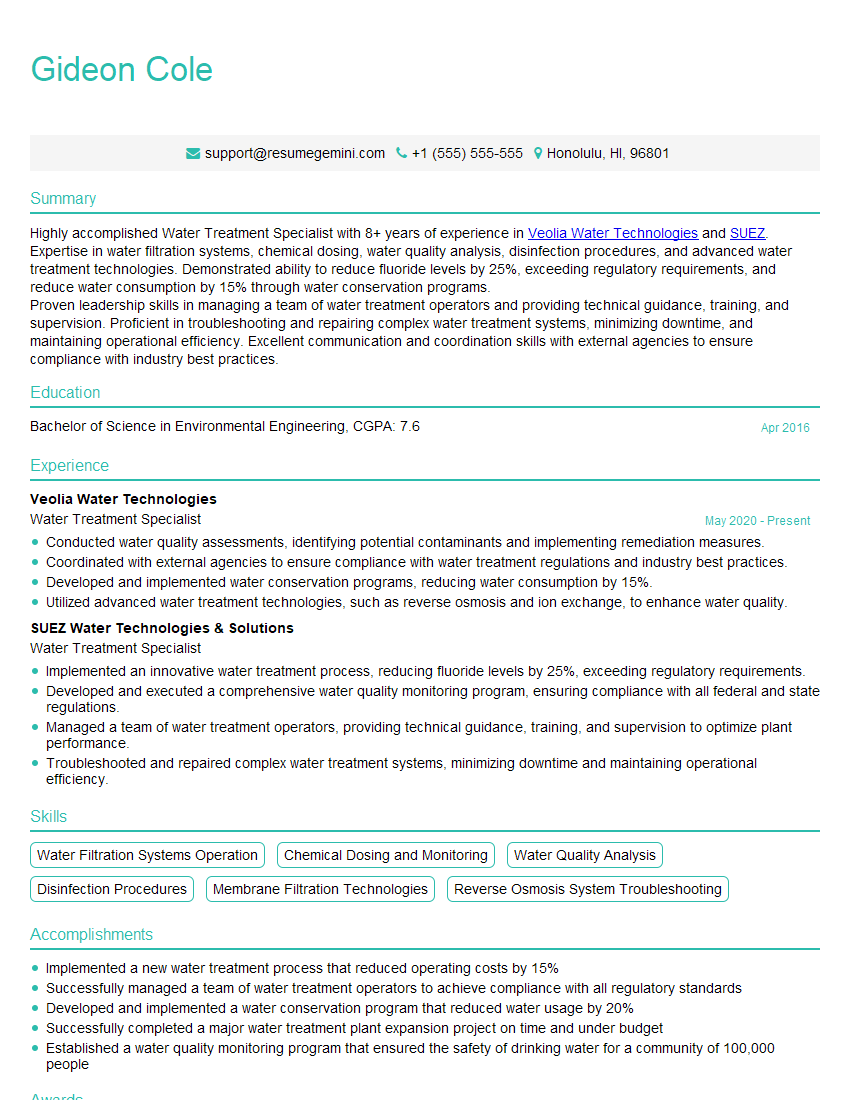
Mastering Water and Wastewater Design opens doors to a rewarding career with significant growth potential in a field crucial for public health and environmental sustainability. A strong resume is your key to unlocking these opportunities. Crafting an ATS-friendly resume is vital for getting your application noticed by recruiters. ResumeGemini is a trusted resource to help you build a professional and impactful resume that highlights your skills and experience effectively. We provide examples of resumes tailored to Water and Wastewater Design to guide you in creating a compelling application.
Explore more articles
Users Rating of Our Blogs
Share Your Experience
We value your feedback! Please rate our content and share your thoughts (optional).
What Readers Say About Our Blog
Very informative content, great job.
good