The thought of an interview can be nerve-wracking, but the right preparation can make all the difference. Explore this comprehensive guide to Vegetable Harvesting Techniques interview questions and gain the confidence you need to showcase your abilities and secure the role.
Questions Asked in Vegetable Harvesting Techniques Interview
Q 1. What are the optimal harvesting times for different vegetables?
Optimal harvesting time varies significantly depending on the vegetable type and cultivar. It’s crucial to understand the specific needs of each plant. Generally, harvesting too early results in reduced yield and poor quality, while harvesting too late can lead to overripe, damaged, or less flavorful produce. Think of it like baking a cake – you need to take it out of the oven at just the right time!
- Leafy Greens (Lettuce, Spinach): Harvest when leaves are fully developed but still tender, usually 4-6 weeks after planting. Overgrown leaves become bitter.
- Tomatoes: Harvest when they’re fully colored and slightly soft to the touch. The optimal time often depends on the intended use; some varieties are better for slicing when fully ripe, while others are suited for canning or sauce when slightly less ripe.
- Root Vegetables (Carrots, Beets): Harvest when they’ve reached their desired size, usually 60-80 days after planting. Delayed harvesting can make them woody and tough.
- Beans (Snap Beans, Green Beans): Harvest when pods are young, tender, and bright green. Overripe beans become tough and stringy.
- Cucumbers: Harvest when they are firm and have reached their desired size and shape, typically 7-10 days after flowering.
Always refer to seed packets or reliable gardening resources for specific harvesting guidelines for your chosen varieties. Observing the plant’s growth and paying attention to its visual cues are key to successful harvesting.
Q 2. Describe various harvesting methods for different vegetable types (e.g., tomatoes, lettuce, carrots).
Harvesting methods are tailored to the specific vegetable’s growth habit and structure. Manual harvesting remains common, especially for delicate or high-value crops, while mechanical harvesting is more prevalent for large-scale operations.
- Tomatoes: Typically hand-picked, gently twisting the fruit from the vine to avoid damage. For large-scale operations, specialized harvesting machines may be used, but careful handling is still critical to prevent bruising.
- Lettuce: Usually hand-harvested by cutting the head at the base with a knife or harvesting shears. For large-scale operations, mechanical harvesters may be used, carefully cutting and collecting the heads.
- Carrots: Often harvested by using a fork or specialized carrot lifter to loosen the soil and carefully pull the carrots out of the ground. Large-scale operations employ mechanical harvesters that uproot and clean the carrots simultaneously.
The choice of method depends on factors like the scale of production, the crop’s fragility, labor costs, and terrain. Efficient harvesting methods are vital for maintaining both yield and quality.
Q 3. Explain the importance of proper handling techniques to minimize post-harvest losses.
Proper handling techniques are crucial to minimize post-harvest losses, which can stem from physical damage, physiological deterioration, and microbial spoilage. Think of it like caring for a newborn baby – gentle handling is paramount.
- Careful Harvesting: Avoid bruising or cutting vegetables during harvest. Use appropriate tools and techniques for each crop.
- Rapid Cooling: Vegetables should be cooled rapidly after harvesting to slow down respiration and enzymatic activity, thereby extending shelf life. Hydrocooling is a common method.
- Cleanliness: Maintain cleanliness throughout the handling process to prevent contamination and microbial growth. Regular washing and sanitation of equipment are essential.
- Appropriate Packaging: Select appropriate packaging to protect vegetables from physical damage and maintain optimal humidity and temperature.
- Transportation: Minimize transportation time and ensure that vegetables are transported under optimal conditions.
By implementing these practices, we can significantly reduce losses, maintain the quality and nutritional value of the produce, and ensure its marketability.
Q 4. What are the common tools and equipment used in vegetable harvesting?
The tools and equipment used in vegetable harvesting vary depending on the scale of the operation and the type of vegetable.
- Manual Harvesting: Knives, shears, harvesting baskets, gloves, and hand tools such as trowels and forks are frequently used for manual harvesting.
- Mechanical Harvesting: Large-scale operations employ specialized machinery like harvesters for various vegetables. These machines can include diggers, conveyors, cleaning systems, and sorting equipment.
- Post-Harvest Handling: Equipment such as cooling systems (hydrocoolers, refrigerated trucks), washing and sorting machines, and packaging equipment is used for efficient post-harvest handling.
Investing in the appropriate tools and equipment not only enhances efficiency but also plays a key role in minimizing damage and maintaining produce quality. Choosing the right tools can significantly affect both productivity and quality of the harvest.
Q 5. How do you ensure the quality and safety of harvested vegetables?
Ensuring the quality and safety of harvested vegetables is paramount and involves a multifaceted approach encompassing various stages, from the field to the consumer’s table. This is where the true expertise lies!
- Good Agricultural Practices (GAPs): Following GAPs helps prevent contamination from pesticides, fertilizers, or other harmful substances. Regular monitoring and adherence to safety protocols are crucial.
- Pest and Disease Management: Implementing integrated pest management (IPM) strategies minimizes the use of chemical pesticides, protecting both the environment and the consumer’s health.
- Harvesting Practices: Proper harvesting techniques are essential to prevent damage, which reduces spoilage and improves shelf life. Gentle handling and appropriate storage are critical.
- Post-Harvest Handling: Rapid cooling, careful washing, and appropriate packaging prevent microbial contamination and preserve nutritional value.
- Food Safety Audits: Regular food safety audits ensure compliance with all necessary regulations and standards, guaranteeing the safety and quality of the produce.
A rigorous quality control system is essential throughout the entire process, from field to market, to ensure safe and high-quality vegetables reach consumers.
Q 6. What are the signs of vegetable maturity indicating readiness for harvest?
Recognizing the signs of vegetable maturity is a skill honed through experience and observation. Each vegetable has unique indicators of readiness for harvest.
- Tomatoes: Deep, even color, slight give when gently squeezed, and easily detached from the vine.
- Lettuce: Firm head, tightly closed leaves, and vibrant green color.
- Carrots: Desired size and shape, smooth skin, and firm texture.
- Beans: Pods are plump, bright green, and tender.
- Cucumbers: Firm skin, desired size and shape, and vibrant color.
Knowing these maturity indicators helps ensure harvesting at the peak of quality. A little experience observing these subtle changes is extremely valuable.
Q 7. Describe your experience with different harvesting systems (e.g., manual, mechanical).
My experience encompasses both manual and mechanical harvesting systems, highlighting the advantages and limitations of each approach. Each system has its own place in efficient and quality vegetable production.
- Manual Harvesting: I have extensive experience in manual harvesting, which is often preferred for high-value, delicate crops. It provides greater control over the process, minimizing damage and maximizing quality. However, it can be labor-intensive and costly for large-scale operations. I’ve often found this to be preferred for smaller farms focusing on local markets.
- Mechanical Harvesting: I’ve worked with mechanical harvesting systems in larger-scale operations, where efficiency is critical. These systems significantly increase harvesting speed, especially for root crops or large volumes of leafy greens. However, they can lead to higher levels of damage and are not always suitable for all vegetable types or uneven terrain. Finding the right balance between mechanical efficiency and product preservation remains a key challenge.
The best approach often involves a combination of both manual and mechanical methods, tailored to the specific needs of the crop and the scale of production. This is where a deep understanding of the specific conditions and constraints of a given production system are crucial.
Q 8. How do you identify and deal with damaged or diseased vegetables during harvesting?
Identifying and handling damaged or diseased vegetables during harvesting is crucial for maintaining quality and preventing losses. It starts with vigilant observation throughout the harvesting process. We look for visual cues like discoloration, wilting, soft spots, unusual growths, or pest damage. For example, a tomato with a brown lesion might indicate blight, while a lettuce head with slime could suggest bacterial rot.
Our process involves a multi-step approach:
- Immediate Removal: Damaged produce is immediately separated from healthy crops to prevent contamination. We often use separate containers or designated areas.
- Careful Handling: Gentle handling minimizes further damage to healthy vegetables during the sorting process.
- Sorting and Grading: At the packing station, a thorough sorting and grading process takes place. Vegetables are categorized by quality, with damaged produce being set aside for disposal or alternative uses (e.g., animal feed, composting).
- Record Keeping: We meticulously document the quantity and type of damaged produce, helping identify potential issues in cultivation or storage practices.
- Disease Management: Identifying prevalent diseases helps inform future crop management strategies such as rotating crops, adjusting irrigation, or implementing appropriate pest and disease control measures. For instance, if we see a significant incidence of fungal diseases, we may consider adjusting irrigation practices to reduce humidity levels.
Q 9. Explain the importance of yield monitoring and recording during harvesting.
Yield monitoring and recording during harvesting are essential for optimizing farm operations and making informed business decisions. Accurate data provides a snapshot of productivity, helping us understand where we are succeeding and identify areas for improvement.
We track various metrics, including:
- Total yield per acre/hectare: This helps assess the overall productivity of the land.
- Yield per plant/tree: This helps pinpoint high-performing and underperforming areas within the field.
- Grade distribution: We track the proportion of different quality grades, which reflects the overall quality of the harvest and informs pricing strategies.
- Harvest time: Recording the time taken for harvesting enables us to improve efficiency and work schedules in subsequent harvests.
- Labor costs: Linking yield to labor expenses helps assess the economic efficiency of our harvesting methods.
We use spreadsheets and dedicated farm management software to record and analyze this data. This information informs future planting plans, resource allocation, and overall farm management strategies. For example, if we notice a significant drop in yield in a particular section of the field, we might investigate soil conditions or irrigation patterns to address the issue.
Q 10. What safety procedures are necessary during vegetable harvesting?
Safety is paramount during vegetable harvesting. We prioritize worker well-being by implementing a comprehensive safety program which includes:
- Proper Personal Protective Equipment (PPE): This includes gloves to protect against thorns or pesticides, sturdy footwear to prevent slips and falls, eye protection from flying debris, and sun protection.
- Safe Tool Handling: Training on the correct use and maintenance of harvesting tools, like knives, shears, and harvesting equipment, is mandatory. Regular checks on equipment are crucial to prevent accidents.
- Ergonomic Practices: We promote ergonomic techniques to minimize strain and prevent repetitive motion injuries. This includes using appropriate lifting techniques, taking regular breaks, and rotating tasks to reduce fatigue.
- Environmental Awareness: Workers are educated on potential hazards, such as exposure to pesticides or venomous insects, and are provided with appropriate safety measures and training.
- Emergency Procedures: Clear emergency response procedures and readily available first-aid kits are in place to handle any unforeseen accidents. Regular safety meetings reinforce these procedures.
For example, we might implement a buddy system for workers operating in isolated areas, ensuring that no one works alone. Furthermore, regular safety checks and audits ensure adherence to safety protocols.
Q 11. How do environmental conditions affect harvesting techniques and timing?
Environmental conditions significantly influence harvesting techniques and timing. Extreme weather can impact both the quality and quantity of the harvest, necessitating flexible approaches.
Here’s how different conditions impact harvesting:
- Temperature: High temperatures can accelerate ripening, requiring more frequent harvesting. Conversely, low temperatures can delay ripening and necessitate adjustments in harvesting schedules. We might need to harvest early in the morning or late in the evening during peak heat.
- Rainfall: Heavy rainfall can damage crops, requiring immediate harvesting to minimize losses. Conversely, dry conditions can lead to accelerated wilting, demanding prompt and careful harvesting.
- Sunlight: Sunlight affects the quality of produce. Excessive sun exposure can lead to sunscald, affecting appearance and quality. We might need to adjust the harvest times to minimize this impact.
- Humidity: High humidity promotes fungal growth and can increase the risk of post-harvest diseases. Careful handling and timely harvesting are crucial under humid conditions.
We adapt our harvesting schedules and methods based on weather forecasts and real-time conditions. For example, during a predicted heatwave, we might bring forward harvesting schedules and utilize early morning harvesting crews.
Q 12. What is your experience with post-harvest handling and storage practices?
Post-harvest handling and storage are critical for maintaining the quality and extending the shelf life of vegetables. Our practices encompass:
- Careful Handling: Gentle handling is critical from the field to the storage facility. Bruising reduces quality and can lead to faster spoilage.
- Cleaning and Pre-cooling: Removing field dirt and debris is essential to reduce microbial growth. Pre-cooling quickly lowers the temperature of the produce, slowing down respiration and enzymatic activity, which extends shelf life. This can involve hydrocooling or air cooling methods.
- Appropriate Storage Conditions: Vegetables are stored in controlled environments with appropriate temperature and humidity levels. The storage conditions vary based on the type of vegetable; for example, leafy greens require higher humidity than root vegetables.
- Monitoring and Quality Control: Regular monitoring of storage conditions and quality checks are performed to detect any spoilage or quality degradation. We often use specialized sensors for monitoring temperature and humidity.
- Packaging: Proper packaging protects produce from damage during transportation and extends shelf life. The choice of packaging depends on the vegetable and the intended storage duration.
For instance, we might use modified atmosphere packaging (MAP) for certain vegetables to extend their shelf life. This involves changing the gaseous composition within the packaging to slow down respiration and reduce spoilage.
Q 13. Describe your experience with different types of harvesting containers and transportation methods.
We utilize a variety of harvesting containers and transportation methods, chosen based on the type of vegetable, quantity, and distance to the processing or storage facility.
Container Examples:
- Crates: Ventilated plastic or wooden crates are commonly used for delicate vegetables such as tomatoes or berries.
- Bins: Larger bins are used for sturdier vegetables like potatoes or onions.
- Bulk bins: These are large containers often used for transporting larger quantities of produce directly to processing facilities.
Transportation Methods:
- Trucks: Refrigerated trucks are used for longer distances to maintain the quality of produce.
- Trailers: Large trailers offer high capacity for bulk transport.
- Small delivery vehicles: Smaller vehicles are used for shorter distances or smaller quantities.
Choosing the right container and transportation method is essential to prevent damage and maintain produce quality throughout the supply chain. We always prioritize minimizing handling to reduce potential damage.
Q 14. How do you ensure efficient team coordination during harvesting?
Efficient team coordination is crucial for successful harvesting. We achieve this through clear communication, well-defined roles, and a collaborative work environment.
Our strategies include:
- Pre-harvest Briefing: Before starting, we hold briefings to outline the day’s objectives, assign roles, and review safety procedures.
- Clear Communication: We use two-way radios or other communication systems to facilitate quick and easy communication between team members and supervisors.
- Role Assignment: Each team member is assigned specific roles and responsibilities based on their skill set and experience. This specialization increases overall efficiency.
- Regular Check-ins: Supervisors make regular checks to ensure work is progressing as planned and address any potential problems or bottlenecks.
- Performance Monitoring: We monitor performance and provide feedback to identify areas for improvement and enhance team collaboration.
- Incentive Programs: We often implement incentive programs to boost team morale and encourage productivity and efficiency.
For example, if one part of the field requires more workers, we can easily re-allocate team members to optimize the workflow. Open communication ensures everyone is aware of any changes or challenges that arise during the harvest.
Q 15. How would you handle a sudden decrease in harvest yields?
A sudden decrease in harvest yields is a serious concern, demanding a systematic investigation. It’s like diagnosing a patient – you need to identify the cause before prescribing a solution. My approach involves a multi-pronged strategy focusing on identifying potential problems across the entire production cycle.
Environmental Factors: I’d first check for adverse weather conditions (e.g., prolonged drought, unexpected frost, excessive rainfall) that might have stressed the plants. Soil testing is crucial here to identify nutrient deficiencies or imbalances.
Pest and Disease Management: A significant yield drop can be attributed to pest infestations or diseases. Careful inspection of plants for signs of damage or infection is necessary, followed by appropriate treatment if required. This might involve consulting with agricultural experts or implementing integrated pest management (IPM) strategies.
Crop Management Practices: I’d examine planting density, irrigation techniques, fertilization methods, and weed control practices. Suboptimal techniques in any of these areas can significantly impact yield. For instance, overcrowding can lead to competition for resources, reducing individual plant productivity.
Harvesting Techniques: Inefficient harvesting methods can damage plants and reduce yields. I’d review our harvesting protocols to identify any areas for improvement, including training of harvesting crews on best practices.
Post-Harvest Handling: Improper handling after harvest can lead to spoilage and reduced yield. I’d look at storage conditions, transportation, and processing techniques to ensure produce remains in optimal condition.
By systematically investigating these areas, I can pinpoint the root cause of the reduced yield and implement targeted corrective measures.
Career Expert Tips:
- Ace those interviews! Prepare effectively by reviewing the Top 50 Most Common Interview Questions on ResumeGemini.
- Navigate your job search with confidence! Explore a wide range of Career Tips on ResumeGemini. Learn about common challenges and recommendations to overcome them.
- Craft the perfect resume! Master the Art of Resume Writing with ResumeGemini’s guide. Showcase your unique qualifications and achievements effectively.
- Don’t miss out on holiday savings! Build your dream resume with ResumeGemini’s ATS optimized templates.
Q 16. Describe your experience with different types of soil and their impact on harvesting.
Soil type significantly influences vegetable harvesting. It’s like baking a cake – the right ingredients are essential for a perfect outcome. Different soils offer varying levels of drainage, nutrient content, and water retention, all of which affect plant growth and the ease of harvesting.
Sandy Soils: Well-drained, but poor at retaining nutrients and water. Harvesting might be easier due to less soil clinging to roots, but yields can be lower unless irrigation and fertilization are carefully managed.
Clay Soils: Retain water well, but can be poorly drained and difficult to work with. Harvesting can be challenging, and root crops can be difficult to extract without damaging them. Careful soil preparation and timing are crucial.
Silty Soils: A good balance of drainage and water retention. They generally provide good yields and are relatively easy to harvest from. However, they can become compacted, impacting drainage and aeration over time.
Loamy Soils: Ideal for most vegetables, offering a good mix of sand, silt, and clay. They provide excellent drainage, aeration, and nutrient retention, making harvesting easier and yields higher.
My experience includes adapting harvesting techniques to suit each soil type. For example, using specialized equipment for clay soils to minimize root damage or employing drip irrigation in sandy soils to optimize water use.
Q 17. What is your experience with using technology in vegetable harvesting (e.g., GPS, sensors)?
Technology plays a vital role in modern vegetable harvesting, increasing efficiency and optimizing yields. Think of it as having a highly skilled assistant on the farm.
GPS-guided machinery: Precision agriculture utilizes GPS to guide harvesting equipment, ensuring consistent coverage and minimizing overlaps or missed areas. This reduces waste and maximizes yield.
Sensors for ripeness detection: Sensors integrated into harvesting equipment can detect the ripeness of vegetables based on factors like color, size, and firmness. This allows for selective harvesting, improving quality and reducing waste.
Yield monitoring systems: Real-time data on yield can be collected and analyzed using sensors and software, providing valuable insights for future planning and optimization of farming practices.
Robotics and automation: Automated harvesting systems, though still under development for many vegetable types, are showing promise in terms of increasing efficiency and reducing labor costs. For example, robotic harvesters are increasingly being used for specific crops like strawberries and tomatoes.
My experience with these technologies includes integrating GPS-guided tractors for improved efficiency and using sensor data to optimize harvest timing. This data-driven approach ensures we achieve both high yields and top-quality produce.
Q 18. How do you maintain harvesting equipment?
Maintaining harvesting equipment is essential for maximizing its lifespan and ensuring efficient operation. It’s similar to regularly servicing your car – preventative maintenance prevents costly repairs and downtime.
Regular Cleaning: After each use, the equipment should be thoroughly cleaned to remove soil, plant debris, and other contaminants. This prevents corrosion and ensures the smooth operation of mechanical parts.
Lubrication: Moving parts require regular lubrication to reduce friction and wear. This prolongs the lifespan of the equipment and reduces the risk of breakdowns.
Inspections: Regular inspections should be conducted to identify any potential problems before they escalate. This might involve checking for worn parts, leaks, or loose connections.
Scheduled Maintenance: A preventative maintenance schedule should be followed, including tasks like replacing worn blades, belts, or filters. This ensures the equipment remains in optimal working condition.
Storage: When not in use, the equipment should be stored in a clean, dry location to protect it from the elements and prevent corrosion.
I oversee a rigorous maintenance program that includes documented inspections, scheduled maintenance, and training for equipment operators in proper maintenance procedures. We utilize a computerized maintenance management system (CMMS) to track maintenance activities and ensure timely servicing.
Q 19. How do you adhere to food safety regulations during harvesting?
Adherence to food safety regulations during harvesting is paramount to ensure the safety of consumers. It’s like following a recipe carefully – each step is crucial for a safe and delicious outcome. My approach focuses on several key areas:
Worker Hygiene: All harvest workers are trained in proper hygiene practices, including handwashing, use of gloves where appropriate, and avoidance of cross-contamination. Regular health checks and training on food safety protocols are mandatory.
Field Sanitation: We maintain clean fields free of animal waste and other contaminants. Proper waste disposal practices are strictly followed.
Pest and Disease Control: We employ integrated pest management (IPM) techniques to minimize the use of harmful pesticides and ensure that any pesticide application is done in accordance with regulatory guidelines. We maintain detailed records of pesticide applications.
Harvesting Procedures: Appropriate harvesting techniques minimize damage to the produce and prevent contamination. Harvesting equipment is regularly inspected and cleaned.
Post-Harvest Handling: Produce is handled carefully to prevent bruising or contamination during transport and storage. We maintain appropriate temperature and humidity levels throughout the post-harvest process.
We maintain detailed records of all food safety practices and undergo regular audits to ensure compliance with all relevant regulations. Continuous training and improvement are essential components of our food safety program.
Q 20. Explain your understanding of sustainable harvesting practices.
Sustainable harvesting practices are crucial for ensuring the long-term health of our environment and the continued viability of agriculture. It’s about creating a balance between harvesting and protecting the resources that sustain us. My approach integrates several key elements:
Soil Health: Implementing practices such as crop rotation, cover cropping, and reduced tillage helps maintain soil fertility, structure, and biodiversity. This improves water retention, nutrient availability, and reduces erosion.
Water Conservation: Implementing efficient irrigation techniques like drip irrigation minimizes water waste and protects water resources. We monitor water usage and implement practices to optimize water use efficiency.
Pest and Disease Management: We prioritize Integrated Pest Management (IPM), using biological controls, cultural practices, and minimal pesticide application to minimize the environmental impact.
Biodiversity: We promote biodiversity by incorporating a variety of crops and encouraging beneficial insects and pollinators. This helps create a more resilient and sustainable agricultural system.
Energy Efficiency: We aim to reduce energy consumption by utilizing fuel-efficient equipment and exploring renewable energy options whenever feasible.
We strive for a holistic approach that balances productivity with environmental stewardship, aiming for long-term sustainability of our operations.
Q 21. What is your experience with organic vegetable harvesting methods?
Organic vegetable harvesting involves a commitment to environmentally friendly and sustainable practices throughout the entire production process, resulting in high-quality produce free from synthetic pesticides, herbicides, and fertilizers. It’s about working with nature, not against it.
Certified Organic: Our organic vegetable operations adhere to strict certification standards, ensuring that all practices meet the rigorous requirements outlined by the relevant certification bodies.
Natural Pest Control: We implement techniques such as crop rotation, companion planting, and the introduction of beneficial insects to control pests naturally, avoiding synthetic pesticides.
Soil Health: We focus on improving soil health through composting, cover cropping, and other natural methods to increase nutrient availability and reduce the need for external inputs.
Weed Management: We employ practices like hand weeding, mulching, and flame weeding to control weeds without the use of herbicides.
Harvesting Practices: Organic harvesting adheres to the same principles of careful handling and minimization of damage as conventional harvesting but with a focus on using sustainable, non-toxic materials in harvesting tools and equipment.
My experience in organic harvesting has highlighted the importance of meticulous planning, careful observation, and a deep understanding of ecological principles to ensure high yields while adhering to strict organic standards.
Q 22. How do you manage labor effectively during peak harvesting seasons?
Effective labor management during peak harvesting seasons is crucial for maximizing yield and minimizing losses. My approach is multifaceted and focuses on proactive planning and efficient team organization.
Strategic Scheduling: I analyze historical data and predicted yields to forecast labor needs accurately. This allows for timely recruitment of temporary workers and efficient scheduling of shifts to cover peak demand, avoiding bottlenecks.
Team Leadership and Motivation: I foster a positive and productive work environment. This involves clear communication, fair treatment, and recognition of individual contributions. A motivated team works more efficiently and with fewer errors.
Task Optimization: I break down harvesting tasks into smaller, manageable units, assigning roles based on individual skills and experience. This streamlines workflows and ensures everyone is utilized effectively. For instance, experienced harvesters might handle delicate crops while newer workers focus on simpler tasks.
Technology Integration: Where applicable, I leverage technology to improve efficiency. This might include using harvesting aids, GPS-based tracking systems to monitor progress, or mobile apps for communication and task assignment.
For example, during a particularly busy tomato harvest, I implemented a two-team system with staggered breaks to ensure continuous harvesting. This approach significantly increased daily output compared to previous years.
Q 23. Describe your experience with training new harvesters.
Training new harvesters is a significant part of my role. It’s an investment in efficiency and quality. My training program consists of several key stages:
On-the-Job Training: I begin with hands-on training, pairing new harvesters with experienced colleagues. This allows for immediate practical application and mentorship.
Safety Procedures: I emphasize safe work practices, including proper lifting techniques, use of protective equipment (gloves, etc.), and awareness of potential hazards like machinery or uneven terrain.
Quality Standards: I carefully explain the required quality standards for harvested vegetables, including size, ripeness, and appearance. I often use visual aids and examples to illustrate these standards.
Crop-Specific Training: Training is tailored to the specific crop. For instance, harvesting delicate lettuce requires different techniques than harvesting sturdy cabbages.
Continuous Feedback: Regular feedback and performance reviews are essential to ensure understanding and continuous improvement. This creates a culture of learning and development.
In one instance, I implemented a short video tutorial demonstrating proper harvesting techniques for strawberries, significantly reducing early losses due to improper handling.
Q 24. What is your experience with different types of vegetable grading and sorting techniques?
My experience encompasses various vegetable grading and sorting techniques, crucial for maintaining quality and meeting market demands. These techniques typically involve:
Visual Inspection: This is the most common method, assessing factors like size, shape, color, and the presence of defects. Harvesters are trained to identify acceptable and unacceptable produce.
Size Grading: Mechanical graders or manual sorting using sizing templates ensure consistent product size, crucial for packaging and market demands.
Weight Grading: Weight-based sorting is employed for certain crops, ensuring uniform weight per package.
Electronic Sorting: Advanced systems utilize optical sensors and cameras to detect defects, color variations, and other quality parameters automatically, increasing efficiency and accuracy.
For example, in a large-scale carrot operation, I implemented an automated sizing and sorting line that dramatically increased throughput and reduced labor costs while maintaining high quality standards.
Q 25. How do you address challenges related to weather conditions during harvesting?
Weather is a significant challenge during harvesting. My strategies for mitigating weather-related issues include:
Weather Monitoring: I closely monitor weather forecasts to anticipate potential problems. This allows for flexible scheduling and the ability to adjust harvesting plans accordingly.
Protective Measures: We utilize protective covers or tarps to shield harvested produce from rain or excessive sun. This helps to maintain quality and reduce spoilage.
Rapid Harvesting: During periods of anticipated bad weather, I prioritize rapid harvesting to minimize exposure to damaging conditions.
Alternative Harvesting Methods: In severe weather, I may need to explore alternative harvesting methods, such as employing smaller, more maneuverable equipment.
During a sudden hailstorm, our proactive monitoring allowed us to quickly cover exposed fields, saving a large portion of the crop from damage.
Q 26. Describe your experience with different types of packaging and labeling.
My experience includes working with a variety of packaging and labeling methods, selecting the best approach depending on the crop, market destination, and storage requirements.
Packaging Materials: I use different materials including plastic crates, cardboard boxes, mesh bags, and specialized containers to ensure produce arrives safely and maintains freshness.
Labeling: Labels clearly indicate crop type, weight, origin, grading, and handling instructions. I am familiar with both manual and automated labeling systems.
Sustainable Packaging: I prioritize the use of sustainable and recyclable packaging materials to minimize environmental impact.
For instance, when shipping delicate berries, we use specialized cushioning within the packaging to reduce damage during transit. The labels clearly indicate “fragile” handling instructions.
Q 27. How do you ensure the traceability of harvested vegetables?
Traceability is vital for food safety and consumer confidence. My methods for ensuring traceability include:
Record Keeping: Detailed records are kept at every stage, from planting to harvesting, including field location, planting date, harvesting date, and worker assignments.
Batch Tracking: Each batch of harvested vegetables is assigned a unique identification number, linked to its origin and handling history.
Technology Integration: We utilize barcode or RFID technology for efficient tracking of produce throughout the supply chain.
Data Management: All traceability data is accurately recorded and stored in a secure database, accessible for audits and investigations.
This detailed record-keeping system allows us to quickly identify the source of any potential problems and implement corrective actions swiftly.
Q 28. What are your salary expectations for this role?
My salary expectations are commensurate with my experience and expertise in vegetable harvesting techniques. Based on my qualifications and the requirements of this role, I am seeking a salary range of [Insert Salary Range Here]. I am confident that my contributions will significantly benefit your organization.
Key Topics to Learn for Vegetable Harvesting Techniques Interview
- Harvesting Methods: Understanding various techniques like hand-picking, mechanical harvesting, and their suitability for different vegetables (e.g., tomatoes, lettuce, potatoes).
- Maturity Assessment: Learning to identify optimal harvest times based on visual cues, size, and other quality indicators. Practical application includes understanding the impact of premature or delayed harvesting on yield and quality.
- Post-Harvest Handling: Knowing proper techniques for cleaning, sorting, grading, and packaging to minimize damage and maintain freshness. This includes understanding the importance of temperature control and storage.
- Crop Protection and Pest Management: Familiarizing yourself with integrated pest management strategies and their role in ensuring a safe and high-quality harvest. This includes understanding the impact of pest damage on harvesting efficiency.
- Equipment Operation and Maintenance: Understanding the operation and basic maintenance of harvesting equipment (if applicable). This includes safety procedures and troubleshooting common issues.
- Yield Optimization Strategies: Exploring techniques to maximize yield while maintaining quality, considering factors such as planting density, fertilization, and irrigation.
- Sustainable Harvesting Practices: Understanding environmentally friendly harvesting methods, minimizing waste and conserving resources.
- Health and Safety Regulations: Familiarity with relevant health and safety protocols related to vegetable harvesting, including personal protective equipment (PPE) and safe work practices.
Next Steps
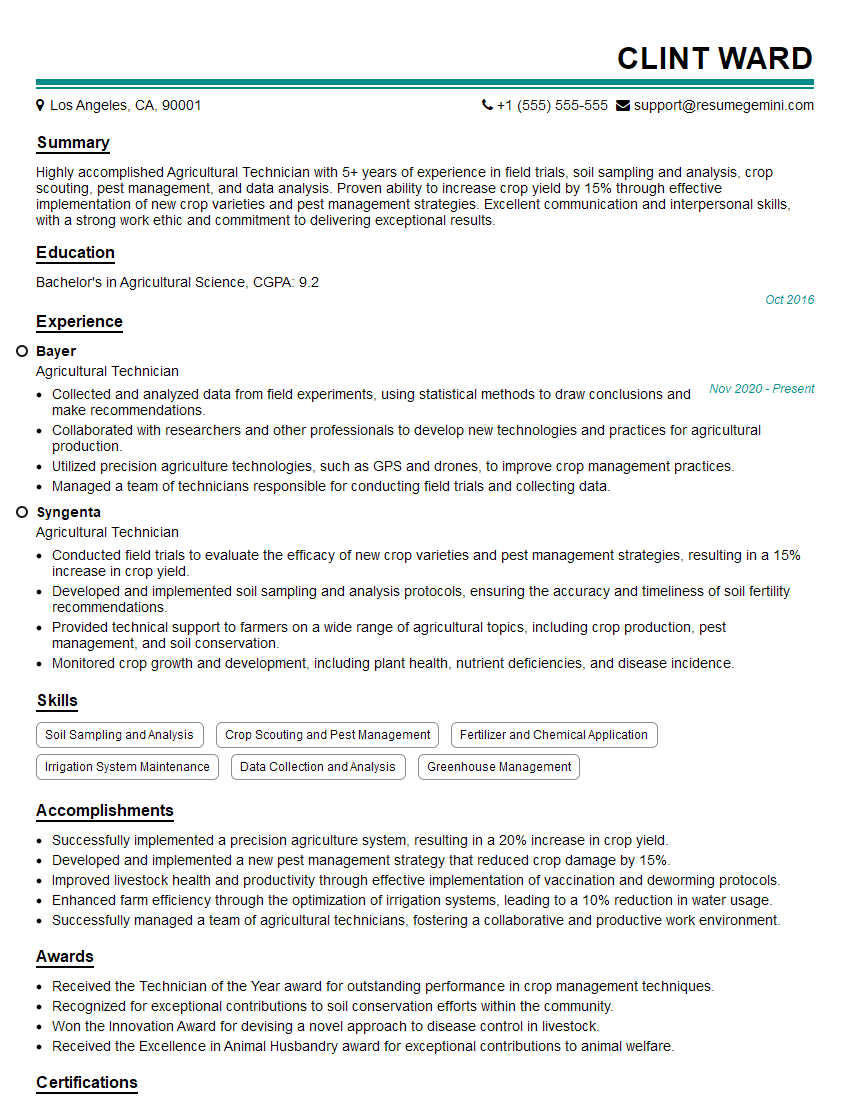
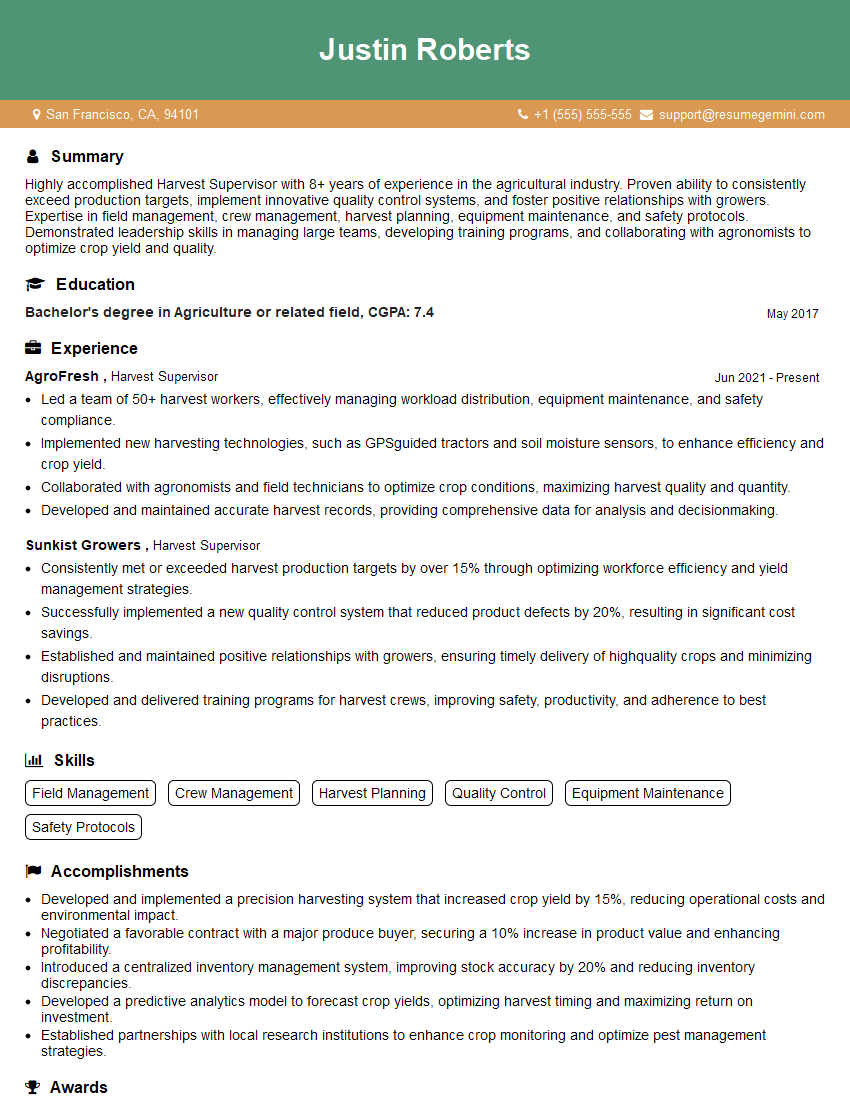
Mastering vegetable harvesting techniques is crucial for career advancement in the agricultural industry, opening doors to specialized roles and higher earning potential. A strong resume is your key to unlocking these opportunities. Building an ATS-friendly resume is vital for getting your application noticed by employers. ResumeGemini can help you craft a compelling resume that highlights your skills and experience effectively. Examples of resumes tailored to Vegetable Harvesting Techniques are available to guide you. Take the next step in your career journey – build a winning resume with ResumeGemini!

Explore more articles
Users Rating of Our Blogs
Share Your Experience
We value your feedback! Please rate our content and share your thoughts (optional).
What Readers Say About Our Blog
Very informative content, great job.
good