Unlock your full potential by mastering the most common Vehicle and Machinery Operation interview questions. This blog offers a deep dive into the critical topics, ensuring you’re not only prepared to answer but to excel. With these insights, you’ll approach your interview with clarity and confidence.
Questions Asked in Vehicle and Machinery Operation Interview
Q 1. Describe your experience with preventative maintenance schedules.
Preventative maintenance schedules are the backbone of ensuring machinery longevity and operational safety. They involve a planned system of regular inspections, lubrication, and component replacements to prevent failures before they occur. Think of it like regular check-ups at the doctor – far better to catch small issues early than face a major breakdown later.
My experience includes developing and implementing these schedules for a wide range of vehicles and machinery, from forklifts and excavators to heavy-duty trucks and specialized agricultural equipment. This involved analyzing manufacturer recommendations, operational intensity, environmental factors (like dust or humidity), and historical maintenance data to create tailored schedules. For example, a forklift operating in a warehouse with relatively low intensity might require a weekly visual inspection and monthly lubrication, while an excavator working on a construction site would need far more frequent checks and more extensive maintenance intervals due to the higher stress and exposure to harsh conditions. I utilize both computerized maintenance management systems (CMMS) and physical logbooks to meticulously track maintenance tasks, ensuring compliance and allowing for analysis of potential areas for improvement.
- Detailed Inspection Checklists: These checklists ensured all critical components were inspected, with clear pass/fail criteria for each item.
- Predictive Maintenance Techniques: Where applicable, I incorporated predictive maintenance methods, such as oil analysis or vibration monitoring, to identify potential problems before they manifested as failures.
- Data-Driven Optimization: By analyzing maintenance data, I was able to identify trends and optimize schedules for greater efficiency and cost-effectiveness.
Q 2. Explain the importance of pre-operational vehicle checks.
Pre-operational vehicle checks are absolutely crucial for safety and prevent costly breakdowns. They’re a systematic inspection before operating any vehicle or machinery to ensure everything is functioning correctly and safely. Think of it like a pilot’s pre-flight checklist – essential for a safe and successful journey.
My experience emphasizes the importance of these checks. I always follow a standardized procedure, covering key areas like:
- Fluid Levels: Checking engine oil, coolant, hydraulic fluid, brake fluid, and transmission fluid levels. Low levels indicate potential leaks or issues needing immediate attention.
- Tire Pressure and Condition: Ensuring proper inflation and checking for cuts, bulges, or excessive wear. Incorrect pressure impacts stability and fuel efficiency, while damaged tires are a major safety hazard.
- Lights and Signals: Verifying that all lights, indicators, and warning signals are working properly to ensure visibility and safe communication.
- Brakes and Steering: Testing brake responsiveness and steering functionality, making sure they’re operating smoothly and effectively.
- Safety Equipment: Inspecting safety features such as seatbelts, emergency brakes, fire extinguishers, and personal protective equipment (PPE).
Failing to conduct thorough pre-operational checks can lead to accidents, breakdowns, and costly repairs. A simple check can prevent a major catastrophe.
Q 3. How do you handle unexpected mechanical issues on-site?
Unexpected mechanical issues on-site require a calm, methodical approach. The priority is always safety – securing the area and preventing further damage or injury.
My approach involves:
- Assess the situation: Determine the nature and severity of the problem, and the potential risks involved.
- Implement safety precautions: Secure the area, warn others of the hazard, and use appropriate safety equipment.
- Attempt basic troubleshooting: If the problem is minor and within my skillset, I’ll attempt a repair or workaround. For example, a minor hydraulic leak might be temporarily addressed with a clamp until a more permanent fix is possible.
- Communicate effectively: Immediately inform the supervisor or relevant personnel, providing clear and concise information about the problem and its impact.
- Implement contingency plans: If the issue can’t be resolved quickly, we implement alternate plans to minimize disruption. This might involve using backup equipment or adjusting the work schedule.
- Document the issue: Thorough documentation, including photos and descriptions, is critical for future analysis, warranty claims, and improved preventative maintenance strategies.
For example, if a truck’s engine overheats on a remote site, I would immediately turn off the engine, assess the coolant level, and attempt to locate the source of the overheating. I would then contact the supervisor, explain the situation, and arrange for a tow truck and replacement vehicle if necessary. The entire process emphasizes safety, effective communication, and a systematic approach to problem-solving.
Q 4. What are the common safety regulations for operating heavy machinery?
Safety regulations for operating heavy machinery are stringent and vital to prevent accidents and injuries. They vary depending on location and the specific type of machinery, but common regulations include:
- Licensing and Certification: Operators usually require specific licenses or certifications demonstrating competence and training on the particular machinery.
- Pre-operational Checks: Mandatory pre-shift inspections, as discussed previously, are essential for safe operation.
- Personal Protective Equipment (PPE): Using appropriate PPE, such as hard hats, safety glasses, high-visibility clothing, gloves, and steel-toe boots, is always required.
- Safe Operating Procedures: Adhering to manufacturer’s guidelines and established site-specific safety procedures is paramount.
- Load Capacity Limits: Never exceeding the machine’s rated load capacity to prevent tipping or structural damage.
- Awareness of Surroundings: Maintaining constant awareness of the surroundings, including other workers, obstacles, and potential hazards.
- Communication: Using appropriate communication methods (e.g., hand signals, radios) to coordinate with other workers.
- Emergency Procedures: Understanding and practicing emergency procedures in case of malfunctions or accidents.
Ignoring these regulations can lead to severe consequences, including injury, death, or significant property damage. Safety is not just a guideline; it’s a fundamental requirement for responsible operation.
Q 5. Describe your experience with different types of hydraulic systems.
Hydraulic systems are integral to many vehicles and machines, providing power for lifting, movement, and other functions. My experience encompasses various types, including:
- Open-center hydraulic systems: These systems constantly circulate fluid, with a relief valve controlling pressure. They’re simpler and often used in smaller equipment.
- Closed-center hydraulic systems: Fluid only flows when needed, offering greater control and efficiency; common in larger machinery.
- Electro-hydraulic systems: These use electronic controls to precisely manage hydraulic functions, allowing for automated processes and sophisticated control systems.
I’m familiar with troubleshooting common issues like leaks, low pressure, and component failures. I understand the importance of proper fluid selection, filter maintenance, and pressure regulation for optimal performance and longevity. For instance, I’ve worked on repairing a leak in a closed-center hydraulic system on an excavator, diagnosing the problem by isolating the leak, tracing the hydraulic line, and replacing the faulty component after depressurizing the system completely. This was done following strict safety regulations and involved checking all components for possible consequential damage.
Q 6. How do you ensure the safe operation of machinery in various weather conditions?
Operating machinery in various weather conditions requires extra caution and adjustments to ensure safety and efficiency. Extreme temperatures, rain, snow, or strong winds can all significantly impact operation.
My strategies include:
- Reduced Speeds and Increased Caution: Adverse weather significantly reduces traction and visibility; reducing speed and maintaining a greater following distance is essential.
- Enhanced Visibility: Using headlights, fog lights, or other visibility enhancing equipment during reduced visibility conditions is crucial.
- Appropriate Tire Selection: Utilizing tires suitable for the expected conditions (e.g., winter tires in snowy conditions) improves traction and stability.
- Weight Distribution: Adjusting load weight and distribution to maximize stability in challenging conditions.
- Fluid Considerations: Using fluids appropriate for the temperature range to prevent issues like freezing or excessive viscosity.
- Regular Maintenance Checks: More frequent checks are vital, especially in extreme conditions, to catch potential problems early.
For example, operating a forklift in snowy conditions would involve using winter tires, driving at a reduced speed, and using extra caution when navigating turns or ramps. Safety is paramount, and appropriate adjustments must be made based on the specific weather challenges.
Q 7. Explain your understanding of load capacity and stability.
Understanding load capacity and stability is fundamental for safe machinery operation. Load capacity refers to the maximum weight a machine can safely lift or carry without structural damage or risk of tipping. Stability refers to the machine’s resistance to tipping over. They are intrinsically linked; exceeding the load capacity significantly compromises stability.
My experience includes:
- Consulting Load Charts: Always consulting the manufacturer’s load charts to determine the safe operating limits for different materials and configurations.
- Center of Gravity Considerations: Understanding how load distribution affects the center of gravity and influences stability. Unevenly distributed loads increase the risk of tipping.
- Ground Conditions: Assessing ground conditions to determine stability. Soft ground or uneven surfaces drastically reduce stability.
- Safe Lifting Practices: Following safe lifting procedures, including smooth movements and avoiding sudden jerks or stops.
- Load Indicators: Using load indicators and other monitoring systems to ensure the machine doesn’t exceed its capacity.
For instance, when using a crane, I always carefully calculate the load’s weight and distribution to make sure it’s well within the crane’s rated capacity and that the crane’s outriggers are properly positioned on a stable surface to prevent the crane from tipping during the lift. This ensures safe operation and protects equipment and personnel.
Q 8. Describe your experience with different types of transmissions.
My experience encompasses a wide range of transmissions, from manual and automatic to continuously variable transmissions (CVTs) and automated manual transmissions (AMTs). Manual transmissions require direct driver control over gear selection, offering precise control but demanding more driver skill and engagement. Automatic transmissions, on the other hand, automatically shift gears based on speed and engine load, simplifying operation but potentially reducing fuel efficiency in some situations. CVTs provide a seamless range of gear ratios, optimizing fuel economy but sometimes feeling less responsive than traditional automatic transmissions. Finally, AMTs combine the efficiency of manual transmissions with the convenience of automatic shifting, though they may require more sophisticated control systems.
For example, I’ve extensively operated heavy-duty vehicles with manual transmissions, requiring careful gear selection to manage large loads and varied terrain. In contrast, my experience with passenger vehicles includes various automatic and CVT systems, where I’ve observed the trade-offs between fuel efficiency and driving feel. Understanding the characteristics of each type allows me to adapt my driving style for optimal performance and safety in any situation.
Q 9. How do you interpret and follow operating manuals?
Interpreting and following operating manuals is crucial for safe and efficient operation of any vehicle or machinery. My approach involves a systematic review. I start by familiarizing myself with the overall structure and safety precautions, then focus on specific sections relevant to my tasks. I pay close attention to diagrams, charts, and warnings, ensuring I fully understand the procedures before starting any operation. I often use highlighting and note-taking to reinforce important points. I also carefully follow the sequence of steps in any given procedure, avoiding shortcuts that could compromise safety or efficiency.
For instance, before operating a new forklift, I’d thoroughly review the section on load capacity, stability, and operating procedures in the manual. This ensures I understand the machine’s limitations and operate it within its safe working parameters. If I encounter any ambiguity, I always seek clarification from a supervisor or experienced colleague before proceeding.
Q 10. What are your strategies for efficient fuel management?
Efficient fuel management is a critical aspect of my work. My strategies focus on optimizing driving techniques and vehicle maintenance. This includes anticipating traffic flow to avoid unnecessary acceleration and braking, maintaining a consistent speed (within legal limits), and using cruise control on highways. I also prioritize proper vehicle maintenance, ensuring tires are properly inflated and the engine is tuned for optimal performance. Regularly checking the engine oil and other fluids contributes significantly to fuel efficiency.
For example, when driving a delivery truck, I plan my route to minimize idling time and sudden stops. By smoothly accelerating and decelerating, and avoiding aggressive driving habits, I can significantly reduce fuel consumption without compromising delivery times. Furthermore, I regularly check tire pressure, as under-inflated tires dramatically increase rolling resistance and reduce fuel efficiency.
Q 11. How do you handle emergency situations involving machinery malfunctions?
Handling emergency situations involving machinery malfunctions requires a calm and methodical approach. My first step is to ensure my safety and the safety of others. I immediately shut down the machine if possible, and clear the immediate area. Next, I assess the situation to determine the nature and severity of the malfunction. Based on my training and experience, I attempt basic troubleshooting, such as checking fluid levels or obvious wiring issues, but only if it’s safe to do so. If I cannot resolve the issue, I immediately report the problem to my supervisor, providing a clear and concise description of the malfunction and any safety concerns. I then follow established emergency procedures, which may include evacuating the area or implementing emergency shutdown protocols. Accurate record-keeping is crucial for documentation and analysis.
For example, if a piece of heavy machinery experienced a sudden loss of power, I would first switch off the ignition and ensure no one is in danger. Following this, I’d inspect for obvious problems, such as fuel leaks or tripped circuit breakers. If the problem is not immediately apparent, I’d report it to my supervisor and follow the documented emergency procedures outlined by the company.
Q 12. Describe your experience with GPS and other navigation systems in vehicles.
My experience with GPS and navigation systems is extensive. I’m proficient in using various GPS devices and integrated navigation systems in various vehicles, from cars and trucks to specialized machinery. I understand how to program destinations, interpret route guidance, and use features such as traffic alerts and speed camera warnings. I also understand the limitations of GPS technology, such as signal interference in certain areas or potential inaccuracies in remote locations. I always cross-reference GPS data with maps and my own knowledge of the area to ensure accuracy and safety.
Specifically, in long-haul trucking, GPS navigation is crucial for efficient route planning and timely deliveries. Using the traffic avoidance features, I could save valuable time and fuel. Furthermore, when operating heavy machinery on construction sites, GPS-equipped machinery assists in accurate positioning during operations, minimizing risks and improving productivity.
Q 13. How do you manage your time effectively during a shift?
Effective time management during a shift involves planning, prioritization, and efficient execution. I start by reviewing the day’s schedule and tasks, identifying priorities and allocating time accordingly. I utilize checklists and workflow management techniques to track progress and ensure I stay on schedule. This involves breaking down large tasks into smaller, manageable steps and focusing on completing one task before moving to the next. I also learn to anticipate potential delays and incorporate buffers into my schedule. Regular communication with supervisors and colleagues is crucial to stay informed and coordinate tasks effectively.
For example, in a busy warehouse environment, I’d prioritize high-demand orders first, ensuring timely completion while keeping track of other tasks throughout the shift. This might involve using a handheld scanner to streamline the picking process, effectively managing my time to meet the demands of the work schedule.
Q 14. Explain the process of troubleshooting a common engine problem.
Troubleshooting a common engine problem, such as a lack of power or difficulty starting, involves a systematic approach. I’d start with the basics: check the obvious – fuel level, battery voltage, and any visible signs of leaks or damage. Next, I’d consult the engine’s operating manual to understand the specific diagnostic procedures for that engine model. I might use diagnostic tools, such as an OBD-II scanner (for vehicles) to read error codes and pinpoint the issue. This would allow me to narrow down potential causes, such as faulty sensors, ignition problems, or fuel delivery issues. If the issue involves more complex mechanical or electrical problems, I’d seek assistance from a qualified mechanic. Accurate record keeping throughout the process is essential to track the issue and solution effectively.
For example, if an engine is struggling to start, I’d first check the battery terminals for corrosion and make sure the battery is charged. Then, I’d check the fuel system for issues. If neither of these solves the problem, I might use an OBD-II scanner to retrieve diagnostic trouble codes (DTCs), which provide clues about potential problems. If the DTC points to a sensor malfunction, for example, I might replace the sensor, but if the problem persists, seeking expert assistance would be necessary.
Q 15. What are the different types of brakes used in heavy machinery?
Heavy machinery utilizes a variety of braking systems, tailored to the specific demands of the machine and its operating environment. The most common types include:
- Disc Brakes: These brakes, similar to those in automobiles, use friction pads squeezed against rotating discs to slow or stop the machine. They’re known for their reliability and relatively consistent braking performance, especially in demanding conditions. Many excavators and loaders utilize this system.
- Drum Brakes: These employ brake shoes that press against a rotating drum. While robust and effective, they can be more prone to overheating and require more regular maintenance than disc brakes. You’ll often find them on older models or in specific applications.
- Multi-Disc Brakes: These utilize multiple discs and friction plates, offering greater braking power and better heat dissipation than single-disc systems. They are common in larger machinery like bulldozers, where significant stopping power is needed.
- Hydraulic Brakes: The majority of heavy machinery uses hydraulic systems to actuate the brakes. Hydraulic pressure is generated by the operator’s input (pedal or lever) and transmitted to the brake calipers or actuators. This allows for precise control and significant stopping power.
- Exhaust Brakes (Jake Brakes): These are used in conjunction with other braking systems and utilize engine compression to assist in slowing the machine down, particularly on downhill gradients. They’re effective for reducing wear on service brakes and improving control in steep terrain.
The choice of braking system depends on factors such as the machine’s size, weight, intended application, and operating environment. For instance, a machine working in mountainous terrain would benefit from an exhaust brake to supplement the service brakes.
Career Expert Tips:
- Ace those interviews! Prepare effectively by reviewing the Top 50 Most Common Interview Questions on ResumeGemini.
- Navigate your job search with confidence! Explore a wide range of Career Tips on ResumeGemini. Learn about common challenges and recommendations to overcome them.
- Craft the perfect resume! Master the Art of Resume Writing with ResumeGemini’s guide. Showcase your unique qualifications and achievements effectively.
- Don’t miss out on holiday savings! Build your dream resume with ResumeGemini’s ATS optimized templates.
Q 16. How do you ensure the safety of others working around your machinery?
Ensuring the safety of others around my machinery is paramount. My approach is proactive and multi-faceted:
- Visual Awareness and Communication: Before starting any operation, I conduct a thorough visual inspection of the area to identify any potential hazards or personnel. Clear communication is key – I use hand signals, warning lights, and audible signals (like a backup beeper) to alert others of my movements. Establishing clear communication channels with the site supervisor is also crucial.
- Designated Safety Zones: I establish and maintain clear safety zones around the machinery, ensuring that personnel maintain a safe distance at all times. This is particularly important during loading and unloading operations.
- Lockout/Tagout Procedures: When performing maintenance or repairs, I strictly follow lockout/tagout procedures to prevent unexpected starts. This ensures the safety of myself and anyone else working on or near the equipment.
- Pre-Operational Checks: Before each operation, I conduct a comprehensive pre-operational check of the machine to ensure all safety features (lights, brakes, horns, etc.) are functioning correctly. Any issues are immediately reported and addressed.
- Training and Awareness: I always ensure that personnel working near my machine understand basic safety procedures and are aware of potential hazards. This might involve briefings or pointing out specific safety zones.
Safety is not just a protocol; it’s a mindset. Treating it as a personal responsibility ensures a safe work environment for everyone.
Q 17. Describe your experience with different types of ground conditions.
My experience encompasses a wide range of ground conditions, each requiring a different operating strategy:
- Stable, Level Ground: This presents the least challenging conditions. Standard operating procedures are sufficient, focusing on maintaining consistent speed and load.
- Soft, Unstable Ground: Operating on mud, sand, or loose soil necessitates careful maneuvering to avoid getting stuck. Reduced speed, wider tire spacing (where applicable), and controlled movements are essential. In extremely soft ground, specialized tracks or low-ground-pressure tires might be necessary.
- Rocky or Uneven Terrain: Operating on rocky terrain requires extra caution to prevent damage to the machinery and ensure operator safety. Reduced speed, careful maneuvering to avoid obstacles, and potentially using a machine with superior ground clearance are crucial.
- Sloped Ground: Operating on slopes presents significant risks, particularly of rollovers. Following safety guidelines, using appropriate counterweights, and understanding the machine’s limitations are vital. Working uphill is generally safer than downhill.
- Icy or Snowy Conditions: These conditions greatly reduce traction. Specialized tires (studded tires, for example) are frequently required. Speed must be dramatically reduced, and extra care needs to be taken when braking and turning.
Adaptability is crucial. Knowing the limitations of the machine and adjusting operating techniques to the specific ground conditions is paramount for both productivity and safety.
Q 18. How do you comply with environmental regulations during operation?
Compliance with environmental regulations is a non-negotiable aspect of my work. My approach involves several key practices:
- Fuel Management: Preventing fuel spills and leaks through regular maintenance and careful handling. Using fuel-efficient operating techniques to minimize emissions.
- Waste Management: Proper disposal of used oil, filters, and other waste materials in accordance with local regulations. Minimizing the generation of waste through preventive maintenance.
- Noise Control: Adhering to noise limits by using appropriate mufflers and minimizing unnecessary idling. Scheduling noisy operations during designated times.
- Erosion and Sediment Control: Implementing measures to prevent soil erosion and runoff during earthmoving operations. This includes using appropriate techniques and equipment.
- Dust Suppression: Employing methods to reduce dust generation, such as water spraying, when operating in dry conditions. Selecting equipment and practices designed for dust mitigation.
Understanding and adhering to local and national environmental regulations is crucial. This often involves maintaining records of fuel consumption, waste disposal, and maintenance procedures.
Q 19. What is your experience with different types of attachments for machinery?
I have extensive experience with various attachments, each designed for specific tasks:
- Buckets: Various sizes and types, from standard digging buckets to specialized buckets for handling specific materials (e.g., rock buckets, light material buckets).
- Grapples: For handling logs, scrap metal, or other bulky materials.
- Augers: Used for drilling holes in the ground for planting or other purposes.
- Hammers: For breaking up concrete or rock.
- Rippers: For loosening hard soil or rock.
- Forks: For moving pallets or other materials.
- Snow Plows: For clearing snow.
Proper attachment selection and usage are crucial for safety and efficiency. Each attachment has specific operational requirements and safety considerations that I am thoroughly familiar with.
Q 20. Describe your experience with different types of vehicle diagnostics.
My experience with vehicle diagnostics includes both onboard computer systems and hands-on troubleshooting:
- Onboard Diagnostic Systems (OBD): I am proficient in using OBD systems to diagnose engine, transmission, and other system faults. This involves reading and interpreting diagnostic trouble codes (DTCs) to identify and address issues.
- Hydraulic System Diagnostics: I can diagnose problems within the hydraulic systems of heavy machinery by checking fluid levels, pressure, and flow rates, and identifying leaks or malfunctions.
- Electrical System Diagnostics: Troubleshooting electrical problems, including wiring harnesses, sensors, and actuators. This often involves using multimeters and other diagnostic tools.
- Mechanical Diagnostics: Identifying mechanical issues through visual inspection, listening for unusual noises, and testing components.
Accurate diagnostics are crucial for effective repairs and minimizing downtime. I’m adept at using a combination of diagnostic tools and practical experience to quickly pinpoint and resolve problems.
Q 21. How do you prioritize tasks to maximize efficiency?
Prioritizing tasks for maximum efficiency involves a combination of planning and on-the-job adaptability:
- Planning and Sequencing: Before starting work, I review the project plan, identifying critical tasks and their dependencies. I then sequence tasks to optimize workflow and minimize downtime. This might involve grouping similar tasks together (e.g., all excavation tasks before all loading tasks).
- Time Management: Accurately estimating the time required for each task is crucial. I use past experience and project knowledge to make realistic time estimations.
- Resource Allocation: Optimizing resource allocation, ensuring that the right equipment and personnel are available when and where needed. This might involve coordinating with other teams or requesting additional resources.
- Flexibility and Adaptability: Unexpected problems inevitably arise. I am prepared to adjust the task priority based on unforeseen circumstances, such as equipment malfunctions or changes in site conditions.
Efficient task prioritization is not just about speed; it’s about optimizing the use of resources and completing the project safely and effectively.
Q 22. What is your experience with using different types of lifting equipment?
Throughout my career, I’ve operated a wide range of lifting equipment, from simple hand-operated pallet jacks to complex overhead cranes and forklifts. My experience encompasses various types, including:
- Forklifts: I’m proficient in operating both sit-down and stand-up forklifts, including those with various attachments like side-shifters and rotating forks. I have experience with load capacity ranging from 3,000 lbs to 10,000 lbs and have successfully moved diverse materials in various warehouse and construction environments.
- Overhead Cranes: My experience includes operating both bridge cranes and gantry cranes, understanding proper load balancing, rigging techniques, and safe load limits. I’ve worked with both manual and motorized controls and am familiar with load charts and safety protocols.
- Hoists and Chain Falls: I’m skilled in the safe operation of manual and electric hoists, understanding the importance of proper load distribution and secure attachment points. I know how to select the appropriate hoist for the load and environment.
- Scissor Lifts and Boom Lifts: I have experience operating aerial work platforms, ensuring proper setup, stabilization, and awareness of overhead obstructions. This includes understanding weight capacity limitations and pre-operational safety checks.
In each case, safety was always my paramount concern, ensuring proper training, pre-operational inspections, and adherence to all safety regulations. I always prioritize the safe operation of equipment and the safety of myself and others in the surrounding area.
Q 23. Describe your understanding of OSHA regulations regarding equipment operation.
My understanding of OSHA regulations regarding equipment operation is comprehensive. I’m deeply familiar with OSHA’s General Industry Standards (29 CFR 1910) and the relevant Construction Standards (29 CFR 1926), specifically those related to:
- Personal Protective Equipment (PPE): This includes the mandatory use of hard hats, safety glasses, hearing protection, and appropriate clothing when operating machinery.
- Machine Guarding: Understanding the importance of properly guarded machinery to prevent accidental contact and injuries.
- Lockout/Tagout Procedures: I’m thoroughly trained in lockout/tagout procedures to prevent accidental energy release during maintenance or repair.
- Training and Certification: I’ve always ensured I’ve received the proper training and certification for every piece of equipment I operate, and I understand the need for recurring training and competency assessments.
- Pre-operational Inspections: I always perform thorough pre-operational inspections, documenting any defects or issues before operating equipment.
- Safe Operating Procedures: I strictly adhere to all manufacturer’s recommendations and company-specific safe operating procedures.
Non-compliance with OSHA regulations can lead to serious consequences, including fines, injuries, and even fatalities. I am committed to workplace safety and fully aware of my responsibilities in this regard.
Q 24. Explain your experience with routine maintenance tasks, such as lubrication and cleaning.
Routine maintenance is crucial for the longevity and safe operation of equipment. My experience encompasses a range of tasks, including:
- Lubrication: I’m skilled in identifying lubrication points on various machines and using the correct type and amount of lubricant. I understand the importance of regular lubrication to prevent wear and tear. For example, I regularly lubricated the chains and moving parts of forklifts to ensure smooth operation and prevent premature failure.
- Cleaning: Regular cleaning is essential for preventing buildup of debris that could impact performance or safety. This involves cleaning the equipment exterior, removing dirt and debris, and inspecting for damage. I’ve cleaned and inspected everything from forklifts to overhead cranes.
- Fluid Checks: I regularly check and maintain fluid levels, such as hydraulic fluid, engine oil, coolant, and transmission fluid. I understand the implications of low fluid levels and promptly report any concerns.
- Tire Pressure Checks: For equipment with tires, I routinely check and adjust tire pressure to ensure optimal performance and longevity.
I always follow manufacturer’s recommendations for maintenance schedules and diligently document all completed tasks. Proactive maintenance prevents costly repairs and downtime, ultimately boosting productivity and safety.
Q 25. How do you maintain accurate records of your work and maintenance activities?
Maintaining accurate records is essential for tracking maintenance activities, ensuring compliance, and troubleshooting issues. My methods include:
- Daily Logs: I maintain daily logs documenting equipment operation, including hours of use, any issues encountered, and maintenance performed.
- Maintenance Schedules: I utilize established maintenance schedules to ensure timely completion of preventative maintenance tasks.
- Digital Record Keeping: I’m proficient in using computerized maintenance management systems (CMMS) to track maintenance activities, spare parts inventory, and equipment history.
- Inspection Reports: I complete comprehensive pre-operational and post-operational inspection reports documenting any findings.
Accurate records are vital for ensuring compliance with regulations, facilitating efficient troubleshooting, and improving the overall efficiency and safety of equipment operation. These records also serve as valuable data for future maintenance planning and decision-making.
Q 26. Describe a situation where you had to adapt to an unexpected change in your work.
During a construction project, a critical piece of equipment, a large crawler crane, experienced a sudden malfunction. The main hydraulic pump failed, halting all lifting operations and creating a significant delay. This was unexpected as the crane had undergone recent maintenance. My immediate response involved:
- Assessing the situation: I ensured the safety of personnel in the area and secured the crane to prevent further movement.
- Reporting the issue: I immediately reported the malfunction to my supervisor and the maintenance team.
- Exploring alternative solutions: We explored alternative ways to lift and transport materials using smaller cranes and other equipment. This required careful planning and coordination with the project team.
- Problem-solving: While waiting for the hydraulic pump replacement, we implemented a temporary workaround using available resources to minimize project delays.
This experience highlighted the importance of adaptability and quick thinking in problem-solving under pressure. Successfully managing this unexpected situation demonstrated my ability to work effectively under duress, find creative solutions, and maintain the safety of myself and my colleagues.
Q 27. How do you identify and report potential hazards in the workplace?
Identifying and reporting potential hazards is a critical part of maintaining a safe work environment. My approach involves:
- Regular Inspections: I regularly inspect the workplace for potential hazards, paying attention to details like damaged equipment, spills, blocked walkways, and unsafe practices.
- Near-Miss Reporting: I promptly report any near-miss incidents, which are events that could have resulted in an accident but did not. These reports are crucial for identifying potential hazards before accidents occur.
- Hazard Communication: If I identify a hazard, I immediately communicate it to my supervisor and coworkers, taking steps to mitigate the risk until it’s addressed.
- Documentation: I document all hazards identified, including their location, severity, and recommended corrective actions.
I use the company’s established procedures for hazard reporting and ensure that all concerns are addressed promptly. A proactive approach to hazard identification and reporting contributes to a safer and more productive work environment.
Q 28. What is your experience with working in a team environment?
I thrive in team environments, valuing collaboration and open communication. My experience working in teams has taught me the importance of:
- Effective Communication: Clear and concise communication is paramount in ensuring everyone understands their roles and responsibilities. This includes active listening and providing constructive feedback.
- Shared Goals: Teamwork necessitates a shared understanding of project goals and objectives. I always contribute to defining clear goals and maintaining focus on achieving them.
- Problem-Solving: Collaboration strengthens problem-solving skills. I actively participate in brainstorming sessions and contribute to finding the most effective solutions.
- Mutual Support: I believe in offering support to teammates, providing assistance when needed, and fostering a positive and collaborative atmosphere.
For example, during a large-scale project involving the relocation of heavy equipment, successful completion required seamless coordination between the crane operator, riggers, spotters, and myself. This collaboration ensured the safe and efficient relocation of all equipment without incident. I value teamwork and believe it is essential for success in any complex operational setting.
Key Topics to Learn for Vehicle and Machinery Operation Interview
- Vehicle Maintenance and Safety: Understanding preventative maintenance schedules, recognizing potential mechanical issues, and adhering to safety regulations. Practical application includes describing your experience with pre-trip inspections and troubleshooting minor mechanical problems.
- Operational Procedures and Techniques: Mastering the safe and efficient operation of various vehicles and machinery, including understanding load capacity, maneuvering techniques, and emergency procedures. Consider how you would handle unexpected situations, such as a malfunction during operation.
- Regulations and Compliance: Familiarity with relevant industry regulations, licensing requirements, and safety protocols. This includes demonstrating an understanding of how these regulations impact daily operations and how you ensure compliance.
- Troubleshooting and Problem-Solving: Diagnosing and resolving mechanical issues, understanding the cause-and-effect relationship in machinery, and implementing effective solutions. Prepare examples where you successfully troubleshooted a problem, highlighting your problem-solving skills.
- Data Interpretation and Reporting: Understanding and interpreting operational data, such as fuel consumption, maintenance records, and performance metrics. Think about how you would analyze this data to improve efficiency and identify areas for improvement.
- Technological Advancements: Knowledge of modern technologies used in vehicle and machinery operation, including telematics, GPS systems, and automated features. Be prepared to discuss your experience or willingness to learn and adapt to new technologies.
Next Steps
Mastering Vehicle and Machinery Operation opens doors to a rewarding career with diverse opportunities for growth and advancement. A strong understanding of these principles will significantly enhance your job prospects. To stand out, create an ATS-friendly resume that showcases your skills and experience effectively. ResumeGemini is a trusted resource for building professional resumes that attract the attention of recruiters. We offer examples of resumes tailored to Vehicle and Machinery Operation to help you get started. Invest time in crafting a compelling resume – it’s your first impression and a critical step in securing your dream job.
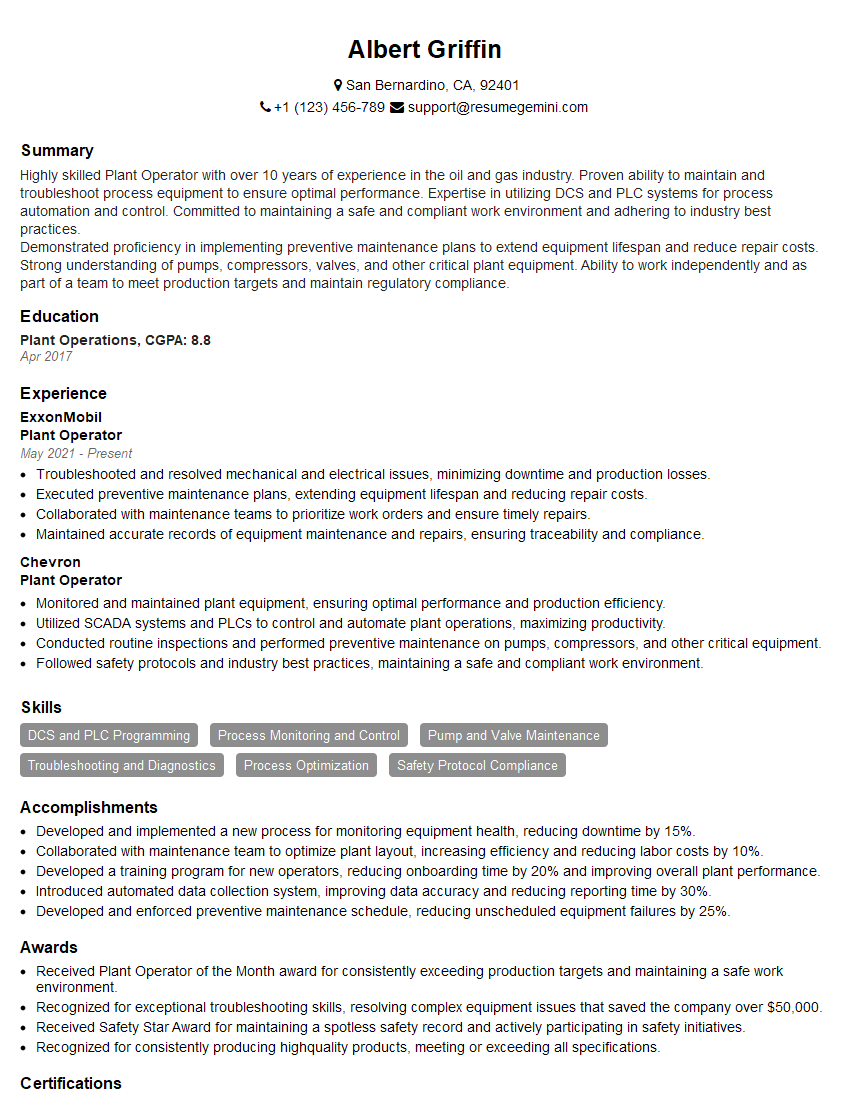
Plant Operator Resume Sample

Crane Operator Resume Sample
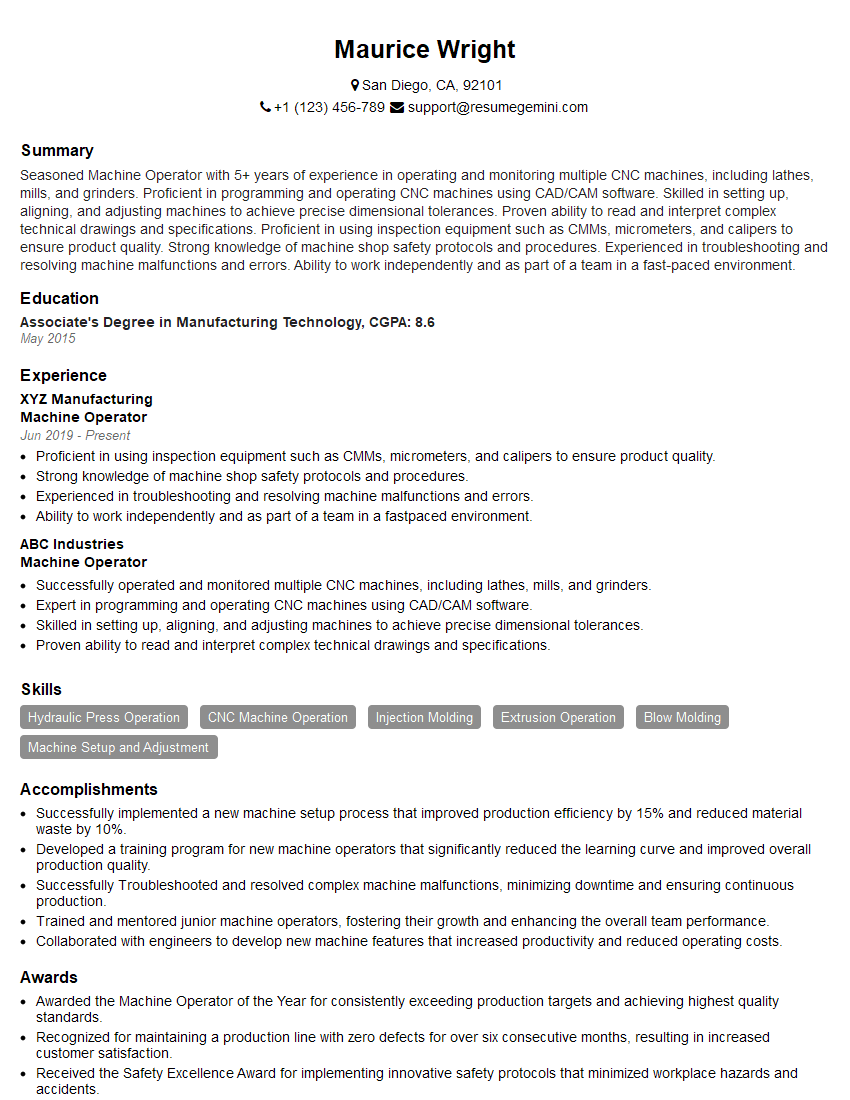
Machine Operator Resume Sample
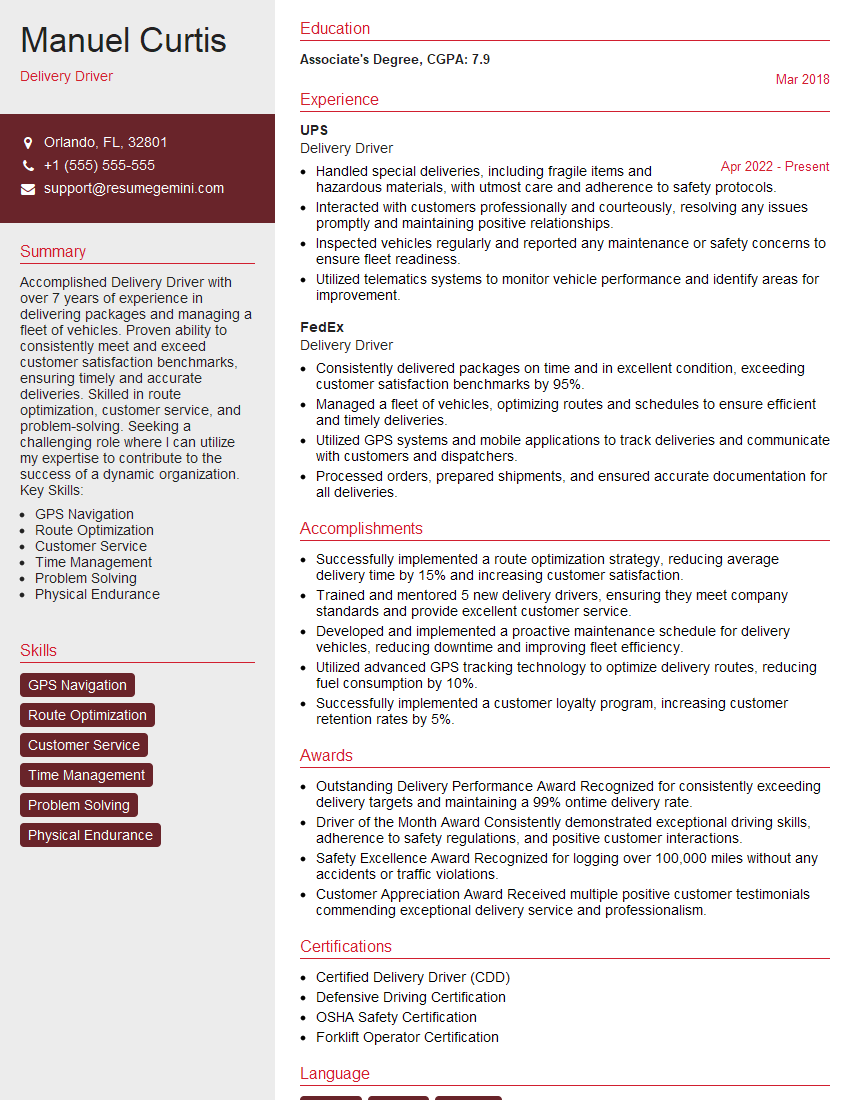
Delivery Driver Resume Sample
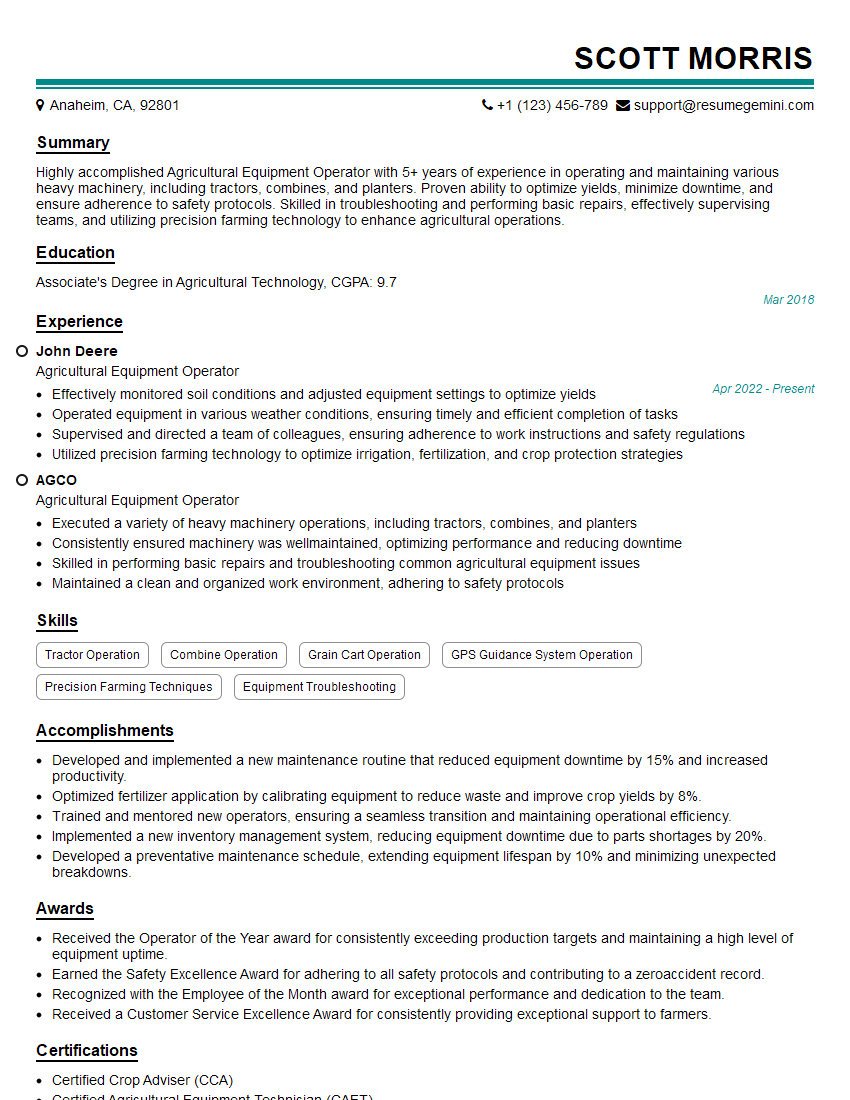
Agricultural Equipment Operator Resume Sample
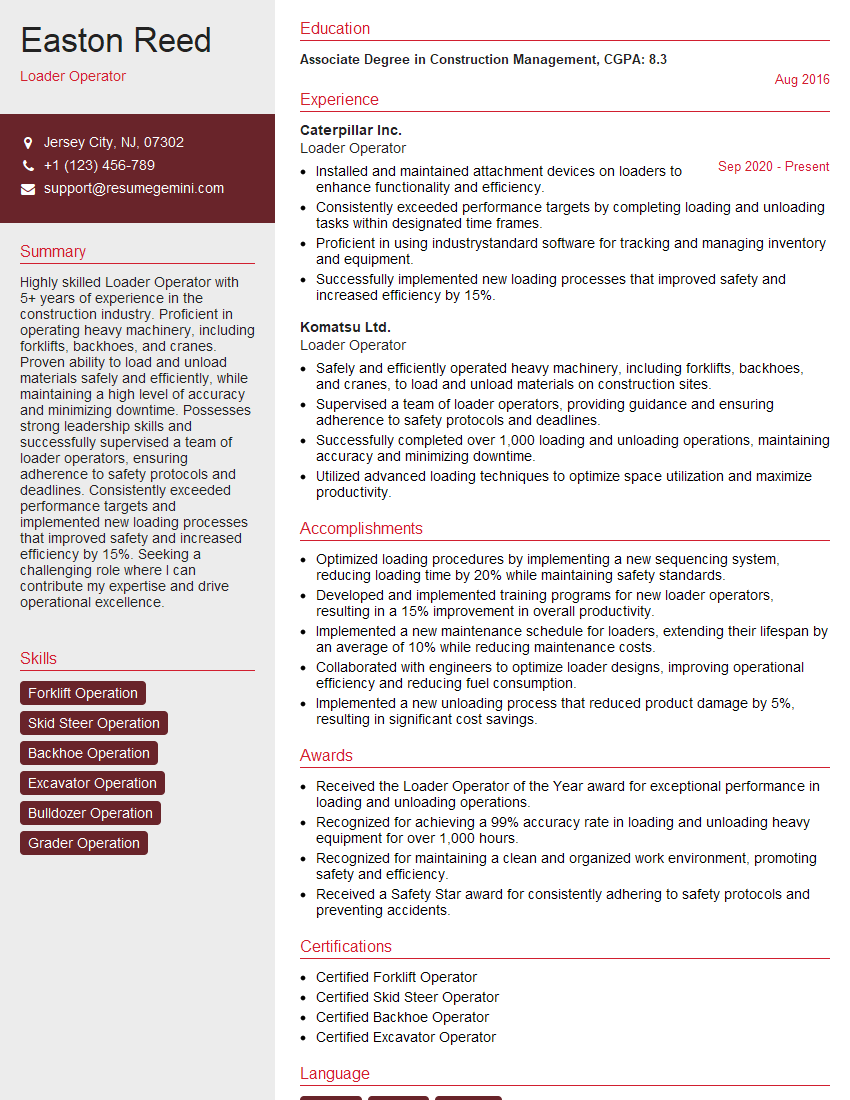
Loader Operator Resume Sample

Heavy Equipment Operator Resume Sample

Roller Operator Resume Sample
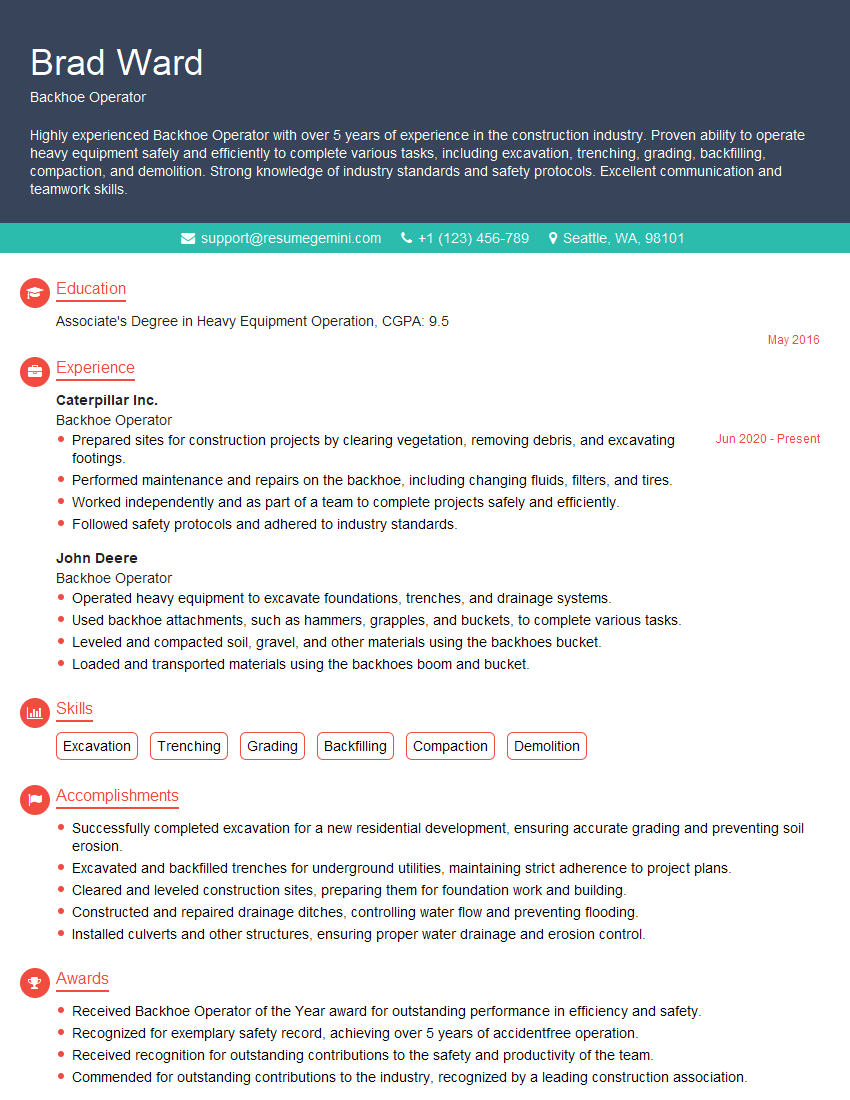
Backhoe Operator Resume Sample
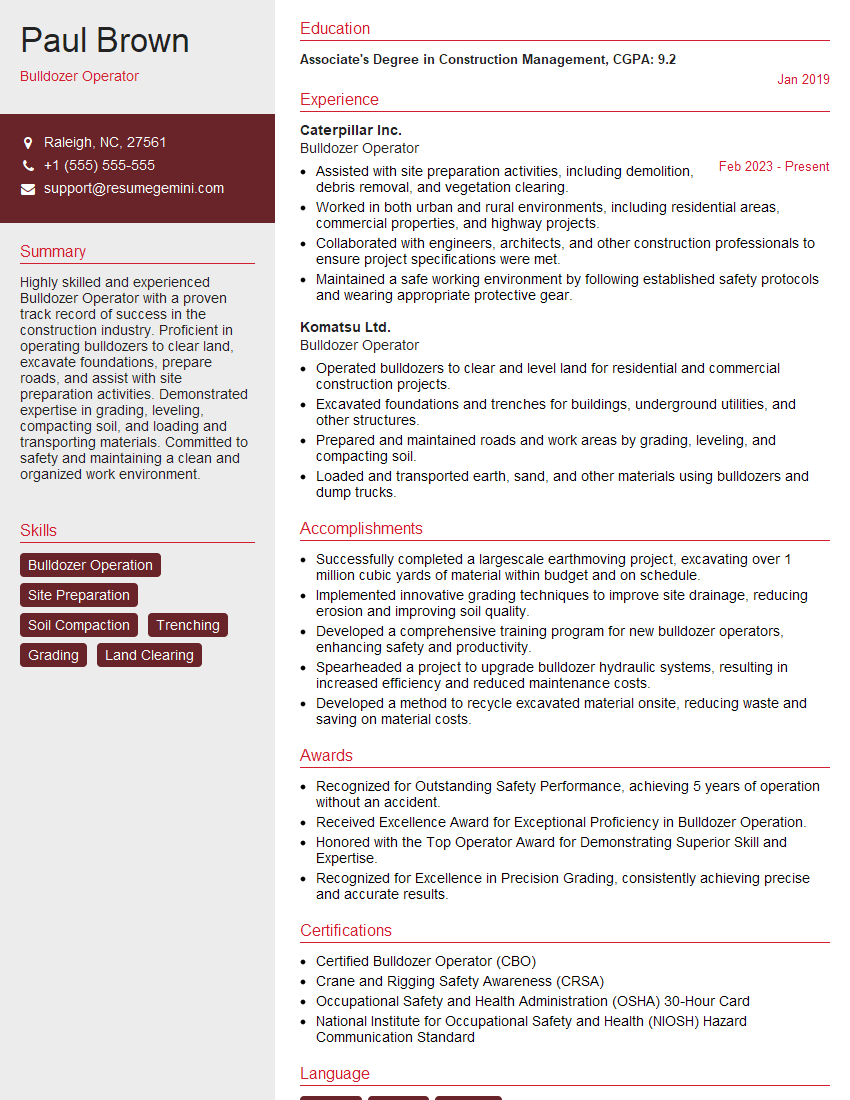
Bulldozer Operator Resume Sample
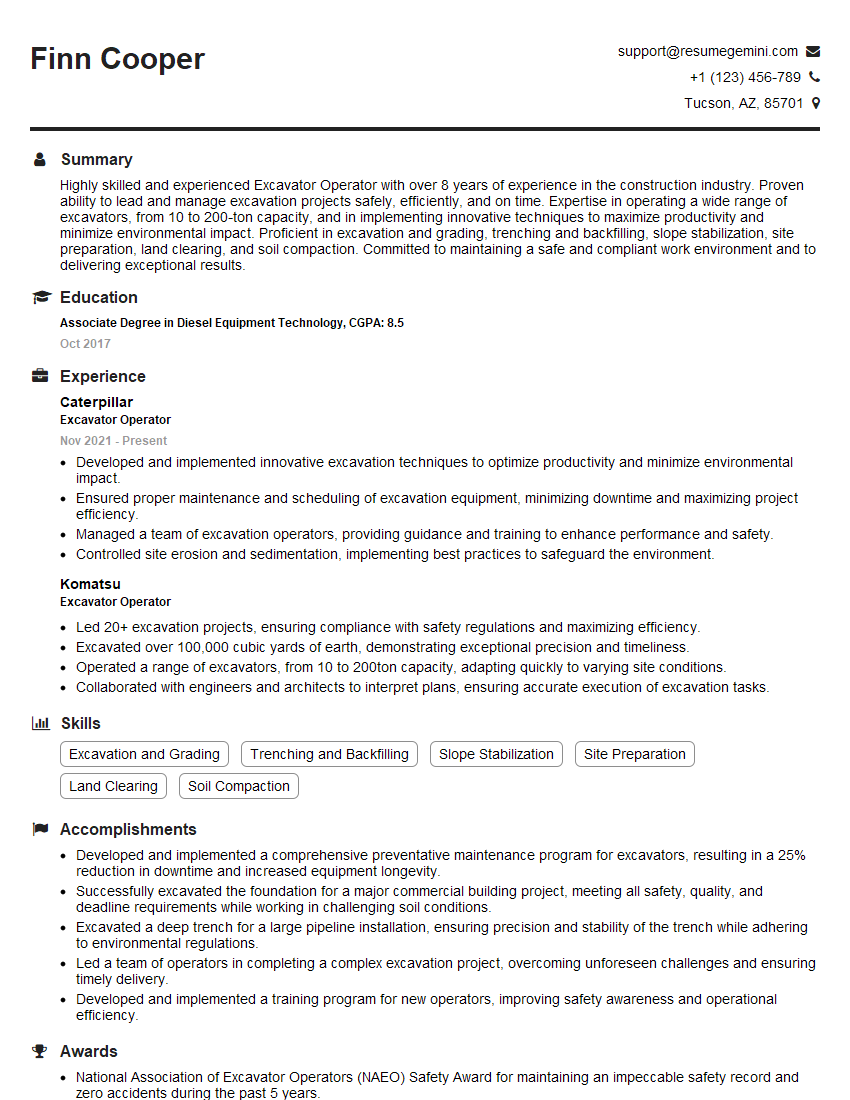
Excavator Operator Resume Sample
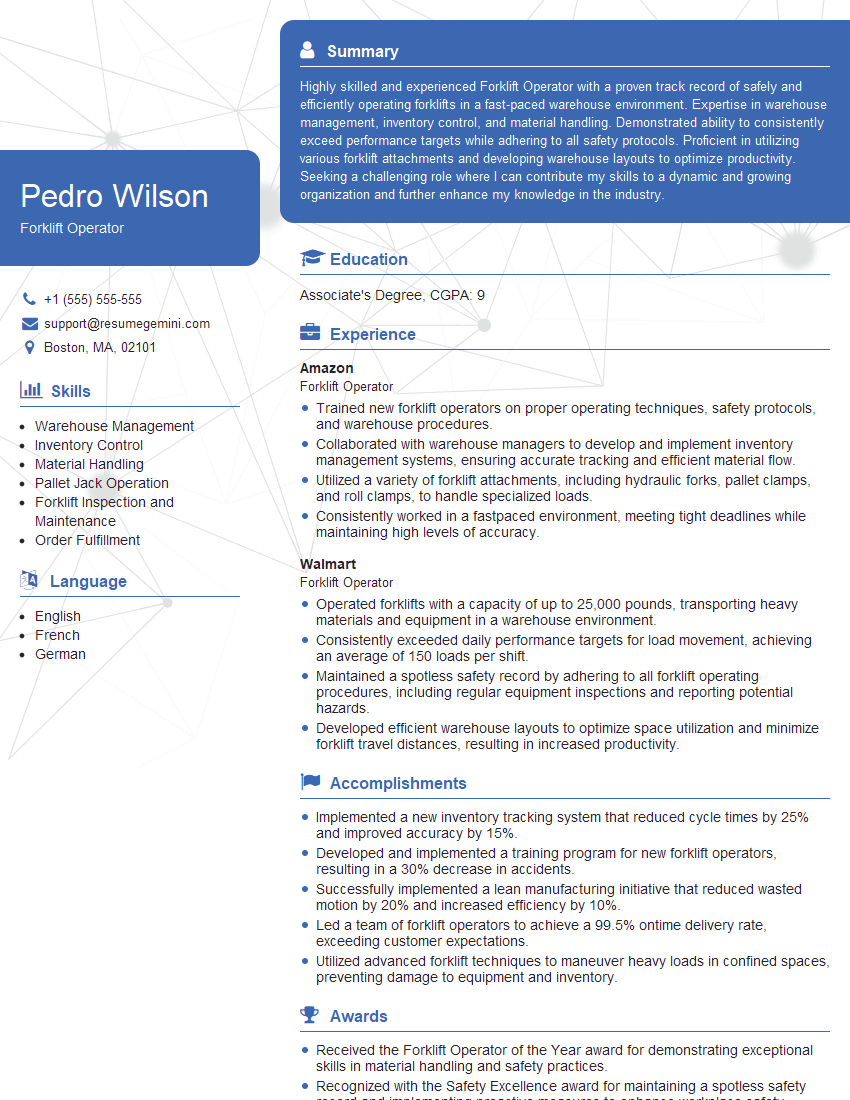
Forklift Operator Resume Sample
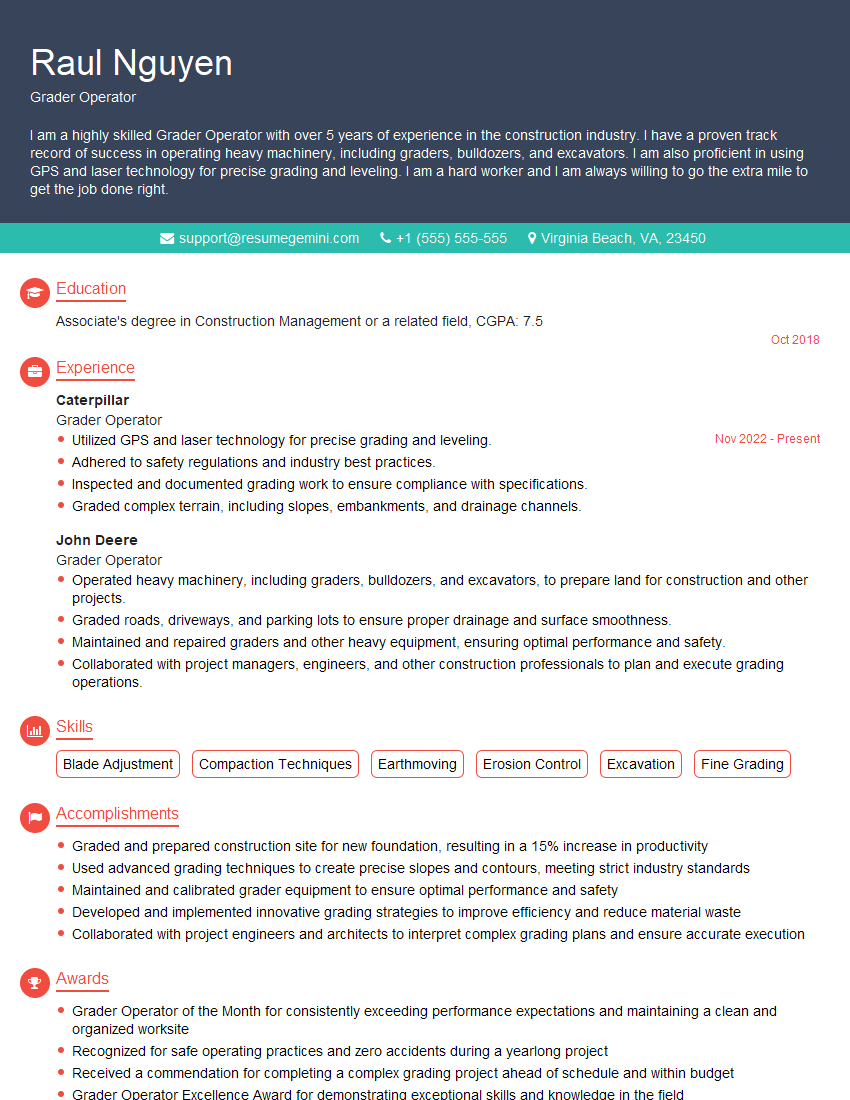
Grader Operator Resume Sample

Motor Grader Operator Resume Sample
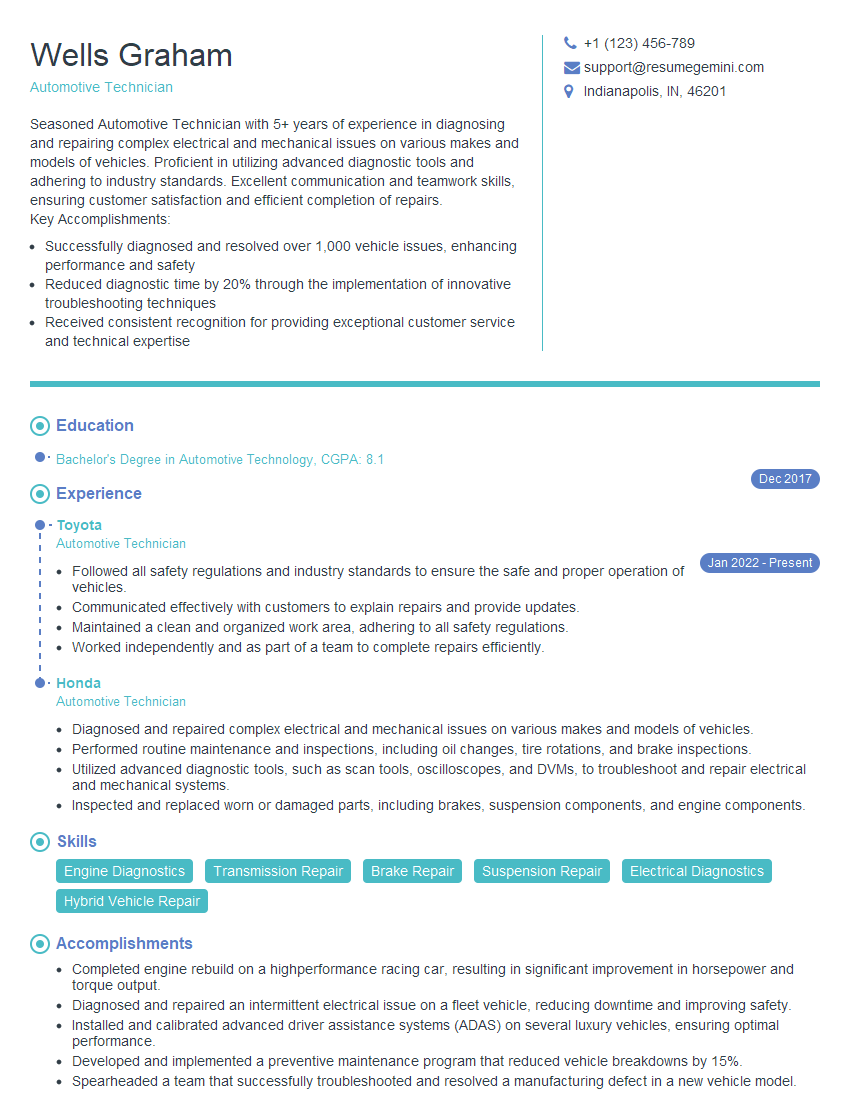
Automotive Technician Resume Sample
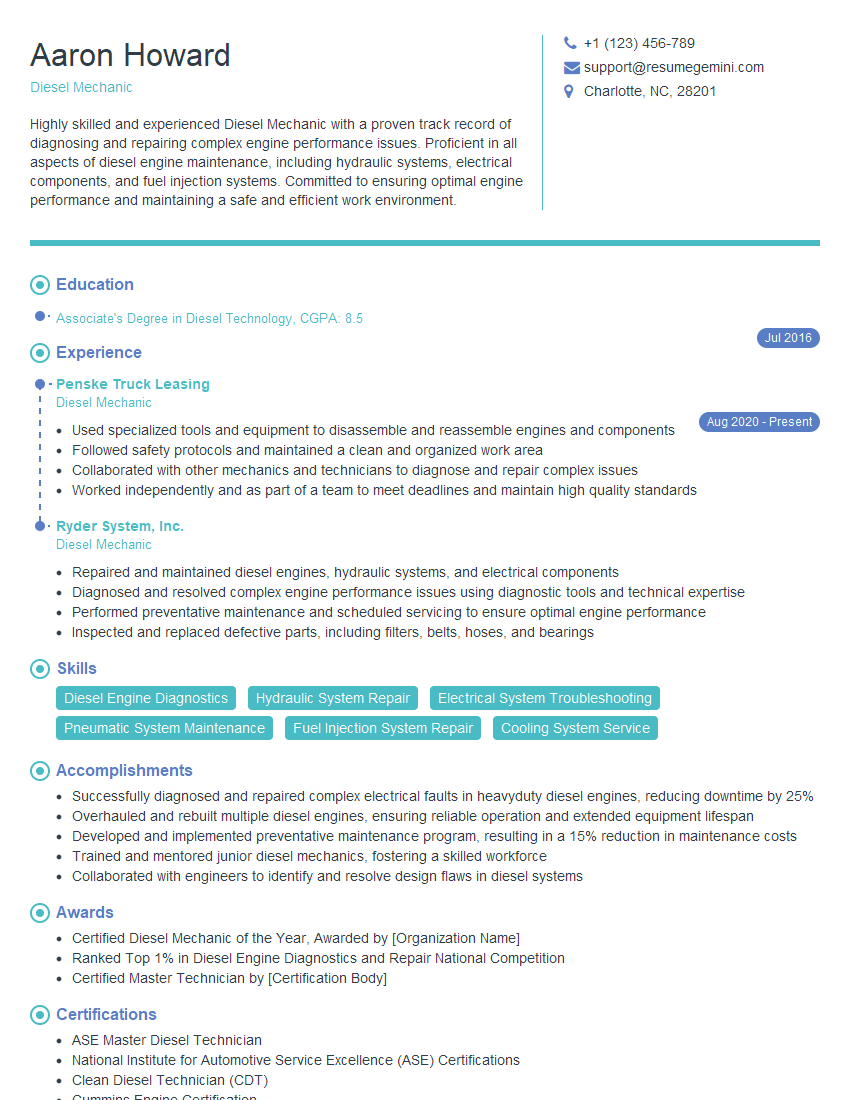
Diesel Mechanic Resume Sample
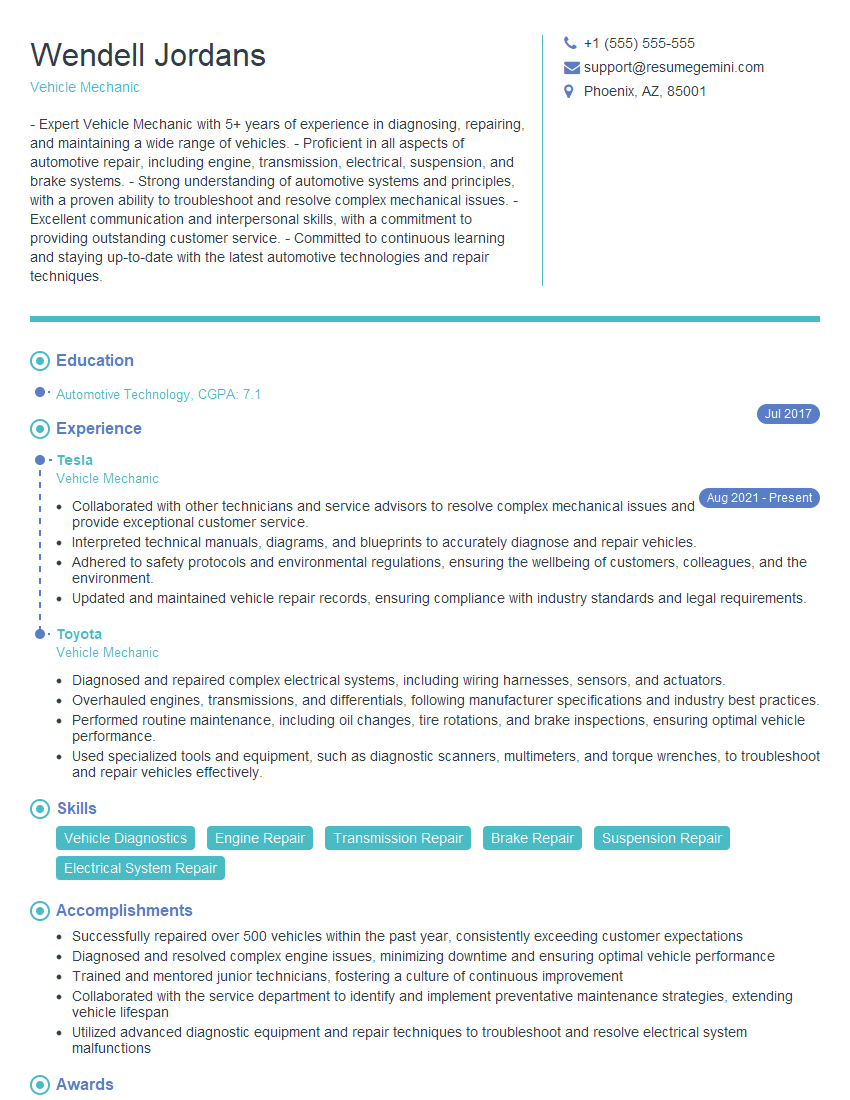
Vehicle Mechanic Resume Sample
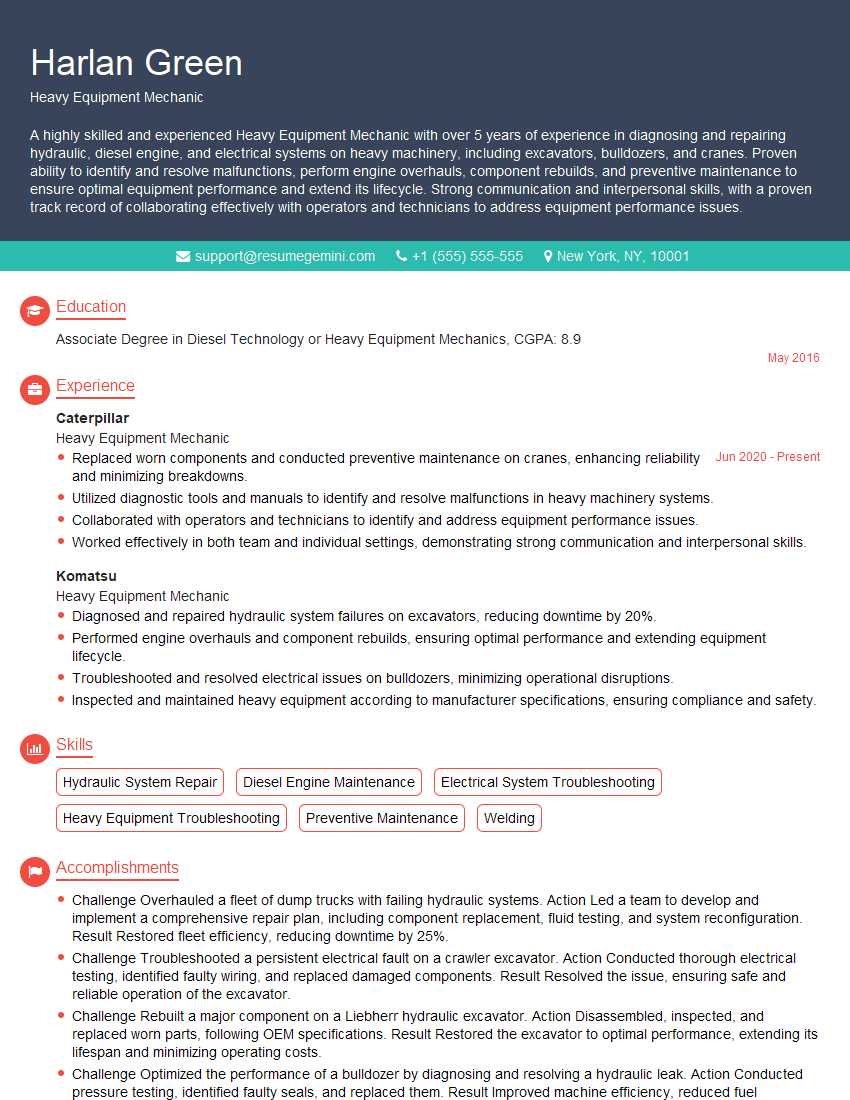
Heavy Equipment Mechanic Resume Sample
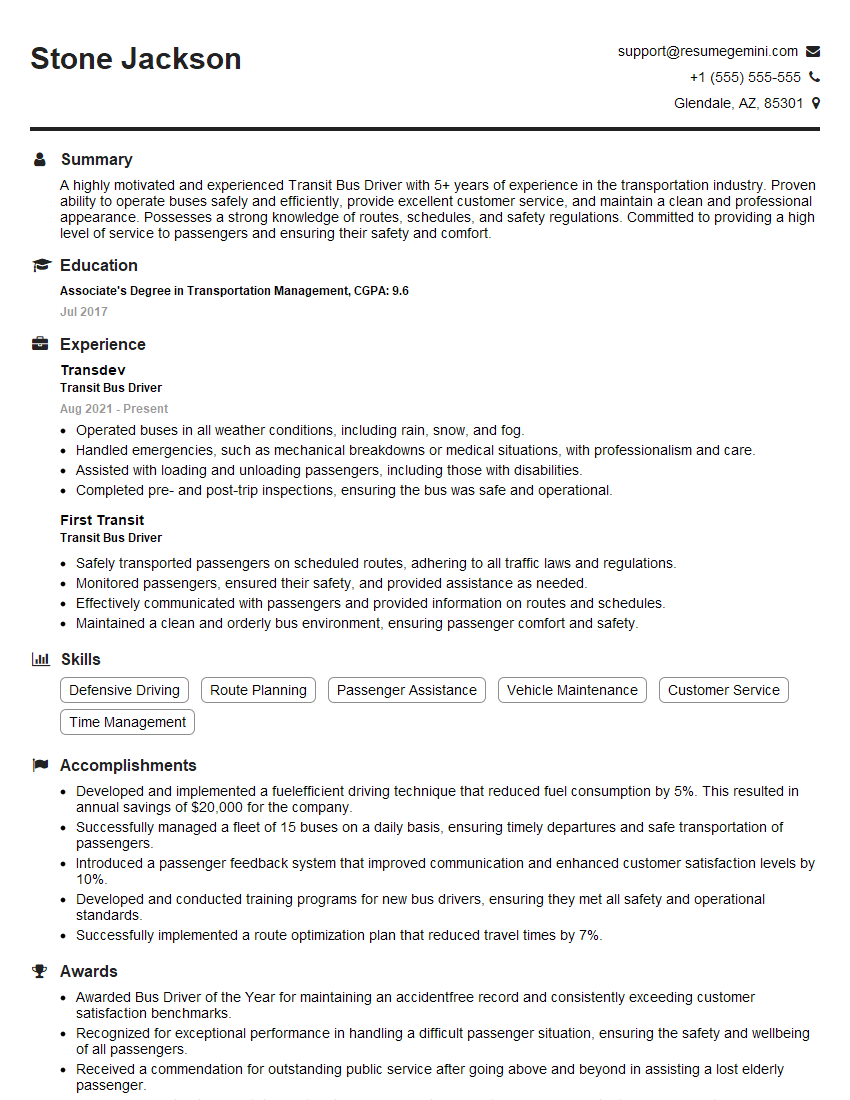
Transit Bus Driver Resume Sample
- Plant Operator
- Crane Operator
- Machine Operator
- Delivery Driver
- Agricultural Equipment Operator
- Loader Operator
- Heavy Equipment Operator
- Roller Operator
- Backhoe Operator
- Bulldozer Operator
- Excavator Operator
- Forklift Operator
- Grader Operator
- Motor Grader Operator
- Automotive Technician
- Diesel Mechanic
- Vehicle Mechanic
- Heavy Equipment Mechanic
- Transit Bus Driver
Explore more articles
Users Rating of Our Blogs
Share Your Experience
We value your feedback! Please rate our content and share your thoughts (optional).
What Readers Say About Our Blog
Very informative content, great job.
good