Interviews are more than just a Q&A session—they’re a chance to prove your worth. This blog dives into essential Vendor Management and Communication interview questions and expert tips to help you align your answers with what hiring managers are looking for. Start preparing to shine!
Questions Asked in Vendor Management and Communication Interview
Q 1. Describe your experience negotiating contracts with vendors.
Negotiating vendor contracts requires a strategic approach that balances the needs of both parties. It’s not just about getting the lowest price; it’s about securing a mutually beneficial agreement that minimizes risk and ensures quality service. My process typically involves:
- Thorough Preparation: Before even contacting a vendor, I define clear requirements, budget constraints, and key performance indicators (KPIs). This allows me to enter negotiations with a strong understanding of our needs and expectations.
- Vendor Selection: I usually evaluate multiple vendors based on their capabilities, experience, references, and financial stability. This ensures I’m negotiating with qualified and reliable partners.
- Negotiation Strategy: I approach negotiations with a collaborative mindset, focusing on building a strong relationship while clearly articulating our requirements and desired terms. This includes negotiating pricing, payment terms, service level agreements (SLAs), and dispute resolution mechanisms.
- Contract Review: I meticulously review each contract clause, ensuring that it accurately reflects our agreed-upon terms and protects our interests. Legal counsel may be involved for complex contracts.
- Documentation: All agreed-upon terms are documented thoroughly in the final contract, leaving no room for ambiguity or misinterpretation. A well-documented contract minimizes future disputes.
For example, in a recent negotiation with a software vendor, I was able to secure a 15% discount by leveraging competitive bids and negotiating a longer contract term. I also ensured that the contract included clear SLAs for uptime and response times, significantly mitigating potential disruptions.
Q 2. How do you identify and mitigate risks associated with vendor relationships?
Identifying and mitigating risks in vendor relationships is crucial for maintaining business continuity and minimizing financial losses. My approach involves a proactive risk management framework that includes:
- Risk Assessment: I regularly assess potential risks associated with each vendor, considering factors such as financial stability, operational capabilities, security vulnerabilities, and geopolitical factors.
- Due Diligence: Thorough due diligence is performed before entering into any contract. This includes background checks, financial audits, and reference checks to verify the vendor’s claims and capabilities.
- Contractual Safeguards: Contracts should include clauses that address potential risks, such as indemnification, liability limitations, and termination clauses. This provides a legal framework for managing disputes and mitigating losses.
- Performance Monitoring: Continuous monitoring of vendor performance against agreed-upon KPIs helps identify potential issues early on. This allows for prompt corrective action before problems escalate.
- Regular Communication: Open and regular communication with vendors helps build trust and facilitates early identification of potential problems. This fosters a collaborative problem-solving environment.
For instance, during a project with a cloud service provider, I identified a potential security risk related to data storage. By proactively addressing this risk through contractual modifications and implementing enhanced security measures, we averted a potential data breach.
Q 3. Explain your process for onboarding a new vendor.
Onboarding a new vendor involves a structured process to ensure a smooth transition and minimize disruption. My process typically involves:
- Initial Contact and Requirements Gathering: The onboarding process starts with clear communication of expectations, service level agreements (SLAs), and key performance indicators (KPIs).
- Documentation and Training: Providing the vendor with necessary documentation, training materials, and access to relevant systems. This ensures the vendor understands their responsibilities.
- System Integration: Testing and integration of the vendor’s systems with our existing infrastructure to ensure seamless data flow and functionality. This often includes pilot projects or test runs.
- Communication and Collaboration: Establishing regular communication channels and defining clear roles and responsibilities to facilitate effective collaboration.
- Monitoring and Evaluation: Continuous monitoring of the vendor’s performance during the initial phase to identify any issues and make necessary adjustments.
For a recent onboarding of a new IT support vendor, I implemented a phased approach, starting with a small pilot project to assess their capabilities before fully integrating them into our operations. This allowed us to identify and resolve any integration issues before a full-scale rollout.
Q 4. How do you measure vendor performance?
Measuring vendor performance requires a systematic approach that utilizes both quantitative and qualitative data. I typically use a combination of methods:
- Key Performance Indicators (KPIs): These are quantifiable metrics that measure specific aspects of vendor performance, such as on-time delivery, accuracy rates, customer satisfaction scores, and cost efficiency.
- Service Level Agreements (SLAs): SLAs define specific service levels and expectations, providing a framework for measuring performance against agreed-upon targets.
- Regular Reporting and Reviews: Vendors submit regular reports on their performance, which are reviewed to identify trends and areas for improvement.
- Feedback Mechanisms: Collecting feedback from internal stakeholders and customers to assess the vendor’s overall impact and identify areas requiring attention.
- Audits: Periodic audits to verify compliance with contractual obligations and industry standards. This might include security audits or financial audits depending on the vendor’s role.
For example, when assessing the performance of a logistics provider, I track KPIs such as on-time delivery rates, damage rates, and customer satisfaction scores. This provides a comprehensive picture of their performance and helps identify areas for improvement.
Q 5. What key performance indicators (KPIs) do you track for vendor management?
The specific KPIs tracked depend on the vendor and the nature of their services. However, some common KPIs I use include:
- On-Time Delivery/Completion: Percentage of deliverables completed on or before the agreed-upon deadlines.
- Quality: Metrics such as error rates, defect rates, or customer satisfaction scores that reflect the quality of the vendor’s work.
- Cost Efficiency: Tracking actual costs against the budgeted amounts to assess cost-effectiveness.
- Response Time: The time taken by the vendor to respond to requests or resolve issues.
- Customer Satisfaction: Measuring customer satisfaction with the vendor’s services through surveys or feedback mechanisms.
- Security Compliance: Tracking compliance with relevant security standards and regulations.
- Uptime/Availability: For services like IT infrastructure, this KPI tracks the percentage of time the service is available.
These KPIs are regularly reviewed and analyzed to track trends and identify areas for improvement. The data is often visualized using dashboards to facilitate easier analysis and reporting.
Q 6. How do you handle vendor disputes or performance issues?
Handling vendor disputes or performance issues requires a systematic approach that prioritizes communication and collaboration. My process typically involves:
- Early Identification: Proactive monitoring of vendor performance helps identify issues early on, enabling timely intervention.
- Communication and Collaboration: Addressing the issue directly with the vendor, establishing clear expectations, and working collaboratively to find a solution.
- Documentation: Maintaining thorough documentation of all communications, agreements, and actions taken. This protects our interests and facilitates a clear record of events.
- Escalation Process: If the issue cannot be resolved at the operational level, I escalate it to higher management within both organizations.
- Dispute Resolution: If necessary, I utilize the dispute resolution mechanisms outlined in the contract, such as mediation or arbitration.
- Performance Improvement Plan (PIP): For ongoing performance issues, I might implement a PIP with specific targets and timelines for improvement.
- Contract Termination: As a last resort, if the vendor consistently fails to meet expectations, I may terminate the contract.
For example, I once handled a dispute with a vendor over late delivery by first engaging in direct communication to understand the reasons for the delay. Through collaboration, we were able to implement corrective actions and avoid further issues, maintaining the vendor relationship.
Q 7. Describe your experience using vendor management software.
My experience with vendor management software encompasses several systems, and I’ve found them invaluable for streamlining the vendor management process. These tools typically offer features such as:
- Centralized Vendor Database: A single repository for all vendor information, including contact details, contracts, performance data, and risk assessments.
- Contract Management: Tools to create, manage, and track contracts, ensuring compliance and minimizing risk.
- Performance Monitoring: Dashboards and reporting tools to track vendor performance against KPIs and identify areas for improvement.
- Communication and Collaboration: Features to facilitate communication and collaboration with vendors, improving transparency and responsiveness.
- Risk Management: Tools to identify and assess potential risks associated with vendor relationships.
- Onboarding and Offboarding: Streamlined processes for onboarding new vendors and offboarding existing ones.
Using vendor management software has significantly improved efficiency and transparency in my work, allowing me to proactively manage risks and ensure optimal vendor performance. For instance, a specific system I used allowed us to automatically generate performance reports, saving significant time and effort compared to manual methods. This enabled more frequent monitoring and quicker responses to potential problems.
Q 8. What is your experience with different types of vendor contracts (e.g., fixed-price, time and materials)?
My experience encompasses a wide range of vendor contracts, primarily focusing on fixed-price, time and materials, and performance-based agreements. Understanding the nuances of each is crucial for successful vendor management.
- Fixed-price contracts are ideal for projects with clearly defined scopes and deliverables. The price is set upfront, minimizing cost uncertainty. However, changes require formal change orders, which can sometimes slow down the process. I’ve used these successfully for software development projects with well-documented requirements.
- Time and materials contracts offer flexibility for projects with evolving scopes. The vendor bills based on the time spent and materials used. This is beneficial for projects where the full scope isn’t initially clear, like ongoing IT support or consulting engagements. The potential for cost overruns necessitates robust monitoring and regular progress reviews, something I’ve always prioritized.
- Performance-based contracts tie payment to the achievement of specific, measurable results. This aligns vendor incentives with our business goals. I’ve successfully implemented this type of contract for marketing campaigns, where success is measured by tangible metrics like lead generation or website traffic. The key is to define clear Key Performance Indicators (KPIs) from the outset.
Choosing the right contract type depends heavily on the project’s nature, risk tolerance, and the vendor’s capabilities. My approach always involves carefully analyzing these factors to select the most appropriate contract structure.
Q 9. How do you ensure compliance with regulatory requirements in vendor management?
Ensuring regulatory compliance in vendor management is paramount. My approach is proactive and multi-faceted. It begins with thorough due diligence during the vendor selection process, verifying compliance certifications and licenses relevant to the industry and our specific needs.
Throughout the vendor relationship, I maintain a robust system for monitoring compliance. This includes regular audits of vendor practices, documentation reviews, and ongoing communication to ensure adherence to all applicable laws and regulations, such as GDPR, HIPAA, or industry-specific standards. Any identified non-compliance triggers immediate corrective action plans, and I always document everything meticulously.
For example, when working with a healthcare data vendor, I ensured we thoroughly vetted their HIPAA compliance certifications and implemented regular security audits to maintain patient data privacy. A strong compliance program is not just a box to tick; it’s a continuous process requiring vigilance and proactive measures.
Q 10. How do you build and maintain strong relationships with vendors?
Building and maintaining strong vendor relationships is crucial for long-term success. It’s not just about transactional exchanges; it’s about fostering a partnership. My strategy relies on open communication, mutual respect, and a focus on shared goals.
- Regular communication: I schedule regular meetings and maintain consistent contact to discuss progress, address concerns, and build rapport. This open dialogue prevents misunderstandings and fosters trust.
- Transparency and honesty: I’m upfront about our expectations and challenges, and I actively seek their feedback. This builds mutual understanding and allows us to proactively address potential problems.
- Fair and equitable treatment: I ensure fair pricing and timely payment, recognizing that a happy vendor is a productive vendor.
- Relationship building: I make an effort to understand their business challenges and successes. Building personal relationships (within professional boundaries, of course!) creates a strong foundation for collaboration.
Think of it like any strong relationship—it takes nurturing and consistent effort. The investment pays off in increased collaboration, improved service quality, and ultimately, better business outcomes.
Q 11. Describe a time you had to manage a difficult vendor relationship.
In a previous role, we encountered difficulties with a software vendor who consistently missed deadlines and delivered subpar quality. Initial communication was strained, leading to escalating tensions.
My approach involved several steps: first, I scheduled a formal meeting to clearly outline our expectations and express our concerns in a professional but firm manner. I provided concrete examples of missed deadlines and substandard work. Second, I established a clear escalation path and agreed upon key performance indicators (KPIs) with specific deliverables and deadlines. Third, I implemented a more robust monitoring system to track progress closely and proactively address any potential issues.
This combination of assertive communication, clearly defined expectations, and proactive monitoring significantly improved the situation. While the relationship didn’t become ideal overnight, the open communication and defined consequences led to better performance and ultimately a more successful project delivery.
Q 12. How do you communicate effectively with vendors at all levels?
Effective communication with vendors at all levels is critical. My approach is tailored to the audience and the context.
- Formal communication for contractual matters: I use written communication, such as emails and formal letters, to document agreements, changes, and important decisions. This ensures clarity and provides a record for future reference.
- Regular meetings for updates and progress reviews: These meetings are invaluable for maintaining open lines of communication and addressing any concerns promptly. I always circulate agendas and meeting minutes to maintain transparency.
- Informal communication for building rapport: I also utilize informal communication, such as phone calls and instant messaging, to build rapport and facilitate quick responses to minor queries. The key is to use the most appropriate communication channel for the specific situation.
Regardless of the communication method, I always strive for clarity, conciseness, and professionalism. Active listening and seeking clarification are crucial for ensuring mutual understanding and avoiding misunderstandings.
Q 13. How do you prioritize vendor management tasks?
Prioritizing vendor management tasks requires a strategic approach. My approach involves a combination of urgency and importance.
I typically use a matrix system, categorizing tasks based on their urgency (immediate, short-term, long-term) and importance (critical, high, medium, low). This allows me to prioritize tasks that are both urgent and important, followed by those that are either urgent or important. For example, resolving a critical vendor issue impacting service delivery would be a high-priority, urgent task. Meanwhile, planning for future vendor contracts might be important but not as urgent.
I also leverage project management tools and techniques, such as Kanban boards or prioritization matrices, to visualize and track my tasks effectively. This helps me stay organized and ensure that I’m focusing on the most crucial activities first.
Q 14. What is your experience with vendor selection and evaluation processes?
Vendor selection and evaluation are critical steps in building a robust vendor ecosystem. My process is methodical and comprehensive. It begins with defining clear requirements based on our needs and assessing the market landscape to identify potential vendors.
Then, I conduct a thorough evaluation, utilizing a structured scoring system based on criteria such as:
- Financial stability: Assessing their financial health and stability to minimize risk.
- Technical capabilities: Evaluating their technology and expertise to ensure they meet our technical needs.
- References and reputation: Checking their references and researching their reputation in the industry.
- Compliance and security: Verifying their compliance with relevant regulations and security standards.
- Contract terms and pricing: Reviewing the proposed contract terms and pricing to ensure they are fair and reasonable.
Finally, I often conduct a Proof of Concept (POC) or pilot project to evaluate their capabilities in practice before committing to a full-scale partnership. This rigorous process ensures that we select vendors who are reliable, competent, and aligned with our values and business objectives. It’s a critical investment that reduces future risks and ensures long-term success.
Q 15. How do you ensure the security and confidentiality of vendor data?
Ensuring the security and confidentiality of vendor data is paramount. It’s not just about compliance; it’s about protecting our organization and our clients. My approach is multi-layered and begins with a robust vendor selection process. We only work with vendors who demonstrate a strong commitment to data security, often verified through certifications like ISO 27001 or SOC 2.
Once a vendor is selected, we implement stringent data protection measures including:
- Data Encryption: Both data in transit and at rest is encrypted using industry-standard encryption protocols.
- Access Control: We implement principle of least privilege, granting vendors access only to the data absolutely necessary for them to perform their services. This is often managed through role-based access controls (RBAC).
- Regular Security Assessments: We conduct regular security audits and penetration testing of the vendor’s systems and processes to identify and mitigate vulnerabilities. This might include third-party assessments or on-site inspections.
- Data Loss Prevention (DLP) Measures: We utilize DLP tools to monitor and prevent sensitive data from leaving the vendor’s systems unauthorized.
- Contractual Obligations: Our contracts with vendors include detailed clauses specifying their responsibilities regarding data security and confidentiality, including penalties for breaches. We also require them to maintain comprehensive incident response plans.
For example, in a recent project with a cloud-based storage vendor, we implemented multi-factor authentication (MFA) for all user accounts and enabled granular access controls based on specific project needs. This ensured that only authorized personnel could access sensitive data, minimizing the risk of unauthorized disclosures.
Career Expert Tips:
- Ace those interviews! Prepare effectively by reviewing the Top 50 Most Common Interview Questions on ResumeGemini.
- Navigate your job search with confidence! Explore a wide range of Career Tips on ResumeGemini. Learn about common challenges and recommendations to overcome them.
- Craft the perfect resume! Master the Art of Resume Writing with ResumeGemini’s guide. Showcase your unique qualifications and achievements effectively.
- Don’t miss out on holiday savings! Build your dream resume with ResumeGemini’s ATS optimized templates.
Q 16. How do you manage vendor expectations?
Managing vendor expectations is crucial for a successful partnership. It’s about clear, consistent, and open communication. I begin by setting clear expectations from the outset. This includes defining the scope of work, deliverables, timelines, and key performance indicators (KPIs) in a well-defined Service Level Agreement (SLA).
My approach involves:
- Regular Communication: I schedule regular meetings (weekly or bi-weekly depending on the complexity of the project) to discuss progress, address concerns, and proactively identify potential roadblocks.
- Proactive Updates: I provide timely updates on project status, changes, and any potential impacts to the vendor. This prevents surprises and maintains transparency.
- Active Listening: I actively listen to vendor concerns and address them promptly and fairly. This builds trust and strengthens the working relationship.
- Performance Feedback: Regular performance feedback, both positive and constructive, keeps the vendor aligned with our goals and motivates them to perform at their best.
- Escalation Process: Having a clearly defined escalation process ensures that issues are resolved efficiently and effectively.
For instance, during a recent project with a marketing vendor, we held weekly status meetings to review campaign performance against pre-defined KPIs. This allowed us to address any performance issues early on and adjust strategies as needed. Open communication prevented misunderstandings and kept the vendor motivated.
Q 17. What is your approach to vendor performance improvement?
My approach to vendor performance improvement is data-driven and collaborative. It’s not about blame, but about continuous improvement. I begin by establishing clear KPIs that align with our business objectives. These KPIs are tracked regularly using a combination of automated reporting tools and manual reviews.
My strategy includes:
- Regular Performance Reviews: Conducting regular performance reviews using the pre-defined KPIs. This provides a clear picture of the vendor’s performance and identifies areas needing improvement.
- Root Cause Analysis: When performance dips below expectations, I conduct a thorough root cause analysis to identify the underlying issues and develop targeted solutions.
- Performance Improvement Plans (PIPs): For vendors consistently underperforming, I develop PIPs outlining specific steps to improve performance. These plans include timelines and accountability measures.
- Training and Development: In some cases, performance improvements may require training or additional resources for the vendor. I work with them to identify their needs and provide the necessary support.
- Collaboration and Communication: Open communication and collaboration are essential throughout the process. I work closely with the vendor to identify solutions and foster a culture of continuous improvement.
In a past project, a software development vendor consistently missed deadlines. After a root cause analysis, we discovered resource constraints. We worked collaboratively to adjust the project timeline and provide additional resources, resulting in a significant improvement in performance.
Q 18. Describe your experience with vendor audits.
I have extensive experience with vendor audits, both internal and external. I understand the importance of these audits in ensuring compliance, identifying risks, and improving vendor performance. My experience covers a range of audit types, including financial audits, security audits, and operational audits.
My role typically involves:
- Audit Planning: Collaborating with the audit team to define the scope, objectives, and timeline of the audit. This includes identifying key risks and areas to focus on.
- Data Collection: Gathering and providing the necessary data and documentation to the auditors. This might involve access to systems, contracts, and performance data.
- Audit Support: Responding to auditor inquiries and providing clarification on any issues that arise during the audit.
- Remediation: Developing and implementing corrective actions based on the audit findings. This may involve changes to processes, systems, or contracts.
- Reporting: Reviewing and approving the audit report, ensuring it accurately reflects the findings and recommendations.
For example, during a recent security audit of a payment processing vendor, we worked collaboratively with the auditors to address identified vulnerabilities. This resulted in enhanced security measures and improved data protection practices.
Q 19. How do you handle vendor escalations effectively?
Handling vendor escalations effectively requires a structured approach that prioritizes communication and problem-solving. My approach focuses on resolving the issue quickly and fairly while maintaining a positive working relationship.
My steps include:
- Immediate Acknowledgement: I acknowledge the escalation promptly and assure the vendor that their concerns are being addressed.
- Gather Information: I gather all relevant information from both parties involved to fully understand the situation and its root cause.
- Identify the Root Cause: I work to identify the underlying cause of the escalation to address the issue effectively and prevent recurrence.
- Develop a Solution: Based on the root cause analysis, I work with the vendor to develop a mutually acceptable solution.
- Implement and Monitor: I monitor the implementation of the solution to ensure the issue is resolved and prevent future occurrences.
- Document Everything: I meticulously document the entire escalation process, including communication, solutions, and outcomes.
For instance, when a software vendor experienced a significant outage affecting our services, I immediately acknowledged the issue, established a communication plan to keep stakeholders informed, coordinated with the vendor’s engineering team to resolve the outage, and then implemented new monitoring protocols to prevent similar issues.
Q 20. What is your experience with vendor due diligence?
Vendor due diligence is a critical process to mitigate risk and ensure we are partnering with reliable and reputable vendors. My approach is thorough and systematic, ensuring we understand the vendor’s financial stability, operational capabilities, and compliance posture.
My due diligence process typically involves:
- Financial Assessment: Reviewing the vendor’s financial statements, credit reports, and insurance coverage to assess their financial health and stability.
- Operational Assessment: Evaluating the vendor’s operational capabilities, processes, and infrastructure to ensure they can meet our requirements.
- Compliance Assessment: Checking the vendor’s compliance with relevant regulations and industry standards, such as data privacy regulations (e.g., GDPR, CCPA) and security standards (e.g., ISO 27001).
- References and Background Checks: Checking references and conducting background checks to verify the vendor’s reputation and track record.
- Contractual Review: Thoroughly reviewing the proposed contract to ensure it protects our interests and aligns with our requirements.
For example, when selecting a new cloud provider, we conducted thorough due diligence, including reviewing their security certifications, conducting penetration testing, reviewing their disaster recovery plan, and obtaining references from other clients. This allowed us to make an informed decision and ensure the provider met our stringent security and reliability requirements.
Q 21. How do you track and manage vendor invoices?
Tracking and managing vendor invoices is crucial for efficient financial management and to prevent payment delays or disputes. I utilize a combination of automated systems and manual processes to ensure accurate and timely processing.
My approach involves:
- Centralized System: Using a centralized system, such as an enterprise resource planning (ERP) system or a dedicated procurement platform, to track all vendor invoices. This allows for better organization and visibility.
- Automated Workflow: Automating the invoice processing workflow as much as possible, including automated matching of invoices to purchase orders and automated routing for approvals.
- Three-Way Matching: Implementing a three-way matching process, comparing the purchase order, invoice, and receiving report to ensure accuracy and prevent fraudulent invoices.
- Regular Reconciliation: Regularly reconciling vendor statements with our records to identify and resolve any discrepancies.
- Vendor Portal: Utilizing a vendor portal, where applicable, to streamline communication and invoice submission.
For instance, we use an ERP system that automates the invoice processing workflow, allowing for efficient matching of invoices to purchase orders. This system also generates automated reminders for approvals, ensuring timely payment and preventing late payment penalties.
Q 22. Describe your process for identifying and selecting potential vendors.
Identifying and selecting vendors is a crucial process that requires a structured approach. It begins with a clear understanding of our needs. We define the specific requirements, including technical specifications, service level agreements (SLAs), and budget constraints. Then, we utilize a multi-pronged approach:
- Market Research: We research potential vendors through online directories, industry publications, and referrals. We assess their reputation, financial stability, and past performance.
- Request for Information (RFI): We send out RFIs to pre-selected vendors to gather preliminary information and gauge their capabilities. This helps us narrow down the field.
- Request for Proposal (RFP): Following the RFI, we issue RFPs to a smaller, more qualified pool of vendors. The RFP details our specific requirements and asks vendors to submit proposals outlining their solutions, pricing, and timelines.
- Evaluation and Selection: We establish a clear scoring rubric to evaluate proposals based on factors like price, quality, experience, and risk mitigation. This ensures a fair and objective selection process. We often conduct interviews to assess vendor teams and their understanding of our needs.
- Negotiation: Once we’ve selected a preferred vendor, we negotiate the final contract terms, ensuring alignment on key performance indicators (KPIs), payment schedules, and dispute resolution mechanisms.
For example, when selecting a cloud provider, we might prioritize vendors with strong security certifications, robust SLAs, and a proven track record in our industry. Each vendor is rigorously vetted to minimize risk and maximize the likelihood of a successful partnership.
Q 23. How do you ensure vendor diversity and inclusion?
Promoting vendor diversity and inclusion is paramount for ethical and business reasons. It fosters innovation, broadens perspectives, and strengthens our supply chain. We actively pursue this through several strategies:
- Targeted Outreach: We actively seek out and engage with minority-owned businesses, women-owned businesses, and businesses representing diverse geographical locations. We attend industry events and utilize online platforms dedicated to connecting with diverse suppliers.
- Supplier Diversity Programs: We participate in and support supplier diversity initiatives and organizations that champion inclusive business practices. This provides access to a wider pool of qualified vendors.
- Inclusive RFP Process: We design our RFPs and evaluation criteria to be inclusive and avoid biases that might inadvertently exclude qualified vendors from diverse backgrounds.
- Monitoring and Measurement: We track and measure our progress in achieving vendor diversity goals, regularly reviewing our supplier base and identifying areas for improvement. This ensures accountability and transparency.
For instance, we might set specific targets for the percentage of contracts awarded to diverse vendors and regularly report on our performance against these targets. This demonstrates our commitment and helps us continuously improve our efforts.
Q 24. What is your experience with risk management in vendor relationships?
Risk management is fundamental to successful vendor relationships. We utilize a comprehensive approach that integrates risk assessment throughout the vendor lifecycle:
- Risk Identification: We identify potential risks associated with each vendor, considering factors such as financial stability, security breaches, compliance issues, and geopolitical instability.
- Risk Assessment: We assess the likelihood and potential impact of each identified risk, prioritizing those posing the greatest threat to our operations.
- Risk Mitigation Strategies: We develop and implement mitigation strategies to address identified risks. This may involve requiring specific insurance policies, conducting security audits, establishing clear SLAs, or incorporating termination clauses in contracts.
- Monitoring and Review: We continuously monitor vendor performance and conduct regular risk assessments to identify emerging risks and ensure the effectiveness of mitigation strategies. This ensures proactive risk management.
For example, when engaging a vendor that handles sensitive customer data, we would require them to demonstrate compliance with relevant data protection regulations, such as GDPR or CCPA, and undergo regular security audits. We’d also include clauses in the contract that outline penalties for data breaches.
Q 25. How do you leverage technology to improve vendor management efficiency?
Technology plays a vital role in improving vendor management efficiency. We leverage various tools and platforms to streamline processes and improve communication:
- Vendor Management Systems (VMS): We utilize a VMS to centralize vendor information, track performance, manage contracts, and automate communication. This improves transparency and reduces manual effort.
- Collaboration Platforms: We use collaboration tools like Slack or Microsoft Teams to facilitate communication with vendors, share documents, and track project progress in real-time. This enhances communication and reduces response times.
- Analytics and Reporting: We leverage data analytics to monitor vendor performance, identify trends, and make data-driven decisions about vendor selection and performance improvement. This provides insights for informed decision-making.
- Automated Workflows: We automate tasks such as invoice processing, performance evaluations, and contract renewals, reducing manual workload and minimizing errors. This frees up time for more strategic activities.
For instance, our VMS enables us to track key performance indicators (KPIs) for each vendor, providing real-time visibility into their performance and allowing us to proactively address any issues. This results in improved service quality and cost savings.
Q 26. Describe a time you identified a cost-saving opportunity through vendor management.
In a previous role, we were using multiple vendors for printing and marketing materials. Each vendor had different pricing structures and minimum order quantities. By consolidating our printing needs with a single, strategically selected vendor, we achieved significant cost savings. This involved:
- Negotiating bulk discounts: We leveraged our increased volume to negotiate substantial discounts on printing costs.
- Optimizing print specifications: We worked with the vendor to refine print specifications to reduce waste and minimize material costs.
- Streamlining the ordering process: We implemented a more efficient ordering system to reduce administrative overhead and processing time.
The consolidation resulted in a 15% reduction in overall printing costs, demonstrating the power of strategic vendor management in achieving cost optimization.
Q 27. How do you ensure consistent communication across all vendor interactions?
Maintaining consistent communication across all vendor interactions is crucial for fostering strong relationships and avoiding misunderstandings. We utilize a multi-faceted communication strategy:
- Centralized Communication Channels: We designate specific communication channels (e.g., email, project management software) for each vendor to streamline communication and maintain a record of all interactions.
- Regular Communication Cadence: We establish regular communication schedules, including weekly or monthly check-ins, to track progress, address issues, and maintain open dialogue.
- Clear Communication Protocols: We define clear communication protocols, including escalation procedures and reporting mechanisms, to ensure timely resolution of any issues that arise.
- Formalized Communication Plans: For complex projects, we develop formalized communication plans that outline communication frequency, methods, and responsible parties.
For example, we might use a project management tool to track deliverables, deadlines, and communication logs, ensuring transparency and accountability with our vendors. This approach keeps everyone informed and aligned.
Q 28. What are some common challenges in vendor management, and how do you overcome them?
Several common challenges exist in vendor management. Addressing them proactively is crucial for success:
- Communication Barriers: Misunderstandings can arise due to poor communication. We overcome this through clearly defined communication protocols, regular check-ins, and the use of centralized communication platforms.
- Performance Issues: Vendors may not always meet performance expectations. We address this through clear SLAs, performance monitoring, and performance improvement plans.
- Contract Disputes: Disagreements may occur over contract terms. We mitigate this risk through well-defined contracts, clear expectations, and proactive communication.
- Security Risks: Vendors may pose security risks. We mitigate this through thorough vetting processes, security audits, and robust security protocols.
- Lack of Visibility: It can be difficult to track vendor performance and costs. We overcome this through the use of vendor management systems (VMS) and data analytics.
Each challenge requires a tailored approach. For example, if a vendor consistently misses deadlines, we would first attempt to understand the underlying cause and collaborate on solutions. If the issues persist, we might implement performance improvement plans or consider replacing the vendor. Proactive monitoring and strong communication are key to navigating these challenges successfully.
Key Topics to Learn for Vendor Management and Communication Interview
- Vendor Selection & Onboarding: Understanding the process of identifying, evaluating, and contracting with vendors. Practical application: Developing a robust vendor selection criteria checklist and onboarding process.
- Contract Negotiation & Management: Mastering negotiation tactics, understanding key contract clauses (e.g., SLAs, payment terms), and managing contract performance. Practical application: Analyzing a sample contract to identify potential risks and opportunities.
- Performance Monitoring & Evaluation: Establishing Key Performance Indicators (KPIs) and metrics, tracking vendor performance, and conducting regular performance reviews. Practical application: Designing a dashboard to visualize vendor performance data.
- Communication & Collaboration: Effective communication strategies for managing vendor relationships, conflict resolution, and fostering collaboration. Practical application: Developing a communication plan for a complex vendor project.
- Risk Management: Identifying and mitigating potential risks associated with vendor relationships, including financial, operational, and reputational risks. Practical application: Conducting a risk assessment for a new vendor partnership.
- Technology & Tools: Familiarity with vendor management software and tools to streamline processes and improve efficiency. Practical application: Researching and comparing different vendor management systems.
- Relationship Building & Stakeholder Management: Developing strong relationships with vendors and internal stakeholders to ensure alignment and effective collaboration. Practical application: Creating a stakeholder map to identify key players and their interests.
Next Steps
Mastering Vendor Management and Communication skills is crucial for career advancement, opening doors to leadership roles and higher earning potential. A well-crafted resume is your first impression – make it count! An ATS-friendly resume significantly increases your chances of getting noticed by recruiters and landing interviews. ResumeGemini is a trusted resource to help you build a professional, impactful resume tailored to highlight your unique skills and experience. Examples of resumes specifically tailored for Vendor Management and Communication roles are available to help you get started.
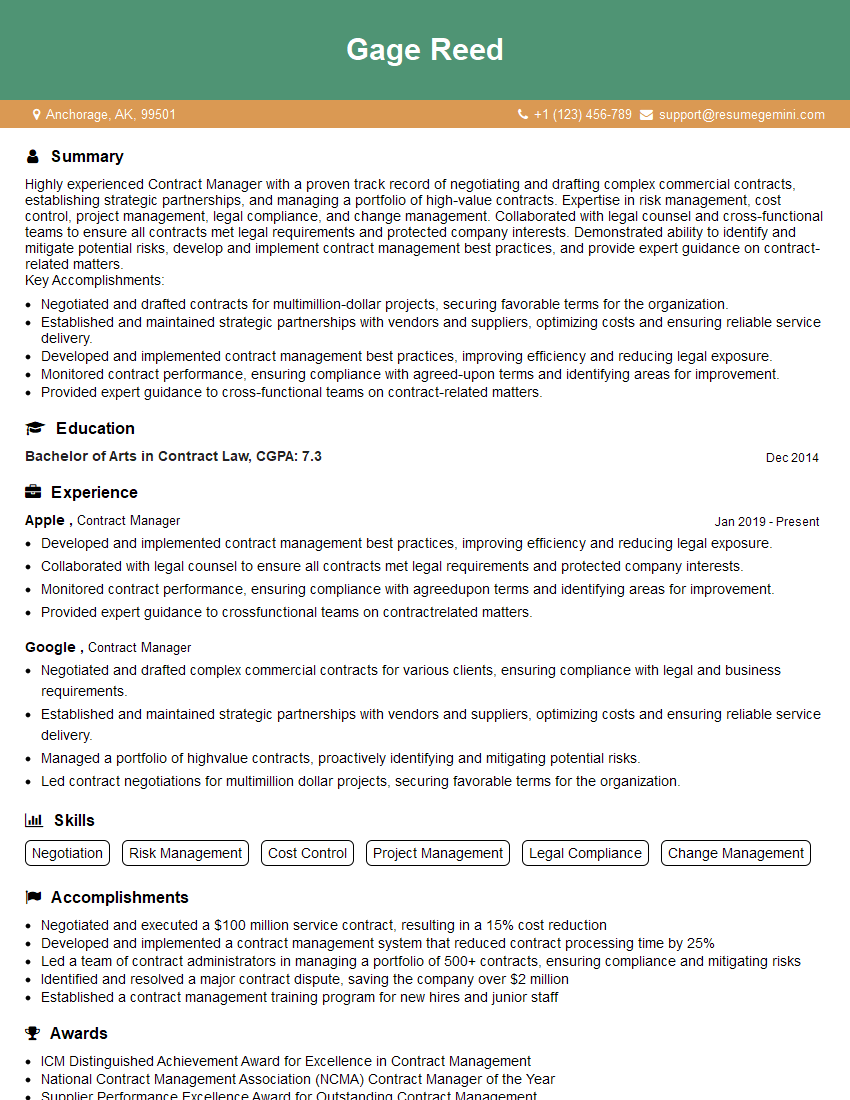
Contract Manager Resume Sample

Procurement Manager Resume Sample
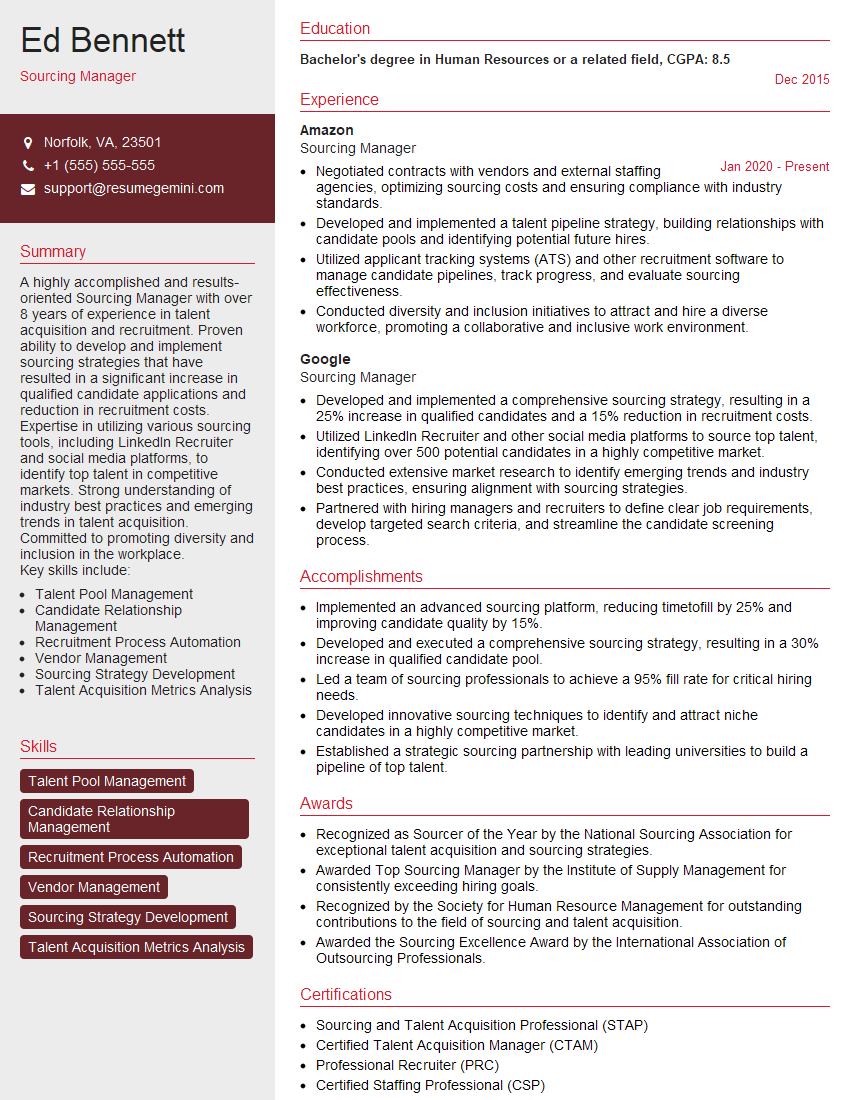
Sourcing Manager Resume Sample

Sourcing Specialist Resume Sample
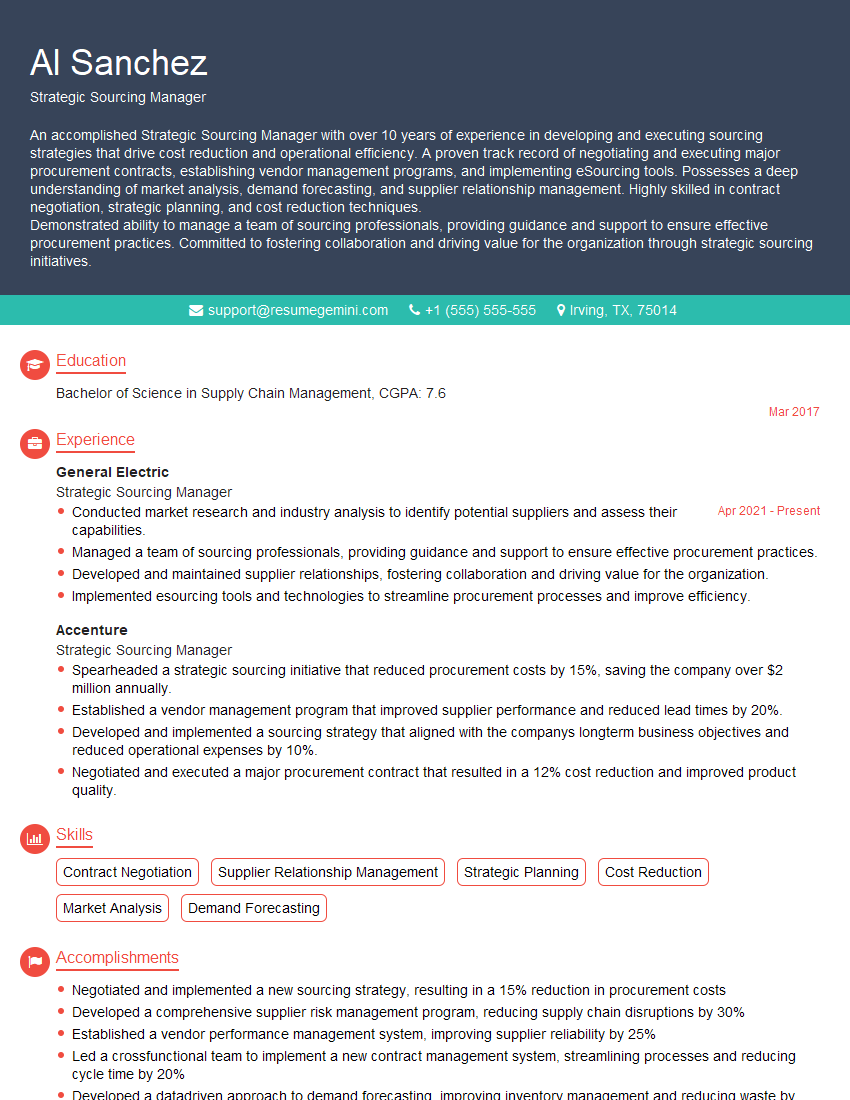
Strategic Sourcing Manager Resume Sample
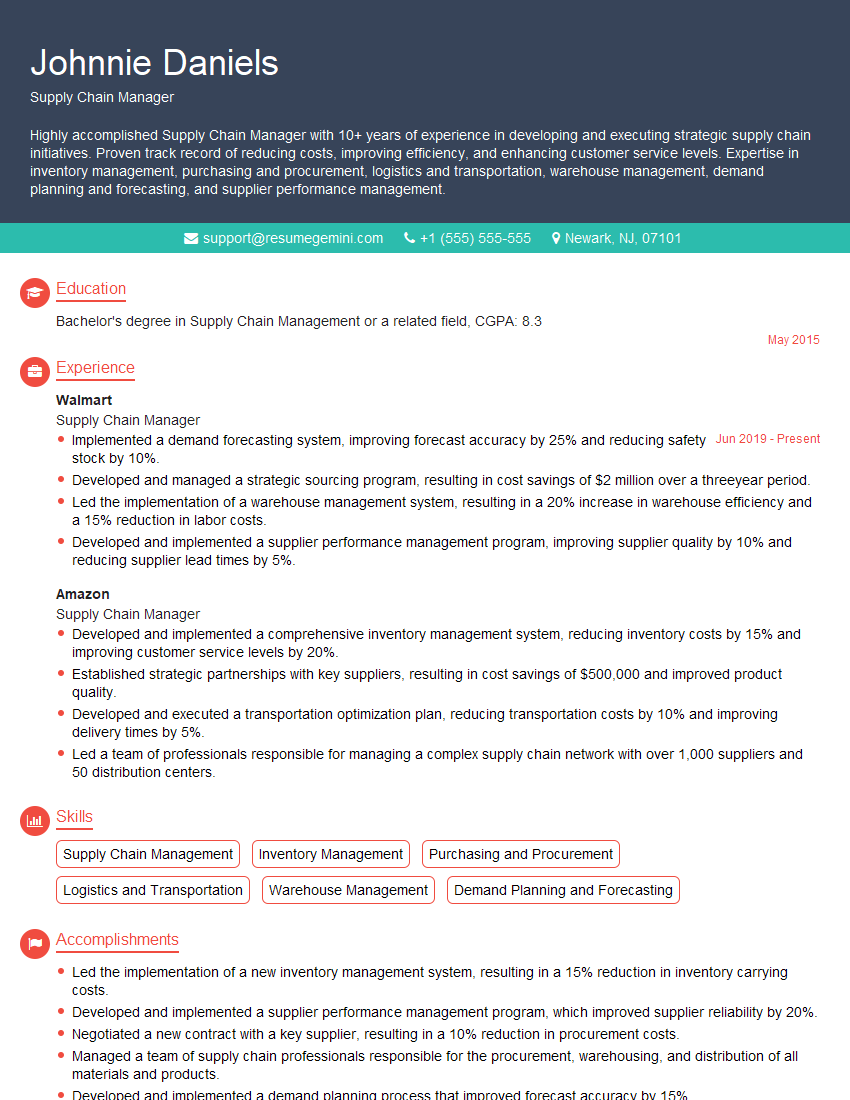
Supply Chain Manager Resume Sample
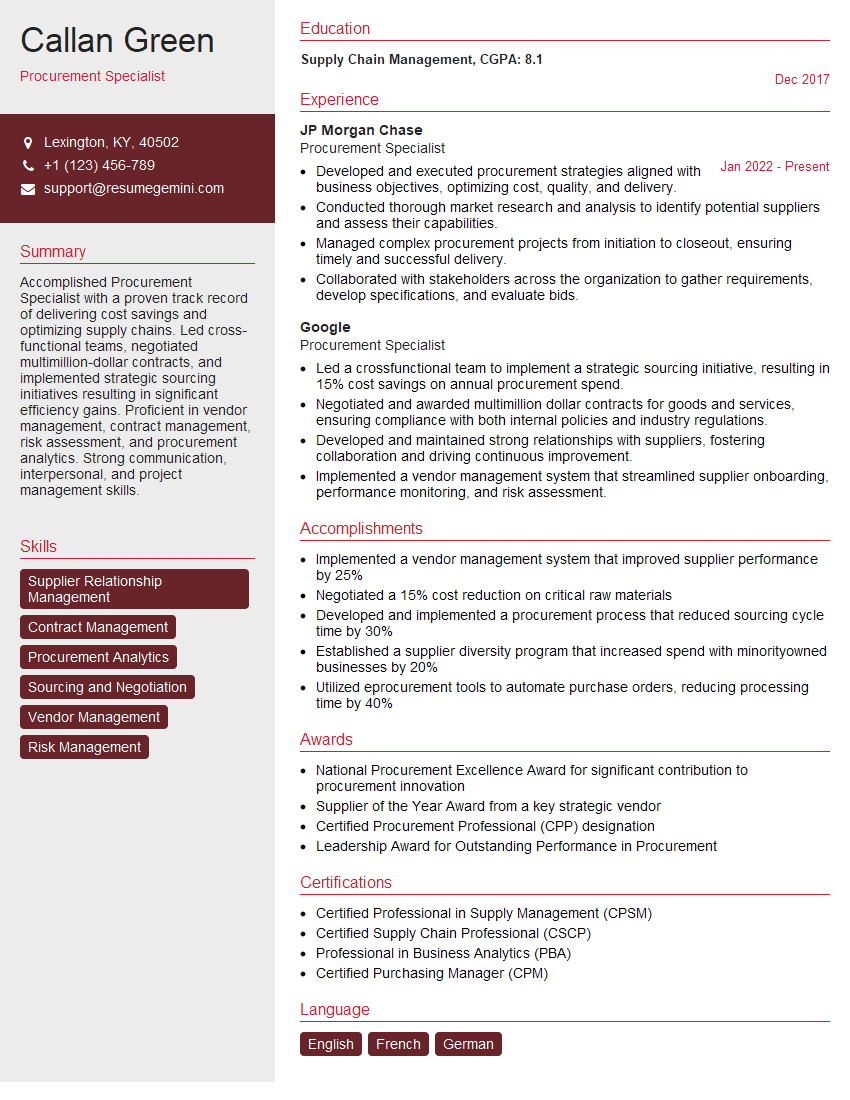
Procurement Specialist Resume Sample
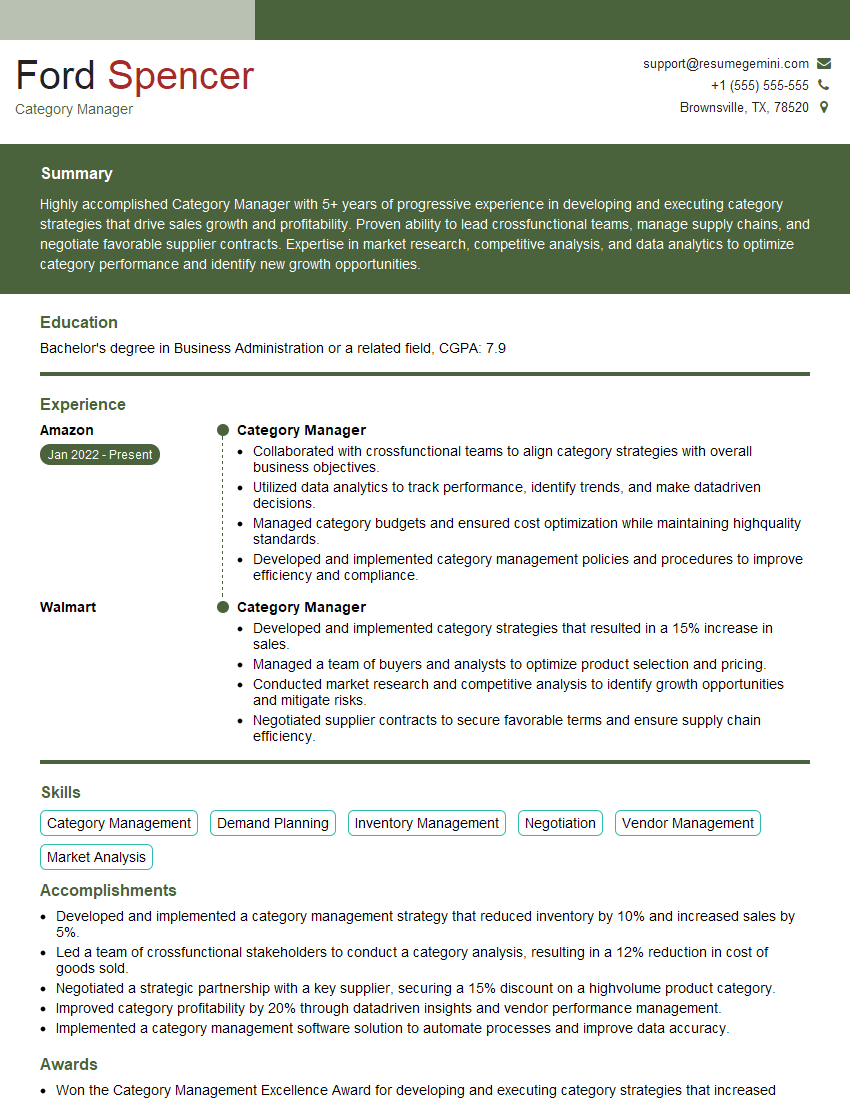
Category Manager Resume Sample
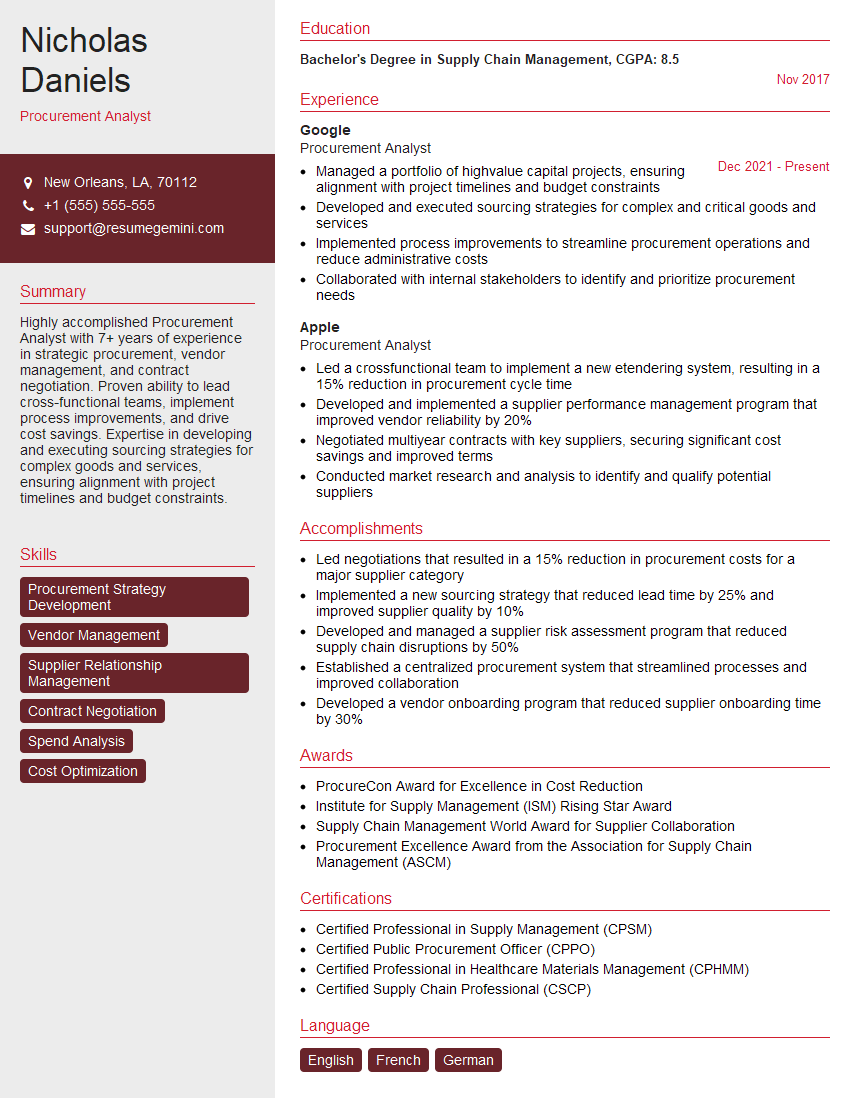
Procurement Analyst Resume Sample
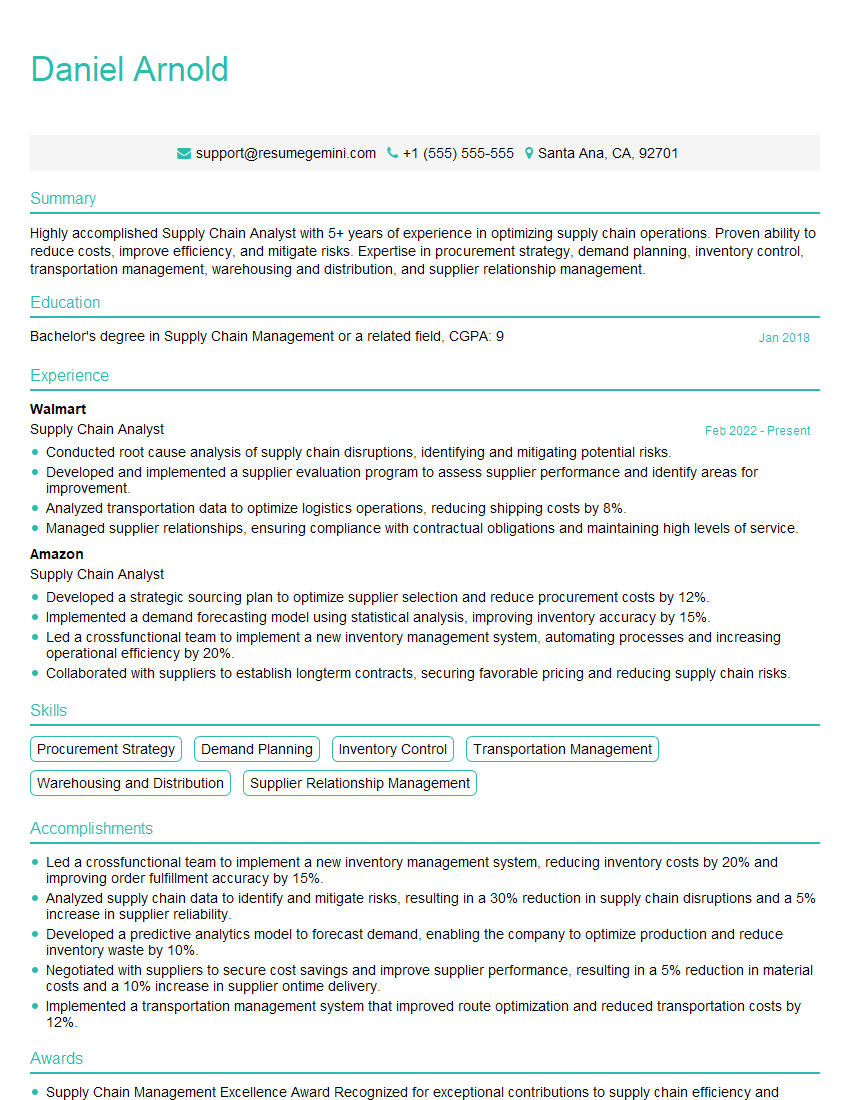
Supply Chain Analyst Resume Sample
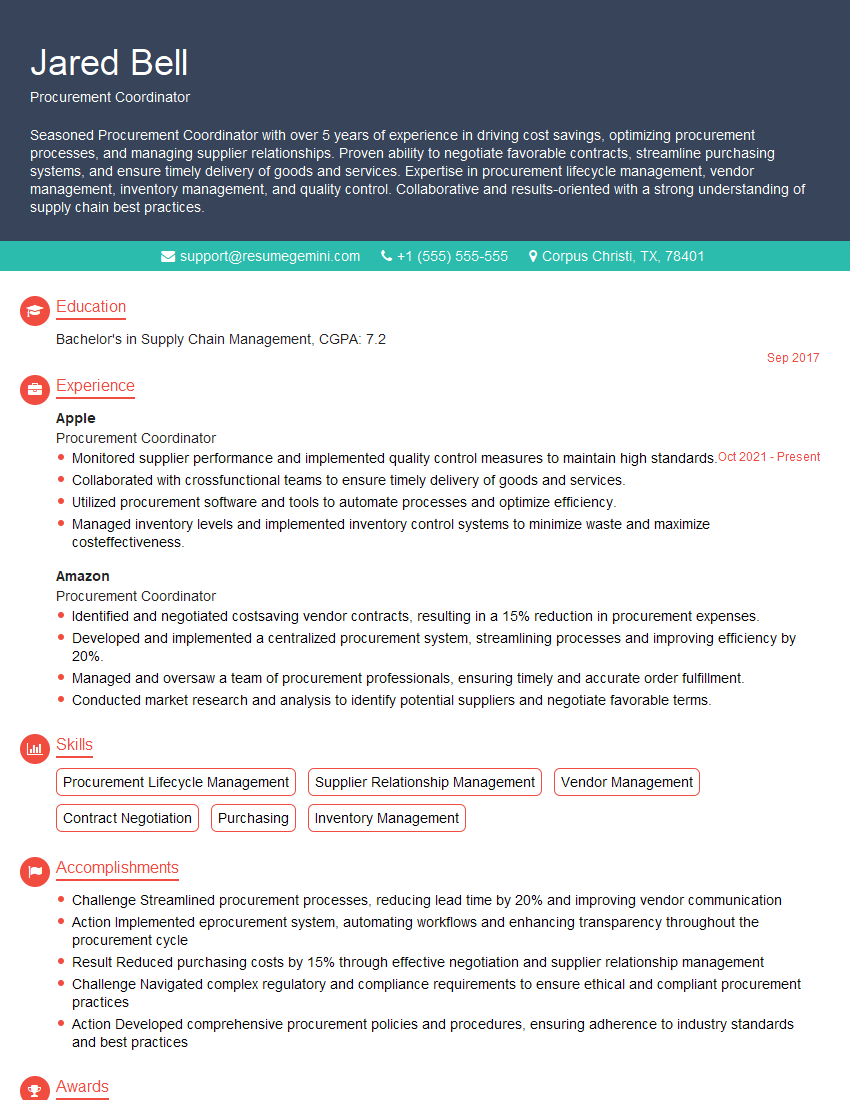
Procurement Coordinator Resume Sample
Explore more articles
Users Rating of Our Blogs
Share Your Experience
We value your feedback! Please rate our content and share your thoughts (optional).
What Readers Say About Our Blog
Very informative content, great job.
good