Feeling uncertain about what to expect in your upcoming interview? We’ve got you covered! This blog highlights the most important Vessel and Equipment Maintenance interview questions and provides actionable advice to help you stand out as the ideal candidate. Let’s pave the way for your success.
Questions Asked in Vessel and Equipment Maintenance Interview
Q 1. Describe your experience with preventative maintenance schedules.
Preventative maintenance schedules are the backbone of reliable vessel and equipment operation. They’re essentially a roadmap outlining regular inspections, servicing, and repairs to prevent equipment failures and maximize lifespan. My experience encompasses developing and implementing these schedules across diverse fleets, from small fishing vessels to large cargo ships. This involves analyzing equipment usage patterns, manufacturer recommendations, and historical maintenance data to create a customized schedule.
For example, I once developed a preventative maintenance schedule for a fleet of tugboats. By analyzing historical repair records, we identified a recurring issue with engine cooling systems. The schedule was adjusted to include more frequent inspections and cleaning of these systems, resulting in a significant reduction in costly breakdowns and downtime.
- Analyzing historical data: Identifying recurring issues and trends to proactively address them.
- Manufacturer recommendations: Adhering to the manufacturer’s guidelines for inspections and servicing intervals.
- Risk assessment: Prioritizing critical equipment based on potential impact on vessel operation and safety.
- Resource allocation: Optimizing maintenance tasks to efficiently manage personnel and resources.
Q 2. Explain the importance of regular equipment inspections.
Regular equipment inspections are crucial for safety and operational efficiency. They act as an early warning system, identifying potential problems before they escalate into major failures. Think of it like a medical checkup for your equipment; catching a small issue early is far better than waiting for a complete breakdown. These inspections ensure compliance with regulations, extend equipment lifespan, and prevent costly repairs.
During my time overseeing maintenance, I’ve seen firsthand how neglecting inspections can lead to catastrophic consequences. One instance involved a crane on a container ship. A missed inspection revealed a cracked weld in a critical component. Had this gone unnoticed, it could have resulted in a serious accident, injury, or substantial property damage.
- Visual inspections: Checking for visible wear and tear, corrosion, leaks, and damage.
- Functional testing: Verifying that equipment operates as intended and within specified parameters.
- Performance monitoring: Tracking key performance indicators (KPIs) to identify trends and potential issues.
- Documentation: Meticulous record-keeping of all inspection findings and corrective actions.
Q 3. How do you troubleshoot malfunctioning equipment?
Troubleshooting malfunctioning equipment is a systematic process that requires a combination of technical knowledge, diagnostic skills, and problem-solving abilities. My approach involves a structured methodology that typically begins with a thorough assessment of the problem.
- Gather information: Identify the symptoms, when the malfunction occurred, and any preceding events.
- Visual inspection: Look for obvious signs of damage, leaks, or loose connections.
- Check operating parameters: Verify that pressure, temperature, voltage, and other relevant parameters are within acceptable ranges.
- Use diagnostic tools: Employ specialized instruments (e.g., multimeters, pressure gauges) to pinpoint the source of the problem.
- Consult manuals and documentation: Refer to technical manuals, schematics, and previous maintenance records.
- Implement corrective actions: Once the problem is identified, perform the necessary repairs or replacements.
- Test and verify: Ensure the equipment is functioning correctly after repairs are completed.
For instance, I once had to troubleshoot a malfunctioning hydraulic system on a dredger. By systematically checking pressure levels, fluid flow, and component integrity, I identified a faulty hydraulic pump as the root cause.
Q 4. What are your preferred methods for documenting maintenance activities?
Accurate and comprehensive documentation is essential for effective vessel and equipment maintenance. I utilize a combination of methods to ensure thorough record-keeping. This includes both digital and paper-based systems.
- Computerized Maintenance Management System (CMMS): A software system that tracks maintenance schedules, work orders, inventory, and repair history. Examples include SAP PM or Maximo.
- Logbooks: Physical logbooks are used to record daily inspections, repairs, and any unusual events. These provide a readily accessible and detailed account of maintenance activities.
- Digital photography and videography: Visual documentation (photos and videos) can provide valuable evidence in case of disputes or to aid in future troubleshooting.
- Spreadsheets: Spreadsheets can be used for simpler tasks, like tracking spare parts inventory or summarizing maintenance costs.
Consistency is key. All documentation should be accurate, complete, and easily accessible to authorized personnel. Clear and concise language is vital to prevent misinterpretations.
Q 5. Describe your experience with different types of welding techniques.
My welding experience encompasses a range of techniques, essential for repairing and maintaining vessel structures and equipment. I’m proficient in several common methods:
- Shielded Metal Arc Welding (SMAW): A versatile process suitable for various metals, commonly used for repairs in challenging environments.
- Gas Metal Arc Welding (GMAW): A high-deposition process, ideal for larger projects and less susceptible to atmospheric conditions compared to SMAW.
- Gas Tungsten Arc Welding (GTAW): Produces high-quality welds with excellent penetration and appearance, often used for critical applications demanding precise control.
- Flux-Cored Arc Welding (FCAW): Similar to GMAW but uses a flux-cored wire, which offers better protection in windy or damp conditions.
I am certified in several welding processes and adhere to strict safety standards. Selecting the appropriate technique depends on the materials being welded, the required weld quality, and the surrounding environment. For instance, GTAW is preferred for thin stainless steel components due to its precise control, while SMAW might be better suited for thicker steel in outdoor settings.
Q 6. How familiar are you with hydraulic and pneumatic systems?
I have extensive experience working with both hydraulic and pneumatic systems, critical components in various vessel systems. Understanding their principles of operation, troubleshooting, and maintenance is essential for my role.
Hydraulic systems use pressurized liquids to transmit power, commonly employed in steering gears, winches, and cranes. I’m familiar with troubleshooting issues such as leaks, low pressure, and component failure. This includes identifying leaks using pressure testing, checking hydraulic fluid levels and quality, and inspecting pumps, valves, and actuators.
Pneumatic systems use compressed air to transmit power, frequently utilized in control systems, braking systems, and smaller actuators. I understand the principles of air compression, air distribution, and the use of pneumatic components like cylinders, valves, and pressure regulators. Troubleshooting in pneumatic systems typically involves checking for air leaks, ensuring proper air pressure, and examining the condition of components such as air filters and regulators.
Q 7. What safety protocols do you follow during maintenance procedures?
Safety is paramount during all maintenance procedures. I meticulously follow established safety protocols to protect myself and others. These include:
- Risk assessment: Identifying and mitigating potential hazards before commencing work, including using lockout/tagout procedures for electrical equipment.
- Personal Protective Equipment (PPE): Consistent use of appropriate PPE, such as safety glasses, gloves, respirators, hearing protection, and safety shoes, depending on the task.
- Confined space entry procedures: Following strict protocols when working in confined spaces, including atmospheric testing and appropriate ventilation.
- Hot work permits: Obtaining necessary permits and following established procedures when performing hot work, such as welding or cutting.
- Emergency procedures: Familiarity with emergency procedures and access to emergency equipment, such as first aid kits and fire extinguishers.
- Regular training: Undergoing regular safety training to stay updated on best practices and new regulations.
I firmly believe that a proactive safety approach is essential, not only to comply with regulations but also to create a safer work environment for everyone involved.
Q 8. How do you prioritize maintenance tasks in a high-pressure environment?
Prioritizing maintenance tasks in a high-pressure environment requires a systematic approach. Think of it like triage in a hospital – you address the most critical issues first. I utilize a combination of techniques, including:
- Risk-Based Prioritization: This involves assessing the potential consequences of equipment failure. A critical piece of equipment with a high failure probability and significant impact on production gets top priority. For example, a main engine on a vessel would take precedence over a less critical component like a galley appliance.
- Criticality Analysis: I use methods like Failure Mode and Effects Analysis (FMEA) to identify potential failures and their impact. This allows me to proactively schedule maintenance to mitigate risks before they become critical issues.
- Maintenance Backlog Management: I maintain a well-organized backlog of tasks, categorizing them by urgency and importance. This ensures that even seemingly minor issues don’t get overlooked and eventually escalate into major problems.
- Using CMMS Software: A robust CMMS system (explained further in a later answer) is crucial for tracking work orders, scheduling, and prioritizing tasks based on various parameters, such as deadlines, equipment criticality, and available resources.
In a high-pressure situation, clear communication and collaboration are key. Regular meetings with the team to discuss priorities and any emerging issues are essential to ensure everyone is on the same page and resources are allocated effectively.
Q 9. Explain your understanding of different lubrication techniques.
Lubrication is the lifeblood of many pieces of equipment. Different techniques exist depending on the application and the type of equipment. I’m experienced with the following:
- Grease Lubrication: This is common for bearings and other components requiring thick lubrication. The choice of grease is crucial and depends on factors like operating temperature and load. Regular greasing is important to prevent wear and tear. For example, I ensure that the deck machinery on a vessel receives timely greasing to maintain smooth operation.
- Oil Lubrication: This is typically used in engines, gearboxes, and hydraulic systems. Different viscosity oils are used depending on the operating conditions. Oil analysis is critical for monitoring oil condition and detecting potential problems early on. I’ve worked with various onboard oil analysis systems to detect issues like wear metal contamination.
- Oil Mist Lubrication: This method is employed for high-speed bearings where oil droplets are suspended in an air stream and delivered to the bearing. I have experience maintaining systems using this technique for critical components where continuous lubrication is paramount.
- Automatic Lubrication Systems: These systems provide scheduled lubrication automatically, minimizing downtime and ensuring consistent lubrication. I’ve worked extensively with these systems, ensuring proper programming, monitoring, and maintenance.
The key is selecting the appropriate lubrication technique and lubricant for each application and adhering to a strict schedule to prevent equipment failure.
Q 10. How do you handle unexpected equipment failures?
Unexpected equipment failures demand a calm and systematic response. My approach involves:
- Immediate Assessment: First, I assess the severity of the failure and its potential impact. Is it a safety hazard? Will it significantly impact operations? This helps determine the urgency of the response.
- Emergency Response: If the failure poses a safety risk, I immediately implement emergency procedures to mitigate the hazard. This might include shutting down equipment, evacuating personnel, or activating emergency alarms.
- Troubleshooting: Once the immediate safety concerns are addressed, I begin troubleshooting the failure. This involves using diagnostic tools (explained in a later answer), reviewing logs, and consulting schematics. I start by gathering data, narrowing down the possibilities, and making educated guesses. I frequently employ the ‘5 Whys’ technique to uncover root causes.
- Repair or Replacement: Based on the diagnosis, I determine whether the equipment can be repaired or requires replacement. The decision factors in cost, availability of parts, and the overall impact on operations.
- Root Cause Analysis: After resolving the immediate issue, I conduct a thorough root cause analysis (RCA) to determine why the failure occurred and prevent similar incidents in the future. Documenting this process is crucial for continuous improvement.
For example, if a main engine fails at sea, the immediate priority is safety. After securing the vessel and crew, the troubleshooting process begins to determine the cause, potentially involving contacting shore-based support for advanced diagnosis or assistance.
Q 11. Describe your experience with CMMS (Computerized Maintenance Management Systems).
I have extensive experience using CMMS (Computerized Maintenance Management Systems) software to manage and optimize maintenance activities. These systems are essential for efficient and effective maintenance operations. My experience includes:
- Work Order Management: Creating, assigning, and tracking work orders, ensuring tasks are completed on time and within budget.
- Preventive Maintenance Scheduling: Scheduling and executing preventive maintenance tasks based on manufacturer recommendations and operational requirements to minimize unplanned downtime.
- Inventory Management: Tracking spare parts and consumables, ensuring adequate stock levels to support maintenance activities. I’ve worked with systems that integrate directly with purchasing, streamlining procurement processes.
- Data Analysis: Analyzing maintenance data to identify trends, predict potential failures, and improve maintenance strategies. This includes identifying equipment with high failure rates and optimizing preventive maintenance schedules.
- Reporting and Analytics: Generating reports on maintenance performance, costs, and equipment reliability to support decision-making.
I’ve worked with several CMMS systems, including [mention specific systems if comfortable, otherwise omit], and I’m proficient in using their functionalities to streamline maintenance operations. The use of CMMS helps ensure a more proactive rather than reactive approach to maintenance.
Q 12. What is your experience with diagnosing electrical faults?
Diagnosing electrical faults requires a methodical and safety-conscious approach. My experience includes:
- Visual Inspection: Begin with a thorough visual inspection to identify any obvious problems, such as damaged wiring, loose connections, or burnt components. Safety precautions, like locking out and tagging out energized circuits, are paramount.
- Testing with Multimeters: I use multimeters to test voltage, current, and resistance to identify faulty components. I’m proficient in using multimeters to diagnose problems in various circuits, including AC and DC systems.
- Specialized Testing Equipment: Depending on the complexity of the system, I utilize specialized equipment such as insulation resistance testers, clamp meters, and oscilloscopes to isolate faults more precisely.
- Circuit Diagrams and Schematics: I use circuit diagrams to trace the flow of electricity and identify potential points of failure. A deep understanding of electrical systems is critical for effective troubleshooting.
- Troubleshooting Techniques: I employ various troubleshooting techniques, such as the half-split method, to narrow down the location of the fault systematically.
For example, if a motor fails to start, I systematically check the power supply, fuses, motor windings, and control circuitry using a multimeter and appropriate safety measures before determining the root cause.
Q 13. How do you ensure compliance with safety regulations during maintenance?
Ensuring compliance with safety regulations during maintenance is paramount. My approach involves:
- Lockout/Tagout (LOTO) Procedures: Strict adherence to LOTO procedures is essential before commencing any work on energized equipment to prevent accidental energization and injuries. I ensure that all personnel involved are trained and understand these procedures.
- Permit-to-Work Systems: I follow permit-to-work systems, which involve obtaining authorization before starting hazardous tasks. This ensures that all necessary precautions are in place before work begins.
- Risk Assessments: I conduct thorough risk assessments before undertaking any maintenance task to identify potential hazards and implement appropriate control measures. These assessments are documented and reviewed regularly.
- Personal Protective Equipment (PPE): I ensure that all personnel involved in maintenance activities wear appropriate PPE, such as safety glasses, gloves, and hearing protection, as needed for the specific task.
- Emergency Procedures: I ensure that emergency procedures are clearly defined and understood by all personnel, including emergency contact information and evacuation plans.
- Compliance Training: I maintain up-to-date knowledge of relevant safety regulations and ensure that all maintenance personnel receive adequate training to comply with these regulations.
Safety is not just a set of rules but a mindset. I lead by example and actively promote a safety-conscious culture within the maintenance team.
Q 14. What are your skills in using diagnostic tools and equipment?
My experience with diagnostic tools and equipment is extensive and spans various areas of vessel and equipment maintenance. I’m proficient in using:
- Multimeters: For measuring voltage, current, resistance, and continuity in electrical circuits.
- Oscilloscope: For analyzing waveforms and identifying electrical faults in complex circuits.
- Infrared (IR) Thermometers: For detecting overheating components and potential mechanical failures.
- Vibration Analyzers: For monitoring machine vibration and detecting early signs of bearing wear or other mechanical problems.
- Ultrasonic Leak Detectors: For detecting leaks in pressurized systems, including hydraulic and pneumatic systems.
- Specialized Engine Diagnostic Tools: I’m experienced with various engine diagnostic tools, including those specific to marine engines, allowing for thorough analysis of engine parameters.
- Computerized Diagnostic Systems: I’m proficient in utilizing onboard computerized diagnostic systems to identify and diagnose faults in various vessel systems.
My ability to effectively utilize these tools ensures accurate diagnosis, efficient repairs, and proactive maintenance, minimizing downtime and improving overall equipment reliability.
Q 15. Describe your experience with repairing or replacing components on vessels.
My experience in repairing and replacing vessel components spans over a decade, encompassing a wide range of systems. I’ve worked on everything from minor repairs, such as replacing faulty valves and seals, to major overhauls, including the complete replacement of propulsion systems. For instance, on a recent project involving a cargo vessel, we had a critical failure in the main engine’s fuel injection system. We systematically diagnosed the issue, pinpointing a malfunctioning injector pump. The replacement involved meticulous removal of the faulty component, ensuring all safety protocols were followed, followed by a thorough cleaning and inspection of surrounding parts before fitting the new pump and rigorous testing to ensure proper functionality. I’ve also overseen the replacement of damaged sections of piping, handling the complex tasks of cutting, fitting, and welding new sections while maintaining structural integrity and adherence to stringent safety regulations.
Another example involves a situation where a critical hydraulic actuator on a crane failed. This required not just replacing the actuator but also a detailed investigation into the root cause of the failure – in this case, it was due to a lack of proper lubrication. Addressing this root cause prevented future failures and demonstrated a preventative maintenance approach.
Career Expert Tips:
- Ace those interviews! Prepare effectively by reviewing the Top 50 Most Common Interview Questions on ResumeGemini.
- Navigate your job search with confidence! Explore a wide range of Career Tips on ResumeGemini. Learn about common challenges and recommendations to overcome them.
- Craft the perfect resume! Master the Art of Resume Writing with ResumeGemini’s guide. Showcase your unique qualifications and achievements effectively.
- Don’t miss out on holiday savings! Build your dream resume with ResumeGemini’s ATS optimized templates.
Q 16. How do you manage maintenance budgets and resources effectively?
Effective maintenance budget management relies on a robust, proactive approach. It begins with accurate forecasting of maintenance needs based on historical data, equipment age, and manufacturer recommendations. I utilize computerized maintenance management systems (CMMS) to track work orders, spare parts consumption, and labor costs. This allows for data-driven decision-making and facilitates the creation of detailed, realistic budgets.
Resource allocation is optimized through prioritization, focusing on critical systems and preventing catastrophic failures. We employ techniques like predictive maintenance using vibration analysis and oil analysis to anticipate issues before they become major problems, saving both time and money. For example, by prioritizing the preventative maintenance of the vessel’s main engine, we can extend its lifespan and avoid costly emergency repairs. Regular review and adjustment of the budget is crucial, ensuring it remains aligned with evolving needs and unforeseen circumstances.
Q 17. What is your experience with different types of pumps and their maintenance?
My experience with pumps encompasses various types, including centrifugal pumps, positive displacement pumps (like gear pumps and piston pumps), and submersible pumps. Each type requires a specific maintenance approach. Centrifugal pumps, common in bilge systems, require regular inspections for wear and tear on seals and impellers. Positive displacement pumps, often used in cargo handling, demand attention to proper lubrication and internal wear. I’m adept at diagnosing problems like cavitation, seal leaks, and bearing failure in different pump types.
For example, diagnosing a pulsating flow in a centrifugal pump often points to issues with the impeller or suction line. Addressing these issues requires a detailed understanding of hydraulics and fluid dynamics. I’ve implemented preventive maintenance schedules for each pump type, including lubrication schedules, vibration monitoring, and regular inspections, to minimize downtime and extend their operational life. I also have experience with different pump materials, selecting the right material based on the pumped fluid (e.g., seawater, chemicals) to prevent corrosion and extend the pump’s lifespan.
Q 18. Explain your understanding of vibration analysis in equipment maintenance.
Vibration analysis is a crucial predictive maintenance tool. It involves measuring the vibrations produced by equipment to detect developing problems. Excessive vibration can indicate imbalance, misalignment, looseness, bearing wear, or other mechanical defects before they lead to catastrophic failures.
Using specialized equipment, we collect vibration data at various points on the machinery. This data is then analyzed using software that identifies characteristic frequencies associated with specific faults. For instance, a high frequency vibration might indicate a bearing defect, whereas low-frequency vibration could suggest misalignment. Early detection through vibration analysis allows for timely intervention, preventing costly repairs and avoiding potential downtime. I’m proficient in interpreting vibration spectra and identifying the root causes of vibration-related issues. We use this data to prioritize maintenance tasks and schedule repairs proactively rather than reactively.
Q 19. How do you manage and track spare parts inventory?
Efficient spare parts inventory management is vital for minimizing downtime. We utilize a CMMS to track parts, monitor stock levels, and predict future needs. This system allows us to generate reports on consumption patterns, helping determine optimal stock levels.
We employ an ABC analysis to categorize parts based on their criticality and cost. High-value, critical parts are meticulously tracked and replenished proactively, while less critical parts are managed with less stringent controls. Regular inventory audits are conducted to verify physical stock against the CMMS data, ensuring accuracy. We also work closely with suppliers to establish reliable supply chains, and negotiate favorable terms for bulk purchasing to reduce costs. Our process prevents stockouts of critical items while avoiding excessive inventory buildup.
Q 20. Describe your experience with engine maintenance and repair.
My engine maintenance experience encompasses various types, including diesel engines, gas turbines, and auxiliary engines. Maintenance ranges from routine tasks like oil changes and filter replacements to major overhauls involving cylinder head removal, piston replacement, and turbocharger servicing. I am familiar with various engine diagnostic techniques and troubleshooting procedures, using tools like engine analyzers to pinpoint issues.
For instance, I’ve successfully diagnosed and repaired a diesel engine experiencing low power output. After a comprehensive analysis, we found that the issue was caused by a clogged fuel filter. Replacing the filter restored the engine’s performance. I understand the importance of adhering to manufacturer’s maintenance schedules and following best practices to extend engine life and prevent unexpected breakdowns. This includes proper lubrication, regular inspections, and the careful monitoring of vital parameters like oil pressure and temperature.
Q 21. What is your experience with non-destructive testing methods?
My experience includes several non-destructive testing (NDT) methods used to evaluate the condition of equipment without causing damage. These include:
- Visual inspection: A fundamental method for identifying cracks, corrosion, or other surface defects.
- Ultrasonic testing (UT): Uses sound waves to detect internal flaws in materials like welds or castings.
- Magnetic particle inspection (MPI): Detects surface and near-surface cracks in ferromagnetic materials.
- Liquid penetrant testing (LPT): Identifies surface-breaking cracks and other defects by using a dye penetrant.
Each method has its strengths and limitations, and selecting the appropriate NDT technique depends on the type of material, the expected defect type, and accessibility. For example, UT is ideal for inspecting welds in thick sections, while MPI is effective for detecting cracks in smaller components. Proper interpretation of NDT results requires specialized training and experience, ensuring accurate assessments and avoiding costly repairs of parts that may not be faulty. Proficient use of NDT techniques enhances safety, reduces downtime, and extends the operational life of equipment.
Q 22. How do you identify and mitigate potential safety hazards during maintenance?
Identifying and mitigating safety hazards during maintenance is paramount. It’s a systematic process that begins with a thorough pre-maintenance assessment. This involves a detailed inspection of the equipment, identifying potential hazards like exposed wiring, moving parts, high-pressure systems, and confined spaces. We use checklists and Job Safety Analyses (JSAs) tailored to the specific task.
Mitigation involves implementing control measures. These could include:
- Engineering controls: Installing guards on moving parts, using lockout/tagout procedures to isolate energy sources, and implementing proper ventilation in confined spaces.
- Administrative controls: Developing clear work procedures, providing appropriate training to personnel, implementing permit-to-work systems for high-risk tasks, and establishing clear communication protocols.
- Personal Protective Equipment (PPE): Ensuring workers use appropriate PPE, such as safety glasses, gloves, hard hats, and respirators, based on the identified hazards.
For instance, before working on a high-pressure hydraulic system, we’d ensure the system is depressurized, locked out, and tagged out before commencing any maintenance activity. Regular safety audits and toolbox talks reinforce the importance of hazard awareness and safe work practices.
Q 23. Explain your understanding of Root Cause Analysis (RCA).
Root Cause Analysis (RCA) is a systematic approach to identifying the underlying causes of an incident or equipment failure, rather than just addressing the symptoms. It aims to prevent recurrence. Common RCA methods include the ‘5 Whys’, fault tree analysis, and fishbone diagrams.
Imagine a pump failing. A simple fix might be replacing the pump. However, an RCA would delve deeper. We might ask ‘Why did the pump fail?’ – perhaps due to bearing wear. ‘Why did the bearing wear?’ – maybe due to insufficient lubrication. ‘Why was there insufficient lubrication?’ – possibly a faulty lubrication system. By repeatedly asking ‘why,’ we uncover the root cause, allowing us to implement a lasting solution, like upgrading the lubrication system, rather than simply replacing the pump repeatedly.
The goal is not just to fix the problem but to prevent it from happening again. A comprehensive RCA involves gathering data, interviewing witnesses, examining physical evidence, and analyzing system documentation.
Q 24. How do you ensure the accuracy of maintenance records?
Accurate maintenance records are crucial for compliance, predictive maintenance, and asset management. We ensure accuracy through several measures:
- Digitalization: Using computerized maintenance management systems (CMMS) minimizes errors associated with manual record-keeping. These systems often incorporate features that prevent data entry errors and ensure consistency.
- Standardized Forms: Employing predefined forms ensures all relevant information is captured consistently. This includes work order details, parts used, labor hours, and inspection results.
- Verification and Sign-Offs: Requiring technicians to sign off on completed work orders verifies the task’s completion and accuracy. Supervision also plays a role in verifying the records.
- Regular Audits: Periodic audits of maintenance records ensure data integrity and identify any discrepancies or areas for improvement in our processes.
For example, if a component is replaced, the CMMS would record the date, time, part number, technician, and any relevant observations. This detailed information allows us to track trends, predict future failures, and optimize maintenance schedules.
Q 25. What experience do you have with working at heights or in confined spaces?
I have extensive experience working at heights and in confined spaces. This includes performing inspections, maintenance, and repairs on various equipment. My experience encompasses working on offshore platforms, large vessels, and industrial facilities.
Safety is always paramount. Working at heights requires rigorous adherence to safety protocols, including the use of harnesses, lifelines, and fall arrest systems. Confined space entry necessitates a thorough risk assessment, the use of appropriate respiratory protection, and the presence of a standby person. I am certified in both confined space entry and working at heights, and I consistently follow all relevant safety regulations and procedures.
For example, I’ve conducted maintenance on the topside of offshore platforms, using a harness and lifeline, and inspected the internal components of large tanks, adhering to strict confined-space entry procedures.
Q 26. How do you communicate technical information to non-technical personnel?
Communicating complex technical information to non-technical personnel requires clear, concise language, avoiding jargon. I use analogies, visual aids, and simplified explanations.
For instance, instead of saying ‘The impeller was experiencing cavitation,’ I’d explain ‘The pump’s spinning part was losing suction, causing it to vibrate and become less efficient, like trying to drink through a straw that’s half-full of air.’ I’ll often use diagrams, pictures, or even short videos to enhance understanding. I focus on the ‘what’ and ‘why’ of the issue, its impact, and the proposed solution. This helps build trust and ensures everyone is on the same page.
Tailoring communication to the audience’s background is crucial. With senior management, I’ll focus on the impact on operations and costs. With operations staff, I’ll emphasize safety and operational efficiency.
Q 27. Describe a time you had to make a critical maintenance decision under pressure.
During a routine inspection of a main engine on a large cargo vessel, I discovered a significant crack in a critical component. The vessel was at sea, and the repair required specialized tools and expertise not readily available onboard. We were under immense pressure to ensure the continued safe operation of the vessel and prevent a complete engine failure.
I systematically assessed the situation, consulting with senior engineers and the ship’s captain. We decided to implement a temporary repair using available resources to mitigate the risk and bought time to plan a proper repair upon reaching the next port. This involved carefully stabilizing the component, implementing additional monitoring, and significantly reducing engine power. The decisive action, though temporary, prevented a catastrophic failure, minimized downtime, and ensured the vessel’s safe arrival in port. Thorough documentation of the situation, temporary fix, and the planned repair were integral to this process.
Q 28. How do you stay updated on the latest maintenance technologies and best practices?
Staying updated on the latest technologies and best practices is vital. I utilize several methods:
- Professional Organizations: I’m an active member of relevant professional organizations that offer training, conferences, and publications focused on vessel and equipment maintenance.
- Industry Publications and Journals: I regularly read industry-specific magazines and journals that cover technological advances and best practices.
- Online Courses and Webinars: I utilize various online platforms that provide training on new technologies and maintenance strategies.
- Manufacturer Training: I participate in manufacturer-provided training on new equipment and maintenance procedures.
- Networking: I attend industry conferences and workshops to network with peers and share best practices.
This ongoing learning ensures I’m proficient with the latest technologies and safety standards, allowing me to implement efficient and effective maintenance strategies.
Key Topics to Learn for Vessel and Equipment Maintenance Interview
- Preventive Maintenance (PM): Understanding PM schedules, procedures, and the importance of proactive maintenance to minimize downtime and extend equipment lifespan. Consider the practical application of creating and following PM schedules for various vessel systems.
- Corrective Maintenance: Troubleshooting malfunctioning equipment, diagnosing faults, and implementing effective repair strategies. Explore case studies of common equipment failures and their solutions.
- Safety Regulations and Procedures: Familiarity with relevant safety regulations (e.g., OSHA, IMO), risk assessment, and safe working practices in vessel maintenance. Consider the practical application of safety protocols during maintenance tasks.
- Record Keeping and Documentation: Maintaining accurate and detailed records of maintenance activities, including parts used, labor hours, and any identified issues. Understand the importance of clear and concise documentation for compliance and future reference.
- Specific Equipment Knowledge: Demonstrate a strong understanding of the maintenance requirements for specific types of vessel equipment (e.g., engines, pumps, HVAC systems, navigation systems). Research and understand the unique challenges associated with each system.
- Problem-Solving and Analytical Skills: Highlight your ability to identify problems, analyze root causes, and develop effective solutions to maintenance challenges. Prepare examples demonstrating your problem-solving process.
- Teamwork and Communication: Emphasize your ability to work effectively within a team, communicate technical information clearly, and collaborate with other departments.
Next Steps
Mastering Vessel and Equipment Maintenance opens doors to rewarding careers with excellent growth potential. A strong understanding of these critical areas positions you for success in securing your dream role. To maximize your job prospects, crafting an ATS-friendly resume is paramount. ResumeGemini is a trusted resource to help you build a professional resume that showcases your skills and experience effectively. We provide examples of resumes tailored to Vessel and Equipment Maintenance to guide you in creating a compelling application. Invest time in creating a powerful resume – it’s your first impression with potential employers.
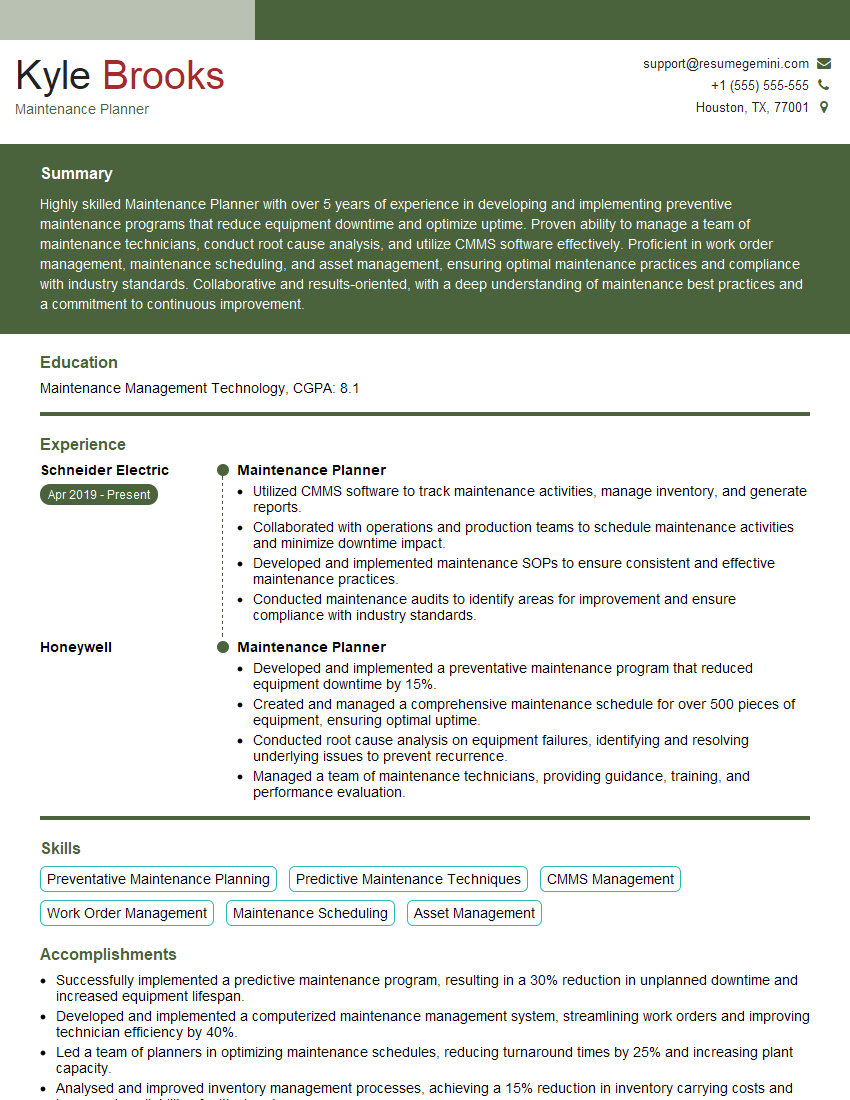
Maintenance Planner Resume Sample
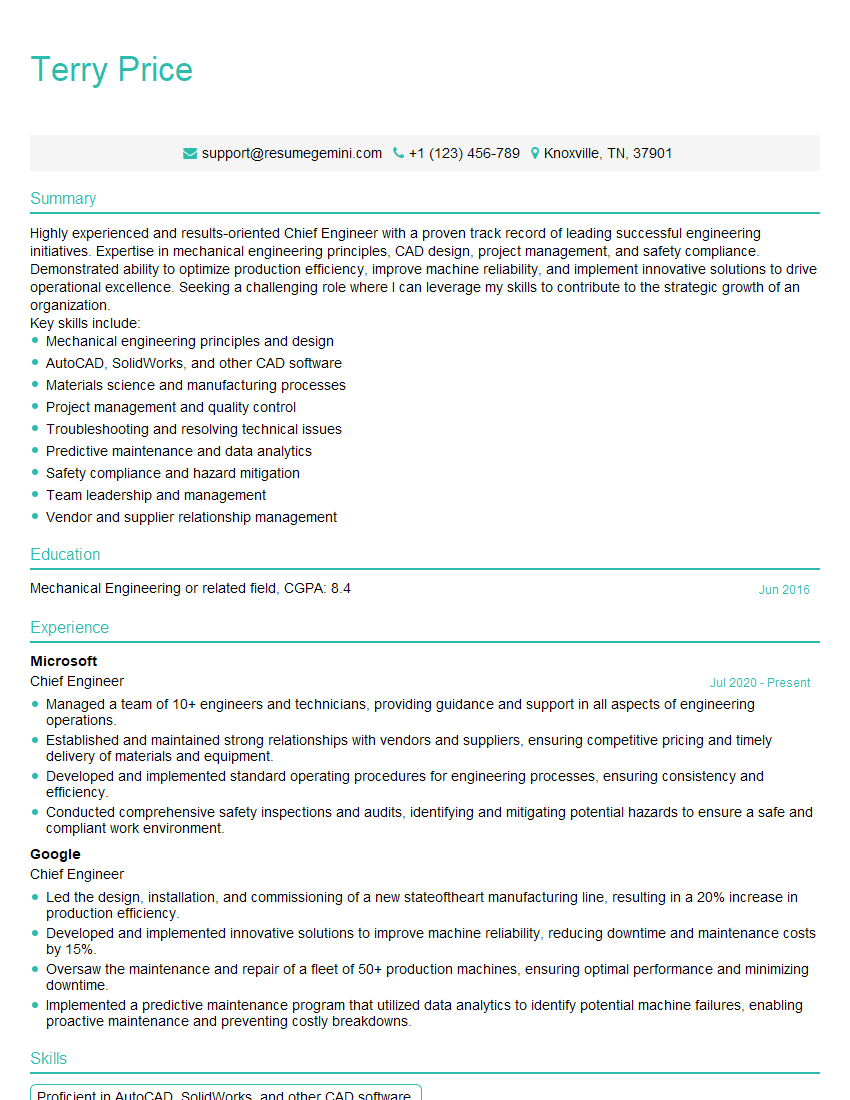
Chief Engineer Resume Sample
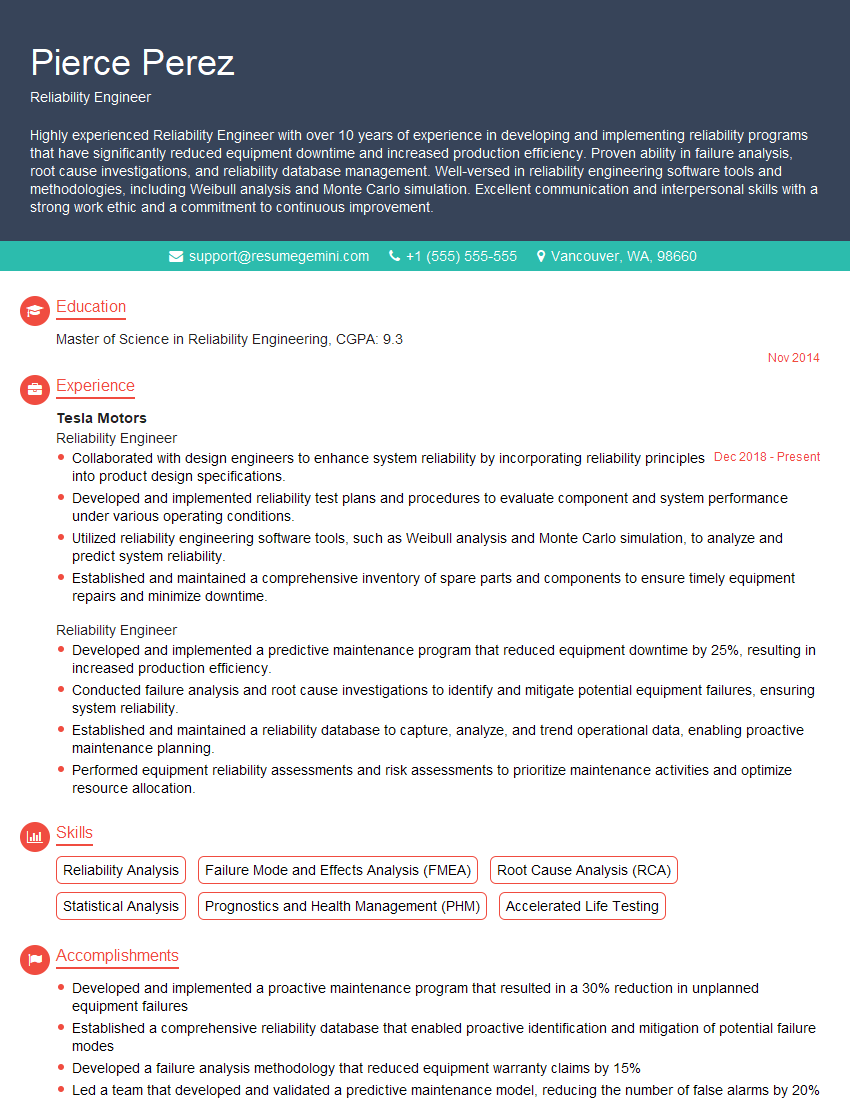
Reliability Engineer Resume Sample
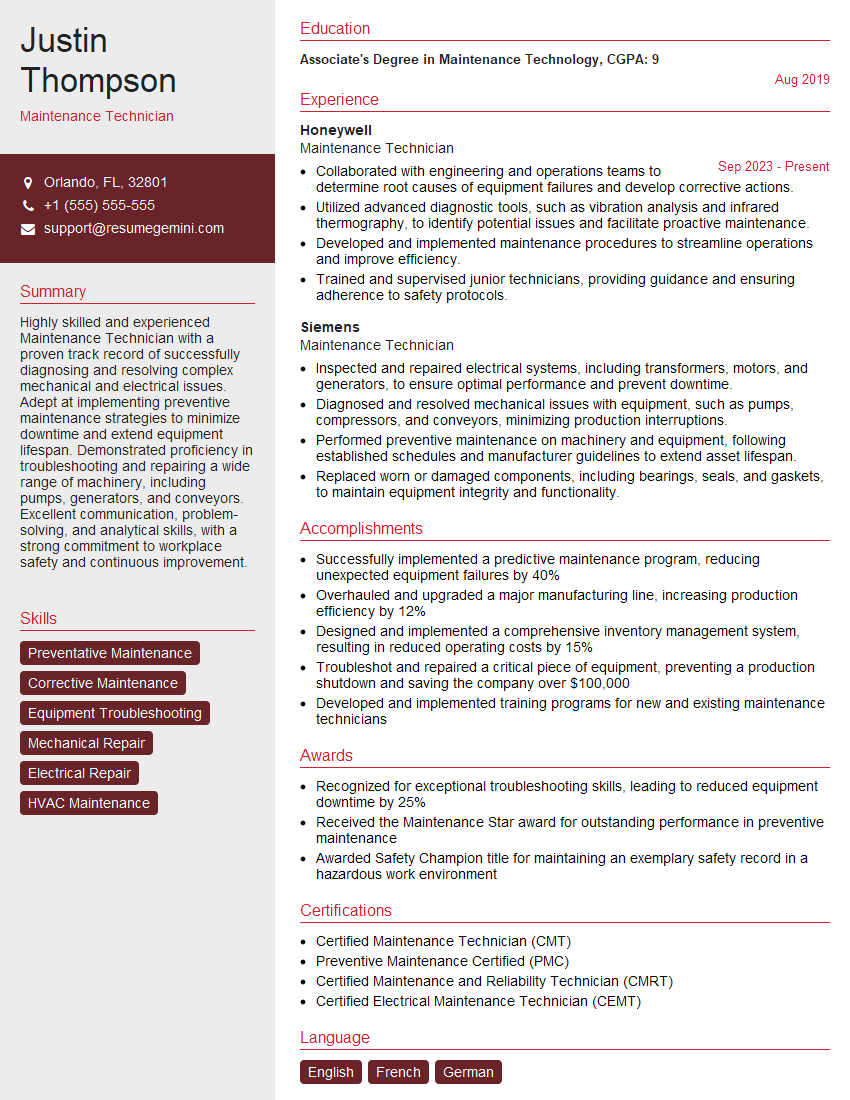
Maintenance Technician Resume Sample
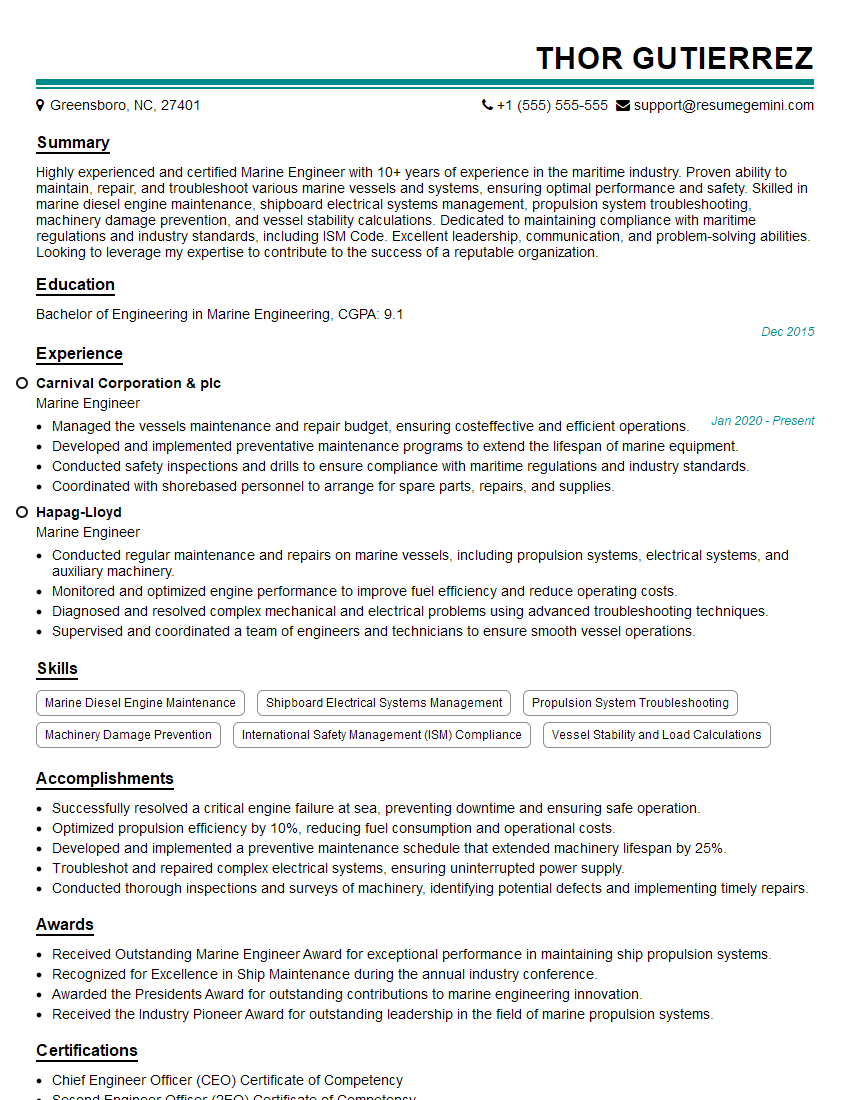
Marine Engineer Resume Sample
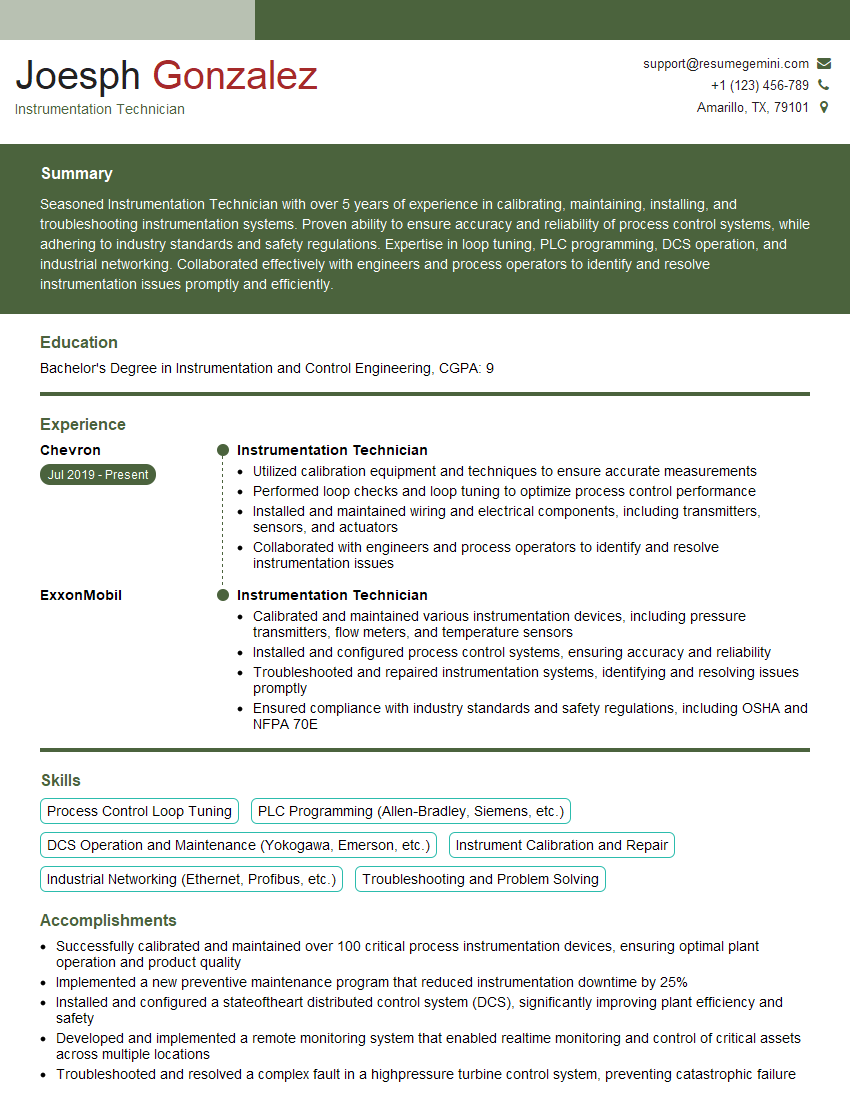
Instrumentation Technician Resume Sample
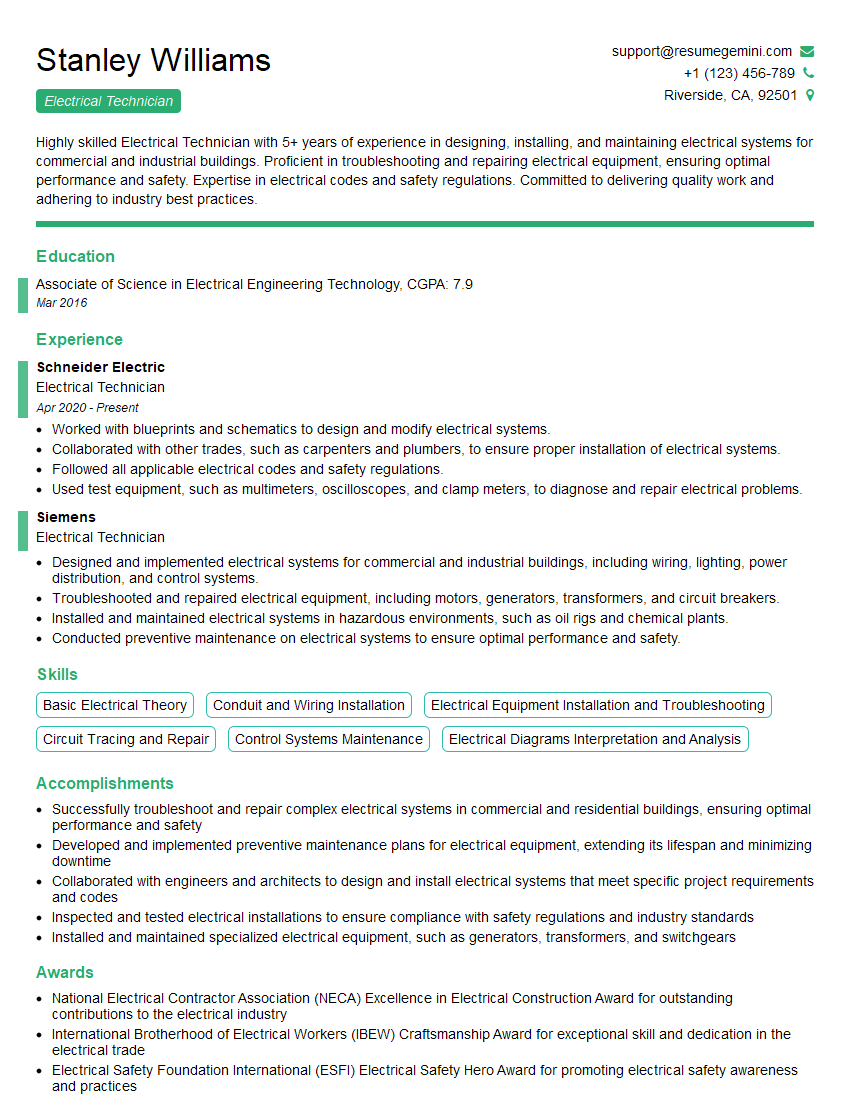
Electrical Technician Resume Sample
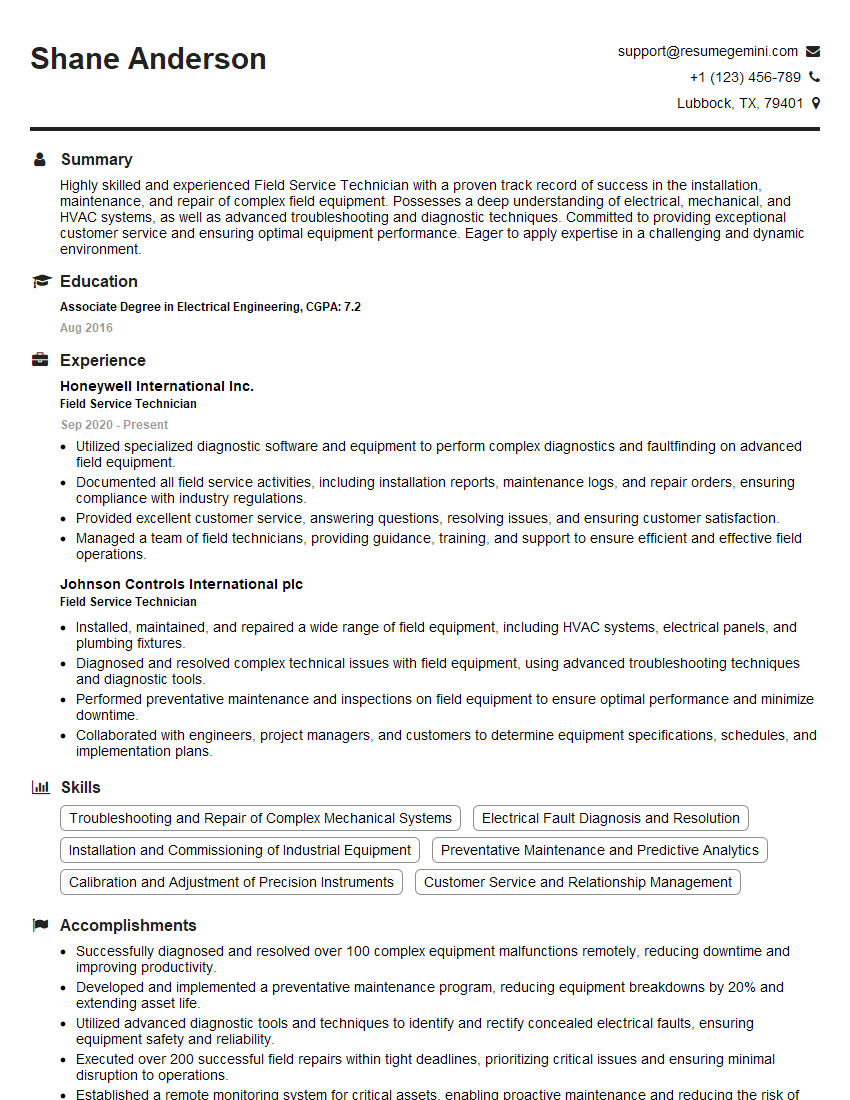
Field Service Technician Resume Sample
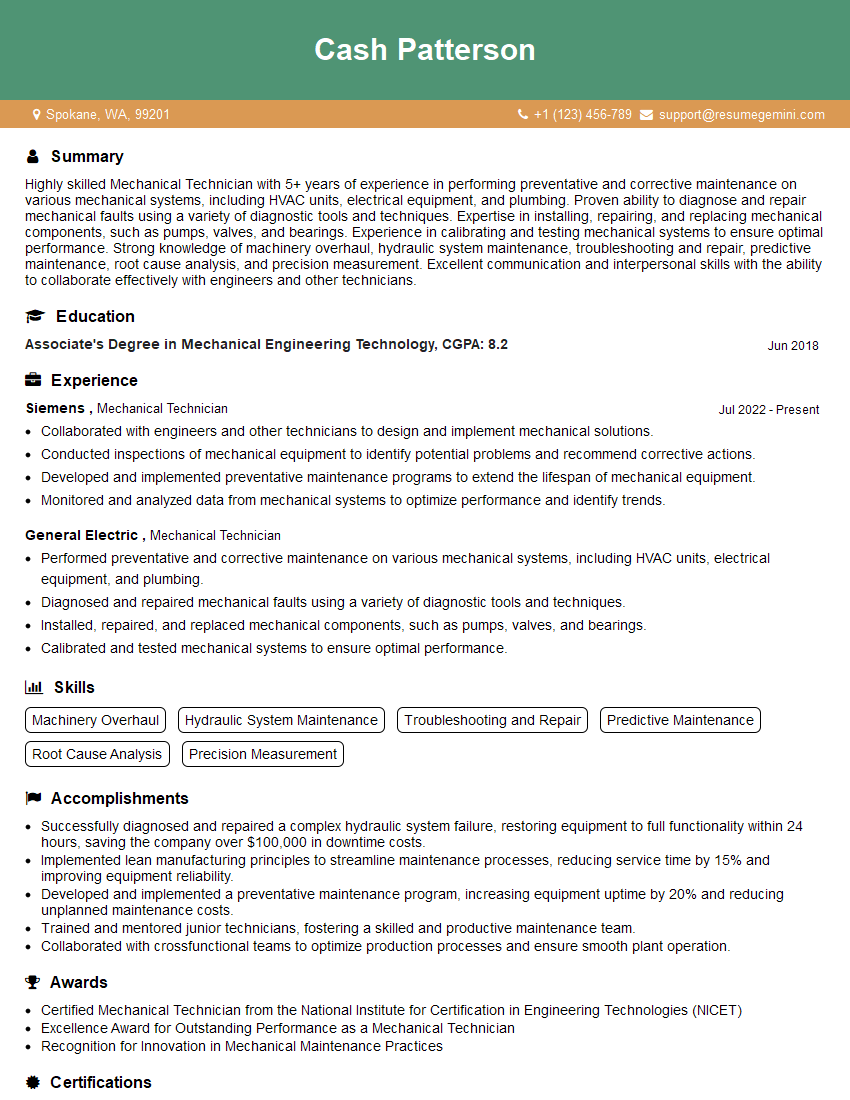
Mechanical Technician Resume Sample
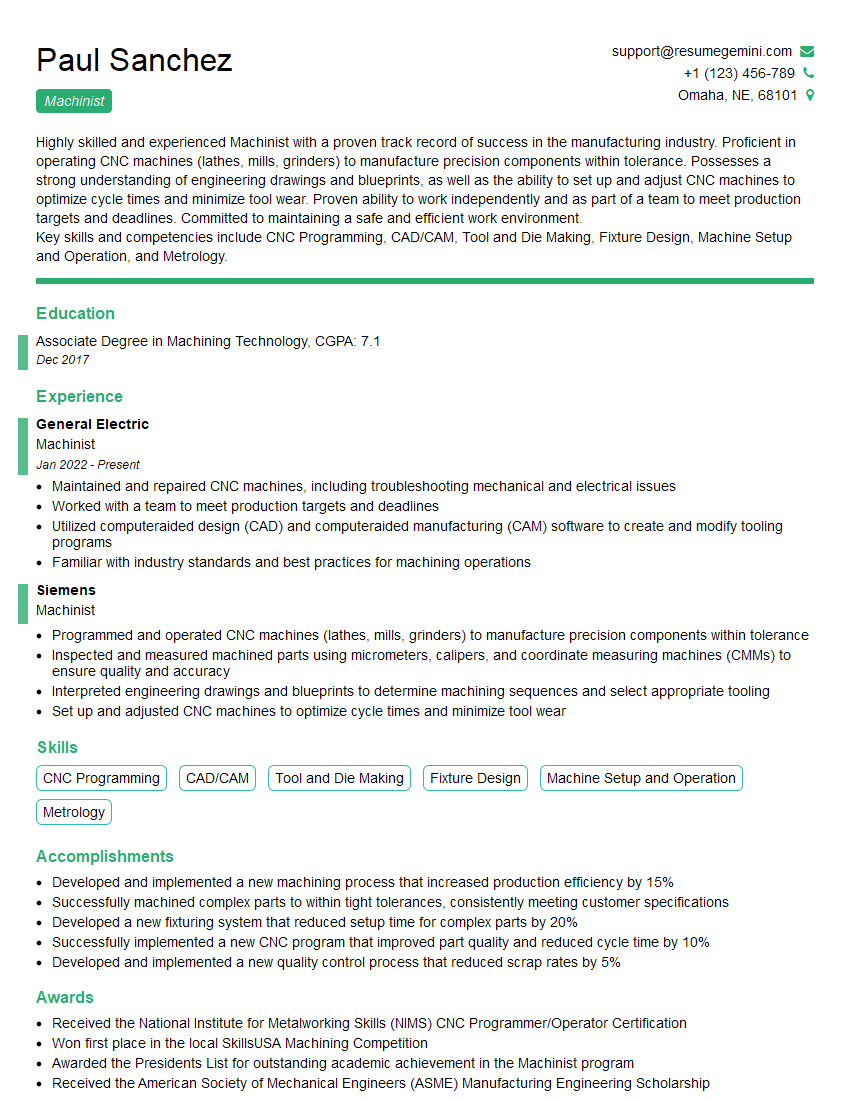
Machinist Resume Sample

Crane Operator Resume Sample
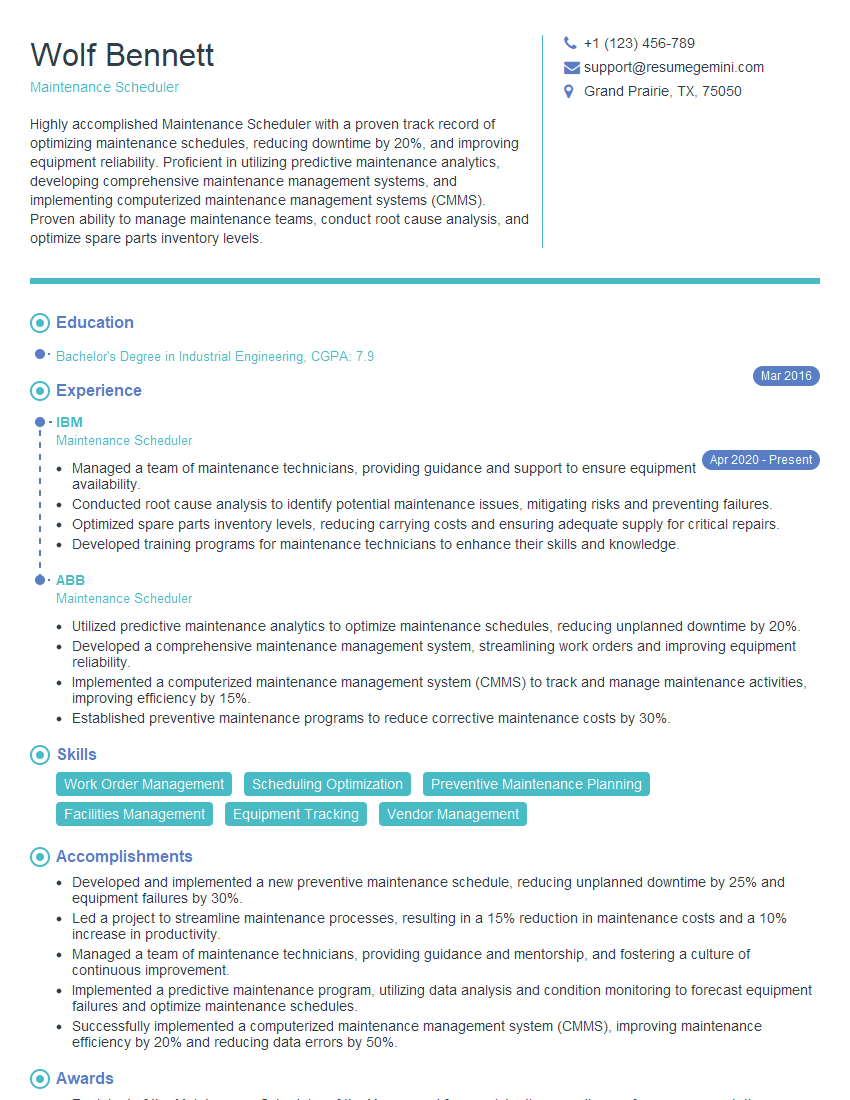
Maintenance Scheduler Resume Sample
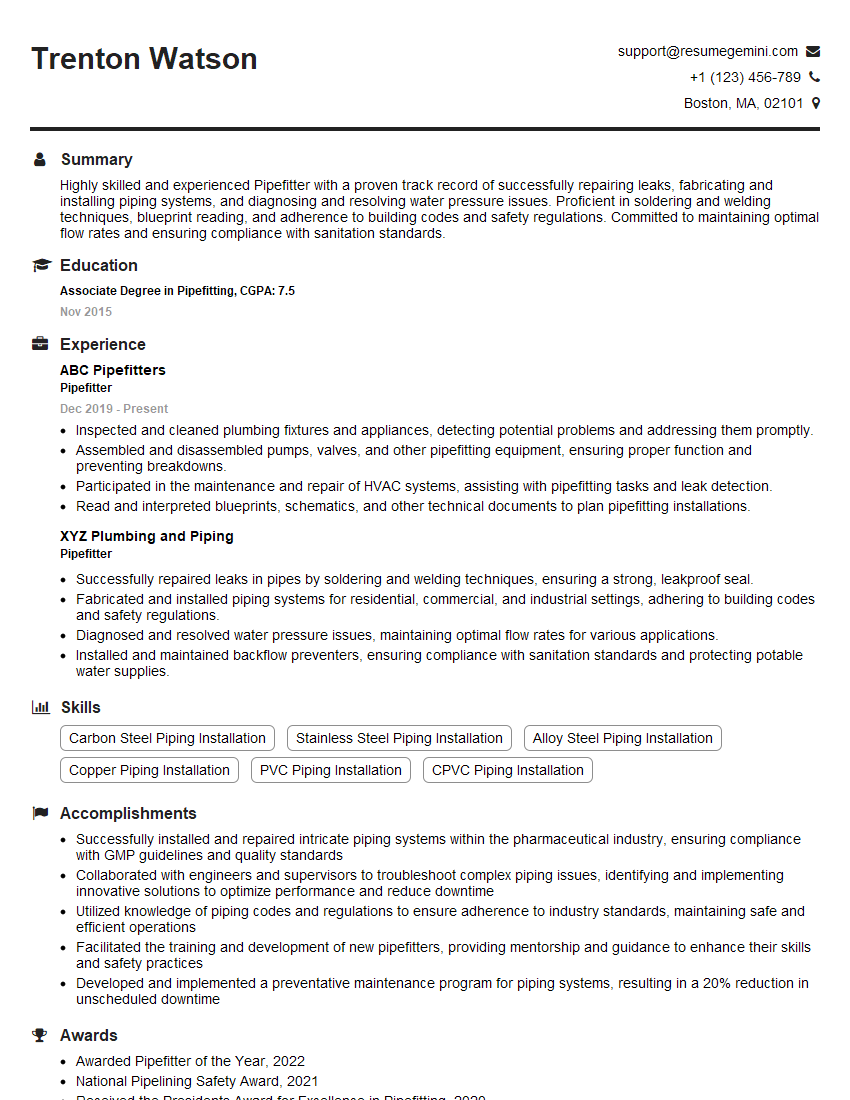
Pipefitter Resume Sample
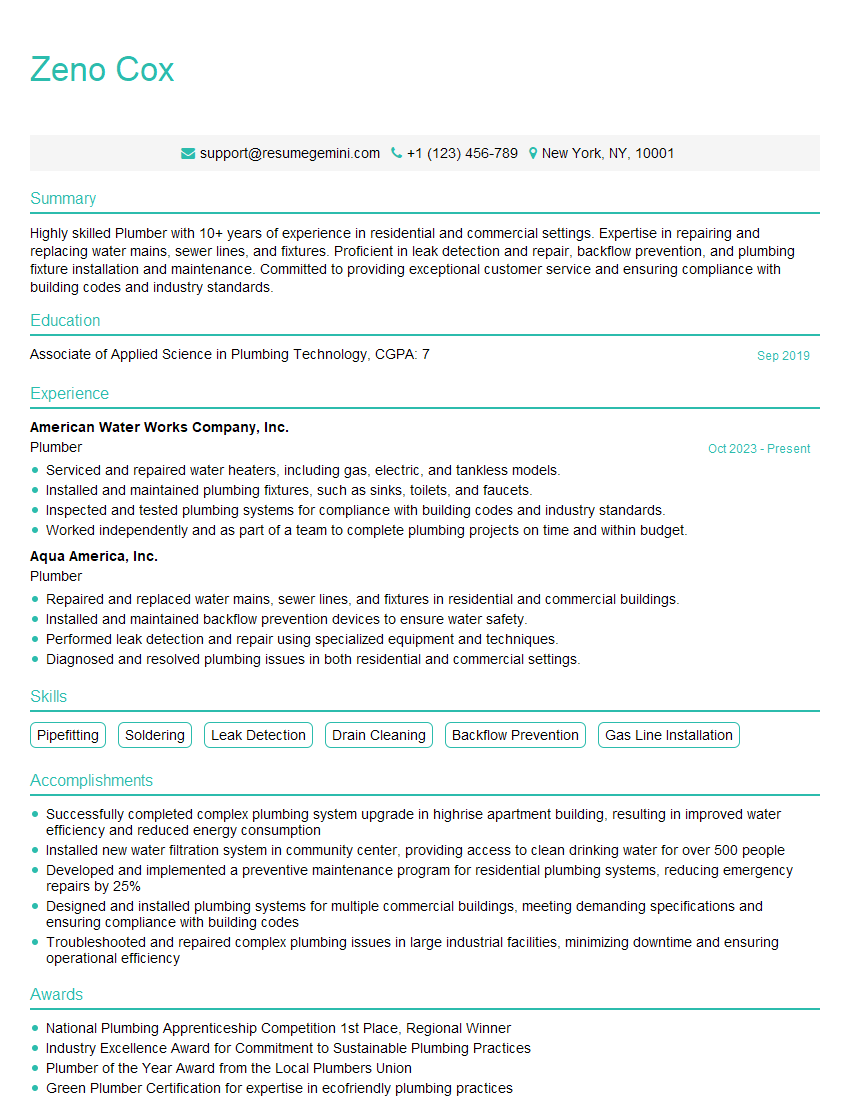
Plumber Resume Sample
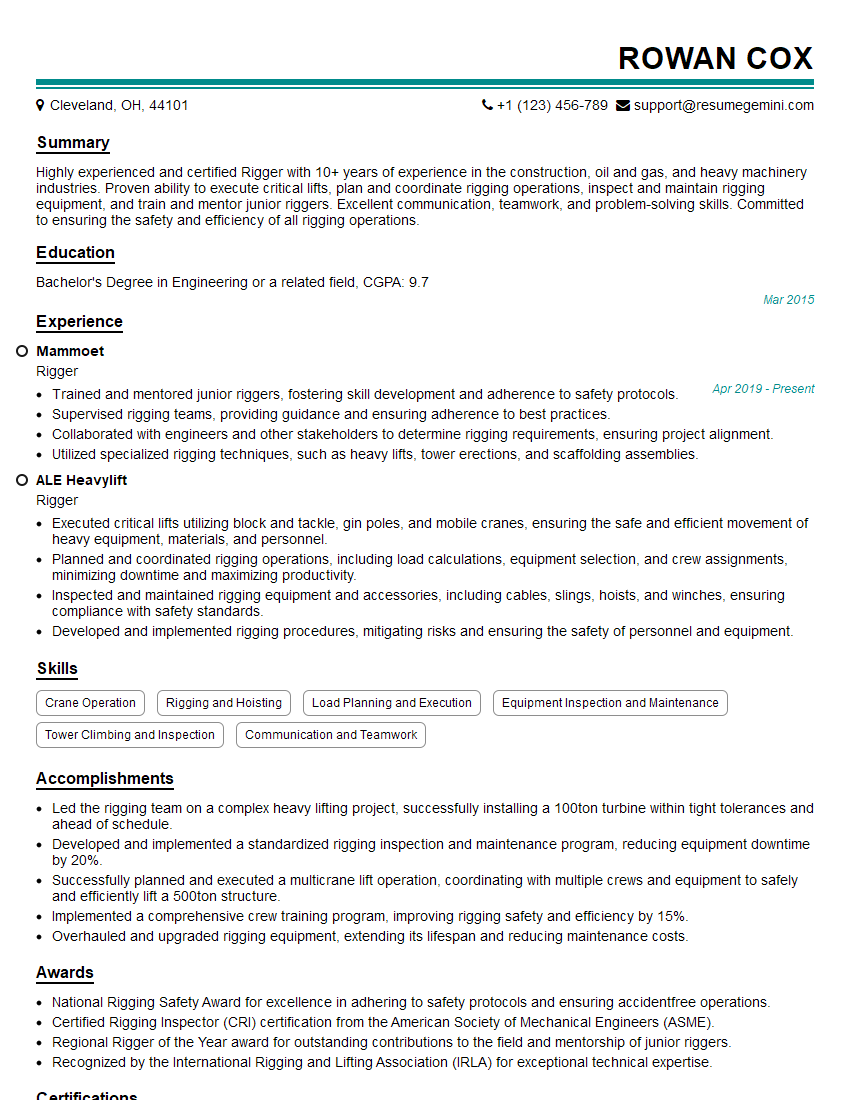
Rigger Resume Sample
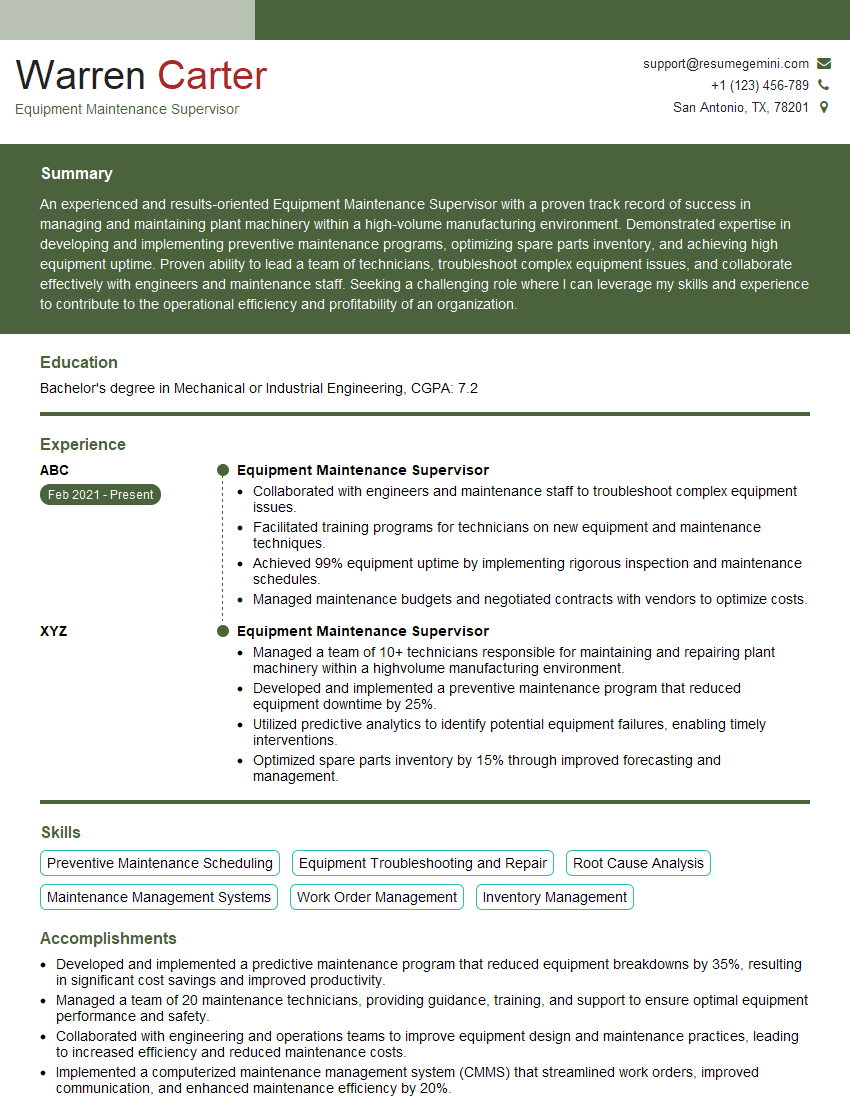
Equipment Maintenance Supervisor Resume Sample
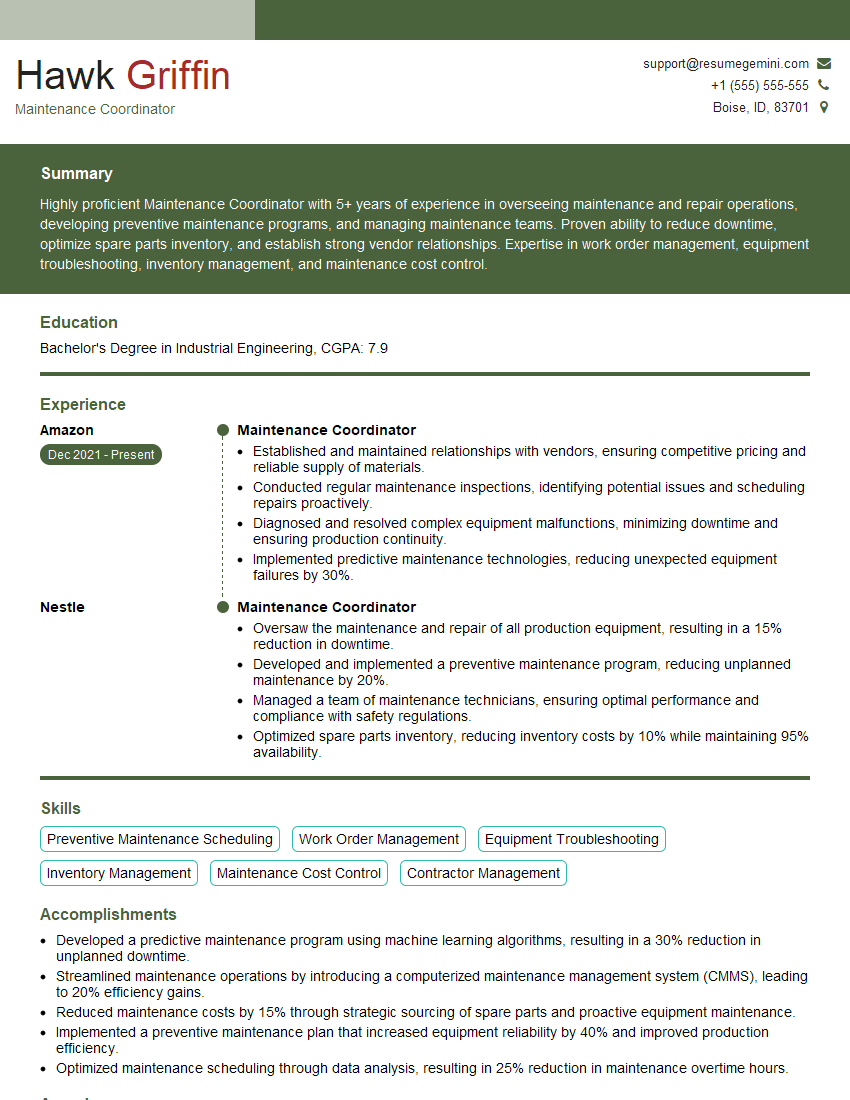
Maintenance Coordinator Resume Sample
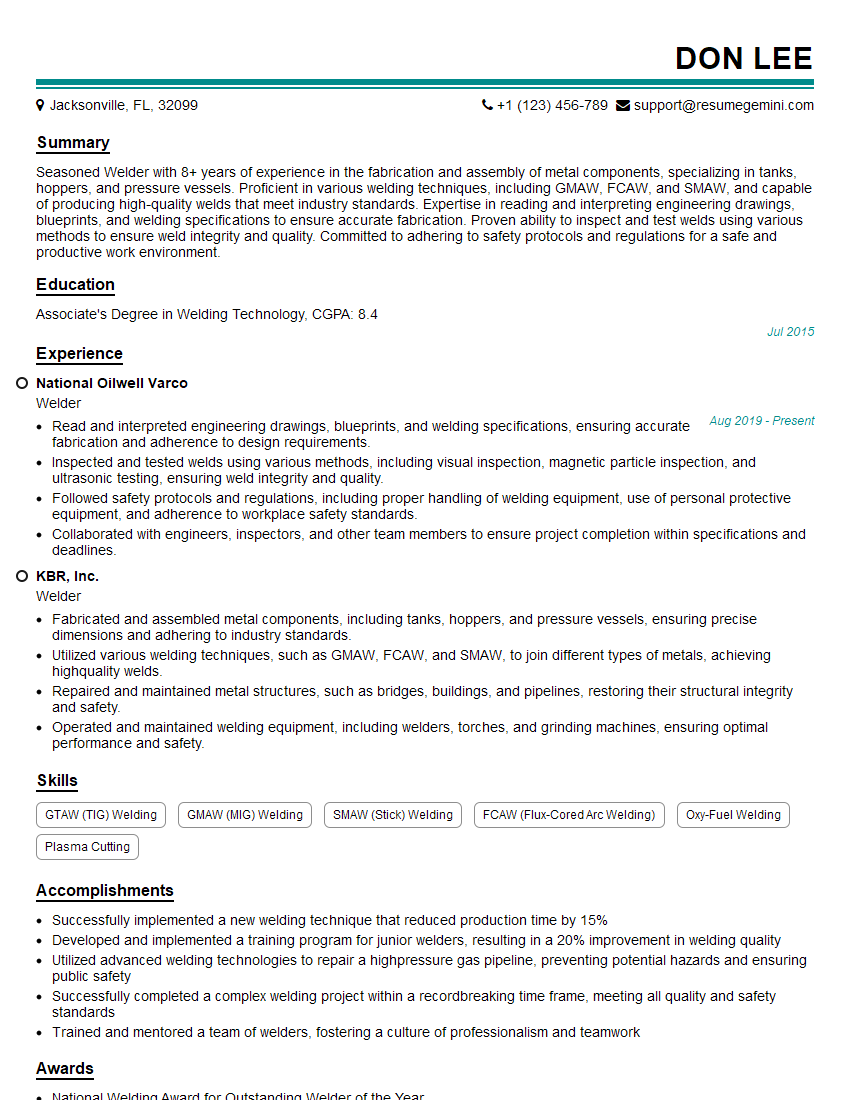
Welder Resume Sample
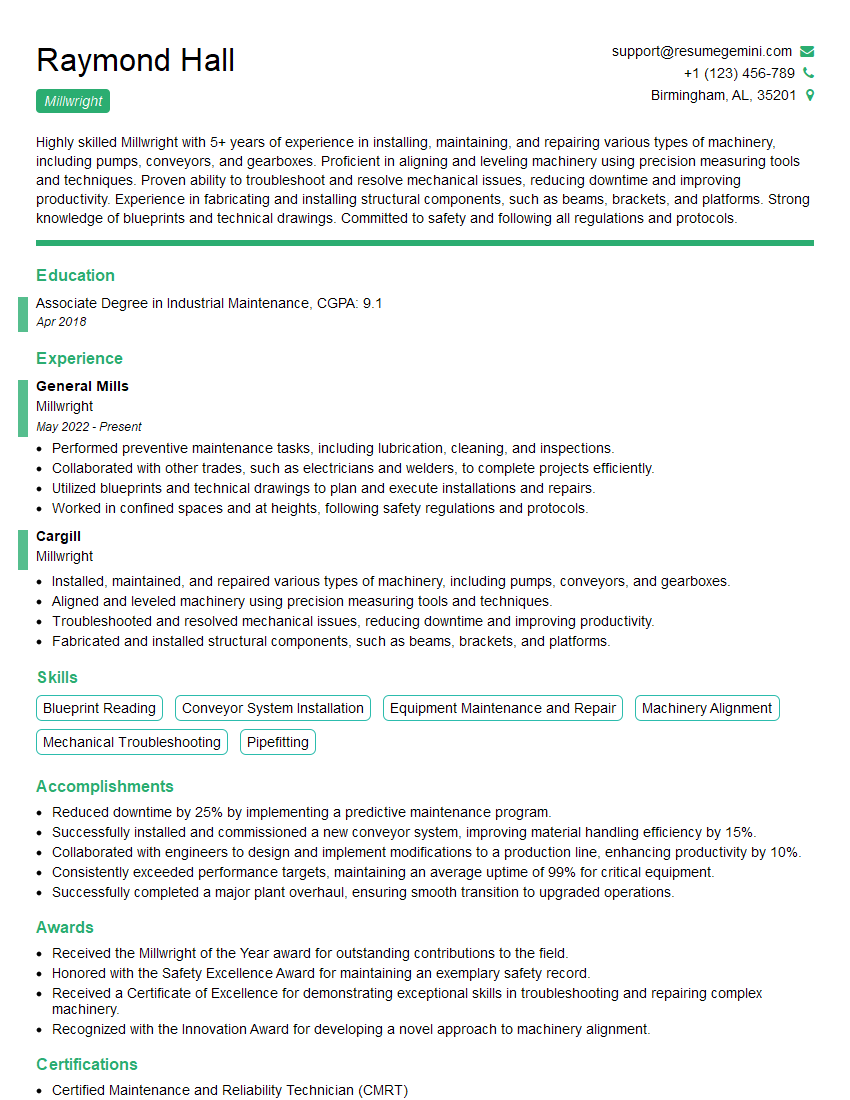
Millwright Resume Sample
- Maintenance Planner
- Chief Engineer
- Reliability Engineer
- Maintenance Technician
- Marine Engineer
- Instrumentation Technician
- Electrical Technician
- Field Service Technician
- Mechanical Technician
- Machinist
- Crane Operator
- Maintenance Scheduler
- Pipefitter
- Plumber
- Rigger
- Equipment Maintenance Supervisor
- Maintenance Coordinator
- Welder
- Millwright
Explore more articles
Users Rating of Our Blogs
Share Your Experience
We value your feedback! Please rate our content and share your thoughts (optional).
What Readers Say About Our Blog
Very informative content, great job.
good