Interviews are more than just a Q&A session—they’re a chance to prove your worth. This blog dives into essential Veterinary Assist interview questions and expert tips to help you align your answers with what hiring managers are looking for. Start preparing to shine!
Questions Asked in Veterinary Assist Interview
Q 1. Describe your experience with animal restraint techniques.
Animal restraint is crucial for safe and efficient veterinary care. My experience encompasses a wide range of techniques, tailored to the individual animal’s temperament, size, and the procedure required. This includes both physical and chemical restraint methods.
Physical Restraint: I’m proficient in techniques like muzzle application (for dogs and cats), scruffing (for cats), lateral recumbency (lying on their side), and the use of towels or other wraps for immobilization. For larger animals like horses, I’ve assisted with techniques like using halters, twitches, and proper body positioning to prevent injury to both the animal and the veterinary team. Understanding animal body language is critical here; a stressed animal will require a gentler approach than a calm one.
Chemical Restraint: I have experience assisting with the administration of sedatives and anesthetics under the direct supervision of a veterinarian. This includes preparing medications, monitoring the animal’s response, and ensuring the correct dosage is used, always following strict protocols to prioritize safety and animal welfare. For example, I’ve helped prepare and administer medications for cats undergoing dental procedures, ensuring a safe and calm experience for the patient.
Safety is paramount; my approach prioritizes minimizing stress and preventing injury to both the animal and the veterinary staff.
Q 2. Explain your knowledge of common veterinary instruments and equipment.
My familiarity with veterinary instruments and equipment is extensive. This ranges from basic examination tools to specialized surgical equipment. I understand their proper use, sterilization, and maintenance.
Basic Examination Tools: I’m experienced using stethoscopes, otoscopes (for ear examinations), ophthalmoscopes (for eye examinations), thermometers, and scales. I know how to select the appropriate instrument for each exam.
Surgical Instruments: I’ve assisted in surgical procedures, familiarizing myself with instruments like scalpels, forceps, scissors, retractors, and various needle holders. I’m adept at identifying, preparing, and handling these instruments appropriately, always following strict aseptic techniques.
Diagnostic Equipment: I’ve worked with equipment such as X-ray machines (following radiation safety protocols), centrifuges (for blood analysis), and electrocardiogram (ECG) machines. I understand the basic principles of operation and maintenance, although I wouldn’t independently operate or interpret results.
Anesthesia Equipment: I have assisted with the setup and maintenance of anesthesia machines, including monitoring vital signs during procedures. I am well-versed in safety protocols regarding anesthetic gases.
Regular maintenance and appropriate handling of these tools contribute to accurate diagnoses, effective treatments, and a sterile surgical environment.
Q 3. How do you handle a frightened or aggressive animal?
Handling frightened or aggressive animals requires patience, skill, and a calm demeanor. My approach prioritizes safety and minimizes stress for the animal.
Assessment: The first step is carefully observing the animal’s body language to understand the cause of fear or aggression. This might involve recognizing signs like dilated pupils, flattened ears, or bared teeth.
Safe Handling Techniques: I utilize appropriate restraint techniques, often involving minimal contact to avoid escalating the situation. This might mean using a towel to gently restrain a fearful cat or using a muzzle on an aggressive dog. For extremely aggressive animals, chemical restraint may be necessary, under strict veterinary supervision.
Communication: I communicate clearly and calmly with both the animal and the veterinary team. A calm voice and slow movements can help de-escalate a tense situation. It’s important to give the animal time and space to adjust to the environment.
Safety Precautions: I always prioritize the safety of both the animal and myself. I would utilize appropriate personal protective equipment (PPE), such as gloves and protective clothing, as needed.
For instance, I recall a situation where a feral cat needed vaccinations. By using a thick towel to gently restrain the cat and speaking to it softly, I was able to administer the injections without incident. Patience and understanding are paramount.
Q 4. What is your experience with administering medications (oral, topical, injectable)?
I have significant experience assisting with medication administration, always under the direct supervision of a licensed veterinarian. Accurate dosage and administration technique are crucial to prevent harm.
Oral Medications: I’m skilled in administering oral medications to animals of varying sizes, using methods appropriate for each species and temperament. This includes techniques like pill pockets, crushing tablets, and mixing medication with food, depending on the patient.
Topical Medications: I’m proficient in applying topical medications such as ointments, creams, and sprays, ensuring accurate application to the affected area while adhering to safety protocols.
Injectable Medications: I assist with the preparation and administration of injectable medications, ensuring accurate dosage and correct injection sites. I’m familiar with different injection techniques (subcutaneous, intramuscular, intravenous), and I always double-check the medication before administration. Strict aseptic techniques are always followed.
For example, I routinely helped administer subcutaneous fluids to dehydrated cats and dogs, ensuring correct placement to minimize discomfort and maximize hydration.
Q 5. Describe your experience with taking vital signs (temperature, heart rate, respiration).
Accurately taking vital signs is essential for assessing an animal’s overall health. My experience includes proficiently obtaining temperature, heart rate, and respiration rate.
Temperature: I’m experienced using both digital and rectal thermometers, selecting the appropriate method based on the animal and the situation. I know how to interpret normal and abnormal temperature readings.
Heart Rate: I can accurately measure heart rate through auscultation (using a stethoscope) and palpation (feeling the pulse). I understand the normal heart rate ranges for different species and how to identify irregularities.
Respiration Rate: I can count respiration rates by observing chest movements or feeling the abdomen. Again, I understand the normal respiratory ranges and how to recognize abnormalities.
I’m meticulous in recording the vital signs and reporting any deviations to the veterinarian. Accurate recording and reporting are critical for effective diagnosis and treatment.
Q 6. How proficient are you in venipuncture and blood collection?
Venipuncture and blood collection are essential skills for a veterinary assistant. My proficiency is high, honed through considerable experience and training. Safety and minimizing discomfort to the animal are my top priorities.
Technique: I’m skilled in performing venipuncture using different techniques and selecting the appropriate vein based on the animal’s size and species. For example, I’m adept at collecting blood samples from the jugular vein in dogs and cats and the coccygeal vein in small animals.
Sample Handling: I understand the importance of proper blood collection techniques to prevent hemolysis (destruction of red blood cells) and ensure the quality of the sample for laboratory analysis. I also know how to label samples appropriately and maintain the cold chain if required.
Safety: I always use appropriate safety measures, including gloves and sharps containers, to prevent needlestick injuries and the spread of infectious diseases.
I’ve successfully collected countless blood samples for various tests over the years, always striving to make the process as comfortable as possible for the animals.
Q 7. What is your understanding of aseptic surgical preparation?
Aseptic surgical preparation is crucial for preventing infection during surgery. It involves creating a sterile environment and using sterile techniques to minimize the risk of contamination. My understanding encompasses several key steps.
Pre-operative Cleaning: This involves thoroughly cleaning the surgical site with antiseptic solutions, usually chlorhexidine or iodine, to remove dirt, debris, and microorganisms. The method of cleaning is important to avoid contaminating the already-clean area.
Surgical Scrub: The surgical team will perform a surgical scrub, washing their hands and arms rigorously with a surgical scrub solution. This removes transient and resident microorganisms from the skin.
Draping: Sterile drapes are used to cover the surgical field, creating a sterile barrier around the surgical site.
Sterile Instruments and Supplies: All instruments and supplies used during surgery must be sterile, typically achieved through autoclaving (steam sterilization).
Maintaining Sterility: Throughout the procedure, maintaining a sterile field is paramount. This includes careful handling of sterile instruments and avoiding unnecessary touching of non-sterile areas.
Aseptic techniques are critical to prevent postoperative infections, ensuring the patient’s well-being and a successful surgical outcome. I am trained in these protocols and follow them meticulously.
Q 8. How do you maintain a clean and sanitary work environment?
Maintaining a clean and sanitary work environment in a veterinary clinic is paramount to preventing the spread of disease and ensuring the safety of both animals and staff. This involves a multi-faceted approach encompassing several key practices.
- Regular Cleaning and Disinfection: We use EPA-registered disinfectants appropriate for veterinary use on all surfaces, including exam tables, cages, floors, and instruments. This process is performed multiple times a day, particularly after each patient interaction. For example, after examining a cat with a suspected upper respiratory infection, I would thoroughly disinfect the exam table with a suitable disinfectant, paying special attention to any areas where the cat may have touched.
- Waste Disposal: Proper disposal of sharps (needles, scalpels), biohazardous waste (blood, tissues), and general waste is crucial. This involves using appropriate color-coded containers and adhering to strict protocols for disposal, often involving a specialized waste disposal service.
- Laundry Procedures: Soiled linens and towels are handled carefully and immediately laundered using a high-temperature wash cycle. We use appropriate detergent and bleach solutions for effective decontamination.
- Personal Protective Equipment (PPE): Consistent and correct use of PPE such as gloves, masks, gowns, and eye protection is essential. I always change gloves between patients and ensure to discard them properly.
- Air Quality: Proper ventilation helps maintain a clean and healthy environment. Regular air filter changes are necessary to prevent the buildup of airborne particles and potential contaminants.
Think of it like this: maintaining hygiene in a veterinary clinic is like preparing a sterile operating room for a human surgeon – meticulous attention to detail is crucial to patient health and safety.
Q 9. Explain your experience with laboratory procedures (e.g., urinalysis, fecal analysis).
I have extensive experience with various laboratory procedures commonly performed in a veterinary setting. This includes urinalysis, fecal analysis, and blood work preparation. For urinalysis, I am proficient in performing dipstick tests to assess various parameters such as pH, protein, glucose, ketones, and blood. I also know how to perform microscopic examinations to identify crystals, bacteria, and cells. A recent example involved a dog exhibiting polyuria (excessive urination); the urinalysis revealed elevated glucose levels, leading to a diagnosis of diabetes mellitus.
Regarding fecal analysis, I’m skilled in evaluating fecal samples for parasites (like roundworms, hookworms, and Giardia) through microscopic examination and macroscopic evaluation (checking for consistency, color, and presence of blood). For example, I once identified Giardia in a cat’s feces, leading to appropriate treatment and prevention strategies for the household.
My responsibilities also extend to assisting with blood work preparation, including accurately collecting and labeling blood samples, and ensuring proper handling and processing for laboratory analysis. This involves meticulous attention to detail to prevent hemolysis (breakdown of red blood cells) and ensure accurate results.
Q 10. How familiar are you with various animal breeds and their specific needs?
My familiarity with various animal breeds and their specific needs is quite extensive. I understand that breed-specific predispositions to certain diseases are important. For example, German Shepherds are prone to hip dysplasia, while certain breeds of cats are more susceptible to hypertrophic cardiomyopathy. I’m also aware of breed-specific grooming requirements; a long-haired Persian cat requires vastly different grooming than a short-haired Siamese. This knowledge helps me to better assist the veterinary team in providing appropriate care for diverse patients. I have experience working with dogs like Golden Retrievers, Labrador Retrievers, Bulldogs, and various terrier breeds, as well as cats including Persians, Siamese, Maine Coons and domestic shorthairs. Beyond the common breeds, I’ve also had exposure to exotic animals occasionally brought to the practice.
Q 11. Describe your experience with animal wound care.
My experience with animal wound care involves a range of tasks, all performed under the supervision of a veterinarian. These include cleaning and debriding wounds (removing dead or contaminated tissue), applying appropriate bandages and dressings, and monitoring wound healing. I’m familiar with various types of wound closures, including sutures and staples.
For example, I once assisted in the care of a dog with a deep laceration on its leg. This involved cleaning the wound meticulously with sterile saline, removing any debris, applying antiseptic solution, and then assisting the veterinarian in suturing the wound. Post-operatively, I helped monitor the wound for signs of infection or dehiscence (wound opening) and applied the appropriate bandage changes as directed by the vet.
I also understand the importance of proper wound assessment, recognizing signs of infection like redness, swelling, heat, and pus. I’m trained to report any abnormalities to the veterinarian immediately.
Q 12. How do you handle emergency situations in a veterinary setting?
Handling emergency situations requires quick thinking, calmness under pressure, and a thorough understanding of veterinary protocols. My training emphasizes efficient response and prioritization of tasks.
When an emergency arises, my role involves immediately notifying the veterinarian, preparing the necessary equipment and supplies (like oxygen masks, IV catheters, and emergency medications), and assisting with the initial stabilization of the animal. This could include administering oxygen, controlling bleeding, or providing cardiopulmonary resuscitation (CPR) as directed by the veterinarian. I remember one instance where a dog arrived in respiratory distress. My immediate actions included applying an oxygen mask while simultaneously preparing an IV catheter as instructed by the veterinarian, who could quickly administer fluids and medication. Efficient and calm responses during such events are paramount to a positive outcome.
Following an emergency, my responsibilities include assisting in post-emergency care, documenting the event thoroughly in the patient’s record, and maintaining a clean and organized emergency treatment area.
Q 13. What software or systems are you familiar with in a veterinary practice?
I’m proficient in using several software and systems commonly found in veterinary practices. This includes practice management software (like Avimark or Cornerstone) for scheduling appointments, managing patient records, billing, and inventory control. I’m also comfortable using electronic health record (EHR) systems for accessing and updating patient information, including medical history, lab results, and treatment plans. Some practices I’ve worked in also used specialized software for radiology imaging and dental charting. My experience with these systems allows me to efficiently manage data, contribute to seamless workflow, and maintain accurate records.
Q 14. How do you maintain accurate patient records?
Maintaining accurate patient records is crucial for providing quality care and avoiding medical errors. My approach involves meticulous attention to detail at every step. I ensure all information is entered correctly and completely into the electronic or paper-based record system. This includes the patient’s signalment (breed, age, sex), medical history, vaccination records, laboratory results, medications administered, and treatment plans. Any observations regarding the animal’s behavior or physical condition are also meticulously documented. I follow specific protocols for charting, which includes using standardized abbreviations and clear, concise language.
Regularly reviewing and updating the records ensures accuracy and completeness. For example, if a patient’s medication is changed, I update the dosage, frequency, and route of administration promptly in the record. I’m also proficient in generating reports from the patient data as needed.
Q 15. Explain your understanding of basic animal anatomy and physiology.
Understanding basic animal anatomy and physiology is fundamental to veterinary assisting. It involves knowing the structures and functions of various organ systems in different animal species. This includes the skeletal, muscular, nervous, circulatory, respiratory, digestive, urinary, and reproductive systems. For example, knowing the location of the heart in a dog (slightly to the left of the midline) is crucial during auscultation (listening to the heart) and performing chest compressions during CPR. Understanding how the digestive system functions helps in recognizing signs of digestive upset, such as vomiting or diarrhea. A strong understanding of physiology allows you to anticipate potential complications and react appropriately during procedures or when assessing a patient’s condition. I have a solid grasp of comparative anatomy and physiology, meaning I can recognize variations between species.
- Skeletal System: Understanding bone structure and joint function is critical for recognizing fractures, dislocations, and other skeletal abnormalities.
- Cardiovascular System: Knowing the heart’s function and recognizing normal and abnormal heart sounds is essential for assisting with examinations and recognizing cardiovascular distress.
- Respiratory System: Understanding respiratory mechanics helps in assessing breathing patterns and identifying respiratory problems.
Career Expert Tips:
- Ace those interviews! Prepare effectively by reviewing the Top 50 Most Common Interview Questions on ResumeGemini.
- Navigate your job search with confidence! Explore a wide range of Career Tips on ResumeGemini. Learn about common challenges and recommendations to overcome them.
- Craft the perfect resume! Master the Art of Resume Writing with ResumeGemini’s guide. Showcase your unique qualifications and achievements effectively.
- Don’t miss out on holiday savings! Build your dream resume with ResumeGemini’s ATS optimized templates.
Q 16. Describe your experience with assisting in surgical procedures.
My experience in assisting with surgical procedures is extensive. I’ve assisted in a wide variety of surgeries, ranging from routine spays and neuters to more complex orthopedic procedures. My responsibilities have included preparing the surgical field (sterilizing instruments and equipment, prepping the patient’s skin), assisting the surgeon by handing them instruments, retracting tissues, and maintaining the sterile field. I am proficient in surgical scrubbing techniques and maintaining a sterile environment, understanding the importance of asepsis in preventing infections. For instance, during an orthopedic surgery, I was responsible for preparing and organizing the specialized bone plates and screws according to the surgeon’s needs, ensuring a smooth and efficient workflow. I also regularly monitor the patient’s vital signs throughout the procedure, alerting the veterinary surgeon of any changes that could indicate a complication.
I am familiar with various surgical instruments and their use, and understand the importance of careful handling to prevent damage and ensure proper functioning. I’ve learned to anticipate the surgeon’s needs and work efficiently within a sterile environment, a skill that requires both technical proficiency and a high degree of teamwork.
Q 17. How would you handle a client complaint?
Handling client complaints requires empathy, professionalism, and effective communication. My approach involves actively listening to the client’s concerns, acknowledging their feelings, and refraining from becoming defensive. I aim to understand the situation completely from their perspective before offering any solutions. For example, if a client is upset about the cost of treatment, I’ll first listen to their concerns and then explain the rationale behind the cost, offering alternative treatment options if available. If the complaint involves a perceived mistake in treatment, I would document everything thoroughly and inform the veterinarian immediately. I strive to resolve the issue to the client’s satisfaction, whether through a simple apology, an explanation, or offering a suitable compromise.
Ultimately, my goal is to maintain a positive relationship with the client even when resolving difficult situations. A calm and professional demeanor, coupled with clear communication, are key to turning a negative experience into a positive one. I’ll document the entire complaint, the steps I took to address it, and the final resolution in the client’s record.
Q 18. What is your understanding of animal behavior?
Understanding animal behavior is essential for safe and effective veterinary care. Animals communicate through various means, including body language, vocalizations, and pheromones. Recognizing signs of stress, fear, or aggression is crucial for handling animals safely and reducing the risk of injury to both the animal and the veterinary staff. For example, recognizing a cat’s flattened ears and dilated pupils signals fear and potential aggression, requiring a cautious approach during examination. Similarly, understanding canine body language—a stiff posture, bared teeth, or a whale eye—can help predict aggressive behavior and prevent incidents. I incorporate positive reinforcement techniques whenever possible to make the experience less stressful for the animal. This can involve using treats, calming pheromones, or speaking to the animal in a soothing voice. I also understand the importance of species-specific approaches, as different animals display different behavioral patterns.
Q 19. Describe your experience with radiography or ultrasound assistance.
I have significant experience assisting with both radiography and ultrasound procedures. In radiography, my duties include properly positioning the animal, ensuring the correct exposure settings, and operating the X-ray machine according to safety protocols. I understand the importance of radiation safety and always adhere to safety guidelines to minimize exposure to both myself and the animal. For example, I always ensure the animal is properly restrained to prevent movement during the procedure, which would result in blurry images. During ultrasound procedures, I assist the veterinarian by applying the gel, guiding the transducer, and adjusting the settings to obtain optimal images. I’m adept at recognizing anatomical structures on both radiographs and ultrasound images, aiding the veterinarian in diagnosis.
Understanding the principles of both technologies allows me to provide accurate assistance. My understanding extends to maintaining the equipment, ensuring proper cleaning and sterilization procedures are followed after each use. This contributes to the longevity and reliability of the diagnostic equipment, ensuring accurate results and efficient patient care.
Q 20. How do you prioritize tasks in a busy veterinary clinic?
Prioritizing tasks in a busy veterinary clinic requires efficient time management and organizational skills. I use a combination of techniques, including understanding the urgency of each task and the potential consequences of delays. Critical tasks, such as urgent surgeries or emergency cases, always take precedence. I also prioritize tasks based on their impact on patient care. Tasks related to administering medications or monitoring vital signs are high priorities, while routine cleaning and administrative tasks may be scheduled for less busy times. I often utilize a checklist to ensure I don’t miss any important steps. I work effectively under pressure, maintaining composure and focus even during high-volume periods. I frequently communicate with the veterinary team to coordinate tasks and ensure smooth workflow. This collaborative approach is crucial in a busy environment to ensure that every patient receives timely and appropriate care.
Q 21. What are some common diseases you’ve encountered?
During my time as a veterinary assistant, I’ve encountered numerous common diseases. These include:
- Canine and Feline Parvovirus: A highly contagious viral disease causing severe gastrointestinal symptoms.
- Feline Leukemia Virus (FeLV) and Feline Immunodeficiency Virus (FIV): Retroviruses affecting cats, weakening their immune system.
- Canine and Feline Distemper: Highly contagious viral diseases impacting multiple organ systems.
- Kennel Cough (Bordetella bronchiseptica): A highly contagious respiratory infection in dogs.
- Various skin conditions: Including allergies, mange, and bacterial infections.
- Ear Infections (Otitis externa and media): Common in both dogs and cats.
Recognizing the signs and symptoms of these diseases is crucial for prompt diagnosis and treatment, facilitating appropriate patient management. My experience in handling these cases has significantly improved my ability to quickly assess patients and provide efficient support to the veterinary team.
Q 22. How do you maintain confidentiality of patient information?
Maintaining patient confidentiality is paramount in veterinary medicine. It’s not just about following regulations; it’s about building trust with clients and protecting vulnerable animals. I adhere strictly to HIPAA-like principles, even though the exact regulations may vary by location. This includes:
- Restricting access to medical records: Only authorized personnel, including the veterinarian and relevant support staff, have access to patient files. I use secure passwords and never share login credentials.
- Secure disposal of sensitive information: I ensure all paper records are shredded and electronic data is deleted securely using approved methods. I would never leave patient information visible or accessible to unauthorized individuals.
- Confidential communication: When discussing patient information with clients, I ensure privacy by choosing a quiet, private space. I never disclose information to third parties without explicit consent from the owner. For example, if a client calls and I’m not sure it’s the owner, I’d verify their identity before revealing anything about the pet.
- Data encryption and secure storage: Our practice utilizes electronic health records, and I understand the importance of encrypted databases and secured servers to prevent data breaches. I am also familiar with backing up sensitive information regularly to ensure data redundancy and recovery.
In short, treating client and patient information with the utmost discretion is a non-negotiable part of my professional practice. A breach of confidentiality is not only unethical but could also have serious legal consequences.
Q 23. Describe your experience with dental prophylaxis.
Dental prophylaxis, or preventative dental care, is a crucial aspect of overall animal health. My experience includes performing a range of procedures under the supervision of a veterinarian. This involves:
- Pre-operative preparation: This includes properly restraining the animal, setting up the dental equipment, and preparing the necessary medications (such as anesthesia and analgesics).
- Scaling and polishing: I’m proficient in using ultrasonic scalers to remove plaque and tartar buildup from the teeth. I then use polishing tools to smooth the tooth surfaces, reducing the likelihood of further plaque accumulation.
- Charting: I meticulously document the dental findings, noting the presence of any dental disease (periodontal disease, fractured teeth, etc.) for the veterinarian’s assessment.
- Radiography (as instructed): I assist with dental radiography when required, ensuring proper positioning and image acquisition for diagnosis.
- Post-operative care: This includes monitoring the animal’s recovery from anesthesia, ensuring proper pain management, and providing instructions to clients on post-operative care, including at-home oral hygiene.
For example, in one case, I assisted in the dental prophylaxis of a senior dog with significant periodontal disease. My careful charting and assistance with radiography helped the veterinarian diagnose and treat the underlying conditions effectively, improving the dog’s overall oral health and well-being.
Q 24. How do you work effectively as part of a team?
Effective teamwork is essential in a veterinary practice. I believe in open communication, mutual respect, and a shared commitment to providing excellent patient care. I actively contribute to the team by:
- Clear and concise communication: I am a proactive communicator, promptly relaying information to the veterinarian and other team members. For instance, if I notice a change in a patient’s condition, I immediately inform the appropriate personnel.
- Active listening: I attentively listen to instructions and actively participate in team discussions, contributing my insights and experiences. I value different perspectives and look for ways to collaborate effectively.
- Collaboration and support: I readily assist my colleagues with their tasks when needed, fostering a supportive team environment. For example, I’ll happily help prepare a surgical setup even if it is not directly assigned to me.
- Flexibility and adaptability: I am adaptable to changing circumstances and can adjust my work schedule as needed to meet the demands of the practice.
A strong team spirit translates directly into better patient outcomes and a more positive work environment. I firmly believe that a cooperative team is more efficient and effective than individuals working in isolation.
Q 25. What are your salary expectations?
My salary expectations are in line with the industry standard for experienced veterinary assistants in this region, considering my qualifications and experience. I am open to discussing a competitive compensation package that reflects my contributions to the practice.
Q 26. What are your strengths and weaknesses?
One of my greatest strengths is my meticulous attention to detail. In veterinary medicine, accuracy is critical, whether it’s administering medication, preparing surgical instruments, or charting patient information. I strive for precision in everything I do.
However, I would consider my weakness to be occasionally over-thinking details. I’m actively working to improve by focusing on prioritization and time management techniques to prevent getting bogged down in minor issues when more urgent tasks require my attention. I’m confident my strengths significantly outweigh this aspect and I’m continually seeking to improve.
Q 27. Why are you interested in this specific veterinary practice?
I am particularly interested in this practice because of [Mention specific aspects of the practice that appeal to you, e.g., its commitment to advanced technology, its reputation for excellent client service, its focus on a specific type of animal care, the team’s collaborative spirit, etc.]. I’ve been consistently impressed by [Mention specific examples, e.g., the practice’s community involvement, its commitment to continuing education, positive online reviews, etc.]. I feel that my skills and values align perfectly with the practice’s mission, and I am confident that I can contribute meaningfully to your team.
Q 28. Where do you see yourself in five years?
In five years, I see myself as a highly skilled and valued member of this veterinary practice. I hope to have further developed my expertise in [Mention specific areas, e.g., advanced veterinary assisting techniques, a particular specialty area of veterinary medicine, leadership roles within the team, etc.]. Ultimately, I am committed to continuous learning and professional growth, aiming to enhance my contribution to high-quality patient care. I would also aim to potentially take on more responsibilities in areas such as training or supervision.
Key Topics to Learn for Veterinary Assist Interview
- Animal Handling & Restraint: Understanding safe and effective techniques for handling various animal species, considering their size, temperament, and medical condition. Practical application includes describing your experience with different restraint methods and adapting techniques based on individual animal needs.
- Veterinary Medical Terminology & Procedures: Mastering common veterinary terms and abbreviations, along with a solid understanding of routine procedures like injections, blood draws, and assisting in surgery. Practical application includes demonstrating your ability to understand and follow complex instructions in a fast-paced environment.
- Patient Care & Monitoring: Understanding the importance of accurate record-keeping, monitoring vital signs, administering medications, and recognizing signs of distress in animals. Practical application includes detailing your experience with post-operative care, recognizing and reporting changes in patient condition, and maintaining a clean and sanitary workspace.
- Laboratory Procedures: Familiarity with basic laboratory techniques, sample collection, and processing. Practical application includes describing your experience with running basic lab tests and understanding the importance of accurate results.
- Client Communication & Professionalism: Effectively communicating with clients, answering questions, and providing support during stressful situations. Practical application includes demonstrating empathy, professionalism, and clear communication skills. This includes handling sensitive conversations with compassion.
- Medical Equipment & Instrumentation: Understanding the operation and maintenance of common veterinary equipment, such as autoclaves, scales, and diagnostic tools. Practical application involves describing experience with using and troubleshooting such equipment.
- Infection Control & Safety Protocols: Adhering to strict hygiene and safety protocols to prevent the spread of disease and ensure a safe working environment for both animals and staff. Practical application includes detailed understanding of sterilization processes and safety precautions.
Next Steps
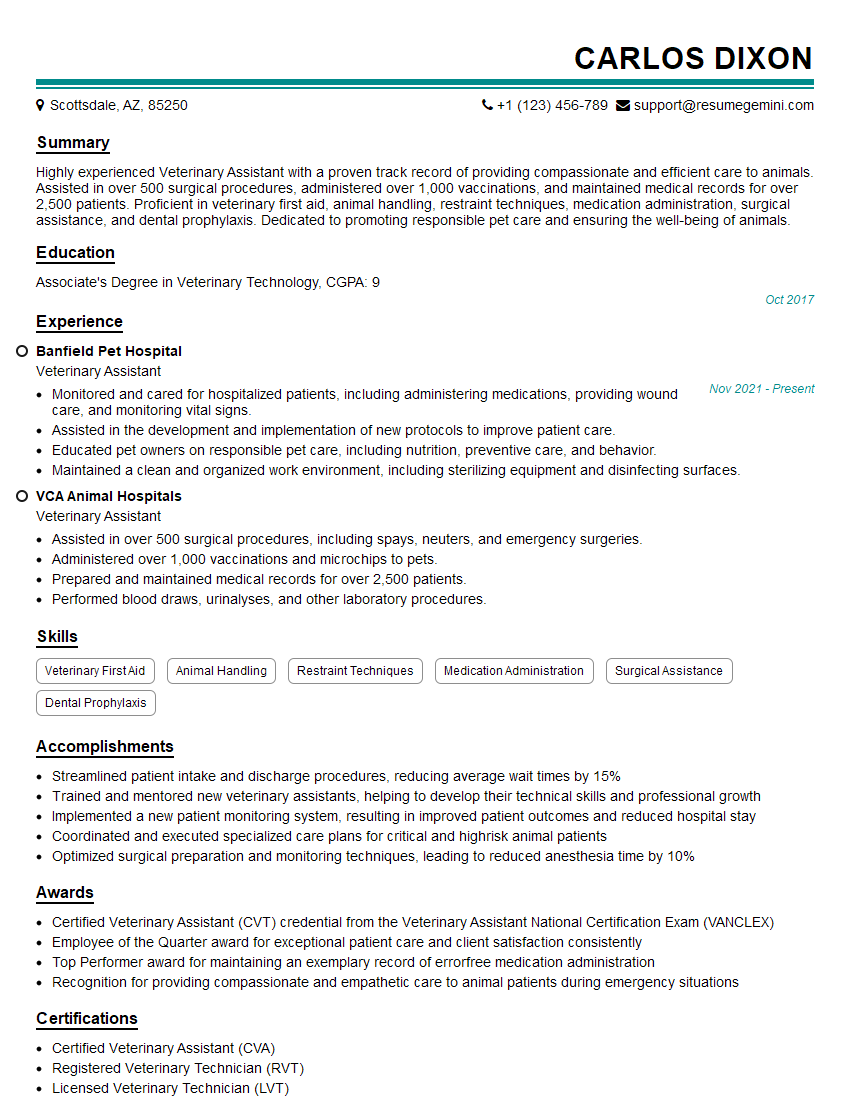
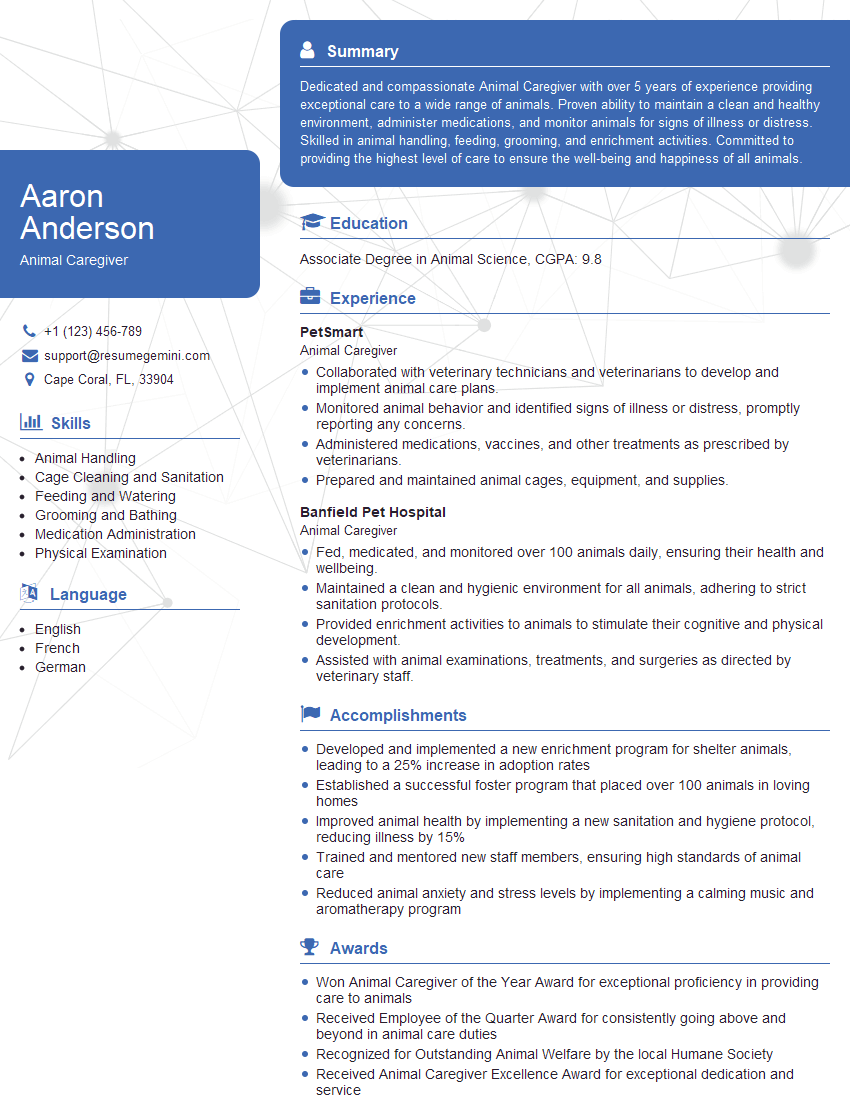
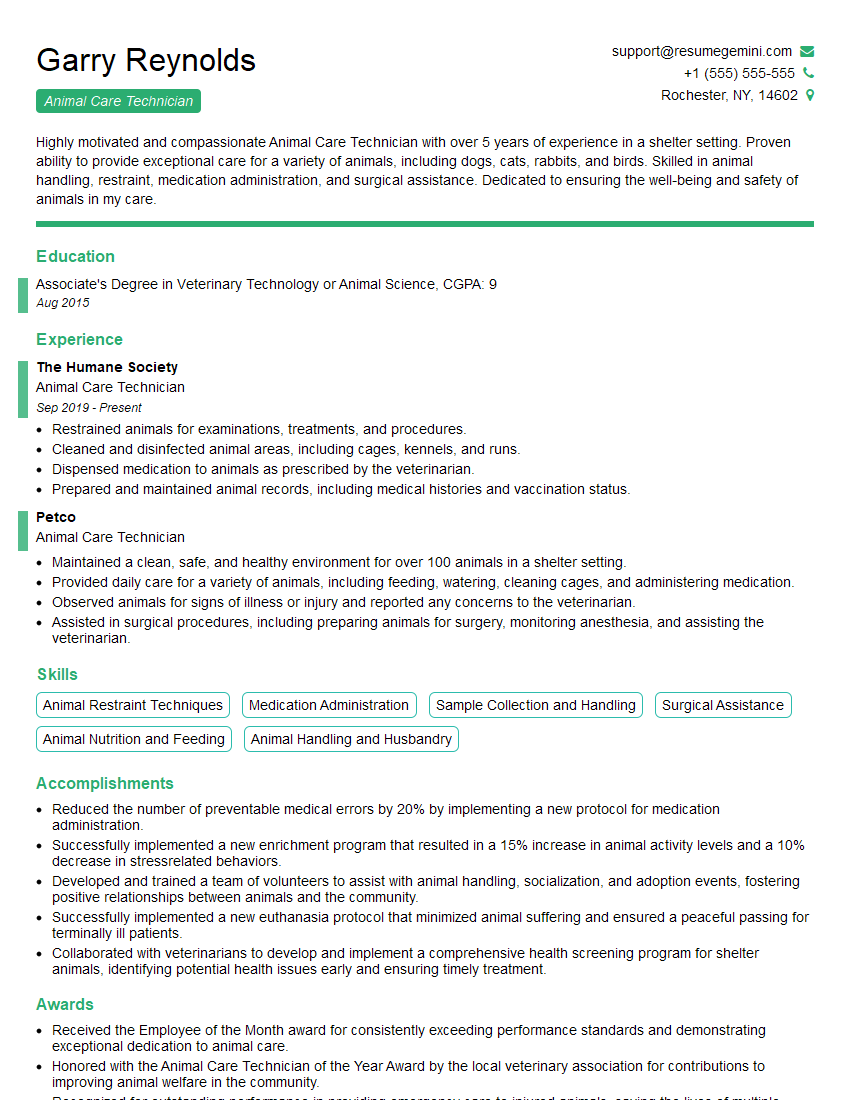
Mastering the skills of a Veterinary Assistant is crucial for a rewarding and fulfilling career, offering opportunities for advancement and specialization within the veterinary field. A strong, ATS-friendly resume is your key to unlocking these opportunities. To ensure your resume effectively showcases your abilities and experience, we highly recommend using ResumeGemini. ResumeGemini provides a powerful platform for building professional resumes, and we offer examples tailored specifically to the Veterinary Assist field to help you create a winning application.
Explore more articles
Users Rating of Our Blogs
Share Your Experience
We value your feedback! Please rate our content and share your thoughts (optional).
What Readers Say About Our Blog
Very informative content, great job.
good