Interviews are opportunities to demonstrate your expertise, and this guide is here to help you shine. Explore the essential Veterinary Terminology and Protocols interview questions that employers frequently ask, paired with strategies for crafting responses that set you apart from the competition.
Questions Asked in Veterinary Terminology and Protocols Interview
Q 1. Define ‘tachycardia’ and describe its clinical significance in canine patients.
Tachycardia refers to an abnormally rapid heart rate. In canine patients, it’s clinically significant because it can indicate a wide range of underlying health issues. A normal resting heart rate for a dog varies depending on size and breed, but generally falls between 60-120 beats per minute (BPM). Anything above this range is considered tachycardia.
The significance lies in its potential to signal serious problems. For example, tachycardia can be a sign of:
- Pain
- Fever
- Dehydration
- Hyperthyroidism (overactive thyroid)
- Heart disease (e.g., valvular disease, arrhythmias)
- Anemia
- Shock
- Exposure to toxins
Diagnosing the underlying cause requires a thorough physical examination, blood work (including a complete blood count and blood chemistry profile), and possibly an electrocardiogram (ECG) or echocardiogram to assess heart function. Treatment focuses on addressing the root cause. For example, pain management might involve analgesics, while dehydration necessitates fluid therapy.
Q 2. Explain the difference between ‘pyometra’ and ‘metritis’.
Both pyometra and metritis are uterine infections in female dogs, but they differ in severity and location of infection. Think of the uterus as a pear-shaped organ; pyometra is a more severe infection that involves pus accumulation within the uterine lumen (the inside cavity of the uterus). Metritis is a broader term encompassing inflammation of the uterine lining (endometrium), which can, but doesn’t always, involve pus.
In pyometra, the cervix (the opening of the uterus) may be either open (allowing pus to drain, although often with a foul odor) or closed (causing a buildup of pus, which can become life-threatening). Metritis, on the other hand, might involve a less severe infection, possibly caused by retained placenta after whelping or a post-partum infection, not necessarily involving pus accumulation.
Both conditions require veterinary intervention. Pyometra often requires emergency surgery to remove the uterus (ovariohysterectomy), whereas metritis might be managed with antibiotics and supportive care, depending on the severity.
Q 3. What is the meaning of the abbreviation ‘CBC’ in veterinary medicine?
In veterinary medicine, CBC stands for Complete Blood Count. It’s a common hematological test providing information about various components of the blood, including:
- Red blood cell (RBC) count: Indicates oxygen-carrying capacity.
- White blood cell (WBC) count: Reveals the body’s immune response; high counts might indicate infection.
- Platelet count: Essential for blood clotting.
- Hemoglobin and hematocrit: Indicate oxygen-carrying capacity and blood concentration.
A CBC is a crucial diagnostic tool used to screen for a wide range of diseases, such as infections, anemia, leukemia, and other blood disorders. The results provide valuable insights into a patient’s overall health status and can guide further diagnostic testing and treatment.
Q 4. Describe the proper procedure for administering subcutaneous fluids.
Administering subcutaneous (SQ) fluids requires careful technique to ensure proper absorption and avoid complications. Here’s the proper procedure:
- Prepare the patient: Gently restrain the animal. Clip a small area of hair on the loose skin of the neck, shoulders, or flank. Clean the area with an antiseptic solution.
- Prepare the fluids: Ensure the fluid is at room temperature or slightly warmed. Check for particulate matter or cloudiness before administration. This is crucial to prevent irritation or infection.
- Insert the needle: Using a suitable needle and syringe (usually a 22-25 gauge needle), insert the needle at a 45-degree angle under the loose skin. Aspiration isn’t always necessary, as sub-cutaneous fluid doesn’t typically enter blood vessels.
- Administer the fluids: Slowly inject the fluid. You should observe a small bulge forming under the skin.
- Remove the needle: Remove the needle gently. Apply gentle pressure to the injection site with an alcohol swab for a brief period.
- Monitor the patient: Observe the injection site for swelling, pain, or infection in the days following the injection.
Important Considerations: Fluid type and volume are determined by the veterinarian based on the patient’s condition. Never administer fluids rapidly to avoid fluid overload. If swelling, pain, or signs of infection occur, contact the veterinarian.
Q 5. What are the common signs of feline hyperthyroidism?
Feline hyperthyroidism, an overactive thyroid gland, presents with a variety of clinical signs, often subtle in the early stages. Common signs include:
- Increased appetite (polyphagia), but often with weight loss.
- Increased thirst (polydipsia) and increased urination (polyuria).
- Hyperactivity or restlessness. Think of a cat that suddenly becomes more energetic and mischievous than usual.
- Vomiting or diarrhea.
- Thin, unkempt coat.
- Heart abnormalities (tachycardia, heart murmur) due to increased heart workload.
- Behavioral changes, such as aggression or vocalization.
It’s important to note that many of these symptoms can mimic other conditions, highlighting the importance of a thorough veterinary examination and blood tests to confirm the diagnosis. Blood tests will measure thyroid hormone levels (T4 and T3).
Q 6. Explain the difference between ‘patent ductus arteriosus’ and ‘tetralogy of Fallot’.
Both patent ductus arteriosus (PDA) and tetralogy of Fallot are congenital heart defects in dogs (and other animals), but they differ significantly in their anatomical abnormalities and clinical presentation.
Patent ductus arteriosus (PDA) is a persistent opening between the aorta (the main artery leaving the heart) and the pulmonary artery (the artery supplying blood to the lungs). This opening, normally closed shortly after birth, allows blood to recirculate from the aorta to the pulmonary artery, leading to increased blood flow to the lungs, potentially causing a heart murmur and respiratory issues.
Tetralogy of Fallot is a complex condition involving four distinct heart defects: 1) ventricular septal defect (a hole between the ventricles); 2) pulmonary stenosis (narrowing of the pulmonary artery); 3) overriding aorta (the aorta sits above both ventricles instead of only the left); and 4) right ventricular hypertrophy (thickening of the right ventricle’s wall). This constellation of defects leads to reduced oxygen levels in the blood, resulting in cyanosis (bluish discoloration of the mucous membranes) and exercise intolerance.
Diagnosis involves physical examination, auscultation (listening to heart sounds), electrocardiography (ECG), and echocardiography (ultrasound of the heart). Treatment strategies differ widely and depend on the severity of the defects. PDA may sometimes be surgically closed or treated medically, while tetralogy of Fallot often requires surgical correction.
Q 7. What is the purpose of a fecal flotation test?
A fecal flotation test is a common parasitological examination used to detect intestinal parasites in animal feces. It involves mixing a small sample of feces with a solution that has a higher specific gravity than the parasite eggs or cysts. This solution (typically saturated sodium chloride or sugar solution) floats the parasitic eggs or cysts to the surface, making them easier to identify under a microscope.
The purpose is to diagnose various intestinal parasites, including:
- Roundworms
- Hookworms
- Whipworms
- Tapeworms
- Coccidia
Early detection of parasites is crucial for timely treatment and prevention of further spread. This test is routinely used in preventive veterinary medicine for both pet and livestock animals. Treatment varies depending on the specific parasite identified.
Q 8. Describe the steps involved in performing a complete blood count (CBC).
A complete blood count (CBC) is a crucial hematological test providing information about the different components of a patient’s blood. It’s like a comprehensive health check-up for the blood itself. The process involves several steps:
Sample Collection: A blood sample is collected, typically from a vein (venipuncture) using a sterile needle and syringe or vacutainer system. The choice of vein depends on the animal’s size and condition. For example, the jugular vein is often used in larger animals like dogs and horses, while cephalic veins are common in cats.
Sample Preparation: The blood is then mixed with an anticoagulant (like EDTA or heparin) to prevent clotting. This ensures accurate measurement of blood cell counts and other parameters.
Analysis: The prepared sample is analyzed using an automated hematology analyzer. This machine counts the different types of blood cells (red blood cells, white blood cells, platelets), measures their size and shape (morphology), and calculates various indices such as hematocrit (the percentage of red blood cells in the blood) and mean corpuscular volume (MCV, the average size of red blood cells). This automated process is fast and efficient but may still require microscopic examination to assess cell morphology.
Microscopic Examination (Manual Differential): A technician or pathologist will perform a microscopic examination of a blood smear. This involves staining the blood sample to better visualize different cells. They manually count and classify the various white blood cell types (neutrophils, lymphocytes, monocytes, eosinophils, basophils), assessing their morphology for abnormalities which can indicate disease. For example, observing immature neutrophils (bands) might suggest an infection.
Report Generation: Finally, the analyzer data and the manual differential results are compiled into a comprehensive report. This report includes cell counts, indices, and any morphological observations, providing valuable insights into the animal’s overall health.
Abnormal CBC results can indicate various health issues, from anemia and infections to leukemia and other blood disorders. Interpretation of the CBC always requires consideration of the patient’s clinical presentation and other diagnostic tests.
Q 9. How do you interpret a urinalysis report?
Urinalysis involves the physical, chemical, and microscopic examination of urine, providing important insights into kidney function and overall health. Interpreting a urinalysis report is crucial for diagnosis. Let’s break down the key components:
Physical Examination: This includes assessing the urine’s color (ranging from pale yellow to dark amber, with variations indicating potential problems), clarity (cloudy urine may suggest infection), and odor (a strong, unusual odor can be a clue). For instance, very dark urine might indicate dehydration.
Chemical Examination: A dipstick is used to test for various substances, such as pH (acidity/alkalinity), protein (presence suggests kidney damage), glucose (high levels indicate diabetes mellitus), ketones (often seen in diabetic ketoacidosis), bilirubin (suggests liver problems), and blood (hematuria).
Microscopic Examination: A urine sample is examined under a microscope to identify the presence of cells (red blood cells, white blood cells), casts (cylindrical structures formed in the kidney tubules), crystals, and bacteria. For example, the presence of numerous white blood cells could suggest a urinary tract infection.
Interpreting the results involves considering all components together. For example, a patient with dark, cloudy urine, high protein, and numerous white blood cells in the microscopic analysis would strongly suggest a urinary tract infection. However, a comprehensive diagnosis always needs clinical correlation and may require further investigations.
Q 10. Explain the different types of anesthesia used in veterinary medicine.
Veterinary anesthesia encompasses various types, each tailored to the specific needs of the patient and procedure. The choice depends on factors like the animal’s species, age, health status, and the surgery’s duration and invasiveness. Here are the main categories:
Local Anesthesia: This numbs a specific area, commonly used for minor procedures like wound suturing or dental extractions. Lidocaine is a commonly used local anesthetic.
Regional Anesthesia: This blocks nerve impulses to a larger area of the body. Examples include epidural anesthesia (injecting anesthetic into the epidural space of the spinal column, often used for caudal (rear) surgeries) or nerve blocks (targeting specific nerves).
General Anesthesia: This involves a loss of consciousness and sensation, enabling major surgical procedures. General anesthesia can be achieved with a combination of injectable and inhalant agents. Injectable agents provide initial sedation and analgesia (pain relief), while inhalant agents maintain anesthesia throughout the procedure. Isoflurane and sevoflurane are common inhalant anesthetics.
Balanced Anesthesia: Often used for major surgeries, this approach combines multiple drugs—sedatives, analgesics, and anesthetics—to optimize pain control, muscle relaxation, and minimize adverse effects. This is like a ‘carefully orchestrated symphony’ of drugs.
The selection of anesthetic agents and techniques requires careful consideration to minimize risks and ensure patient safety. Pre-anesthetic blood work and physical examination are essential in choosing the appropriate anesthetic protocol.
Q 11. What are the potential complications of general anesthesia in a geriatric patient?
Geriatric patients (older animals) have decreased organ function and reduced physiological reserves, making them more susceptible to complications during general anesthesia. These complications can include:
Cardiovascular problems: Older animals may have pre-existing heart conditions, making them more prone to arrhythmias (irregular heartbeats), hypotension (low blood pressure), and cardiac arrest. This is due to the heart’s reduced ability to compensate for the effects of anesthetic drugs.
Respiratory problems: Decreased respiratory function can lead to hypoventilation (inadequate breathing), hypoxia (low blood oxygen), and hypercapnia (high blood carbon dioxide). Age-related changes in lung elasticity and function can exacerbate these risks.
Renal (Kidney) failure: Impaired kidney function can prolong the effects of anesthetic drugs, increasing the risk of toxicity. The kidneys’ reduced capacity to eliminate waste products also contributes to the risk.
Hepatic (Liver) dysfunction: Older animals may have compromised liver function, potentially delaying the metabolism and elimination of anesthetic drugs, which increases the risk of drug accumulation and toxicity.
Prolonged recovery time: Geriatric patients often take longer to recover from anesthesia than younger animals due to slower metabolic processes.
Careful pre-anesthetic assessment and the use of modified anesthetic protocols—adjusting the dosage and types of drugs—are crucial to minimize the risks in geriatric patients. Thorough monitoring during and after anesthesia is also essential.
Q 12. Explain the proper restraint techniques for a fractious cat.
Restraining a fractious cat safely and effectively requires a calm, confident approach and the right techniques. Safety is paramount both for the cat and the handler.
Never restrain a cat alone: Always have a second person to assist, especially with a very aggressive cat. One person can hold the cat while the other performs the necessary procedures.
Use appropriate equipment: Thick towels or blankets can be wrapped around the cat to provide gentle, secure restraint without causing injury. Cat-specific restraint bags can also be used. Avoid using anything that could harm the cat, such as rope or something too restrictive.
Minimize handling: Speak to the cat calmly and confidently to minimize stress. Keep movements slow and controlled. Sudden movements will increase the cat’s anxiety and increase the risk of injury.
Body Positioning: The most common technique involves one person holding the cat firmly while scruffing the cat (gently holding the loose skin at the back of the neck). This can be particularly effective for minor procedures but might need to be combined with towel restraint for major ones. The other person can then provide additional support for the extremities as needed.
Consider sedation: For particularly aggressive or anxious cats, mild sedation under veterinary supervision may be necessary to perform the examination or procedure safely and to minimize the stress for the cat.
Remember, the goal is to restrain the cat safely and effectively while minimizing stress and the risk of injury to both the cat and the handler. Improper restraint techniques can lead to injury to the animal and personnel.
Q 13. Describe the signs of canine parvovirus.
Canine parvovirus (CPV) is a highly contagious and often fatal viral disease affecting dogs, particularly puppies. The clinical signs vary depending on the severity of the infection, but commonly include:
Lethargy and Depression: The dog may appear listless, quiet, and uninterested in its surroundings.
Anorexia (loss of appetite): A significant decrease or complete loss of appetite is a common early sign.
Vomiting and Diarrhea: These are often severe, characterized by bloody or mucus-filled stools. The severity of these signs is one of the key indicators of how seriously affected the dog is.
Dehydration: Due to persistent vomiting and diarrhea, dogs become severely dehydrated, leading to sunken eyes, dry mucous membranes, and loss of skin elasticity. This is a serious consequence and requires immediate veterinary attention.
Fever: CPV often presents with a high fever.
Weakness and Lethargy: The combination of vomiting, diarrhea, and dehydration quickly leads to weakness, lethargy, and in more serious cases, collapse.
If you suspect your dog has CPV, immediate veterinary care is crucial. The virus attacks the rapidly dividing cells in the intestines and bone marrow, leading to life-threatening complications. Supportive care, such as fluid therapy, is often necessary to counteract the effects of dehydration and maintain vital functions.
Q 14. What is the role of a veterinary technician in administering medications?
Veterinary technicians play a vital role in administering medications under the direct supervision of a veterinarian. Their responsibilities involve:
Preparing Medications: Technicians accurately prepare medications according to the veterinarian’s orders, ensuring the correct dosage, route of administration, and frequency. This includes checking labels, calculating dosages, and diluting or reconstituting medications as needed. They act as an important double-check, ensuring accuracy.
Administering Medications: Depending on their training and state regulations, veterinary technicians can administer medications via various routes such as oral, subcutaneous (under the skin), intramuscular (into the muscle), and intravenous (into a vein). They also assist with other routes like topical application.
Monitoring Patients: Technicians monitor patients’ responses to medication, observing for any adverse reactions, and reporting these observations to the veterinarian. They are often the ones consistently observing patients following administration.
Maintaining Records: Accurate and detailed records of medication administration are kept. These records are essential for tracking the effectiveness of treatment and ensuring patient safety.
Client Education: Technicians may educate clients on administering medications at home and on observing their pets for potential side effects.
The exact scope of a veterinary technician’s responsibilities concerning medication administration varies depending on the state’s regulations and the clinic’s protocols. However, their role in ensuring safe and effective medication administration is integral to providing high-quality veterinary care.
Q 15. How do you calculate a drug dose based on a patient’s weight?
Calculating a drug dose based on a patient’s weight is a crucial aspect of veterinary medicine, ensuring the safety and efficacy of treatment. It’s typically done using a simple formula: Dose (mg) = (Weight (kg) x Dose (mg/kg)).
Let’s break this down:
- Weight (kg): The patient’s weight in kilograms is the first and most important factor. Accurate weighing is paramount. For smaller animals, a gram scale is necessary.
- Dose (mg/kg): This is the prescribed dosage of the medication, expressed as milligrams per kilogram of body weight. This value is found on the drug’s label or in the veterinarian’s prescription. It is critical to use the correct dosage for the specific drug and species. A dosage appropriate for a dog may be toxic to a cat.
- Dose (mg): The result of the calculation is the total dose in milligrams the animal should receive.
Example: A 10 kg dog needs a medication with a dose of 5 mg/kg. The calculation would be: Dose = (10 kg x 5 mg/kg) = 50 mg. The dog should receive a 50 mg dose of the medication.
It’s important to always double-check your calculations and to consult veterinary resources if you have any questions or uncertainties.
Career Expert Tips:
- Ace those interviews! Prepare effectively by reviewing the Top 50 Most Common Interview Questions on ResumeGemini.
- Navigate your job search with confidence! Explore a wide range of Career Tips on ResumeGemini. Learn about common challenges and recommendations to overcome them.
- Craft the perfect resume! Master the Art of Resume Writing with ResumeGemini’s guide. Showcase your unique qualifications and achievements effectively.
- Don’t miss out on holiday savings! Build your dream resume with ResumeGemini’s ATS optimized templates.
Q 16. Explain the importance of maintaining sterile technique during surgical procedures.
Maintaining sterile technique during surgical procedures is paramount to prevent post-operative infections. This involves minimizing the introduction of microorganisms into the surgical site. A breach in sterile technique can lead to serious complications, potentially even death for the animal.
Key aspects of sterile technique include:
- Surgical Scrubbing: Thorough hand washing and scrubbing with an antimicrobial solution is the first step. This removes transient microorganisms from the hands and arms.
- Gowning and Gloving: Sterile gowns and gloves must be donned correctly to avoid contamination.
- Sterile Field: A sterile surgical field, usually draped around the patient, must be maintained. Only sterile instruments and materials can be placed within this field. Any contact with non-sterile surfaces renders an item non-sterile.
- Instrument Sterilization: All instruments must be properly sterilized using autoclaving or other validated methods. This is often checked through spore tests.
- Environmental Control: Minimizing air currents, talking to a minimum over the surgical field and limiting personnel in the operating room contribute to a more sterile environment.
Imagine trying to build a very complex LEGO castle with your hands covered in sand. It’s impossible to properly place pieces and the whole thing will be messy and unreliable. Maintaining a sterile field during surgery is like creating a pristine working environment free from unwanted elements.
Q 17. What are the standard precautions to prevent zoonotic diseases?
Zoonotic diseases are illnesses that can be transmitted from animals to humans. Standard precautions are crucial to prevent their spread. These precautions are not only for handling sick animals but apply to all animals as a way to mitigate risk.
Key standard precautions include:
- Hand Hygiene: Wash your hands thoroughly with soap and water or an alcohol-based hand rub before and after handling animals, or their environments.
- Personal Protective Equipment (PPE): Use appropriate PPE such as gloves, gowns, masks, and eye protection when handling animals, especially if there’s a risk of exposure to body fluids or potentially infectious materials. This is especially true when dealing with bites or scratches.
- Environmental Cleaning and Disinfection: Regularly disinfect surfaces and equipment that come into contact with animals.
- Waste Disposal: Properly dispose of animal waste and contaminated materials in accordance with biohazard protocols.
- Vaccination: Stay up-to-date on recommended vaccinations such as rabies. This reduces risk for both you and the animals in your care.
- Proper Bite/Scratch Management: Report any bites or scratches from animals immediately to your supervisor and seek medical attention if necessary. Thoroughly wash the affected area and follow medical advice.
For example, proper handwashing reduces the risk of contracting ringworm from cats or dogs, and wearing gloves prevents exposure to potentially harmful bacteria when dealing with feces.
Q 18. Describe the proper handling and disposal of medical waste.
Proper handling and disposal of medical waste is crucial for public health and environmental safety. Veterinary practices generate various types of waste, each requiring specific handling procedures.
Key steps involve:
- Segregation: Waste should be segregated into different categories, such as sharps (needles, blades), infectious waste (contaminated bandages, tissues), non-infectious waste (paper, packaging), and pharmaceutical waste. Using clearly labeled containers makes this easier.
- Sharps Disposal: Sharps containers are puncture-resistant and must be used for all sharp objects. Once full they should be disposed of according to local regulations.
- Infectious Waste: Infectious waste should be placed in designated, leak-proof bags and disposed of according to local regulations. This may involve autoclaving before disposal in some cases.
- Pharmaceutical Waste: Many pharmaceutical wastes require specialized disposal methods to prevent environmental contamination. Check your local regulations for this.
- Regulation Compliance: Veterinary practices must adhere to all local, regional and national regulations for medical waste disposal, often partnering with licensed waste management companies.
Ignoring proper waste disposal can lead to serious environmental contamination and poses risks to both human and animal health. Think of it like this: Improperly disposed of needles are a risk not just to humans and animals, but to sanitation workers as well. Always follow protocol.
Q 19. What is the difference between ‘incisors’, ‘canines’, ‘premolars’, and ‘molars’?
Incisors, canines, premolars, and molars are different types of teeth found in mammals, each with a specific function. Understanding these differences is important for veterinary dentistry.
- Incisors: These are the flat-edged teeth located at the front of the mouth. Their primary function is cutting and nipping food. Think of a rabbit’s teeth, designed for efficient grass cutting.
- Canines: These are the pointed teeth typically located next to the incisors. They are designed for tearing and grasping food. Dogs and cats have prominent canines.
- Premolars: Located behind the canines, premolars have a more complex shape with cusps (bumps) that aid in grinding and shearing food. Think of how a wolf’s premolars would tear and grind meat.
- Molars: These are the largest teeth, located at the back of the mouth. They have multiple cusps and a broad surface area for efficient grinding of food. Herbivores have larger molars to process plant matter.
The number and arrangement of each tooth type vary depending on the species. Knowing a species’ typical dentition helps in diagnosis and during dental procedures. For example, a missing canine in a dog might indicate trauma or pathology.
Q 20. How do you identify different types of wounds?
Wound identification is crucial for proper treatment. Wounds are classified based on several factors, including the cause, depth, and presence of contamination.
Common wound types include:
- Abrasions (Grazes): Superficial wounds caused by friction against a rough surface. They damage the epidermis only.
- Lacerations: Wounds caused by tearing or ripping of the skin. They can vary in depth and may involve underlying tissue.
- Incisions: Clean, sharp-edged wounds, often caused by surgery or a sharp object.
- Puncture Wounds: Deep wounds caused by a penetrating object. They may cause significant internal damage and are prone to infection.
- Avulsions: Wounds in which a portion of tissue is torn away. These require immediate veterinary attention.
- Degloving Injuries: Severe avulsions in which a layer of skin is peeled away from underlying tissue.
Assessing the wound’s depth (superficial, partial-thickness, full-thickness), contamination (clean, contaminated, infected), and other factors (location, bleeding) are critical for determining the appropriate treatment plan.
Q 21. What are the steps involved in wound debridement?
Wound debridement is the process of removing dead, damaged, or contaminated tissue from a wound. It’s crucial for promoting wound healing and preventing infection. The technique used will depend on the nature of the wound and the availability of resources.
Steps involved in wound debridement:
- Assessment: Evaluate the wound’s size, depth, location, and contamination level to determine the appropriate debridement technique.
- Preparation: Cleanse the surrounding area with sterile saline solution to remove loose debris. Anesthesia is usually required for adequate patient comfort and cooperation.
- Debridement: This can be achieved using several methods:
- Sharp Debridement: Using sterile surgical instruments (scalpel, scissors) to precisely remove dead tissue. This is the most effective method for removing necrotic (dead) tissue.
- Enzymatic Debridement: Application of topical enzymes to break down and dissolve necrotic tissue.
- Autolytic Debridement: Allows the body’s natural processes to remove dead tissue. This is typically done by using a moist wound dressing.
- Mechanical Debridement: Removing necrotic tissue by physical means such as wet-to-dry dressings or irrigation.
- Wound Closure: Once the wound is debrided, the veterinarian may choose to close it using sutures (stitches), staples, or other methods, depending on the wound’s characteristics. Some wounds might need to heal by secondary intention (without closure).
- Post-Debridement Care: Apply appropriate wound dressings to promote healing and prevent infection. Pain management and follow-up care are essential.
Debridement is often an iterative process; multiple sessions might be necessary to remove all the necrotic tissue. The goal is to create a clean, healthy wound bed ready for healing. Improper wound debridement can lead to prolonged healing and chronic infection.
Q 22. Describe different types of bandages used in veterinary medicine.
Veterinary bandages serve crucial roles in wound management, supporting injured limbs, and protecting surgical sites. The type of bandage used depends heavily on the specific injury, location, and animal. We utilize a variety of materials and techniques to achieve optimal healing and patient comfort.
- Robert Jones Bandage: A common, supportive bandage often used for fractures or severe sprains. It involves a thick layer of padding followed by a conforming bandage, providing significant immobilization. Think of it like a cushioned cast, offering substantial support.
- Ehmer Sling: Specifically designed for supporting the forelimb, this sling is particularly useful for shoulder injuries. Its unique configuration helps to keep the limb elevated and immobilized while allowing for some movement.
- Velpeau Bandage: Used to immobilize the shoulder and elbow, often after surgery or significant trauma. It’s a figure-eight type bandage, expertly applied to provide support and restrict movement.
- Casts (Fiberglass or Plaster): These provide rigid immobilization and are used for fractures that require a high degree of stability. Fiberglass casts are lighter and more waterproof than plaster.
- Conforming Bandages (e.g., Vetrap): These self-adherent bandages are excellent for simple wounds, providing conformability and gentle compression to help reduce swelling and promote healing. They are easier to apply than traditional gauze bandages.
- Wound Dressings: These are applied directly to the wound before bandaging. They can be simple gauze pads or more specialized dressings, like alginate or hydrocolloid dressings, depending on the wound type and severity.
Selecting the appropriate bandage requires a thorough assessment of the patient’s condition and the nature of the injury. For example, a small, superficial laceration might only require a simple conforming bandage, while a compound fracture would necessitate a more robust Robert Jones bandage or even a cast.
Q 23. Explain the importance of client communication in veterinary practice.
Client communication is the cornerstone of a successful veterinary practice. It’s not just about explaining medical terms; it’s about building trust, managing expectations, and fostering a collaborative approach to pet care. Effective communication ensures the client understands their pet’s diagnosis, treatment plan, prognosis, and potential risks involved. Misunderstandings can lead to non-compliance with treatment recommendations, jeopardizing the pet’s health and potentially damaging the client-veterinarian relationship.
I strive to employ clear, concise language, avoiding excessive jargon. Using analogies and visual aids can also significantly improve understanding. For instance, explaining complex concepts like kidney failure using relatable examples, like comparing the kidneys to a car’s filter, can make it more accessible. Actively listening to client concerns and addressing them honestly, even if it involves delivering difficult news, is crucial. Open communication creates a safe space for questions, fosters trust, and promotes responsible pet ownership.
In my experience, strong client communication reduces stress and improves outcomes for both the pet and the owner. Clients who feel heard and understood are more likely to adhere to treatment plans, and this leads to better overall health for their beloved pets.
Q 24. How would you handle a situation where a client is upset about their pet’s diagnosis?
When a client is upset about their pet’s diagnosis, empathy and active listening are paramount. The emotional weight of a serious diagnosis can be significant, and it’s important to validate their feelings.
- Acknowledge and Validate: Begin by acknowledging the client’s emotions. Phrases like, “I understand this is difficult news,” or “I can see how upsetting this must be,” can help create a safe space for their feelings.
- Active Listening: Listen attentively without interrupting, allowing them to express their concerns fully. Summarize their concerns to ensure understanding.
- Clear and Compassionate Explanation: Explain the diagnosis in simple, understandable terms. Avoid jargon and provide analogies where appropriate. Answer questions patiently and thoroughly.
- Offer Options and Support: Present treatment options clearly, outlining benefits, risks, and costs. If the prognosis is poor, discuss palliative care and end-of-life options with sensitivity and respect.
- Follow-up: Offer to schedule a follow-up appointment to discuss concerns or provide additional support. Maintaining contact shows ongoing care and concern.
For example, I once had a client whose dog was diagnosed with terminal cancer. While delivering the news was heartbreaking, I took the time to listen to their concerns, answer their questions patiently, and outline various palliative care options. By demonstrating empathy and providing clear information, I was able to help them make informed decisions, allowing them to focus on providing the best quality of life for their dog during its final days.
Q 25. What are the ethical considerations of euthanasia?
Euthanasia, while a difficult decision, is a significant ethical consideration in veterinary medicine. It’s a deeply personal choice that requires careful consideration, respect, and compassion. The ethical implications revolve around the veterinarian’s responsibility to alleviate suffering, respect the owner’s autonomy, and adhere to professional standards.
- Alleviating Suffering: The primary ethical justification for euthanasia is to prevent and relieve unnecessary pain and suffering in animals. The veterinarian must assess the animal’s quality of life and determine whether suffering outweighs the benefits of continued life.
- Informed Consent: Owners must provide informed consent for euthanasia, understanding the procedure, alternatives, and potential risks. Veterinarians have a duty to provide thorough and honest information, ensuring the owner is empowered to make an informed decision.
- Respect for Life: While euthanasia is ethically acceptable under certain circumstances, it should not be taken lightly. The decision must be made carefully and with respect for the animal’s life and the owner’s emotional well-being.
- Professional Standards: Veterinarians must adhere to established professional guidelines and protocols for euthanasia. This includes using appropriate techniques and ensuring the procedure is performed humanely and with minimal distress to the animal.
In situations involving difficult euthanasia decisions, open communication between the veterinarian and the client is crucial to ensure that the choice is made ethically and with consideration for the well-being of both the animal and the owner.
Q 26. Explain the significance of maintaining accurate medical records.
Maintaining accurate medical records is of paramount importance in veterinary medicine. These records serve as the cornerstone of patient care, legal protection, and continuous improvement within the practice.
- Patient Care: Accurate records allow for effective monitoring of the animal’s health over time. They provide a detailed history of treatments, diagnoses, and responses to medications, enabling veterinarians to make informed decisions regarding future care.
- Legal Protection: Detailed and well-maintained records provide crucial legal protection for both the veterinarian and the practice. In case of disputes or legal proceedings, these records serve as irrefutable evidence of the care provided.
- Continuity of Care: If a different veterinarian is treating the animal, comprehensive records ensure that all relevant information is accessible, facilitating seamless continuity of care.
- Quality Assurance: Regular review of medical records can help identify trends, patterns, and areas for improvement within the practice. This allows for better resource allocation and refining of protocols to enhance patient care.
- Research and Education: Aggregated and anonymized medical records can contribute to research and educational initiatives, furthering our understanding of animal health and improving veterinary practices.
In short, accurate medical records are not just a matter of compliance; they are an essential element of responsible veterinary practice, ensuring optimal patient care and providing legal and professional accountability.
Q 27. Describe your experience with various diagnostic imaging techniques (radiography, ultrasound).
My experience with diagnostic imaging techniques, specifically radiography and ultrasound, is extensive. Both modalities are invaluable tools in veterinary medicine, allowing for non-invasive visualization of internal structures and aiding in diagnosis.
- Radiography (X-rays): I’m proficient in performing and interpreting radiographic images. This includes positioning the animal correctly, selecting appropriate settings, and evaluating the resulting images for abnormalities. I regularly use radiography to diagnose bone fractures, assess organ size and shape, identify foreign bodies, and detect signs of pneumonia or other respiratory illnesses. Understanding radiographic density and anatomical landmarks is crucial for accurate interpretation.
- Ultrasound: My ultrasound skills encompass both abdominal and cardiac ultrasonography. I’m skilled in identifying various organs, assessing their size and texture, and detecting abnormalities like masses, fluid accumulation, or inflammation. Ultrasound is particularly useful for evaluating pregnancy, assessing soft tissue injuries, and guiding procedures like biopsies. The ability to manipulate ultrasound probes and adjust settings for optimal visualization is essential for obtaining high-quality images.
Beyond technical proficiency, I emphasize proper patient handling to ensure safe and comfortable imaging procedures. This involves using appropriate sedation techniques when necessary and minimizing stress for the animal. I always correlate imaging findings with the animal’s clinical presentation to arrive at an accurate diagnosis. For instance, I might use ultrasound to confirm a suspected abdominal mass detected during a physical examination, and then integrate that information with other clinical findings to determine the appropriate course of treatment.
Key Topics to Learn for Veterinary Terminology and Protocols Interview
- Medical Terminology: Mastering common prefixes, suffixes, and root words related to veterinary anatomy, physiology, and pathology. This includes understanding how these combine to form complex medical terms.
- Species-Specific Terminology: Familiarizing yourself with terminology specific to common domestic animal species (canine, feline, equine, bovine) and their unique medical conditions.
- Diagnostic Procedures: Understanding the terminology and protocols associated with common diagnostic tests (e.g., blood work, urinalysis, radiography, ultrasound). This includes interpreting basic results and recognizing abnormalities.
- Pharmacology and Therapeutics: Knowing common veterinary medications, their uses, dosages, and potential side effects. Understanding the protocols for administering medication safely and effectively.
- Surgical Procedures: Familiarity with common surgical procedures and the terminology used to describe them. This includes pre-operative, intra-operative, and post-operative protocols.
- Client Communication: Understanding how to communicate effectively with clients regarding their pets’ health, treatment plans, and prognosis, using clear and understandable language.
- Record Keeping and Documentation: Understanding the importance of accurate and detailed record keeping, following established protocols for medical records and charting.
- Emergency and Critical Care Protocols: Knowing the procedures and terminology used in handling emergency situations and providing critical care.
- Ethical Considerations: Understanding the ethical considerations and protocols related to animal welfare and veterinary practice.
- Problem-Solving Approach: Practicing analyzing case studies and applying your knowledge of terminology and protocols to diagnose and develop treatment plans.
Next Steps
Mastering Veterinary Terminology and Protocols is crucial for a successful and rewarding career in veterinary medicine. A strong understanding of these concepts demonstrates professionalism, competence, and your commitment to providing excellent patient care. To significantly enhance your job prospects, create an ATS-friendly resume that highlights your skills and experience effectively. ResumeGemini is a trusted resource that can help you build a professional and impactful resume. They offer examples of resumes tailored specifically to roles requiring expertise in Veterinary Terminology and Protocols, helping you present yourself in the best possible light to potential employers.
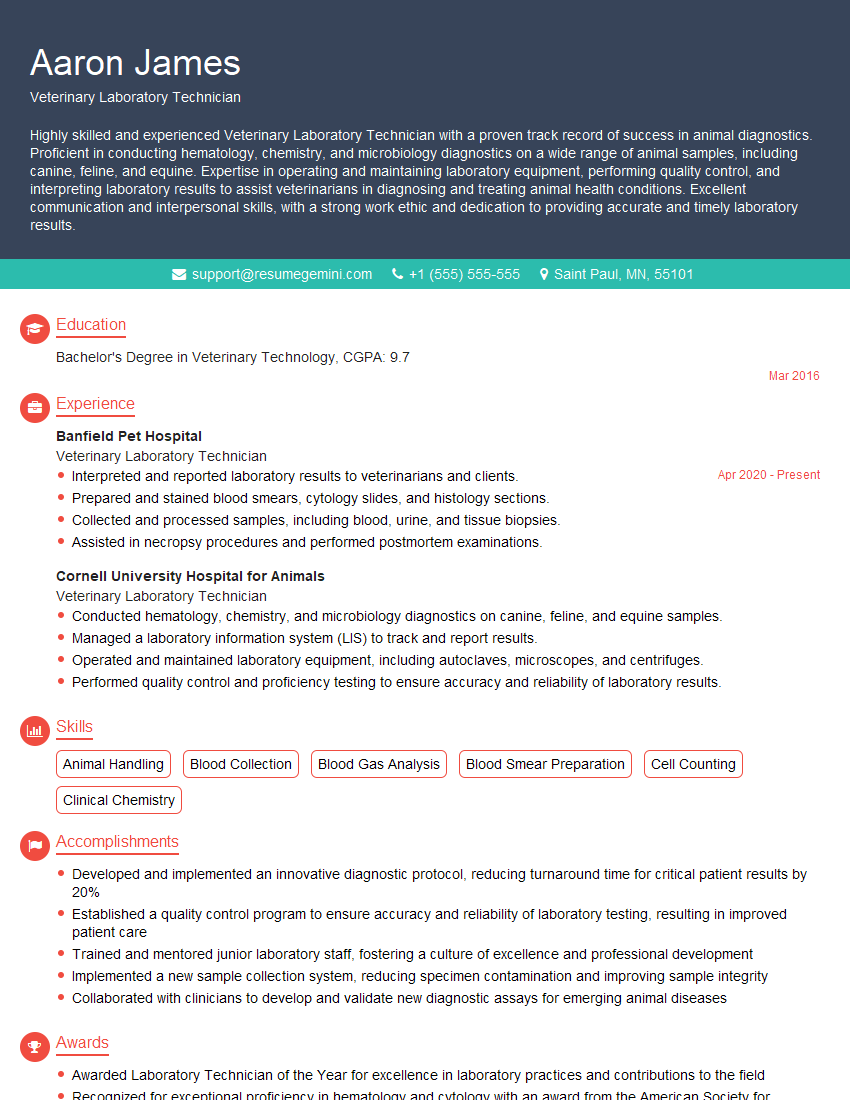
Veterinary Laboratory Technician Resume Sample
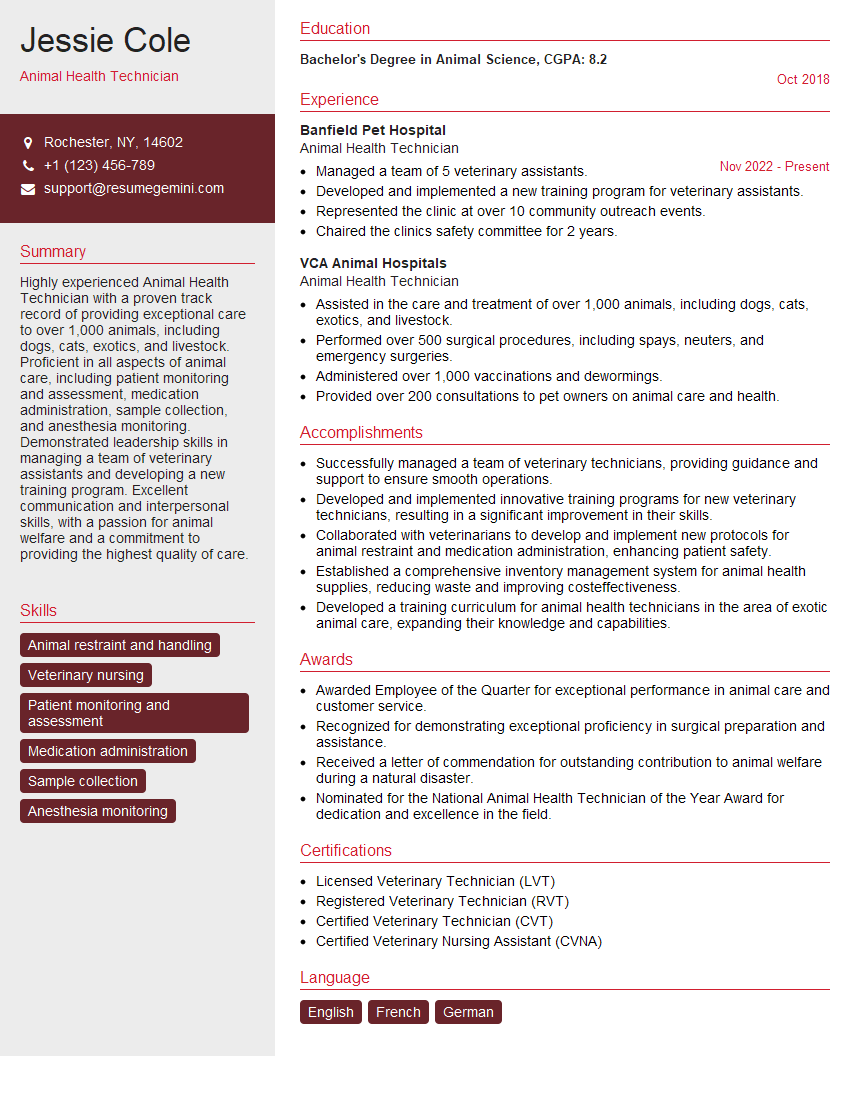
Animal Health Technician Resume Sample
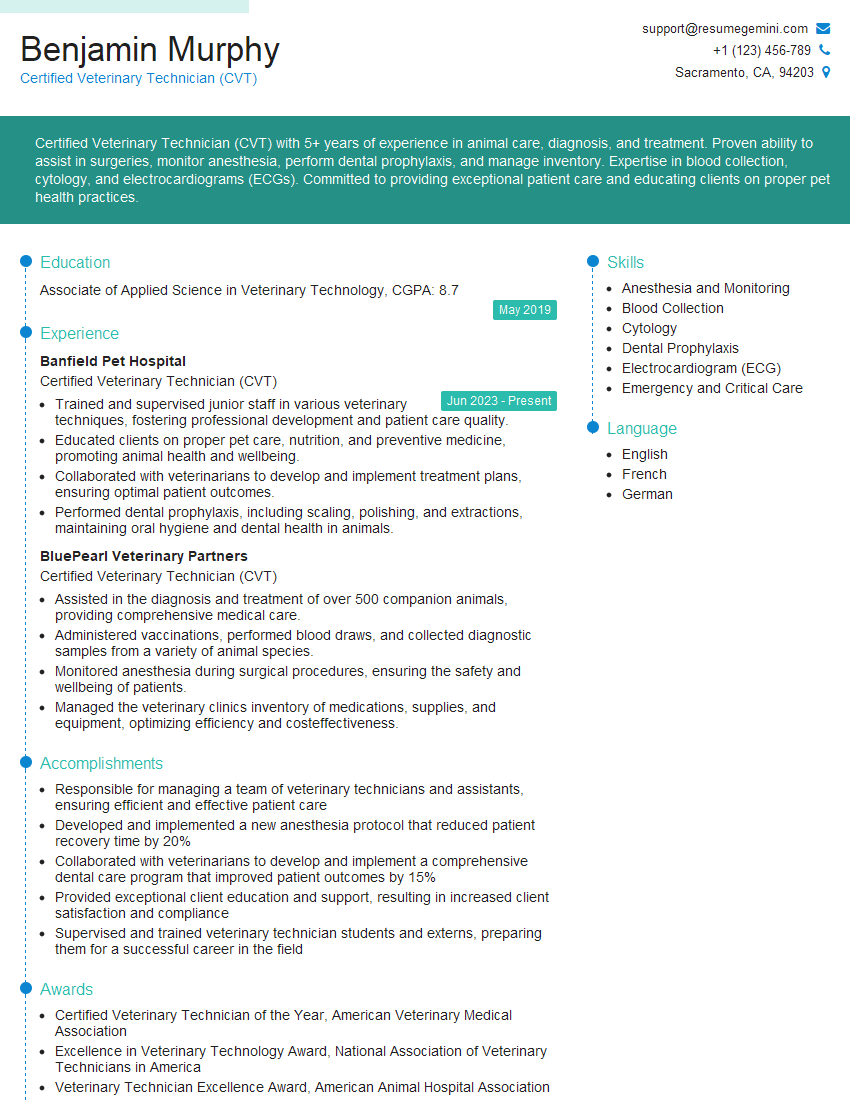
Certified Veterinary Technician (CVT) Resume Sample

Licensed Veterinary Technician (LVT) Resume Sample
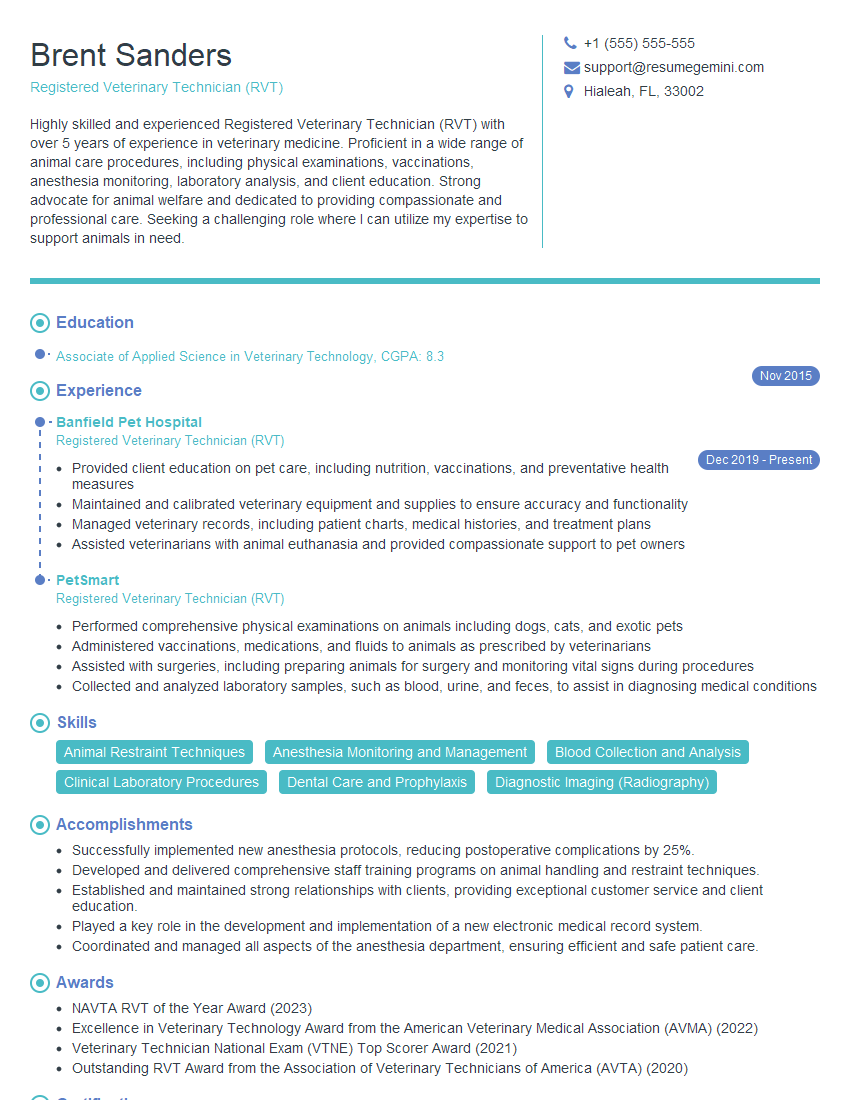
Registered Veterinary Technician (RVT) Resume Sample
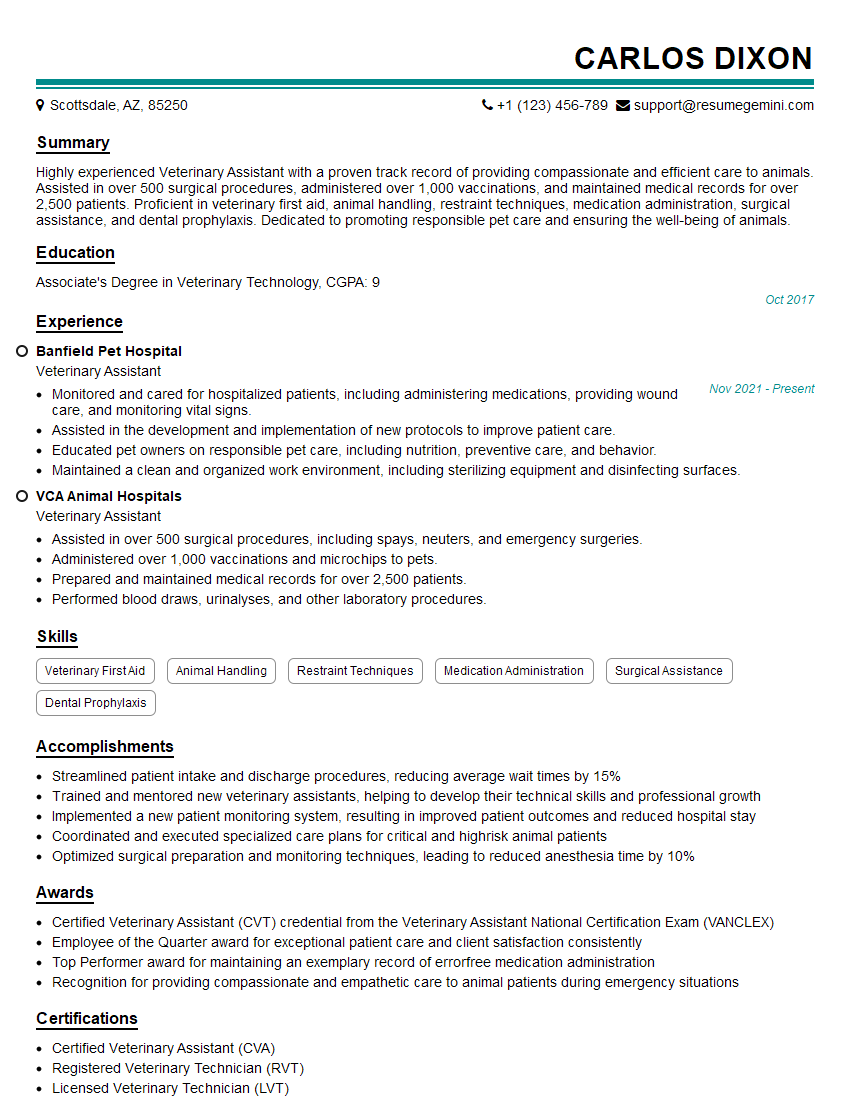
Veterinary Assistant Resume Sample
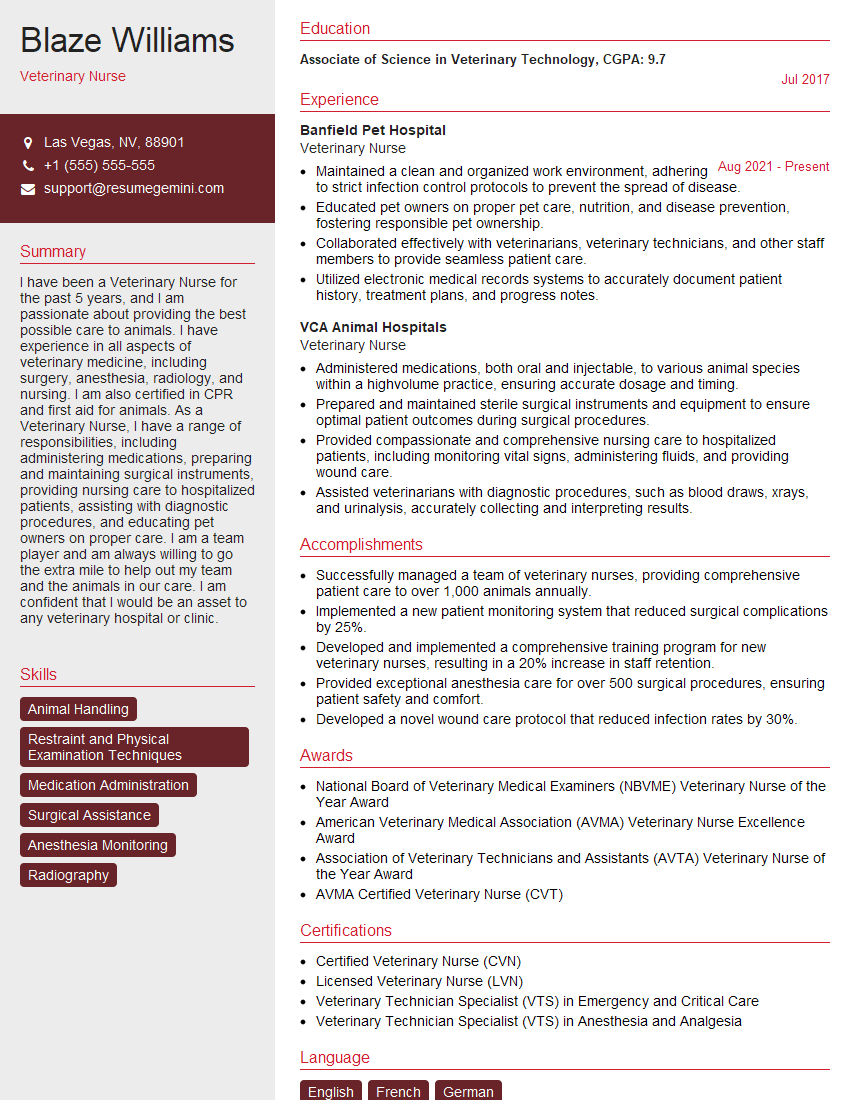
Veterinary Nurse Resume Sample
Explore more articles
Users Rating of Our Blogs
Share Your Experience
We value your feedback! Please rate our content and share your thoughts (optional).
What Readers Say About Our Blog
Very informative content, great job.
good