The thought of an interview can be nerve-wracking, but the right preparation can make all the difference. Explore this comprehensive guide to Volleyball Facility Management interview questions and gain the confidence you need to showcase your abilities and secure the role.
Questions Asked in Volleyball Facility Management Interview
Q 1. What are the key maintenance requirements for a volleyball court?
Maintaining a volleyball court involves a multi-faceted approach focusing on the playing surface, surrounding areas, and equipment. Regular cleaning is paramount. For example, sweeping or vacuuming the court after each use prevents dust and debris buildup. More intensive cleaning, potentially involving a specialized court cleaner, is needed periodically to remove scuff marks and maintain the surface’s integrity.
The type of court surface dictates specific maintenance needs. For instance, hardwood courts require regular polishing and sealing to prevent warping and maintain its playing quality. Synthetic surfaces might need specialized cleaning solutions to remove sticky residues or rubber burn marks from shoes. Net maintenance includes tightening the net regularly, replacing worn-out ropes and checking for tears. Finally, boundary lines need to be regularly inspected and repainted if necessary to ensure clear visibility.
- Regular sweeping/vacuuming
- Periodic deep cleaning with appropriate solutions
- Net and rope inspection and replacement
- Line maintenance and repainting
- Surface-specific treatments (e.g., polishing hardwood floors, cleaning synthetic surfaces)
Q 2. Describe your experience with scheduling volleyball events and leagues.
My experience in scheduling volleyball events and leagues spans over ten years. I’ve managed everything from small, recreational leagues to large-scale tournaments involving multiple teams and age groups. This includes coordinating practice times, game schedules, referee assignments, and ensuring all necessary resources are available at the right time. For instance, I developed a sophisticated scheduling software using Python and a MySQL database to manage leagues with hundreds of players across numerous courts. This allowed for automated conflict resolution, optimized time slot usage, and generated easy-to-read schedules for all participants.
A key component of effective scheduling is clear communication. I actively engage with coaches, players, and officials to understand their needs and constraints, ensuring the schedule is fair and accommodates everyone’s availability as much as possible. I use various communication methods—email, text messaging, and dedicated online portals—to keep everyone informed of schedule updates and any changes. Furthermore, I always have a contingency plan in place to manage unexpected conflicts or cancellations.
Q 3. How do you handle facility bookings and conflicts?
Handling facility bookings and resolving conflicts requires a robust system. I employ a double-booking prevention system with online calendars that are updated in real-time, preventing simultaneous bookings for the same court or space. This system sends out automated notifications to users, confirming their booking and reminding them of their time slot. To address potential conflicts, I have a clearly defined priority system. For example, regularly scheduled leagues always take precedence over one-off bookings, ensuring consistent playtime for league members.
When conflicts arise despite precautions, my approach is proactive and transparent. I communicate with all involved parties to find a mutually agreeable solution, which might include rescheduling, offering alternative facilities, or providing a partial refund if necessary. I maintain detailed records of all bookings and communication, ensuring accountability and transparency throughout the process.
Q 4. What safety protocols do you implement in a volleyball facility?
Safety is paramount in any volleyball facility. We implement a comprehensive safety protocol covering various aspects. First aid kits are readily available throughout the facility with trained personnel knowledgeable in basic first aid and CPR. Regular safety inspections are conducted to identify and address potential hazards, such as uneven flooring, loose equipment, or faulty lighting. Emergency procedures are clearly outlined and regularly communicated to staff and users. Emergency exits are clearly marked, and evacuation drills are conducted periodically.
Furthermore, we ensure that all equipment, including nets, posts, and balls, is in good condition and meets safety standards. We enforce rules about proper footwear, prohibiting hard-soled shoes to prevent damage to the court surface and player injury. We also provide safety guidelines to players, promoting responsible conduct and injury prevention. For instance, warm-up exercises are encouraged before matches, and proper techniques are emphasized to minimize the risk of injuries.
Q 5. Explain your experience managing facility budgets and resources.
My experience managing facility budgets and resources includes developing and adhering to annual budgets, tracking expenses, and optimizing resource allocation. I use budgeting software to track income, expenses, and predict future needs. For example, I created a detailed budget that predicted the cost of needed court resurfacing based on usage data. This allowed me to secure necessary funding well in advance of the work needing to be done.
Resource allocation involves making strategic decisions on how to best utilize available funds and personnel. This includes prioritizing maintenance tasks based on urgency and impact. For instance, repairing damaged equipment takes precedence over cosmetic upgrades. I leverage cost-effective solutions whenever possible without compromising safety or quality. Regularly analyzing usage patterns helps to optimize resource distribution, ensuring maximum efficiency and minimizing waste. Regular reporting to stakeholders keeps them informed of budget performance and identifies areas needing adjustment.
Q 6. How do you ensure the cleanliness and hygiene of a volleyball facility?
Maintaining cleanliness and hygiene is crucial for a healthy and welcoming environment. This includes daily cleaning of the court and surrounding areas, using appropriate cleaning solutions and equipment. Restrooms and locker rooms are cleaned and sanitized regularly, adhering to all health and safety standards. We provide ample hand sanitizer dispensers throughout the facility and encourage players and staff to practice good hygiene habits. Trash receptacles are emptied frequently to prevent build-up of waste.
In addition to regular cleaning, we implement preventative measures to control pests and maintain air quality. We conduct regular pest control treatments and ensure proper ventilation to minimize the risk of airborne contaminants. We also post clear signage reminding users to maintain cleanliness, such as disposing of trash properly and wiping down equipment after use. By combining proactive cleaning and preventative measures, we maintain a clean, healthy, and welcoming atmosphere for everyone.
Q 7. Describe your experience with facility upgrades and renovations.
My experience with facility upgrades and renovations includes planning, managing, and overseeing projects from conception to completion. This begins with identifying the facility’s needs and developing a detailed plan with specific timelines and budgets. I work closely with architects, contractors, and other relevant professionals to ensure the project runs smoothly and according to specifications. For instance, I led a project to replace the outdated lighting system in our facility with energy-efficient LED lighting, resulting in significant cost savings and improved court visibility.
The process includes securing necessary permits, overseeing construction, and ensuring that all work adheres to safety regulations. Throughout the project, I maintain clear communication with all stakeholders, keeping them informed of progress and addressing any concerns promptly. Upon completion, we thoroughly inspect the upgraded facilities to ensure that the work meets the required standards and the space is ready for use. Post-project evaluation helps to identify areas for improvement in future renovations or upgrades.
Q 8. How do you handle emergency situations within a volleyball facility?
Handling emergencies in a volleyball facility requires a proactive and multi-faceted approach. It begins with a well-defined emergency action plan (EAP) that’s regularly reviewed and practiced. This plan should cover everything from minor injuries to major incidents like fires or severe weather.
- First Aid & Immediate Response: We’d ensure readily accessible, well-stocked first-aid kits throughout the facility, and that staff are trained in basic first aid and CPR. Designated personnel would be responsible for immediate response to injuries, while calling emergency services if needed.
- Evacuation Procedures: Clear evacuation routes, marked with signage and illuminated in case of power failure, are crucial. Regular drills help familiarize everyone with the process. We’d have designated assembly points outside the facility.
- Communication Protocols: A system for clear and rapid communication is essential. This might include two-way radios, a public address system, or a mass notification system using text or email alerts. We would test these systems regularly.
- Security Measures: Beyond emergency response, we need robust security measures to prevent incidents. This could include security cameras, controlled access points, and possibly security personnel, especially during large events.
For example, during a recent power outage, our pre-planned procedure ensured a smooth evacuation and efficient communication with emergency services and participants. The post-incident review helped us refine our EAP and reinforce the importance of regular training.
Q 9. What are your strategies for marketing and promoting a volleyball facility?
Marketing a volleyball facility requires a multi-pronged strategy focusing on reaching different target audiences—from recreational players to competitive teams and leagues.
- Online Presence: A professional website and active social media presence (Facebook, Instagram) are essential. High-quality photos and videos showcasing the facility and its activities are crucial. We’d use targeted advertising to reach specific demographics.
- Community Engagement: Building relationships with local schools, clubs, and community organizations is vital. We might offer discounted rates for local teams or sponsor youth events.
- Partnerships: Collaborating with local businesses could offer cross-promotion opportunities. For instance, we could partner with a sports equipment store for joint marketing campaigns.
- Special Events & Promotions: Hosting tournaments, leagues, clinics, or open houses helps build visibility and generate interest. Offering seasonal promotions and discounts can also attract new customers.
- Public Relations: Positive press coverage in local media can significantly boost our facility’s profile. We would proactively engage with local journalists and highlight positive stories.
For instance, our recent partnership with a local sports apparel company resulted in significant exposure for our facility through their social media channels and in-store promotions. This collaboration brought in a wider audience and established brand recognition.
Q 10. How do you manage staff and volunteers in a volleyball facility?
Managing staff and volunteers effectively involves clear roles, open communication, and a supportive environment. We would use a combination of strategies.
- Clear Job Descriptions: Each role should have a detailed job description outlining responsibilities, expectations, and reporting lines.
- Regular Training: Ongoing training on facility operations, customer service, safety procedures, and first aid is essential for both staff and volunteers.
- Effective Communication: Regular meetings, email updates, and a clear communication channel help ensure everyone stays informed.
- Performance Management: We’d establish performance metrics and conduct regular performance reviews to provide feedback and identify areas for improvement.
- Recognition and Appreciation: Acknowledging and rewarding outstanding contributions is crucial to maintaining morale and motivation.
- Volunteer Management System: For volunteers, a dedicated system to manage scheduling, training, and communication would be implemented.
For example, our annual staff retreat fosters teamwork and allows us to gather feedback, enhancing morale and ensuring a collaborative work environment.
Q 11. What is your experience with managing risk and liability in a sports facility?
Risk and liability management in a sports facility is paramount. It involves a proactive approach to identifying, assessing, and mitigating potential hazards.
- Risk Assessment: A thorough risk assessment identifies potential hazards—from equipment malfunctions to slips, trips, and falls. This assessment would be updated regularly.
- Safety Procedures: Implementing and enforcing clear safety procedures, including emergency response protocols and proper equipment usage, is vital. Regular inspections help ensure compliance.
- Insurance Coverage: Adequate insurance coverage protects against potential legal liabilities. This includes general liability, property insurance, and workers’ compensation.
- Waivers and Agreements: Participants should sign waivers acknowledging inherent risks and agreeing to facility rules and regulations.
- Maintenance & Repairs: Regular maintenance and timely repairs prevent equipment malfunctions and reduce the risk of accidents.
- Proper Signage & Warnings: Clear and prominent signage alerts users to potential hazards.
For instance, our regular inspections led to the early detection of a potential tripping hazard in the main playing area. The prompt repair prevented a potential injury and minimized liability risks.
Q 12. Describe your experience with maintaining proper ventilation and climate control in a volleyball facility.
Maintaining proper ventilation and climate control is crucial for player comfort, performance, and overall facility hygiene in a volleyball facility. It requires careful consideration of several factors.
- HVAC System: A well-maintained HVAC system is essential for regulating temperature and humidity levels. Regular servicing and filter changes are vital for optimal performance.
- Air Quality: Proper ventilation ensures fresh air circulation, removing odors and pollutants. We would monitor air quality regularly and use air purifiers if necessary.
- Temperature and Humidity Control: Ideal temperature and humidity levels for volleyball are usually around 70-75°F (21-24°C) and 40-50% humidity. Deviations from these ranges should be addressed promptly.
- Monitoring and Control Systems: Using smart thermostats and sensors allows for efficient monitoring and adjustments of temperature and humidity levels.
- Regular Maintenance: Preventative maintenance of the HVAC system, including filter replacements, duct cleaning, and equipment inspections, is vital for ensuring consistent performance and efficiency.
For instance, we utilize a sophisticated HVAC system with smart sensors that proactively adjusts temperature and humidity levels based on occupancy and external weather conditions, minimizing energy consumption while ensuring optimal playing conditions.
Q 13. How do you ensure compliance with all relevant safety regulations?
Ensuring compliance with safety regulations requires a structured approach encompassing multiple areas.
- Identification of Applicable Regulations: We need to identify all relevant local, state, and national safety regulations specific to sports facilities. This includes fire codes, building codes, accessibility regulations (ADA compliance), and occupational safety and health administration (OSHA) standards.
- Regular Inspections & Audits: Regular inspections by qualified personnel are essential to verify compliance with these regulations. We’d conduct both internal and external audits.
- Documentation and Record Keeping: Meticulous documentation of all inspections, maintenance activities, and safety training sessions is essential for demonstrating compliance.
- Training Programs: Staff and volunteers require regular safety training to familiarize them with safety procedures, emergency response protocols, and relevant regulations.
- Emergency Preparedness: A detailed emergency action plan (EAP) is necessary, covering fire safety, first aid, and evacuation procedures. Regular drills ensure everyone is prepared.
- Addressing Non-Compliance: When issues are identified, prompt corrective actions must be taken to address non-compliance and prevent recurrence.
For example, our annual fire safety inspection identified a minor deficiency in our fire alarm system. We immediately addressed this, ensuring our facility continues to meet all relevant fire safety codes.
Q 14. How do you handle equipment maintenance and repairs?
Equipment maintenance and repairs are crucial for preventing injuries, ensuring optimal playing conditions, and extending the lifespan of equipment. A well-structured system is required.
- Preventative Maintenance Schedule: A comprehensive preventative maintenance schedule covers all equipment, including nets, posts, balls, scoring equipment, and cleaning equipment. This schedule would outline specific tasks and frequency.
- Regular Inspections: Regular inspections identify potential issues before they escalate into major repairs. Inspection checklists help ensure consistency.
- Repair and Replacement Policy: A clear policy outlines procedures for repairing or replacing damaged equipment. This might involve assigning specific responsibilities and documenting repair history.
- Inventory Management: Keeping an accurate inventory of equipment and supplies allows for efficient ordering of replacement parts and materials.
- Qualified Personnel: Assigning personnel responsible for equipment maintenance or engaging qualified contractors ensures proper care and repair.
- Maintenance Logs: Detailed records of all maintenance activities, including dates, repairs performed, and parts replaced, provide valuable information for planning future maintenance and troubleshooting.
For example, our preventative maintenance program allows us to replace worn-out volleyball nets proactively, minimizing the risk of injuries and ensuring consistent game quality. Our detailed logs also assist in future budgeting and purchasing decisions.
Q 15. What software or technology do you use for facility management?
For efficient volleyball facility management, I utilize a suite of integrated software solutions. This typically includes a Computerized Maintenance Management System (CMMS) like UpKeep or Fiix for scheduling maintenance, tracking repairs, and managing preventative measures. This allows us to schedule court resurfacing, net replacements, and equipment servicing proactively. We also use facility scheduling software, such as TeamSnap or CourtReserve, to manage bookings, track usage, and generate reports on court occupancy. Finally, we leverage a Customer Relationship Management (CRM) system, such as Salesforce or HubSpot, to manage customer interactions, feedback, and communication. Integrating these systems ensures data consistency and streamlines our operations. For example, a maintenance request submitted through our booking system automatically gets logged in the CMMS, initiating a workflow for timely completion.
Career Expert Tips:
- Ace those interviews! Prepare effectively by reviewing the Top 50 Most Common Interview Questions on ResumeGemini.
- Navigate your job search with confidence! Explore a wide range of Career Tips on ResumeGemini. Learn about common challenges and recommendations to overcome them.
- Craft the perfect resume! Master the Art of Resume Writing with ResumeGemini’s guide. Showcase your unique qualifications and achievements effectively.
- Don’t miss out on holiday savings! Build your dream resume with ResumeGemini’s ATS optimized templates.
Q 16. How do you handle customer complaints and feedback?
Handling customer complaints and feedback is crucial for maintaining a positive reputation and fostering loyalty. Our process starts with active listening and empathetic acknowledgment of the issue. We use our CRM system to log every complaint, detailing the issue, customer contact information, and the resolution steps taken. We follow a structured approach:
- Immediate response: Acknowledge the complaint within 24 hours and offer a sincere apology.
- Investigation: Thoroughly investigate the root cause of the complaint.
- Resolution: Implement a solution promptly and communicate this back to the customer.
- Follow-up: Check in with the customer to ensure their satisfaction with the resolution.
- Feedback Analysis: Regularly analyze the types of complaints received to identify trends and areas for improvement in our facility operations and services. For example, if we receive multiple complaints about court lighting, we can schedule maintenance or upgrades accordingly.
We also actively solicit feedback through surveys and online reviews, allowing us to proactively address potential issues and enhance our services.
Q 17. Describe your experience with managing contracts with vendors and suppliers.
Managing contracts with vendors and suppliers is a critical aspect of facility management. I ensure transparency and accountability throughout the entire process. This begins with a clear Request for Proposal (RFP) that outlines our specific needs and requirements, followed by a thorough evaluation of bids, considering factors such as price, quality, reputation, and experience. We use a centralized contract management system (often integrated with our CMMS) to store all contracts, track deadlines, and manage performance metrics. Key aspects I focus on include:
- Clear Scope of Work: Ensuring the contract explicitly defines deliverables, timelines, and responsibilities.
- Payment Terms: Establishing clear and fair payment schedules and methods.
- Performance Monitoring: Regularly monitoring vendor performance against contract terms and using key performance indicators (KPIs) to assess progress.
- Conflict Resolution: Establishing clear processes for addressing any disputes or issues.
For instance, when contracting for court maintenance, we outline the specific type of cleaning products, frequency of cleaning, and the expected quality of work. We also include clauses on liability and insurance.
Q 18. How do you track and analyze facility usage data?
Tracking and analyzing facility usage data is essential for optimizing operations and resource allocation. Our scheduling software provides detailed reports on court bookings, occupancy rates, peak usage times, and customer demographics. We also use sensor technology, such as occupancy sensors and smart meters, to collect real-time data on energy consumption and facility usage patterns. This data is then analyzed to identify trends, optimize scheduling, and improve resource allocation.
For example, if we observe consistently high occupancy during evening hours on weekdays, we can adjust our staffing schedules or consider expanding our operating hours. Analysis of energy consumption data helps identify areas for improvement in energy efficiency. Data visualization tools allow us to represent this information clearly, enabling informed decision-making. For instance, creating a chart showing court usage across different days of the week gives us valuable insights into peak times, and this can inform our marketing efforts or help us determine when additional staff may be needed.
Q 19. How do you ensure the accessibility of the facility for people with disabilities?
Ensuring accessibility for people with disabilities is paramount. We adhere strictly to the Americans with Disabilities Act (ADA) guidelines and relevant local regulations. This includes:
- Wheelchair accessibility: Providing ramps, wide doorways, accessible restrooms, and designated parking spaces.
- Assistive listening systems: Installing systems to improve sound quality for individuals with hearing impairments.
- Accessible signage: Using clear and legible signage that meets ADA standards.
- Accessible equipment: Ensuring that all equipment, including nets and scoreboards are appropriately positioned and functional for individuals with disabilities.
- Trained Staff: Providing training to our staff on how to best assist individuals with disabilities.
Regular audits are conducted to ensure ongoing compliance. We continuously strive to create an inclusive environment, making our facility welcoming and usable for everyone.
Q 20. What are your strategies for improving energy efficiency in a volleyball facility?
Improving energy efficiency in a volleyball facility involves a multi-pronged approach. We focus on both operational changes and technological upgrades.
- LED Lighting: Replacing traditional lighting with energy-efficient LED lights significantly reduces energy consumption.
- Smart thermostats: Implementing smart thermostats allows for precise temperature control and reduces heating and cooling costs.
- Optimized HVAC systems: Regular maintenance and upgrades to HVAC systems improve efficiency and reduce energy waste.
- Motion Sensors: Using motion sensors to control lighting in areas with infrequent use further reduces energy consumption.
- Energy Audits: Conducting regular energy audits helps identify areas for improvement and track progress towards efficiency goals.
For example, by switching to LED lighting, we’ve observed a significant decrease in our monthly electricity bill. We also educate staff and users on energy-saving practices, such as turning off lights and equipment when not in use.
Q 21. Describe your experience with conducting regular facility inspections.
Regular facility inspections are crucial for preventing issues and maintaining a safe and functional environment. We have a structured inspection program that includes:
- Daily inspections: Staff conduct daily walkthroughs to identify any immediate issues, such as spills, damaged equipment, or safety hazards.
- Weekly inspections: More thorough inspections are carried out weekly, focusing on areas like court surfaces, lighting, and HVAC systems.
- Monthly inspections: Monthly inspections cover a wider range of equipment and systems, including fire safety equipment, emergency exits, and accessibility features.
- Annual inspections: Annual inspections are more comprehensive, involving specialized inspections for structural integrity, electrical systems, and other critical aspects of the facility.
All inspection findings are documented using our CMMS, creating a detailed record of maintenance needs and preventative actions. This data helps us prioritize repairs, schedule maintenance, and allocate resources effectively. Regular inspections ensure the longevity and safety of our facility, minimizing potential hazards and maximizing its usability.
Q 22. How do you prioritize maintenance tasks based on urgency and importance?
Prioritizing maintenance tasks involves a structured approach combining urgency and importance. Think of it like a hospital triage system – life-threatening issues get immediate attention, while less critical ones are scheduled.
I use a matrix system. One axis represents urgency (Immediate, High, Medium, Low), the other importance (Critical, High, Medium, Low). Each task is plotted on this matrix. For example, a broken scoreboard during a crucial game is ‘Immediate/Critical,’ while repainting the locker room is ‘Low/Medium.’ This system allows me to effectively allocate resources and prioritize tasks based on their potential impact and time sensitivity.
- Immediate/Critical: Court damage causing injury risk, major equipment failure.
- High/Critical: Failing HVAC system in peak season, significant lighting issues affecting visibility.
- Medium/High: Minor court repairs, cleaning and sanitizing, updating safety signage.
- Low/Medium: Cosmetic repairs, preventative maintenance (lubricating hinges).
Q 23. How do you handle unexpected repairs or breakdowns?
Unexpected repairs are handled swiftly and efficiently using a pre-established protocol. Imagine a fire drill – everyone knows their role. We have a list of pre-screened, reliable contractors specializing in various facility aspects (electrical, plumbing, HVAC). Upon a breakdown, I first assess the situation’s severity and safety implications. Then, I contact the relevant contractor, providing detailed information. Communication with users about the issue and estimated downtime is crucial. Proper documentation of the incident, repair process, and costs is vital for future reference and insurance claims.
For example, if a lighting fixture fails during a match, safety is paramount. We’ll immediately stop play, secure the area, and then contact an electrician, aiming for the fastest possible repair to minimize disruption. Post-incident, a thorough inspection ensures similar issues are prevented.
Q 24. What is your experience with different types of volleyball court surfaces?
My experience encompasses various volleyball court surfaces, each with its pros and cons. Think of it like choosing the right shoe for a specific activity – the surface must suit the game’s demands.
- Hardwood: Provides excellent ball bounce consistency, superior playing characteristics, but requires specialized maintenance (sanding, finishing) and is expensive.
- Synthetic: More affordable and low-maintenance than hardwood, offers good durability and consistent play, but might not provide the same feel or bounce.
- Sport Tiles: Modular, easy to install and repair, making them adaptable to different facility layouts. Offer various levels of performance depending on the material and thickness. They can be more prone to damage.
Choosing the right surface involves balancing budget, desired playing characteristics, and expected usage intensity. For instance, a high-school gym might opt for synthetic surfaces for durability and cost-effectiveness, while a professional arena will prioritize a high-quality hardwood floor for optimal playability.
Q 25. How do you ensure the proper lighting and sound systems are maintained?
Maintaining proper lighting and sound systems is vital for both player performance and spectator experience. Think of it as the stagecraft of a sporting event – everything must be perfectly illuminated and audibly clear.
We conduct regular inspections, preventative maintenance (cleaning, testing functionality), and prompt repairs. For lighting, we ensure adequate illumination levels across the court, meeting official volleyball standards. We use energy-efficient LED lighting where possible. For sound, we regularly check the public address system, ensuring clarity and volume are suitable for various events. We also have plans to mitigate potential sound issues such as excessive noise or feedback.
Preventative measures, like cleaning lights regularly to maintain optimal brightness and ensuring proper cable management to prevent system failure, are extremely important to keep maintenance costs down.
Q 26. What are your strategies for improving the overall user experience in the facility?
Improving user experience requires a holistic approach – from the moment they enter the facility to their departure. Think of it like creating a positive customer journey.
- Cleanliness and Comfort: Regular cleaning, well-maintained restrooms, comfortable seating, and climate control contribute significantly.
- Accessibility: Ensuring ADA compliance, clear signage, and easy navigation are key.
- Amenities: Providing concessions, water fountains, and convenient parking enhances the overall experience.
- Communication: Clear scheduling information, effective communication channels (website, app), and responsive customer service are essential.
- Feedback Mechanisms: Implementing surveys and feedback forms allows for continuous improvement.
For example, providing free Wi-Fi, offering comfortable seating areas outside the court, and implementing online booking systems contribute to a modern, user-friendly experience.
Q 27. How familiar are you with ADA compliance guidelines for sports facilities?
I am very familiar with ADA (Americans with Disabilities Act) compliance guidelines for sports facilities. This involves ensuring accessibility for individuals with disabilities. Think of it as creating an inclusive environment for all.
My understanding includes provisions for: accessible entrances and exits, ramps and elevators, accessible restrooms, appropriate seating areas, clear signage with braille and large print, and appropriate space for wheelchairs. Regular audits are conducted to ensure compliance. We also strive to make the facility user-friendly for people with a wide range of needs, such as providing visual aids and accessible technology. We use professional resources to ensure we meet all requirements.
Q 28. How would you approach resolving a dispute between users of the facility?
Resolving disputes requires a calm, neutral approach. Think of it as mediating a disagreement between friends – fairness and understanding are essential.
My approach involves: listening carefully to all parties involved, establishing the facts of the situation, identifying the root cause of the conflict, and exploring mutually agreeable solutions. Documentation of the dispute, the resolution process, and the agreed-upon outcome is crucial. If a resolution cannot be reached amicably, I escalate the issue to the appropriate management level, following established protocols. Fairness and impartiality are critical to maintaining a positive and welcoming environment for all users.
Key Topics to Learn for Your Volleyball Facility Management Interview
- Facility Maintenance & Operations: Understanding preventative maintenance schedules, budgeting for repairs, and managing vendor relationships for court maintenance, HVAC systems, and lighting.
- Safety & Risk Management: Developing and implementing safety protocols, conducting regular inspections to identify hazards, and managing emergency procedures for injuries and facility emergencies. Practical application: Creating a detailed safety checklist for daily operations.
- Event Management & Scheduling: Optimizing facility scheduling for practices, games, and tournaments. This includes managing bookings, coordinating with various user groups, and ensuring efficient resource allocation.
- Budgeting & Financial Management: Creating and managing facility budgets, tracking expenses, and reporting on financial performance. Understanding revenue streams and cost-control strategies.
- Staff Management & Training: Supervising and training facility staff, ensuring compliance with safety regulations, and fostering a positive and productive work environment. This includes scheduling, performance reviews, and conflict resolution.
- Equipment Management & Inventory: Maintaining an inventory of facility equipment, ensuring proper storage and maintenance of nets, balls, scoreboards, and other essential items. Implementing a system for tracking equipment and ordering replacements.
- Customer Service & Communication: Providing excellent customer service to users of the facility, effectively communicating with coaches, athletes, parents, and other stakeholders. Handling complaints and resolving issues professionally.
- Legal Compliance & Regulations: Understanding and adhering to all relevant safety regulations, ADA compliance, and local ordinances related to facility operation.
- Technology & Data Management: Utilizing facility management software to track bookings, maintenance, and other key data. Understanding the application of technology to improve efficiency and decision-making.
Next Steps
Mastering Volleyball Facility Management opens doors to exciting career opportunities with increasing responsibility and earning potential. A strong resume is crucial for showcasing your skills and experience to potential employers. Creating an ATS-friendly resume is key to getting your application noticed. ResumeGemini is a trusted resource to help you build a professional, impactful resume that highlights your unique qualifications. They offer examples of resumes tailored specifically to Volleyball Facility Management, ensuring your application stands out.

Operations Manager Resume Sample
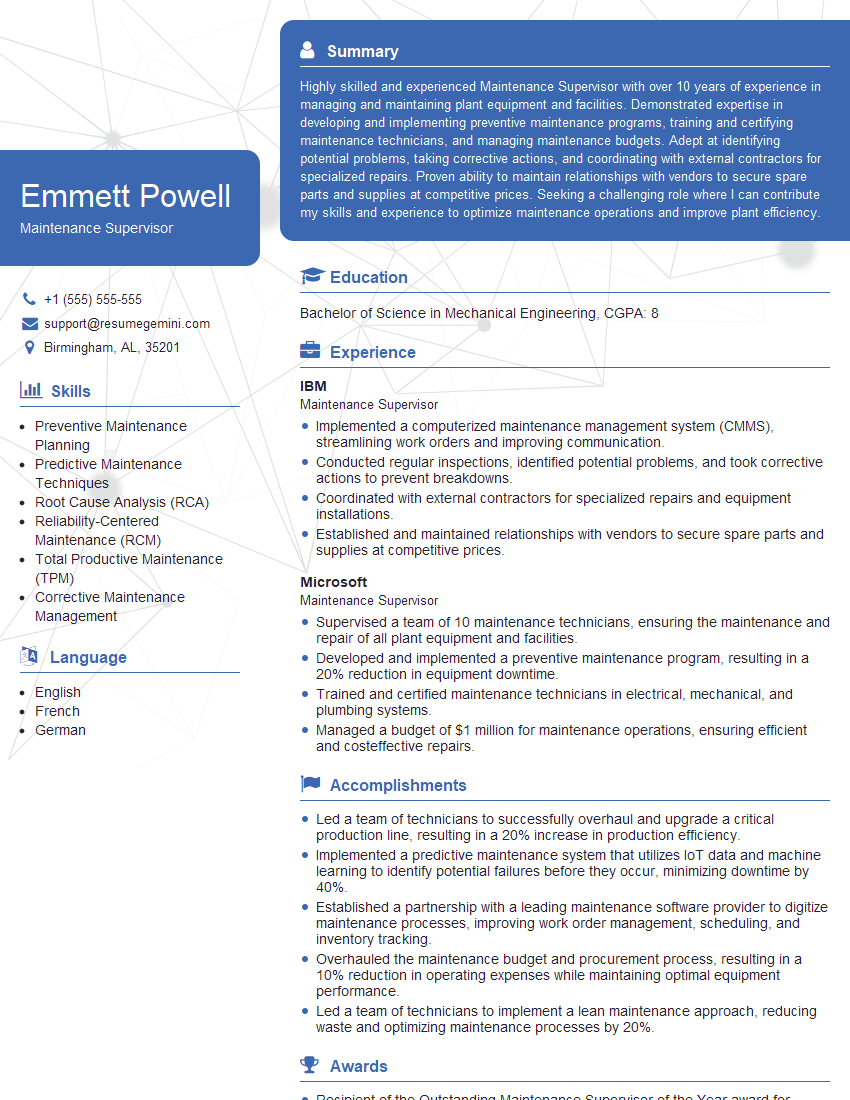
Maintenance Supervisor Resume Sample
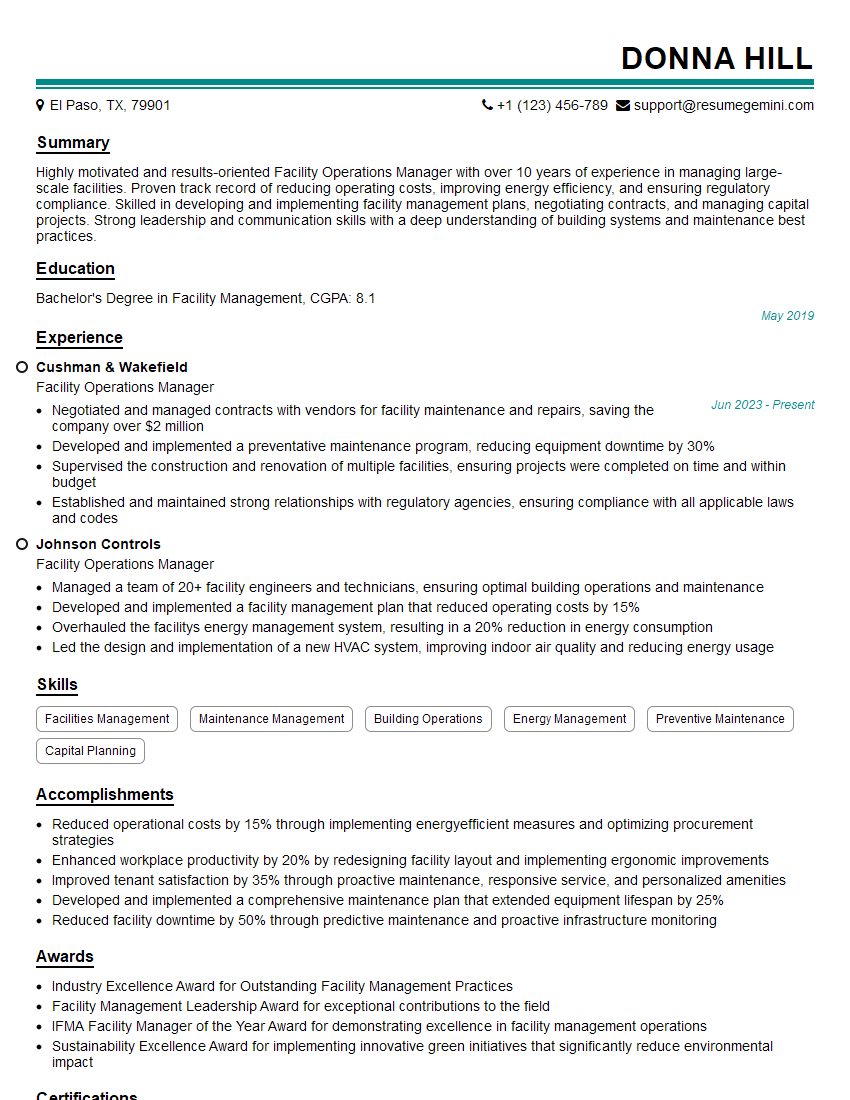
Facility Operations Manager Resume Sample
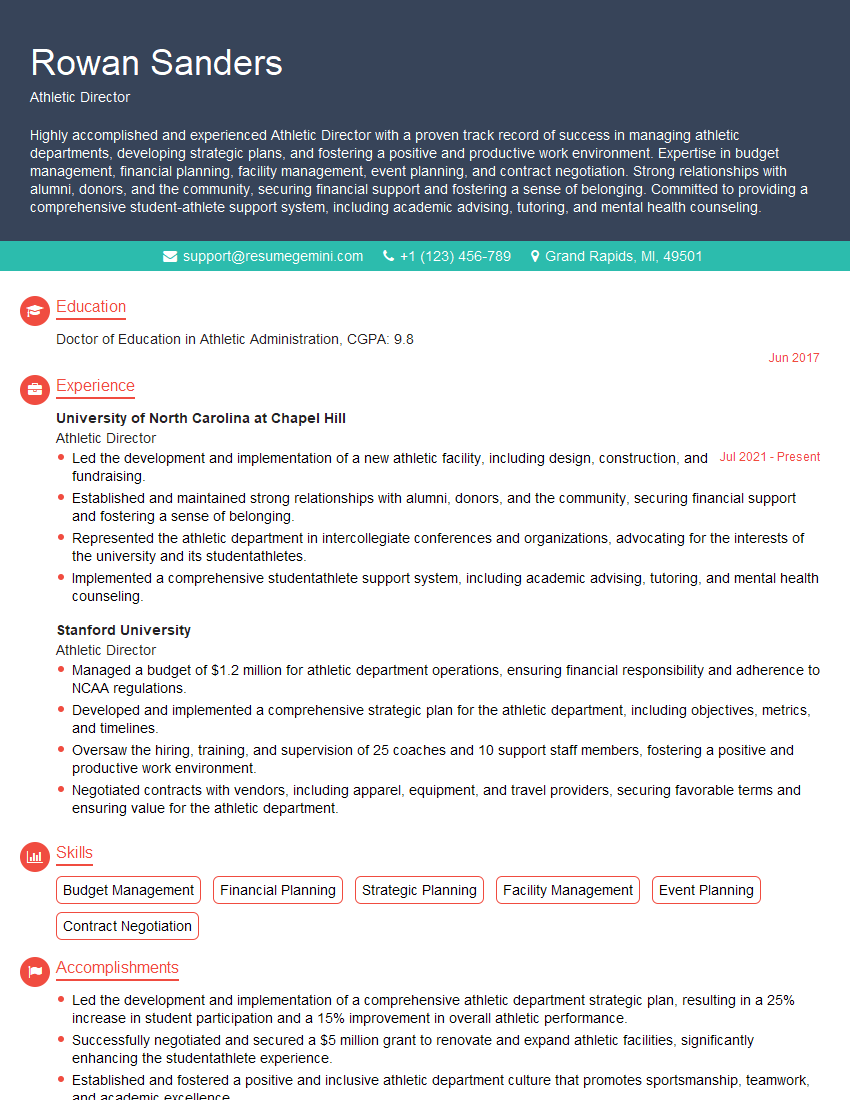
Athletic Director Resume Sample
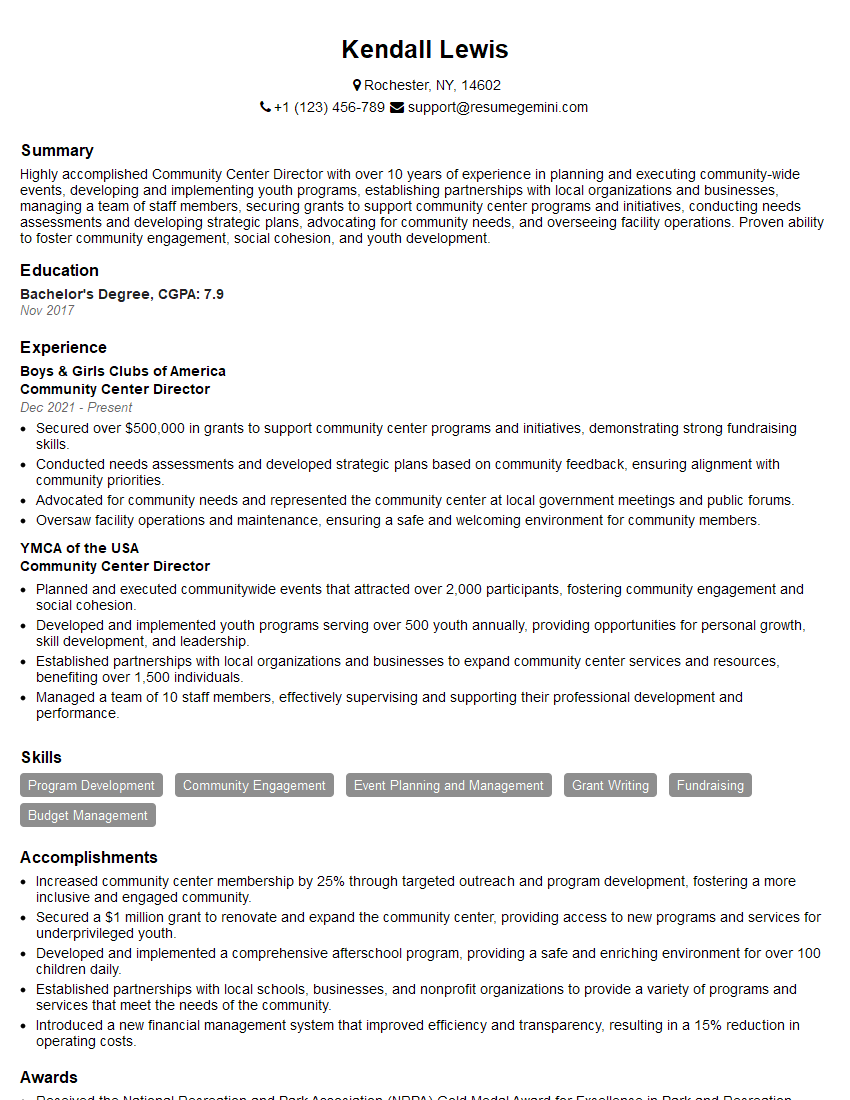
Community Center Director Resume Sample
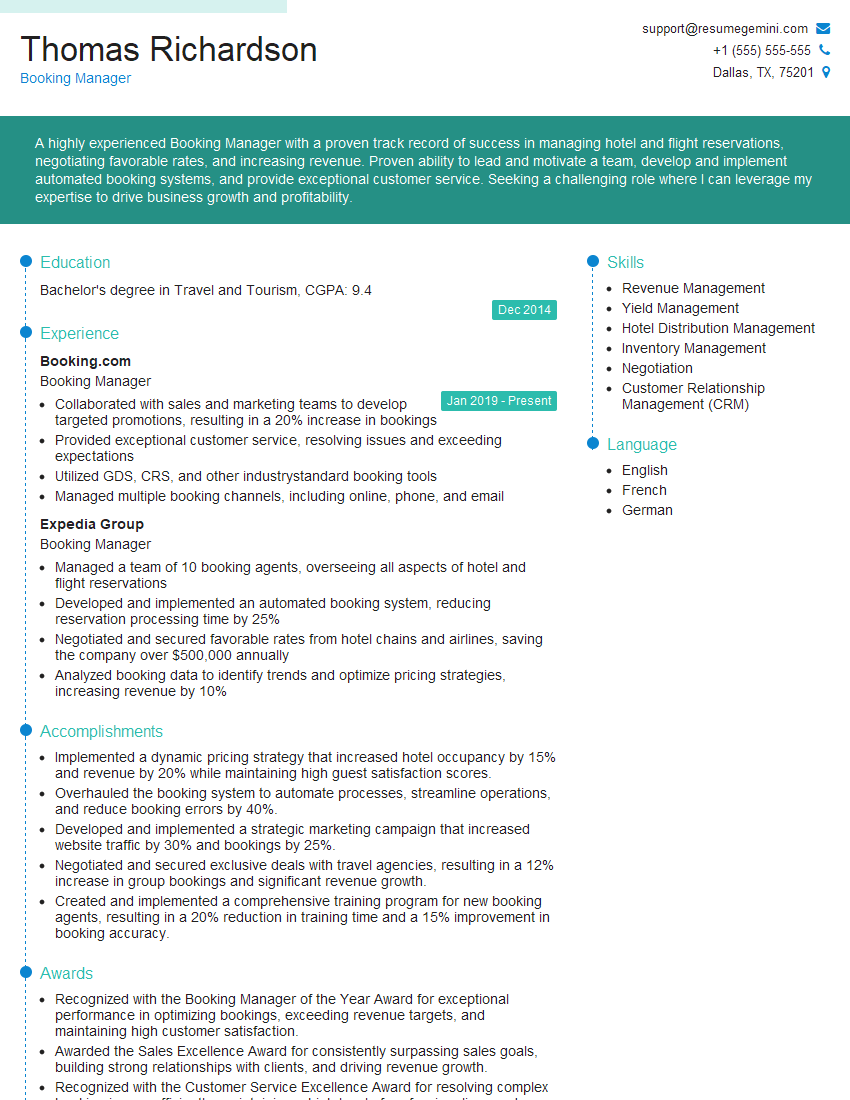
Booking Manager Resume Sample

Scheduling Coordinator Resume Sample

Risk Management Specialist Resume Sample
Explore more articles
Users Rating of Our Blogs
Share Your Experience
We value your feedback! Please rate our content and share your thoughts (optional).
What Readers Say About Our Blog
Very informative content, great job.
good