The thought of an interview can be nerve-wracking, but the right preparation can make all the difference. Explore this comprehensive guide to Wastewater Treatment Plant Design and Operation interview questions and gain the confidence you need to showcase your abilities and secure the role.
Questions Asked in Wastewater Treatment Plant Design and Operation Interview
Q 1. Explain the Activated Sludge Process and its key parameters.
The Activated Sludge Process is a widely used biological wastewater treatment method. Imagine it as a miniature ecosystem where microorganisms feast on the pollutants in your wastewater. It involves aerating wastewater in a tank (the aeration basin) to promote the growth of these beneficial bacteria and other microorganisms. These organisms consume organic matter, reducing the pollutants’ level. The mixture of wastewater and microorganisms is called ‘activated sludge’. After the aeration, the sludge is separated from the treated water in a clarifier, a large settling tank. The clarified water, now cleaner, is discharged, while the settled sludge is partly recycled back to the aeration basin to maintain a healthy microbial population and partly sent for further treatment or disposal.
Key parameters monitored include:
- Dissolved Oxygen (DO): Crucial for aerobic microbial activity. We aim for a specific DO range to ensure optimal bacterial growth and pollutant removal. Too low, and the process slows down; too high, and it’s wasteful.
- Mixed Liquor Suspended Solids (MLSS): This indicates the concentration of microorganisms in the aeration basin. A healthy MLSS range is essential for effective treatment. Too low, and there aren’t enough organisms; too high, and it can lead to sludge bulking.
- Mixed Liquor Volatile Suspended Solids (MLVSS): This measures the active biomass in the MLSS. It helps distinguish between living organisms and inert solids.
- Sludge Retention Time (SRT): The average time the sludge remains in the system. SRT dictates the age of the biomass and influences the effectiveness of nutrient removal.
- Food to Microorganism Ratio (F/M): The ratio of influent organic matter to the biomass concentration. This parameter helps to balance the food supply for the microorganisms; a proper F/M ratio is key to achieving efficient treatment.
- Return Activated Sludge (RAS) rate: The rate at which settled sludge is recycled back to the aeration basin.
Understanding and carefully managing these parameters is crucial for optimal performance.
Q 2. Describe the different types of wastewater treatment processes and their applications.
Wastewater treatment involves several processes, each serving a specific purpose. Think of it as a multi-stage cleaning process for dirty water. These processes can be categorized as:
- Preliminary Treatment: This removes large debris like sticks and rags through screens and grit chambers. Imagine a pre-filter for your water cleaning process.
- Primary Treatment: This involves settling out larger suspended solids in sedimentation tanks (primary clarifiers). This step is like letting the water settle so that heavier particles fall to the bottom.
- Secondary Treatment: This is where biological processes, like the Activated Sludge Process described earlier, break down dissolved organic matter. This stage is the heart of the process, where the microscopic cleanup crew gets to work.
- Tertiary Treatment: This further polishes the effluent (treated water), removing nutrients like nitrogen and phosphorus, or reducing pathogens through disinfection (e.g., using chlorine or UV). This is the final ‘polish’ for a sparkling clean effluent.
- Advanced Treatment: This applies to specific situations where even stricter effluent standards need to be met, often involving processes such as membrane filtration or advanced oxidation processes.
The choice of processes depends on factors like the wastewater characteristics, regulatory requirements, and budget constraints. For example, a small residential community might only need primary and secondary treatment, while an industrial facility might require advanced treatment to meet stringent discharge standards.
Q 3. How do you troubleshoot a malfunctioning clarifier?
Troubleshooting a malfunctioning clarifier involves a systematic approach. Imagine it like diagnosing a car problem – you start with the basics and work your way through potential causes.
- Observe the Clarifier: Check for obvious issues like excessive sludge buildup (indicating poor settling), floating sludge (indicating denitrification issues or poor flocculation), or short-circuiting (water bypassing the settling zone).
- Check Operational Parameters: Review the influent and effluent flow rates, MLSS, SRT, and other relevant parameters. Deviations from normal ranges can point towards specific issues.
- Inspect Mechanical Components: Examine the sludge scrapers, skimmers, and other mechanical components for proper operation and wear. Malfunctioning equipment can significantly affect clarifier performance.
- Analyze Sludge Characteristics: If poor settling is an issue, analyze the sludge for factors like its settling velocity, bulking (filamentous bacteria), or the presence of toxic substances.
- Review Process Chemistry: Consider factors like pH, alkalinity, and nutrient levels in the influent and the activated sludge. Imbalances in these parameters can affect clarifier performance.
- Consult Data Logs: Analyze historical data to see if the issue is recent or if it represents a gradual decline in performance.
Addressing the root cause requires specific actions depending on the identified problem, such as adjusting operational parameters, replacing damaged equipment, improving flocculation, or adjusting the activated sludge process parameters.
Q 4. What are the common causes of sludge bulking and how are they addressed?
Sludge bulking, where the sludge fails to settle properly, is a common problem in activated sludge plants. Imagine the sludge as a well-organized army, and bulking is like them suddenly becoming disorganized and refusing to settle down.
Common causes include:
- Filamentous Bacteria Growth: Certain filamentous bacteria can dominate the microbial community under specific conditions, leading to a fluffy sludge that doesn’t settle well. This is often due to changes in the F/M ratio, DO levels, or nutrient imbalances.
- Toxic Substances: The presence of toxic substances in the influent can inhibit the normal growth and settling of microorganisms.
- Nutrient Deficiencies: Lack of essential nutrients, like phosphorus, can disrupt microbial balance and lead to bulking.
- Poor Mixing in the Aeration Basin: Insufficient mixing can result in zones with different DO concentrations and microbial populations, affecting sludge settling.
Addressing sludge bulking requires identifying the root cause. Strategies include:
- Adjusting Operational Parameters: Altering the SRT, F/M ratio, DO concentration, and wasting strategies can favor the growth of settling bacteria over filamentous organisms.
- Chemical Treatment: Adding chemicals such as polymers can improve flocculation and settling.
- Wastewater Characterization: Determining if there are toxic substances in the influent and implementing measures to reduce or eliminate them.
- Improved Mixing: Ensuring adequate mixing within the aeration basin.
Q 5. Explain the importance of dissolved oxygen control in activated sludge.
Dissolved oxygen (DO) control is paramount in the activated sludge process because it dictates the type of microbial activity. Aerobic bacteria, which are vital for breaking down organic matter, require oxygen for their metabolic processes. Think of oxygen as the fuel for this microbial cleanup crew.
Insufficient DO levels lead to anaerobic conditions, where different (and often less efficient) bacteria thrive. This results in lower pollutant removal rates, the production of foul-smelling gases, and potential sludge bulking. Maintaining appropriate DO levels, however, ensures optimal microbial growth and effective pollutant removal.
DO is continuously monitored and controlled by adjusting aeration rates. Sophisticated control systems can automatically manage aeration based on real-time DO measurements. Careful monitoring and control are essential for efficient and effective wastewater treatment.
Q 6. Describe the role of a biological nutrient removal process (BNR).
A Biological Nutrient Removal (BNR) process is an advanced wastewater treatment method aimed at removing nitrogen and phosphorus, major sources of water pollution. These nutrients, although essential for plant growth, can cause eutrophication in receiving waters, leading to algal blooms and oxygen depletion. Imagine a BNR process as a specialized cleanup team that targets these specific pollutants.
BNR typically involves several processes, including:
- Anoxic Zone: A zone with low or no dissolved oxygen where denitrification occurs (conversion of nitrate to nitrogen gas). Imagine this as a zone where bacteria break down nitrates into harmless nitrogen gas.
- Aerobic Zone: The typical activated sludge zone, where organic matter is oxidized and phosphorus is removed through biological processes.
- Phosphorous Removal: The process often involves the use of anaerobic/anoxic/aerobic zones, or chemical treatment to enhance phosphorous removal.
By strategically manipulating the DO levels and microbial communities, BNR processes effectively remove nitrogen and phosphorus, leading to a higher quality effluent and protecting receiving water bodies.
Q 7. How do you monitor and control the effluent quality of a WWTP?
Monitoring and controlling the effluent quality of a WWTP is crucial to ensure compliance with environmental regulations and protect receiving water bodies. It’s like a final quality check before releasing the cleaned water back into the environment.
Monitoring involves regularly testing the effluent for various parameters including:
- Biochemical Oxygen Demand (BOD): Measures the amount of oxygen required by microorganisms to break down organic matter.
- Chemical Oxygen Demand (COD): Measures the total amount of organic matter present.
- Suspended Solids (SS): Measures the concentration of solid particles in the water.
- Nitrogen (Ammonia, Nitrate): Measures the concentration of nitrogen compounds.
- Phosphorus: Measures the concentration of phosphorus compounds.
- pH: Measures the acidity or alkalinity of the water.
- Pathogens: Measures the number of harmful bacteria or viruses.
Control involves adjusting process parameters (e.g., aeration, SRT, chemical addition) based on monitoring data to maintain effluent quality within acceptable limits. Automated control systems are frequently employed to optimize treatment performance and ensure continuous compliance.
Regular reporting and record-keeping of monitoring results are essential for demonstrating compliance and identifying potential issues or trends that could impact effluent quality.
Q 8. What are the key design considerations for a new wastewater treatment plant?
Designing a new wastewater treatment plant (WWTP) requires careful consideration of numerous factors to ensure efficient, reliable, and environmentally sound operation. Key aspects include:
- Influent characteristics: Understanding the volume, composition (domestic vs. industrial), and variability of the wastewater is paramount. This dictates the size and type of treatment units needed.
- Treatment objectives: Discharge permits define the required effluent quality. This determines the level of treatment (primary, secondary, tertiary) and the specific technologies employed (e.g., activated sludge, membrane bioreactors).
- Site conditions: Topography, soil type, availability of land, and proximity to utilities greatly influence the plant layout and infrastructure requirements. For example, a site with limited space might necessitate a more compact design with vertical flow clarifiers.
- Future capacity: Designing for future growth is crucial. Over-designing is costly, but under-designing can lead to premature obsolescence and expensive upgrades. Modular design can facilitate future expansion.
- Energy efficiency: WWTPs consume significant energy. Energy-efficient technologies, such as low-energy aeration systems and anaerobic digestion, are essential for minimizing operating costs and environmental impact.
- Cost-effectiveness: Balancing capital and operating costs is critical. A life-cycle cost analysis helps optimize the design for long-term economic viability.
- Environmental considerations: Minimizing the environmental footprint is a key priority. This includes managing sludge disposal, minimizing greenhouse gas emissions, and protecting sensitive ecosystems.
For example, in a project I worked on, we incorporated a constructed wetland for tertiary treatment, reducing energy consumption and enhancing the aesthetic appeal of the plant.
Q 9. Explain the function of a grit chamber and its design aspects.
A grit chamber removes inorganic materials like sand, gravel, and grit from wastewater. These materials can damage pumps and other equipment downstream. The design focuses on creating conditions where heavier particles settle out while allowing organic matter to flow through.
- Flow velocity control: The flow is slowed to allow grit to settle. This is usually achieved using a specific flow velocity design criteria. Too slow, and organic matter settles; too fast, and grit washes through. Aerated grit chambers use air to further enhance settling.
- Sedimentation: The settled grit collects at the bottom of the chamber and is removed periodically. This can be done manually (in smaller plants) or automatically using a scraper mechanism.
- Shape and dimensions: Rectangular or circular shapes are common. The length and width are designed to achieve the target settling velocity. Depth is generally sufficient to provide adequate settling time.
- Grit removal: Grit is removed using various methods, including airlifts, screw conveyors, or hydraulic flushing. The removed grit needs to be properly dewatered and disposed of or potentially recycled if suitable.
In one project, we employed an aerated grit chamber which proved more efficient at removing finer grit particles, reducing the load on downstream processes. This solution was carefully chosen after modelling the system’s hydraulics and particle settling characteristics.
Q 10. Describe the process of disinfection in wastewater treatment.
Disinfection is the final stage of wastewater treatment, eliminating harmful pathogens such as bacteria, viruses, and protozoa to protect public health and the environment. Common methods include:
- Chlorination: The most common method, using chlorine gas, hypochlorite solutions, or chlorine dioxide. It’s effective but generates disinfection by-products (DBPs) which can be harmful. Careful monitoring and optimization is essential.
- Ultraviolet (UV) disinfection: UV radiation damages the DNA of microorganisms, rendering them inactive. It’s environmentally friendly, generating no DBPs, but it’s less effective against some resistant pathogens and requires clear water for efficient penetration.
- Ozone disinfection: Ozone is a powerful oxidant that effectively inactivates pathogens. However, it’s expensive, requires on-site generation, and can be less stable than chlorine.
- Other methods: Less commonly used methods include chloramines, peracetic acid, and advanced oxidation processes.
The choice of disinfection method depends on factors like effluent quality, regulatory requirements, cost considerations, and the presence of potential DBP formation.
For instance, in a coastal community where stringent regulations exist regarding DBPs, UV disinfection might be the preferred choice despite its higher initial capital cost.
Q 11. What are the different types of sludge treatment methods?
Sludge treatment methods aim to reduce the volume and stabilize the organic matter in sludge produced during wastewater treatment, making it safe for disposal or beneficial reuse.
- Thickening: Concentrates the sludge to reduce its volume, typically using gravity thickening, flotation, or centrifugation.
- Anaerobic digestion: Microorganisms break down organic matter in the absence of oxygen, producing biogas (methane and carbon dioxide) which can be used for energy generation. This process significantly reduces sludge volume and stabilizes it.
- Aerobic digestion: Similar to anaerobic digestion, but occurs in the presence of oxygen. It produces less biogas but requires more energy.
- Dewatering: Removes water from the sludge, further reducing its volume. Methods include belt filter presses, centrifuge, and vacuum filtration.
- Incineration: High-temperature burning of sludge reduces its volume significantly but produces ash that requires careful disposal.
- Land application: Sludge is applied to land as a fertilizer, but careful consideration is needed regarding pathogen content and heavy metal contamination.
In my experience, combining anaerobic digestion with belt filter press dewatering has proven highly effective in minimizing sludge volume and disposal costs, while simultaneously generating renewable energy.
Q 12. How do you calculate the hydraulic retention time (HRT) of a reactor?
Hydraulic retention time (HRT) is the average time wastewater spends in a reactor. It’s a crucial design parameter affecting treatment efficiency. The calculation is straightforward:
HRT = Reactor Volume (V) / Flow Rate (Q)
Where:
- V is typically expressed in cubic meters (m³).
- Q is typically expressed in cubic meters per day (m³/day) or a similar unit consistent with V.
For example, if a reactor has a volume of 1000 m³ and the flow rate is 500 m³/day, the HRT is:
HRT = 1000 m³ / 500 m³/day = 2 days
Accurate determination of HRT requires careful measurement of reactor volume and influent flow rate. In practice, flow rates can fluctuate, so average daily flow over a period is typically used for design purposes.
Q 13. Explain the importance of safety protocols in a WWTP.
Safety protocols in a WWTP are paramount due to the presence of hazardous materials, confined spaces, heavy equipment, and the potential for exposure to pathogens. A comprehensive safety program includes:
- Lockout/Tagout procedures: Preventing accidental startup of equipment during maintenance or repair.
- Confined space entry permits: Ensuring proper ventilation, monitoring, and rescue plans for workers entering confined spaces like clarifiers or digesters.
- Personal protective equipment (PPE): Providing and enforcing the use of appropriate PPE like gloves, respirators, and safety footwear.
- Hazard communication: Clearly labeling hazardous materials and providing training to employees on safe handling procedures.
- Emergency response plan: Developing and regularly practicing procedures for handling spills, fires, and other emergencies.
- Regular safety inspections and training: Identifying and mitigating potential hazards through regular inspections and providing ongoing safety training.
Neglecting safety can lead to serious accidents, injuries, and environmental damage. A robust safety culture, coupled with well-defined procedures, is essential for a safe and productive WWTP operation.
One particular instance that stands out was successfully implementing a new confined space entry program that dramatically reduced the risk of accidents in the anaerobic digester.
Q 14. Describe your experience with SCADA systems in wastewater treatment.
Supervisory Control and Data Acquisition (SCADA) systems are indispensable in modern WWTPs, providing real-time monitoring, control, and data management capabilities. My experience spans several projects involving SCADA implementation and integration.
- System design and implementation: I’ve been involved in selecting appropriate hardware and software components, defining data points, and designing user interfaces for effective process monitoring and control.
- Data acquisition and analysis: I’ve worked extensively with SCADA systems to collect and analyze data on various parameters such as flow rates, levels, dissolved oxygen, pH, and other critical process variables. This data is crucial for optimizing plant performance and troubleshooting issues.
- Process control: SCADA systems enable automated control of various treatment processes, reducing the need for manual intervention and improving efficiency. I’ve been involved in designing and implementing automated control strategies for aeration, sludge wasting, and chemical dosing.
- Alarm management: I’ve configured alarm systems to notify operators of critical events, allowing for prompt response and preventing potential problems. Proper alarm management prevents alarm fatigue and ensures timely responses to genuine issues.
- Reporting and data visualization: SCADA systems generate reports for operational analysis, regulatory compliance, and performance evaluation. Data visualization tools allow for quick identification of trends and patterns in process data.
For example, in one project, implementing a SCADA-based predictive model for aeration control resulted in a significant reduction in energy consumption. This involved extensive data analysis and customization of the SCADA platform’s functionality.
Q 15. How do you ensure compliance with environmental regulations?
Ensuring compliance with environmental regulations in wastewater treatment is paramount. It’s a multi-faceted process involving meticulous record-keeping, regular monitoring, and proactive maintenance. We begin by thoroughly understanding the specific regulations set by our governing bodies – these vary by location and can include permits outlining effluent limits for pollutants like BOD (Biochemical Oxygen Demand), TSS (Total Suspended Solids), and various nutrients like nitrogen and phosphorus.
Our compliance strategy involves a robust monitoring program. This includes regularly testing influent and effluent samples for these key parameters, and maintaining detailed records of these tests. We use sophisticated instrumentation, such as automated samplers and online analyzers, to ensure accurate and consistent data collection. Any deviations from permitted limits trigger immediate investigations to identify and rectify the root causes. This may involve adjusting operational parameters, implementing maintenance, or even identifying and addressing issues within the influent stream itself. Regular audits and inspections – both internal and external – are crucial to verify compliance and identify areas for improvement.
Finally, effective communication is key. We maintain open lines of communication with regulatory agencies, promptly reporting any incidents or deviations from permit limits. Proactive engagement ensures transparency and fosters a collaborative relationship that supports continuous improvement in our environmental performance.
Career Expert Tips:
- Ace those interviews! Prepare effectively by reviewing the Top 50 Most Common Interview Questions on ResumeGemini.
- Navigate your job search with confidence! Explore a wide range of Career Tips on ResumeGemini. Learn about common challenges and recommendations to overcome them.
- Craft the perfect resume! Master the Art of Resume Writing with ResumeGemini’s guide. Showcase your unique qualifications and achievements effectively.
- Don’t miss out on holiday savings! Build your dream resume with ResumeGemini’s ATS optimized templates.
Q 16. What are the common types of wastewater influent characteristics?
Wastewater influent characteristics vary dramatically depending on the source. Think of it like a recipe – the ingredients (characteristics) change based on what’s being treated. Common characteristics include:
- Biochemical Oxygen Demand (BOD): A measure of the amount of oxygen consumed by microorganisms while they break down organic matter. High BOD indicates a heavily polluted stream.
- Chemical Oxygen Demand (COD): A measure of the amount of oxygen needed to chemically oxidize organic matter. It’s a broader indicator than BOD as it includes both biodegradable and non-biodegradable substances.
- Total Suspended Solids (TSS): The total amount of solid material suspended in the wastewater. High TSS often indicates sediment or other particulate matter.
- pH: The acidity or alkalinity of the wastewater. Significant deviations from neutral pH can interfere with biological treatment processes.
- Nutrients (Nitrogen & Phosphorus): Excess nitrogen and phosphorus can lead to eutrophication in receiving water bodies, causing algal blooms and oxygen depletion. These are often managed using advanced treatment processes.
- Temperature: Influent temperature can affect the efficiency of biological processes. Higher temperatures may increase biological activity while lower temperatures can slow it down.
- Toxic Substances: Presence of heavy metals, oils, greases, or other toxic substances can significantly impact the treatment process and require specialized treatment strategies. Examples might include industrial discharges or accidental spills.
Understanding the influent characteristics is crucial for designing and operating an effective wastewater treatment plant. It allows for the selection of appropriate treatment technologies and the optimization of process parameters to achieve the desired effluent quality.
Q 17. What are the key performance indicators (KPIs) for a wastewater treatment plant?
Key Performance Indicators (KPIs) for a wastewater treatment plant are crucial for monitoring its effectiveness and efficiency. These metrics provide a snapshot of the plant’s overall health and compliance with environmental regulations. Some key KPIs include:
- Effluent Quality: This includes the concentration of BOD, COD, TSS, nitrogen, phosphorus, and other pollutants in the treated effluent. These should consistently meet permit limits.
- Removal Efficiency: This measures the percentage reduction of pollutants from influent to effluent. For example, a 95% BOD removal efficiency indicates high treatment effectiveness.
- Sludge Production: Monitoring the amount of sludge generated helps in optimizing the dewatering and disposal processes, which is an important cost factor.
- Energy Consumption: Tracking energy usage helps identify areas for energy efficiency improvements, reducing the plant’s operational costs and environmental footprint.
- Chemical Usage: Monitoring the amounts of chemicals used (e.g., coagulants, disinfectants) helps optimize dosing and minimize costs.
- Operational Costs: Tracking overall operational expenses, including labor, energy, chemicals, and maintenance, helps manage the plant’s budget effectively.
- Equipment Uptime: High equipment uptime ensures consistent treatment process operation, minimizing downtime and disruption.
Regularly reviewing and analyzing these KPIs is crucial for making informed operational decisions, identifying areas for improvement, and ensuring the long-term sustainability of the plant.
Q 18. Describe the different types of pumps used in a WWTP and their applications.
Wastewater treatment plants rely heavily on pumps for various tasks. The type of pump selected depends on the specific application and the characteristics of the fluid being pumped. Common types include:
- Centrifugal Pumps: These are the workhorses of most WWTPs. They are used for moving large volumes of wastewater at moderate pressures. Examples include raw sewage pumps, return activated sludge pumps, and effluent pumps.
- Submersible Pumps: Ideal for pumping wastewater from wet wells or deep pits, these pumps are submerged directly into the liquid, eliminating the need for a separate suction lift. This helps prevent clogging and simplifies maintenance.
- Positive Displacement Pumps: These pumps move a fixed volume of liquid with each stroke. They are particularly useful for handling high-viscosity slurries or sludge, often used in the sludge handling and thickening processes.
- Progressive Cavity Pumps: A type of positive displacement pump, excellent for handling slurries with high solids content, and are often found in sludge pumping applications.
Proper pump selection is critical to ensure efficient operation and prevent costly breakdowns. Factors considered include flow rate, head pressure, fluid viscosity, and the presence of solids. Regular maintenance, including lubrication and impeller inspections, extends the lifespan of the pumps and ensures reliability.
Q 19. Explain the concept of aerobic and anaerobic digestion.
Aerobic and anaerobic digestion are two distinct methods of treating wastewater sludge, both crucial in reducing its volume and producing biogas.
Aerobic Digestion: This process involves breaking down organic matter in the presence of oxygen. Aerobic microorganisms consume organic compounds, using oxygen as an electron acceptor, and producing carbon dioxide and water as byproducts. This process is relatively efficient in reducing sludge volume, but it requires continuous aeration, increasing energy consumption.
Anaerobic Digestion: This process occurs in the absence of oxygen. Anaerobic microorganisms break down organic matter using other electron acceptors, such as sulfate or nitrate. This process produces biogas, a mixture of methane and carbon dioxide, which can be used as a renewable energy source. Anaerobic digestion is more energy-efficient than aerobic digestion but is slower and produces a less significant volume reduction.
The choice between aerobic and anaerobic digestion depends on various factors, including the characteristics of the sludge, the available space, energy costs, and the desired level of sludge reduction and biogas production. Many plants employ both methods in a hybrid system, optimizing the benefits of each process.
Q 20. How do you handle spills or emergencies in a WWTP?
Handling spills or emergencies in a WWTP demands a rapid and effective response. A well-defined emergency response plan is crucial. This plan should outline procedures for:
- Spill Containment and Cleanup: This involves quickly containing the spill to prevent further spread and using appropriate methods for cleanup, which might include absorbent materials, vacuum trucks, and specialized cleaning agents. The type of spill will dictate the response.
- Notification and Communication: Prompt notification of relevant authorities (e.g., environmental protection agencies, local emergency services) is essential. Internal communication within the plant is also vital to coordinate the response team effectively.
- Personnel Safety: Protecting personnel from hazardous materials is paramount. This involves providing appropriate personal protective equipment (PPE) and training personnel on safe handling procedures.
- Process Control: The emergency response plan must address how to maintain or temporarily shut down critical treatment processes to mitigate the impact of the spill.
- Post-Incident Analysis: After the emergency, a thorough investigation should be conducted to identify the root cause of the incident and to implement corrective actions to prevent future occurrences.
Regular drills and training are essential to ensure that personnel are well-prepared to handle emergencies effectively. The key to a successful response is preparedness, clear communication, and a well-defined emergency response plan tailored to the specific risks of the plant.
Q 21. What is your experience with wastewater treatment plant maintenance and repair?
My experience with wastewater treatment plant maintenance and repair is extensive. It involves a blend of proactive maintenance, predictive maintenance, and reactive repairs. Proactive maintenance involves scheduled inspections and preventative measures to prevent equipment failure. This includes regular inspections of pumps, motors, blowers, and other critical equipment, lubrication, and replacement of worn parts before they fail. Predictive maintenance involves using monitoring technologies to detect early signs of equipment deterioration, allowing for timely repairs before a major failure occurs. This could involve vibration analysis, thermal imaging, and oil analysis.
Reactive repairs are necessary when equipment fails unexpectedly. These require a swift and efficient response to minimize downtime and prevent further damage. My experience encompasses troubleshooting a wide array of equipment failures, from simple mechanical repairs to more complex electrical and control system issues. I am adept at using diagnostic tools and collaborating with specialized contractors when necessary. Effective maintenance management is about balancing the costs of preventative maintenance with the cost of unplanned downtime. Implementing a Computerized Maintenance Management System (CMMS) is an efficient method for tracking maintenance activities, managing spare parts inventory, and optimizing maintenance schedules.
Throughout my career, I’ve successfully overseen numerous major maintenance projects, including equipment overhauls, upgrades, and replacements, ensuring minimal disruption to plant operations. I’m well-versed in the latest maintenance technologies and best practices, ensuring optimal plant reliability and lifespan.
Q 22. Describe your experience with instrumentation and control systems in wastewater treatment.
My experience with instrumentation and control systems in wastewater treatment is extensive. I’ve worked with a wide range of technologies, from traditional analog systems to advanced SCADA (Supervisory Control and Data Acquisition) systems. This includes everything from level sensors and flow meters, which provide real-time data on influent and effluent flows, to sophisticated analyzers that monitor dissolved oxygen (DO), pH, and other critical parameters. I’m proficient in using this data to optimize plant performance and ensure regulatory compliance.
For example, in a recent project, we implemented a new SCADA system that integrated all plant processes into a centralized control room. This allowed us to remotely monitor and adjust processes in real-time, significantly improving efficiency and reducing operator workload. The system also provided advanced data logging and reporting capabilities, essential for regulatory compliance and process optimization. I’m also familiar with PLC (Programmable Logic Controller) programming and troubleshooting, vital for maintaining the smooth operation of automated processes like aeration control and sludge transfer.
Beyond the technical aspects, I’m adept at interpreting sensor data and using it to predict potential problems. This proactive approach prevents costly downtime and ensures optimal treatment performance. This often involves integrating historical data with real-time information to identify trends and anomalies, allowing for preventive maintenance scheduling and optimized process control.
Q 23. What are your strategies for optimizing energy consumption in a WWTP?
Optimizing energy consumption in a WWTP is crucial for both environmental and economic reasons. My strategies focus on several key areas:
- Aeration Optimization: This is often the largest energy consumer. Strategies include implementing dissolved oxygen (DO) control systems with feedback loops, using variable-frequency drives (VFDs) on blowers to adjust airflow based on real-time DO levels, and optimizing aeration basin design for efficient oxygen transfer. We also explore implementing advanced aeration strategies like sequential aeration to reduce overall energy use.
- Pumping System Optimization: Using variable-speed drives on pumps reduces energy consumption by matching pump output to actual demand. Regular pump maintenance ensures optimal efficiency. Implementing smart pump scheduling can significantly reduce overall energy use.
- Waste Heat Recovery: Capturing and reusing heat generated from processes like digestion can significantly reduce heating costs in other parts of the plant.
- Process Optimization: Improving the efficiency of the overall treatment process, such as optimizing sludge wasting and solids handling strategies, directly translates into reduced energy needs.
- Energy-Efficient Equipment: Specifying and using energy-efficient equipment during upgrades and new construction is a proactive step towards long-term energy savings.
I always conduct thorough energy audits to identify areas for improvement and prioritize projects based on their return on investment (ROI). A holistic approach, combining technical expertise with data analysis, is key to maximizing energy efficiency in a WWTP.
Q 24. Explain your understanding of the Clean Water Act and other relevant regulations.
My understanding of the Clean Water Act (CWA) and other relevant regulations is comprehensive. The CWA establishes the basic structure for regulating pollutant discharges into the waters of the United States. It sets water quality standards and effluent limitations for various pollutants. I’m familiar with the National Pollutant Discharge Elimination System (NPDES) permit process, which requires facilities to obtain permits outlining their discharge limits. I also understand the various regulations impacting wastewater treatment, including those related to biosolids management, and the increasingly important considerations surrounding microplastics and emerging contaminants.
Beyond the CWA, I’m knowledgeable about state and local regulations, which often add additional requirements. My experience includes working with environmental agencies to ensure compliance, conducting self-audits to identify potential compliance issues, and developing and implementing corrective actions to address any identified violations. Staying current with regulatory changes is crucial for responsible and compliant wastewater treatment plant operation, and I maintain an active understanding of all relevant legislation.
Q 25. Describe your experience with wastewater treatment plant process optimization.
Wastewater treatment plant process optimization is a continuous endeavor focused on improving treatment efficiency, reducing costs, and ensuring consistent compliance. My experience in this area involves a multi-faceted approach:
- Data Analysis: I use historical and real-time data from the plant’s SCADA system and laboratory results to identify areas for improvement. This includes analyzing trends in effluent quality, energy consumption, and chemical usage.
- Process Modeling: I utilize simulation tools to evaluate the impact of different operational strategies and design modifications. This allows for a more informed decision-making process regarding upgrades and changes to the treatment processes.
- Pilot Studies: When necessary, conducting pilot studies to test the effectiveness of new technologies or operational strategies in a controlled environment before implementing them at full scale helps minimize risk and ensures the success of the implementation.
- Optimization Techniques: I employ various optimization techniques, such as statistical process control (SPC) and advanced process control (APC) methods to fine-tune the plant’s processes and improve efficiency.
A successful optimization strategy requires a deep understanding of the treatment process, coupled with a data-driven approach and a commitment to continuous improvement. For instance, in one plant, I optimized the aeration system by implementing a model predictive control (MPC) strategy, resulting in a 15% reduction in energy consumption without compromising effluent quality.
Q 26. How do you perform regular inspections and preventative maintenance?
Regular inspections and preventative maintenance are fundamental to ensuring reliable and efficient plant operation. My approach is based on a comprehensive program encompassing:
- Scheduled Inspections: A detailed schedule covers all plant equipment, including pumps, blowers, clarifiers, and instrumentation. These inspections follow checklists to ensure consistency and identify potential issues early.
- Preventative Maintenance: Based on manufacturer recommendations and historical data, preventative maintenance tasks such as lubrication, cleaning, and part replacements are performed to extend equipment lifespan and prevent failures.
- Condition Monitoring: Utilizing vibration analysis, thermal imaging, and other techniques to monitor the condition of critical equipment enables proactive maintenance scheduling.
- Documentation: Maintaining detailed records of all inspections, maintenance activities, and repairs is crucial for tracking performance, identifying trends, and ensuring compliance.
- Work Orders and Tracking: A structured system for creating and tracking work orders is used to ensure accountability and efficiency.
This proactive approach is not only cost-effective by preventing major breakdowns but also essential for maintaining regulatory compliance and ensuring the safety of plant personnel. Think of it like regular car maintenance; small investments now prevent costly repairs later.
Q 27. Describe a time you had to troubleshoot a complex wastewater treatment issue.
During a significant rainfall event, one of our aeration basins experienced a sudden and severe drop in dissolved oxygen (DO). This resulted in a potential violation of our NPDES permit. The initial troubleshooting involved checking the obvious—blowers, sensors, and instrumentation. Everything appeared to be functioning correctly. However, further investigation revealed that the high inflow had overwhelmed the primary clarifier, leading to excessive solids entering the aeration basins. This overloaded the microbial population and caused the DO crash.
The solution involved several steps:
- Emergency Response: Immediately increasing aeration rates to compensate for the low DO levels.
- Root Cause Analysis: Determining the reason behind the solids overload in the aeration basin by analyzing flow data and inspecting the primary clarifier.
- Corrective Actions: Implementing temporary measures like diverting a portion of the influent to reduce the load on the primary clarifier and initiating an aggressive sludge wasting program.
- Long-Term Solutions: Reviewing the plant’s capacity and exploring options to upgrade the primary clarifier to handle higher influent flows, potentially including the addition of a pre-treatment stage.
This situation highlighted the importance of thorough data analysis, a proactive approach to troubleshooting, and the need for a well-defined emergency response plan. The incident also emphasized the interconnectedness of the different plant processes.
Q 28. What is your approach to managing a team in a wastewater treatment plant setting?
Managing a team in a wastewater treatment plant setting requires a blend of technical expertise, leadership skills, and a focus on safety. My approach emphasizes:
- Clear Communication: Regular team meetings, open communication channels, and clear expectations ensure everyone is informed and working towards shared goals.
- Training and Development: Providing regular training opportunities ensures that the team has the necessary skills and knowledge to operate and maintain the plant safely and efficiently.
- Safety First: Implementing and enforcing strict safety protocols is paramount. I foster a culture of safety awareness, ensuring all team members are trained and equipped to work safely.
- Empowerment and Teamwork: I empower my team members, encouraging input and collaboration. This creates a sense of ownership and promotes a positive work environment.
- Performance Management: Regular performance reviews and feedback help identify areas for improvement and ensure individual and team growth.
Leading by example and fostering a collaborative environment where everyone feels valued and respected is essential for maintaining a high-performing and engaged team. Ultimately, a well-trained and motivated team is crucial for the safe and efficient operation of a wastewater treatment plant.
Key Topics to Learn for Wastewater Treatment Plant Design and Operation Interview
- Preliminary Engineering and Site Selection: Understanding factors influencing plant location, size, and layout, including hydrological studies and environmental impact assessments.
- Process Design: Mastering the principles of various treatment processes (primary, secondary, tertiary), including their practical applications and limitations in different scenarios. This includes understanding flow diagrams, unit processes, and their interconnectivity.
- Hydraulics and Hydraulic Modeling: Analyzing flow patterns, pipe sizing, pump selection, and the use of simulation software for optimal plant design and operation.
- Instrumentation and Control: Familiarity with SCADA systems, sensors, and automated control strategies for efficient plant monitoring and management. Understanding troubleshooting and maintenance protocols.
- Biological Processes: In-depth knowledge of activated sludge processes, trickling filters, and anaerobic digestion, including the microbial ecology and operational parameters affecting their performance.
- Sludge Management: Understanding sludge thickening, dewatering, and disposal methods, along with relevant regulations and environmental considerations.
- Disinfection and Effluent Discharge: Knowledge of various disinfection techniques, regulatory compliance, and effluent quality monitoring.
- Safety and Environmental Regulations: Thorough understanding of relevant safety protocols, environmental regulations (e.g., discharge permits), and best practices for minimizing environmental impact.
- Cost Estimation and Project Management: Developing realistic budgets, managing project timelines, and understanding the financial aspects of wastewater treatment plant design and operation.
- Troubleshooting and Problem-Solving: Developing analytical skills to diagnose operational issues, implement corrective actions, and optimize plant performance. This includes understanding data analysis techniques and interpretation of process parameters.
Next Steps
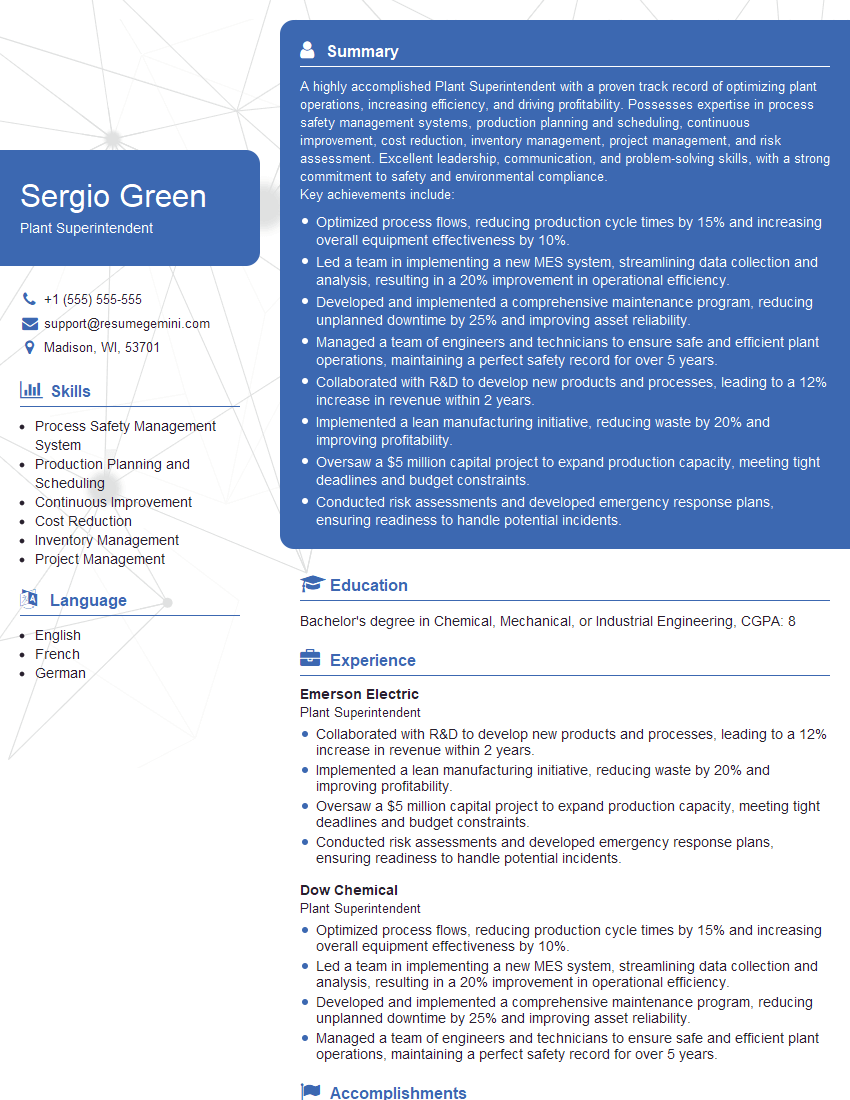
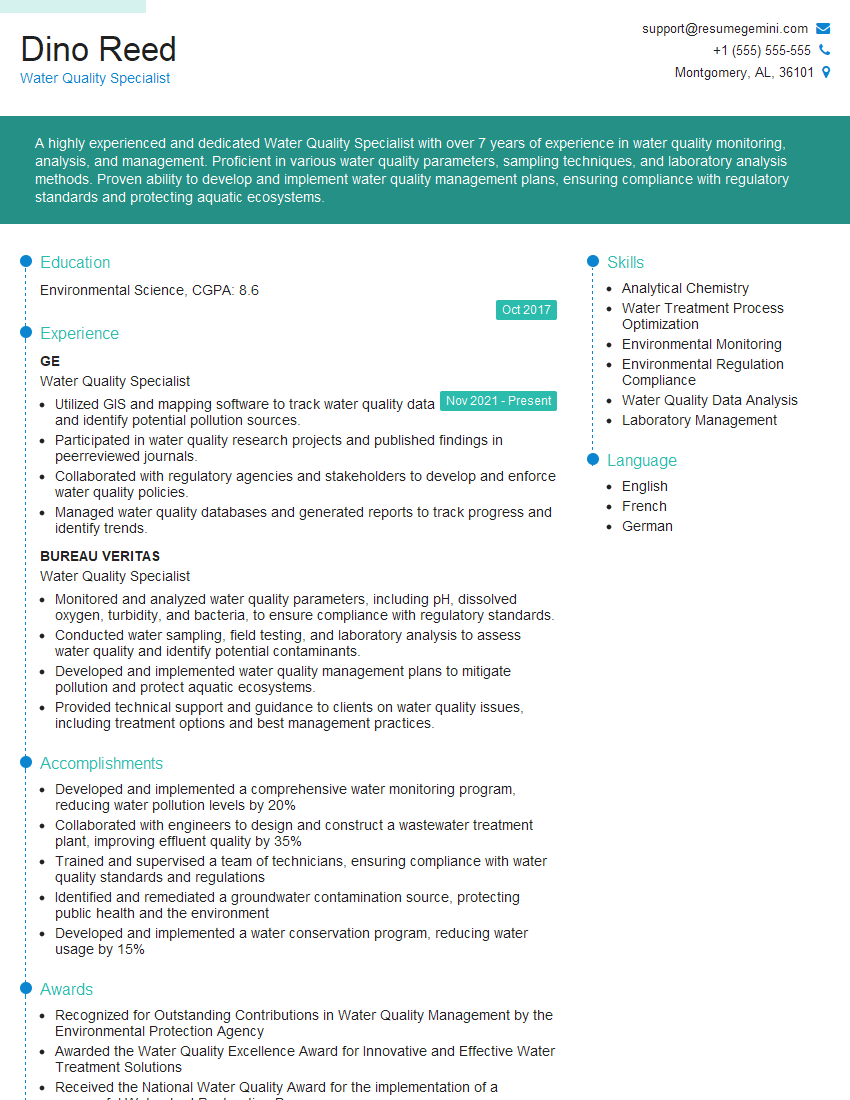
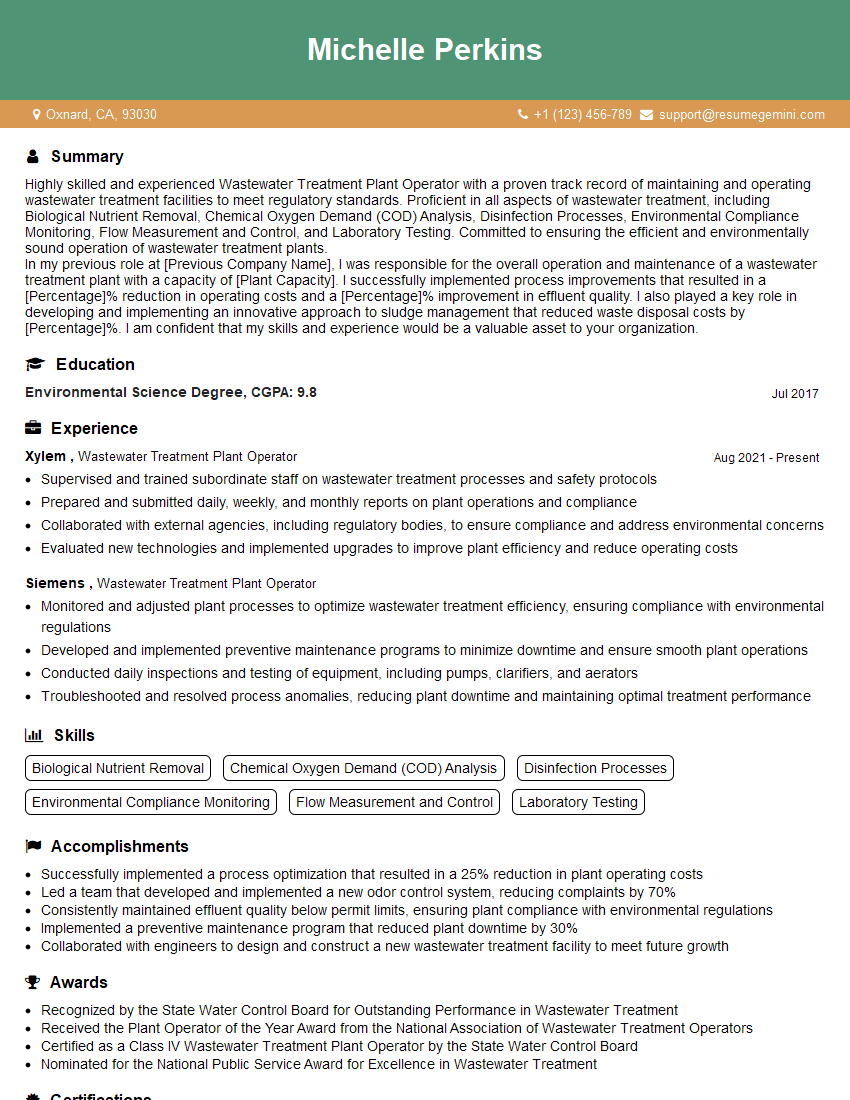
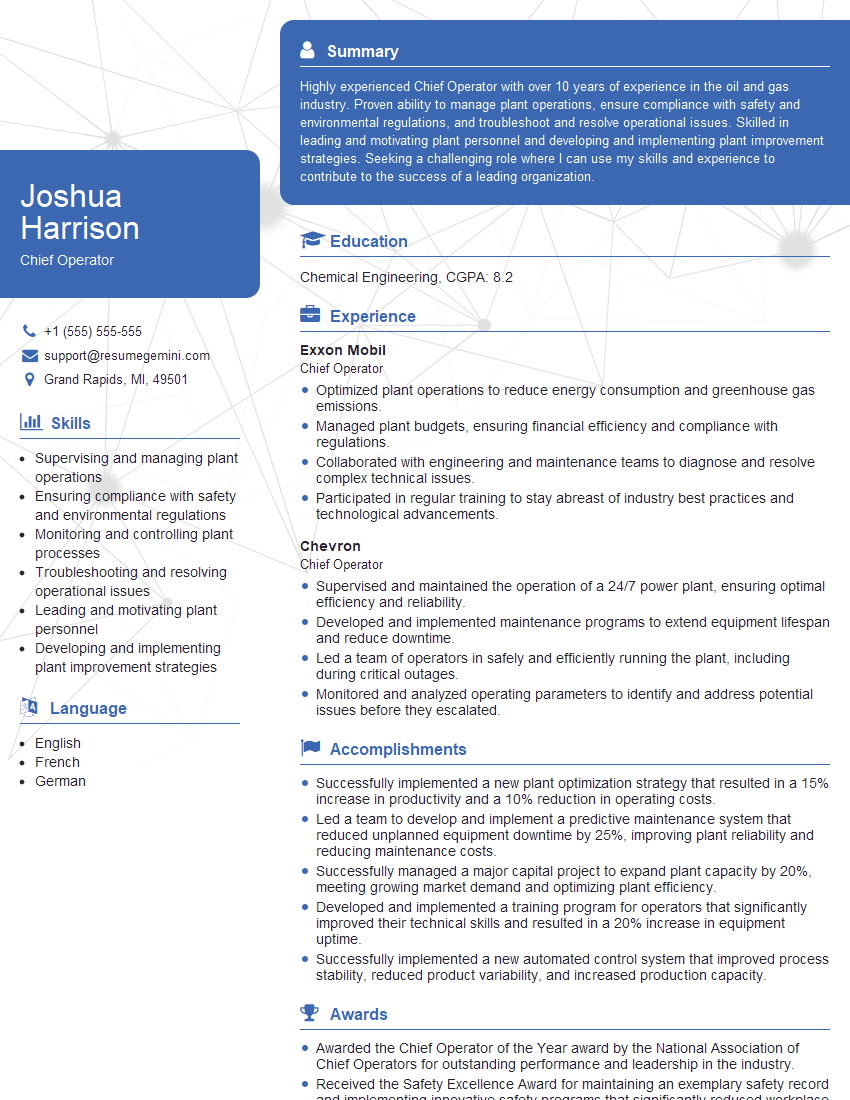
Mastering Wastewater Treatment Plant Design and Operation opens doors to exciting career opportunities with increasing responsibility and compensation. A strong understanding of these concepts is highly valued by employers. To maximize your job prospects, invest time in creating an ATS-friendly resume that effectively highlights your skills and experience. ResumeGemini is a trusted resource for building professional, impactful resumes that get noticed. We provide examples of resumes tailored to Wastewater Treatment Plant Design and Operation to help you get started. Take advantage of these resources to present yourself as the ideal candidate.
Explore more articles
Users Rating of Our Blogs
Share Your Experience
We value your feedback! Please rate our content and share your thoughts (optional).
What Readers Say About Our Blog
Very informative content, great job.
good