Preparation is the key to success in any interview. In this post, we’ll explore crucial Water Line Maintenance interview questions and equip you with strategies to craft impactful answers. Whether you’re a beginner or a pro, these tips will elevate your preparation.
Questions Asked in Water Line Maintenance Interview
Q 1. Explain the process of leak detection in water lines.
Leak detection in water lines is crucial for preventing water waste, property damage, and maintaining system integrity. The process involves a combination of methods, chosen based on the suspected location and severity of the leak.
- Visual Inspection: This is the simplest method, involving a careful examination of the line for visible signs of leakage, such as wet spots, cracks, or unusual water flow.
- Listening Devices: Specialized acoustic sensors (like ground microphones) detect the high-frequency sounds of escaping water. This is particularly useful for locating leaks underground where visual inspection isn’t possible. Think of it like listening for a faint whisper underground.
- Pressure Testing: This involves isolating a section of the water line, increasing the pressure, and monitoring for pressure drops. A significant drop indicates a leak. The rate of pressure drop can help estimate the leak’s size.
- Tracer Dye Testing: A non-toxic dye is injected into the water line. If a leak is present, the dye will emerge at the point of the leak, making it visible. This is effective for pinpointing the leak’s exact location.
- Ground Penetrating Radar (GPR): GPR uses electromagnetic waves to create images of underground structures. It’s particularly useful for locating leaks in large, complex water line systems.
For example, I once used a combination of acoustic listening and pressure testing to locate a leak in a homeowner’s backyard. The acoustic sensors pinpointed a general area, and pressure testing helped narrow down the precise location for efficient repair.
Q 2. Describe different methods for repairing water line breaks.
Repairing water line breaks requires careful planning and execution. The method employed depends on several factors, including the size and location of the break, the type of pipe, and access to the area.
- Excavation and Repair: This is the traditional method, involving digging a trench to expose the damaged section of pipe. The broken section is then removed and replaced with a new pipe. This is reliable but disruptive and can be costly.
- Pipe Lining (Cured-in-Place Pipe [CIPP]): This trenchless technique involves inserting a flexible liner into the existing pipe and inflating it with hot water or steam to cure it in place, creating a new pipe within the old one. This minimizes disruption and is suitable for various pipe materials.
- Spot Repair: For smaller breaks, a spot repair might suffice. This involves using clamps or epoxy to seal the leak without fully replacing the pipe section. This is a quick and cost-effective solution for minor damage.
- Directional Drilling: For new pipe installation or bypassing a severely damaged section, directional drilling is used to install new pipe without extensive trenching. It’s a precise method that minimizes ground disturbance.
Choosing the right repair method is a balance of cost, disruption, and long-term effectiveness. For instance, a small leak in an easily accessible section might be suitable for a spot repair, while a major break in a densely populated area would warrant a trenchless method like pipe lining.
Q 3. What are the common causes of water line corrosion?
Water line corrosion is a gradual deterioration of the pipe material due to chemical reactions with the water and surrounding soil. Several factors contribute to this problem:
- Water Chemistry: Highly acidic or alkaline water can accelerate corrosion. The presence of dissolved oxygen, minerals, and other chemicals also plays a significant role.
- Soil Conditions: The soil’s pH level, its composition, and the presence of corrosive substances can significantly impact pipe corrosion.
- Pipe Material: Different pipe materials exhibit different levels of corrosion resistance. Galvanized steel, for instance, is more susceptible than PVC or copper.
- Stray Currents: Electric currents straying from nearby power lines or other sources can accelerate corrosion through electrochemical processes.
- Bacterial Activity: Certain bacteria can contribute to the corrosion process by producing corrosive byproducts.
For example, highly acidic soil in combination with cast iron pipes can lead to rapid corrosion, necessitating frequent maintenance or replacement.
Q 4. How do you identify and address water hammer in a water line system?
Water hammer is a forceful banging or hammering sound in pipes caused by the sudden stopping and starting of water flow. This typically occurs when valves close rapidly, or appliances like washing machines or dishwashers turn on and off.
- Identify the Source: Carefully observe when the water hammer occurs and try to pinpoint the source (e.g., a specific valve or appliance). Often, it’s linked to rapid changes in water flow.
- Install Water Hammer Arrestors: These devices, typically small, spring-loaded chambers, absorb the shock waves created by the sudden changes in water pressure, reducing or eliminating the hammering sound.
- Check Valve Operation: Ensure that all valves in the system operate smoothly and close gradually, avoiding sudden stops. Faulty or worn valves can exacerbate water hammer.
- Air Chambers: In older systems, air chambers might be used to cushion the shock. They are sections of pipe filled with air that act as shock absorbers. However, air chambers can lose their effectiveness over time and require maintenance.
- Slow-Closing Valves: Replacing fast-acting valves with slow-closing ones can reduce the abrupt pressure changes that cause water hammer.
In one case, a repetitive banging in a customer’s bathroom was resolved by installing water hammer arrestors on the supply lines to the toilet and shower. The simple solution prevented further damage and improved the homeowner’s comfort.
Q 5. Explain the importance of water line pressure regulation.
Water line pressure regulation is essential for maintaining optimal system performance and preventing damage. Consistent pressure ensures efficient water flow throughout the system, while preventing excessive pressure that can cause leaks, bursts, and premature pipe failure.
- Preventing Leaks and Bursts: High water pressure forces water through microscopic cracks and weak points in pipes, leading to leaks and bursts. Regulated pressure minimizes this risk.
- Ensuring Consistent Water Flow: Proper pressure ensures adequate water flow to all fixtures and appliances. Low pressure reduces water flow, while high pressure can cause excessive water usage and wear on fixtures.
- Extending Pipe Lifespan: Consistent pressure reduces stress on the pipes, extending their overall lifespan. This translates to lower maintenance costs in the long run.
- Protecting Appliances: Excessive pressure can damage sensitive appliances. A regulated system ensures that appliances operate within their recommended pressure range.
Imagine a water system without pressure regulation—pipes would be constantly under immense stress, leading to frequent repairs and potential water damage. Pressure regulation is the cornerstone of a reliable and efficient water distribution system.
Q 6. What safety precautions are necessary when working on water lines?
Safety is paramount when working on water lines. Ignoring safety procedures can lead to serious injury or even death.
- Lockout/Tagout Procedures: Always de-energize and lock out any electrical equipment near the work area to prevent accidental electrocution. This is especially important when working near pumps or other motorized components.
- Personal Protective Equipment (PPE): Wear appropriate PPE, including safety glasses, gloves, steel-toed boots, and hard hats. If working in a confined space, a respirator might also be needed.
- Shoring and Trench Safety: When excavating trenches, proper shoring is essential to prevent cave-ins. Comply with all trench safety regulations and utilize appropriate shoring techniques.
- Confined Space Entry Procedures: If working in a confined space, follow established confined space entry procedures, including atmospheric testing and having a spotter present.
- Emergency Response Plan: Have a clear emergency response plan in place and ensure everyone on the team is aware of the procedures to follow in case of an accident.
A simple lapse in safety, like not using shoring in a trench, can have devastating consequences. Adherence to safety regulations is non-negotiable.
Q 7. Describe your experience with trenchless water line repair techniques.
I have extensive experience with trenchless water line repair techniques, primarily using cured-in-place pipe (CIPP) lining and directional drilling. These methods significantly reduce disruption to the surrounding environment compared to traditional excavation techniques.
CIPP lining has been particularly effective in repairing aging water mains in densely populated areas. The process is minimally invasive, minimizing traffic disruption and landscape damage. I’ve successfully completed numerous projects using CIPP, restoring the integrity of water lines with minimal surface disturbance. For instance, I recently completed a project in a historical district where excavation was impractical. CIPP allowed us to repair a significant section of the main water line without impacting the historic landscaping.
Directional drilling is another valuable tool in my repertoire. This technique allows for the installation of new water lines without extensive trenching. It’s particularly useful for navigating obstacles underground and accessing areas where open-cut excavation is challenging or impossible. I’ve employed directional drilling to install new water lines under roads and railways, minimizing traffic congestion and avoiding disruption to existing infrastructure.
Q 8. How do you determine the appropriate size of pipe for a new water line installation?
Determining the correct pipe size for a new water line is crucial for ensuring adequate water pressure and flow. It’s not simply about picking the biggest pipe; oversizing is wasteful and undersizing leads to problems. We use a few key factors to make this determination:
- Flow Rate (GPM): This represents the volume of water needed, often dictated by the number of fixtures and anticipated usage. A larger home or commercial building will require a higher GPM.
- Pressure: The water pressure at the source significantly influences pipe size. Lower pressure necessitates larger diameter pipes to maintain adequate flow.
- Pipe Material: Different materials (PVC, copper, HDPE) have different friction coefficients, affecting flow. This needs to be factored into calculations.
- Length of the Line: Longer lines experience greater friction loss, requiring larger pipes to compensate.
- Elevation Changes: Significant elevation changes impact pressure; we may need larger pipes on uphill sections.
We typically use engineering software or established formulas (like Hazen-Williams or Darcy-Weisbach) to calculate the optimal pipe diameter based on these factors. For instance, a small residential installation might use a 1-inch pipe, while a larger development may require 6-inch or even larger lines. A proper sizing calculation prevents problems down the line, such as low water pressure or insufficient flow during peak demand.
Q 9. Explain the process of installing a water meter.
Installing a water meter is a precise process requiring careful attention to detail. It involves several steps:
- Excavation: We carefully excavate a pit at the designated location, ensuring minimal disruption to surrounding utilities.
- Meter Setting: A concrete base or meter box is often installed to protect the meter. The meter is then securely mounted onto this base, ensuring proper orientation and alignment.
- Pipe Connections: The service line is connected to the meter’s inlet and outlet using appropriate fittings and ensuring watertight seals. We thoroughly inspect for leaks.
- Testing: Once connected, we perform a pressure test to identify and fix any leaks before backfilling.
- Backfilling and Restoration: The pit is carefully backfilled with compacted soil, and the area is restored to its original condition.
- Meter Registration: Finally, the meter is registered with the water utility company.
Throughout the process, safety is paramount. We use appropriate personal protective equipment (PPE) and follow all local safety regulations. Improper installation can lead to leaks, inaccurate readings, or even damage to the meter.
Q 10. How do you locate underground water lines without damaging them?
Locating underground water lines without causing damage is crucial for safety and preventing costly repairs. We employ several non-destructive methods:
- Ground Penetrating Radar (GPR): This technology uses electromagnetic pulses to create a subsurface image, revealing the location of buried pipes.
- Electromagnetic Locators: These devices detect the presence of metallic pipes by inducing a current. They are simple to use but can be less accurate than GPR.
- Utility Marking Services: Before any excavation, we always contact local utility companies (Call Before You Dig services) to request them to mark the locations of their underground utilities.
- Manual probing: In some instances, careful manual probing with a hand-held probe can help locate lines, but this method is slow and requires experience to avoid damage.
Combining multiple methods provides the greatest assurance. For example, we might use utility marking services to get an initial idea of the general location, then employ GPR for precise pinpointing. This ensures that excavation takes place only where it is absolutely necessary and minimizes risk of damage to the water lines or other underground infrastructure.
Q 11. What are the different types of water line materials and their applications?
Water lines can be made from various materials, each with its own advantages and disadvantages:
- Copper: Known for its durability, corrosion resistance, and longevity. However, it’s relatively expensive and susceptible to damage from freezing.
- PVC (Polyvinyl Chloride): A cost-effective and lightweight material, resistant to corrosion. However, it’s less durable than copper and can be susceptible to damage from extreme temperatures.
- HDPE (High-Density Polyethylene): Highly durable, flexible, and resistant to corrosion. Excellent for areas with extreme temperature fluctuations or difficult terrain. Its flexibility makes it well-suited for trenchless installation methods.
- Ductile Iron: Strong and durable, suitable for high-pressure applications. Used commonly in larger diameter mains.
The choice of material depends on factors like budget, soil conditions, pressure requirements, and the project’s lifespan. For example, HDPE is ideal for areas prone to ground shifting, while copper might be preferred for a high-pressure residential application where longevity is paramount. A thorough understanding of each material’s properties is critical for making informed decisions.
Q 12. Describe your experience with water line mapping and surveying.
Water line mapping and surveying are essential for maintaining and upgrading water infrastructure. My experience encompasses both creating new maps and updating existing ones. I utilize various techniques:
- As-built drawings: Reviewing existing drawings (if available) to understand the existing system and to inform the survey.
- Field surveying: Using GPS and surveying equipment to pinpoint the exact location of pipelines, valves, and hydrants.
- Data collection and analysis: Using data collected from field surveys to create accurate and comprehensive maps using GIS (Geographic Information System) software.
- Non-destructive methods: Employing techniques like GPR to identify pipes that might not be indicated on existing maps.
I have successfully created maps for both new and existing water systems, helping identify leaks, assess pipe condition, and plan for future maintenance and upgrades. For instance, I recently used GPR to identify a previously unknown water main in a congested urban area, which significantly aided in planning a new road construction project, preventing costly damages.
Q 13. How do you assess the structural integrity of an existing water line?
Assessing the structural integrity of an existing water line involves a multi-pronged approach:
- Visual inspection: A careful examination of exposed sections of the pipe for signs of corrosion, cracking, or damage. This may involve excavation in some areas.
- Pressure testing: Pressurizing the line to a specified level and monitoring for pressure loss over a given period, indicating potential leaks or weaknesses.
- Flow testing: Measuring the flow rate to identify flow restrictions suggesting blockages or internal damage.
- Video inspection: Using a CCTV camera inserted into the pipe to inspect the interior for blockages, corrosion, or structural defects.
- Leak detection equipment: Using acoustic or other sensing techniques to pinpoint the exact location of leaks.
The method used depends on the specific circumstances. A simple visual inspection may suffice for a newly installed line, while a more comprehensive assessment involving pressure testing, flow testing and video inspection would be necessary for an older system. The results of this assessment then guide decisions on repair or replacement.
Q 14. What are the common causes of water line blockages?
Water line blockages can stem from several sources:
- Mineral deposits: Hard water gradually forms scale and deposits within the pipes, reducing the diameter and restricting flow.
- Corrosion: Over time, corrosion can cause pipe material to break down, leading to blockages. This is more common with older metal pipes.
- Sediment buildup: Particles of sand, silt, or other sediment can enter the water line and settle, causing blockages.
- Root intrusion: Tree roots can penetrate pipes, especially older ones with damaged sections, leading to significant blockages.
- Foreign objects: Debris, construction materials, or other foreign objects can accidentally enter the water system during construction or maintenance work.
Identifying the cause of a blockage is critical for effective remediation. For example, mineral deposits often require chemical cleaning, while root intrusion necessitates excavation and repair of the affected section. Regular maintenance, including flushing the lines periodically, can help prevent many types of blockages.
Q 15. How do you perform preventative maintenance on water lines?
Preventative maintenance on water lines is crucial for ensuring reliable service and preventing costly repairs. It’s like regularly servicing your car – proactive care is far cheaper than emergency fixes. My approach focuses on a multi-pronged strategy:
Regular Inspections: Visual inspections of exposed lines for leaks, corrosion, or damage are vital. I use a combination of visual checks and sometimes specialized leak detection equipment, like acoustic sensors, to pinpoint even the smallest leaks early on. For example, I recently discovered a pinhole leak in an underground line during a routine inspection that prevented a major disruption later.
Pressure Testing: Periodically, I perform pressure tests on the water lines to identify any pressure drops that might indicate leaks or blockages. This involves isolating sections of the line and monitoring pressure changes over time. I’ve used this method successfully to find leaks hidden beneath pavements.
Flushing: Regular flushing helps remove sediment and mineral buildup that can restrict water flow and reduce water quality. The frequency depends on the line’s material and water quality, but it’s often part of annual maintenance. For instance, in one project, we flushed a decades-old system, improving flow by 20%.
Valve Operation Checks: All valves should be tested regularly to ensure they operate correctly. A stuck valve could cause significant problems during an emergency. I always document the condition and operational status of each valve during inspections.
Corrosion Control: Depending on the materials used in the water lines (e.g., galvanized steel, copper, PVC), specific corrosion control measures might be needed. This could involve cathodic protection or applying coatings to protect the pipes from corrosion.
Career Expert Tips:
- Ace those interviews! Prepare effectively by reviewing the Top 50 Most Common Interview Questions on ResumeGemini.
- Navigate your job search with confidence! Explore a wide range of Career Tips on ResumeGemini. Learn about common challenges and recommendations to overcome them.
- Craft the perfect resume! Master the Art of Resume Writing with ResumeGemini’s guide. Showcase your unique qualifications and achievements effectively.
- Don’t miss out on holiday savings! Build your dream resume with ResumeGemini’s ATS optimized templates.
Q 16. Explain your understanding of water quality regulations and standards.
Water quality regulations and standards are essential to protect public health. My understanding encompasses both federal and local regulations, varying by location and water source. Key areas include:
Maximum Contaminant Levels (MCLs): These are legally enforceable standards for the maximum permissible level of various contaminants in drinking water, established by the EPA (Environmental Protection Agency) and often mirrored at the state level. Examples include MCLs for lead, arsenic, and various microorganisms.
Treatment Techniques: Regulations often dictate the type of treatment required to meet MCLs. This could involve filtration, disinfection, or other processes. I’m familiar with several treatment methods and their effectiveness in removing specific contaminants.
Monitoring and Reporting: Regular monitoring of water quality is required, along with submitting reports to the relevant authorities. Accurate and timely reporting is critical for compliance.
Disinfection Byproducts: Regulations also cover disinfection byproducts, formed during the disinfection process. Balancing disinfection with minimizing byproducts is a critical aspect of water treatment. For example, understanding the trade-offs between chlorine disinfection and the formation of trihalomethanes is key.
Staying updated on these regulations is crucial for ensuring compliance and protecting public health. I regularly attend industry conferences and workshops to keep abreast of changes and best practices.
Q 17. Describe your experience with water line disinfection.
Water line disinfection is a critical step in ensuring safe and potable water. My experience involves various disinfection methods, each with its own advantages and disadvantages:
Chlorination: The most common method, using chlorine gas or hypochlorite solutions to kill harmful bacteria and viruses. I’m experienced in calculating the appropriate chlorine dosage based on water characteristics and flow rates. This includes ensuring adequate contact time for effective disinfection.
UV Disinfection: Ultraviolet (UV) light inactivates microorganisms by damaging their DNA. I’ve worked with UV systems, understanding the importance of proper lamp intensity and flow rates for effective disinfection. UV is often used as a secondary disinfection step.
Chloramine Disinfection: Chloramine, a compound of chlorine and ammonia, provides longer-lasting disinfection compared to free chlorine. I understand the implications of chloramine usage, including its effects on water quality and potential corrosion concerns.
Post-Disinfection Monitoring: After disinfection, it’s essential to monitor water quality to confirm the effectiveness of the treatment. This includes testing for residual disinfectant levels and the absence of harmful microorganisms. I always follow established protocols for monitoring and reporting.
Choosing the right disinfection method depends on factors like the water source, the type of microorganisms present, and regulatory requirements. I make these decisions based on a thorough assessment of these factors.
Q 18. How do you handle emergency repairs to water lines?
Emergency water line repairs require immediate and decisive action. My experience emphasizes a structured approach:
Assessment: Quickly assess the extent of the damage and the potential impact. This often involves identifying the location of the break, the volume of water loss, and any potential hazards.
Isolation: Isolate the affected section of the water line to minimize water loss and prevent further damage. This usually involves closing valves strategically, which requires a good understanding of the system’s layout.
Temporary Repair: Implement a temporary repair to stop the leak immediately. This could involve clamps, plugs, or other emergency patching methods, depending on the nature of the break. Safety is paramount during this phase.
Notification: Notify the relevant authorities and affected parties, such as customers and emergency services, as appropriate.
Permanent Repair: Once the emergency is under control, plan and execute a permanent repair. This involves excavating the damaged section, replacing the pipe, and restoring the system.
One memorable emergency involved a burst main at night. By quickly isolating the affected area and deploying temporary repairs, we minimized disruption and prevented extensive damage. Efficient communication was key to managing the situation effectively.
Q 19. What is your experience with different types of water line valves?
Water line valves are critical for controlling water flow and isolating sections of the line for maintenance or repairs. My experience spans several valve types:
Gate Valves: Used for fully opening or closing the flow. They’re simple and reliable but not suitable for frequent on/off operations.
Globe Valves: Provide throttling capability for precise flow control. They are more suitable for regulating flow than on/off applications, but can experience more wear and tear.
Ball Valves: Offer quick on/off control with a simple quarter-turn operation. They are durable and generally less prone to leaks than gate valves.
Butterfly Valves: Similar to ball valves, but with a rotating disc instead of a ball. They are often used in larger diameter lines.
Check Valves: Prevent backflow in the water line. These are crucial for ensuring the unidirectional flow of water.
Proper valve selection depends on the specific application and system requirements. I consider factors such as line size, pressure, flow rate, and the frequency of valve operation when choosing the appropriate valve type. In some instances, we’ve utilized smart valves that can be remotely monitored and controlled.
Q 20. Explain your experience with water line backflow prevention devices.
Backflow prevention devices are critical for protecting potable water supplies from contamination. My experience includes installing, inspecting, and testing various types of backflow preventers:
Double Check Valve Assemblies (DCVA): The simplest type, consisting of two independent check valves. Regular testing is essential to ensure proper operation.
Reduced Pressure Zone Backflow Preventers (RPZ): Offer a higher level of protection than DCVAs, utilizing a pressure-reducing mechanism to prevent backflow.
Pressure Vacuum Breaker Assemblies (PVBAs): Suitable for low-pressure applications, they prevent back siphonage.
Testing and maintenance of backflow prevention devices are crucial for ensuring their continued effectiveness. I am experienced in performing these tests, ensuring compliance with local regulations, and keeping detailed records. Failure to maintain backflow preventers can lead to serious contamination incidents, which is why testing and proper maintenance is crucial for both safety and regulatory compliance.
Q 21. Describe your experience with using various water line tools and equipment.
My experience with water line tools and equipment is extensive. I am proficient in using a wide range of tools for various tasks:
Excavation Equipment: This includes excavators, backhoes, and trenchers for digging and repairing underground lines. Safety procedures and proper trench shoring are paramount.
Leak Detection Equipment: I utilize acoustic leak detectors, ground penetrating radar, and other specialized equipment to locate leaks efficiently.
Pipe Cutting and Welding Equipment: For repairing or replacing sections of the pipeline, I am skilled in using various cutting and welding tools, including specialized equipment for different pipe materials.
Pipe Threader and Bender: These are used to create threads on pipes and bend them to fit specific configurations. Precision and proper technique are key to avoiding damage.
Pressure Gauges and Testing Equipment: Accurate pressure measurement is crucial for various tasks, from leak detection to testing the integrity of repairs.
Specialized tools for specific repairs: From specialized pipe clamps to epoxy resin application for leak sealing, I use many other tools that are specific to the type of repair required.
Safe and effective use of these tools is a top priority. Regular maintenance of the equipment is essential for ensuring its proper functioning and operator safety. I always follow all safety protocols and manufacturer’s instructions.
Q 22. How do you interpret water line blueprints and schematics?
Interpreting water line blueprints and schematics requires a keen eye for detail and a solid understanding of plumbing conventions. Think of it like reading a map for the water system. These documents detail the location, size, and material of pipes, the placement of valves, fittings, and other components. I begin by identifying the key elements: the legend (explaining symbols used), the scale (determining actual distances), and the overall layout of the system. Then, I systematically analyze each section, tracing the flow of water from source to end-points. For example, I’ll look for pipe diameters to understand capacity and pressure changes, identify valve locations for isolation and control, and note the presence of any special fittings, like fire hydrants or backflow preventers. I’ll often cross-reference the schematics with field observations during site visits to ensure accuracy and identify any discrepancies between the plan and the actual infrastructure.
For instance, a complex system might involve multiple zones with different pressure requirements. The schematics would help me understand how these zones are interconnected and how pressure regulation is achieved. This is crucial for effective maintenance and repair planning.
Q 23. What is your understanding of water line testing procedures?
Water line testing is crucial for ensuring the integrity of the system and preventing leaks. There are several methods, chosen based on the specifics of the project. For example, a pressure test involves pressurizing the line to a specified level and observing for any pressure drop, indicating a leak. This is often done after repairs or new installations. Leak detection techniques, like acoustic listening or using specialized equipment like ground-penetrating radar, are employed to pinpoint leaks within the system, particularly in underground sections. Another common method is a chlorine test used to detect leaks, it checks for presence of chlorine.
The specific procedures followed will depend on industry standards and any relevant regulations. Accurate record-keeping is paramount during the testing process. Data on pressure readings, leak locations, and repair activities is meticulously documented for future reference and analysis. A thorough understanding of safety protocols, such as appropriate PPE (Personal Protective Equipment) and safe excavation practices, is also essential during any testing or repair.
Q 24. How do you manage a team during a water line repair project?
Managing a team during a water line repair project demands strong leadership, clear communication, and excellent organizational skills. My approach focuses on creating a safe and efficient work environment. First, I conduct a thorough pre-job briefing, ensuring every team member understands their role, responsibilities, and the project’s goals. This involves reviewing the blueprints, safety procedures, and planned work schedule. I emphasize teamwork and encourage open communication, creating an environment where everyone feels comfortable raising concerns or suggesting improvements.
During the project, I maintain constant oversight, ensuring work is performed according to specifications and adhering strictly to safety regulations. I utilize progress tracking tools to monitor deadlines and adjust the schedule as needed, proactively addressing any challenges that arise. After completion, I conduct a post-project review to identify areas for improvement and celebrate success, reinforcing the team’s achievements. For example, on one complex project involving a main water line break in a densely populated area, I had to coordinate a team of excavators, welders, and inspectors to ensure minimal disruption to residents. By actively managing communication and delegating responsibilities effectively, we completed the repair quickly and safely.
Q 25. Explain your experience with different types of pipe fittings.
My experience encompasses a wide range of pipe fittings, each serving a specific purpose. I’m familiar with couplings, used to connect pipes of the same diameter; elbows, allowing for changes in pipe direction; tees, creating branching points; and unions, providing easily-disconnectable joints for maintenance. I’m also proficient with more specialized fittings such as reducers (connecting pipes of different diameters), valves (controlling water flow), and flanges (creating strong, sealed connections, often used in larger diameter pipes).
Furthermore, I have experience with different materials. I understand the strengths and limitations of various fittings made from materials such as PVC, cast iron, ductile iron, and copper, knowing when to select the appropriate material for a given application based on pressure, temperature, and chemical compatibility. For instance, in high-pressure situations, ductile iron fittings would be preferred over PVC. The proper selection and installation of fittings are crucial to prevent leaks and ensure the long-term integrity of the water line system.
Q 26. How do you ensure compliance with all relevant safety regulations?
Ensuring compliance with safety regulations is paramount in water line maintenance. This involves adhering to OSHA guidelines (or equivalent local regulations) pertaining to excavation, confined spaces, and working with pressurized systems. Before any work commences, I conduct a thorough site assessment identifying potential hazards, such as underground utilities and traffic. I ensure the team is equipped with the necessary Personal Protective Equipment (PPE), including hard hats, safety glasses, high-visibility clothing, and appropriate respiratory protection when needed.
Safe excavation practices are strictly followed. This includes calling ‘one call’ services to locate buried utilities, using appropriate excavation techniques to prevent damage to underground lines, and implementing shoring or trench protection as necessary. Lockout/Tagout procedures are meticulously implemented when working on pressurized systems to prevent accidental release of water. Detailed safety training is provided to every team member, and regular safety meetings are conducted to reinforce best practices and address any safety concerns.
Q 27. Describe your experience with documenting and reporting water line maintenance activities.
Documentation and reporting are crucial for maintaining accurate records of water line maintenance activities. I utilize a combination of digital and physical methods for this. Every maintenance activity, from routine inspections to major repairs, is meticulously documented. This includes details such as the date and time of the activity, the location, the type of work performed, the materials used, and any observed issues. Digital documentation involves using tablets or laptops to create electronic records with photographs and sketches included to accurately represent the site conditions.
For instance, in a report following a leak repair, I’d detail the location of the leak, the method used to locate and repair it, the type and size of pipe replaced, and any observations regarding the surrounding area. This information is not only essential for tracking maintenance costs and identifying trends, but it is also crucial for insurance claims and regulatory compliance. Reports are reviewed by supervisors to ensure accuracy and completeness. This methodical record-keeping is essential for long-term system management and allows us to identify potential issues before they escalate.
Q 28. How do you troubleshoot problems in a water line system?
Troubleshooting water line problems requires a systematic approach. I begin by identifying the symptoms, such as low water pressure, leaks, or discolored water. Then, I gather information about the problem. For example, when was the issue first noticed? Has it occurred before? Is it affecting a specific part of the system or the entire system? This helps narrow down the possible causes. I next use diagnostic tools such as pressure gauges and leak detection equipment to pinpoint the source of the problem. Visual inspection and physical examination of the water line are also important steps.
For instance, low water pressure in a specific area might indicate a blockage in a pipe, a malfunctioning valve, or even a leak that is reducing pressure. Once the problem has been identified, I develop a solution using appropriate repair or replacement techniques. After the repairs are completed, I perform tests to verify the solution’s effectiveness and carefully document all actions taken. Regular maintenance and proactive inspections can often prevent problems from developing in the first place.
Key Topics to Learn for Your Water Line Maintenance Interview
- Water Line Materials and Their Properties: Understanding the characteristics of various pipe materials (PVC, HDPE, ductile iron, etc.) and their suitability for different applications. This includes knowledge of their strengths, weaknesses, and lifespan.
- Leak Detection and Repair Techniques: Mastering various methods for locating leaks (e.g., listening devices, pressure testing, ground penetrating radar) and proficiently executing repairs using appropriate tools and techniques. Consider the different types of leaks and their causes.
- Water Line Installation and Replacement Procedures: Familiarize yourself with the steps involved in installing new water lines, including trenching, pipe laying, jointing, and backfilling. Understand the importance of proper trenching and bedding techniques to prevent future problems. Also, be prepared to discuss water line replacement strategies.
- Water Main Flushing and Maintenance: Learn about the importance of regular flushing to remove sediment and maintain water quality. Understand the procedures and safety precautions involved.
- Safety Regulations and Procedures: Demonstrate knowledge of OSHA and other relevant safety regulations pertaining to excavation, working in confined spaces, and handling hazardous materials. This is crucial for interview success.
- Troubleshooting and Problem-Solving: Be prepared to discuss your approach to diagnosing and resolving common water line issues, such as low water pressure, bursts, and leaks. Highlight your analytical and problem-solving skills.
- Hydraulics and Water Flow Dynamics: A foundational understanding of basic hydraulic principles will significantly enhance your responses. This includes concepts like pressure, flow rate, and head loss.
- Equipment Operation and Maintenance: Familiarity with various equipment used in water line maintenance (e.g., excavators, backhoes, pipe cutters, pressure testing equipment) and their proper operation and maintenance is essential.
Next Steps
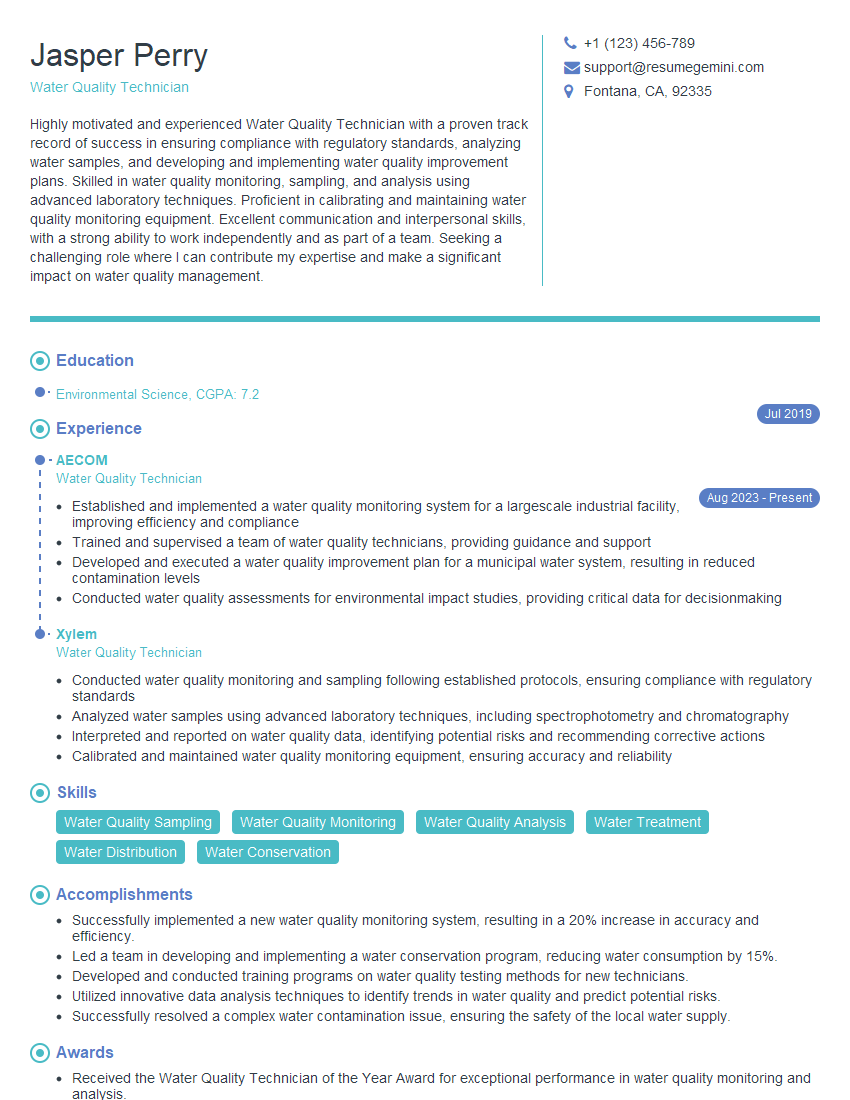
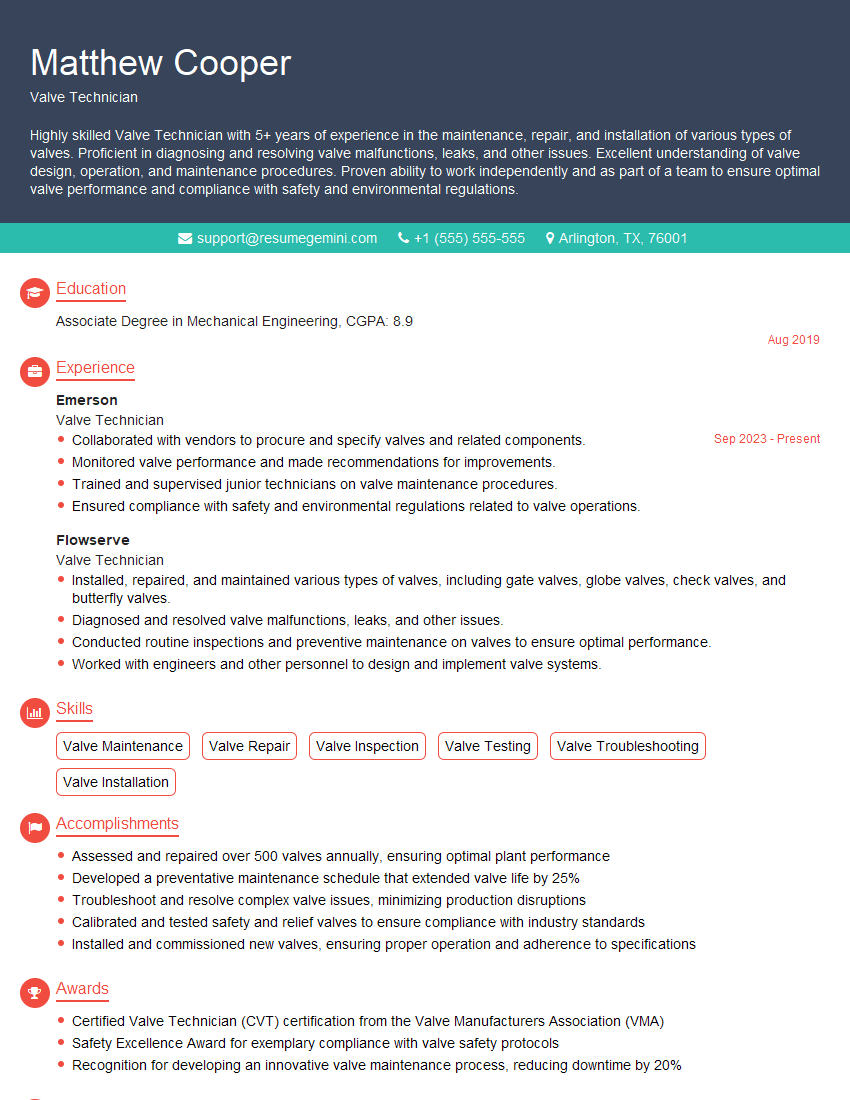
Mastering Water Line Maintenance opens doors to a rewarding career with excellent growth potential. Advancement opportunities often involve specialized training and increased responsibility, leading to higher earning potential and career satisfaction. To maximize your job prospects, creating an ATS-friendly resume is crucial. ResumeGemini is a trusted resource that can help you build a professional and effective resume that highlights your skills and experience. They provide examples of resumes tailored specifically to Water Line Maintenance to help you get started. Invest the time to craft a compelling resume – it’s your first impression with potential employers.
Explore more articles
Users Rating of Our Blogs
Share Your Experience
We value your feedback! Please rate our content and share your thoughts (optional).
What Readers Say About Our Blog
Very informative content, great job.
good