The right preparation can turn an interview into an opportunity to showcase your expertise. This guide to Weight Management and Dietary Strategies interview questions is your ultimate resource, providing key insights and tips to help you ace your responses and stand out as a top candidate.
Questions Asked in Weight Management and Dietary Strategies Interview
Q 1. Explain the difference between macronutrients and micronutrients.
Macronutrients and micronutrients are both essential components of a healthy diet, but they differ significantly in their roles and the quantities our bodies require. Macronutrients are the energy-providing nutrients we need in large amounts: carbohydrates, proteins, and fats. They provide calories, the fuel that powers our bodies. Micronutrients, on the other hand, are vitamins and minerals needed in smaller quantities. They don’t provide energy directly but are crucial for various bodily functions, such as enzyme activity, immune function, and bone health.
- Macronutrients: Think of these as the building blocks and fuel for your body’s major functions. Carbohydrates are your primary energy source, proteins build and repair tissues, and fats support hormone production and cell function.
- Micronutrients: These are the essential helpers. Vitamin C boosts your immune system, iron helps carry oxygen, and calcium supports strong bones. While you need less of them, deficiencies can lead to serious health problems.
Imagine building a house: Macronutrients are the bricks, wood, and cement – the major components making up the structure. Micronutrients are the nails, screws, and paint – the smaller elements that ensure the structure’s integrity and appearance.
Q 2. Describe the role of fiber in weight management.
Fiber plays a crucial role in weight management through several mechanisms. It’s a type of carbohydrate that the human body can’t digest, which means it adds bulk to your stool, promoting regularity and preventing constipation. This bulkiness also contributes to feelings of fullness, reducing overall calorie intake. Soluble fiber, in particular, can help lower cholesterol and regulate blood sugar levels, both of which are important for overall health and weight management. Furthermore, fiber helps slow down the absorption of sugars and other nutrients, preventing blood sugar spikes and crashes that can lead to increased cravings and weight gain.
For example, a client might find that incorporating high-fiber foods like oats, beans, and fruits into their diet leads to greater satiety, reducing the need for excessive snacking between meals, thus aiding in weight loss.
Q 3. What are the key components of a balanced diet?
A balanced diet is one that provides all the necessary nutrients in the right proportions to support optimal health and well-being. Key components include:
- Fruits and Vegetables: Rich in vitamins, minerals, and fiber, these foods contribute to overall health and satiety.
- Lean Proteins: Essential for building and repairing tissues, supporting muscle mass, and maintaining a healthy metabolism. Good sources include chicken breast, fish, beans, and lentils.
- Whole Grains: Provide complex carbohydrates, fiber, and essential nutrients. Choose whole-wheat bread, brown rice, and oats over refined grains.
- Healthy Fats: Important for hormone production and overall health. Choose unsaturated fats found in avocados, nuts, seeds, and olive oil, rather than saturated and trans fats.
- Hydration: Drinking plenty of water is crucial for various bodily functions, including digestion and metabolism.
Think of a balanced diet as a delicious and nutritious buffet offering a variety of food groups, ensuring a comprehensive intake of all essential nutrients.
Q 4. Explain the concept of Basal Metabolic Rate (BMR).
Basal Metabolic Rate (BMR) is the number of calories your body burns at rest to maintain basic functions like breathing, circulating blood, and regulating body temperature. It’s the minimum energy expenditure required to keep you alive. Several factors influence BMR, including age, gender, body composition (muscle mass versus fat mass), and genetics. Generally, individuals with higher muscle mass have a higher BMR because muscle tissue is more metabolically active than fat tissue.
For instance, a young, muscular individual will typically have a higher BMR than an older, less muscular individual. This explains why people might need to adjust their caloric intake based on their BMR, activity levels, and health goals.
Q 5. How do you calculate a client’s daily caloric needs?
Calculating a client’s daily caloric needs involves considering several factors. There isn’t one single formula, but a common approach involves estimating BMR and then adding activity levels. Several online calculators and equations are available, but a personalized assessment by a registered dietitian or healthcare professional is often preferred. Here’s a simplified approach:
- Estimate BMR: Use an online calculator or equation (e.g., Mifflin-St Jeor equation) that considers age, gender, weight, and height.
- Determine Activity Level: Assign a multiplier based on activity levels (sedentary, lightly active, moderately active, very active, extra active). These multipliers vary depending on the equation used.
- Calculate Total Daily Energy Expenditure (TDEE): Multiply the BMR by the activity level multiplier.
- Adjust for Goals: To promote weight loss, a slight calorie deficit (e.g., 500-750 calories less than TDEE) is typically recommended. For weight gain, a surplus would be appropriate.
Example: BMR = 1500 calories, Moderately Active Multiplier = 1.55. TDEE = 1500 * 1.55 = 2325 calories. For weight loss, aim for around 1800-1500 calories per day.
It’s crucial to remember this is a simplified approach. Individual needs vary, and professional guidance is recommended for accurate and personalized caloric needs.
Q 6. Discuss the role of physical activity in weight management.
Physical activity plays a significant role in weight management, complementing dietary changes. It helps increase energy expenditure, burning more calories than you would at rest. This contributes to a calorie deficit, which is essential for weight loss. Furthermore, exercise improves cardiovascular health, builds muscle mass (which boosts BMR), and improves overall fitness and well-being. Different types of physical activity contribute differently. Cardiovascular exercises like running, swimming, or cycling burn a significant number of calories, while strength training helps increase muscle mass, leading to a higher BMR over time.
For example, a client combining a balanced diet with regular exercise, such as 30 minutes of moderate-intensity activity most days of the week, will experience more substantial and sustainable weight loss than through diet alone. The combined approach leads to greater energy expenditure and improves body composition.
Q 7. What are some common barriers to weight loss and how can they be overcome?
Many barriers can hinder weight loss success. Addressing these is crucial for achieving and maintaining a healthy weight.
- Lack of Motivation and Commitment: Setting realistic goals, finding an enjoyable activity, and tracking progress can overcome this. Celebrate milestones along the way!
- Unrealistic Expectations: Focus on gradual, sustainable changes. Rapid weight loss is often unsustainable and can be harmful.
- Stress and Emotional Eating: Stress management techniques like yoga, meditation, or spending time in nature can help. Find healthier ways to cope with stress than food.
- Lack of Support: Joining a support group or enlisting a friend or family member can provide encouragement and accountability.
- Underlying Medical Conditions: Some conditions can affect weight and metabolism. It’s essential to consult with a doctor to rule out any medical causes.
- Lack of Knowledge and Resources: Seek professional guidance from registered dietitians or certified personal trainers to create a personalized plan.
Overcoming these barriers requires a holistic approach combining behavioral modifications, stress management, and professional guidance. It’s a journey, not a race, and consistent effort yields the best results.
Q 8. Explain the difference between different types of diets (e.g., ketogenic, Mediterranean, DASH).
Different diets cater to various metabolic pathways and nutritional preferences. Let’s compare three popular examples: Ketogenic, Mediterranean, and DASH.
- Ketogenic Diet: This diet is very low in carbohydrates, moderate in protein, and high in fat. The body shifts to a metabolic state called ketosis, burning fat for energy instead of glucose. Think lots of healthy fats like avocados, nuts, and olive oil, moderate amounts of protein from meat and fish, and very limited carbohydrates like berries and leafy greens. Example: A typical keto meal might be salmon with asparagus and a side of avocado.
- Mediterranean Diet: This diet emphasizes whole grains, fruits, vegetables, legumes, nuts, and olive oil. It includes moderate amounts of fish and poultry, with limited red meat and dairy. It’s rich in antioxidants and healthy fats, promoting heart health. Example: A typical Mediterranean meal might be grilled chicken with a large salad, whole-wheat pita bread, and a side of hummus.
- DASH Diet (Dietary Approaches to Stop Hypertension): This diet focuses on reducing sodium intake while increasing fruits, vegetables, whole grains, and low-fat dairy. It’s designed to lower blood pressure but is also effective for weight management. Example: A typical DASH meal might include a whole-wheat sandwich with lean turkey, plenty of vegetables, and a small serving of low-fat yogurt.
The key difference lies in their macronutrient ratios and emphasis on specific food groups. Choosing the right diet depends on individual preferences, health conditions, and sustainability.
Q 9. Describe your experience with meal planning and preparation for weight loss.
My experience with meal planning and preparation for weight loss is extensive. I work closely with clients to develop personalized plans that align with their dietary needs, preferences, and lifestyles. This involves considering factors like food allergies, cultural backgrounds, and cooking skills.
For example, I might help a client who’s busy create a weekly meal plan focusing on simple, quick recipes using ingredients they can easily store. We might prep ingredients on the weekend – chopping vegetables, cooking grains – to make weekday meals faster. I guide them in choosing healthy, portion-controlled recipes, often using apps or websites that provide nutritional information and step-by-step instructions. I also discuss mindful eating strategies – paying attention to hunger and fullness cues – to prevent overeating.
In short, it’s a collaborative process of creating a sustainable and enjoyable eating plan, not just a restrictive diet.
Q 10. How do you counsel clients on healthy eating habits?
Counseling clients on healthy eating habits is a multifaceted process. It’s not simply about providing a list of ‘good’ and ‘bad’ foods. Instead, I focus on building a positive relationship with food.
- Education: I educate clients about balanced nutrition, portion control, and the importance of various nutrient groups. This isn’t a lecture; it’s a conversation designed to empower them with knowledge.
- Behavior Modification: We identify unhealthy eating patterns and explore strategies to change them. For instance, if a client tends to overeat while watching TV, we’d discuss healthier alternatives, such as mindful eating practices or finding alternative relaxing activities.
- Practical Skills: I teach clients practical cooking skills, such as how to prepare healthy meals on a budget, how to read food labels effectively, and how to make healthier swaps for their favorite dishes.
- Goal Setting: Working collaboratively, we set realistic, achievable goals related to nutrition and food choices. Small, incremental changes are often more effective than drastic overhauls.
My approach emphasizes long-term lifestyle changes, not quick fixes. I want my clients to feel empowered to make sustainable, healthy choices for life.
Q 11. What strategies do you use to motivate clients to adhere to their weight management plan?
Motivating clients requires understanding their individual needs and employing various strategies.
- Setting Realistic Goals: Small, achievable goals build confidence and momentum. We celebrate each milestone to reinforce positive behavior.
- Positive Reinforcement: I regularly praise their efforts and acknowledge their successes, focusing on progress rather than perfection.
- Problem-Solving: We proactively identify potential challenges and develop strategies to overcome them. For example, if a client struggles with cravings, we discuss healthy coping mechanisms.
- Accountability: Regular check-ins and support create accountability. We might use apps or journals to track progress and discuss challenges.
- Self-Monitoring: Encouraging clients to track their food intake and exercise using apps or journals helps them visualize their progress and identify patterns.
- Finding Support Systems: Connecting clients with support groups or encouraging them to involve friends and family can provide encouragement and accountability.
Motivation is a dynamic process; it requires consistent effort and adaptation to individual circumstances.
Q 12. How do you assess a client’s readiness to change their lifestyle?
Assessing a client’s readiness for change is crucial for successful weight management. I use a combination of techniques:
- Motivational Interviewing: This approach helps clients explore their ambivalence about change and identify their own reasons for wanting to make a change.
- Stages of Change Model: Understanding where a client is in the stages of change (precontemplation, contemplation, preparation, action, maintenance) allows me to tailor my approach.
- Self-Efficacy Assessment: Assessing a client’s belief in their ability to succeed is critical. Low self-efficacy can be addressed through supportive counseling and goal setting.
- Assessing Resources and Support: Understanding the client’s social support network, financial resources, and access to healthy food options is essential.
A client who’s highly motivated and has a strong support system will likely have a more successful journey than one who’s ambivalent or lacks resources. Honest self-assessment is key.
Q 13. Describe your experience working with clients with specific dietary restrictions or allergies.
Working with clients who have dietary restrictions or allergies requires careful planning and attention to detail. I start by thoroughly reviewing their medical history and dietary requirements.
For example, a client with celiac disease will require a gluten-free diet, which involves careful meal planning to ensure all foods are free from gluten contamination. A client with a nut allergy would need a diet completely free of nuts and nut-derived ingredients. I collaborate with registered dietitians or allergists when needed to ensure the safety and efficacy of the plan.
I use specialized resources and apps to create personalized meal plans that meet the client’s needs and preferences while adhering to their restrictions. The focus is always on providing nutritious and enjoyable meals that accommodate their specific circumstances.
Q 14. How do you handle client setbacks or plateaus in their weight loss journey?
Setbacks and plateaus are normal parts of the weight loss journey. My approach focuses on reframing these challenges as learning opportunities.
- Identifying the Cause: We explore potential reasons for the setback or plateau, such as stress, illness, or changes in routine. This requires open communication and collaboration.
- Adjusting the Plan: Based on the identified cause, we may adjust the meal plan, exercise routine, or other aspects of the weight management strategy. This might involve making the plan more flexible or implementing stress-management techniques.
- Reinforcing Motivation: We reaffirm the client’s goals and achievements, emphasizing their progress despite temporary setbacks. Focusing on non-scale victories, such as increased energy levels or improved sleep, can be helpful.
- Seeking Professional Support: If necessary, we consider seeking additional support from a therapist or other healthcare professional to address underlying issues contributing to the setback.
The key is to remain patient, adaptable, and supportive, helping the client to regain momentum and continue their journey towards their goals.
Q 15. What methods do you use to monitor client progress?
Monitoring client progress is crucial for successful weight management. I utilize a multi-faceted approach combining objective measures with subjective feedback.
- Regular Weigh-Ins: Weekly weigh-ins provide a quantifiable measure of weight change, but I emphasize that weight fluctuations are normal and we focus on overall trends rather than daily variations.
- Body Composition Analysis: Beyond just weight, I use bioelectrical impedance analysis (BIA) or DEXA scans to assess changes in body fat percentage, lean muscle mass, and water retention, offering a more comprehensive picture of progress.
- Dietary Tracking: Clients use food diaries or apps to record their intake, allowing us to identify areas needing adjustment. This helps us fine-tune their eating plans based on real data, not just estimations.
- Progress Interviews: Regular check-ins—at least every two weeks—allow clients to discuss challenges, successes, and adjustments needed to their plans. I actively listen for emotional and psychological factors impacting adherence.
- Measurements: We track waist circumference, hip circumference, and other relevant measurements to monitor changes in body shape, which can be more informative than weight alone.
By combining these methods, I create a holistic view of client progress, making adjustments as needed to optimize their journey towards their goals. For example, if someone’s weight plateaus but their body fat percentage decreases, we celebrate the progress in fat loss and investigate reasons for the weight plateau (e.g., increased muscle mass).
Career Expert Tips:
- Ace those interviews! Prepare effectively by reviewing the Top 50 Most Common Interview Questions on ResumeGemini.
- Navigate your job search with confidence! Explore a wide range of Career Tips on ResumeGemini. Learn about common challenges and recommendations to overcome them.
- Craft the perfect resume! Master the Art of Resume Writing with ResumeGemini’s guide. Showcase your unique qualifications and achievements effectively.
- Don’t miss out on holiday savings! Build your dream resume with ResumeGemini’s ATS optimized templates.
Q 16. Explain the importance of hydration in weight management.
Adequate hydration is essential for successful weight management. Water plays several vital roles:
- Appetite Regulation: Drinking water before meals can help you feel fuller, reducing overall calorie intake. It’s often mistaken for hunger.
- Metabolic Processes: Water is crucial for numerous metabolic processes, including the breakdown of fats and carbohydrates. Dehydration can impair these processes.
- Calorie Burning: Studies suggest that drinking cold water can slightly increase your metabolism as your body works to warm it up.
- Improved Physical Function: Proper hydration enhances energy levels and physical performance, making it easier to stick to exercise routines.
- Reduced Water Retention: Ironically, staying well-hydrated can actually reduce water retention. When you’re dehydrated, your body tends to hold onto water.
Think of it like this: your body is a complex machine, and water is its essential fuel. Without enough water, the machine can’t function optimally, impacting weight management efforts. I advise clients to drink plenty of water throughout the day, aiming for at least eight glasses, adjusting this recommendation based on individual factors such as activity level and climate.
Q 17. What is your experience with using technology (apps, wearables) in weight management?
Technology plays a significant role in my weight management practice. I strategically integrate apps and wearables to enhance client engagement and data tracking, but always emphasize that they are tools to support, not replace, personalized guidance.
- Fitness Trackers/Smartwatches: These devices accurately monitor activity levels, sleep patterns, and sometimes heart rate, providing valuable data on overall lifestyle habits. This data can inform conversations about activity levels and sleep hygiene, both critical for successful weight management.
- Calorie-Counting Apps: Apps like MyFitnessPal or Lose It! help clients track their food intake, which is invaluable for identifying patterns and making informed dietary choices. However, I caution against obsessive tracking and focus on establishing healthy habits, not just numbers.
- Virtual Coaching Platforms: Platforms that facilitate remote communication and progress monitoring enable ongoing support even for clients who may not be geographically close.
For example, I might use a client’s fitness tracker data to show them how increased daily steps correlate with improved sleep, highlighting the interconnectedness of healthy habits. It’s a visual way to support behavioral change. However, I always emphasize that technology is a tool; the human connection and personalized guidance remain central to the process.
Q 18. How do you incorporate behavior modification techniques into your weight management programs?
Behavior modification is the cornerstone of lasting weight loss. It’s about understanding and changing the ingrained habits that contribute to weight gain. I use several techniques:
- Goal Setting: We collaboratively set SMART (Specific, Measurable, Achievable, Relevant, Time-bound) goals. This helps to maintain motivation and focus.
- Self-Monitoring: Food diaries, exercise logs, and mood trackers help clients become more aware of their behaviors and triggers.
- Stimulus Control: Identifying and modifying environmental cues that trigger unhealthy eating habits (e.g., removing tempting snacks from the house).
- Cognitive Restructuring: Challenging negative thoughts and beliefs about food and body image. For example, we work on replacing “I failed” with “this is a learning experience.”
- Reward Systems: Positive reinforcement for achieving goals, but focusing on non-food rewards to promote healthy habits.
- Stress Management Techniques: Incorporating relaxation techniques like mindfulness or yoga to manage stress, a common trigger for overeating.
For instance, a client who habitually eats while watching TV might learn to practice mindful eating, paying attention to hunger and fullness cues rather than mindlessly consuming food. This is a powerful behavioral change.
Q 19. What is your approach to managing client expectations regarding weight loss?
Managing client expectations is paramount. I start by emphasizing the importance of a holistic, sustainable approach rather than a quick fix. I clearly communicate that weight loss is a journey, not a race.
- Realistic Goal Setting: We set achievable, gradual weight loss goals (1-2 pounds per week) to promote long-term success and prevent discouragement.
- Individualized Plans: Recognizing that every individual is unique, I tailor strategies to their lifestyle, preferences, and any underlying health conditions.
- Open Communication: I encourage open dialogue to address concerns, frustrations, and plateaus. This ensures that the client feels supported and heard throughout the process.
- Focus on Non-Scale Victories: We celebrate improvements in energy levels, sleep quality, and fitness, as these can be motivating factors even if weight loss is slow.
- Relapse Prevention: We discuss strategies to handle setbacks and prevent them from derailing progress. I help them develop coping mechanisms to manage challenges.
I often use analogies to illustrate this point: I compare weight loss to climbing a mountain. It’s a challenging journey with ups and downs, but with patience and perseverance, you reach the summit. This relatable analogy helps clients understand the long-term commitment involved.
Q 20. Describe your understanding of the psychological aspects of weight management.
The psychological aspects of weight management are profoundly important. Weight issues are often intertwined with emotional factors, stress, and self-esteem.
- Emotional Eating: I help clients identify and manage emotional triggers for overeating, such as stress, boredom, or sadness.
- Body Image Issues: Addressing negative self-perception and promoting body positivity is crucial for long-term success. It’s about fostering a healthy relationship with food and one’s body.
- Mindfulness and Self-Compassion: Practicing mindfulness encourages self-awareness of eating habits and emotions. Self-compassion helps clients treat themselves kindly, even during setbacks.
- Stress Management: We incorporate stress-reduction techniques like meditation, yoga, or deep breathing exercises, as chronic stress can significantly impact weight management efforts.
- Professional Referrals: If necessary, I refer clients to therapists or counselors specializing in eating disorders or body image issues for more intensive support.
I often use motivational interviewing techniques to explore clients’ beliefs and ambivalence towards change, fostering intrinsic motivation. It’s not just about numbers on a scale; it’s about creating a healthier and happier life.
Q 21. How do you integrate evidence-based practices into your approach to weight management?
Integrating evidence-based practices is fundamental to my approach. I base my recommendations on the latest scientific research and clinical guidelines.
- Dietary Guidelines: I follow the latest dietary guidelines, emphasizing whole, unprocessed foods, fruits, vegetables, lean proteins, and healthy fats. I avoid fad diets and promote balanced nutrition.
- Physical Activity Recommendations: I encourage at least 150 minutes of moderate-intensity aerobic activity per week, along with muscle-strengthening exercises twice a week, aligning with current recommendations.
- Behavioral Therapy Techniques: My approach incorporates evidence-based behavioral therapy principles, such as cognitive behavioral therapy (CBT) and motivational interviewing (MI), to support lasting behavioral change.
- Medication Management (when applicable): In cases where appropriate, I work collaboratively with physicians to manage medications that may affect weight or appetite.
- Continuous Learning: I actively stay updated on the latest research and advancements in weight management through professional development and continuing education.
For example, my recommendations on carbohydrate intake are guided by current research highlighting the importance of fiber-rich carbohydrates for satiety and blood sugar control. I don’t just prescribe a diet; I explain the scientific basis behind the recommendations, empowering clients to make informed choices.
Q 22. Describe your experience working within an interdisciplinary team.
Throughout my career, I’ve thrived in interdisciplinary settings, particularly within weight management. Effective weight management isn’t solely about nutrition; it’s a holistic approach requiring collaboration. For instance, in a recent project, I worked with a team including physicians, psychologists, exercise physiologists, and registered dietitians to develop a comprehensive weight loss program for patients with type 2 diabetes. My role focused on designing personalized dietary plans, but the success hinged on the psychologist’s expertise in addressing emotional eating and the exercise physiologist’s guidance on appropriate physical activity. This collaborative environment allowed us to address the multifaceted needs of each patient, leading to better outcomes than a single-discipline approach could achieve. We regularly held team meetings to discuss patient progress, challenges, and modifications to the program, ensuring a coordinated and patient-centered approach. This integrated approach allowed for a truly holistic intervention that addressed the physical, psychological, and social aspects of weight management.
Q 23. What are some common misconceptions about weight management?
Many common misconceptions surround weight management, often hindering progress. One prevalent myth is that spot reduction – losing fat from a specific body area through targeted exercises – is possible. This is untrue; weight loss is a whole-body process. Another misconception is that rapid weight loss is always healthy. Crash diets often lead to nutrient deficiencies and muscle loss, potentially harming metabolism and long-term health. Similarly, many believe that all calories are created equal, ignoring the impact of macronutrient composition (protein, carbohydrates, and fats) on satiety and metabolic processes. Finally, the belief that willpower alone determines weight management success overlooks the significant influence of genetics, hormonal imbalances, and environmental factors. Addressing these misconceptions is crucial for setting realistic expectations and fostering sustainable lifestyle changes.
Q 24. How do you address misinformation or fad diets with clients?
When clients present with misinformation or are following fad diets, I employ a gentle yet firm approach. I start by actively listening to their concerns and understanding why they chose that particular method. Empathy is crucial. I then present evidence-based information, focusing on the long-term health consequences of restrictive or unbalanced diets. Instead of directly criticizing their choices, I highlight the potential risks, such as nutrient deficiencies, metabolic slowdown, and the yo-yo effect of rapid weight fluctuations. I focus on educating them about the principles of balanced nutrition, mindful eating, and sustainable lifestyle changes. For example, if a client is following a detox diet, I would explain the lack of scientific evidence supporting such claims and emphasize the importance of consuming a variety of nutrient-rich foods. Ultimately, I aim to empower them to make informed decisions based on scientific evidence rather than marketing hype.
Q 25. How do you ensure client confidentiality?
Client confidentiality is paramount. I adhere strictly to professional ethical guidelines and relevant data protection regulations. All client information, including medical history, dietary records, and personal details, is stored securely, either in password-protected electronic files or in locked physical files. I never discuss client information with anyone outside the treatment team unless explicit consent is given. I ensure that all electronic systems are secure and comply with best practices for data protection. My interactions with clients are conducted in private settings, and I always obtain informed consent before sharing any information with other healthcare professionals involved in their care. This commitment to confidentiality builds trust and enables a safe and open therapeutic relationship.
Q 26. Explain your understanding of different eating disorders and how to refer clients appropriately.
Understanding different eating disorders is vital in weight management. Eating disorders, such as anorexia nervosa, bulimia nervosa, and binge-eating disorder, are serious mental illnesses with life-threatening consequences. They require specialized treatment by a multidisciplinary team including therapists, psychiatrists, and registered dietitians. My role is to identify potential red flags, such as extreme dietary restriction, body image issues, and unusual eating patterns. If I suspect an eating disorder, I immediately refer the client to a qualified mental health professional specializing in eating disorders for a comprehensive evaluation and treatment. I collaborate with these specialists to ensure the client receives appropriate care, providing nutritional support within the framework of their treatment plan. Early detection and appropriate referral are crucial to improving outcomes and preventing potentially fatal complications.
Q 27. How do you stay current with the latest research and best practices in weight management and nutrition?
Staying current in this field is crucial. I regularly review peer-reviewed journals such as the American Journal of Clinical Nutrition and Obesity, attending relevant conferences and workshops to learn about the latest research findings and evidence-based practices. I also participate in continuing education programs offered by professional organizations like the Academy of Nutrition and Dietetics to maintain my professional certifications and enhance my expertise. Following reputable nutrition organizations and experts on social media and through professional networks helps me stay abreast of emerging trends and important updates in research. This ongoing learning ensures that my recommendations are always evidence-based and aligned with the latest scientific advancements in weight management and dietary strategies.
Q 28. What are your salary expectations?
My salary expectations are commensurate with my experience and qualifications, aligning with the industry standard for professionals with my expertise in weight management and dietary strategies. I’m open to discussing this further, considering the specific details of the position and the associated responsibilities.
Key Topics to Learn for Weight Management and Dietary Strategies Interview
- Energy Balance and Weight Regulation: Understanding the interplay of energy intake, expenditure, and its impact on weight management. Consider the role of metabolism and hormonal influences.
- Macronutrient Metabolism: Practical application of knowledge on carbohydrates, proteins, and fats in designing dietary plans. Discuss the glycemic index, satiety, and nutrient timing.
- Dietary Guidelines and Recommendations: Familiarity with established dietary guidelines (e.g., USDA Dietary Guidelines) and their application to diverse populations and health conditions.
- Nutritional Assessment and Counseling: Understanding methods for assessing nutritional status (e.g., anthropometry, biochemical markers) and providing effective dietary counseling strategies. Consider motivational interviewing techniques.
- Behavior Modification Techniques: Applying behavioral strategies such as goal setting, self-monitoring, and cognitive restructuring to support long-term weight management adherence.
- Weight Management Strategies: Explore different approaches like calorie restriction, mindful eating, and incorporating physical activity. Discuss the pros and cons of various weight loss interventions.
- Common Dietary Patterns: Analyze the nutritional composition and health implications of various dietary patterns (e.g., Mediterranean diet, DASH diet, vegetarian diets). Be prepared to discuss their suitability for different individuals.
- Health Conditions and Dietary Considerations: Understanding the impact of chronic diseases (e.g., diabetes, heart disease) on dietary needs and the role of nutrition in their management.
- Ethical Considerations in Weight Management: Discuss the ethical considerations surrounding weight management practices, including body positivity and avoiding harmful weight loss methods.
- Data Analysis and Interpretation: Demonstrate your ability to interpret nutritional data, analyze dietary patterns, and draw relevant conclusions for improving patient outcomes.
Next Steps
Mastering Weight Management and Dietary Strategies is crucial for a successful and fulfilling career in the health and wellness field. It opens doors to diverse roles with increasing responsibilities and impact. To enhance your job prospects, create an ATS-friendly resume that highlights your skills and experience effectively. ResumeGemini is a trusted resource that can help you build a professional and impactful resume. We provide examples of resumes tailored to Weight Management and Dietary Strategies to guide you in showcasing your qualifications. Take the next step towards your dream career – build a strong resume today!

Wellness Coach Resume Sample
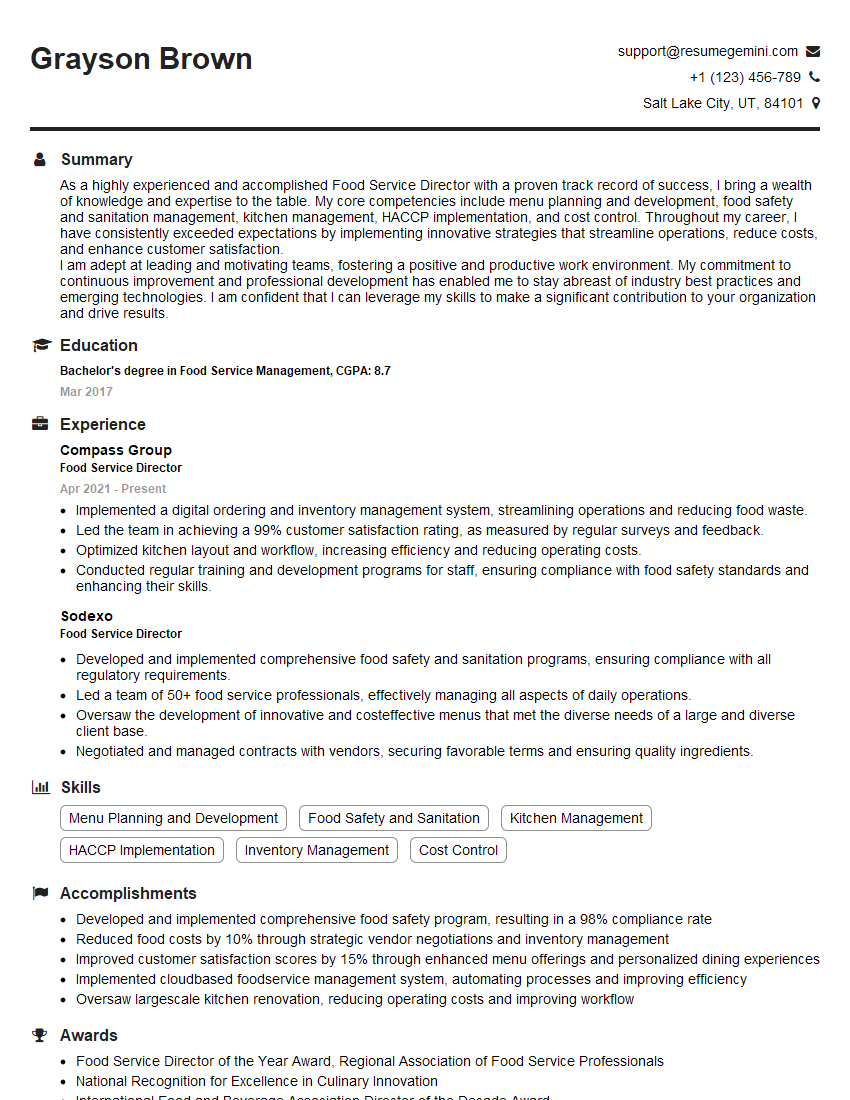
Food Service Director Resume Sample
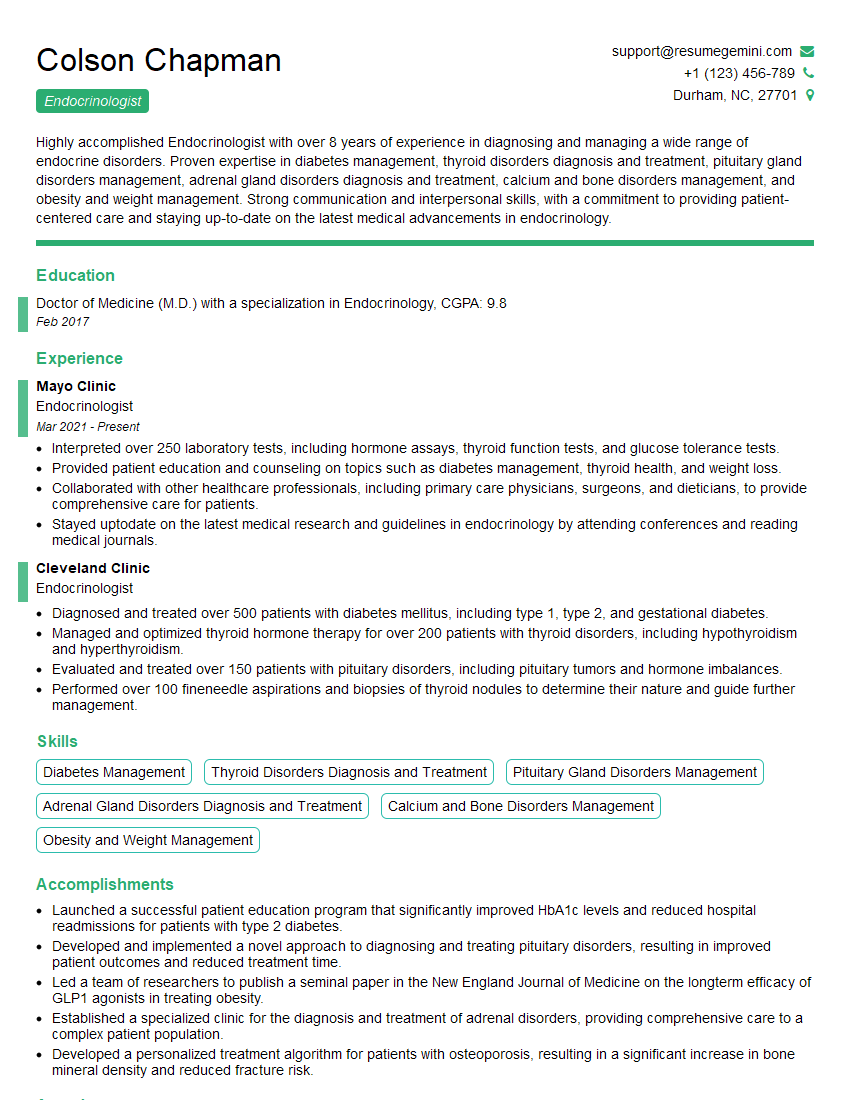
Endocrinologist Resume Sample
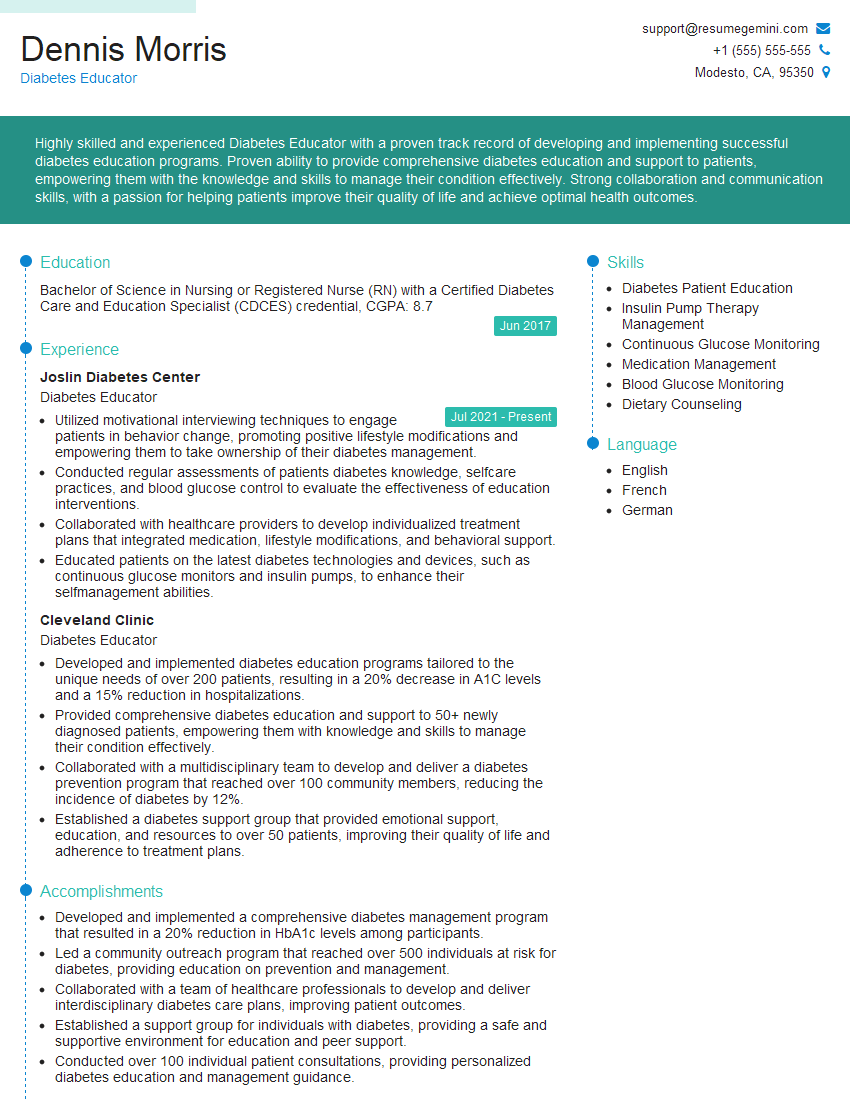
Diabetes Educator Resume Sample
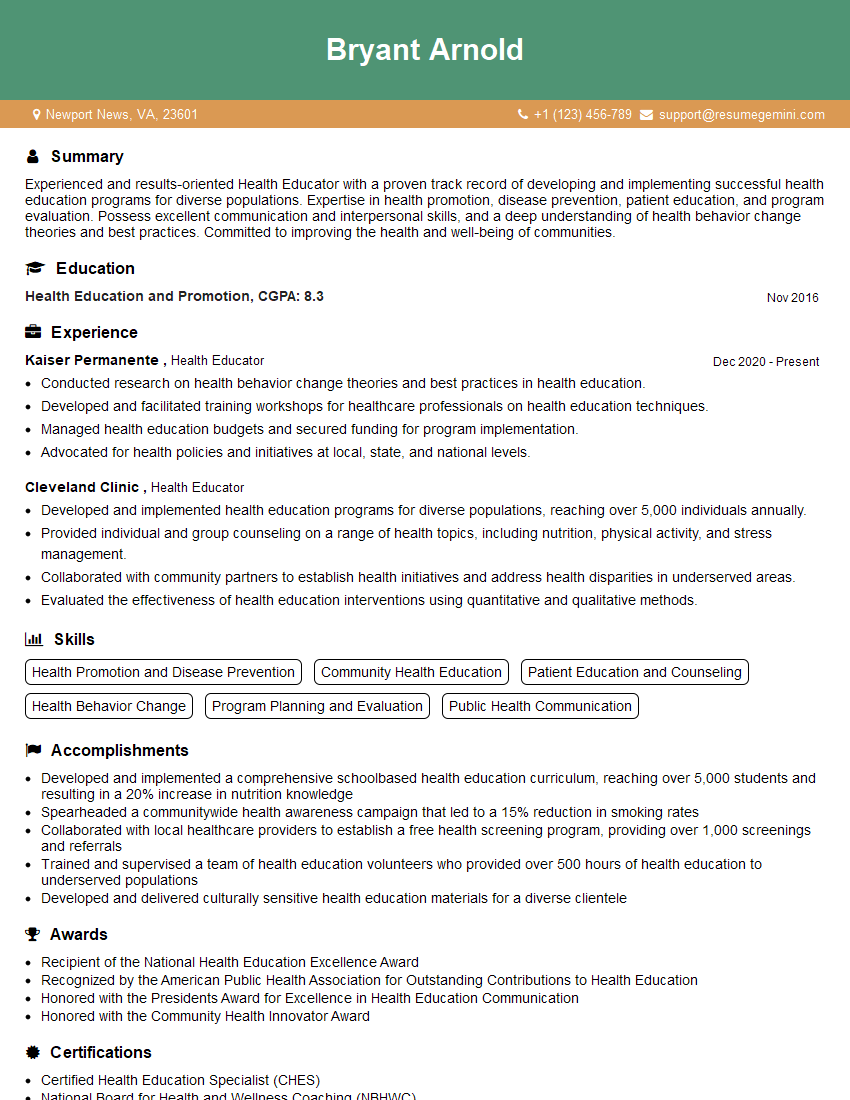
Health Educator Resume Sample
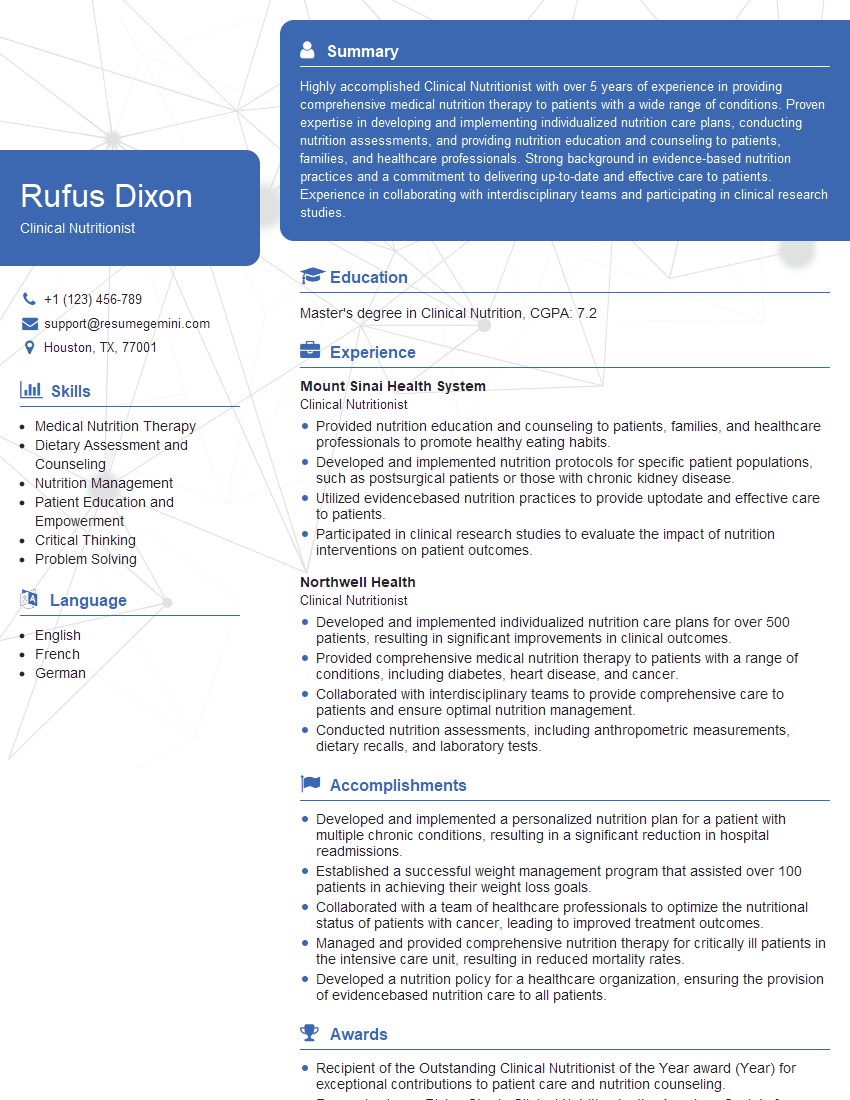
Clinical Nutritionist Resume Sample
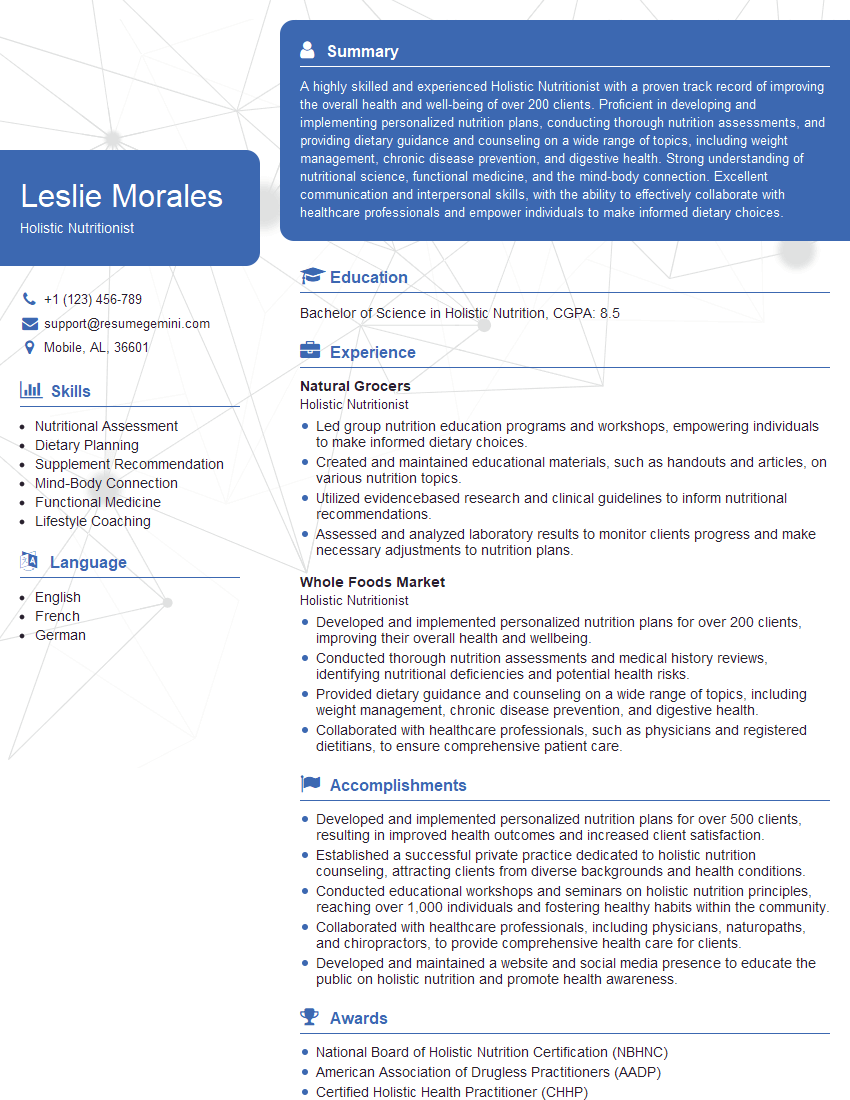
Holistic Nutritionist Resume Sample
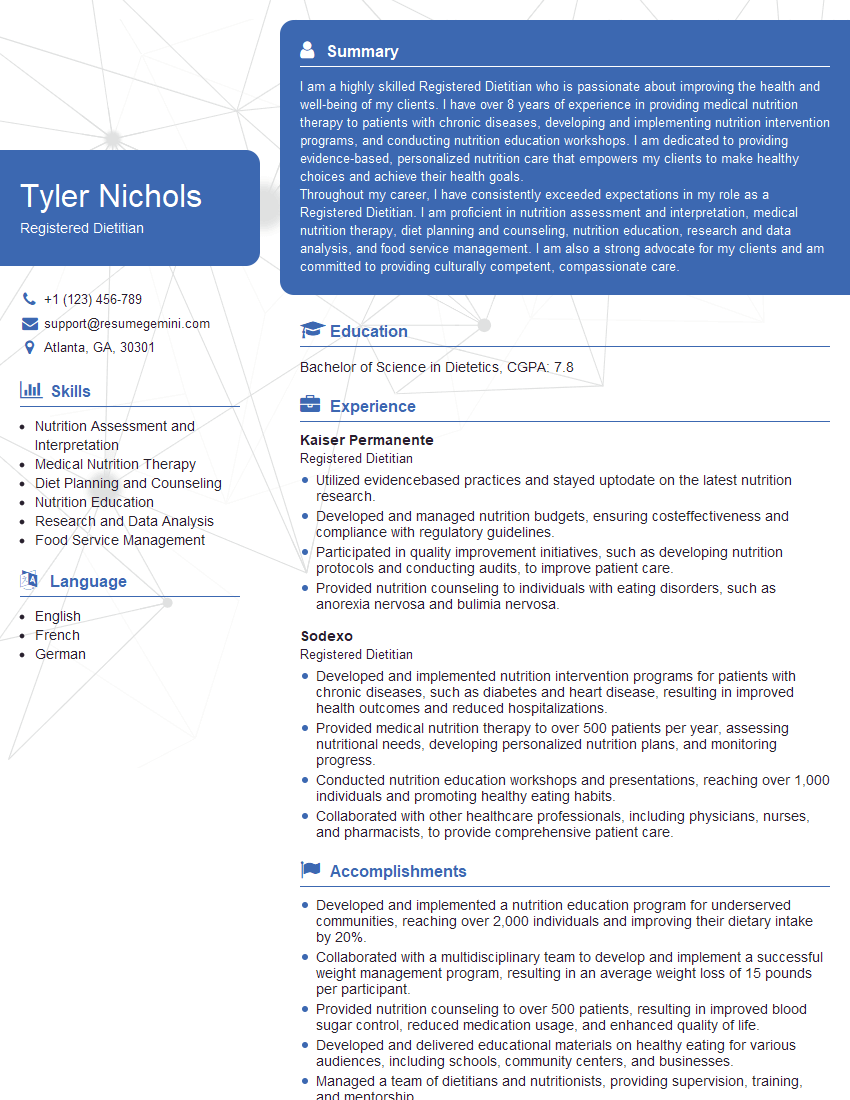
Registered Dietitian Resume Sample
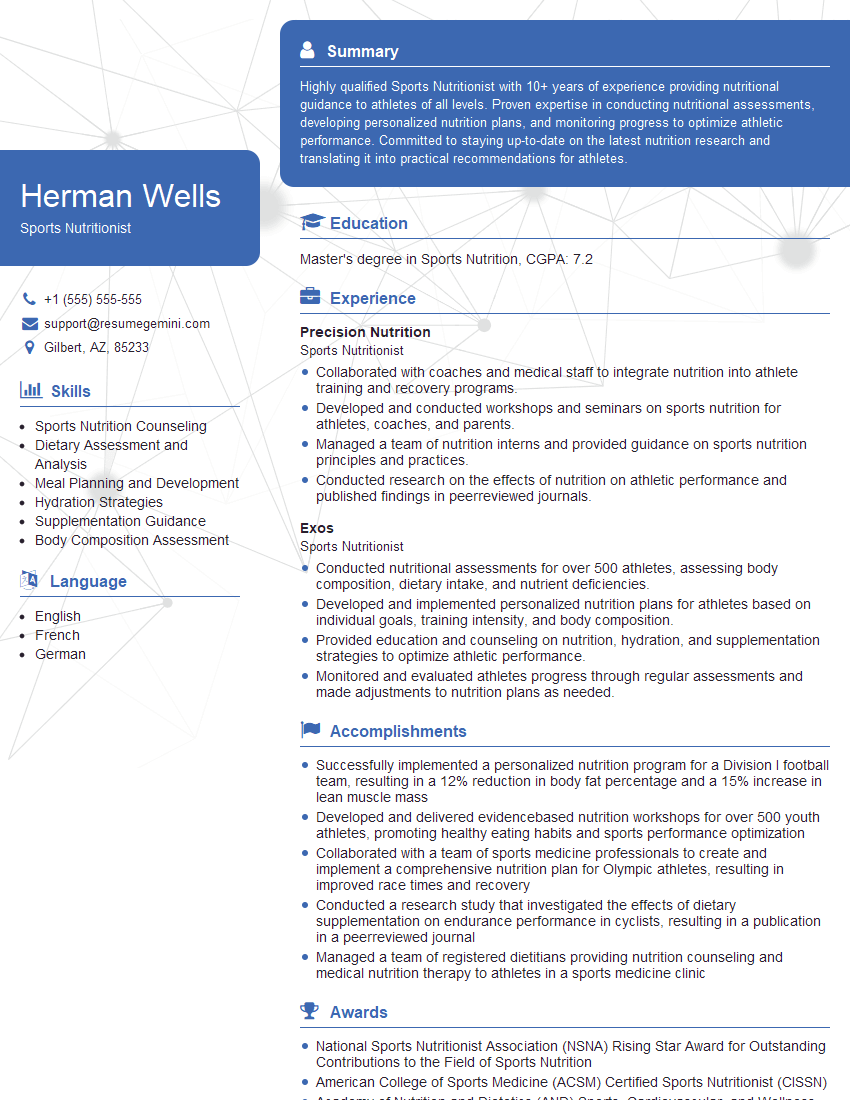
Sports Nutritionist Resume Sample
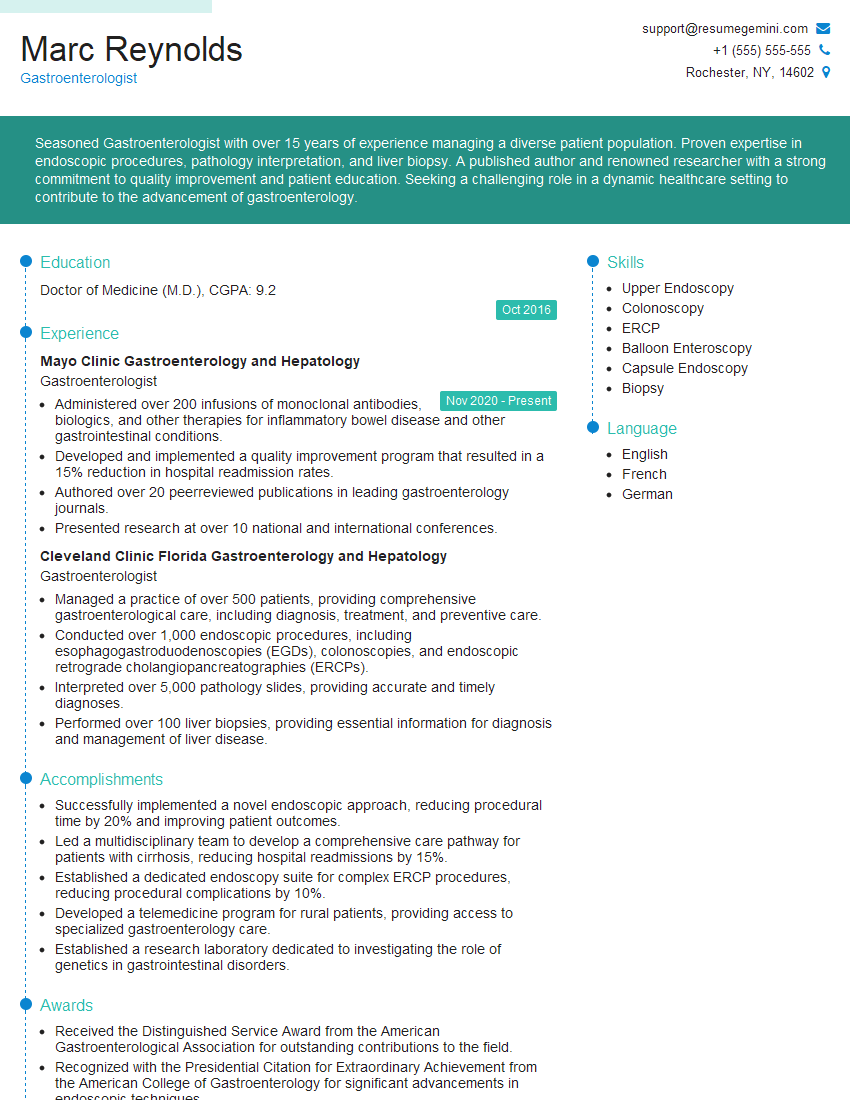
Gastroenterologist Resume Sample
Explore more articles
Users Rating of Our Blogs
Share Your Experience
We value your feedback! Please rate our content and share your thoughts (optional).
What Readers Say About Our Blog
Very informative content, great job.
good