Interviews are opportunities to demonstrate your expertise, and this guide is here to help you shine. Explore the essential Weight Reduction Strategies interview questions that employers frequently ask, paired with strategies for crafting responses that set you apart from the competition.
Questions Asked in Weight Reduction Strategies Interview
Q 1. Explain the difference between calorie restriction and nutrient timing.
Calorie restriction and nutrient timing are both strategies used in weight management, but they focus on different aspects. Calorie restriction simply involves consuming fewer calories than your body expends to create a calorie deficit, leading to weight loss. Think of it like this: your body is a bank account, and calories are your deposits. If you consistently withdraw (spend) more than you deposit, your account balance (body weight) decreases.
Nutrient timing, on the other hand, focuses on *when* you consume specific nutrients, rather than just the total number of calories. It involves strategically consuming carbohydrates, proteins, and fats around your workouts to optimize performance and recovery, and potentially enhance fat loss. For example, consuming protein after a workout helps repair muscle tissue and promotes satiety.
The key difference is that calorie restriction is a broad approach to overall energy intake, while nutrient timing is a more nuanced strategy that considers the timing and type of nutrients for specific goals.
Q 2. Describe the role of macronutrients (carbohydrates, proteins, fats) in weight loss.
Macronutrients play crucial roles in weight loss. Carbohydrates provide energy; however, excessive intake, particularly refined carbohydrates, can lead to weight gain. A balanced approach involves prioritizing complex carbohydrates like whole grains, fruits, and vegetables for sustained energy and fiber, which promotes satiety.
Proteins are essential for building and repairing tissues, including muscles. Higher protein intake can increase metabolism, promote satiety, and help preserve muscle mass during weight loss. Think of it as the building block for your body.
Fats are vital for hormone production and nutrient absorption. Healthy fats, like those found in avocados, nuts, and olive oil, should be included in a weight-loss diet. They provide satiety and help regulate blood sugar levels. However, excessive consumption of unhealthy fats should be avoided.
A successful weight-loss strategy balances these macronutrients to ensure adequate energy, promote satiety, and support overall health.
Q 3. What are the key components of a balanced meal plan for weight loss?
A balanced meal plan for weight loss prioritizes whole, unprocessed foods and focuses on portion control. Key components include:
- Lean protein sources: Chicken breast, fish, beans, lentils, tofu.
- Complex carbohydrates: Whole grains, brown rice, quinoa, fruits, vegetables.
- Healthy fats: Avocado, nuts, seeds, olive oil.
- Plenty of fruits and vegetables: Rich in vitamins, minerals, and fiber, promoting satiety and overall health.
- Adequate water intake: Crucial for hydration and metabolism.
Portion sizes should be carefully managed to create a calorie deficit. Planning meals and snacks in advance can help prevent impulsive, unhealthy choices. For instance, preparing a weekly meal plan ensures that nutritious options are readily available. Using smaller plates can also aid in portion control.
Q 4. Explain the importance of exercise in a comprehensive weight reduction strategy.
Exercise is crucial for a comprehensive weight reduction strategy, going beyond just calorie burning. It enhances metabolism, improves cardiovascular health, and builds muscle mass, which in turn boosts metabolism further. Muscle tissue burns more calories at rest than fat tissue.
Different types of exercise contribute differently: Cardiovascular exercise (running, swimming, cycling) burns calories and improves cardiovascular fitness. Strength training builds muscle mass, increases metabolism, and improves body composition. A combination of both is ideal for optimal results. Remember, exercise doesn’t just contribute to weight loss; it also significantly improves overall health and well-being.
Q 5. How would you address emotional eating in a client’s weight loss journey?
Addressing emotional eating requires a multifaceted approach. It’s crucial to understand the underlying emotional triggers that lead to overeating. This often involves working with a therapist or counselor. Techniques include:
- Identifying triggers: Keeping a food journal can help pinpoint situations, emotions, or thoughts that trigger emotional eating.
- Developing coping mechanisms: Finding alternative ways to manage stress, anxiety, or boredom, such as exercise, meditation, or spending time with loved ones.
- Mindful eating: Paying attention to hunger and fullness cues, and savoring food without distractions.
- Seeking professional support: A therapist or counselor can provide guidance and support in addressing the root causes of emotional eating.
For example, if stress leads to overeating, introducing relaxation techniques like yoga or deep breathing exercises can help manage the stress response, reducing the reliance on food for comfort.
Q 6. Describe different types of weight loss surgeries and their potential risks and benefits.
Weight loss surgeries, or bariatric surgeries, are considered for individuals with severe obesity and related health issues. Types include:
- Gastric bypass: Reduces stomach size and alters the digestive pathway.
- Sleeve gastrectomy: Removes a portion of the stomach, reducing its capacity.
- Adjustable gastric banding: Places an inflatable band around the upper stomach to restrict food intake.
Benefits include significant weight loss and improvement in obesity-related conditions like type 2 diabetes and hypertension. However, risks include surgical complications, nutritional deficiencies, and psychological challenges. These procedures are major surgeries requiring careful consideration and a dedicated post-operative support team. The decision should be made in consultation with a surgeon and a multidisciplinary team.
Q 7. What are some common barriers to weight loss and how would you overcome them?
Common barriers to weight loss include:
- Lack of motivation and commitment: Setting realistic, achievable goals and finding support systems can help maintain motivation.
- Unrealistic expectations: Gradual, sustainable weight loss is more achievable and healthier than rapid weight loss.
- Lack of support: Joining support groups or working with a registered dietitian or personal trainer can provide valuable guidance and encouragement.
- Underlying medical conditions: Certain medical conditions can affect weight management; consulting a physician is essential.
- Stress and emotional eating: Addressing emotional triggers and developing coping mechanisms are crucial.
Overcoming these barriers involves addressing them individually. For example, a personalized plan addressing emotional eating or a support group for motivation and accountability can significantly improve success rates. It is vital to create a plan that addresses the unique challenges of each individual.
Q 8. Explain the concept of metabolic rate and its relevance to weight management.
Metabolic rate is the speed at which your body uses energy. It’s essentially how many calories you burn at rest and during activity. Understanding your metabolic rate is crucial for weight management because it dictates how many calories you need to consume to maintain, lose, or gain weight. A higher metabolic rate means you burn more calories, making weight loss easier (though still requiring a calorie deficit), while a lower metabolic rate means you burn fewer calories, potentially making weight loss more challenging.
Factors influencing metabolic rate include age, sex, muscle mass (more muscle burns more calories), genetics, and activity level. For example, a highly active individual with significant muscle mass will have a higher metabolic rate than a sedentary individual with less muscle mass. When planning a weight loss program, we consider this individual’s metabolic rate to create a realistic and safe calorie deficit. A drastic calorie reduction can be harmful and unsustainable, while too small a deficit might lead to slow or no progress.
Q 9. How would you tailor a weight loss plan for a client with specific health conditions (e.g., diabetes, heart disease)?
Tailoring a weight loss plan for clients with specific health conditions requires careful consideration and collaboration with their healthcare providers. For instance, a client with diabetes needs a plan that focuses on stable blood sugar levels. This often involves prioritizing complex carbohydrates, emphasizing fiber intake, and carefully managing carbohydrate portions. Exercise should be incorporated, but with careful consideration of blood glucose levels.
Similarly, for a client with heart disease, the plan needs to focus on lowering cholesterol and blood pressure. This might involve reducing saturated and trans fats, increasing soluble fiber, and incorporating low-impact cardiovascular exercises. It’s crucial to work within the client’s physical limitations and to obtain clearance from their cardiologist before starting any exercise program.
In both cases, the plan must be individualized, incorporating their preferences, cultural factors, and the severity of their conditions. Regular monitoring and adjustments are necessary to ensure the plan remains safe and effective.
Q 10. Discuss the importance of sustainable lifestyle changes for long-term weight management.
Sustainable lifestyle changes are paramount for long-term weight management. Crash diets and extreme exercise regimens often lead to initial weight loss, but they are rarely sustainable. The body often retaliates by slowing metabolism, leading to weight regain once the restrictive measures stop. Think of it like trying to change your car’s oil using only one type of oil, which might work initially but eventually damages the engine.
Sustainable changes incorporate gradual shifts in diet and exercise, focusing on making small, manageable adjustments that become ingrained habits. This might involve gradually reducing portion sizes, increasing vegetable intake, choosing healthier cooking methods, and incorporating regular physical activity that the individual enjoys. The focus is on building a lifestyle that promotes both physical and mental well-being, making weight management a continuous journey rather than a temporary fix.
Q 11. What are the ethical considerations when working with clients seeking weight loss?
Ethical considerations are central to my practice. I prioritize client autonomy, ensuring they understand the risks and benefits of any weight loss strategy. I avoid making promises of quick fixes or unrealistic weight loss targets. Instead, I emphasize the importance of healthy lifestyle changes and celebrate small victories along the way.
Confidentiality is another key aspect. I protect client information, ensuring all discussions remain private. Furthermore, I avoid using manipulative or coercive tactics. I empower clients to make their own informed decisions based on accurate information and sound scientific evidence. I also consider cultural sensitivities, avoiding any approach that might be culturally inappropriate or insensitive.
If a client exhibits signs of disordered eating or body dysmorphia, I refer them to a qualified specialist, providing them with the necessary support and guidance.
Q 12. Describe your experience with different weight loss tracking methods (apps, journals, etc.).
I’ve extensive experience using various weight loss tracking methods. Digital apps offer convenience and detailed data analysis, providing insights into calorie intake, macronutrient ratios, exercise levels, and sleep patterns. Examples include MyFitnessPal and Lose It!. These apps can be motivating and help maintain accountability, but they can be overwhelming to some.
Traditional food journals offer a more hands-on approach, allowing for mindful tracking and a deeper understanding of eating habits. However, they require more discipline and can be time-consuming. I find a combination of both methods often works best. For some clients, simply tracking their food for a week can drastically improve their awareness, leading to healthier food choices.
Ultimately, the best method depends on the client’s preferences and tech-savviness. The goal is to find a system they can consistently adhere to, promoting self-monitoring and informed decision-making.
Q 13. Explain your understanding of the science behind different weight loss diets (e.g., keto, intermittent fasting).
The ketogenic diet restricts carbohydrates, forcing the body to burn fats for energy (ketosis). This can lead to initial weight loss due to water loss and fat burning. However, long-term sustainability can be challenging due to its restrictive nature and potential nutrient deficiencies. Some individuals may experience side effects like the “keto flu”.
Intermittent fasting involves cycling between periods of eating and fasting. This can influence hormones related to appetite and metabolism, potentially leading to weight loss. Different types exist, such as the 16/8 method (16 hours fasting, 8 hours eating window). While it can be effective for some, it’s not suitable for everyone, particularly individuals with certain health conditions such as diabetes. Both diets require careful planning and medical supervision.
It’s important to understand that while these diets may lead to initial weight loss, long-term success is more closely linked to sustainable lifestyle changes that include a balanced diet and regular physical activity, regardless of the specific dietary approach.
Q 14. How would you assess a client’s readiness for change?
Assessing a client’s readiness for change is a crucial first step. I use a combination of methods, including motivational interviewing techniques and validated questionnaires (like the Stages of Change model). I explore their reasons for seeking weight loss, their perceived barriers, and their confidence in making the necessary changes.
I ask open-ended questions to understand their history with weight loss attempts, past successes and challenges, and their support system. A client’s readiness is not a binary; it’s a spectrum. Some might be highly motivated and ready to commit fully, while others might be in the early stages of contemplation. Respecting their individual journey and providing tailored support is essential. I often help clients define SMART goals (Specific, Measurable, Achievable, Relevant, Time-bound), which improves their chances of success. Regular check-ins and adjustments to the plan are vital to ensure ongoing engagement and support.
Q 15. What motivational interviewing techniques do you employ?
Motivational interviewing (MI) is a collaborative, person-centered form of guiding to elicit and strengthen motivation for change. I employ several key techniques. Empathy is paramount – understanding the client’s perspective and validating their feelings about weight loss. I actively listen, reflecting their concerns back to them to ensure understanding. For example, if a client expresses frustration with past failures, I might say, ‘It sounds like you’re feeling discouraged after previous attempts at weight loss.’ This validates their feelings. Developing Discrepancy involves helping clients see the gap between their current behavior and their desired goals. I might ask, ‘How does your current eating pattern align with your goal of having more energy?’ This prompts self-reflection. Rolling with Resistance acknowledges resistance without directly confronting it. If a client resists a suggestion, I explore their concerns rather than arguing. For example, if they resist exercise, I might ask, ‘What are your concerns about incorporating exercise into your routine?’ Supporting Self-Efficacy focuses on building confidence in their ability to make changes. I highlight past successes, however small, and help clients set achievable goals, building momentum. Finally, I use Open-Ended Questions – questions that cannot be answered with a simple ‘yes’ or ‘no’ – to encourage deeper exploration and self-discovery. This helps clients identify their own solutions rather than feeling dictated to.
Career Expert Tips:
- Ace those interviews! Prepare effectively by reviewing the Top 50 Most Common Interview Questions on ResumeGemini.
- Navigate your job search with confidence! Explore a wide range of Career Tips on ResumeGemini. Learn about common challenges and recommendations to overcome them.
- Craft the perfect resume! Master the Art of Resume Writing with ResumeGemini’s guide. Showcase your unique qualifications and achievements effectively.
- Don’t miss out on holiday savings! Build your dream resume with ResumeGemini’s ATS optimized templates.
Q 16. How do you measure the success of a weight loss program?
Measuring success in a weight loss program goes beyond just the number on the scale. It’s a multifaceted approach. Weight change is certainly a key indicator, but it needs context. We track it consistently using a calibrated scale, noting changes weekly or bi-weekly. However, I also consider body composition changes, which indicates fat loss versus muscle loss, using methods like bioelectrical impedance analysis (BIA). Waist circumference is another important metric, as abdominal fat is linked to health risks. Improvements in health markers are critical. We monitor blood pressure, cholesterol levels, and blood glucose regularly. Furthermore, I assess lifestyle changes. Are they consistently incorporating more physical activity? Have they made sustainable dietary changes? Are they experiencing improved sleep quality or reduced stress? Finally, client feedback is vital. Do they feel better? Have they reached their personal goals, even if they haven’t met the initial weight loss target? This holistic approach provides a more comprehensive understanding of progress.
Q 17. How do you address plateaus in weight loss?
Weight loss plateaus are common. They’re not necessarily a sign of failure but often an indication of needing adjustments. I address them by first reviewing adherence to the initial plan. Have they been consistent with their diet and exercise? A slight slip-up isn’t a reason to give up; we adjust the plan accordingly. We then explore potential underlying causes. These could include hormonal changes, medication side effects, inadequate calorie intake (leading to metabolic slowdown), or hidden stress. I often recommend adjusting calorie intake slightly, either down or up depending on the individual’s situation and their responses, to break the plateau. Increasing physical activity intensity or duration is also a possibility. Another approach is introducing new activities to shock the system, thus changing the body’s response. Monitoring hydration levels and sleep quality is crucial as these affect metabolism. For example, even a small reduction in sleep can impact hormone levels, leading to weight gain or stalls in loss. Finally, reassessing the client’s emotional well-being is essential. Stress can lead to increased cortisol levels and hinder weight loss. Addressing the root causes through strategies like stress management techniques is vital for resuming weight loss.
Q 18. What are the signs of disordered eating, and how would you refer a client who exhibits them?
Signs of disordered eating can be subtle and vary widely. Extreme restriction of food groups, binge eating followed by compensatory behaviors (purging, excessive exercise), preoccupation with body weight and shape, intense fear of weight gain, and significant mood changes related to food are all warning signs. Other signs include social isolation, irregular menstrual cycles (in women), or digestive problems. If I suspect disordered eating, I approach it with sensitivity and utilize a collaborative approach. I’d gently explore the client’s relationship with food and body image through open-ended questions, validating their feelings. I would never diagnose a disorder myself. I will openly discuss my observations and the possibility of seeking professional help. I provide information on available resources, and if the client agrees, I will help them find appropriate referrals to a registered dietitian specializing in eating disorders, a therapist, or a psychiatrist for a comprehensive evaluation and treatment plan. Early intervention is key to preventing long-term health consequences.
Q 19. Describe your experience working with diverse populations.
I have worked with diverse populations, recognizing that weight management strategies must be culturally sensitive and tailored to individual needs. I have experience working with clients from different ethnic backgrounds, socioeconomic statuses, and levels of physical activity. This involves understanding and adapting to varying cultural norms around food, family dynamics, and access to resources. For example, I adapt meal plans to accommodate dietary restrictions or preferences based on cultural or religious backgrounds. I also consider access to resources, such as gyms or healthy food options, when developing plans. Communication is key; I make sure to use language and approaches that are understandable and respectful to each individual. For example, I may tailor motivational messages to better resonate with specific cultural values or beliefs. My approach centers on building trust and respect through a non-judgmental and supportive environment.
Q 20. What continuing education have you pursued in weight management?
I actively pursue continuing education to stay at the forefront of weight management strategies. I’ve recently completed a certification in behavioral weight loss therapy. I regularly attend workshops and conferences on topics such as motivational interviewing, mindful eating, and the latest research in nutrition and exercise science. I also participate in online courses and webinars to expand my knowledge of specific populations and emerging trends in weight management. This ongoing education ensures I’m equipped to provide evidence-based, effective care to my clients and keep my knowledge up-to-date.
Q 21. What is your approach to creating individualized weight loss plans?
Individualized weight loss plans are essential. I begin by conducting a comprehensive assessment, including a thorough health history, body composition analysis, dietary assessment, and evaluation of physical activity levels. Then, I work collaboratively with the client to set realistic and achievable goals, aligning them with their personal values and preferences. The plan incorporates their dietary preferences while focusing on balanced nutrition and portion control. It includes a customized exercise program tailored to their fitness level and limitations, focusing on enjoyable activities to promote long-term adherence. Importantly, we regularly review progress and make adjustments as needed, emphasizing the importance of long-term lifestyle change. Regular check-ins are crucial for monitoring adherence, addressing challenges, and celebrating successes. This approach ensures the plan remains relevant and effective throughout the weight loss journey, promoting sustainable healthy habits.
Q 22. How do you handle client non-compliance?
Client non-compliance is a common challenge in weight management. It’s crucial to understand the why behind the non-compliance before addressing it. I approach this situation with empathy and a collaborative spirit, avoiding judgment. My strategy involves:
- Open Communication: I schedule a session to discuss any obstacles they’re facing. This isn’t about blame but about understanding their perspective. For example, a client might be struggling due to unexpected life stress or finding the dietary changes too difficult to sustain.
- Goal Re-evaluation: Sometimes, goals are unrealistic. We might need to adjust the weight loss target or the timeline. Perhaps we can focus on smaller, achievable goals to build momentum and confidence.
- Strategy Modification: The initial plan might not be working. We may need to modify the exercise regime, dietary approach, or even explore different strategies altogether. Maybe a client needs more meal prep support or guidance on stress management.
- Support System: I encourage clients to involve their family or friends. A strong support network can make a significant difference. If necessary, I might refer them to a therapist or counselor for additional support.
- Positive Reinforcement: Focusing on achievements, no matter how small, is crucial. Celebrating milestones keeps them motivated and engaged.
For instance, if a client consistently misses workouts, we might explore alternative activities they enjoy, or adjust the workout intensity to make it more sustainable.
Q 23. What are the different types of body composition analysis and their limitations?
Body composition analysis assesses the different components of your body, not just weight. Several methods exist, each with limitations:
- Bioelectrical Impedance Analysis (BIA): This uses a small electrical current to measure body fat. It’s convenient and affordable but is highly sensitive to hydration levels. Dehydration or recent exercise can significantly skew results.
- Skinfold Calipers: This involves measuring skinfold thickness at specific body sites. It’s relatively inexpensive but relies heavily on the technician’s skill and experience, leading to variability in measurements.
- Underwater Weighing (Hydrostatic Weighing): This measures body density by submerging the individual in water. It’s considered a gold standard but is less accessible due to its complexity and requirement for specialized equipment.
- Dual-Energy X-ray Absorptiometry (DEXA): This uses low-dose X-rays to measure bone density, muscle mass, and fat mass. It’s highly accurate but expensive and uses ionizing radiation.
- Air Displacement Plethysmography (Bod Pod): This measures body volume using air displacement, providing a highly accurate assessment of body density. Similar to DEXA, it is expensive and requires specialized equipment.
Therefore, it’s essential to use these methods judiciously and understand their limitations. A holistic approach, considering factors beyond just body composition numbers, is crucial for effective weight management.
Q 24. How do you explain complex nutritional information to clients in an easy-to-understand manner?
Explaining complex nutritional information requires clear and concise language, avoiding jargon. I use several techniques:
- Analogies and Real-life Examples: Instead of explaining macronutrients abstractly, I use analogies. For instance, I compare carbohydrates to fuel for the body, proteins to building blocks, and fats to essential components for hormone regulation. I illustrate these with real-world examples from their daily diet.
- Visual Aids: Diagrams, charts, and food models help visualize concepts like portion sizes and food groups. I use tools such as MyPlate to show visual representations of healthy eating.
- Personalized Plans: Generic advice doesn’t work for everyone. I create personalized plans based on their dietary preferences, cultural background, and any allergies or intolerances.
- Step-by-Step Guidance: Instead of overwhelming them with all the information at once, I introduce concepts gradually. I start with simple changes and build upon them as they progress.
- Interactive Sessions: I encourage questions and open discussions, creating a comfortable environment where they feel free to ask for clarification.
For example, instead of saying “reduce your saturated fat intake,” I might say “Try to choose lean protein sources like chicken breast instead of fatty cuts of meat.” This makes the information relatable and actionable.
Q 25. Describe your experience using technology (apps, software) in weight management.
Technology plays a significant role in modern weight management. I utilize several apps and software tools, including:
- Fitness Tracking Apps (e.g., Fitbit, MyFitnessPal): These help clients monitor their activity levels, calorie intake, and sleep patterns, promoting self-awareness and accountability.
- Nutritional Tracking Apps (e.g., MyFitnessPal, Lose It!): These apps help clients track their food intake, ensuring they stay within their daily caloric targets and meet their macronutrient goals.
- Telehealth Platforms: These platforms enable remote consultations, making weight management more accessible. This is especially beneficial for clients in remote areas or with mobility limitations.
- Customizable Meal Planning Software: I sometimes use software to create personalized meal plans based on client’s preferences and dietary restrictions.
For example, I might use MyFitnessPal to collaborate with a client, reviewing their food logs and providing feedback on improvements. Data-driven insights allow for more effective adjustments to their weight loss plan.
Q 26. How do you maintain client confidentiality?
Maintaining client confidentiality is paramount. I adhere to strict ethical guidelines and legal requirements, including:
- HIPAA Compliance (if applicable): I ensure all electronic and paper records are secured according to HIPAA regulations. This includes password protection, secure storage, and limited access to sensitive information.
- Informed Consent: Clients are fully informed about how their data will be used and protected before commencing any program.
- Data Security Protocols: I utilize secure platforms for communication and data storage. Password protection and encryption are essential.
- Limited Access: Only authorized personnel have access to client records.
- Confidential Communication: All communication is treated with utmost confidentiality, respecting client privacy at all times.
I also emphasize the importance of confidentiality to clients and discuss any concerns they may have regarding data privacy.
Q 27. Explain the importance of regular follow-up appointments in a weight loss program.
Regular follow-up appointments are essential for success in a weight loss program. They provide opportunities for:
- Progress Monitoring: Tracking weight, measurements, and overall health markers provides valuable data on the effectiveness of the program.
- Obstacle Identification: Regular check-ins help identify potential roadblocks, allowing for timely interventions and adjustments to the plan.
- Motivation and Support: Consistent support and encouragement from a professional significantly boost client morale and adherence.
- Behavioral Adjustments: Feedback and guidance on areas needing improvement help clients stay focused and motivated.
- Prevent Plateaus: Plateaus are common. Regular check-ins allow for identification and strategies to overcome them.
For instance, if a client is experiencing a plateau, we can analyze their diet and exercise routine, adjust caloric intake, incorporate new exercises, or address any emotional factors contributing to the stagnation.
Q 28. How do you stay current with the latest research and advancements in weight management?
Staying current with the latest research and advancements in weight management is crucial for providing effective care. I employ various strategies:
- Professional Organizations: I actively participate in professional organizations such as the Academy of Nutrition and Dietetics, keeping abreast of best practices and new research through publications, conferences, and webinars.
- Peer-Reviewed Journals: I regularly review peer-reviewed journals and publications in nutrition, exercise physiology, and behavioral science to gain insights into the latest findings.
- Continuing Education: I attend continuing education courses and workshops to enhance my knowledge and skills in weight management strategies.
- Online Resources and Databases: I utilize reputable online databases like PubMed to access the most recent research papers and studies.
- Networking with Colleagues: Sharing knowledge and experiences with colleagues in the field keeps me updated on new developments and best practices.
By engaging in these activities, I ensure that my clients receive evidence-based and up-to-date guidance on their weight management journey.
Key Topics to Learn for Weight Reduction Strategies Interview
- Nutritional Strategies: Understanding macronutrients (carbohydrates, proteins, fats), micronutrients (vitamins, minerals), and their roles in weight management. Practical application: Designing personalized meal plans based on individual needs and goals.
- Exercise Physiology and its Impact on Weight Loss: Exploring different types of exercise (cardio, strength training), their metabolic effects, and the principles of exercise prescription for weight reduction. Practical application: Developing a safe and effective exercise program tailored to various fitness levels and health conditions.
- Behavioral Modification Techniques: Learning about cognitive behavioral therapy (CBT), motivational interviewing, and other strategies for changing eating habits and lifestyle choices. Practical application: Identifying and addressing barriers to weight loss, such as emotional eating or lack of self-efficacy.
- Metabolic Considerations: Understanding basal metabolic rate (BMR), resting metabolic rate (RMR), and their influence on weight management. Practical application: Calculating and interpreting metabolic data to personalize weight loss interventions.
- Medical and Psychological Aspects of Weight Management: Recognizing the role of underlying medical conditions (e.g., hypothyroidism) and psychological factors (e.g., body image issues) in weight management. Practical application: Identifying individuals who require medical or psychological support for successful weight loss.
- Weight Management Medications and Procedures: Familiarizing yourself with the different types of weight loss medications and surgical procedures, their effectiveness, and potential risks and benefits. Practical application: Evaluating the appropriateness of medical interventions based on individual patient characteristics.
- Data Analysis and Interpretation: Analyzing patient data (weight, body composition, dietary intake, activity levels) to track progress, identify trends, and adjust strategies as needed. Practical application: Utilizing various tools and techniques to monitor and evaluate the effectiveness of weight loss interventions.
Next Steps
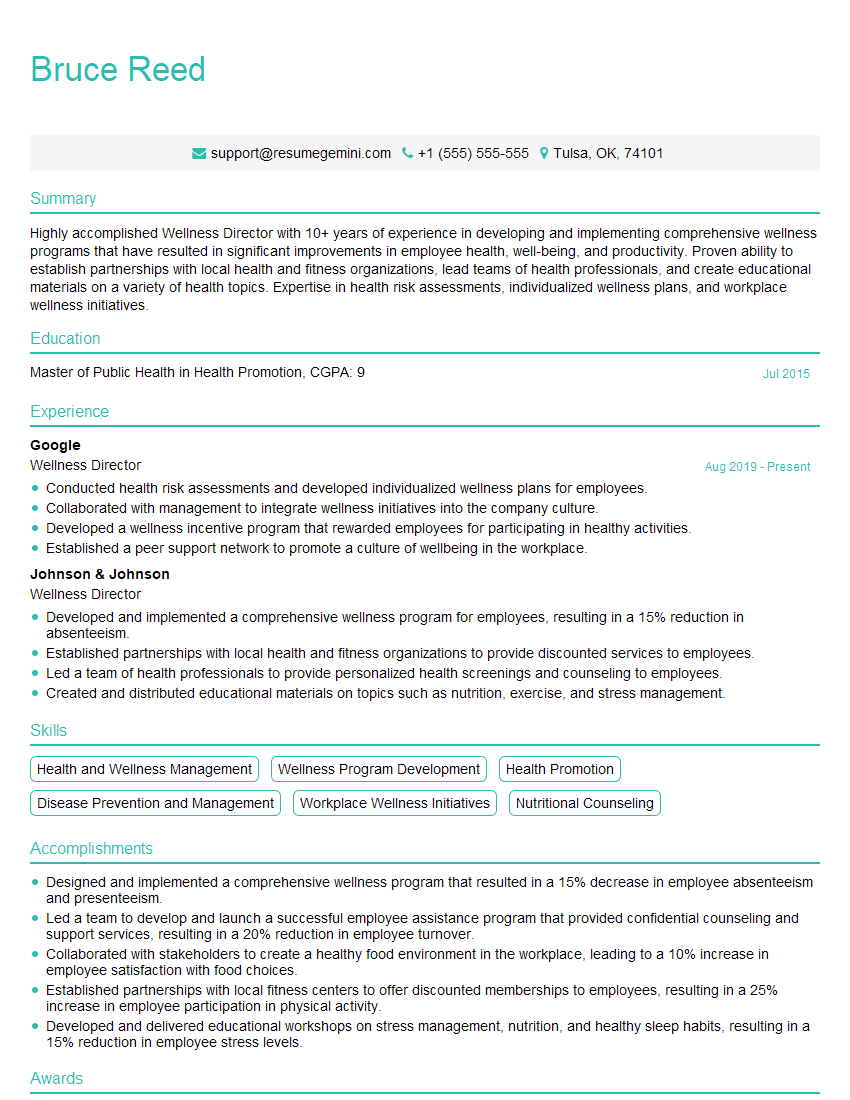
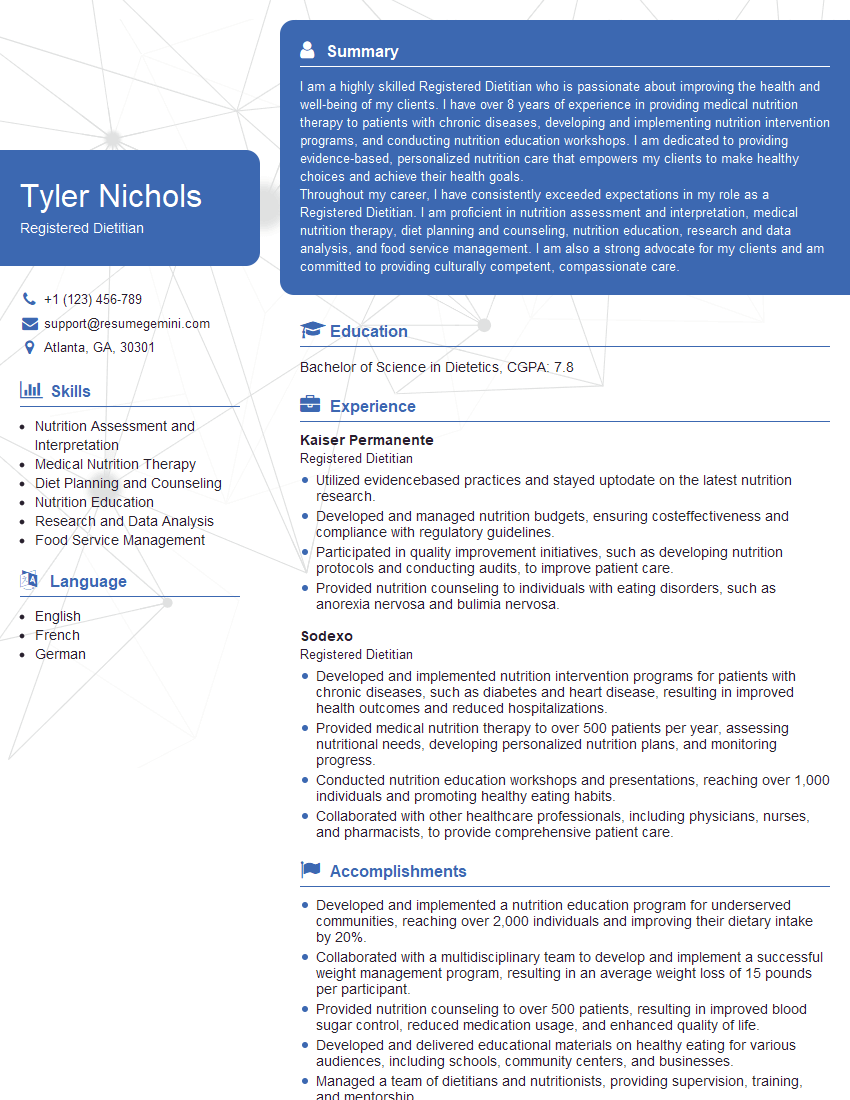
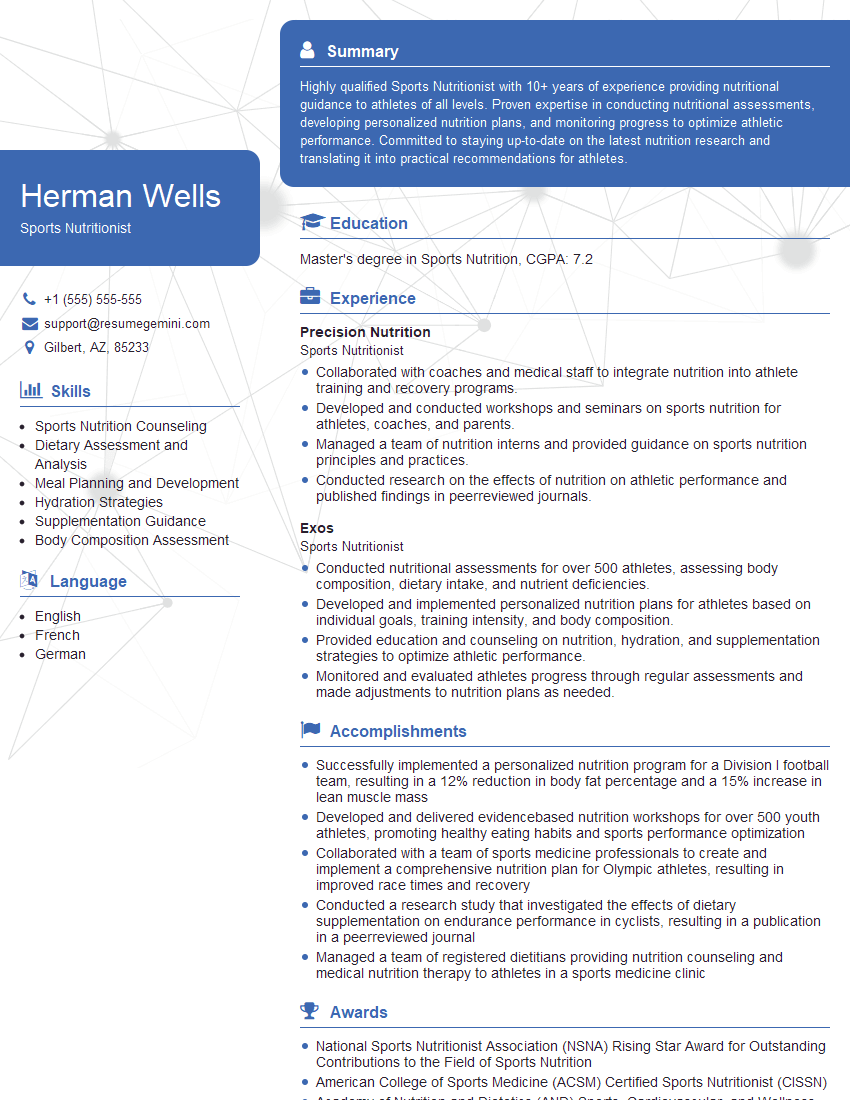
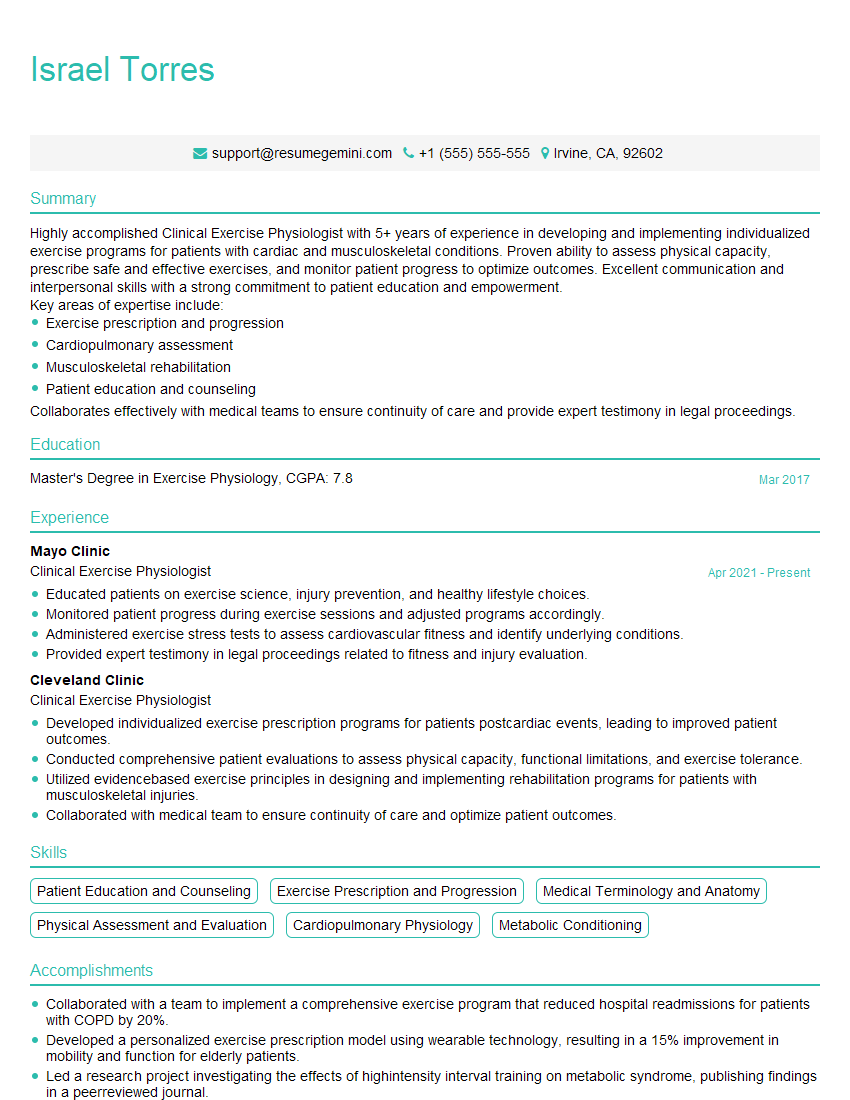
Mastering weight reduction strategies is crucial for a successful career in health and wellness. A strong understanding of these principles positions you as a valuable asset to any organization focused on improving people’s health. To enhance your job prospects, create an ATS-friendly resume that effectively showcases your skills and experience. ResumeGemini is a trusted resource to help you build a compelling and professional resume that stands out. Examples of resumes tailored to Weight Reduction Strategies are available to guide you in this process.

Explore more articles
Users Rating of Our Blogs
Share Your Experience
We value your feedback! Please rate our content and share your thoughts (optional).
What Readers Say About Our Blog
Very informative content, great job.
good