Preparation is the key to success in any interview. In this post, we’ll explore crucial Wellhead and Tank Battery Operations interview questions and equip you with strategies to craft impactful answers. Whether you’re a beginner or a pro, these tips will elevate your preparation.
Questions Asked in Wellhead and Tank Battery Operations Interview
Q 1. Explain the function of a wellhead assembly.
The wellhead assembly is the critical interface between the producing formation and the surface equipment. Think of it as the ‘gateway’ for oil and gas. It’s a complex system of valves, fittings, and casing components designed to control the flow of hydrocarbons from the wellbore, ensuring safe and efficient production. It’s located at the surface, directly above the well’s head, securing the well casing and providing a means to control and monitor well pressure. Key functions include controlling flow, preventing blowouts, and providing access for well intervention activities like workovers or repairs.
Imagine a water hose: the wellhead is like the faucet, allowing you to control the water flow. Without a wellhead, managing the pressure and preventing uncontrolled flow would be impossible.
Q 2. Describe the different types of wellhead valves and their applications.
Wellhead valves are crucial for controlling pressure and flow. Several types exist, each with specific applications:
- Gate Valves: These are simple on/off valves, ideal for isolating sections of the wellhead. They’re rarely used for throttling because of the potential for damage from erosion.
- Globe Valves: Offer better flow control than gate valves and are commonly used for regulating flow. They have a more complex design and require more maintenance.
- Check Valves: These are unidirectional valves, preventing reverse flow. They’re essential for preventing backflow into the wellbore, ensuring smooth and safe operations.
- Ball Valves: These quick-acting valves are used for fast on/off operations. They are often used in safety-critical applications for quick shutdowns.
- Plug Valves: These valves, often lubricated, are robust and are used in high-pressure applications; however they are not ideal for frequent use.
The choice of valve depends on the specific well conditions, pressure, temperature, and the desired level of flow control. For example, a high-pressure gas well might utilize a ball valve for rapid shutdowns in an emergency, while a low-pressure oil well might use a globe valve for flow regulation.
Q 3. How do you identify and address a wellhead leak?
Identifying a wellhead leak requires careful observation and the use of specialized equipment. Signs include audible hissing, visible fluid escaping, unusual pressure drops, and the smell of hydrocarbons.
Addressing a leak requires a systematic approach:
- Isolate the leak: Immediately shut down the well using appropriate wellhead valves to contain the leak and prevent further release.
- Assess the severity: Determine the extent of the leak, identifying the source and the type and quantity of fluid escaping. Small leaks might be addressed with minor repairs, while larger leaks require significant intervention.
- Implement emergency procedures: If the leak is significant, initiate emergency response procedures, including notifying relevant authorities and evacuating personnel.
- Repair or replace: Depending on the severity and location of the leak, repairs might involve tightening fittings, replacing seals, or even replacing damaged wellhead components.
- Post-repair inspection: After repairs, thoroughly inspect the wellhead for any residual leaks and ensure all components are functioning correctly.
Remember, safety is paramount. Never attempt repairs on a wellhead under pressure unless specifically trained and authorized.
Q 4. What are the safety procedures for working on a wellhead?
Safety procedures for wellhead operations are crucial. They often vary depending on the specific facility and regulatory requirements. However, some common elements include:
- Lockout/Tagout (LOTO): Before any work, all energy sources must be isolated and locked out using LOTO procedures to prevent accidental activation.
- Permit-to-work system: A formal permit-to-work system outlines the necessary steps, safety precautions, and approvals required before commencing any work.
- Personal Protective Equipment (PPE): Appropriate PPE, such as safety glasses, gloves, hard hats, and flame-resistant clothing, must be worn at all times.
- Confined space entry procedures: If working in confined spaces (such as inside a wellhead structure), strict confined-space entry procedures must be followed, including atmospheric testing and appropriate ventilation.
- Emergency response plan: A well-defined emergency response plan should be in place, detailing procedures for handling leaks, fires, or other emergencies. Regular drills are often conducted to ensure personnel are prepared.
Remember, safety is not just a procedure; it’s a culture. A proactive safety approach is paramount to ensure the well-being of personnel and the protection of the environment.
Q 5. Explain the purpose of a tank battery.
A tank battery is a group of storage tanks, located at the wellsite, designed to temporarily store produced hydrocarbons (oil, gas, and water) before they are transported to processing facilities. Think of it as a temporary ‘holding area’ for the extracted resources. It facilitates the separation of oil, water, and gas, allowing for efficient processing and transportation. A tank battery is crucial for the efficient and safe operation of an oil and gas well.
Imagine a supermarket – the tank battery is the temporary storage area before goods are shipped to stores. It acts as a buffer, handling fluctuations in production and providing storage until transport is arranged.
Q 6. Describe the different types of tanks used in a tank battery.
Several types of tanks are used in tank batteries, each with specific properties:
- Steel Tanks: The most common type, offering robust construction and various capacities. They are built to withstand pressure and are suitable for a wide range of applications.
- Fiberglass Reinforced Plastic (FRP) Tanks: These are lighter and corrosion-resistant, suitable for corrosive fluids or environments. However, they might not be as robust as steel tanks under extreme pressure.
- Horizontal Tanks: Ideal for space-constrained locations. They have a smaller footprint but might require more land for equivalent storage capacity compared to vertical tanks.
- Vertical Tanks: Commonly used and offer efficient use of vertical space. They are ideal for large storage volumes but require more height.
The choice of tank depends on the type of fluid, the required storage capacity, the environmental conditions, and site constraints.
Q 7. How do you monitor the level and pressure in a tank battery?
Monitoring level and pressure in a tank battery is critical for safe and efficient operation. Several methods are commonly used:
- Float-type level gauges: These simple, reliable gauges provide direct visual indication of the liquid level in the tank.
- Pressure gauges: Pressure gauges measure the hydrostatic pressure of the liquid inside the tank, which is directly proportional to the level. They are often used in conjunction with level gauges.
- Electronic level transmitters: These provide continuous and accurate level measurements, transmitting data to a central control system. This offers real-time monitoring and allows for remote oversight.
- High-level alarms: Essential safety features that alert operators when the tank level approaches its maximum capacity, preventing potential overflows.
- Pressure sensors and transmitters: These devices monitor pressure within the tanks and the associated pipelines, identifying potential leaks or pressure build-ups.
Modern tank batteries often utilize Supervisory Control and Data Acquisition (SCADA) systems, providing a centralized platform to monitor and control multiple tanks and other equipment. These systems are equipped with automated alerts and notifications for deviations in level and pressure, allowing for prompt action and preventing incidents.
Q 8. What are the safety precautions for working in a tank battery?
Working in a tank battery presents inherent risks due to the presence of flammable and potentially toxic substances. Safety is paramount, and precautions must be meticulously followed. Before entering a tank battery, a thorough hazard assessment is crucial. This includes checking for atmospheric hazards like the presence of flammable gases (methane, propane, etc.) using a combustible gas indicator (CGI) and identifying potential sources of ignition. Furthermore, proper personal protective equipment (PPE) is essential, including flame-resistant clothing, safety glasses, gloves, and steel-toed boots. Communication is key; ensuring someone is aware of your entry and planned activities is vital. Never work alone. Finally, understanding the location of emergency shut-off valves and knowing how to use them is critical in case of an emergency.
- Lockout/Tagout (LOTO) Procedures: Before performing any maintenance or repair work, always follow strict LOTO procedures to prevent accidental start-up of equipment.
- Confined Space Entry: Tank batteries often involve confined spaces like tanks themselves. Entering a confined space necessitates a permit-to-work system, atmospheric monitoring, and a standby person outside the space.
- Grounding and Bonding: Preventing static electricity buildup is crucial to prevent sparks and potential ignition. Grounding and bonding equipment is necessary, especially when handling flammable liquids.
Q 9. Explain the process of gauging a tank.
Gauging a tank involves precisely measuring the volume of liquid within it. The most common method is using a calibrated measuring tape, lowered into the tank through a gauge hatch. The tape displays the liquid level in feet, inches, or even metric units. This reading is then converted to volume using the tank’s known dimensions (diameter and height) and a volume calculation (typically a chart provided with the tank specifications). For larger tanks or those containing hazardous materials, remote gauging systems using ultrasonic or radar technology are preferred, providing a safer and more accurate measurement without direct tank entry. Always record the date, time, and product being gauged, in addition to the measured liquid level. Accurate gauging is crucial for inventory management, production monitoring, and ensuring efficient operations.
Example: Let’s say a tank has a diameter of 20 feet and a measured liquid level of 15 feet. Using a provided volume chart specific to the tank design or an appropriate formula (volume = π * radius² * height), one can calculate the volume of liquid in the tank.
Q 10. How do you troubleshoot a malfunctioning level sensor in a tank battery?
Troubleshooting a malfunctioning level sensor starts with identifying the type of sensor – ultrasonic, radar, float, or pressure-based. The troubleshooting process varies depending on the sensor. However, some common steps include:
- Visual Inspection: Check for any visible damage, loose connections, or obstructions around the sensor.
- Wiring Check: Examine wiring for breaks, corrosion, or loose terminals. Verify proper power supply.
- Calibration: Most sensors require periodic calibration to maintain accuracy. Consult the sensor’s manual for the proper calibration procedure.
- Signal Verification: Use a multimeter to verify the sensor is outputting the correct signal. This could involve checking voltage, resistance, or current depending on the sensor type.
- Sensor Replacement: If the above steps don’t resolve the issue, sensor replacement might be necessary.
Example: An ultrasonic level sensor might be malfunctioning due to excessive build-up of foam or scale on the liquid’s surface, interfering with the ultrasonic signal. Cleaning the sensor’s surface could solve the problem.
Q 11. Describe your experience with SCADA systems in Wellhead and Tank Battery operations.
My experience with SCADA (Supervisory Control and Data Acquisition) systems in wellhead and tank battery operations is extensive. I’ve worked with several different SCADA platforms, including [mention specific platforms e.g., OSI Soft PI, Wonderware InTouch], to monitor and control various aspects of production. SCADA systems provide real-time data on wellhead pressure, flow rates, tank levels, and other crucial parameters, enabling proactive monitoring and immediate response to potential issues. This includes automated alerts for high/low levels, pressure fluctuations, or equipment malfunctions. In addition to monitoring, SCADA systems can be used to control valves remotely, optimize production, and generate reports for analysis. My experience includes not only the operation and monitoring of these systems but also participating in the system design, configuration, and troubleshooting. Data analysis from SCADA systems provides valuable insights into production efficiency and enables informed decision-making for maintenance scheduling and process improvements. For example, identifying trends in pressure decline can signal the need for well intervention before significant production losses occur.
Q 12. How do you perform routine maintenance on a wellhead?
Routine maintenance on a wellhead is crucial for ensuring safe and efficient operation, preventing leaks and maximizing production. This involves regular inspections and preventative measures. The specific tasks vary depending on the wellhead design and environmental conditions, but generally include:
- Visual Inspection: Check for any signs of corrosion, leaks, or damage to the wellhead components (casing, tubing heads, valves, etc.).
- Pressure Testing: Periodic pressure testing verifies the integrity of the wellhead’s seals and prevents leaks.
- Valve Operation: Check that all valves operate smoothly and are properly lubricated.
- Bolt Torque Check: Verify that all bolts and connections are properly tightened to prevent leaks.
- Corrosion Prevention: Apply protective coatings or implement cathodic protection systems to prevent corrosion, especially in corrosive environments.
It’s important to follow the manufacturer’s recommendations and comply with all safety regulations during wellhead maintenance. Documentation of all inspections and maintenance activities is crucial for record-keeping and regulatory compliance.
Q 13. How do you perform routine maintenance on a tank battery?
Routine maintenance of a tank battery focuses on preventing leaks, ensuring proper operation, and maintaining the structural integrity of the tanks and associated equipment. This typically includes:
- Tank Gauging: Regular gauging to monitor liquid levels and detect potential leaks.
- Visual Inspection: Check for leaks, corrosion, or damage to the tanks, piping, and valves.
- Valve Inspection and Lubrication: Ensure proper operation and lubricate valves to prevent sticking or seizing.
- Leak Detection: Implement leak detection systems to identify and address minor leaks early on.
- Painting and Coating: Periodic repainting or recoating of tanks to protect against corrosion.
- Clean Up: Removing any spills or debris from the area to improve safety.
- Sediment Removal: Periodic removal of sediment buildup from tanks to maintain storage capacity.
Regular maintenance helps to minimize environmental hazards, prevent costly repairs, and increase the overall lifespan of the tank battery equipment. Just as with wellheads, detailed records are essential for tracking maintenance and identifying potential problems.
Q 14. What are the common causes of tank battery corrosion and how to prevent it?
Tank battery corrosion is a significant concern, leading to leaks, equipment failure, and environmental hazards. Several factors contribute to corrosion:
- Atmospheric Corrosion: Exposure to oxygen, moisture, and pollutants in the air.
- Soil Corrosion: Contact with corrosive soils containing salts or acids.
- Microbial Corrosion: Certain microorganisms can accelerate corrosion processes.
- Product Corrosion: Some produced fluids are inherently corrosive.
Preventing corrosion requires a multi-pronged approach:
- Protective Coatings: Applying high-quality coatings like epoxy or polyurethane provides a barrier against environmental factors.
- Cathodic Protection: This method uses electrical current to protect the metal from corrosion. It’s particularly effective for underground or submerged tanks.
- Material Selection: Choosing corrosion-resistant materials like stainless steel or specialized alloys for tanks and piping.
- Regular Inspections: Frequent visual inspections help to detect corrosion at an early stage.
- Environmental Controls: Minimizing exposure to corrosive elements, such as proper drainage to prevent water accumulation.
By implementing these preventative measures, you can significantly extend the lifespan of tank battery equipment and reduce the risk of corrosion-related problems.
Q 15. Explain the importance of proper grounding and bonding in a tank battery.
Proper grounding and bonding in a tank battery is crucial for safety and preventing catastrophic events. It’s all about equalizing electrical potential to prevent the build-up of static electricity, which can ignite flammable hydrocarbon vapors. Think of it like this: a lightning rod for your tank battery. Without proper grounding, a spark from a static discharge could ignite a highly volatile atmosphere, leading to a fire or explosion.
- Grounding: This connects the metallic components of the tank battery (tanks, piping, equipment) to the earth, providing a path for stray electrical currents to dissipate safely.
- Bonding: This connects all metallic components within the tank battery to each other, ensuring they are at the same electrical potential. This prevents voltage differences that could generate sparks.
In practice, we use grounding rods driven deep into the earth, connected to the battery’s metallic structures through heavy-gauge bonding wires. Regular inspections and testing with a megohmmeter are essential to verify the effectiveness of the grounding and bonding system. Failure to maintain this system puts lives and the environment at significant risk.
Career Expert Tips:
- Ace those interviews! Prepare effectively by reviewing the Top 50 Most Common Interview Questions on ResumeGemini.
- Navigate your job search with confidence! Explore a wide range of Career Tips on ResumeGemini. Learn about common challenges and recommendations to overcome them.
- Craft the perfect resume! Master the Art of Resume Writing with ResumeGemini’s guide. Showcase your unique qualifications and achievements effectively.
- Don’t miss out on holiday savings! Build your dream resume with ResumeGemini’s ATS optimized templates.
Q 16. Describe your experience with emergency shut-down procedures in a wellhead or tank battery.
Emergency shut-down procedures are paramount in wellhead and tank battery operations. My experience involves both manual and automated systems. A critical aspect is knowing where all the shut-off valves are located and how to operate them quickly and safely. During my time at [Previous Company Name], I participated in numerous emergency shutdown drills, practicing scenarios such as a tank overfill, a fire, or a pipeline rupture.
These drills always begin with isolating the source of the problem—whether it’s closing a wellhead valve or shutting down a pump. Once the primary flow is stopped, we would then address secondary issues like containing spills or suppressing a fire. This requires clear communication and teamwork. Automated shutdown systems—triggered by pressure, level, or flow sensors—complement manual procedures, ensuring faster response times. The key is regular training, drills and a deep understanding of the entire system to ensure swift and efficient response during emergencies.
Q 17. How do you handle a spill or leak in a tank battery?
Handling a spill or leak in a tank battery demands immediate action, prioritizing safety and environmental protection. My approach follows a structured protocol:
- Safety First: Evacuate personnel from the immediate area and establish a safety perimeter. This step prioritizes human safety.
- Containment: Utilize booms, berms, or absorbent materials to contain the spill and prevent further spread. The goal here is to limit environmental impact.
- Source Isolation: Identify and isolate the source of the leak, usually by closing valves or shutting down equipment. Stopping the leak is crucial.
- Recovery: Recover the spilled liquid using pumps, vacuum trucks, or other appropriate equipment. Cleanup is essential.
- Notification: Report the incident to the relevant authorities (regulatory agencies, emergency services) according to company and regulatory protocols. Reporting is mandatory.
- Investigation: Conduct a thorough investigation to determine the cause of the leak and implement corrective actions to prevent recurrence. Preventative measures are key.
For example, during a minor leak from a valve, we’d quickly isolate the section, use absorbent pads, and notify the relevant supervisor. A larger spill might require emergency services and a more extensive cleanup operation. Proper documentation is vital throughout the entire process.
Q 18. What are the environmental regulations relevant to Wellhead and Tank Battery operations?
Environmental regulations governing wellhead and tank battery operations are stringent and vary by location. They are designed to minimize the environmental impact of oil and gas production. Key regulations often involve:
- Air Quality: Controlling emissions of volatile organic compounds (VOCs) and other pollutants to comply with Clean Air Act standards (or equivalent in other jurisdictions). This often involves using vapor recovery systems.
- Water Quality: Preventing the contamination of surface and groundwater through proper storage, handling, and disposal of produced water. This involves regular monitoring of water quality.
- Waste Management: Managing and disposing of produced water, drilling muds, and other waste materials according to regulations. This frequently involves specialized waste disposal companies.
- Spill Prevention and Control: Implementing plans to prevent and respond to spills. These are detailed plans and are regularly updated.
- Soil Protection: Preventing soil contamination through proper construction, maintenance, and leak detection. This often involves regular inspections.
Compliance with these regulations is not just a legal requirement; it’s a moral imperative to protect our environment. We need to stay updated with the latest amendments and ensure adherence to best practices.
Q 19. Explain your experience with different types of pumps used in tank batteries.
Tank batteries utilize various pumps, each with specific applications. My experience encompasses:
- Centrifugal Pumps: These are commonly used for transferring fluids over longer distances and at higher flow rates. They are efficient for moving large volumes of fluids.
- Positive Displacement Pumps: These are ideal for handling viscous fluids or fluids with high solids content, like those found in some production scenarios. They provide consistent flow even at higher pressures.
- Submersible Pumps: These are often used for pumping fluids from storage tanks or sumps, directly submerged within the liquid. This requires less space and simplifies installation.
- Gear Pumps: These are known for their ability to handle high viscosity fluids and operate with little cavitation. They are often used for viscous crude oil.
Selecting the right pump depends on factors such as fluid properties (viscosity, density), flow rate requirements, and pressure conditions. Regular maintenance, including lubrication and inspections, is essential for optimal pump performance and longevity. I’ve had the chance to troubleshoot various pump issues during my career, ranging from simple bearing failures to more complex issues requiring replacement parts and recalibrations.
Q 20. How do you calculate the volume of liquid in a tank using different methods?
Calculating the volume of liquid in a tank employs different methods depending on tank shape and available instrumentation:
- Cylindrical Tanks (Vertical): The simplest calculation involves the cross-sectional area (πr²) multiplied by the liquid height. This is a standard calculation for simple cylindrical tanks.
- Horizontal Cylindrical Tanks: These require more complex calculations involving trigonometric functions to determine the segmental area filled. We frequently use specialized charts or software for these calculations. The formula incorporates the radius and the height of the liquid to get the volume.
- Spherical Tanks: Similar to horizontal cylinders, we use geometrical formulas or specialized software. The calculations are more intricate here, particularly if the tank isn’t completely filled.
- Level Sensors & Gauges: Many tanks utilize level sensors (ultrasonic, radar, float-type) that directly measure the liquid level and transmit the data to a control system. This provides a very accurate reading of the volume in the tank.
Accuracy is critical for inventory management and production accounting. Regular calibration of level gauges and tanks is essential to ensure accurate measurements. Knowing the dimensions and type of the tank is the first step, then selecting the correct calculation method or using appropriate level sensing equipment.
Q 21. Describe your experience with different types of wellhead configurations.
Wellhead configurations vary significantly depending on the well’s specific requirements, such as pressure, temperature, and production characteristics. My experience encompasses several types:
- Conventional Wellheads: These are the most common type, consisting of a series of valves, flanges, and fittings designed to control and manage the flow of hydrocarbons from the wellbore. This is the basic wellhead that is widely used.
- Christmas Tree Wellheads: These are complex wellheads with multiple valves and manifolds used for controlling flow from multiple zones or formations within a single well. They allow for independent control of multiple zones within a well.
- Subsea Wellheads: These are designed for underwater applications and are significantly more robust to withstand the harsh underwater environment. Subsea wellheads are usually equipped with remotely operated valves to manage pressure and flow.
- Hydraulically Operated Wellheads: These are controlled by hydraulic actuators, enabling remote operation and precise flow control. They offer greater flexibility for flow rate adjustment and remote operations.
Understanding the specific design of a wellhead is crucial for safety and operational efficiency. The selection of the appropriate type of wellhead is determined by factors such as well depth, pressure, temperature, and fluid properties. Proper maintenance and regular inspections of all components are crucial for long-term reliability.
Q 22. Explain your understanding of pressure testing a wellhead.
Pressure testing a wellhead is a crucial safety procedure to ensure its integrity and prevent catastrophic failures. It involves subjecting the wellhead to a controlled pressure significantly higher than the expected operating pressure. This allows us to identify any weaknesses, leaks, or damage before they cause problems.
The process typically involves isolating the wellhead, connecting pressure testing equipment, and slowly increasing the pressure while monitoring for any pressure drops or leaks. We use specialized gauges and instruments to precisely measure pressure and detect even minute leaks. The specific testing pressure and duration are determined based on the wellhead’s design, operating conditions, and applicable regulations. For example, a newly installed wellhead might undergo a hydrostatic test using water, while an existing wellhead might require a pneumatic test using air or inert gas. After the test, a thorough inspection is required to ensure no damage has occurred during the process.
A successful pressure test confirms the wellhead’s structural integrity and readiness for operation, minimizing the risk of well control issues, environmental hazards, and costly repairs. A failed test, on the other hand, triggers further investigation, repair, or replacement of the faulty components.
Q 23. How do you interpret pressure and temperature readings from a tank battery?
Interpreting pressure and temperature readings from a tank battery is critical for monitoring production, identifying potential issues, and ensuring safe operation. Pressure readings indicate the level of fluid within the tanks, the line pressures, and the overall system integrity. Temperature readings provide insights into the fluid’s properties and potential for phase changes (like gas release).
For example, a consistently rising pressure in a tank might signify an overfilling issue requiring immediate intervention. Conversely, a sudden pressure drop might indicate a leak or a problem with the production equipment. Similarly, unusually high temperatures could signal issues with fluid degradation or potential hazards related to volatile compounds. We constantly monitor these readings to detect deviations from the norm, which helps in proactive maintenance and prevents major accidents. Regular, scheduled checks and automated alarm systems are vital for effective monitoring.
We use this data to assess liquid levels, optimize production rates, identify potential leaks or equipment failures, and maintain proper safety protocols. A consistent record-keeping system is important to track these readings over time and spot trends that might point toward larger issues.
Q 24. What are the signs of a failing wellhead?
Signs of a failing wellhead can range from subtle indications to obvious damage, and prompt action is crucial to prevent accidents. Common signs include visible leaks around the wellhead components, such as the casing head or tubing head. This might involve fluid weeping, a hissing sound, or a noticeable drop in pressure. Another sign could be excessive corrosion or pitting on the wellhead’s metal surfaces, weakening its structural integrity.
- Visible Leaks: Fluid weeping or hissing sounds are clear indicators of a failing seal or compromised casing.
- Corrosion/Pitting: Deterioration of the metal surfaces due to environmental factors or chemical reactions suggests weakening of the structure.
- Damage to Components: Physical damage to any part of the wellhead—like cracks, dents, or broken bolts—is a serious concern.
- Inconsistent Pressure Readings: Fluctuations in well pressure, unrelated to production changes, might indicate a leak or a problem with the wellhead’s sealing mechanisms.
If any of these signs are observed, immediate action is required, including isolating the well, contacting relevant personnel, and conducting a thorough inspection. Ignoring these signs could lead to significant environmental damage, equipment failure, and potential safety hazards.
Q 25. How do you handle a situation where a tank battery is overfilling?
An overfilling tank battery is a serious safety hazard, potentially leading to spills, environmental contamination, and even explosions. The first step in handling this situation is to immediately shut down the inflow into the affected tank. This may involve closing valves on the pipelines or production equipment. Simultaneously, we must identify and address the root cause of the overfilling, such as a malfunctioning level sensor, a failure in the automatic shut-off system, or an unexpectedly high production rate.
Next, we need to safely transfer the excess fluid to other tanks in the battery or to a designated storage facility. This needs to be done carefully to prevent any spills or further hazards. It may involve opening up additional outflow lines or using pumps to move the liquid. Finally, we thoroughly investigate the cause of the overfill and implement corrective actions to prevent recurrence. This might include repairing or replacing malfunctioning equipment, adjusting the control systems, or implementing more stringent monitoring protocols. Proper documentation of the event, including the cause, remediation steps, and preventative measures, is also essential.
Q 26. Describe your experience with pipeline integrity and its relation to tank battery operations.
Pipeline integrity is inextricably linked to tank battery operations. The pipelines deliver the produced fluids from the wellhead to the tank battery, and their condition directly impacts the safety and efficiency of the entire operation. Any leak or failure in the pipeline can lead to spills, environmental contamination, and disruption of production at the tank battery. Regular inspections, including internal inspections using smart pigs, and pressure testing are vital for maintaining pipeline integrity.
Furthermore, proper operation of the tank battery, such as maintaining adequate pressure and temperature within acceptable limits, contributes to reducing the stress on the pipeline. This includes preventing excessive surges of pressure that could cause damage to the pipeline. Close collaboration between pipeline integrity teams and tank battery operations personnel is necessary to ensure seamless and safe operations. Data sharing, such as pipeline pressure readings and fluid production rates, is critical for optimal performance and hazard mitigation.
Q 27. Explain the importance of proper documentation in Wellhead and Tank Battery operations.
Proper documentation is paramount in Wellhead and Tank Battery operations, serving as a cornerstone of safety, regulatory compliance, and efficient operation. It provides a detailed record of all activities, events, and measurements, enabling effective monitoring, troubleshooting, and analysis of the system’s performance.
This includes detailed records of pressure and temperature readings, maintenance logs, safety inspections, emergency response procedures, and any changes made to the equipment or the operating procedures. Accurate documentation helps in identifying potential issues early on, facilitating timely maintenance and repairs. In case of accidents or incidents, meticulous records can prove invaluable in investigations, helping determine the root causes and preventing future occurrences. From a regulatory compliance perspective, accurate and thorough documentation is essential for demonstrating adherence to safety standards and environmental regulations.
Q 28. Describe a challenging situation you faced in Wellhead and Tank Battery operations and how you resolved it.
During a routine inspection, I discovered a significant leak in a wellhead that was not immediately apparent. The leak was small and wasn’t causing a large pressure drop but was slowly releasing hydrocarbons into the atmosphere. Initial attempts to locate the precise source of the leak were hampered by the complexity of the wellhead’s design and the difficulty in accessing some of the components.
To resolve this, I employed a multi-pronged approach. First, I isolated the wellhead to prevent further leakage. Next, I used a combination of ultrasonic leak detection technology and visual inspection with a high-powered borescope to pinpoint the exact location of the leak—a microscopic crack in a weld on a relatively inaccessible component. This required carefully planning the repairs, including the procurement of specialized equipment and coordinating with a team of experienced technicians. Once the crack was identified, we initiated a controlled repair procedure, ensuring safety precautions were followed meticulously. After the repair, we conducted another pressure test to confirm the wellhead’s integrity. Throughout the process, detailed documentation was maintained, recording every step, observation, and decision.
This experience underscored the importance of meticulous inspections, advanced leak detection techniques, and systematic troubleshooting in maintaining the safe operation of wellheads. It highlighted the critical need for a proactive and methodical approach to resolve potentially significant hazards.
Key Topics to Learn for Wellhead and Tank Battery Operations Interview
- Wellhead Components and Functions: Understanding the various components of a wellhead (e.g., casing head, tubing head, christmas tree) and their individual roles in controlling well pressure and flow.
- Wellhead Pressure Control: Practical application of pressure control techniques, including the use of valves, chokes, and pressure gauges, to ensure safe and efficient well operation. Troubleshooting scenarios involving pressure fluctuations and equipment malfunctions.
- Tank Battery Systems: Familiarization with the components of a tank battery (tanks, pumps, gauges, piping) and their interconnected functions in storing, treating, and transferring produced fluids.
- Fluid Handling and Processing: Understanding the properties of produced fluids (oil, gas, water) and the processes involved in their separation, treatment, and measurement. This includes knowledge of basic fluid mechanics principles.
- Safety Procedures and Regulations: Demonstrating a thorough understanding of relevant safety regulations, emergency response protocols, and best practices for preventing accidents in Wellhead and Tank Battery Operations.
- Troubleshooting and Maintenance: Practical experience in identifying and resolving common problems in wellhead and tank battery equipment. This includes preventative maintenance schedules and procedures.
- Instrumentation and Data Acquisition: Understanding the role of various instruments (pressure gauges, flow meters, level sensors) in monitoring well and tank battery performance. Analyzing data to identify trends and potential issues.
- Environmental Regulations and Compliance: Familiarity with environmental regulations related to oil and gas production and waste disposal. Understanding the importance of minimizing environmental impact.
Next Steps
Mastering Wellhead and Tank Battery Operations is crucial for a successful and rewarding career in the oil and gas industry. It opens doors to diverse roles with increasing responsibility and higher earning potential. To significantly boost your job prospects, crafting a compelling and ATS-friendly resume is paramount. ResumeGemini is a trusted resource that can help you build a professional and effective resume tailored to the specific demands of the Wellhead and Tank Battery Operations sector. We provide examples of resumes specifically designed for this field to guide you in creating a document that highlights your skills and experience effectively. Take the next step toward your dream career – build your best resume with ResumeGemini.

Operations Manager Resume Sample
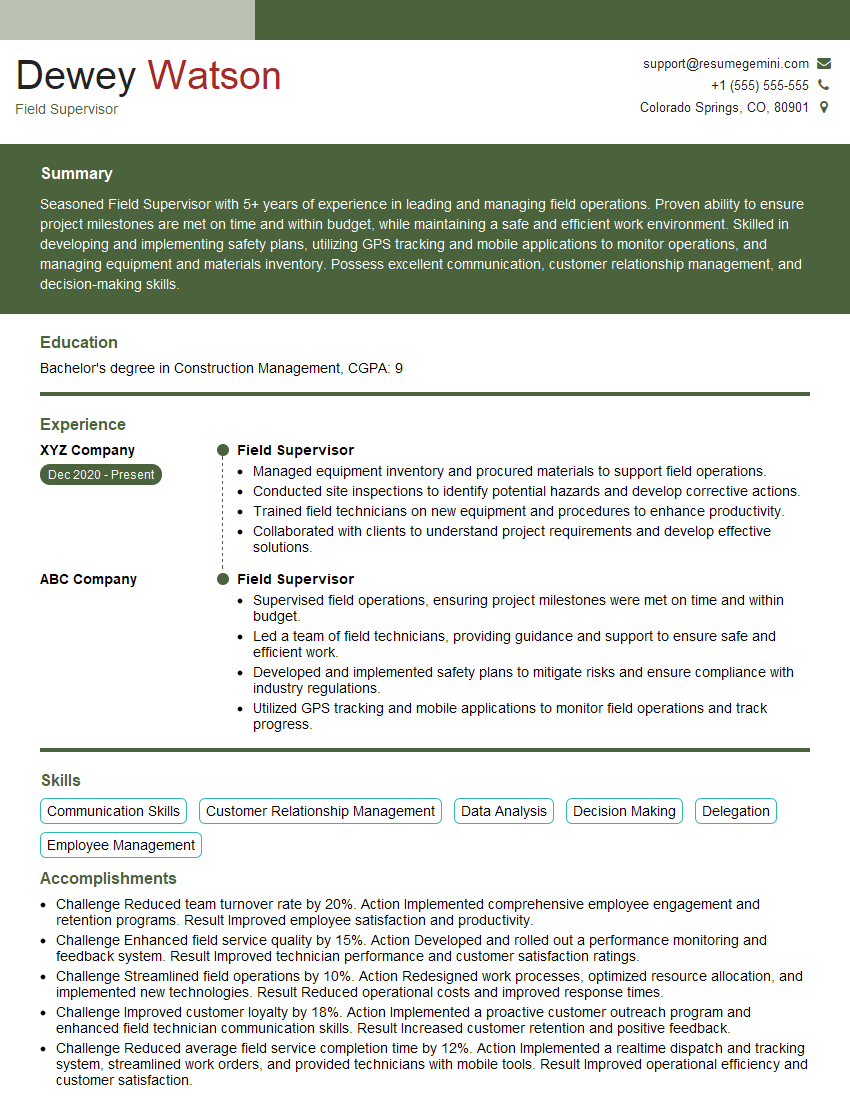
Field Supervisor Resume Sample

Maintenance Supervisor Resume Sample

Production Supervisor Resume Sample
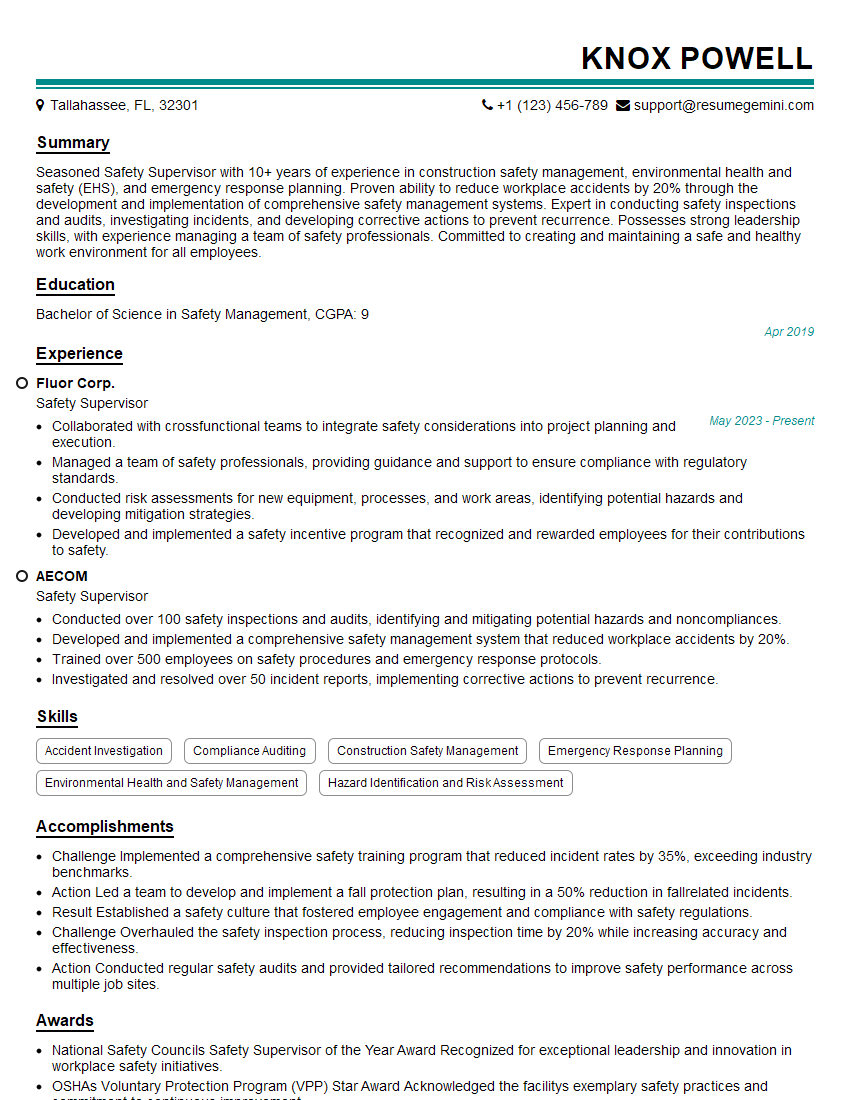
Safety Supervisor Resume Sample
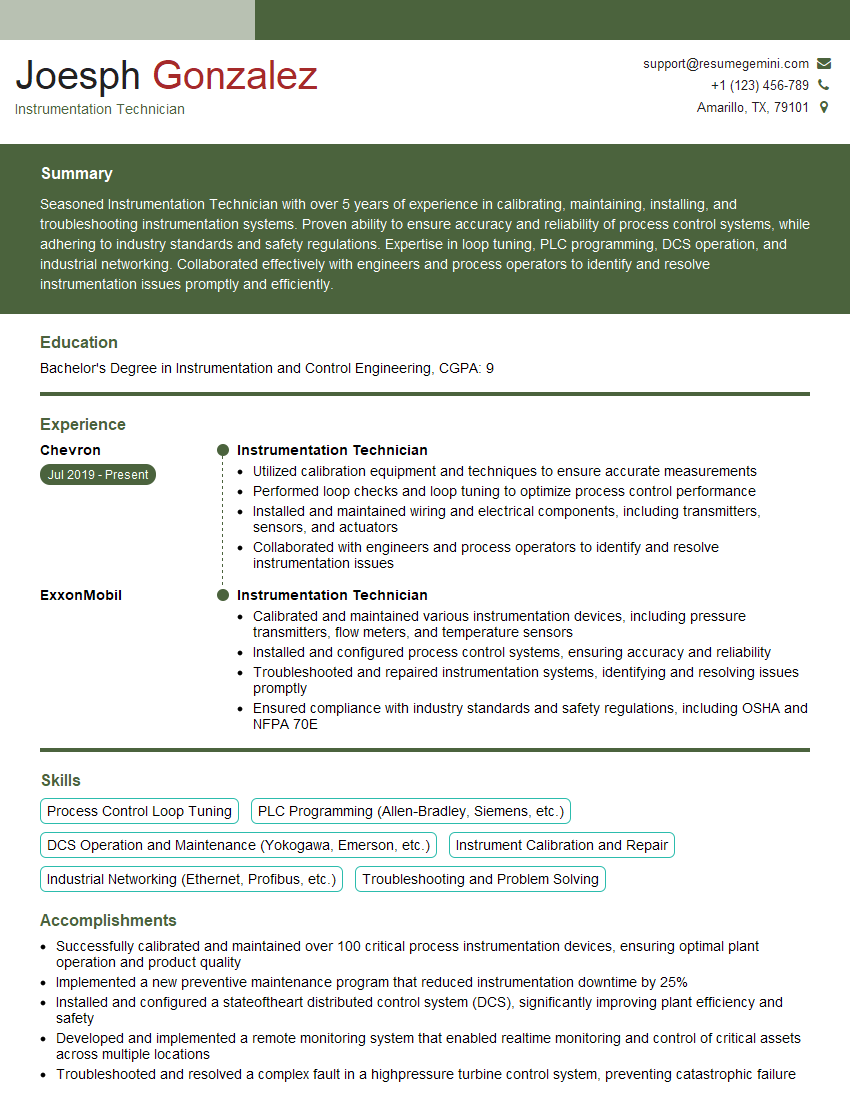
Instrumentation Technician Resume Sample

Production Operator Resume Sample
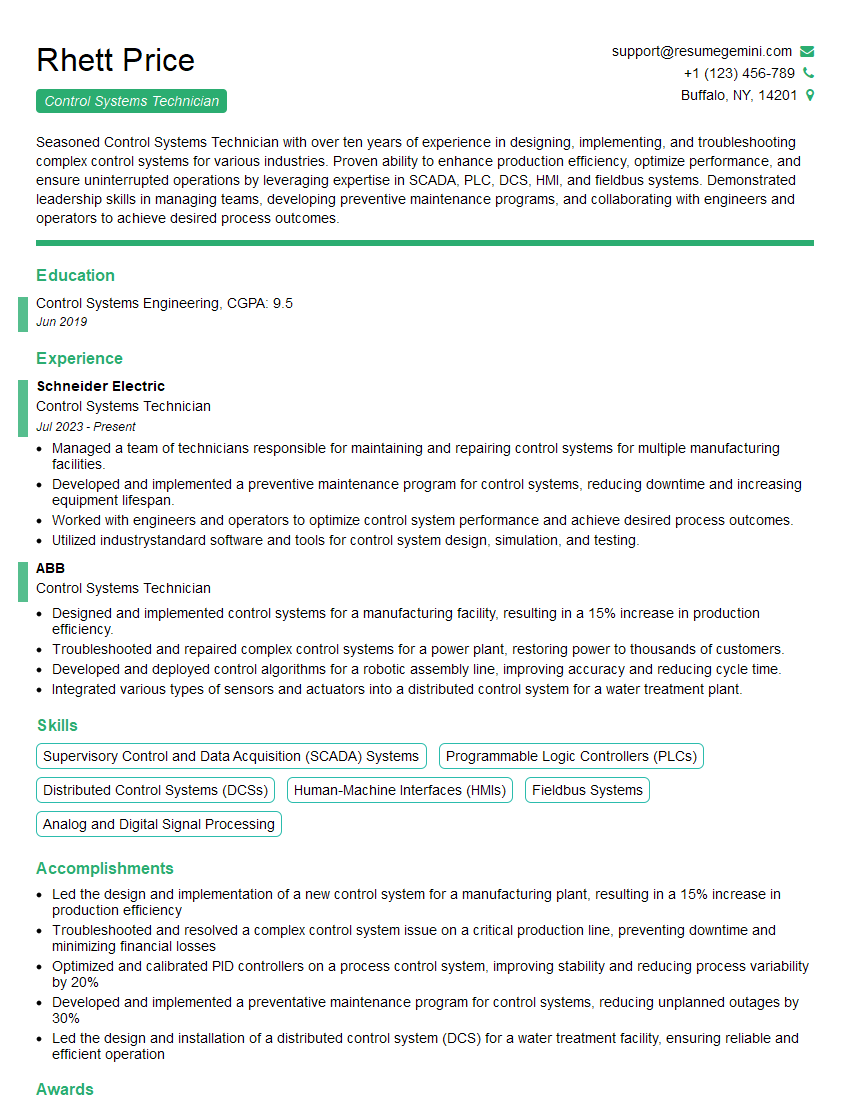
Control Systems Technician Resume Sample

Field Operator Resume Sample
Explore more articles
Users Rating of Our Blogs
Share Your Experience
We value your feedback! Please rate our content and share your thoughts (optional).
What Readers Say About Our Blog
Very informative content, great job.
good