The thought of an interview can be nerve-wracking, but the right preparation can make all the difference. Explore this comprehensive guide to Creative Thinking and Problem Solving interview questions and gain the confidence you need to showcase your abilities and secure the role.
Questions Asked in Creative Thinking and Problem Solving Interview
Q 1. Describe your approach to solving a complex problem with limited information.
When faced with a complex problem and limited information, my approach is systematic and iterative. I begin by clearly defining the problem, focusing on what I do know, and acknowledging the information gaps. This initial stage involves asking clarifying questions and gathering readily available data, even if it seems insufficient. Think of it like building a house with limited building materials – you start with the foundation, focusing on the most crucial elements.
Next, I employ a combination of techniques. I might start with brainstorming to generate a wide range of potential solutions, even those that seem far-fetched initially. Then, I would prioritize these solutions based on feasibility given the current information and potential risk. This is where lateral thinking comes into play, considering solutions outside the obvious or traditional approaches. I might create a simple model or prototype to test assumptions and gather further insights. As I gain more information, I iterate on this process, refining solutions and adapting my approach as needed. It’s a cyclical process of information gathering, solution generation, and testing, continually narrowing down to the most viable option.
For example, imagine troubleshooting a malfunctioning machine with limited documentation. I would start by observing the machine’s behavior, checking for obvious signs of damage, and then systematically testing components. With each step, I would refine my understanding of the problem, and adjust my approach accordingly.
Q 2. Explain a time you had to think outside the box to overcome a challenge.
During a product launch, we faced a major setback when our primary marketing campaign was unexpectedly canceled due to unforeseen circumstances. We had a very short timeframe and limited budget to reach our target audience. Thinking conventionally, we would have panicked and tried to replicate the original campaign quickly, likely unsuccessfully. Instead, we decided to ‘think outside the box’ and leverage the power of user-generated content and social media influencers.
We swiftly developed a social media contest encouraging customers to share their experiences with our product. This not only generated significant buzz and brand awareness organically but also created authentic and relatable content that resonated strongly with our target demographic. We partnered with micro-influencers who already had strong communities engaged with our product niche. This approach was incredibly cost-effective and surprisingly successful, leading to a substantial increase in sales and brand visibility despite the initial setback.
Q 3. How do you prioritize competing priorities when solving a problem?
Prioritizing competing priorities when solving a problem requires a structured approach. I typically utilize a prioritization matrix or a similar framework. This could be something as simple as a list ordered by urgency and importance, or something more complex like the Eisenhower Matrix (urgent/important).
The Eisenhower Matrix categorizes tasks into four quadrants: Urgent and Important, Important but Not Urgent, Urgent but Not Important, and Neither Urgent nor Important. This framework helps to focus on high-impact tasks while delegating or eliminating less critical ones. The key is to understand the potential consequences of not addressing each priority and weigh that against the resources required to tackle them. Sometimes, deferring less urgent tasks allows for more efficient and effective problem-solving for critical issues. In essence, I strategically allocate resources based on a clear understanding of the impact and urgency of each priority.
Q 4. Describe a situation where you identified a problem that others overlooked.
In a previous project, our team was struggling to improve the user experience of a software application. Everyone focused on improving the speed and functionality. However, I noticed a recurring pattern in user feedback reports: users were overwhelmed by the sheer number of features and options available, leading to confusion and frustration. While others focused on technical improvements, I identified a usability issue that was fundamentally impacting user satisfaction.
My solution was to propose a redesign of the user interface, simplifying navigation and reducing the cognitive load on users. This involved prioritizing core functionalities, streamlining menus, and incorporating clear visual cues. This seemingly minor change—overlooked by others—significantly improved user satisfaction and ultimately led to higher user retention rates. The lesson here is that often the most impactful solutions are found not in the most complex technical aspects, but in understanding the end-user’s experience.
Q 5. How do you generate innovative solutions under pressure?
Generating innovative solutions under pressure requires a calm and structured approach. While stress can hinder creativity, it’s essential to manage it effectively. I employ techniques like deep breathing exercises or short mindfulness breaks to centre myself and enhance focus. Beyond stress management, I employ several strategies to spark innovation under pressure.
Firstly, I utilize timeboxing – allocating specific time blocks for focused ideation. This ensures I’m dedicated to the task without feeling overwhelmed by the time constraint. Secondly, I rely on established creative problem-solving techniques like brainstorming and SCAMPER, as explained below. These methods offer structured frameworks for generating ideas efficiently, even under time pressure. Finally, I actively seek diverse perspectives from colleagues or through online resources, broadening the potential solutions I can consider. This collaborative approach significantly expands the range of innovative ideas that can be explored within the limited time frame.
Q 6. How do you evaluate the effectiveness of a solution after implementation?
Evaluating the effectiveness of a solution post-implementation involves a multi-faceted approach. Simply observing whether the problem is solved isn’t sufficient; we need to measure the impact of the solution comprehensively. My approach focuses on establishing clear, measurable Key Performance Indicators (KPIs) before implementing the solution. These KPIs should directly relate to the problem the solution addresses.
After implementation, I collect data related to these KPIs through various methods like surveys, A/B testing, data analytics, and user feedback. This data provides quantitative and qualitative insights into the solution’s effectiveness. I then compare the pre-implementation and post-implementation data to assess the impact. If the solution hasn’t yielded the desired results, I analyze the data to identify shortcomings and refine the solution or explore alternative approaches. Continuous monitoring and feedback loops are essential to ensure ongoing effectiveness and make necessary adjustments over time.
Q 7. What creative problem-solving techniques are you familiar with (e.g., brainstorming, SCAMPER)?
I’m familiar with a wide range of creative problem-solving techniques, including brainstorming, SCAMPER, and Six Thinking Hats. Brainstorming is a classic technique for generating a large number of ideas, emphasizing quantity over quality in the initial phase. SCAMPER is a more structured approach, using a checklist of prompts (Substitute, Combine, Adapt, Modify, Put to other uses, Eliminate, Reverse) to stimulate creative thinking around an existing product or process.
Six Thinking Hats encourages looking at a problem from multiple perspectives, each represented by a different ‘hat’: White (facts), Red (emotions), Black (criticism), Yellow (benefits), Green (creativity), and Blue (process control). These techniques, when combined with lateral thinking, design thinking, and other approaches, provide a robust toolbox for tackling complex challenges. For example, when designing a new product, I might use SCAMPER to generate initial ideas and then employ Six Thinking Hats to evaluate their feasibility and potential impact. The choice of technique depends on the specific problem and context.
Q 8. How do you manage conflicting ideas within a team?
Managing conflicting ideas within a team is crucial for fostering innovation while maintaining productivity. It’s not about suppressing dissenting opinions, but rather about constructively channeling them to reach a shared understanding and the best possible solution. My approach involves several key steps:
- Active Listening and Empathy: I ensure everyone feels heard and respected. This involves actively listening to understand the rationale behind each idea, even if I initially disagree.
- Identifying Common Ground: I look for underlying agreements or shared goals among conflicting ideas. This helps to find points of convergence and build upon them.
- Structured Discussion and Facilitation: I use techniques like brainstorming, mind mapping, or the nominal group technique to organize the discussion and ensure all voices are considered. This prevents the conversation from becoming chaotic.
- Prioritization and Evaluation: We collectively assess each idea based on predefined criteria such as feasibility, impact, and alignment with overall objectives. This often involves using a weighted scoring system for transparency and objectivity.
- Compromise and Synthesis: Sometimes, the best solution isn’t one of the initial proposals but rather a synthesis or compromise that combines the strengths of multiple ideas. This requires flexibility and a willingness to adapt.
For example, in a project designing a new marketing campaign, one team member advocated for a purely digital approach, while another preferred a more traditional print-based strategy. By using a structured discussion, we identified the target audience’s preferences and combined elements of both strategies to create a hybrid campaign that leveraged the strengths of each.
Q 9. Describe your process for defining the scope of a problem.
Defining the scope of a problem is the foundation of effective problem-solving. It’s about clearly identifying the problem’s boundaries, its underlying causes, and its desired outcomes. My process involves these steps:
- Problem Statement Articulation: I begin by clearly stating the problem in a concise and unambiguous way. This often involves asking questions like ‘What exactly is the problem?’ and ‘Who is affected by it?’
- Root Cause Analysis: I delve deeper to uncover the root causes of the problem, rather than just addressing surface-level symptoms. Techniques like the ‘5 Whys’ can be incredibly helpful here. For example, instead of merely stating ‘Sales are down,’ I would investigate the reasons behind the decline.
- Stakeholder Identification: I identify all relevant stakeholders – individuals or groups affected by the problem or involved in its solution. Understanding their perspectives is critical.
- Constraint Identification: I explicitly define any limitations or constraints that may affect the solution, such as budget, time, resources, or regulations.
- Defining Measurable Outcomes: I establish clear, measurable, achievable, relevant, and time-bound (SMART) goals. This ensures we can objectively evaluate the success of our solution.
For instance, if the problem is low employee morale, I wouldn’t just focus on improving morale generally. I’d investigate the root causes (e.g., lack of recognition, heavy workload, poor communication), identify stakeholders (employees, managers, HR), and define SMART goals such as improving employee satisfaction scores by 20% within six months.
Q 10. How do you handle setbacks and unexpected challenges during the problem-solving process?
Setbacks and unexpected challenges are inevitable in problem-solving. My approach emphasizes resilience and adaptability. Instead of viewing them as failures, I see them as learning opportunities.
- Embrace a Growth Mindset: I maintain a positive attitude and view challenges as opportunities to learn and grow. This allows me to remain motivated and persistent.
- Analysis and Re-evaluation: When a setback occurs, I systematically analyze what went wrong. I assess the root causes of the problem and adjust the plan accordingly. This may involve revisiting the problem definition or exploring alternative solutions.
- Seeking Support and Collaboration: I don’t hesitate to seek help from colleagues, mentors, or experts when needed. Collaboration can provide fresh perspectives and overcome obstacles more efficiently.
- Flexibility and Adaptability: I adapt my approach as needed, remaining flexible and willing to adjust strategies in response to new information or unexpected circumstances.
- Documentation and Lessons Learned: I thoroughly document the setback, the lessons learned, and the adjustments made. This improves future problem-solving efforts and prevents repeating the same mistakes.
For instance, during a product development project, a critical component unexpectedly failed testing. Instead of panicking, we analyzed the cause, found a suitable replacement, adjusted the timeline, and learned valuable lessons about component reliability for future designs.
Q 11. Explain how you ensure that your creative solutions are practical and feasible.
Ensuring creative solutions are practical and feasible requires a balanced approach that combines imagination with pragmatism. My process involves:
- Feasibility Assessment: Before committing to a solution, I rigorously assess its feasibility across various dimensions, including technical feasibility (is the technology available?), economic feasibility (is it cost-effective?), and operational feasibility (can it be implemented effectively?).
- Resource Evaluation: I determine the resources required to implement the solution, including time, budget, personnel, and equipment. This avoids unrealistic solutions that lack sufficient resources.
- Risk Management: I identify and assess potential risks associated with the solution. This might involve developing contingency plans to mitigate those risks.
- Prototyping and Testing: I often create prototypes or conduct pilot tests to validate the solution’s effectiveness and identify any unforeseen problems before full-scale implementation.
- Iterative Refinement: I embrace an iterative approach, continually refining the solution based on feedback and results from testing and implementation. This ensures continuous improvement and a practical outcome.
For example, when developing a new software feature, we built a minimum viable product (MVP) first, allowing us to gather user feedback and iterate on the design before committing to full development. This helped us ensure the feature was both innovative and practical.
Q 12. How do you leverage data and analytics in your problem-solving approach?
Data and analytics play a vital role in my problem-solving approach, providing objective insights and evidence-based decision-making. I use data in several ways:
- Identifying Patterns and Trends: Data analysis helps me identify patterns and trends that might otherwise go unnoticed. This provides a deeper understanding of the problem and its underlying causes.
- Measuring the Impact of Solutions: After implementing a solution, I use data to measure its effectiveness and impact. This ensures that the solution is actually achieving its intended goals.
- Prioritizing Problems: Data can help prioritize problems based on their severity and impact. This allows me to focus on the most critical issues first.
- Developing Hypotheses and Testing Solutions: Data-driven insights allow for the formulation of testable hypotheses regarding the causes and potential solutions for the problem. This promotes evidence-based decision-making.
- Predictive Analytics: In some situations, I can use predictive analytics to anticipate future problems and take proactive steps to mitigate them.
For instance, in optimizing a website’s user experience, I would analyze website traffic data, user behavior, and conversion rates to identify areas for improvement. This data-driven approach ensures that design changes are effective and lead to measurable improvements.
Q 13. How do you communicate complex ideas and solutions effectively to different audiences?
Communicating complex ideas effectively is a critical skill for any problem-solver. My approach involves tailoring my communication style to the specific audience and using various techniques to enhance understanding:
- Audience Analysis: Before communicating, I analyze the audience’s background, knowledge level, and interests to tailor my message accordingly. A technical audience needs a different explanation than a non-technical one.
- Visual Aids: I often use visual aids like charts, graphs, diagrams, and presentations to simplify complex information and make it more engaging.
- Storytelling: I use storytelling to illustrate my points and make complex ideas more relatable and memorable. Narratives connect with audiences on an emotional level.
- Analogies and Metaphors: I leverage analogies and metaphors to explain complex concepts using familiar examples, making them easier to grasp.
- Interactive Communication: I encourage questions and discussions to foster a two-way conversation and ensure everyone understands the information.
For instance, when presenting a technical solution to a non-technical board of directors, I would use simple language, avoid jargon, and rely heavily on visual aids to explain the key concepts and demonstrate the value proposition.
Q 14. Describe a time you failed to solve a problem. What did you learn?
One instance where I failed to solve a problem effectively was during a project to improve customer service response times. We implemented a new ticketing system, but response times actually worsened. The problem stemmed from an inadequate analysis of the root causes. We focused solely on the technology, overlooking critical human factors, such as insufficient training for support staff and unclear escalation procedures.
The key learning from this experience was the importance of a thorough root cause analysis that considers all aspects of the problem, including human factors and organizational processes. We should have invested more time in understanding the underlying workflow issues and employee training needs before implementing the new system. Now, I always prioritize a comprehensive analysis and stakeholder input before introducing any significant changes.
Q 15. How do you foster a culture of creativity and innovation within a team?
Fostering a culture of creativity and innovation requires a multifaceted approach focusing on psychological safety, resource allocation, and process optimization. It’s not just about brainstorming sessions; it’s about building an environment where team members feel empowered to take risks, share ideas freely, and learn from both successes and failures.
- Psychological Safety: This is paramount. Team members need to feel comfortable expressing unconventional ideas without fear of judgment or ridicule. This can be fostered through active listening, respectful communication, and celebrating failures as learning opportunities. For example, implementing a ‘no idea is a bad idea’ policy during brainstorming sessions can encourage participation.
- Resource Allocation: Dedicate time and resources specifically for creative exploration. This could involve dedicated brainstorming sessions, hackathons, or providing access to relevant tools and training. For example, allocating a portion of each sprint in an Agile framework to experimentation.
- Process Optimization: Encourage iterative development and embrace experimentation. Use methodologies like Design Thinking to structure the creative process and ensure clear goals. Implement feedback loops to learn from early prototypes and adjust strategies accordingly. For example, regularly reviewing project progress and incorporating feedback from users.
- Recognition and Rewards: Celebrate creative achievements and reward innovative solutions. This reinforces positive behaviors and motivates further creativity. This could involve public acknowledgement, bonus structures, or other forms of recognition.
Ultimately, building a creative culture is an ongoing process that requires consistent effort and leadership commitment.
Career Expert Tips:
- Ace those interviews! Prepare effectively by reviewing the Top 50 Most Common Interview Questions on ResumeGemini.
- Navigate your job search with confidence! Explore a wide range of Career Tips on ResumeGemini. Learn about common challenges and recommendations to overcome them.
- Craft the perfect resume! Master the Art of Resume Writing with ResumeGemini’s guide. Showcase your unique qualifications and achievements effectively.
- Don’t miss out on holiday savings! Build your dream resume with ResumeGemini’s ATS optimized templates.
Q 16. How do you measure the success of a creative solution?
Measuring the success of a creative solution depends heavily on the context and objectives. There’s no single metric; instead, a multi-faceted approach is necessary.
- Quantitative Metrics: These are easily measurable and often involve numerical data. Examples include sales figures, user engagement (website traffic, app downloads, active users), cost savings, efficiency improvements, and customer satisfaction scores.
- Qualitative Metrics: These are harder to quantify but equally important. They assess the impact on user experience, brand perception, employee morale, and the overall innovation landscape. Gathering qualitative data can involve user interviews, surveys, focus groups, and analyzing user reviews.
- Impact Assessment: How effectively did the solution address the problem? Did it achieve its intended goals? Did it create any unintended consequences? This requires a holistic view considering both the short-term and long-term impact.
Consider a new mobile app designed to improve user engagement. Success might be measured by an increase in daily active users, positive app store reviews, and a reduction in customer support tickets related to specific issues the app addresses. Success also needs to factor in how user engagement translates into actual business value, such as increased revenue or brand awareness.
Q 17. What are the key differences between creative thinking and critical thinking?
While both creative thinking and critical thinking are essential for problem-solving, they operate differently and complement each other.
- Creative Thinking: This focuses on generating novel ideas and solutions. It involves exploring possibilities, thinking outside the box, and making unexpected connections. It’s about generating options, not necessarily evaluating them.
- Critical Thinking: This involves analyzing information objectively, identifying flaws, evaluating arguments, and making reasoned judgments. It’s about assessing the feasibility, effectiveness, and potential risks of different ideas.
Think of it like this: creative thinking is the brainstorming phase where you generate many potential solutions; critical thinking is the evaluation phase where you assess each solution’s strengths and weaknesses and choose the best option. They are two sides of the same coin, and effective problem-solving requires both.
Q 18. How do you use lateral thinking to approach problems?
Lateral thinking, also known as ‘thinking outside the box,’ involves approaching problems from unexpected angles to overcome mental blocks and find creative solutions. It’s about challenging assumptions and exploring unconventional perspectives.
- Challenging Assumptions: Identify underlying assumptions about the problem. Are there any biases or preconceived notions affecting your thinking? Ask ‘what if’ questions to challenge these assumptions.
- Random Stimulation: Use random words, images, or objects to spark new ideas and associations. This can break down ingrained patterns of thinking.
- Reverse Thinking: Consider the opposite of the problem or solution. What would make the problem worse? What would be the worst possible solution? This can help identify blind spots and generate innovative approaches.
- Provocation: Introduce deliberate contradictions or absurd ideas to disrupt existing thinking patterns and encourage new perspectives.
For example, if faced with declining sales, instead of focusing solely on marketing strategies, lateral thinking might involve questioning the product itself, the target audience, or even the business model. Perhaps the product is outdated, or the target market has shifted.
Q 19. Explain your understanding of design thinking principles.
Design thinking is a human-centered, iterative problem-solving approach that emphasizes understanding user needs and developing innovative solutions. It’s a five-stage process:
- Empathize: Deeply understand the user’s needs, challenges, and context through observation, interviews, and user research.
- Define: Clearly articulate the problem to be solved based on the insights gathered during the empathize stage. This involves framing the problem in a human-centered way.
- Ideate: Generate a wide range of potential solutions through brainstorming, sketching, and prototyping.
- Prototype: Create tangible representations of the potential solutions to test and refine them. These prototypes can be low-fidelity (e.g., paper sketches) or high-fidelity (e.g., functional prototypes).
- Test: Gather feedback on the prototypes from users and iterate on the design based on this feedback. This is an iterative process, constantly refining the solution based on user input.
The core principles involve collaboration, experimentation, and user feedback, making it a highly effective method for developing innovative and user-friendly solutions.
Q 20. How do you identify root causes of complex problems?
Identifying the root causes of complex problems requires a systematic approach that goes beyond surface-level symptoms. Tools like the ‘5 Whys’ technique and fault tree analysis can be incredibly helpful.
- The 5 Whys: This is a simple yet effective technique that involves repeatedly asking ‘why’ to drill down to the root cause. For each answer, ask ‘why’ again until the underlying reason is uncovered.
- Fault Tree Analysis (FTA): This is a more formal technique used for complex systems. It visually represents the various factors that can contribute to a problem, allowing you to identify potential root causes and their relationships.
- Fishbone Diagram (Ishikawa Diagram): This helps visually organize potential causes of a problem, categorized into categories like people, materials, methods, machines, and environment.
For example, if a product launch is delayed, repeatedly asking ‘why’ might uncover issues like inadequate resource allocation, poor communication, or unforeseen technical challenges. FTA would be useful for a more complex systems-based problem.
Q 21. Describe a time you had to make a quick decision based on incomplete information.
During a project involving the development of a new software feature, we faced a critical bug just days before the scheduled release. The root cause was unclear, and the team lacked complete information on the interplay of different modules. We had limited time to fix the issue before the deadline and the potential business impact of a delayed release was significant.
My decision was to convene an emergency meeting with the core development team. We prioritized identifying the most likely areas of the code causing the error rather than pursuing a complete understanding of the root cause. This involved utilizing log files, prioritizing the most probable causes based on user reports and our understanding of the software architecture. We implemented a series of quick fixes targeting these most likely areas and ran extensive tests. Luckily, we were able to pinpoint and resolve the core issue without a complete diagnosis before the release.
While we didn’t have complete information, making a timely, though somewhat risky decision based on the available evidence, allowed us to successfully launch the feature on schedule. This experience highlighted the importance of a rapid assessment approach when faced with time-critical situations where incomplete information necessitates quick decision-making.
Q 22. How do you determine which problem to address first amongst multiple priorities?
Prioritizing problems effectively is crucial for maximizing impact. I use a multi-faceted approach, combining urgency and importance with strategic alignment. First, I clearly define each problem, quantifying its impact wherever possible (e.g., financial loss, customer dissatisfaction, missed deadlines). Then, I assess the urgency—how quickly must this be addressed? Finally, I consider the problem’s strategic alignment with overall goals. A problem might be urgent but not strategically important, and vice versa. I typically use a matrix, plotting urgency against importance. Problems in the high-urgency, high-importance quadrant receive immediate attention. This prioritization helps avoid firefighting and ensures focus on the most impactful issues.
For example, if we’re launching a new product and a critical software bug emerges, that’s high urgency and high importance; fixing it takes precedence over refining a less crucial feature, even if that feature is planned for the initial release. I find visual aids like Eisenhower Matrices (Urgent/Important) particularly useful for this process, making the prioritization transparent and easily communicable to the team.
Q 23. Explain your experience with different problem-solving frameworks (e.g., DMAIC, PDCA).
I’ve extensive experience with several problem-solving frameworks. DMAIC (Define, Measure, Analyze, Improve, Control) is a powerful structured approach particularly useful for process improvement. I’ve used it in projects aimed at streamlining operational workflows, resulting in significant efficiency gains. For instance, in a previous role, we used DMAIC to optimize our customer onboarding process, reducing the average onboarding time by 40%. The detailed data analysis inherent in DMAIC ensured our improvements were data-driven and sustainable.
PDCA (Plan, Do, Check, Act) is a cyclical model ideal for continuous improvement. It encourages iterative learning and refinement. I often combine PDCA with other methodologies. For example, I might use PDCA to implement small incremental improvements discovered during the Analyze phase of a DMAIC project. This ensures continuous monitoring and refinement of processes. In essence, DMAIC helps define a large-scale improvement initiative, while PDCA helps sustain improvements over time and address emerging issues.
Q 24. How do you deal with ambiguity and uncertainty in problem solving?
Ambiguity and uncertainty are inherent in many problem-solving scenarios. My approach focuses on structured exploration and iterative refinement. First, I actively seek to clarify the unknowns: What information is missing? What are the potential risks and opportunities? I engage in brainstorming sessions to generate a wide range of possible scenarios and hypotheses. This helps establish a framework even amidst uncertainty.
Next, I embrace experimentation and rapid prototyping. Instead of waiting for perfect information, I create minimum viable solutions (MVPs) to test assumptions and gather data. This iterative process allows me to adapt my approach based on emerging insights. A decision-making framework such as a decision tree can be very useful in visualizing different scenarios and their implications under uncertainty. It is always important to acknowledge and manage the inherent uncertainty throughout the process.
Q 25. How do you adapt your problem-solving approach based on the context?
Context is paramount. My approach adapts based on several key factors: the type of problem (technical, strategic, human relations), the available resources (time, budget, personnel), and the organizational culture. For instance, a complex technical problem might require a highly structured approach like DMAIC, while a problem involving team dynamics might benefit from a more collaborative and facilitative approach, focusing on open communication and shared decision-making.
For example, when dealing with a time-sensitive, high-stakes issue, I might prioritize speed and efficiency, focusing on rapid prototyping and iterative solutions. Conversely, a long-term strategic problem might necessitate a more in-depth analysis, involving stakeholder input and a comprehensive planning process. Adaptability is key; rigid adherence to a single framework rarely yields optimal results.
Q 26. How do you use storytelling to enhance the communication of solutions?
Storytelling is a powerful communication tool. Instead of simply presenting data and analysis, I weave solutions into compelling narratives. This makes the information more relatable, engaging, and memorable. For example, when presenting a complex solution to senior management, I might begin by describing the problem as a challenge a customer faced, making it personally relevant. Then, I’ll narrate the journey of finding the solution, highlighting key decisions and trade-offs. This approach makes the solution less abstract and more easily understood.
The narrative structure—with a clear beginning, middle, and end—helps build a logical flow and emphasizes the key elements of the solution. It humanizes the process, demonstrating empathy and understanding of the challenges involved. Visual aids, such as diagrams or charts, can further support the story, enhancing its impact and clarity.
Q 27. How do you balance innovation with practicality in your work?
Balancing innovation and practicality is a constant challenge. I approach this by combining creative ideation with rigorous feasibility analysis. I use techniques like brainstorming and mind-mapping to explore innovative possibilities. But then, I critically evaluate these ideas against practical constraints, such as budget, time, resources, and existing infrastructure. This involves cost-benefit analysis, risk assessment, and stakeholder buy-in.
For instance, I might generate numerous innovative ideas for improving a product, but then rigorously assess each idea’s viability, considering factors like technological feasibility, market demand, and regulatory compliance. The most innovative idea is not always the best solution if it’s impractical to implement. Therefore, I always strive to find the sweet spot—a solution that is both innovative and sufficiently practical to be implemented effectively.
Q 28. Describe a time you used your creative problem-solving skills to achieve a significant result.
In a previous project, our team faced a significant challenge: customer churn was unexpectedly high for our flagship product. Initial analysis pointed to various possible causes, but no clear solution emerged. Using a combination of techniques, I led the team to a breakthrough. We started with empathy mapping, putting ourselves in the customer’s shoes to understand their frustrations.
This led us to realize that a key issue was a lack of personalized support. We then brainstormed solutions, ultimately developing a new customer onboarding program with personalized tutorials and proactive support. This involved creating engaging video tutorials tailored to different user profiles and deploying an automated system for prompt issue resolution. The result? Customer churn significantly decreased within three months, leading to a substantial improvement in customer satisfaction and ultimately a significant increase in revenue.
Key Topics to Learn for Creative Thinking and Problem Solving Interview
- Understanding the Design Thinking Process: Learn the stages of the design thinking process (empathize, define, ideate, prototype, test) and how to apply it to real-world problems. This includes understanding the importance of user-centered design and iterative development.
- Brainstorming Techniques: Master various brainstorming techniques like mind mapping, SCAMPER, and lateral thinking to generate innovative solutions. Practice applying these techniques to diverse problem scenarios.
- Problem Decomposition and Root Cause Analysis: Develop skills in breaking down complex problems into smaller, manageable parts. Learn techniques like the 5 Whys to identify the root cause of issues and develop effective solutions.
- Evaluating and Selecting Solutions: Understand criteria for evaluating potential solutions (feasibility, cost-effectiveness, impact). Practice justifying your chosen solution and presenting your rationale clearly and concisely.
- Communication and Collaboration: Learn how to effectively communicate your ideas and collaborate with others to solve problems. Practice explaining complex concepts simply and persuasively.
- Case Study Analysis: Familiarize yourself with analyzing case studies and applying creative problem-solving techniques to hypothetical scenarios. This helps demonstrate your ability to think critically and strategically.
- Adaptability and Resilience: Showcase your ability to adapt to changing circumstances and persevere in the face of challenges. Highlight instances where you demonstrated these traits.
Next Steps
Mastering creative thinking and problem-solving is paramount for career advancement in today’s dynamic job market. These skills are highly valued across industries and demonstrate your ability to contribute meaningfully to any team. To significantly increase your chances of landing your dream role, focus on building a professional, ATS-friendly resume that highlights these crucial skills. ResumeGemini is a trusted resource to help you craft a compelling resume that showcases your abilities effectively. We offer examples of resumes tailored to highlight Creative Thinking and Problem Solving skills, ensuring your application stands out. Use ResumeGemini to build a resume that reflects your unique talents and positions you for success.
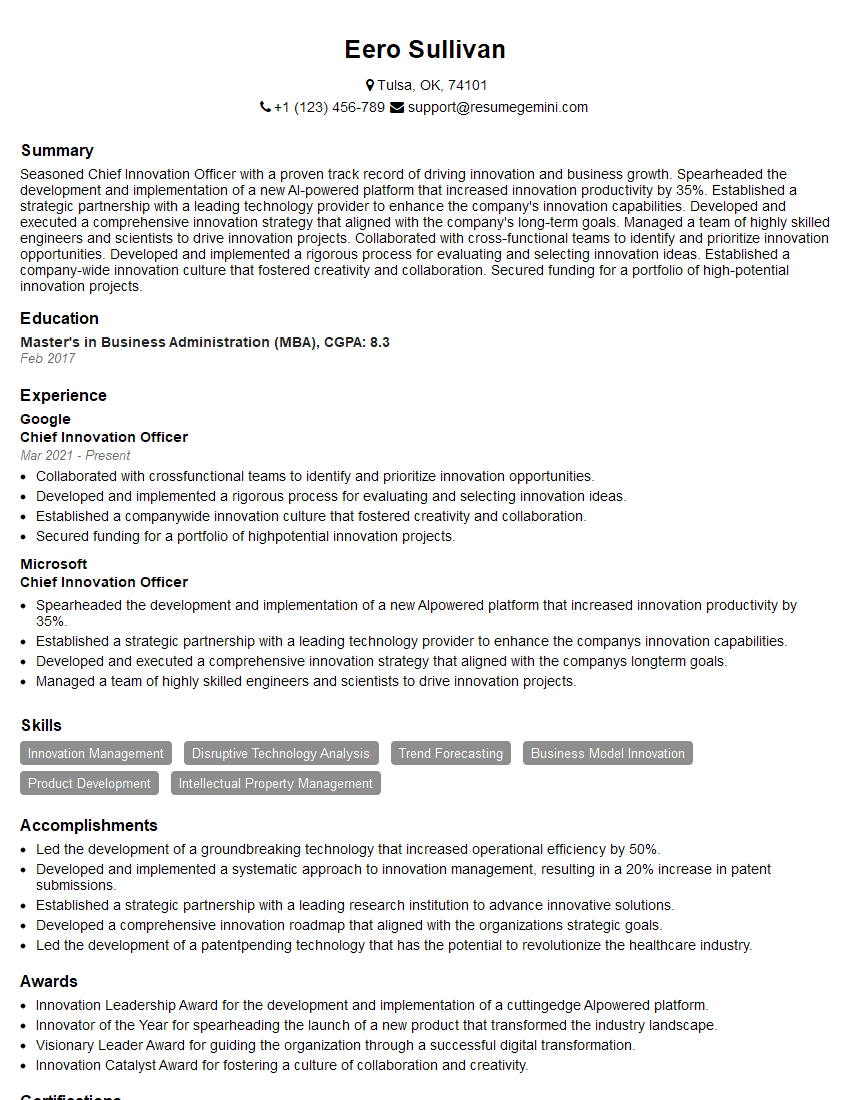
Chief Innovation Officer Resume Sample
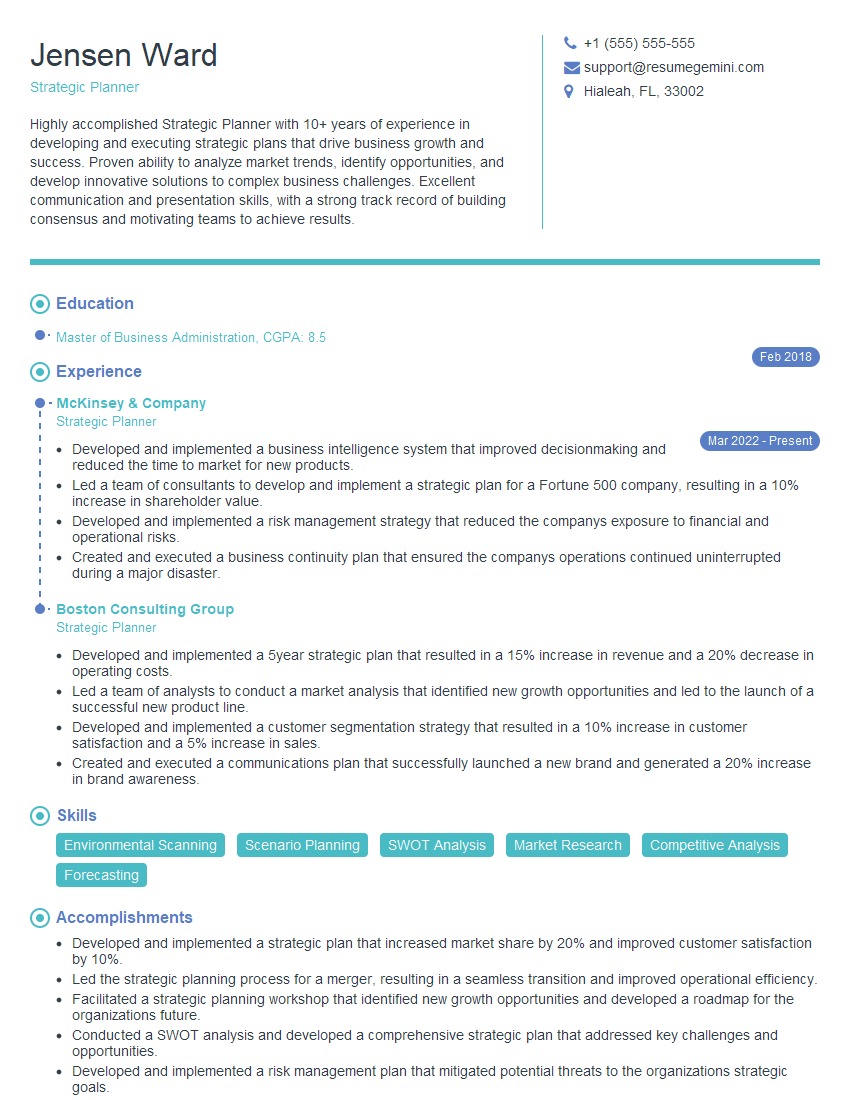
Strategic Planner Resume Sample

Creative Director Resume Sample
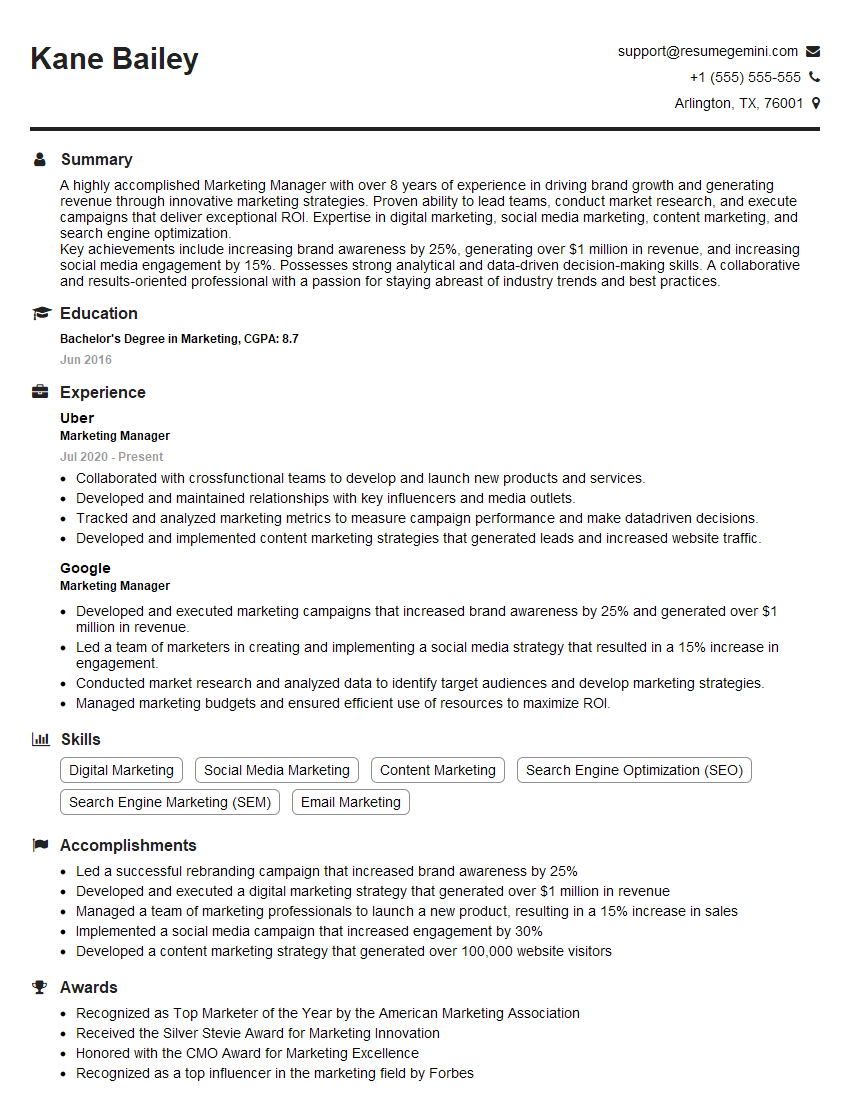
Marketing Manager Resume Sample

Project Manager Resume Sample
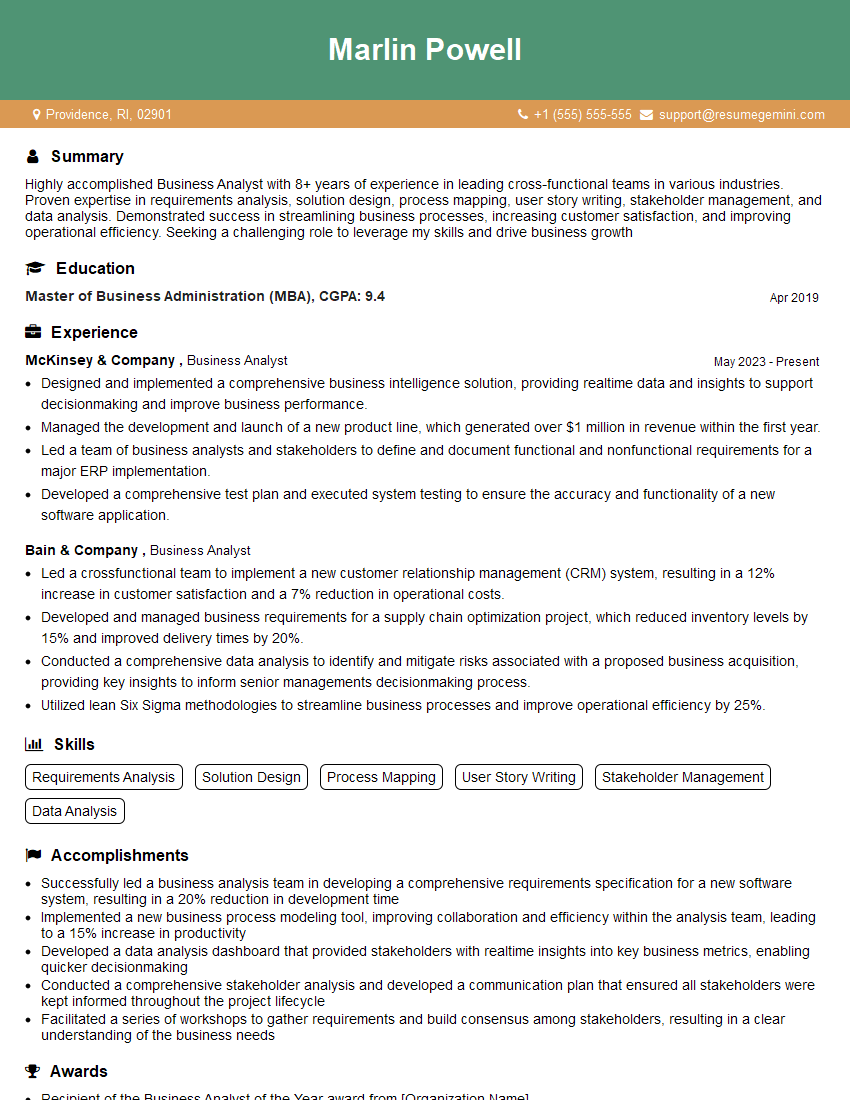
Business Analyst Resume Sample
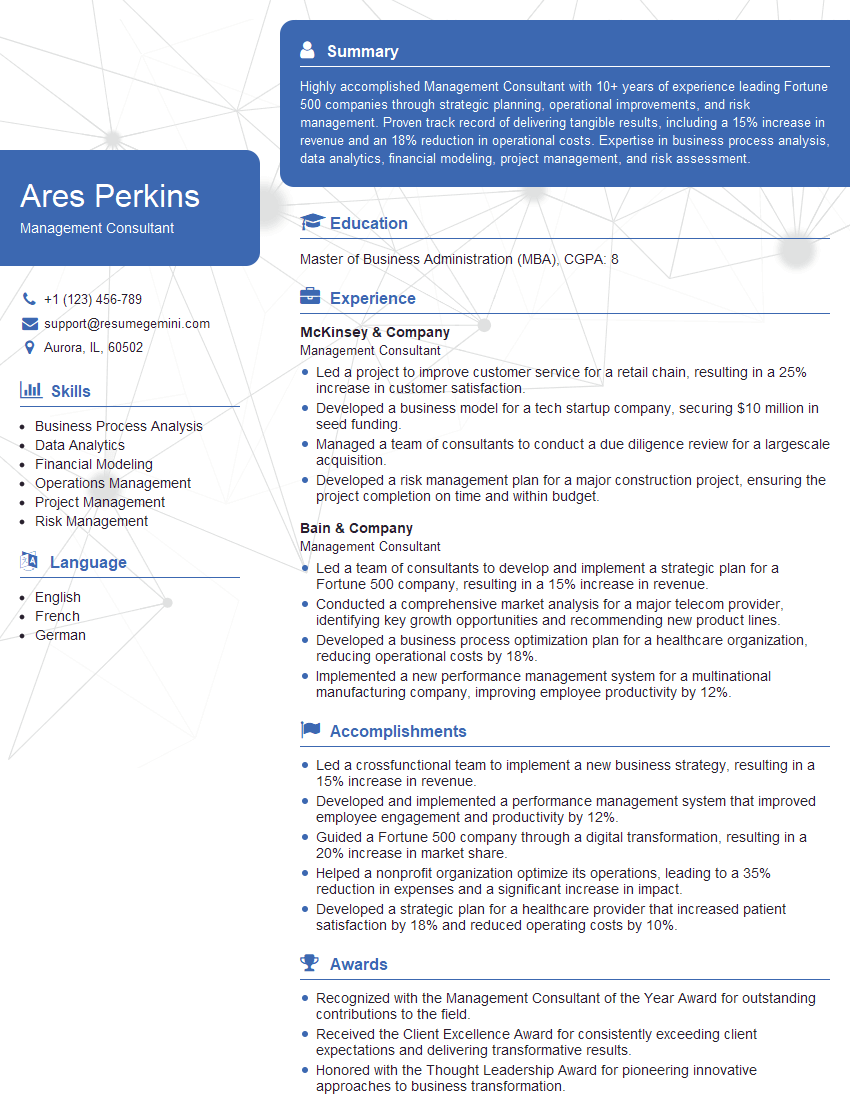
Management Consultant Resume Sample
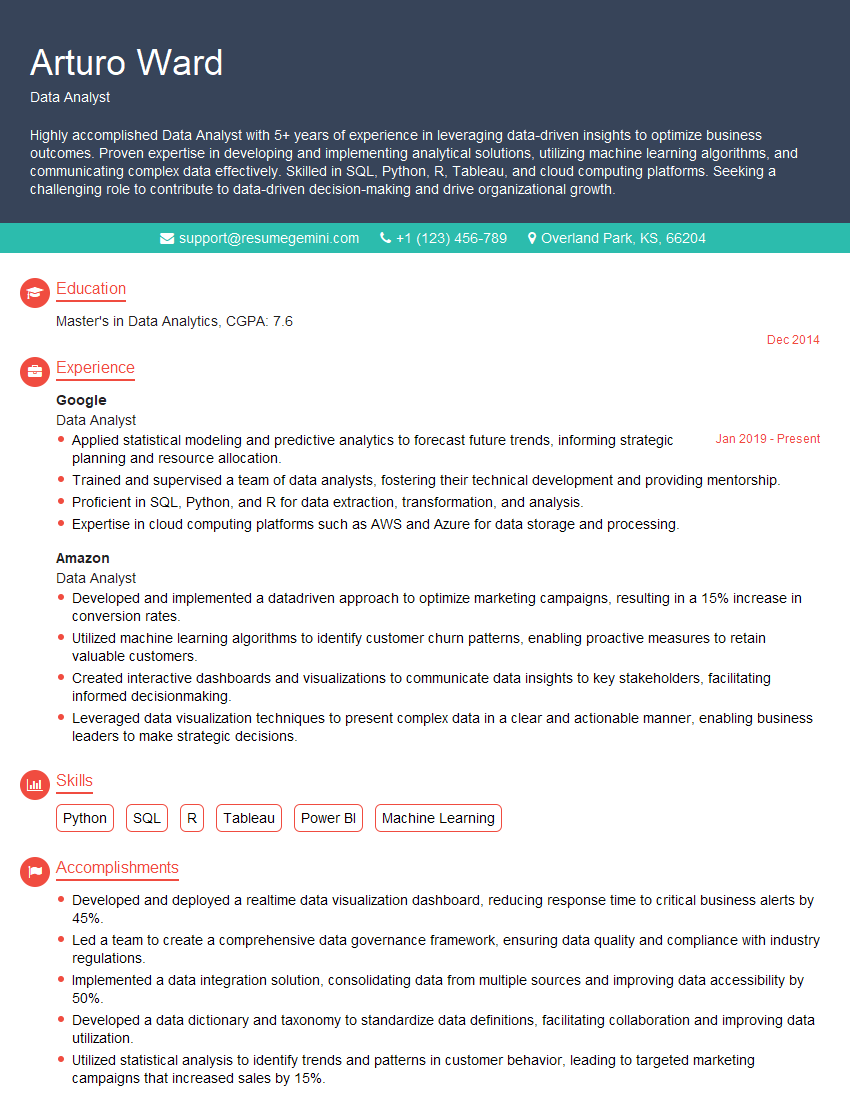
Data Analyst Resume Sample
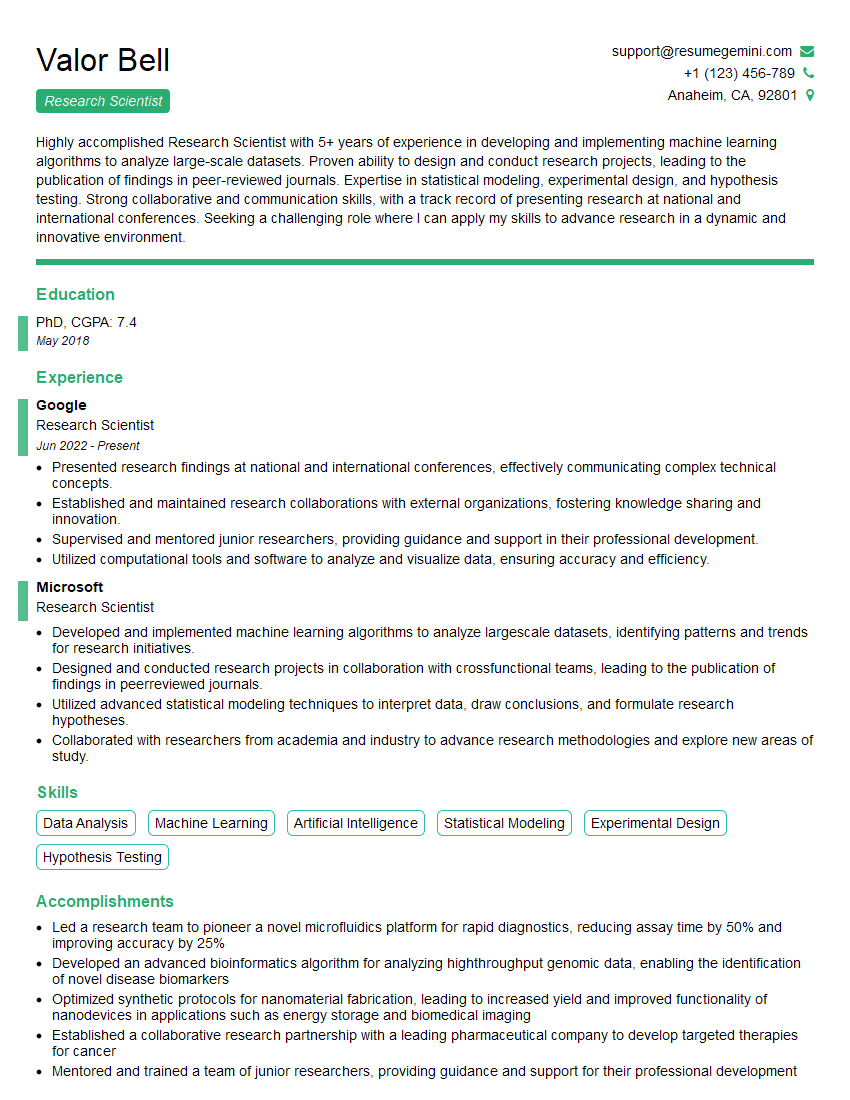
Research Scientist Resume Sample
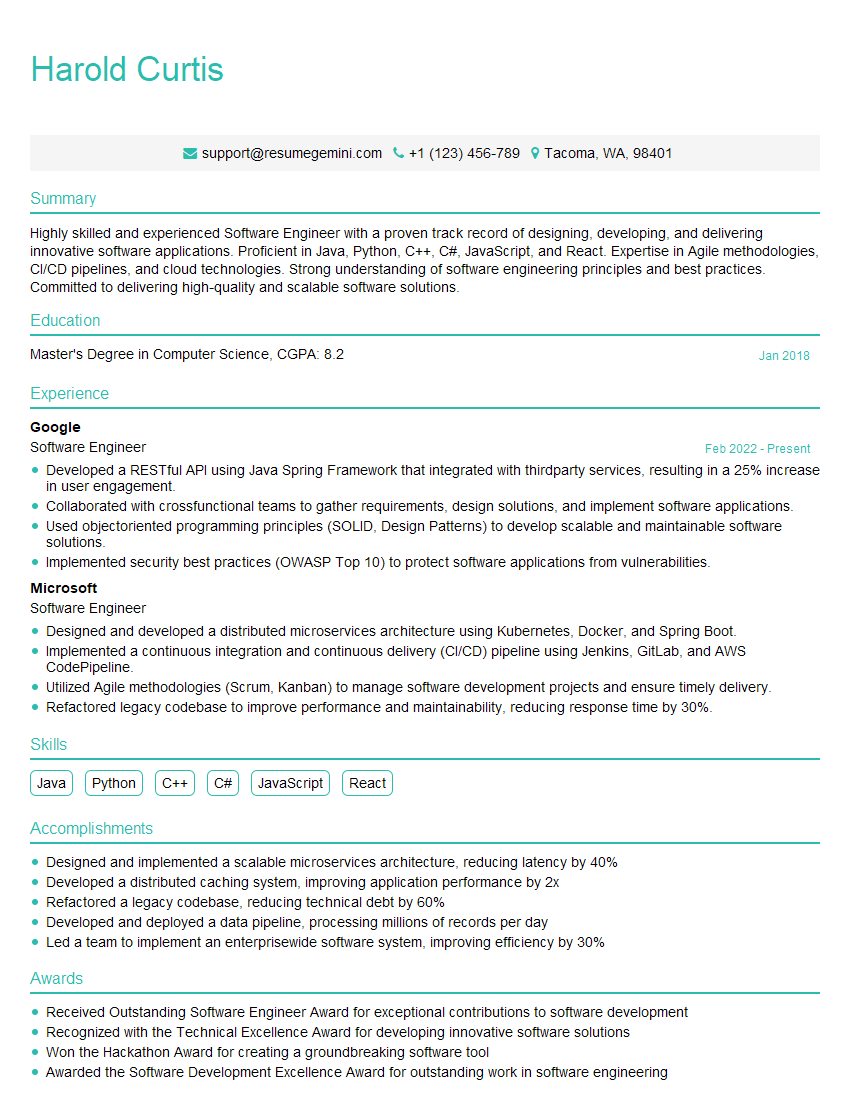
Software Engineer Resume Sample
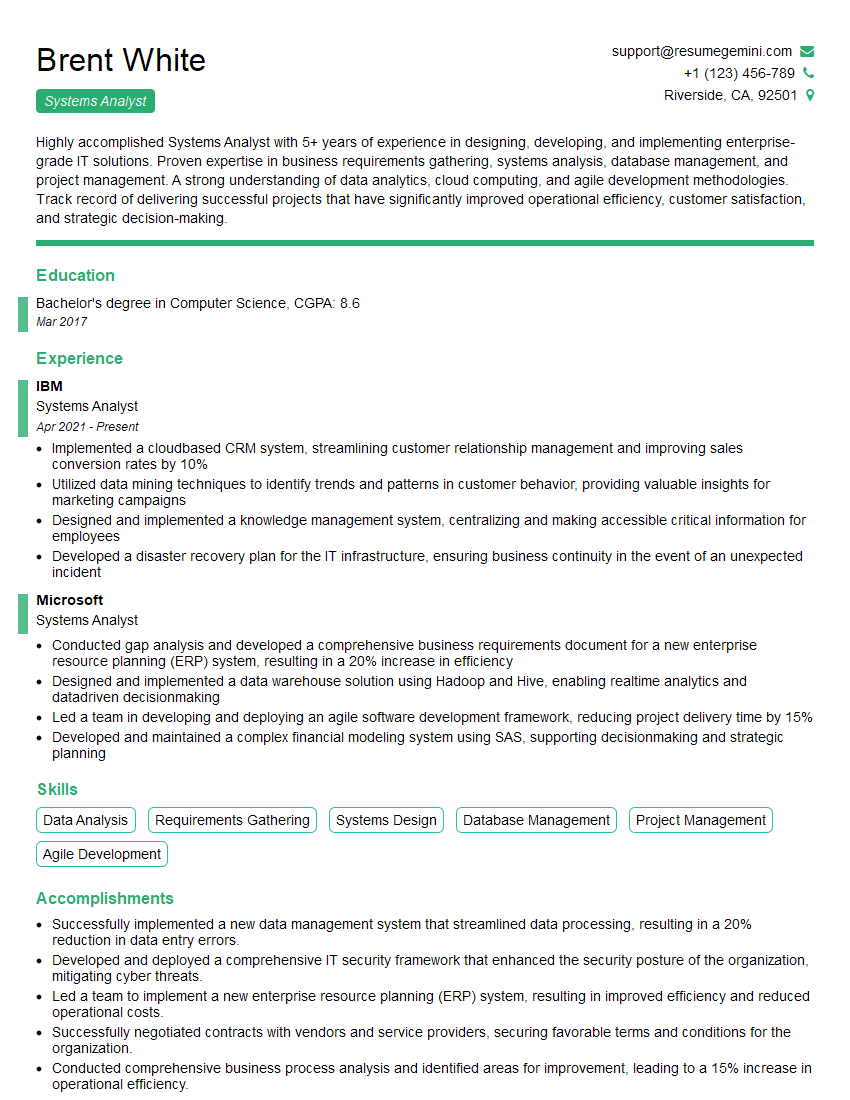
Systems Analyst Resume Sample

Information Architect Resume Sample
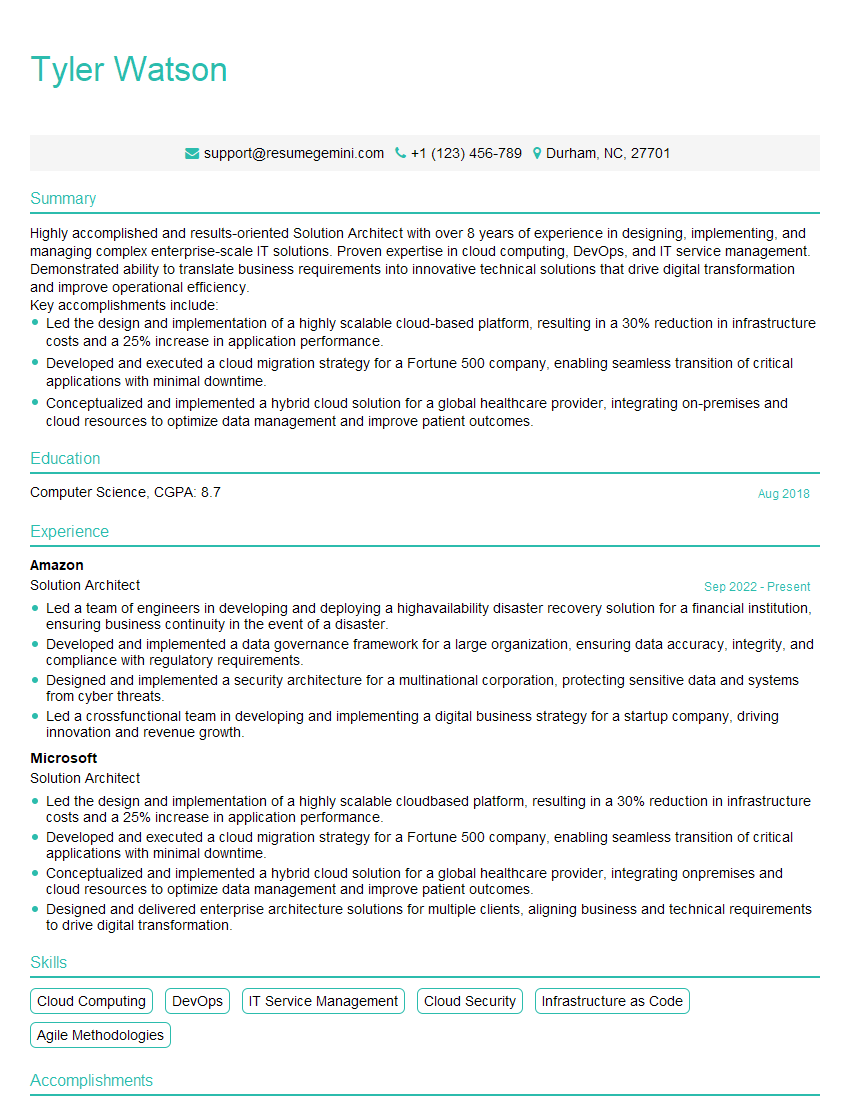
Solution Architect Resume Sample
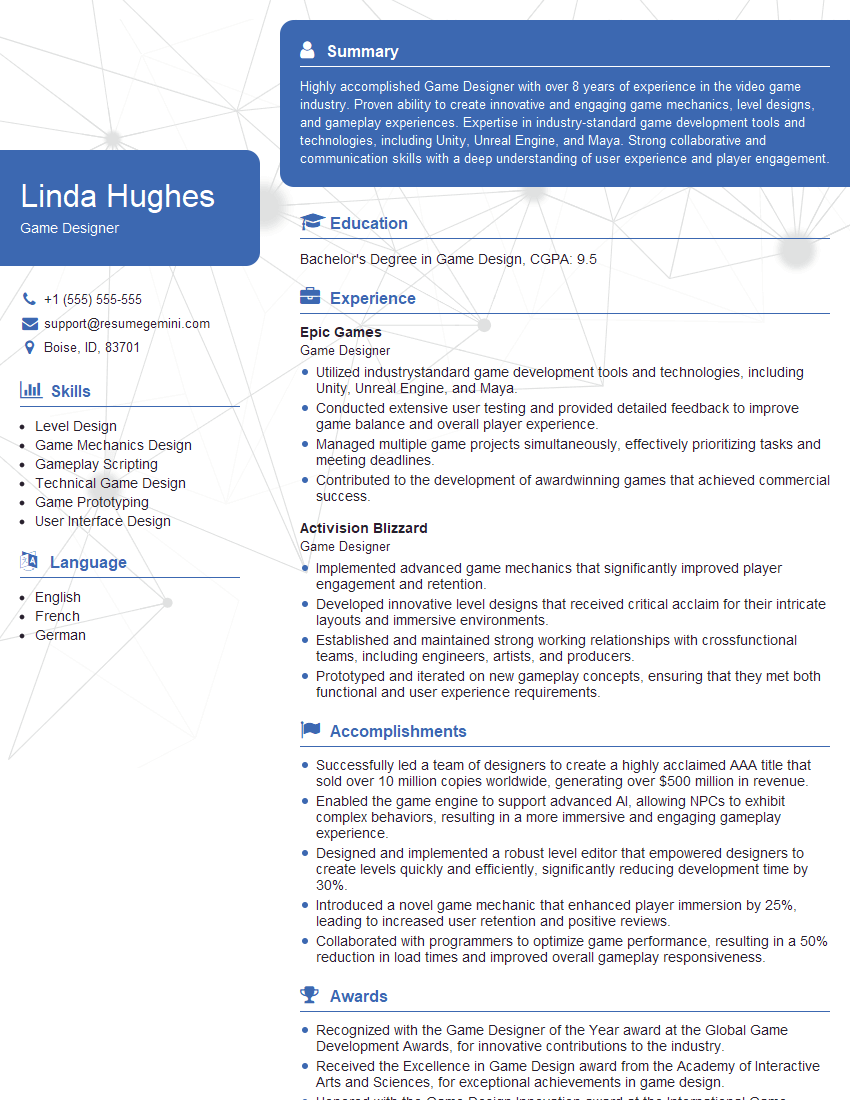
Game Designer Resume Sample

Content Strategist Resume Sample
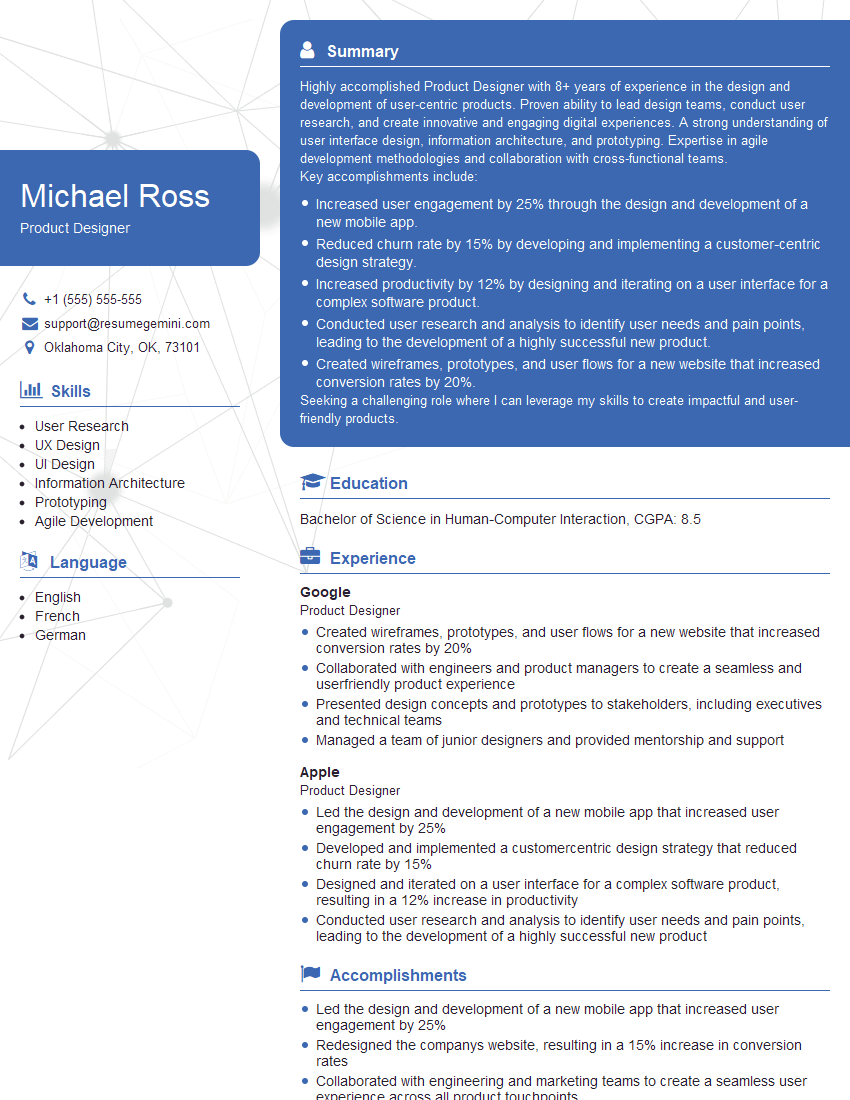
Product Designer Resume Sample
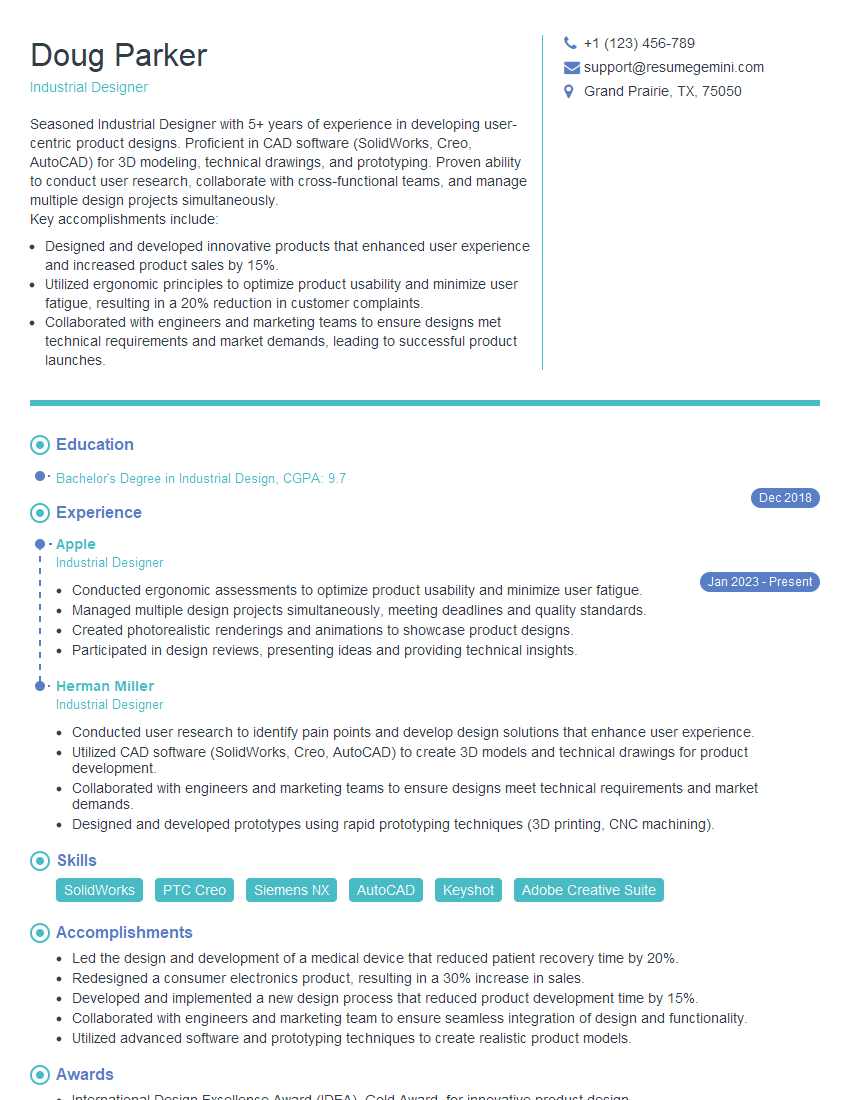
Industrial Designer Resume Sample

Technical Writer Resume Sample
- Chief Innovation Officer
- Strategic Planner
- Creative Director
- Marketing Manager
- Project Manager
- Business Analyst
- Management Consultant
- Data Analyst
- Research Scientist
- Software Engineer
- Systems Analyst
- Information Architect
- Solution Architect
- Game Designer
- Content Strategist
- Product Designer
- Industrial Designer
- Technical Writer
Explore more articles
Users Rating of Our Blogs
Share Your Experience
We value your feedback! Please rate our content and share your thoughts (optional).
What Readers Say About Our Blog
Very informative content, great job.
good