Feeling uncertain about what to expect in your upcoming interview? We’ve got you covered! This blog highlights the most important Western Style Square Dancing interview questions and provides actionable advice to help you stand out as the ideal candidate. Let’s pave the way for your success.
Questions Asked in Western Style Square Dancing Interview
Q 1. What are the basic formations in Western Style Square Dancing?
Western Style Square Dancing uses several basic formations, all built around the square of four couples. The most fundamental is the square formation itself, where each couple stands facing the center of the square. From this, dancers move into various other formations, often involving changes in direction and positioning. These include:
- Lines of Four: Dancers form lines of four, either across the square (facing the same direction) or down the square (facing opposite directions).
- Waves: Couples move in a flowing pattern, creating a wave-like effect across the square.
- Stars: Dancers arrange themselves in a star-like pattern, often with the couples splitting apart and re-joining in a rotating manner.
- Circles: Couples may form small circles within the larger square, which can then merge or separate.
Understanding these basic formations is crucial because most calls build upon them, adding layers of complexity and movement.
Q 2. Explain the difference between a ‘swing’ and a ‘do-si-do’.
Both ‘swing’ and ‘do-si-do’ are fundamental movements in square dancing, but they’re quite different. A swing is a simple two-step turn with your partner. You typically hold hands in a closed position and move together in a circular motion. It’s a relatively simple and elegant movement. In contrast, a do-si-do involves passing another dancer by moving to their right (as they move to your left), then back to your original position. It’s a more complex maneuver requiring attention to timing and spatial awareness. Think of a ‘swing’ as a dance with your partner and a ‘do-si-do’ as a polite passing-by with another dancer.
Q 3. Describe the role of the caller in a square dance.
The caller is the heart and soul of a square dance. They are the storyteller, the conductor, and the choreographer, all rolled into one. The caller doesn’t dance; instead, they verbally guide the dancers through a sequence of steps and movements using pre-arranged calls. A good caller needs a strong voice, excellent timing, clear enunciation, and a solid understanding of dance steps and patterns. They need to maintain the energy and excitement of the dance while ensuring all the dancers are following along, adapting their pacing for both beginners and more advanced dancers. Many callers are skilled in improvisation and incorporating different types of calls or even story-telling elements to keep the dance fresh and engaging.
Q 4. What are some common calls used in Western Style Square Dancing?
Many calls are used, and the specific ones vary across different square dance groups and levels, but some of the most common calls are:
Swing: Turn with your partner.Do-si-do: Pass another dancer by moving right to right.Allemande left: Take your partner’s left hand and turn.Right and left through: Pass your partner to the right, then the other couple to your left.Promenade: Walk around the square with your partner.Balance: Step to the side, then back.Circle left: All dancers in the square circle left.
These are simple calls and form building blocks of many more complex sequences.
Q 5. How do you adapt calls for dancers of varying skill levels?
Adapting calls for different skill levels is a key skill for callers. For beginners, callers might simplify calls, using only basic movements and eliminating complex formations or quick transitions. They often use more repetition and slower pacing. They might also call out additional cues or provide visual aids. More advanced dancers appreciate complex calls, fast tempos, faster transitions, and a variety of formations. A skilled caller might use different calls for specific dancers, leading beginners with simpler instructions and incorporating more challenging calls for the experienced dancers.
Q 6. Explain the concept of ‘allemande left’.
An Allemande left is a fundamental movement in square dancing. It involves taking your partner’s left hand and turning gracefully around in a couple. The ‘Allemande’ part of the name refers to a style of dance that uses this type of hand-holding turn. It’s a simple yet elegant movement and forms the basis of many other steps and sequences. It is important for dancers to maintain a good hold, with both dancers sharing the weight in a steady, rhythmic rotation.
Q 7. What are some common mistakes dancers make, and how can they be corrected?
Common mistakes include:
- Lack of awareness of surroundings: Bumping into other dancers is a common problem solved by constantly watching the dance floor and predicting other dancers movements.
- Improper timing: Not staying in sync with the music or the caller’s instructions leads to disorganized movements. Solution: Focus on the rhythm and count steps with the music.
- Incorrect handholds: A weak grip or wrong handhold may disrupt the sequence. Improved body posture and better communication with partners are key to solving this issue.
- Losing place in the sequence: Getting lost during the dance can be solved by practice and focusing on remembering the steps and observing others.
Practice, clear communication with partners and careful attention to the caller’s instructions are essential to avoid these errors and enhance the dance experience.
Q 8. How do you maintain energy and enthusiasm during a long dance session?
Maintaining energy and enthusiasm during a long square dance session is crucial for both the caller and the dancers. It’s a marathon, not a sprint! My approach is multifaceted:
- Physical Preparation: Staying hydrated is key. I always encourage dancers to bring water bottles. Proper footwear and comfortable clothing are also essential to avoid fatigue. Before a long session, I might do some light stretches to get my body ready.
- Mental Preparation: A positive attitude is contagious! I focus on the joy of the dance itself. I remember why I love calling and sharing this fun activity with others. I also use energizing music strategically – sometimes a faster tempo to boost energy mid-session.
- Engagement Techniques: I try to vary the dance sequences to prevent monotony. I’ll incorporate some simpler figures after more complex ones, giving dancers a breather while still keeping the energy high. Interactive elements, like asking for suggestions or incorporating audience participation, can also boost everyone’s enthusiasm.
- Breaks and Socialization: I strategically include short breaks throughout the session, encouraging dancers to chat and socialize. These breaks help refresh everyone physically and mentally, allowing them to return with renewed energy.
Ultimately, it’s about creating a fun and supportive atmosphere where everyone feels encouraged to participate and enjoy the experience.
Q 9. Describe your experience teaching basic square dance steps.
Teaching basic square dance steps requires patience, clear communication, and a strong understanding of fundamental movements. I start by breaking down each step into its simplest components. For instance, when teaching ‘allemande left,’ I explain it as a simple right-hand turn with your partner, focusing on the smooth movement and proper hand placement.
I use a combination of verbal instructions, visual demonstrations, and hands-on guidance. I often start with individual steps, then progress to couples, and finally, the full square. Repetition is key; we practice each step multiple times until dancers feel comfortable. I also encourage dancers to ask questions and provide positive reinforcement throughout the process. I find that positive feedback and a light-hearted atmosphere helps reduce anxiety and allows dancers to learn at their own pace.
I frequently use analogies to make the steps more relatable. For example, I might compare the ‘box the gnat’ to tracing a square on the floor with your feet. The goal is to build a strong foundation so dancers can progress to more complex figures with confidence. I always adapt my teaching style based on the student’s learning style – some are visual, some are kinesthetic, and others benefit from a mix of both.
Q 10. How do you handle a situation where a dancer is struggling with a particular call?
When a dancer struggles with a call, my approach is patient and supportive. I first try to identify the specific issue. Is it a misunderstanding of the instructions? Are they having difficulty with the footwork? Or is it a lack of coordination with their partner?
- Individual Attention: I’ll often take that dancer aside and provide individualized instruction. Sometimes a simple re-explanation, with a different phrasing or visual aid, can be enough to break through the confusion.
- Breaking Down the Call: I’ll break the call into smaller, more manageable parts. Focusing on one element at a time helps isolate the difficulty and build confidence.
- Partner Assistance: I might suggest pairing them with an experienced dancer who can guide them through the steps. This peer-to-peer learning can be very effective.
- Positive Reinforcement: I always emphasize what they’re doing correctly before addressing areas for improvement. Positive reinforcement boosts morale and encourages them to keep trying.
- Alternative Strategies: Sometimes, for particularly tricky calls, I’ll offer a simplified version to help the dancer understand the concept without overwhelming them.
The goal is to help them understand, not to make them feel inadequate. A supportive and encouraging atmosphere is essential for creating a positive learning experience for everyone.
Q 11. How familiar are you with different square dance music styles?
I’m very familiar with various square dance music styles. My experience spans across different tempos, rhythms, and instrumentation. Knowing the nuances of different musical styles allows me to adapt my calling and choreography accordingly. This is crucial because the music strongly dictates the flow and energy of the dance.
I’m proficient in calling to traditional Western swing, which is the most common style, but I also have experience with other styles like bluegrass, polka, and even contemporary interpretations. The rhythm and instrumentation influence my phrasing of the calls and how I pace the dance. For example, a faster, upbeat swing tune will require quicker and more energetic calls compared to a slower, more mellow bluegrass tune. Understanding these differences allows me to provide a dynamic and engaging experience for all dancers.
Q 12. What are some effective methods for teaching a new dance sequence?
Teaching a new dance sequence involves a structured approach that prioritizes clarity and progressive learning:
- Introduce the Sequence: I start by providing a clear overview of the new sequence, explaining its components and their connections to previously learned figures.
- Step-by-Step Breakdown: I then break the sequence into smaller, manageable chunks. We practice each section individually, ensuring that everyone understands it before moving on.
- Visual Aids: Diagrams or charts can be incredibly helpful, especially for visually-oriented learners.
- Demonstration: A clear, concise demonstration is key. I’ll show the sequence myself, and potentially have a couple of experienced dancers demonstrate as well.
- Practice and Feedback: Lots of practice! I provide individual and group feedback, correcting any mistakes and offering tips for improvement.
- Repetition and Variation: We’ll repeat the sequence several times, gradually increasing the speed and complexity. I might also introduce subtle variations to maintain engagement and develop muscle memory.
- Putting it Together: Once the individual sections are mastered, we’ll gradually put the whole sequence together.
By using this layered approach, I can ensure that dancers learn the new sequence accurately and confidently.
Q 13. How do you create a positive and inclusive atmosphere for all dancers?
Creating a positive and inclusive atmosphere is paramount in square dancing. It’s about making everyone feel welcome, valued, and comfortable, regardless of their skill level or background.
- Welcoming Environment: I always start by creating a welcoming atmosphere, encouraging conversation and interaction among dancers. I make sure to greet everyone individually and introduce new faces to the group.
- Clear Communication: I use clear, concise language and avoid jargon. I explain things in multiple ways, accommodating different learning styles.
- Patience and Support: I emphasize patience and support, creating an environment where mistakes are seen as learning opportunities, not failures. I actively encourage dancers to help each other.
- Celebrate Successes: I celebrate every accomplishment, no matter how small, fostering a sense of accomplishment and boosting confidence.
- Adaptive Teaching: I adapt my teaching style to accommodate diverse learning styles and abilities, ensuring that everyone feels supported and can participate at their own pace.
- Inclusivity in Music Selection: I try to select music that resonates with a broad range of tastes.
By actively fostering a sense of community and mutual respect, I create a joyful and welcoming space where everyone feels comfortable participating and contributing.
Q 14. How do you manage the timing and flow of a dance?
Managing the timing and flow of a dance involves a combination of skills and awareness.
- Knowing the Music: A deep understanding of the music’s rhythm and tempo is crucial. I listen carefully and adjust my calls to match the music’s flow.
- Call Timing: Precise call timing is essential. The calls must be clear, audible, and perfectly synchronized with the music. Practice and experience greatly enhance this skill. I practice with the music beforehand.
- Pacing: I maintain a good pace, balancing the complexity of the calls with the dancers’ abilities. I might adjust the tempo slightly depending on the dancers’ comfort level.
- Transitions: Smooth transitions between figures are key. I use transitional calls to guide dancers gracefully from one figure to the next.
- Awareness of Dancer Performance: I’m constantly monitoring the dancers’ performance. If they seem to be struggling, I might slow down the pace or simplify the next call. If they are ahead of schedule, I’ll subtly increase the tempo or introduce a slightly more complex move.
The ability to manage the timing and flow of a dance comes with practice and experience. It’s a delicate balance between keeping the energy up while ensuring that everyone is comfortable and able to keep up.
Q 15. What are some creative ways to make square dancing more engaging for participants?
Making square dancing engaging involves tapping into diverse interests and skill levels. We can achieve this through themed dances, incorporating modern music, and adding variations to traditional calls.
Themed Dances: Instead of just calling standard dances, we could have a ‘Western Hoedown’ night with appropriate costumes and music, a ‘Hollywood Glamour’ night with elegant attire, or even a ‘Decades’ theme, showcasing dances and music from different eras. This creates excitement and encourages creative expression.
Modern Music Integration: While traditional square dance music is integral, incorporating popular songs arranged in a suitable style can attract a younger audience or those unfamiliar with the genre. The key is to maintain the rhythmic structure that works for the calls.
Call Variations and Challenges: Introducing variations on familiar calls, or incorporating progressive sequences, offers a challenge for experienced dancers while still being accessible to beginners. This keeps things fresh and prevents monotony. For instance, we might introduce a ‘challenge’ sequence with a specific move or a faster tempo for a portion of the dance.
Career Expert Tips:
- Ace those interviews! Prepare effectively by reviewing the Top 50 Most Common Interview Questions on ResumeGemini.
- Navigate your job search with confidence! Explore a wide range of Career Tips on ResumeGemini. Learn about common challenges and recommendations to overcome them.
- Craft the perfect resume! Master the Art of Resume Writing with ResumeGemini’s guide. Showcase your unique qualifications and achievements effectively.
- Don’t miss out on holiday savings! Build your dream resume with ResumeGemini’s ATS optimized templates.
Q 16. What strategies do you use to motivate and encourage dancers?
Motivation is key to building a thriving square dancing community. I focus on creating a positive and inclusive environment, celebrating achievements, and offering progressive learning opportunities.
Positive Reinforcement: Frequent positive feedback, both verbal and nonverbal, makes dancers feel valued and appreciated. High-fiving, cheering, and sincere praise go a long way.
Celebrating Successes: We hold small celebrations for milestones – completing a new dance, mastering a challenging move, or even just consistently attending practices. This creates a sense of camaraderie and accomplishment.
Progressive Learning: We progress gradually, introducing new calls and sequences at a manageable pace. This avoids overwhelming beginners and keeps experienced dancers engaged with new challenges.
Social Aspects: Square dancing is as much a social event as a physical activity. We foster a welcoming atmosphere, encouraging dancers to interact and build relationships outside of the dance floor.
Q 17. How do you plan and organize a successful square dance event?
Organizing a successful square dance event requires meticulous planning and attention to detail, from securing a venue to promoting the event. I typically follow a structured approach.
Venue Selection: Choose a venue with sufficient space, good flooring, appropriate sound system, and ample parking. Consider accessibility for all dancers.
Date and Time: Select a date and time that maximizes attendance, considering potential conflicts with other events. Weekends are usually ideal.
Caller Selection: Recruit a skilled caller who caters to the experience levels of your expected attendees. The caller’s personality and ability to engage the dancers are critical.
Music Selection and Setup: Choose music that complements the calls and is of good quality. Test the sound system beforehand.
Promotion and Marketing: Use various channels – flyers, social media, local newspapers, community bulletin boards, and word-of-mouth. Highlight the event’s unique features.
Refreshments and Social Activities: Provide refreshments and plan for social interaction outside of dancing to encourage mingling.
Registration and Ticketing: Establish a streamlined registration process to manage attendance and payments.
Q 18. Describe your experience working with volunteers or assistants.
Working with volunteers is crucial for the success of our square dance events and club. I’ve found that clear communication, appreciation, and defined roles are essential.
Clear Communication: Regular meetings and clear task assignments are crucial to ensure everyone understands their responsibilities.
Appreciation and Recognition: Acknowledging and appreciating the contributions of volunteers boosts morale and encourages continued involvement. A simple thank-you goes a long way.
Defined Roles: Assigning specific roles (e.g., registration, refreshment setup, sound system management) enhances efficiency and reduces confusion.
Training: Providing training for volunteers, especially for tasks that require specific skills, ensures smooth execution.
Q 19. How do you promote and advertise square dancing to attract new participants?
Attracting new participants requires a multi-pronged approach focusing on highlighting the fun, social, and fitness aspects of square dancing.
Social Media Marketing: Create engaging content showcasing the fun and social aspects of square dancing on platforms like Facebook, Instagram, and YouTube.
Community Outreach: Participate in local events and festivals to demonstrate square dancing and invite people to join.
Beginner-Friendly Workshops: Offer introductory workshops specifically designed for beginners, creating a low-pressure environment to learn the basics.
Partnerships: Collaborate with local community organizations and fitness centers to reach a wider audience.
Website/Blog: A website or blog can provide information about the club, upcoming events, and the benefits of square dancing.
Q 20. What are some resources you use to stay updated on current trends in square dancing?
Staying updated on current trends is important for keeping our square dancing vibrant. I utilize several resources.
Square Dance Magazines and Publications: Many publications feature articles on new calls, music, and techniques.
Online Forums and Communities: Online communities provide opportunities to connect with other callers and dancers, sharing ideas and best practices.
Workshops and Conventions: Attending workshops and conventions offers opportunities to learn from leading figures in the square dance community and to network with others.
Social Media Groups: Dedicated social media groups for square dancers are a great source of information and inspiration.
Q 21. How do you deal with unexpected problems or challenges that may arise during a dance?
Unexpected problems can arise, but preparedness is key. A calm and efficient response is crucial.
Contingency Planning: Having a backup plan for potential problems (e.g., music malfunction, injury, insufficient attendance) minimizes disruptions.
First Aid Knowledge: Having someone on the team with basic first-aid training is essential to handle minor injuries.
Adaptability: Being able to adapt the program or calls based on the situation, such as simplifying calls if newcomers are present, or altering the music in case of a technical malfunction.
Problem-Solving Teamwork: Encouraging a team approach to problem-solving allows for a collaborative response to unexpected issues.
Q 22. What is your approach to addressing conflicts or disagreements amongst dancers?
Addressing conflicts in square dancing requires a diplomatic and understanding approach. My strategy focuses on open communication and fostering a positive, inclusive environment.
Firstly, I encourage dancers to voice their concerns respectfully. I facilitate a conversation where each person can explain their perspective without interruption. I actively listen to understand the root cause of the disagreement, whether it’s a misunderstanding of a call, a difference in dance style preferences, or a personality clash.
Secondly, I strive to find common ground. I might ask questions like, “What’s your goal here?” or “How can we work together to achieve that?” This helps move the conversation from blame to problem-solving. If necessary, I might suggest compromises or alternative solutions, ensuring everyone feels heard and valued.
Finally, I emphasize the importance of teamwork and mutual respect. I remind everyone that we’re all striving towards the same goal: enjoying the dance. In extreme cases, if the conflict is persistent or disruptive, I might need to involve other club officers or leaders to mediate. The focus is always on finding a resolution that preserves the harmony and enjoyment of the group.
Q 23. Describe your knowledge of different square dance clubs and organizations.
My knowledge of square dance clubs and organizations spans several decades and various levels of experience. I’ve interacted with local clubs, regional associations, and even national organizations like Callerlab. Each group has its unique culture and approach to square dancing, ranging from beginner-friendly groups focusing on basic dances to more advanced clubs performing intricate choreography and challenging sequences.
Some clubs emphasize traditional dances and calls, sticking closely to established routines. Others embrace innovation, incorporating modern music and creative variations into their choreography. The level of formality also differs; some clubs are very structured with strict rules and dress codes, while others have a more relaxed and casual atmosphere. I understand the importance of adapting my teaching style to suit the specific needs and expectations of each club or organization.
My familiarity with Callerlab’s curriculum and certification standards is vital, ensuring I can work with dancers at various skill levels and maintain a consistent standard of instruction across different clubs.
Q 24. What are your preferred methods for providing feedback to dancers?
Providing constructive feedback is crucial for dancer improvement. My approach prioritizes positivity and focuses on specific behaviors rather than general criticisms. I avoid using absolute terms like “always” or “never” and instead opt for descriptive language that pinpoints areas needing attention. For instance, instead of saying “You’re always off-time,” I’d say, “During the Allemande Left, I noticed your timing was slightly behind the others. Let’s focus on matching the beat of the music on that specific call.”
I use a combination of methods to deliver feedback:
- Verbal feedback during practice: This allows immediate correction and clarification.
- Individual coaching sessions: For personalized attention and in-depth analysis of technique.
- Written feedback: This is useful for summarizing observations and providing specific points to practice between sessions.
- Demonstrations: Showing, rather than just telling, is often the most effective way to convey the correct movements and footwork.
Always, my goal is to help dancers improve their technique and confidence, ensuring they have a fun and enriching square dancing experience.
Q 25. How would you ensure the safety of dancers during square dance activities?
Safety is paramount in square dancing. My approach to ensuring safety involves a multi-layered strategy addressing potential hazards before, during, and after the dance.
Before the dance: This includes inspecting the dance floor for any obstructions, ensuring adequate lighting, and checking for trip hazards. I also emphasize the importance of appropriate footwear—avoiding slippery shoes and making sure heels are sturdy.
During the dance: I stress the importance of proper spacing between dancers, proper posture, awareness of surrounding dancers, and clear communication amongst the dancers. Calls are clearly given, leaving enough time for dancers to react. I encourage dancers to communicate if they feel uncomfortable or experience dizziness. If a fall occurs, immediate assistance is provided and a check-up done to ensure no serious injury.
After the dance: The dance floor is checked again to remove any debris or scattered items. Dancers are reminded to take care when exiting the dance floor. For larger events, first aid and emergency contact information must always be available.
Ultimately, a culture of safety is created by open communication, clear instructions, and vigilance from both the caller and all dancers.
Q 26. Explain your experience with choreography and creating new dance sequences.
My experience in choreography involves blending traditional square dance elements with creative variations. I’ve created numerous sequences, ranging from simple additions to existing dances to completely new routines. My process begins with understanding the dancers’ skill levels and the overall theme or mood I want to evoke.
I usually start by selecting the music. The rhythm and tempo heavily influence the choreography. Then, I brainstorm potential sequences, sketching out possible steps and transitions. I use established square dance calls as building blocks, but I also incorporate variations and creative movements to add unique elements. This might involve incorporating different formations, more complex turns, or more intricate footwork. Throughout the process, I’m careful to ensure the choreography is safe, enjoyable, and challenges the dancers in an appropriate way.
Once the initial sequence is planned, I practice it myself and make adjustments for flow and difficulty. I then teach it to a small group for feedback, getting suggestions on what works well and what needs improvement. This iterative process of refining the choreography based on real-world practice ensures the final product is both effective and fun to dance.
Q 27. How do you handle dancers with different learning styles and abilities?
Handling dancers with diverse learning styles and abilities is a cornerstone of effective square dance instruction. I recognize that individuals learn at different paces and through different methods. Some are visual learners, benefiting from demonstrations and visual aids. Others are auditory learners, responding better to verbal explanations and the rhythm of the calls. Some are kinesthetic learners, needing hands-on practice to grasp the movements.
My teaching approach includes a variety of strategies to accommodate these differences. I incorporate visual cues, verbal explanations, and hands-on practice sessions. For those needing additional support, I provide individual coaching, offering personalized attention and pacing. I also use a variety of teaching aids such as diagrams, videos, and written instructions. I break down complex steps into smaller, manageable chunks, building upon each step to create more complex movements.
For dancers with physical limitations, I always strive to find modifications to ensure they can still participate. This may involve adjusting steps, providing alternative movements, or allowing them to take breaks as needed. The priority is to create an inclusive and supportive environment where all dancers feel comfortable and respected, regardless of their abilities or learning styles.
Q 28. What are your long-term goals and aspirations as a square dance professional?
My long-term goals involve contributing to the growth and vibrancy of the square dance community. This includes fostering a love for square dancing among new generations. I plan to continue developing my choreography skills, creating innovative and engaging dances that challenge dancers and keep the tradition fresh and relevant. I hope to mentor upcoming callers and instructors, helping them develop their skills and create their own unique contributions to square dancing.
I also envision creating educational resources such as instructional videos and workshops to make square dancing more accessible to a wider audience. I believe in the power of square dancing to build community, improve physical fitness, and provide a creative outlet. My long-term aspirations are deeply rooted in sharing my passion for this art form, creating opportunities for others to experience its joy and camaraderie.
Key Topics to Learn for Western Style Square Dancing Interview
- Basic Calls and Formations: Understanding the fundamental calls (e.g., Allemande Left, Swing, Promenade) and their corresponding formations is crucial. Practice executing these smoothly and accurately.
- Timing and Rhythm: Mastering the rhythm and timing of the dance is essential for successful teamwork and performance. Practice with a metronome or music to improve your precision.
- Partnering and Communication: Effective communication and coordination with your partner are vital. Practice non-verbal cues and clear communication strategies.
- Advanced Calls and Variations: Familiarity with more complex calls and variations demonstrates a deeper understanding and expertise. Research and practice these to showcase your advanced skills.
- Troubleshooting Common Issues: Being able to identify and resolve common issues during a dance (e.g., missed calls, misaligned formations) shows problem-solving abilities. Consider potential challenges and devise solutions.
- Musicality and Interpretation: Demonstrating an understanding of the music and its influence on the dance showcases your artistry and interpretation skills. Practice adapting your movements to the music’s nuances.
- Different Styles and Traditions: Research and understanding of various Western Square Dance styles and traditions highlight your breadth of knowledge and passion for the dance.
- Leadership and Teamwork: Showcase your ability to lead and collaborate effectively within a team, essential for many square dance settings.
Next Steps
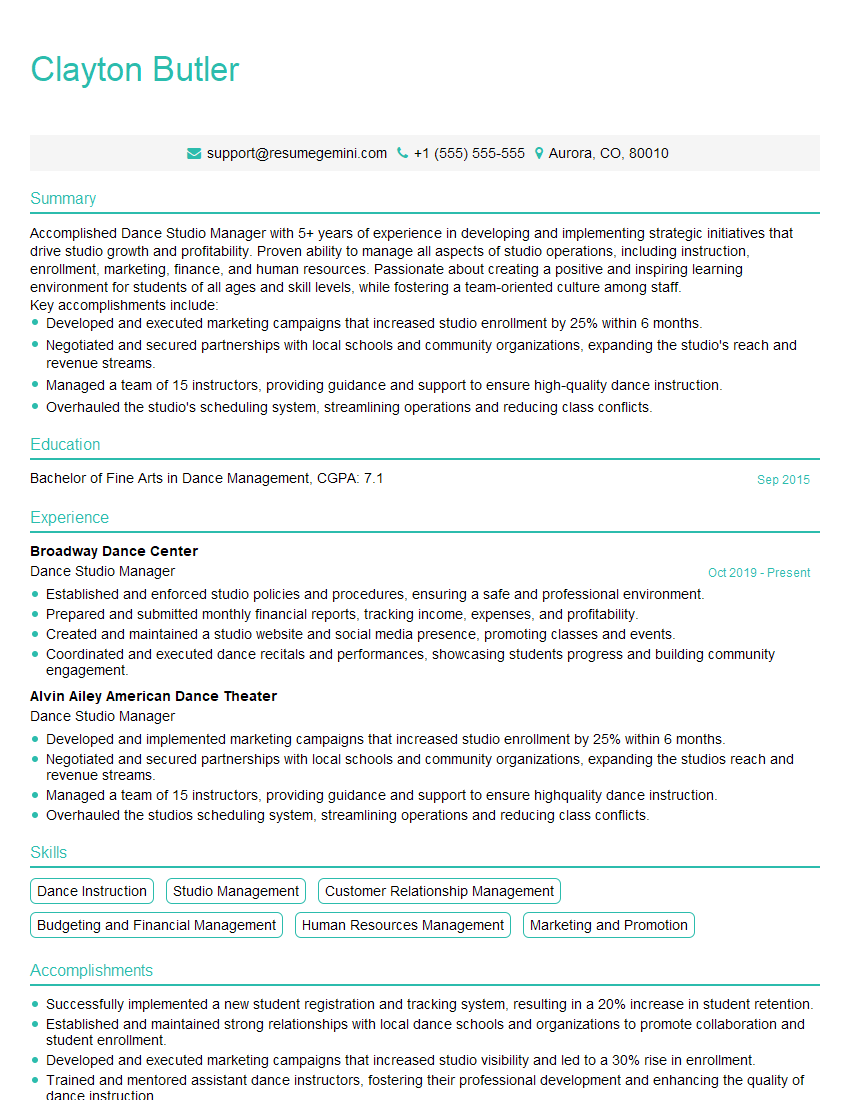
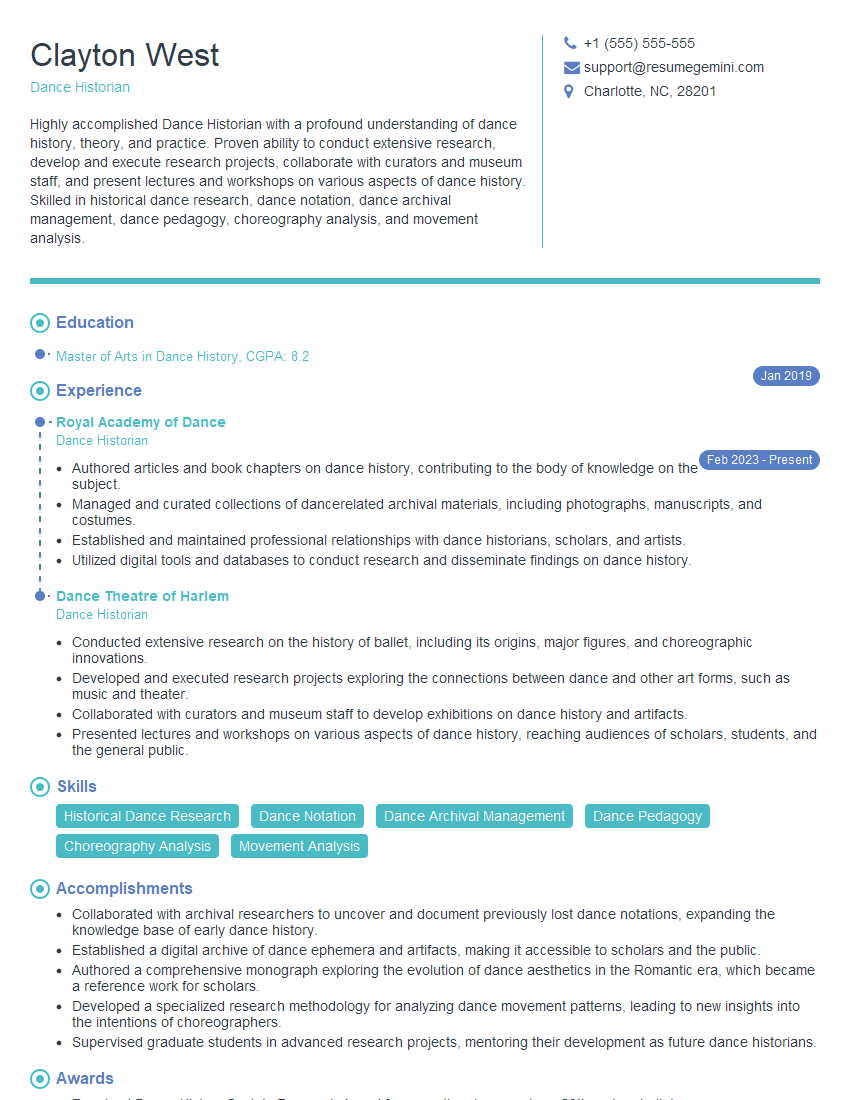
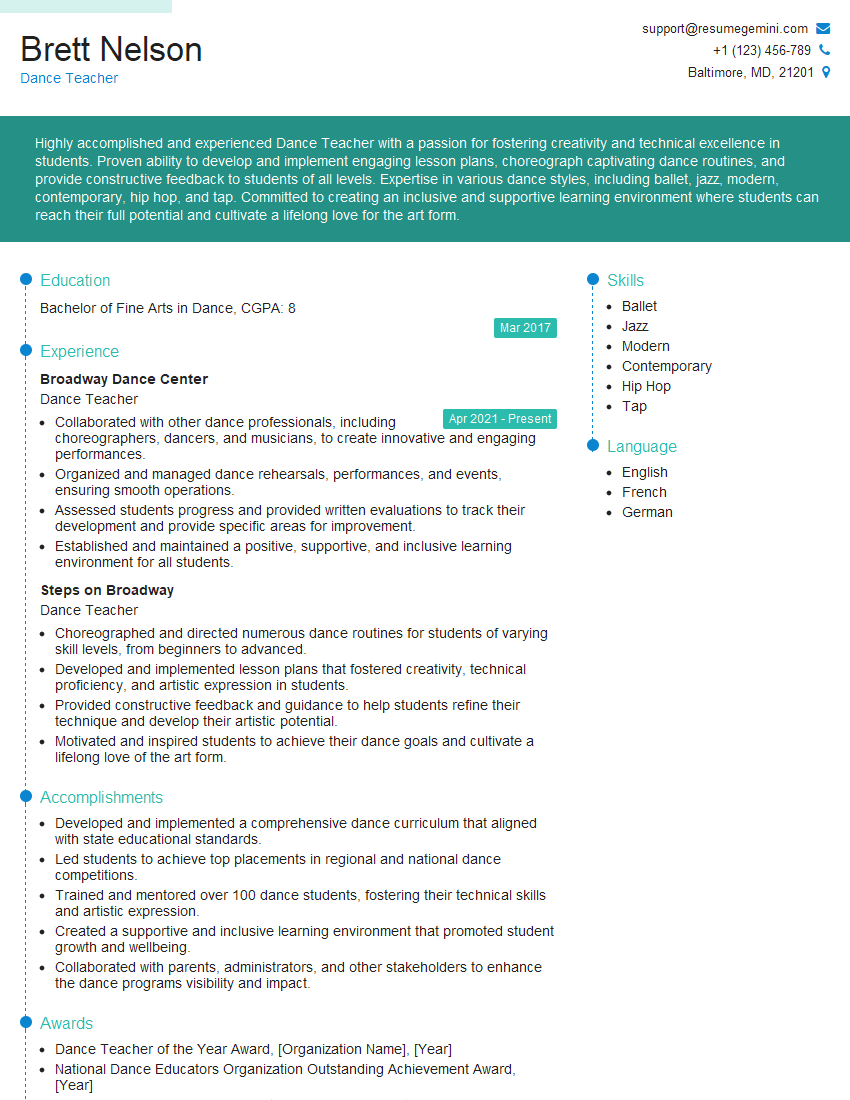
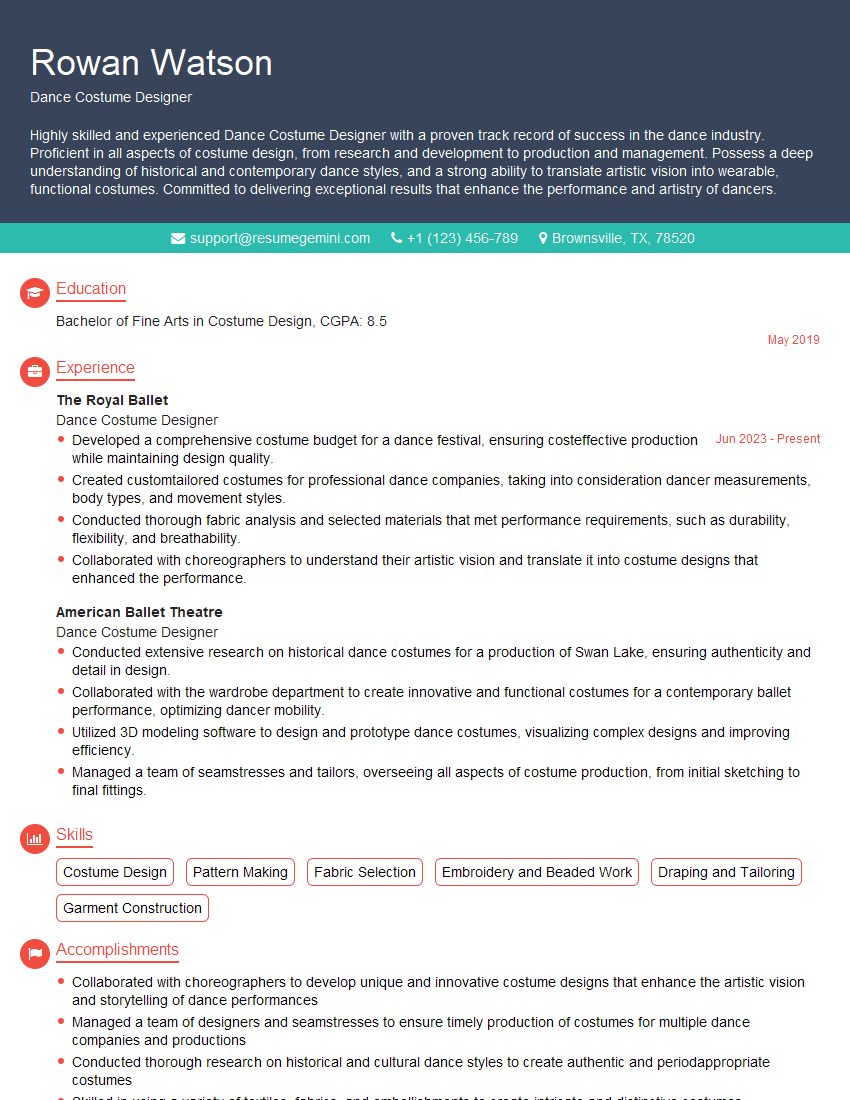
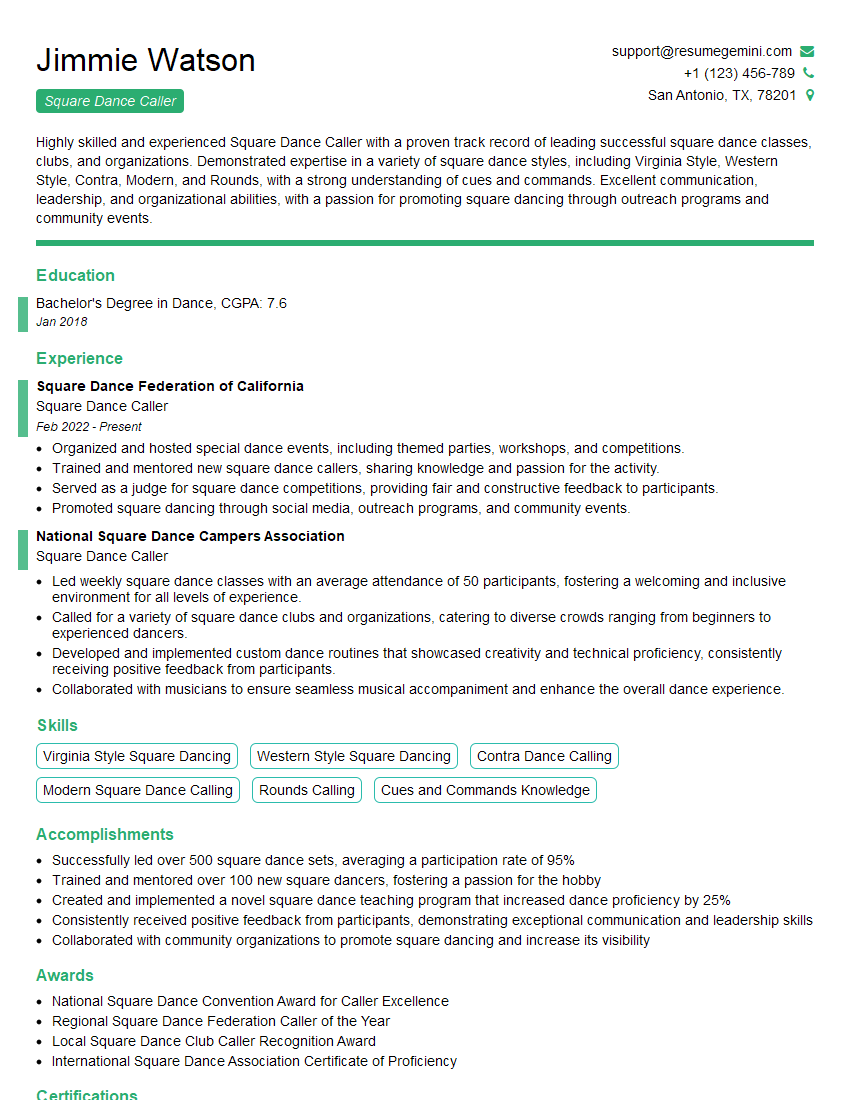
Mastering Western Style Square Dancing demonstrates valuable transferable skills such as teamwork, communication, coordination, and problem-solving – highly sought-after qualities in many professions. To highlight these skills to potential employers, it’s crucial to craft a strong, ATS-friendly resume. ResumeGemini is a trusted resource that can help you build a professional and impactful resume, maximizing your job prospects. Examples of resumes tailored specifically for Western Style Square Dancing professionals are available to guide you through the process.
Explore more articles
Users Rating of Our Blogs
Share Your Experience
We value your feedback! Please rate our content and share your thoughts (optional).
What Readers Say About Our Blog
Very informative content, great job.
good